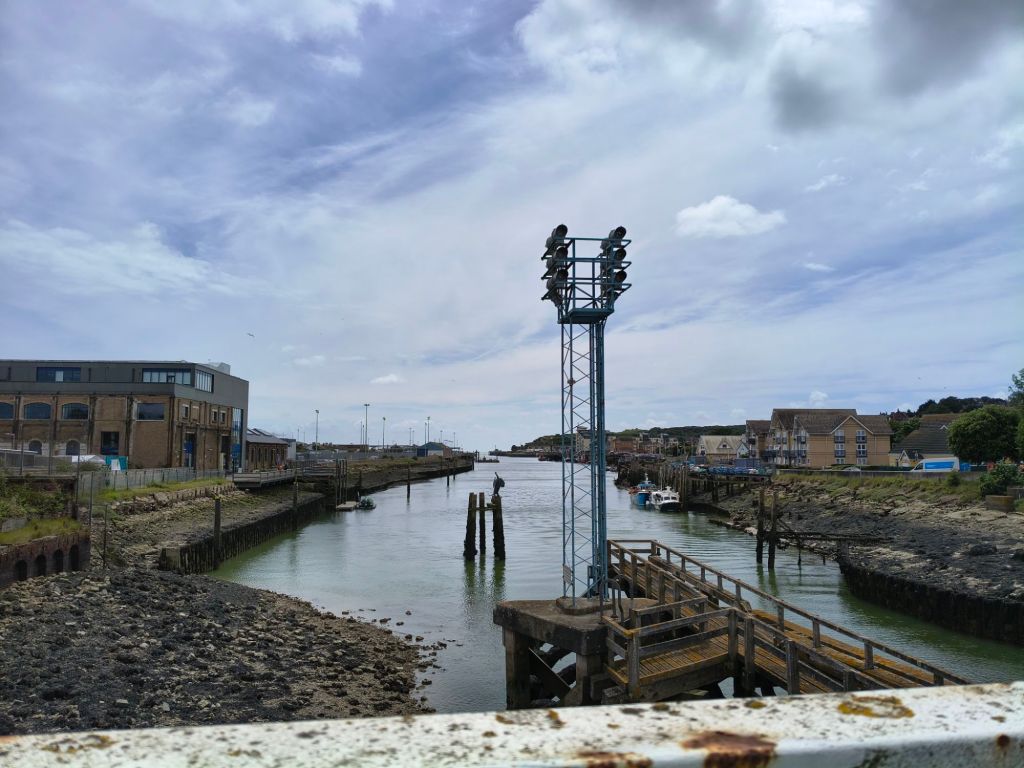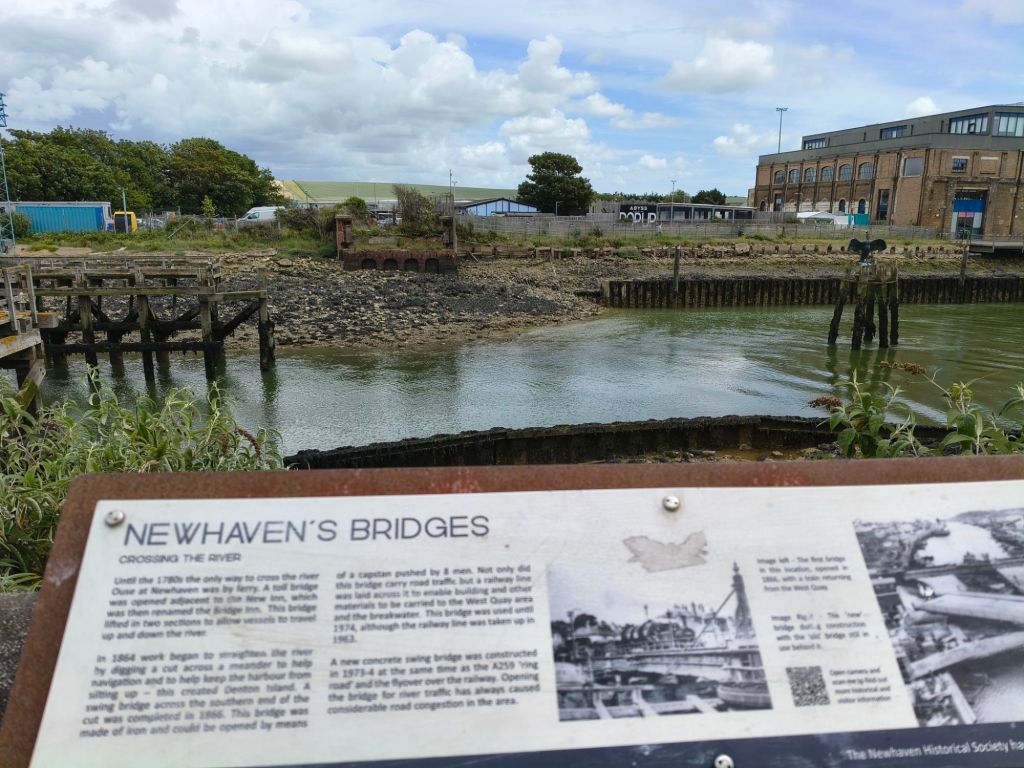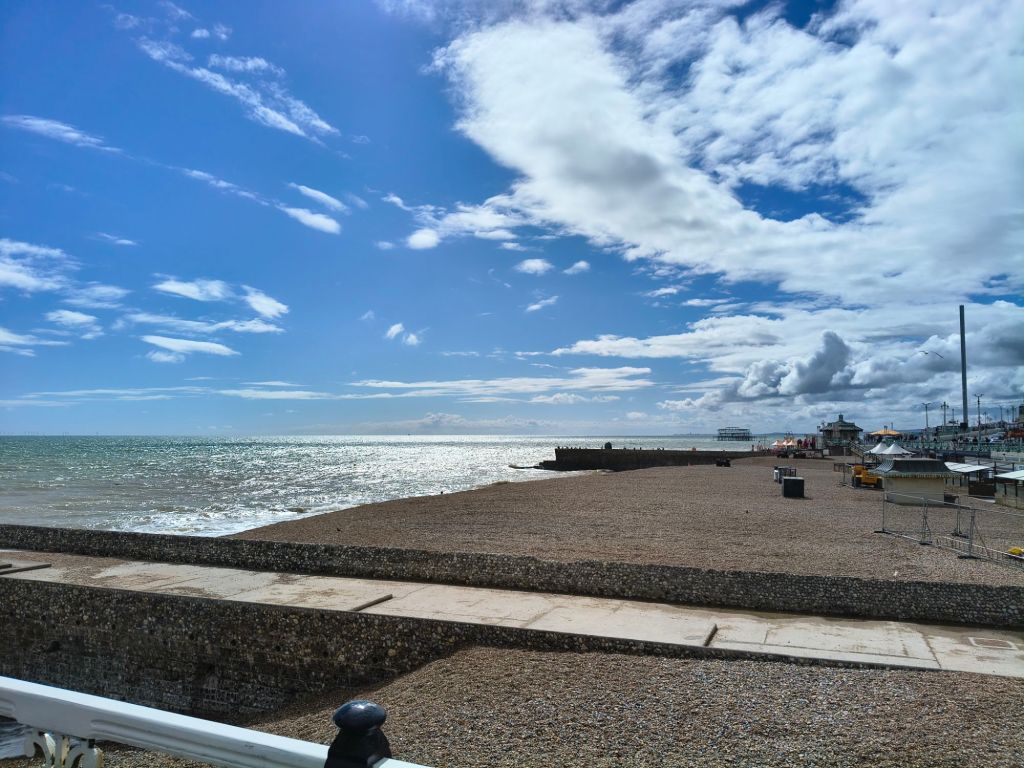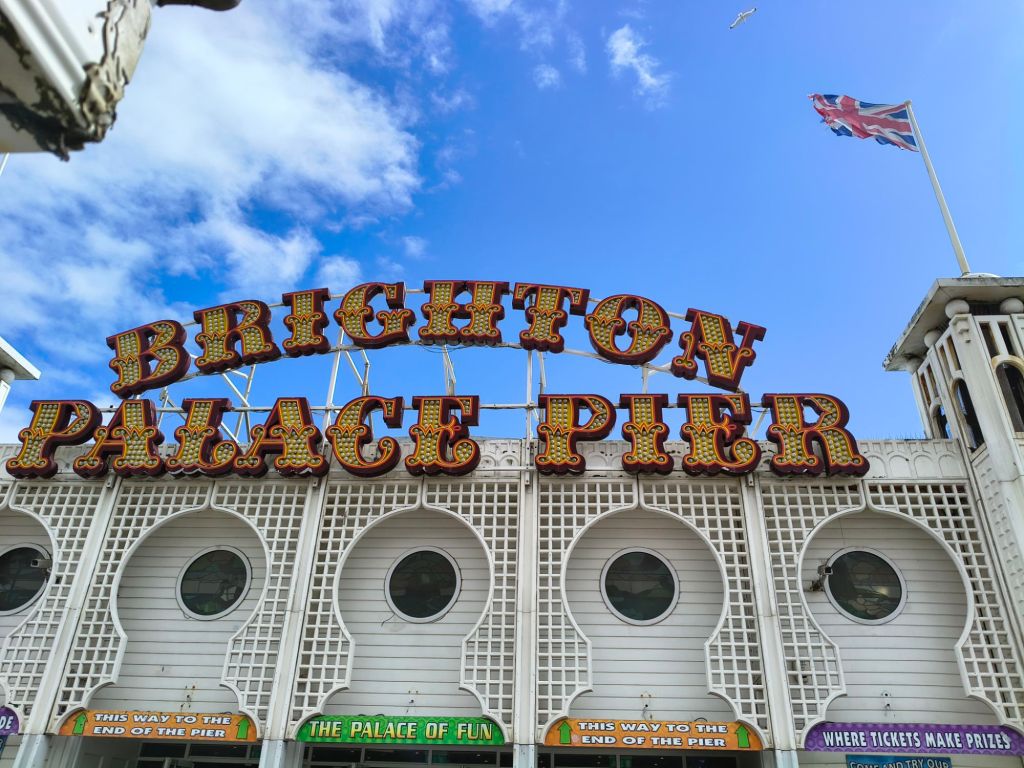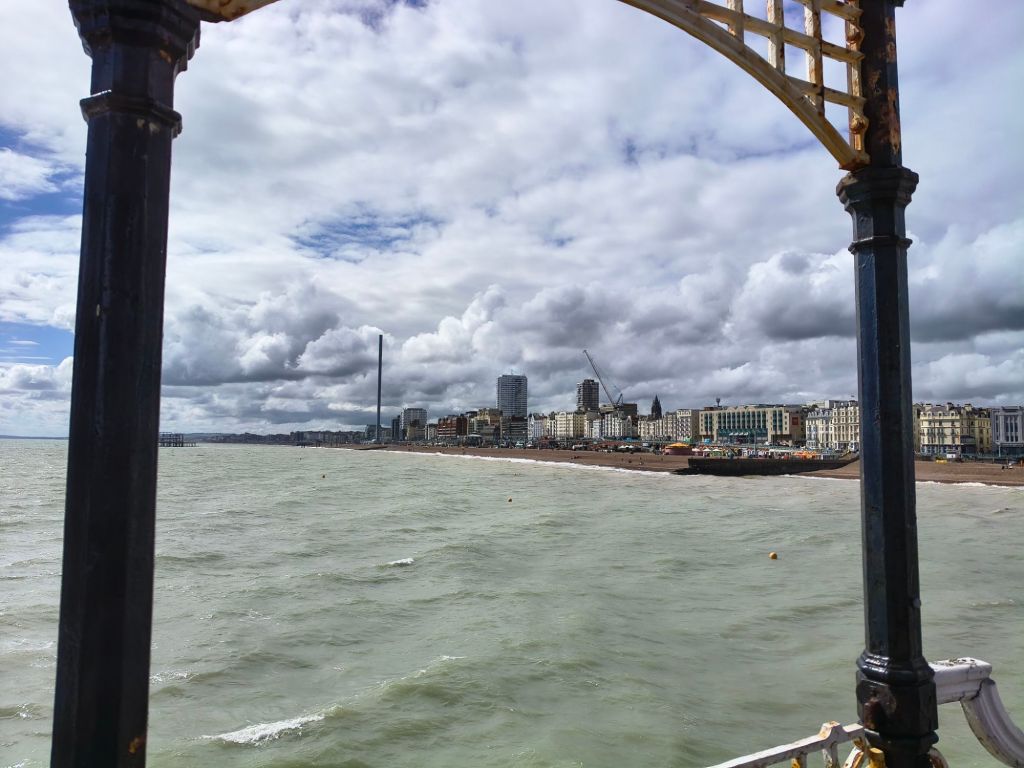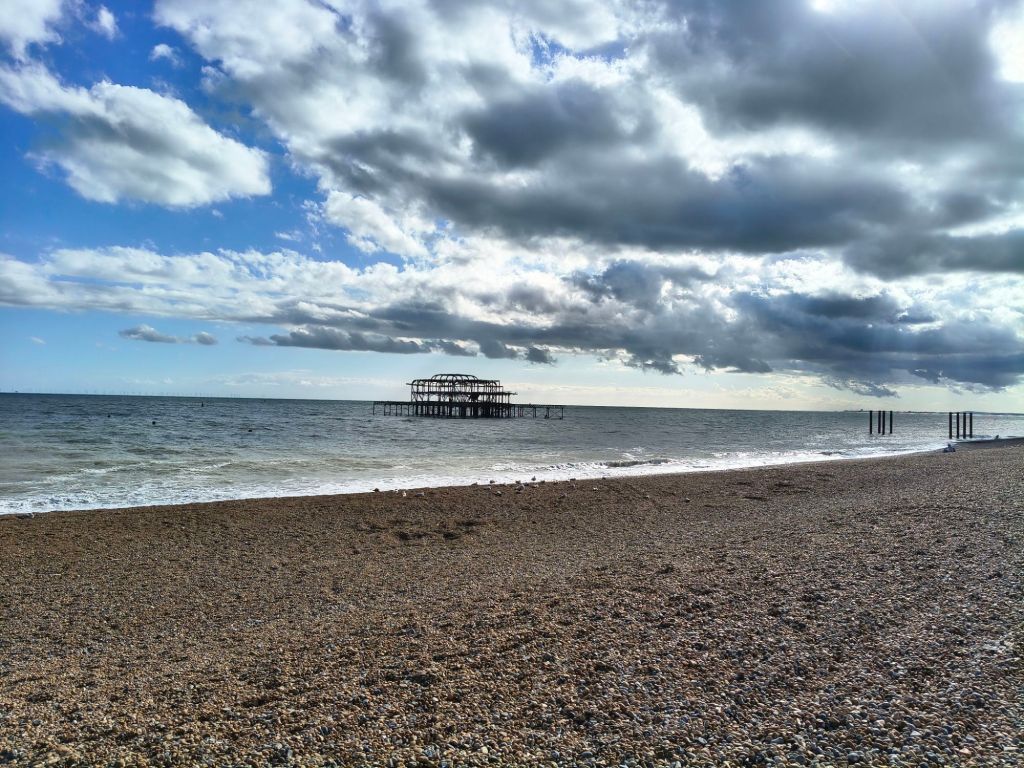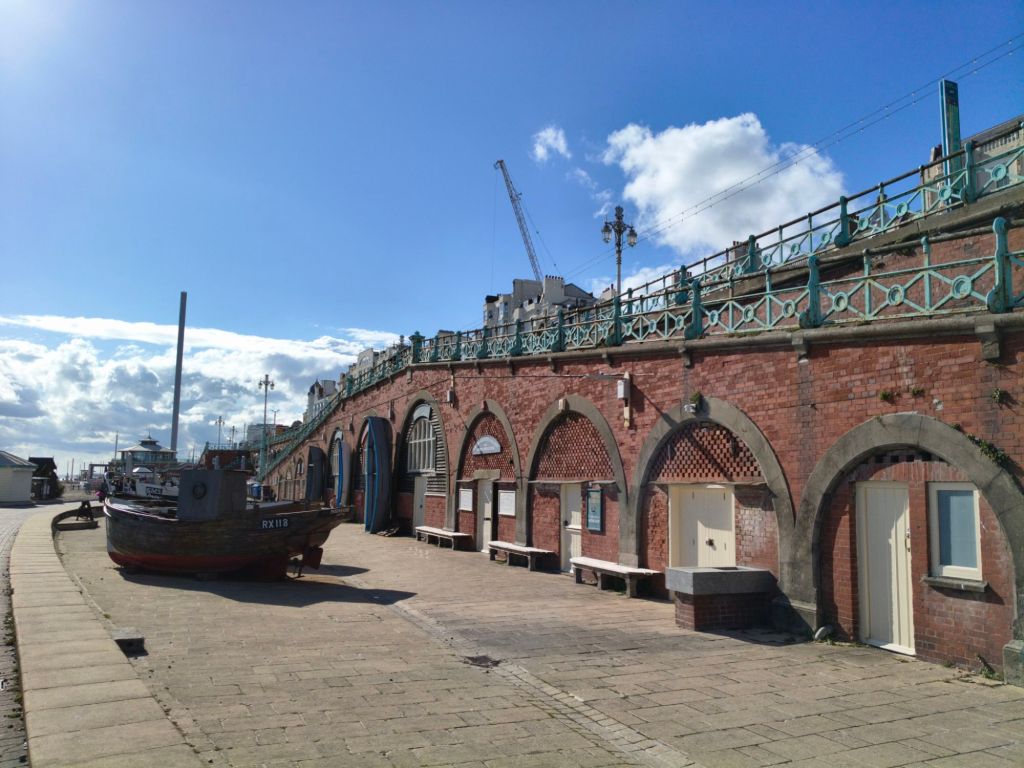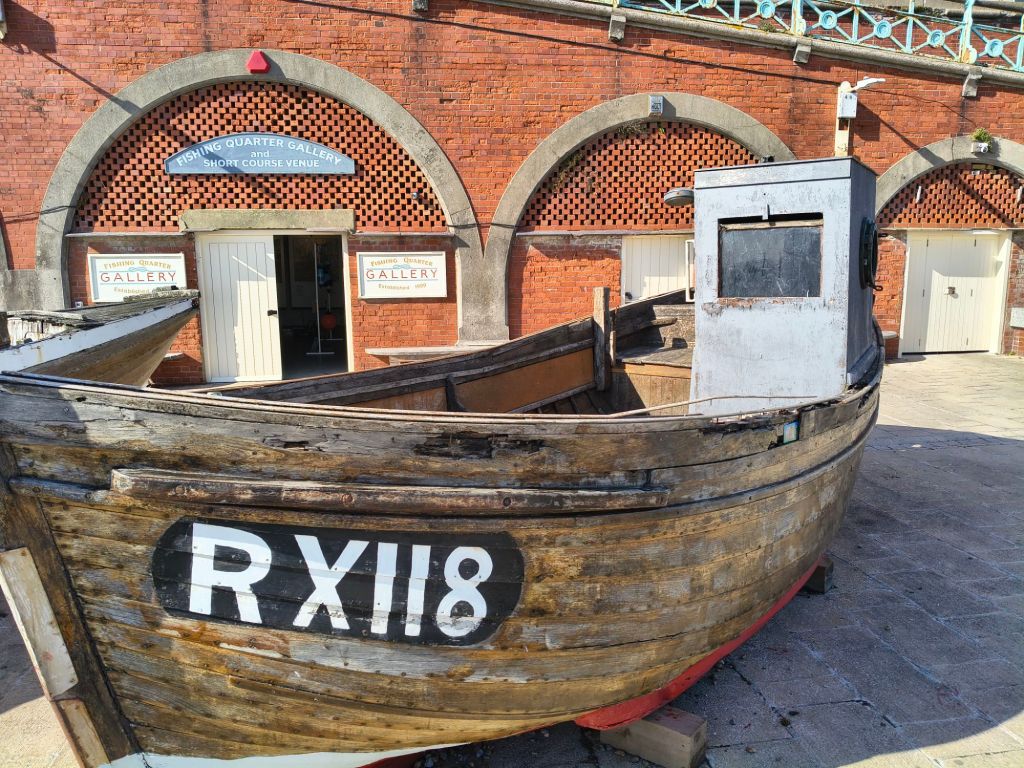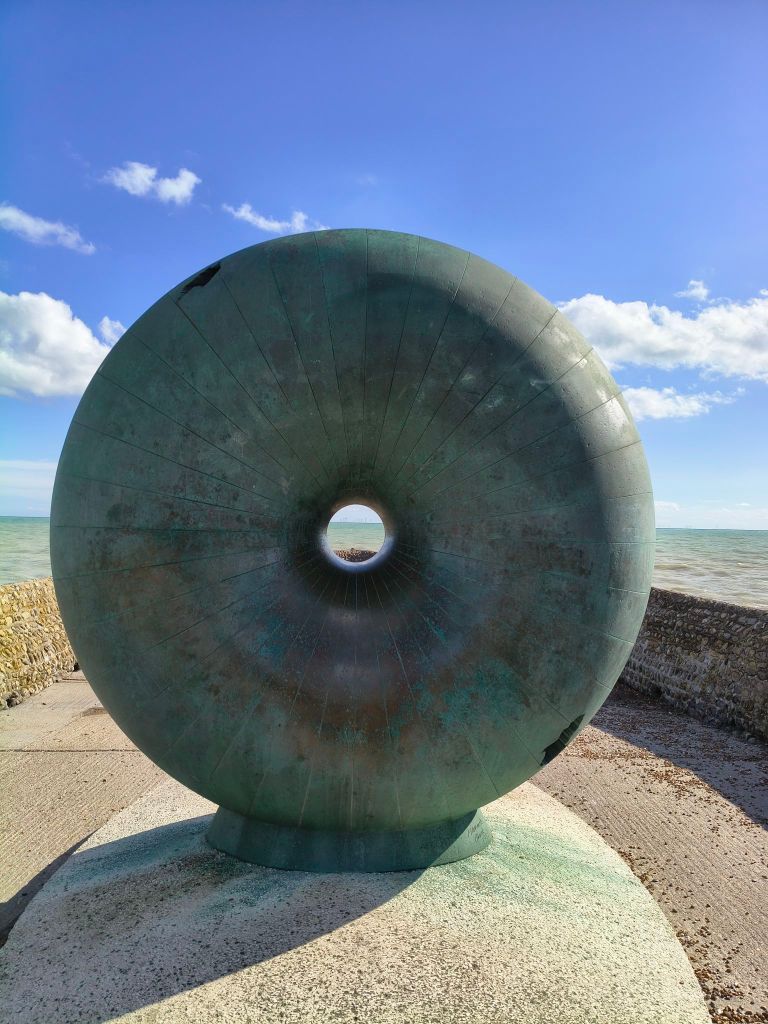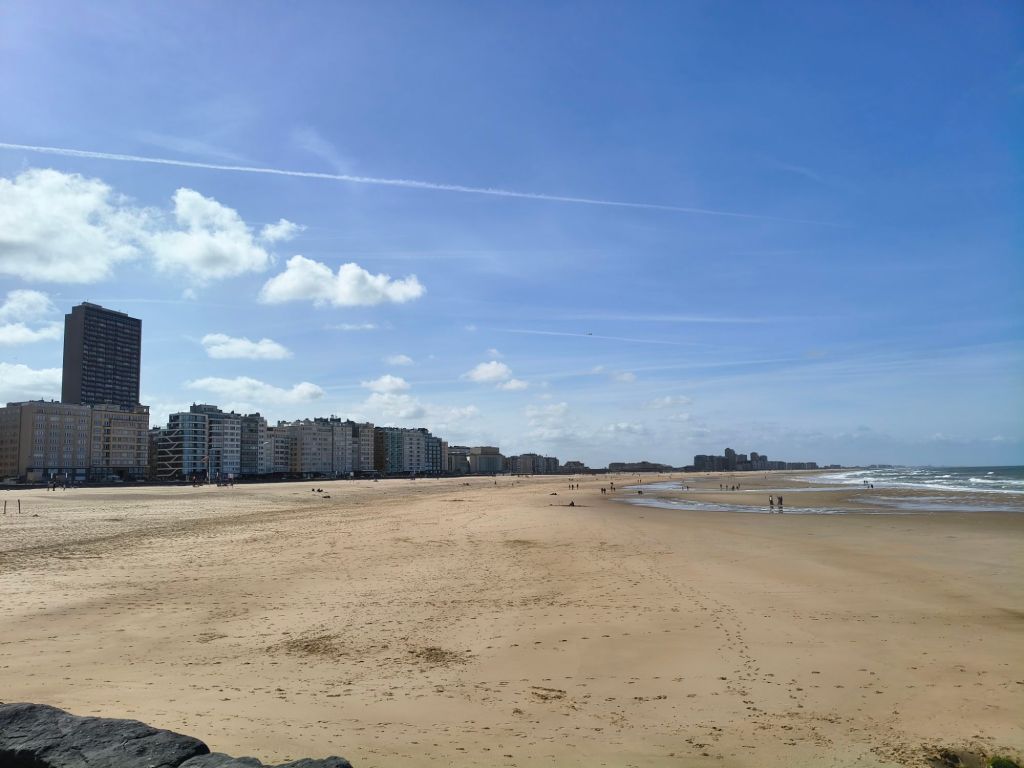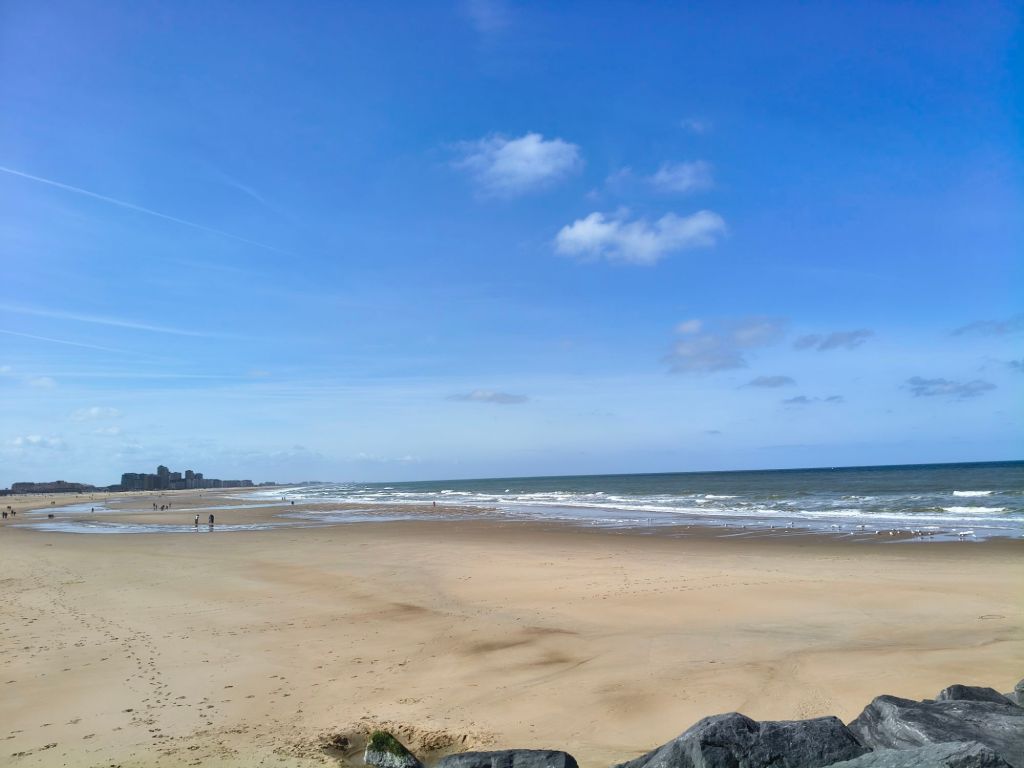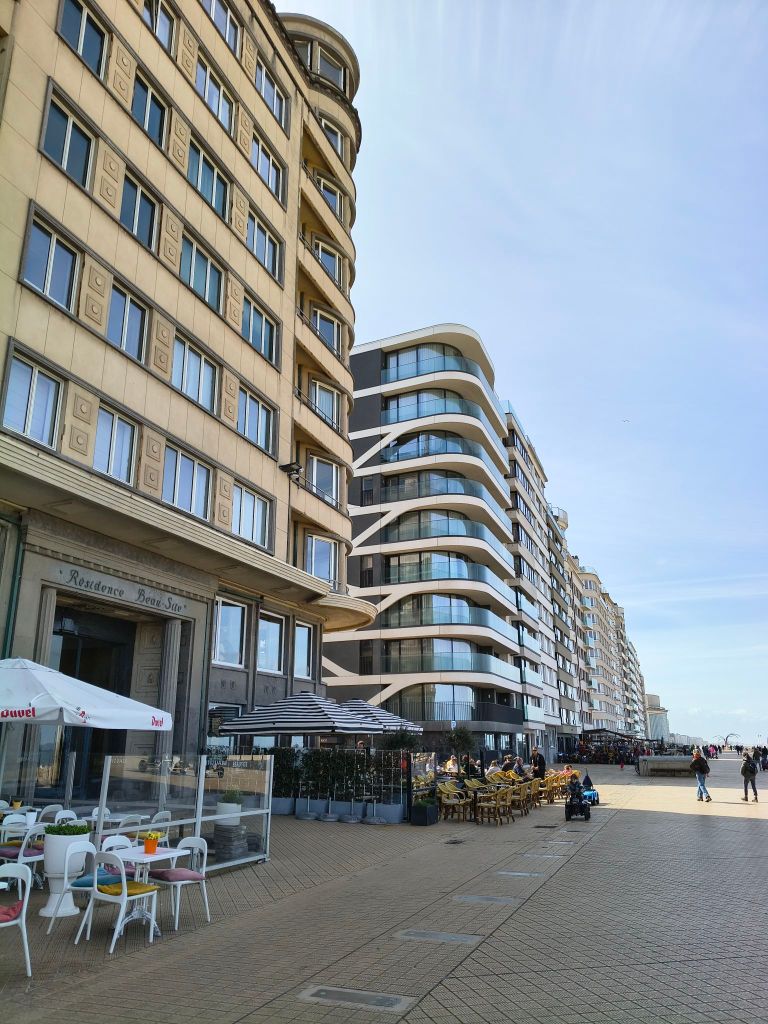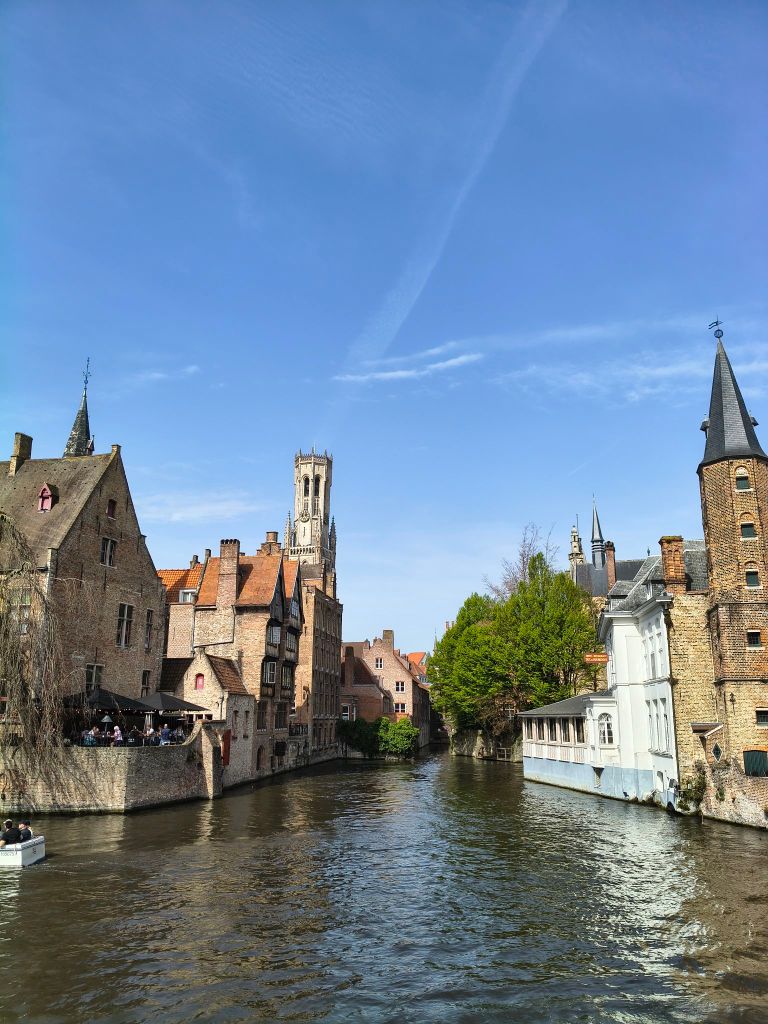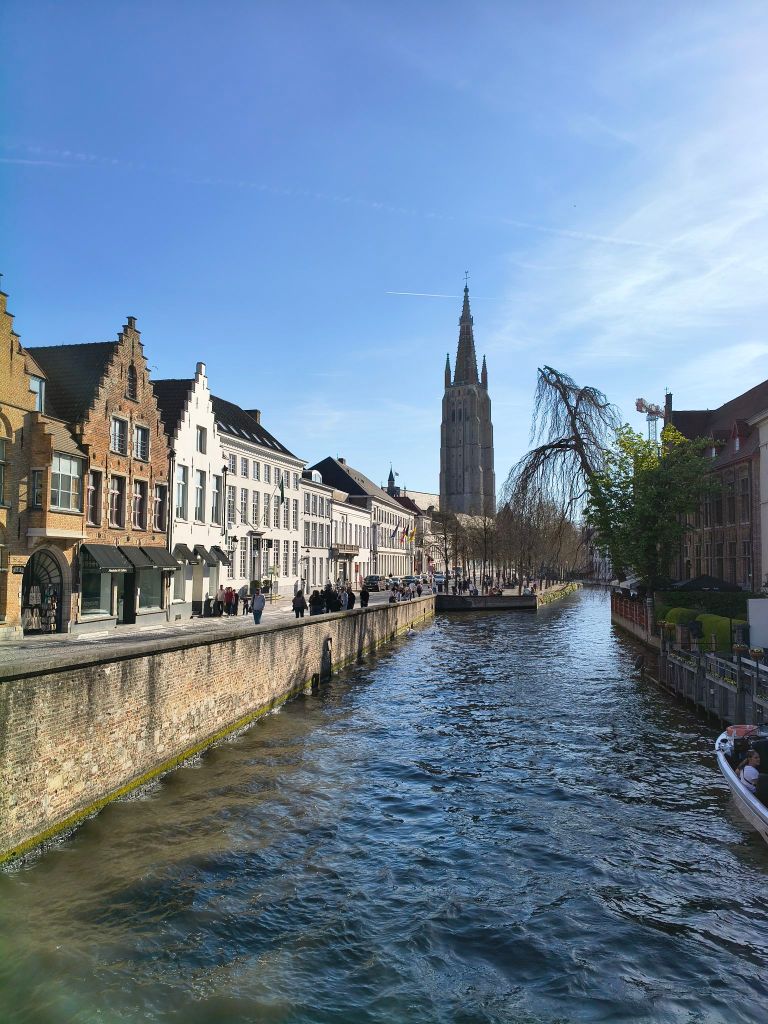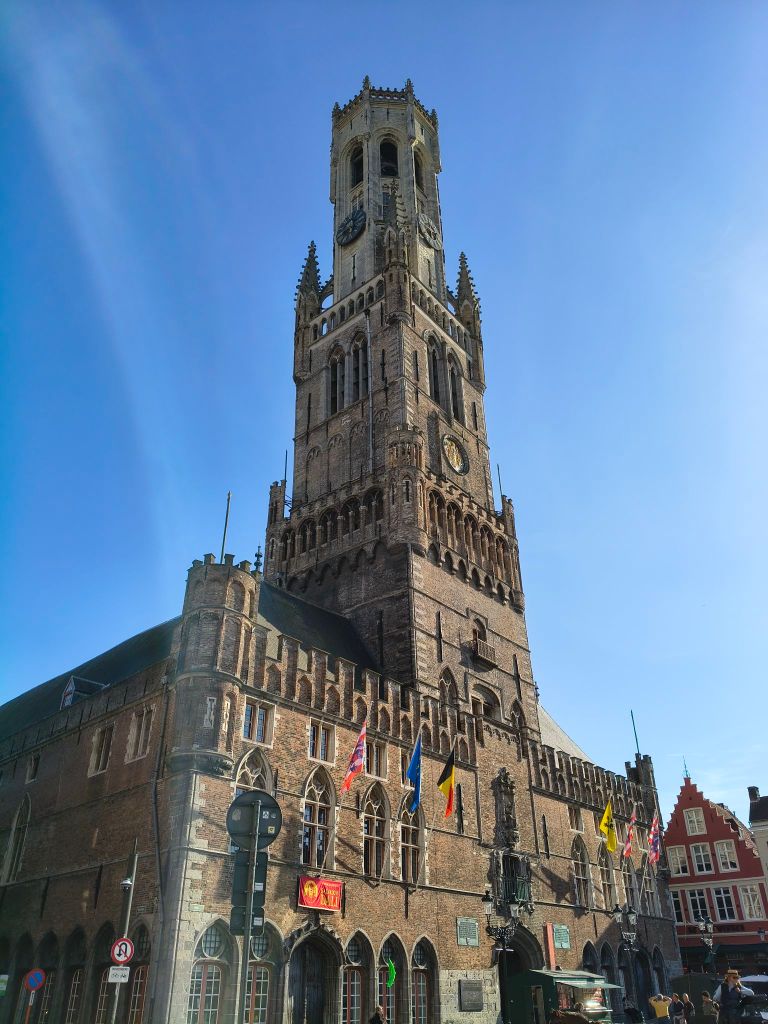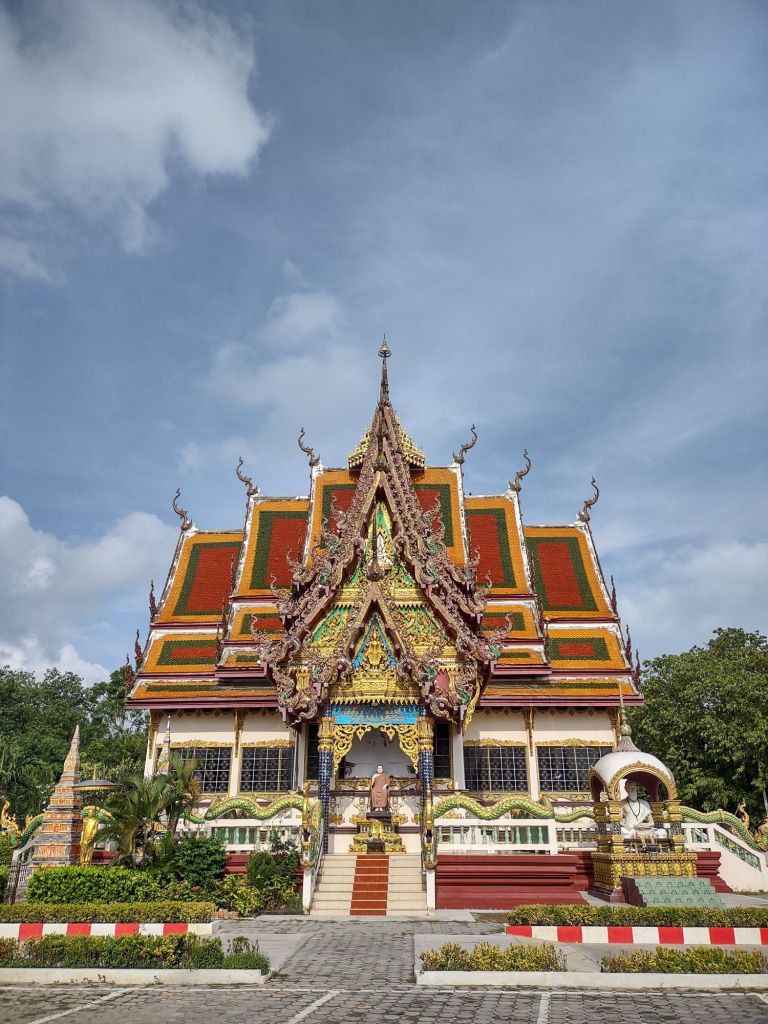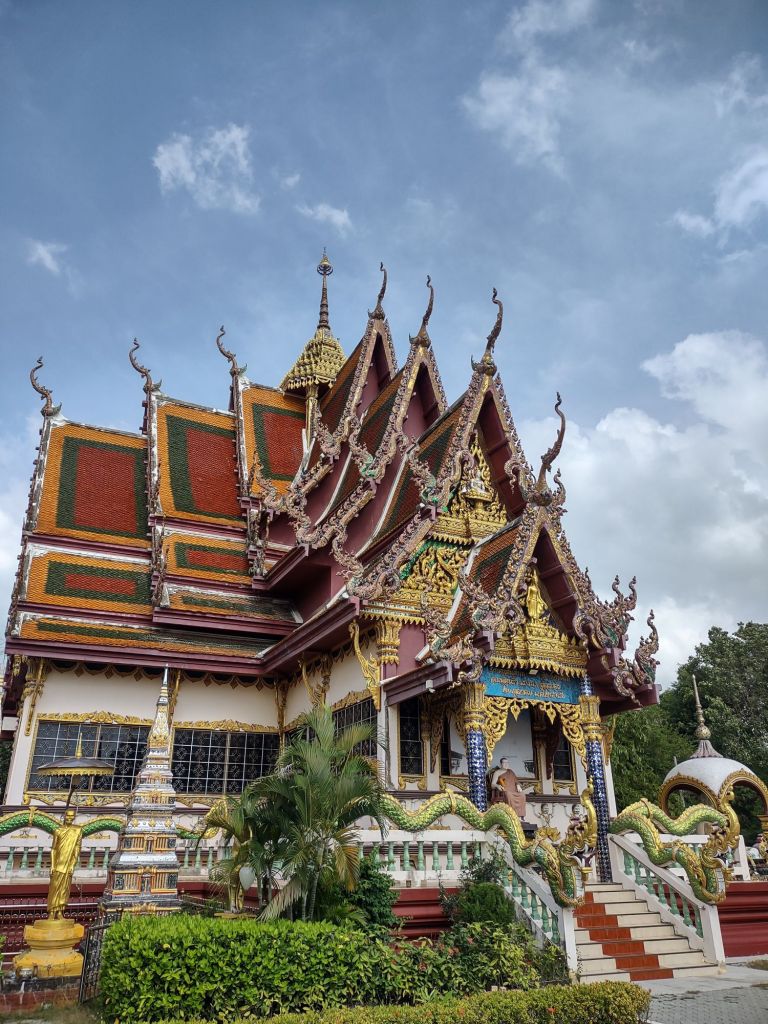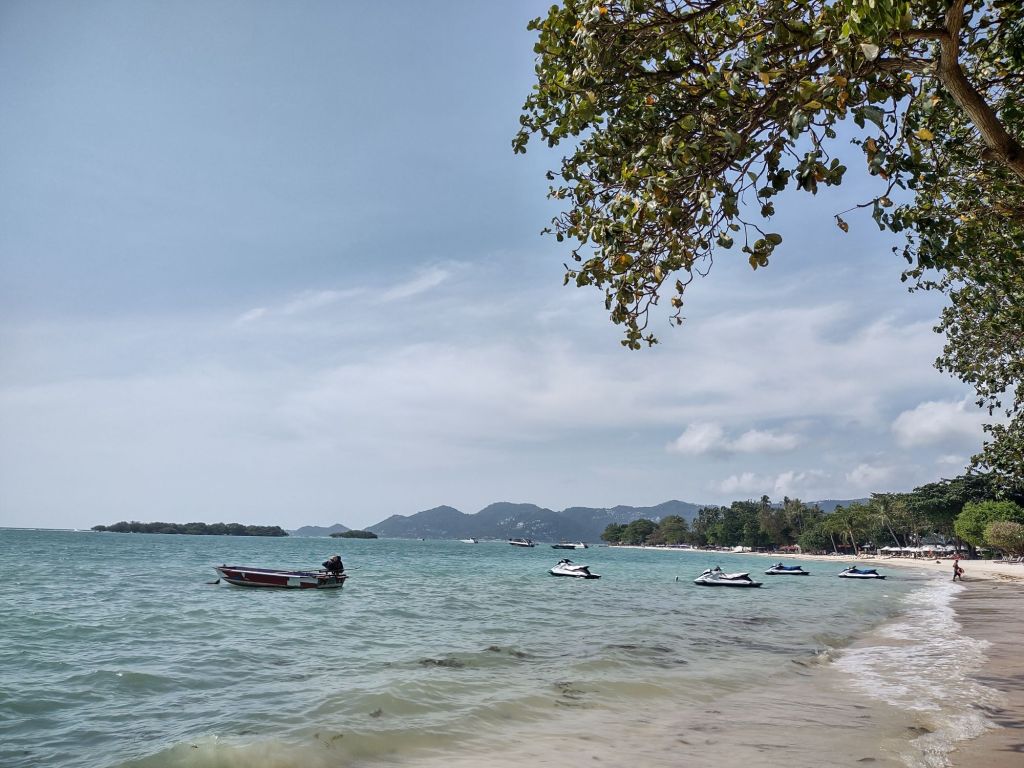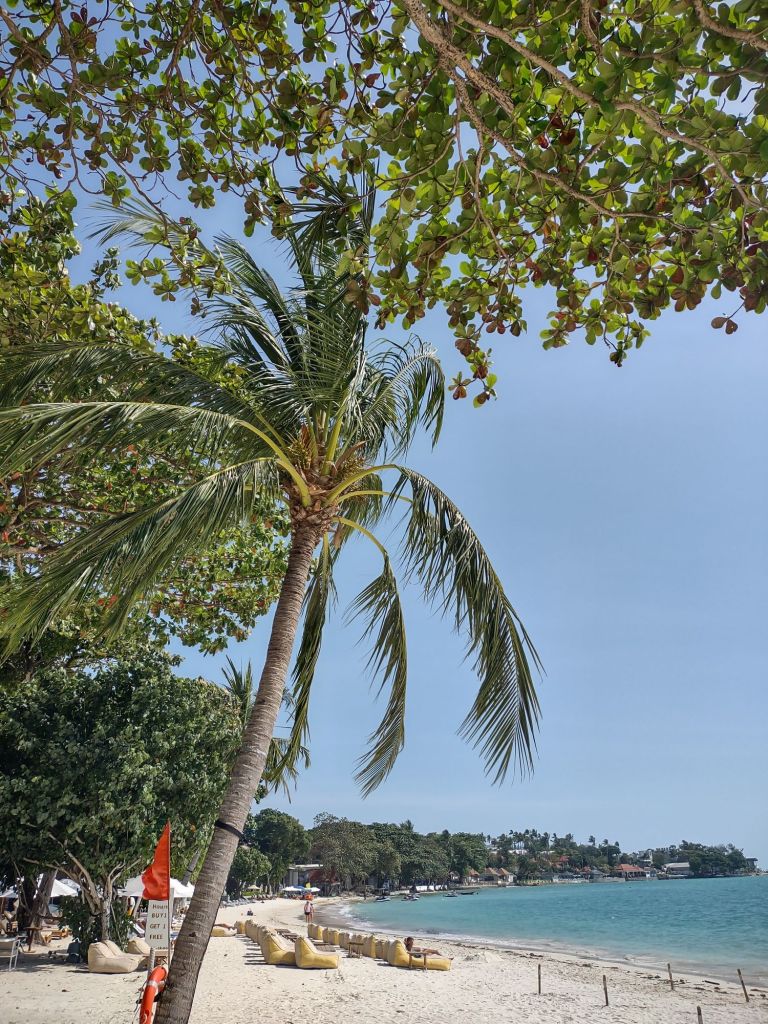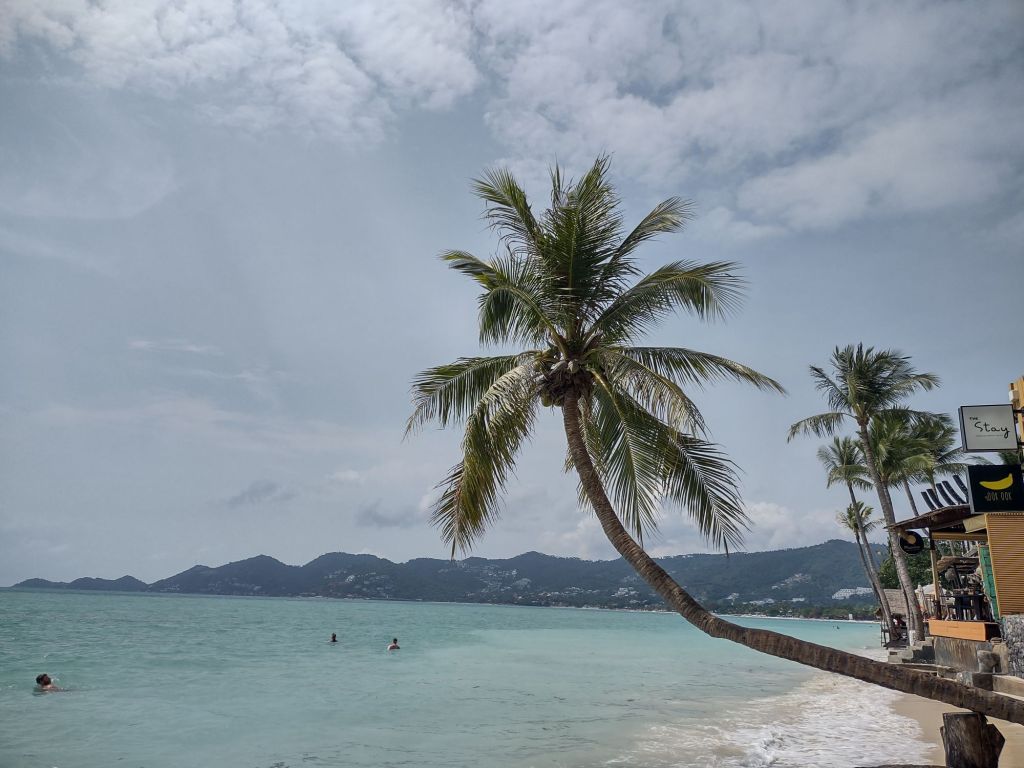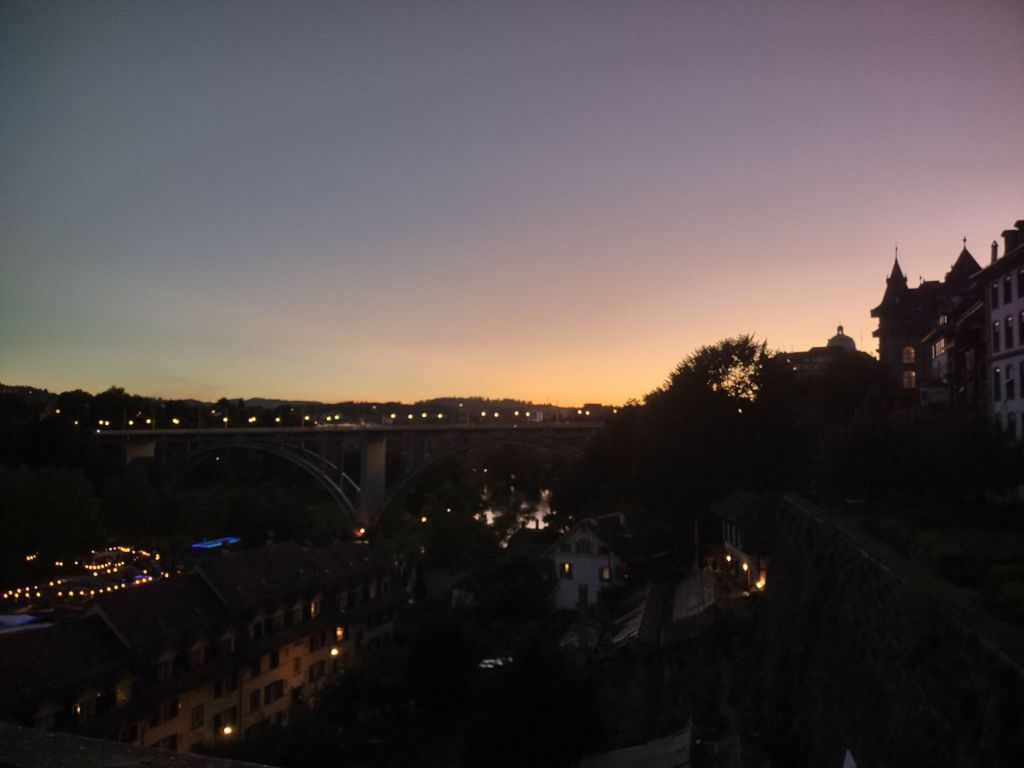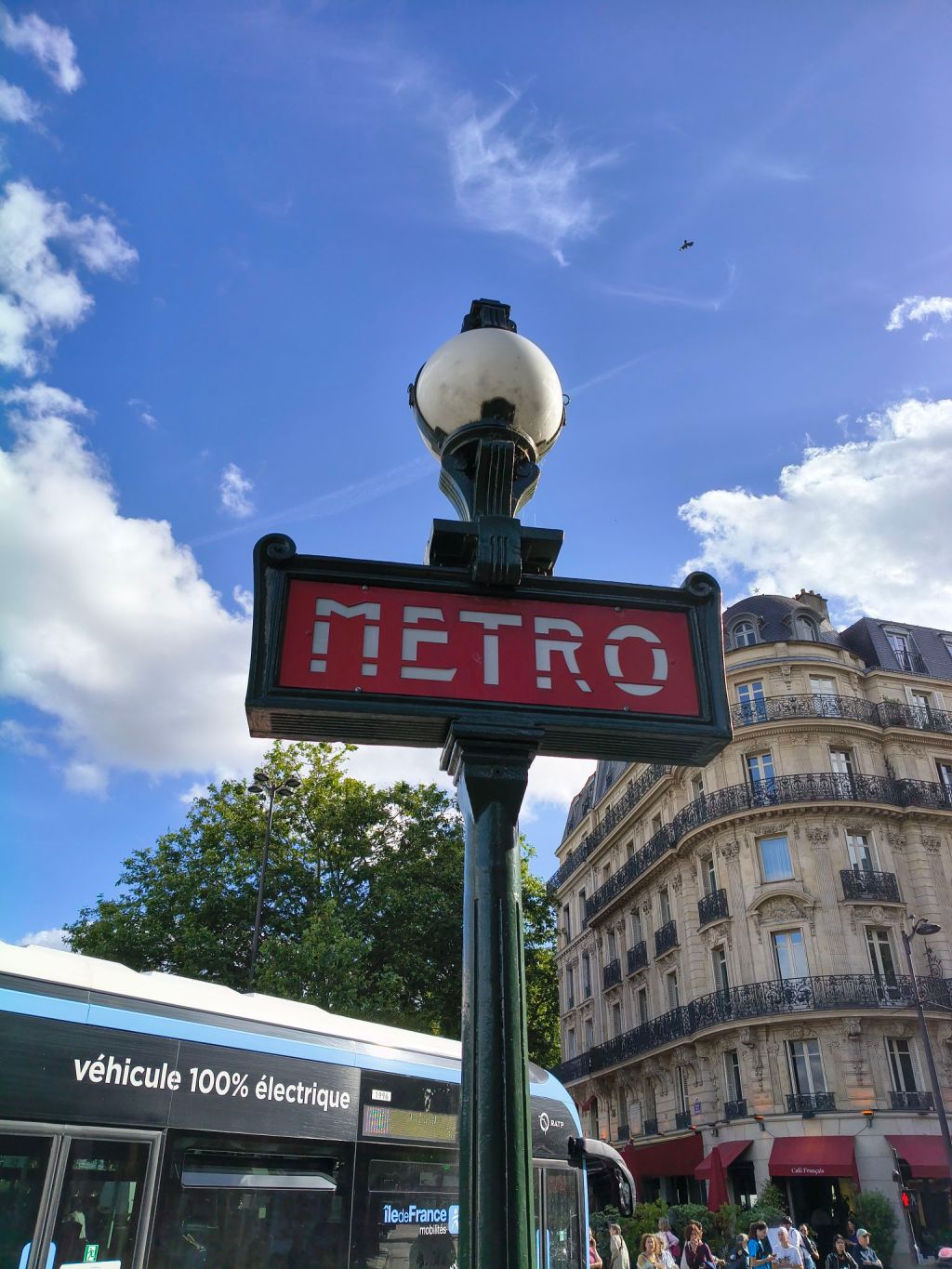
We’re now back in lively Jaco, just like last year, but touch wood, no accidents this time. So plenty of opportunity to enjoy it more. I’m having trouble finding guided trips, which just leaves the many bars, the beach restaurants, the beach, the pool…
…the blue sky, the palm trees …
…the blazing sun, the drowsy afternoon heat…
…the drowsy afternoon palms, the sleepy beach…
…swaying sun, swaying sands…
…hot…
and soon we have melted away, back to a fardistant land, a far distant time of magic and monsters, heroes and hands, reaching across the, ahem, six weeks, back to atrip I didn’t post on at the time and the strange tale I encountered there…
You’d better grab a coat.
In the cold, flat lands of the Belgae, as their Roman overlords call them, the people cower at the mere mention of his name. He is Druon Antigoon, and he is a giant. A nasty piece of work, he has positioned himself by the crossing point of the mighty River Scheldt, and if you want to cross it you have to pass him. Pay him some cash, and he’ll let you cross. If you don’t pay up, say goodbye to your hands instead…
It’s not clear why he chose amputation instead of just eating you like the giants do in the best stories, just as it’s not clear what he had against seminal British radio comedy from the 1950s. But let us not pass judgement. How do we deal with this monster?
Up steps a brave Roman soldier, name of Silvius Brabo. He has heard of the giant and his cruelty, and is outraged. “Antigoon! How dare he!” he bawls at his companions. “Milligan and Sellers were comedy geniuses!” There was only one thing to do. And so the brave Brabo confronted the giant. Odds were against him, he was fighting a giant after all. But then again Brabo was himself a mythological hero, so it was too close to call. If you don’t want to know the result, look away from the following photo now.
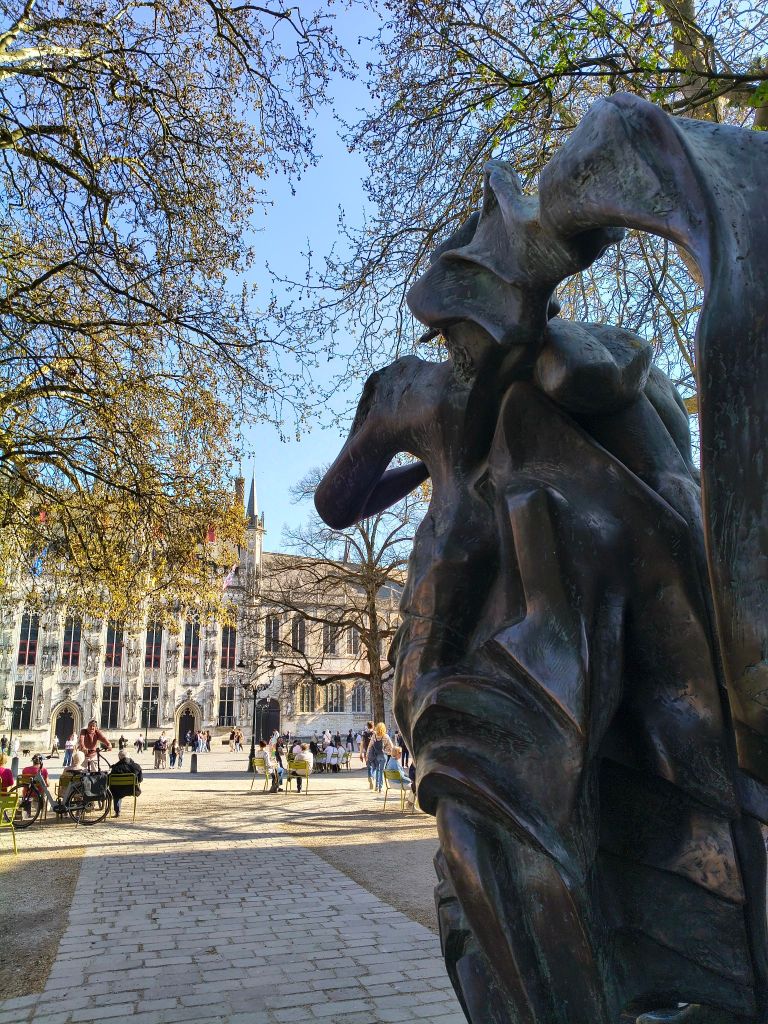
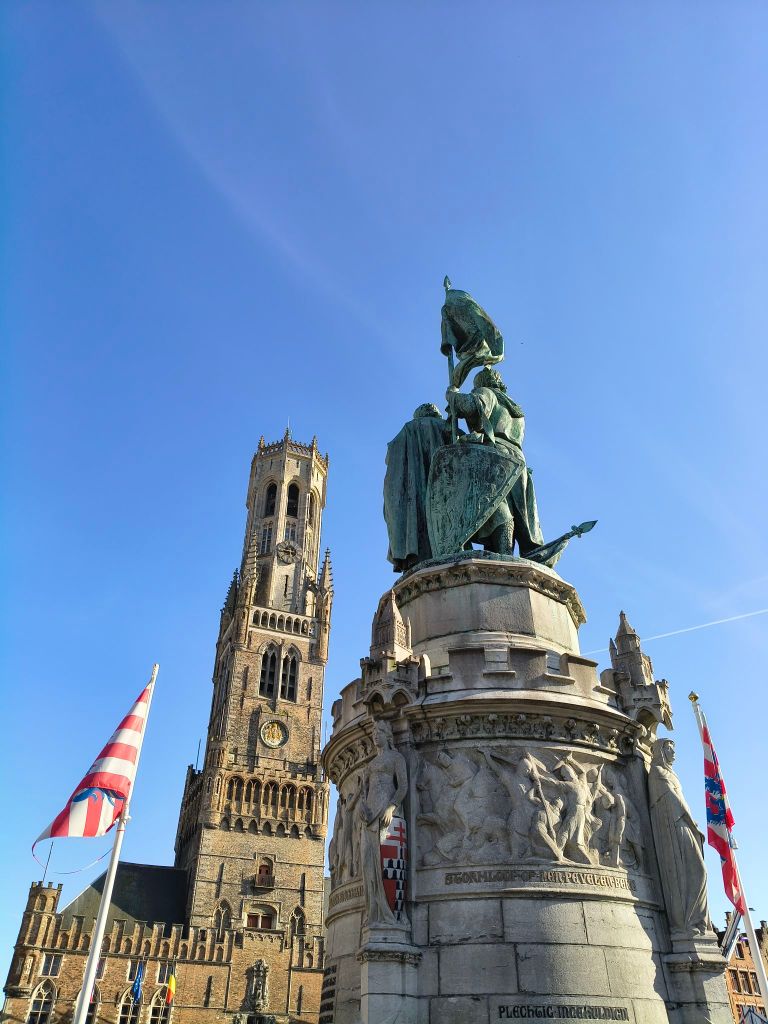
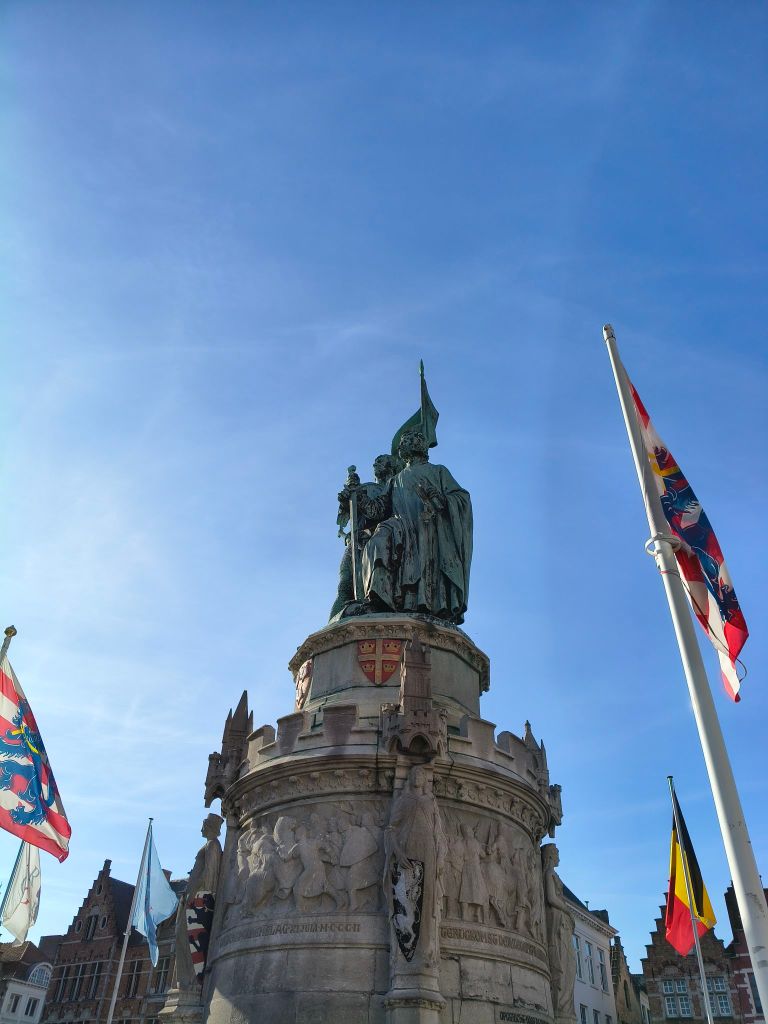
And who’s at the top of the podium? It’s our man Brabo, of course. At the bottom is Antigoon, dead, trodden all over by sea-nymphy things and statue stuff. But wait! what’s in Brabo’s hand, about to be flung into the Scheldt? Well, in a piece of poetic justice it’s Antigoon’s own hand. Good riddance. Try writing angry letters about Harry Secombe’s singing without that!
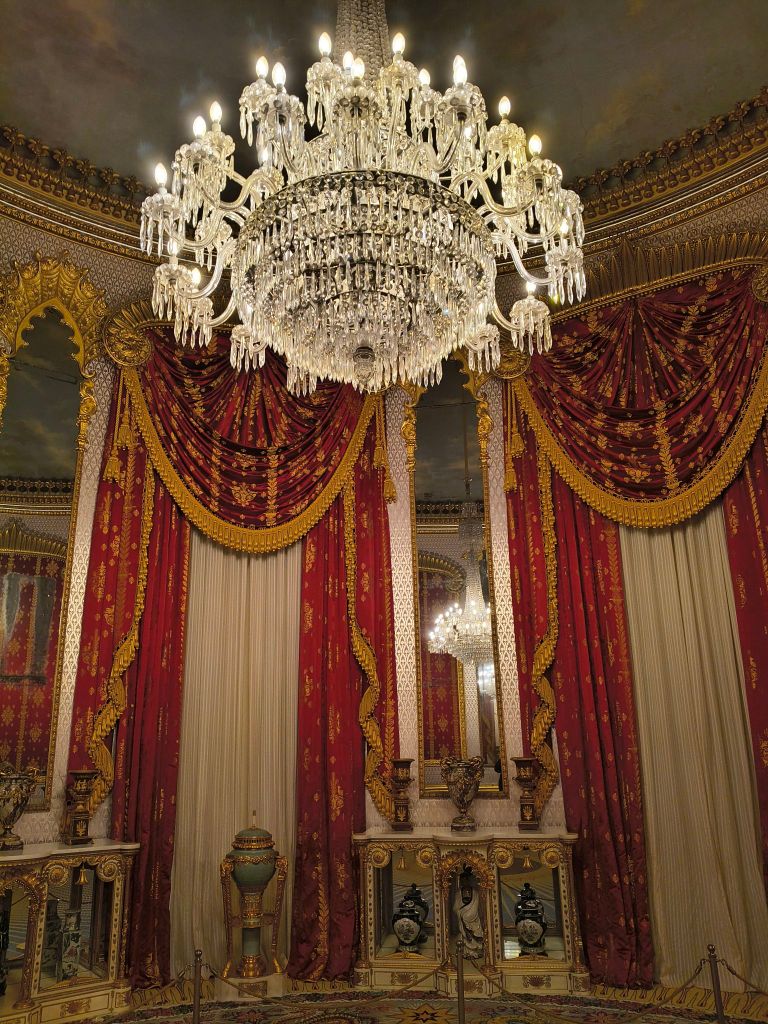
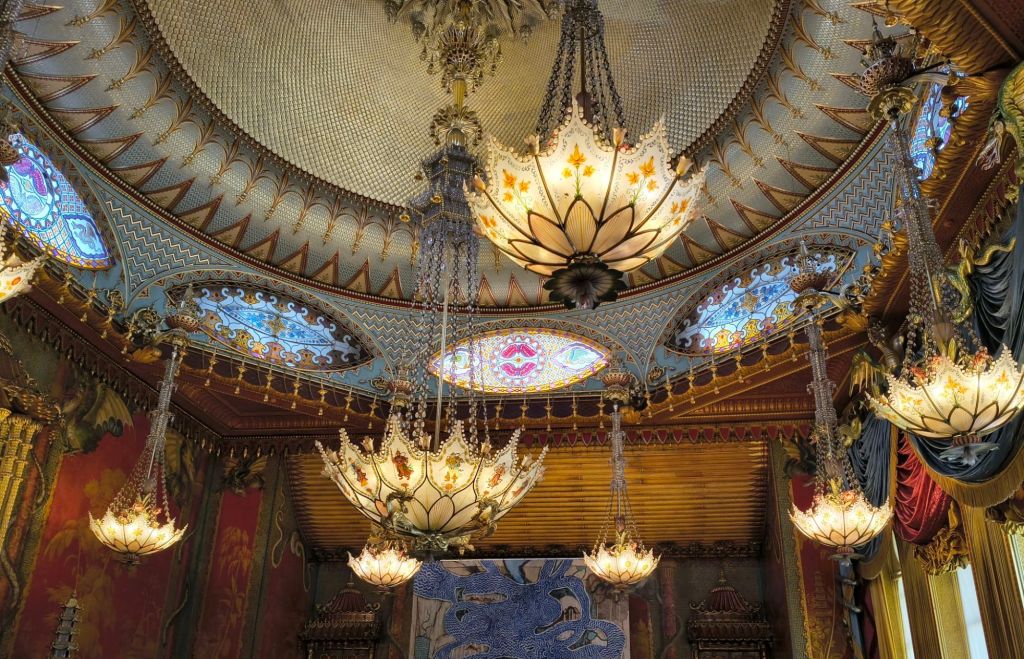
And so the good Belgae could cross the Scheldt without fear, and the little settlement grew into the maritime and trading powerhouse of Antwerp. We’re standing – shivering – in the glorious Grote Markt, one of the grandest marktplaats (market squares) that the Low Countries has to offer. But the locals have never forgotten the story and you can find Antwerp hands everywhere, from special Belgian chocolate to artwork. Especially here of course, in this statue from 1887.
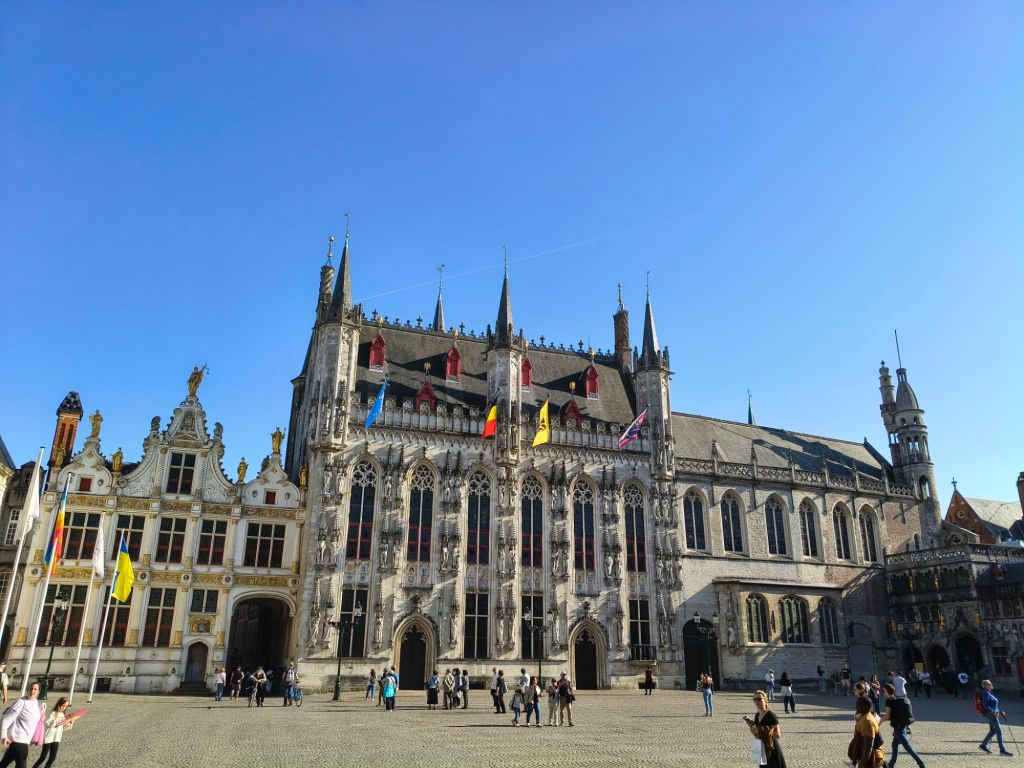
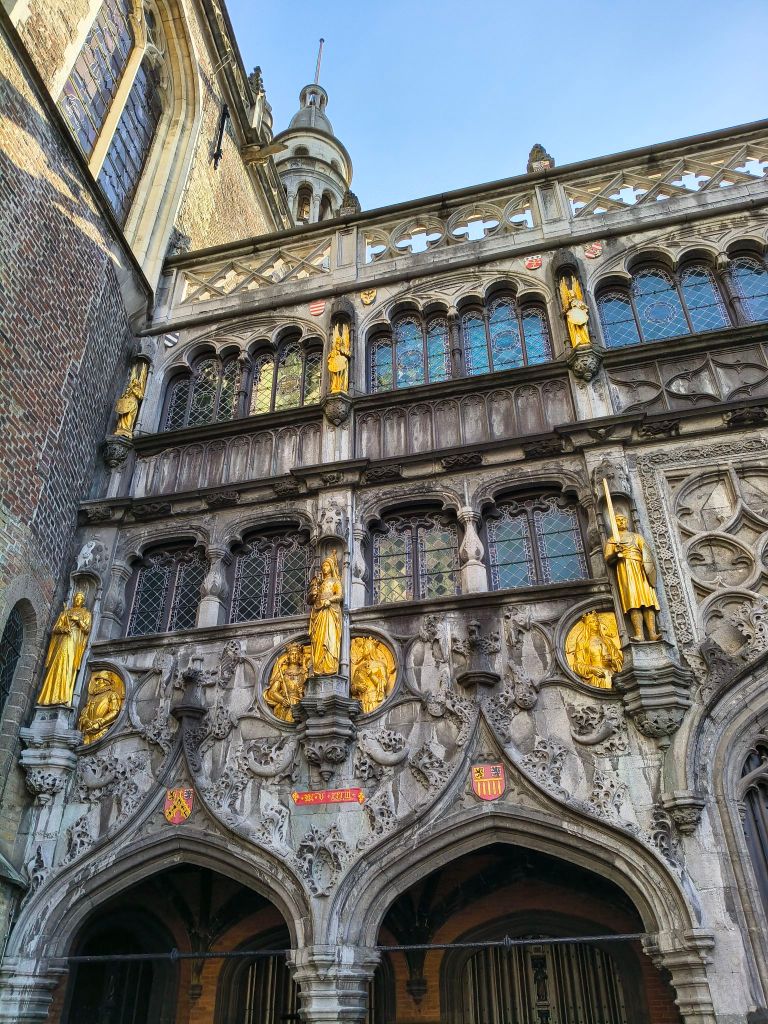
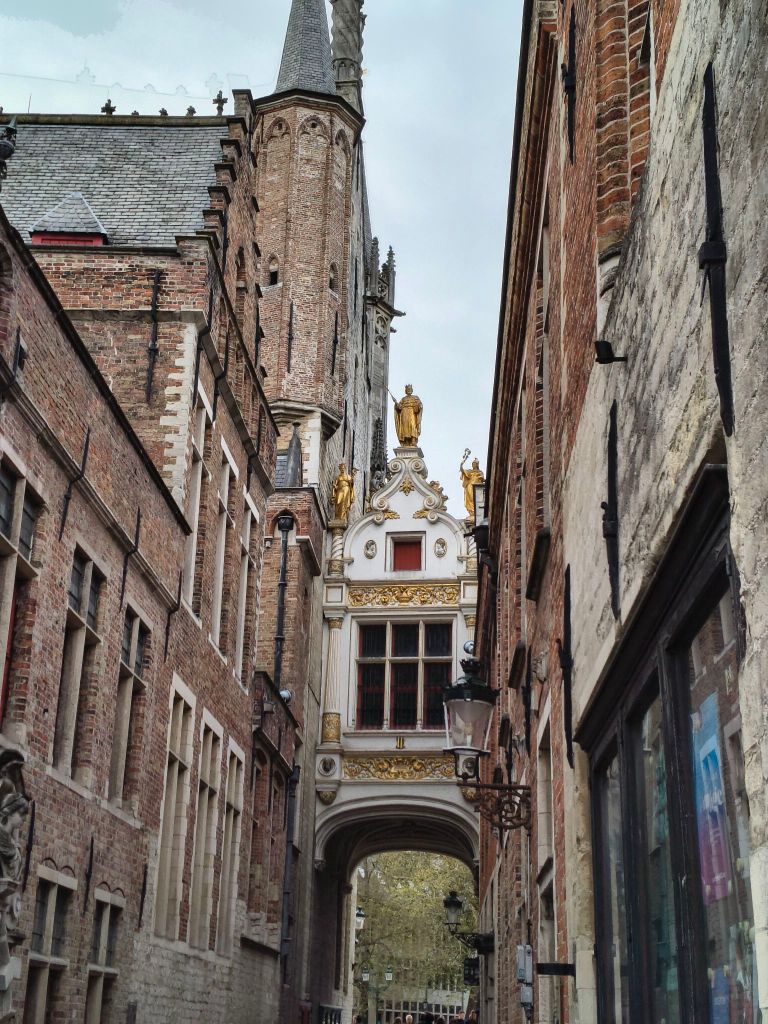
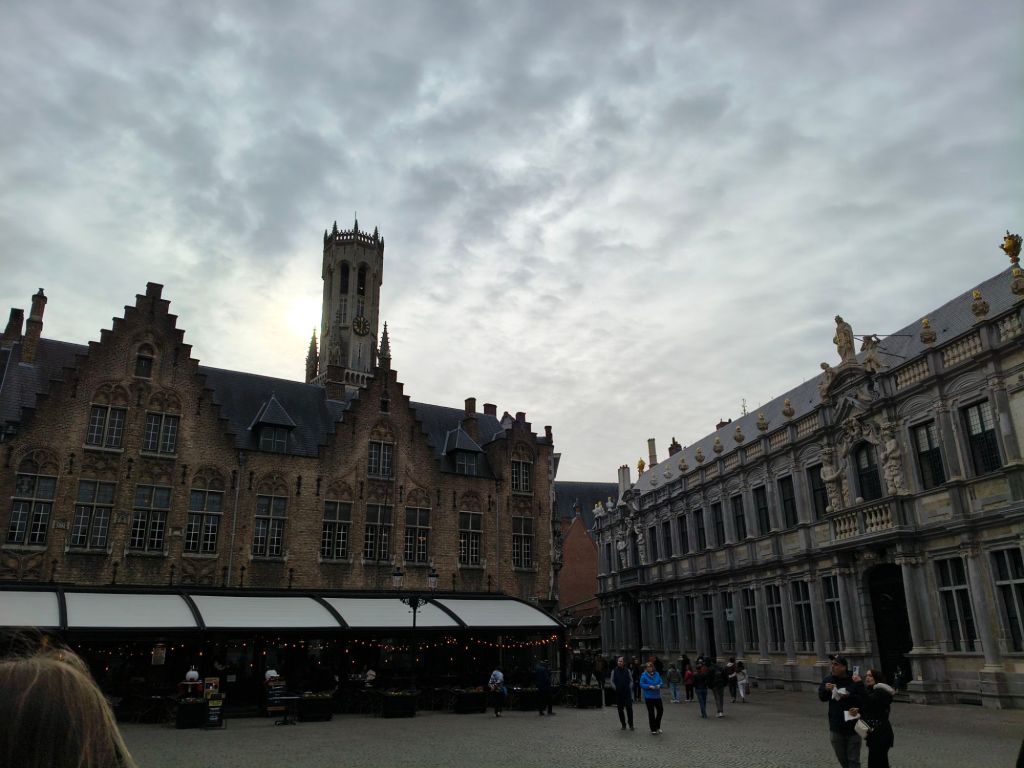
It was just after New Year so it was rather chilly, but even then Antwerp is worth a stroll or two, with some spectacular Flemish-style markets places leading off into charming well-preserved streets and nooks and crannies.
From where I live it’s easy to hop onto a Eurostar from London, and after a change at Brussels I’m soon rolling into Antwerp Central station. That convenience is just one of two reasons why I go to Antwerp by train.
The other is Antwerp Central station itself.
Built in the 1890s and restored in the eighties to fix some V-2 damage from WWII, many consider this majestic concoction of architectural styles to be the most beautiful train station in the world. If it’s not I’d like to see the competition.
No wonder the locals call it the “railway cathedral”.
Magnificent… magnetic…
… mesmerising…
…sexy mesmeric…
…cold hands…
… freezing…
And we’re back. Thanks goodness for that reviving cerveza.
Out of San José we go, heading west across the Central Highlands to the Pacific coast, driving over spectacular ravines and down winding stretches hugging the hillsides, while storied green volcanic hills shimmer around us under the stifling blue sky. Did I say “driving”? I meant “crawling”, always – always – crawling; the road is wide but twisty, hardly any overtaking is allowed, and there are always slow trucks to get stuck behind. I suppose we should be grateful for the shuttle driver’s safety-first approach, Costa Rica not having the best reputation for its road safety.
Eventually the road descends from the plateau as we turn south near the coast, and the land becomes incredibly verdant as we pass through Tarcoles and over its famous “crocodile bridge”. We hit the Pacific coast and pass through the party town of Jaco. This is where I stopped off on my trip in 2024, but not today. Southwards we drive, as the tropical sky seems to become even bluer and the fields even greener before they just simply turn into one great palm oil plantation around the town of Parrita. After about 3-4 hours, we are near our destination.
Costa Rica benefits from an incredible diversity of wildlife, the result of the Central American isthmus’s relatively recent (3 million years old) emergence from the sea to link the American subcontinents. Add to that the rich volcanic soil and the tropical climate, and the place was destined to become one of the centres of ecotourism, with visitors from all over the world drawn to its seemingly endless mountains, rainforests, mangrove swamps, beaches, and its equally impressive array of sloths, monkeys, birds, and all their furry mates.
You need months to experience even a little of each habitat, so if you’re here for a short time you have to choose. About 50 miles or so down the coast from Jaco lies the Manuel Antonio National Park, famed for its lush lowland rainforest, rich wildlife, and stunning beaches. Unfortunately it is so famed that they restrict the numbers who can visit, and you really have to get there early to avoid the midday crush. I didn’t fancy it, so instead decided to stay outside. Around the nearby towns of Quepos and Manuel Antonio there are a number of nature resorts that sit on the edge of the rainforest, and I spent a couple of days at one of them (La Foresta, if you’re interested. I don’t get commission).
By the way, that’s “nature” resorts – N-a-t-u-r-e – just to clarify things for one of my cheekier (ooh-err) readers.
Here at La Foresta they have an inner grounds bit which is bordered by a little stream that curves around the edge of the resort like a horseshoe.
They also have iguanas.
But the real selling point is the access to the actual primary and secondary rainforest beyond the stream. There are two ways to get into it. You could do a zipline canopy tour (the idea of transporting yourself along a suspended line is ancient, but in the 1970s an American ecologist here in Costa Rica came up with the idea of extended zip lines above the rainforest canopy so he could make observations without disturbing the habitats).
Or you could cross the rope bridge into the dark interior.
Dark and entrancing. Signs advise you not to enter alone, to follow the trails and stick to them, there’s wild animals. Primary rainforest. The edge of our world.
Spooky. There’s just one problem.
I’m still taking things gradually and didn’t fancy the rope bridge. In fact at this point I wasn’t keen on the whole business of going in there in the first place. Maybe another time, maybe another trip. So all the photos in this post were taken from the inner grounds.
Sorry about that. Have another iguana.
In fact, there was plenty of wildlife to enjoy from the hotel grounds itself. Raptors hovered menacingly above, effortlessly floating high upon the tropical air, while below, a couple of snarking parrots fussed about in the trees. Later, some birds from another species swooped in, declaring themselves unimpressed by the parrots and saying “Toucan play at that game!” There were also butterflies, lots of them, fluttering to and fro, showing off their extraordinary colours.
While waiting for my shuttle bus to my next place I went back out and finally spotted some monkeys.
You can just make out the squirrel monkey hugging the right-hand tree, just below the leaves.
In this one, just follow the tail. (Which, interestingly, is not prehensile, just used for balance on squirrel monkeys.)
A regular reader of my posts will know that ecotourism and safaris don’t figure as much as cities, scenery, and stories. So my nature photography is not up-to-scratch and I couldn’t work out how to get close enough for a decent shot without scaring it away. Maybe some nuts would have helped. They once worked a treat in Cambodia.
Meanwhile the monkey’s friends came along, checking out this human dude, wary but essentially curious and confident through their strength in numbers, before getting bored and leaping back home through the trees. The interaction between us was quite the thing, but you’ll have to trust me on that.
So that was it, my short experience of life on the edge of Costa Rican nature. The nearest town was a longish walk away along one of the inter-American highways, so for three days it was me, the small resort, the rainforest, and the iguanas. I will look back on this stay as being very relaxing and contemplative and an interesting contrast to what I normally do. As I started to process all of that, the shuttle arrived – and it was beach resort time!
You probably picked up from my last San José post last year that it was pretty much somewhere you visit once and that’s it. I certainly wasn’t expecting to go back there the following year, or ever again to be honest, but then stuff happened of course, and I felt I had to come back. This time I chose to stay more centrally in order to take a closer look at a couple of things, but to be honest the centre of town can be a bit scrappy, it’s smelly, messy, and full of downbeat beggars and apparent drug addicts. I’m being a bit cautious this trip – otherwise I might have loved it…
San José’s main church, the Metropolitan Cathedral, was built in 1871 as a replacement for one that was destroyed by an earthquake in 1820. Known for its stained-glass windows, the interior makes up a little for its rather bland-looking (to me anyway) exterior.
A much grander edifice lies just around the corner.
Rolling in cash and power from their magic beans, the Tico coffee barons of the 1870s decided to flaunt it and show they were a cultured bunch at the same time, and built the National Theatre using a levy on coffee exports. Modelled on the Paris Opera House, and full of specially-commissioned paintings and sculptures sent over from Italy, this riot of ornamentation and gold-leaf certainly does Belle Epoque flauntation rather splendidly.
Note the wooden floor under the seating. The theatre doubled as a dancehall, which you might not think would be much fun at a steep angle – unless you’re pitching Strictly Come Cheese-Rolling. If you’re not, don’t worry. When they wanted a level dancehall they flicked a switch, machinery would turn, and the floor would tilt and level out!
And they still use it. Although the national arts groups don’t use the theatre as their base anymore, the levelling-out process is still used to prepare the space for the celebrations that follow a presidential inauguration. It’s been that way since at least the forties, there’s a presidential election every four years, so that sounds comforting enough as a maintenance schedule.
As we continue on the theatre’s entertaining guided tour which leads us to the reception room, we walk into a guilded age.
This is the place where the punters in the very posh seats would nip out in the interval for a very posh chinwag. I’m sure I spotted the grooves in the tiled flooring where the mobile fish-and-chip van used to stand. The statue – again Italian – used to stand atop the roof (erosion meant they had to replace it with a replica). Some of the gold leaf in here was subject to a recent renovation and now looks utterly stunning.
Out of the theatre now and all its opulence. Around the corner is the Church of Our Lady of Solitude…
…and its Propeller Mary.
That’s my name for it. I don’t know what it’s really called. In fact I have no idea at all what it’s meant to represent, a quick online search coming up entry. If anyone out there knows why this church has a statue of a religious figure perched upon a propeller, I’d be grateful if you could pop it into the comments. Thanks!
And that was it for San José this time. I’m back here for a couple of days before I fly home, so there may be more, maybe more on Propeller Mary. Or maybe SJ really is a one-and-done, two-and-through sort of place. We’ll see.
But next it’s into nature before we hit the beach again…
It is 1857, Central America, and William Walker is a disappointed man. He had plans, he had visions, but his dreams were crumbling. A talented man, was our William, doctor, lawyer, writer, but it was in that part of his CV that reads “mercenary” where his ambitions really lay. And like a few other US Americans of the time, his plans were, well, to take over a chunk of Central America for himself.
A tough ask, you might think, but Walker had already gone some of the way by invading Nicaragua and pronouncing himself President in 1856. Once in power this steadfast believer in Manifest Destiny had a look at the woke radical left state’s most absurdly woke statute, their abolition of slavery in 1821, and promptly abolished the abolition. Freedom being slavery, as someone once wrote.
But Walker’s ambitions soon fell foul of other US business interests in the reason, as well as those pesky Central Americans. Soon his forces found themselves in a conflict with Nicaragua’s southern neighbour, who pulled in help from other nearby states. 1857 marked the end, a string of defeats. Walker returned to the States a hero to many, particularly in the southern slave states encouraged by his desire to expand this lovely idea to other parts of the hemisphere. Back he went in 1860, to Honduras, where this time he hacked off the British colonial interest, who handed him over to the Hondurans.
Anyway, back to 1857, when William Walker is merely disappointed – not yet propping up a wall in front of a Honduran firing squad. Nicaragua’s southern neighbour has a National Monument that depicts how humiliated he must have felt.
To the left, figures representing the five triumphant Central American nations who saw off Walker’s army – Nicaragua, Guatemala, El Salvador, Honduras, and that southern neighbour at the heart of the resistance and in whose capital the monument proudly sits. And that scuttling figure to the right is, of course, Walker himself, on the run, head bowed, lesson learned. I’ve looked closely at his right hand and I think I can make out his backside, so kindly handed to him by the victors.
Lesson learned, indeed, for in the enlightened age of 2025 who could imagine the Shining City On A Hill producing another megalomaniac white-supremacist criminal threatening other peaceful Central American countries with invasion?
But I can feel a bit for the old scoundrel, as he runs for his life out over San Jose’s Parque Nacional. I think I know what he’s thinking, this time last year I was probably thinking the same thing:
I really shouldn’t have had anything to do with Costa Rica!
Alicante was fun. Even with a crutch. And I’m delighted to say that, over the weeks I’ve been able to say goodbye to it and the recovery has progressed. It’s not quite 100% but good enough for now and good enough for some more – careful – adventures.
But since I was wheeled home from Costa Rica last year, and once I started the long recovery process, the feeling grew that I had to go back when I was ready. Maybe to find some closure, maybe, but mainly to do things I was stopped from doing in this endlessly rewarding country. I don’t know what those things are yet, or how I’ll feel when I return to places where it all went wrong, but I do know it’s a scratch I would otherwise always have. And being able to fly home on two legs would be an accomplishment in itself. So here I am, near the rainforest bit of the southern Pacific coast (not feeling up to going into the canopy yet), enjoying being back in a better state than when I left, looking forward to seeing what happens this time, and I can’t wait to tell you all about it.
And one good thing: none of my plans involve enslavement or brutal conquest. Not yet anyway.
As I sit here on Alicante’s fine esplanade, struggling to keep my eyes open, I realise that this looks like being the last blog post. Although I don’t fly home for two more days this first trip since the…the thing happened has taken a bit out of me and I only have energy left for soaking things in from a sedentary position with cerveza in hand and street scene in front of me. I am hopeful that I’ll have more energy on my next trip. Of course it’s getting accustomed again to walking around on hot city streets which has drained me – not the cervezas in hand.
So while I spin out my remaining time here, as usual I’ve rummaged through my photos to tick off anything I haven’t covered yet. And this time, let’s get the grim history bit out of the way first rather than leave it to the end, shall we?
The Stanbrook
On the quayside of the marina stands a little monument to a sailor and his ship. You’d hardly notice it, rushing past to spin the wheel at the grandiose Casino Mediterraneo in the distance or stepping onto the jetty to clamber down to your yacht. But stop awhile, and discover another important story from this city’s past, one that deserves a moment of remembrance and respect.
The sailor is one Archibald Dickson, captain of the SS Stanbrook, a British cargo steamer. During the Civil War much of that cargo was destined for the Republicans and the Nationalists actually managed to sink it, only for it to be repaired and carry on the blockade-running.
Captain Dickson had taken over command just as the Civil War was concluding in a win for the Nationalists. Thousands of Republicans now had to get out and flee for their lives. In March 1939, Stanbrook was lying at anchor in Alicante port, and you may remember from my previous post that Alicante was a Republican city. With so many refugees here desperate to escape, and against the orders of the ship’s manager Dickson decided to see what he could do to help and take on as many as he could fit. If his manager wasn’t happy, the Nationalists were even less impressed. The now cramped and overloaded boat managed to avoid the incoming fire from Franco’s ships and, with the help of the Royal Navy it made it to Oran in French-held Algeria.
That wasn’t the end of the story. Franco wanted the men back, and there was a diplomatic spat with the French who eventually put them up in a dismal concentration camp in the Sahara where they were treated badly. Meanwhile the Stanbrook went on its own way – a road which led to the Second World War. On 18th November that year, she was en-route from Belgium back to Britain when a single torpedo from a U-boat sent her, the heroic Captain Dickson, and his crew, to the bottom of the sea.
A little spot that deserves at least a couple of minutes of reflection.
They could be heroes
I had promised to find out some more about these statues close to the Stanbrook memorial.
But as you can see it’s on a traffic island slap-bang in the middle of a busy road, and there’s no easy place to cross. So I had no choice but to yield to G…e after all.
It turns out to be the Monument to the Replacement Soldier, commemorating conscripts in the Civil War.
A warm welcome
As the declension of the verb “to travel” goes:
I travel
You are a tourist
They are lager louts staying in Benidorm
Alicante has not been immune to the growing resistance to over-tourism across the popular European hotspots like Venice, Barcelona and Lisbon. This July some locals here held a protest against the impact they say tourism is having on the town, such as driving up local house prices and driving down job security.
Much of the ire is focussed at house-lets, which takes a significant amount of property out of the means of local people. I tend to stay in hotels anyway (“I am a traveller…”).but hotels bring their own ecological footprint and anyway wherever you’re staying, if you’re a visitor you are adding to the problem that the place you want to experience in an “authentic” way has in fact turned into an over-crowded theme park.
It’s the end of the season, and although I’m guessing that most of the people gliding down the esplanade are foreign tourists, it’s busy but not packed and I have been to places where you literally cannot move (back to Barcelona’s Rambla). However all the food outlets on this popular street seem all set up for the (undiscriminating) tourist trade, in other words not very good, and if it’s not a restaurant it’s a souvenir shop, and so on. I’ve not seen any organized aggro towards tourists while I’ve been here, and the whole experience this week has been a delight. But the cruise ship came in yesterday and things are a little busier…let’s keep an eye on things.
Oh, and the beach is packed.
Some more pics
The marina. (You knew that.)Outside the bullring, and the herd is on its way over for kick-off. That’s one teamsheet you would rather not find yourself on.
What’s it got on?
Finally, a puzzle to keep you going until my next trip.
It’s back to the Bonfire Museum, and every big event such as Alicante’s Feast of Saint John needs a self-important committee deciding that they really need a silly mascot. So here is Foguet, a flamy thing bearing various references to the town and its surroundings such as the local dress, and the blue and white of the local flag.
But what’s that wavy thing? You’ve already seen it, I’ve posted a photo of it during this trip. But which one? What is it? Hit the comments and let me know. Until then, hasta la vista!
An extremely pleasant place to spend a few days, a mixture of beach holiday, old town wandering, castles, cervecarias, museums and whatnot. It doesn’t have quite the range of sights as a Valencia or a Málaga maybe, but you’ll always find enough places to go to keep you occupied. And as we’ll see, there are some compelling stories to uncover away from the beaches.
It turns out that Alicante’s Rambla doesn’t quite have the exciting nightlife options of Barcelona’s, it’s really just another thoroughfare in the centre of town, chock-full of the usual Spanish and international shopping outlets, some eateries, et cetera. Still a good point of orientation as you climb away from the beachfront and into the main town. Which is what we’re about to do.
Alicante followed a similar historical path to many cities in these parts – Roman, Visigoth, Arab Muslim, Christian Reconquest, various dynastic wars, Civil War. In the meantime a port developed under the Arabs and hit the boom times during the Golden Age of Spanish empire. That there by the way is the Castell de Sant Barbera, built by the Arabs, maintained and fought over during Christian times, essentially dominating the city and the region, high up on the Benacantil mountain.
You can’t miss it.
Where there are temples to power, nearby you usually find temples to even higher powers, and at the bottom of the outcrop there used to be a mosque. When the Christians took over it was bye-bye mosque and over the ruins they built Alicante’s main church, the Basilica de Sant Maria.
There must be something obvious I’m missing. How do you get in to have a look at the churches here? Whenever I’ve turned up they’ve all been closed. Except for Mass, and it would be rude and disrespectful to take lots of pics then.
So it also seemed for the Co-Cathedral a bit further down, but it does offer some fascinatingly-austere external shots.
Up we go, past the Mercado, and we reach the monument dedicated to one Trini González de Quijano.
Quijano was the local governor in 1854 when cholera broke out in the fast-growing city. He became famous for his tireless efforts in helping the sick – sometimes cradling them in his arms – while making sure medicines were free, shopkeepers didn’t speculate, and priests didn’t run away. We’ll see how he got on a little later.
On we go.
Another closed church! This time it’s the Parish of Mercy. Completed in 1752 to care for the poor, and 1900 would see it open for wandering travel bloggers like me.
That’s 1900 as in “7pm”. Aha! Maybe it’s the same for all the churches here.
You may be wondering, it all looks lovely and all that but it’s kind of, modern-looking for 1752? Good spot.
In my last post about the Italian Fascists bombing the market during the Civil War, I rather gave the populist far-right a bit of a kicking. If you’re a bit of a far-right populist yourself I apologize for offending you and to try to make up for it, here’s some balance.
The port city of Alicante had a rather liberal, open-minded view on things dating from Napoleonic times and naturally it sided with the Republicans during the Civil War against Franco’s Nationalists. However the Republicans weren’t exactly squeaky-clean santos themselves. Their coalition included communists and extreme anti-clerical groups, whom the liberals struggled to control. Atrocities were committed on both sides, and for the hard left the Church was in the firing line – literally. Many churches in Alicante were destroyed and this one had its main altar and its chapel knocked about.
I hope that makes everything clear. If nothing else my blog strives to be fair and balanced, a good read whatever your opinions may be. Anyway, the temple we see today was inaugurated in 1952, as the Spanish church regained its status and power under Franco – who had by then had his opponents locked up in concentration camps, abolished democracy and emboldened his mate Hitler to see how far he could take this genocidal fascism thing. Yes. Fair, and balanced.
A lovely little Spanish place, the old Post Office. It’s not on our route, I took the pictures a day or two before but I thought I’d throw it in to raise the mood as it all just got a little…heavy. Evocative of Spain, I thought at the time, but it was only when I reached the next part of today’s tour that I felt I’d finally reached the heart of the country, with probably the first aspect of Spanish culture that I was ever aware of as a child.
Bienvenido, one and all, to the Plaza de Toros. The bullring.
And all of a sudden Spain begins to feel more alien to the English-speaking visitor, more deeply spiritual, more – more Spanish?
Spain, like many places, has become more and more conscious around animal rights and some cities have banned bullfighting. Not in Alicante. There’s a museum here but this is still an active stadium, tickets going for over 100 euros for the best i.e. shaded seats. According to my limited Spanish comprehension there was due to be another session this weekend.
They give you an audio guide for the stadium tour and, whatever your views on the sport/”sport”, I’d thoroughly recommend it if you’re staying here. It’s a revelation. (Best not come if you have problems with mounted bulls’ heads though).
The Plaza de Toros, with its fine Mudejar-style interior, dates back to 1847. Forty years later it was renovated by another local architect, José Guardiola Pico, who added a second terrace. The bullring now holds 14000 people. You could say senor Guardiola gave the place a proper, ahem, pep-up.
But hurry! the toreadors are nearly ready, the bulls are feeling bullish, it’s showtime baby!
Before the corrida, say a prayer. Just in case.
The last stop before the matadors head out into the ruedo is a tiny chapel on the concourse. Here they follow the advice offered in this old bullfighting proverb, maybe honouring the figure you can just see on the wall of this little room. And suddenly you remember that this is a deadly occupation, for toreador as well as bull, a challenge and an opportunity for both sides of the swishing cape to show their bravery and face the fatal possibilities with nothing less than dedication, nobility, and honour.
The image on the wall? It’s the Santa Faz, the Holy Face of Alicante, a much-revered icon of the city. Created when a woman called Veronica wiped the face of Christ on his way to his crucifixion, the cloth made its miraculous way to Venice, which it saved from the plague. In the 15th century a priest from hereabouts was in Rome when he was given the Faz. (Wikipedia says nothing about how the Romans felt about losing something so utterly useful – let alone the Venetians)
At this point the story becomes real to me. You’ll have noticed that I travel a lot. So that means a lot of packing. And unpacking. It can be a right pain when the bag doesn’t close, or when you actually need those clothes you left at home because you thought you might need the space. (Not to mention that time I left my pyjamas in Cologne). It’s always helpful to have a system, where to put the socks, the undies, how to roll the trousers to make them fit, etc. Father Pedro Meno’s carefully-designed system involved putting the Santa Faz in first, and then putting everything else in on top. So Padre Pedro, wherever you are, I can sympathise with how you must have felt as you did your pack, headed back to Alicante, and at every stop you opened the bag and found the Santa Faz had made its way to the top.
After stopping a drought on the way, it reached Alicante and a church was built to house it, the monastery still stands. Over time such was the devotion that people started taking strips of it and they had to do some reconstruction and stick it in a reliquary. Meanwhile look closely around the city and you should see depictions of it – like the one here.
On the walls here we get a close-up of the Mudejar tiling. The Mudejar style is essentially a continuation of the Islamic style from the Moorish era. For example, there are no human forms on the tiling, they are instead a riot of geometric form and the stylistic imagination.
And so another layer of Spanish identity reveals itself, or maybe multiple layers. The scene is unmistakebly Spanish, but the scene of Catholic devotion inside might have happened in Sicily while the wall tiling outside could be in Samarkand.
No time to ponder, we need to go somewhere else. Because prayers aren’t always answered, and bulls are dangerous.
Incredibly, according to the audio guide the stadium infirmary is the oldest such medical facility in the whole province of Alicante – stadium or not! And despite being something of a museum piece, and the tour allows you to go inside to take a look, it is still in use! It is possible that someone might be wheeled in here in future corridas. Touch wood that doesn’t happen.
The principal danger to the matador is being gored by the bull. At the time the audio guide was recorded the last goring at the Alicante corridas was 2016. Alicante has only seen one (human) death, and that was in the 1910s.
So suitably focussed, mind completely on the job, the toreadors enter the ring, in a procession suffused with meaning and symbolism, and there they go through entrance no. 2…
Good luck!
That just leaves the other stars of the show. They are penned in just along the way, waiting their turn…
Alicante is a Category 2 bullring, which means the bulls must weigh at least 435kg. Categories lead to all sorts of subtleties about what can and can’t be done, indeed the rules of bullfighting – the matador’s passes, the handkerchiefs of the ring president, what the bull must do to be allowed to live, etc etc – is so mind-bogglingly complex I invite you to do a quick G..gl. to find out more.
Because I’m off to my seat. It’s time for action!
Even the Castell likes its bullfighting
Well that was fun. I think that guy there won.
A quick spin through the actual museum bit reveals lots of great photos, cloaks and other memorabilia of the greats who’ve performed here down the decades. Including this cloak.
One hopes that Santa Faz performed its magic and the toreador got out unscathed.
Incidentally, the stadium is also used for concerts and other sporting events. It even staged the Davis Cup semi-final between Spain and France in 2004. On the Spanish team that day was a certain Rafael Nadal. Considering the career he went on to have, do Fed, Nole, Murray and the rest ever wonder if someone should have checked Rafa’s bag that day? He might have had a face towel that, somehow, kept appearing at the top of his kit bag whenever he needed a new racquet…
Time to leave this fascinating and evocative place, controversial maybe but also storied, and with a touch of Mudejar grandeur to it, senor Guardiola’s second terrace resting proudly on that Moorish-influenced base.
You might even say, Guardiola could not have achieved what he did without support from the Arabs.
Out we go, back down again, back into town.
Like many Spanish communities Alicante celebrates the Feast of St John in June with a great fiesta of bonfire lighting. But here it’s the biggest event of the year. We’re now in the Museum of the Bonfires, which displays the specially-sculpted figures, or Ninots, that were so good they weren’t thrown into the flames after all. In fact there’s prize-giving for the best ones every year.
There are handy plaques around the museum describing how the Ninots developed over time, what they represent, and so on. They’re in Spanish, Catalan and English. I can read a little bit of “museum Spanish” but the English was so garbled, clearly G..gl. Translate at its worst, it absolutely did my head in and I just took a look at the figures for myself. I gathered that they were in general comical, satirical, historic, a little surreal and sometimes philosophical.
And sometimes just very weird. Maybe more so if you’re a visitor to this city, or maybe even if you’re a local. Still a bit of Charlie Chaplin will always lighten the mood a little.
Which is handy because the Ninotscan be very sad as well.
Yes, sorry to say it’s our good friend, Governor Quijano. His battle to defeat the cholera epidemic was successful, but just as the plague was on the wane it seized the opportunity to settle a personal score. Exhausted by his efforts, Quijano succumbed easily. He was only 47 when he died. The monument we saw earlier is actually his mausoleum.
A heroic figure. And that’s something I think we can all agree on.
Most would call it “a week of sun, sea and sangria on the Costa Blanca”.
Me? I call it “unfinished business with the Spanish-speaking world”.
The knee injury from my last post had its complications, and it needed a second operation back home. Now I’m into a second bout of recovery and physio, and although the fix seems to have stuck this time anyone who has been through something like this knows that it takes a good while and a lot of work to get it properly moving again – whatever “properly” will mean in the future.
At the moment I still can’t do all the things I used to take for granted, or at least it takes longer to potter through them than it used to. The good news is that there has been good progress since the brace came off and I’m much more mobile than at any time since the accident. Touch wood, and anything else I can reach with my crutch (just the one now, and rarely used except for the odd step).
So I’ve been getting out and about a bit more recently, and being able to go to the normal places and see people again has been a thrill and reminded me that you only really notice the simple pleasures and joys of life once they’re taken away. That stuff has all been great. But (and I apologise if you’re one of the lovely people I’ve met up with in the last few weeks), there’s one activity that I was really hoping to do once it made practical sense. One thing that I love so much, I even started blogging about it…
Just two hours flying time from London, the sun-kissed city of Alicante is perfect for the rehabilitating traveller who had to let the wet, cold English “summer” of 2024 wash over them but is a bit worried about how their legs will get on in an economy seat (fine, as it happens). My thoughts had turned to this region not long ago after a friend spent a lovely time nearby – somewhere that wasn’t Benidorm!* – and in my research I discovered that Alicante looked a bit like Valencia and Málaga from last year – a vibrant, authentic Spanish city, great beaches, nice winding streets, a castle or two. So here I am, slowly getting to grips with it, and I mean slowly. It will take me a bit longer than usual to get a feeling for the place and have enough information about the photos I’ll be sending, so apologies if I repost a couple once I do a tour or two and get more information (yes, yes, I know I could just Google it all, but where’s the fun in that?)
*He says he didn’t spend much time in Benidorm, if any at all. I suppose we have to believe him
Hoping to find out a bit more about this memorial without using G..gl.
We’re looking inland from the marina at the moment, and we’ll cross the esplanade and head up into town via a little avenue.
Alicante is Alacant in the local language of Valenciano (it’s part of the Valencian Community). Valenciano is a distinct language, and previous research has led me to in no way confuse it with Catalan!
As in Barcelona, where they speak a completely-unrelated language, by complete coincidence a tree-lined avenue here is also a Rambla.
Fortunately no-one seems to realise you have lovely relaxing Rambla strolls in other spots on the Spanish Mediterranean, not just Barca. So it’s not as crowded.
Don’t tell anyone. I said nothing, Ok?
The Rambla climbs up to another centre of things, the Mercado Central, the market, the final stop on this opening blog post.
Built in the early 20th century to replace a rather rickety street market, the Mercado is still the place to get your local meats, your fruit and veg, maybe sit down to have a cervesa or two once the ingredients for today’s cena are in the bag. During the Spanish Civil War the Italian fascists so appreciated this temple to old-time indigenous European traditions and values, they did what the far right so love to do whenever they get the opportunity.
Kill as many people as possible.
At the back of the market is the Plaza 25 de Mayo, which commemorates the bombing of the market on 25th May 1938, and the 300 people who were killed that day.
Alicante was probably expecting an attack, so much so that there were air-raid sirens in place. But some of them failed just when they were needed, and people were caught unawares. One of the sirens is kept in a museum case at the entrance, along with an old clock that stopped at twenty-past eleven that day.
The time of the attack.
Frozen in time, for ever. There have been moments this year that I’ve wondered if my personal clock of recovery has stopped. And if Europe’s own clocks are being re-wound back to the Thirties, as if the fascists are seeing their time come again. It looks like the hands on my own clock-face are moving again, gradually moving away from my moment of crisis.
I suppose one of the benefits of abolishing your standing army is having all that extra money to spend on public services. One of the most prominent beneficiaries is Costa Rica’s health service, so much so that a quick Google for “medical tourism Costa Rica” will show how attractive the standard of healthcare here is to outsiders looking for affordable, high-quality treatment.
I am not a medical tourist, but I can vouch for how good some of the facilities are here. Unfortunately, it wasn’t in the interest of research for this blog. There are much, much more fascinating things to write about regarding this stunning, vibrant little country.
But I won’t be able to blog about any more of it, because of the accident I had the day after my walk to El Miro in the previous post. The accident where I fell awkwardly on the road and bashed my knee so badly I had to have surgery. That one.
Well the hospital sent me on my way the following day, but there’s not much exploring you can do when you’ve just been given a brace and are learning how to pootle around on crutches. Let me clarify; yes, of course there are countless travellers out there with really life-changing conditions managing to go into the world and tell us great stories, and my admiration for them all has just gone up several notches. But as for me, I had to rest, stay around the hotel, and let nature take its course.
Which means a rather sudden end to these Costa Rican blog posts I’m afraid. No more rainforest, no crocodiles, jaguars, volcanoes, no boat trips out to beautiful islands, a great trip cut short in its prime. Well, stuff happens I suppose and there are plenty of travellers who have had worse things happen to them – much worse. So I have much to be grateful for. And a quick scan of this blog’s menu will show that I’ve been lucky to have done many, many trips over the last few years where the worst thing that happened was me knocking out one or two allegedly funny and insightful posts about them. I’ve had a great run to this point, and hopefully this knee will heal in time and soon I’ll be out there again to find more stuff to enjoy and write about. And until then…well I’d better have a look at all those posts for myself!
Over the mountains we go, heading westwards to the Pacific coast and the resort town of Jaco Beach. There are a string of resorts on the Pacific, and apart from the wide beaches and the lively bar scene, the big draw is their proximity to the magical rainforests and their unique diversity of fauna and flora.
I’ve lined up a couple of tours away from the beach for later, don’t worry, but you couldn’t help think that a week spent walking up and down the samds would not be wasted. And Jaco might not even be the best beach in the stretch, that honour probably lies with Manuel Antonio about 70 km to the south, a white-sandy beach enveloped by rainforest, an actual live national park. Unfortunately I won’t be able to fit it in this visit.
After a splendid day walking along the beach, I spent this morning making my way up the promontory in the second photograph. There is a viewpoint along the coastal road, a mirador in Spanish, but we’ll be hiking up to a higher vantage point, confusingly called El Miro. I’ll explain later, so for now get your hat, your sunnies, strap on your walking shoes – and for goodness sake get your water bottles! It’s 32C out there, I know I know, I should have gone a little earlier. My bad. Anyway, vamos! Let’s go!
The story goes that many years ago a local man called Miro wanted to build a mansion on the hillside, a place to take in the stunning views of the bay. Or it might have been a hotel. Or a restaurant. Sadly Miro died before the work was complete, and the place was abandoned, its ghostly ruins succumbing to the rainforest as the decades passed.
True or otherwise it’s a poignant, haunting tale, and fortunately it’s more likely than my own version. The one where the hotel’s reviews were awful and the tourist authority had to close it down. Why? Well for a start there’s the shocking absence of maintenance of the property…
…the unreliable gardening contractors…
…the irresponsible approach to emergency exits in case of fire…
…and the less said about the infinity pool the better!
Fortunately it’s all worth it when you reach the room with the view.
Glorious. A fantastic reward for twenty minutes of hard hiking.
Oh, I forgot. That’s the economy room. The presidential suite is another twenty minutes climb…
Note the graffiti art. This is the most substantial part of the complex, and the artwork on the walls (indeed on the retaining walls near the top) has become a destination in itself.
But you’ve come for the views, haven’t you?
Let’s turn around.
It might be worth opening up a map of Costa Rica for this first bit, if you’re not familiar with the geography. There’s a stumpy little peninsula running south-eastwards down from the Nicaraguan border, and on the horizon you can make out the edge of that stump. Further up the peninsula, by the way, you’ll find other famous destinations such as the ones in the Guanacaste region. With any luck we’ll be getting closer to that stump in a couple of days time.
The tree gets in the way of the rest of the view so we need to shift over a bit.
Jaco Beach is a surfer resort, as you can see from the breakers. This gives it a low-key, fun feeling, although it’s a well-developed resort with, as you can make out, some unsightly high-rise hotels. One of which, of course, I am staying in.
It was a spectacular view, the silence of the sea, the sky, the headlands only broken by the distant, timeless, roll of the breakers onto the ancient shore, and broken by the distant but piercing roar of the trucks on the main road that passes the entrance to the hike. I guess you can’t have everything.
Time to check out and head back down to the first viewpoint and a complete view of the bay.
Blue sea, blue sky, green forest, teeming with life, endless shore, super-friendly people in the bay. Pure life – Pura Vida – as the Costa Ricans say.
(incessantly. On every T-shirt, souvenir hat and bar front the Ticos can get their hands on…)
The isthmus of Central America, sitting slap bang over the meeting point of tectonic plates, is essentially a volcanic mountain range and San José is rather prettily surrounded by a few of them. Some might say they’re the capital’s redeeming feature, given the lack of an outstanding city centre or picturesque old town. One pleasant exception is La Sabana park to the west of the city centre, a good place to check out the surrounding mountains and prepare for the natural riches outside the city as well as escape the ceaseless traffic that clogs this place.
What interesting buildings there are in San José are down to coffee. After independence Costa Rica finally got its economic act together and developed coffee as a major export. The previous capital of Cartago became overshadowed by this upstart home of the coffee merchants, who splashed their cash on fine establishments and monuments to various political struggles.
I’m guessing this is an old coffee merchant’s house. The coffee trade was so critical that an American billionaire called Minor Keith had a railway built from San José to Limon on the Caribbean coast, in order to get the coffee to the crucial European market. Our friend Minor was actually very Major in many ways, not just his bank account, but for example in his impact on the country’s demographics. Many Jamaicans sailed over to help build the line, and their descendants form a substantial and distinct minority in Costa Rica, mostly around the Limon area.
The impressive Post Office, although San José hasn’t much to write home about in terms of historic sites. The real buzz is in the street life, the market stall holders shouting the odds on the scrappy side streets, the Latin music booming out from the little bars on a Friday evening, the narrow crowded pavements being the only thing stopping you from sashaying down the streets to the rhythm…
The National Museum, at the centre of the Plaza de la Cultura. Over to the right…
…the Plaza Juan Mora Fernández, named after this impressive chap, who became the country’s first elected head of state in 1824. A man of liberal persuasions he was also responsible for a series of wide-reaching land reforms. Enough to get him his own plaza and an arresting statue, maybe. The fact that, according to Wikipedia, his reforms accidentally created the coffee barons in the first place may have also had a hand in settling the matter.
The Parque Central, in front of the Metropolitan Cathedral. And…that will do for San José. There were a couple of other museums I could have gone to but in all honesty, I didn’t feel there were any must-sees that I missed. As I sort of implied at the top, some of the popular tours on offer take you out of town to the surrounding volcanoes like the famous Arenal, so it’s time for us to take their lead and head out and away. We leave behind a city that has its points of interest but has just enough to detain the traveller for one or two days, max. Do I know the way through San José? Well, a little better than before, enough for some useful insights, but it’s time to tick it off the list and head through the mountains and to the beach!