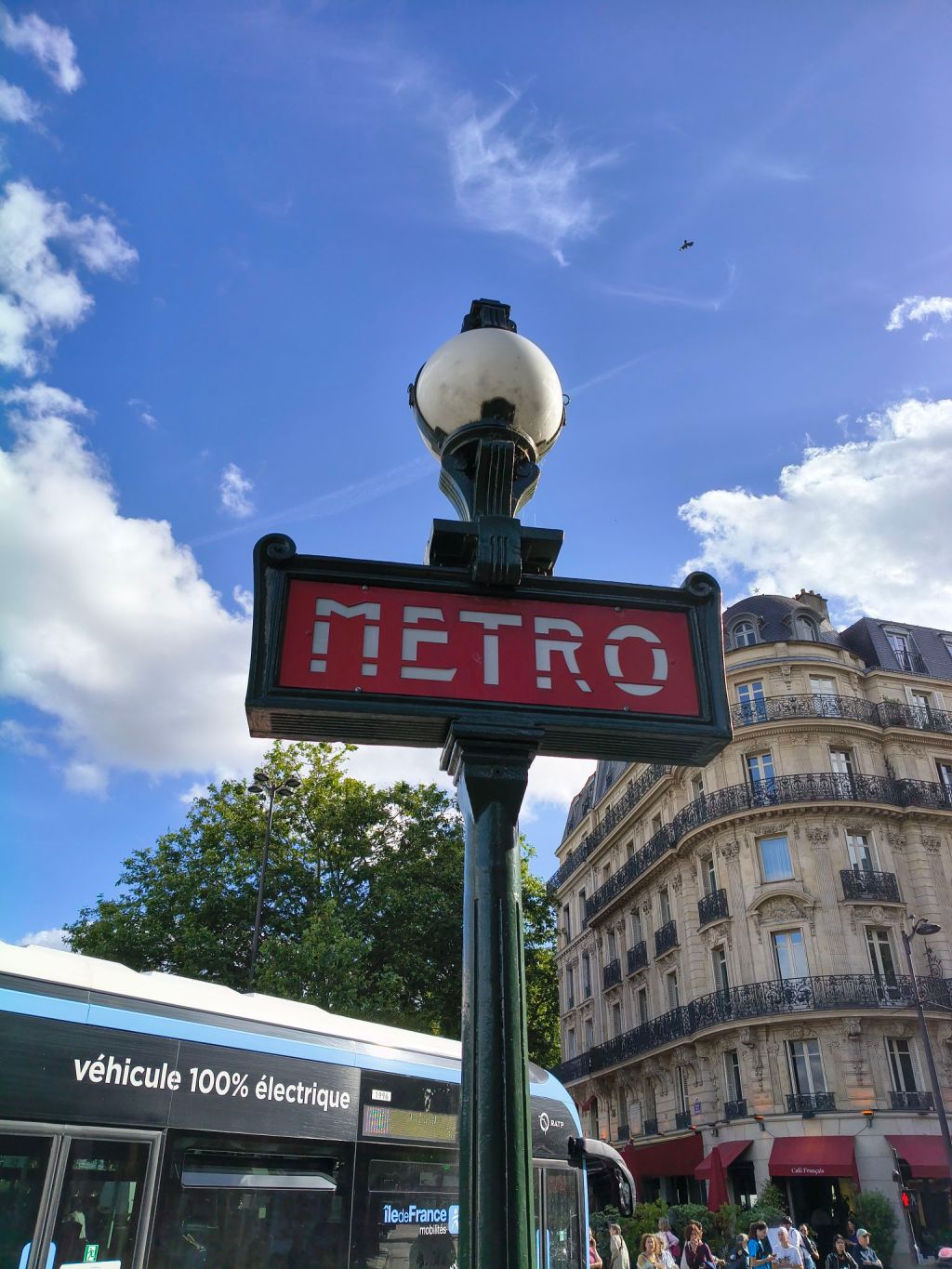
It was time to say au revoir to Dieppe. Two nights there was probably enough, though I would not have said non to a couple more days of idle, picturesque wandering or lazying on the shore, if the weather had been up to it.
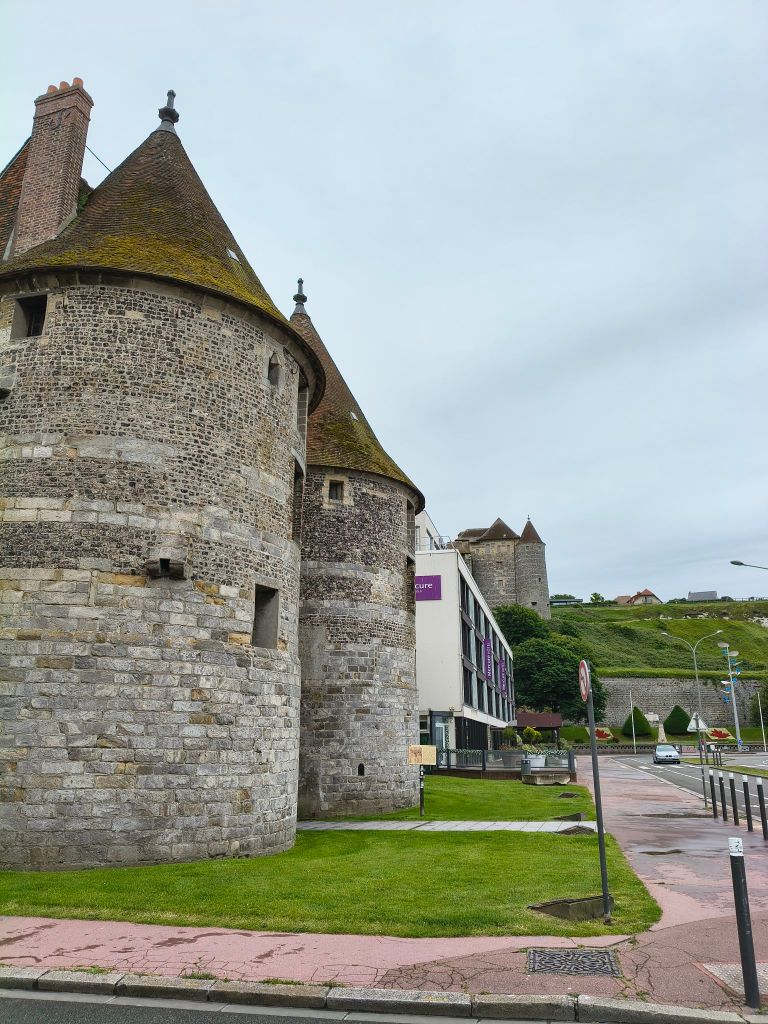
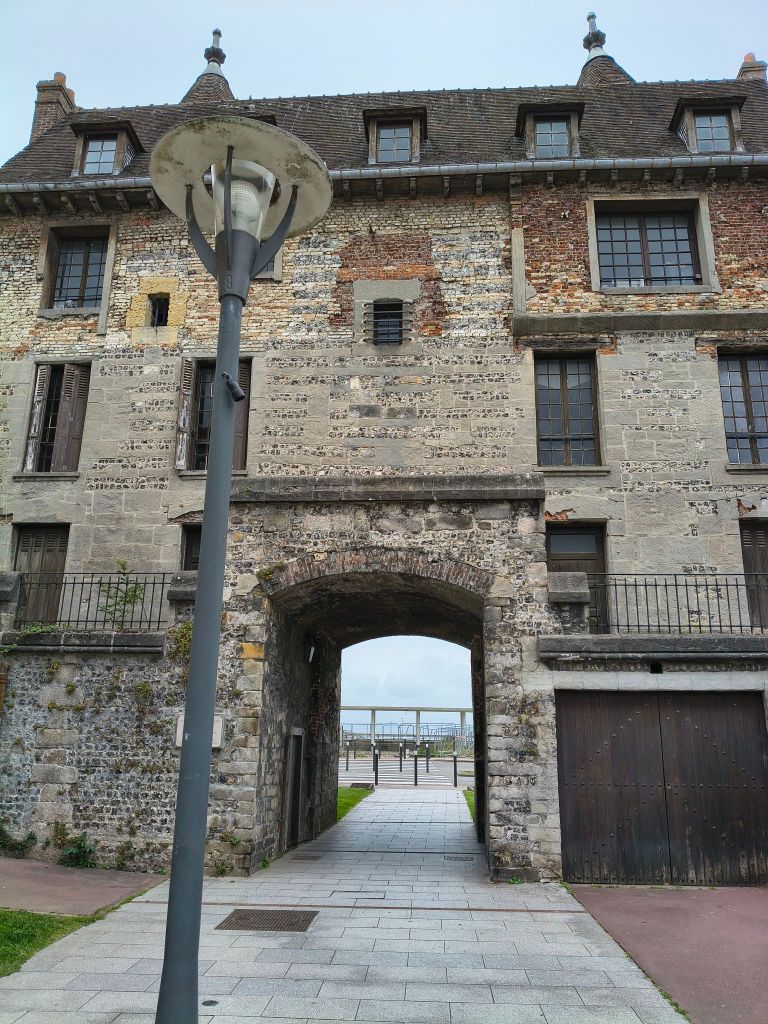
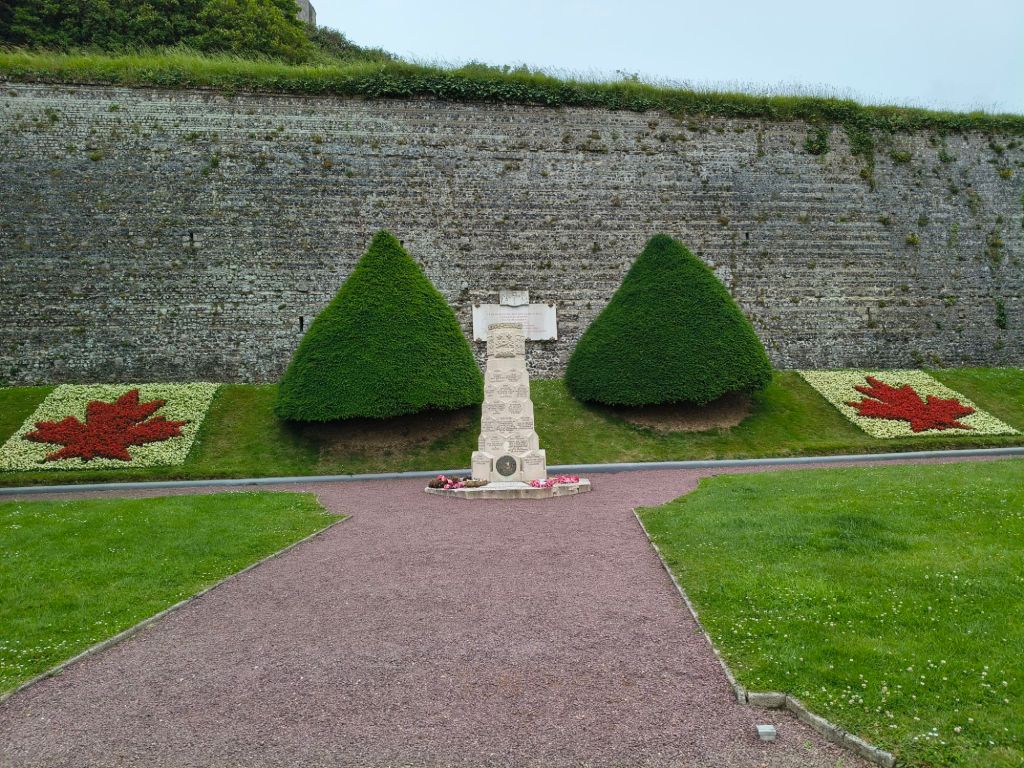
Pro tip. If you’re here in midweek in June it’s very quiet in the evening, there are bars and restaurants but you won’t find them by following the crowds. That of course has its benefits. Also, if you’re catching a train there seems to be nowhere in the immediate vicinity of the station to get something to eat except a small kiosk inside. The area around the station is rather bare, a little sad and left-behind.
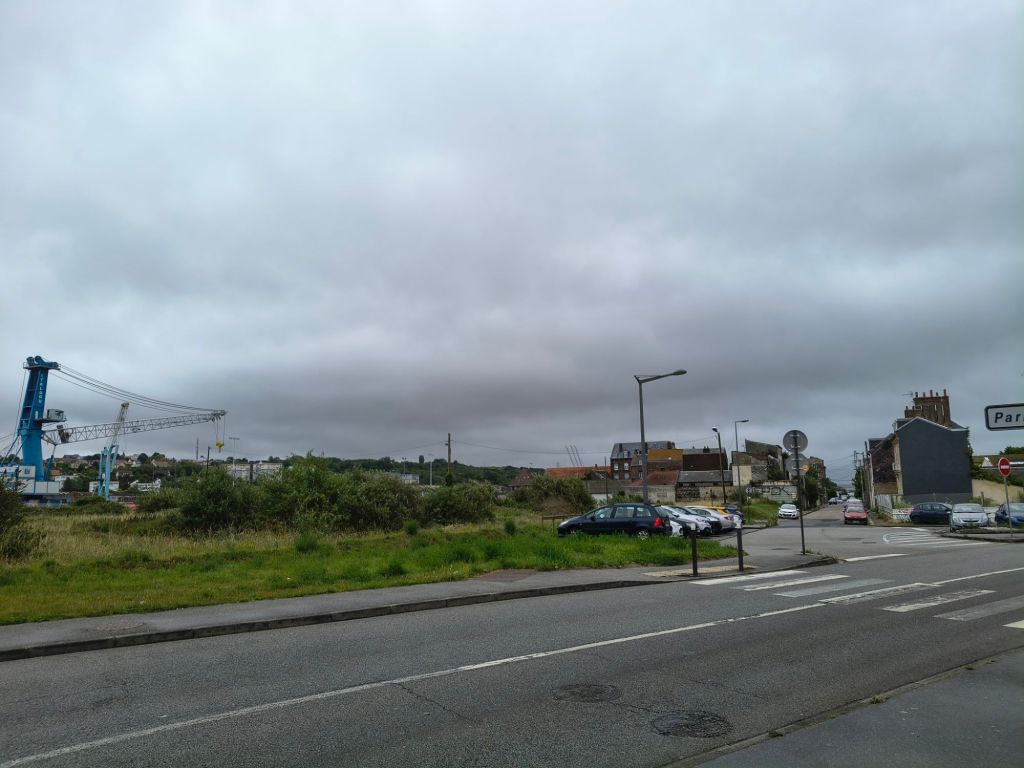
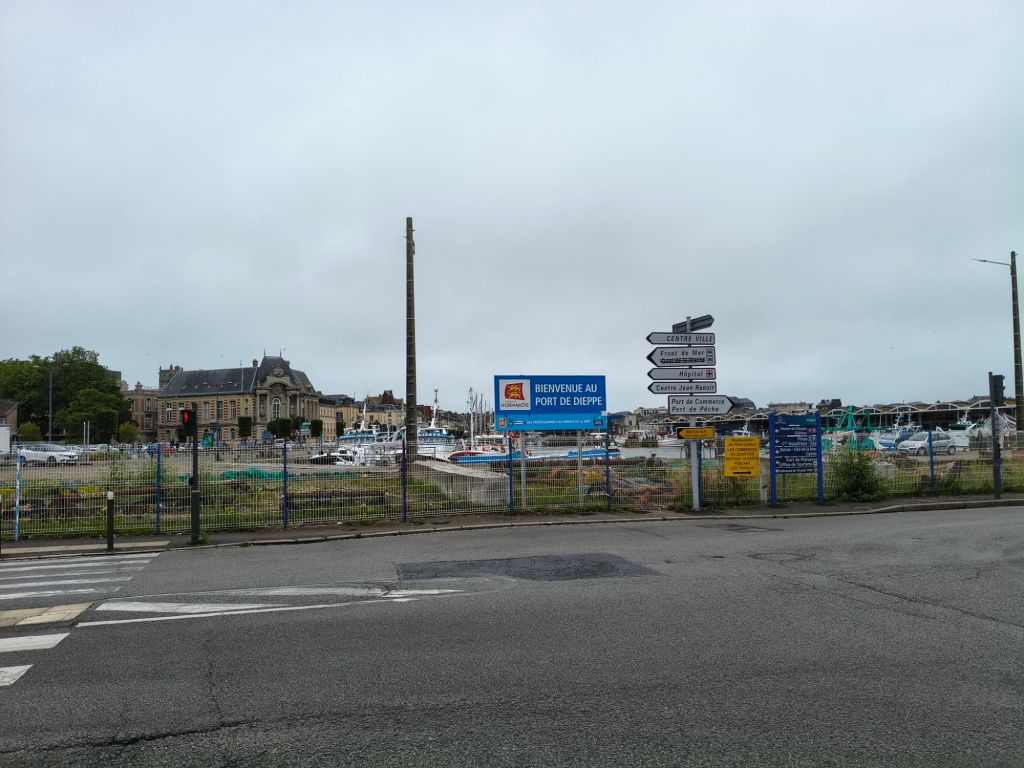
Bear that in mind because there was only one train every two hours when I left town.
I ended up somewhere completely different. My last stop on the tour was – where else?
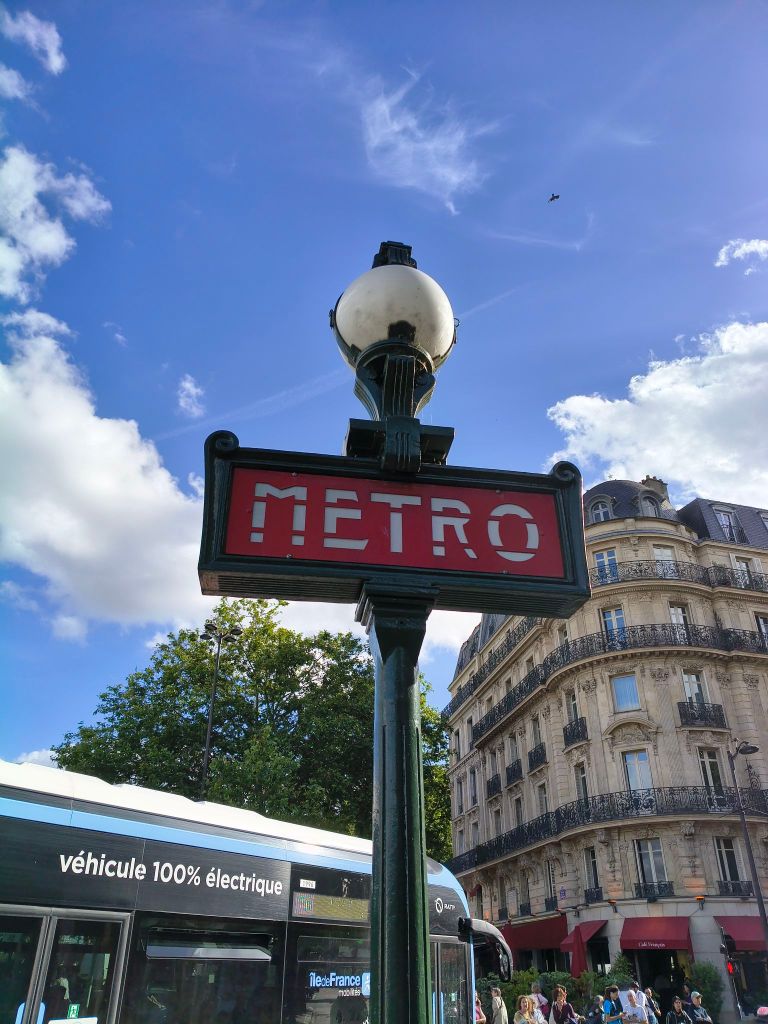
I’d been here last year, but it weaves a spell, does Paris, and anyway I like my trips to be loops rather than straight lines.
Bright and breezy in Brighton, dark and drizzly in Dieppe, the sun suddenly came out to party in Paris. The Normandy weather isn’t the best in France, but this looked like a general shift in conditions that was going to affect both sides of the channel. So I took up what the weather was giving me and dedicated this trip to just general meandering and cafe-sitting.
Just like last year, I’m not going to even try to capture this enormous city in a couple of blogs. Instead I’m going to have a look at the pictures I’ve been taking and seeing what stories emerge.
Revolution
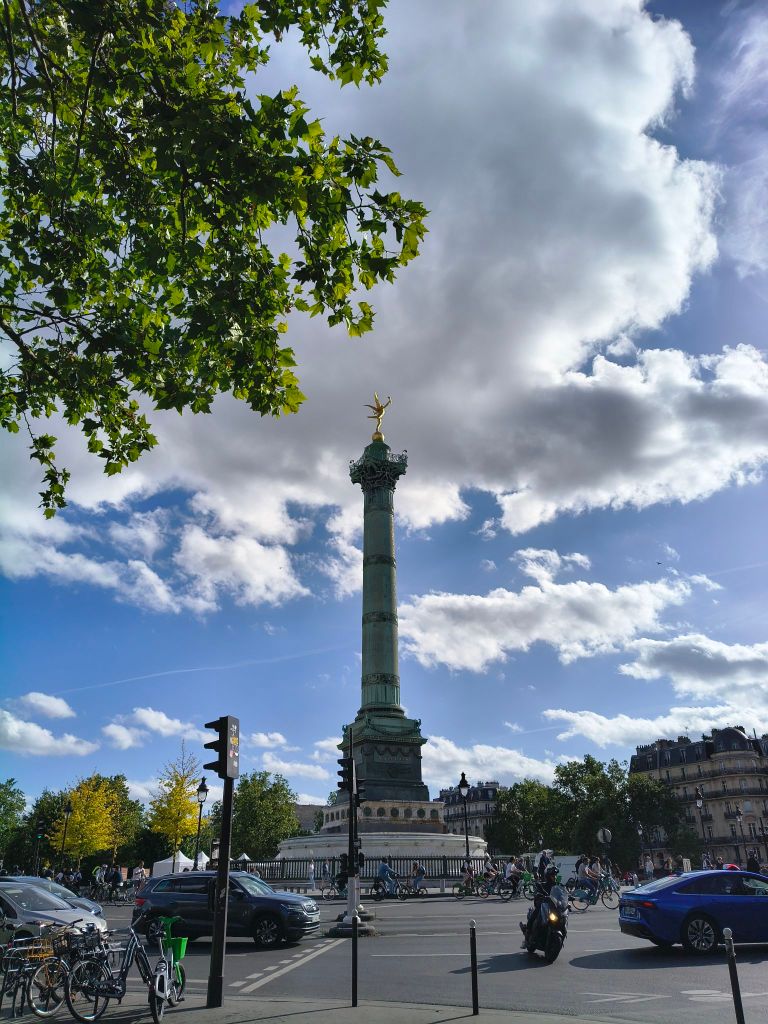
The July Column stands on the site of the infamous Bastille prison, feared by anyone who criticised the Ancien Regime or otherwise stepped out of line. By the time of the Revolution of 1789, it wasn’t as bad as some of the Ancien Regime’s other prisons – a series of reforms had left very few prisoners here. But bad reputations are hard to shift, and when matters came to a head between the monarchy and the people, and the people needed a symbol of the regime to vent their fury on, there was only one choice. And vent their fury they certainly did on July 14th 1789, storming the prison when negotiations to hand it over appeared to fail.
With the prison cleared away – along with the Ancien Regime – plans were in place to build a monument here, and a column was erected in 1833. They’d originally planned to put it up in 1792, but stuff happened and when Napoleon came to power he wanted a different monument and for while there was a plaster cast of it here.
It was an elephant. Great thinking, Napoleon.
This is a revered part of Paris, and the people of Paris honour it with their most sacred, traditional rituals – political demonstrations. The 1789 Revolution wasn’t televised, and they’ve been trying to correct that programming error ever since.
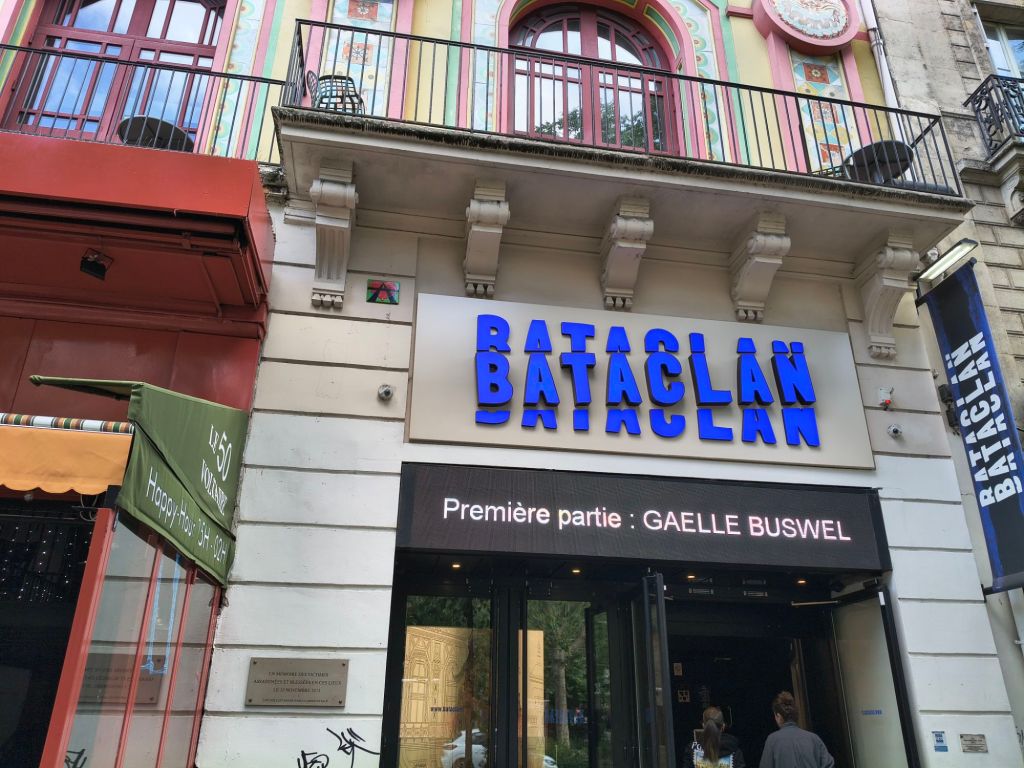
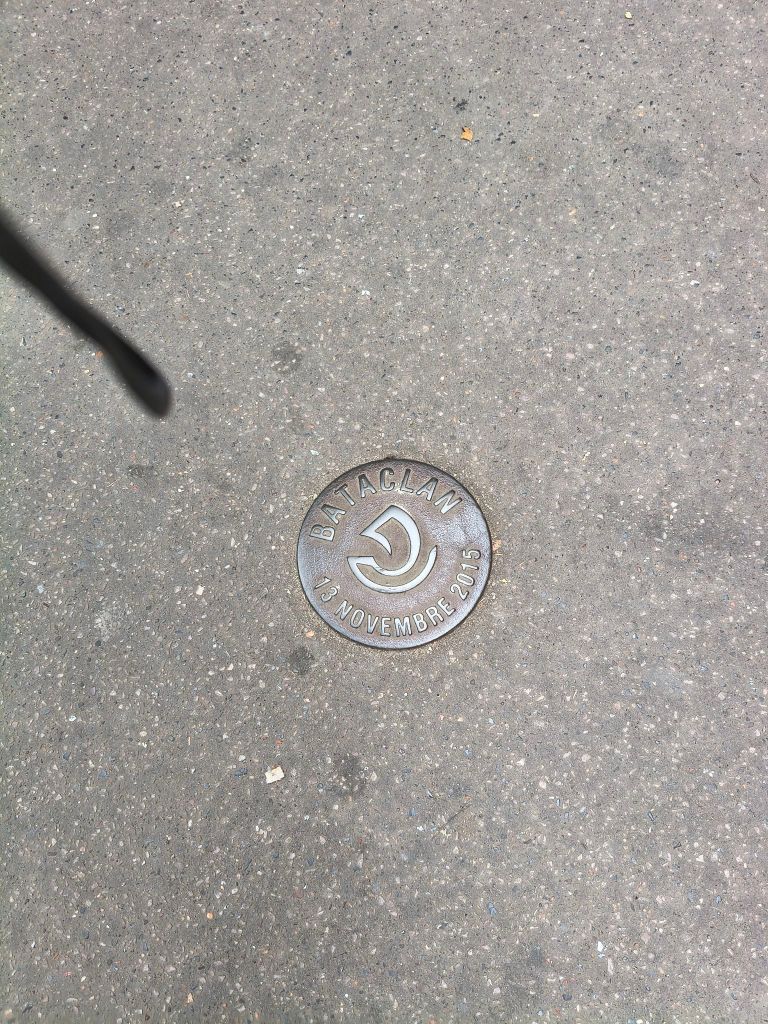
Remember
Monumental
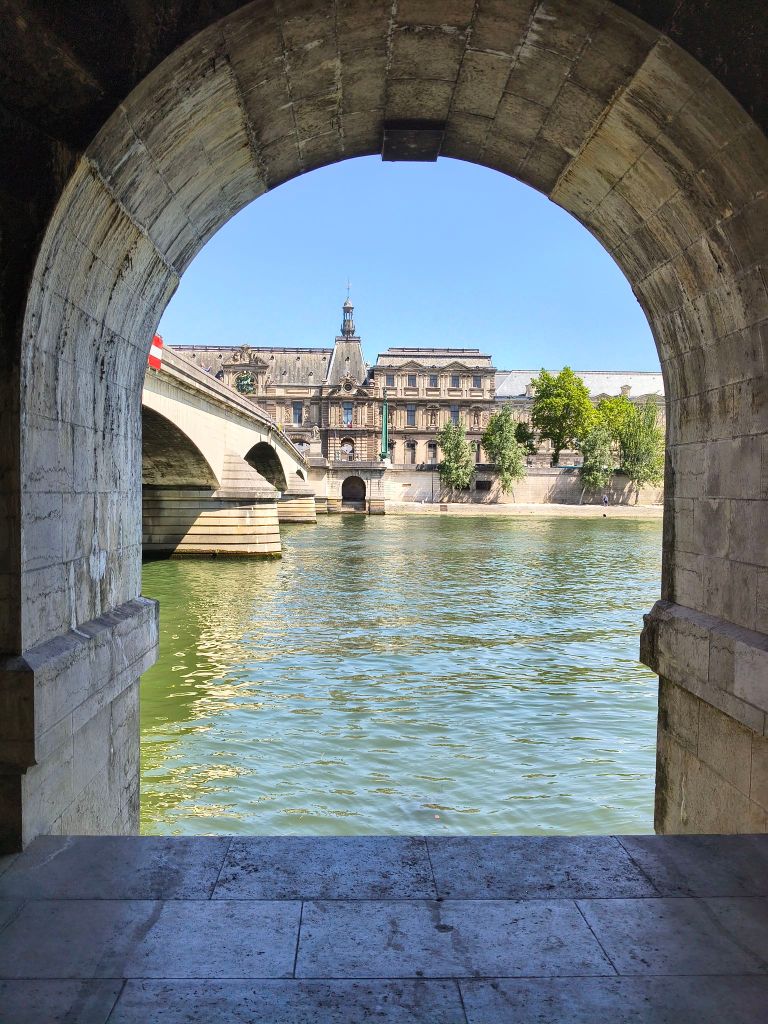
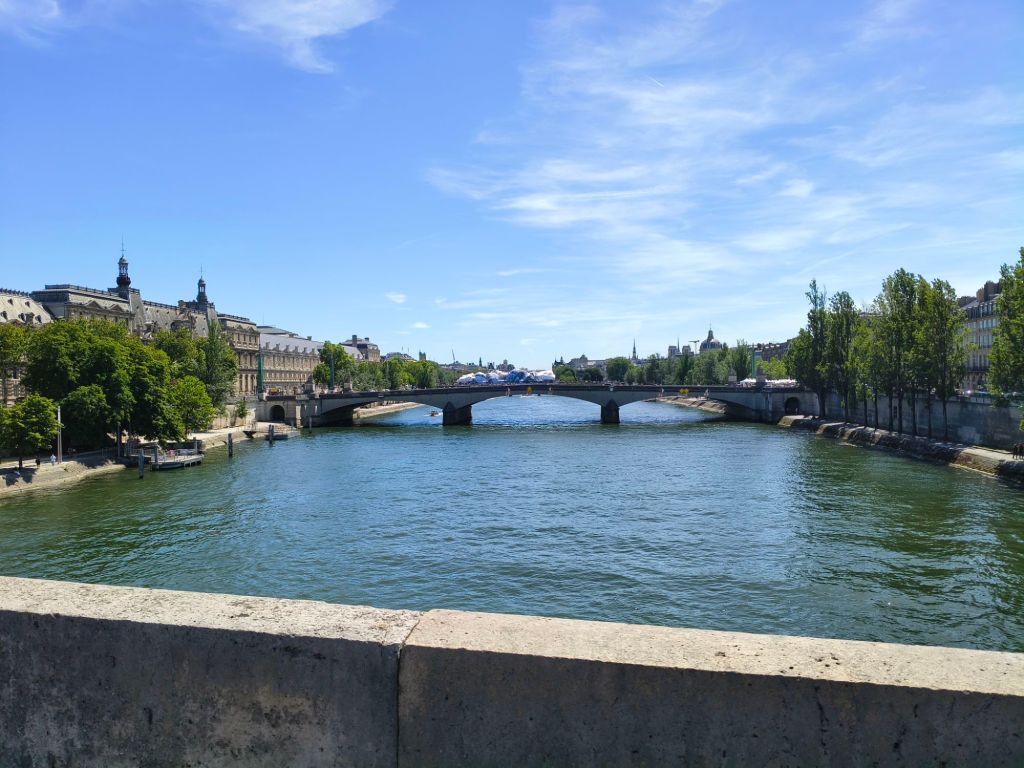
Every time I come to Paris I’m struck by the sheer elegance and grandeur of the streets and the buildings, like everyone else is, but this time I realised something else. It’s not just a grandeur of ascetic ambition. It’s all – so – big. The Louvre seems to go on forever and looms over you, the delicate -looking Tuileries gardens roll on endlessly, and at the other end of the wide-as-a-mile Champs Elysees lies the Arc de Triomphe, literally standing there, size of a planet, feeling as it’s made out of every stone ever quarried in France. In case you think this was just the grandiosity of the old days, head to the river and the 20th-century museum of modern art, which looks – enormous.
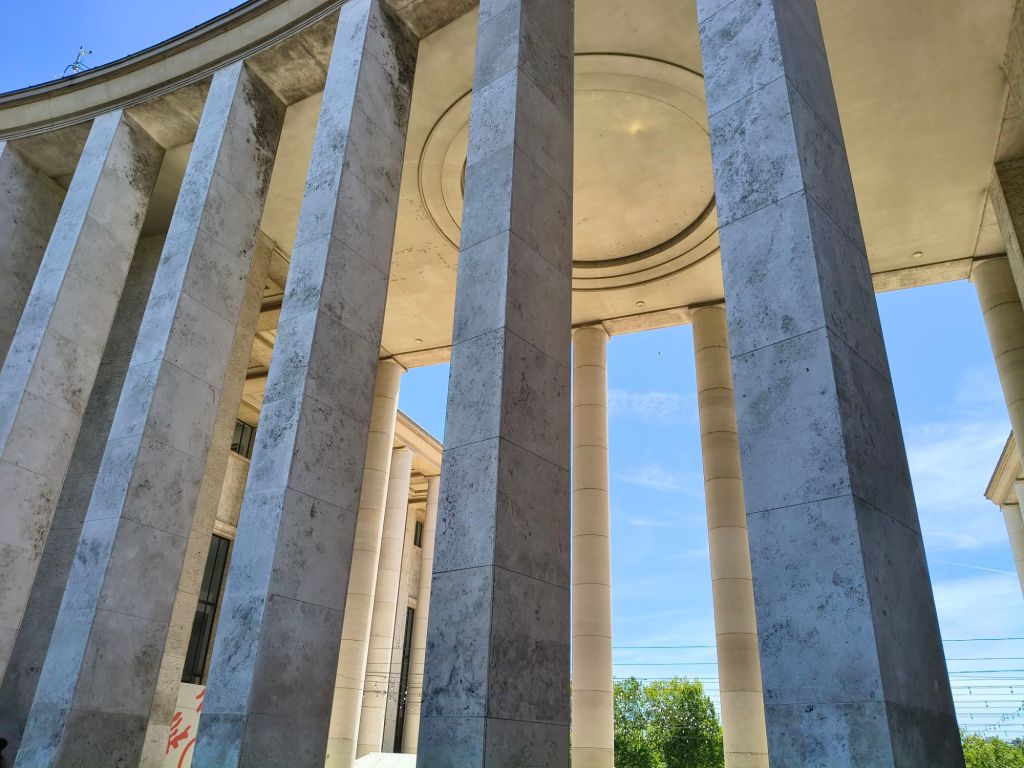
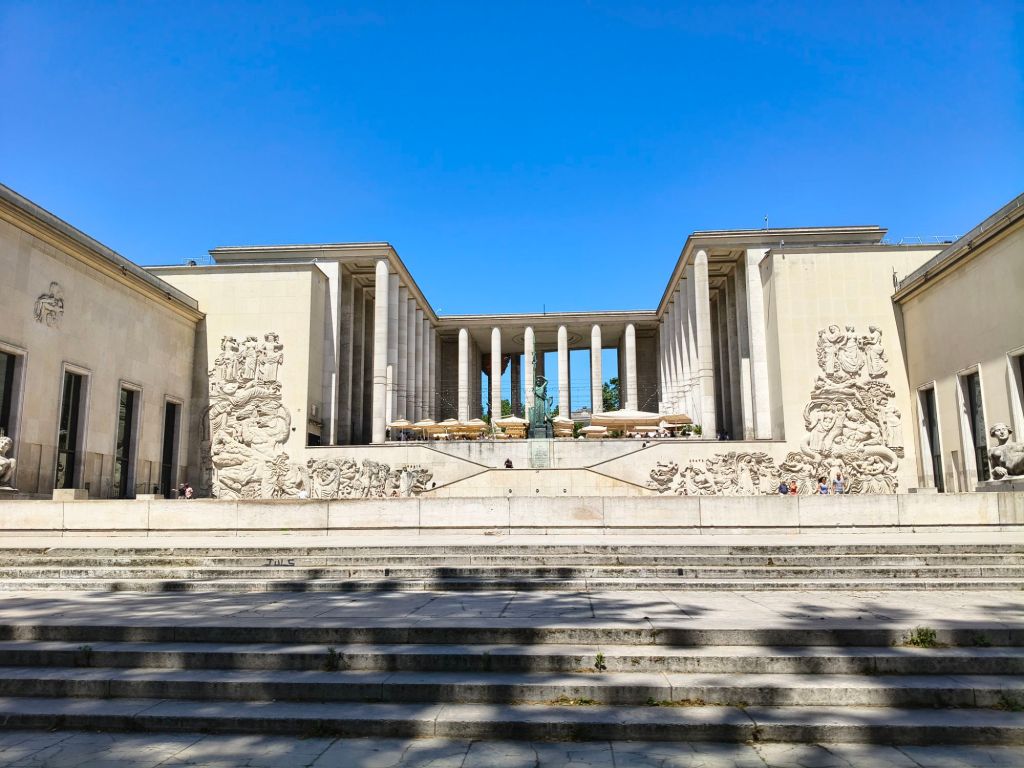
Is the uniqueness of Paris down to this sense that you are standing in the monumental capital of a great global cultural empire and poor you – 18th-century peasant, 19th-century colonial subject, 21th-century visitor – are here to feel suitably overwhelmed and forced to bow in supplication? In which case thinking about Paris wasn’t about thinking about two lovers kissing on the banks of the Seine to the sound of a beret-wearing accordion player.
The centre of Paris was a little different in the 19th century, different in the sense of being much worse. It was over-crowded, disease-ridden, a breeding ground for crime, discontent and insurrection. Impressed by the public works he’d seen in London, Emperor Napoleon III commissioned a man called Georges-Eugène Haussmann to give the place a good old makeover, to clear away the slums and make it all aerier and lighter. In short, make Paris, well, Paris.
Haussmann set to work in 1853 and by 1870 most of it was done. The grand, broad boulevards, the main axes, the great public parks, the unified style of the new buildings, it was all down to Baron Haussmann. Basically the Paris we know is as much Haussmann as much as anyone else’s. Even one of Haussmann’s baser motives – wide boulevards make it easier to deploy troops to deal with uprisings – has a truly Parisian touch.
In the end we are left with a great city that was redesigned to be monumental and grand, and the planners have never forgotten it.
Sacred and secular
I’d been aware of the church of Saint Sulpice before, but I’d never thought about visiting it until now and I’d popped along seeing I was pottering around the Left Bank anyway. So I was rather taken aback by how ginormous this place is.
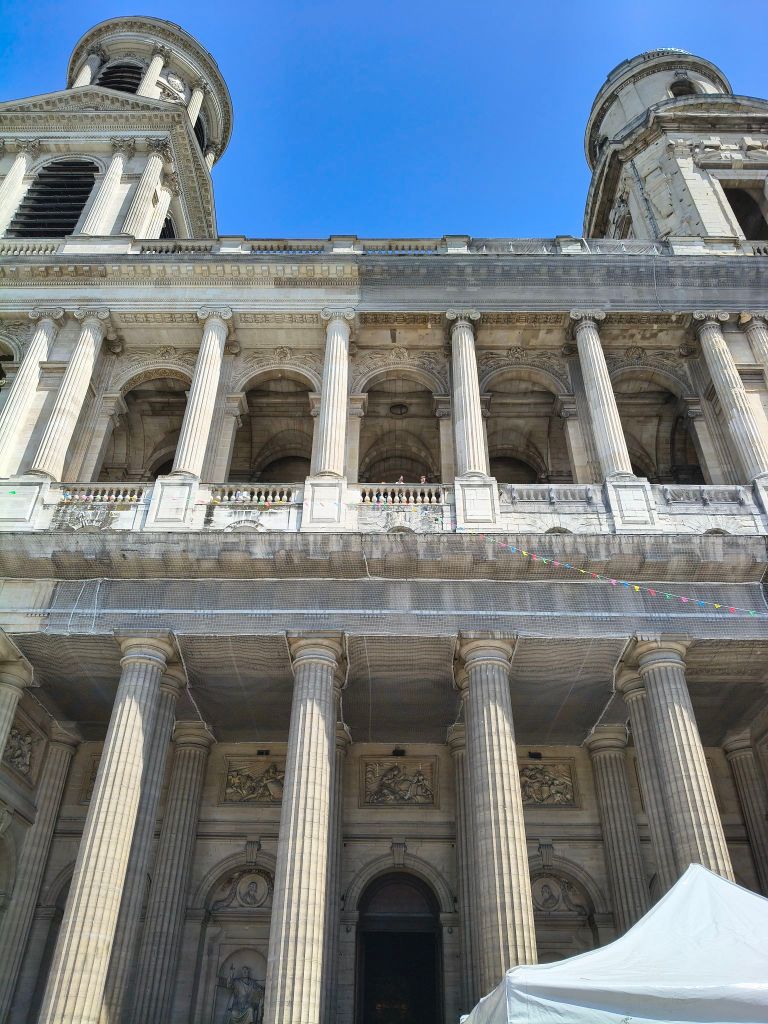
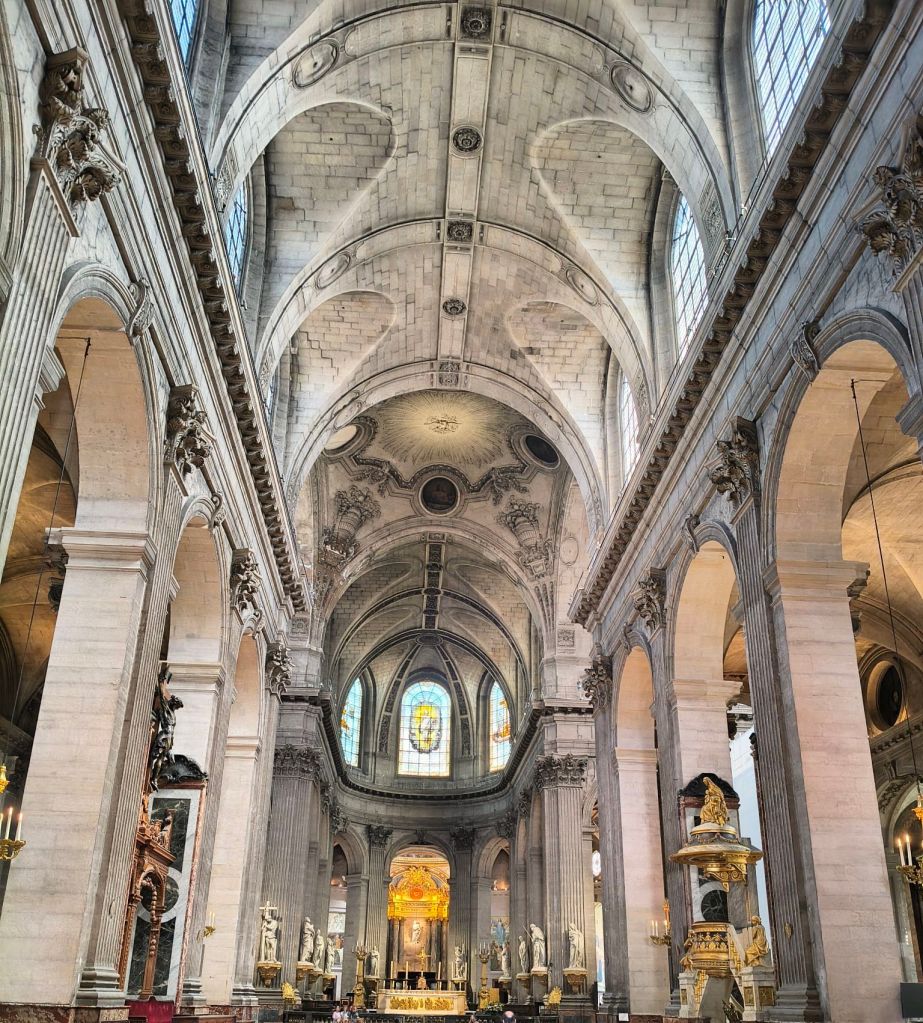
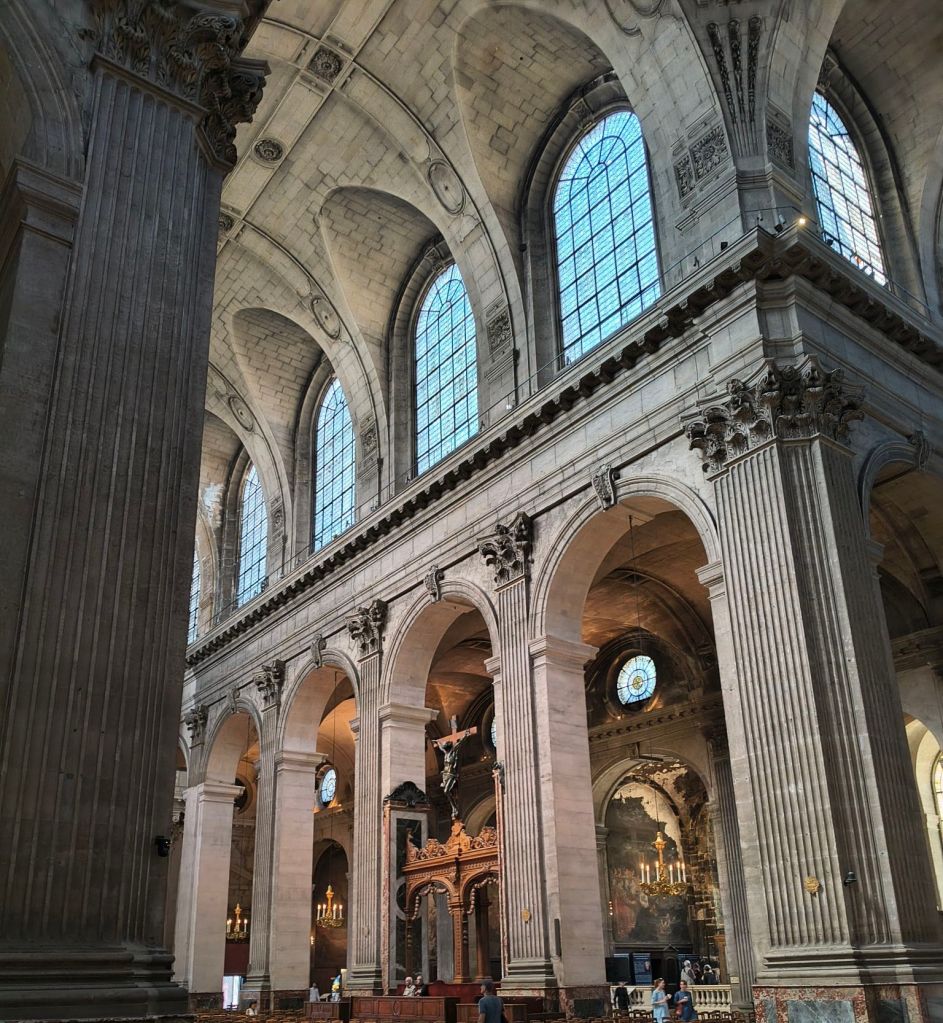
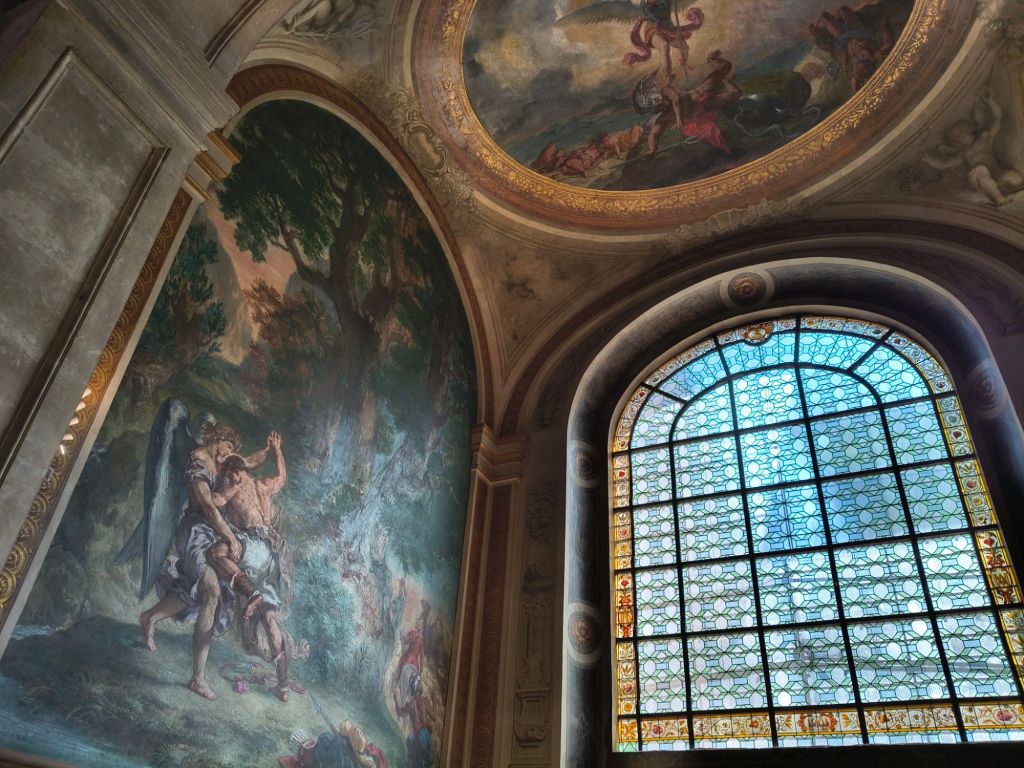
The church is a Baroque rebuild which was started in 1646 and finished in the following century. The west facade was based on St Paul’s in London but the interior has that same neoclassical clarity and – that word – monumentality. Very impressive murals from Delacroix too.
Here comes the science bit. To help them work out when the equinoxes were due – and hence the date of Easter – the English astronomer Henry Sully laid down a brass gnomon, a meridian which runs across the floor and along which the sunlight at local noon tracks as the year runs from solstice to solstice. A hole was cut in the south transept window, the noon reflection gets nearest the window at summer solstice, it’s furthest away at winter solstice (there’s an obelisk across the nave) and halfway across there’s a copper plate where the light lands on the equinoxes. Here’s a photo of the summer solstice point.
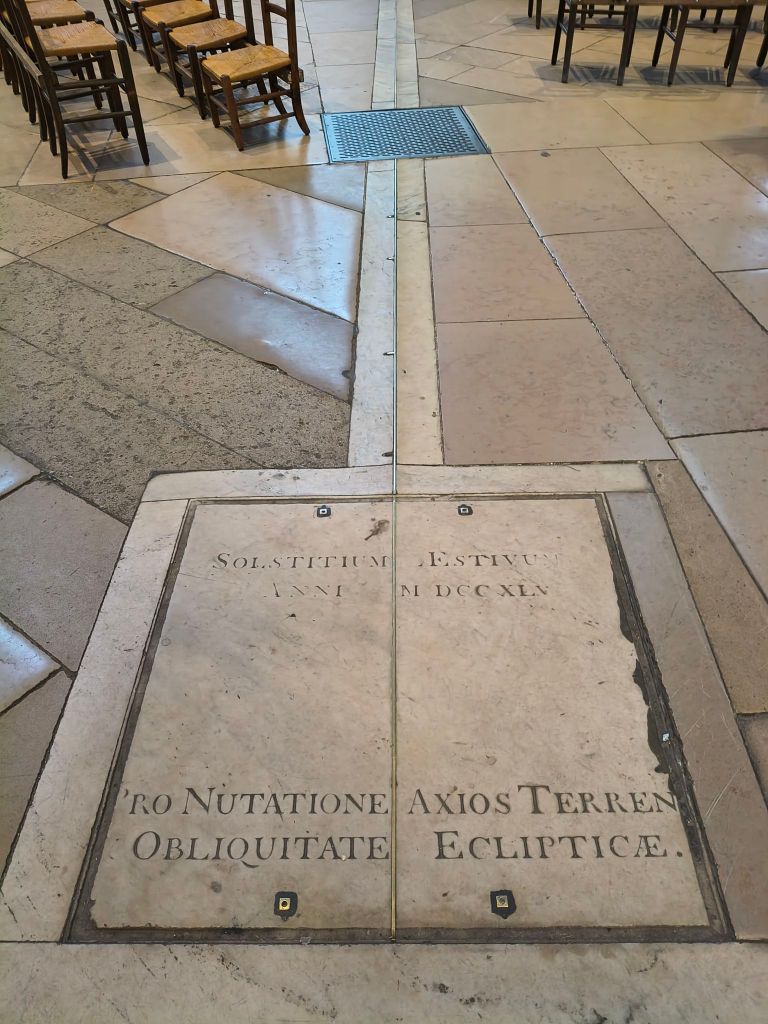
The French Revolution was notoriously pro-rational and anti-clerical, and Wikipedia believes this scientific, rational instrument may have saved Saint Sulpice from destruction.
Well, I found all of that interesting anyway.
C’est Paris
These were just my thoughts over the last couple of days. If I come back I will probably have a different spin on things, seeing things from a different angle, from a different part of the Seine maybe, or musing from a different pavement café.
The thing about endless cities is that your perspectives of them are endlessly changing, always being added to, seen in new light. The good thing about an endless city like Paris – or London – is that you can’t do them in one day, one blog post, one visit, so you have to constantly revisit it, and revisit your preconceptions. And that is one of the joys of travel.
Fortunately you don’t mind having to come back. Because the other thing about the great endless cities is that there is an essence to them, a buzz, an allure, that is also endless, that never stops drawing you in. And I know I’ll be back here one day.
À bientôt!


Leave a Reply