The last time I was in Brighton, I hopped on the train and took the short, picturesque ride to the small port town of Newhaven. Cut in two by the River Ouse, Newhaven rather scrappily straddles its way along the river down to the shingly beaches.
Newhaven has had shingle trouble down the years. The shingle had built up into a spit that blocked the Ouse’s passage to the sea, allowing neighbouring Seaford – gateway to the Seven Sisters – to steal a march and become the principal port hereabouts. In the 1500s they cut through the spit and let geography do the rest – it’s more sheltered as a harbour than Seaford. Unfortunately geography also kept delivering shingle, and in the late 1700s they set about creating a breakwater to prevent longshore drift. They were so sure they’d got it right this time that people started calling it the “new haven”. Since then it’s had its moments, especially since the railway came in the 1800s and the ferry service to Dieppe in Normandy started. In the First World War it was the principal port for the despatch of men to the front and in the Second, men left here for the tragic Dieppe Raid in 1942. Thirty years later, having (allegedly, of course) committed his own tragedy (allegedly), Lord Lucan’s blood-spattered car was found here. It’s unlikely he’d come to the port town of Newhaven to visit the old fort.
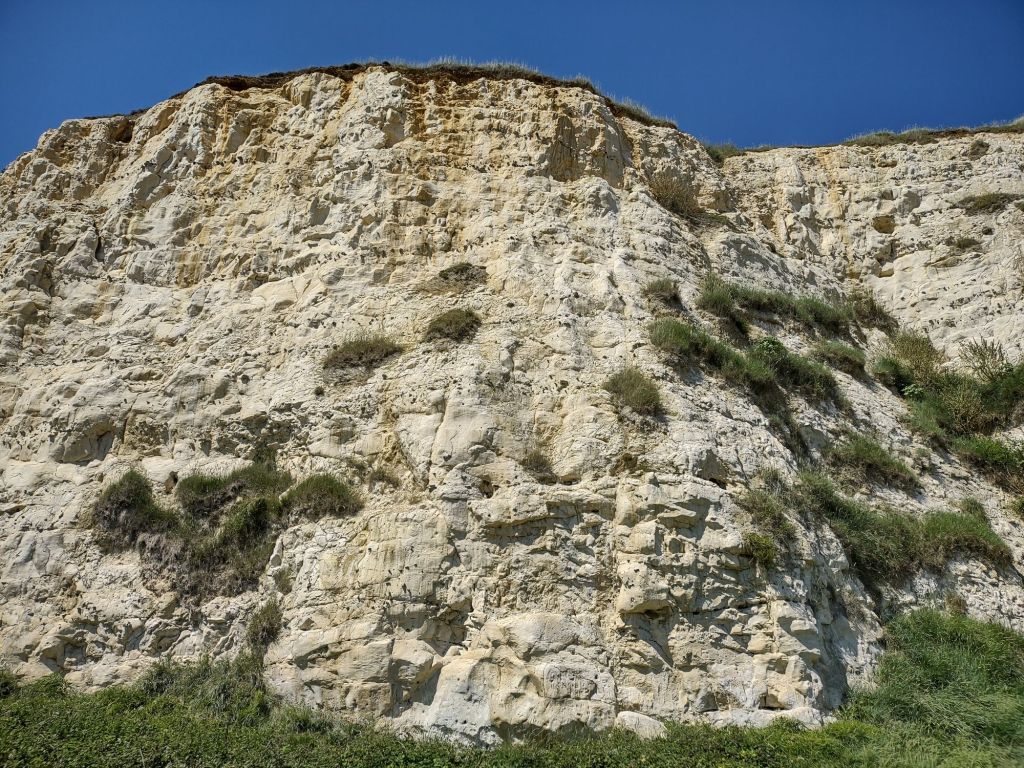
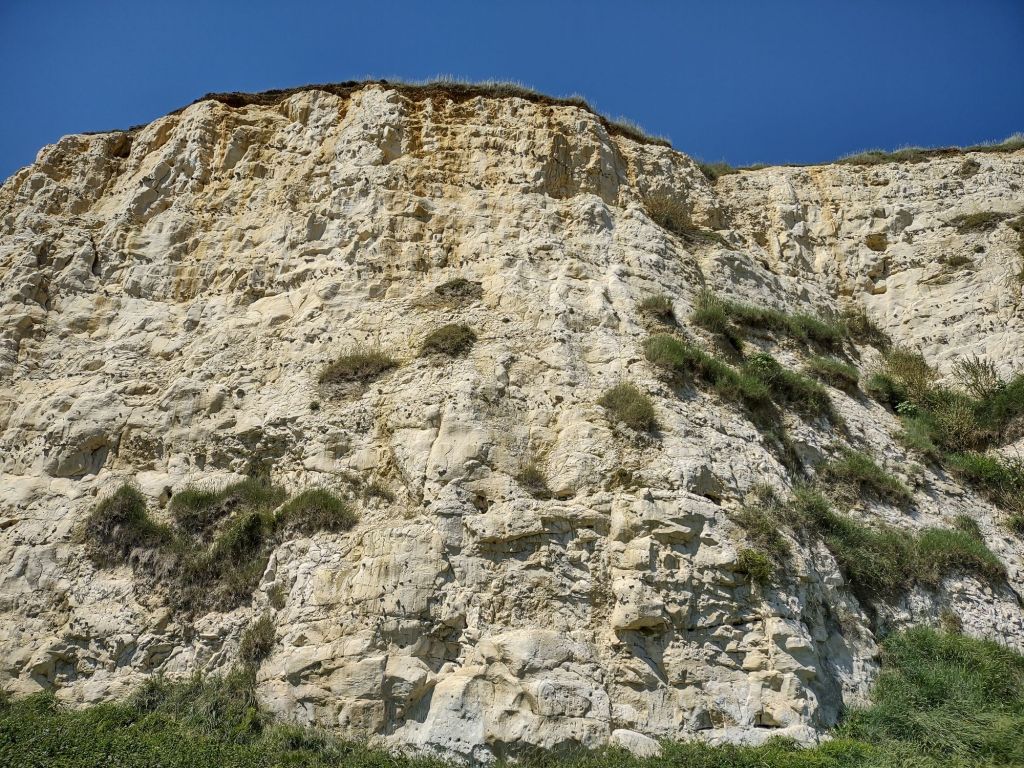
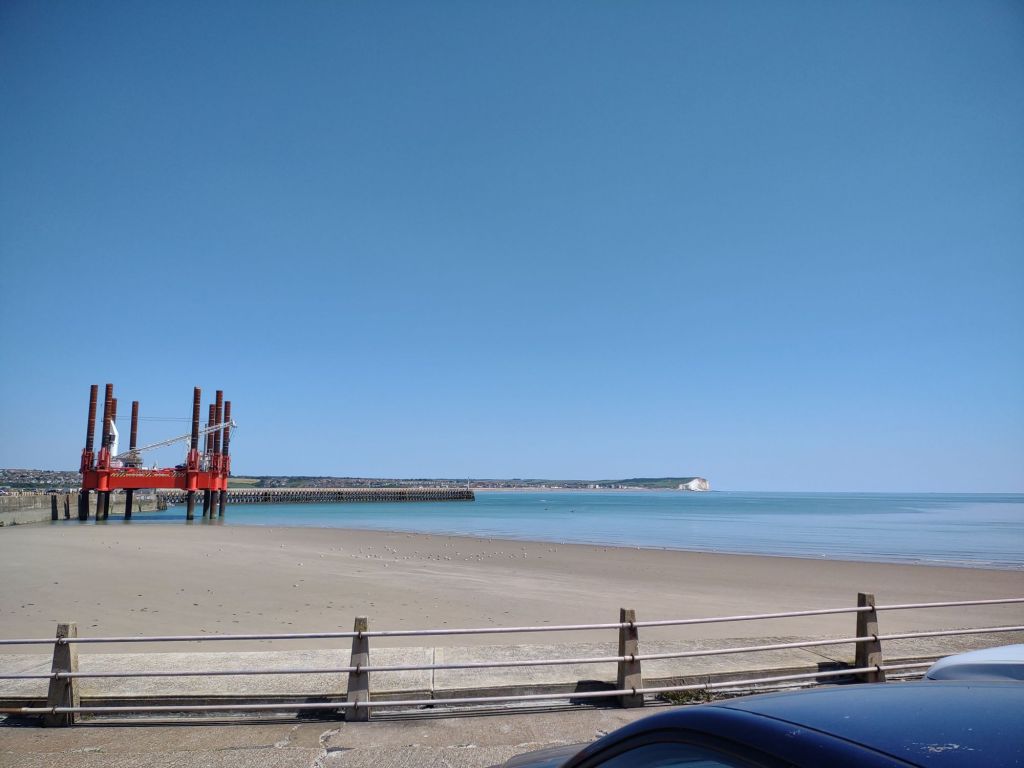
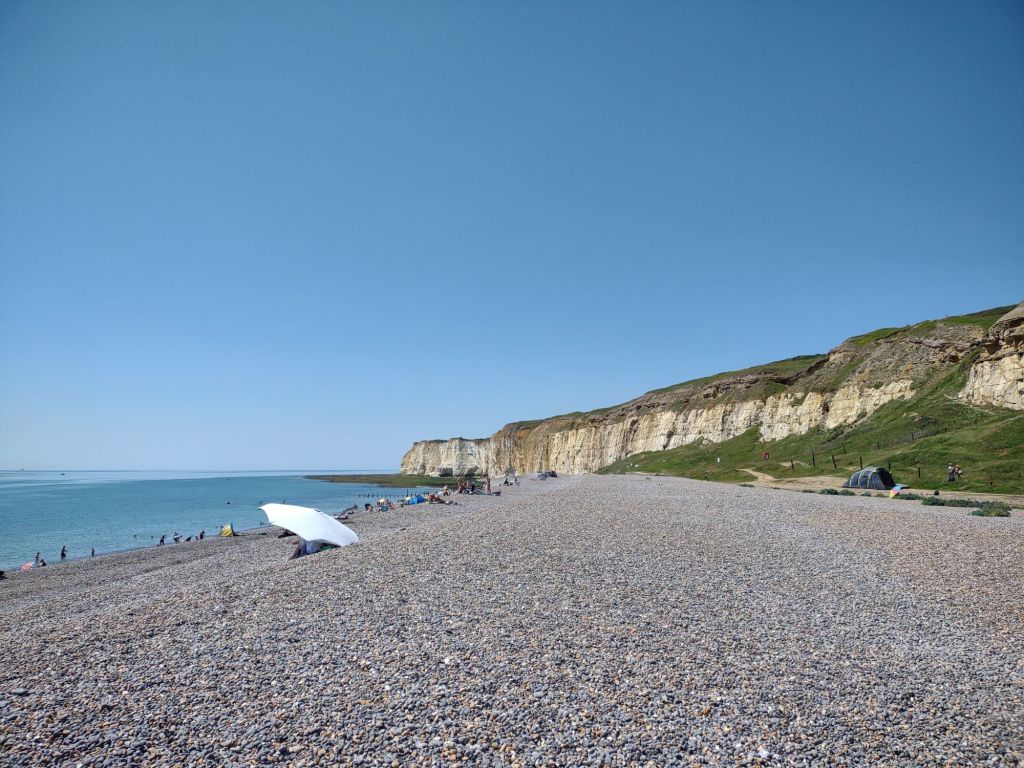
My photo roll from five years ago suggests I was most taken with the shingly beach on the west side of the quay. The Sussex and Kent coasts are essentially where the South Downs marches down to the sea, and the engagement with the English Channel has left sheer chalky cliff faces in many places, most famously the Seven Sisters and the White Cliffs of Dover. Newhaven’s cliffs have their own drama, as I recorded at the time…
Stunning as the scenery was, it was something else that made the biggest impression.
You’ll recall from my last post that this was five years ago, when COVID still made foreign travel very difficult. Not impossible, as I noted while standing on the quayside watching the ferry slide in from Dieppe that sunny July afternoon. Just very difficult, as I noted when I saw how empty it was. (Turns out that the French decided to keep this subsidised route going for the duration.)
But it was the first time I’d laid eyes on just about anything, or anyone, travelling between the UK and the rest of the world. And suddenly I felt the old sense of wonder about the mystique, the glamour, of foreign travel. It had only been eighteen months or so since my last trip abroad, but (as you can tell from the drop-down) I was used to travelling much more frequently than that, and the long absence left me feeling the same sense of innocent awe I had when boarding the ferry to Calais the first time I left the country on my own, thirty-five long years ago.
I did of course think, it’s just the Normandy-Dieppe ferry, there are easier ways to travel abroad.
But at that moment it looked different…and then as time went on, I remembered how much I’d enjoyed Brighton…and later read a bit about Dieppe…and a plan came together.
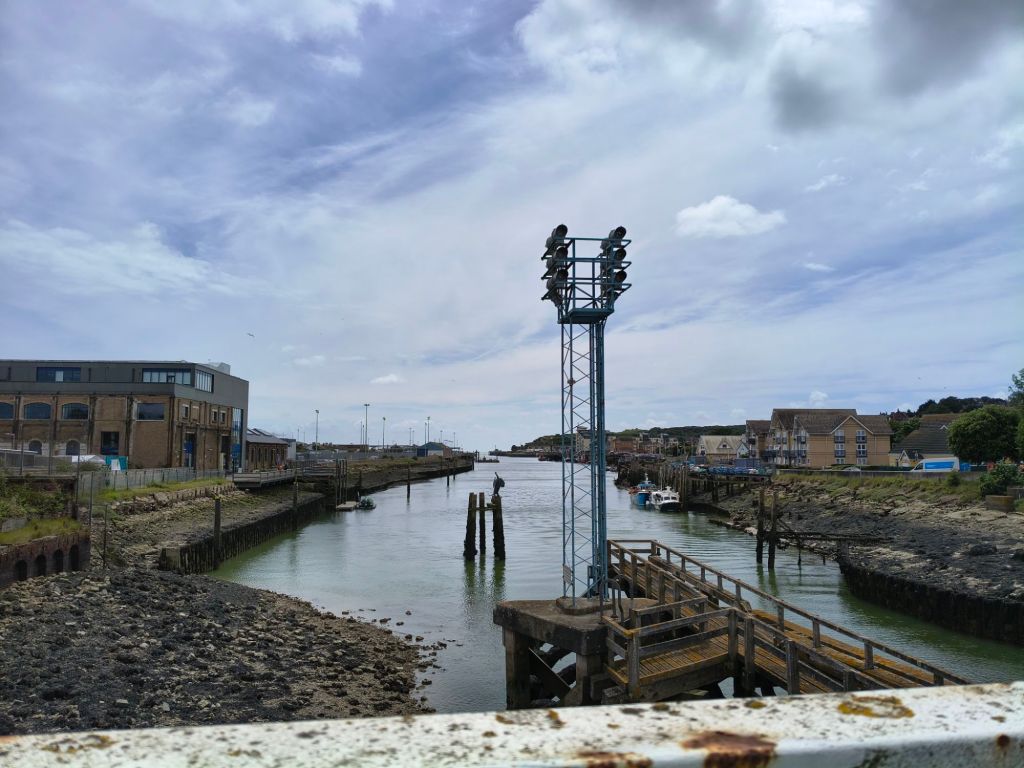
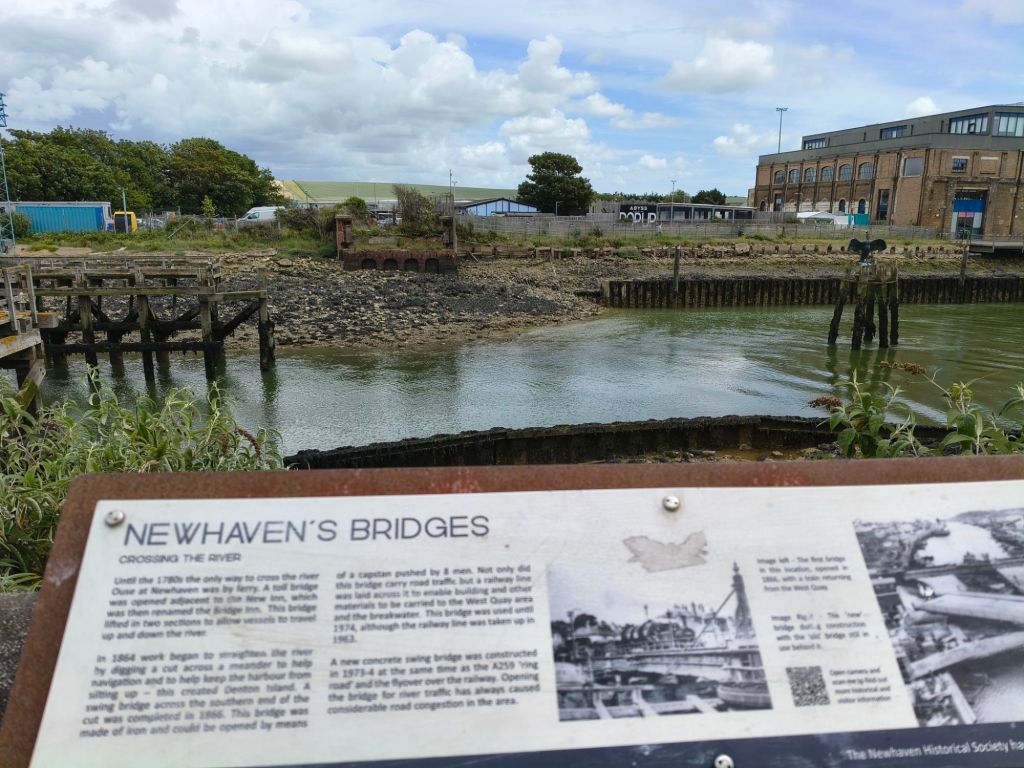
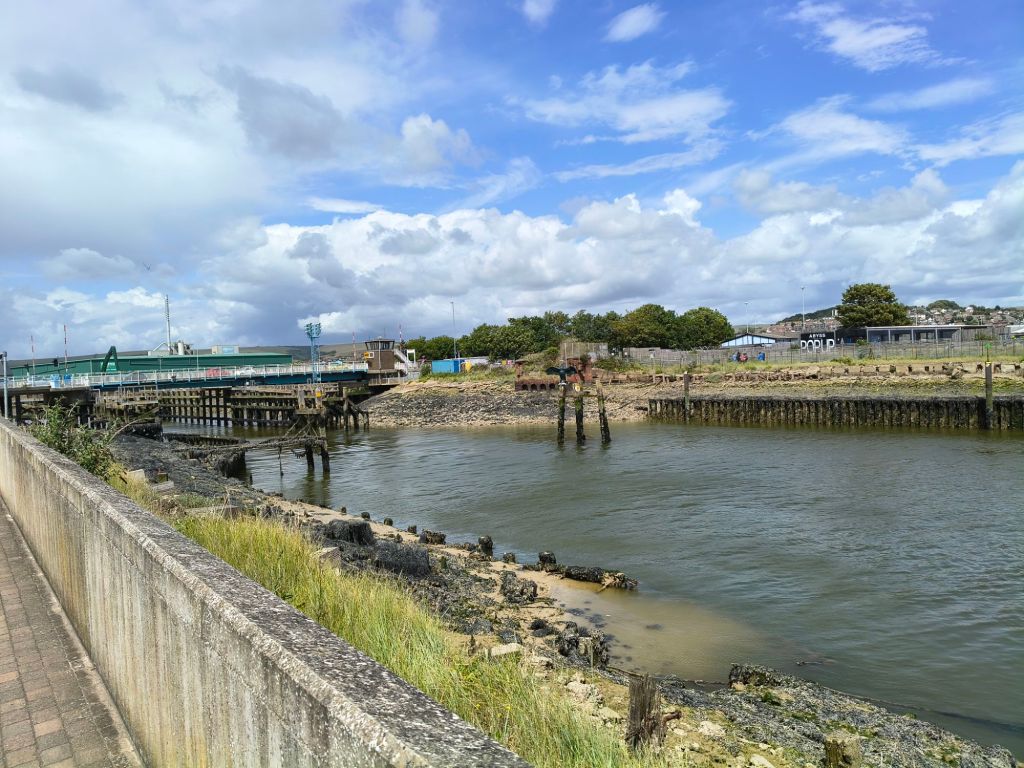
Back to today. Above you can see a few views of the quayside and the Ouse. The wooden piles are all that remain of the old swing bridge before the current one was swung into place in the seventies.
Unfortunately much of the eastern bank is Border Force territory – as I was rather firmly informed just a while ago – so you’ll have to imagine the decent view of the western side that I was going to include. Well, all the better to head to the port building, take a seat, and relax until it’s time to board.
And see how the rest of the plan comes together…


Leave a Reply