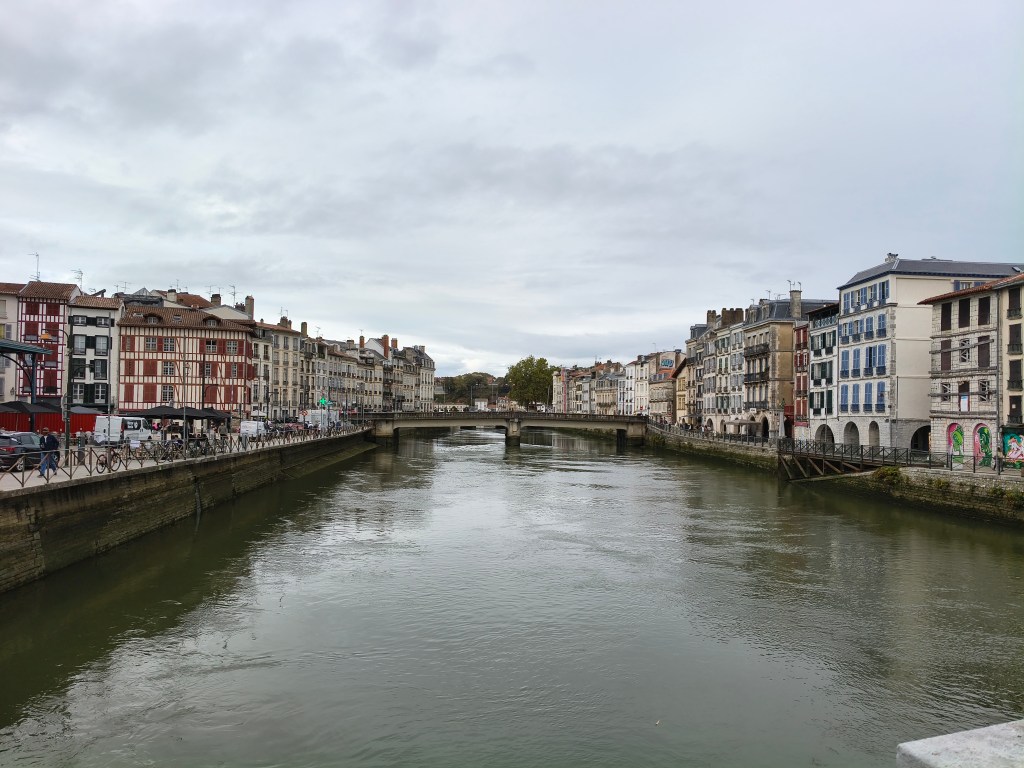
I plunged into the narrow streets of the old town, unprepared. I should have been prepared for the crowds.
I was aware that San Sebastian was something of a resort town, but for some reason its location, stuck on Spain’s northern coast, below the verdant Cantabrian mountains, made me think the weather would be less consistent than the more famous costas further south. Plus the fact all the online guides were saying the same thing.
Arriving onto the esplanade hugging the glorious La Concha bay, crowned by spectacular hills and bejewelled with wonderful Belle Epoque hotels, it should have become clear to me that it was more popular than I thought. Plus all the tourists, that should have given the game away. But I dismissed them as weekenders, took some snaps, and absent-mindedly stepped into the old town.
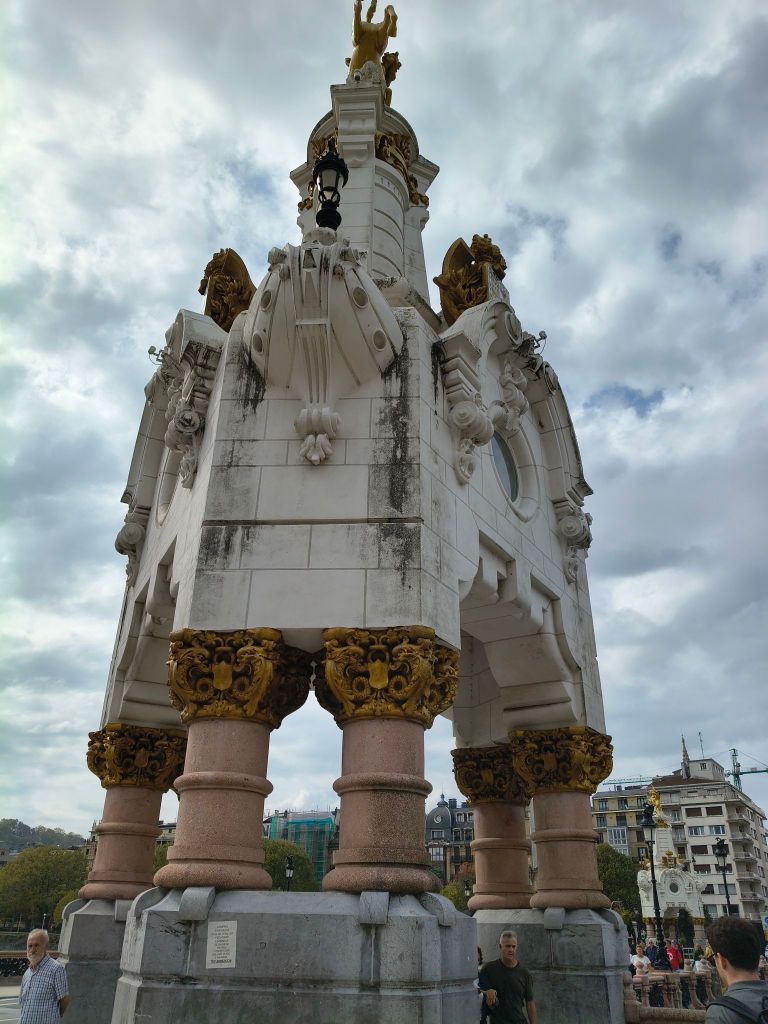
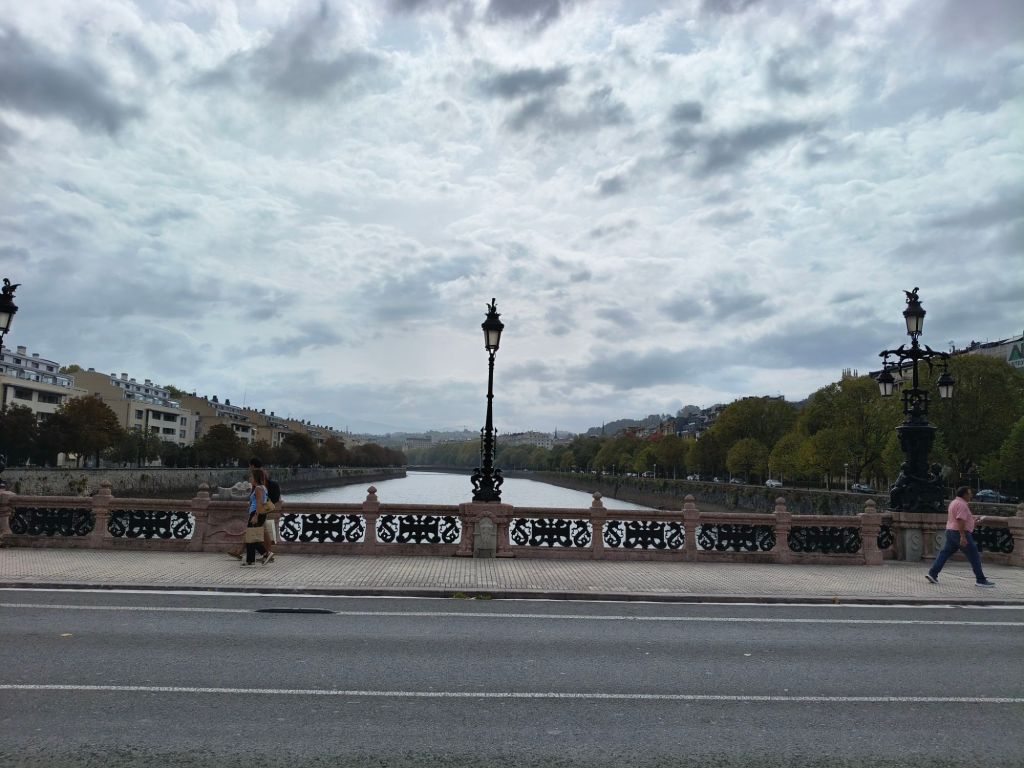
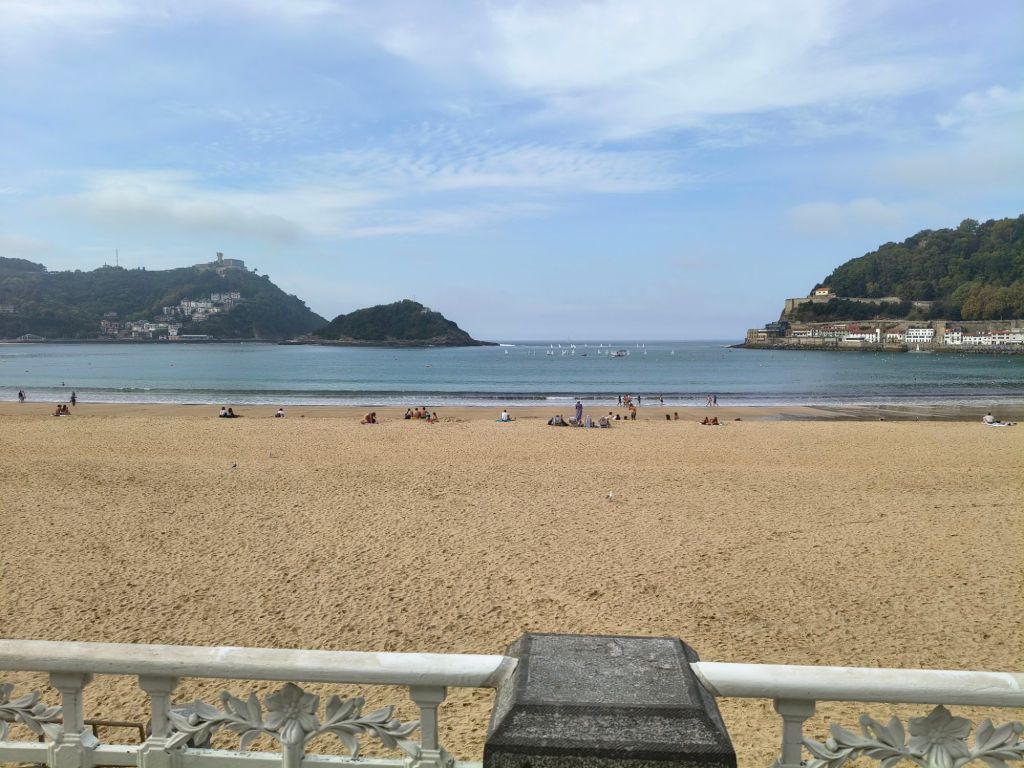
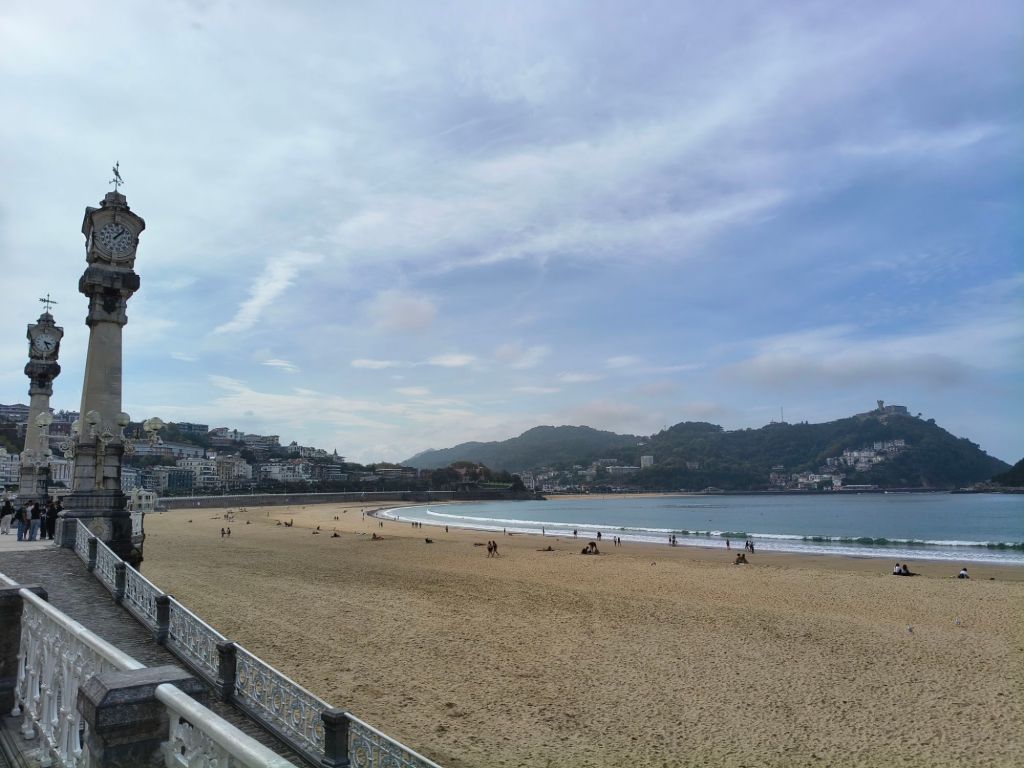
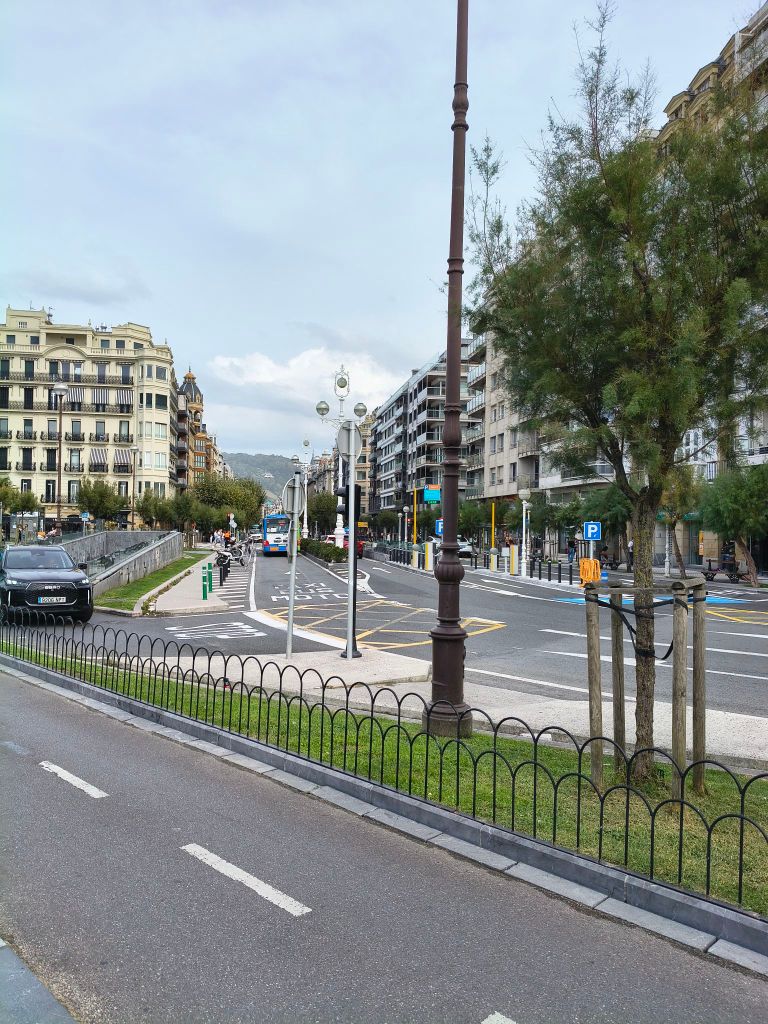
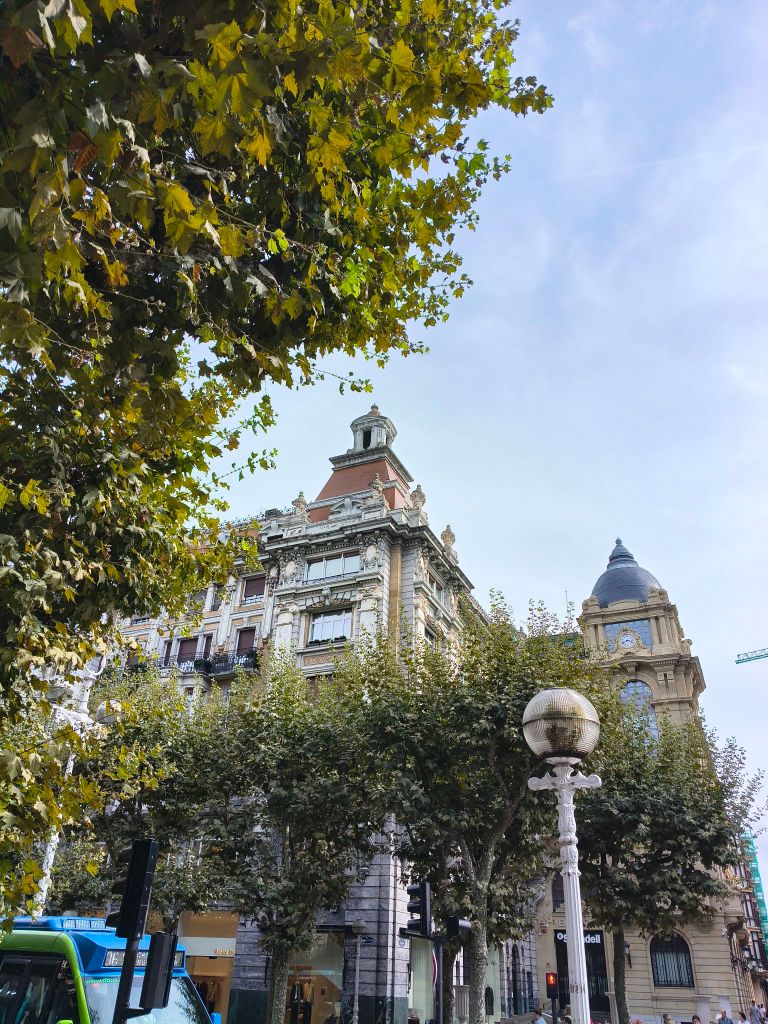
And the Old Town was packed with tourists, and seemingly packed with tiny bars and restaurants you could hardly swing a cat in. True, it wasn’t Malaga-hot, but it was a delightful, manageable low -twenties Celsius and I could see how it could all become uncomfortable, too busy, too noisy, too much, too quick.
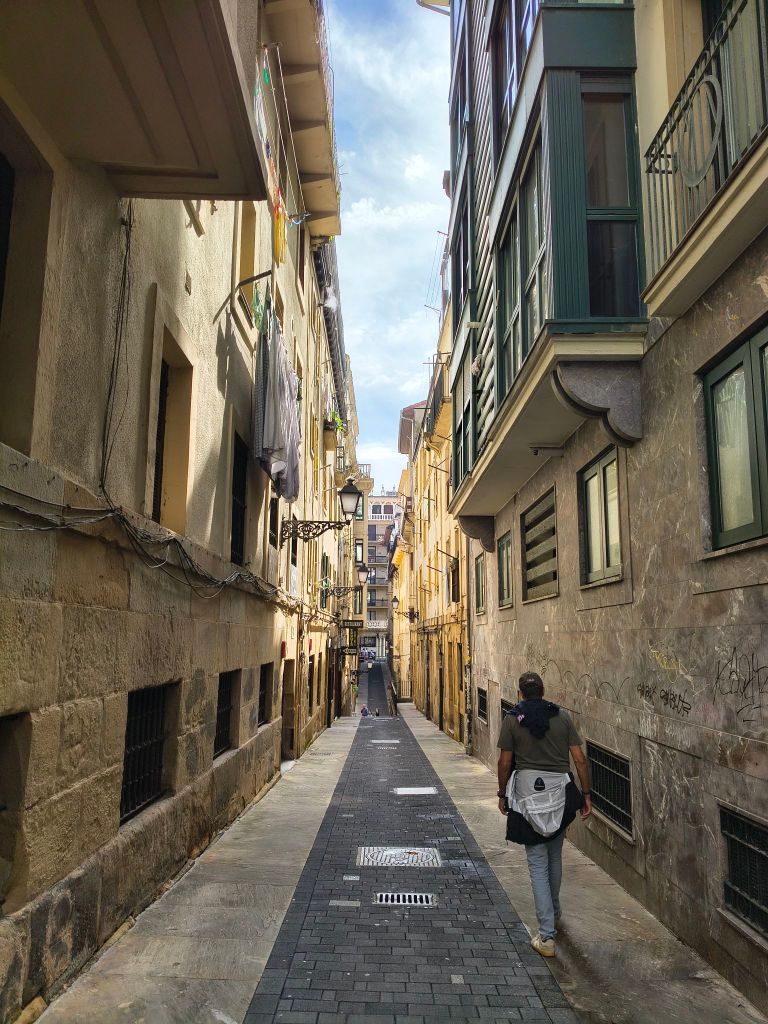
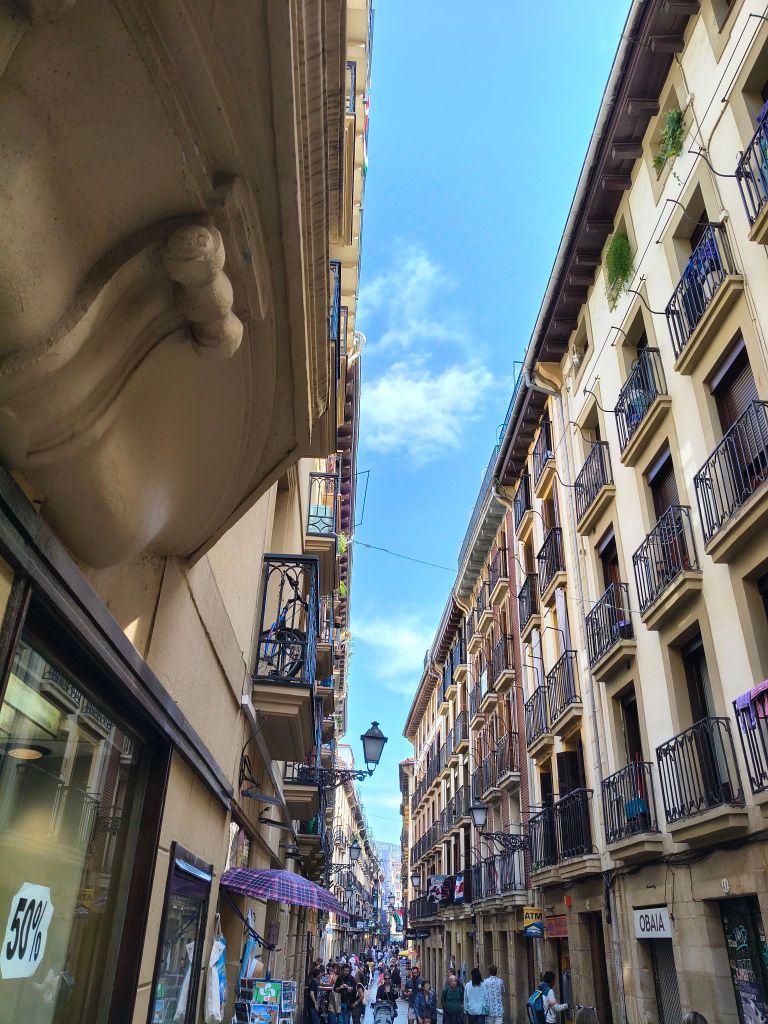
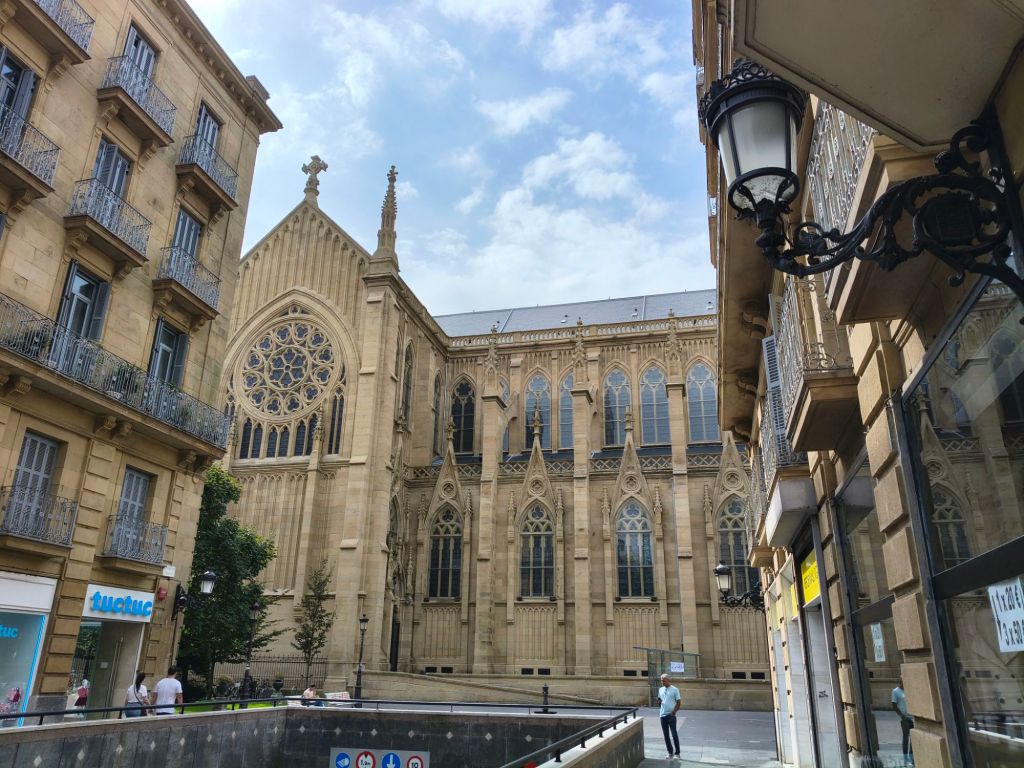
So I decided to squeeze my way out, resolving to come back later in my stay once I’d drawn breath, and as I walked towards the exit I looked right, and saw this…
What was going on? What had I been missing? Oh, and yes, how did I get here?
After three pleasant nights in Bordeaux I hopped onto the train and headed south, down towards the south-western corner of France, where the Bay of Biscay converges into its south-eastern corner, where Gascony finally gives way to the Basque country.
At the heart of the French Basque region lies the lovely old port of Bayonne and its sort-of twin, the glamorous resort of Biarritz. I’d spend the next two days exclusively in Bayonne, since I was going to get my beach action in San Sebastian, and online guides seem to suggest that little Bayonne had a lot more going for it.
It turned out that it had rather a lot going for it.
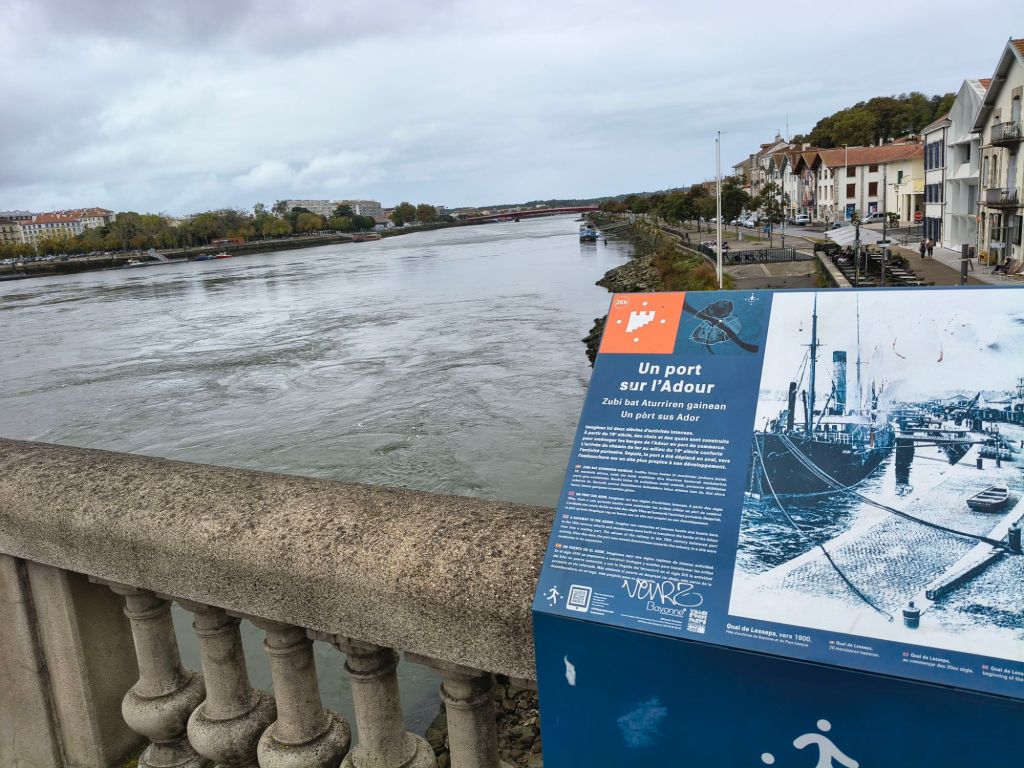
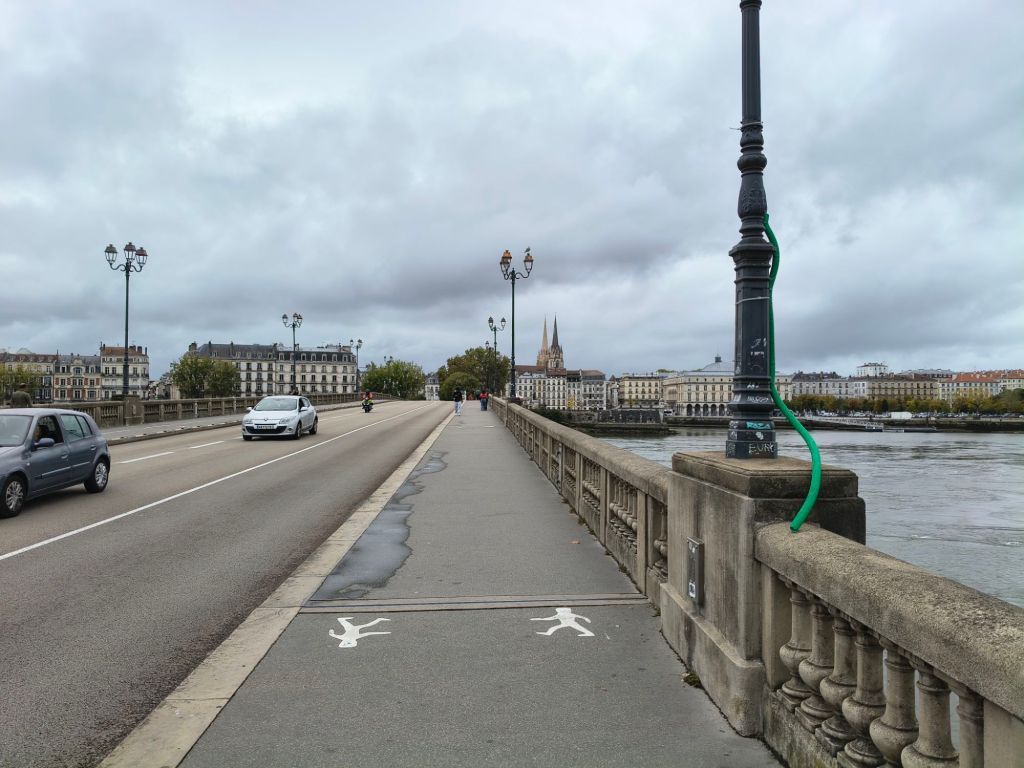
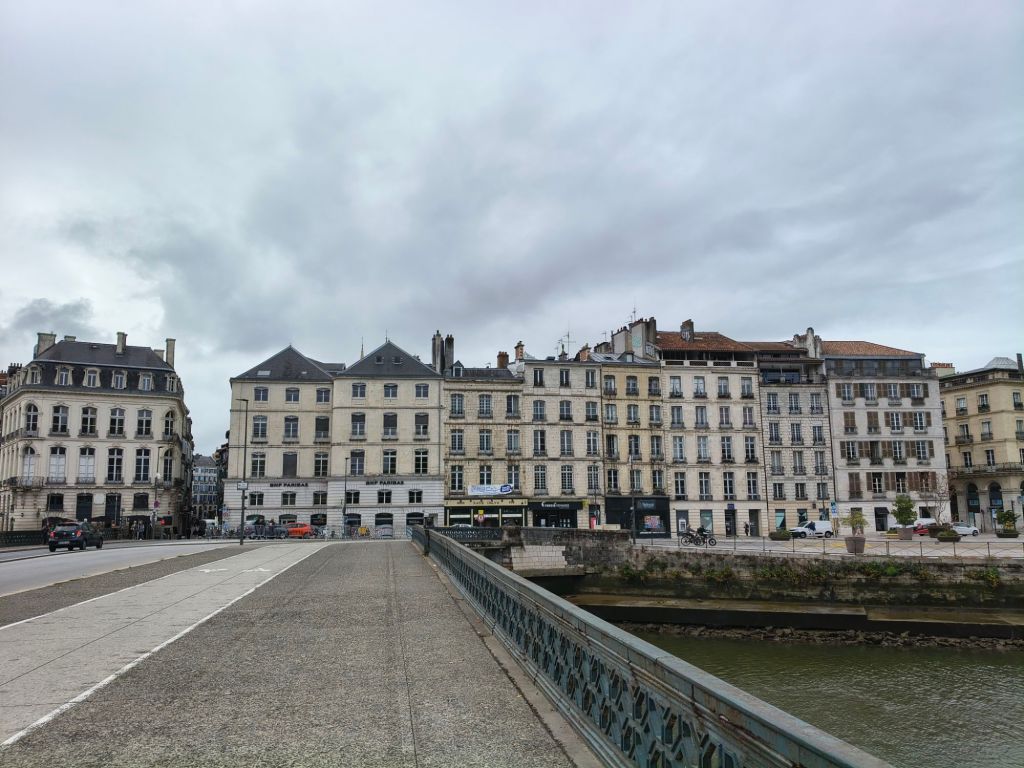
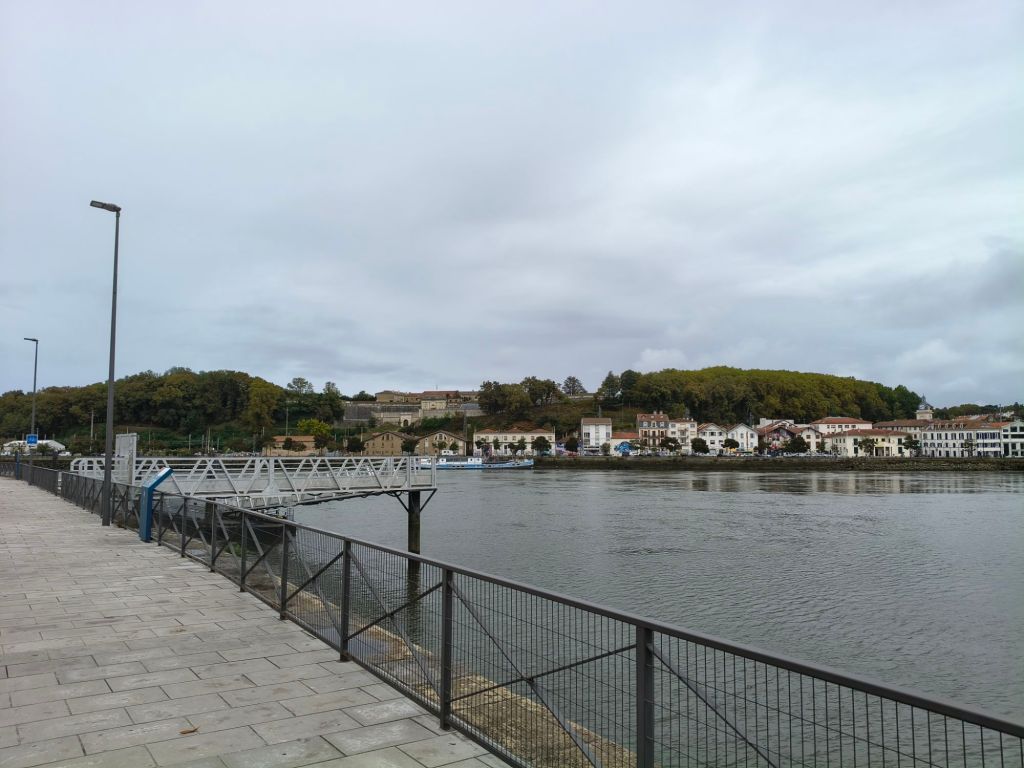
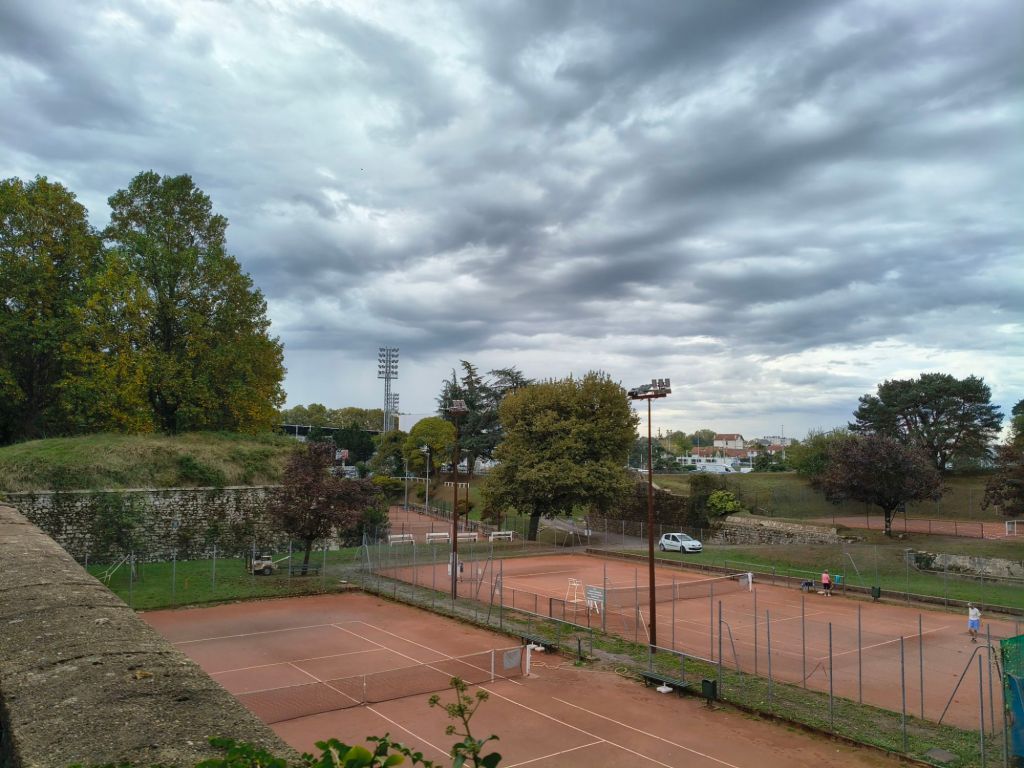
Bayonne lies at the confluence of two rivers, the Nive and the Adur. The Romans built a port here, and eventually the town developed around it. It’s quite the strategic location, dominating the route to Spain, even to this day, and you can walk around and along the fortifications in many parts of town – just not the ones the French military are still using.
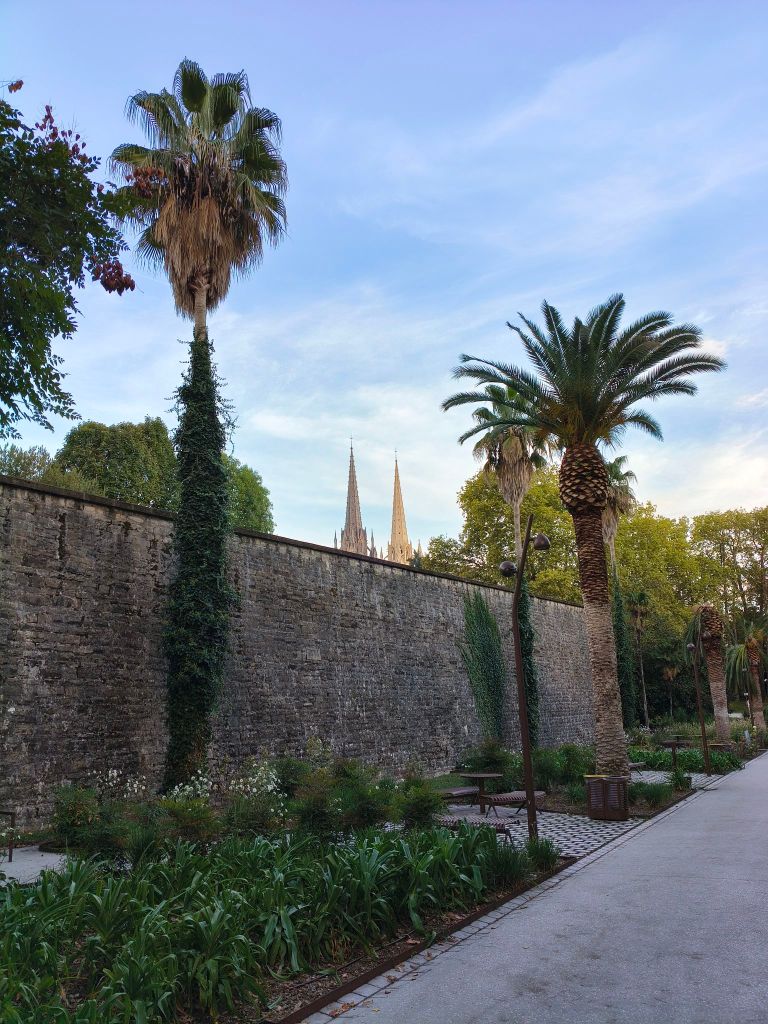
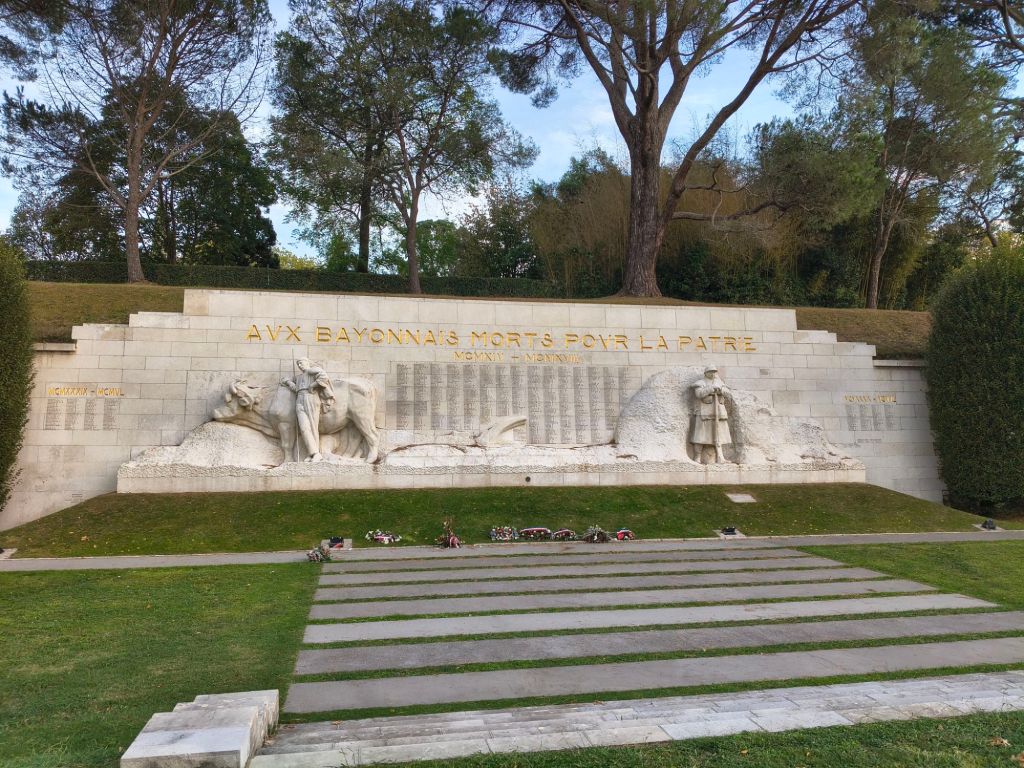
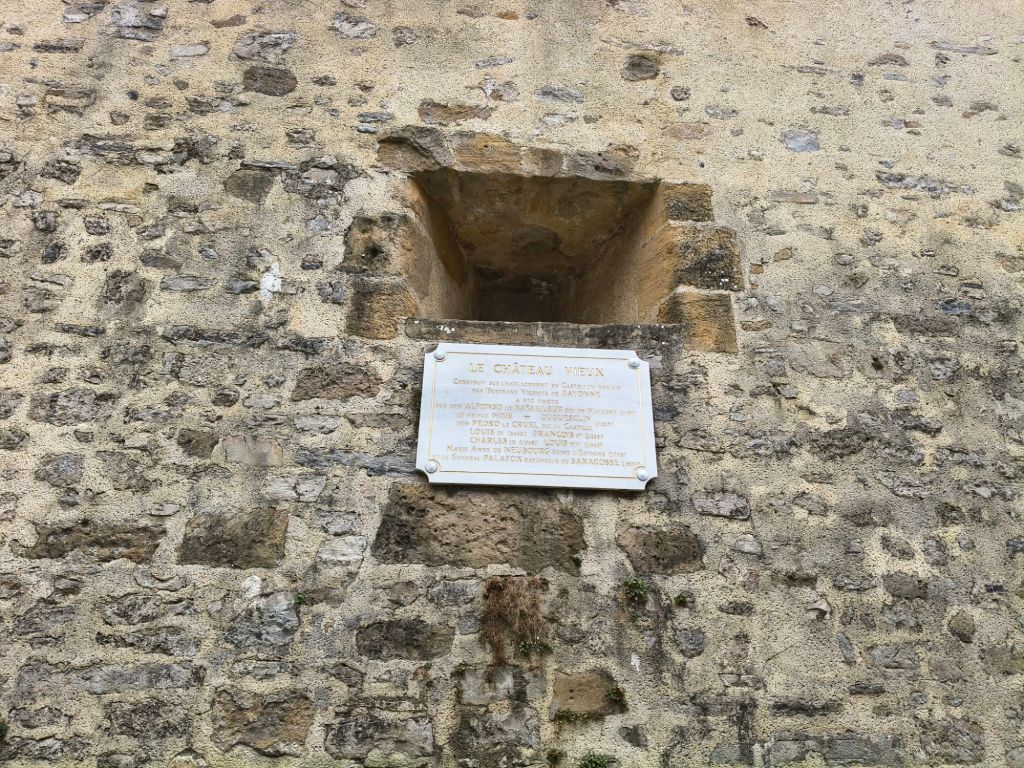
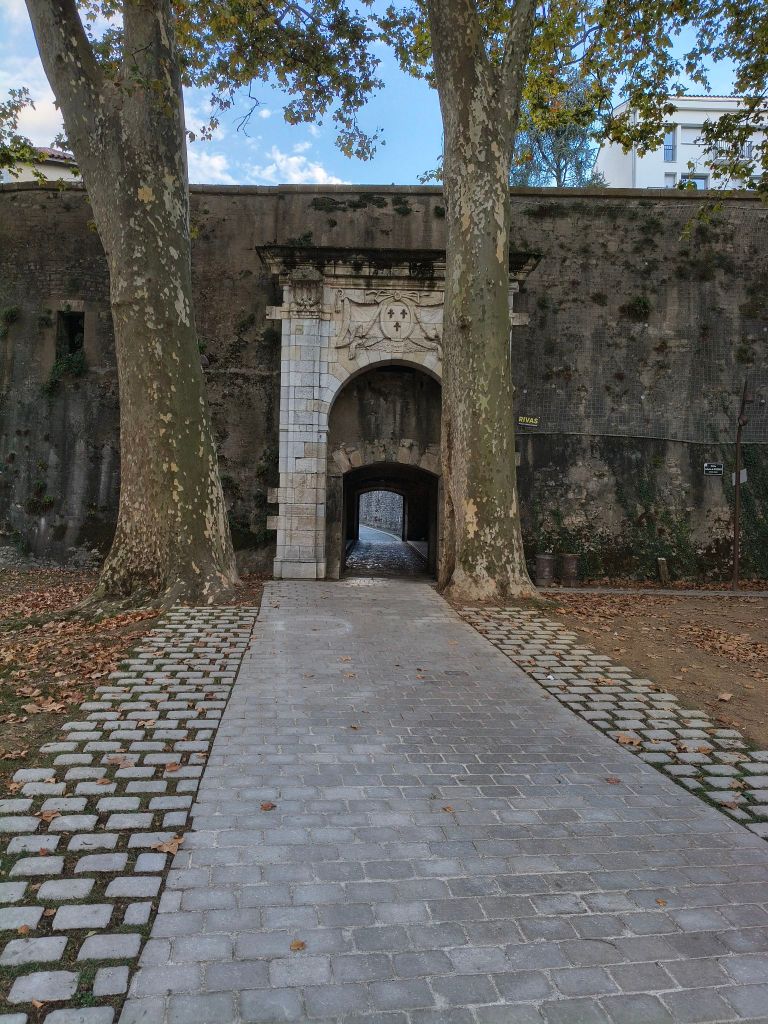
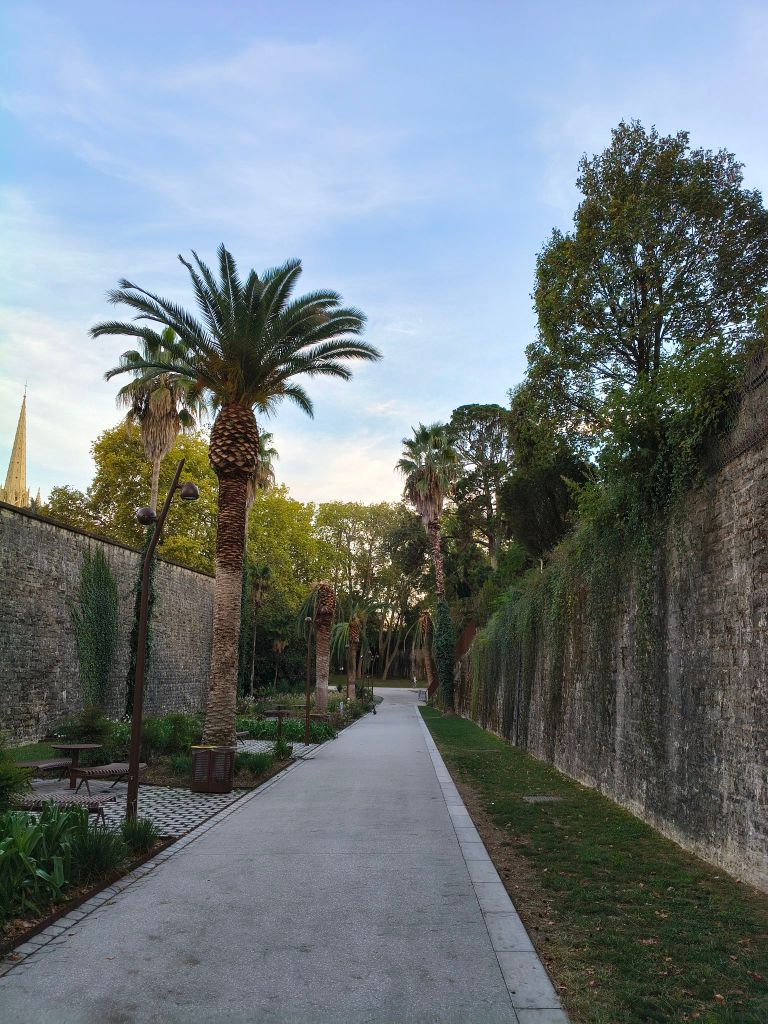
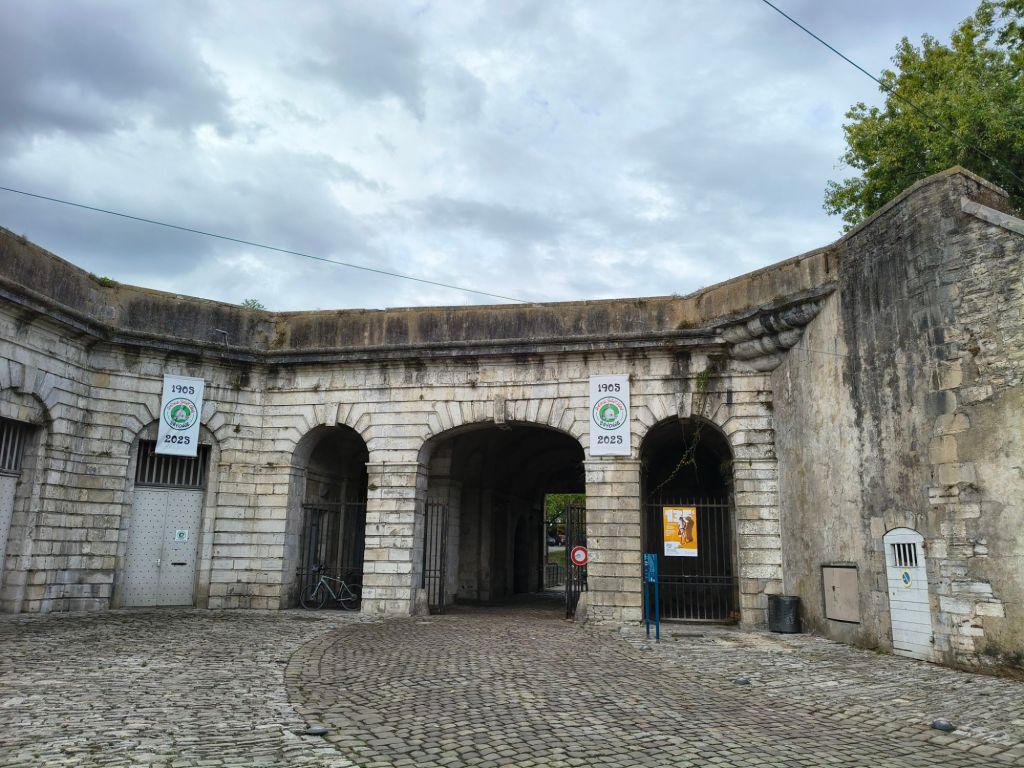
But what made Bayonne memorable for me was its seemingly-endless warren of beautiful, colourful old town houses and shops running alongside the river banks.
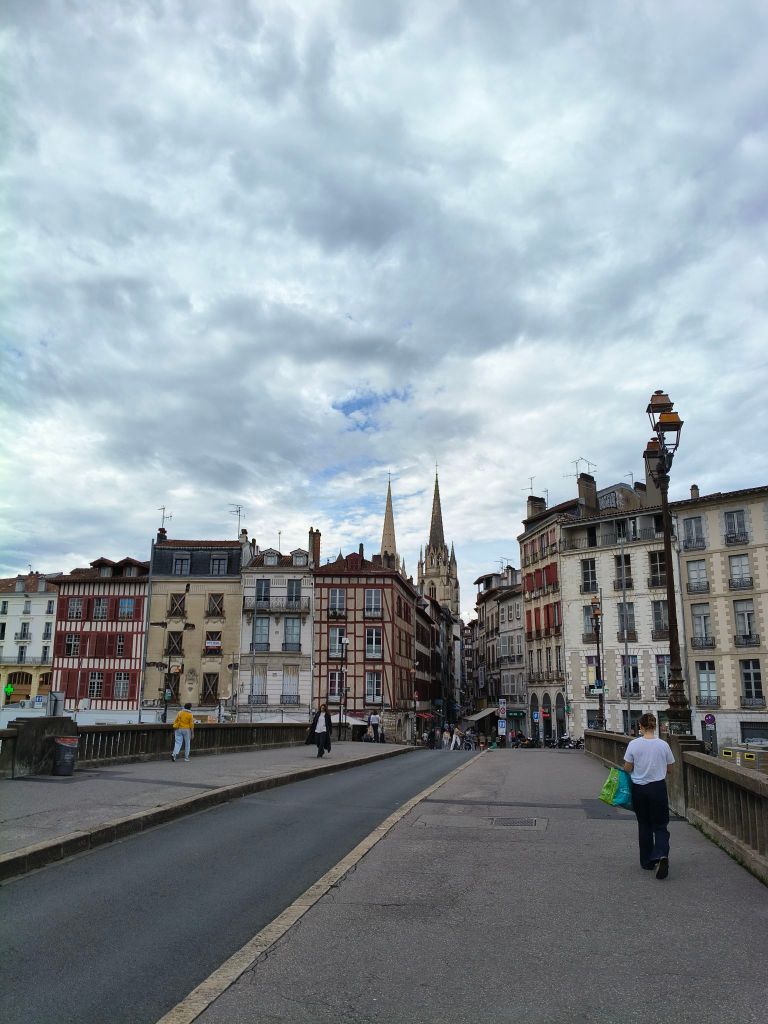
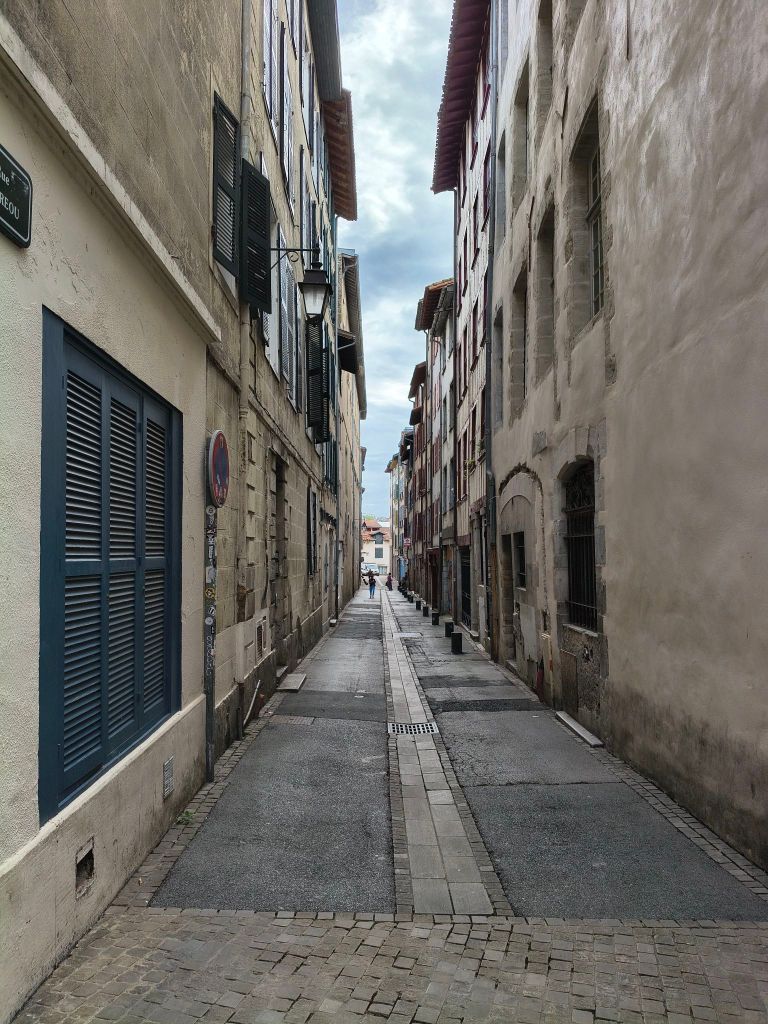
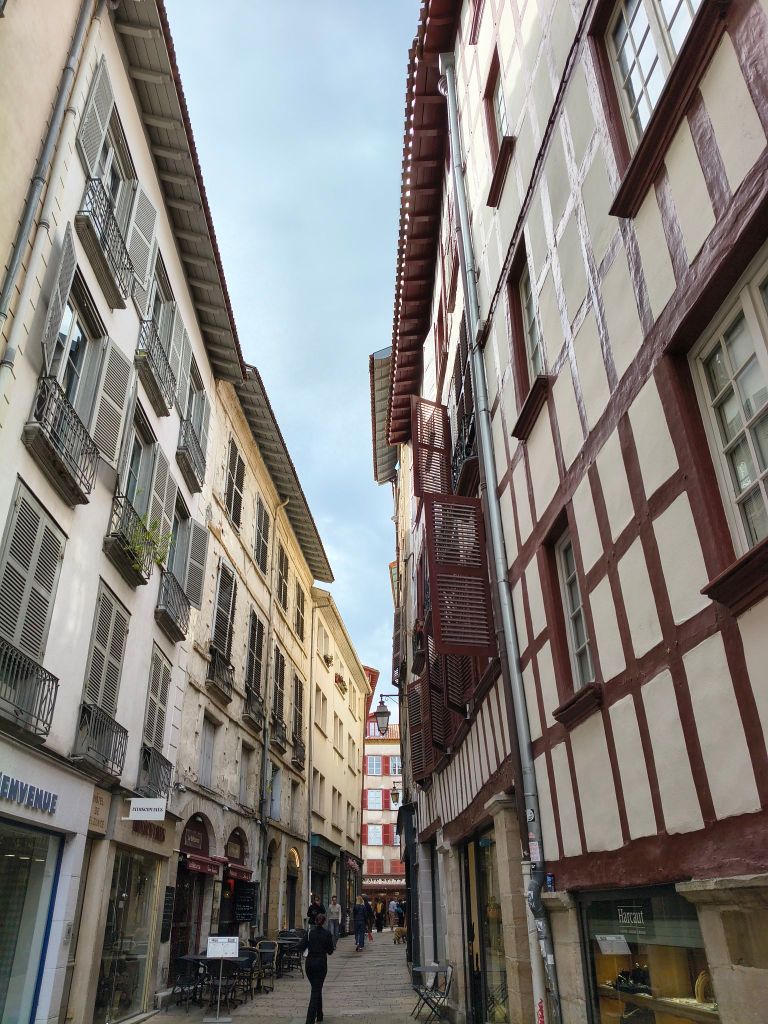
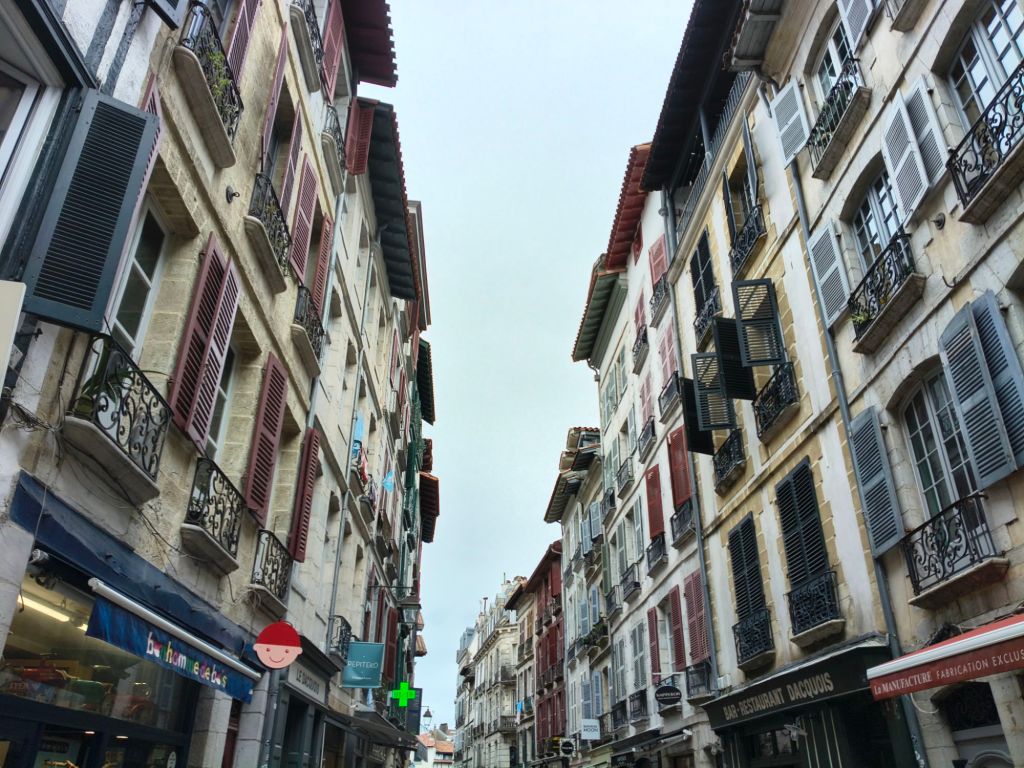
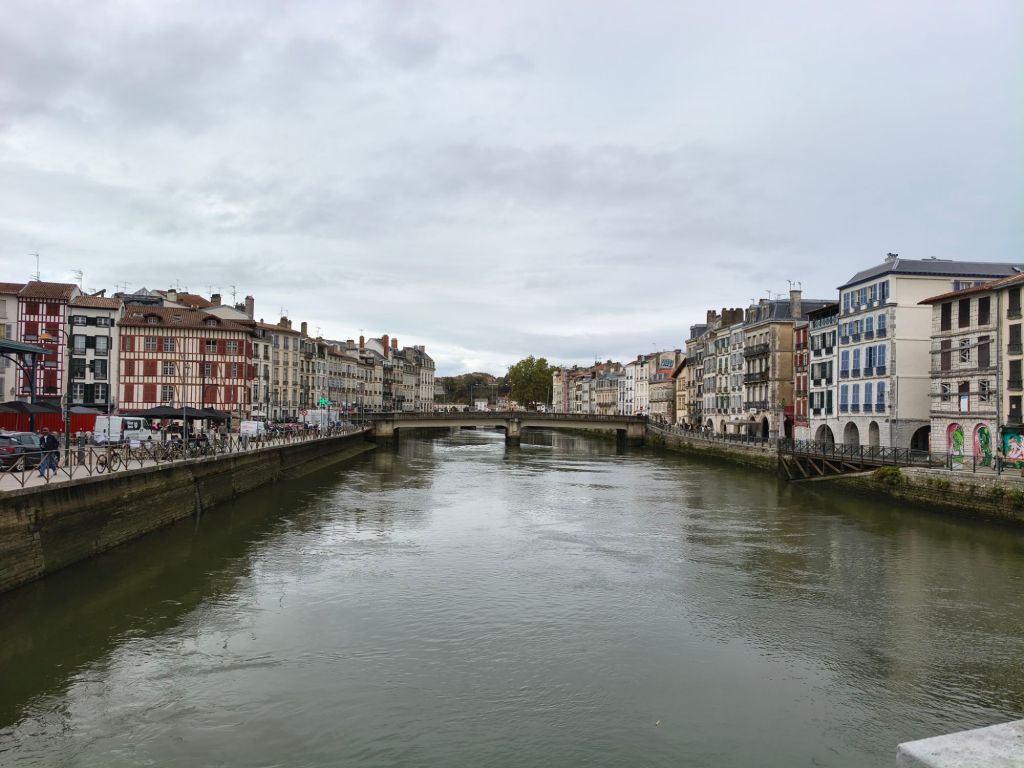
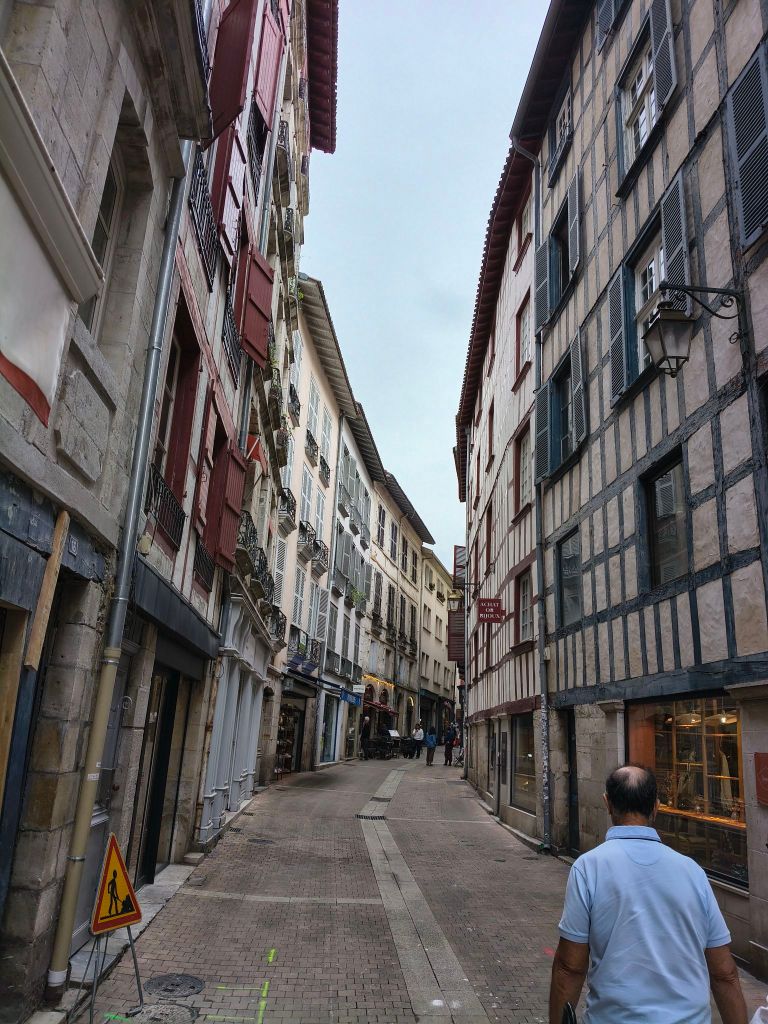
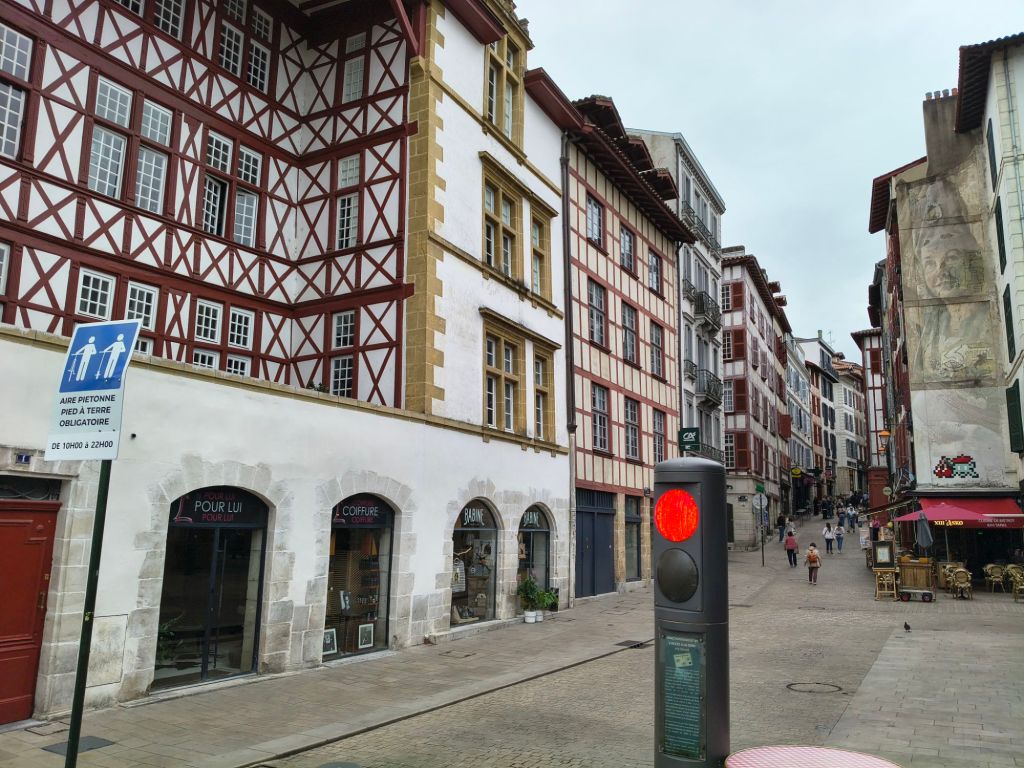
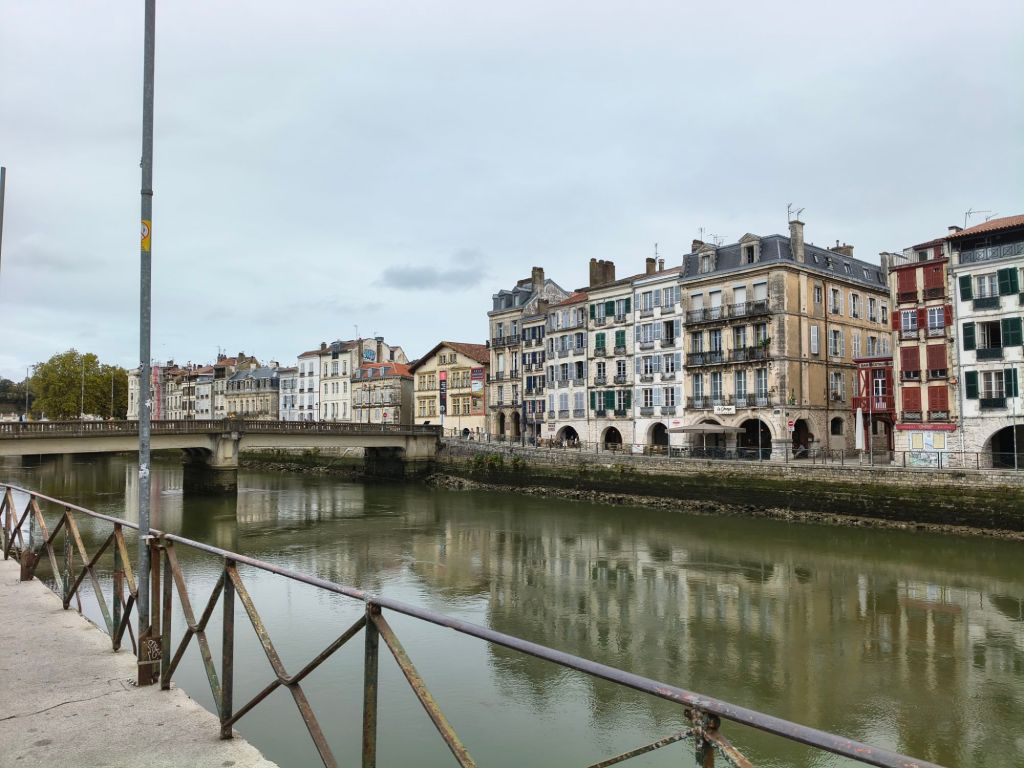
Like Bordeaux, Bayonne became a significant fishing and trading port, benefiting from its Atlantic location. Whaling was particularly significant, and whalers from here established communities in Newfoundland. Like Bordeaux, some of that Atlantic trade regrettably involved Atlantic slaving (unlike Bordeaux it doesn’t seem to be mentioned at all in the local museum, the Basque Museum). But the biggest difference was Bayonne’s problems with silt. By 1578 the mouth of the Adur had moved so far north that they began to create a new mouth six kilometres from the town. That worked for a time. But the Atlantic sometimes needs a break from being a great, untamed, rolling ocean, and one of its downtime hobbies is lovingly crafting sand banks at the mouth of the Adur. This has prevented ships with particularly large drafts from entering the port of Bayonne, and hence it wasn’t able to match Bordeaux’s 19th-century trading exploits. I wouldn’t autograph those sand banks if I were you, mer Atlantique.
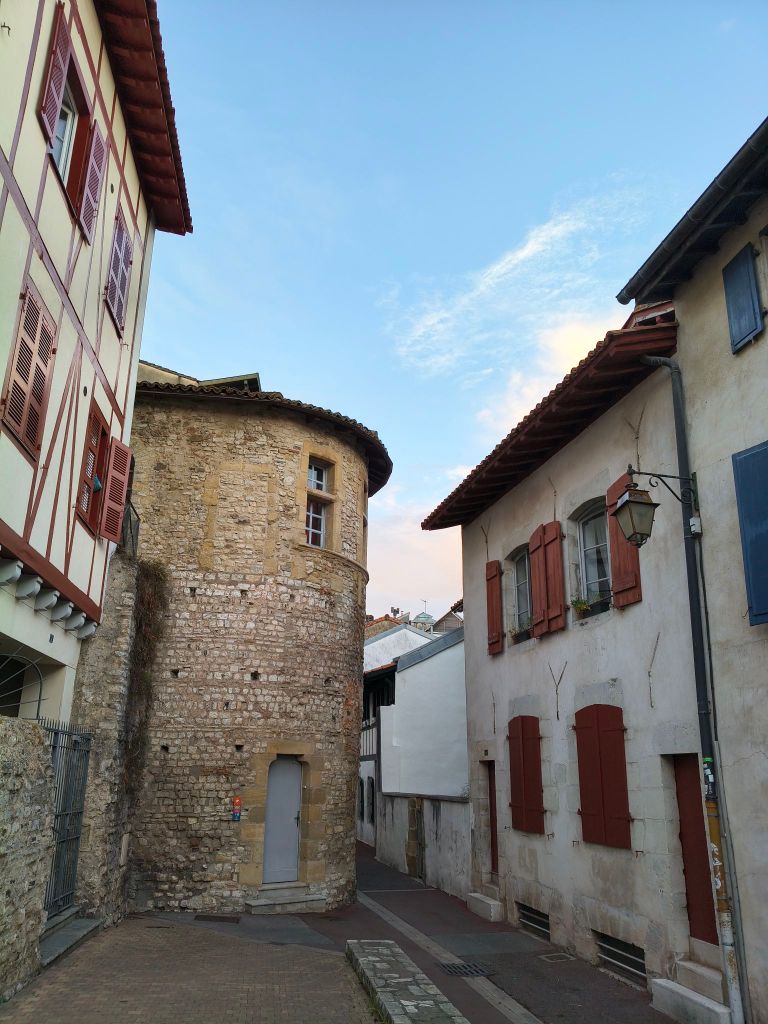
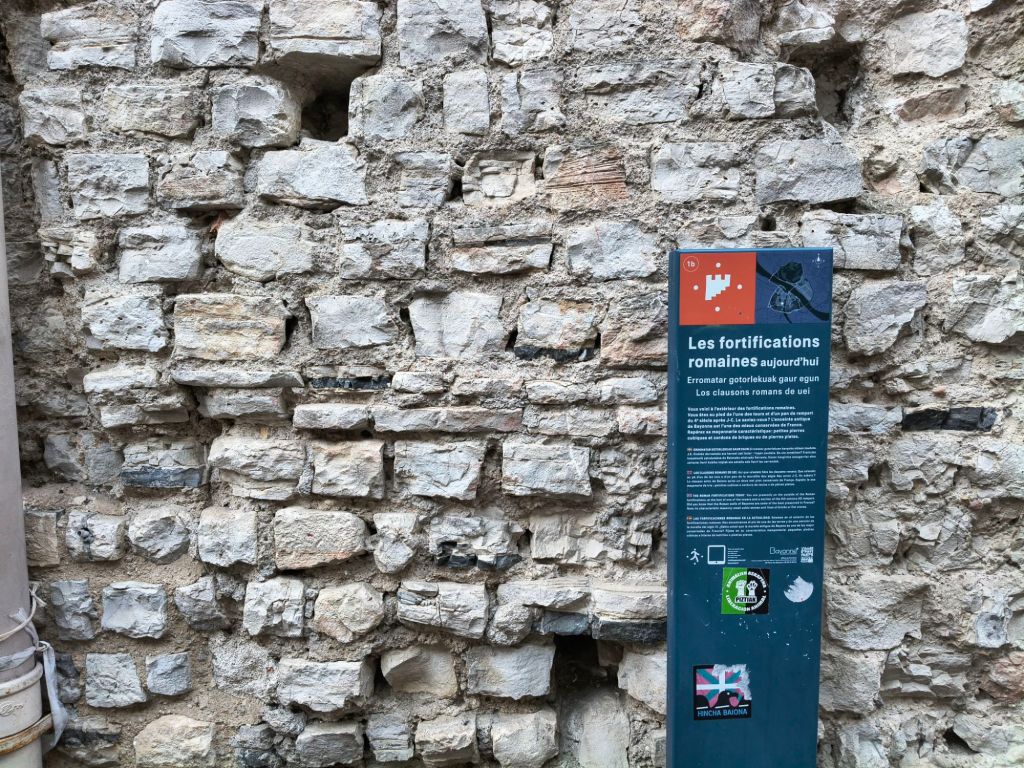
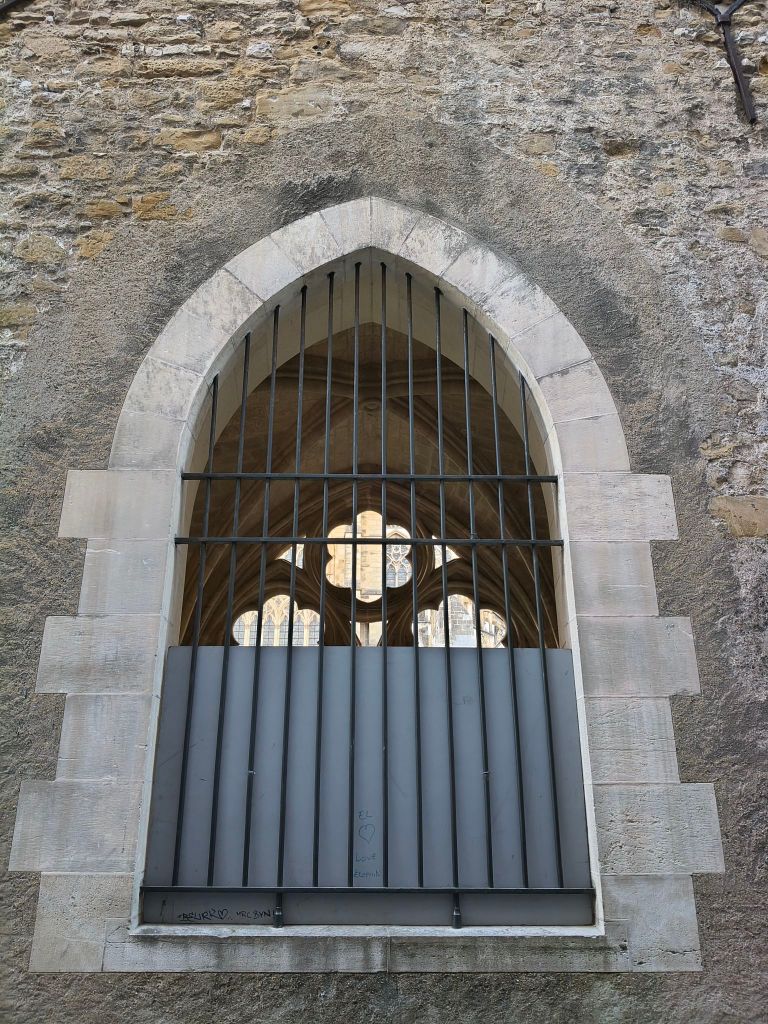
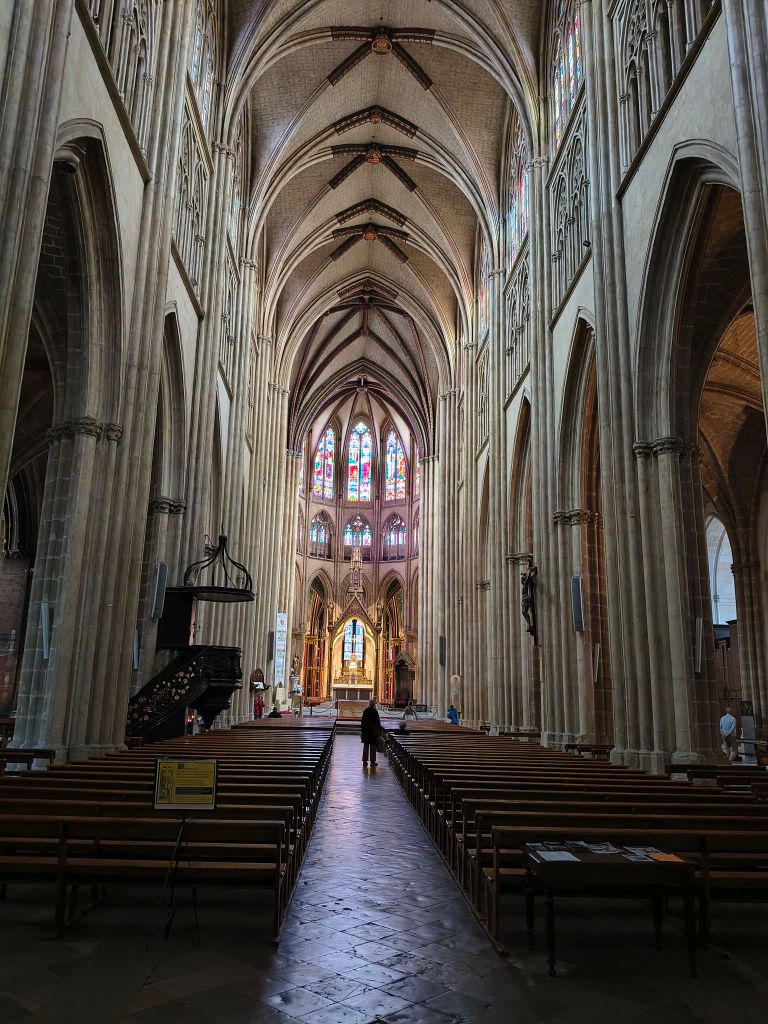
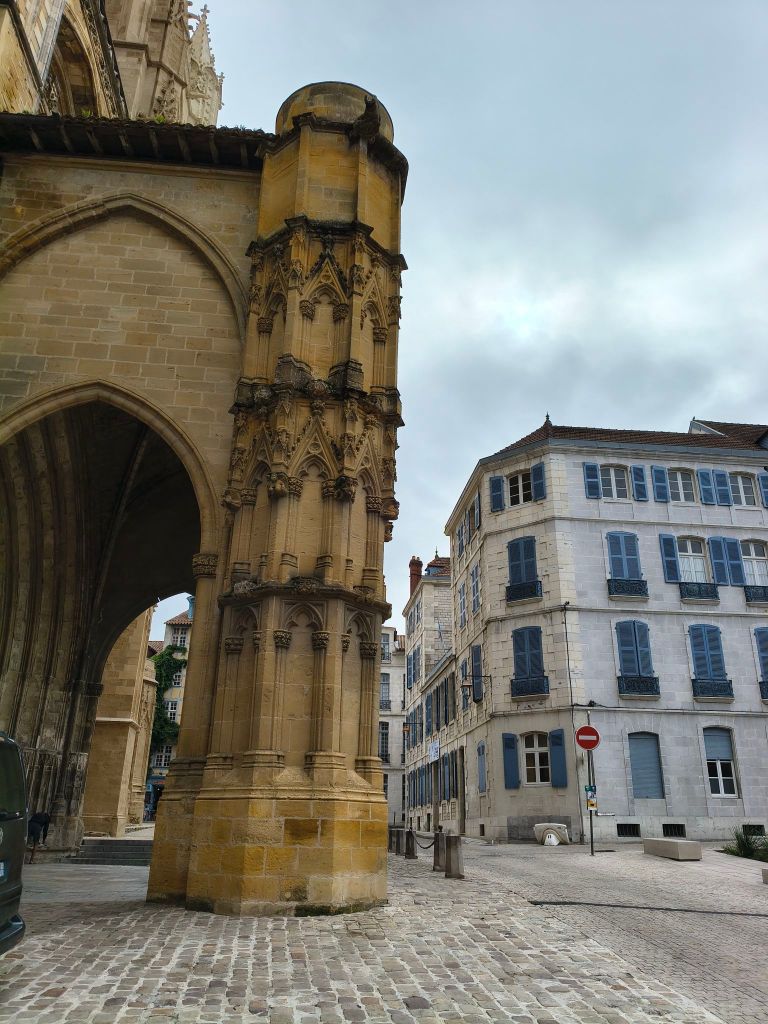
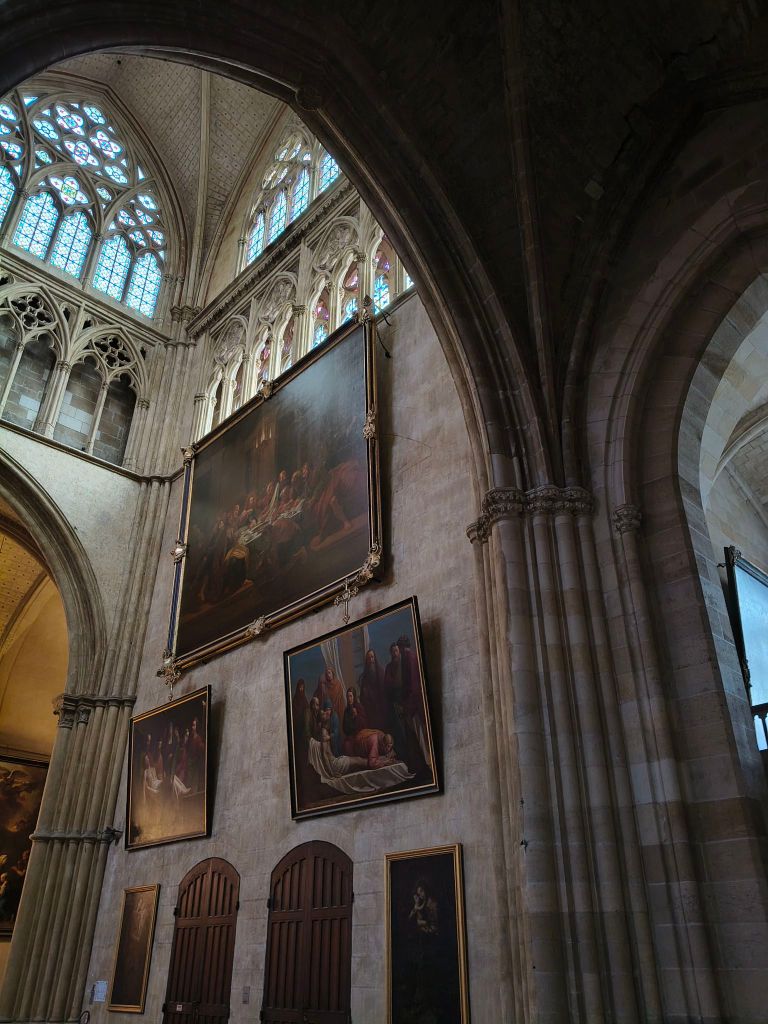
Roman walls, tick. Grand old cathedral with unfeasibly large paintings, check. But remember: we have reached a region with one of the more mysterious origins in all of western Europe. Euskal Herria, the Basque Country.
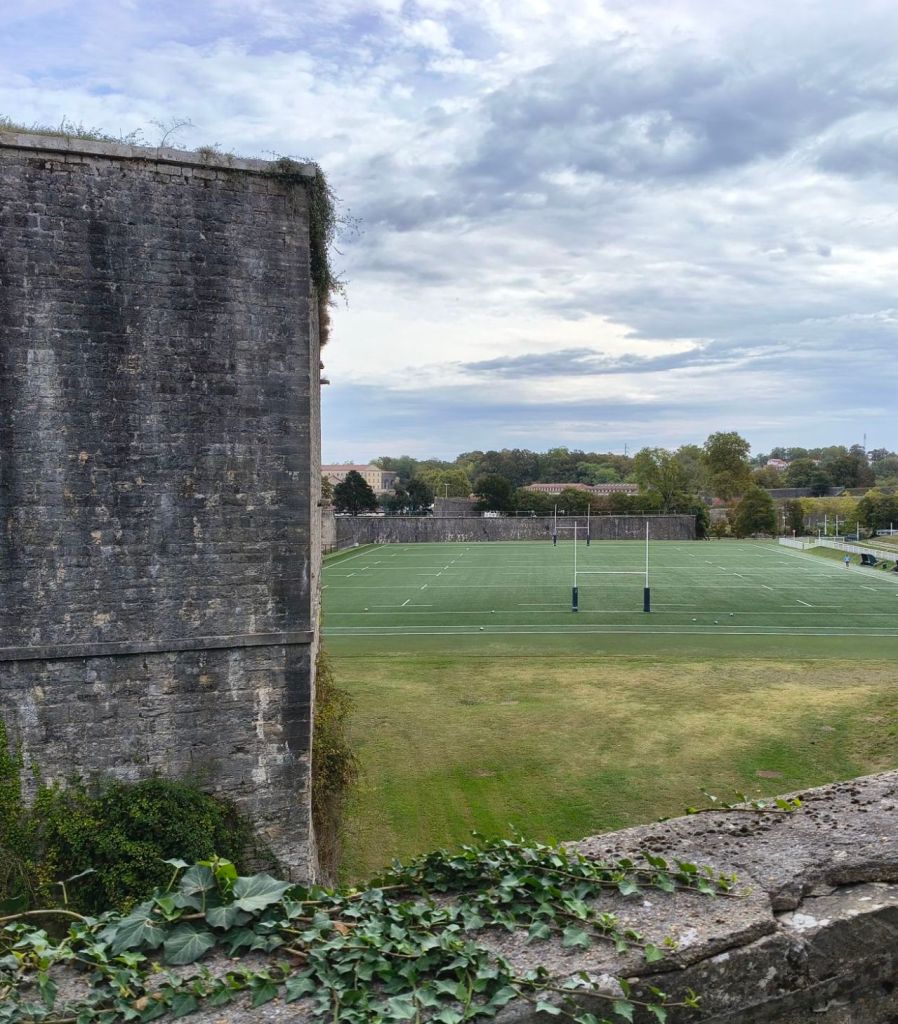
It’s believed that the Basques descend from a Neolithic people that predate the arrival of Indo-Europeans into the Iberian peninsula. The key point is that the Basques language isn’t Indo-European like French or Spanish, and no-one has been able to find another language it’s related to. There may have been several such isolates dotted around Europe when invaders such as the Romans turned up, but the Basques were nicely holed up amidst the Cantabrian mountains and the Pyrenees and the language and culture has managed to hang on – just about – down the centuries. Basques have their own traditional dress, their own dances (such as the fandango), their own sports (such as the famous pelota). And the French Basques – along with the French Catalans – have made one English public school game their own. Bayonne’s pride and joy, Aviron Bayonnais, play in the Top14, perhaps the premier club competition in the world of Rugby Union.
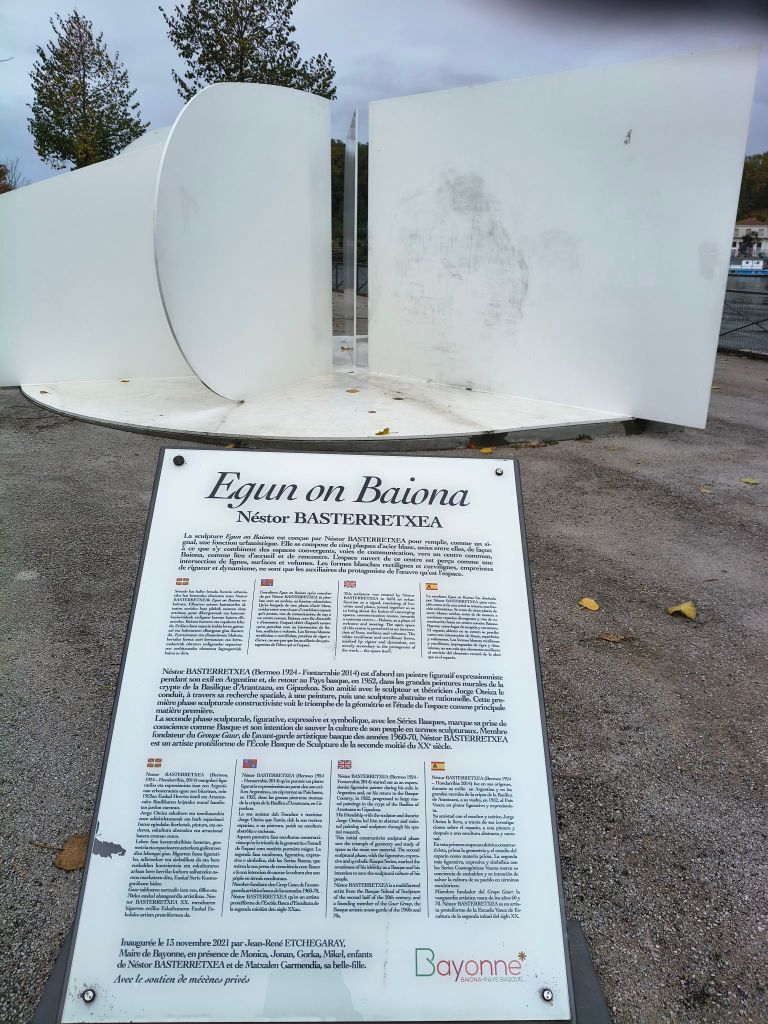
With so much more to discover (and I missed the influential Sephardic Jewish community, and how they made Bayonne chocolate world-renowned), it was suddenly time to head south again. Bayonne had been a relaxing, fascinating place to spend a short stay, offering plenty of marvellous opportunities to sit in a roadside bar sipping a lovely Bordeaux, but it was time to cross the border and head to a Spanish beach for even more relaxation. It would make for a vivid contrast, a different take on the Basque experience, but not too overwhelming a contrast – I mean, it wasn’t going to be as bad as Barcelona or Benidorm was it…
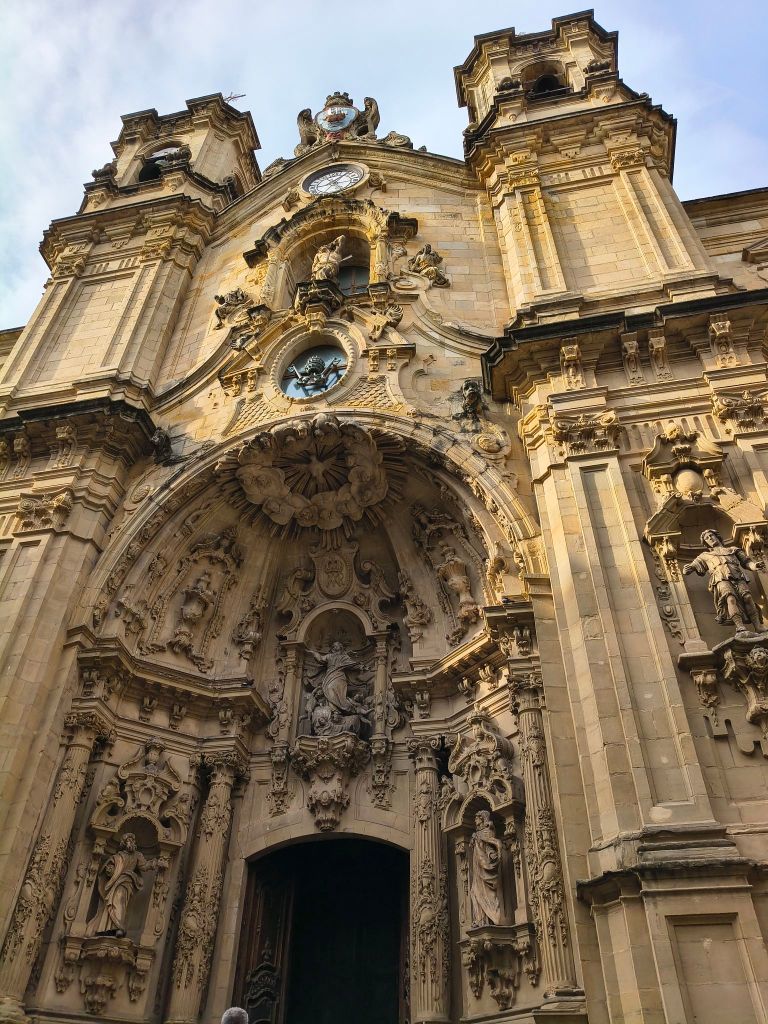
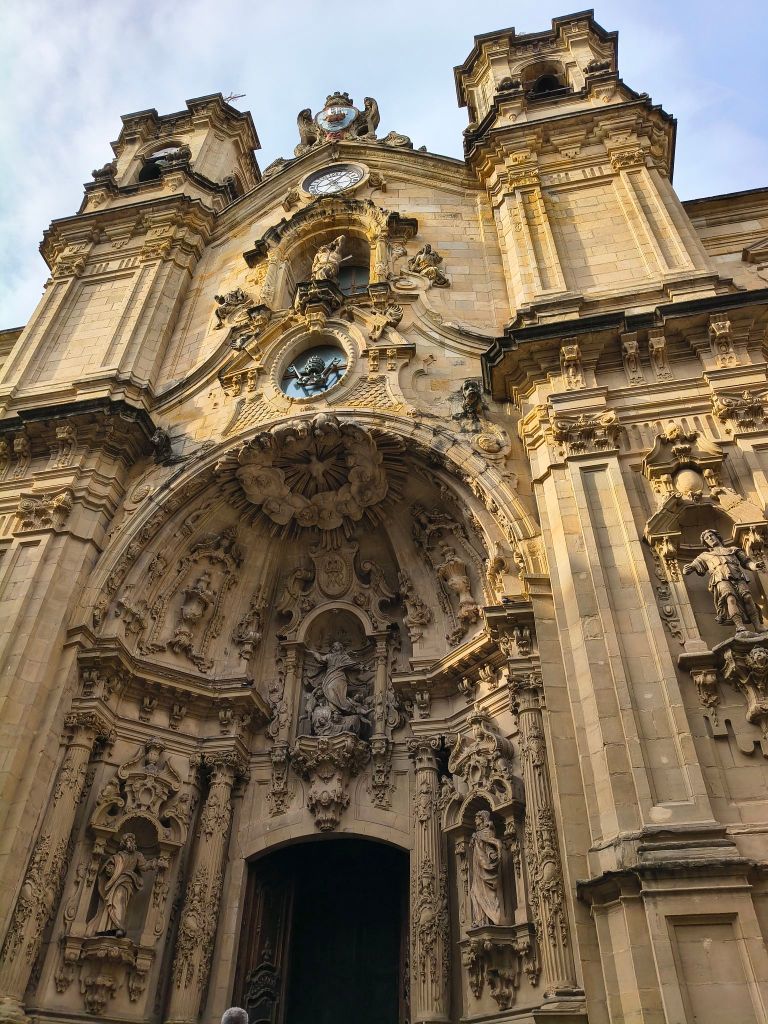
The Basilica of Santa María del Coro was built at the end of the 18th century on the site of an earlier temple. This glorious riot of neo-classical overload feels like an elegant contrast with the closeness of the Old Town streets around it and at the same time, the facade seems to convey the frantic madness as well.
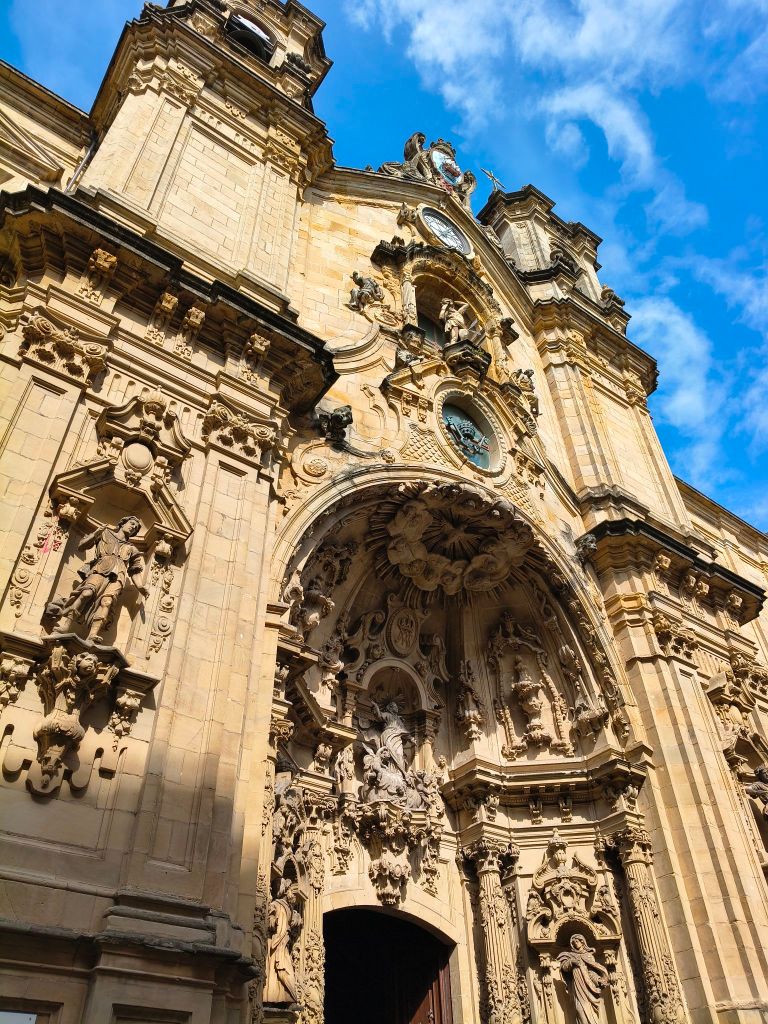
Like all the best tourist hotspot temples, you step inside to another world.
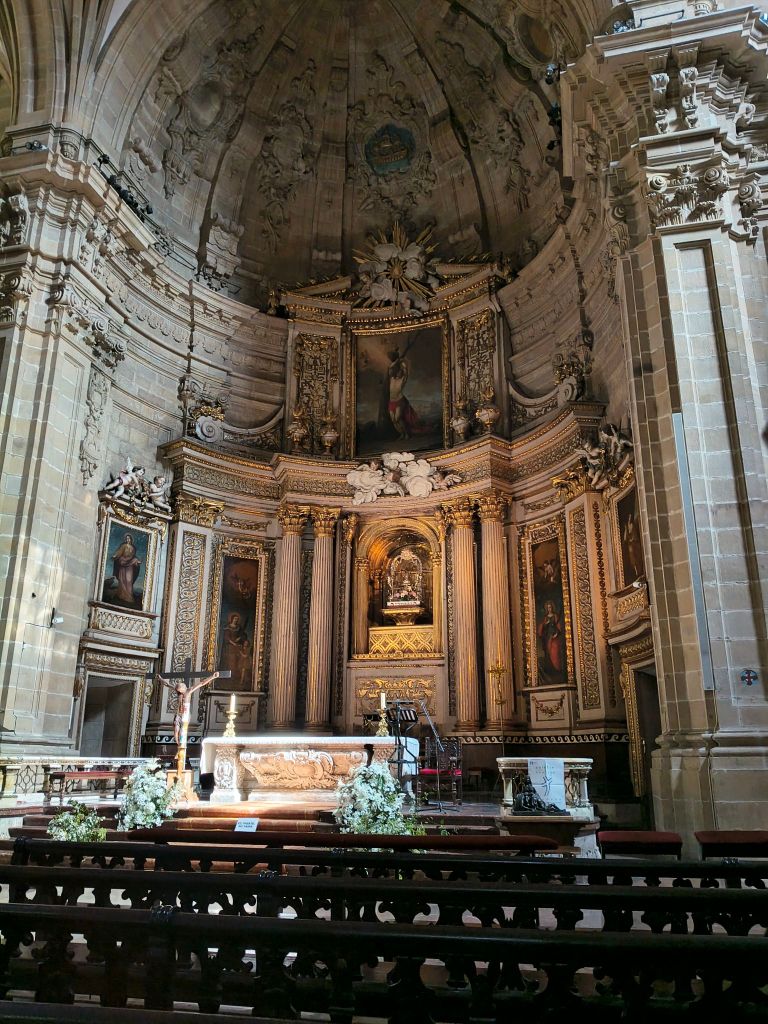
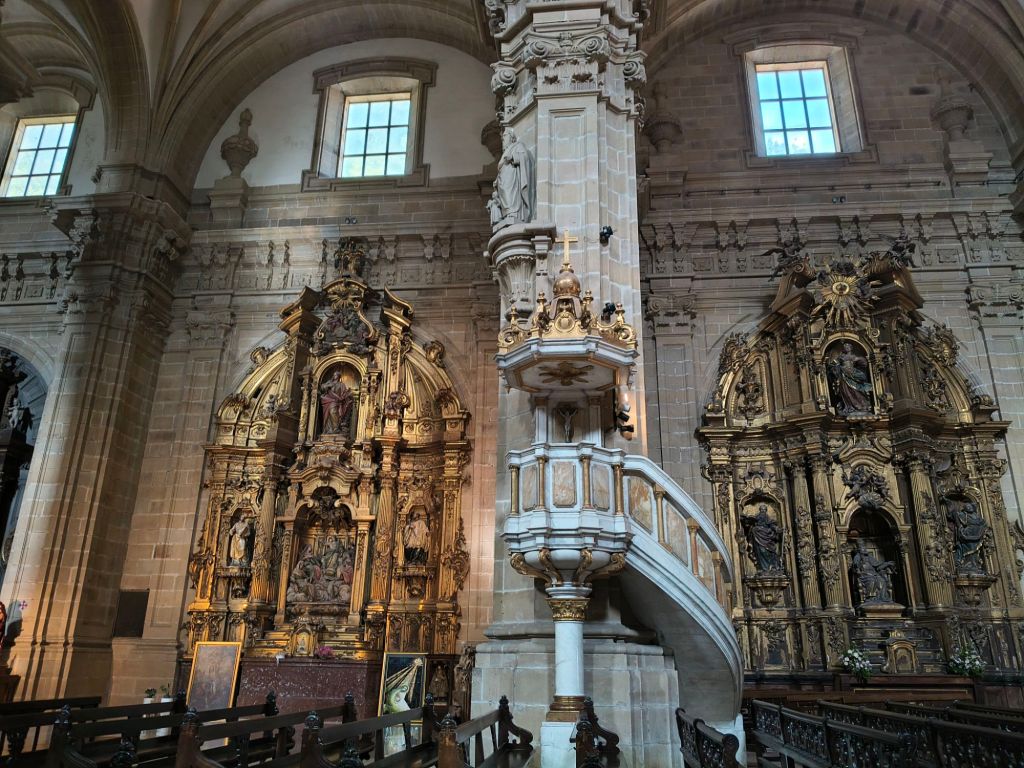
High-vaulted solemnity provides a much-needed sense of space and refuge from the crowding outside. You might be able to spot St Sebastian on the altarpiece (he was on the facade too), and I guess this marks out the church as a particularly significant site for the city. It’s certainly a lovely one.
Not a bad way to start the stay. And given the poor level of my research into San Sebastian, there must be loads more great surprises awaiting me, right?


Leave a Reply