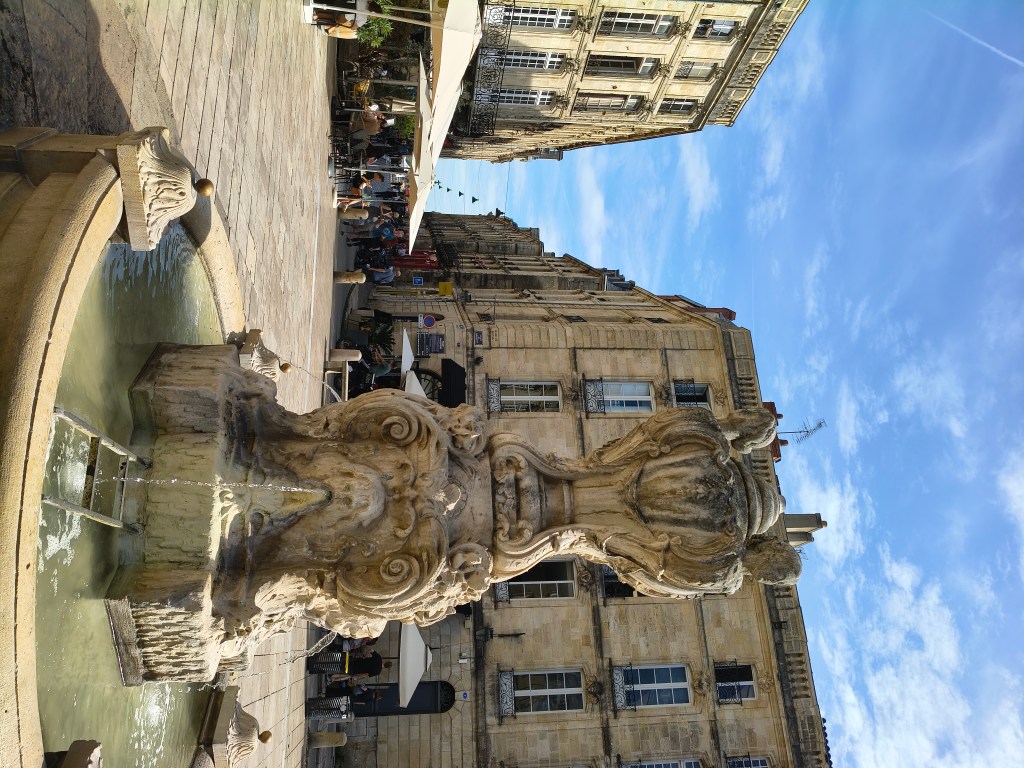
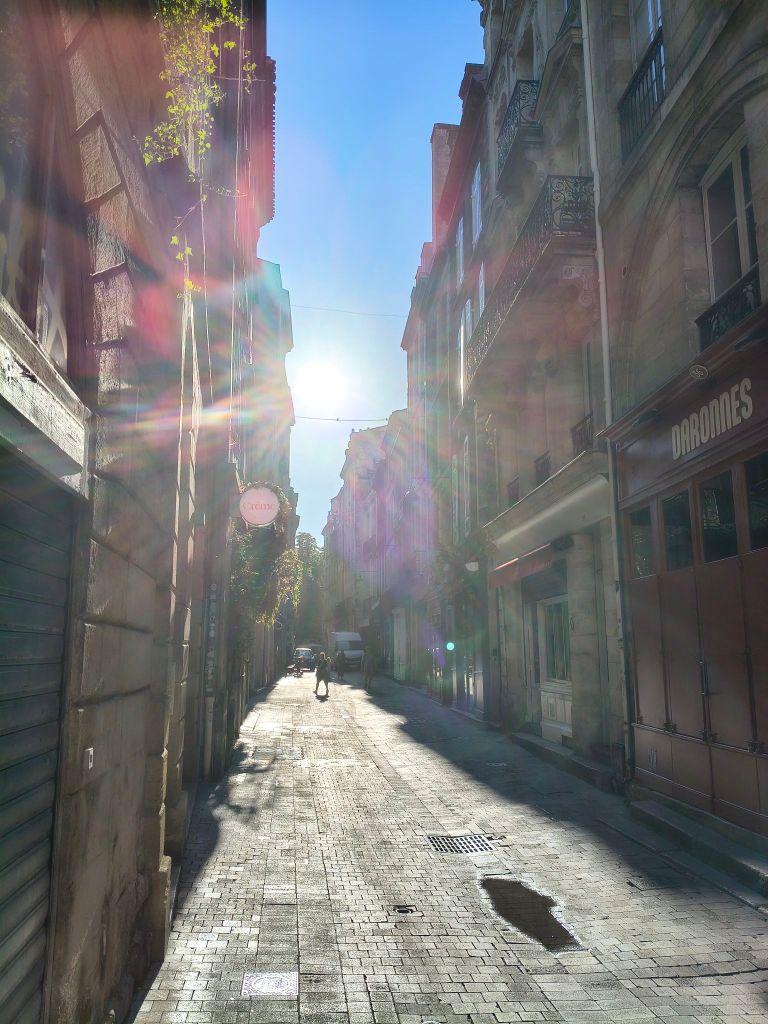
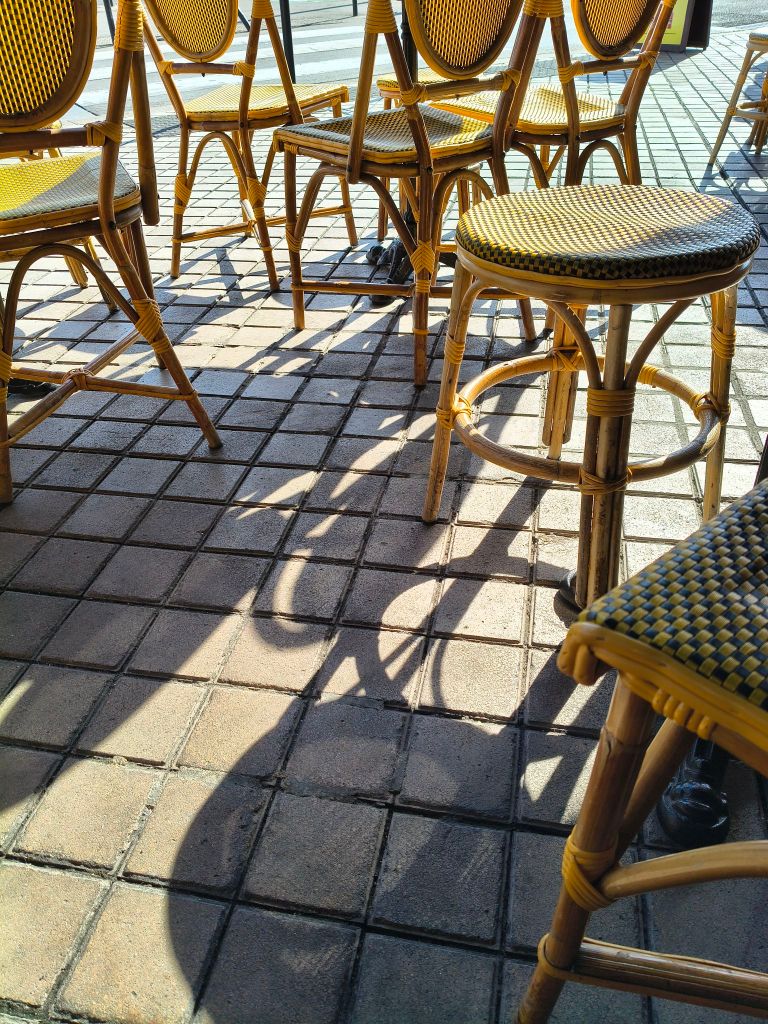
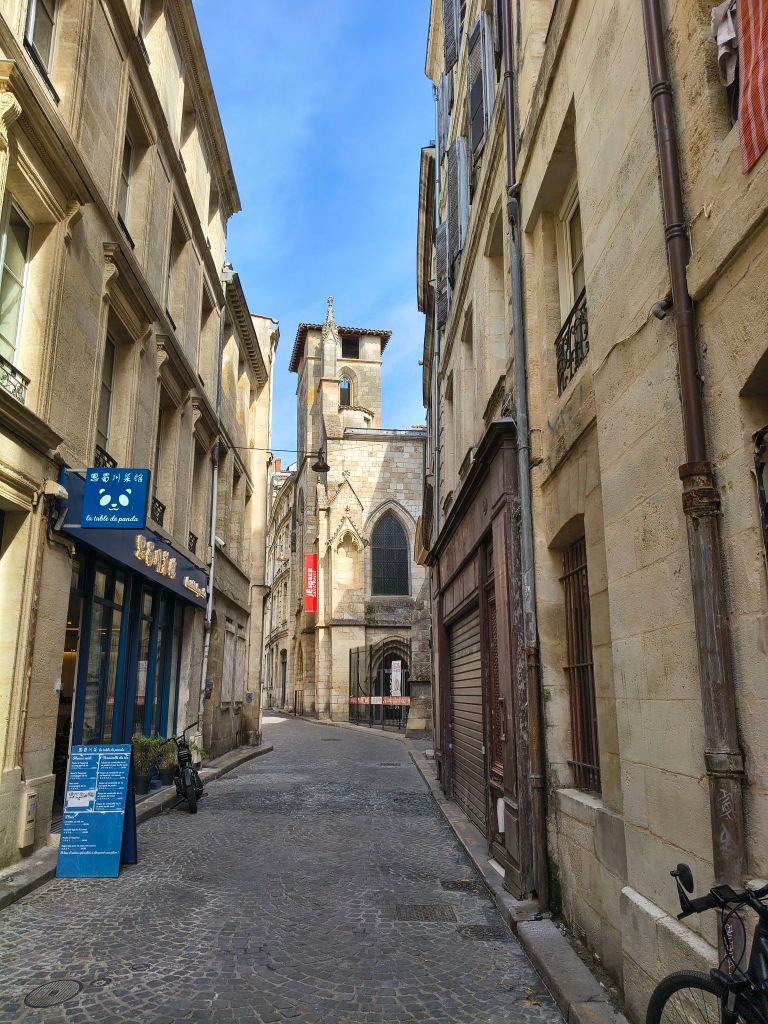
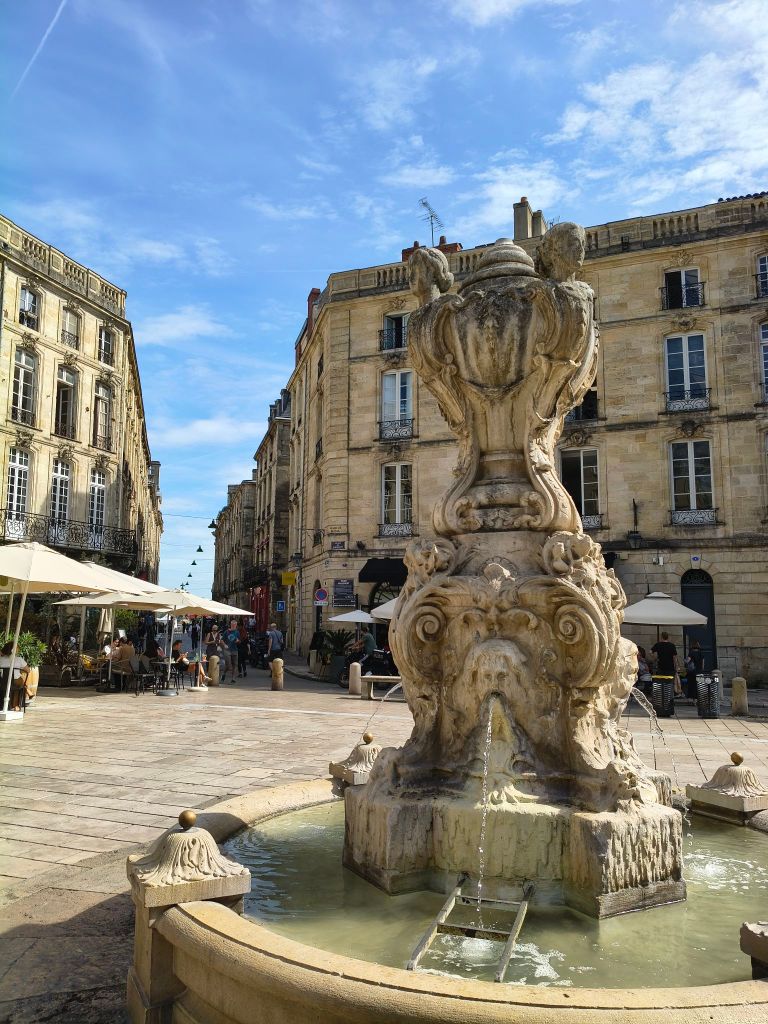
Walking the atmospheric cobbled alleyways of old Bordeaux on a sunny morning, the early-autumnal southern European sun gleaming across the ornate stony frontages of the age-worn buildings, the hustle of the maitres d’ putting out the tables at the cafes and brasseries, it all feels like nothing less than la belle France at its most profunde. The glorious architecture, the deep history and refined culture etched into every stone and polished into every wrought-iron balcony railing, the laid-back buzz of the streets, the elegant, good life, all feels unmistakably, utterly French. I even saw one guy in a beret at a restaurant. He might have been a visitor though.
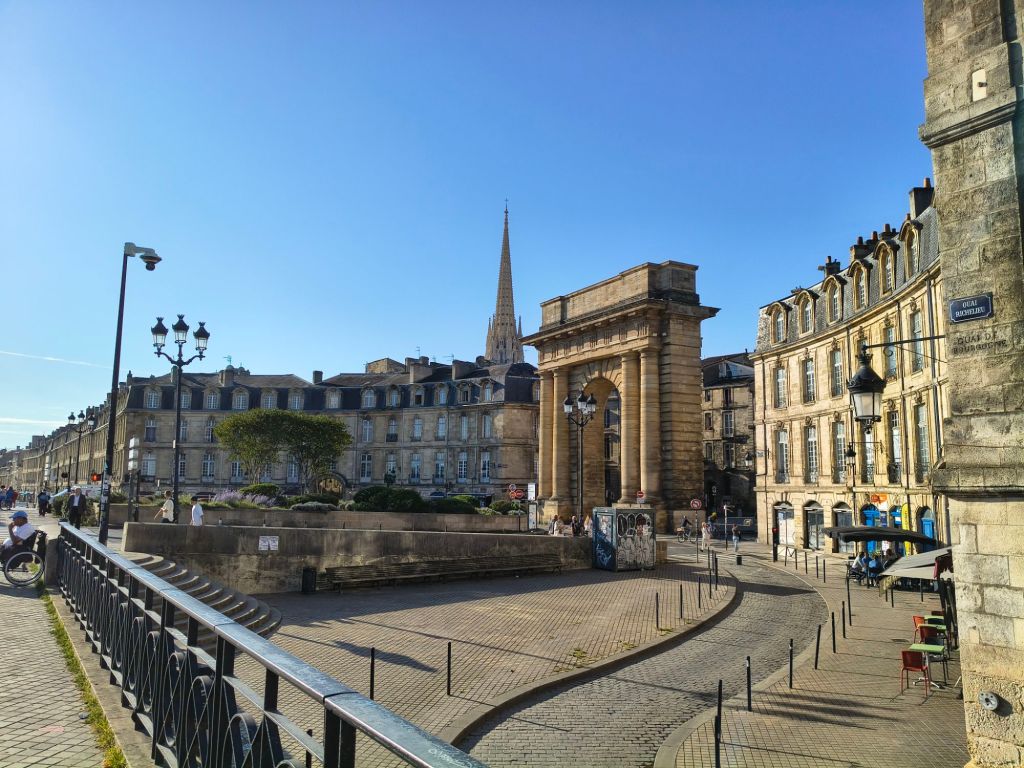
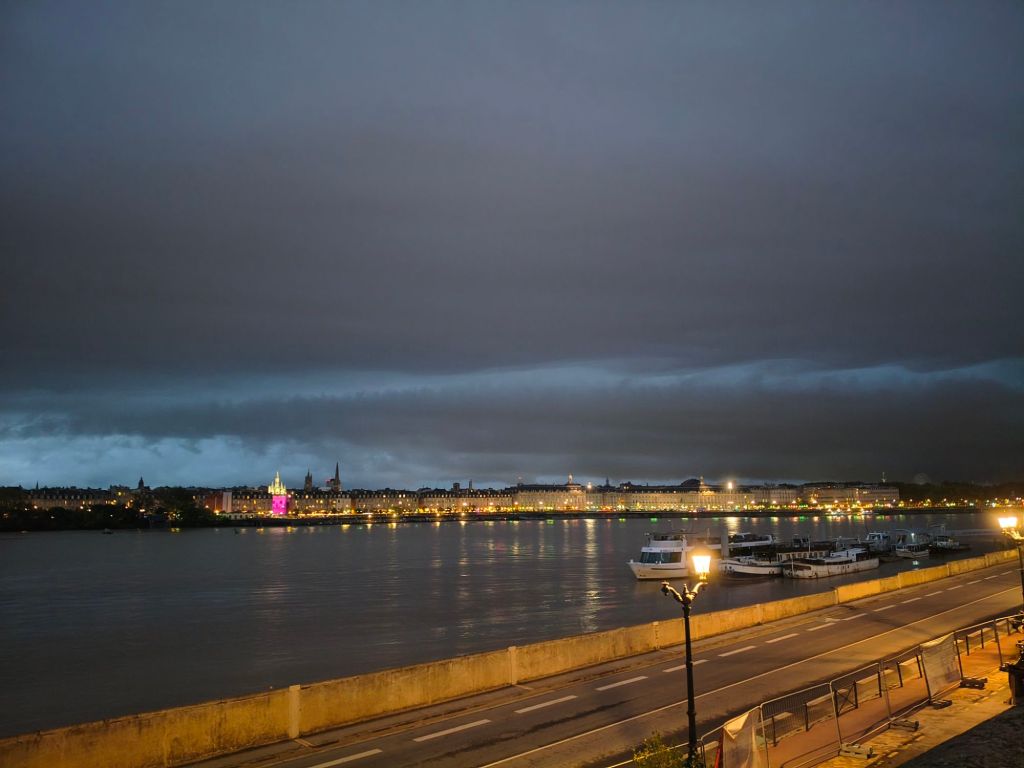
We haven’t even mentioned Bordeaux’s most defining ingredient yet. Bordeaux’s defining ingredient is, of course, Bordeaux wine. The Romans started the vineyards, but the local clairet became a particularly nice little earner when the future Henry II of England married Eleanor of Aquitaine in 1154. Aquitaine became part of the English crown and the wine became part of English livers. Bordeaux prospered, eventually establishing other trade links with the Hanseatic League ports of Northern Europe, and a fine medieval port city developed. The French took over in 1453, but after a lull and the odd rebellion against the crown, Bordeaux kicked on again and many marvellous buildings appeared in the 18th century. Perhaps the most notable and well-known is the Place de Bourse, a magnificent semicircular frontage that opens out onto to the river Garonne.
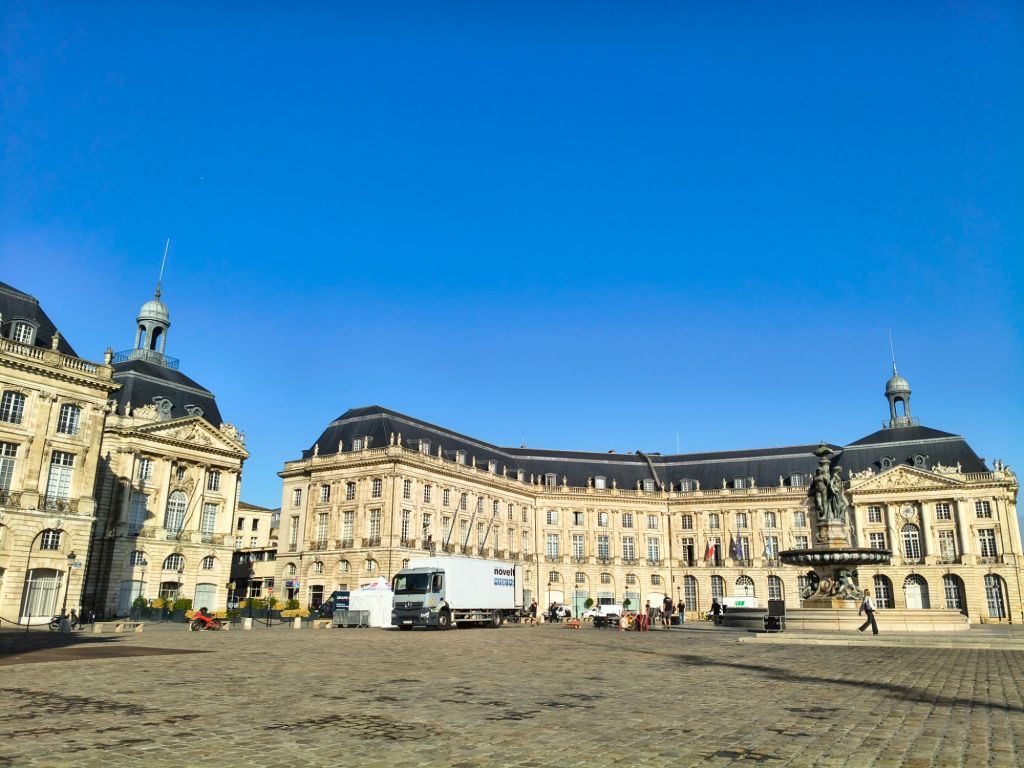
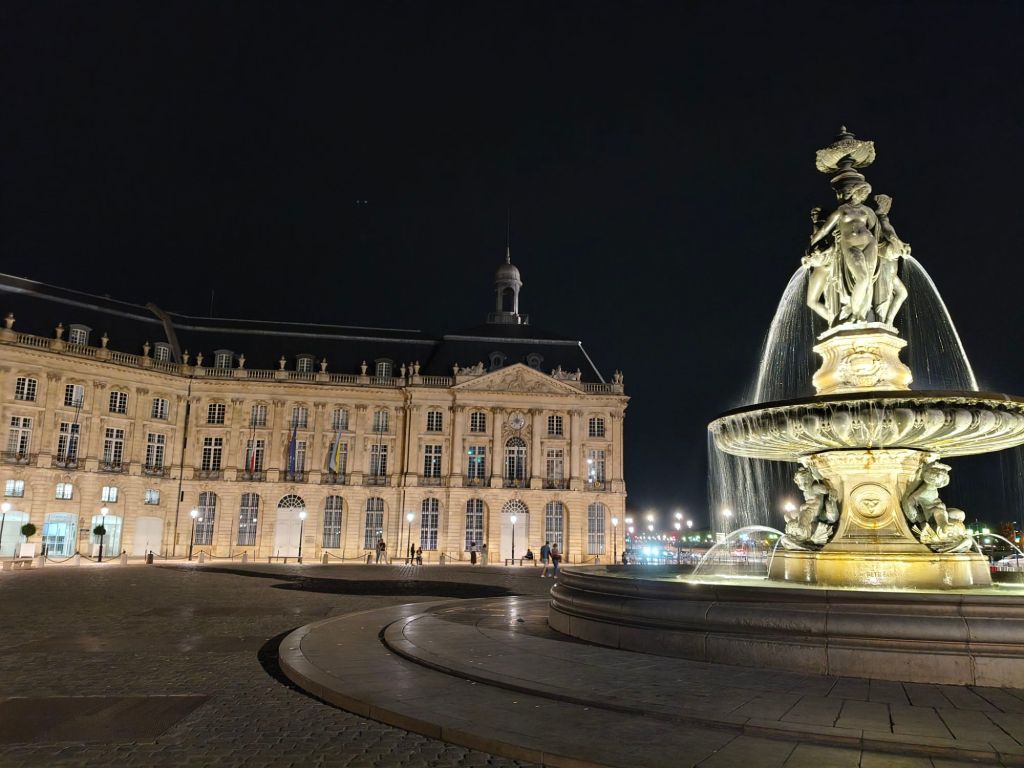
It’s an impressive sight. Just a pity that Bordeaux mounted its recovery with the profits of the Atlantic slave trade…
Apologies. Slavery again. Or colonialism. If it’s not that, it’s war. Or Nazism. If it’s not Nazism, it’s Stalinism. If it’s not Stalin’s slave camps, it’s the transatlantic slave plantations again…
We go travelling to these places partly for the culture and the historical sights, and writing about these places relies on their histories, their context, the lives lived and the things done, the colour, things to bring the reader along with you. Even if I just wrote “here I am in Paris and wow, there’s this big iron tower thing!”, just writing “Wonder how it got there?” invokes and invites an engagement with history.
Unfortunately the history of our world is, let’s be honest, rather crap.
For every fine medieval cathedral, look for the bones of the people forced into the faith or persecuted for disagreeing. A fascinating, atmospheric castle over there, but why all the cannons? Why does every Eastern European capital city seem to have a museum about the Soviet occupation? Unfortunately I like writing about the history of the places I visit, so I can’t avoid the dark stuff, sorry. And a lot of it is still very relevant. That might actually cheer you up if you get jealous of all my travelling, at least you know I have to look into the history of an attraction I’m blogging about and suddenly end up wallowing in misery.
Close enough to the Bay of Biscay but snuggled nicely downstream on the Garonne, Bordeaux was well placed to profit from the burgeoning Atlantic trade and this accelerated after the American Revolution in 1776. Bordeaux became France’s principal port in the infamous triangular trade – European goods to African slave traders, in exchange for humans in chains dispatched to the Americans, the sugar, cotton etc. sent back down the Garonne. Bordeaux traded out its own local produce but it was the Atlantic stuff that was the real money earner. The excellent Musee d’Aquitaine in the centre of town is unsparing and unflinching in cataloguing Bordeaux’s outsized role in the slave trade and its cruelties, and the unresolved legacy.
In 1789 yet another export from the Americas barreled across the Atlantic and through French ports. Revolution itself. The local Girondin faction from the Gironde departement around Bordeaux were at the head of the barricades, but they were more moderate than the other factions that eventually took power, and in 1793 the Reign of Terror proved extremely liberal in disposing of Girondin heads. Meanwhile slavery was abolished, then Napoleon brought it back, and once it went for good Bordeaux turned its attention to good old colonial rapaciousness. Unfair maybe; it wasn’t just that, it’s a very agricultural region, Aquitaine. Plus there was always the wine…
Bordeaux developed over the subsequent two centuries (I must have missed the section on the German occupation in the second world war…) and today stands as France’s six biggest city. A busy, vibrant university city, it’s a charming destination for a three-or-four night stay.
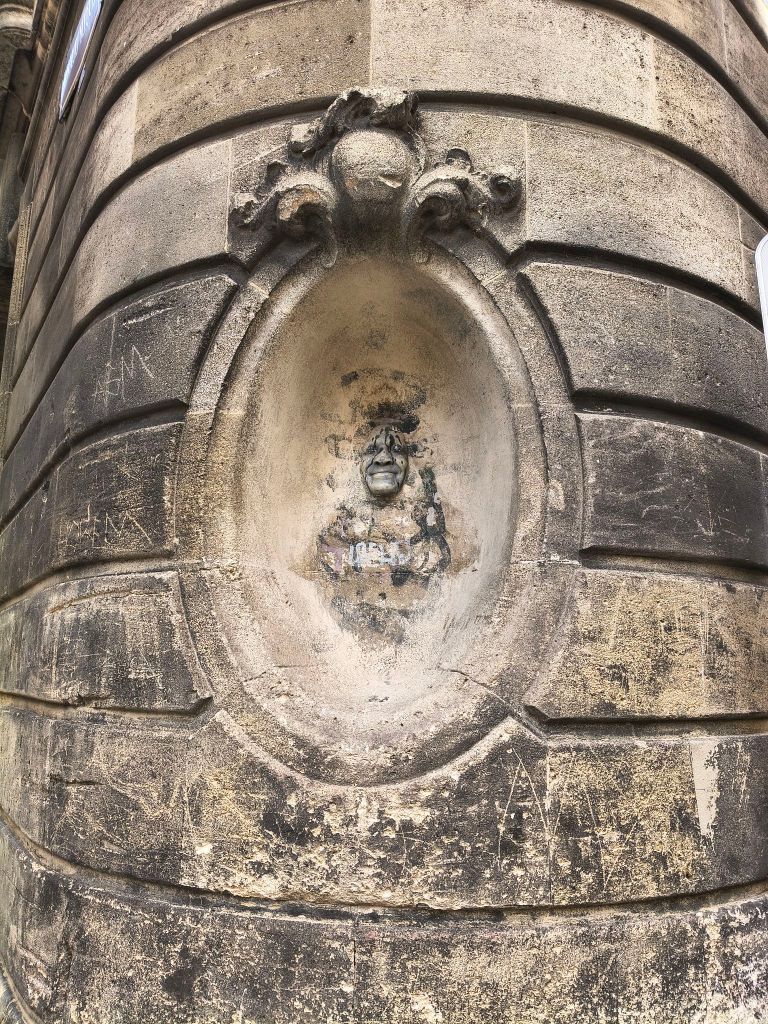
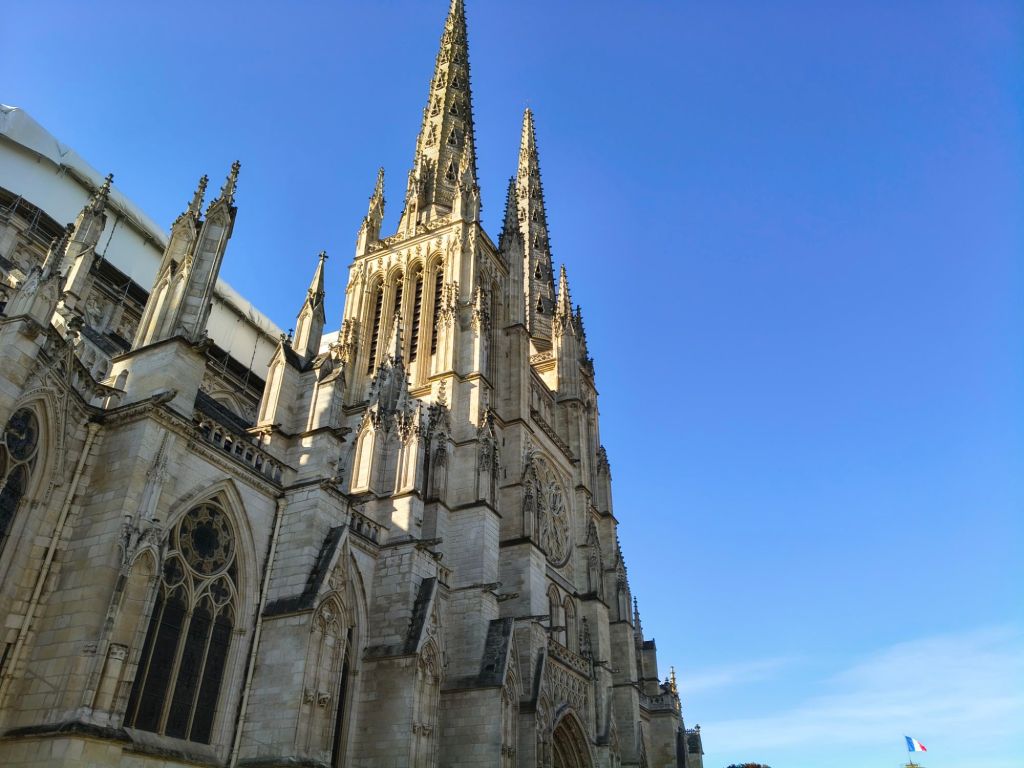
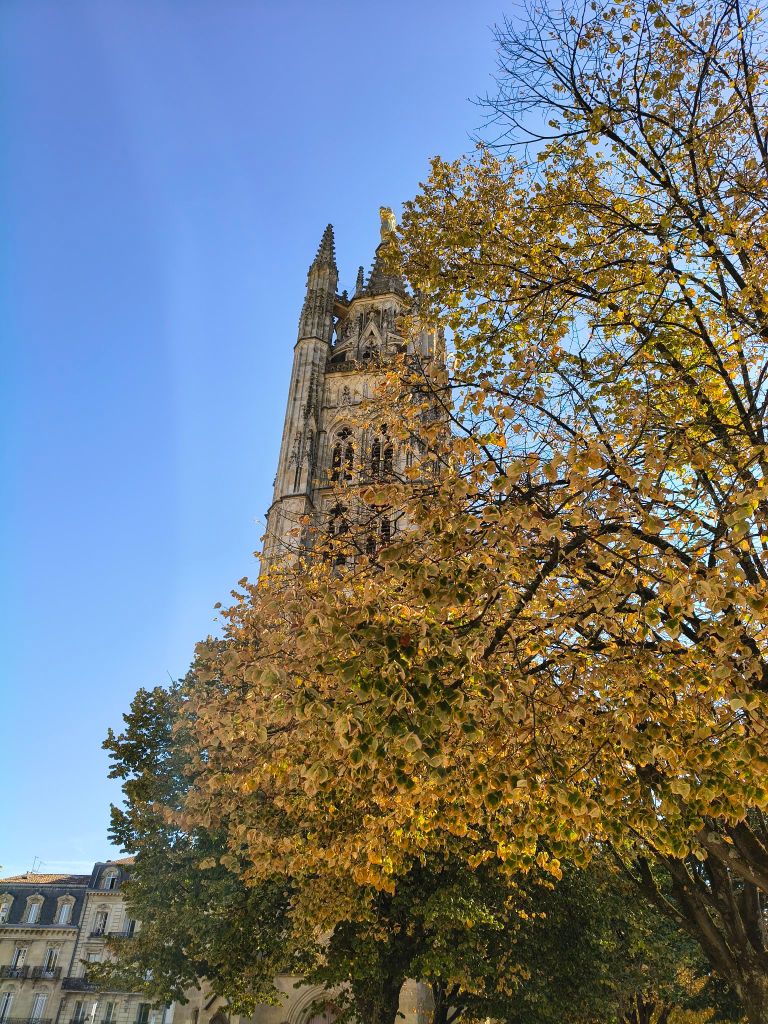
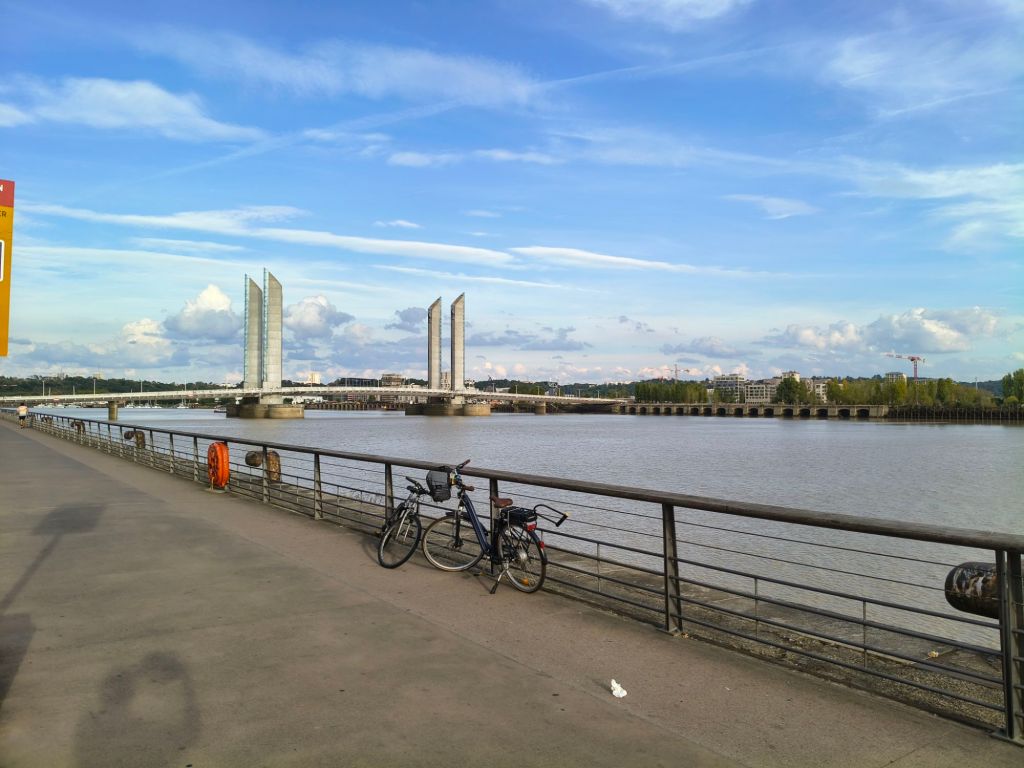
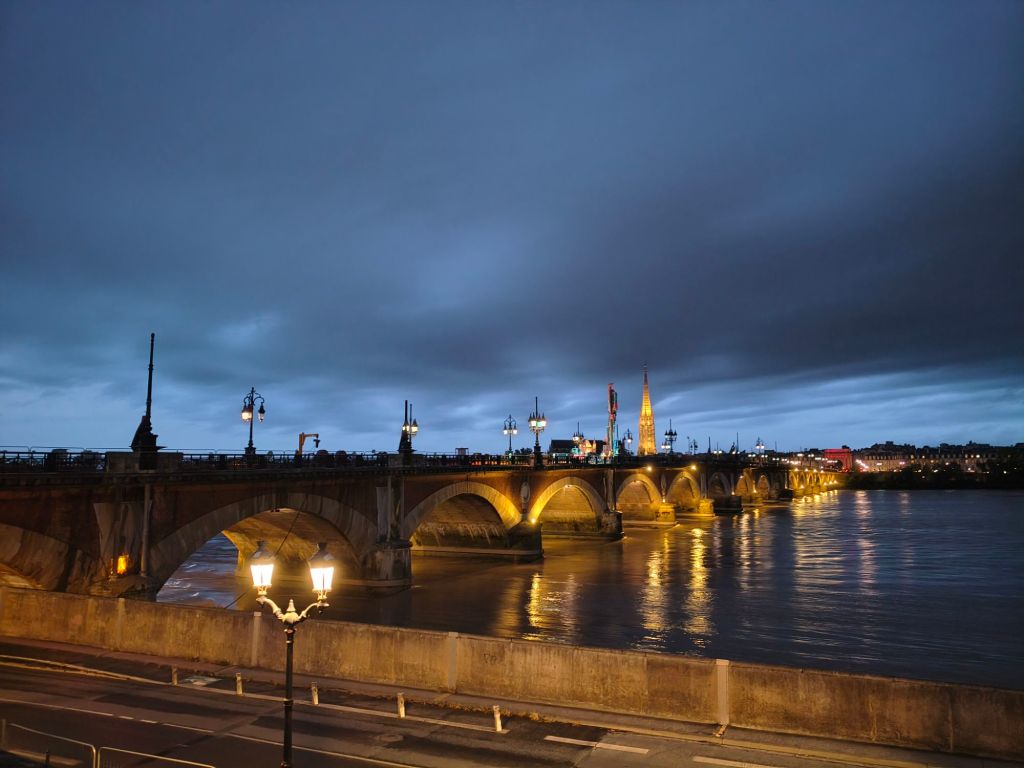
Bordeaux developed on the western bank of the Garonne, from which this view is taken. Even today all the good interesting stuff is on the left bank; the right bank is rather nondescript. It’s not surprising when you consider that the Garonne is almost 500 metres wide here. The Romans considered the Garonne as the border between their provinces of Gaul and Aquitaine, and there wouldn’t be a bridge across it until the 19th century, when it proved such an impediment to moving his troops into Spain that Napoleon had had enough. Completed soon after Napoleon’s death, it’s called the Pont de Pierre because it’s made of stone.
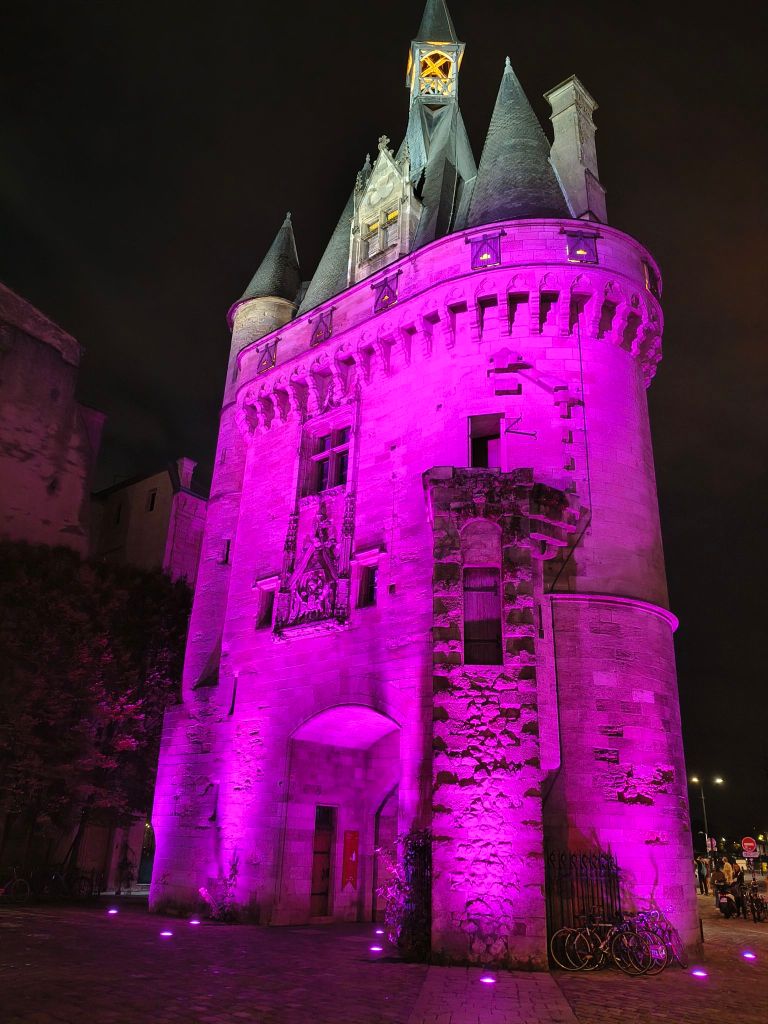
There’s probably much more to say about this lovely city, but there ended my camera reel after my short stay and it was time to move on.
Where next? I’ve just had a thought about something I wrote just there…
moving his troops into Spain
Hmm…


Leave a Reply