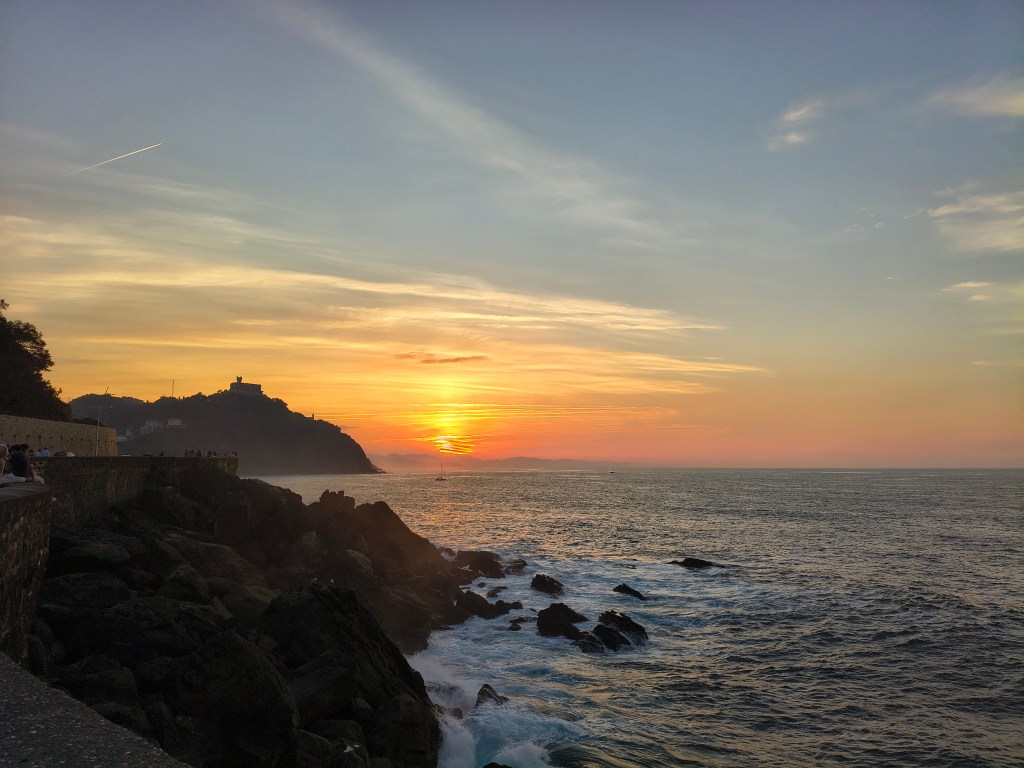
As the hours drifted by, I realised just how stunning San Sebastián is. You could spend days, long, bright, fragrant Spanish days, wandering along the shoreline, snaking around the dramatic headlands, looking out to sea or inland to the dramatic mountains framing the fine, Belle Epoque architecture of the beachfront, or maybe you’d prefer promenading along the banks of the River Urumea, itself flanked by flamboyantly-styled fin-de-siecle hotels. And you would not have seen the end of it. Or, if you had, you’d want to do it all over again.
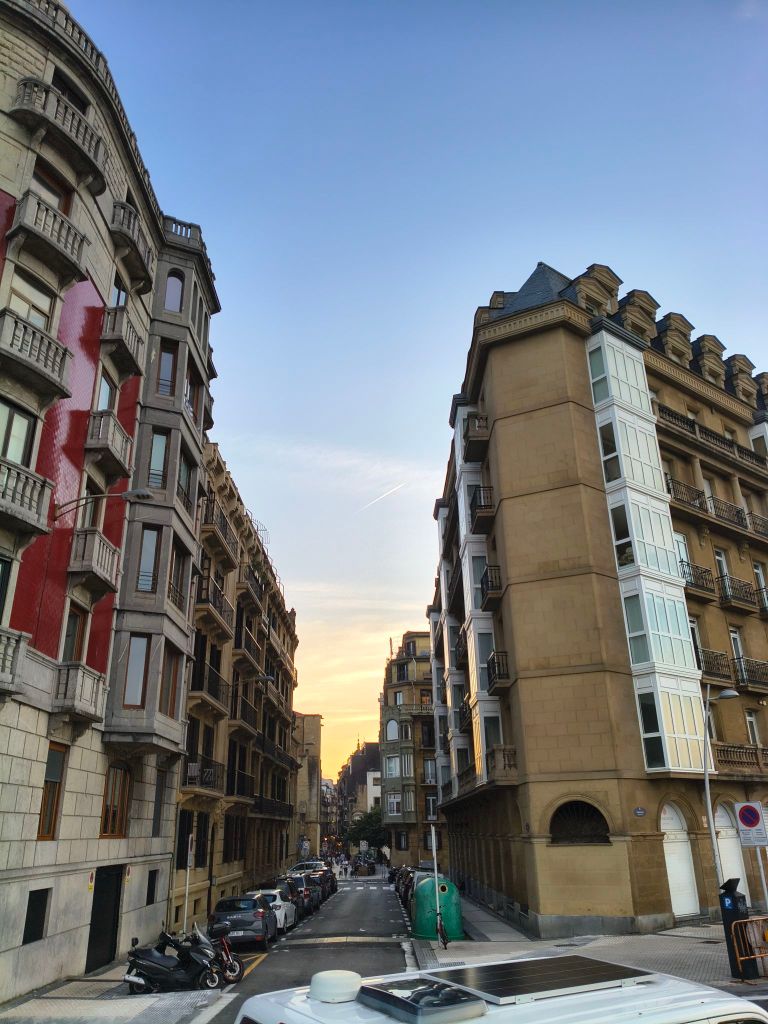
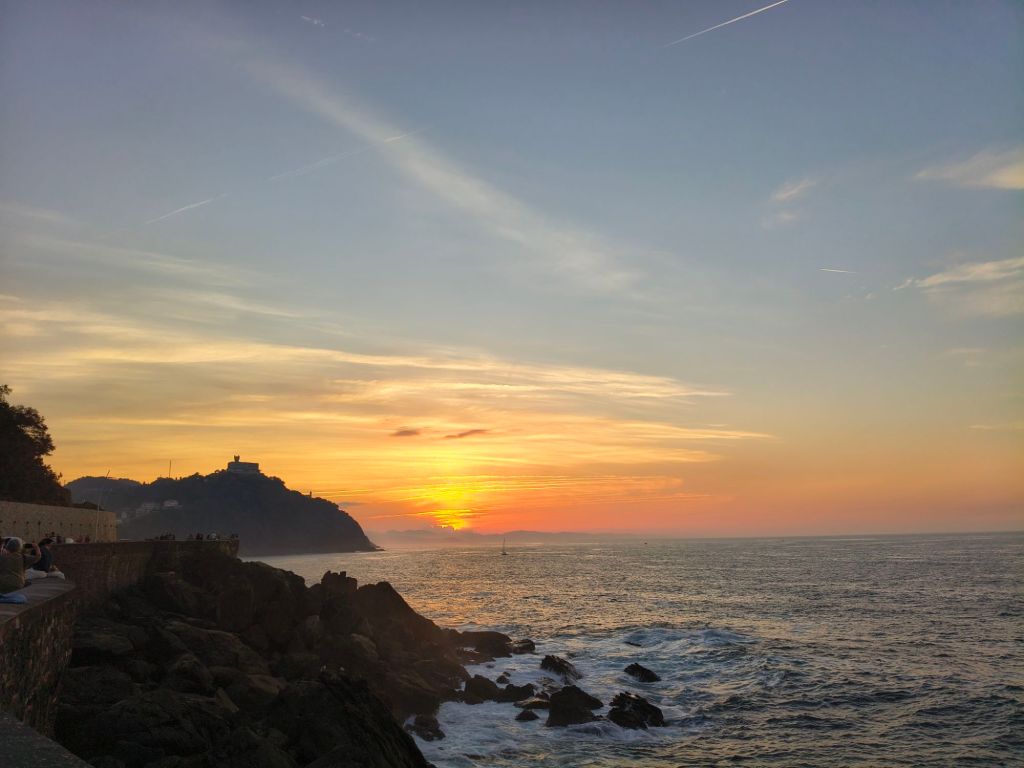
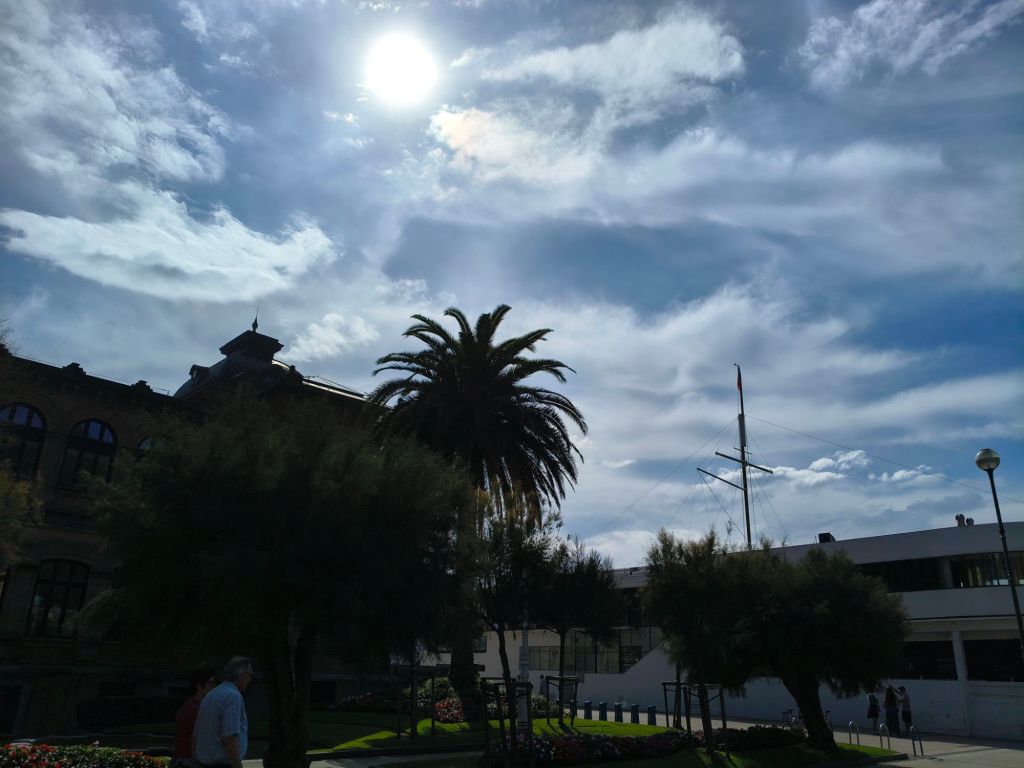
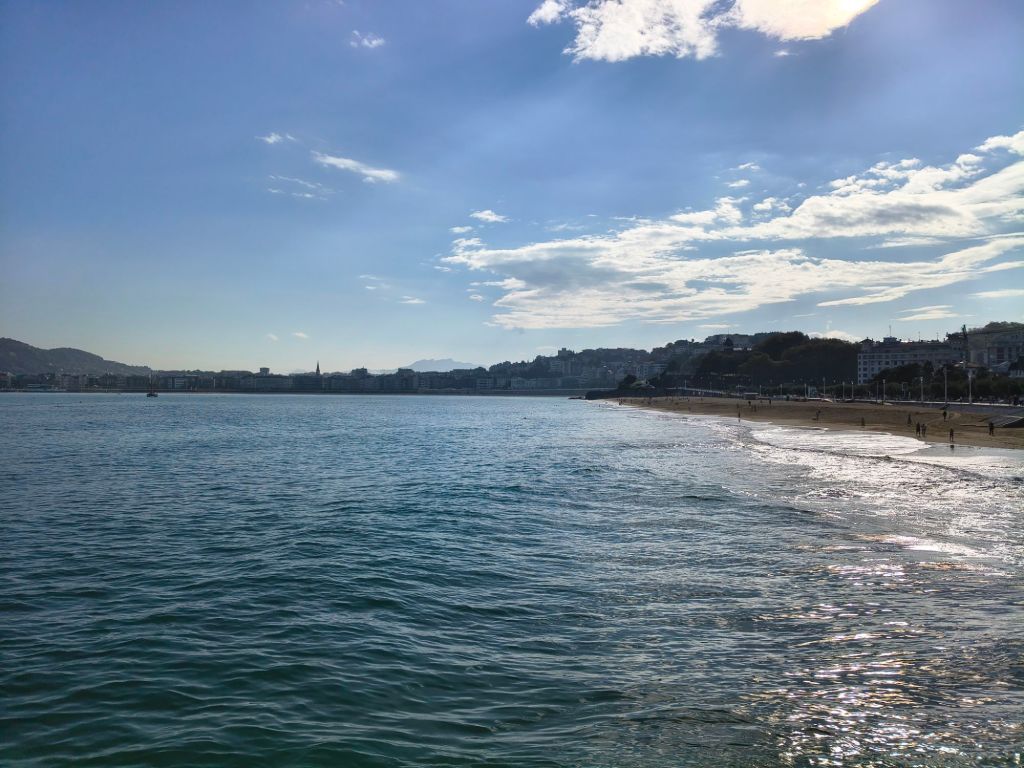
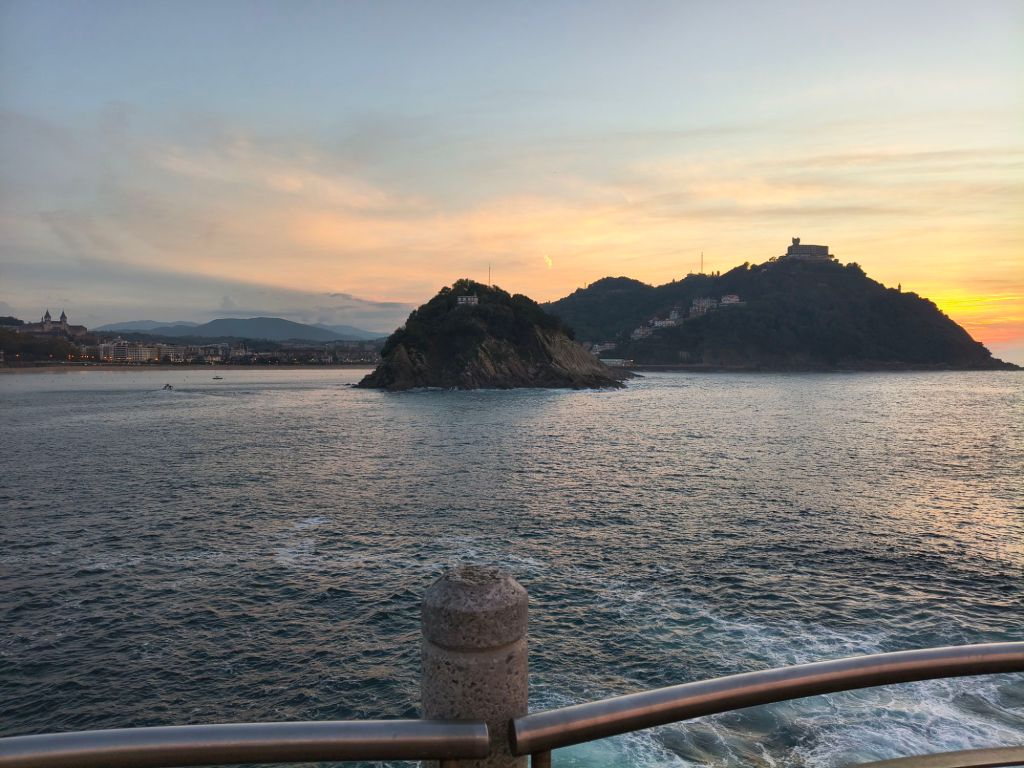
Known as Donostia in Basque – which actually does translate as “Saint Sebastian” – the city is based around a horseshoe-like, conch-shaped beach appropriately called La Concha. The two points of the conch rise to seriously precipitous headlands, and the Old Town arose in the shadow of the easternmost of these, Mt Urgell. In the middle of the bay sits the atmospheric-looking Santa Clara island. Atmospheric – unless you were a British officer in the Napoleonic War of 1813. You would have instead thought of it as “a jolly decent base”. At the time, San Sebastián was held by Napoleon, and the British wouldn’t have given much time to my dreamy description of the town at the beginning of this post. After launching an assault from Santa Clara, they turned the town into something that wouldn’t read quite as well in Lonely Planet – “kindling”, “embers” and “ruins”. Only one street remained after the Anglo-Portuguese makeover, and today it’s called 31 August Street – the date of the attack.
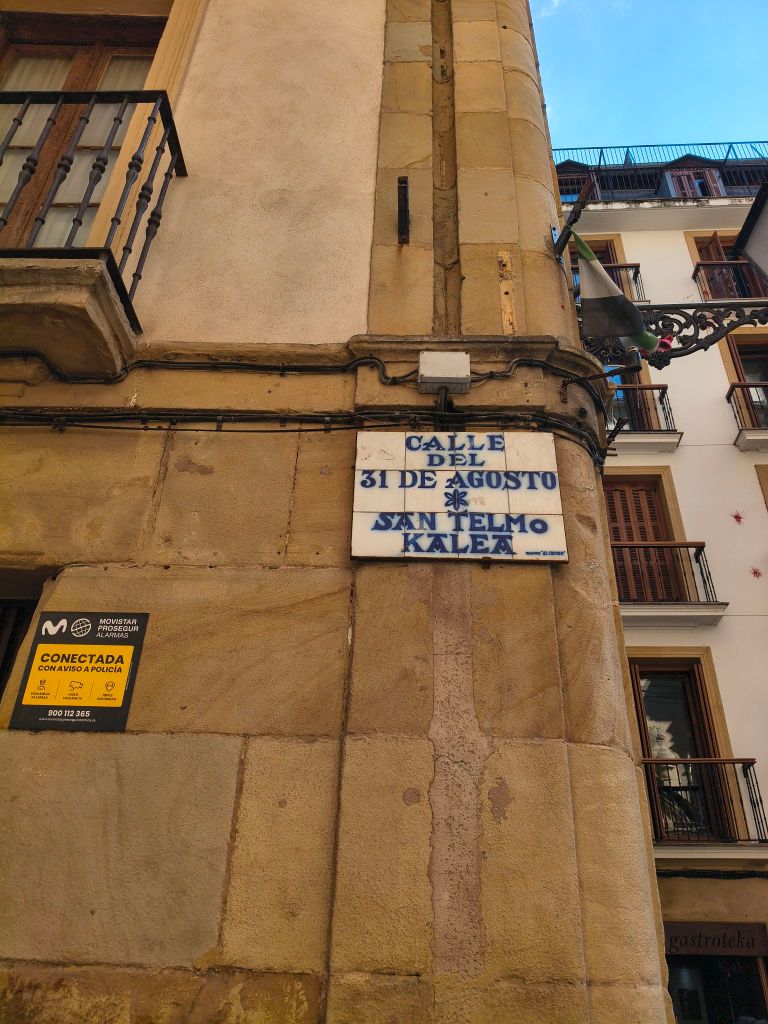
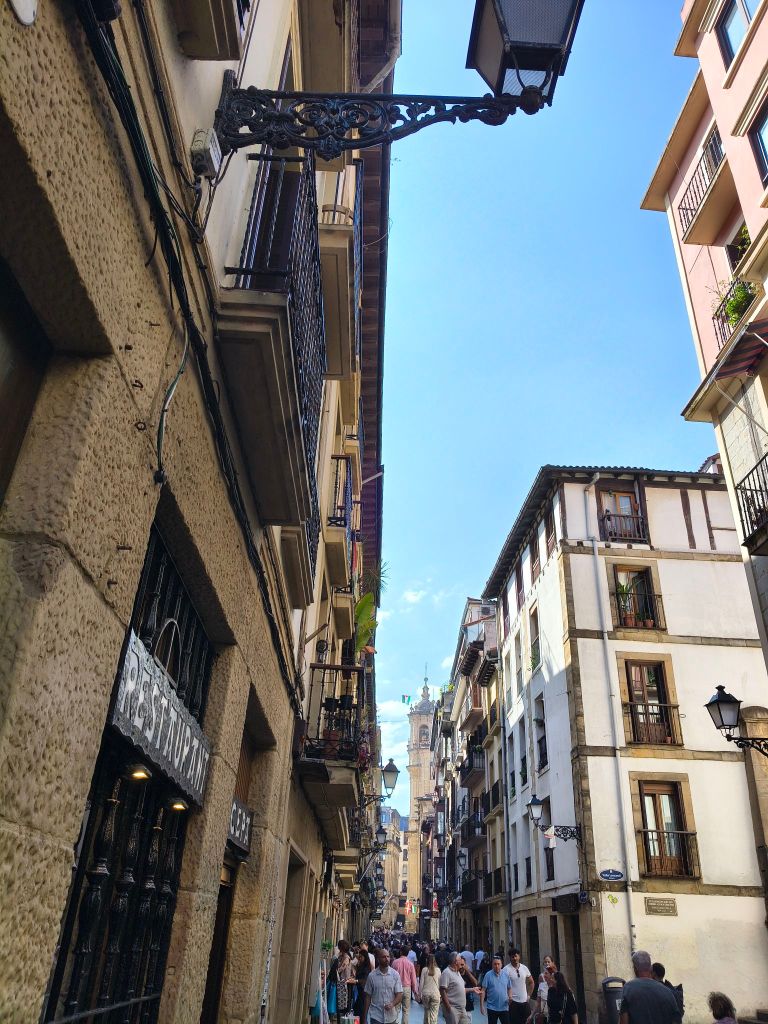
Leaving the Old Town a smouldering ruin was bad enough, but it also meant the local brandy and wine was all on the house. The allied soldiers turned into a drunken, rampaging, pillaging mob, and according to some estimates half the town’s population was killed. The Old Town was eventually recreated as it was, but you can’t just build away the emotional scars, and to this day there’s a candlelight procession every 31st August on the surviving street. It’s difficult to be completely certain, but British tourists still seem to be welcome here.
You can usually spot the Old Town from most vantage points by looking out for the twin towers of the Ayuntamiento de San Sebastian, the city hall.
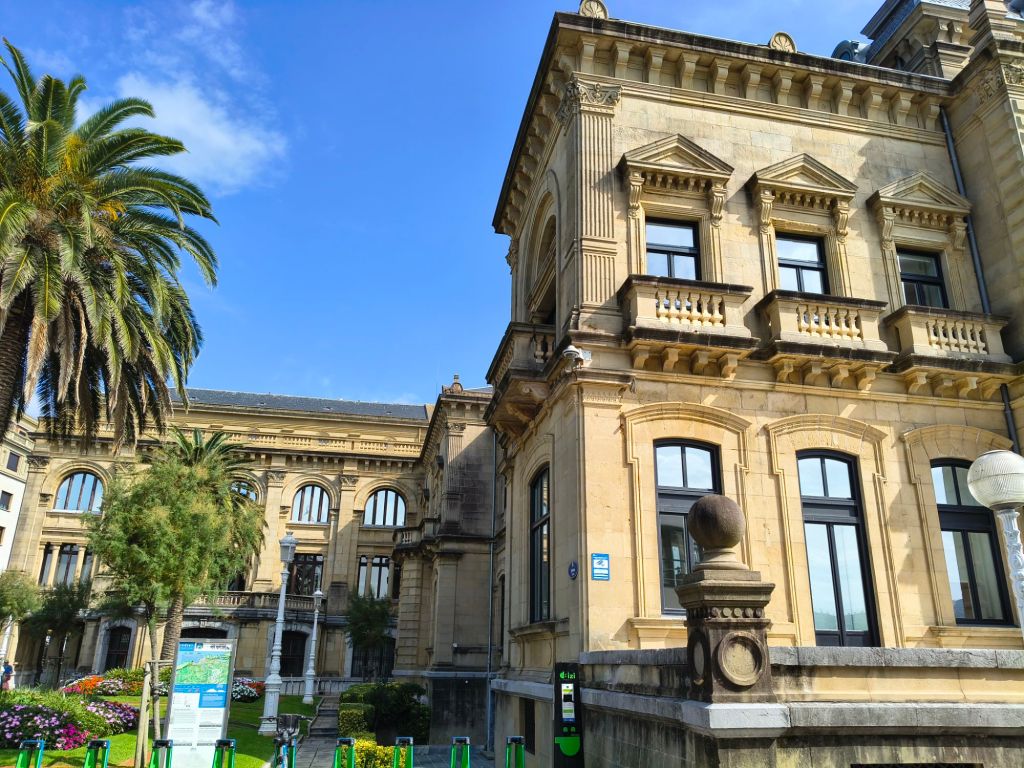
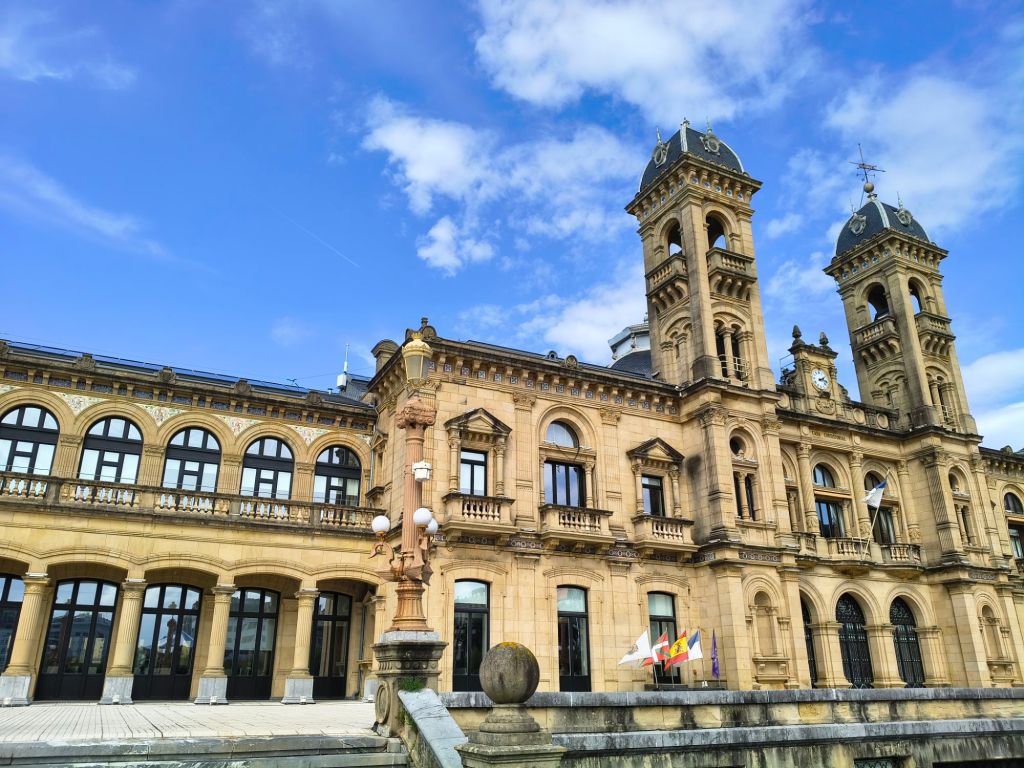
The 19th century, as we’ve seen, had its wars, but when San Sebastián wasn’t fighting it was sprucing itself up as an elegant resort destination for the well-to-do of the Victorian era. The city hall was originally a Belle Epoque casino, a place for the well-to-do to become much-less-well-to-do if they wanted. Unfortunately Spain banned gambling for a time in 1924, and the building eventually found its municipal function. Unfortunately it also found itself a target during the Spanish Civil War. I didn’t get close enough to see them, maybe try expanding the image, but there are still bullet holes in the flamboyant stonework.
Next to the city hall is a ship. Sort-of.
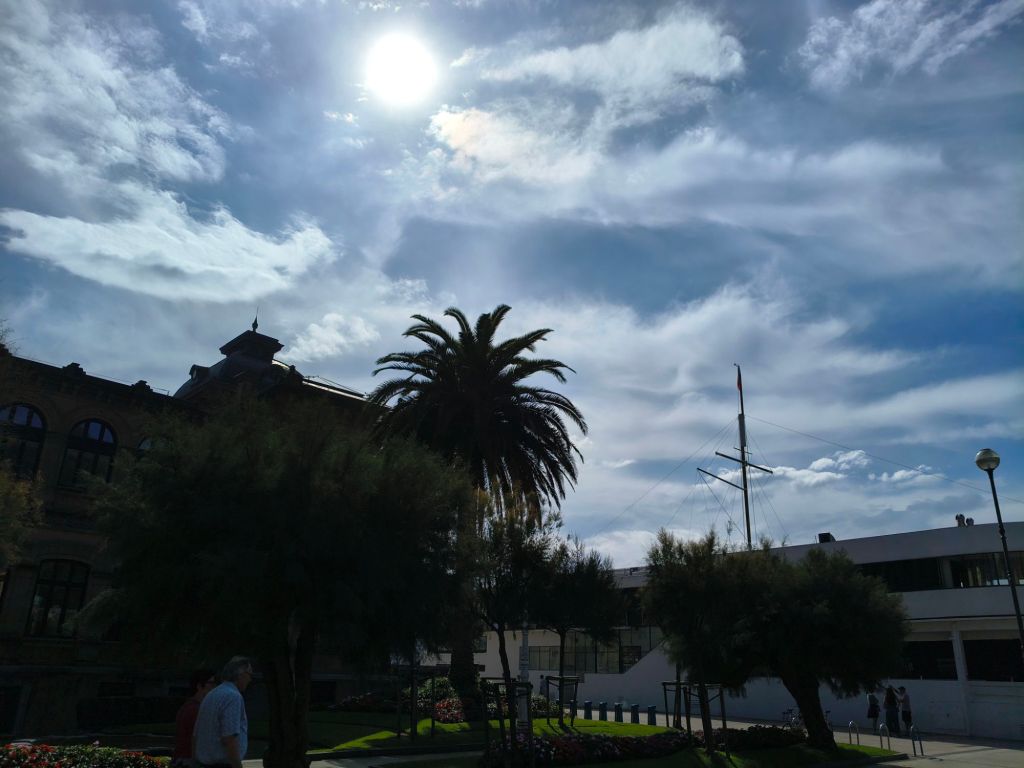
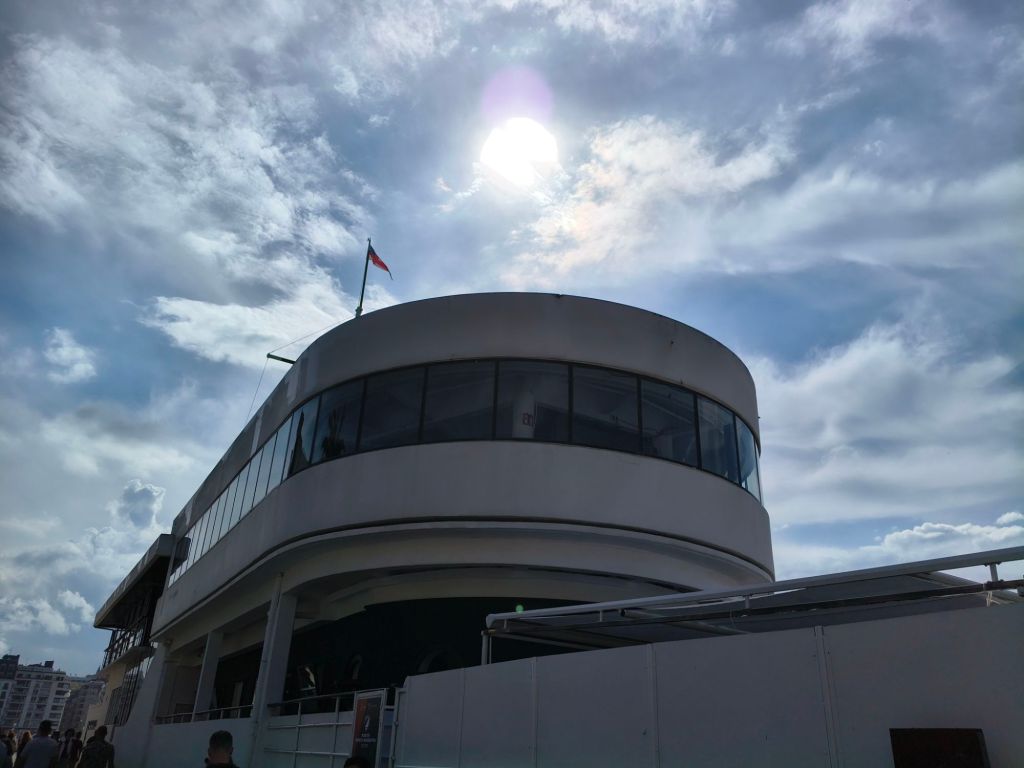
Built in the 1920s as a yacht club, the Real Club Náutico de San Sebastián is actually a seafront building that references the city’s seaborne heritage. Well, I suppose it’s…a yacht club. Having such a Modernist design so close to the Old Town was sailing too close to the wind for some residents, who called it an “unsightly box”. The building would receive a better reception as the years rolled on, but sadly this came too late for one of the architects, Alzpurua; at just 33 years old he came face-to-face with his most formidable architectural critic, a bullet from a Republican gun during the Civil War.
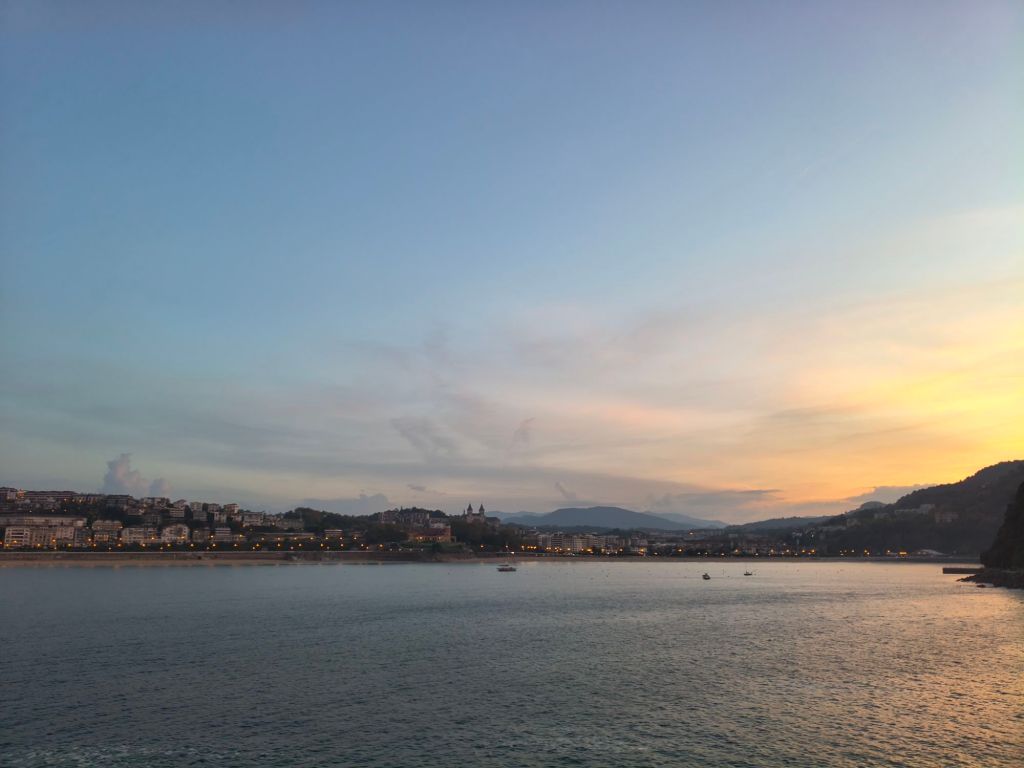
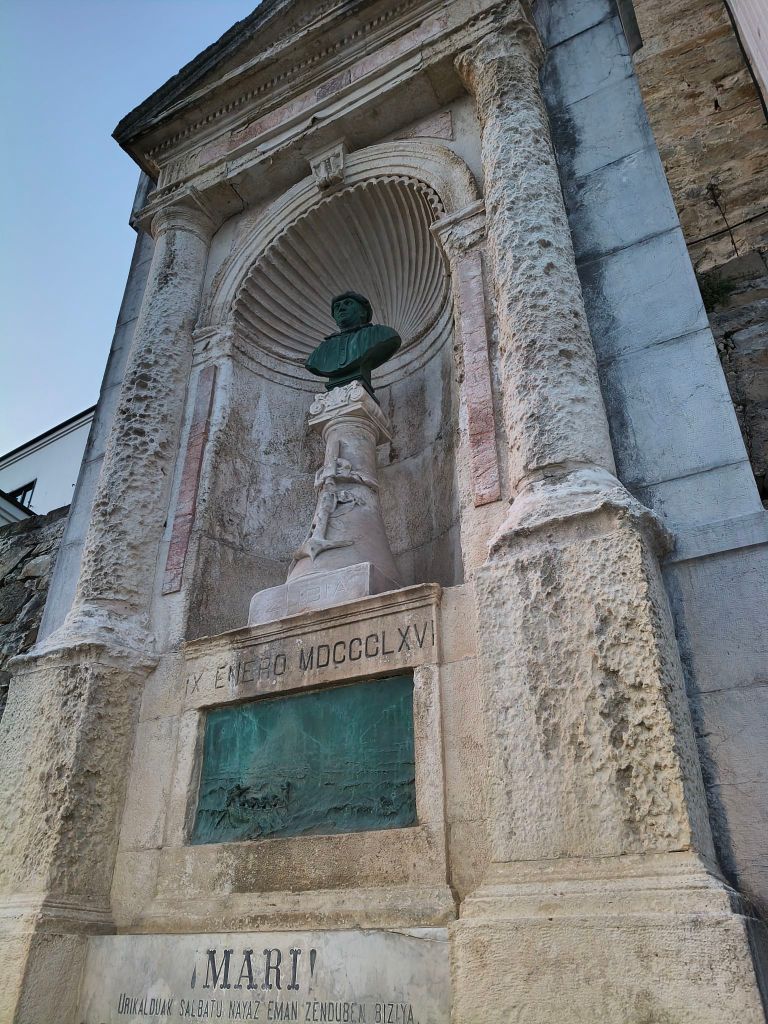
Heading along the harbour front as the headland grows to Mont Urgell, we find this memorial to one Aita Mari. Born José María Zubía into a fishing family in 1809, Mari himself became a fisherman, but became famous and adored for his selflessness and bravery in helping other sailors in distress on the high seas. On July 22nd 1861 a particularly nasty gale blew up and a fishing boat was seen from the city to have been overturned. Four men were seen to be clinging on to the upturned keel, but the waves were surely too high to launch a rescue. Mari thought otherwise, got some volunteers together, ventured out and managed to save three of the four men. For this act he and his friends were awarded high honours across Spain.
But then came January 9th, 1866, another storm, a boat struggling to enter La Concha. Once again Mari sailed out to help, and got all the men aboard. But this time our hero’s luck ran out. To the horror of the people watching from the city, a wave swept Mari into the sea, and he was never seen again. But he is still remembered; a humanitarian migrant rescue ship carries his name as it conducts its own sad mission in the Mediterranean.
Time to lighten the mood? I agree.
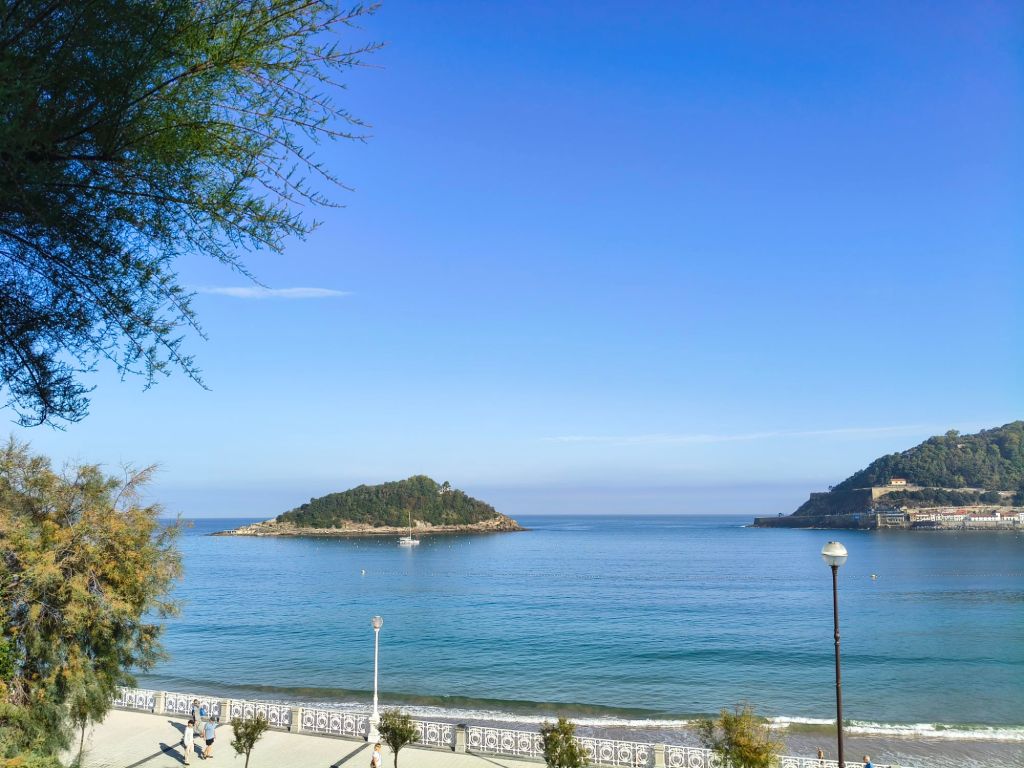
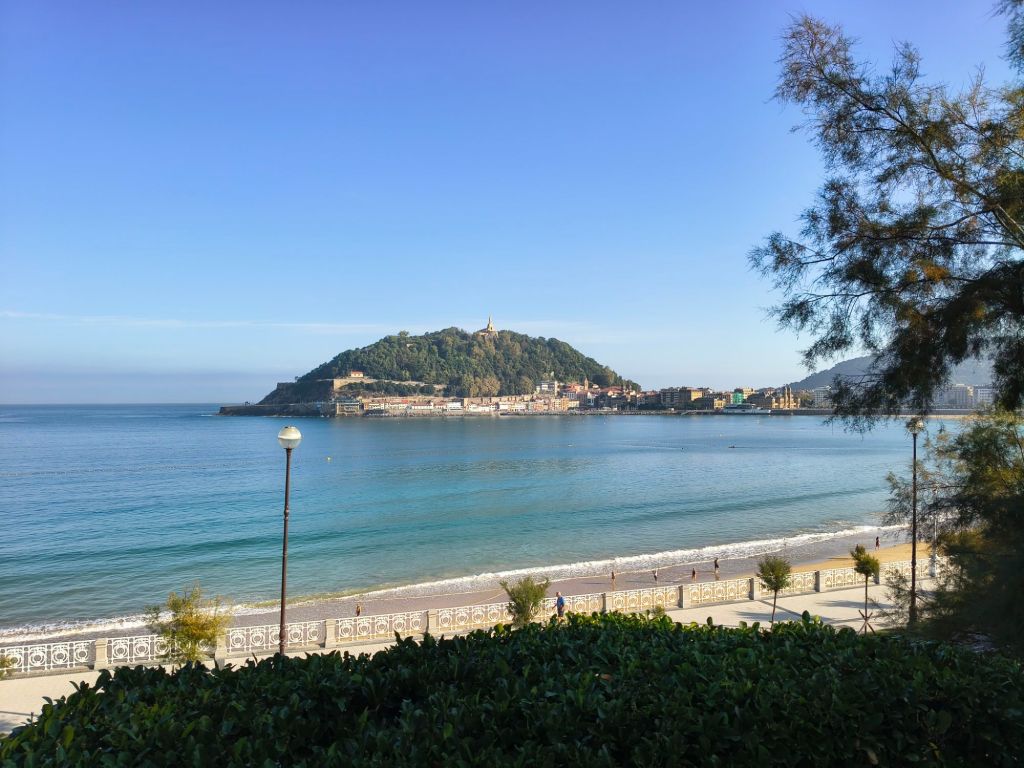
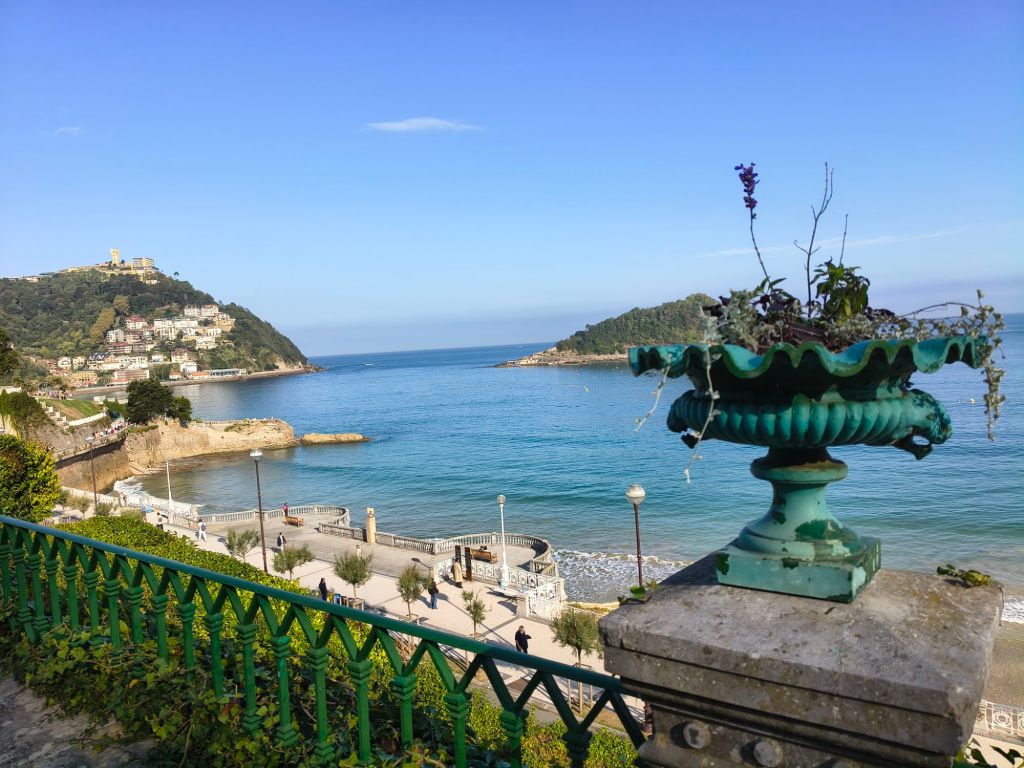
We’ve headed westwards along La Concha, away from the Old Town, towards the other headland. There’s an intervening headland we’re going to look at, not the big one at the end, but where we’re going has its own interesting stories.
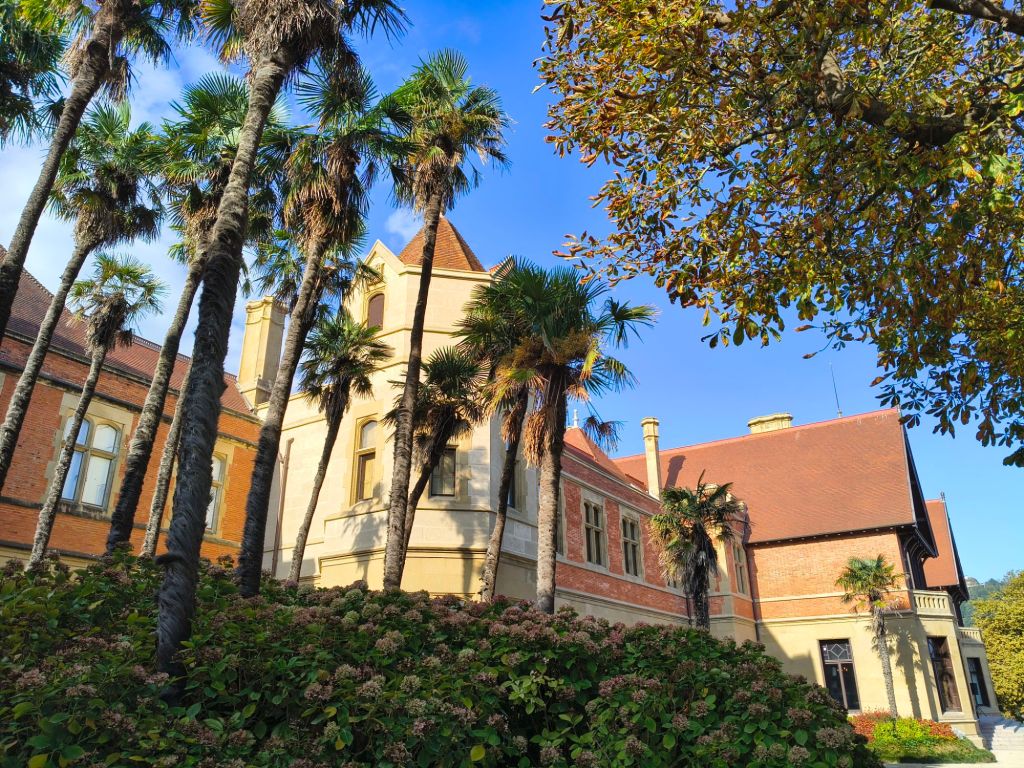
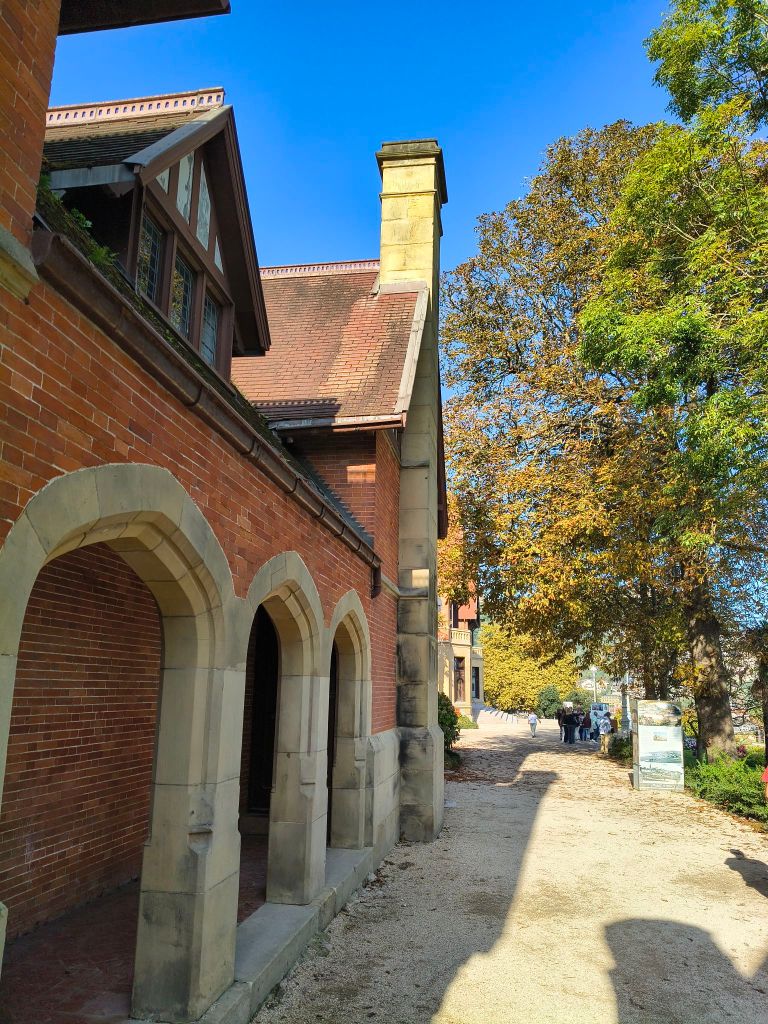
This area was known for the old Monastery of San Sebastián El Antiguo, from which the city got its name. As San Sebastián became fashionable, one particular well-to-do lady loved the spot and the view of the beach, and in the 1890s had a rather refined English-style country house built here. It helped that the lady was Maria Christina of Austria, consort of Alfonso XII of Spain. The splendid Miramar Palace was the result, designed by an English architect well-known for his country-house-style summer houses for the European nobility, name of Kevin Bloggs.
If you’re surprised that someone called Kevin Bloggs (Kezza to his mates) would be creating quintessentially English great houses for the Victorian quality, you’d be right. I made the name up. His real name was Ralph Selden Wornum. Of course it was. (Probably not known as Sezza to his mates).
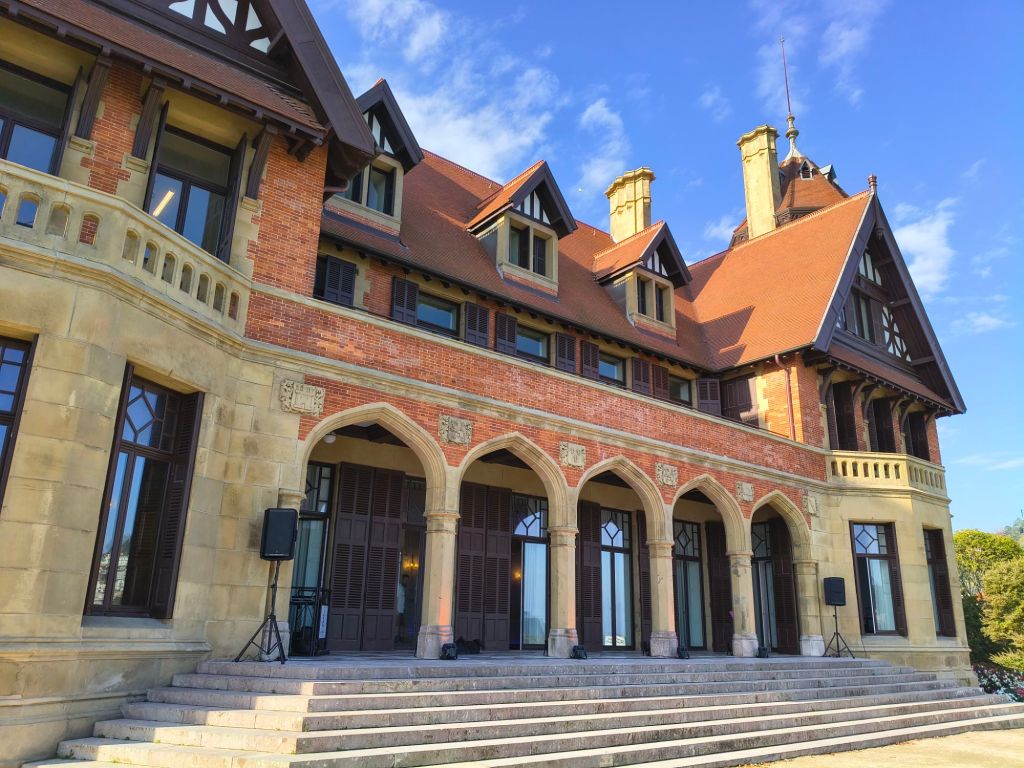
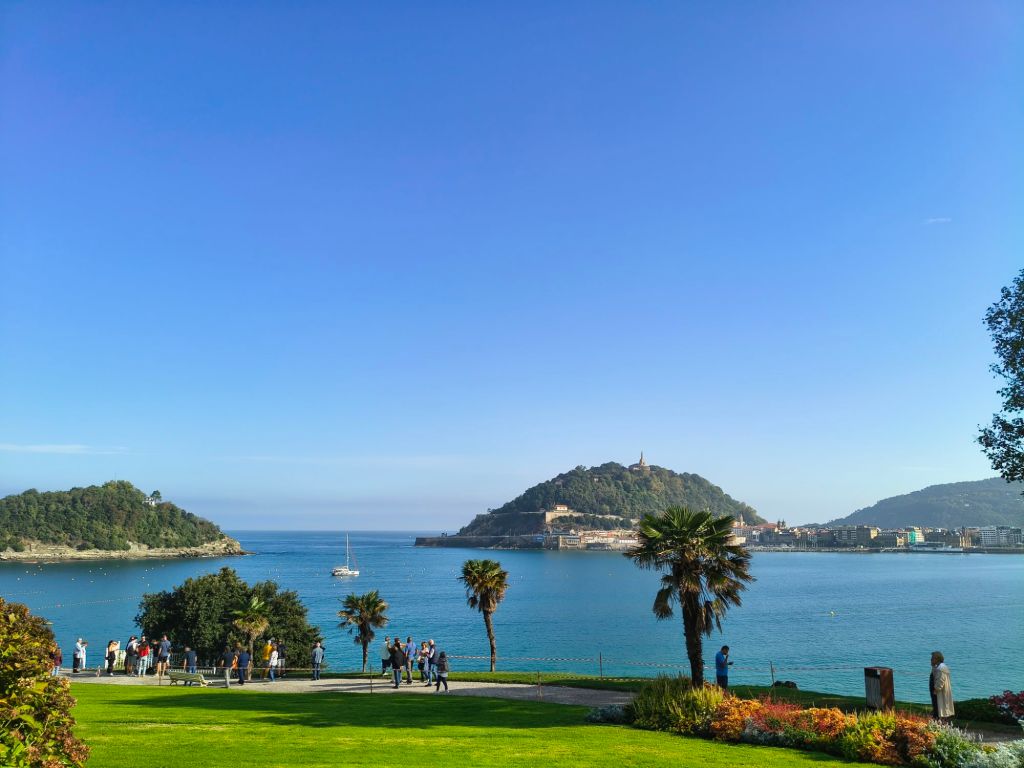
Marie Christina loved the palace, loved this view, and ended up loving San Sebastian. So devoted was she in standing up for the town in the royal courts of Madrid, the town named its greatest hotel after her and also the nearby bridge across the river. In 1926, three years before her death, the town awarded her the Golden Medal for her services. I didn’t take a snap of the information board at the palace, and I couldn’t subsequently find anything online, so based on years of historical blogging my informed opinion is that the medal was for first place in the ultra-competitive “Members of the Habsburg Dynasty Being Nice to the City Bigwigs of San Sebastian” event. And she also broke the Austrian national record by three gracious hand waves.
See, the thing about being an accomplished historical researcher like me is being able to make reasoned judgements about historical truth from scant evidence. And not being stupid or childish about it at all.
After her death the palace became the property of the local Basque government, who used it for good-old Basque stuff as well as a place for functions and the rest.
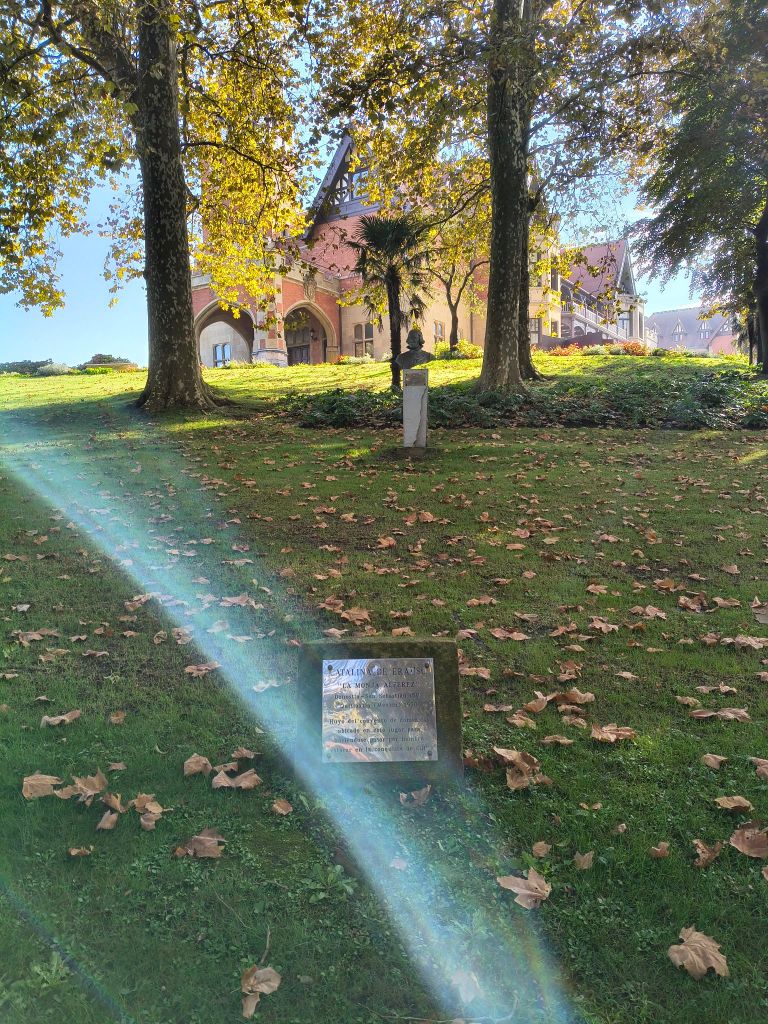
The grounds around the palace had an extensive ecclesiastical background incorporating a nunnery and a hermitage as well. Here is the memorial to Antonio de Erauso, a New World explorer who was sent to the nunnery as a child but ran away and travelled up through South America in the explorer age, where he met his death in México.
Ah hang on…you see a problem with Antonio’s story, I see. Yes – I see it too.
Mexico is in Central America, not South America. Sorry.
Oh, I see, it’s the other thing…that, er, thing.
Ok, if you can read Spanish you got it straight away. What was a lad doing in a nunnery?
Antonio was born Catalina. From the age of 15 s/he started to dress as a boy and disguised themselves as a man to go on all those adventures. Today they are known as the Lieutenant Nun. I use “they” because historians are divided between whether she just disguised herself to do what she wanted to do, or he thought of himself as a man all the way through, or how her affairs with other women plays into the picture.
It’s a fascinating story nonetheless, not necessarily one you’d expect to uncover in a genteel Victorian country palace, especially one designed by the renowned and eminent Wayne “Briggsy” Briggs himself.
Let’s move back down to the shore.
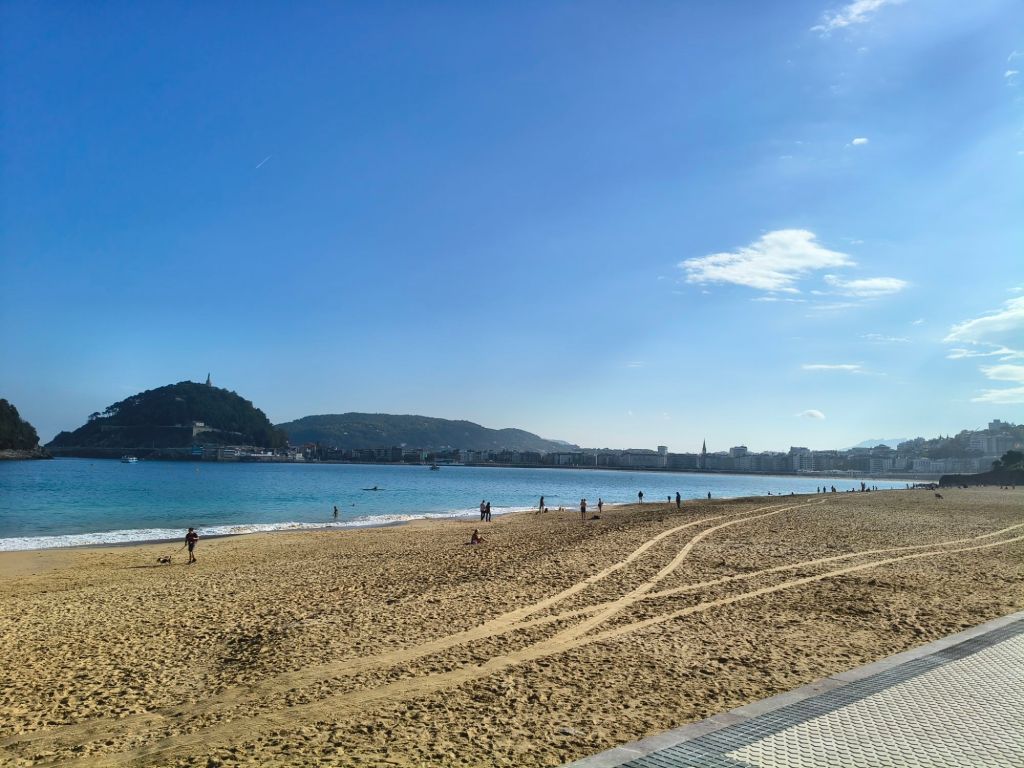
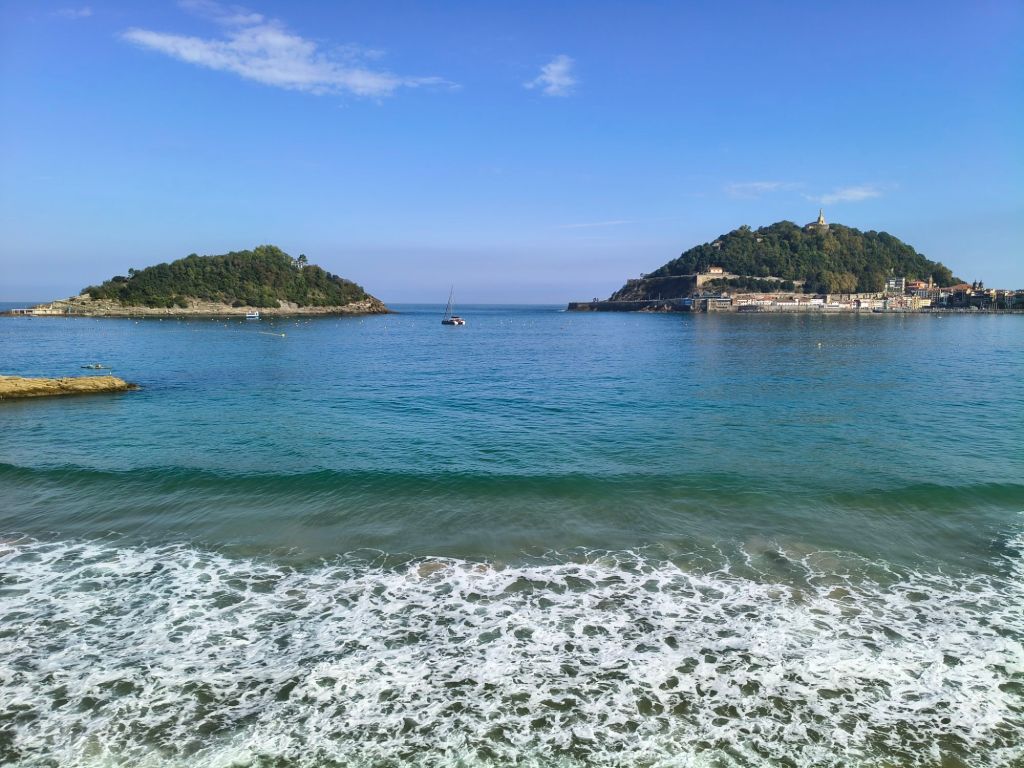
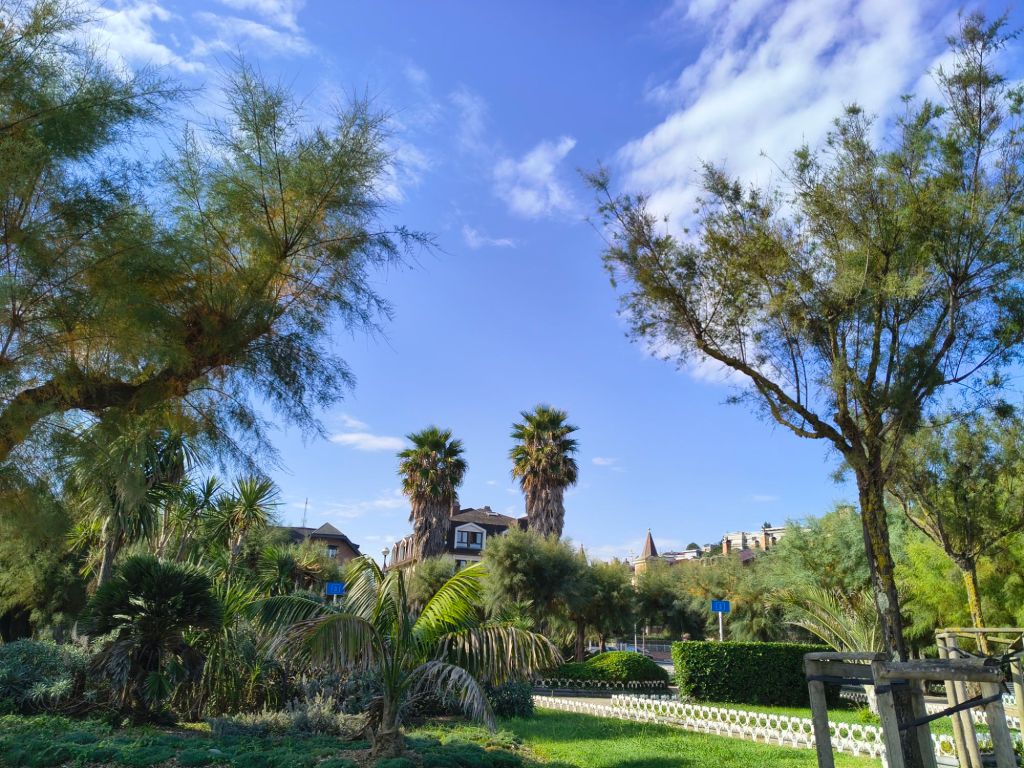
The Miramar headland creates a second section of beach, the calmer, more sheltered Ondarreta beach. There are fewer tourists here, the ones that are here seem to be heading to the funicular ride up the far western headland. I thought of joining them, but the numbers heading that way rather put me off and I settled for a walk back to town, to take in the lovely Ondarreta beach before settling down for a coffee and maybe some pintxos – the Basque version of tapas – later on.
There’s a lot to this city after all…


Leave a Reply