Well, if we’d been here when it was just heathland, we might have had more to write about.
Stretching along the coastal cliffline between the ancient harbours at Poole and Christchurch, jutted above nine miles of pristine sand, there was – nothing. Just a vast bracken heathland reminiscent of the New Forest a few miles to the east, a deserted spot mainly frequented by the odd fishermen…and lots of smugglers!
In fact even respectable Poole and Christchurch were happy now and again to make a few bob by pulling a fast one on the Revenue men. In one notorious incident in the 1800s it looks like the whole of Poole went out on the lash for a few days partying on some ill-gotten liquor. But the long stretch of heathland between them, known then as Westover, was particularly suited to the trade, being empty, desolate, and riven with lush deep valleys – or chines – where rivers cut through the sandy cliffs and many a dark deed could be done hidden away from prying eyes.
It sounds romantic, but for those on the wrong end of it, no it wasn’t. And no, it isn’t. Old-style big-time smugglers like Isaac Gulliver were really not much different to today’s drug trade kingpins and people smugglers. As far as Westover went, back in the late-eighteenth century the army decided to send an officer called Lewis Tregonwell to do something about the smugglers while he was watching out for the French during the Napoleonic Wars. Tregonwell kept at it until 1810, by which time the local bigwigs started inclosing the heaths.
But he liked the area so much he and his wife had a house built here in 1812. Immediately following the parcelling-out of the now private land, it’s considered to be the first proper house of the town that would soon grow up on the Westover, all around the mouth of the little river Bourne . A town that would get a new name.
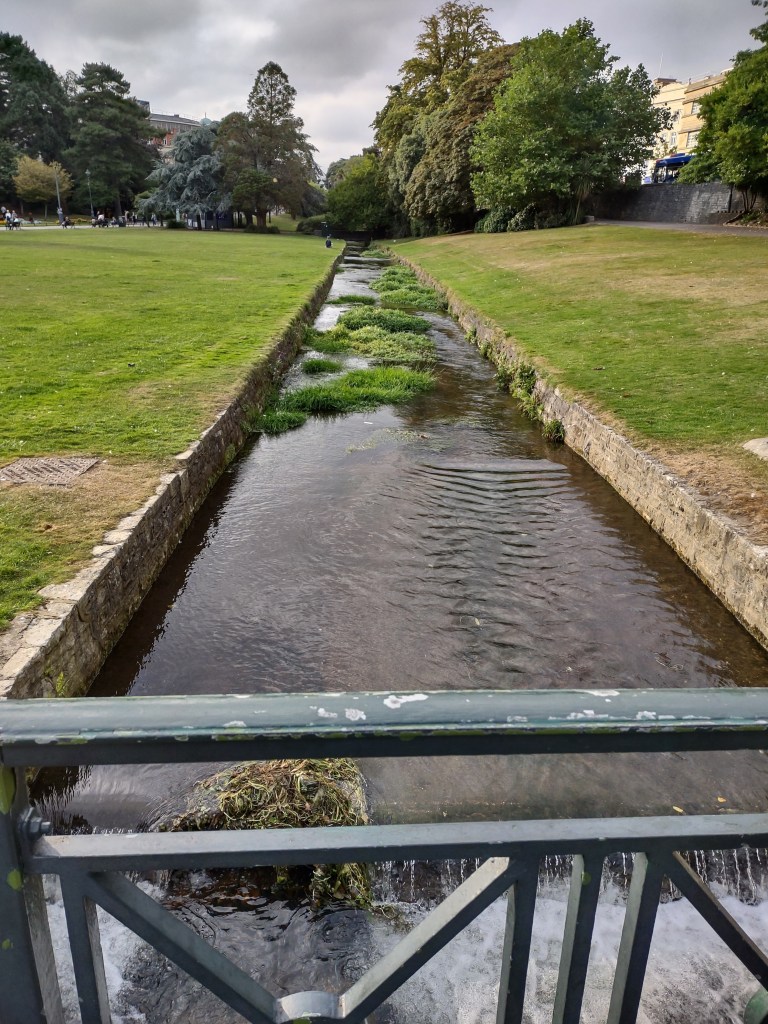
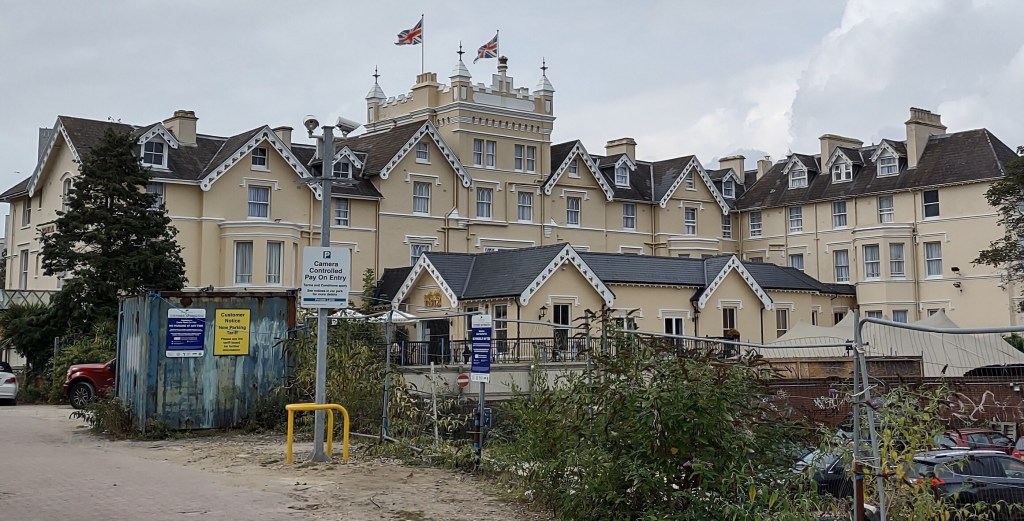
And so developed a pretty little resort town just as the Victorians were developing a taste for the seaside, and just in time for Victorian railway mania. You can guess the rest – well-to-do tourists – hotels – retirees – genteel Edwardiana – bigger town – more tourists – yawn…once you get past the smuggling and the building of a town from scratch, the story becomes very predictable, very bland, very twee.
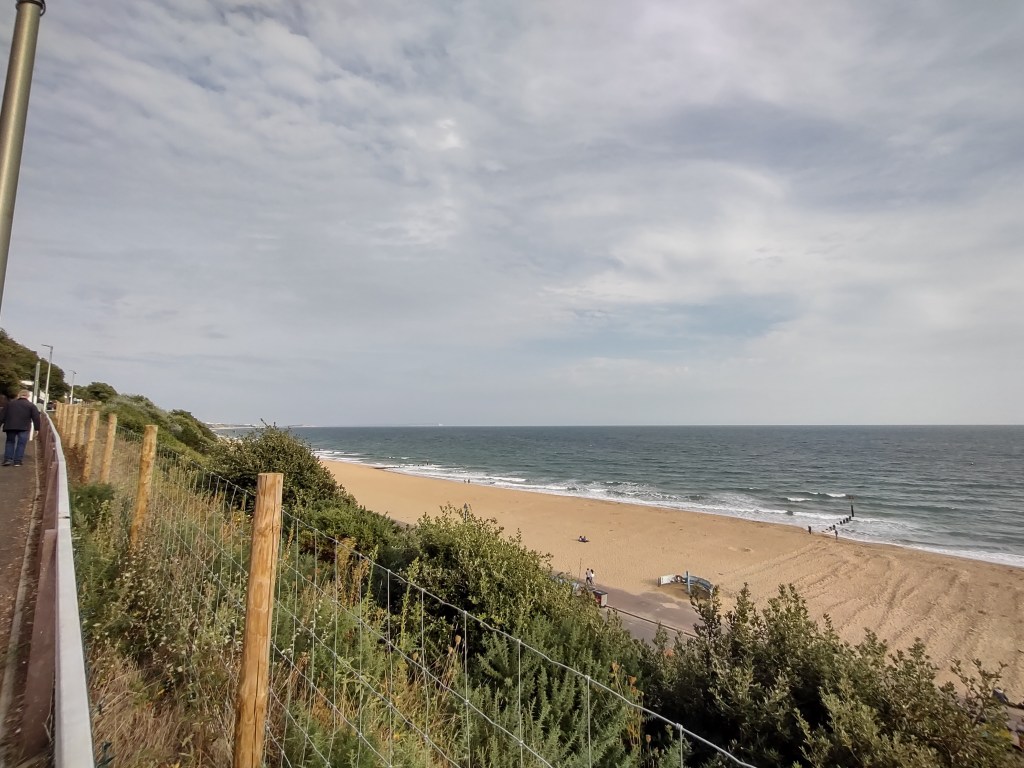
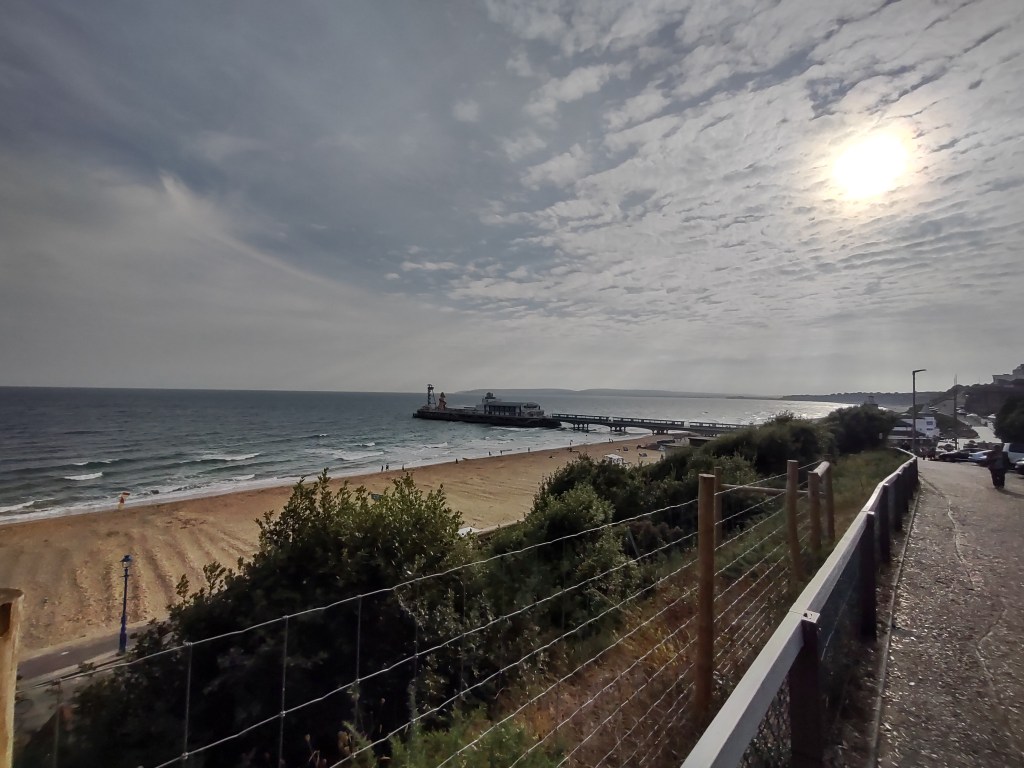
…still, if the inhabitants were lucky enough to have escaped the rawness of truly interesting history (apart from some bomb damage in the Second World War), they were also lucky to live in this lovely South Coast gem, with its beautiful walks, gardens, views along the coast to the Isles of Wight and Purbeck, and that glorious beach. And if I really can’t find anything else to write about here, that just means I have more time to enjoy it for myself.
 orwellianTwo