Siam. Defeated?

First, I’d like to say how much I appreciate those of you who’ve told me how much you’re enjoying my posts. I’m happy to know that my attempt at writing a travel journal is going down well with you. It might not make you feel you’re here alongside me, but hopefully you’re engaged with my subjective view of the journey.

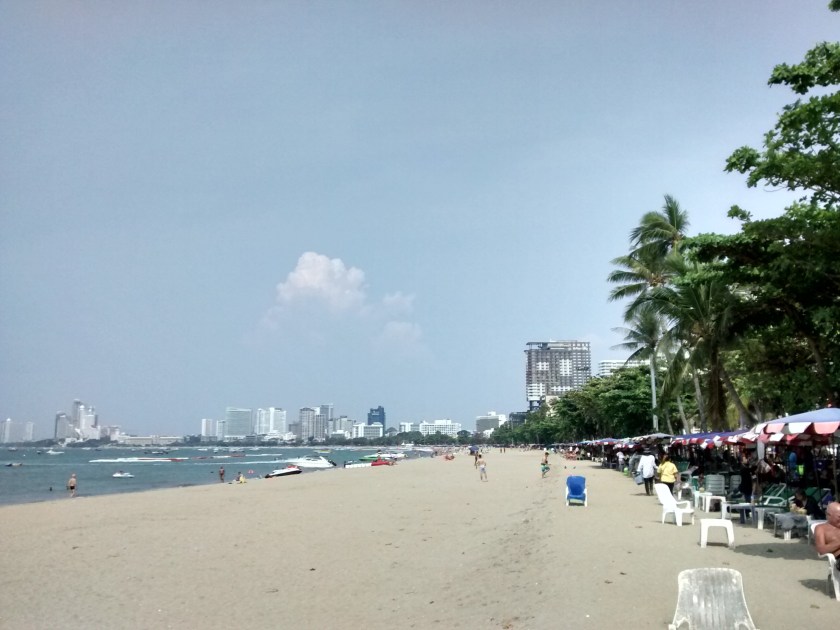
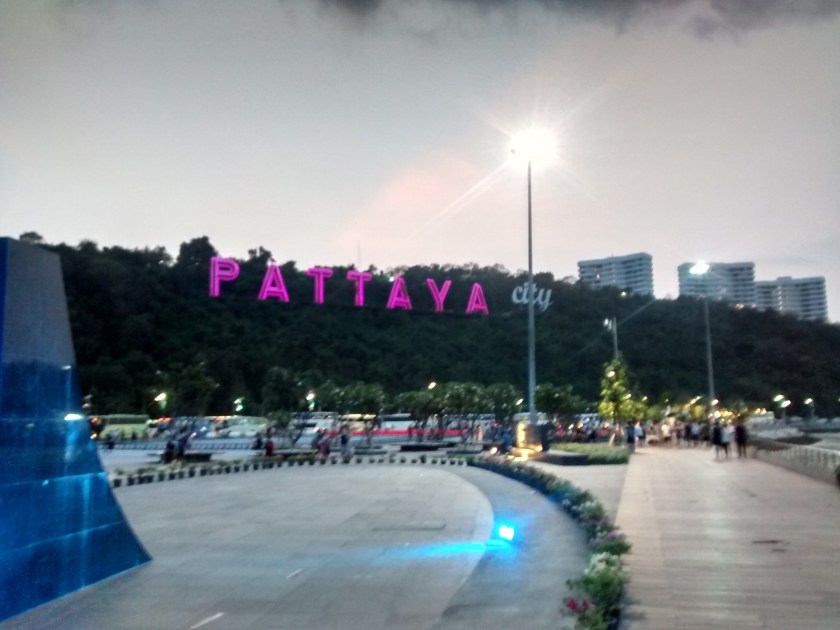
I’m aware that you’ve had nothing to engage with over the last few days since that post about the Khmer Rouge. The reason is simple. I’d hoped to get my beach time In Sihanoukville, Cambodia’s up-and-coming but apparently laid-back resort hub on the south coast. But that’s 4 hours from Phnom Penh and the logistics of getting the bus there and back, then flying home via a stop in Bangkok in the time remaining weren’t encouraging. So instead I hit the beach by flying to Bangkok and then doing the 1.5 hr bus down to one of Thailand’s premier resorts, Pattaya.

And it left me completely uninspired.

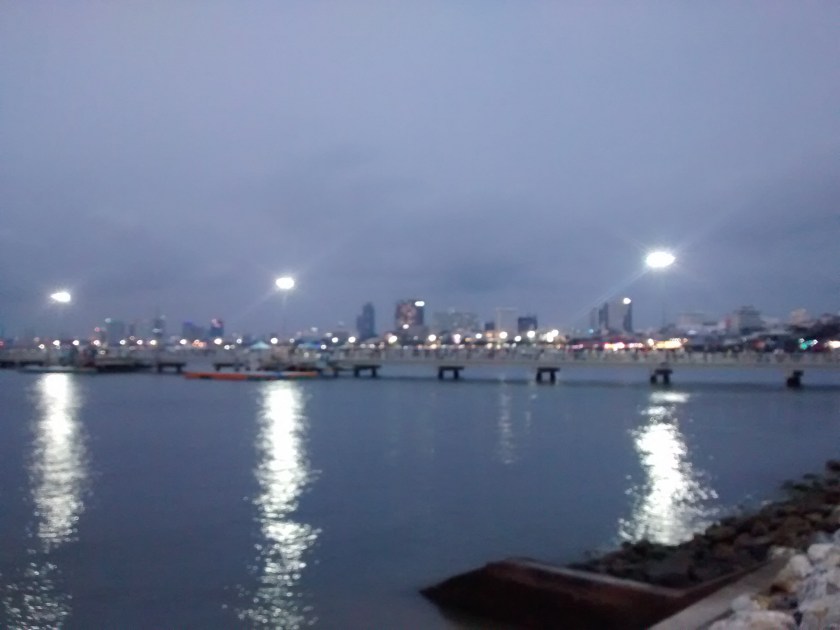
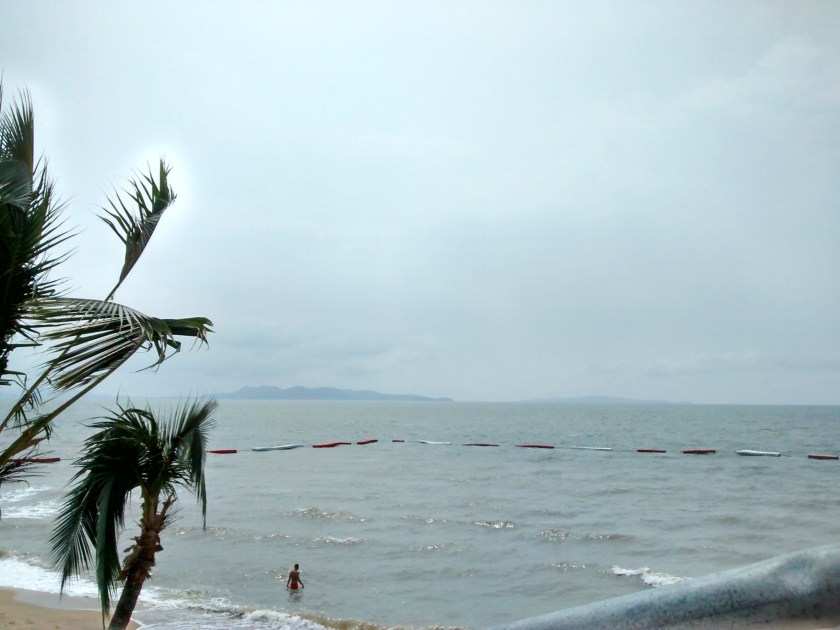
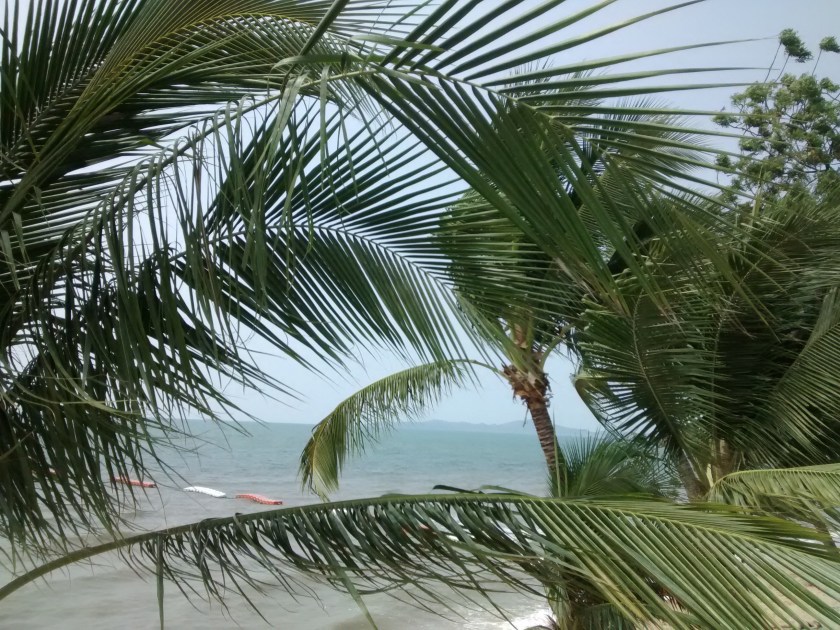
Pattaya is a big city in its own right, with one million inhabitants, but the resort is a huge party town. Which is fortunate because the beach isn’t up to much and you wouldn’t want to swim here even if you were a fish. It’s popular with Chinese tour groups, Indian lads, Russians, and elderly middle-aged men who sit in British themed bars and stroll around town with their Thai lady of choice – a deal having been concluded, and the goods now in supply chain. Thailand has tried cleaning it up a little and now encourages more families to visit, but there’s some way to go.

The resort is totally full-on, in many ways, all types of tourists converging on the notorious party-central Walking Street, where everything is available, loudly and doused in neon. I suppose people are free to do what they want as long as it doesn’t harm anyone, and everyone seemed to be enjoying themselves on the street and in the various bars (I had a look and checked – for the purposes of this blog of course), but if you imagine picking up Oxford Street and central Amsterdam and plonking them on a not-great Caribbean beach, then you’ve got the idea. And it didn’t appeal to me.

Pattaya is fine if you like that sort of thing, but Siem Reap and Phnom Penh both had more genuine warmth and raw charm to them and they both felt like more relaxed places.

The name Siem Reap is thought to refer to battles from the Angkorian era. It means “Siam Defeated”. Sorry Thailand – modern Siam – but I think Cambodia’s got another win so far on this trip. But I’m now in Bangkok for the last two nights. And if there’s one place in the world where anything can still happen, it’s here!

The Bird, the Snake – and the Elephant

Warning: this post talks about some distressing historical events. I will leave out the really disturbing details, but I leave it to you to decide whether or not you want to skip it completely.
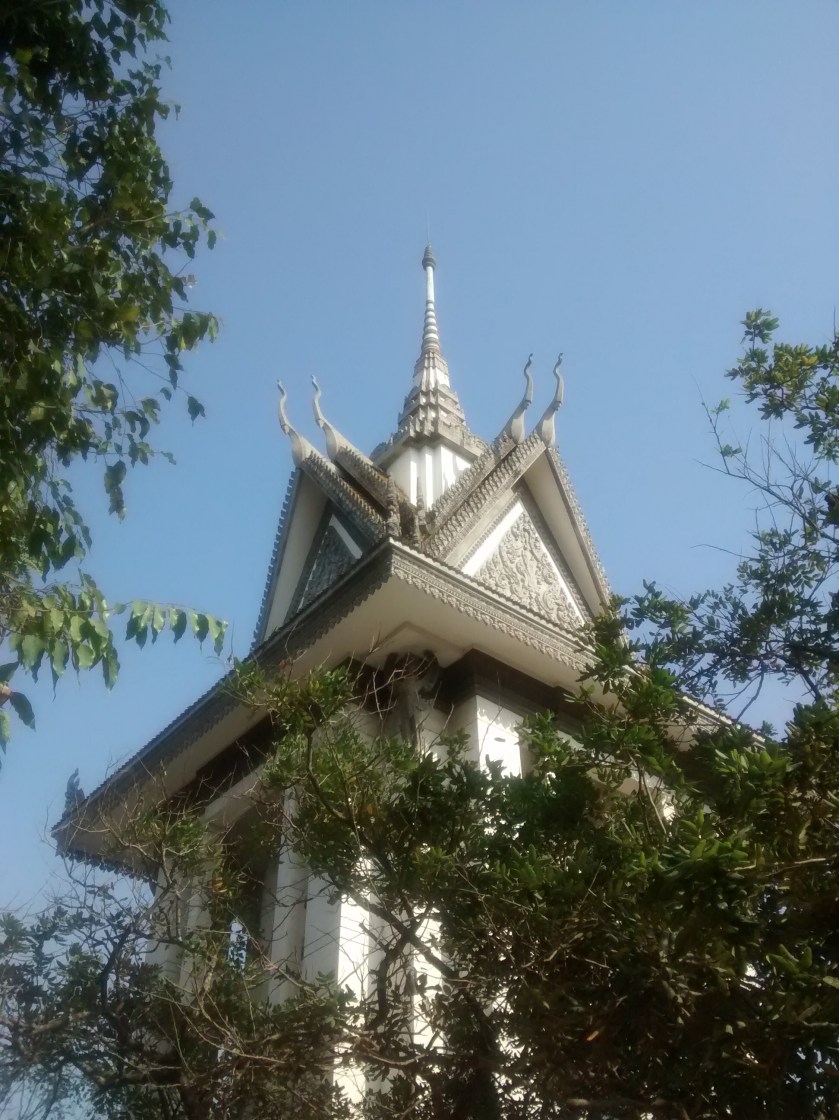
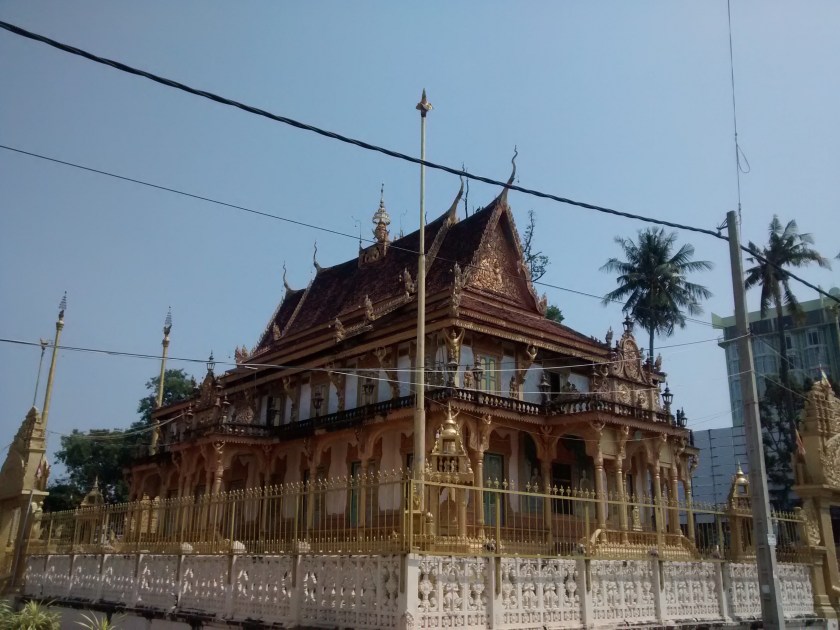
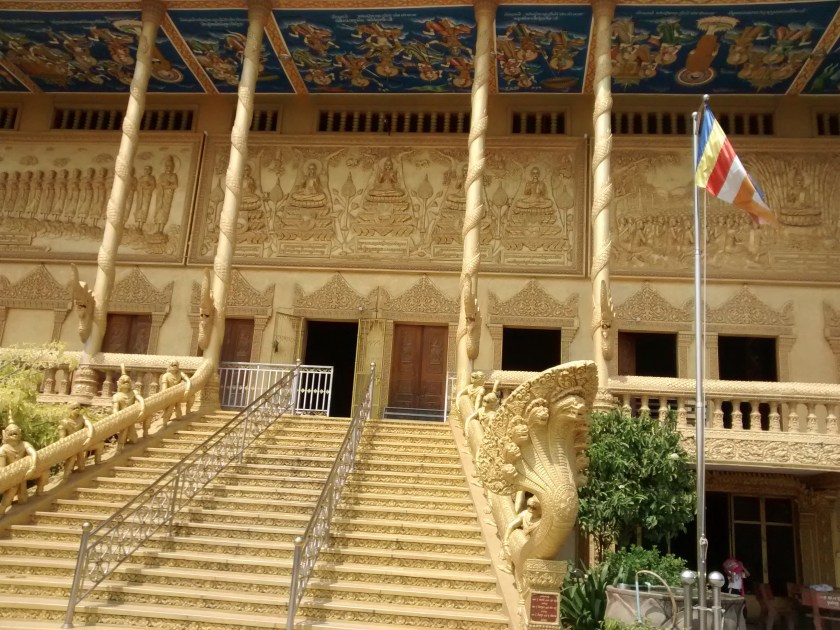
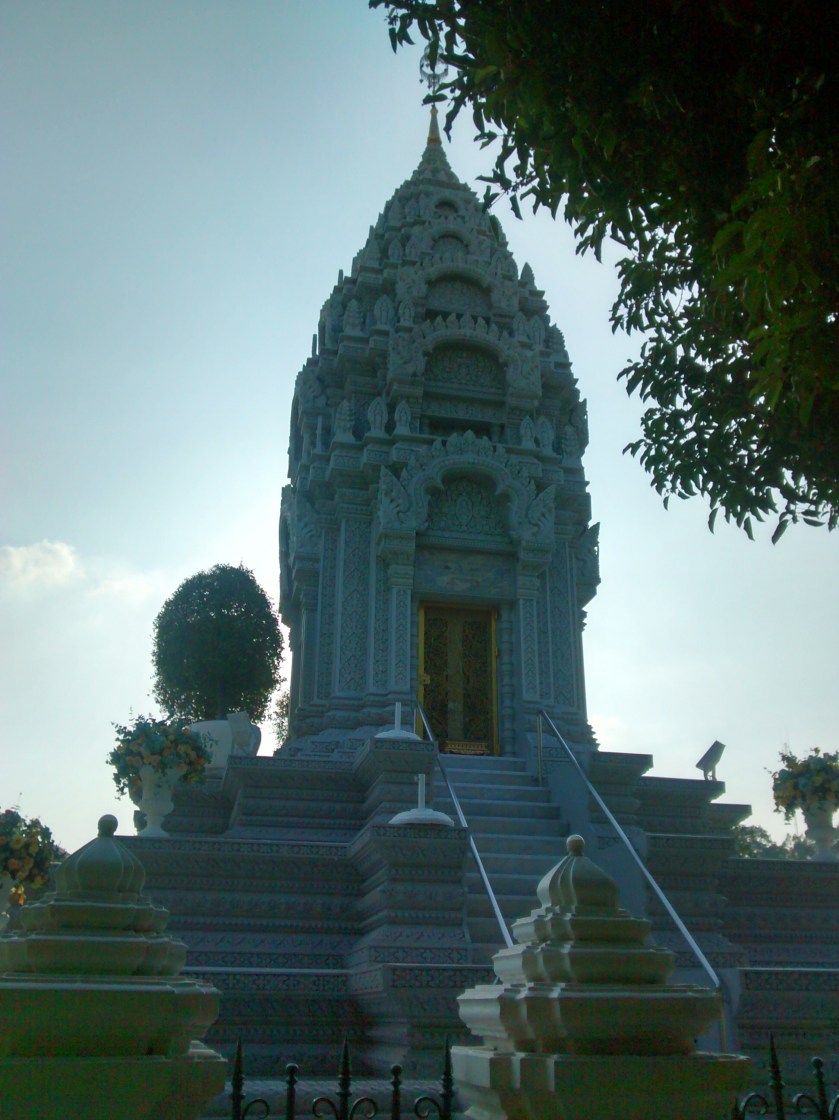
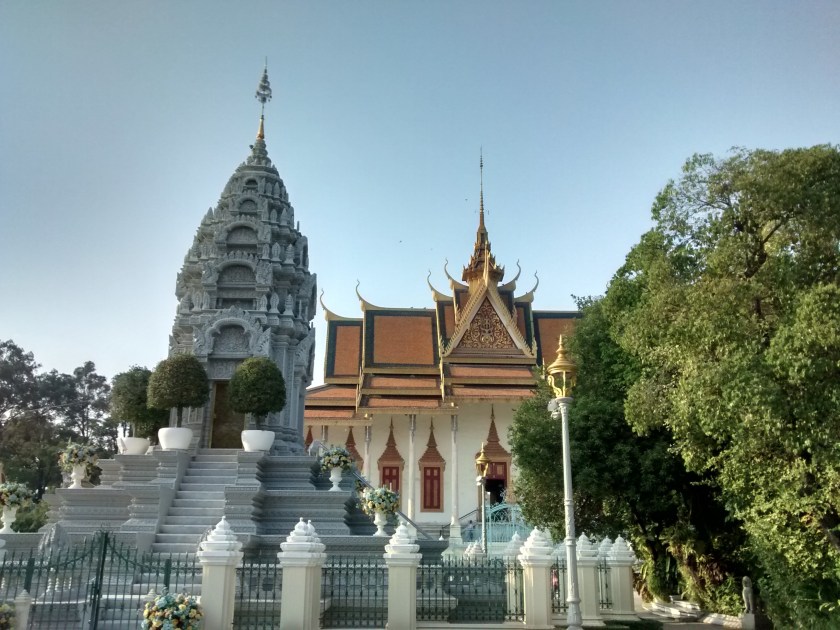
We have seen many nagas on our travels through Cambodia. Representing prosperity, they adorn many stupas and temples with their blessing and protection. In this Buddhist pagoda we can see two serpent heads, looking out over from the two visible corners of the lower roof. Meanwhile, four naga tails flute out from the very top of the pagoda, rising high into the tropical sky. I’m no expert, but maybe they reach out to offer a tender touch to the world of spirits.

Up in that corner below the roof, spreading its wings, is a garuda, a mythical bird of Hindu and Buddhist tradition. There are four of them, too. You also see many garudas around, and it’s often shown holding a naga above its head in triumph. The truth is, they don’t get on. But here, on this pagoda, garuda and naga agree to appear alongside each other, in the spirit of peace.
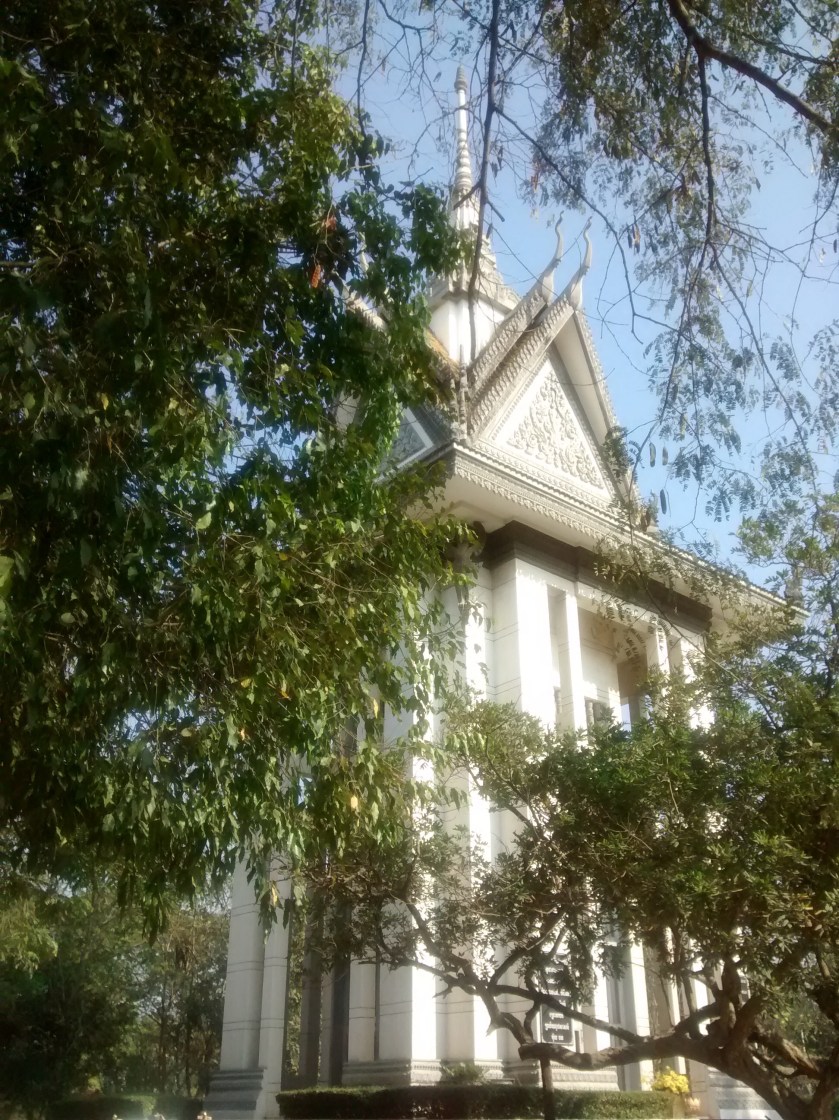
To explain why, we have to introduce a third mystical beast – the Elephant in the Room that’s been overshadowing our travels, as it must do any visitor to Cambodia.

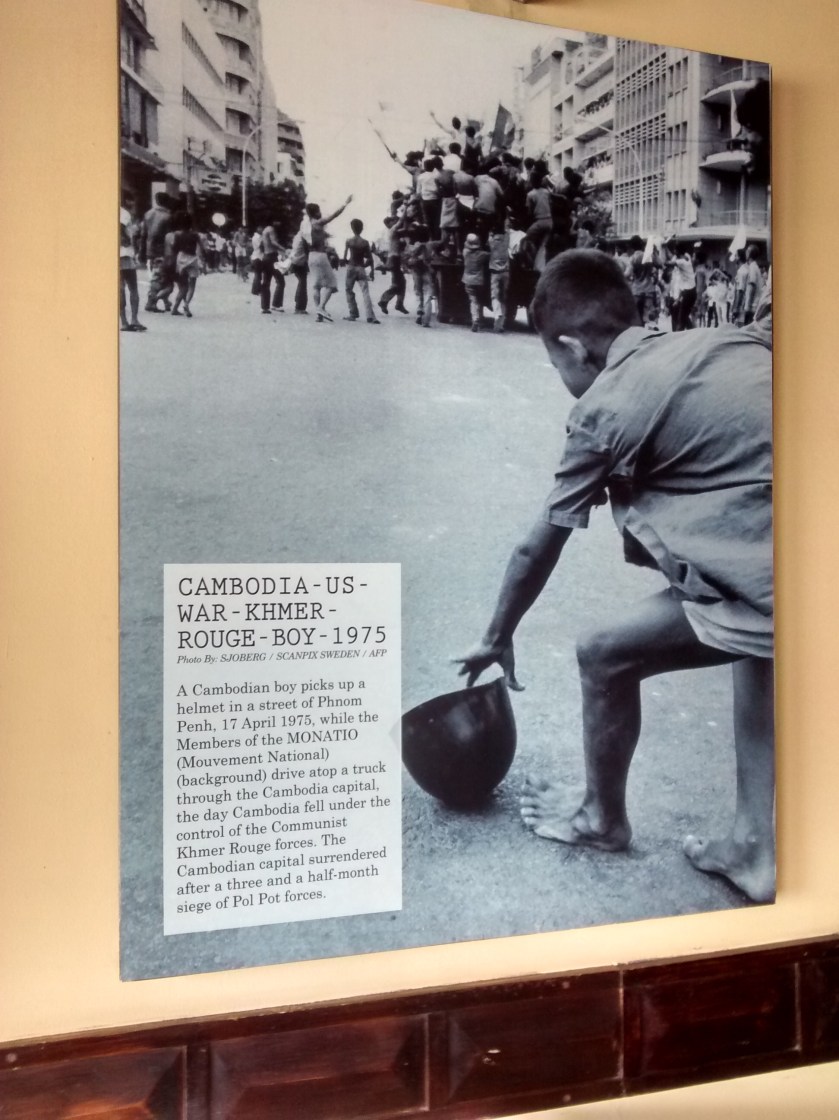
When the victorious forces of the Khmer Rouge entered the capital in 1975, they found a city swelled with many refugees from US bombing in the rest of country, which itself claimed 100,000 lives and drove many people to the side of the conquerors. So when the population was told they had to evacuate Phnom Penh for their old safety, people believed these then popular liberators who’d saved them from the corrupt Lon Nol regime.

It was a lie. The leader of the Khmer Rouge, Pol Pot, held to an even more extreme version of Maoism than Mao himself. To him the only worthy person was a peasant, the “old” or “base” people. The idea of the city, its institutions, its schools and hospitals, its culture, was capitalist decadence and had to be destroyed. Cambodia had to start from scratch, a nation of the base people. The citizens of Phnom Penh were being forced out into the countryside to work the land.

What happened there, with its stupid production targets, non-farmers being forced to meet them, the fact that the Khmer Rouge leadership didn’t have the foggiest idea how to run a country, is not our story – although that story led to a famine that is thought to have cost two million lives.

Our story is about the people the regime really didn’t like.
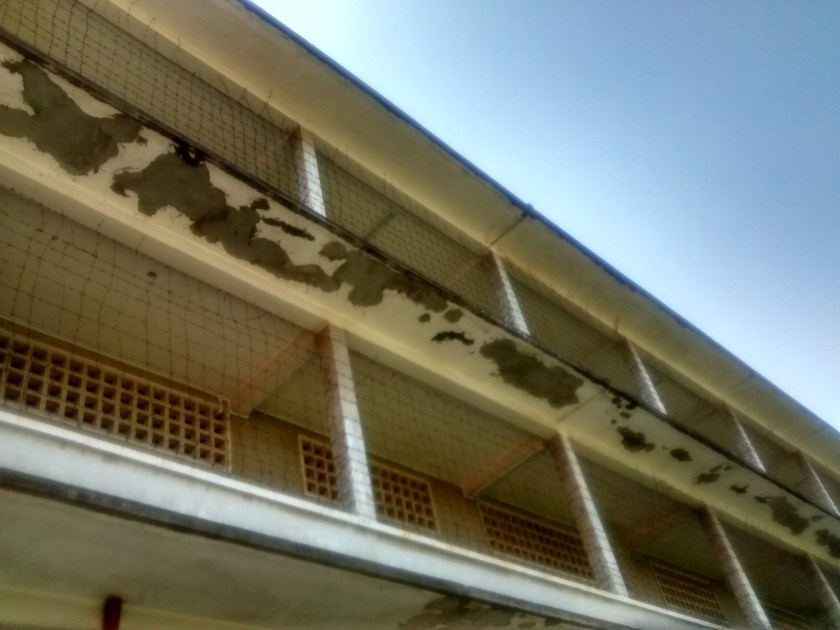
Tuol Sleng was a school before the Khmer Rouge came into Phnom Penh. Before long they turned it into a prison to hold political opponents and members of the old regime. Nothing new there, that’s what most dictatorships do. But it didn’t stop there. Soon, being considered a traitor and being a “new person” – urban, educated, intellectual -became one and the same. People were being rounded-up for such unspeakably imperialist crimes as being a doctor or a lawyer, wearing glasses, having soft hands (not the hard hands of a labourer). In the climate of terror some people offered false testimony against others, sometimes in their own family, just to avoid arrest themselves.

Judicial process? No need. Angkar, the name the regime gave itself, could never be wrong. So if they suspected you, then you must be guilty. And, oh yes, all the lawyers were locked up as well. By the way, please don’t confuse Angkar, the group that destroyed Cambodia, with Angkor, the nation’s pride and joy. If it helps, put a W in front of both of them. And chuck an S at the end of Angkar as well.

So you came here to confess your crimes, that you were working for the CIA or the KGB, or whatever, and then you would face the consequences. You could be held in a cell no bigger than a toilet, sleeping on the floor. Or you might be held in mass detention, 32 of you to one room, sleeping alongside each other on the floor. Then you were taken out for your barbaric torture.
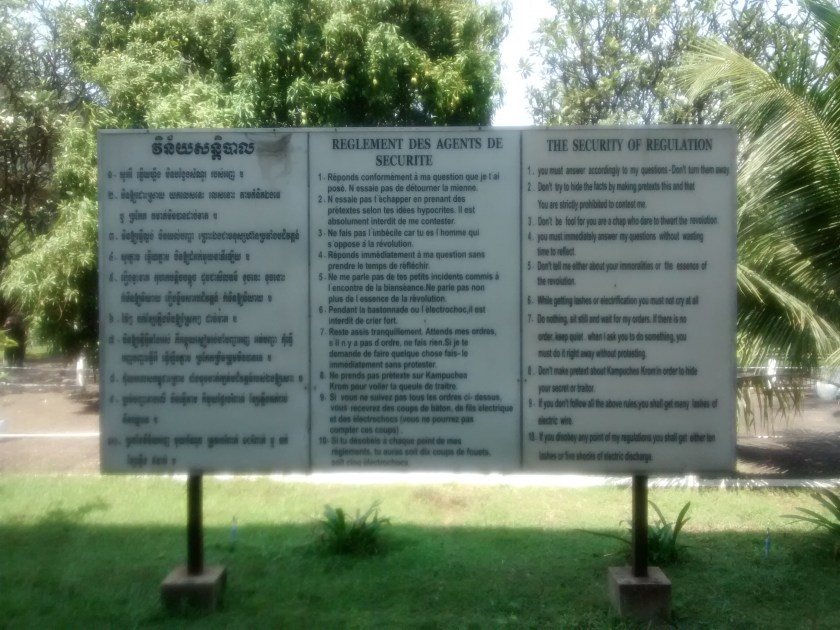
The noticeboard mentions “chap”, but thousands of women were sent here too. And Pol Pot believed that if the enemy were a plant in soil, you had to take out its roots to stop it growing again. So whole families were sent here. Since 1980 Toul Sleng has been a museum dedicated to the memory of what was done here, and there are a couple of heartbreaking family album portraits of some of those husbands, wives, and children who were imprisoned here.

But there are even more mugshots taken by the authorities themselves of the prisoners, men, women, and many, many children. Some people look defiant, some scared, others bewildered, most resigned to their fate. It’s one of many things here that leave a lasting impression.
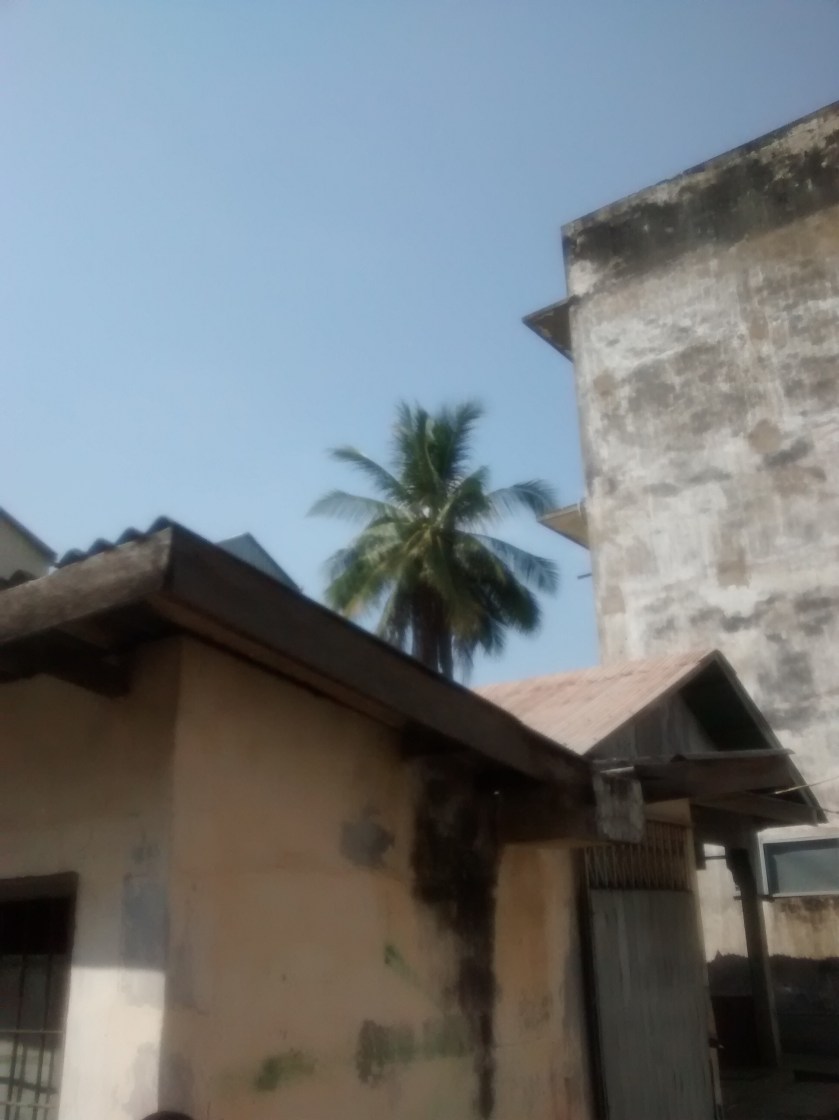
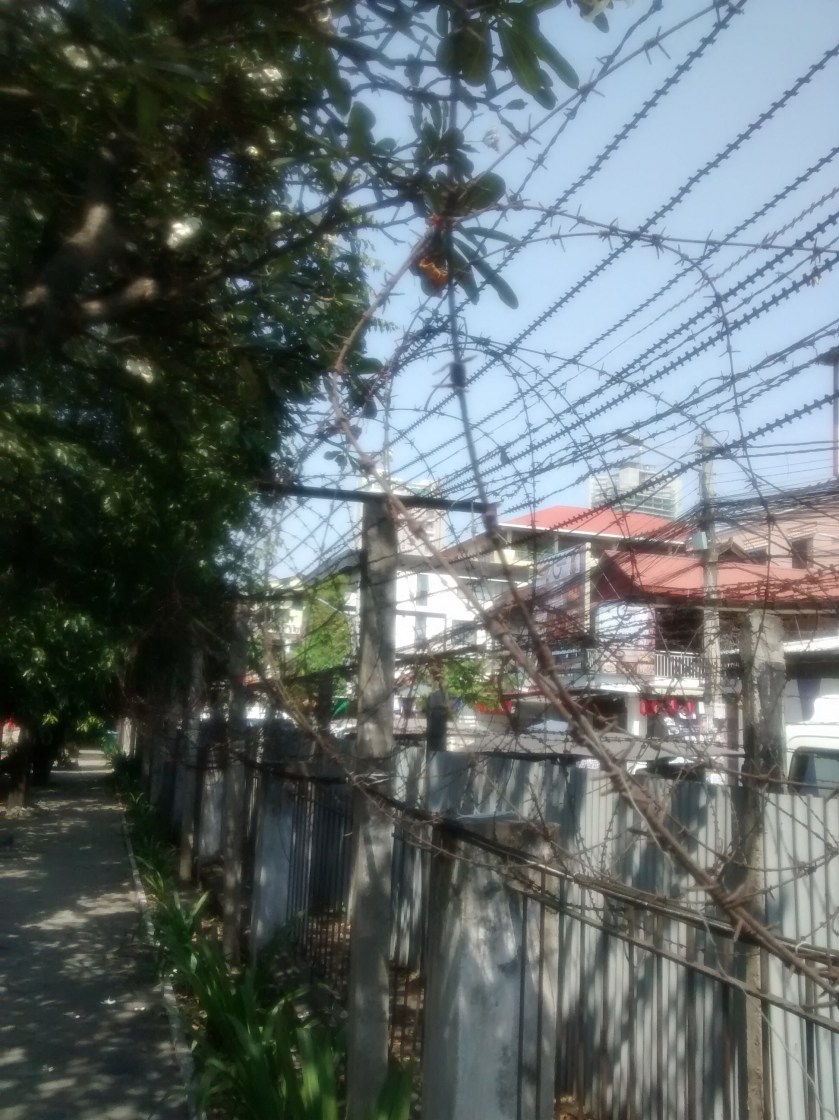
There are also photos of prisoners who were victims of “mistakes”, meaning they died during interrogation. They shouldn’t have. They should have completed their confessions! The photos were part of the investigations into what had gone wrong, and the interrogators would most likely end up on the wrong side of the cell walls themselves. (As did some of the senior Angkar leadership when the inevitable power struggles began).

Others avoided the misery by taking their own lives. The wire across the balcony in the earlier photo was to keep prisoners from jumping to their deaths. (The barbed wire in this one was as much as to keep people out as stop prisoners escaping)

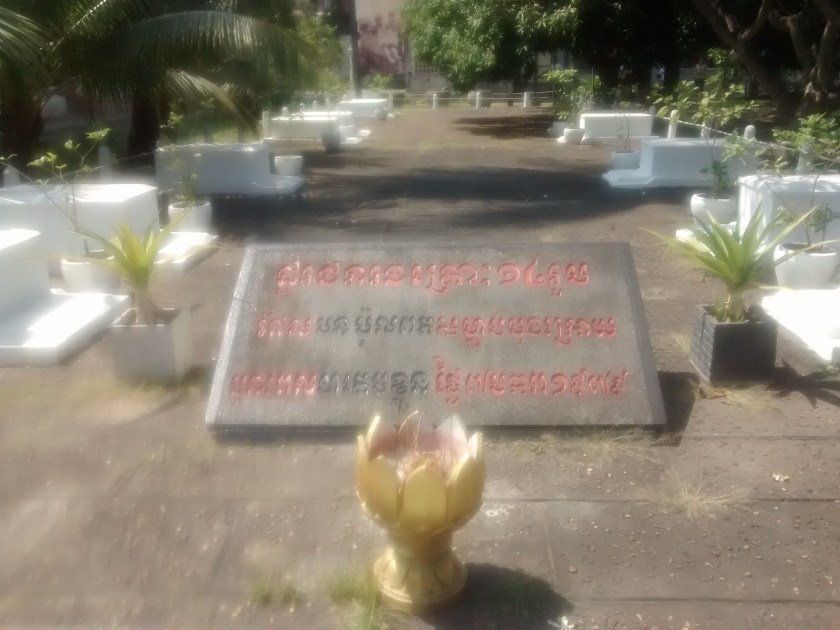
It’s estimated that around 17000 people passed through here between 1975 and 1979, and there were similar prisons across the country. Fourteen unidentified bodies of prisoners were found in their cells by the liberators, and they are buried in the grounds.
Out of the 17000, only seven people that we know of avoided the inevitable step to Stage Two. One was an artist, another a plumbing engineer – skills the prison authorities found useful. The artist’s harrowing depictions of torture and murder are also on display here.

Stage Two. Once you had been dealt with here, you were driven 20 or so miles away to an old Chinese cemetery outside the city at Choeung Ek.

The Killing Fields.
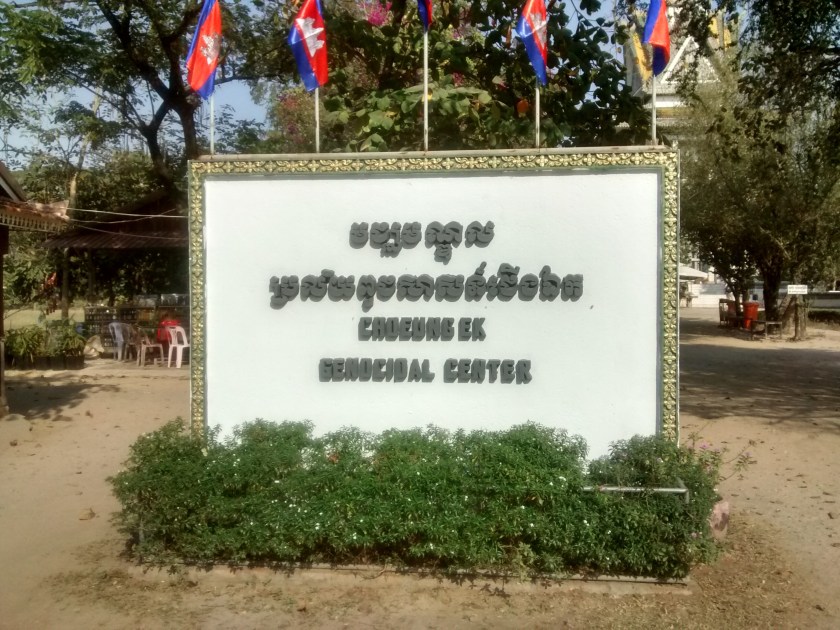
Trucks would arrive from the prison two or three times a month at the beginning. Later on, they came every day. All the buildings have gone now – including the wooden rooms when you were held overnight before they killed you. Bullets were expensive so they used other means.
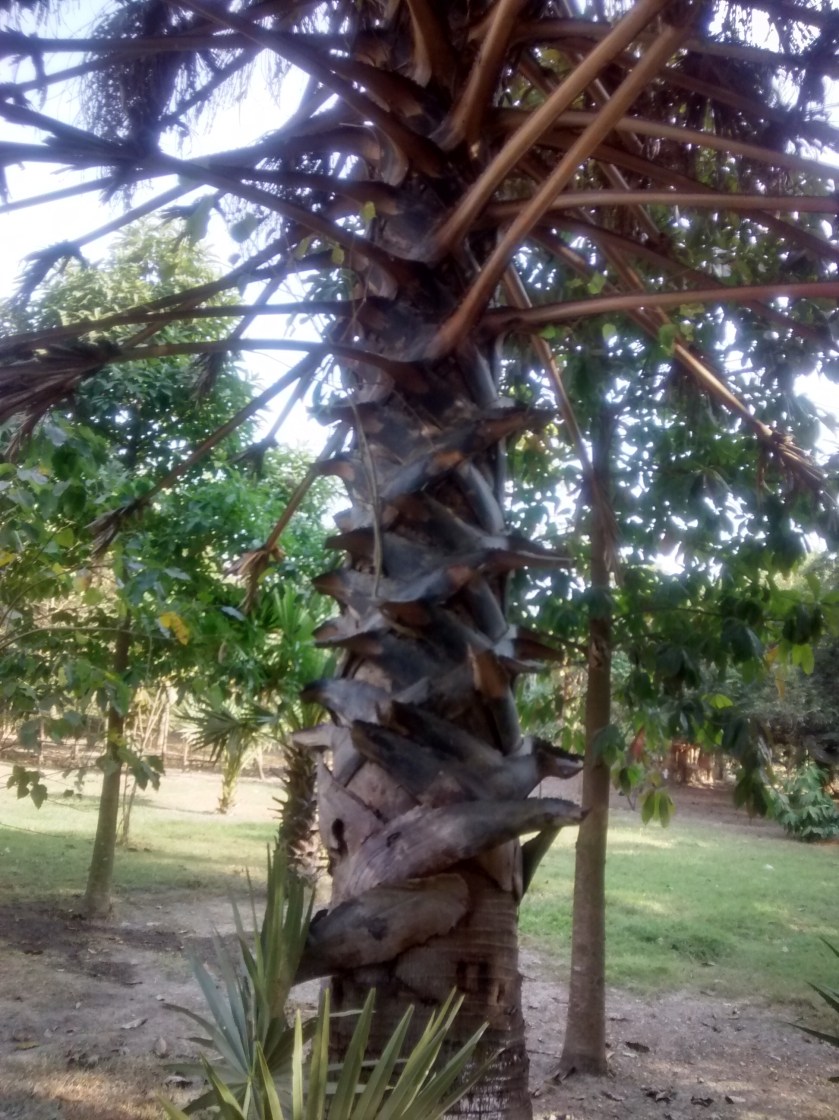
For example, can you see the sharp, serrated edges on the leaves of this sugar palm? Hammers, knives, machetes etc, also came in handy.

The butchery took place at night, revolutionary music blaring out so that the neighbouring villages couldn’t hear the screams. Sometimes they’d kill 300 people here a day.

You were either killed in what would be your mass grave, or your body flung into it. They kept consignments of DDT here to throw into the pits to finish the job – and to deaden the stench.

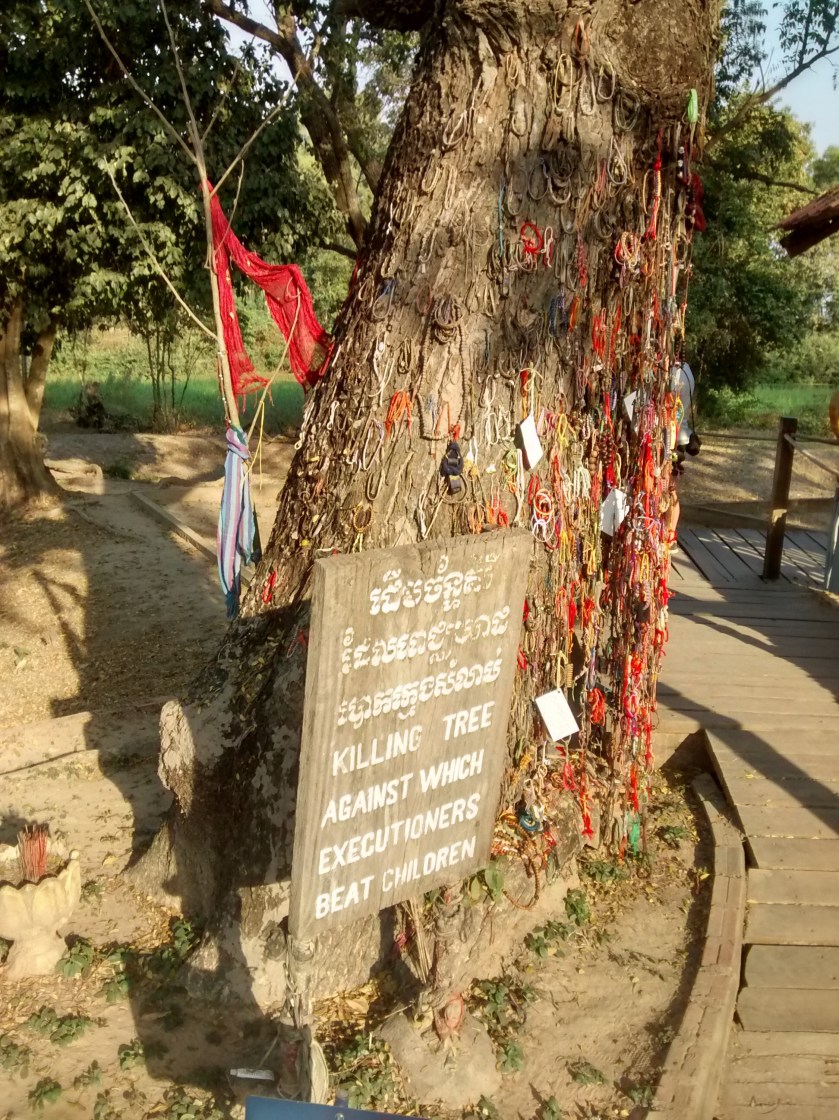
Men, women, children, babies…killed and buried in mass graves all around here. And imagine the same thing, repeated across the country.
The truth is, they don’t normally get on. But here, on this particular pagoda, garuda and naga agree to appear alongside each other, in the spirit of peace.

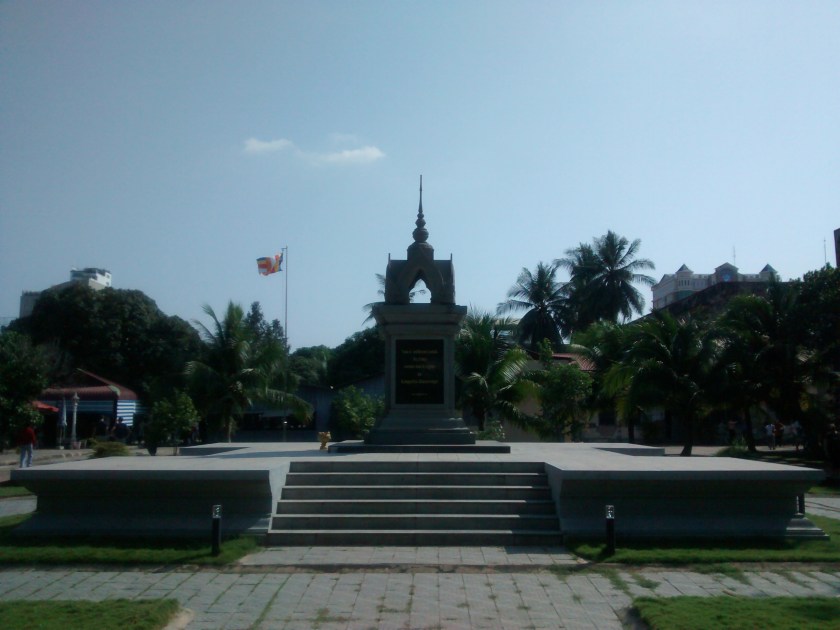
Because this pagoda at Choeung Ek is dedicated to the memory of all who died here – particularly to the 5000 whose skulls are piled high within its walls.
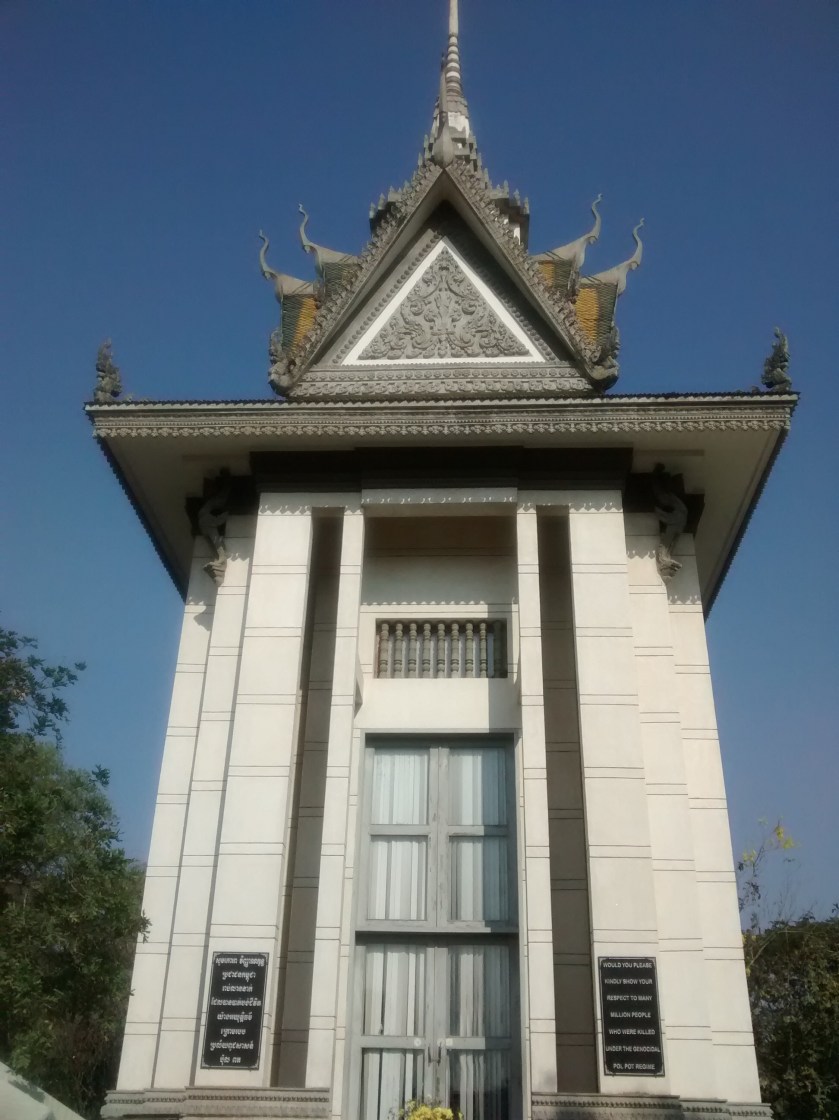
And, maybe, those high fluting tails of the nagas are reaching out to us, too. For, as the superbly- and movingly-narrated English audio guide, from whom I draw for this post, reminds us (delivered by a Cambodian who himself lost five of the nine in his family), this has not just happened in Cambodia. It has, and could happen anywhere.

And why not, at a time when the educated are derided as “experts”, lawyers once again as “enemies of the people”, when 52% condemn 48% as denying “the will of the people” and call for saboteurs to be crushed, where 48% condemn 52% as ignorant racists destroying the country and hurl their own accusations of treason, where authoritarianism and populism, fuelled by paranoid suspicion and fear, is gaining ground again across the world?
Why not?
Phnom Penh

“Why are you spending so long there?”. The response when people in Siem Reap heard I was going to spend three nights in Phnom Penh. And when I arrived, I began to wonder too.

One thing I’ve not done is convey a sense of the street life in Siem Reap. So, think – what’s the easiest thing you’ve done in your life? Breathing? Responding to the offer of a free luxury holiday in the Caribbean – No! sitting on a beach during said holiday, supping rum punches!

They’re all very easy, but surely not as easy as Passing the Cambodian Driving Test. Imagine a place where the roads are full of weaving tuk-tuks and mopeds, ignoring lane indications and discipline, Give Way markers at intersections (no worries there – they don’t exist), and sometimes even the direction of travel. Even on one-ways.

In relatively laid-back Siem Reap, that does have its charm, even if you can’t escape the mayhem because the back roads don’t have pavements, or you’re just trying to cross the road and suddenly find yourself become a track marshal at MotoGP. At least you’ve got all the lively bars and food places to dive into and cheer you up.

But on first impressions Phnom Penh is worse, just another faceless big city but with the traffic problems (Except there’s twice as much traffic. And there are pavements but they’re chokka with cars, or motorbikes, or people eating at table). And it’s steamy and as noisy as hell. After my bus journey from Siem Reap (just the six hours), the tuk-tuk ride to the hotel was not an encouraging plunge into the madness (particularly when the driver forgot where he was going).

But once you draw breath and get your bearings, and venture a few streets away from the businesses and the offices and the big expressways, you discover that like all cities, Phnom Penh has another side and a charm of its own.

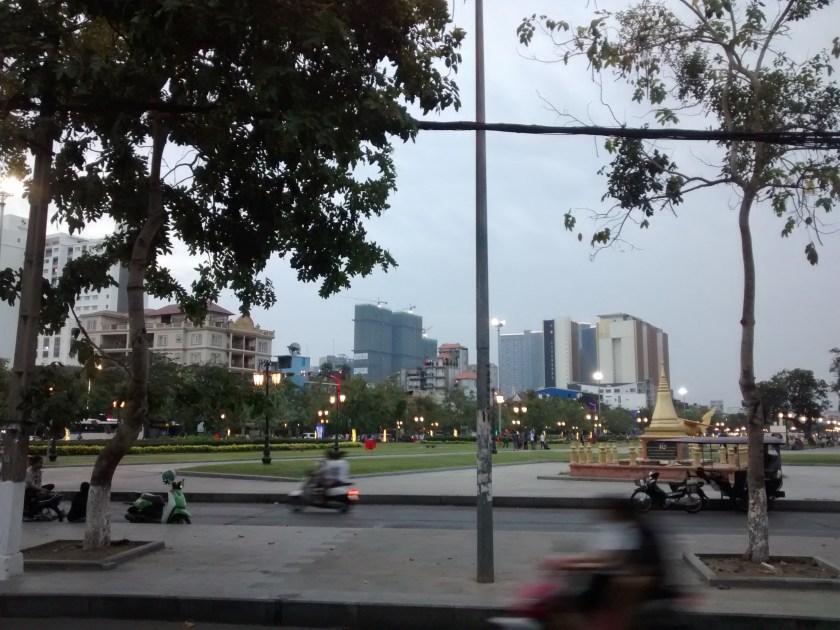
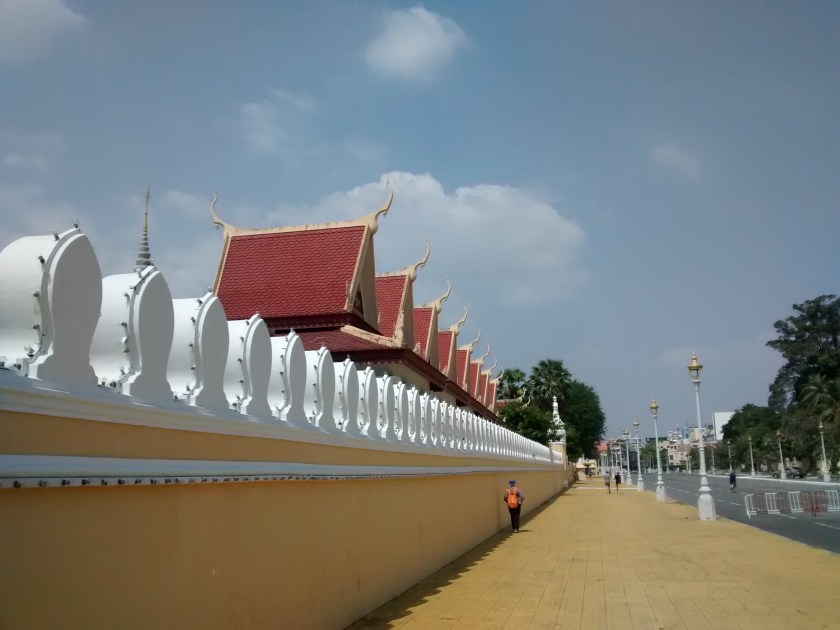
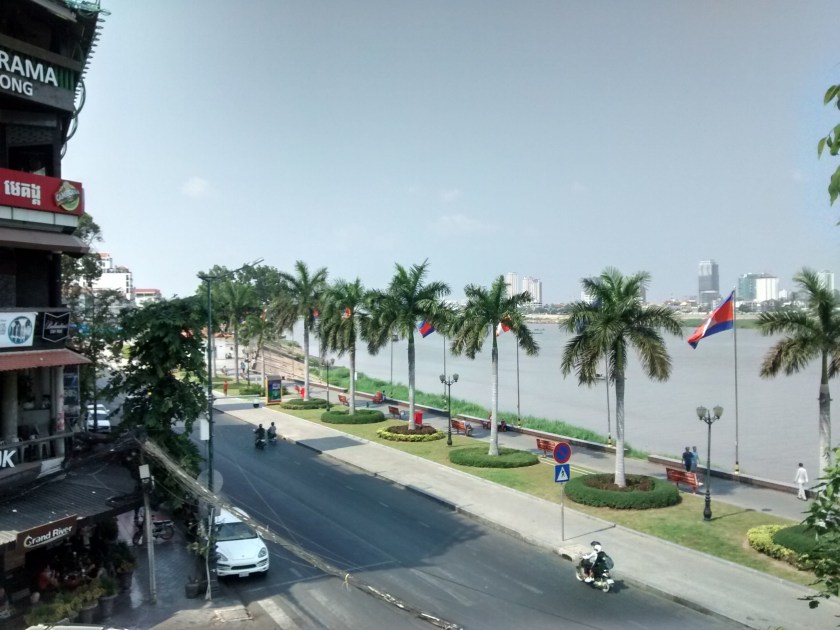
It’s main attractions (if we ignore the Elephant in the Room for a moment) are the Royal Palace-Silver Pagoda complex, and the vibrant Sisowath Quay area on the green embankment of the Tonlé Sap River). Here we are now, near the palace grounds.

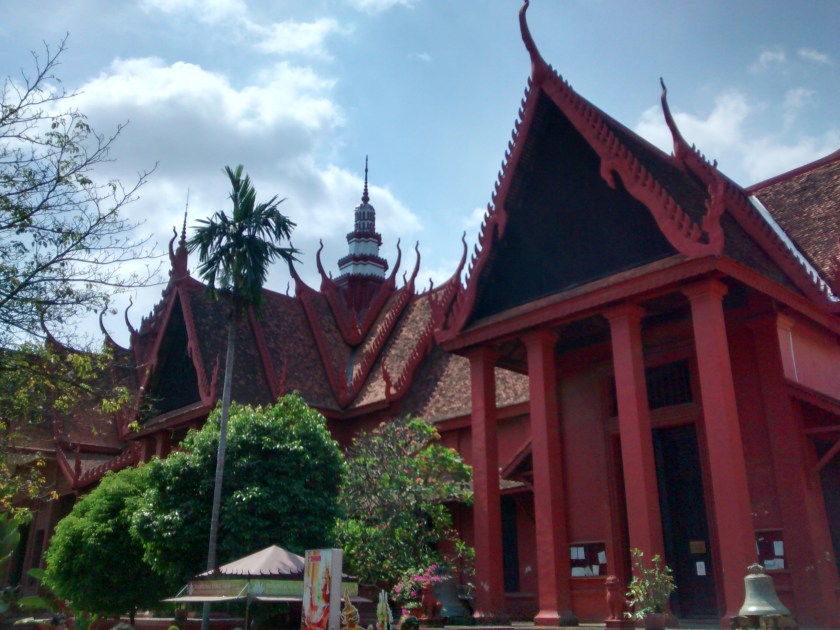
The beautiful National Museum.

The Royal Palace.

Which was closed until 2pm. Never mind, an enterprising (and persistent) tuk-tuk driver came along and roped me into a quick spin around the city.

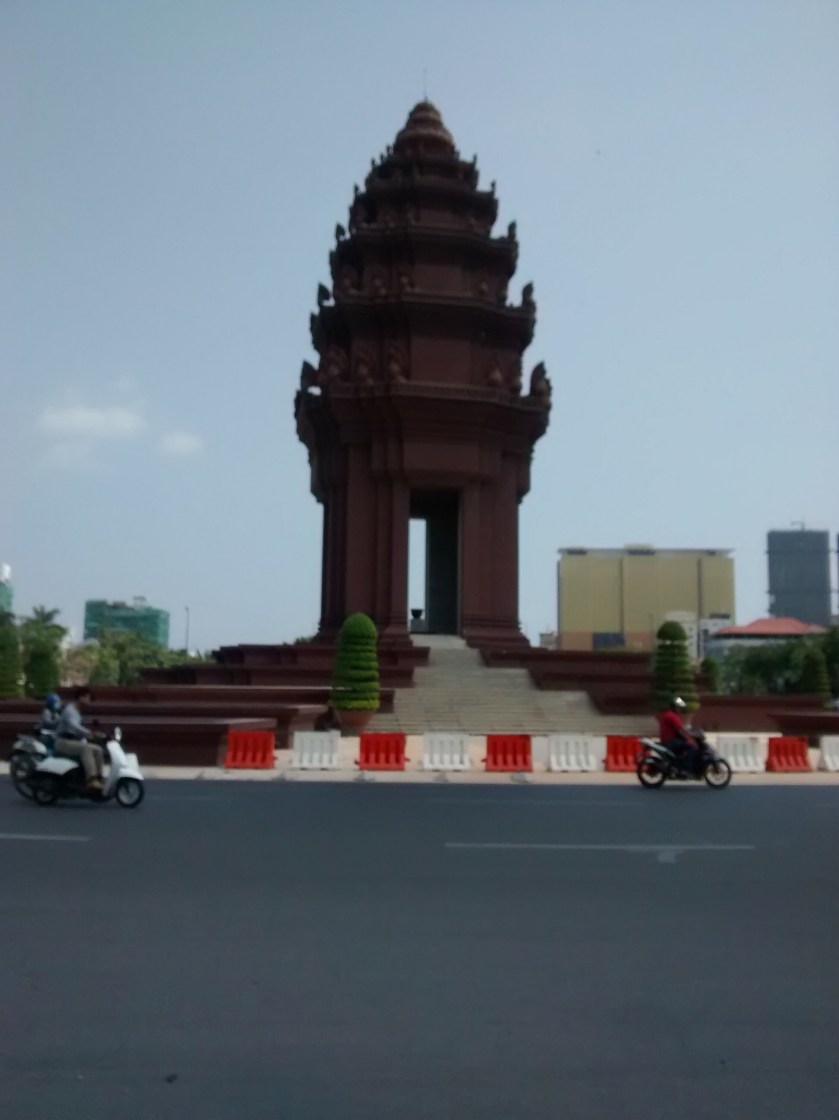
The Independence Monument. Cambodia said Adieu to its French rulers in November 1953.

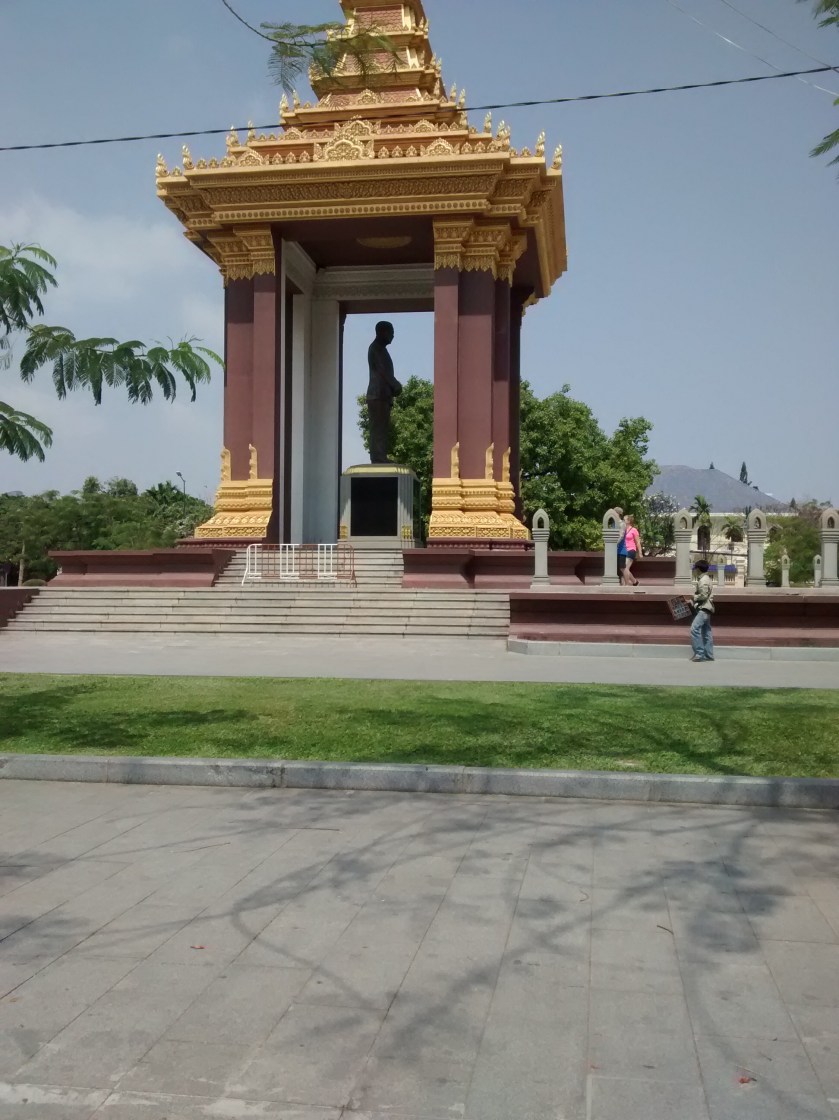
Sihanouk.

We span down the Quay, along the riverbank, then over the river to a more homely world on the other bank. Still with the golden temples…

… but more villagey. And even poorer.

We randomly ventured into one village compound where, as I understand it, the monks had relocated from one of the temples.

Tuk-Tuk’s English was viable but not great, and it became very clear that he’d not said “monks”.

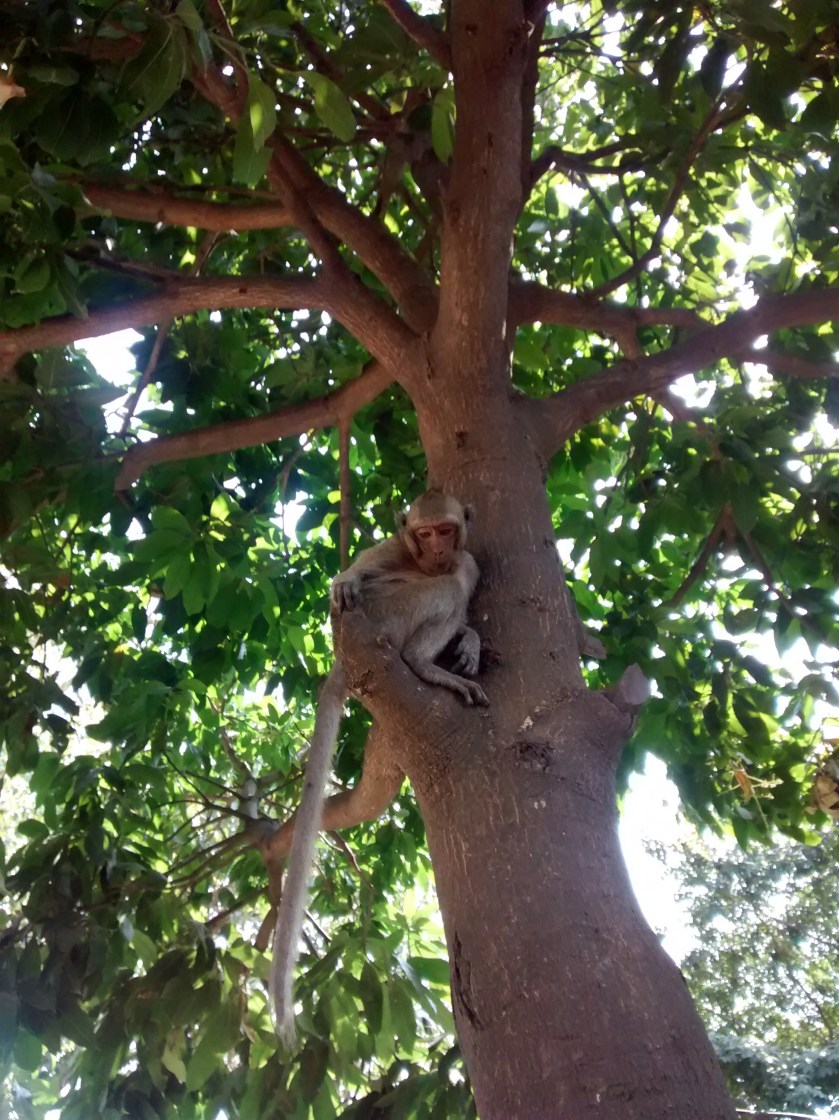
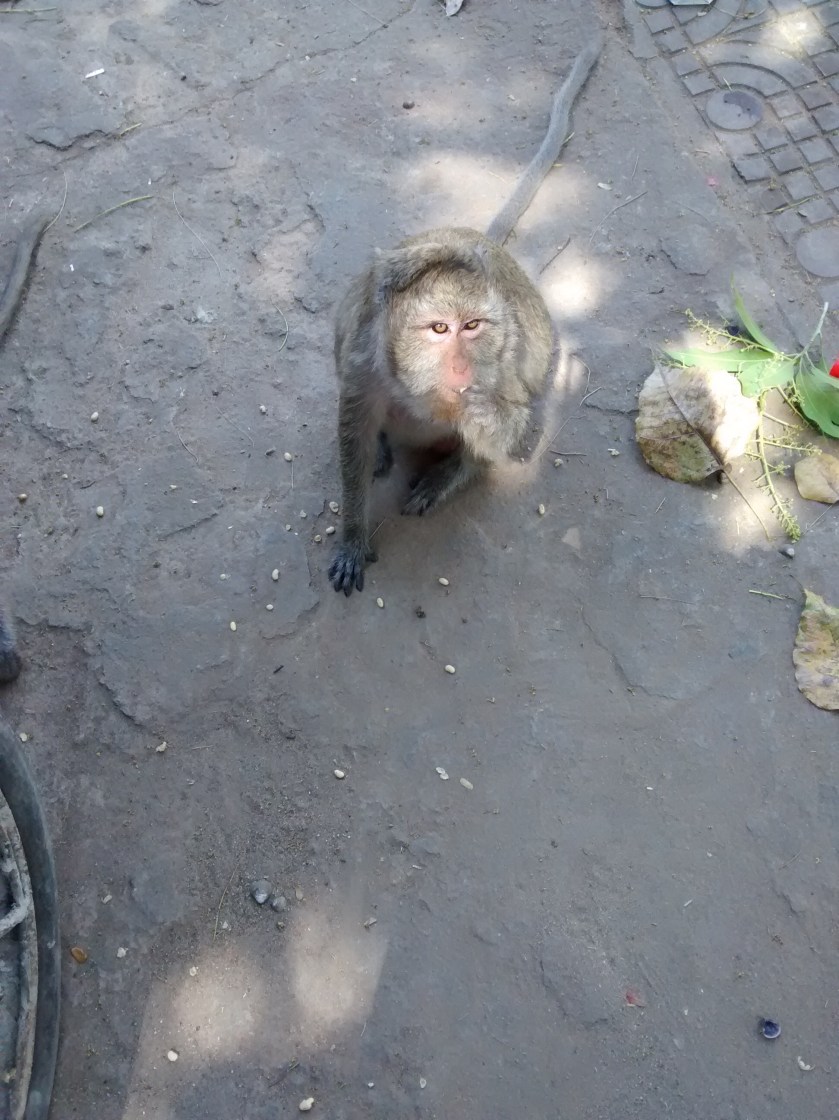
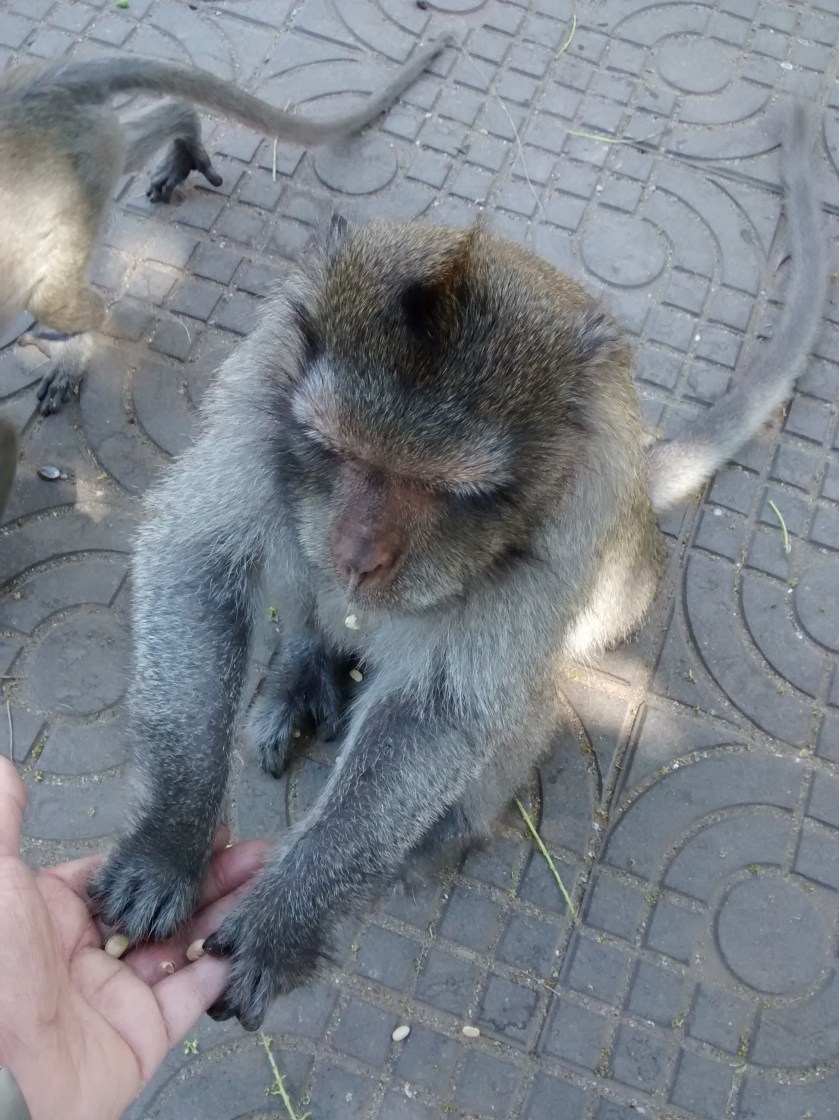
Feeding big-city macaques normally encourages them to grow into a nuisance, but the locals here didn’t seem to mind. And I’ve said that our guy was persistent.

So, when in Rome…

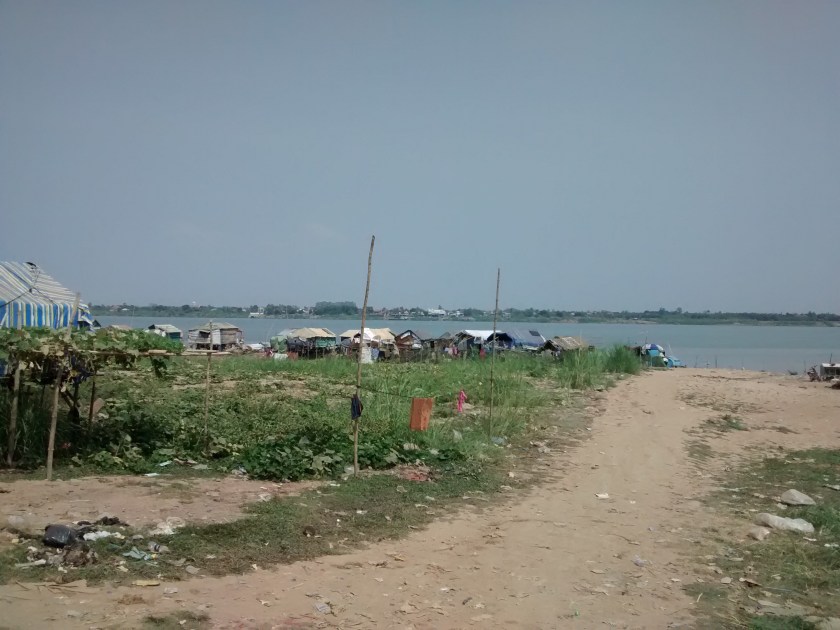
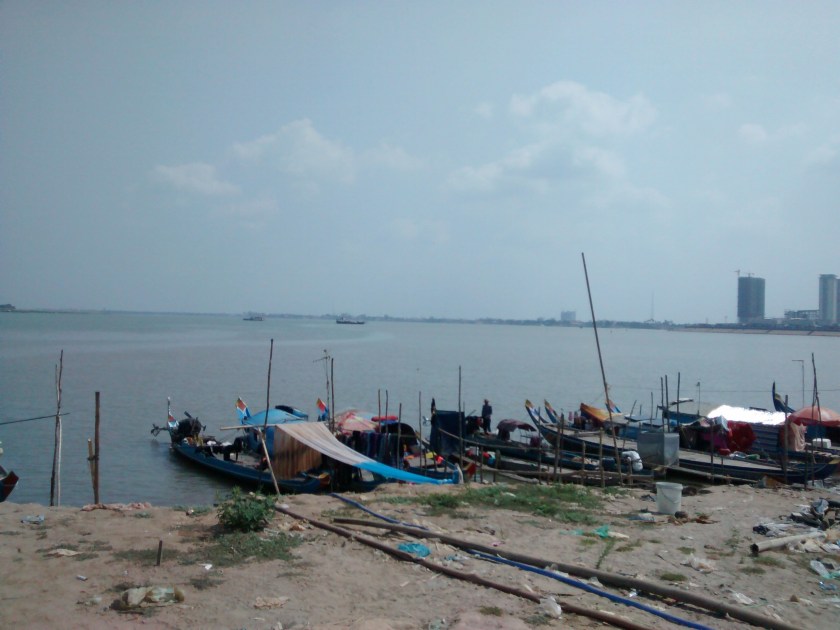
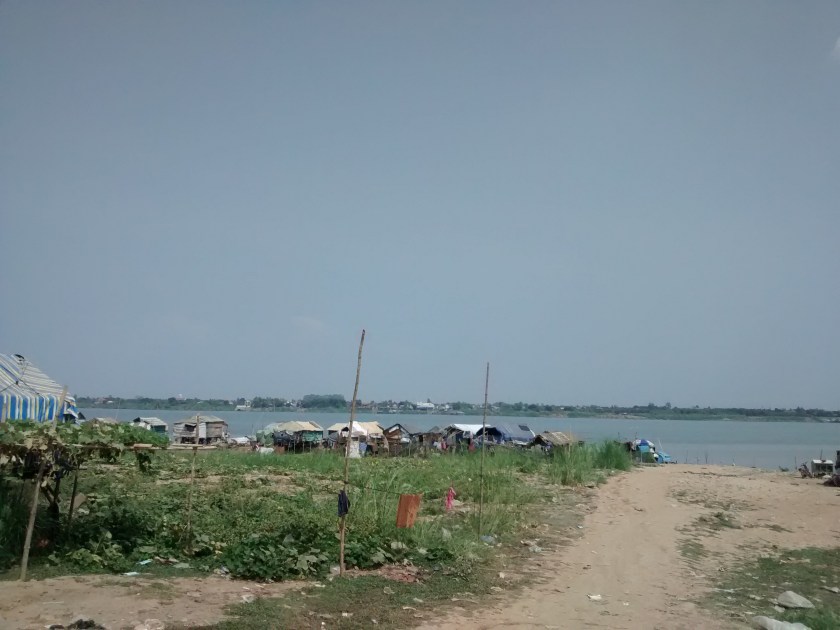
We sped out of monkey village, and down to a small fishing village on the riverbank. And here, laughs were in short supply.

The inhabitants are Muslim Cham people from Vietnam. The Cham nation was once a great rival to Angkor, dangerous enough to have their defeats celebrated on the temple walls.

Looks like those days are long gone.

Turning round from this viewpoint…

…brings you to this…

A five-star hotel.

No wonder they need the trees.

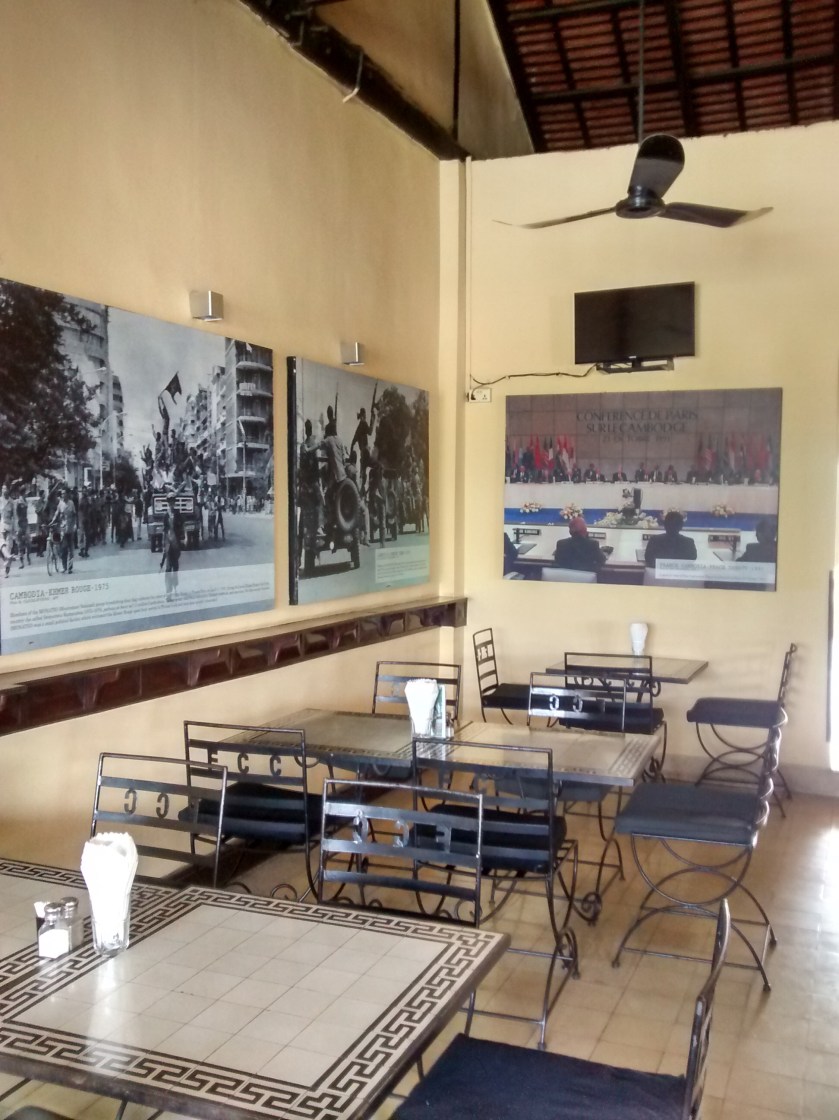
We made our way back and finished up back in town. Before heading to the palace, I popped into a famous institution on the Quay for something to eat.

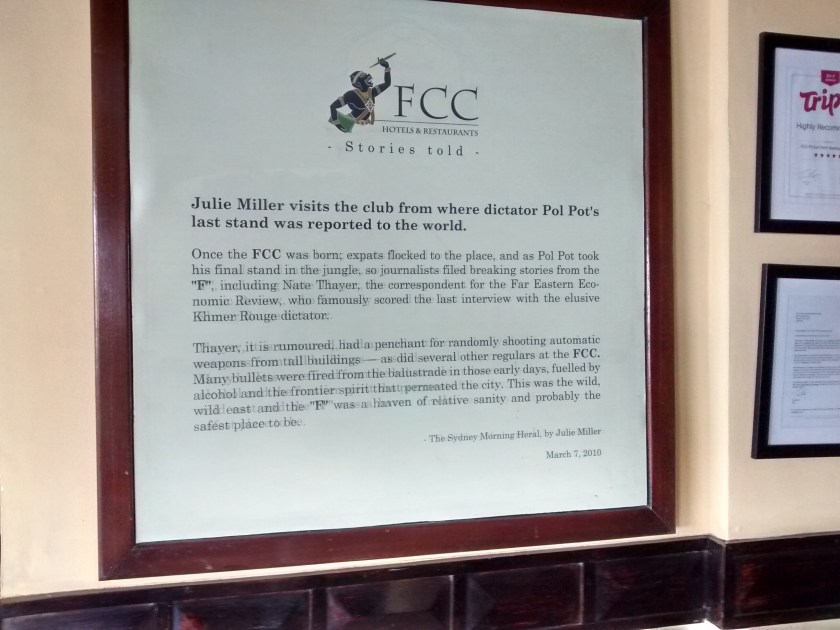
Cambodia became a UN protectorate in 1992, and free elections were organised. The improving security situation lured foreign journalists back into the country, and a couple of them set up the Foreign Correspondents Club in this building. It became iconic as the hacks who frequented it covered the final days of the Khmer Rouge as a fighting force and then the disappointingly un-gruesome death of Pol Pot.

Today, the journalists have gone and the FCC is just another three-star hotel and restaurant/bar, but they’ve managed to keep that feel of a journalist’s hideaway in a country in turmoil.

I do have to say, I was half-expecting the servant to come up to tell me my rickshaw-wallah had arrived; it does have that colonial feel to it. But, for someone like me growing up in the 70s and early 80s, Phnom Penh wasn’t so much a real place as a news headline, so it was fascinating to be in the rooms where those stories would have been crafted in the 90s. And it’s a delightful, atmospheric place to be as well.

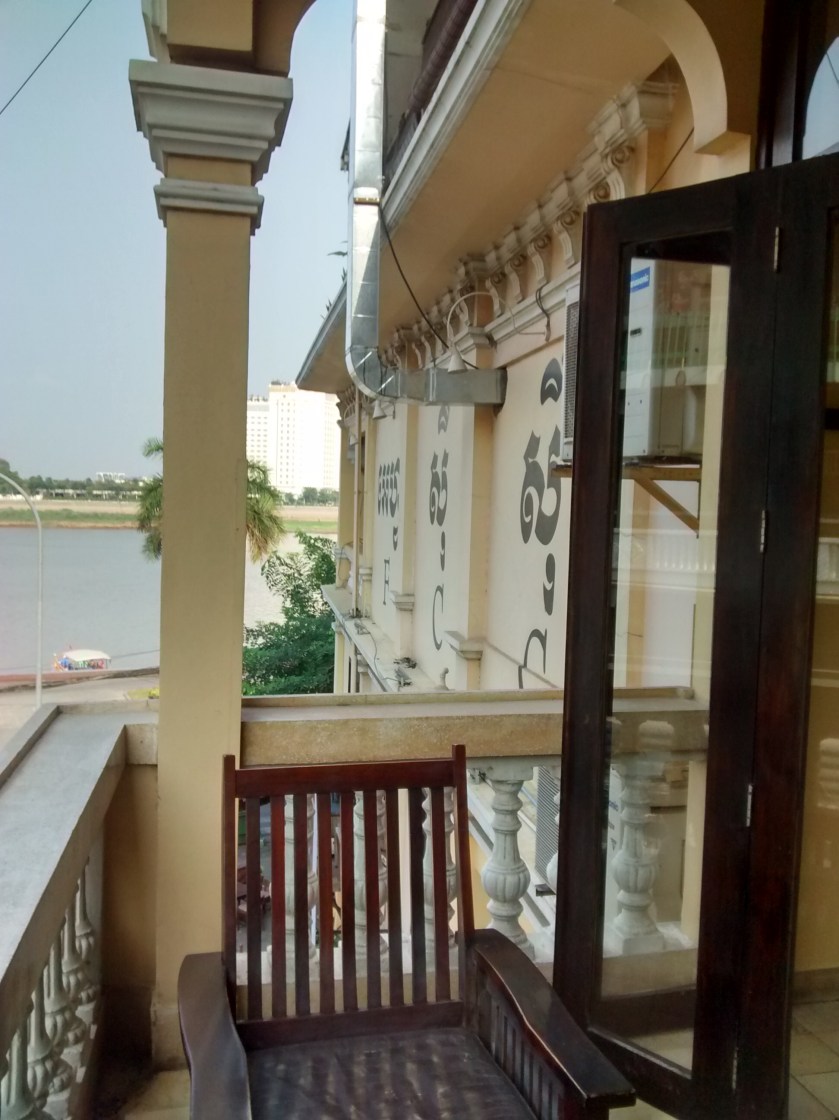
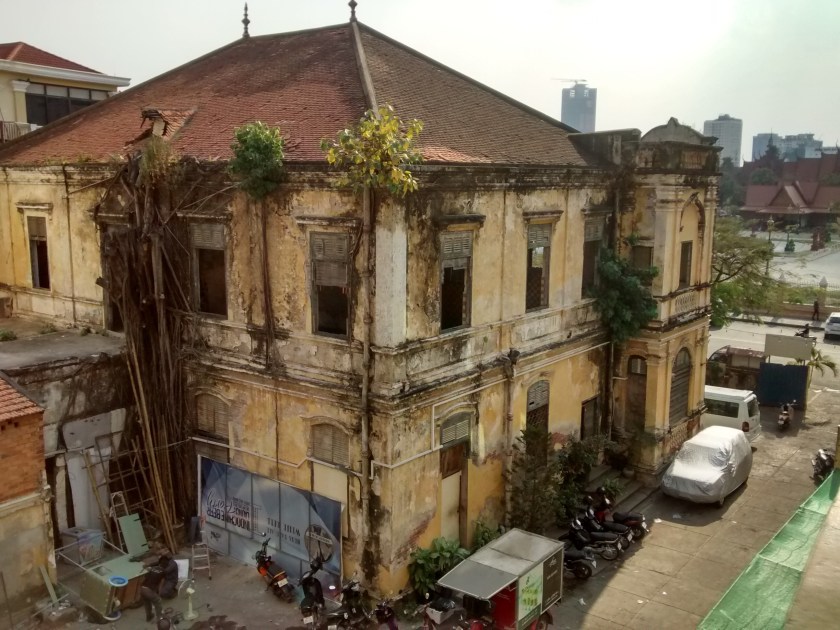
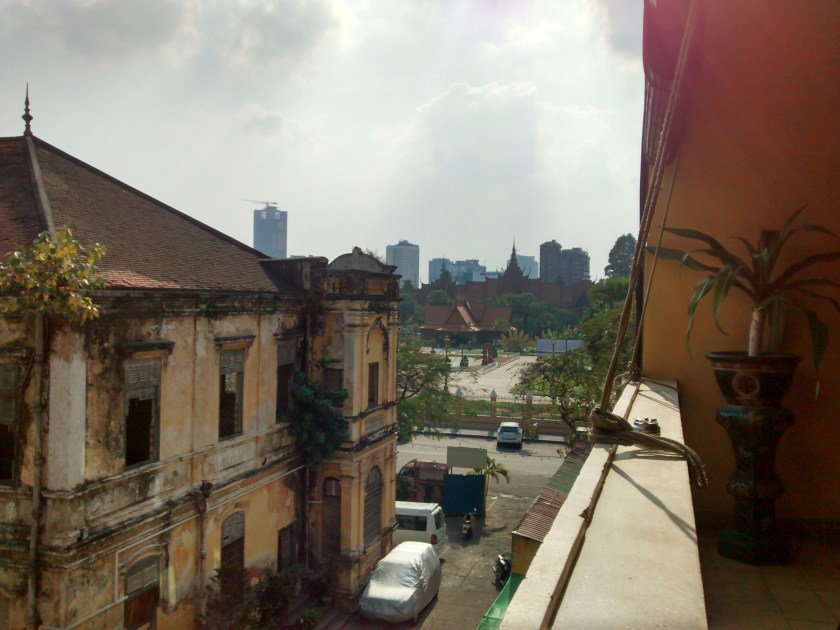
The FCC overlooks this old ruin of a French colonial building, now used as a performance venue.

Ah, the Palace should be open by now, let’s pop in.

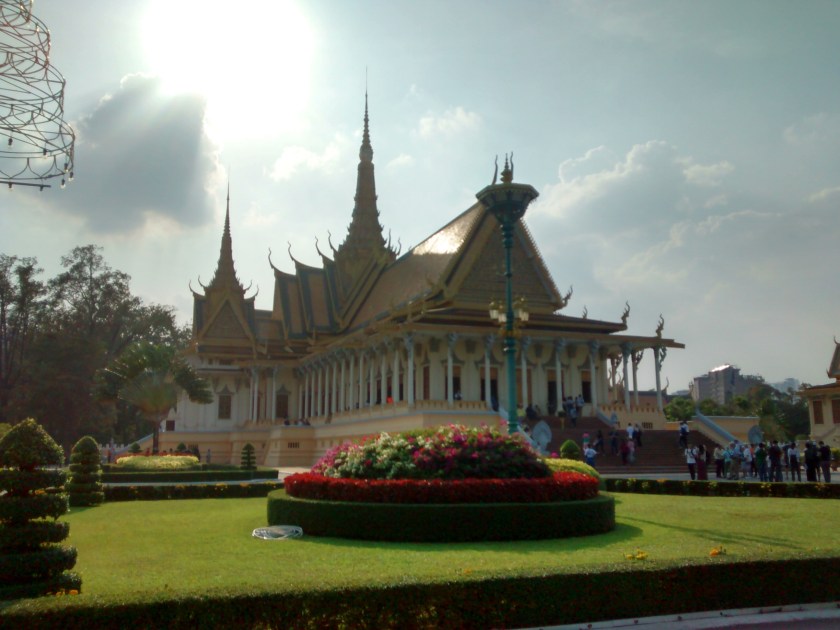
The palace we see today (this is just the Throne Hall) was sited here in the 1860s and many buildings were rebuilt between 1913 and 1919. Together with the Silver Pagoda, highlights include some gorgeous stupas containing the ashes of former monarchs, and the stunning collection of golden Buddhas in the Silver Pagoda.

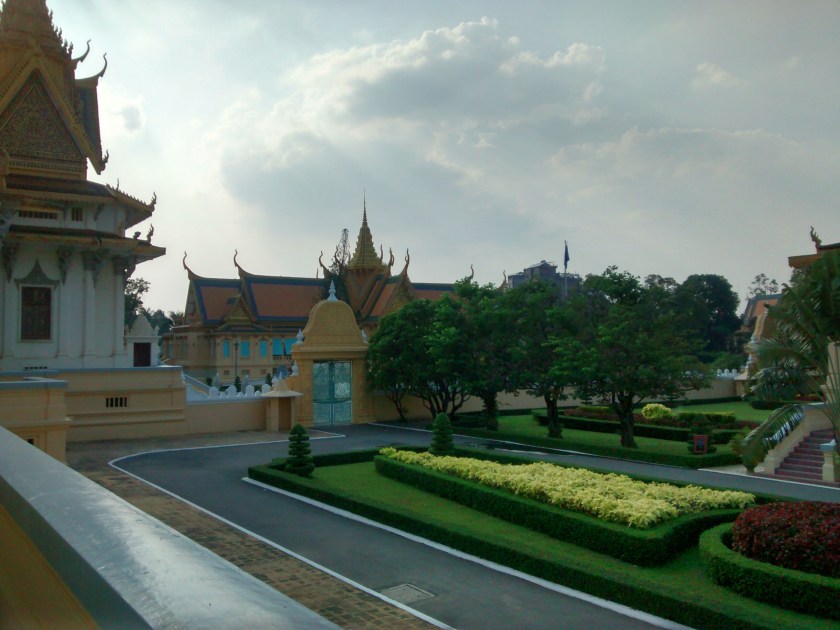
The current king is the 65-year-old Norodom Sihamoni (those are his private quarters behind that low yellow wall). One of Sihanouk’s children, crowned in 2004 in the Throne Hall, he’d been out that morning delivering ambulances to medical facilities elsewhere in Cambodia. But he’s back now – as shown by the blue royal standard in the centre-right.

Sihanouk again – this time, his stupa.

Time to leave the palace and time to call a halt for the day. Now I’m beginning to rethink my Phnom Penh expectations. Is three nights enough?

Raising Angkor

Before we leave Siem Reap, here’s a short post back at the Wat, kicking off with some photos that I didn’t post before.

The “Elephants” gate at the west wall. There were five entrances on the 1.5 km long wall – for elephants and commoners at north and south, for priests and for high officials near the centre…

… and in the centre…

…this one for the royals.

Amongst the many great achievements of the Angkorians, was the invention of American Football.

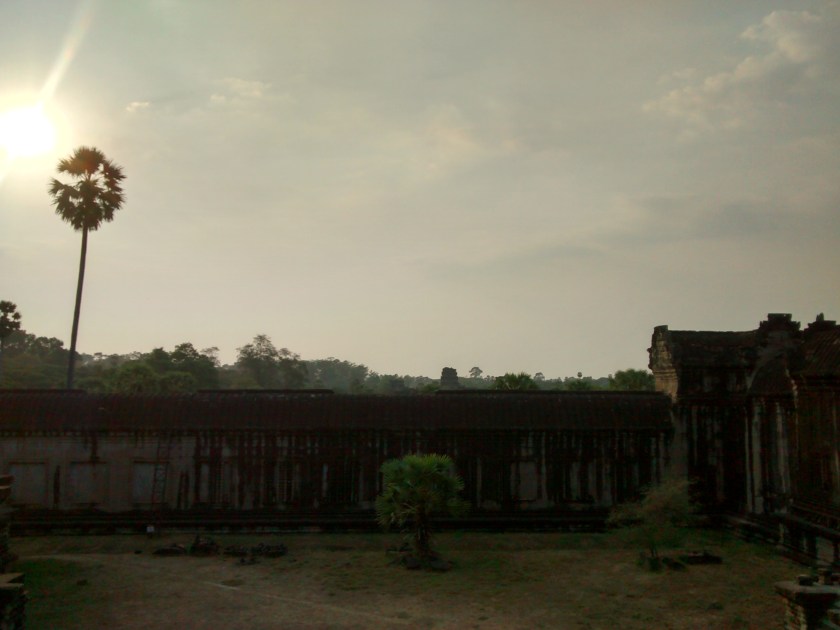
The Wat in the early afternoon.

One visit isn’t enough for this wonder, so on my last day there I went back in the early afternoon. I hope you appreciate the change in the way the light plays off the stones as we approach the sunset.

Unforgettable.

Farewell, magical Angkor. Farewell.

Dark ages

Time for a break from all that temple-ing. Let’s have something different.

War and genocide.

In 1431 the Thais sacked Angkor, marking the start of what the Khmer call their Dark Ages. A weakening, declining state gradually became the prey of their Thai and Vietnamese neighbours until, in the nineteenth century, they had no choice but to become a protectorate of the newly-arriving French.

Officially the Dark Ages end at this point, but they surely saw nothing as dark as what was to follow in the 20th century. To find out more, we head to the sobering War Museum on the outskirts of Siem Reap.

“Poor Cambodia”, Porfirio Diaz might have said. “So far from peace, so close to Vietnam”. Cambodians won their independence in the 50s, but could not isolate itself from the conflict over the border. Sihanouk, the prince-turned-PM, favoured the North, and allowed them to pop over to the Cambodian side to establish supply lines to the South. Uncle Sam was, to say the least, unimpressed. Between 1968 and 1973 the US pounded Cambodia with 2.7 million tonnes of bombs. Even Japan only got 1.7 million – including the nuclear ones.

That was only the start of the misery. And of the unexplored ordinance problem.

Meanwhile the generals sided with the South and Sihanouk was deposed in 1970. Then it all kicked off. Civil war. More ordnance. Sihanouk joined the anti-US resistance, which included a Maoist group called the Red Khmer. What’s that in French? Khmer Rouge.

The Communists entered the capital in triumph in 1975, just as in Vietnam. Then the slaughter, as we all know, really began, as the new leader Pol Pot tried to rid his country of any traces of opposition, the 20th century, and then everything else. Our tour guide’s telling of the story was informative, moving, and shocking, especially when it came to his own family. More about the horror when we get to Phnom Penh.

Eventually the Soviet-backed Vietnamese had had enough and invaded in 1979. The Khmer Rouge were forced to the Thai border where they continued to fight on until the 90s. Cambodia is now one of the poorest countries in the region and is only now beginning to recover.

It’s also one of the most heavily mined in the world. Both sides in the later war used landmines – the resistance (who also started upon each other) and the Vietnamese (who had ulterior motives for their good-guy invasion). They think they’ve cleared most of the mortar bombs, anti-tank, anti-personnel, unexplored bombs. They’re hoping the rest will be sorted by 2025. Meanwhile a dozen people were killed this January.

2025 is a lot of months away.

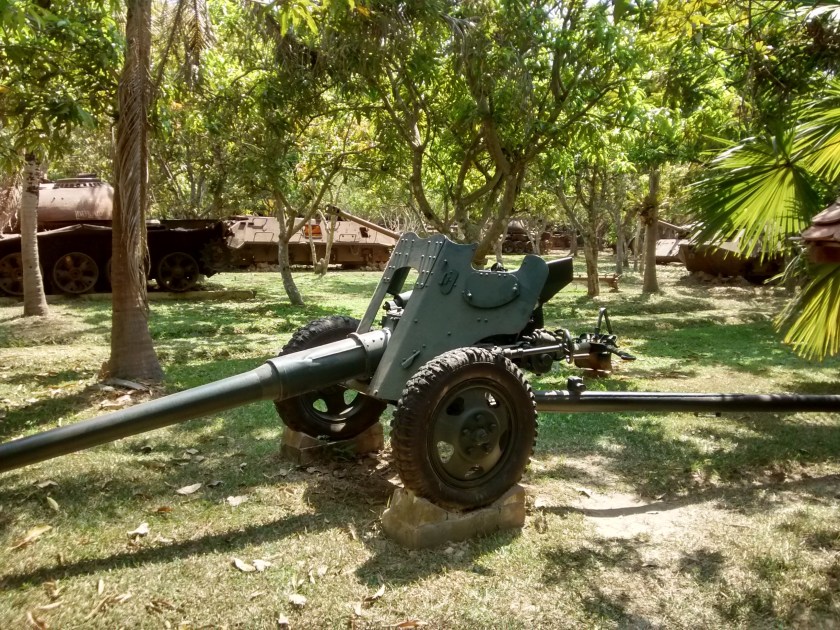
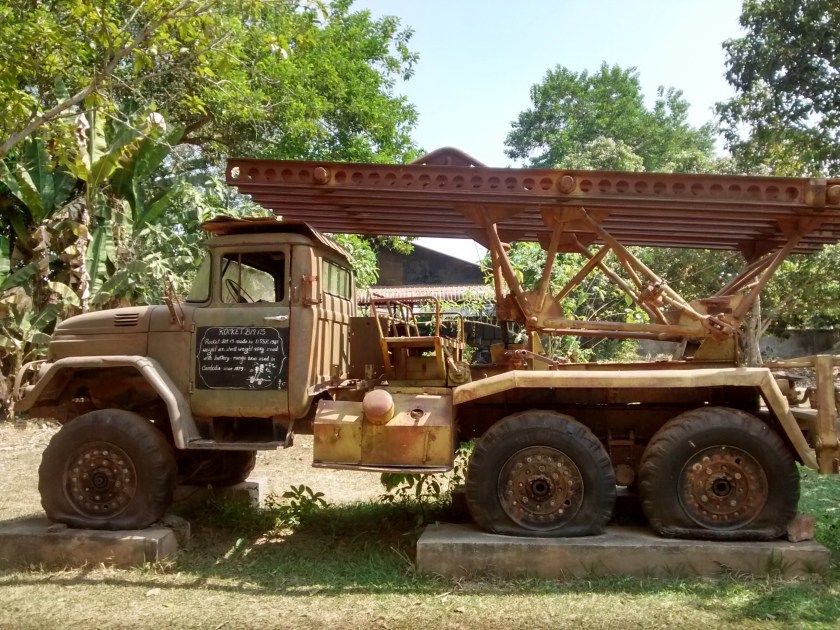
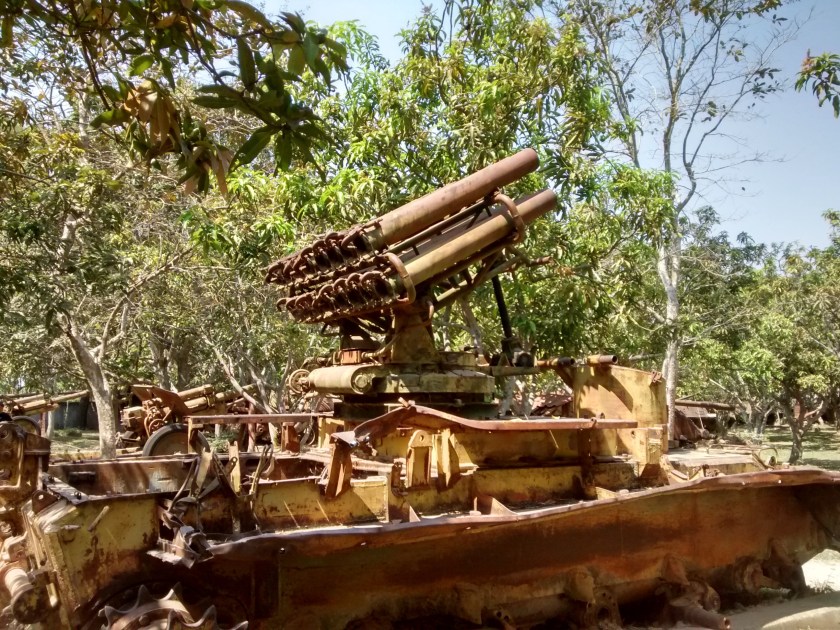
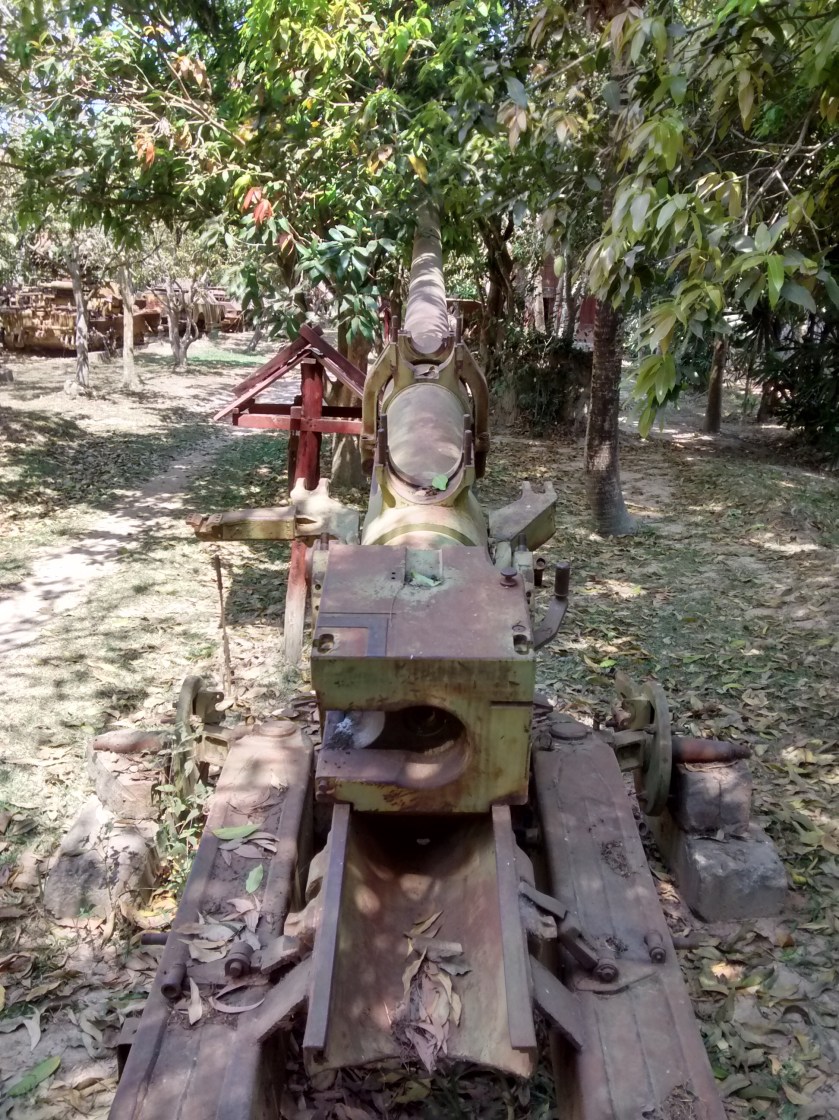
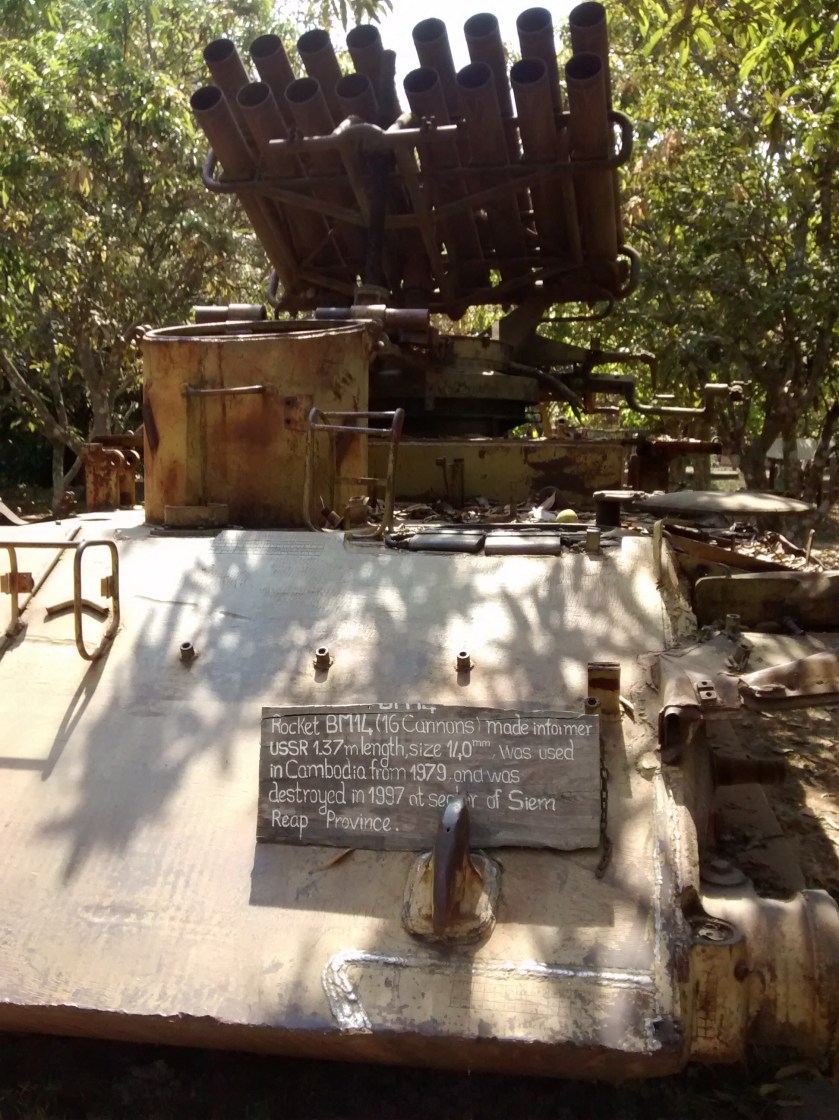
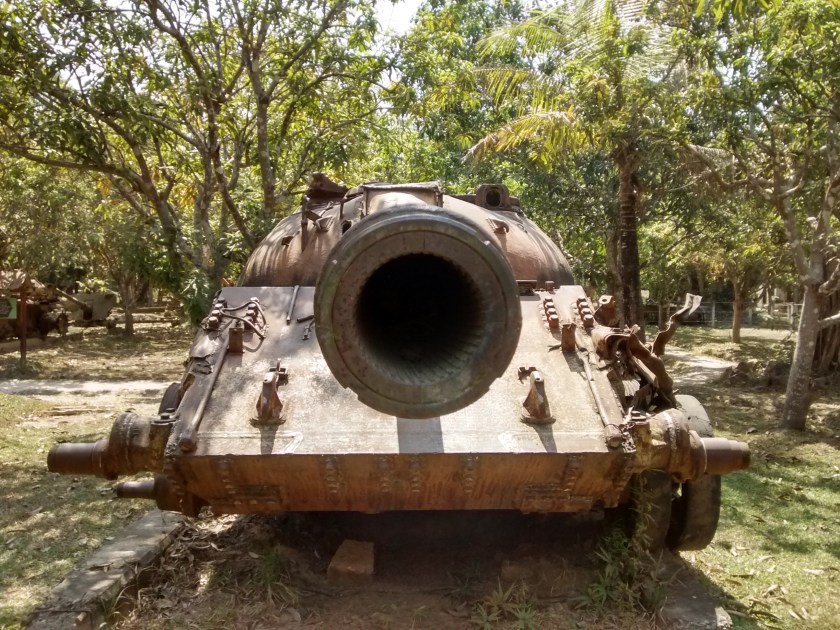
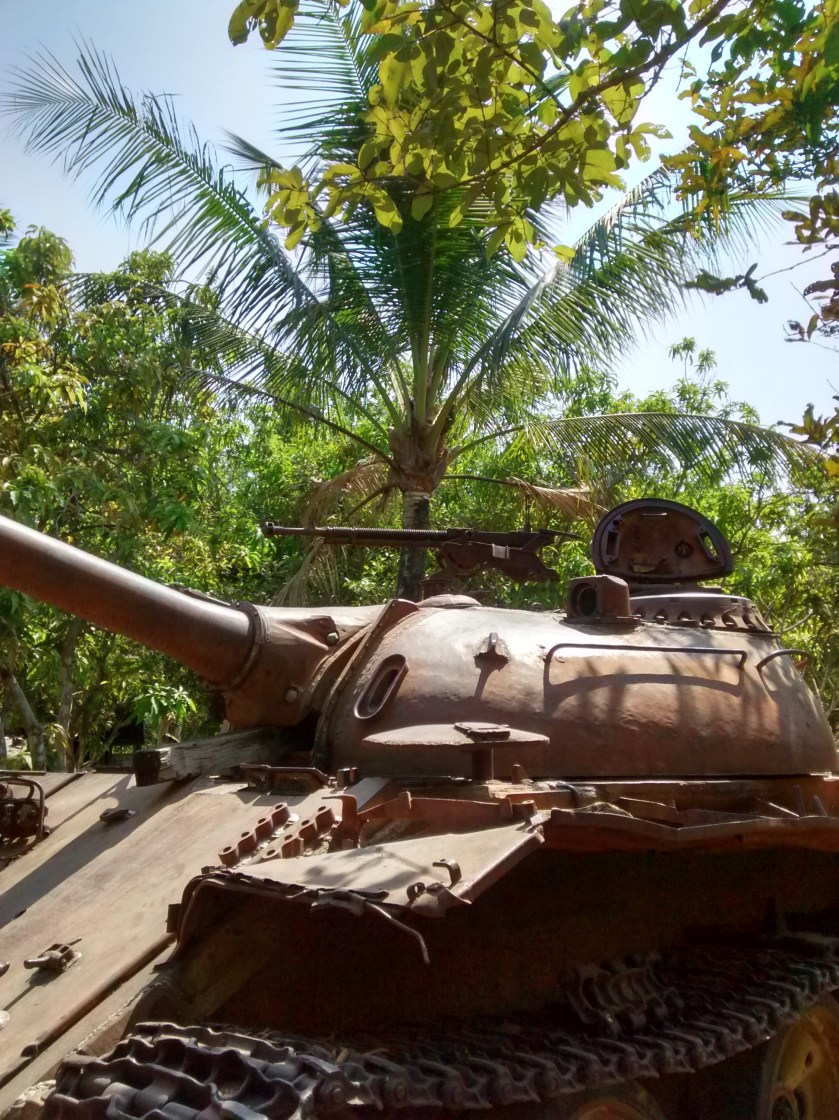
Let’s look at some hardware.

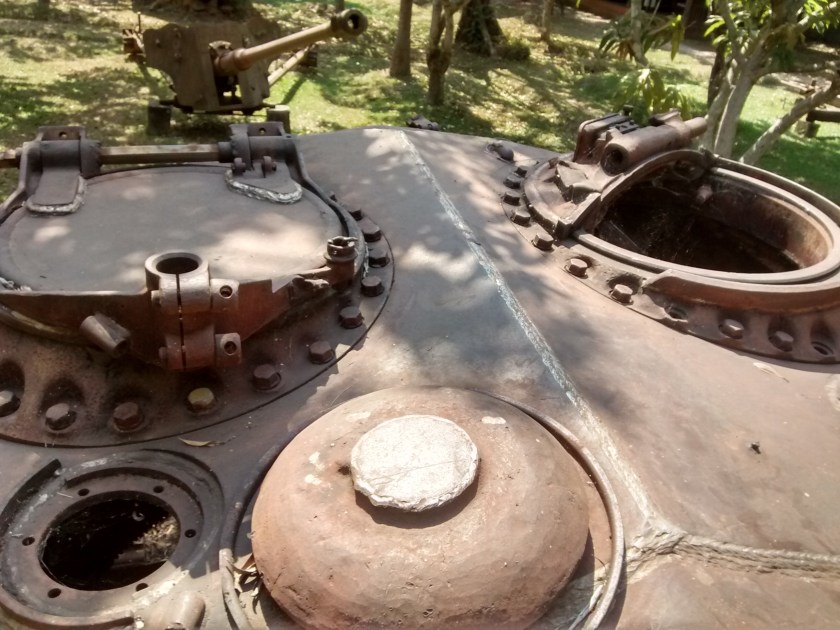
Everything we see here was supplied by the Soviets to the Vietnamese.

They even let you climb on them.

What became of the soldiers who were using them? How were these armaments captured?

We have to imagine.

And what about those on the receiving end?

Up we go.

Eerie, thinking what must have gone on in those portholes, standing here, in the shadows of ghosts.

And it had one more casualty to take. How to get down? Gradually. But I still grazed my thumb on the side. In case you’re worried, it was a small cut and it got washed and they put a plaster on it.

And I still managed to go out again and play with an AK-47. So you can stop worrying about that too.

The Grand Circuit

We leave Preah Khan and continue on the Grand Circuit. Our next stop:

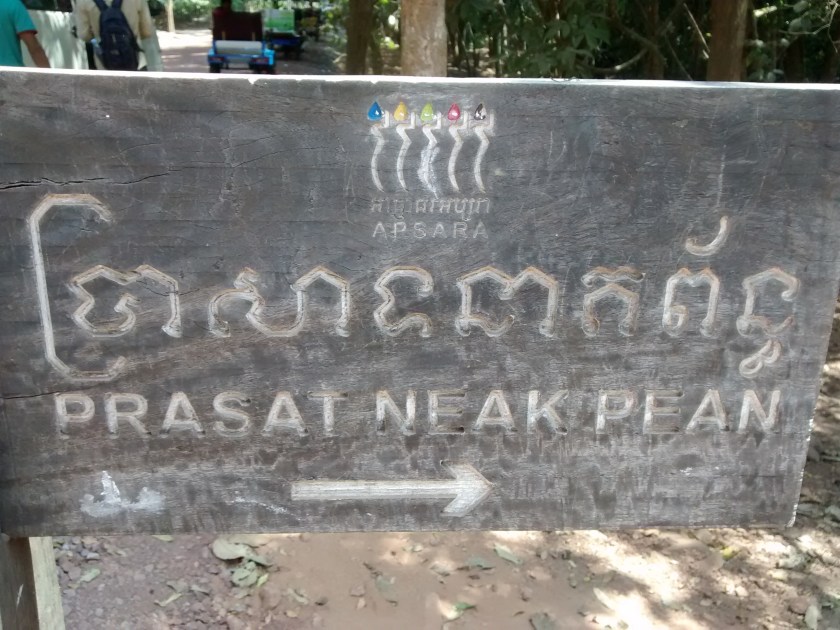
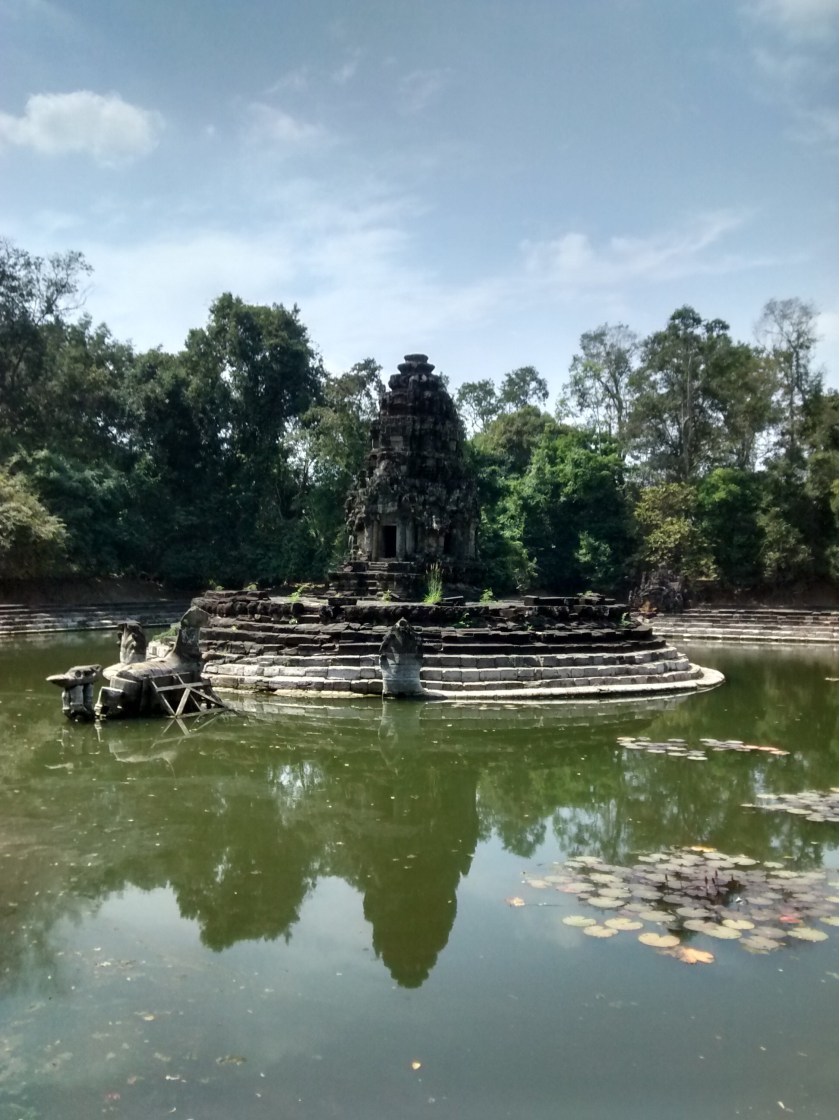
Each of the Khmer temples would house statues representing Shiva, Vishnu, and mates, and were intended to be a home of the gods, rather than a site of regular worship. The late 12th century Neak Pean makes that very clear.

There’s no ferry.

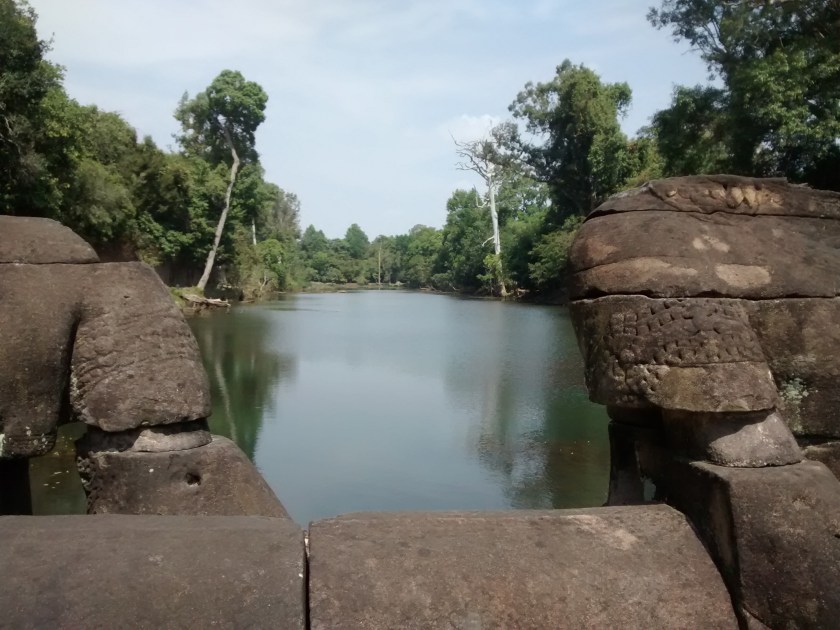
To get to the little site, you cross the tranquil-looking Jayatataka…

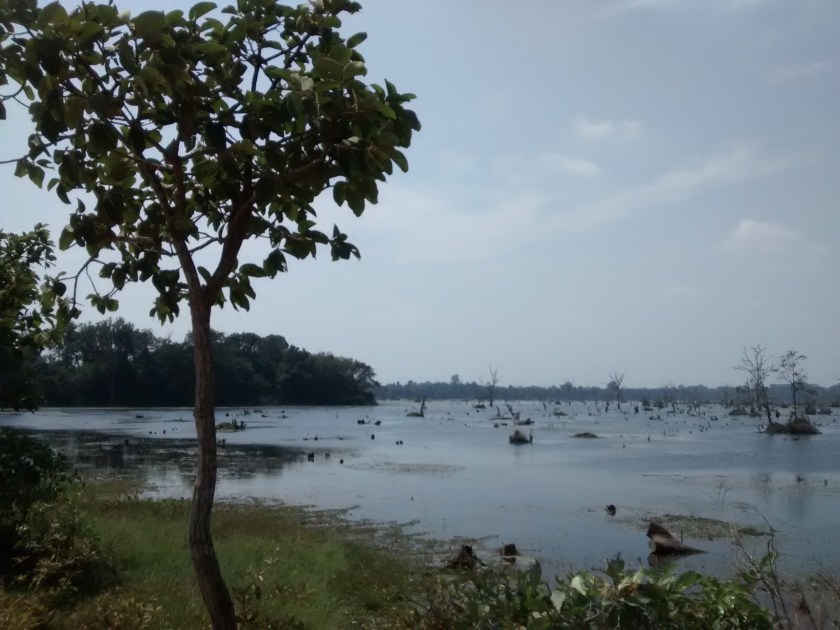
…no lake, but the 12th century reservoir built to supply the city around the Preah Khan temple.

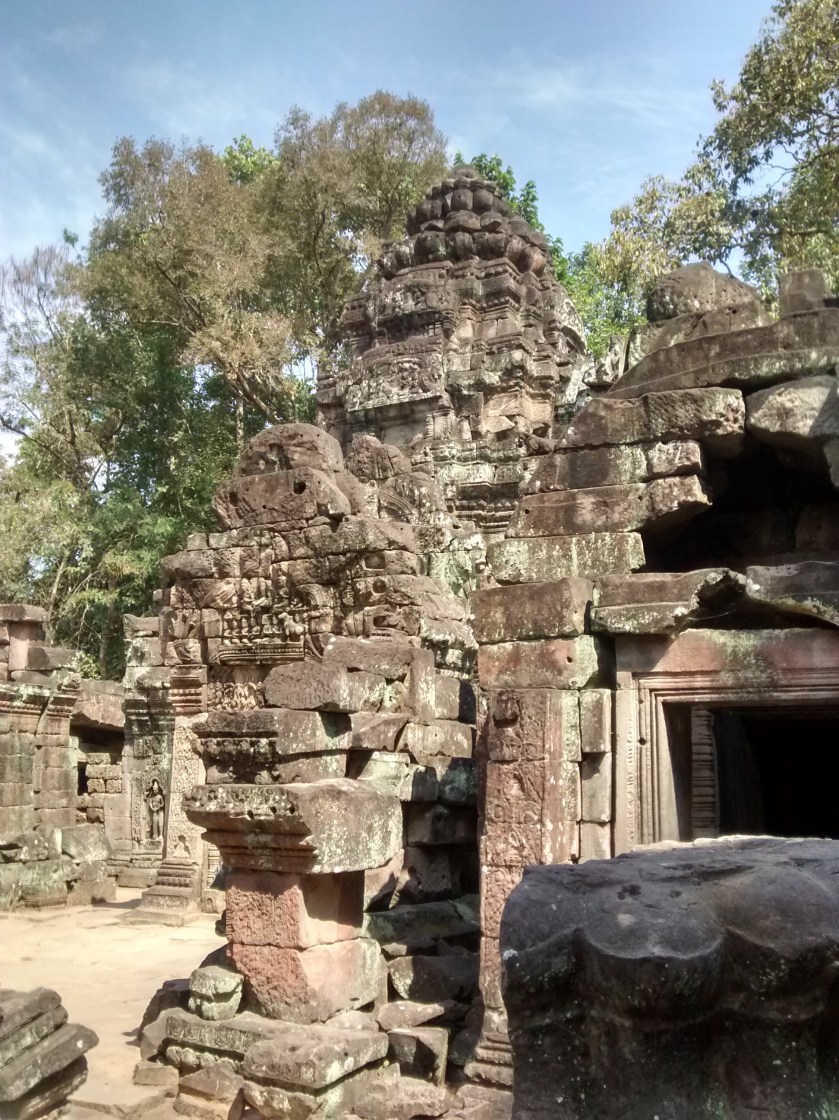
Next, lunch, and then the small, attractively ruined Ta Som

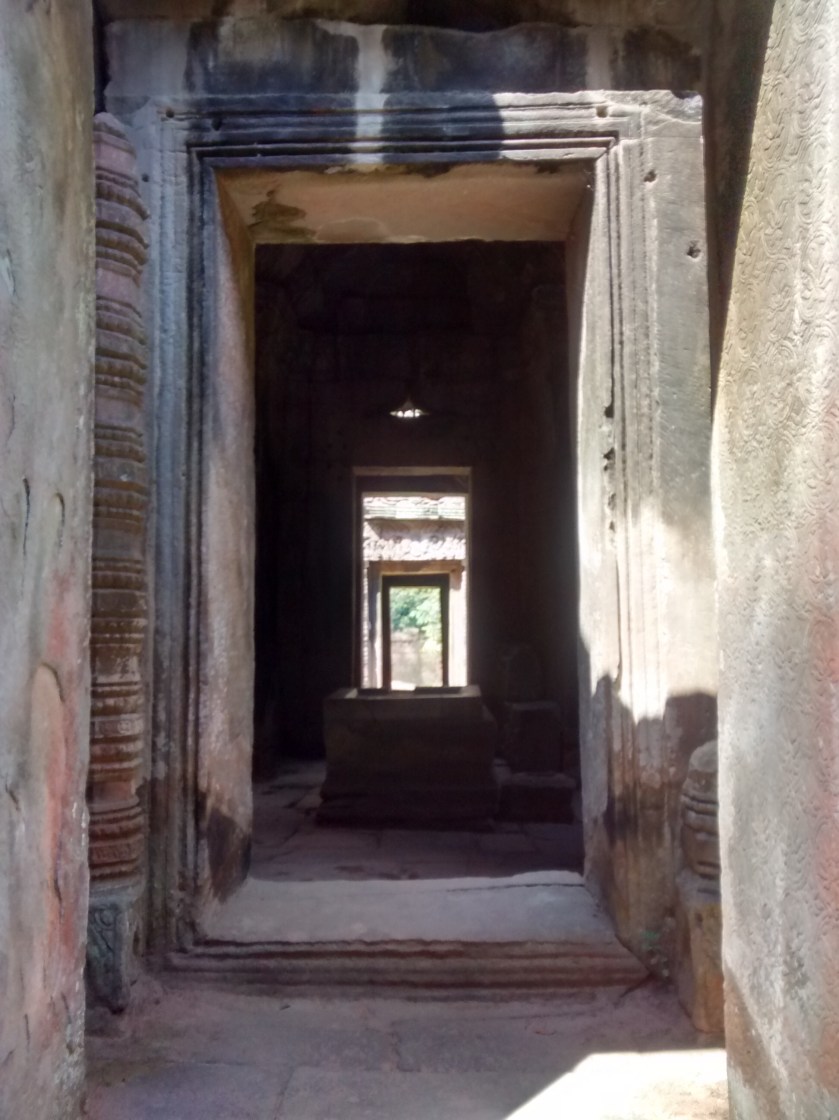
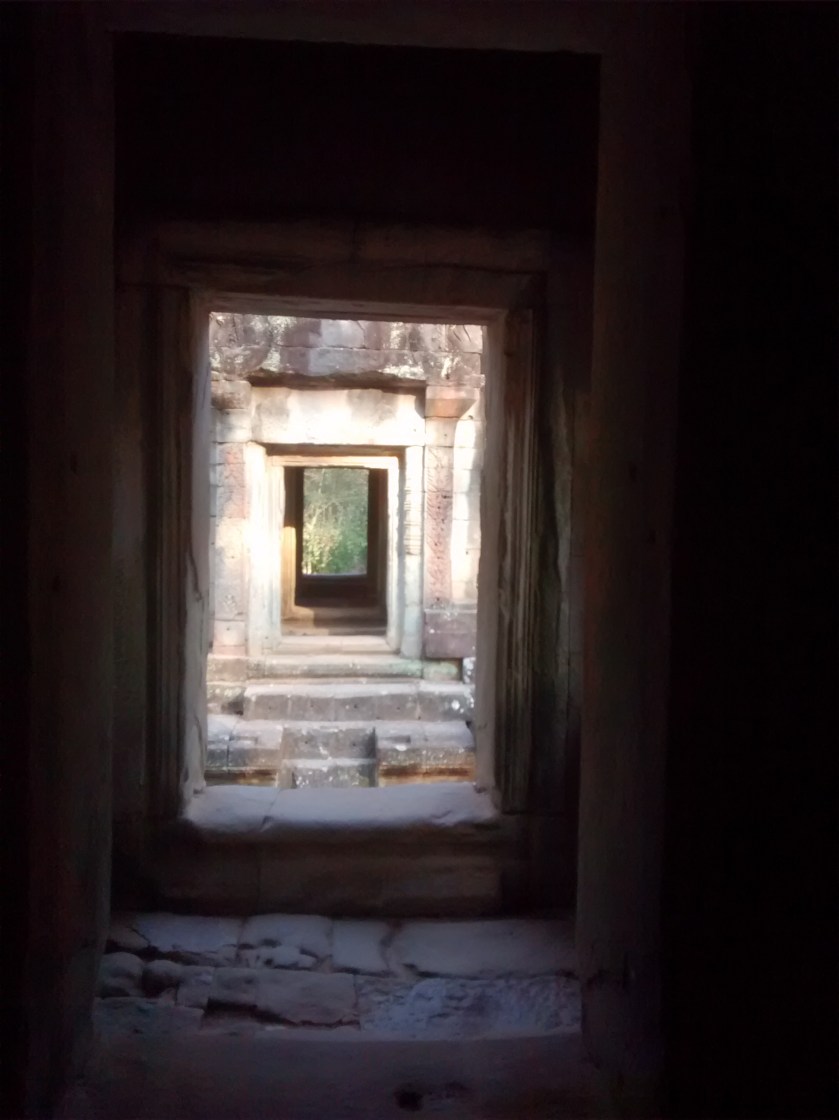
We all like a good ancient passageway.

The last two temples are earlier, 10th century, and more in the “temple mountain” style that we saw at Angkor Wat. That means more climbing on the steep steps to get to various enclosures, which will be a challenge in my sandals.

For those of you who are flagging a bit through all these temples, hang on in there. The next blog post’s got tanks and rocket launchers!

First, East Mebon.

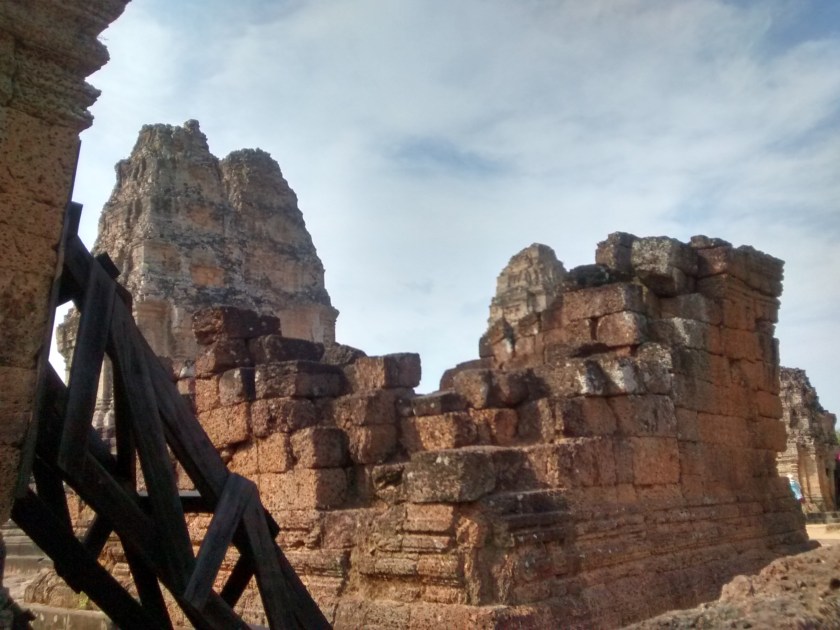
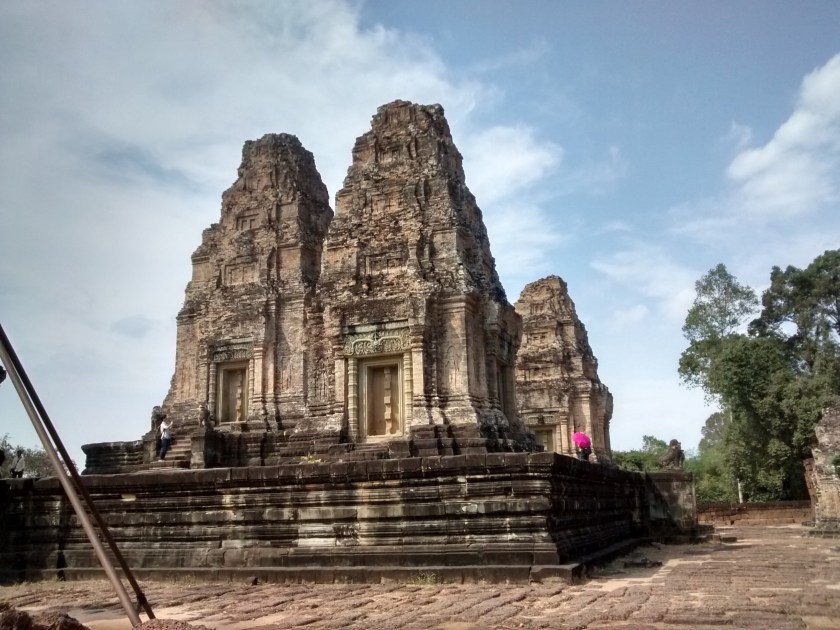
Not officially a temple mountain, inasmuch as the five towers are not mounted on a very high third enclosure. Still the second one was a bugger to get up.

After the slightly perturbing climb back down the ten steep steps back to the road, it was nice to know that we just had the one to go before we headed back to the hotel.

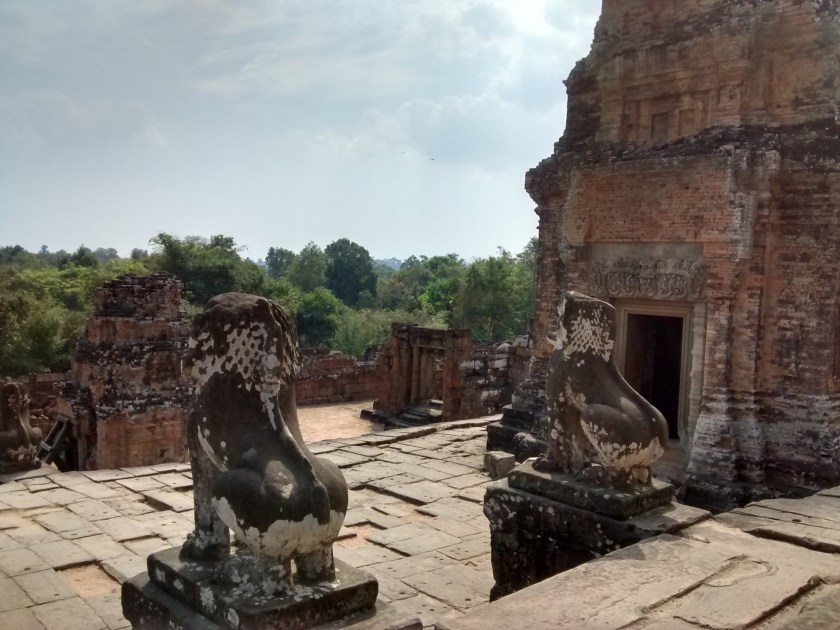
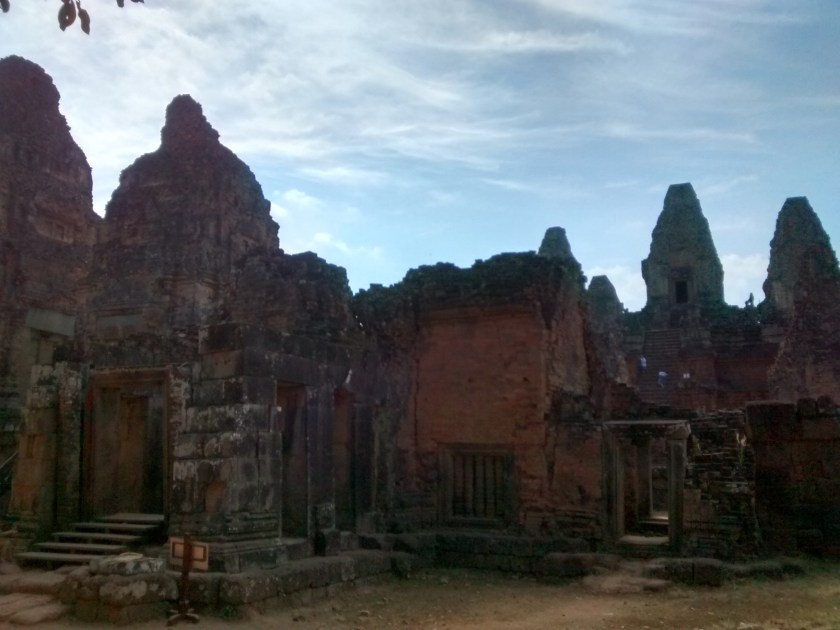
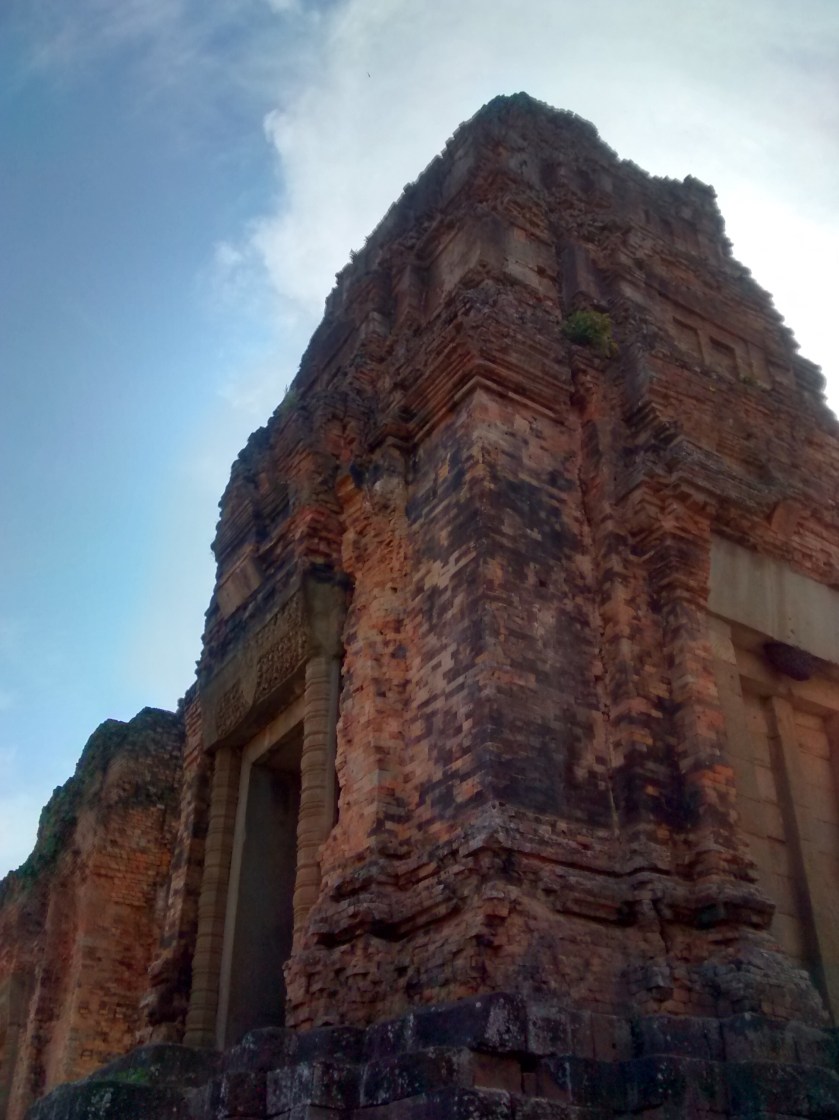
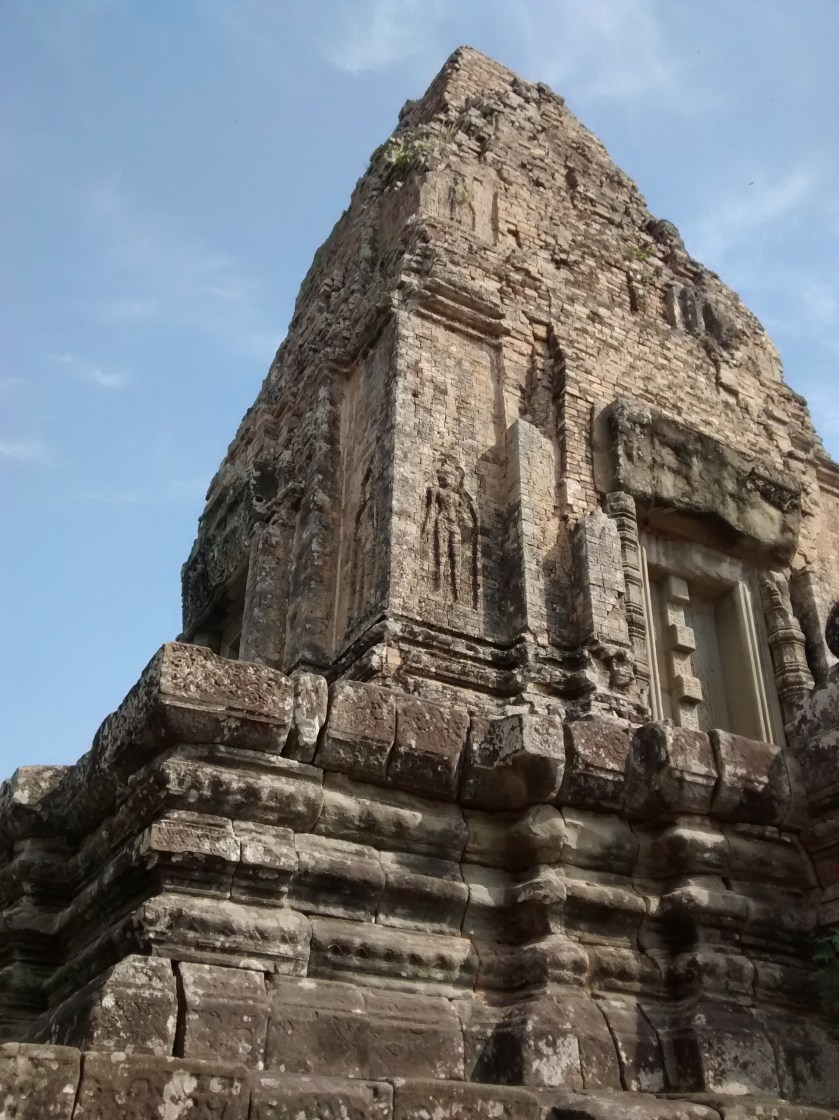
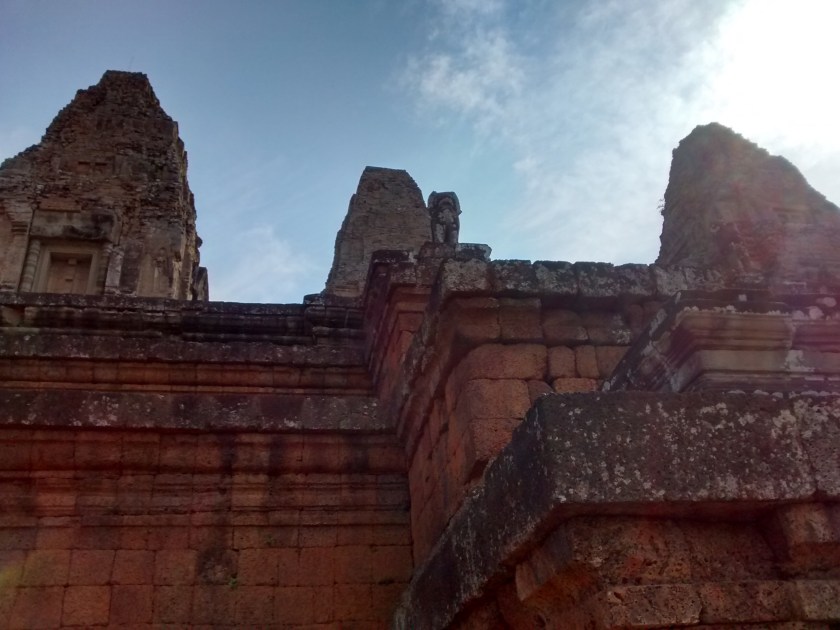
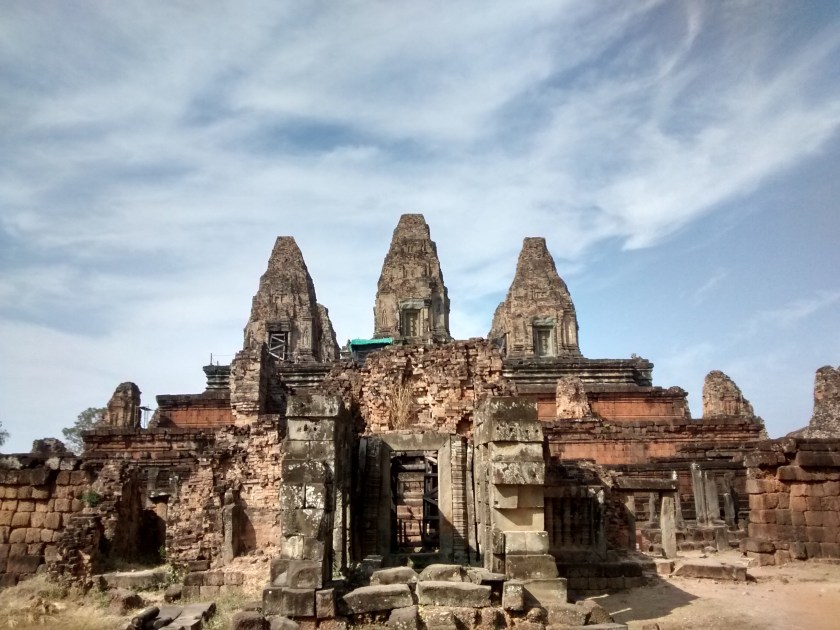
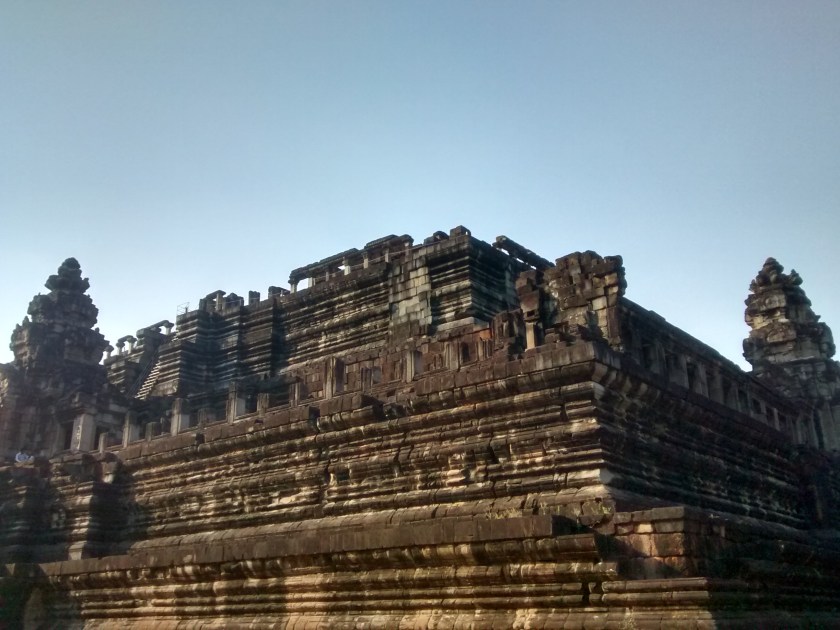
It was only when we got to Pre Rup that it became clear it was a real temple-mountain.

From second to top tier there must have been about 30-40 dizzyingly steep steps. You could either try your luck with the original stone walkway, or the newer rather rickety wooden steps. I went for rickety.

And survived. Like everyone else.

Well, it was hard work, but the stunning sights along the way made the Grand Circuit well worthwhile. Back to the hotel and to a contented evening, feeling a little cream-crackered.

Preah Khan

Well, it was about time you took a break from all the temple photos and got a look at the general Cambodian scene, the gritty, the quirky, the charming, like.

But as promised I still had the “Grand Circuit” of Angkor temples to do, and so I’m afraid the piccie deluge must continue. And I hope you agree, these sights are worth pouring – and purring – over.

Five temples today, and the first one deserves its own post. Preah Khan, built in the late 12th century by our old friend Jayavarman VII, was a great city and Buddhist university as well as a temple. The extent of the city is equivalent to the city that surrounded Angkor Wat.

(My source for most of this is Ancient Angkor, Freeman and Jacques, which all the touts seem to be selling at silly prices around the monuments).

Death by smartphone camera coming up…

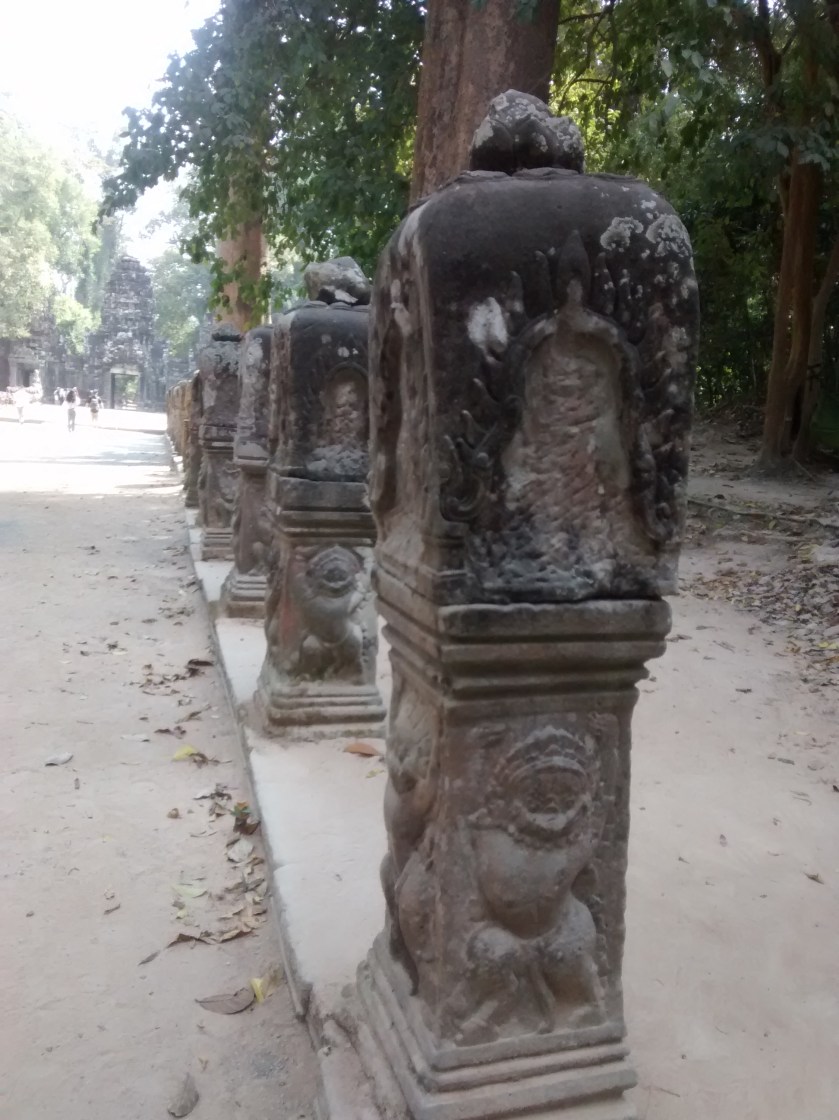
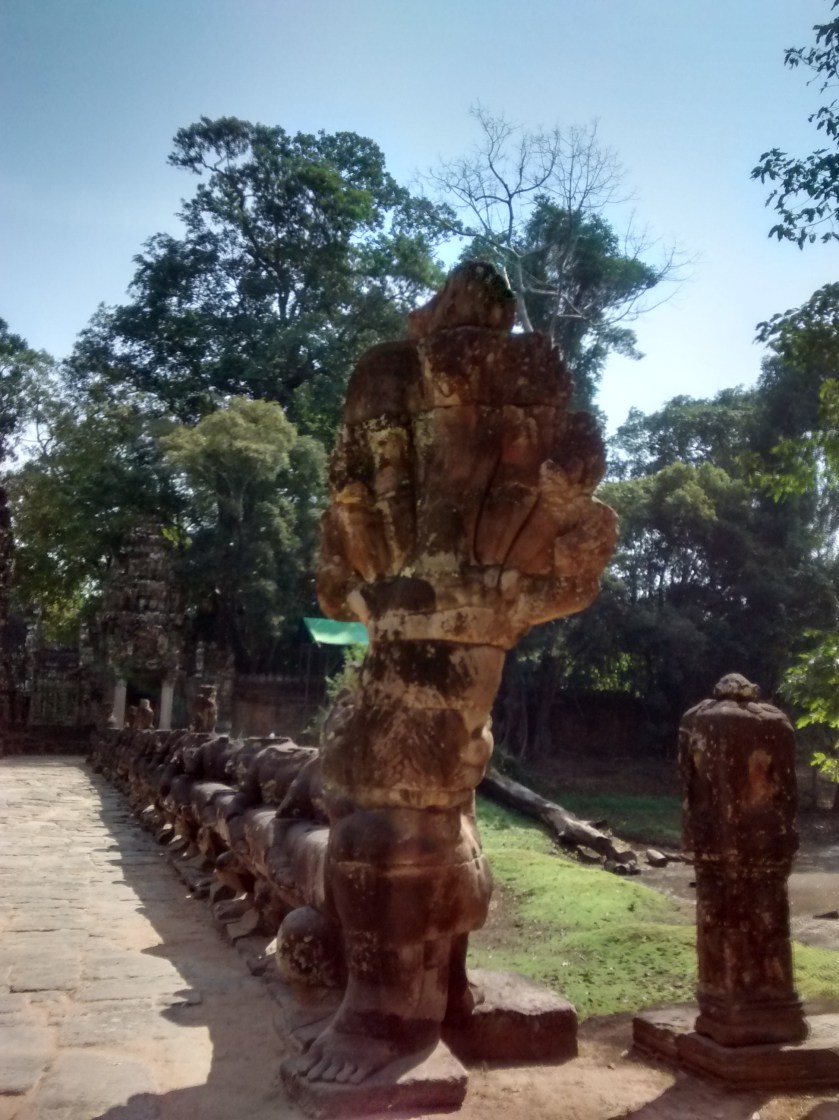
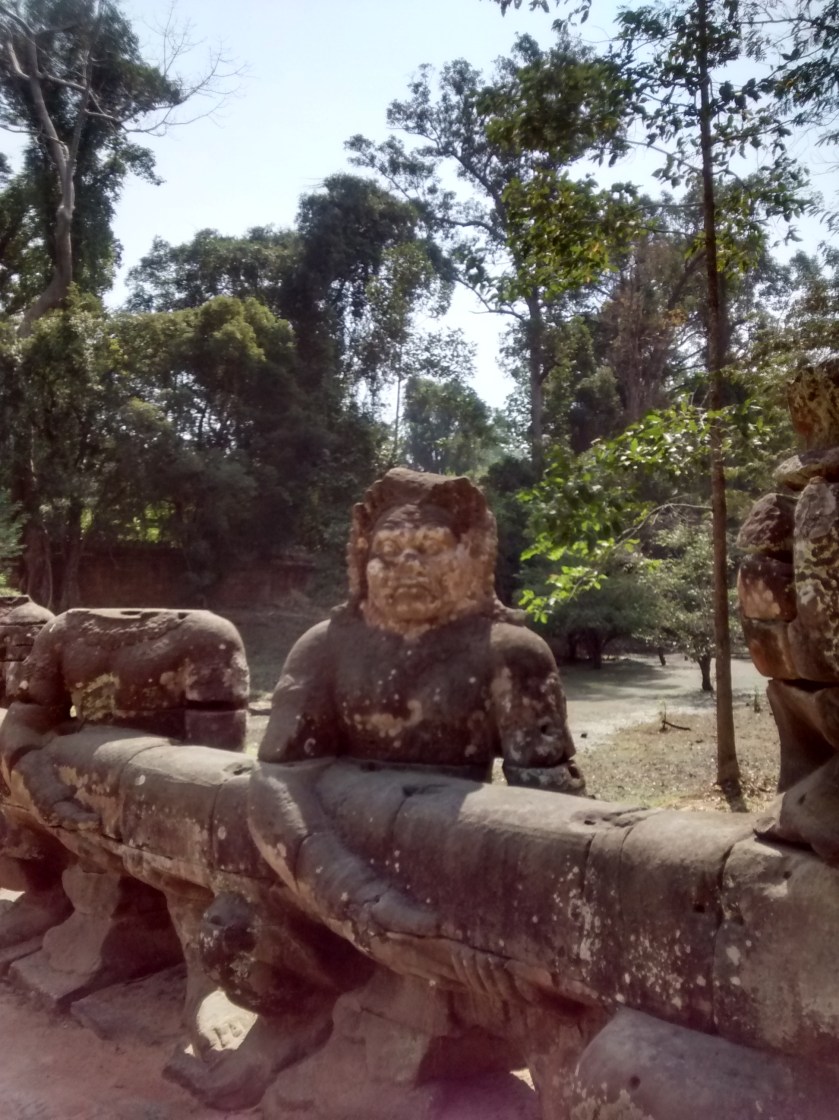
Boundary stones mark the way in. They lead to a causeway over the old moat. And causeway into a gate means…

…more hacked-off demons. This time we see the hydra-like head of the naga they’re pulling.

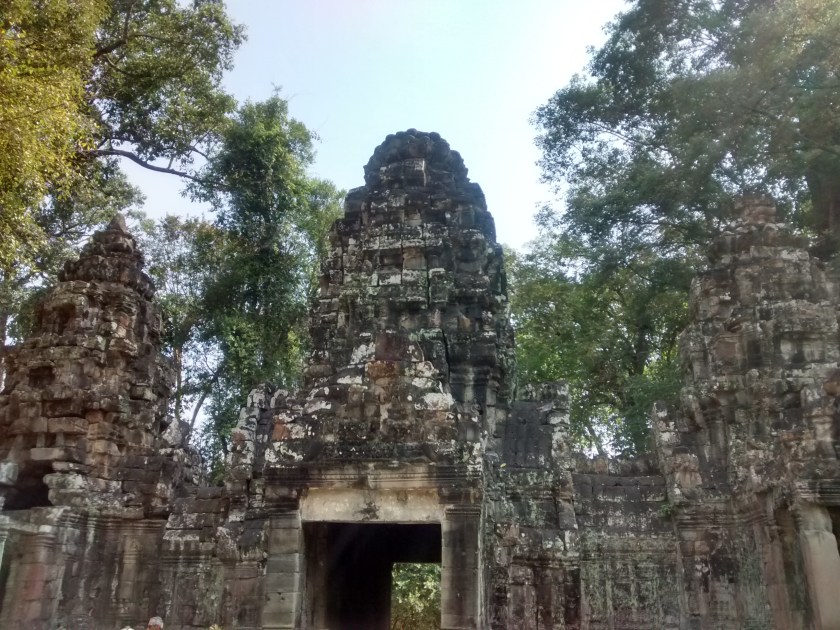
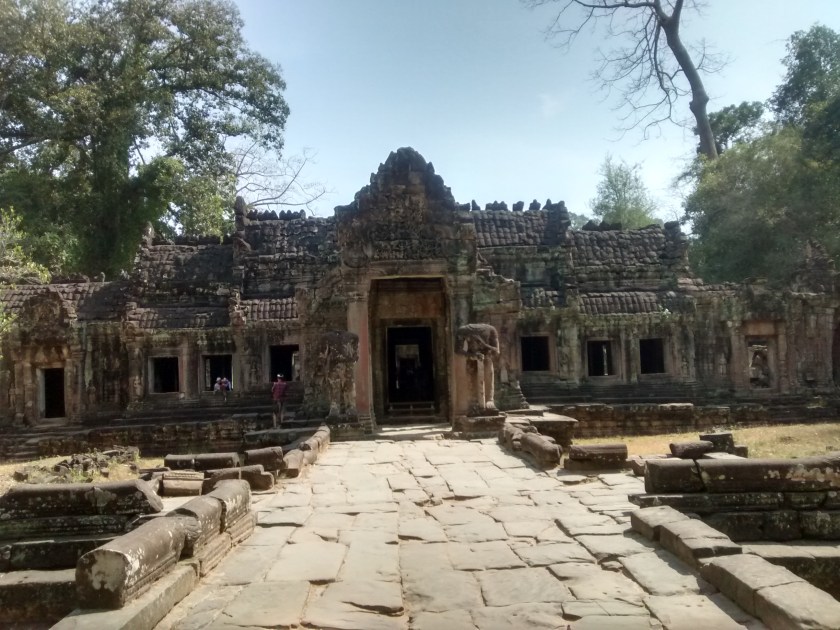
I liked Preah Khan. There’s the main east- west axis and opportunities to branch-off to the sides, so it felt nicely compact while still big and varied enough to host all the visitors.

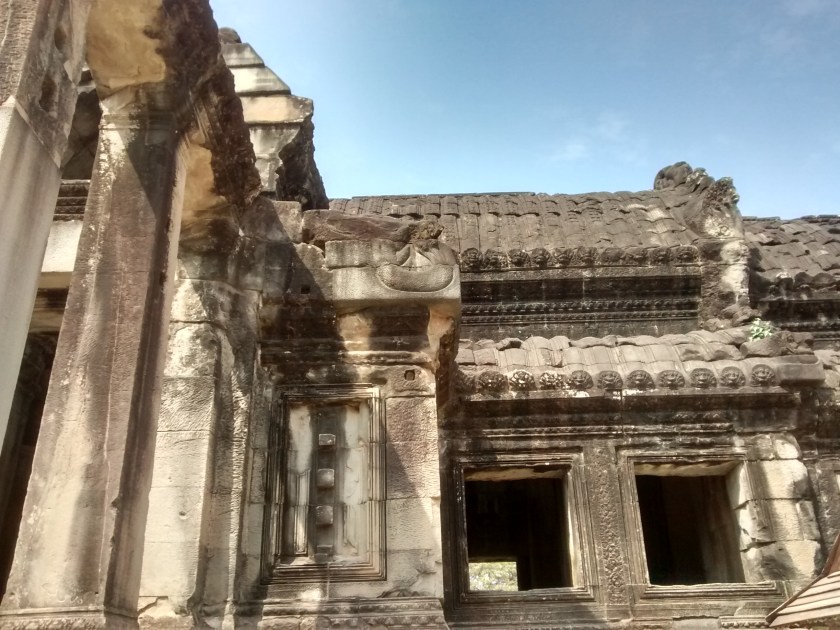
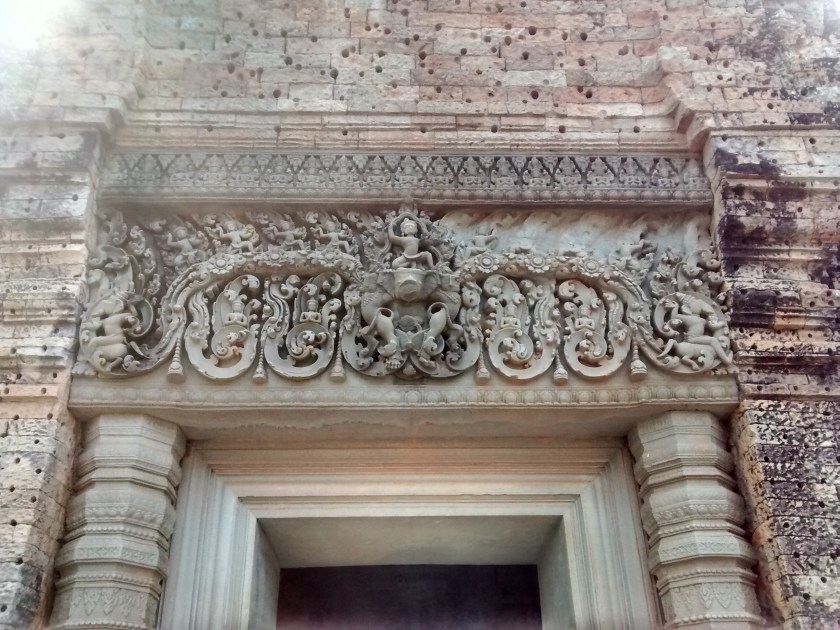
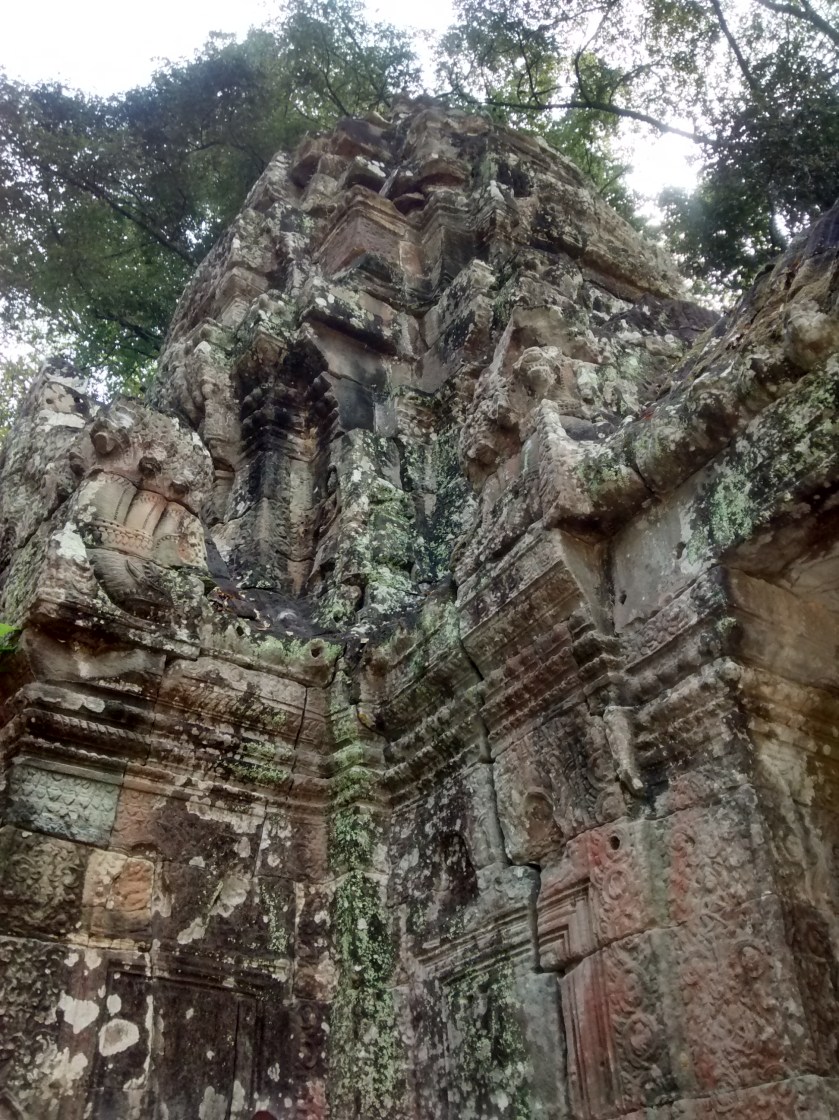
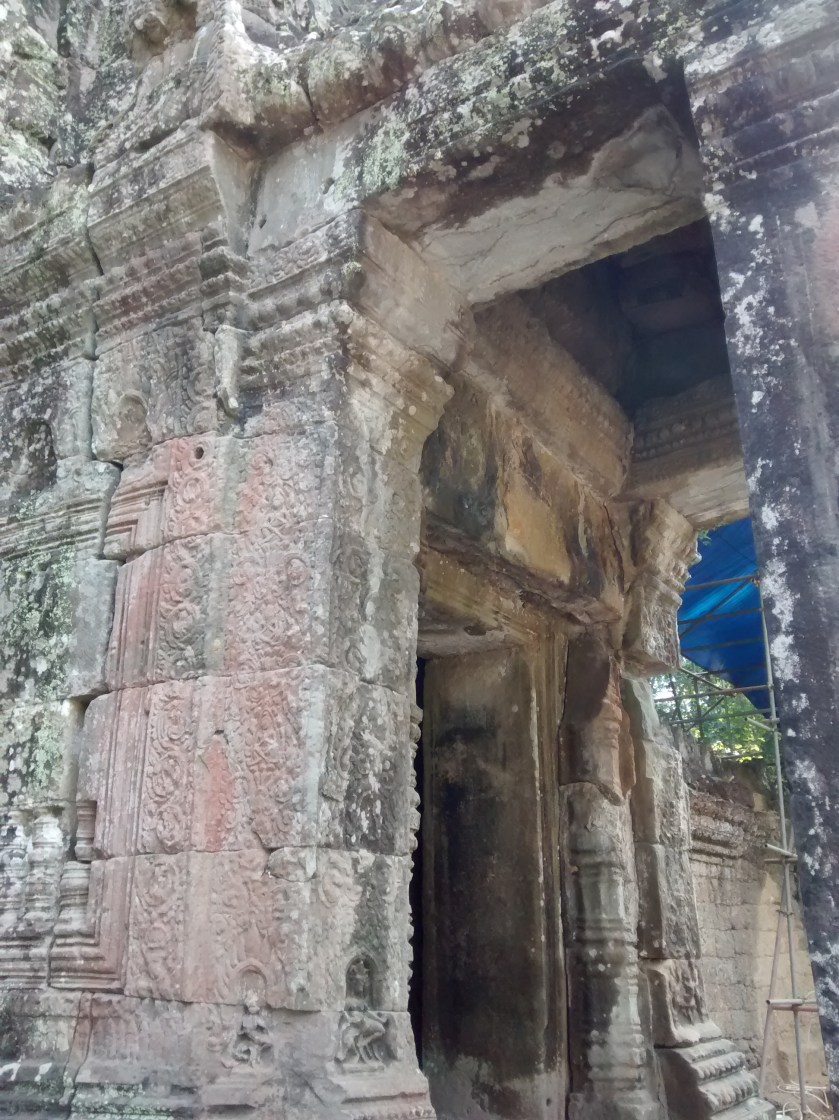
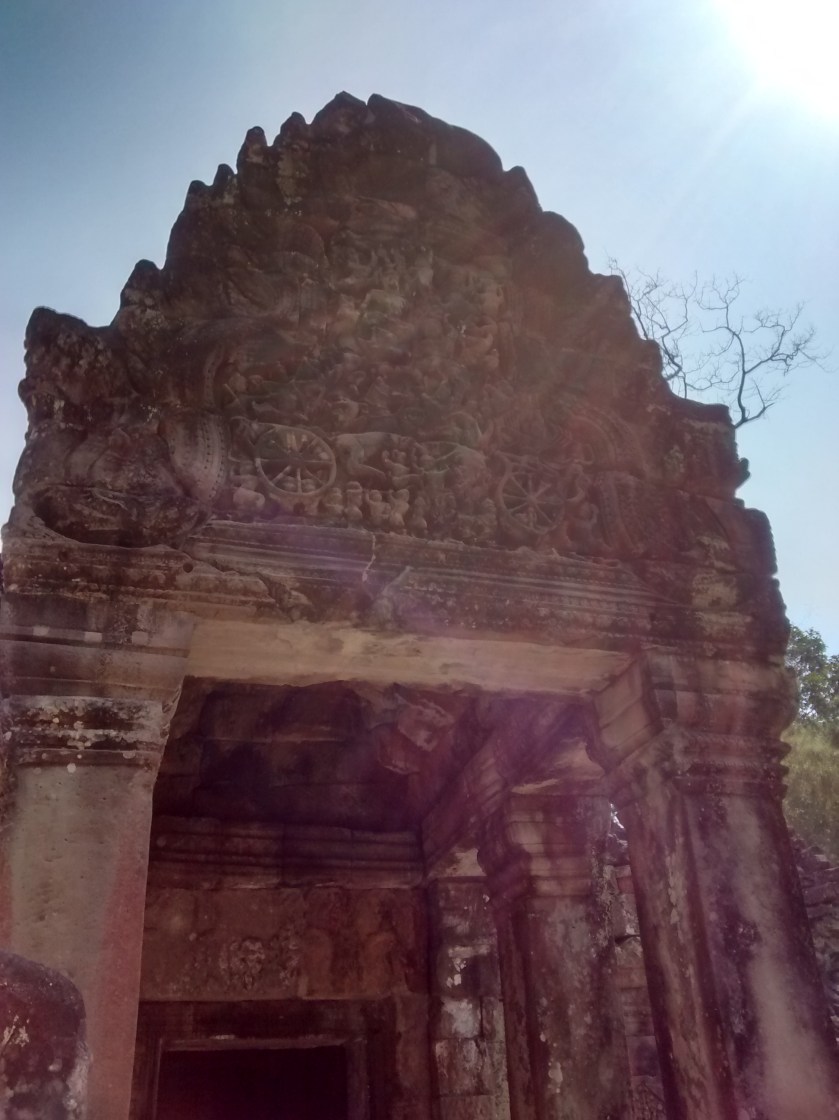
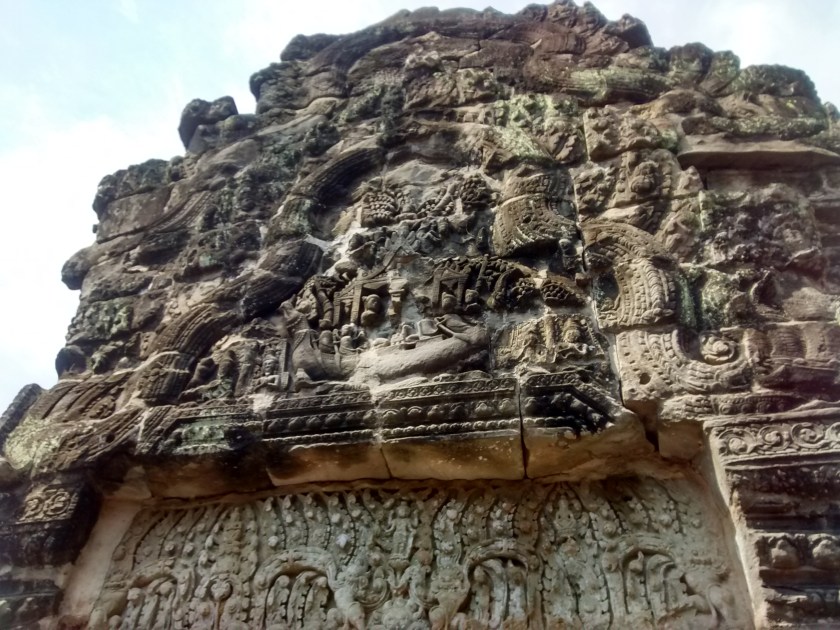
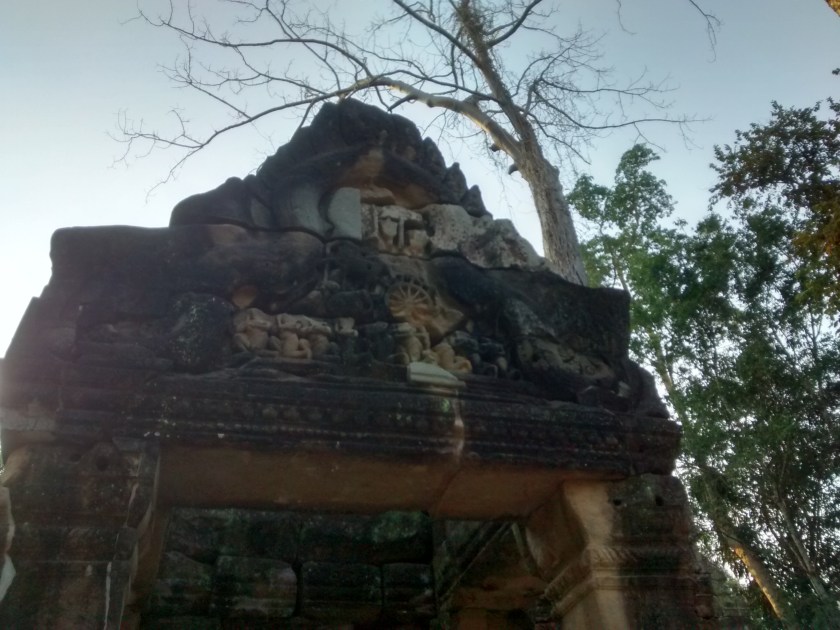
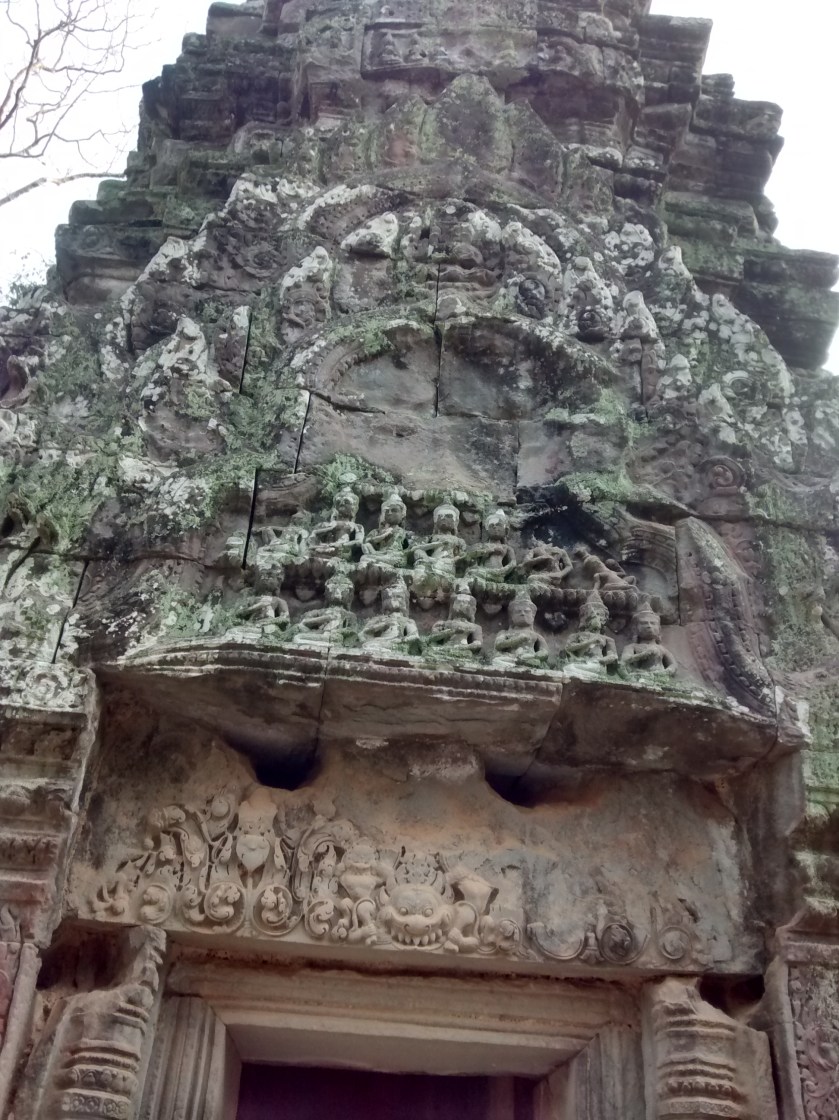
And still with the stunning detail of bas-reliefs and lintel decorations, comes as standard here.

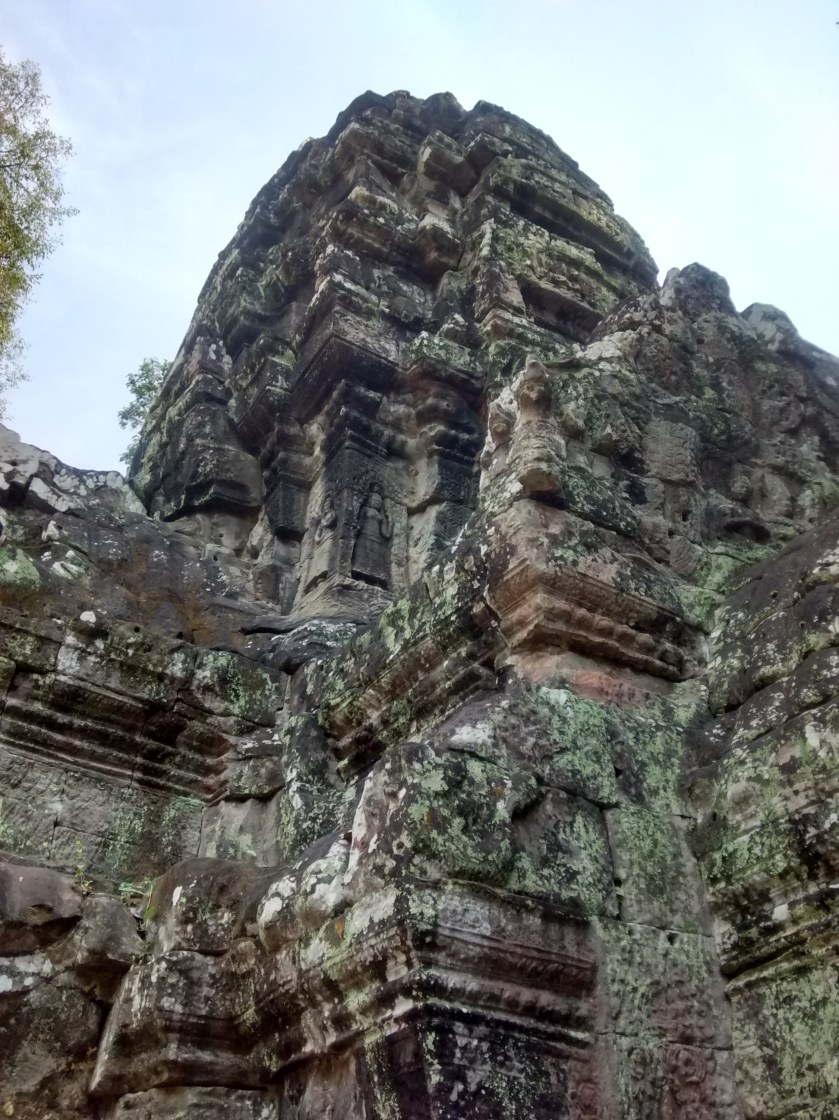
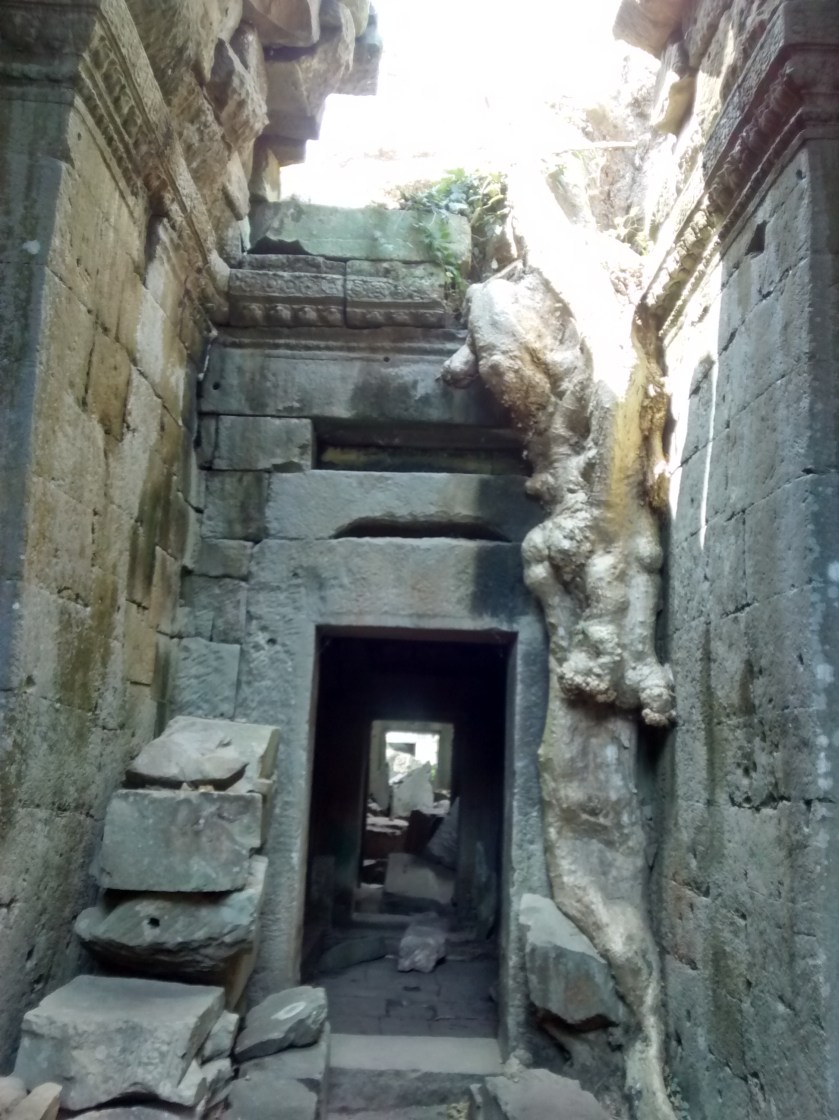
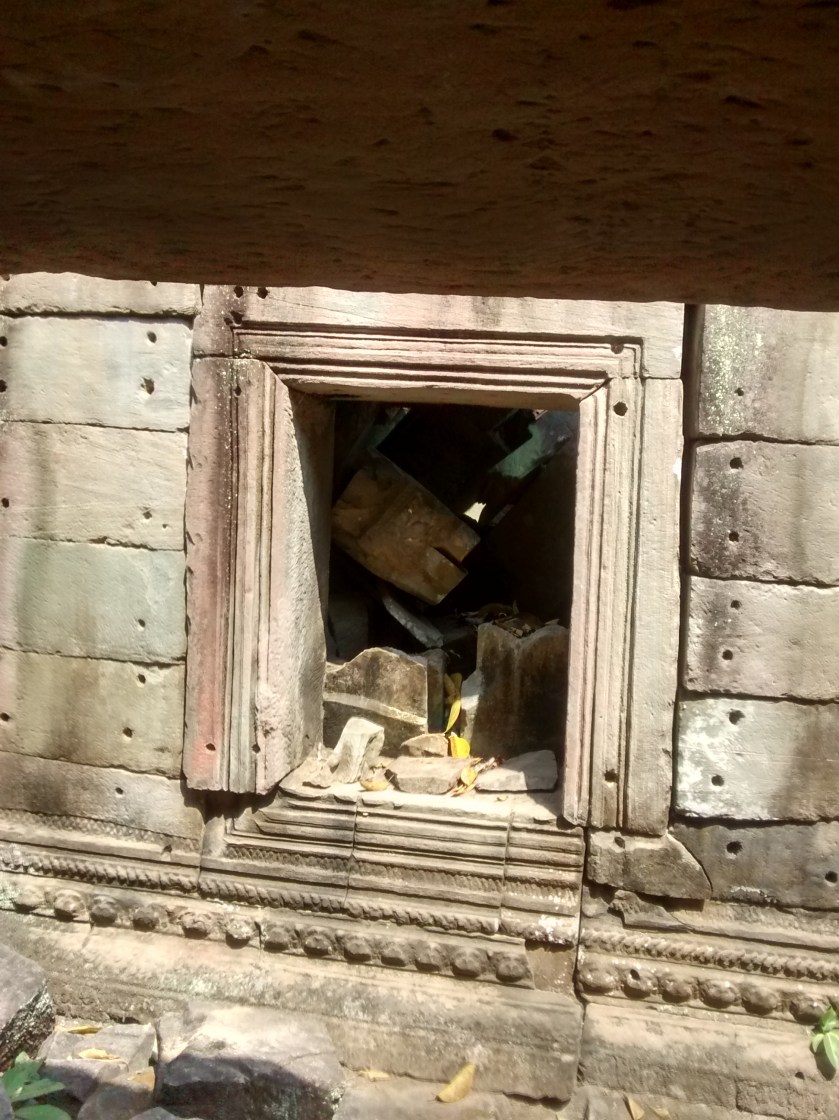
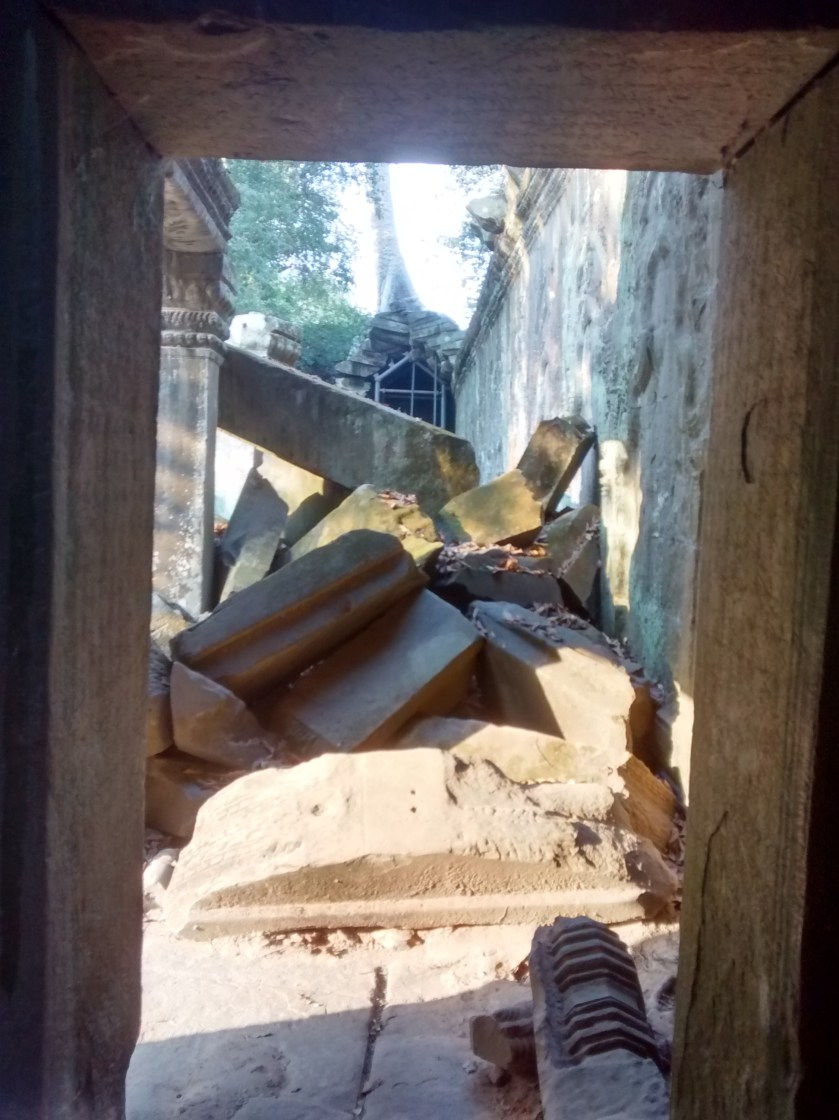
Like many of the temples, not everything has been reclaimed, there’s a lot of fallen masonry about, and in short Indiana Jones would feel at home in this mysterious little world.

Chess on a boat.

(It doesn’t say who won.)

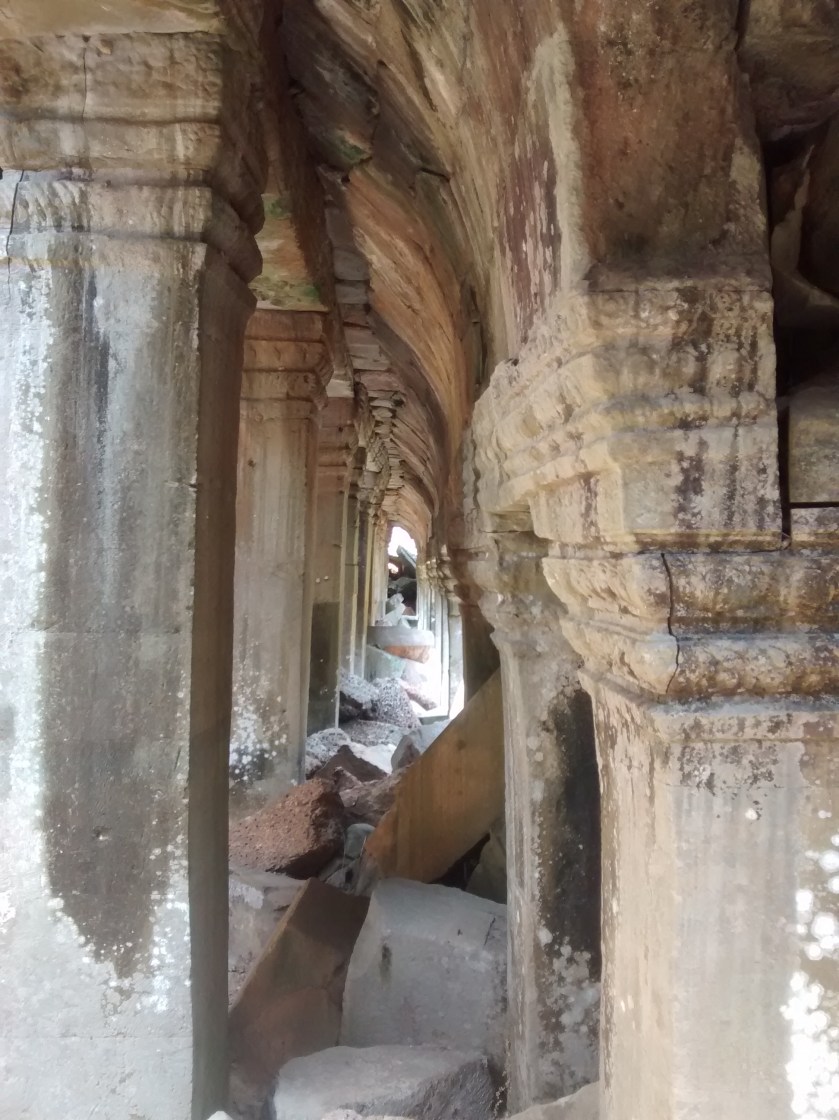
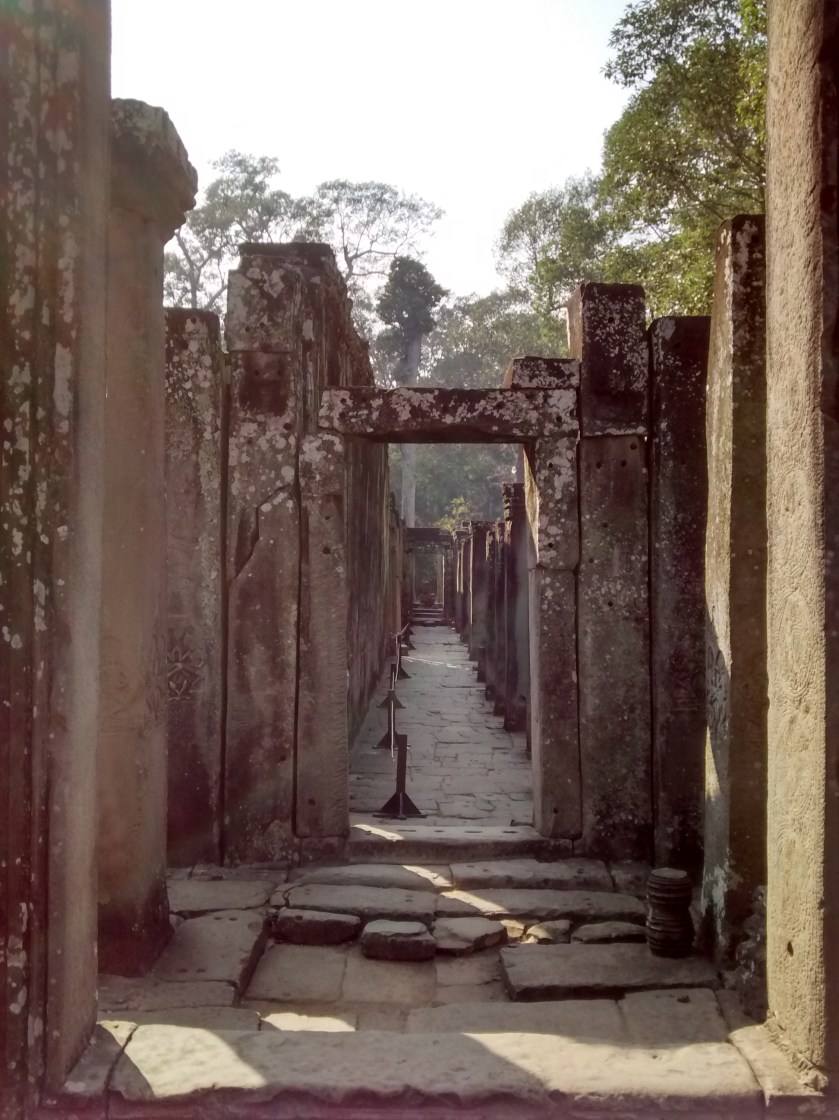
Ruined ancient passageways.

What stories have they seen unfold, what secrets do they hold? And if a passageway is restored, can it still claim its witness when the stones are reassembled?

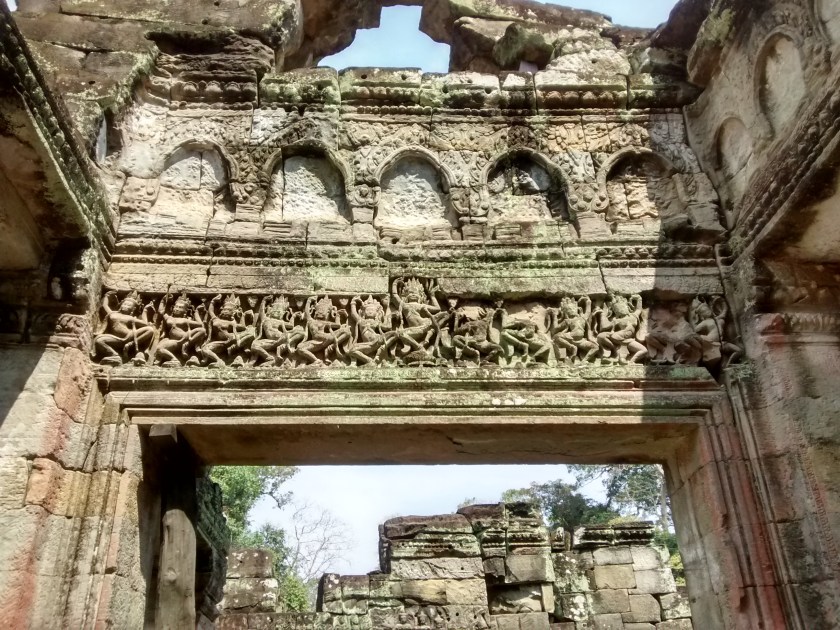
Entering the so-called Hall of the Dancers.

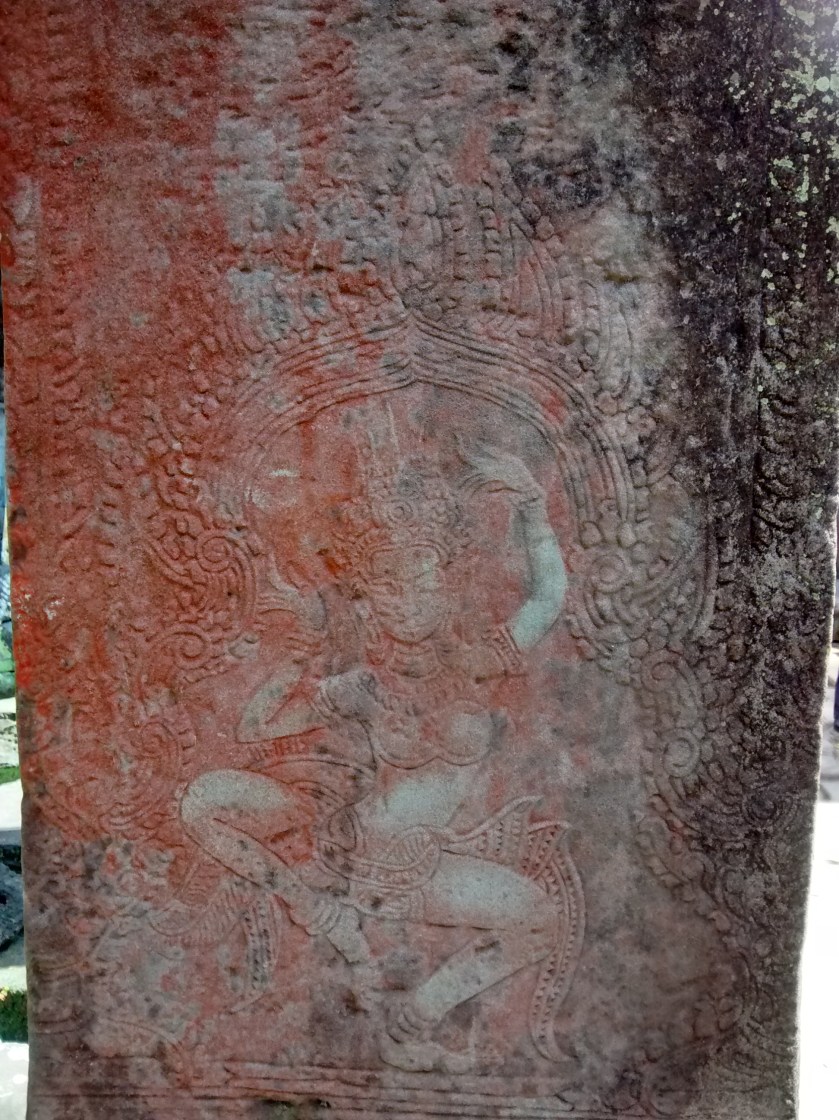
So called because of the number of lintels that featuring bevies of slinky apsuras.

There were originally figurines of the Buddha in those recesses above the dancers. But future rulers would revert Angkor from Jayavarman VII’s Buddhism back to Hinduism, and Jayavarman VIII, in particular, wasn’t ‘aving any Buddha. Out they came.

Fat good it did him. Cambodia has now been solidly Buddhist for centuries.

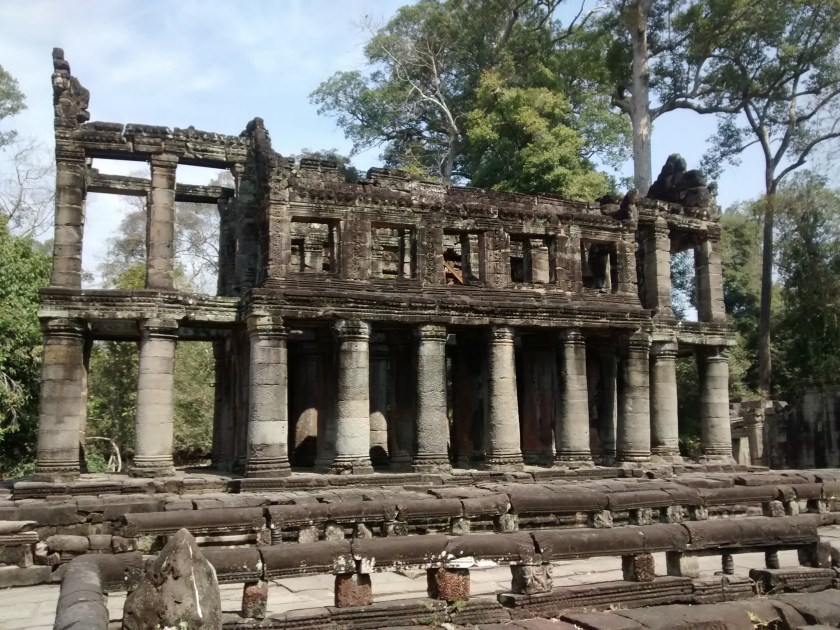
Yes, we’re still in Cambodia – not Greece. What this rare two-storey building was used for is unknown. But cultures from the Mediterranean to Japan were part of a great web of trade and influence in the first millennium AD, and religious beliefs, art and architecture were reaching places like Cambodia directly or indirectly. Globalisation is not just a modern idea designed to get populist fanatics ranting.

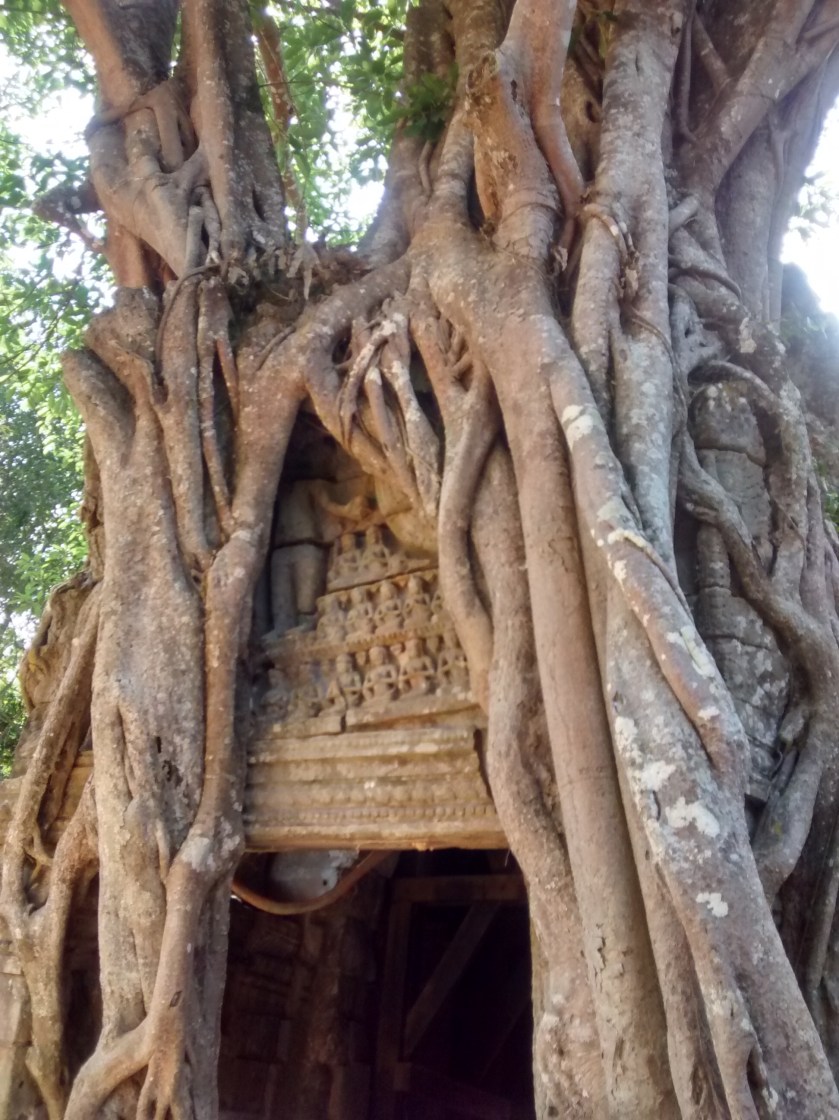
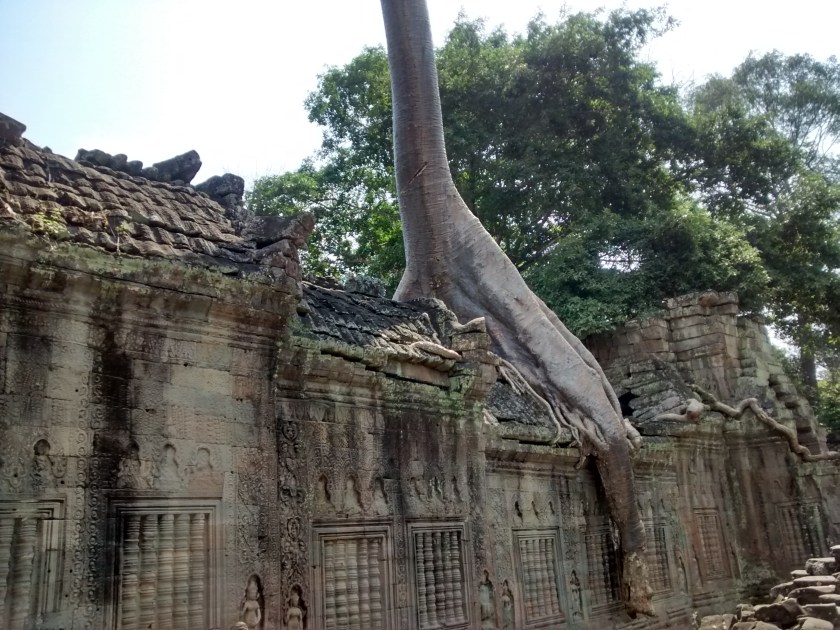
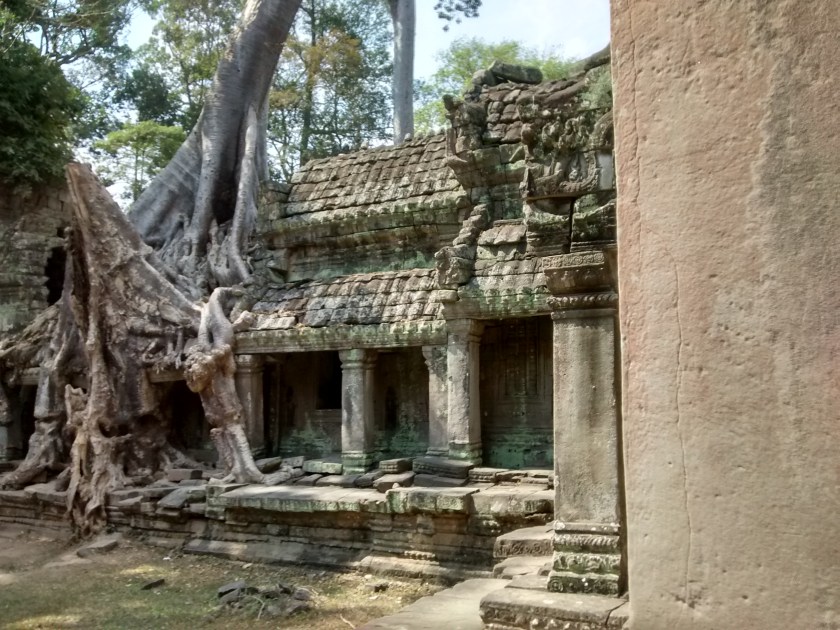
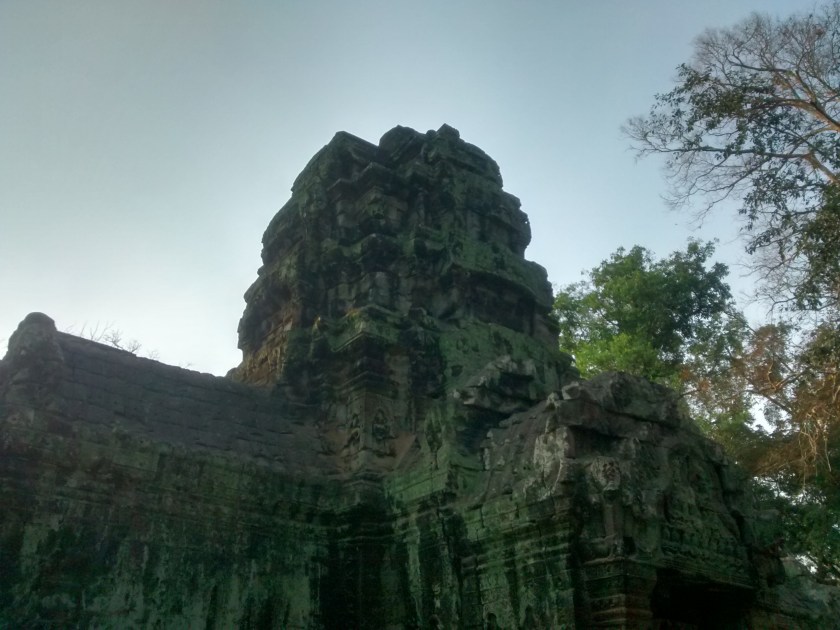
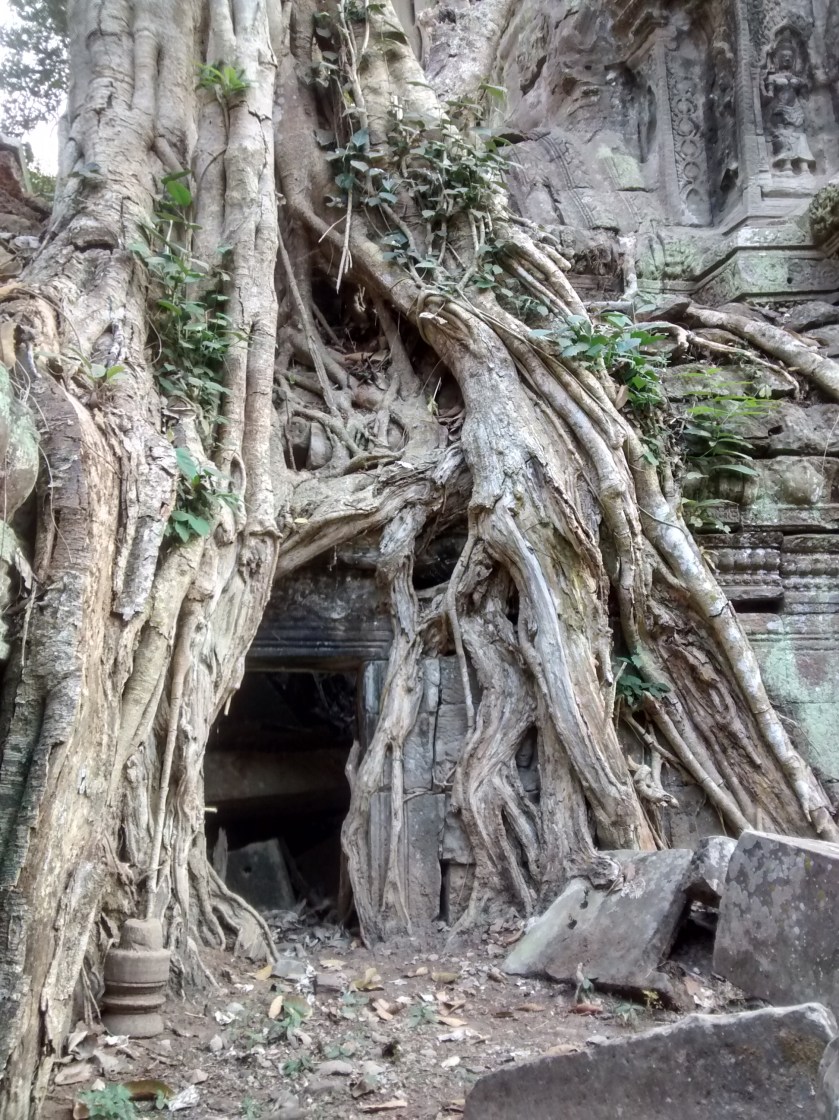
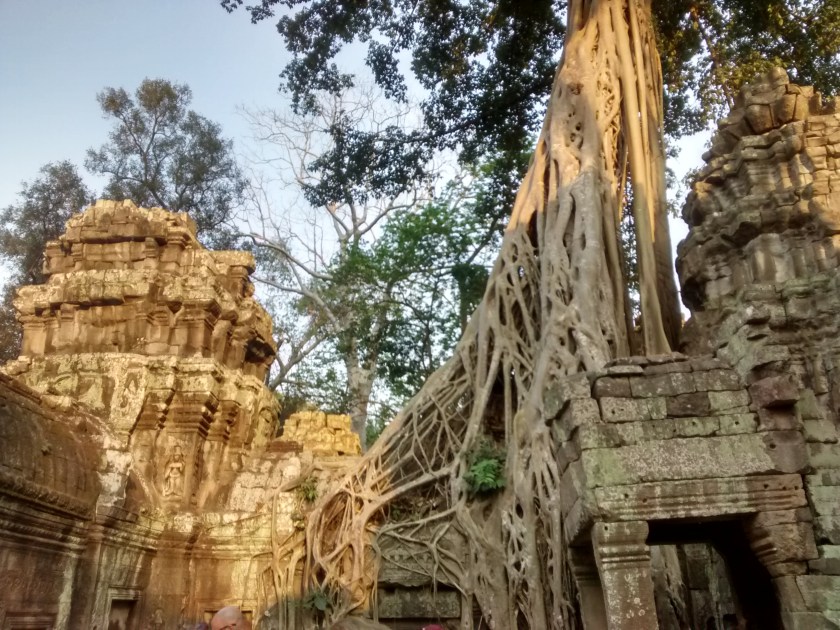
Still the Angkor Archeological Park – not Jurassic Park. Those are silk-cotton trees, the forest clinging on to its age-old dominion on the ancient temple. Freeman and Jacques believe that the trees are so old, they’re going to fall…

Better leave then. Out through the east gate, and after we run the gauntlet of the poor young trinket sellers on the long dusty path out (I couldn’t shake mine off so I bought two “silk” scarves for $3) we reach the other causeway, more nagas and tug-of-war, and the serenely flowing moat.

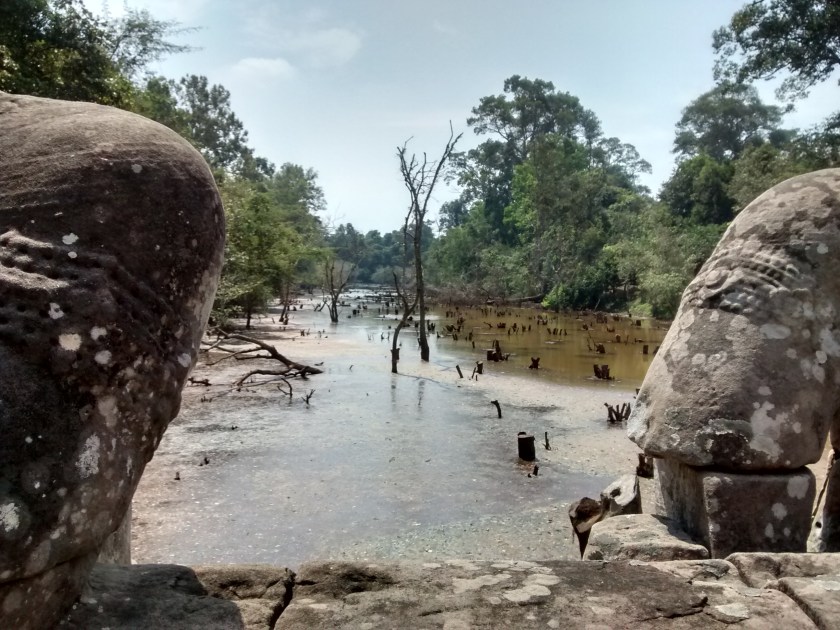
Except that it doesn’t flow under the causeway. The passageways are blocked. The other side is stagnant.

Dead trees, lost memories, faded faith. A world of wonder stirring again and finding new life in the imagination of humankind

Angkor – two

While we make our way through the vast wooded space that is now Angkor Thom, a tip if you ever want to visit the Angkor monuments. I’d strongly advise a visit to the Angkor museum in Siem Reap. Eight small and well-presented galleries of statues and figurines will give you a good grounding in the history of the Khmer empire, and also in those aspects of Hinduism and Buddhism that are relevant to the temples. Their 1000 Buddha gallery is worth a look on its own.

Our friendly tuk-tuk driver tells us we’ve reached the temples. Let’s get out and take a look.

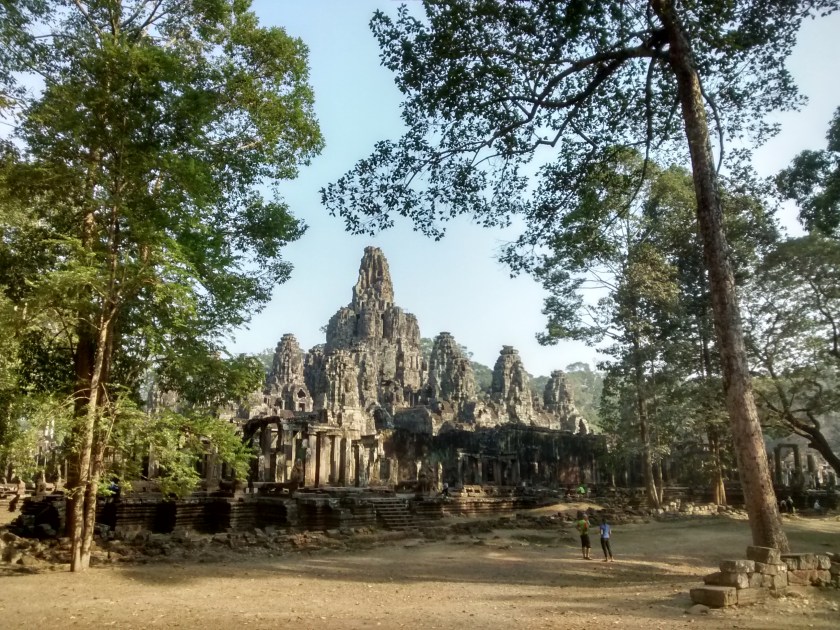
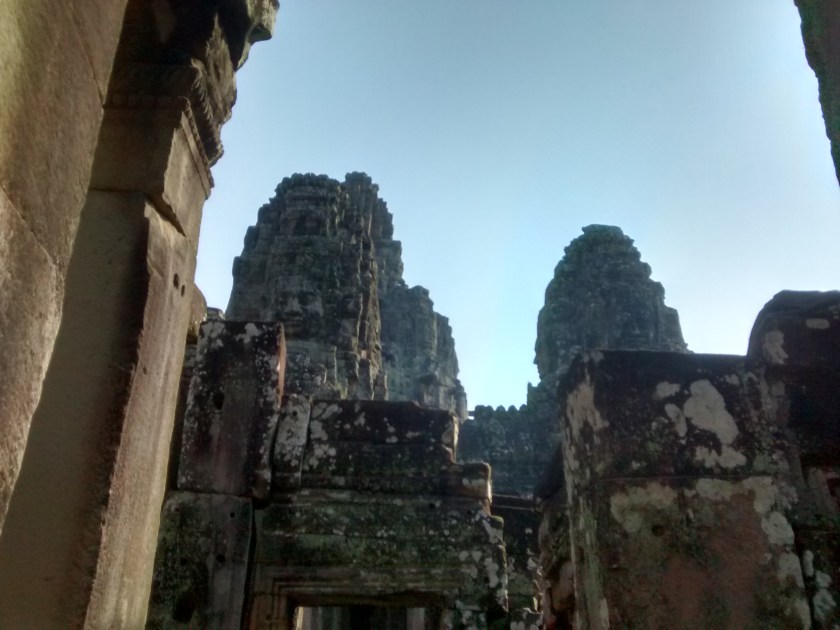
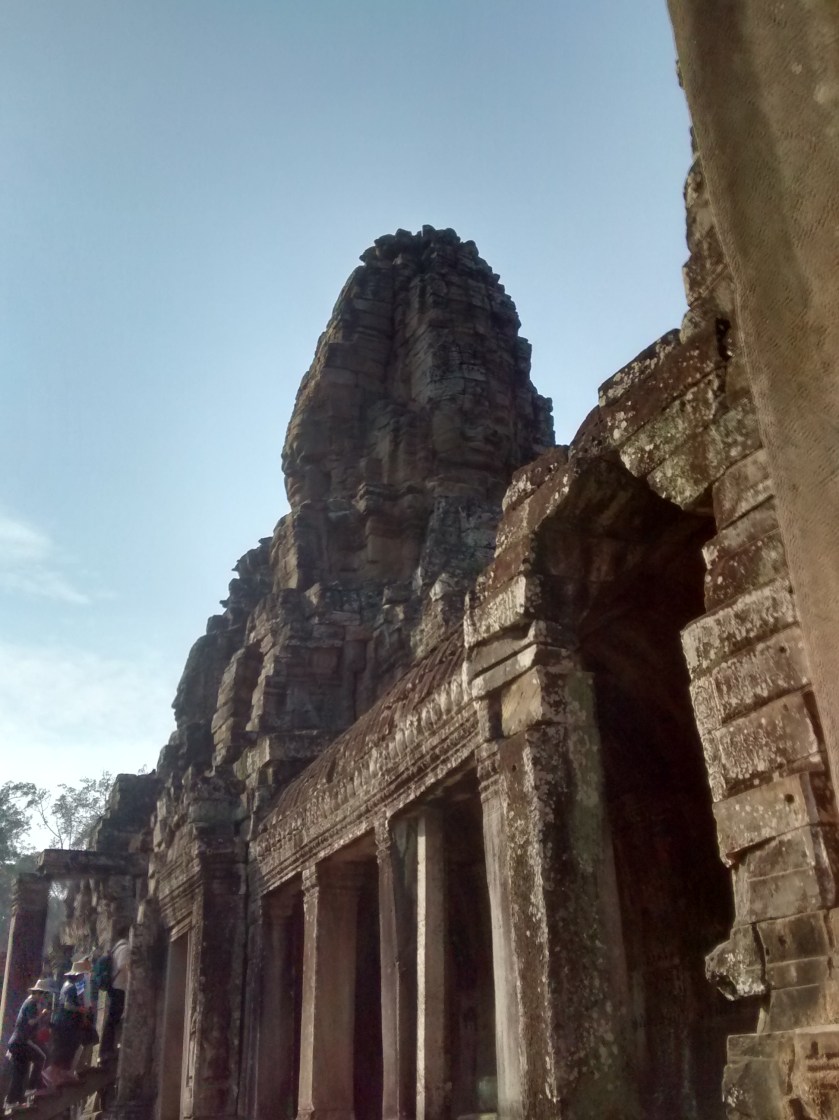
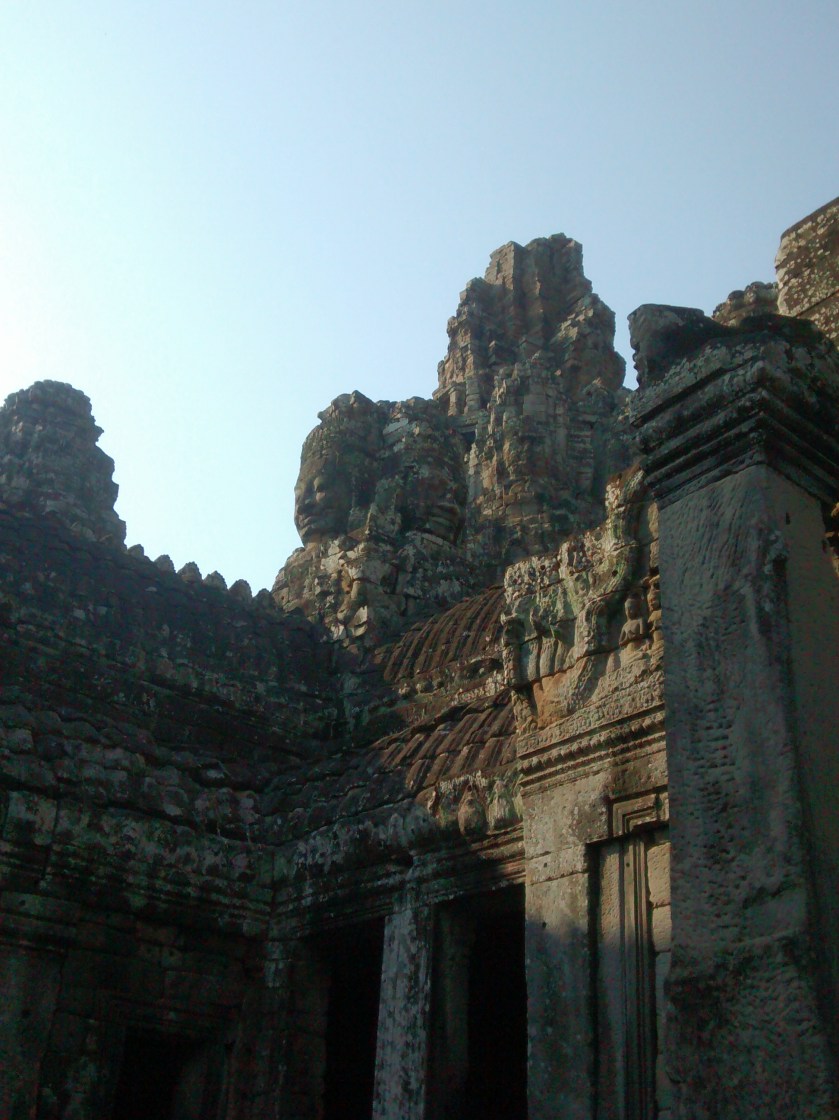
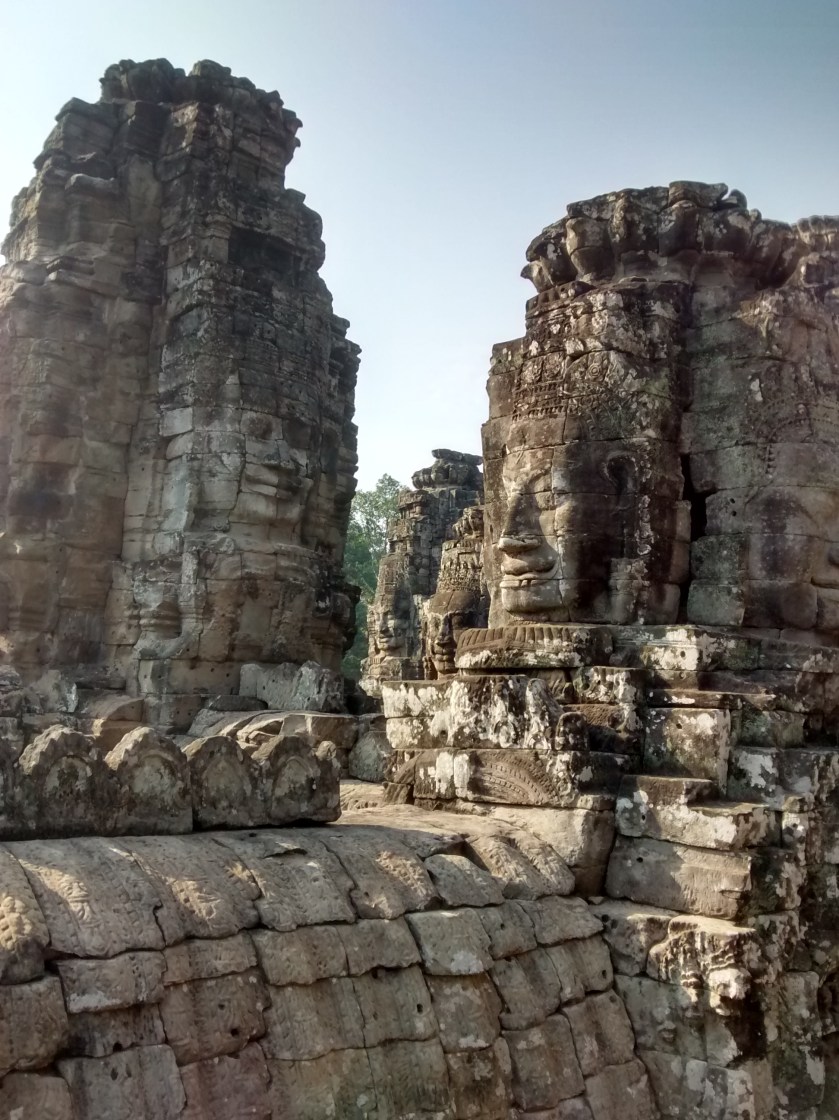
The Buddhist temple of Bayon, 12-13th century, built by Angkor’s most revered king, Jayavarman VII.

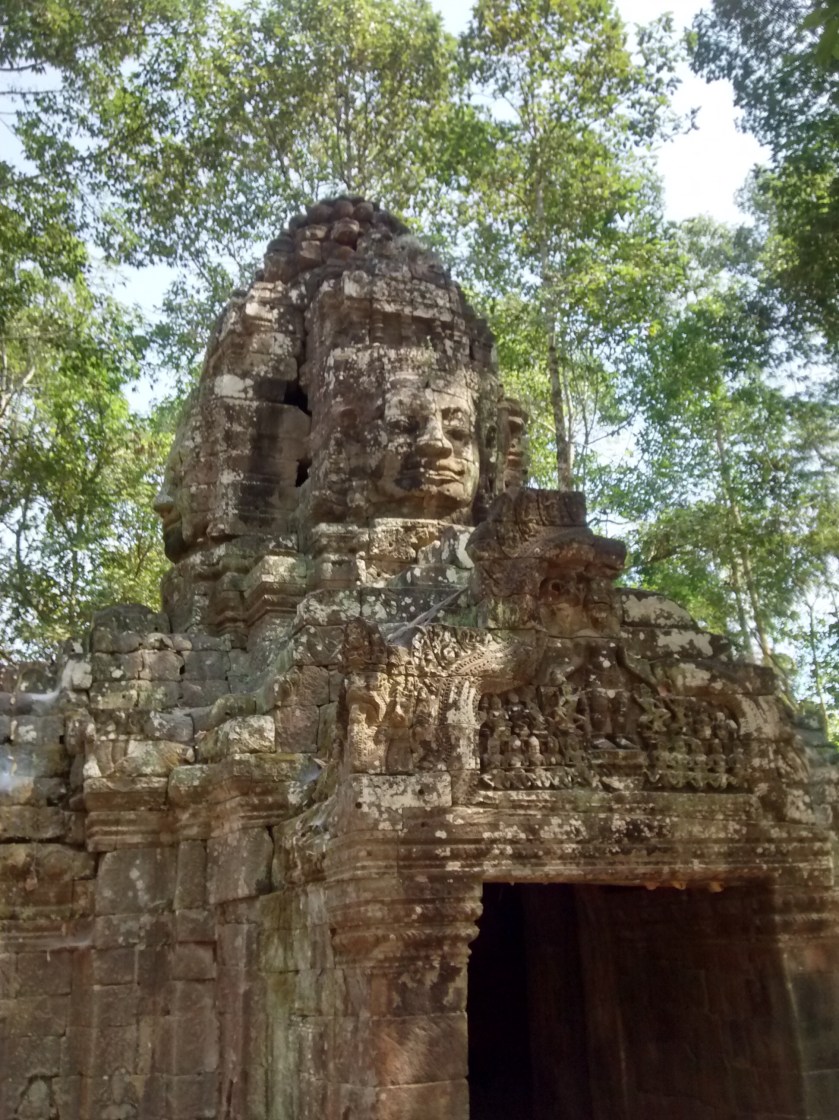
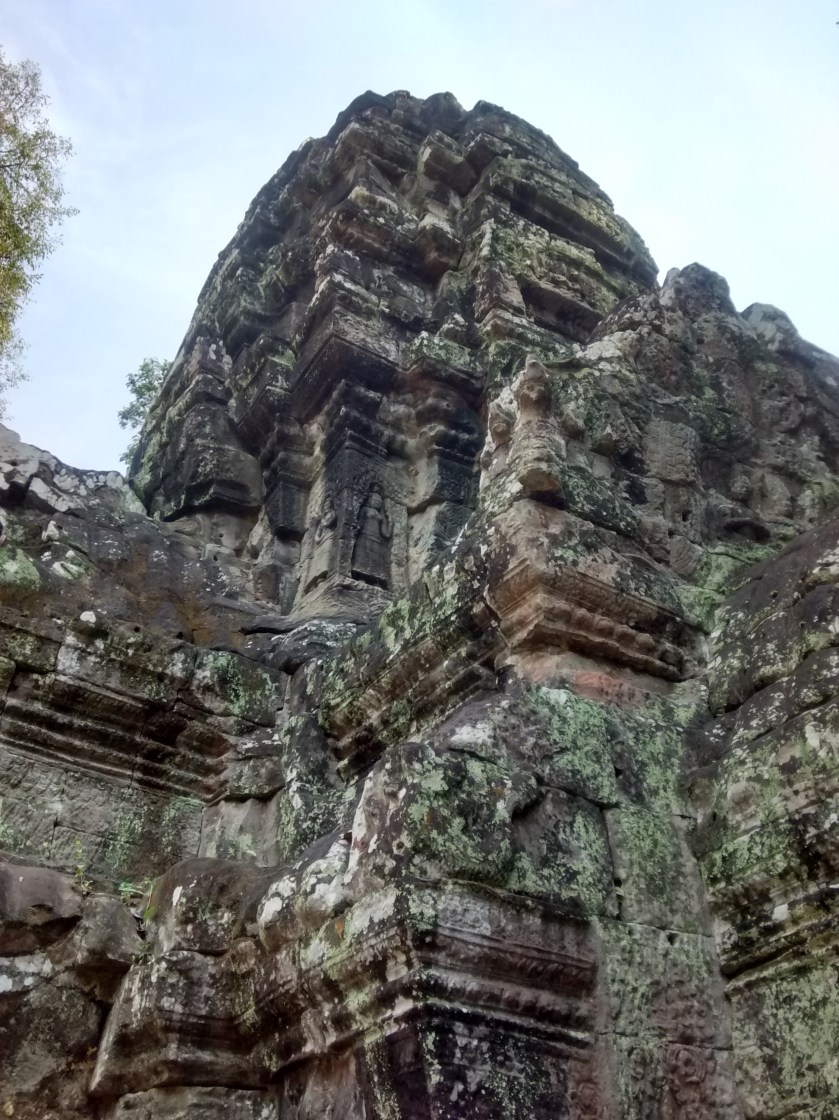
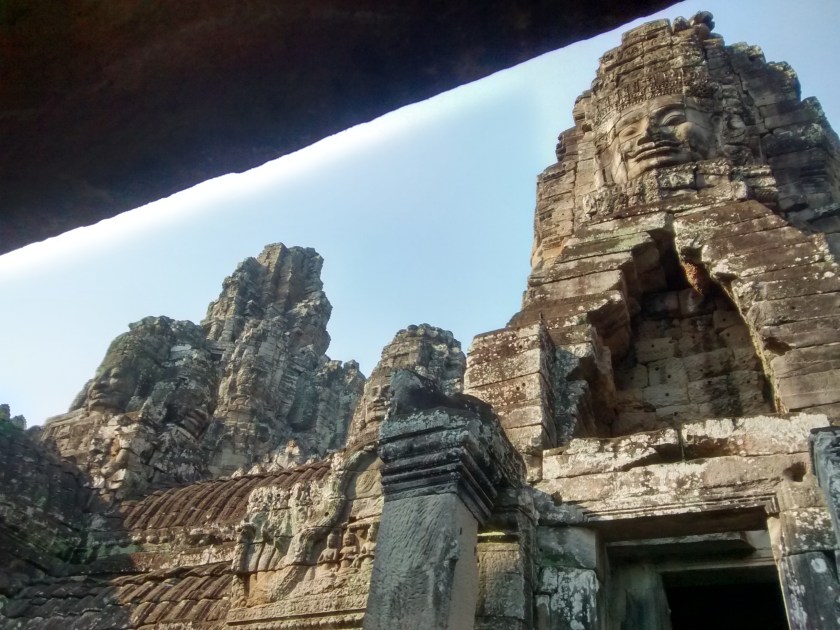
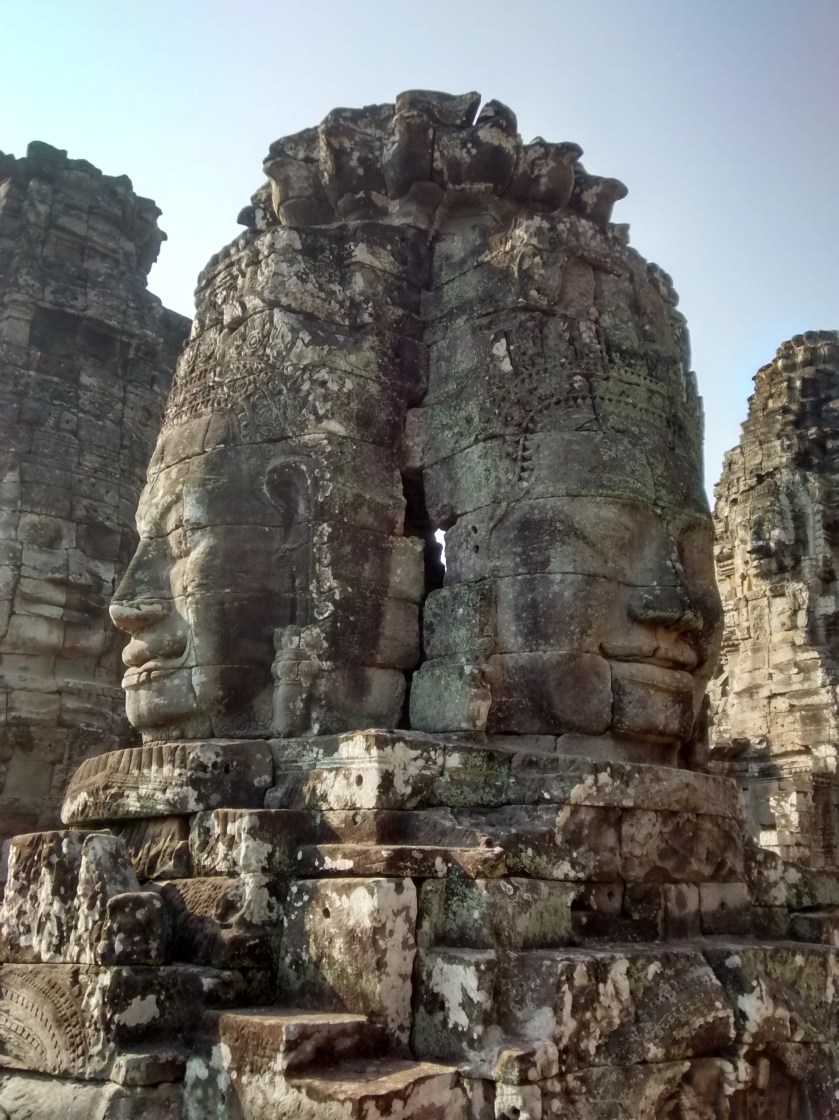
I promised you more faces. Bayon has dozens of them. Four faces on each tower, each serenely gazing out in one of the four cardinal directions.

Angkor Wat is the big drawcard, but the other temples, smaller and more enigmatic, also draw the crowds.

Mind your head! (I didn’t always.)

Who is it? A Buddhist bodhisattva, more-or-less a saint, here themselves personified by Jayavarnam VII himself.
Sublime.

Unfortunately, more crowded than these pics let on, and getting up the steep terraces can be quite a scramble even with the modern steps. So, after being unceremoniously shooed out of the photo line of one group of tourists, I got out.

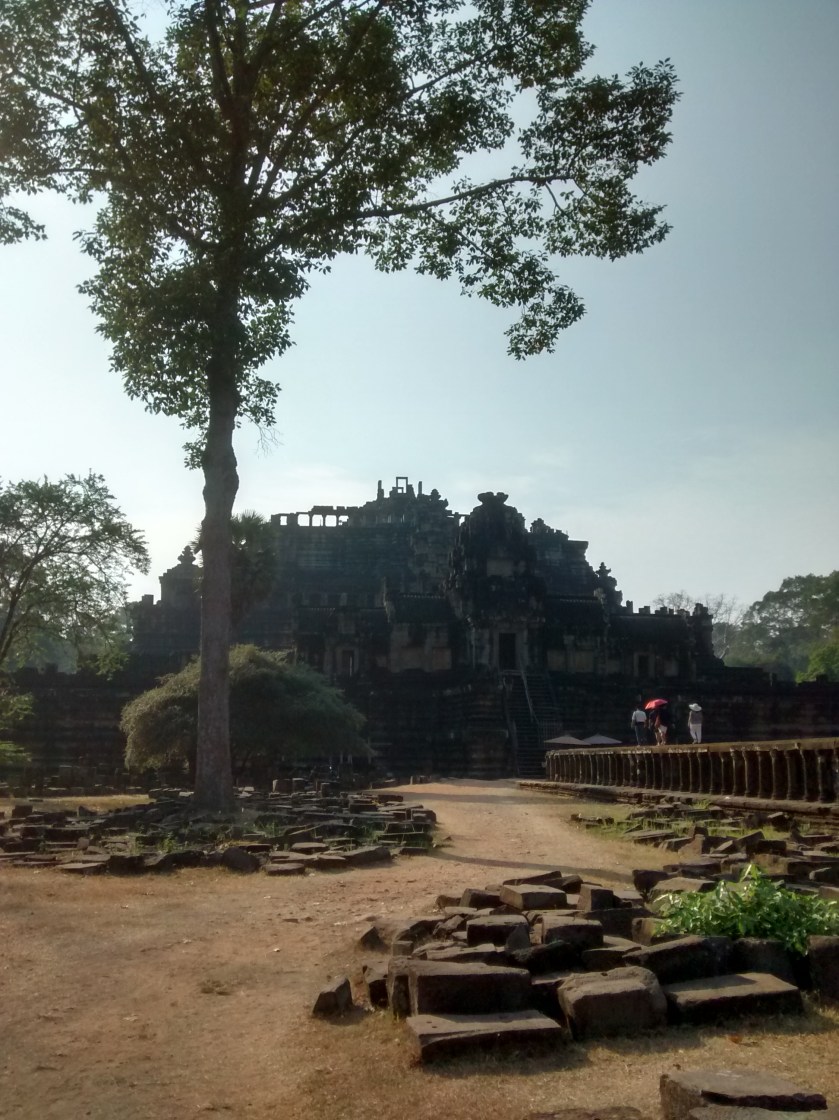
A ten minute walk to the temple of Baphon, where I was beginning to succumb to the common Angkorian condition of being “templed-out”. So out of Angkor Thom, and on we go.

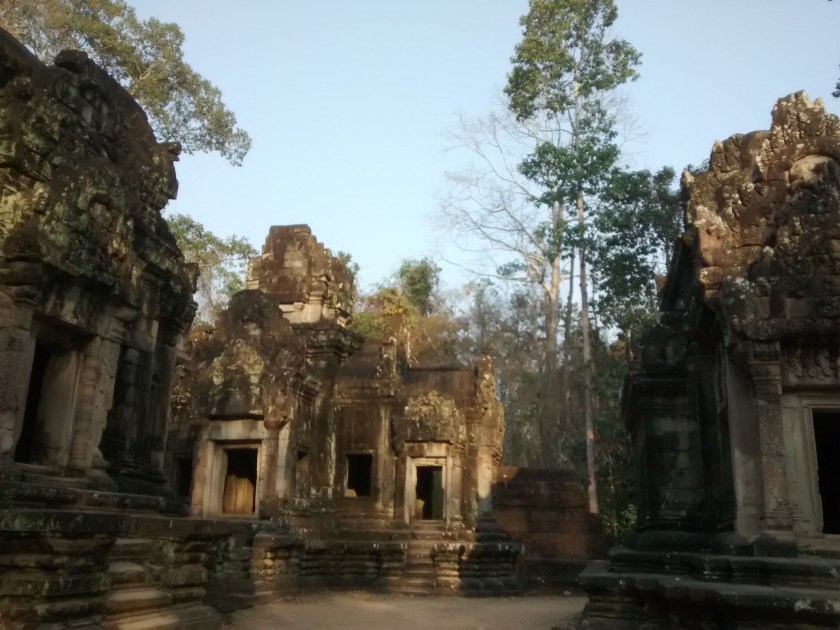
Next to Thomannon, a delightful and rarely-visited temple with its own atmosphere and in its own enchanted spaces.

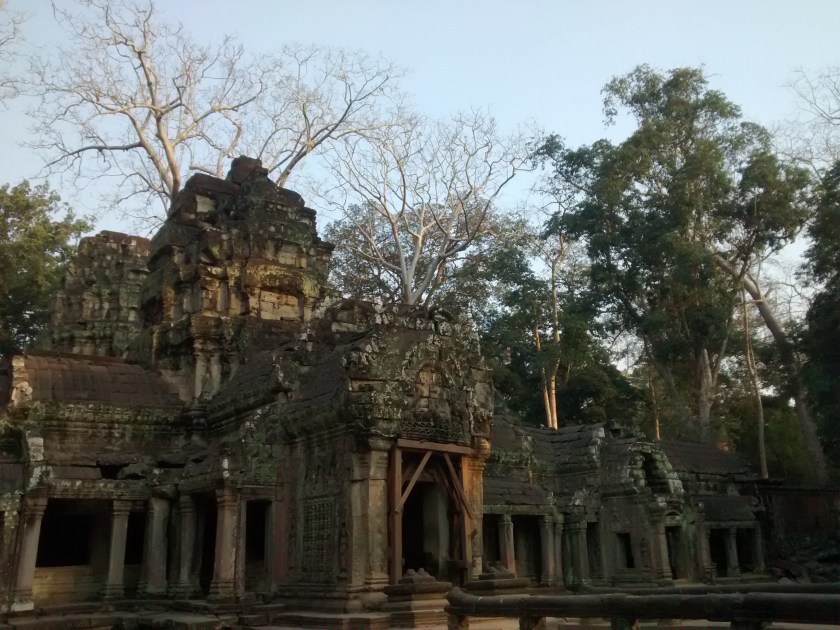
Time’s running late – the park closes at 5:30! – so with an hour to go, we rush on to Ta Prohm. The one with the banyan trees.

The French – never ones to appear arrogant at all – decided to leave one of the temples unrestored to show what the lost city looked like before they turned up. That temple was Ta Prohm.

Not a bad idea. Naturally Hollywood came calling…

On the right is the top of the temple entrance from the Tomb Raider films. Not the full view – I don’t feel comfortable photographing people without asking them. And there was quite the crowd here.

Note how the light is changing on the temple walls. Of course, the really big ticket here is witnessing Angkor Wat at sunrise or sunset. Maybe I’ll give it a go in the two days I have left on my site pass.

Because, as exhaustive (and exhausting) our tour has been today, we have only followed what is known as the Small Circuit.

There’s a Great Circuit as well.

Told you this place was big.

Angkor – Wat.

Cambodia.

A different destination to the normal. Rawer, poorer, more troubled, not many holiday destinations have undergone a genocide within my lifetime. But certainly friendlier than most places I’ve been to.

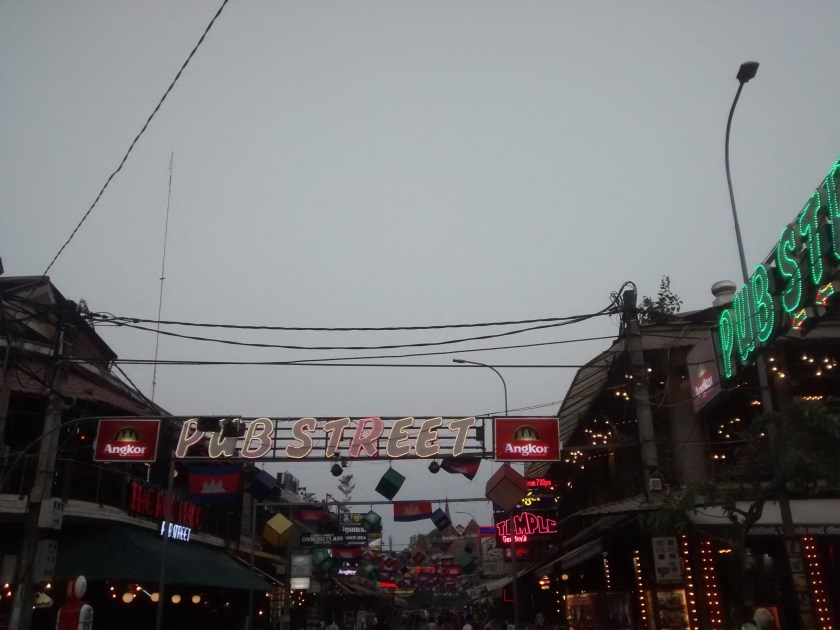
We start in the north at Siem Reap, the centre of the country’s tourist industry. Once a small village on the river, it’s grown into a lively backpacker hotspot full of boutique hotels, all-bases-covered eating places, and pulsating bars. Hence Pub Street, the Ground Zero of all the fun.

You get the feeling that Cambodia’s miserable recent history has left it well behind its neighbours and it’s desperately trying to catch up with Thailand and Vietnam. We’ll tease out some of that tragedy as we go on. We have no choice here, it’s unavoidable.

But why are we in Siem Reap? Why is everyone else? Because Cambodia did have a golden age, and it left us one of the wonders of the world…
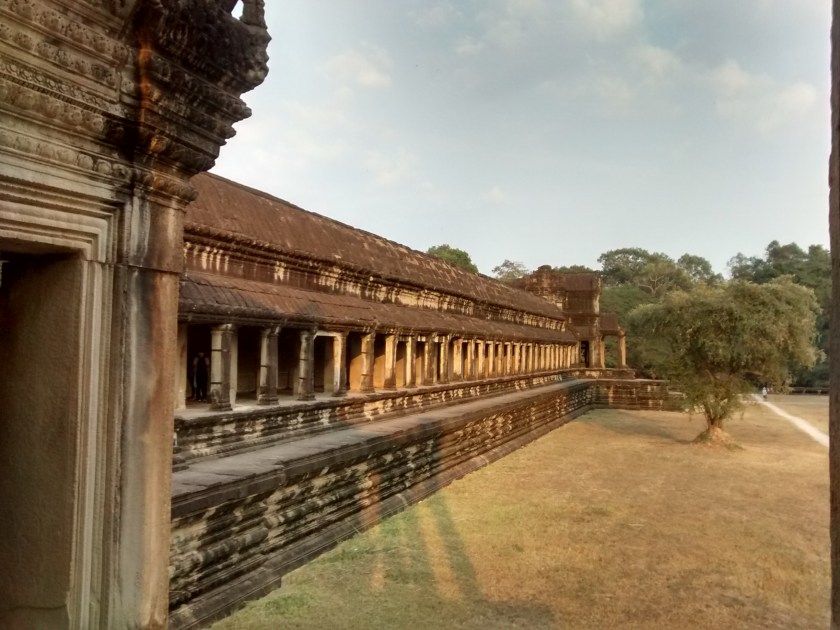
The majority of Cambodians are Khmers, and after a millennia of Indian influence the Khmers felt ready to establish a mighty Asian empire from about the 9th century AD. The empire had evolved from a number of city-states, so they gave it a name based on their word for “city”.

Angkor.

Soon the capital ended up about 4-5 miles north of Siem Reap. And what a capital it was. 77 sq miles of royal palaces, Hindu temples, hospitals, schools, irrigation, possibly the largest city of its time, anywhere.

Sorry, we should say “what a capital it is“. Because although the wooden houses and the rest gradually vanished after the empire fell in the 15th century, the majestic temples remained, although they fell to ruin and were reclaimed by the rainforest as the centuries passed. The French, who like that sort of thing, colonised Cambodia in the 1800s and set about their restoration. And today tourists from around the world come to gasp at their glory, or just gasp for breath getting around the vast site in the hot sun.

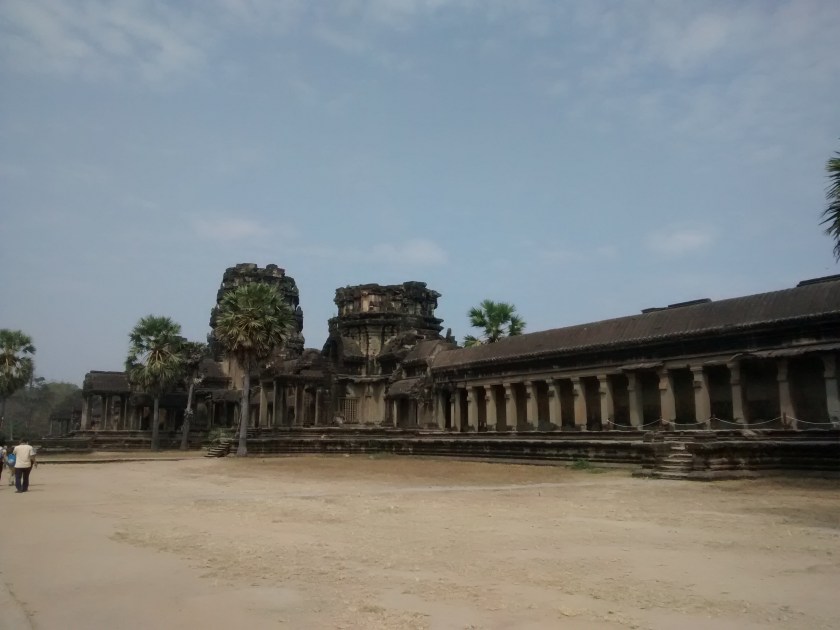
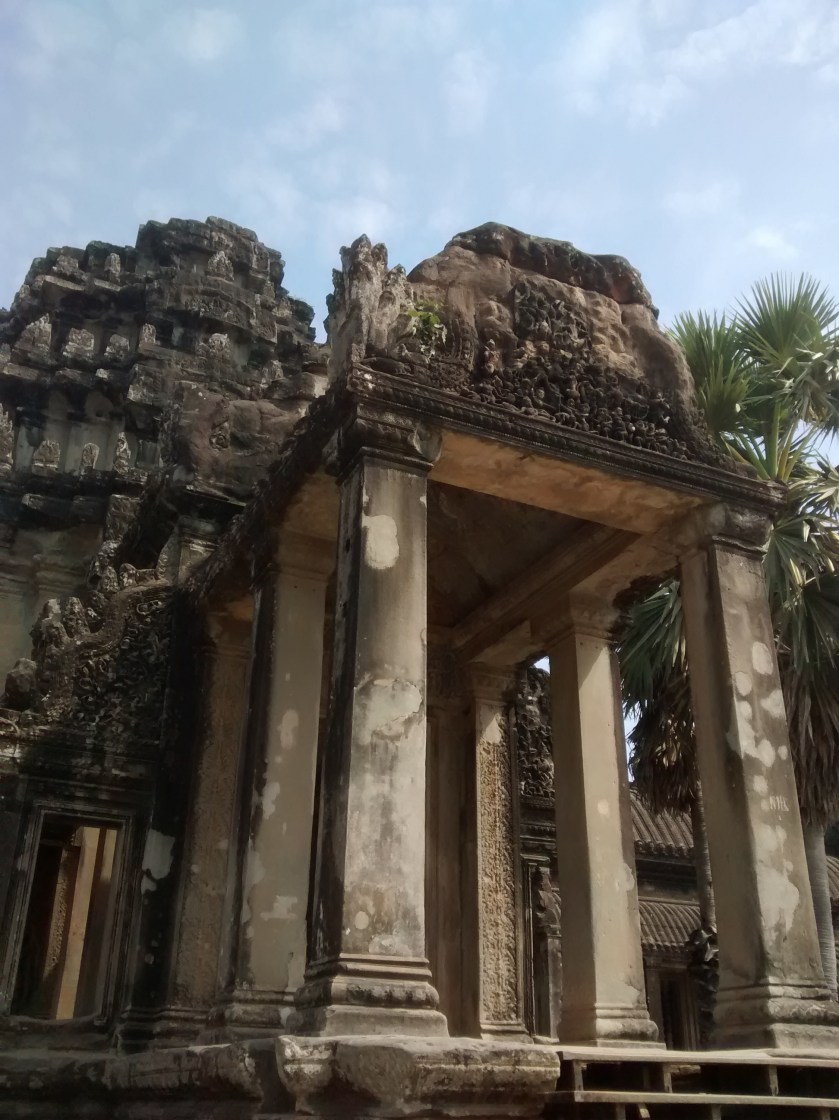
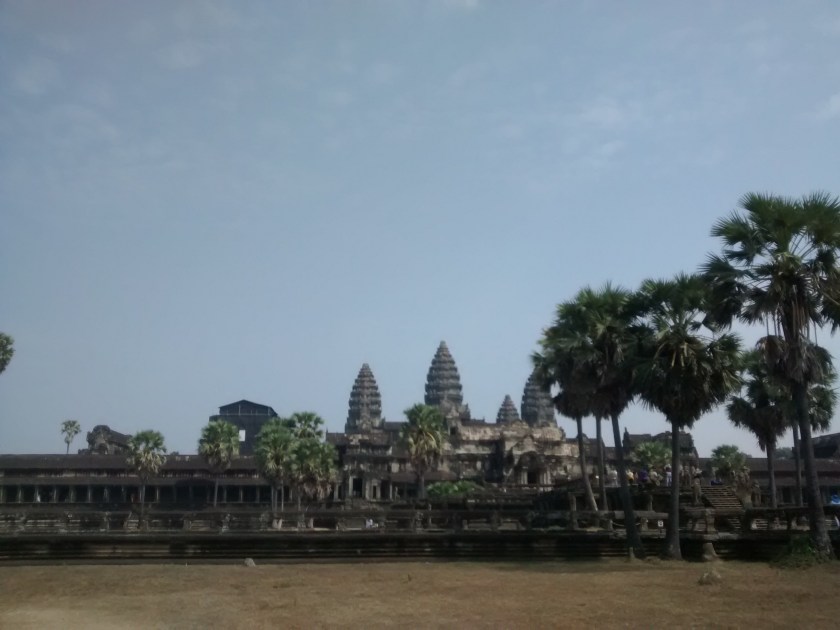
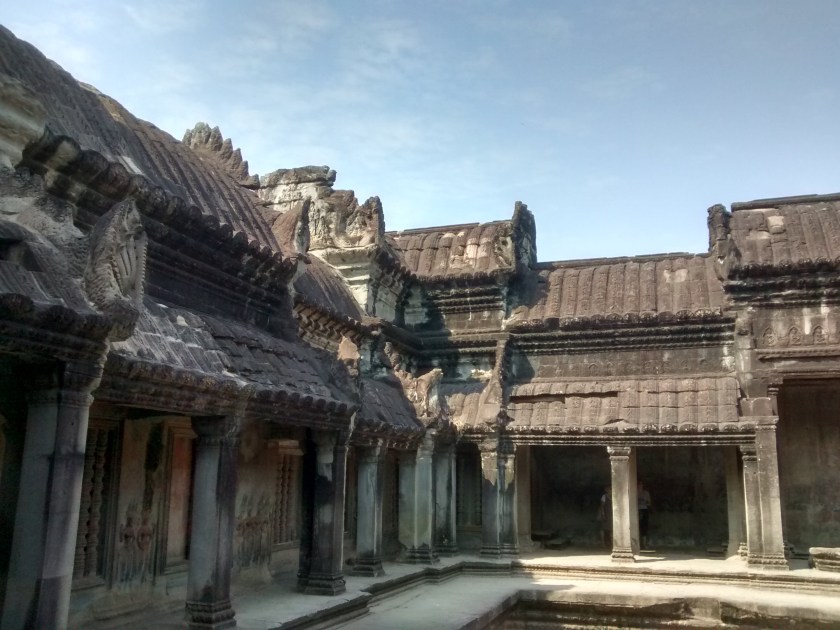
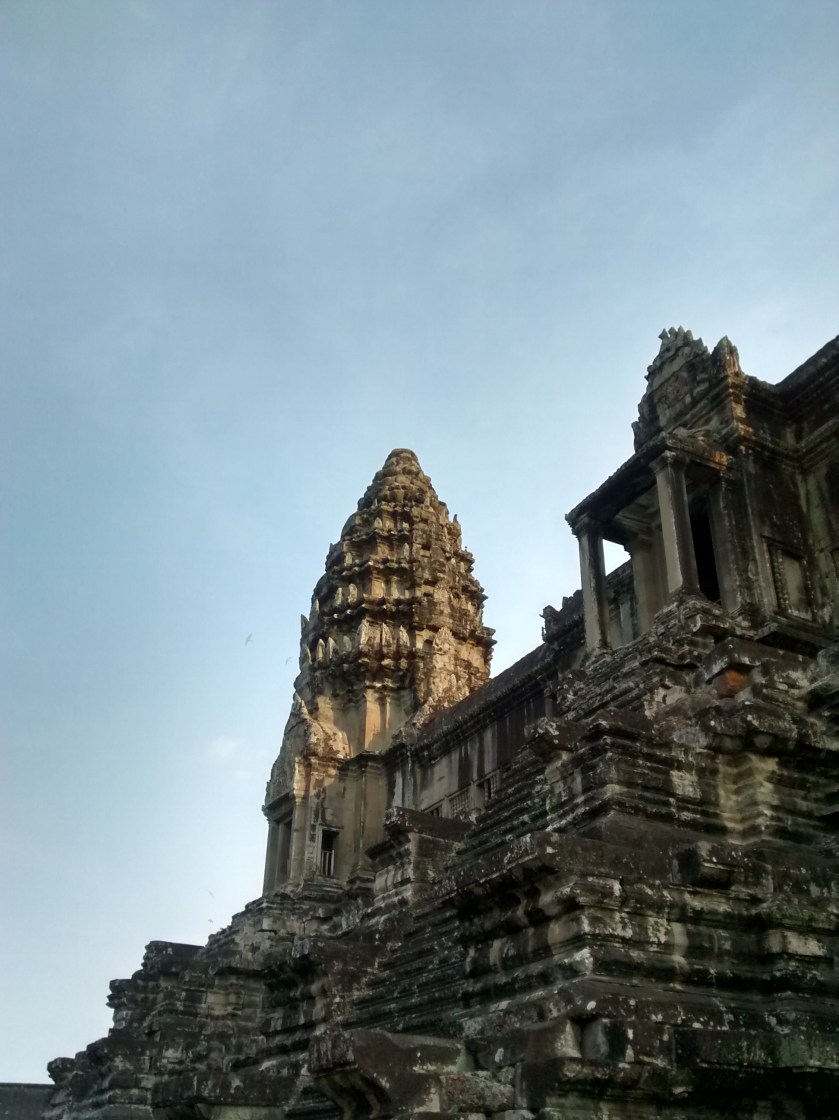
Fortunately the tour starts with what most people come to see. Founded in the 12th century as a Hindu temple, later converted to Buddhism, but still retaining its wonderful Hindu engravings along the walls of its endless side-galleries. The whole place feels endless. It’s the largest religious monument in the world.

It is, of course, Angkor Wat.

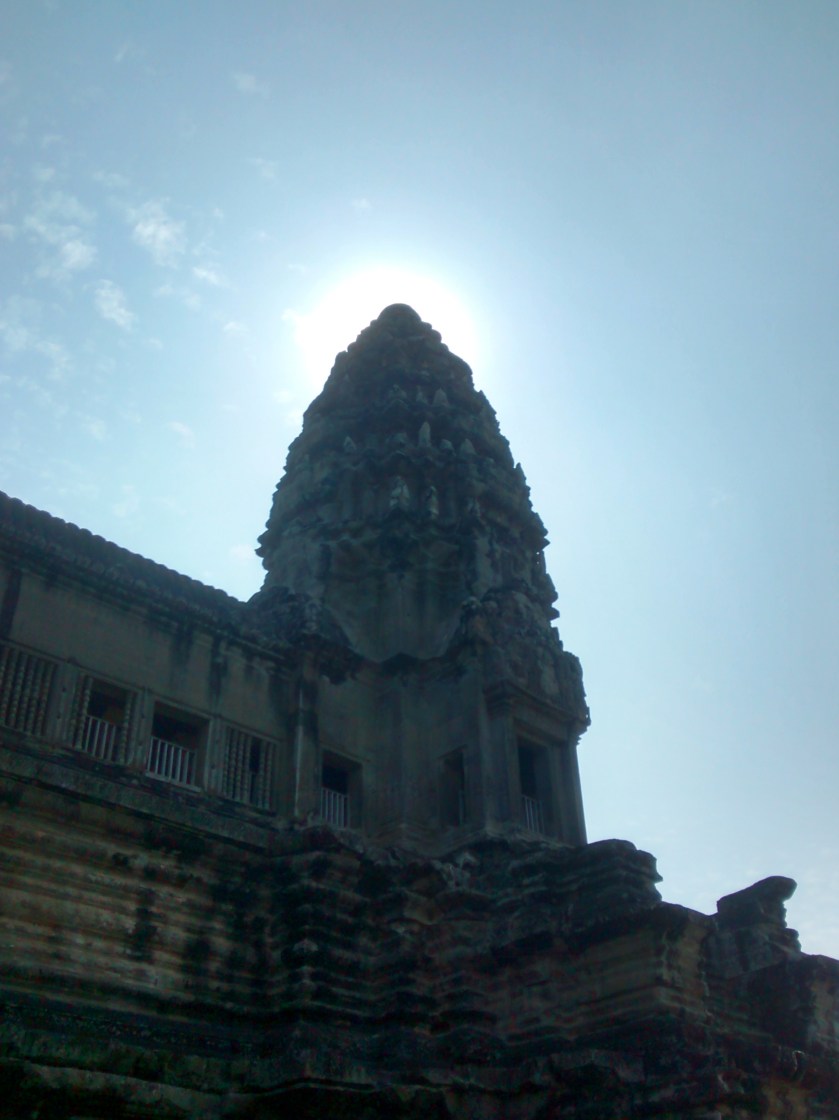
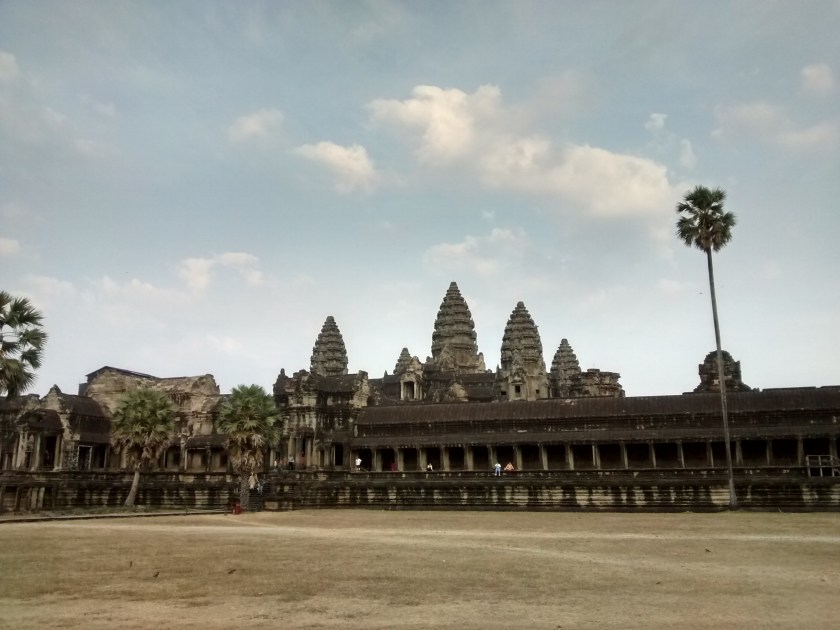
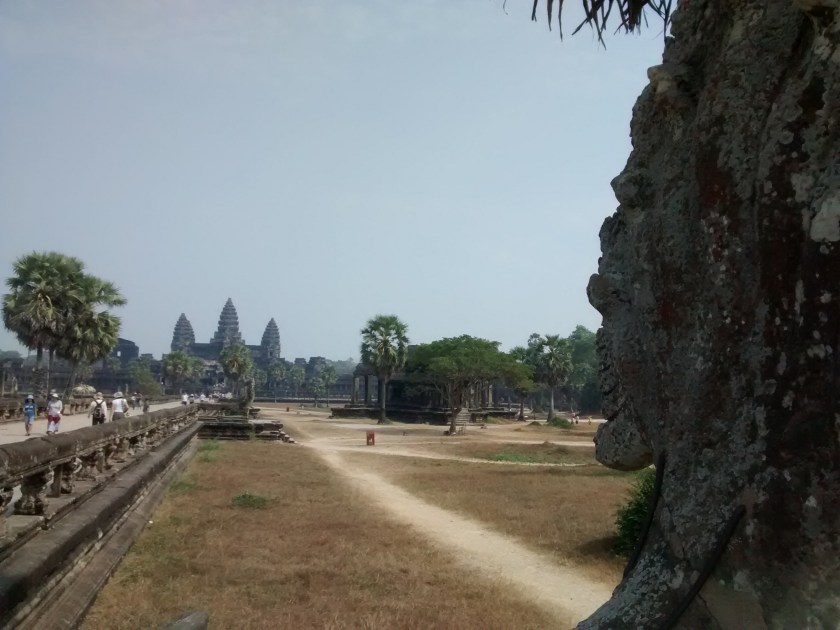
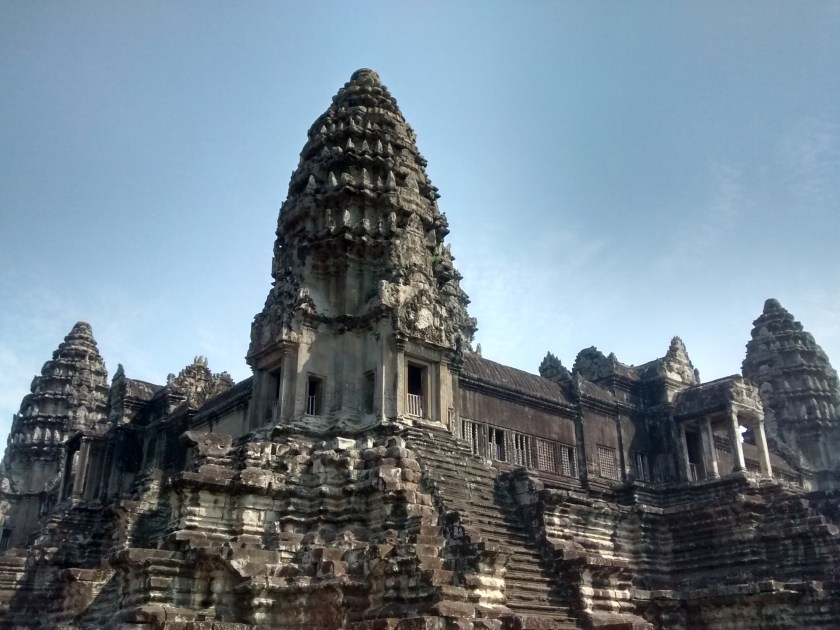
Those famous five central towers (well, four of them anyway) representing the mystical Mount Meru, a common theme in Angkor architecture.

The causeway into the temple is contemporary with it. The paths to the side are reconstructions of how the old town inside the outer walls might have looked. Oh, yes, we’ve already passed through the west gate of the outermost wall. Now do you realise just how big this place is?

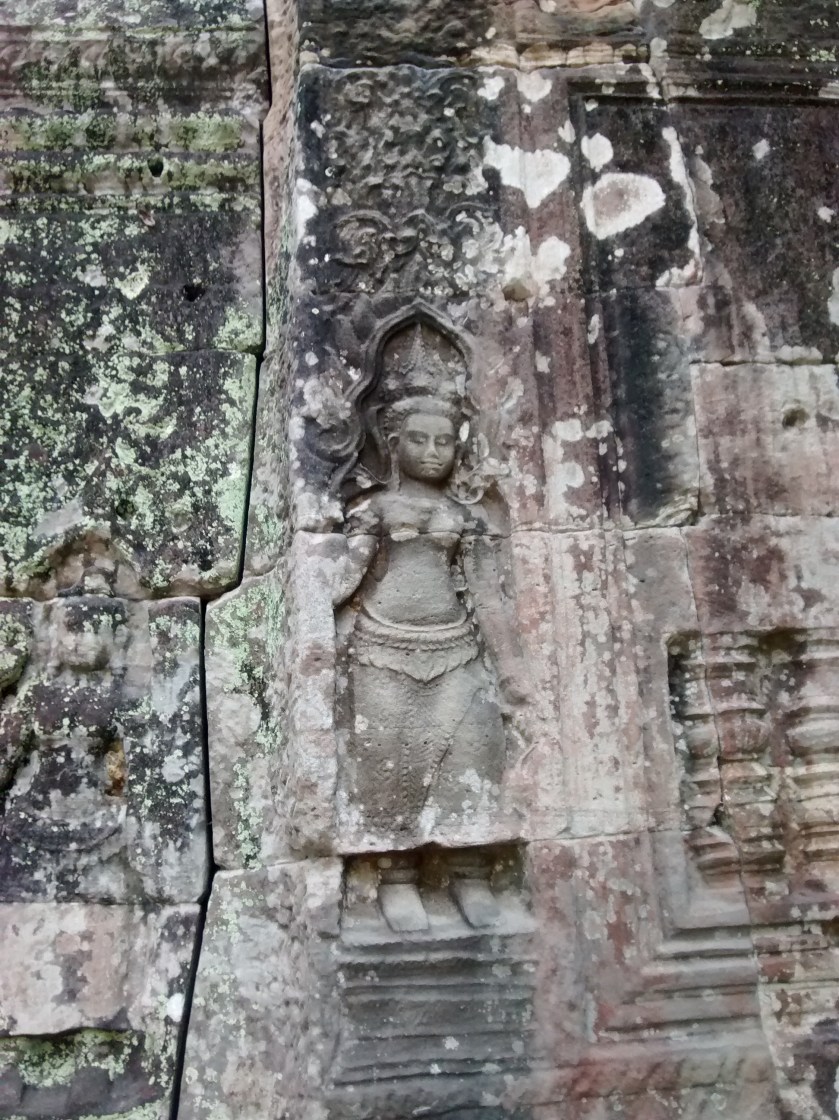
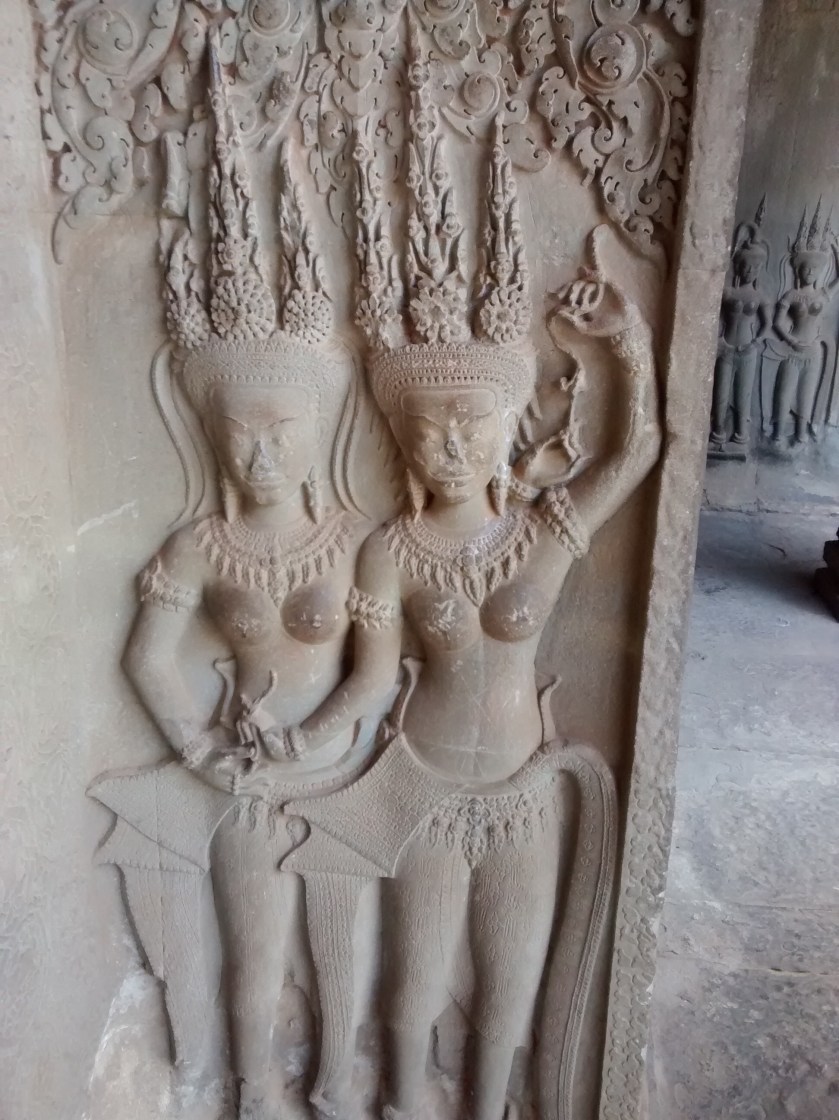
The legendary apsara dancers. The graceful tradition of Apsara has always been at the heart of Cambodian art and culture – even after Pol Pot got his blood-soaked hands on it – but the dancers themselves arise from Hindu mythology. More about that later, but here’s a clue – it involves a tug-of-war, grumpy demons, and lots of milk.

Ninety minutes would never do justice to Angkor Wat, but we have other sites to see. So back down that long causeway, out through the outer wall, across the famous moat – time to drop in to the old capital itself, Angkor Thom.

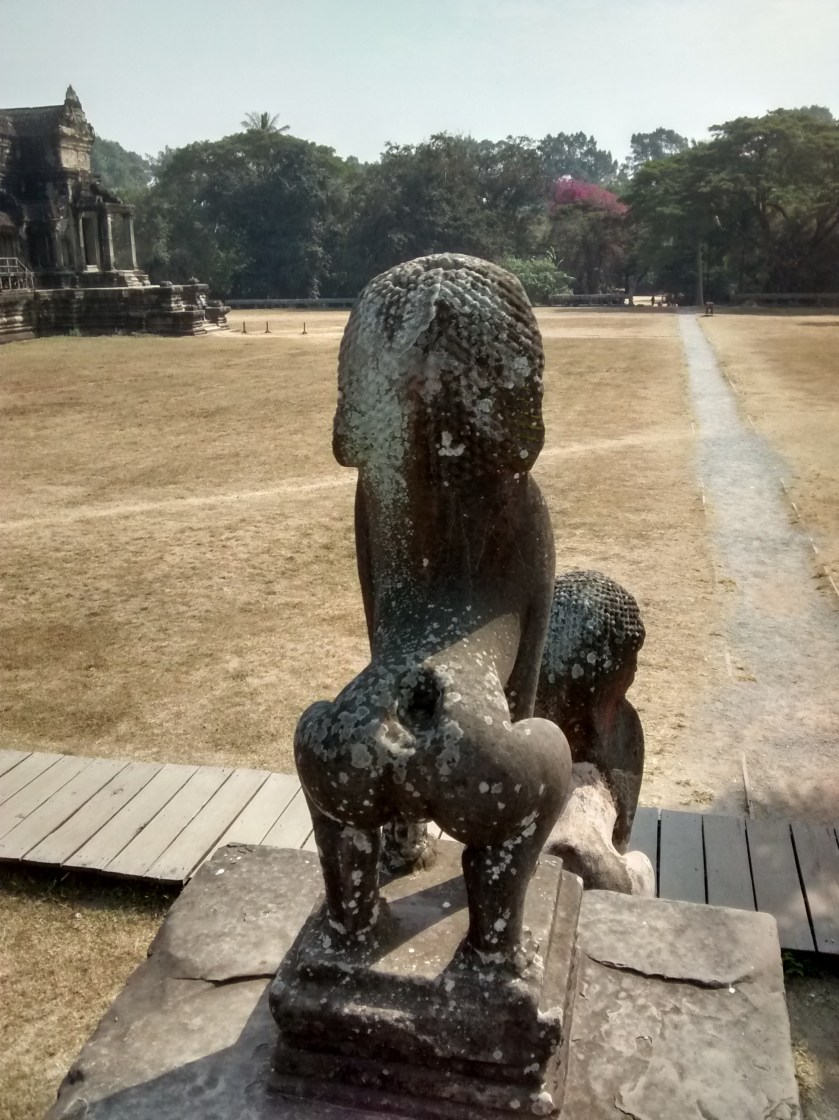
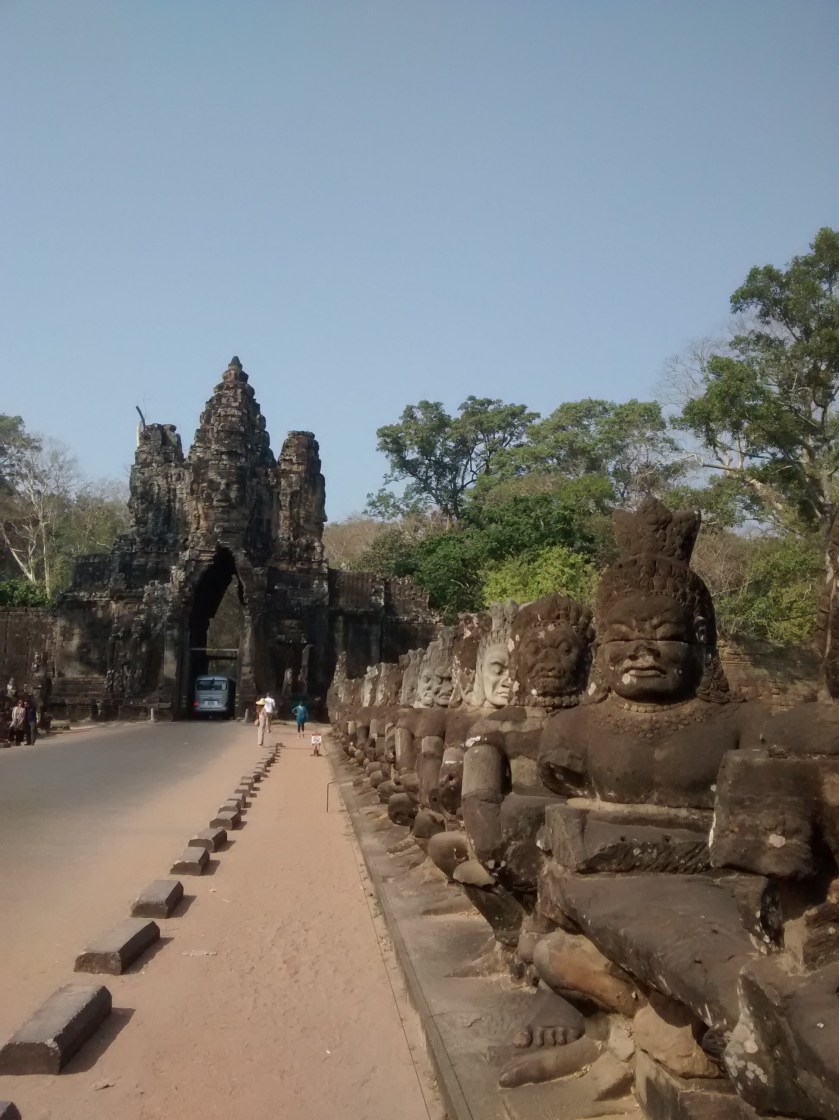
You’ve grasped how big the Angkor Wat site was. Angkor Thom was about four times as big. Most of that is now gone, replaced by scrubby parkland, the inhabitants replaced by cheeky macaques. Here’s the South Gate.

So, let’s deal with apsara then. You know sometimes, you don’t know how you did it but you come up with a plan. It might be an itinerary for a trip, or how to split a restaurant bill, or if you’re a Hindu divinity it could be to team up your fellow devas with the Hindu demons and pull on a snake to churn the ocean of milk and release the elixir of life. Or you might just stay in and watch TV.

They were at it for a thousand years, demons on one side, devas on the other, snake wrapped around another mystical mountain, mountain churning the milk. Mountains are heavy, and so one of the gods very sensibly supported its weight, by becoming a tortoise.

Eventually the milk was churned, the elixir was produced, and amongst many things that flowed out, out flew the first apsaras.

Demons, right? Clue’s in the name. They were supposed to share the elixir but they reneged and tried to grab the lot. The gods weren’t pleased and gave their share to the saintly devas. See the demons, on the right, still pulling that snake. Look at their faces. Not happy.
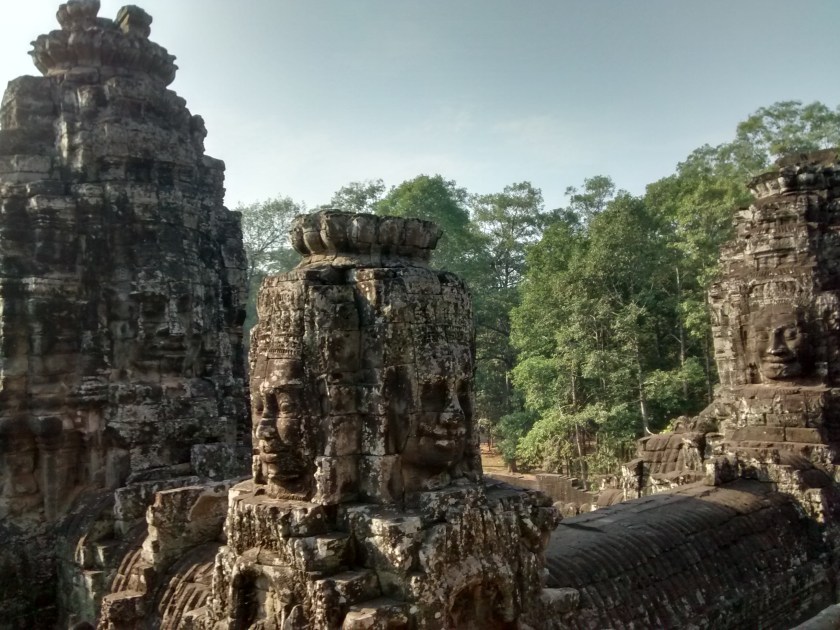
Talking of faces, can you make out the one in the gate? Look closer. No? Ok then, no worries, there’ll be a few more in my next post!
Last from Switzerland

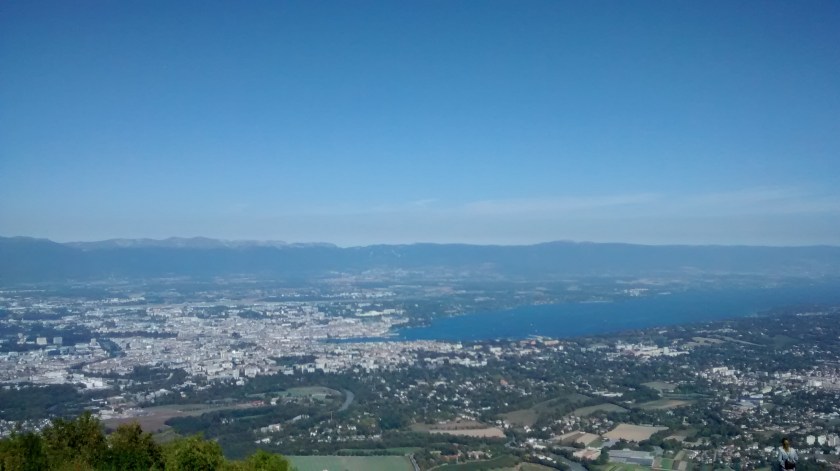
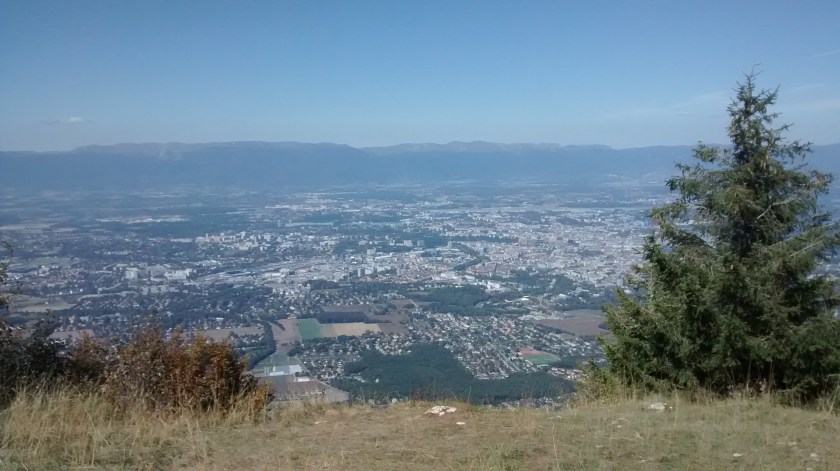
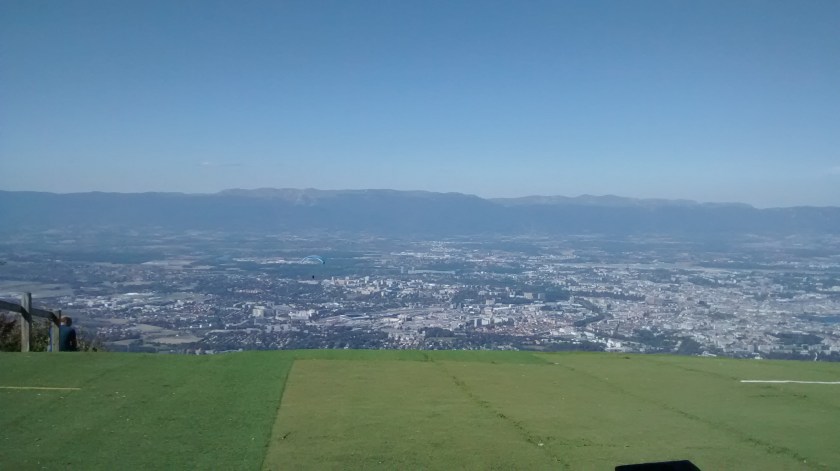
Rising more than 1000 metres above the city, the cliffs of Mont Saleve are known as the Balcony of Geneva. You can hike across its woods, you can even hike up it, or you can just come for the stupendous views of the town, the lake, and the surrounding mountains.

We’ll spend our last day on this trip up there, but we’ll be taking the telecabina to reach the top. First there’s the bus ride into the suburbs, then the short walk through the little town and across the level crossing to the station.

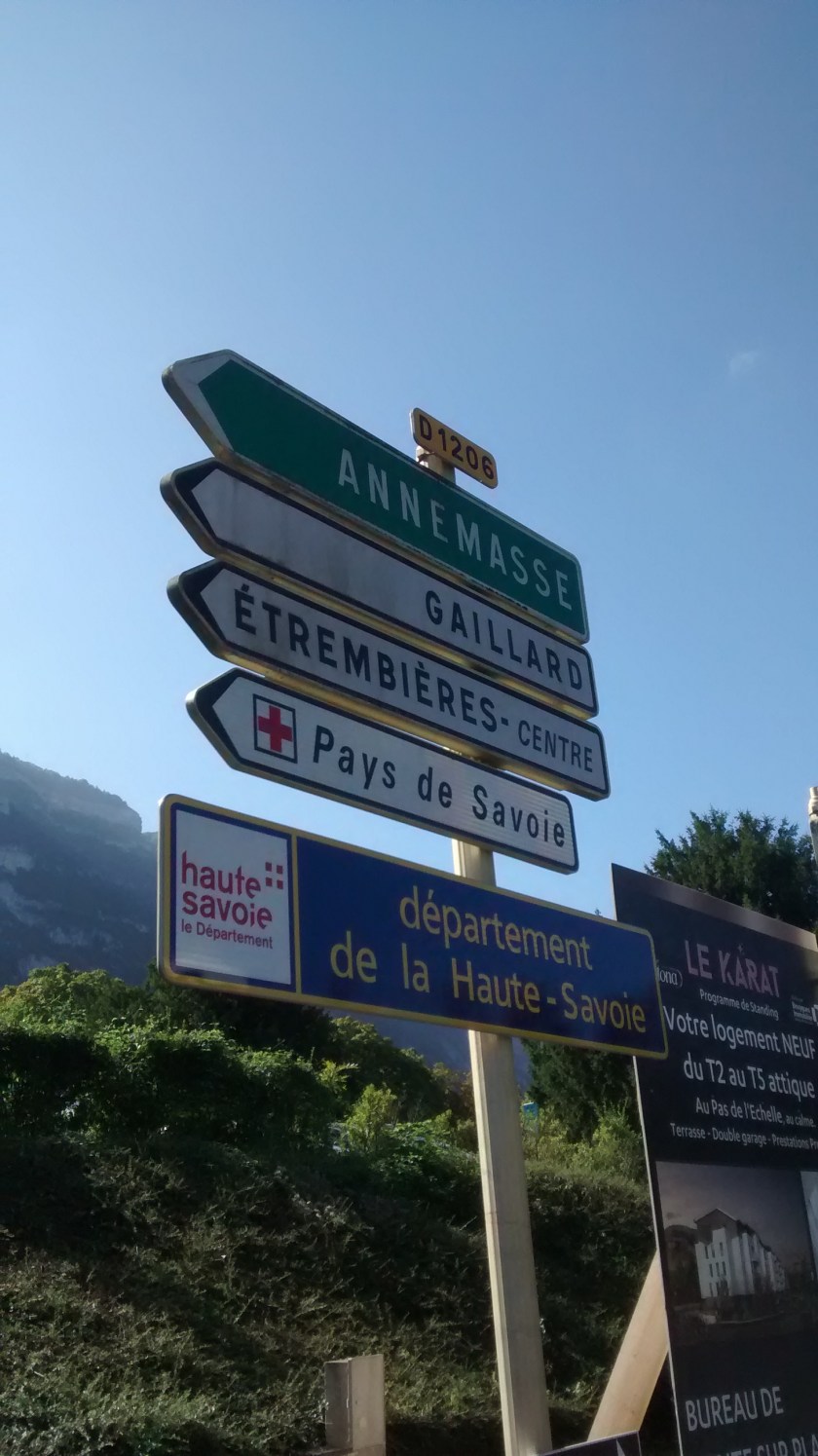
, not forgetting the border crossing. It’s in France.

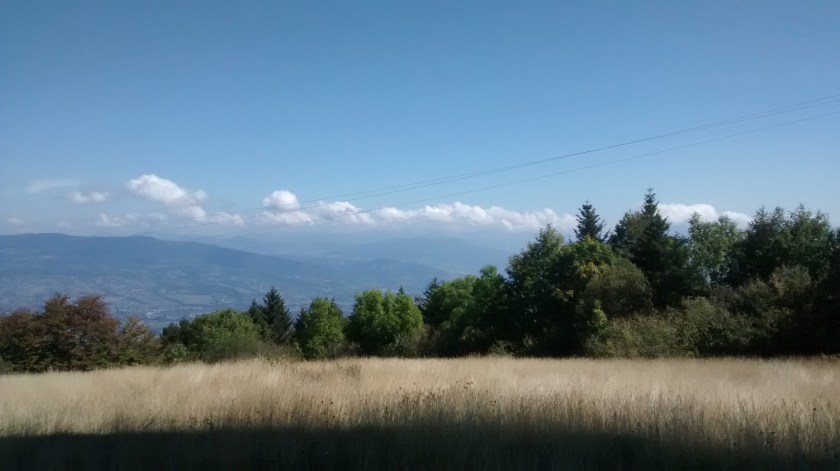
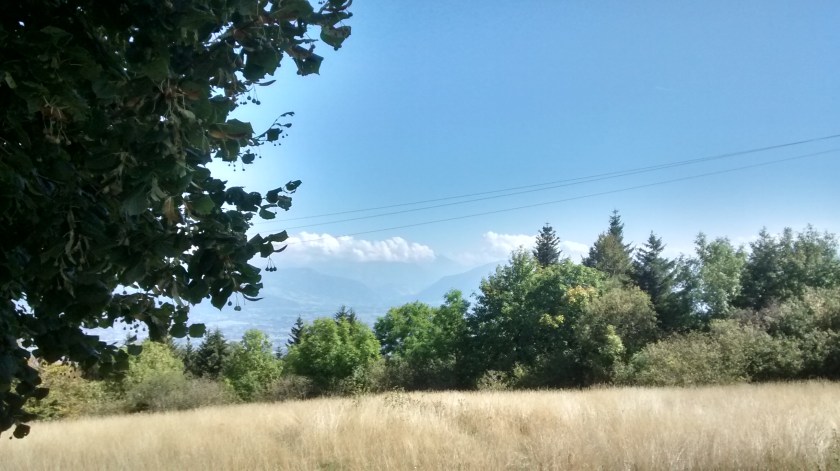
Up to the top we go. What follows is just a series of lovely views and landscapes, if you like that sort of thing.

The view of Geneva at the top station.

They switched off the Jet d’Eau just as I was about to line up the shot!

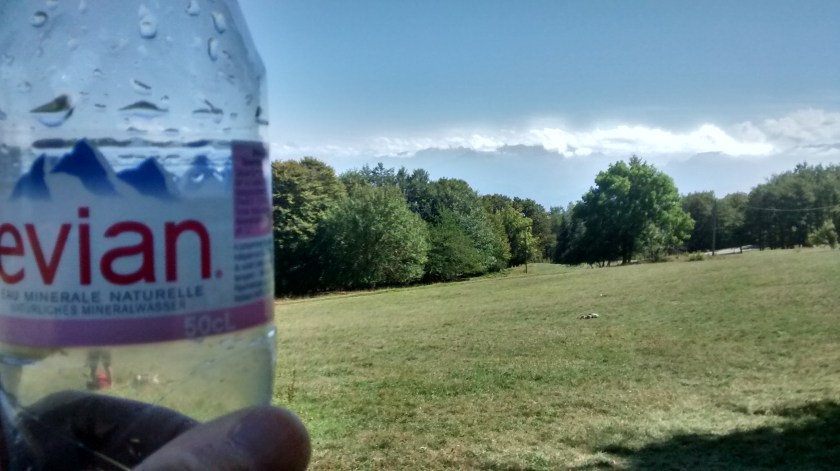
There are signs to indicate the walking paths, but they then disappear with a great Gallic shrug. I pottered around for a bit in the fields…

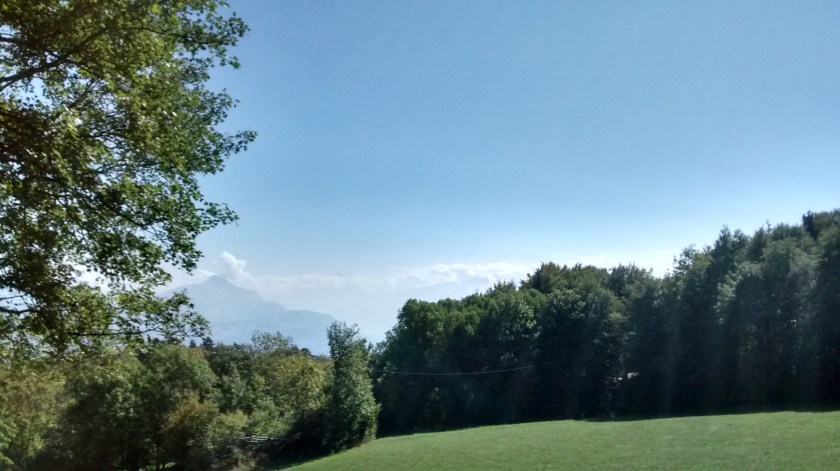
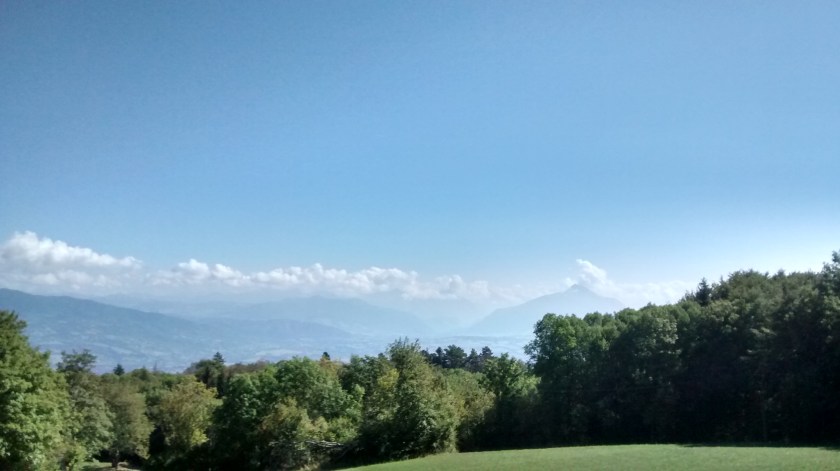
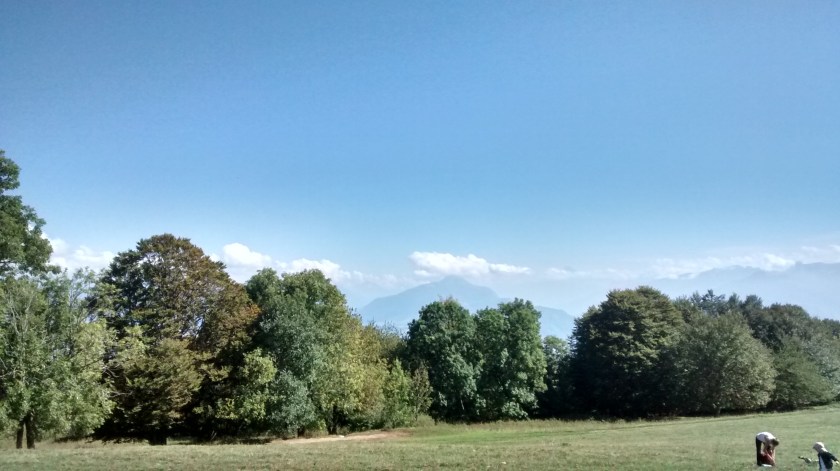
There are wonderful viewpoints of the surrounding mountains

The Mt Blanc range should be to the right of the last one but it was covered in cloud.

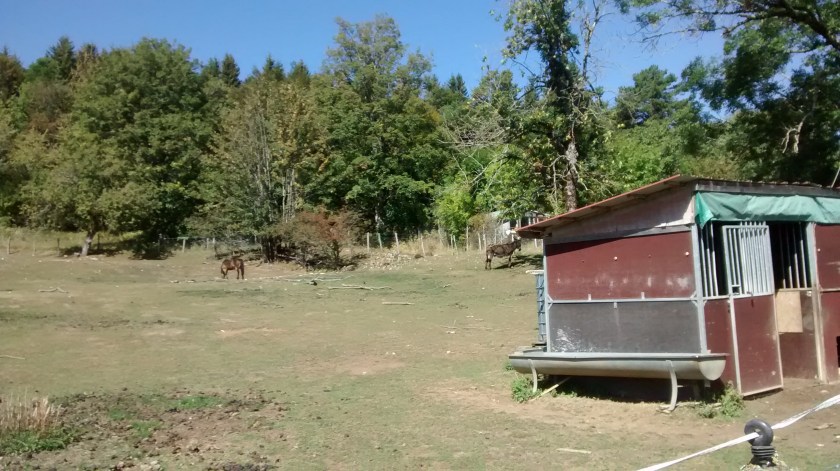
Beautiful area, but the locals didn’t look too impressed

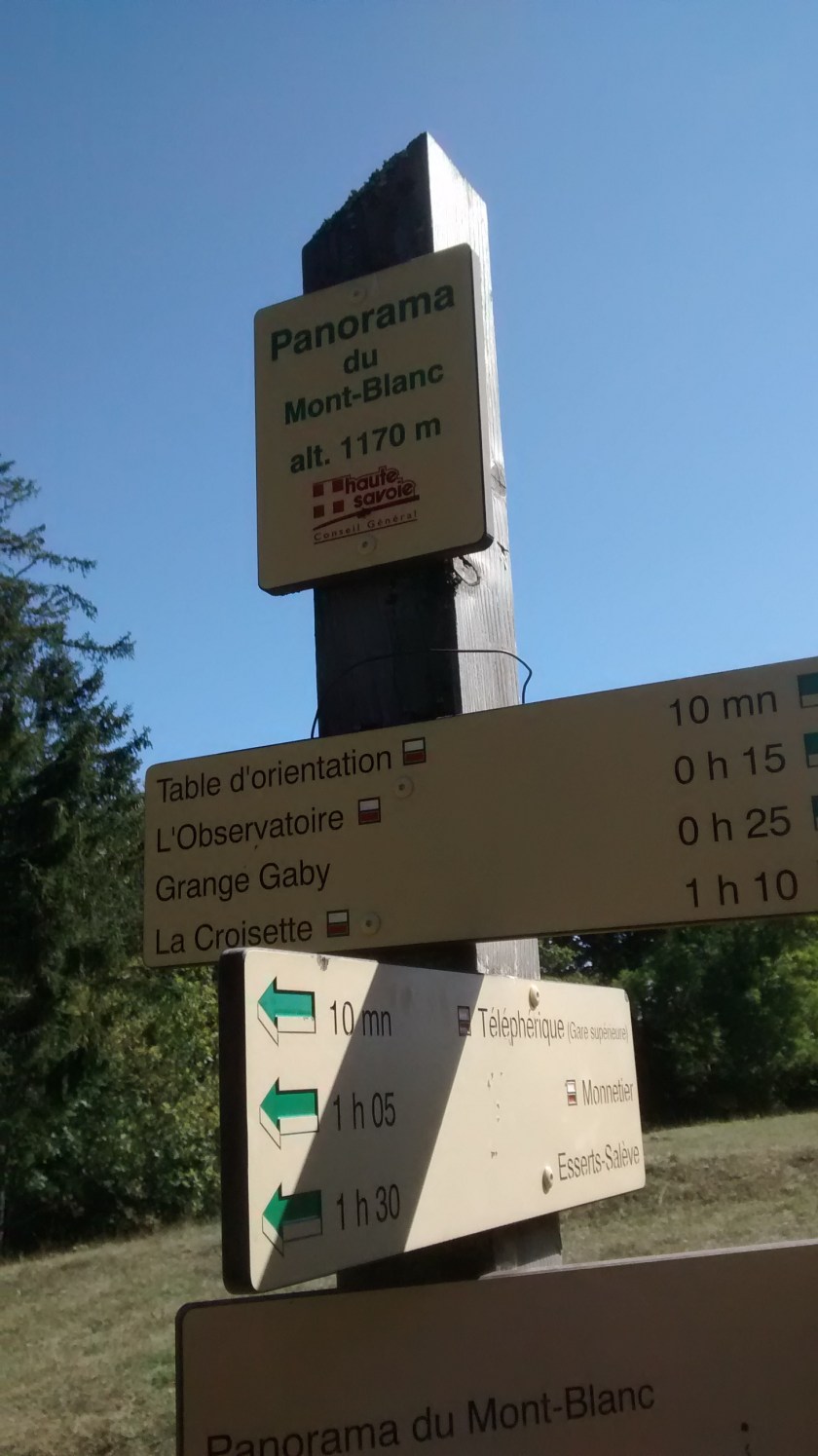
Back at the station I discovered there was another route and to a better panorama on Mont Blanc. It was stony and steep in places, but at least it was signposted

even though I still couldn’t make it out.

In for a penny…the Observatoire, the very top of the hike, was just ten minutes away so on I went. Well worth it.

The paragliding station. No. I didn’t.

Back to the lower panorama.

Is that it, over there?

God knows.

All in all I had a great time up on Mont Saleve and it’s the one thing I’d definitely recommend you do if you’re visiting Geneva. Weather permitting.

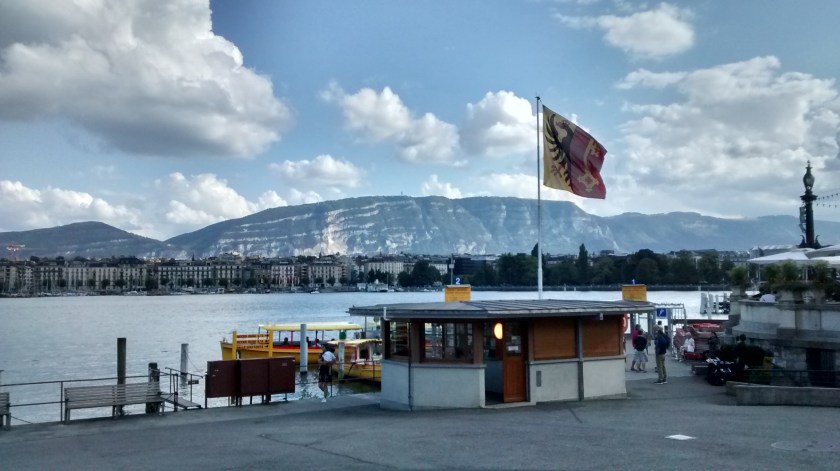
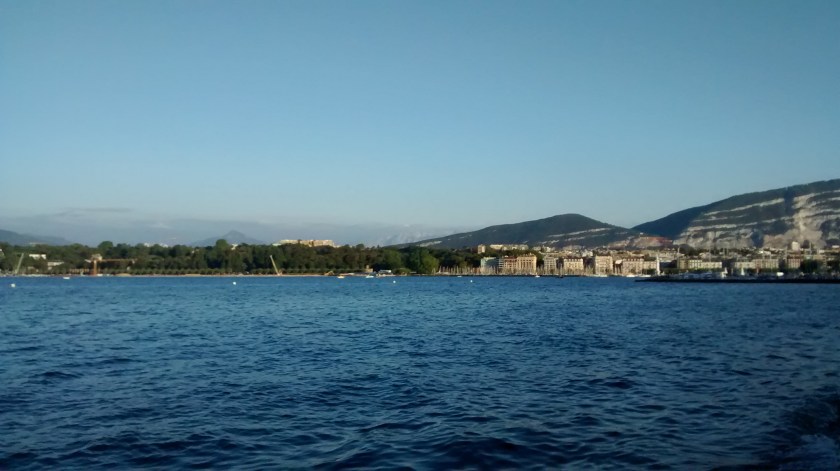
Back in the town, you can also see Mt Blanc from the quayside (hence its name of Quai du Mont Blanc). But that’s if it’s clear up there. This is my best go, early evening on the last day.

And when I turned round…

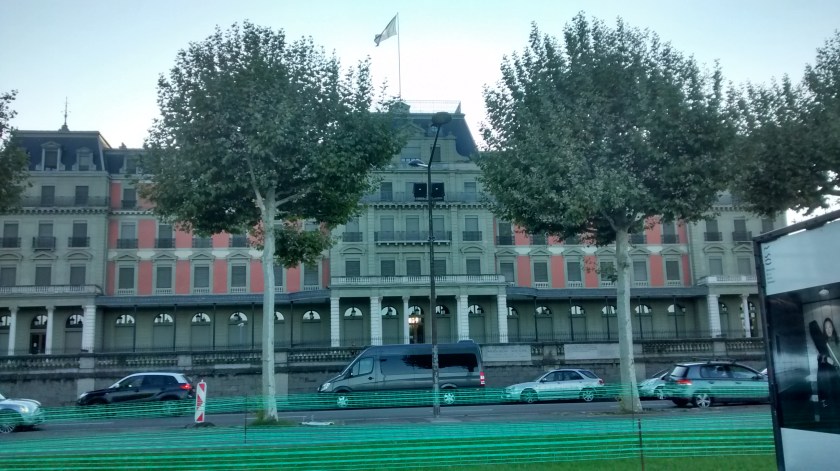
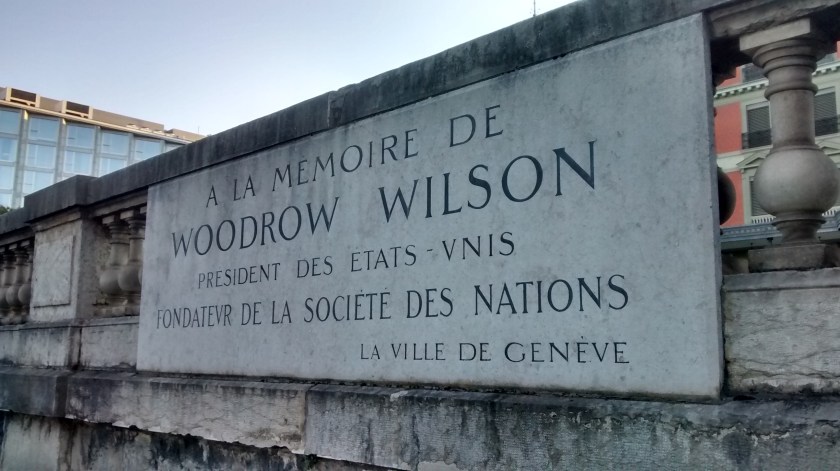
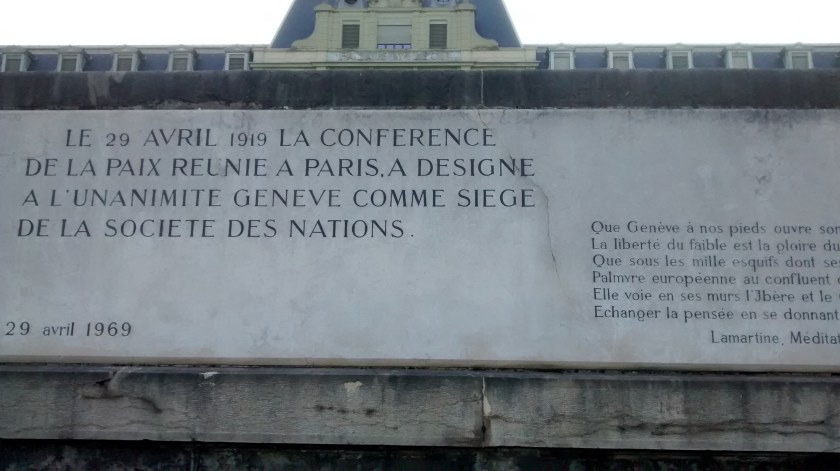
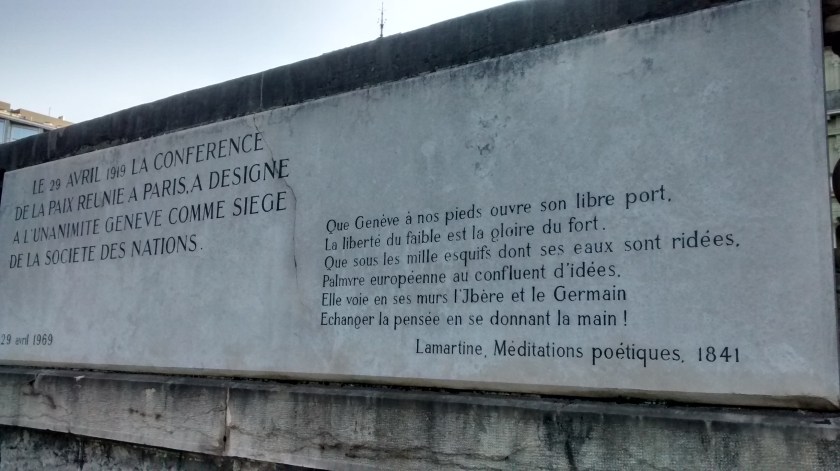
The Palais Wilson, the original home of the ill-fated League of Nations.

In a way that sums up Switzerland. A small country boasting an incredible concentration of natural splendour, that’s somehow managed to punch above its weight in world affairs.

And as I check my wallet before checking out for the airport, it looks likes it’s done some punching there too. Still, it’s been fun. Hope that some of it came over to you too!