With one day to go before my flight home from Punts Cana, it was time to start the journey back from the lovely northwest coast. And “time” in this case means the five hours it took to get from Puerto Plata to my hotel in Santo Domingo, bus and taxi. The scenery is fantastic, but it’s no wonder there were no other British holidaymakers up there, given they’d stopped direct UK flights to Puerto Plata last year.
Still, getting back to Santo Domingo was worth it. I’m in a fine historic hotel for the last night of my trip. Though I did have my doubts about staying here.
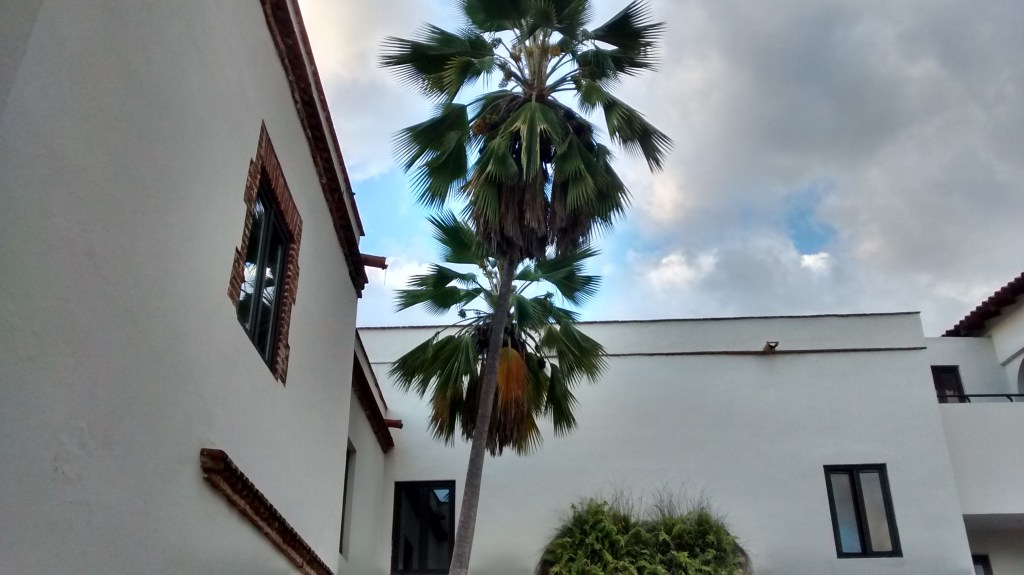
It’s nothing to do with the location on the river, or the pretty courtyards
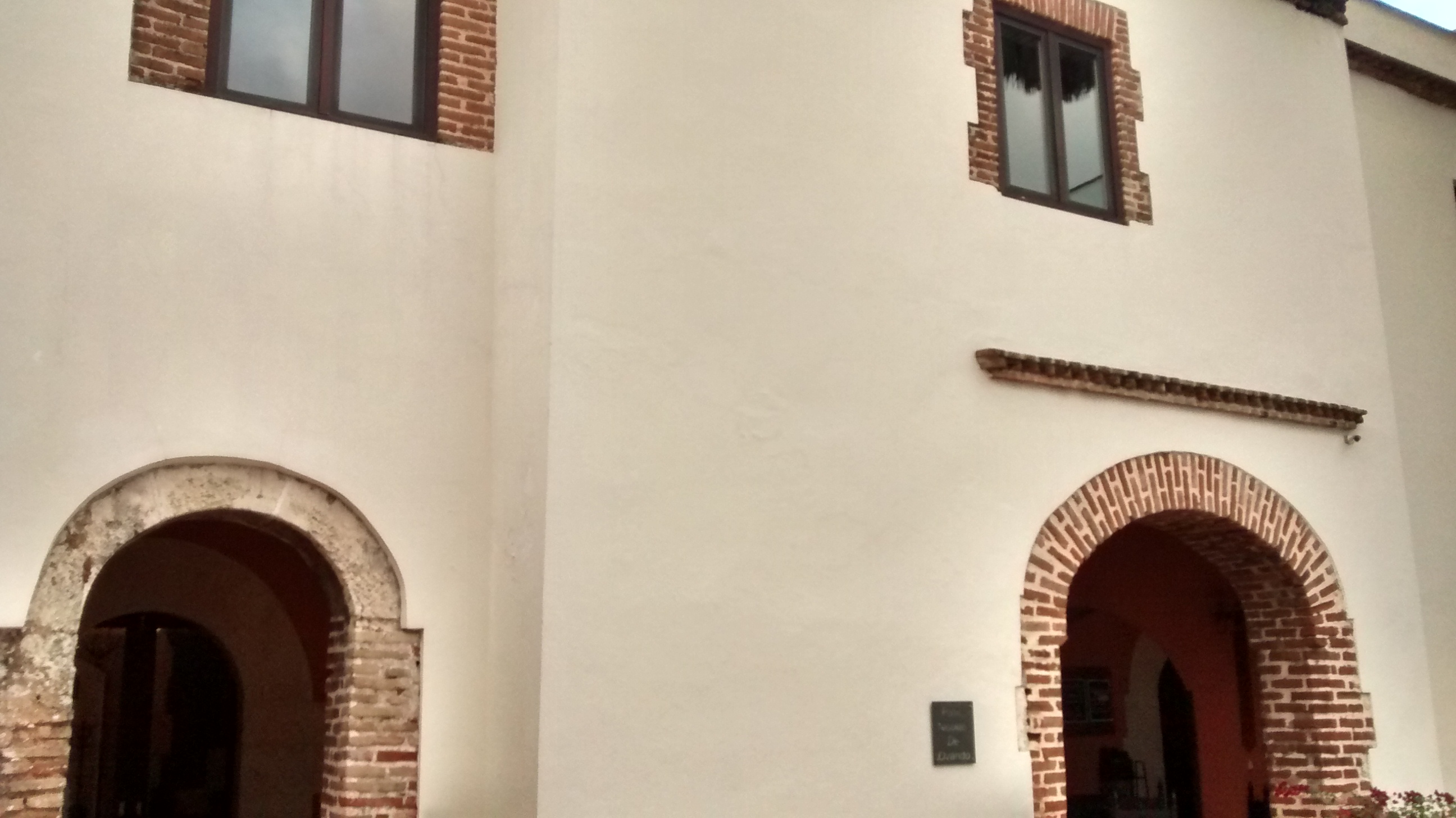
Or the super-friendly bar staff.
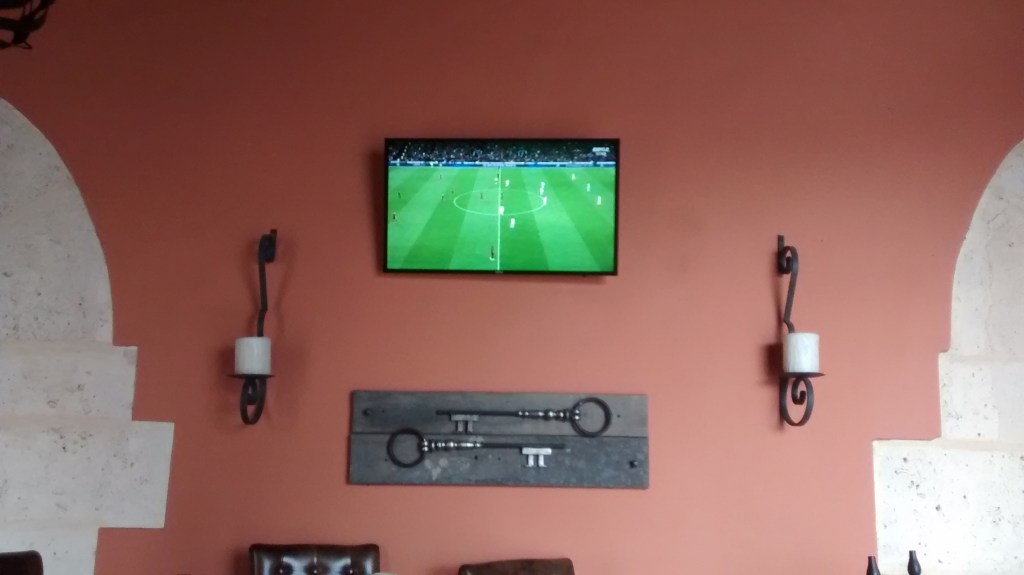
No. It’s about who it commemorates…
~~~~~~~~~~~~~~~~~~~~~~~~~~~~~~~~~~~~~~~~~~~~~~~~~~~~~~~~~~~~~
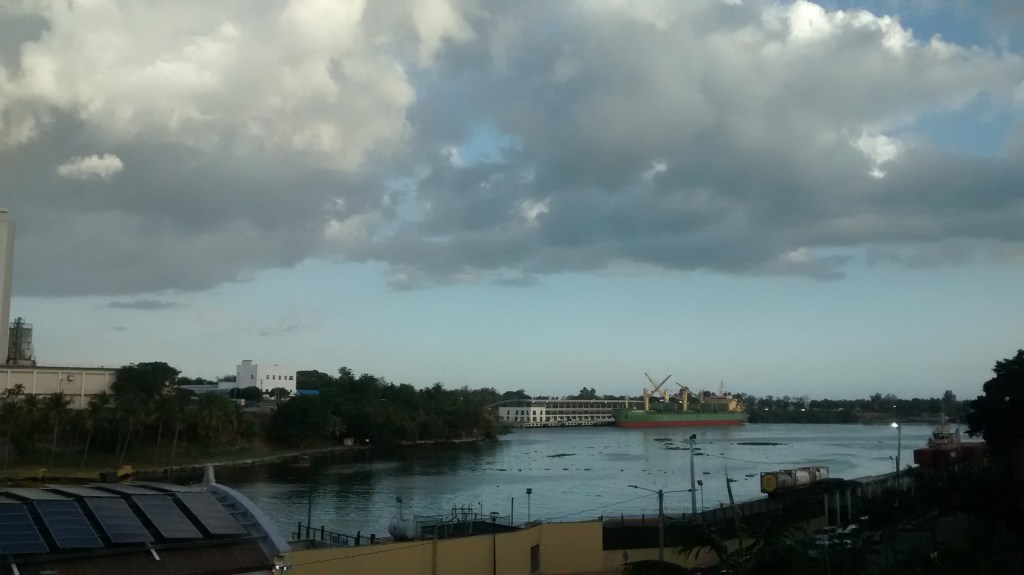
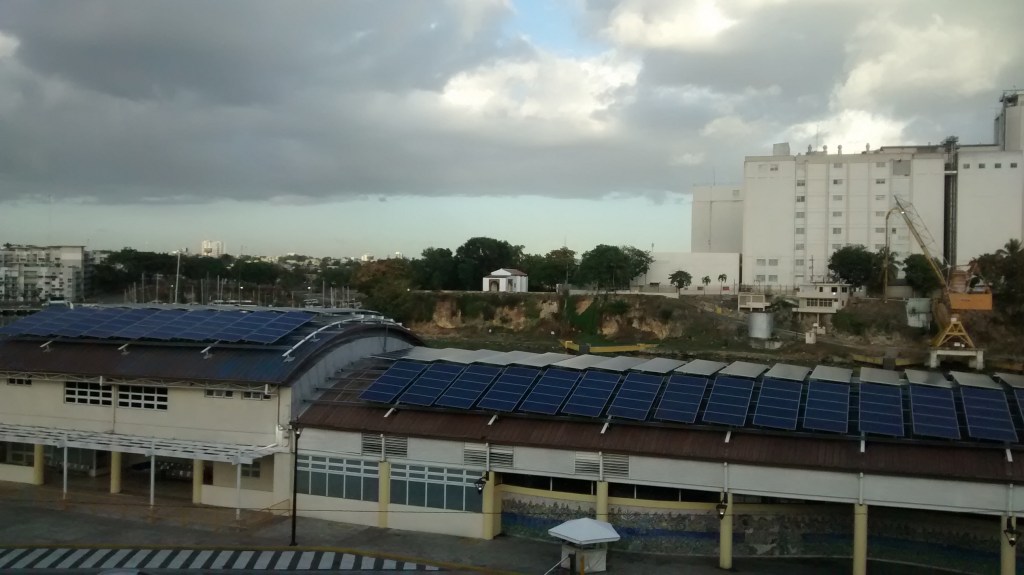
When Santo Domingo was settled by the Spanish, it was originally built on the east bank of the River Ozama. That’s the far bank in the photos. In the centre of the second you can see the little Capilla del Rosario, built in 1544.
By then the settlement had moved to the west bank. The Spanish governor after Columbus, one Francisco de Bobadilla, proved unpopular with the royals and in 1502 they sent a replacement over to sort things out.
His name was Nicolás de Ovando.
It was Ovando who moved Santo Domingo over the river and then set about creating much of the town we now know as the Zona Colonial. His was a major contribution to the future of the colony, but Ovando also set about the native Tainos. To quell rebellions he repressed them mercilessly and wasn’t shy of the odd massacre.
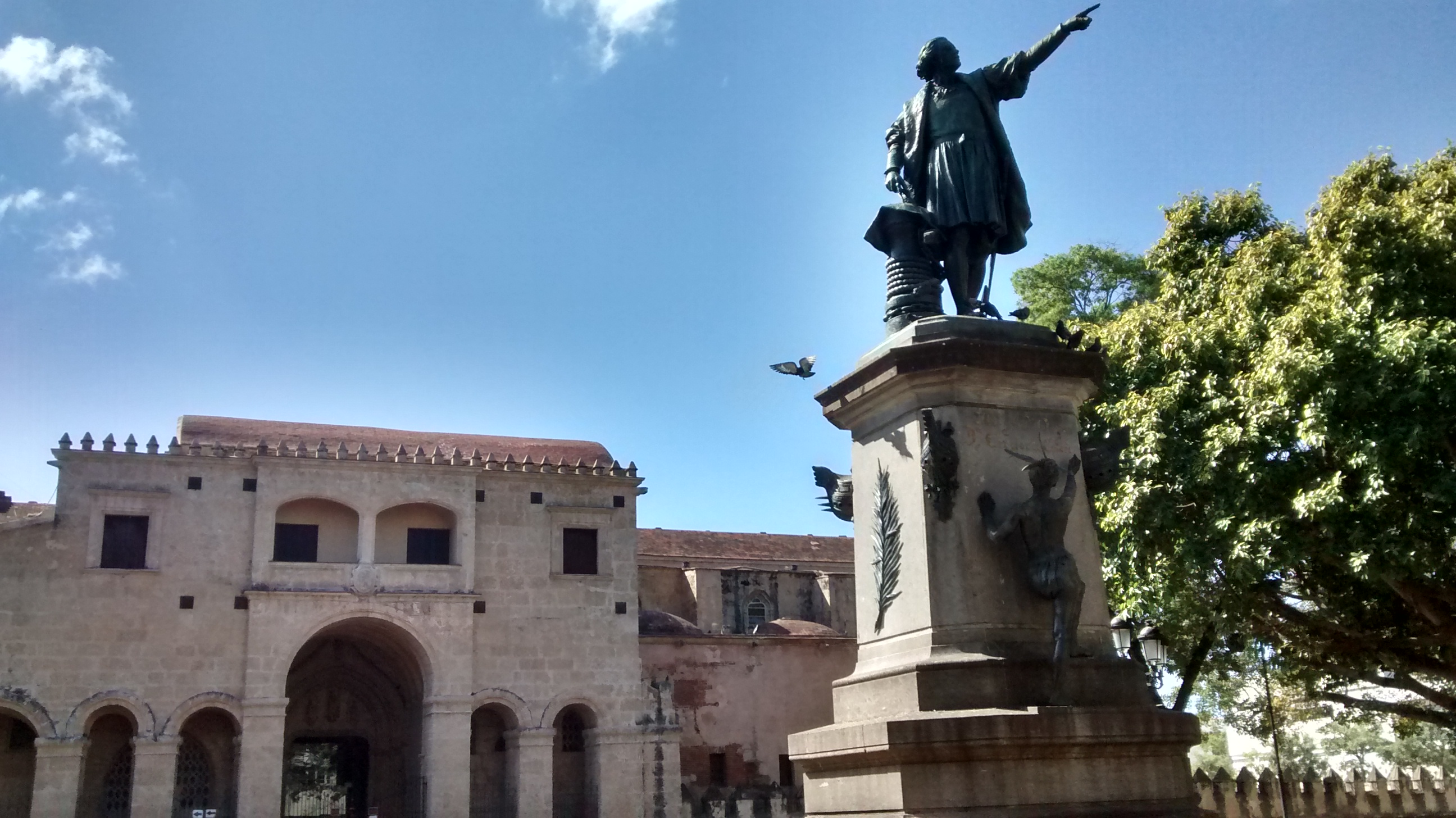
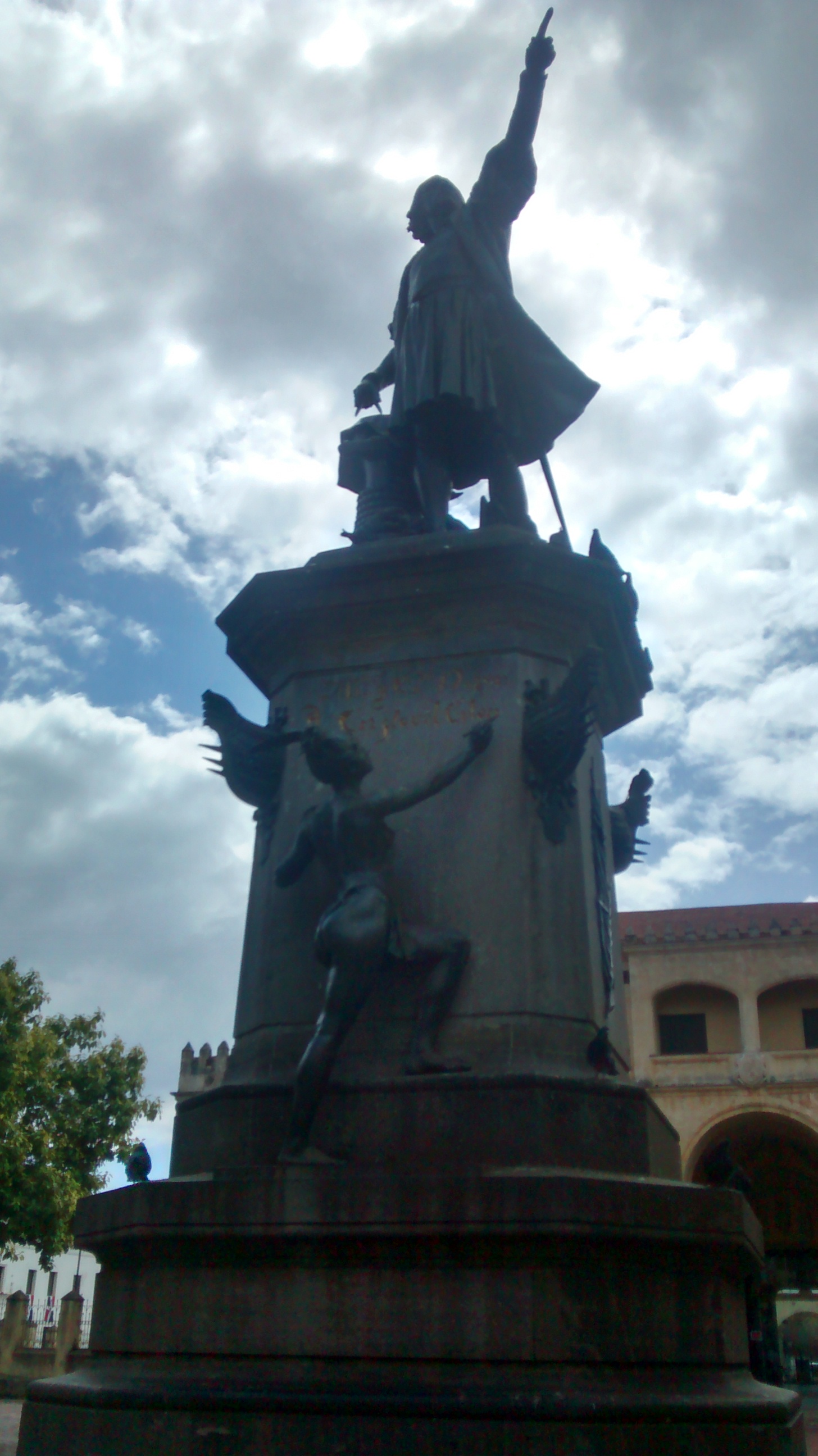
Remember Anacoana, the Taino queen we saw on Columbus’s statue? Here she is again.
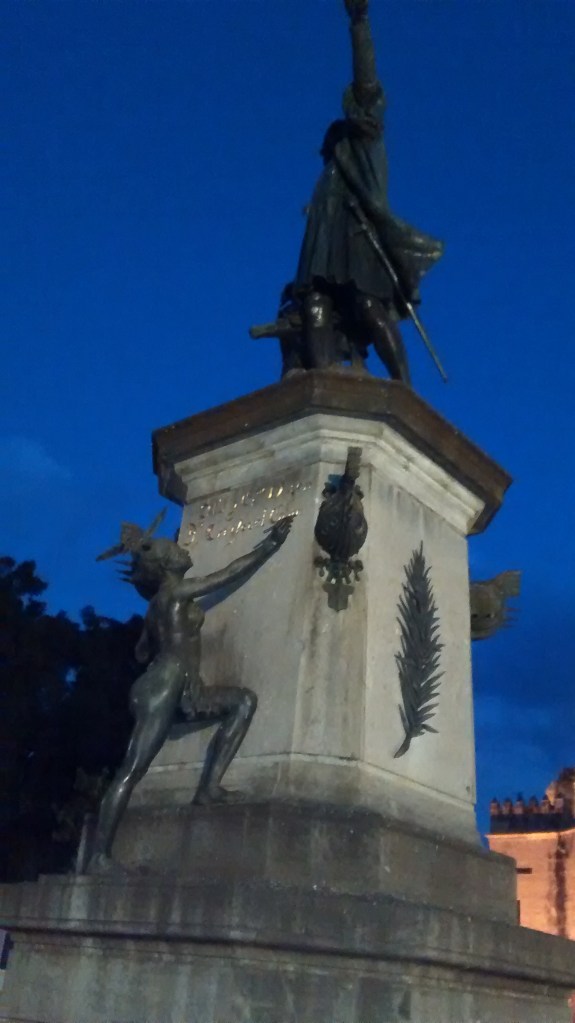
She may look rather fetching there, on Columbus’ plinth. But it appears that Ovando was no admirer. In circumstances that are not entirely clear, he suspected her of being involved in rebellion and ended up capturing her in what looks like another slaughter of Tainos. Poor Anacoana ended up on the hangman’s gibbet.
Not a pleasant piece of work, our Nick. Oh, I forgot about him forcing the Tainos to work in the sugar cane fields he introduced from the Canaries. And, of course, that jolly wheeze of dragging in Africans to do the work as well.
In the end, even 16th century Spain were perturbed by these excesses and Ovando went back over to defend himself. He was replaced as governor and received the gruesome punishment of, err..being able to keep all his New World properties. That’s him told.
All in all, it feels uncomfortable celebrating such a man by linking him to a prestigious and stylish hotel, while evoking that era by lauding “colonial elegance” and “colonial romance” on the website. If it wasn’t for men like Columbus or Ovando, there may not be anything to see here at all. But how would we feel if the great house on the Wannsee near Berlin, where the Jewish Holocaust was agreed and planned, was to be turned into the Hotel Heinrich Himmler? Would you stay there? Are we comparing like with like?
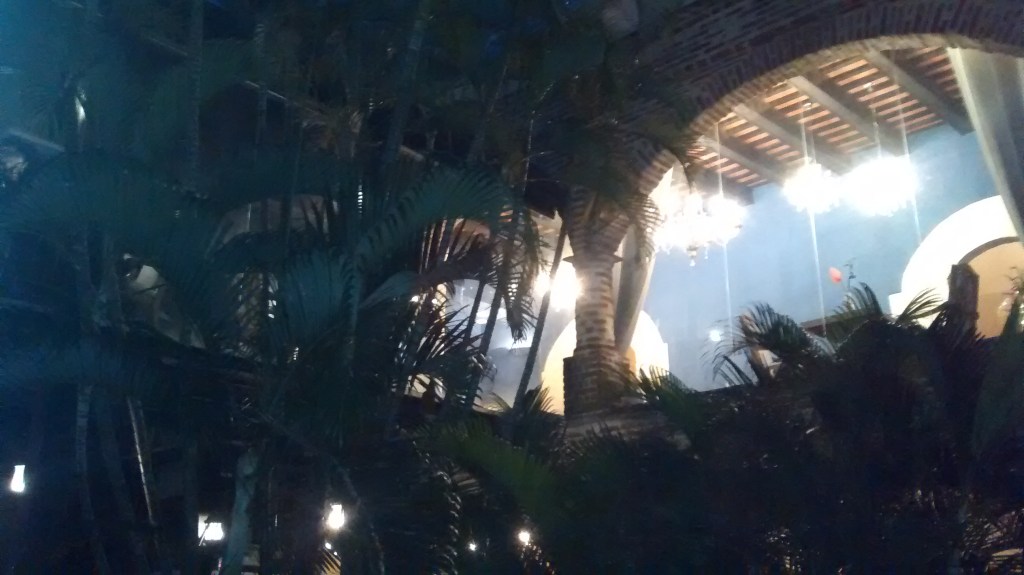
Well the die is cast, and here I am. The past is the past, and it can only be recognised for what it really was, so we understand its resonances in the present and ensure that the future is different. Something like that. I have a more pressing problem…
Given what I’ve just written about Ovando, and how ruthless he was when alive –
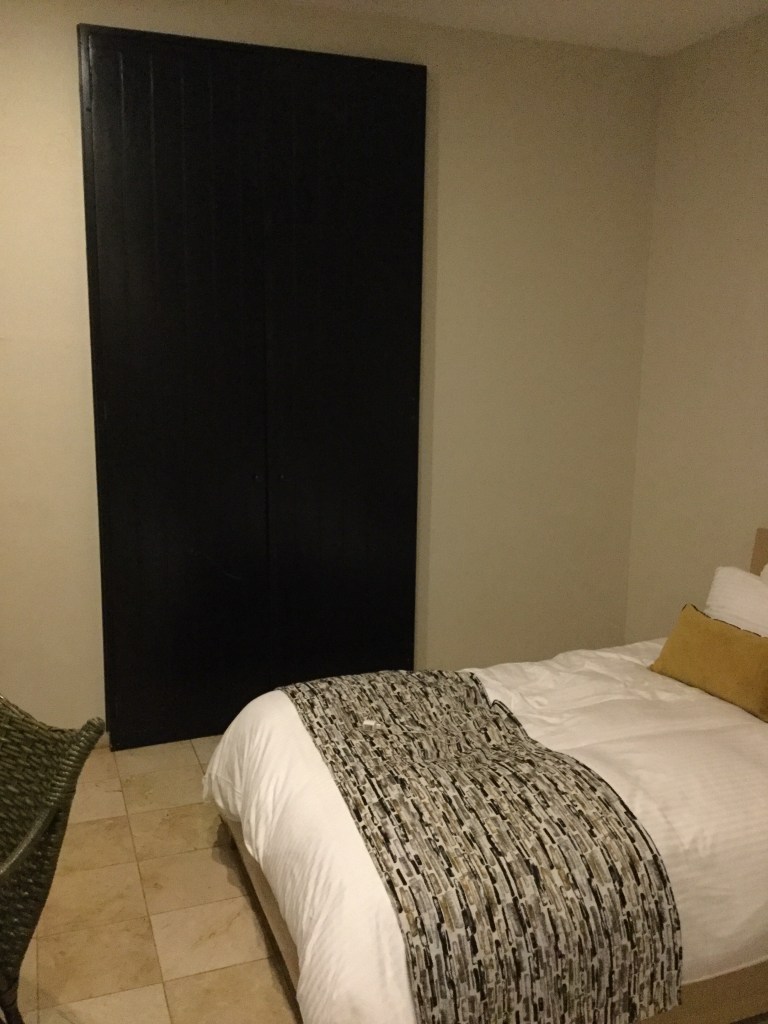
– how do I feel about spending the night in his old house?
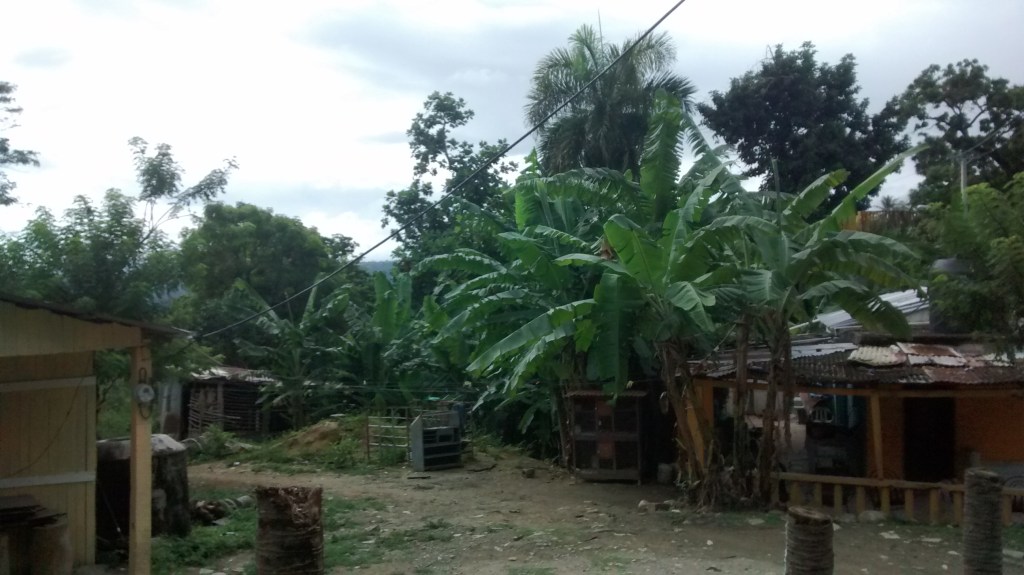
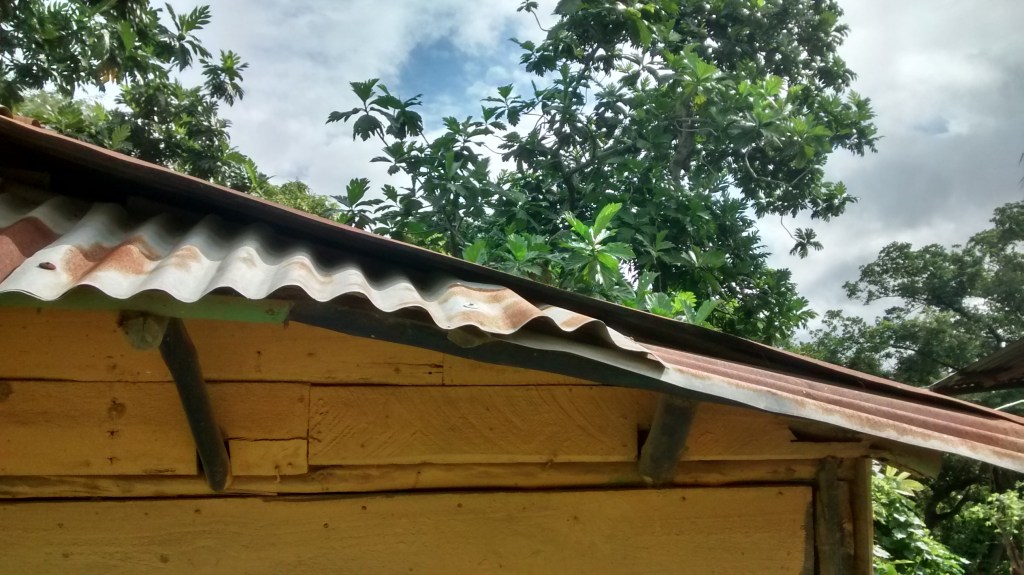
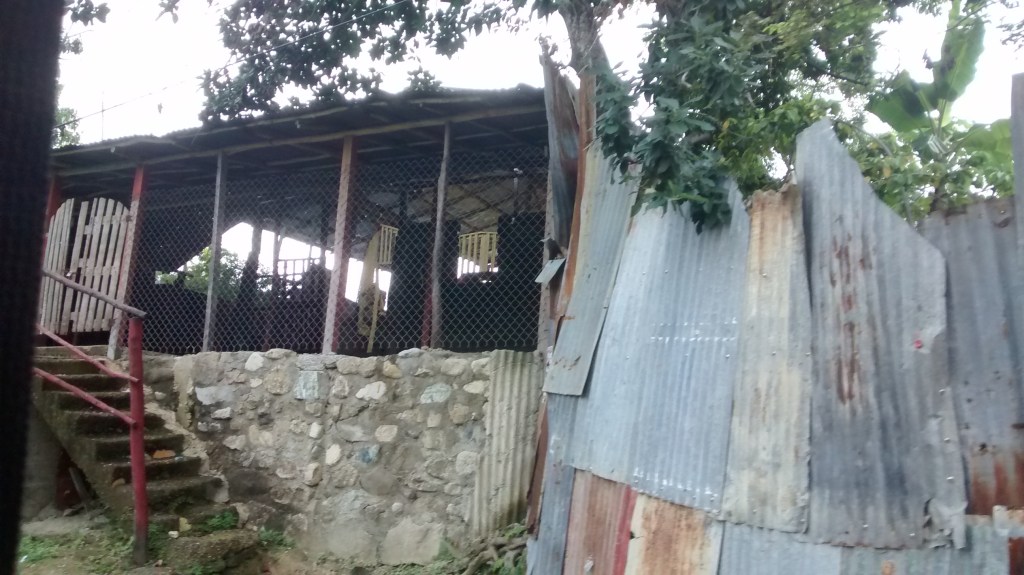
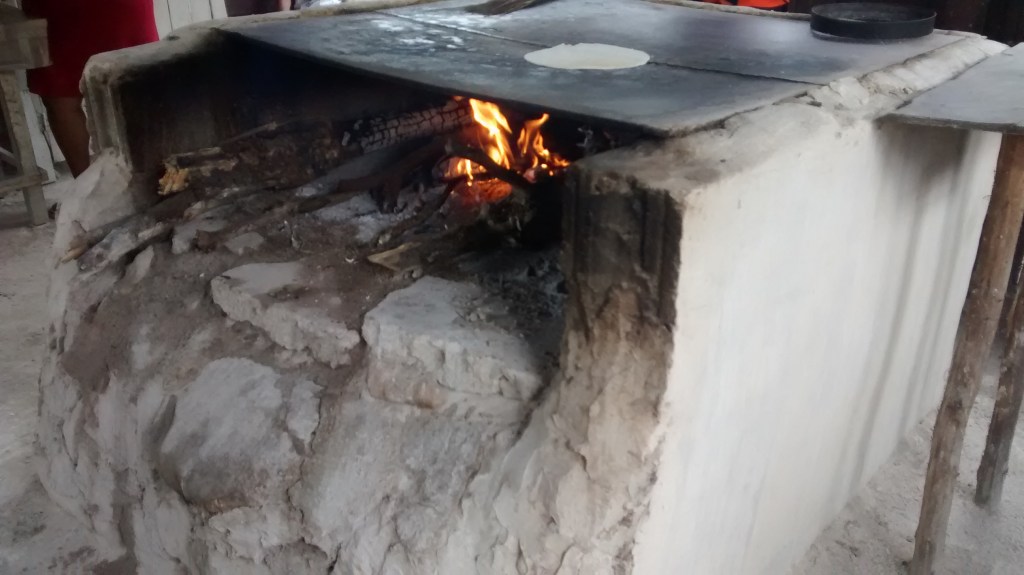
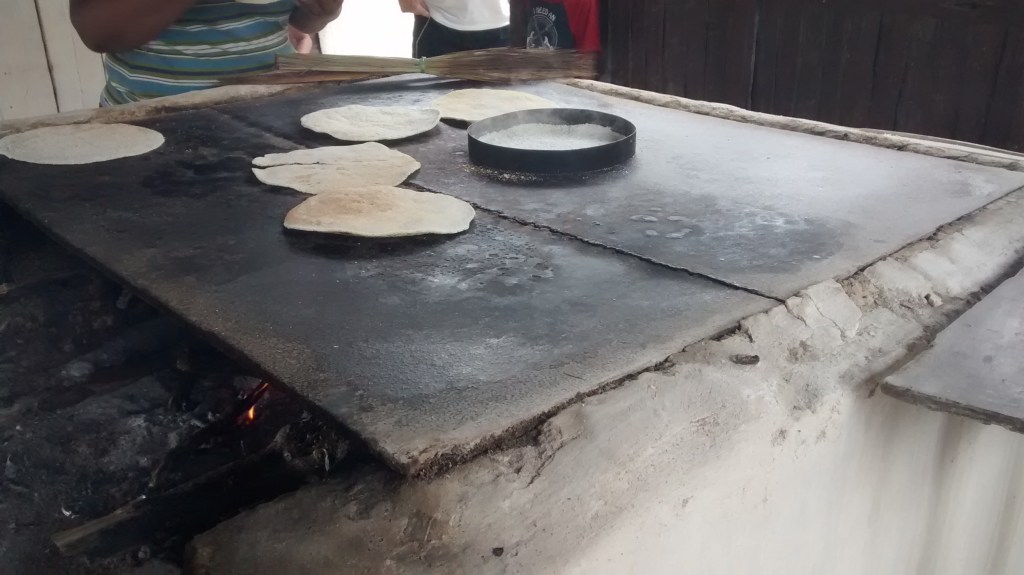

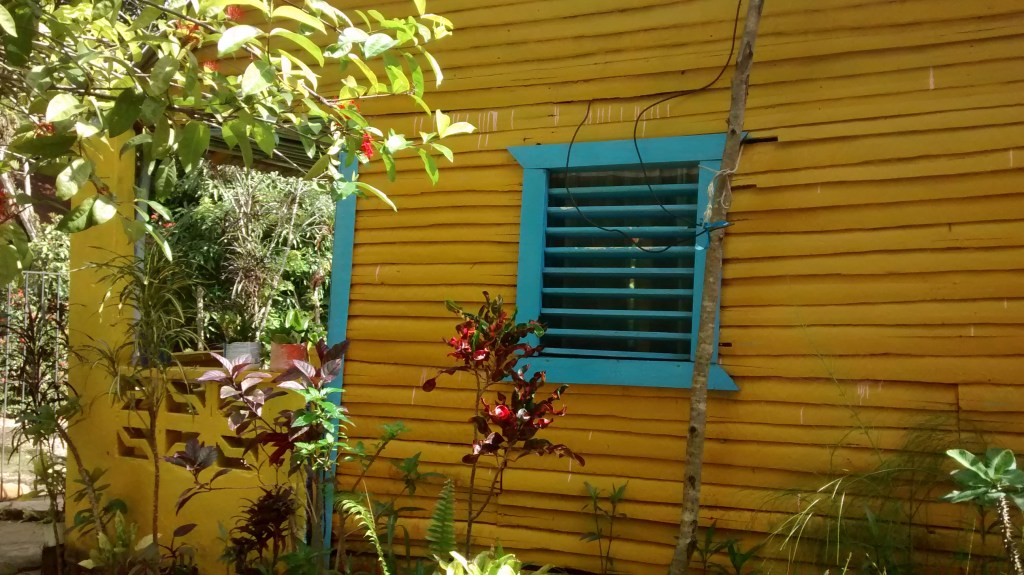
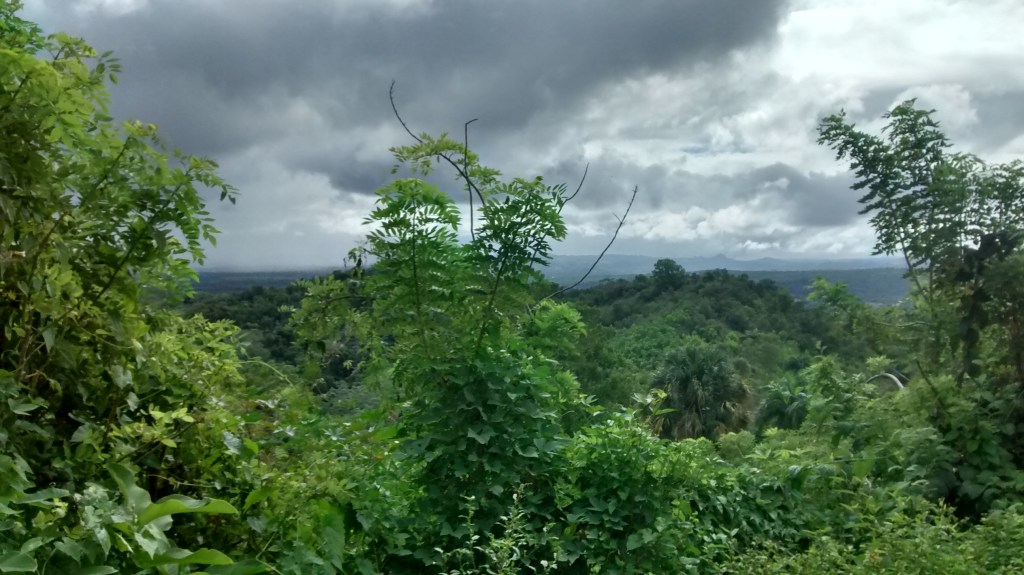
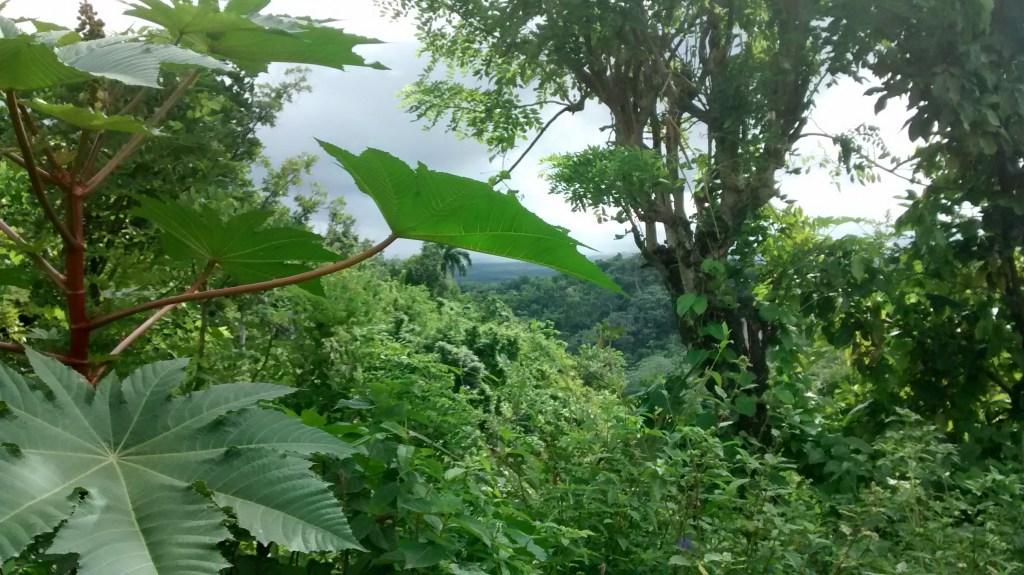
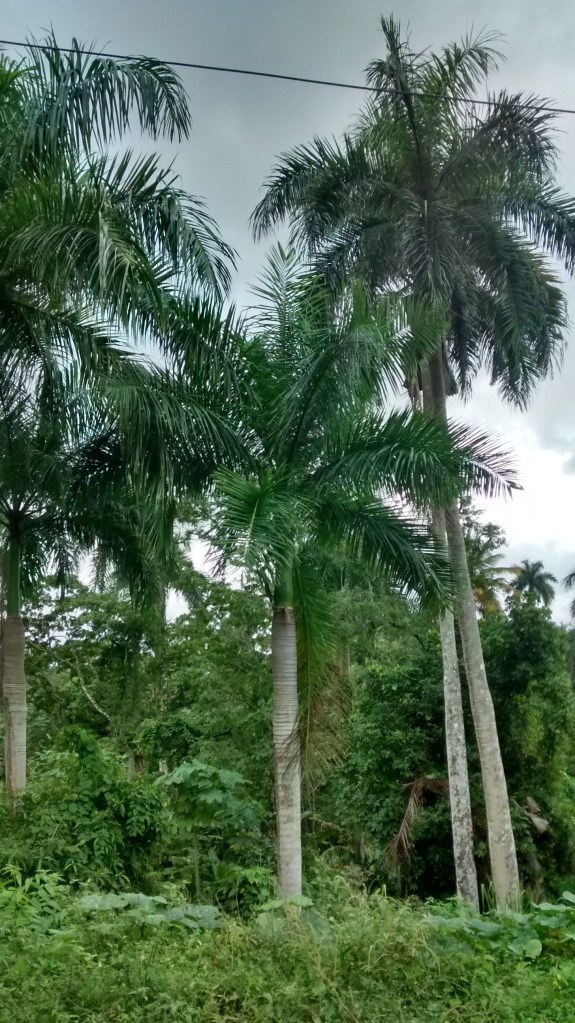
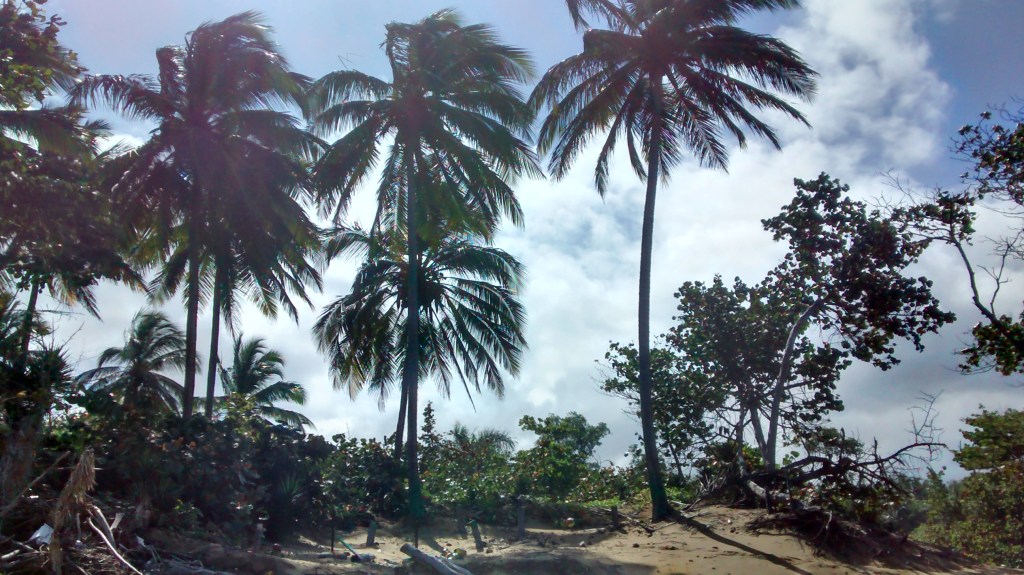
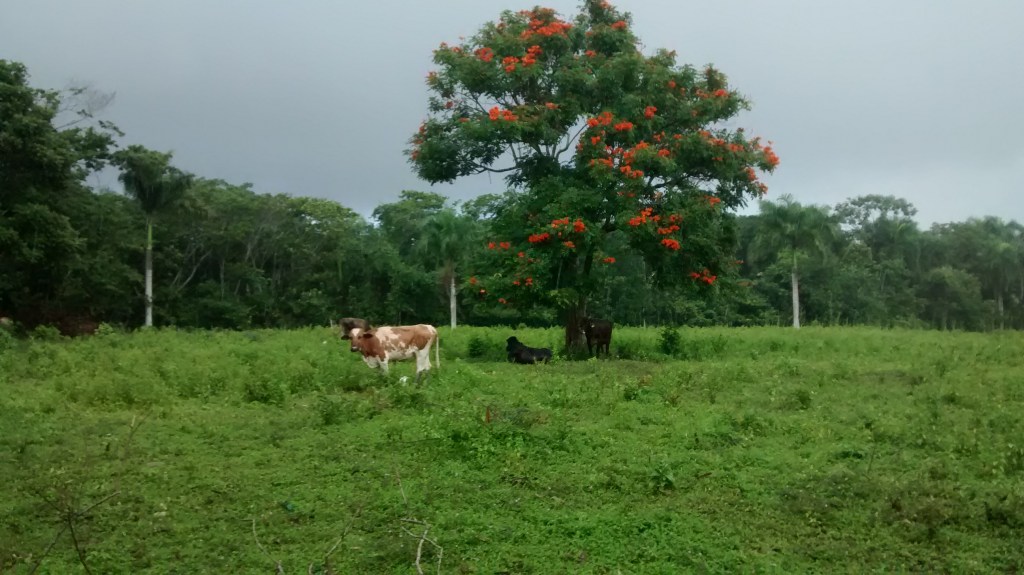
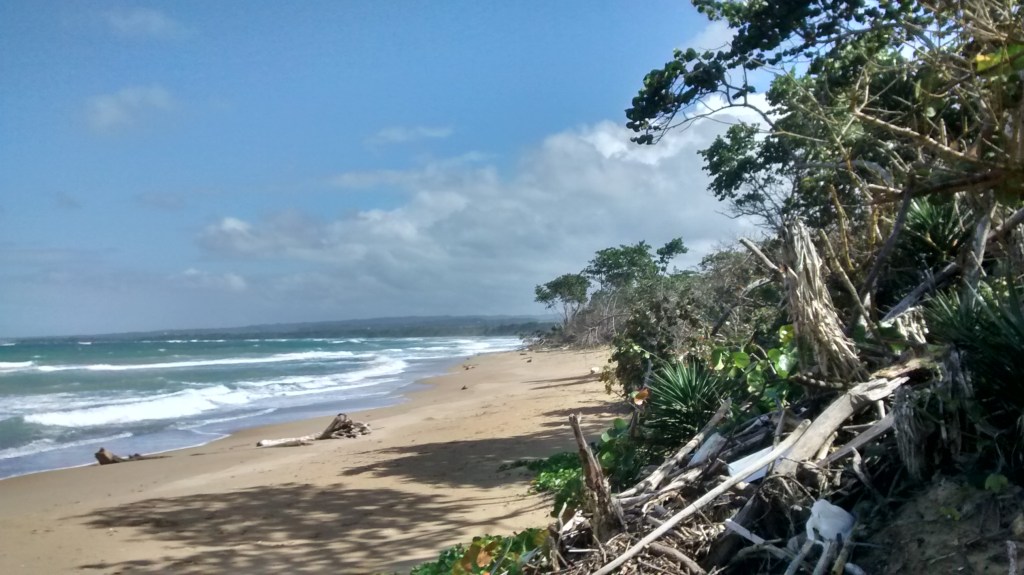
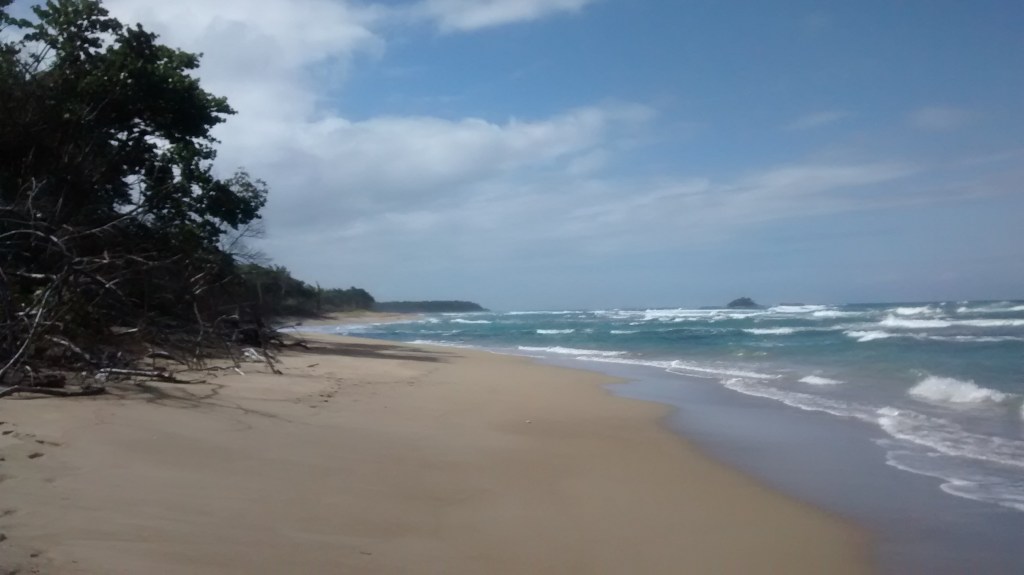
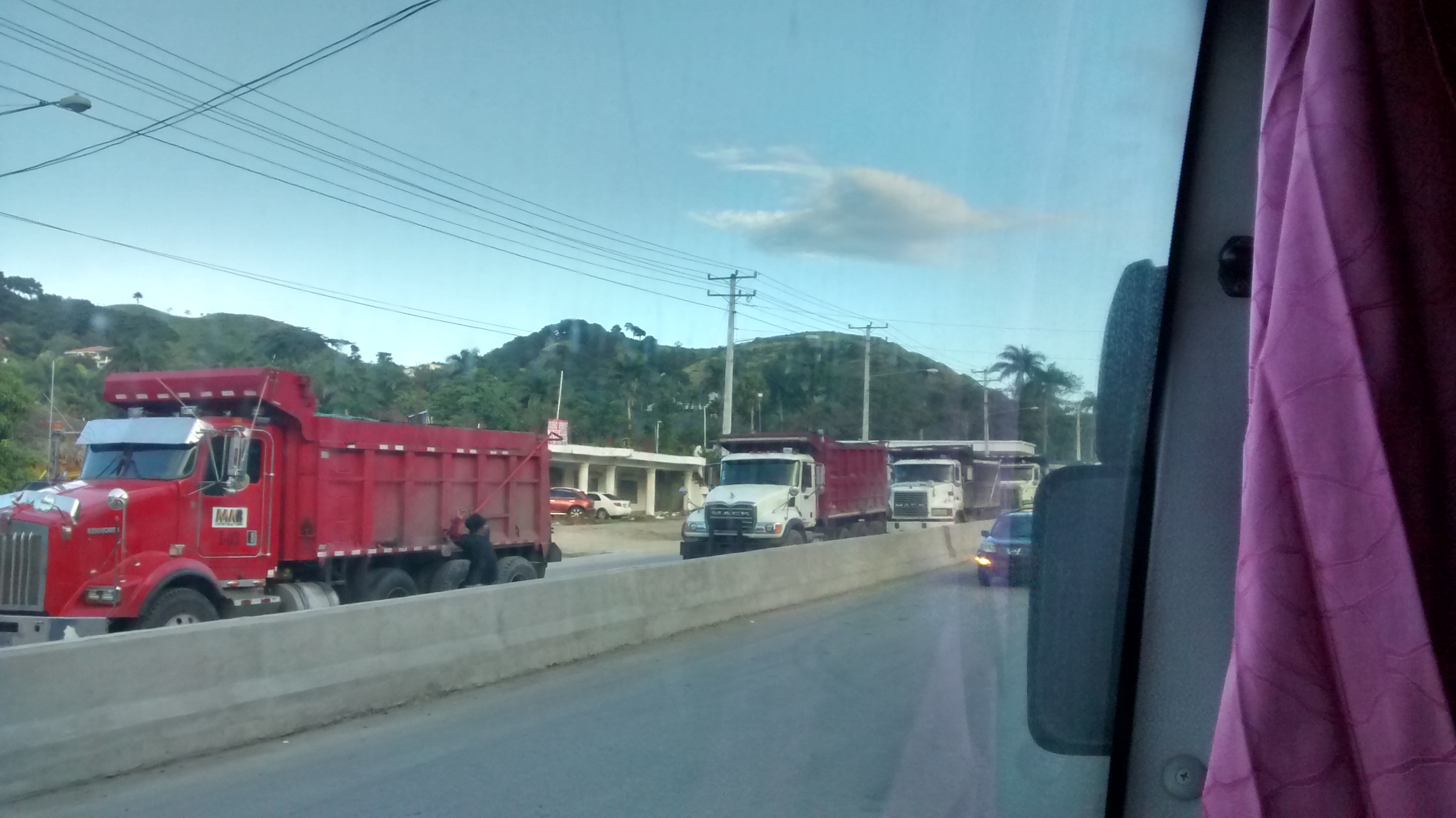
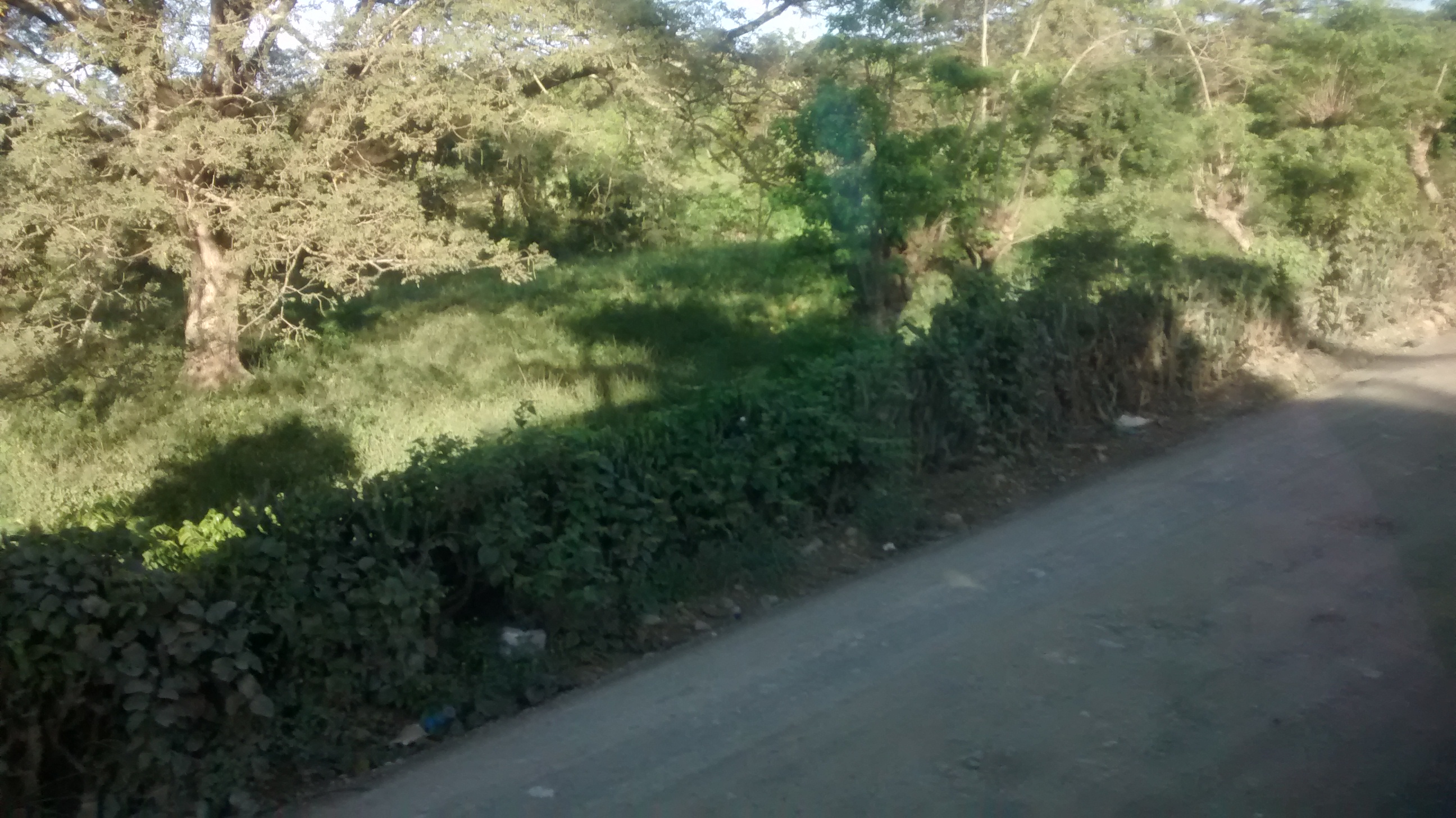 Passing through La Isabela, the village near where Columbus reached Hispaniola and site of the church that witnessed the first Christian mass in the Americas, the journey revealed many other ways on which the West has impacted the lives of the local population – villages constructed near sugar plantations, the cultivation of tobacco, bananas, and other agriculture, the steady presence of the Roman Catholic church and the growing intrusion of American-funded evangelicalism.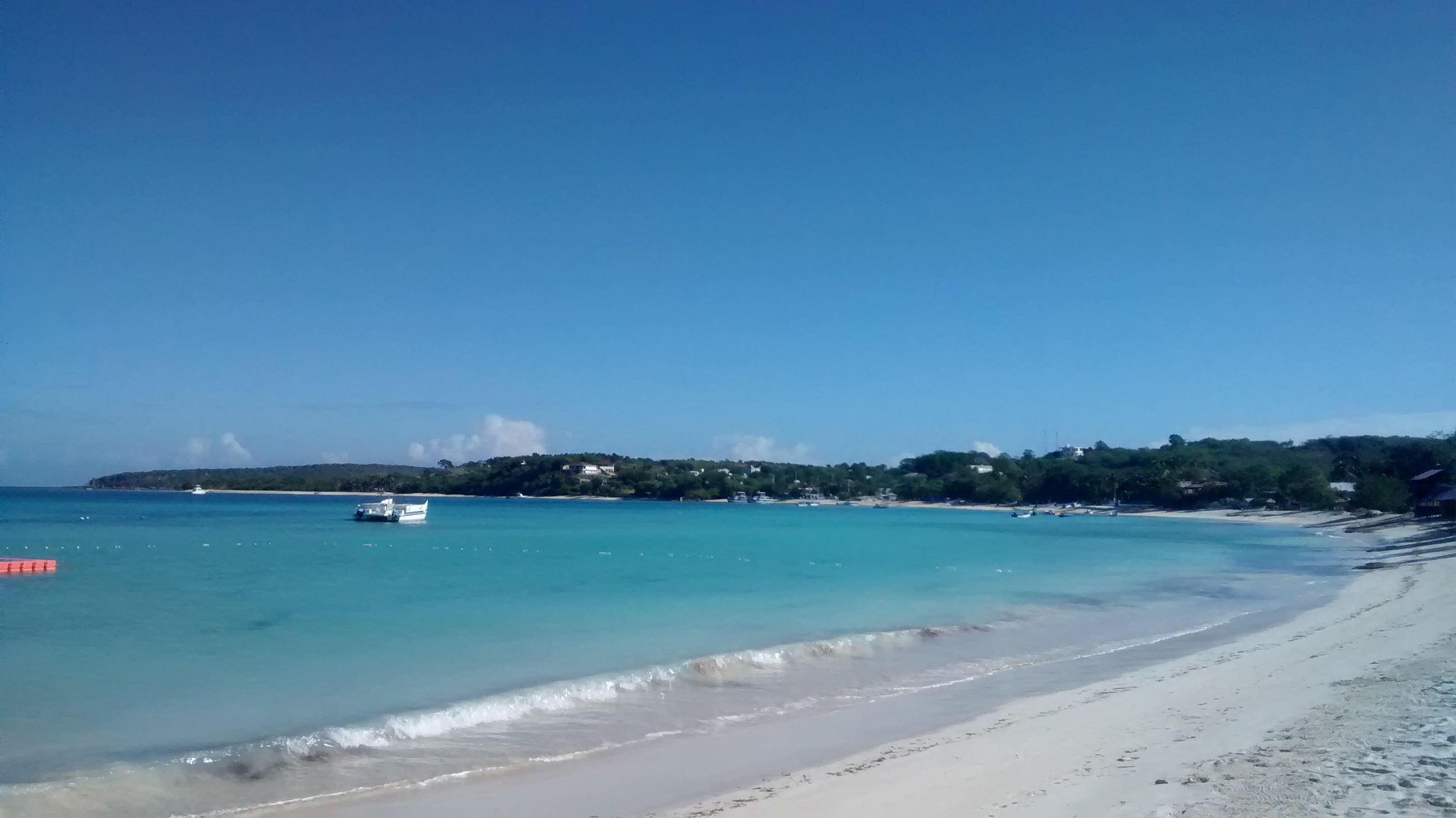
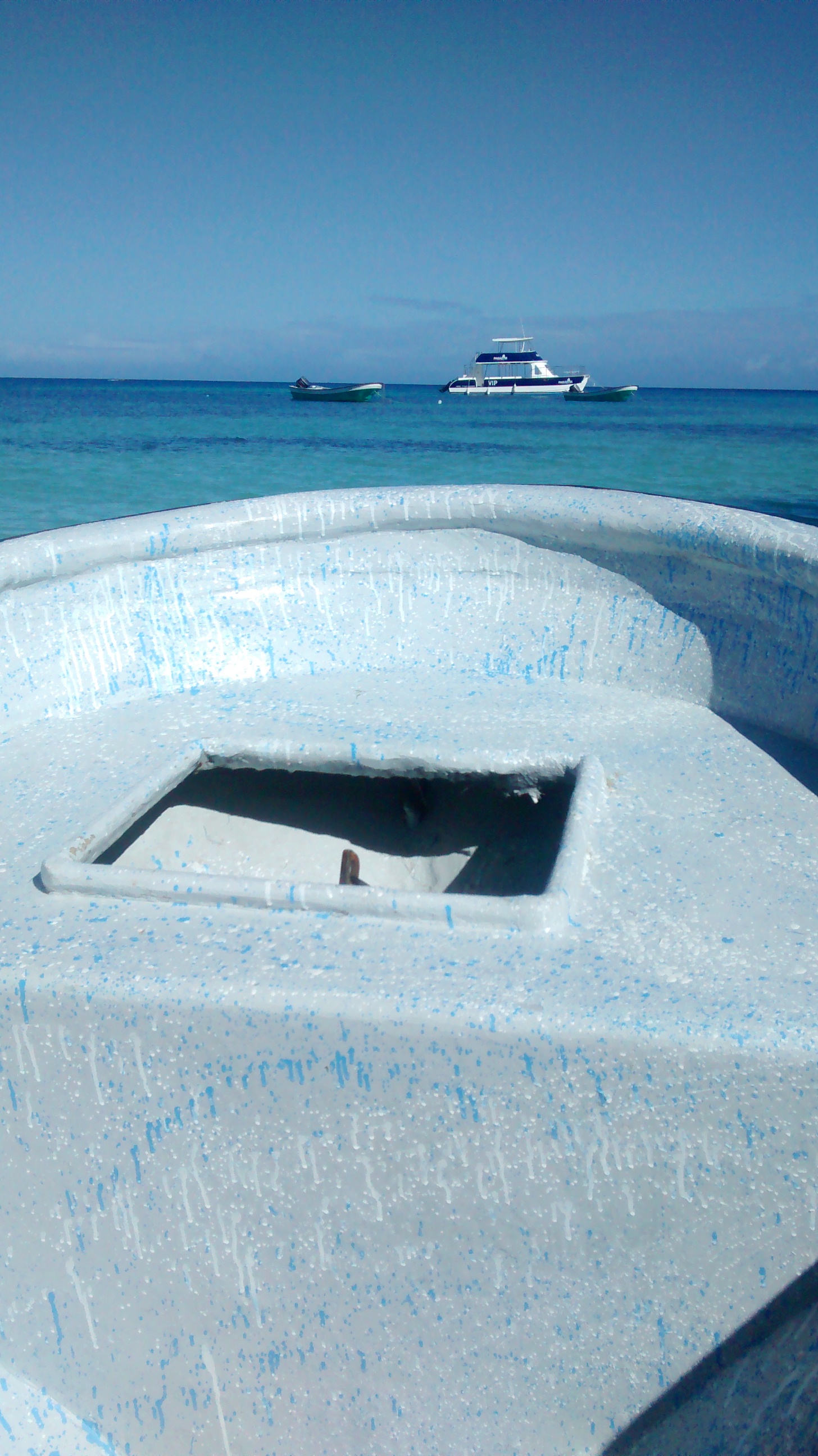 That place was Paradise Island, a tiny sandy cay a 30-minute hair-raising ride from the beach.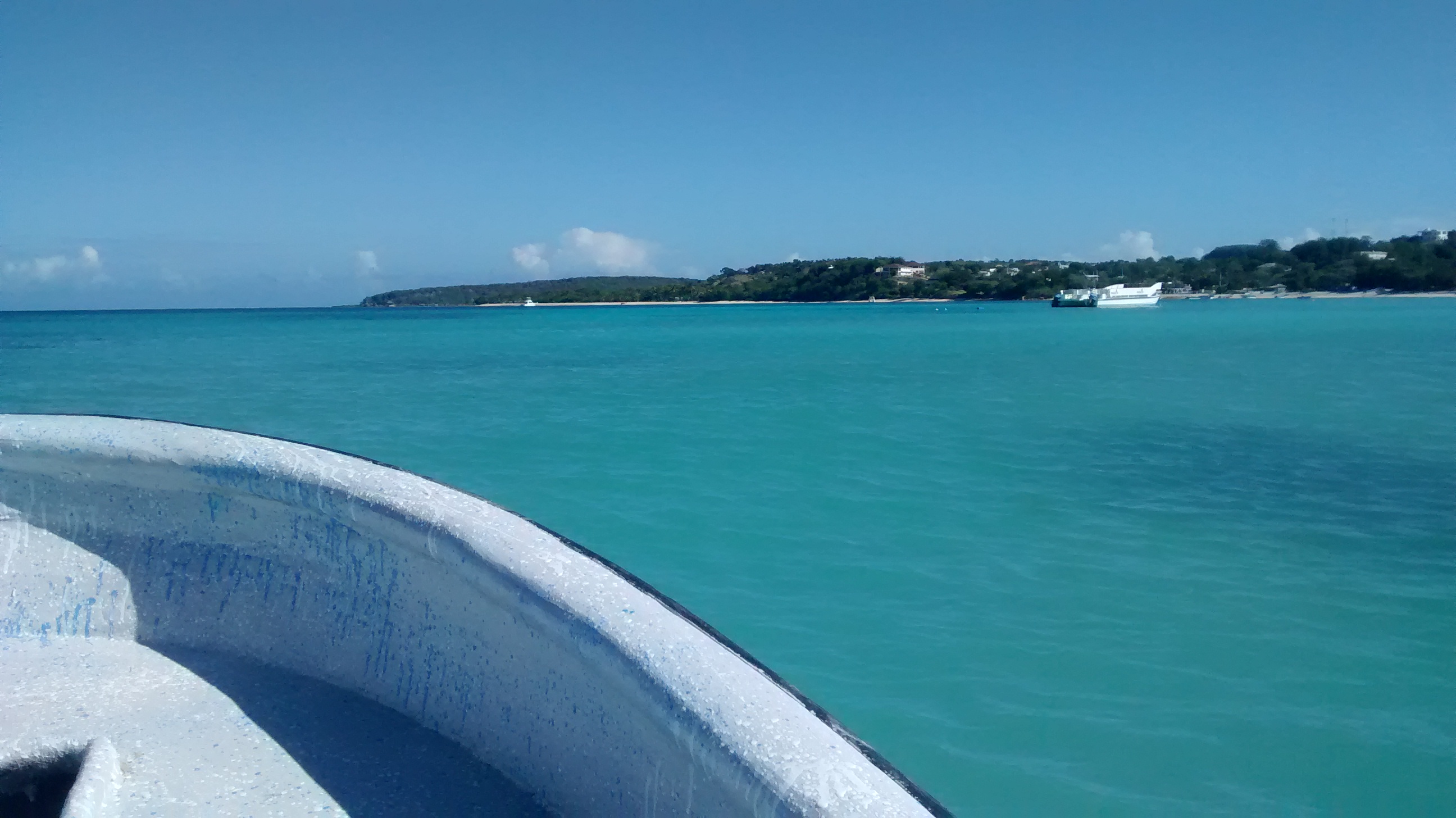
 The sandy cay is uninhabited, only consisting of a dozen shacks for the tour parties that come out here. Like most cays, it rises very gently out of the water and sometimes disappears beneath the waves. On those occasions it is not open for business.The low sea shelf means you can stand up in the ocean a good few metres away from the sandbank, making for easy snorkelling.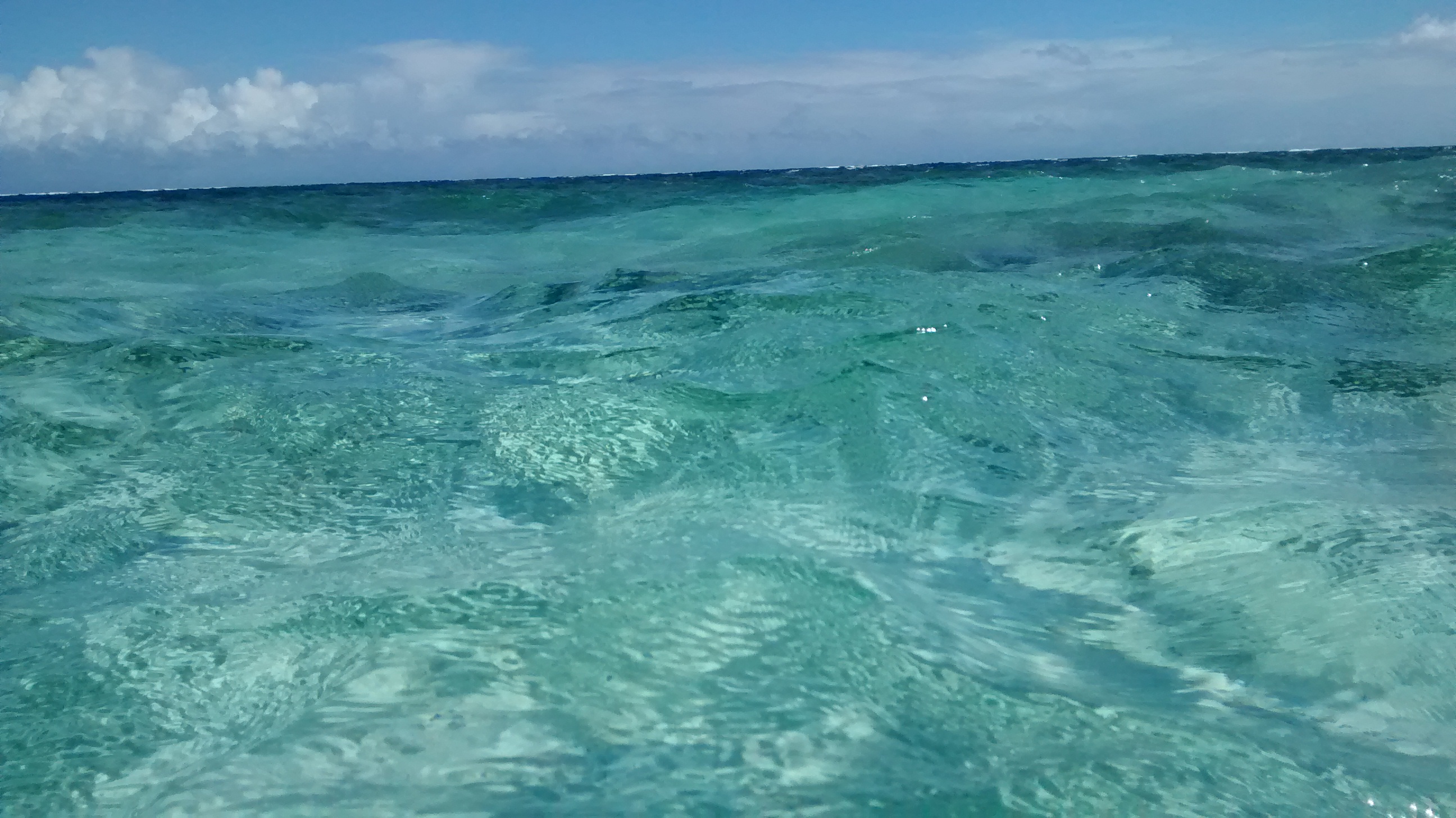
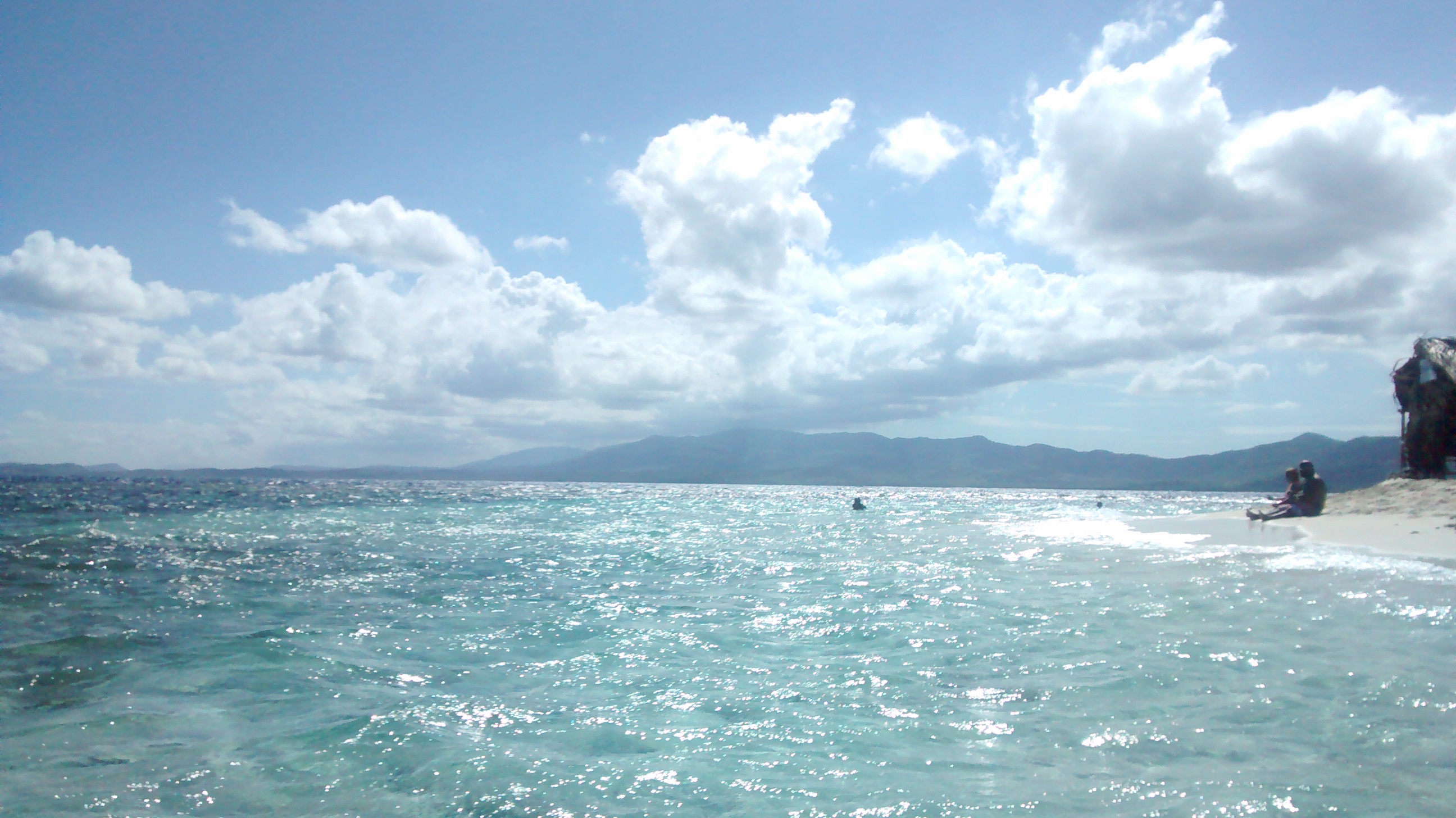
 Our group reached the bank early enough in the morning to see the local fishes before they were driven away by the incoming waves of later tourists. (And by me, waving at them underwater).
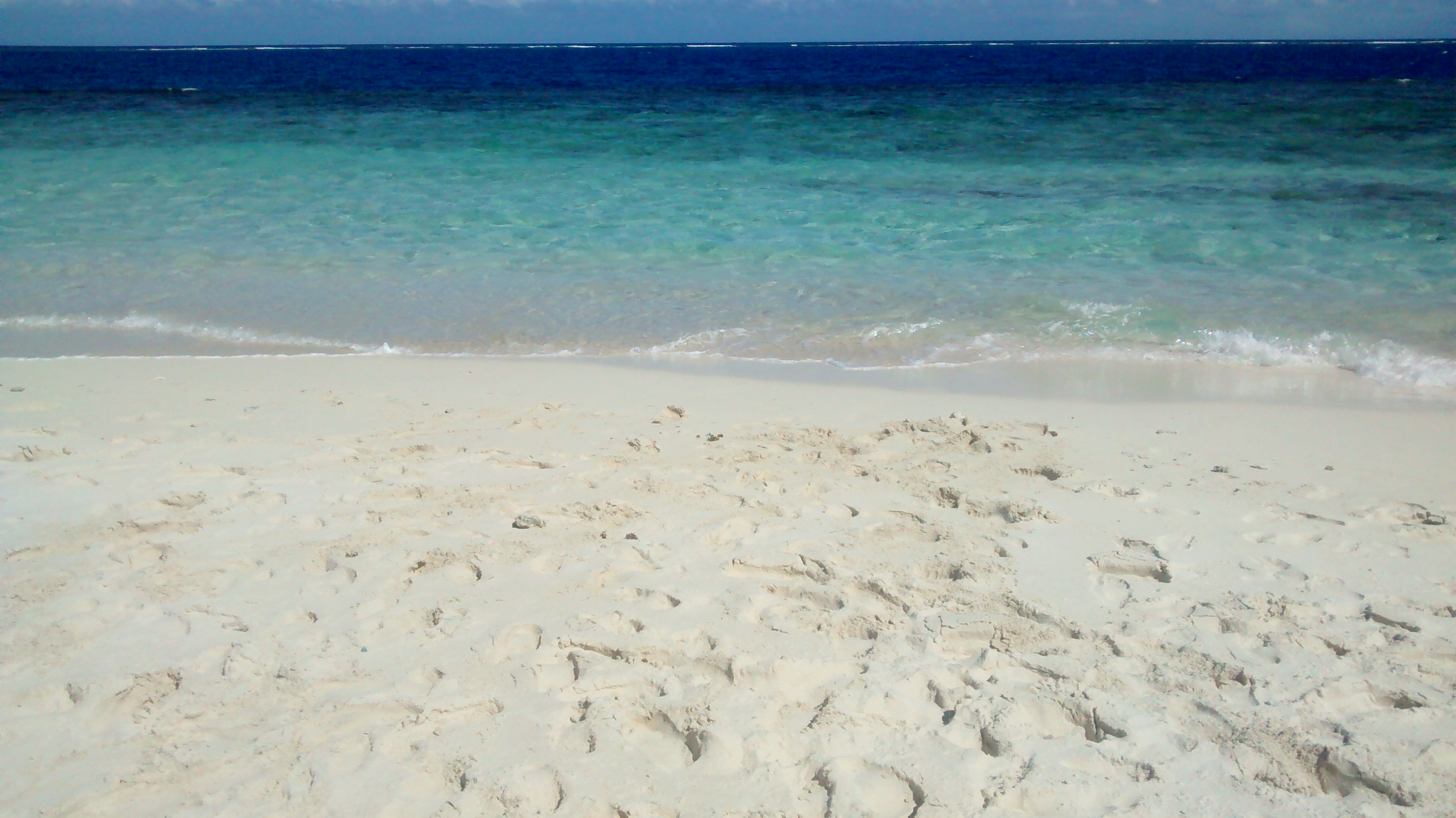 Environmental protection is of course central to the leisure offering being offered here. The hundred-or-so day-trippers that eventually crowd the bank before flooding the “unspoilt” waters, are not allowed to bring their shoes with them lest they damage the sand.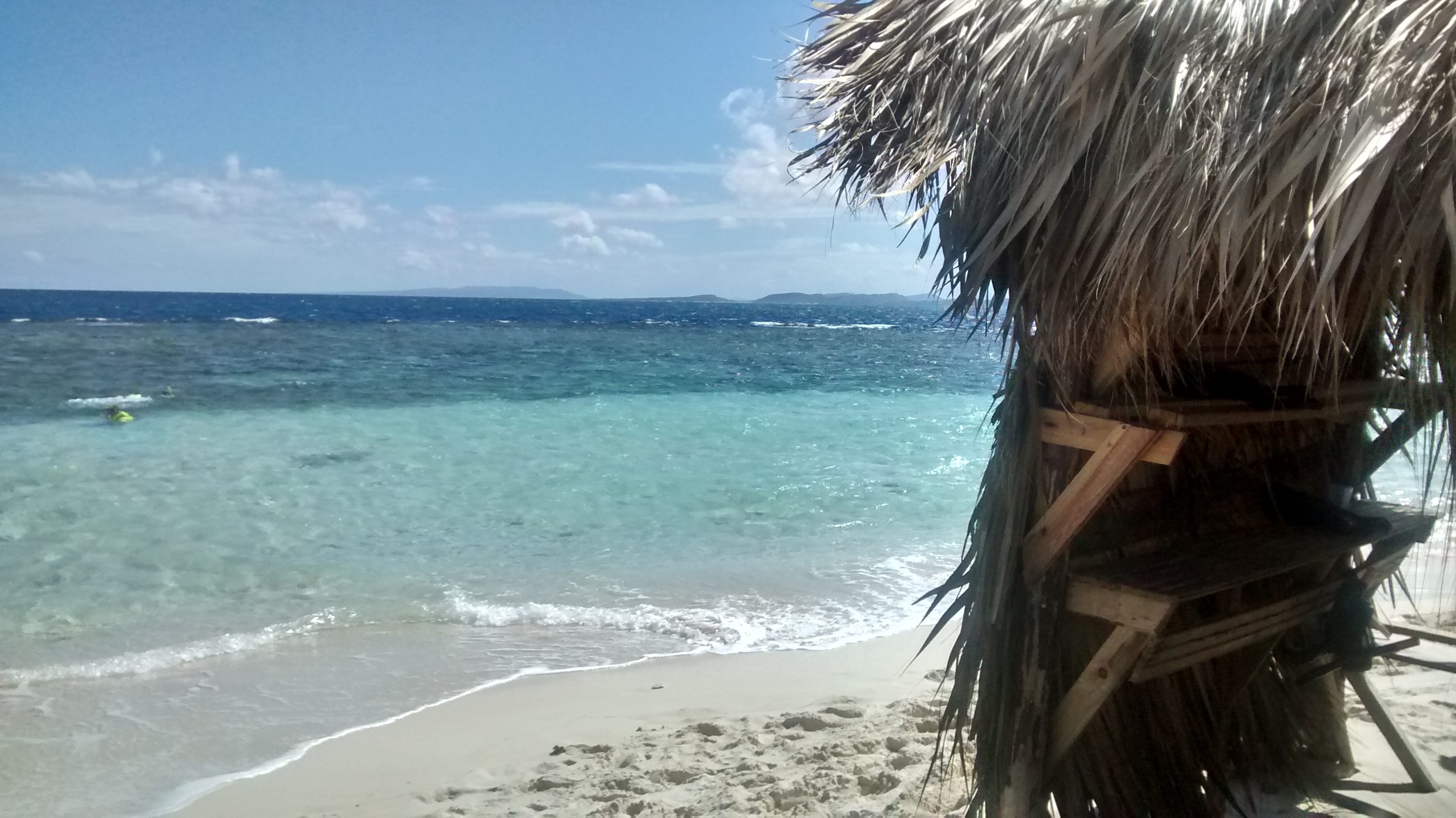
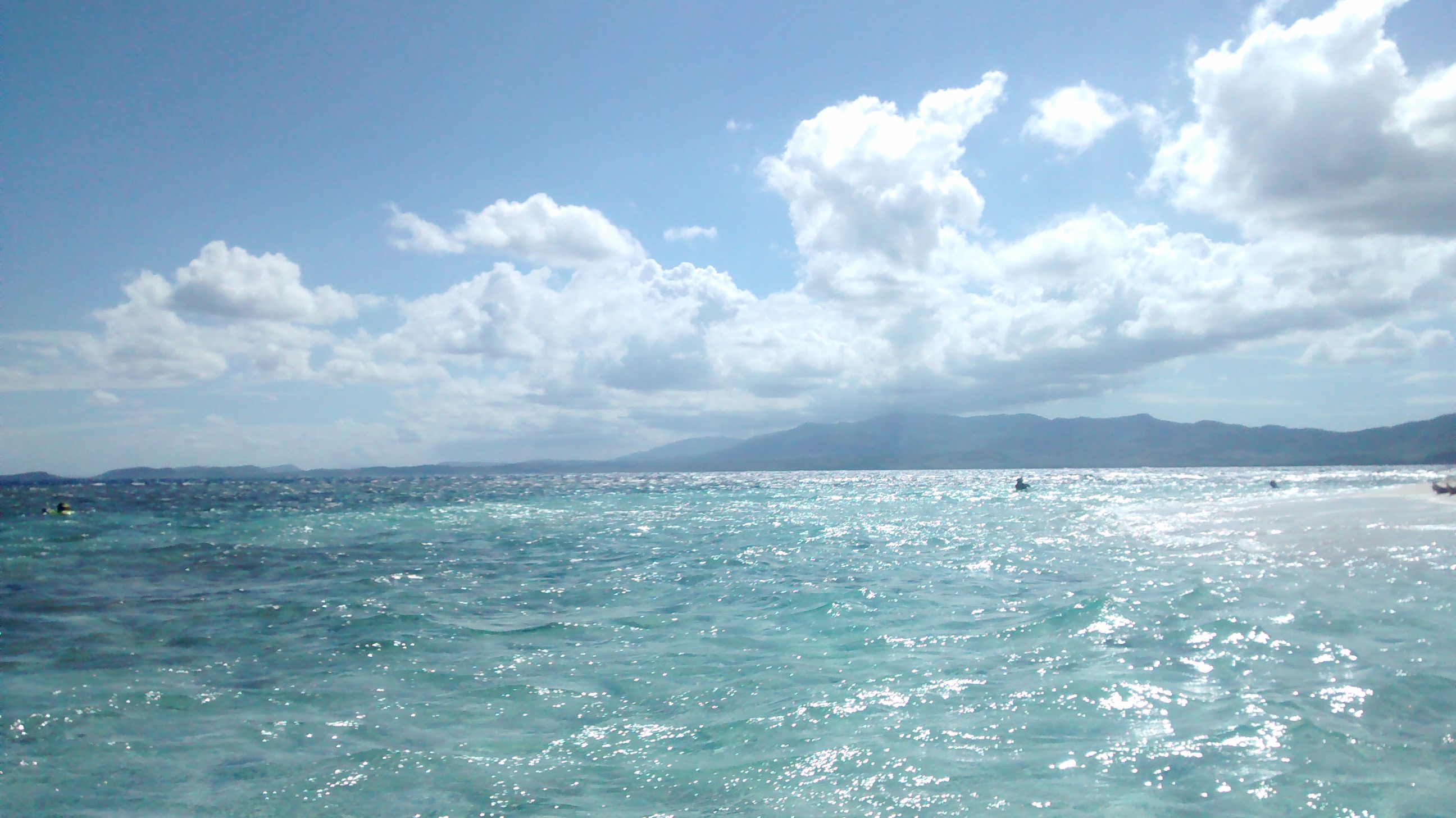 The name Paradise Island is most probably a concoction of the global tourist industry to sell conceived notions – hang on, it actually was paradise!My exploration of the socio-economics of tourism soon drew to its conclusion, and we headed back to the little boats for the bumpy return to shore.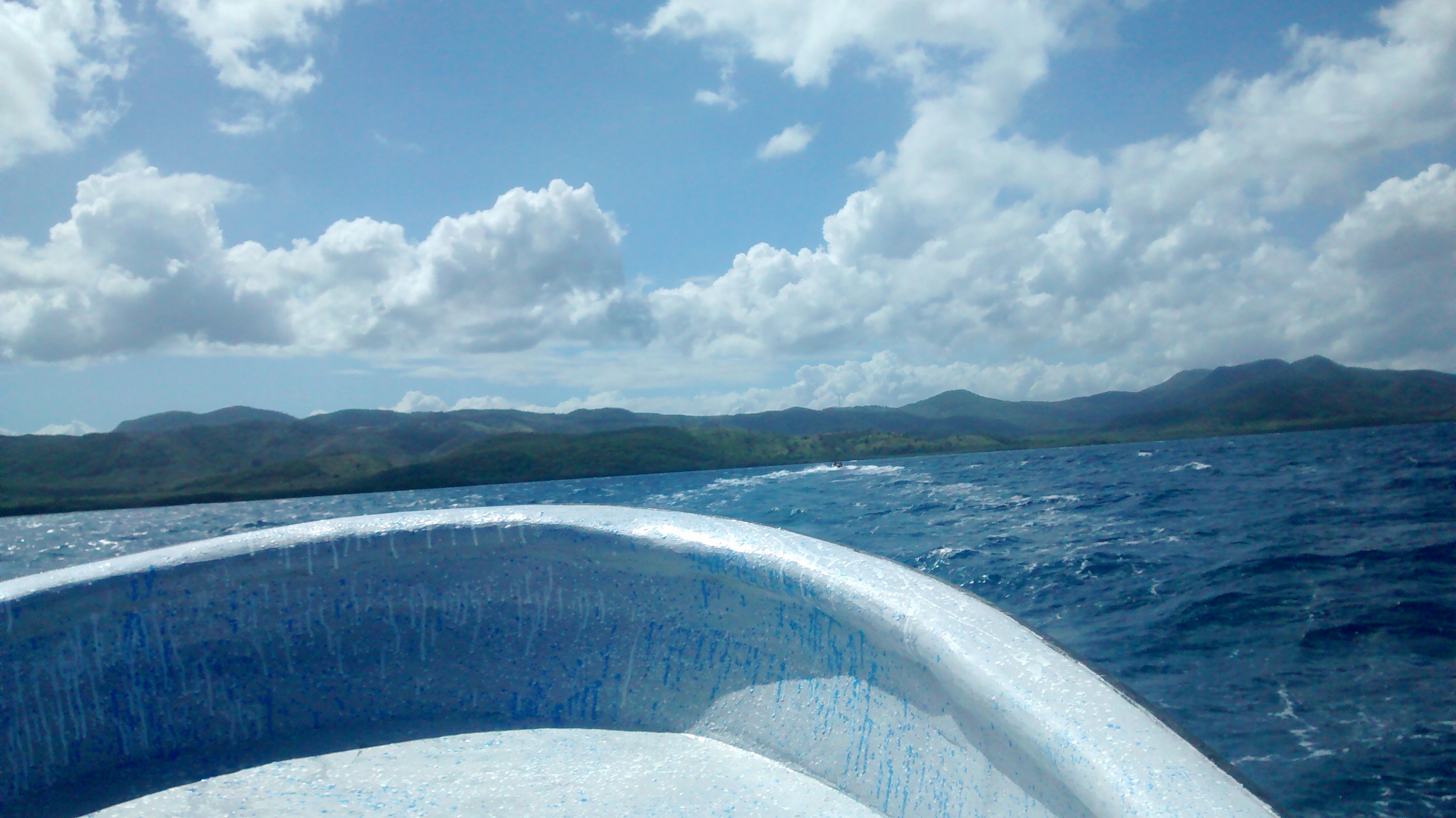
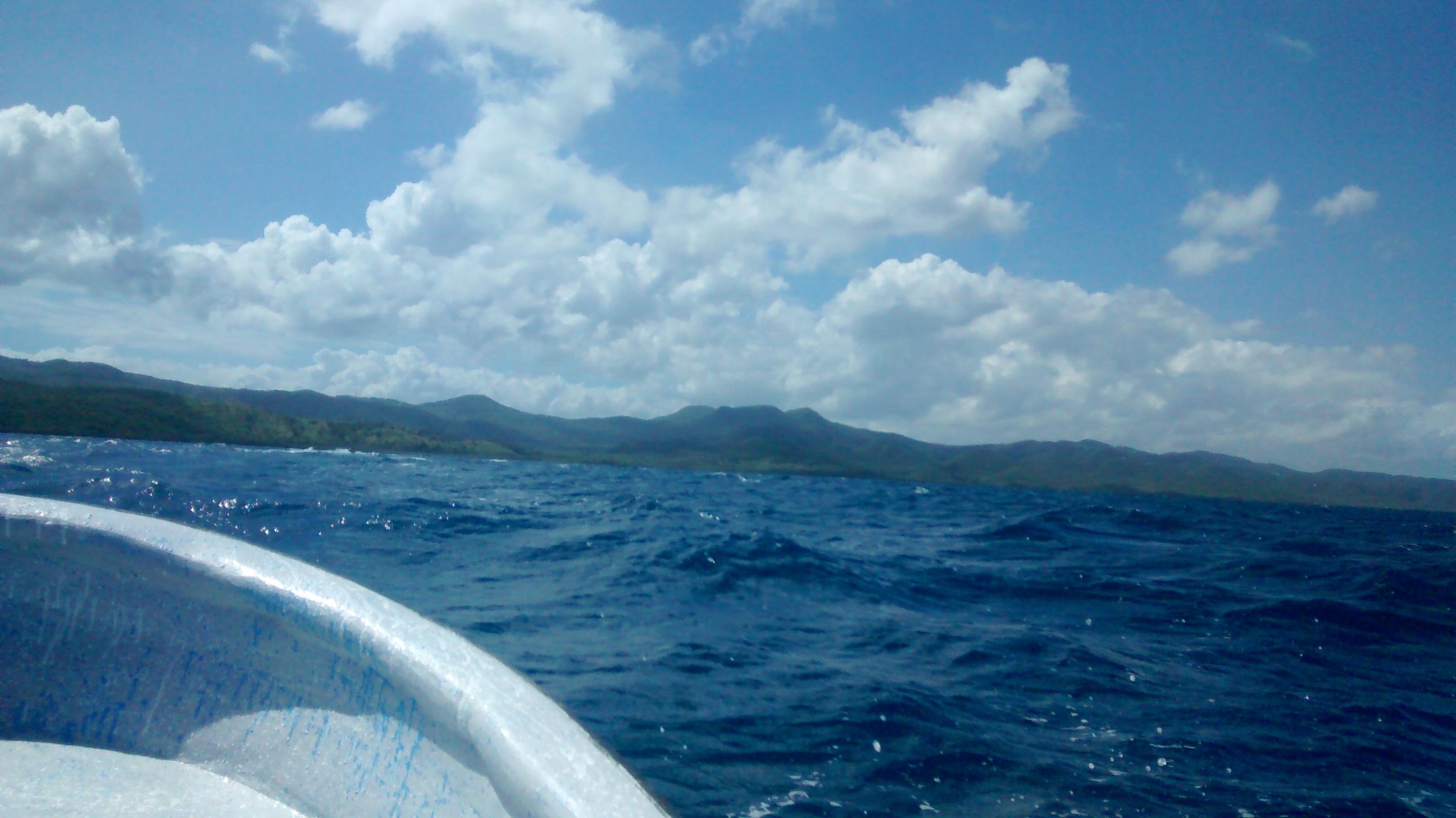 As we headed back, I began to be concerned by some internal contradictions within global capitalism and global tourism. Major American soft-drinks corporations were represented on the bay, as were local rum makers, and the journey back to my hotel witnessed an ongoing dialectical struggle between their joint products, the rough sea, the long bendy roads, and my stomach.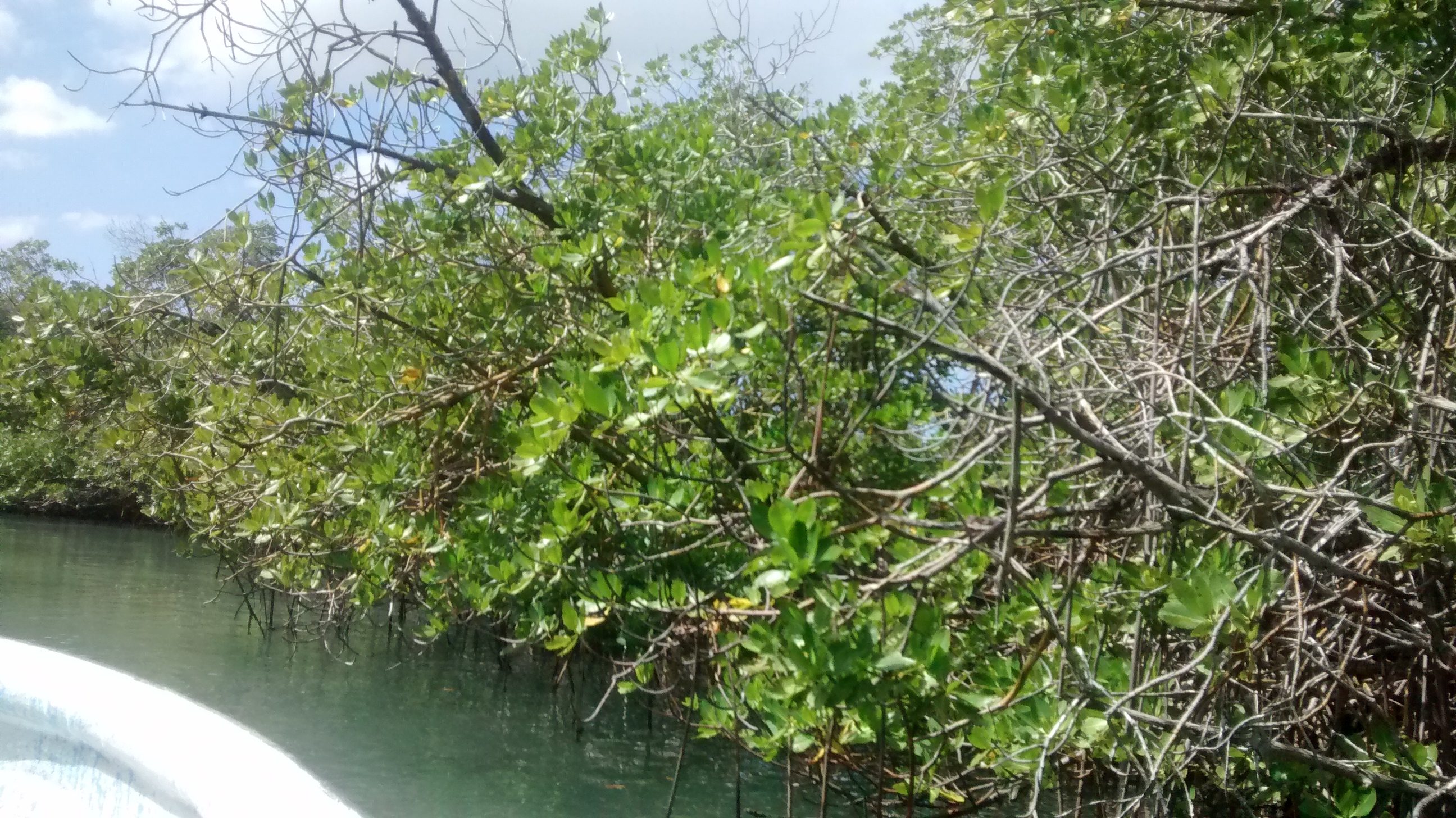
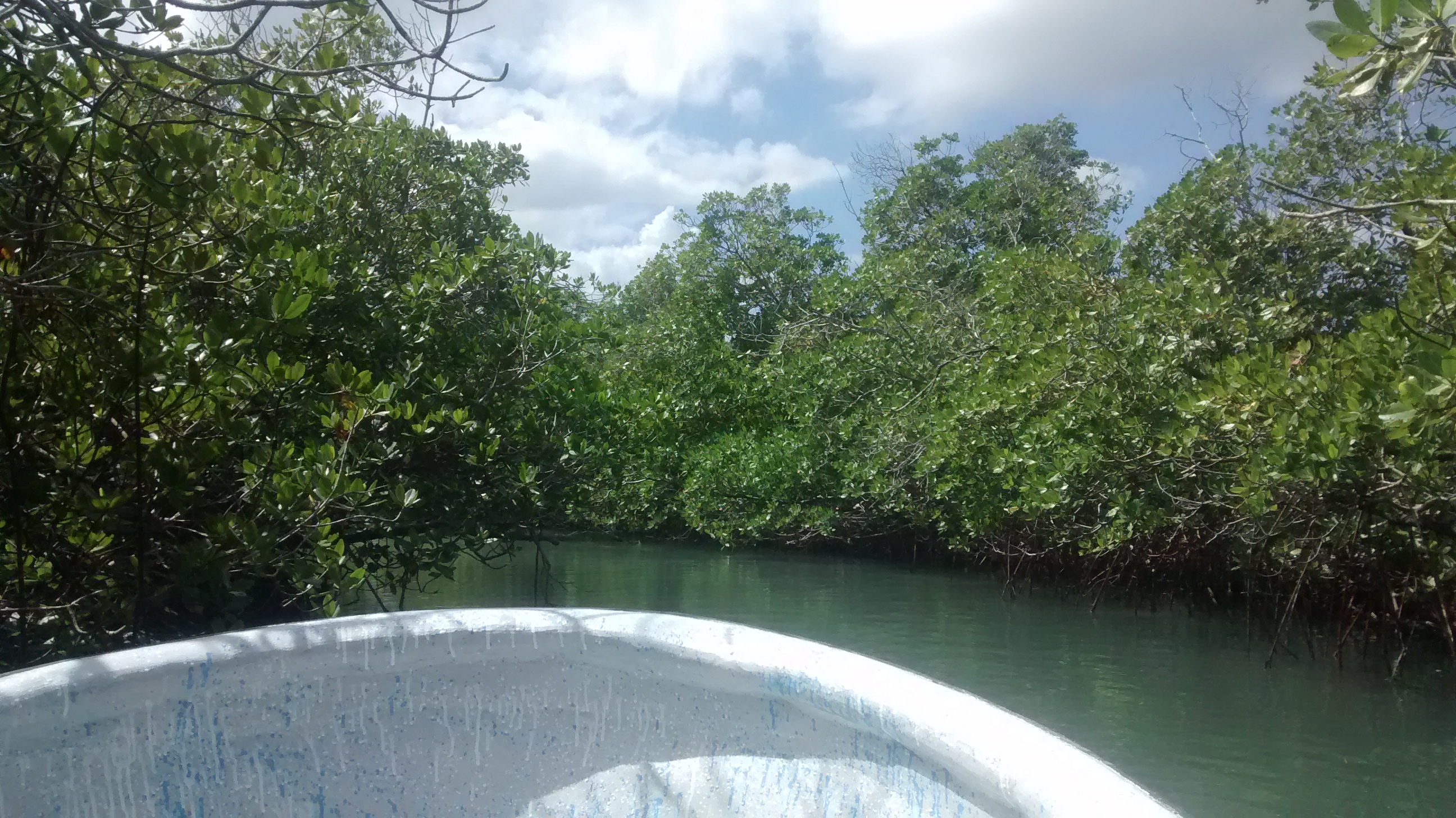 …before hitting the rough open sea again, and arriving back on the beach.
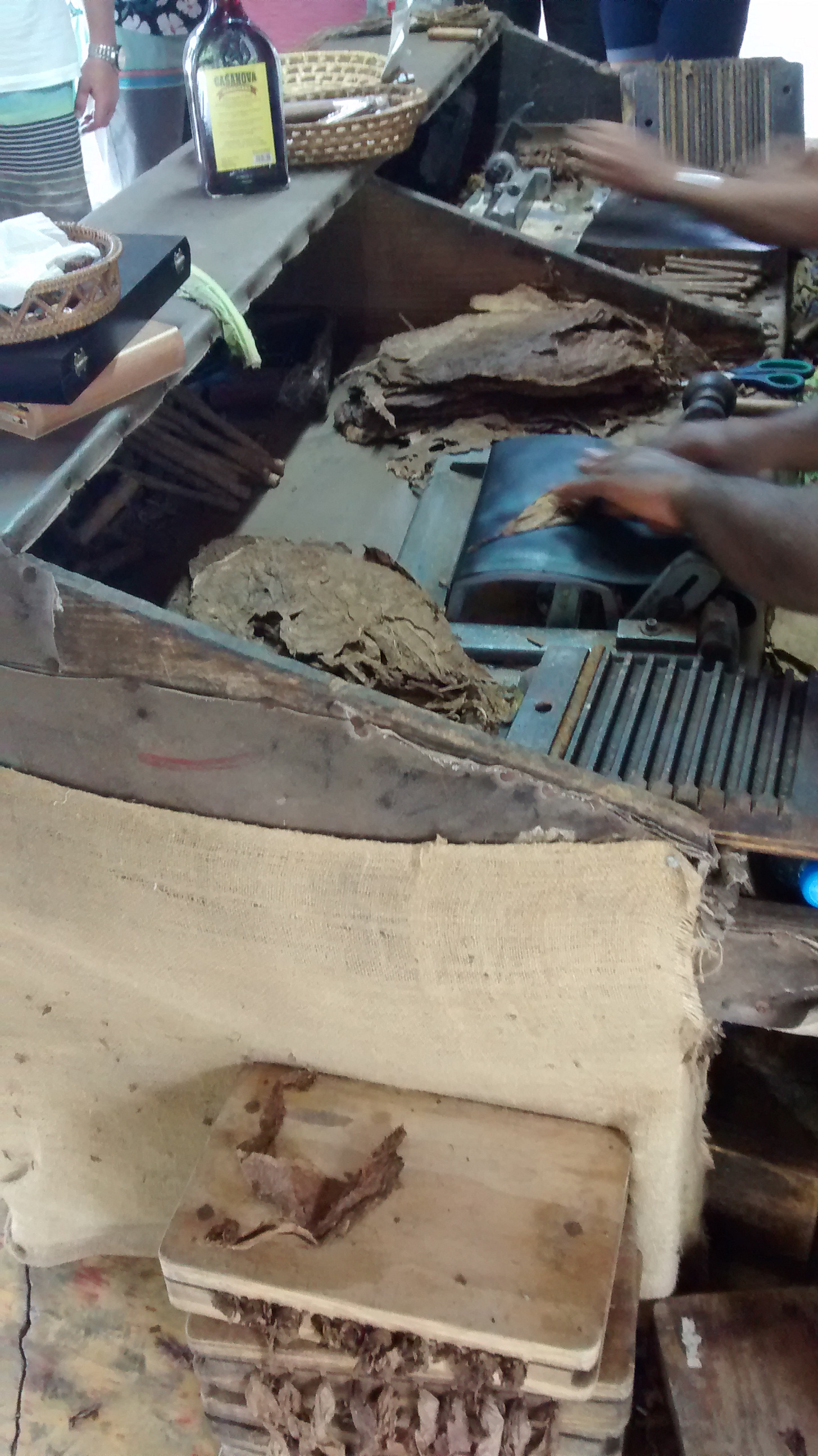
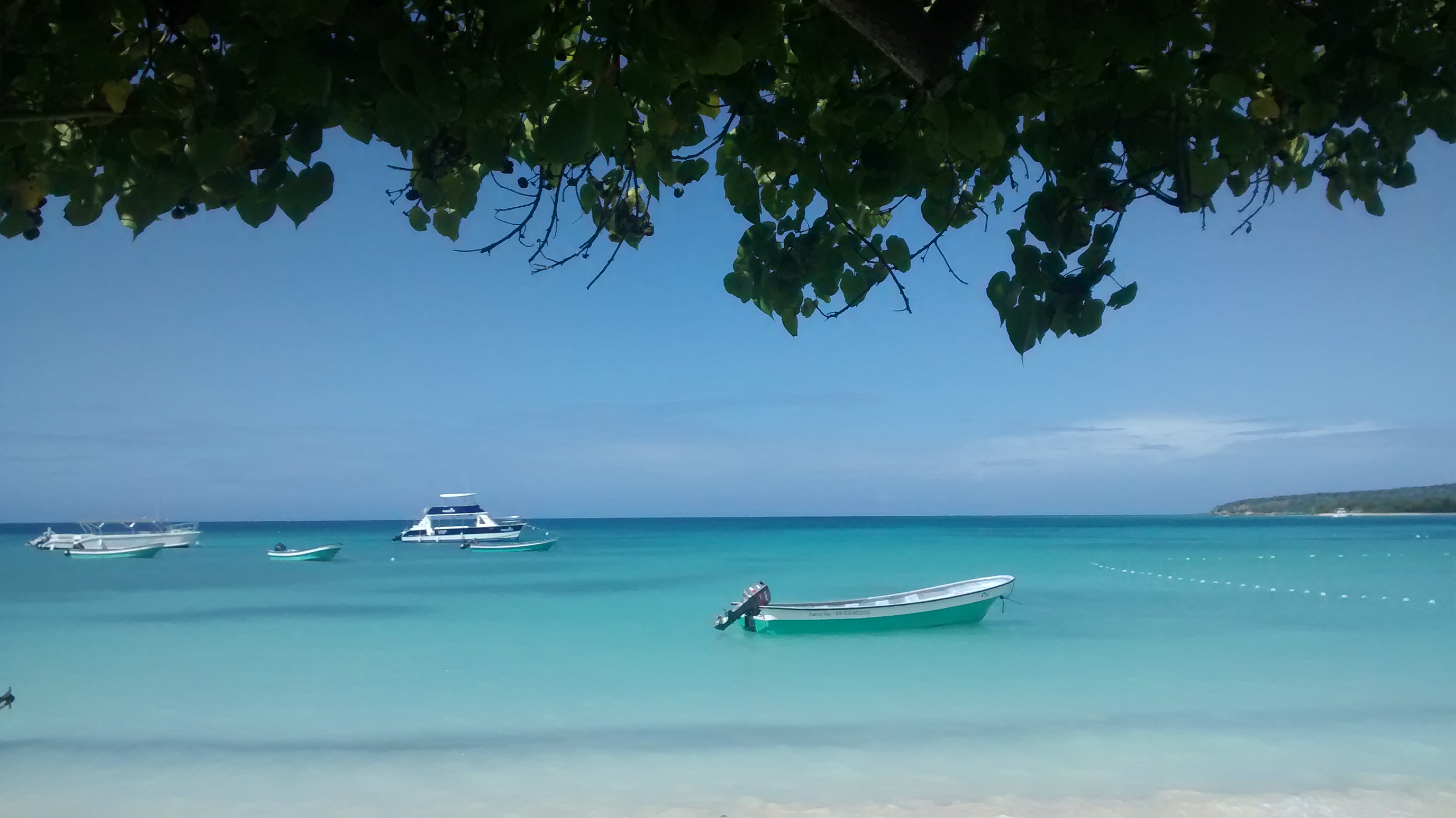 Soon it was back on the road, and about two hours later – after the now obligatory stop at a old-time-workshop-cum-souvenir-shop (this time involving tobbaco rolling)…
 …I was back in the hotel.Verdict; the highlight of my trip so far, from start to finish an absolute blast – err I mean a well-aimed blast at the contested power-relations within global tourism, conceived notions, authenticity… err…and stuff…
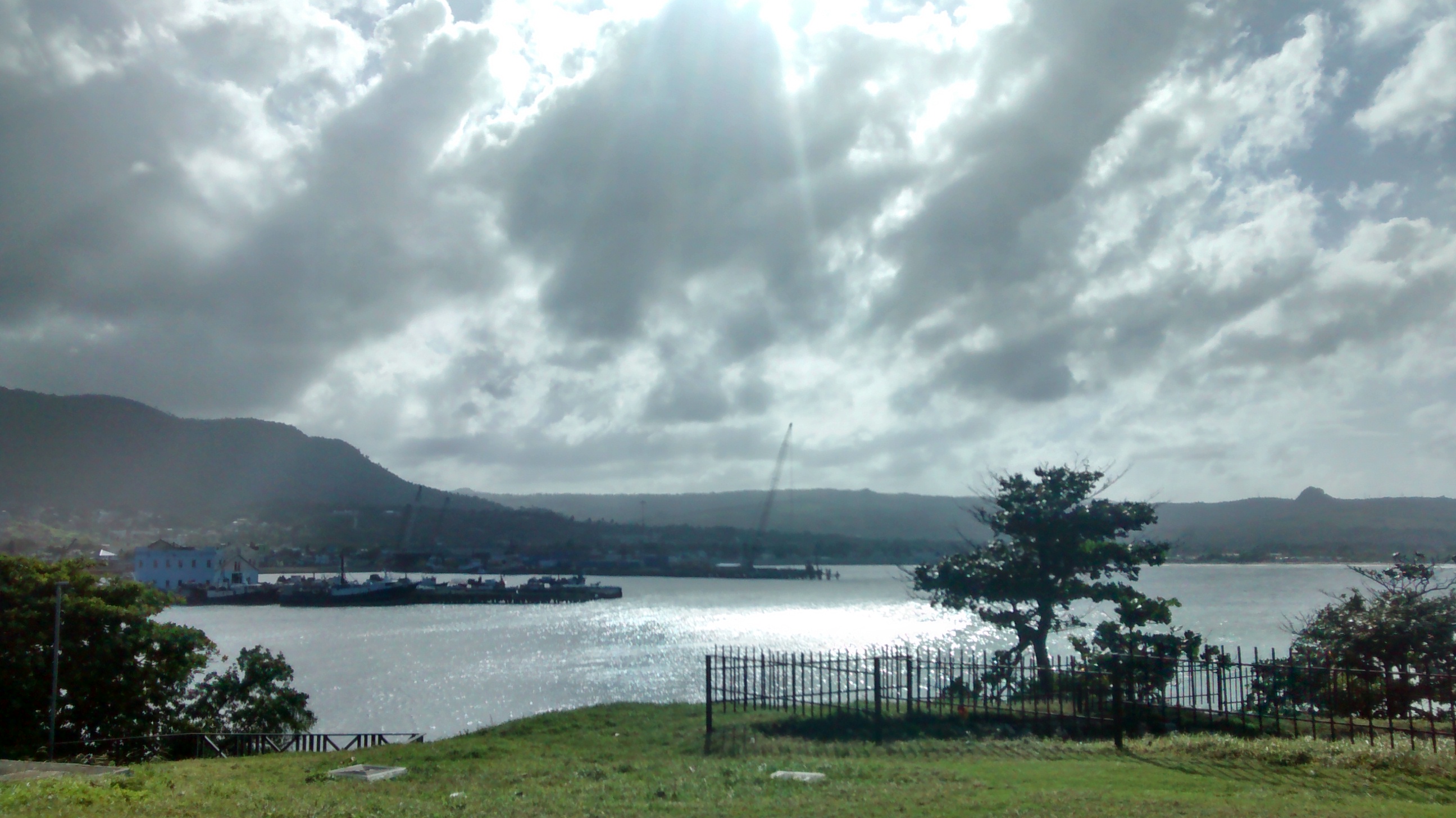
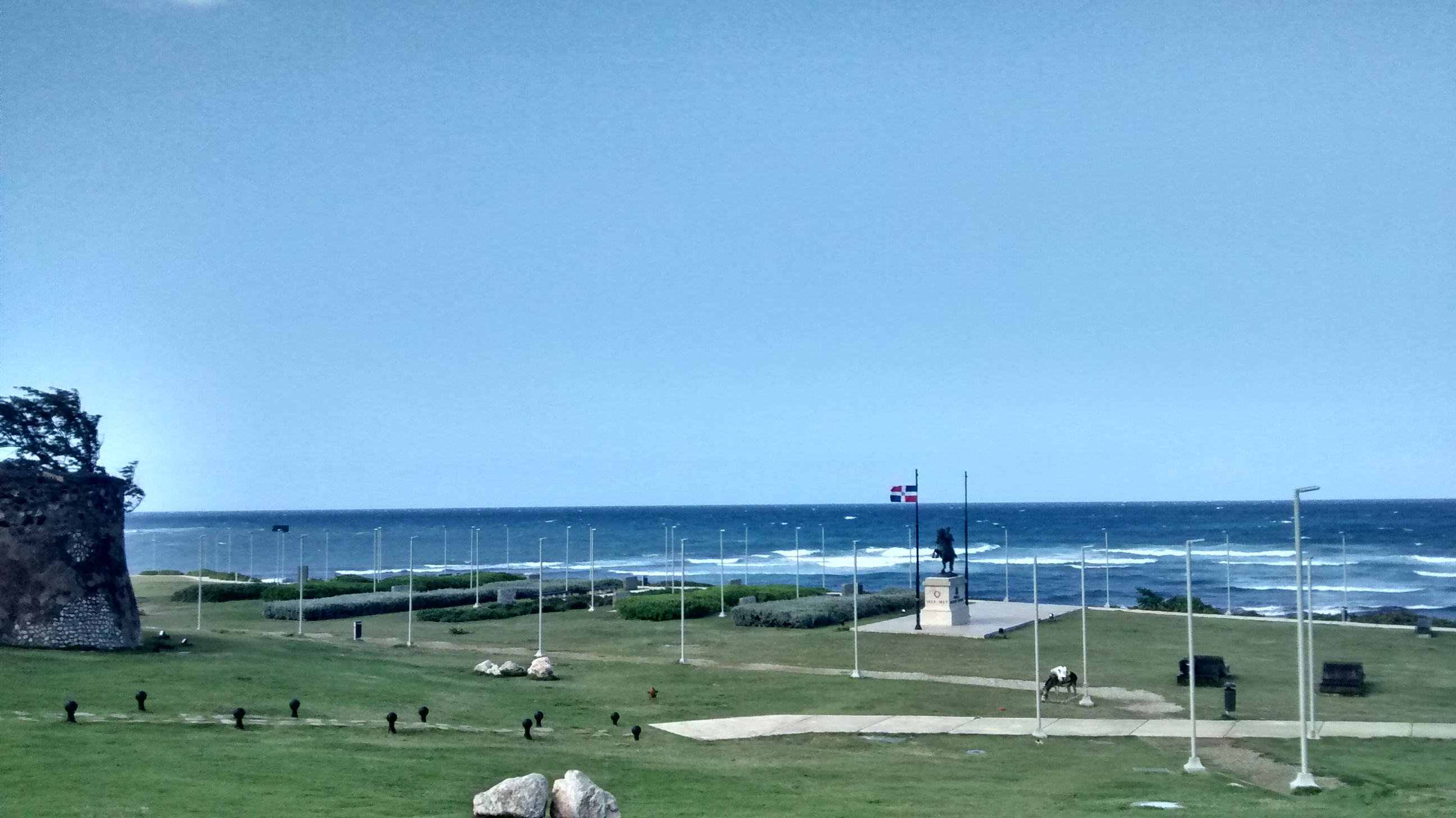

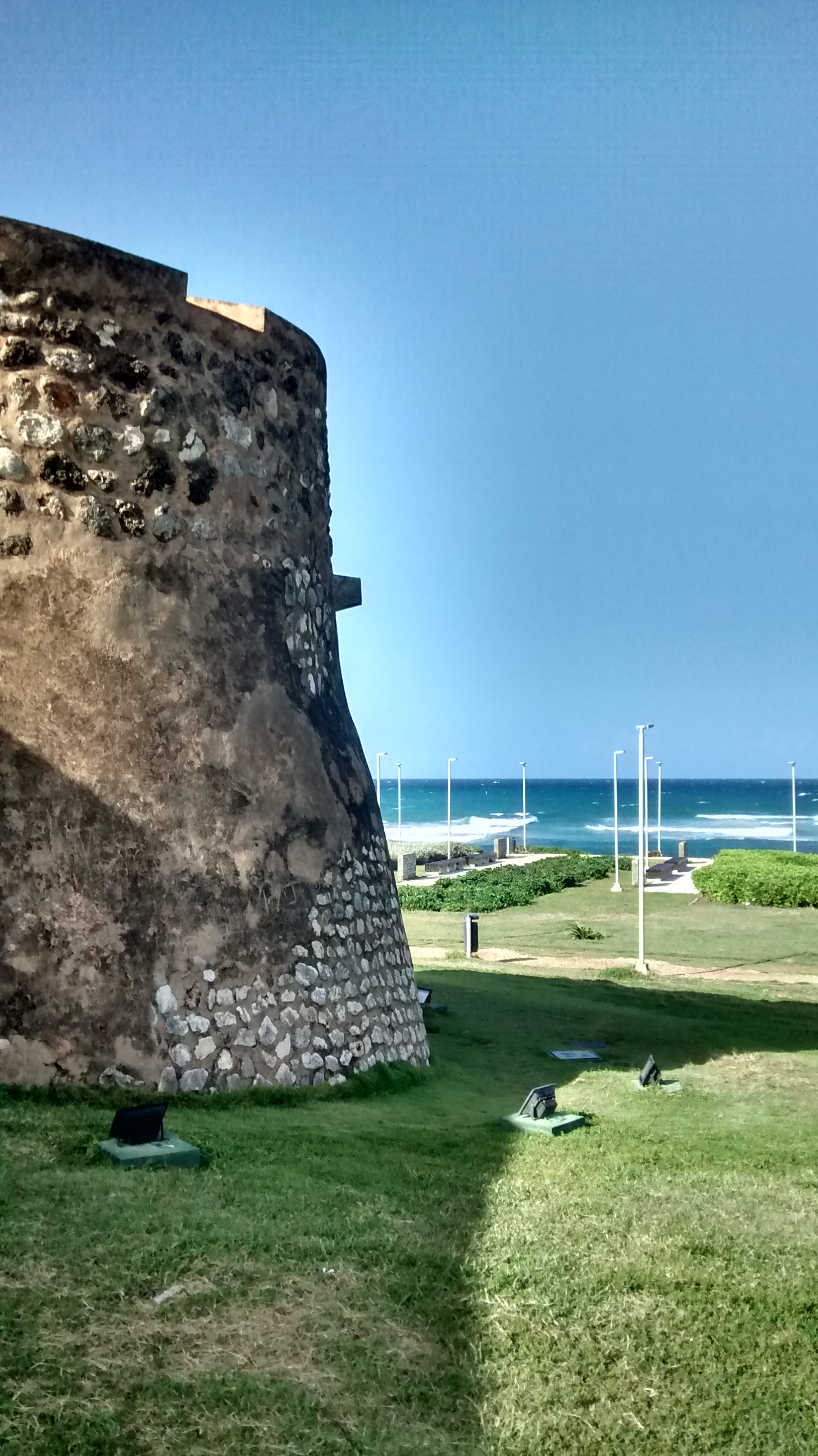
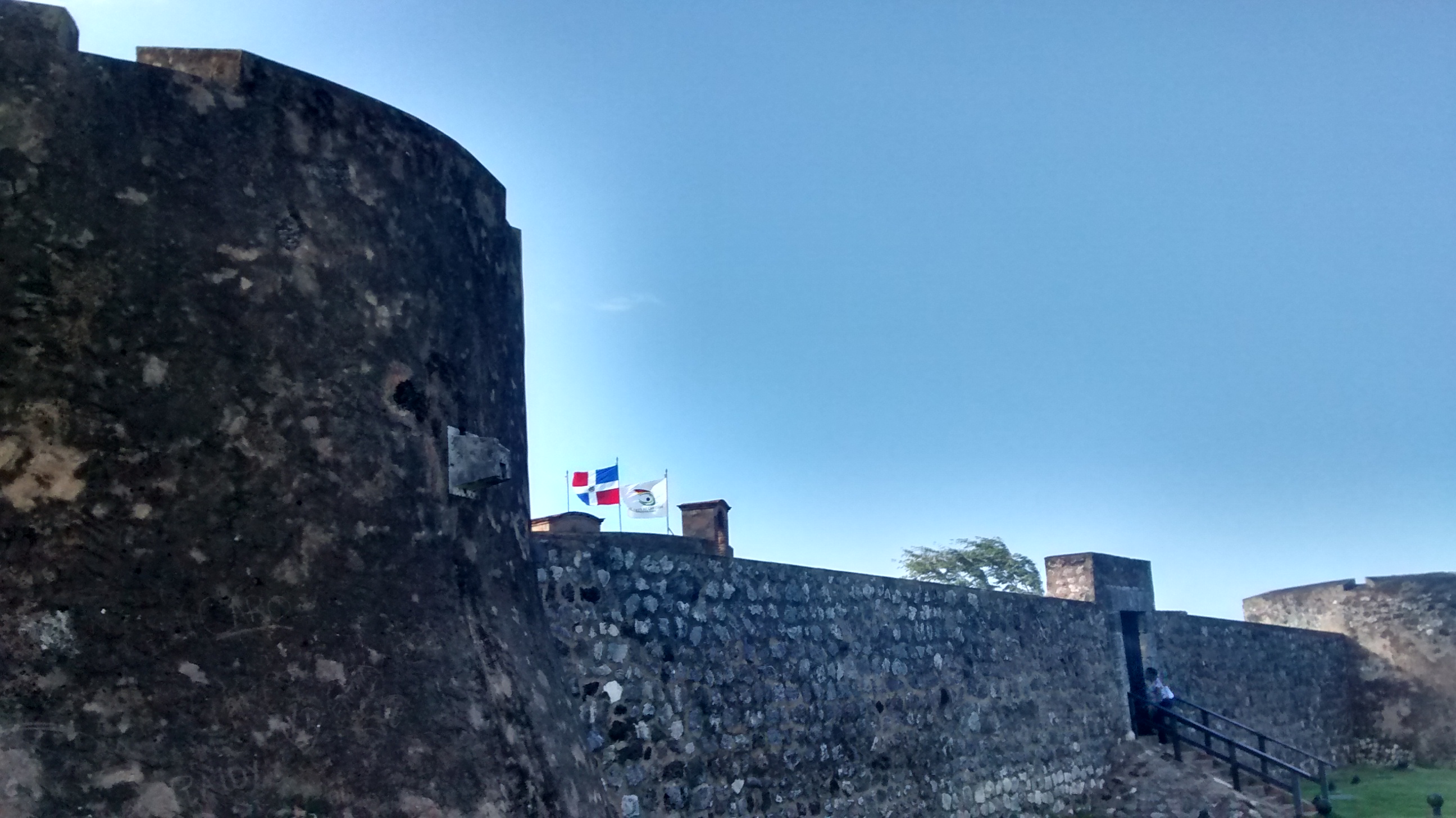
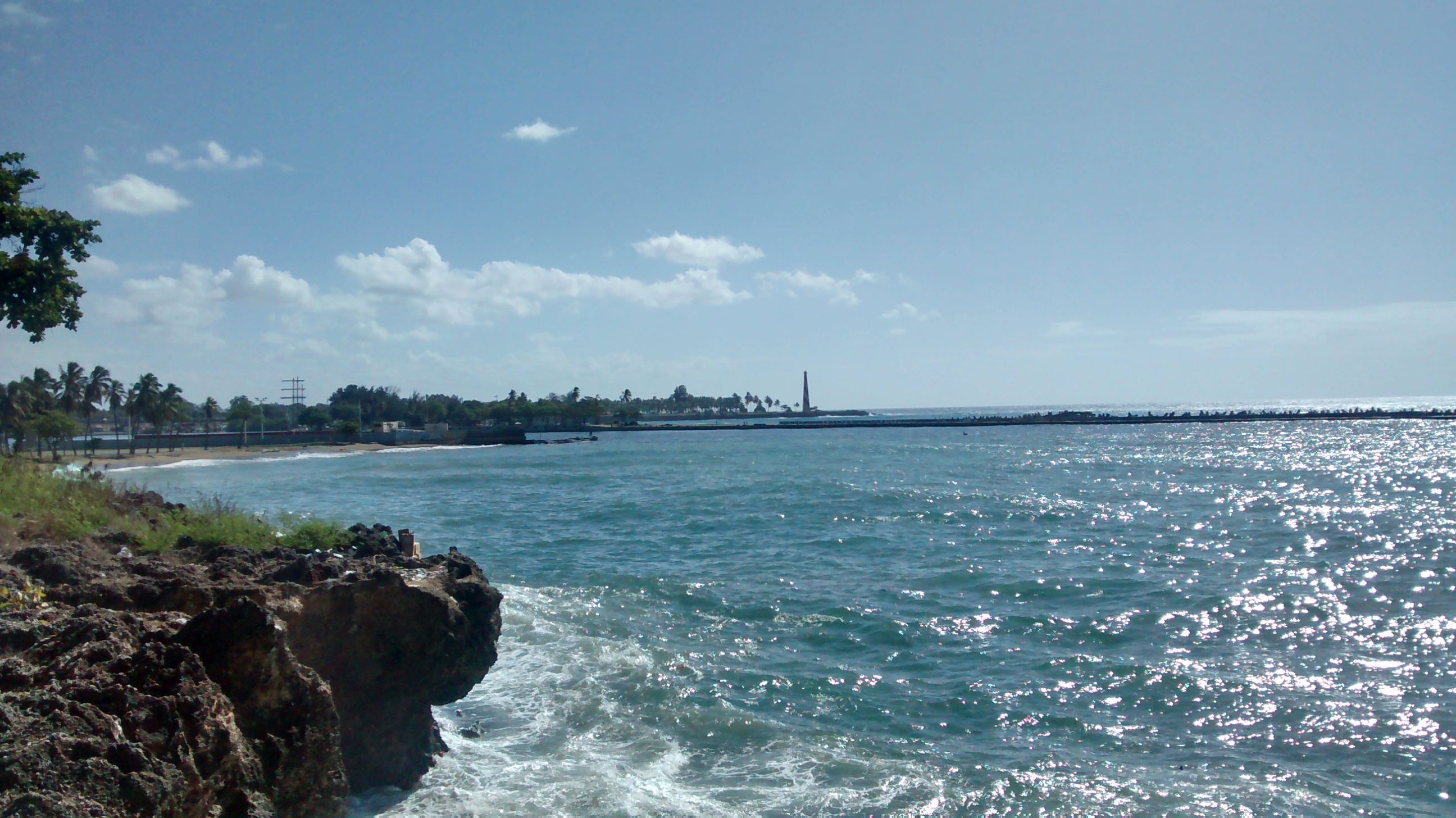
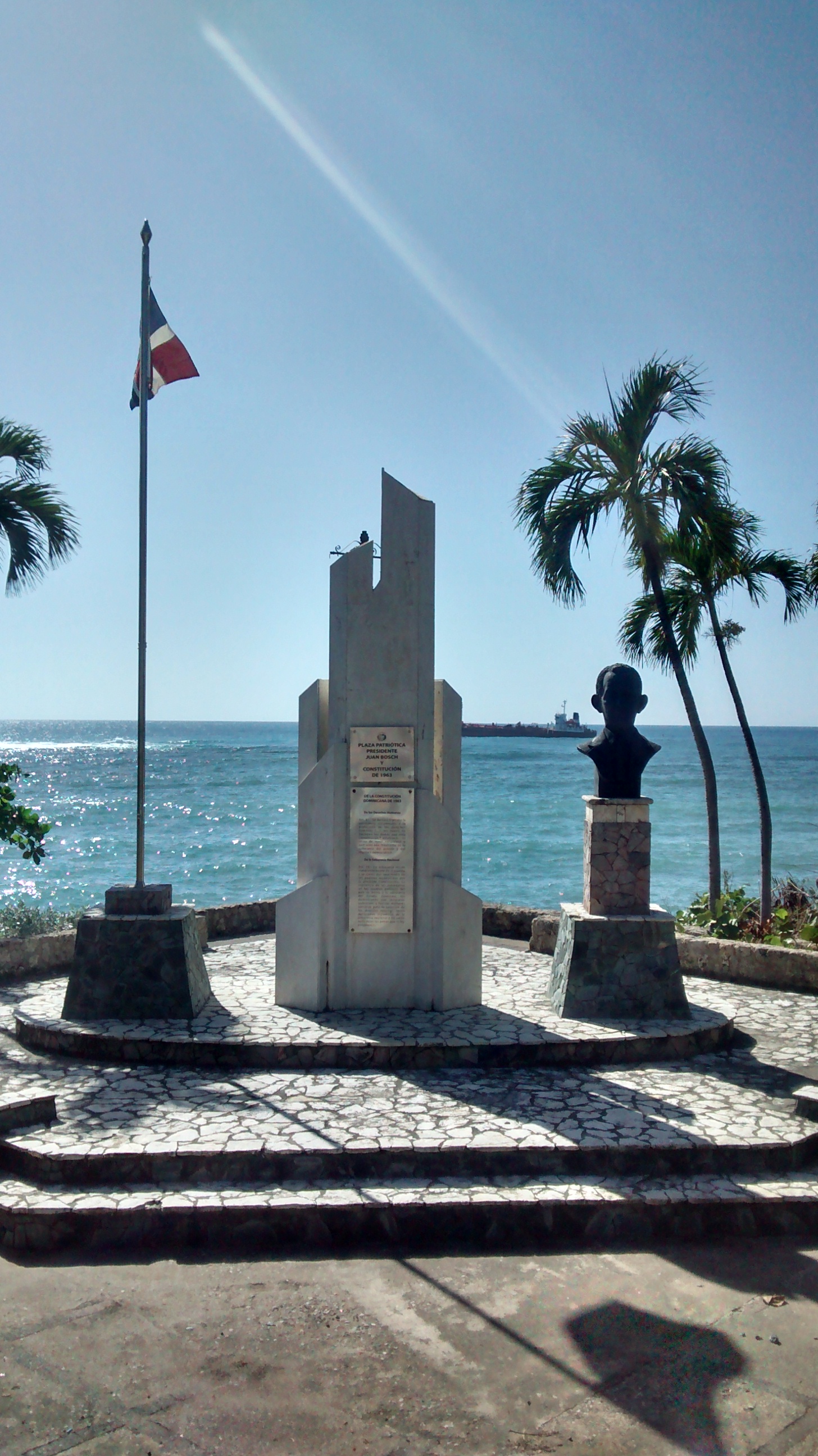 The old town is separated from the sea by Santo Domingo’s own Malecon, maybe not as famous as Havana’s. Near-impossible to cross during the day – and highly avoidable at night.
 Going underground…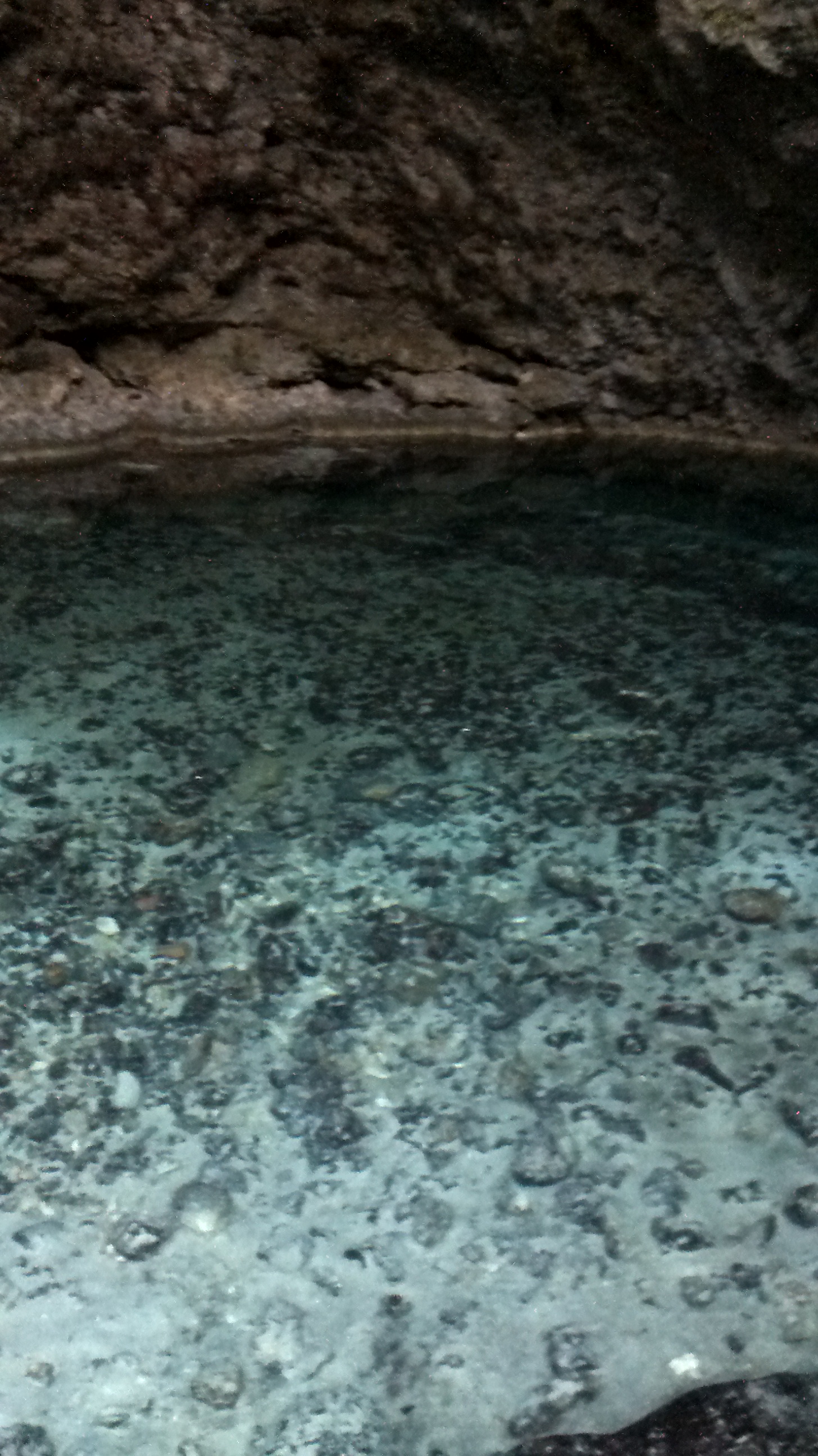
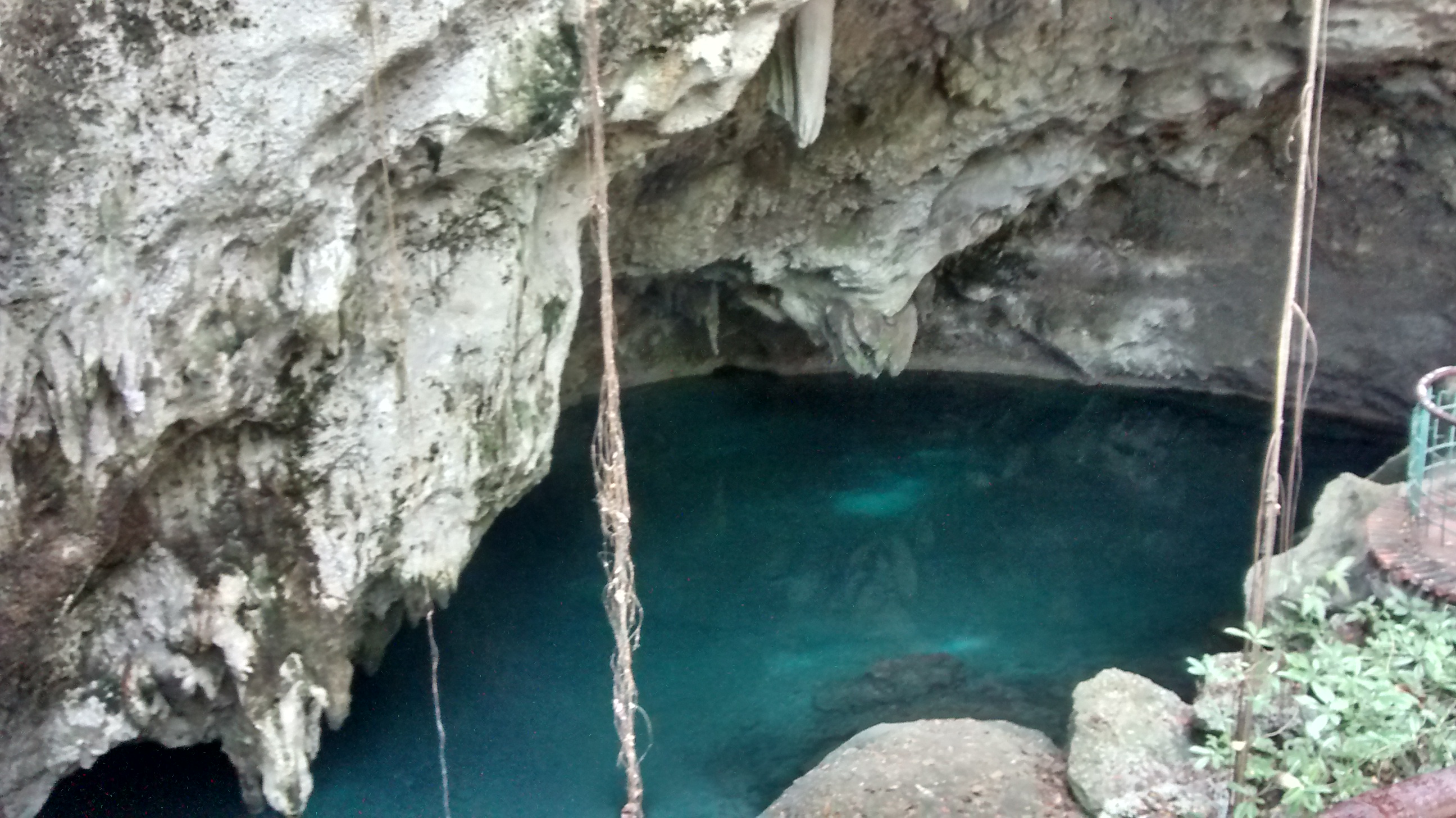
 The Tres Ojos limestone cave system, around the corner from the lighthouse. Amongst the stalagmites and stalactites can be found carvings from the Taino period. You’ll see the limestone again once you leave…
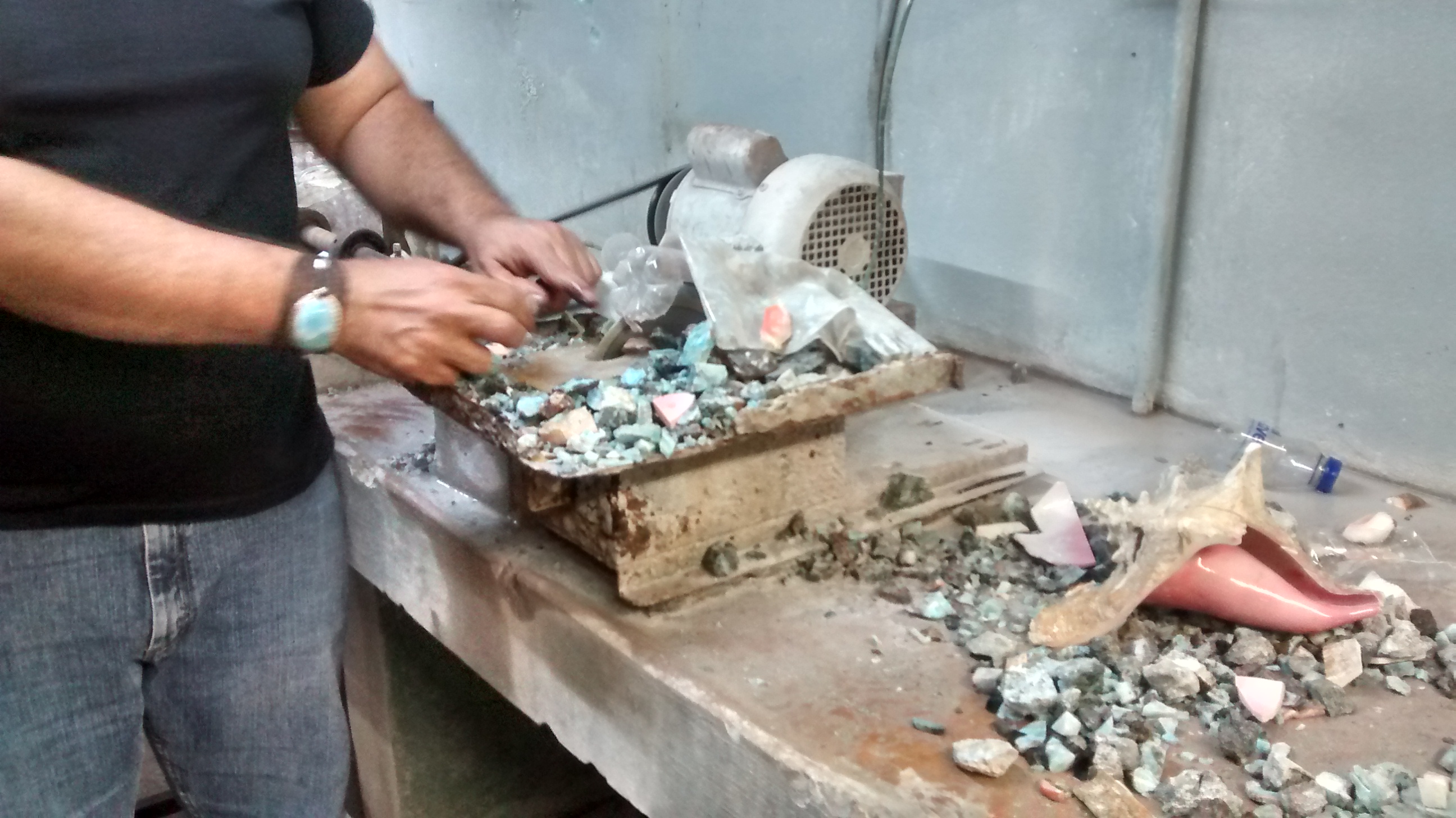
 …because the hawkers at the exit have carved it into a whole array of trinkets and they’ll ask you to buy some. And ask you again. And again, and…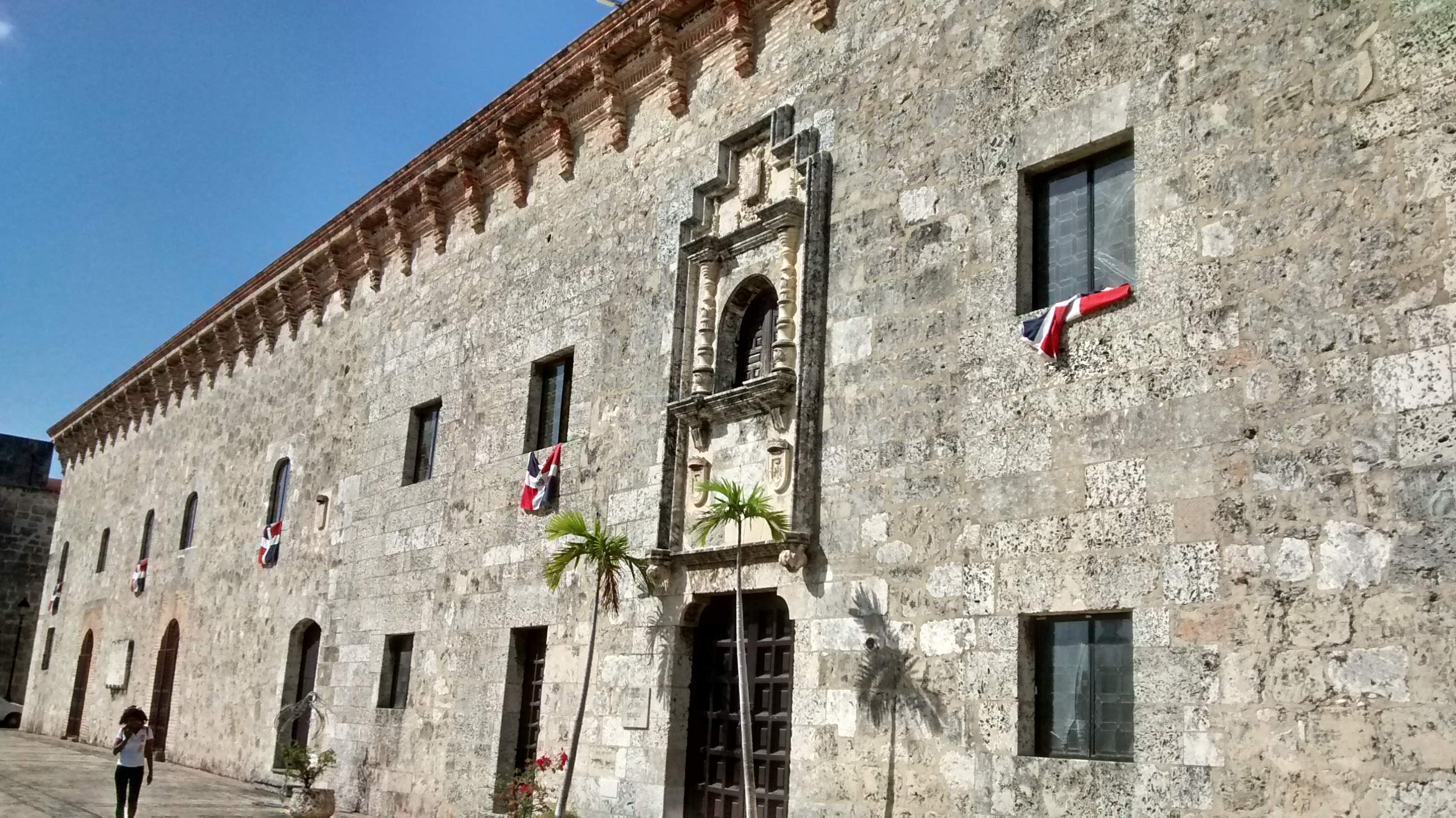
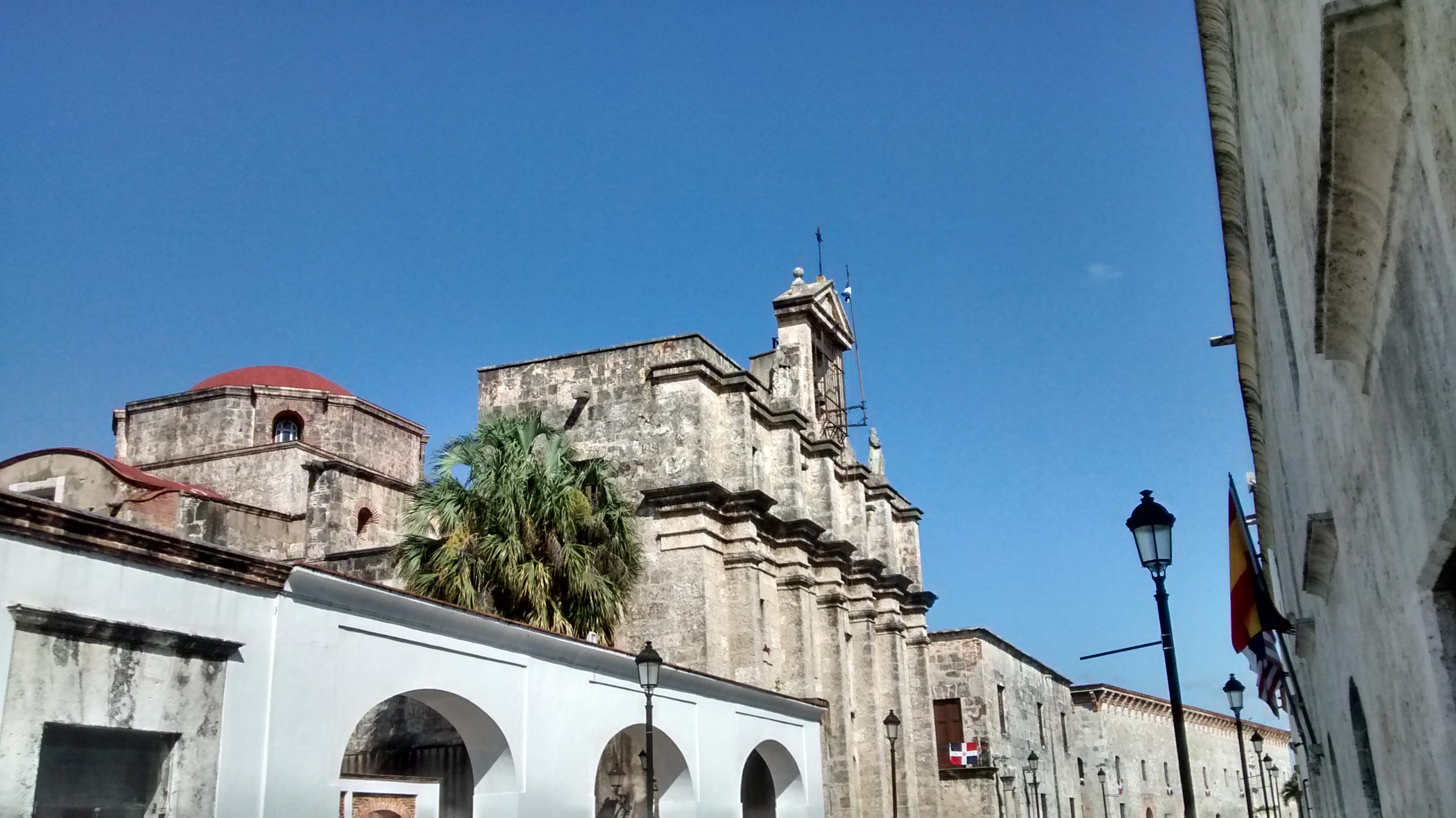
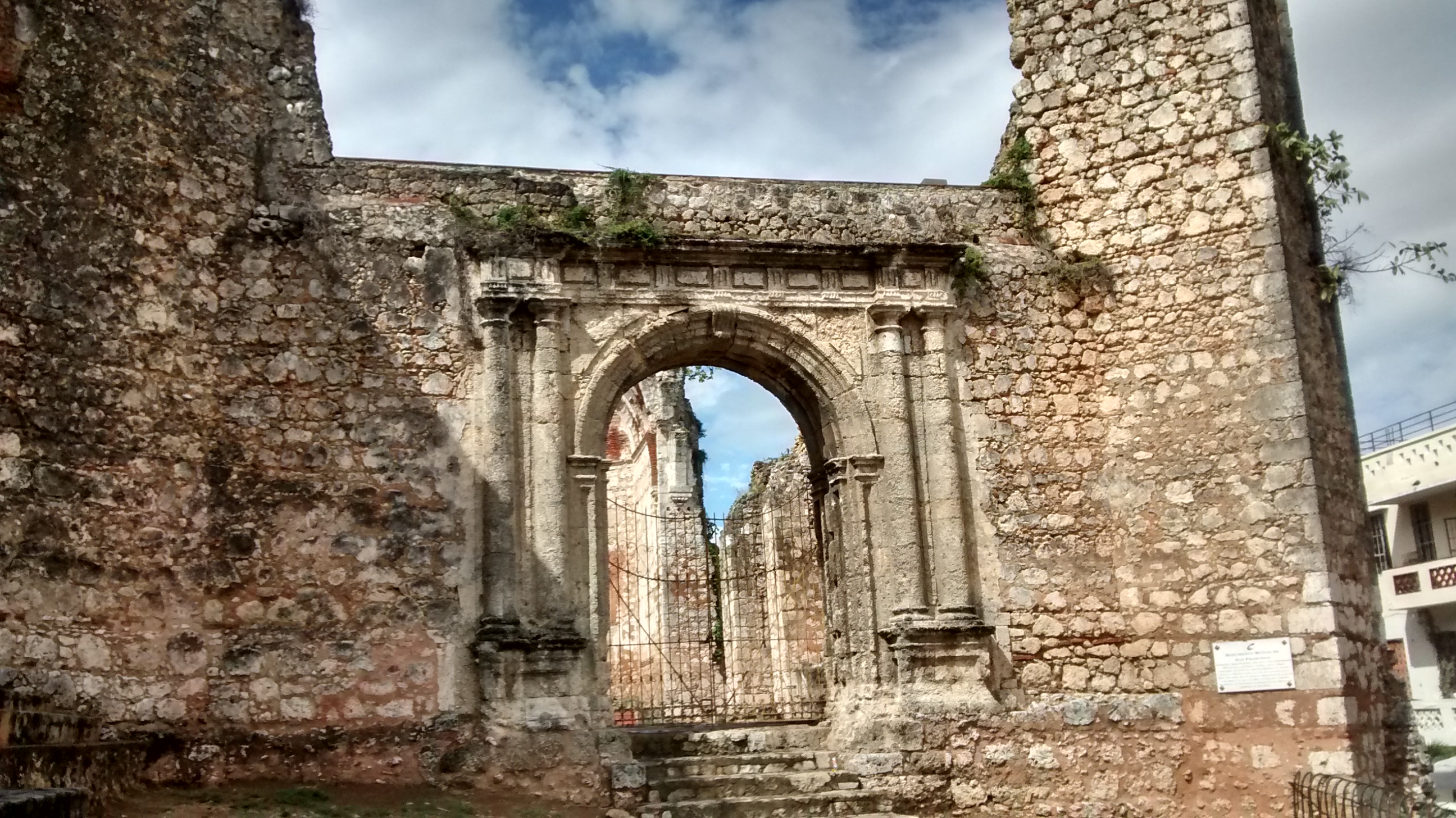
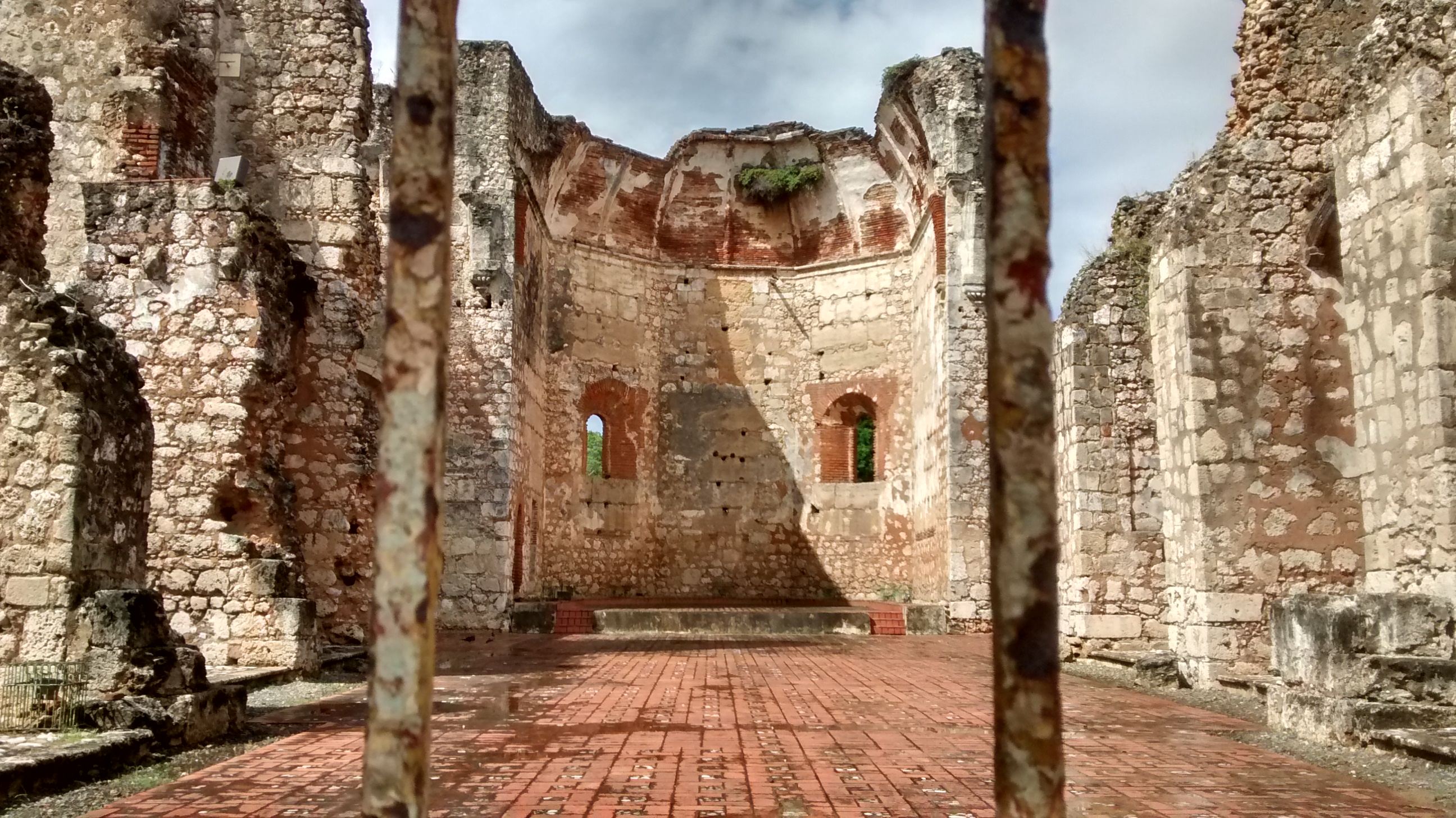 The last two are the ruins of the oldest monastery in the Americas, the Franciscan.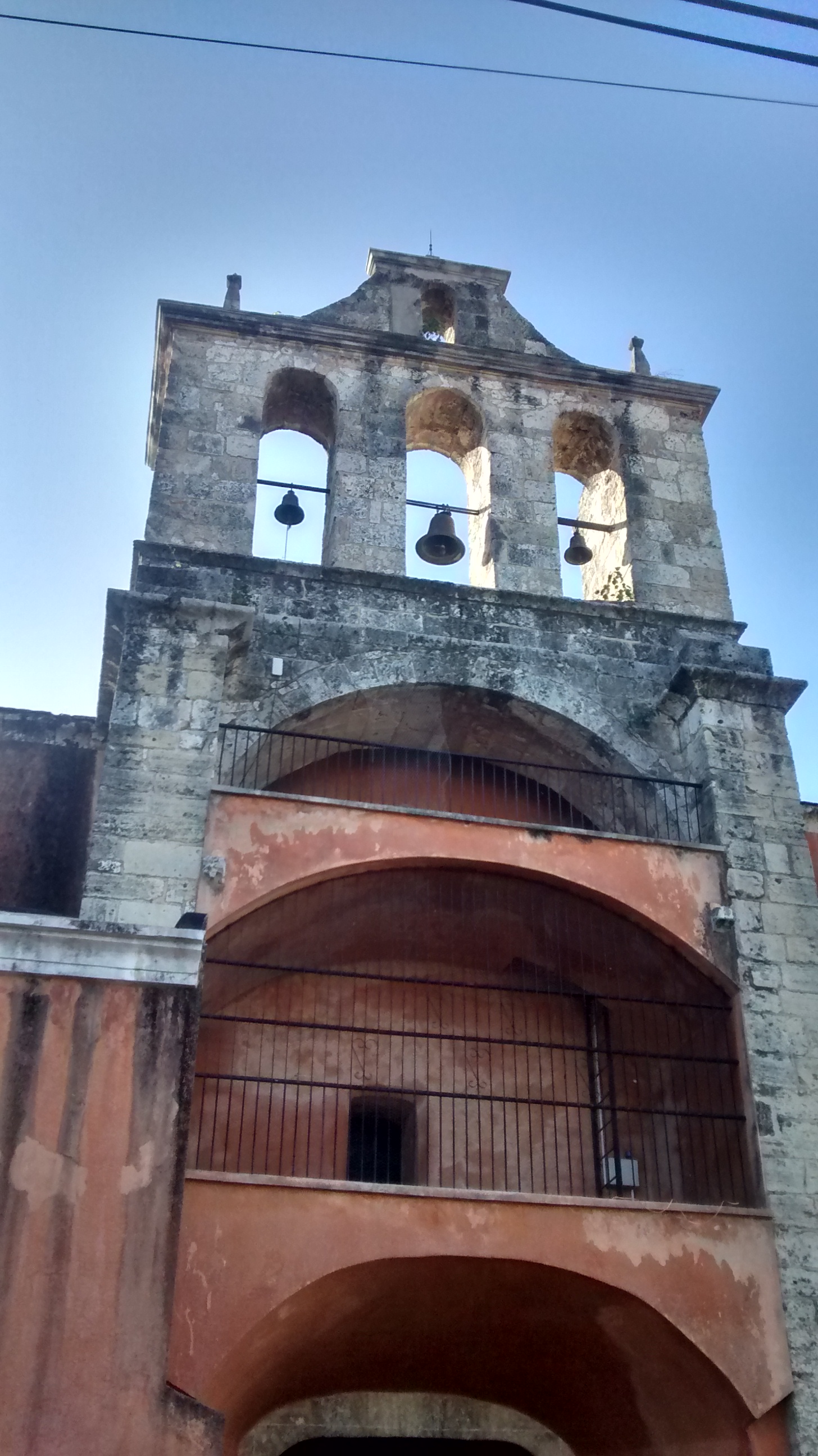
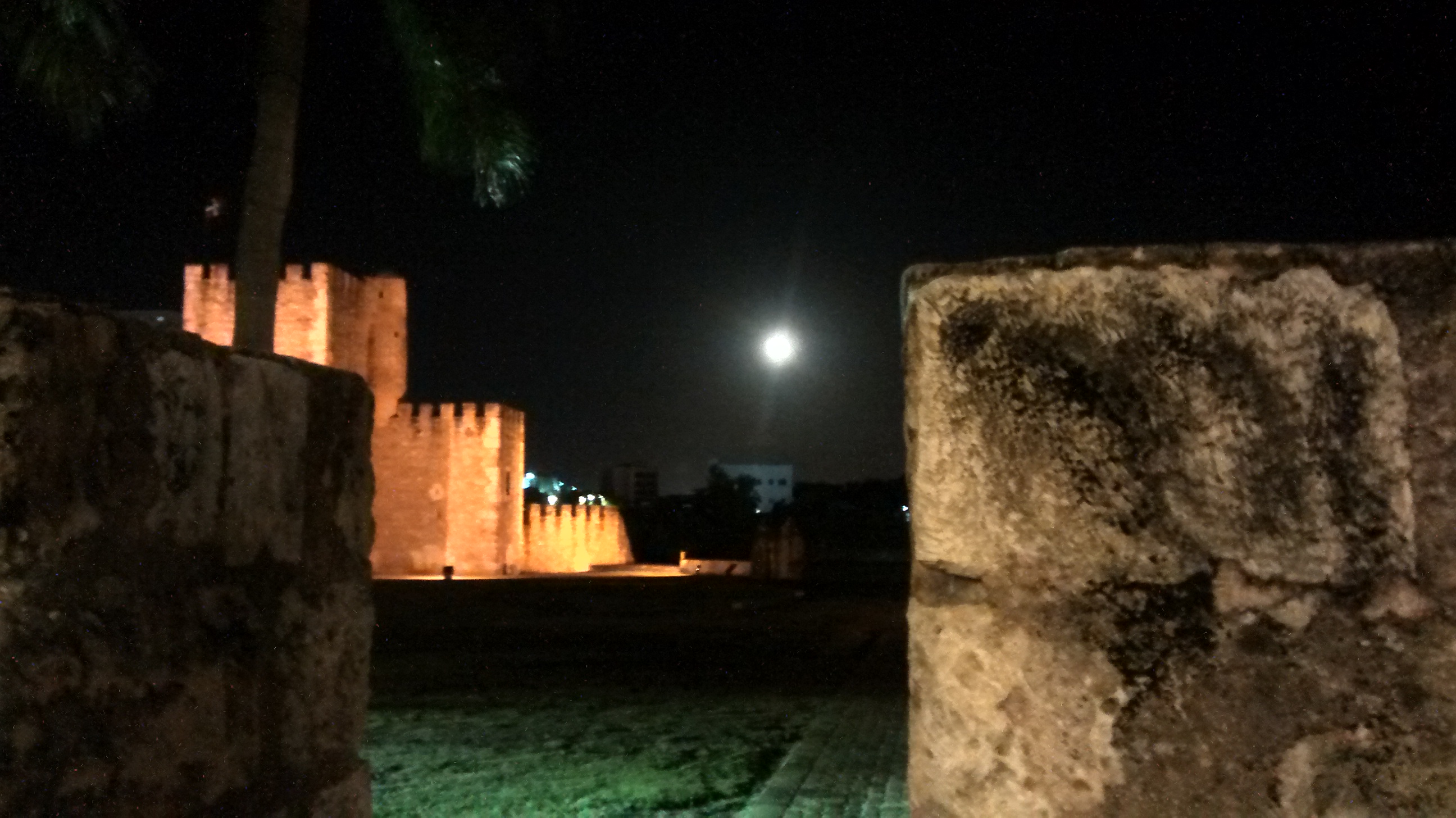 Well, Santo Domingo could have been heaven, it could have been hell, but it wasn’t either. If you’re on the island it’s worth a day or two here to appreciate its history and its enormous legacy, but in the end it felt a little claustrophobic and there’s a lot of pestering. The Zona Colonial is perfectly safe though – two thousand uniformed and plainclothes tourist police see to that.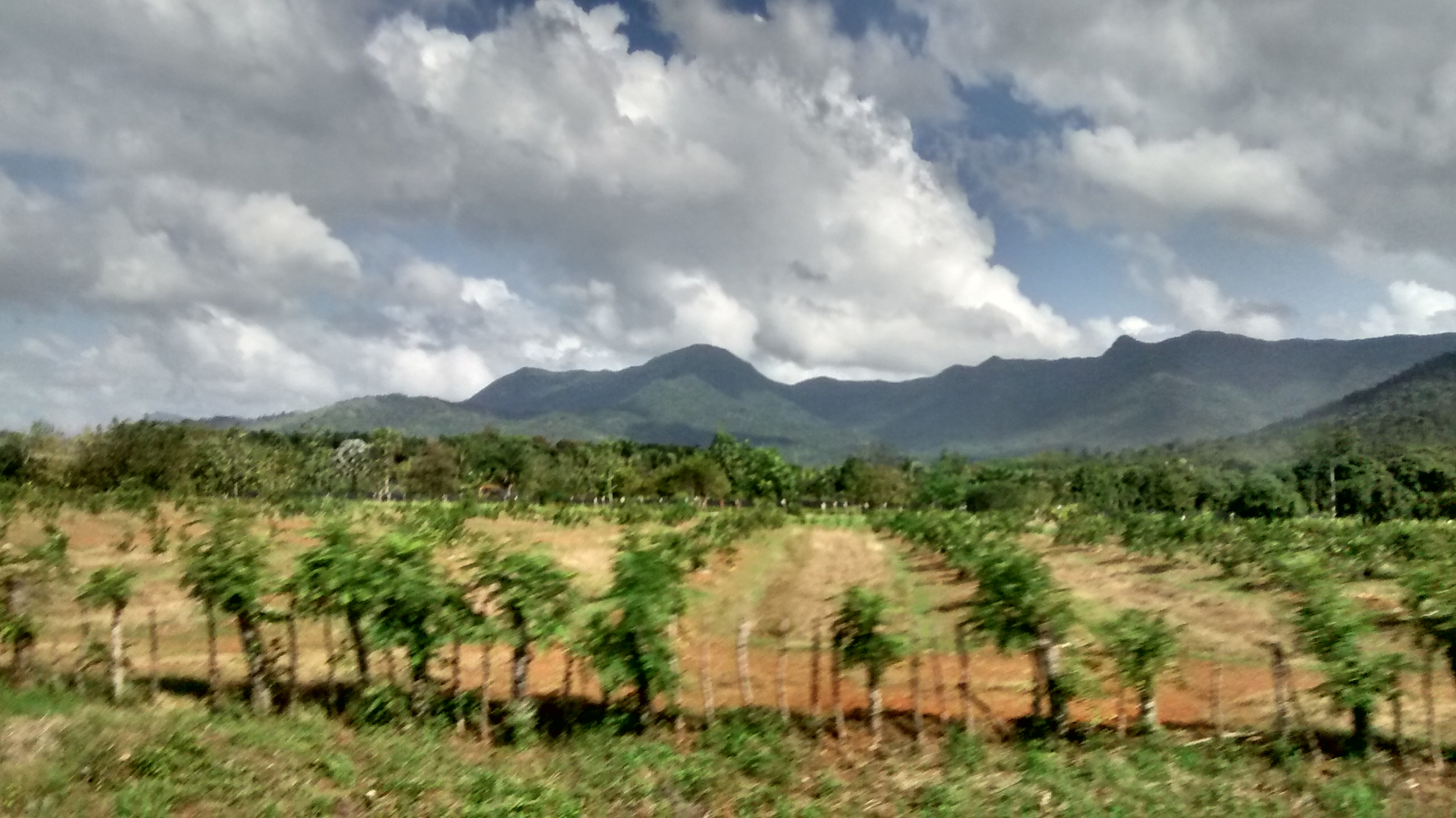
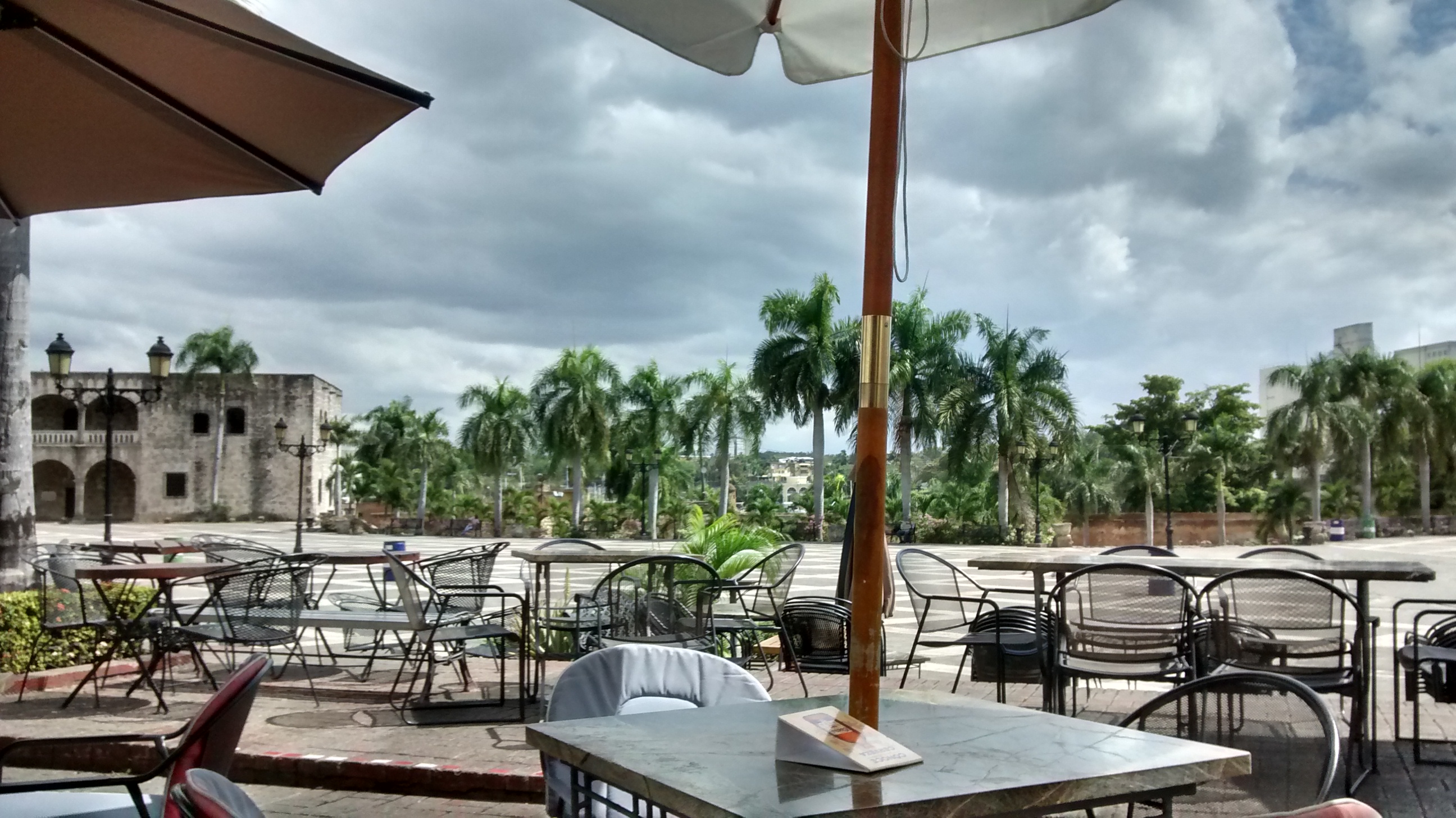
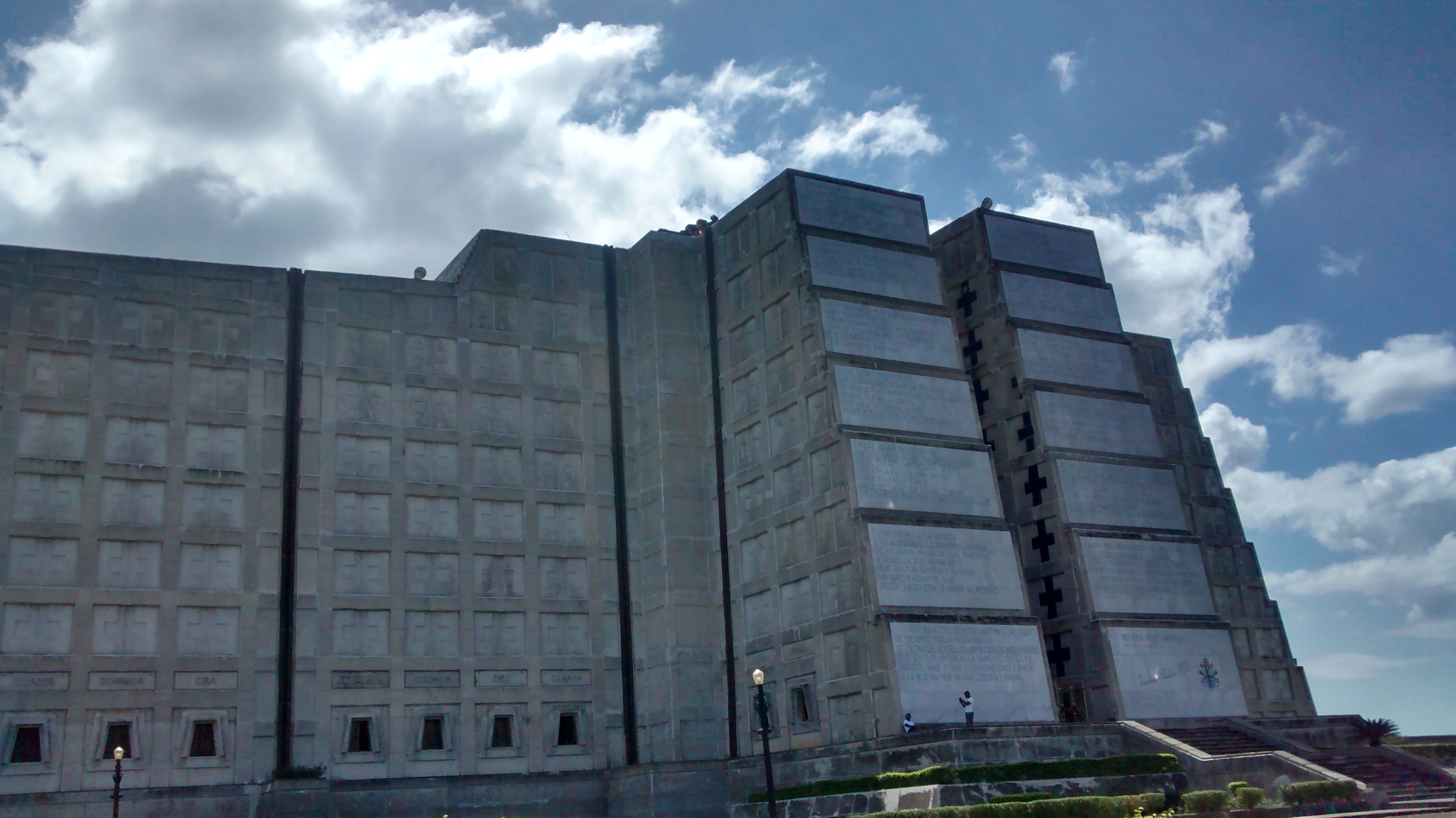
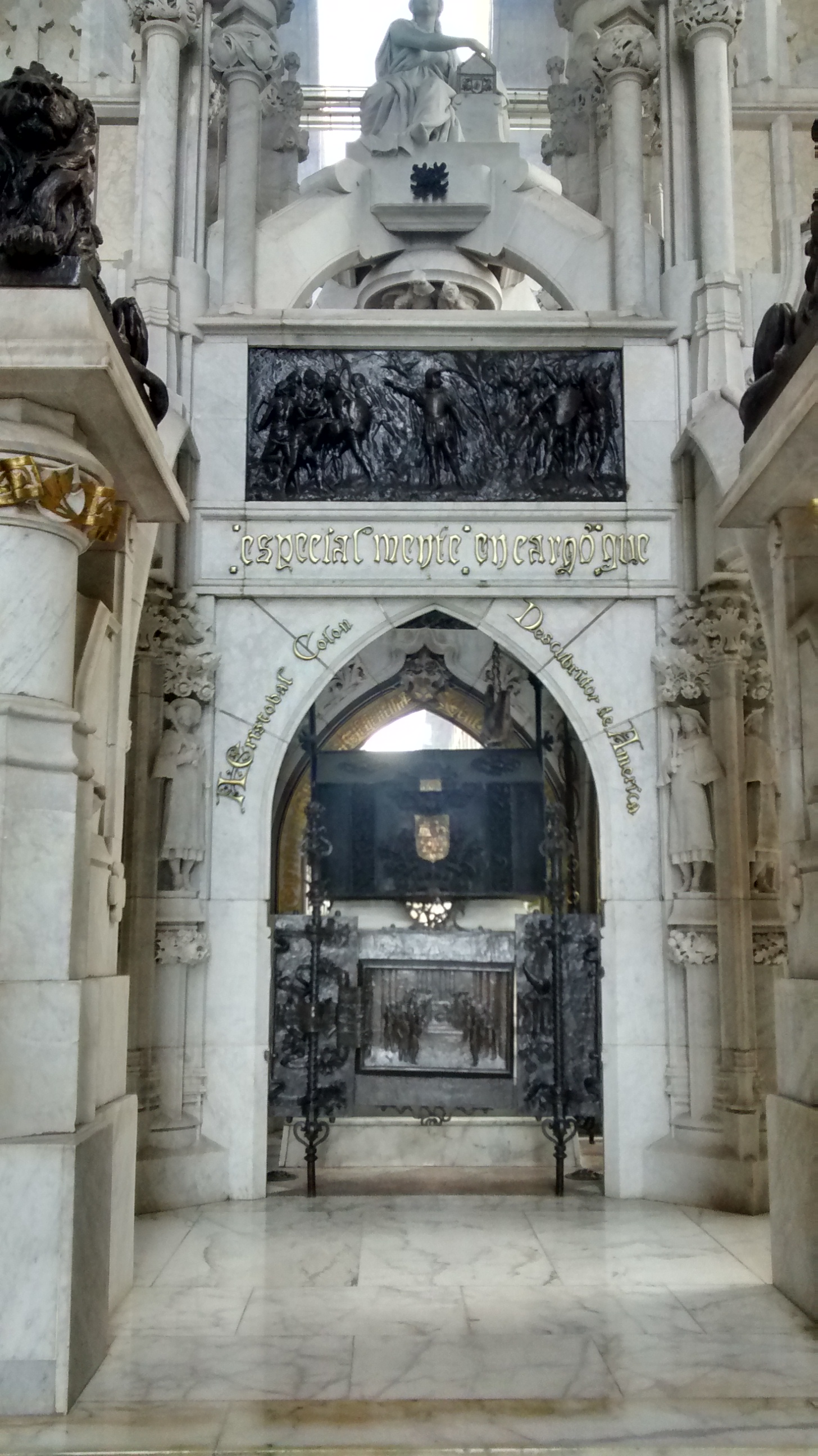
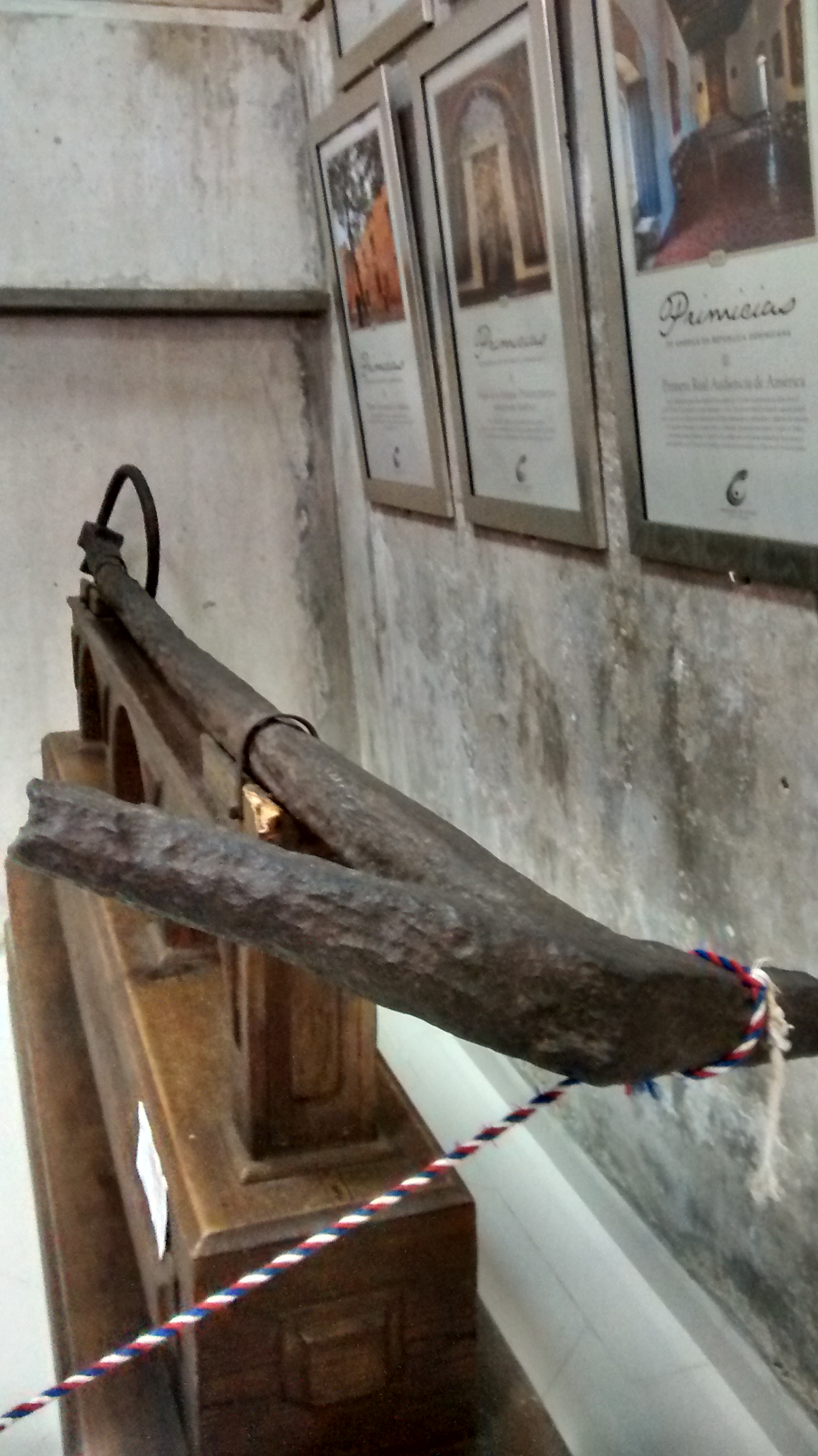 Now that is something.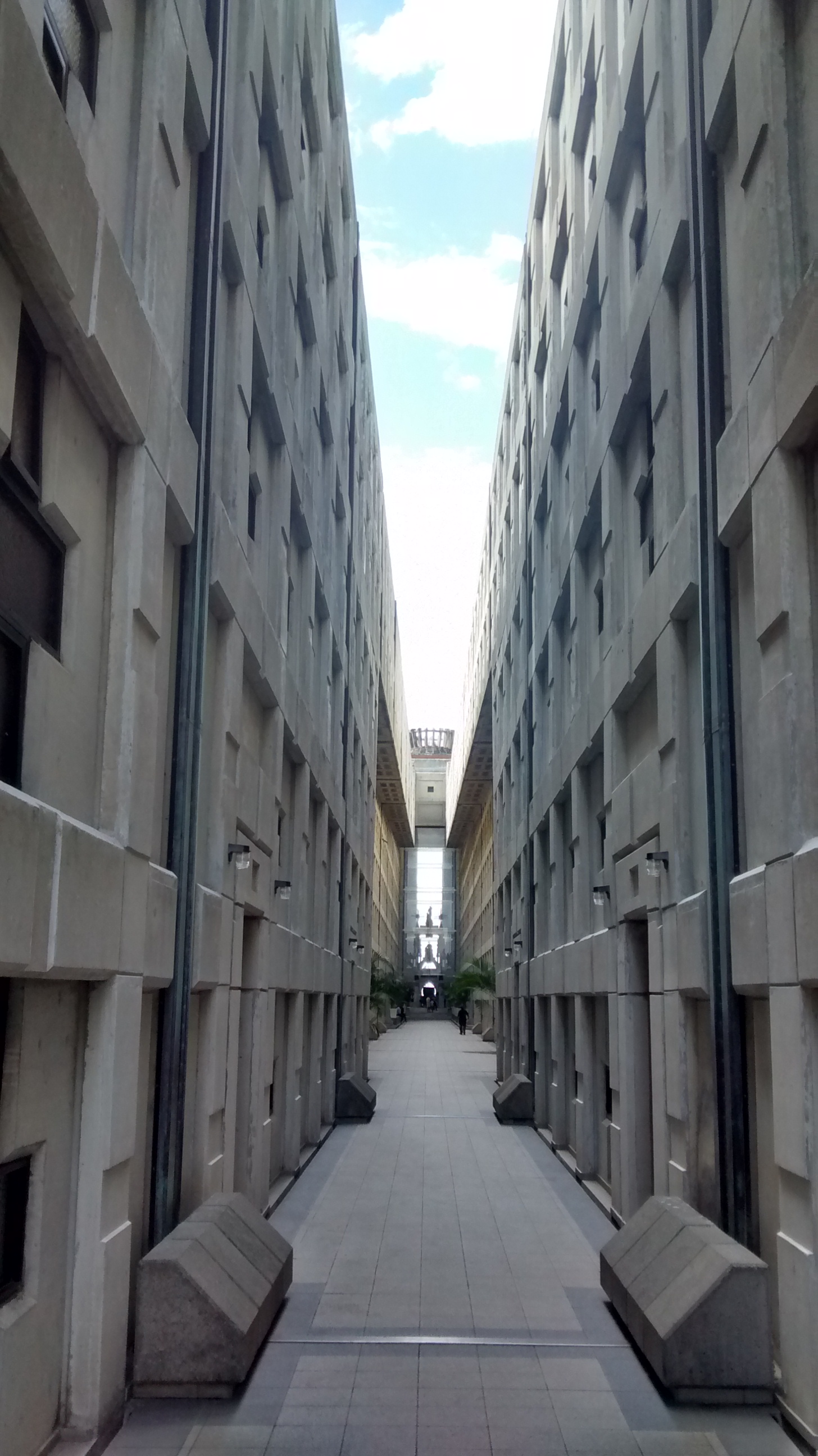

 orwellianTwo