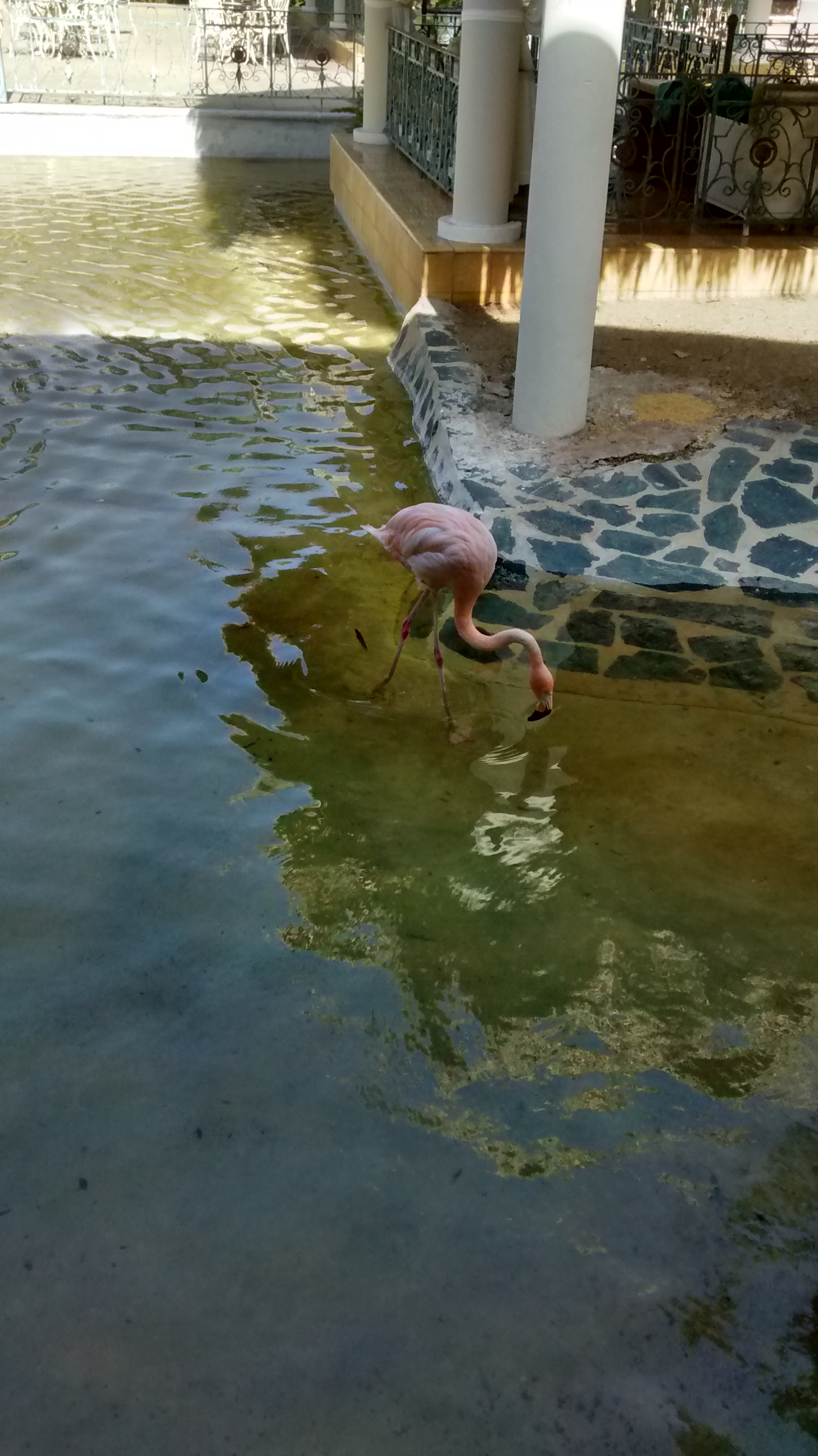
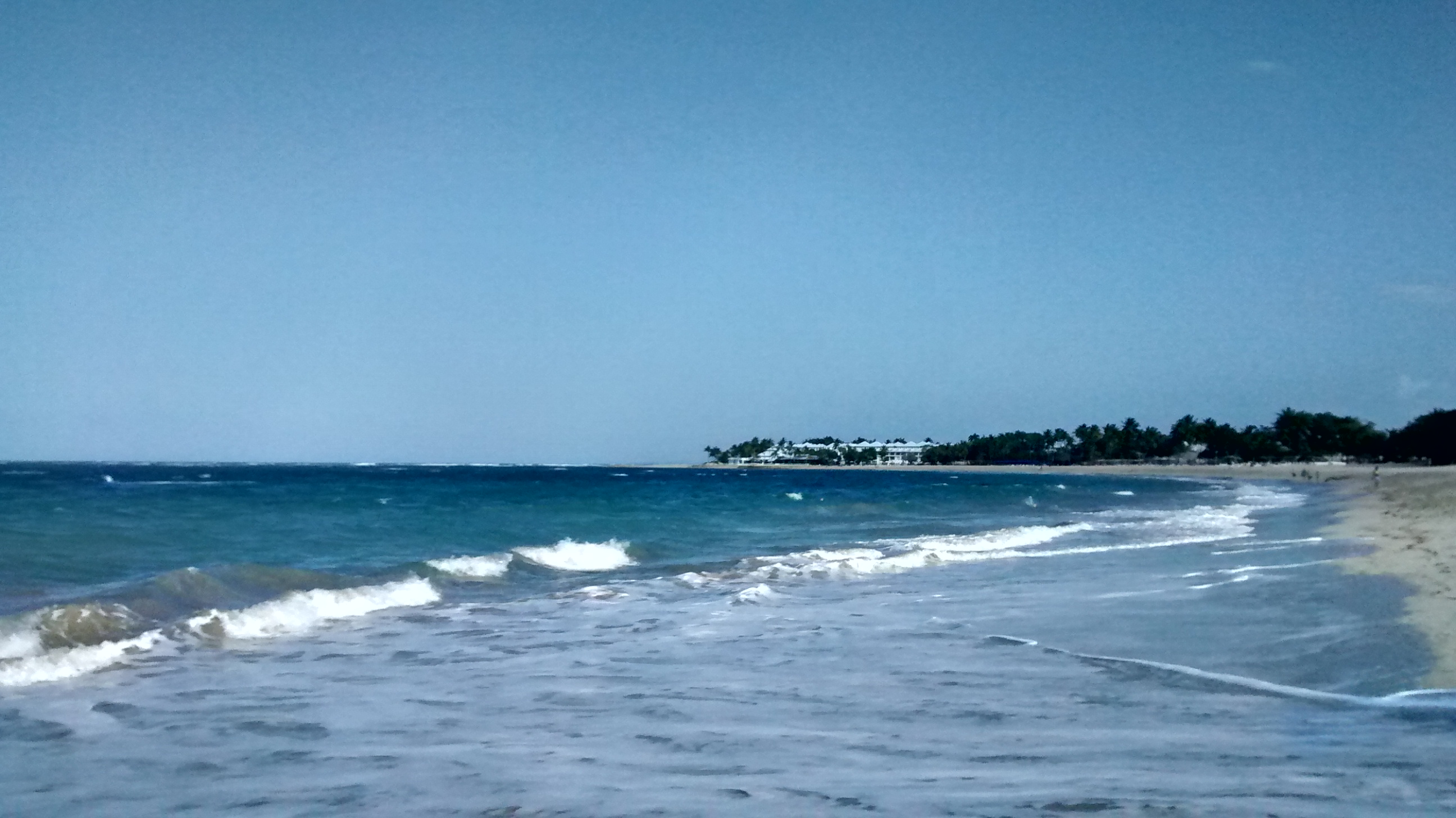
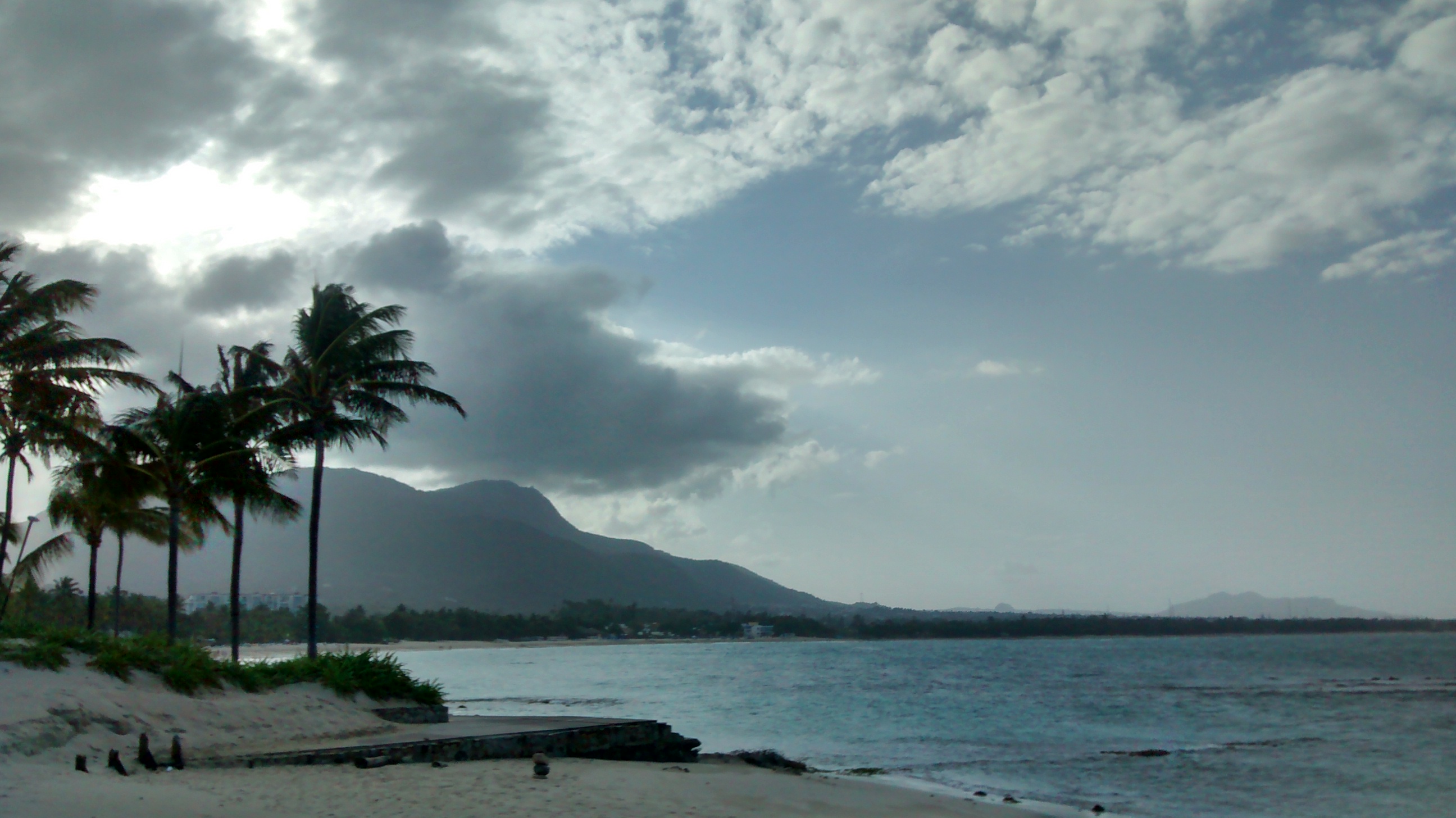
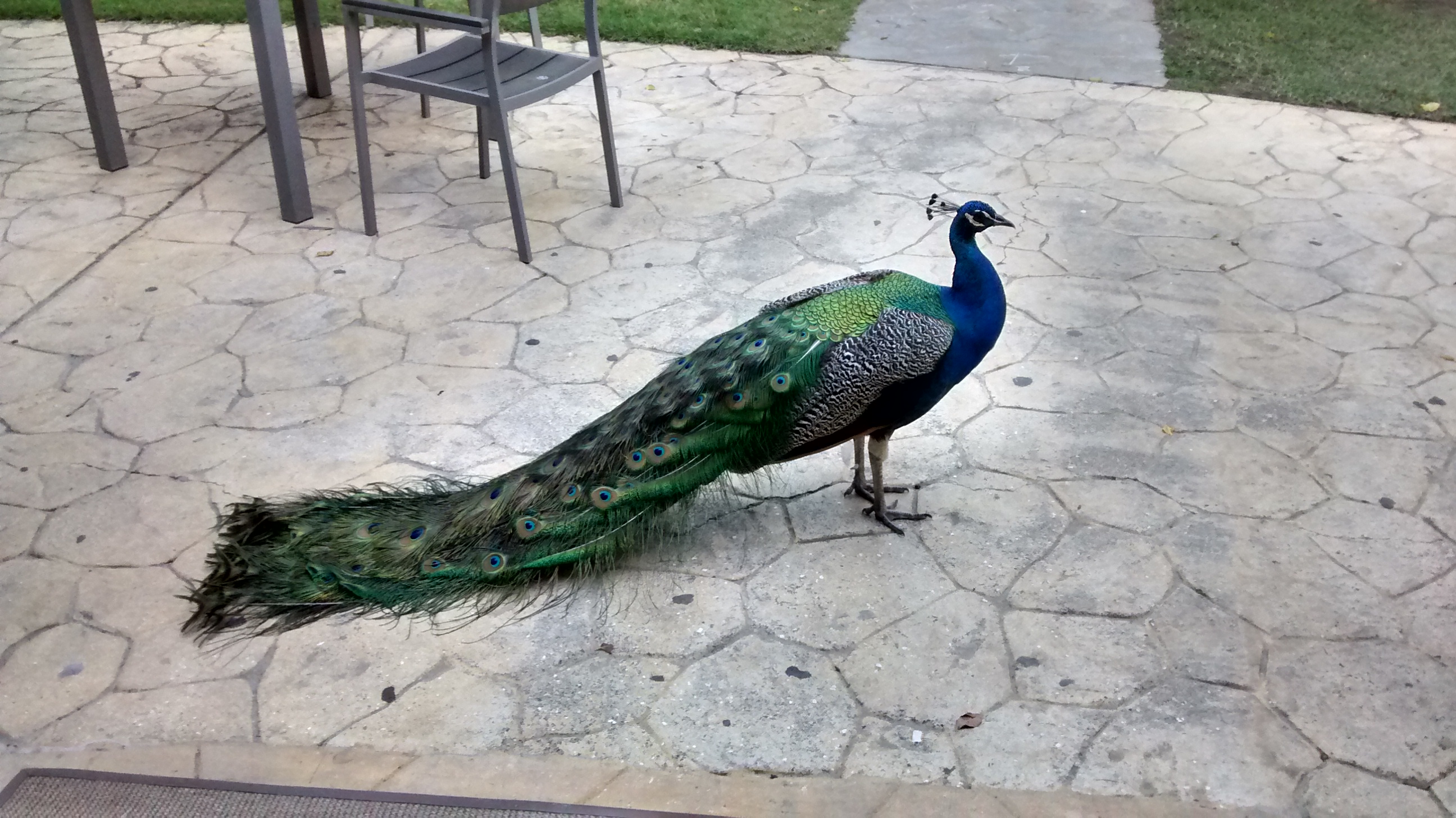
Shadows around the Hotel Pool

With one day to go before my flight home from Punts Cana, it was time to start the journey back from the lovely northwest coast. And “time” in this case means the five hours it took to get from Puerto Plata to my hotel in Santo Domingo, bus and taxi. The scenery is fantastic, but it’s no wonder there were no other British holidaymakers up there, given they’d stopped direct UK flights to Puerto Plata last year.

Still, getting back to Santo Domingo was worth it. I’m in a fine historic hotel for the last night of my trip. Though I did have my doubts about staying here.
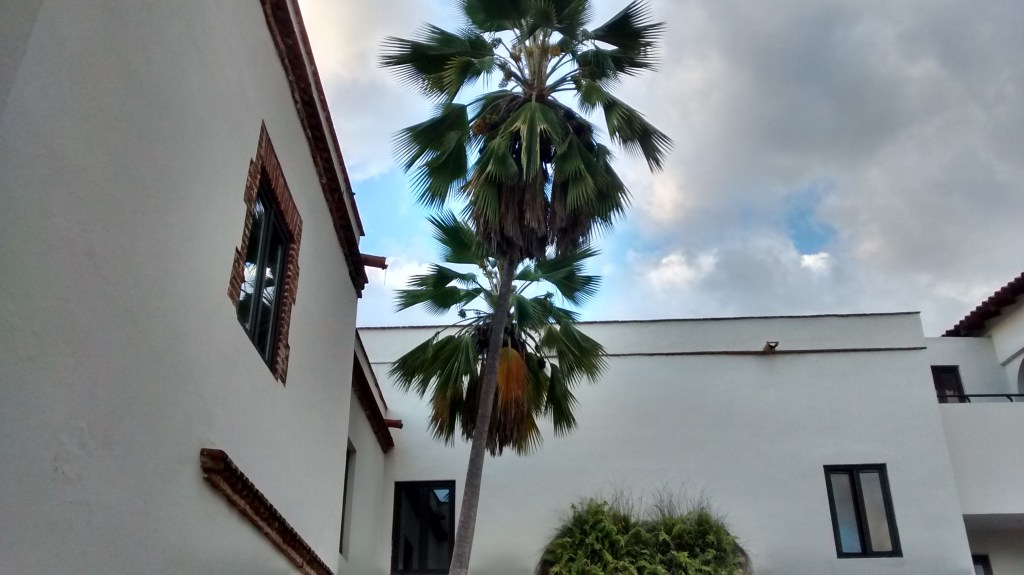
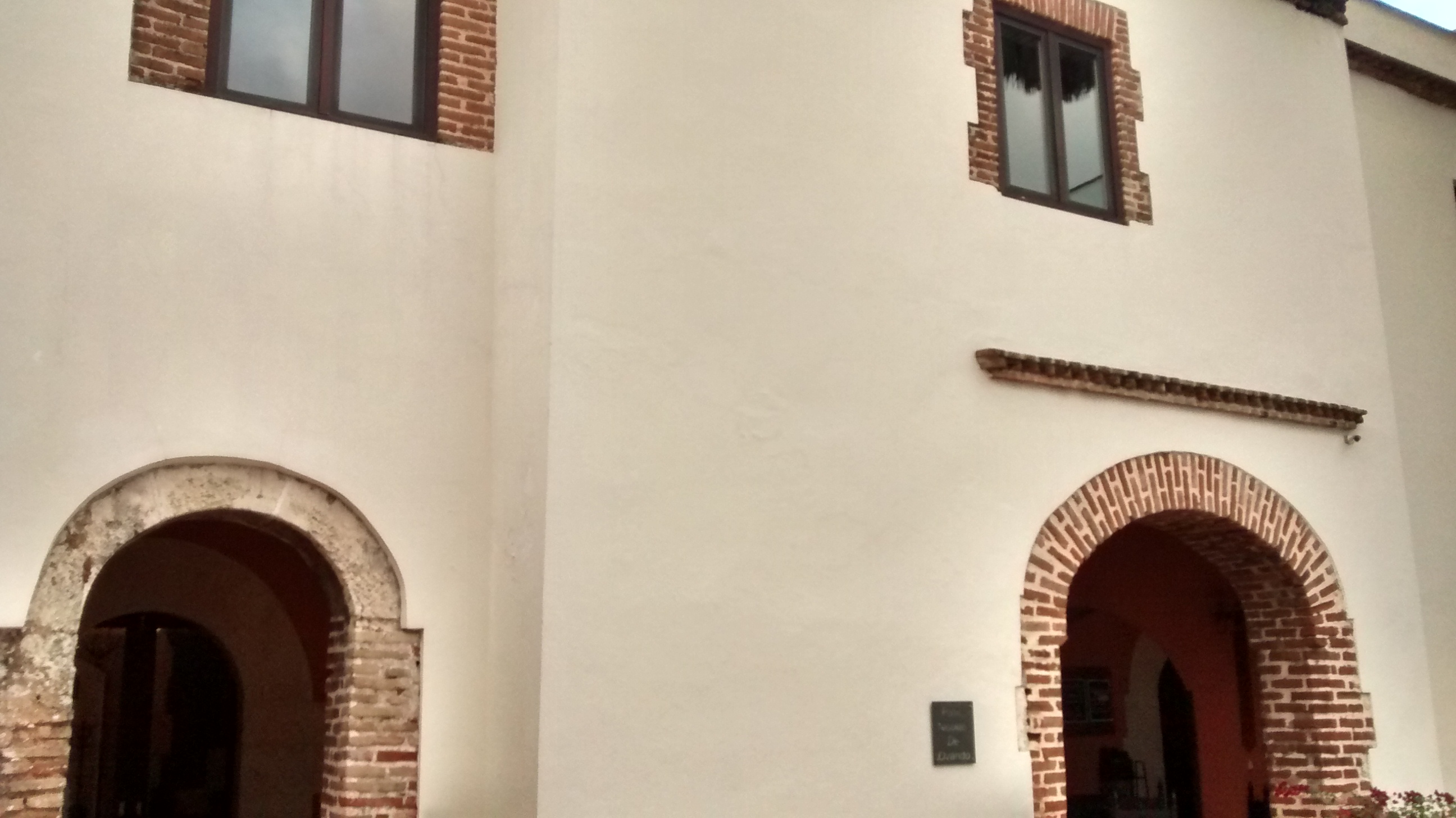
It’s nothing to do with the location on the river, or the pretty courtyards
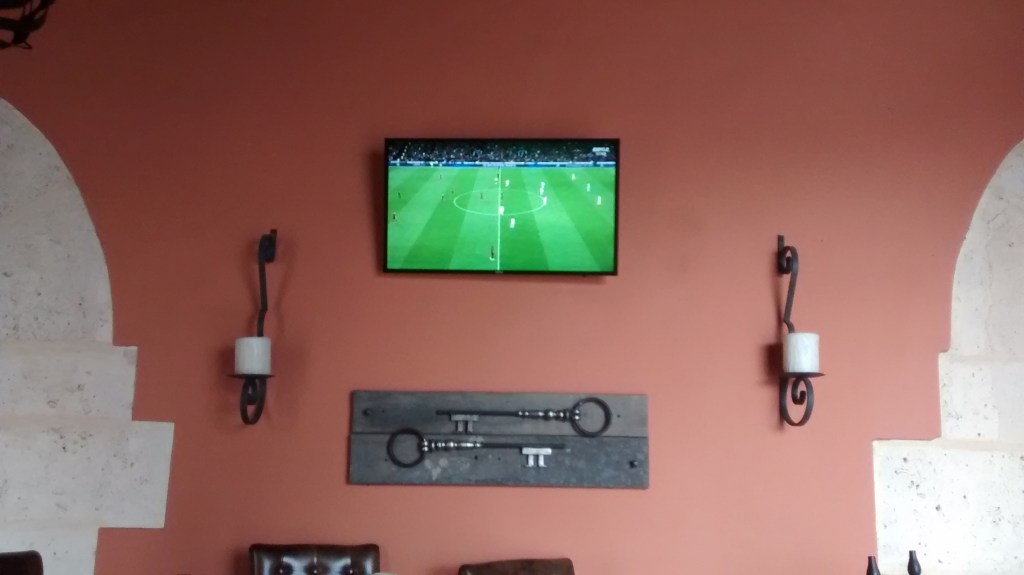
Or the super-friendly bar staff.
No. It’s about who it commemorates…

~~~~~~~~~~~~~~~~~~~~~~~~~~~~~~~~~~~~~~~~~~~~~~~~~~~~~~~~~~~~~
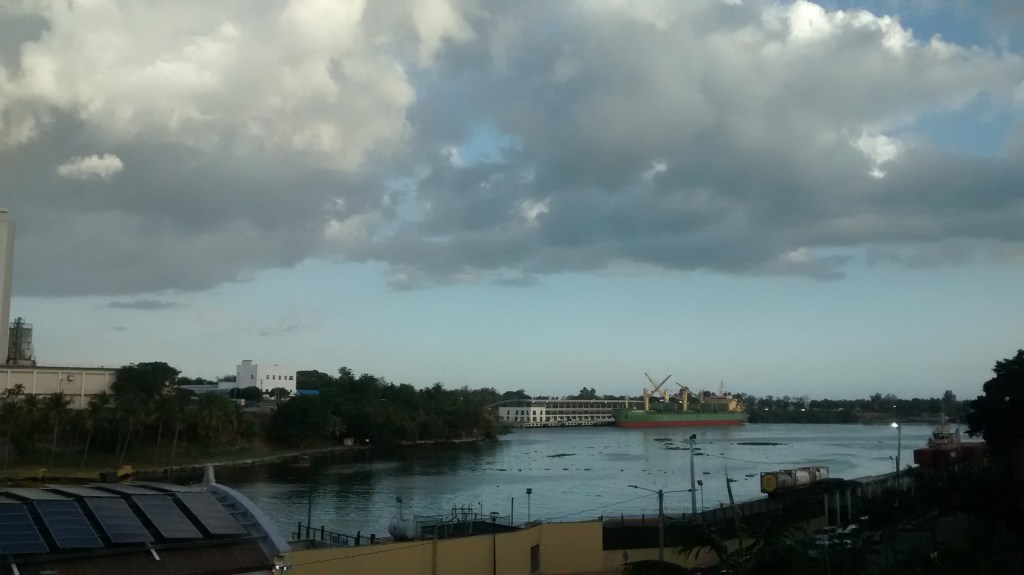
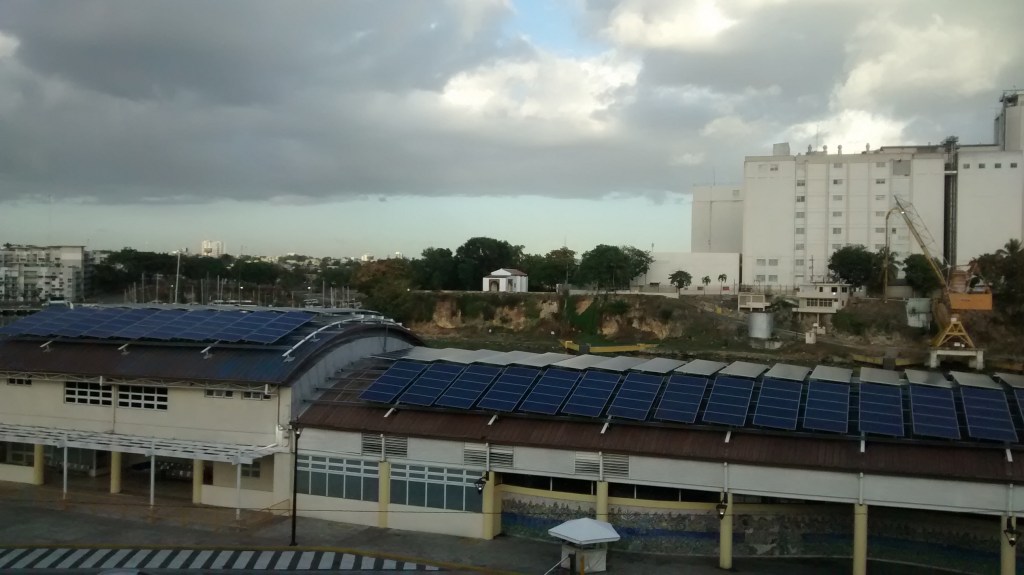
When Santo Domingo was settled by the Spanish, it was originally built on the east bank of the River Ozama. That’s the far bank in the photos. In the centre of the second you can see the little Capilla del Rosario, built in 1544.

By then the settlement had moved to the west bank. The Spanish governor after Columbus, one Francisco de Bobadilla, proved unpopular with the royals and in 1502 they sent a replacement over to sort things out.

His name was Nicolás de Ovando.

It was Ovando who moved Santo Domingo over the river and then set about creating much of the town we now know as the Zona Colonial. His was a major contribution to the future of the colony, but Ovando also set about the native Tainos. To quell rebellions he repressed them mercilessly and wasn’t shy of the odd massacre.

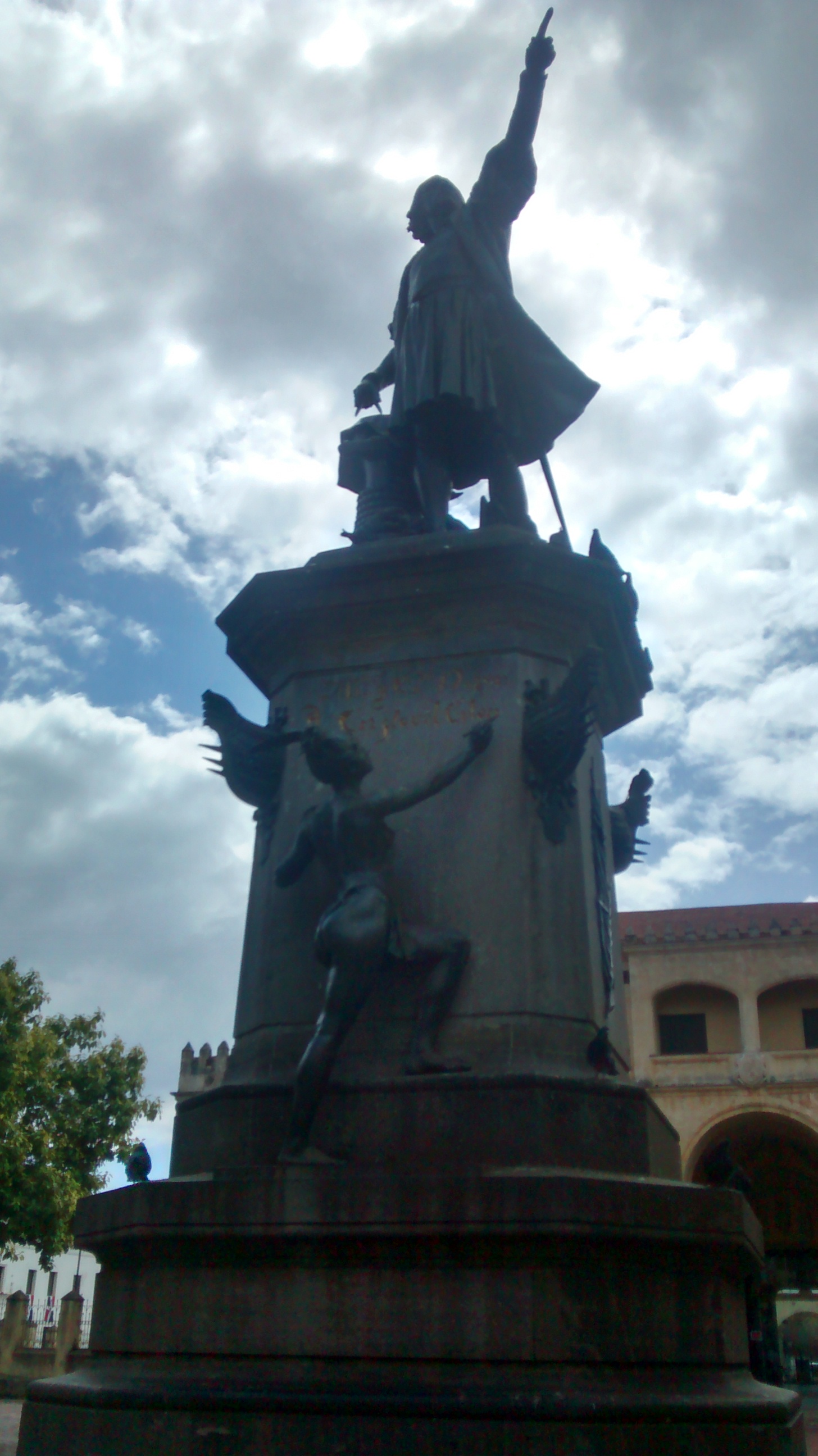
Remember Anacoana, the Taino queen we saw on Columbus’s statue? Here she is again.
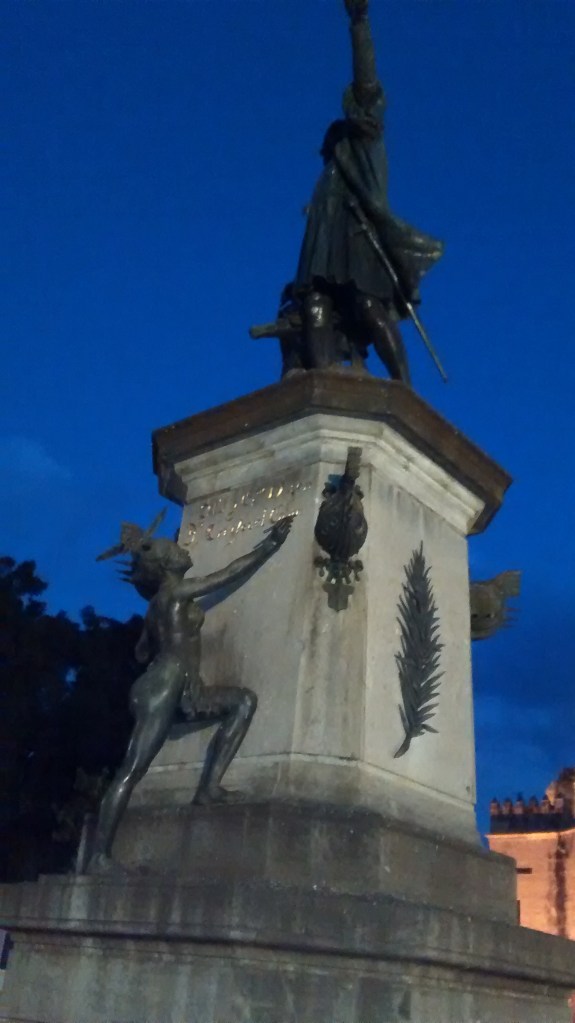
She may look rather fetching there, on Columbus’ plinth. But it appears that Ovando was no admirer. In circumstances that are not entirely clear, he suspected her of being involved in rebellion and ended up capturing her in what looks like another slaughter of Tainos. Poor Anacoana ended up on the hangman’s gibbet.

Not a pleasant piece of work, our Nick. Oh, I forgot about him forcing the Tainos to work in the sugar cane fields he introduced from the Canaries. And, of course, that jolly wheeze of dragging in Africans to do the work as well.

In the end, even 16th century Spain were perturbed by these excesses and Ovando went back over to defend himself. He was replaced as governor and received the gruesome punishment of, err..being able to keep all his New World properties. That’s him told.

All in all, it feels uncomfortable celebrating such a man by linking him to a prestigious and stylish hotel, while evoking that era by lauding “colonial elegance” and “colonial romance” on the website. If it wasn’t for men like Columbus or Ovando, there may not be anything to see here at all. But how would we feel if the great house on the Wannsee near Berlin, where the Jewish Holocaust was agreed and planned, was to be turned into the Hotel Heinrich Himmler? Would you stay there? Are we comparing like with like?
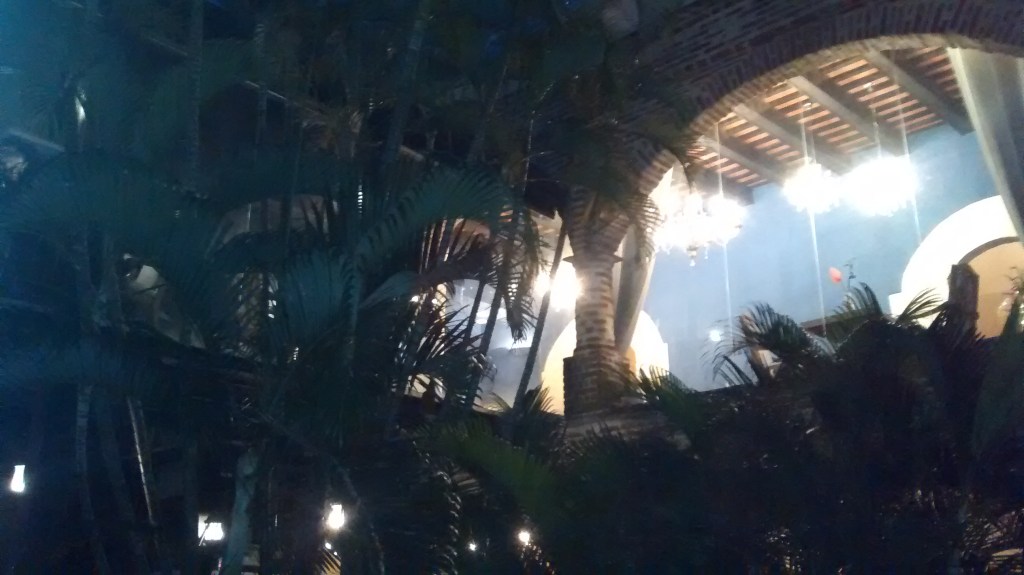
Well the die is cast, and here I am. The past is the past, and it can only be recognised for what it really was, so we understand its resonances in the present and ensure that the future is different. Something like that. I have a more pressing problem…

Given what I’ve just written about Ovando, and how ruthless he was when alive –
– how do I feel about spending the night in his old house?
Good to know

Another trip today.

I had an excursion booked with a company called Outback Adventures, who take you out to a number of rural communities to show you something of the way of life out in the hills and the fields of this beautiful island. Outback Adventures provide financial support to the people we meet – a cassava maker, a homestead, and a school – in return for allowing tour groups in to look around.

I don’t get paid by them so this is all free advertising, just to say it sounded like a good cause but I had my qualms about whether I would want troops of tourists turning up at my old school once a day, interrupting the class to gawp at us.

Then I remembered my Art classes…

Anyway it was a fascinating and enjoyable day out and I learnt a couple of things along the way that I didn’t know before, and hopefully you will now learn something as well.

First some pictures.

Observation 1: Cock fighting is still a thing here

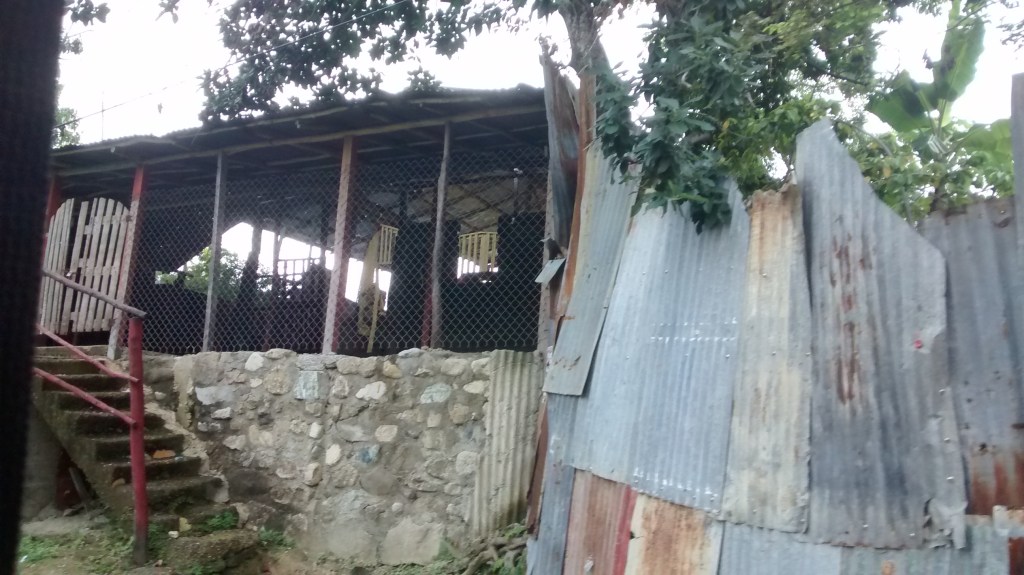
It’s still perfectly legal here, fight nights are at the weekend. Here’s a den.

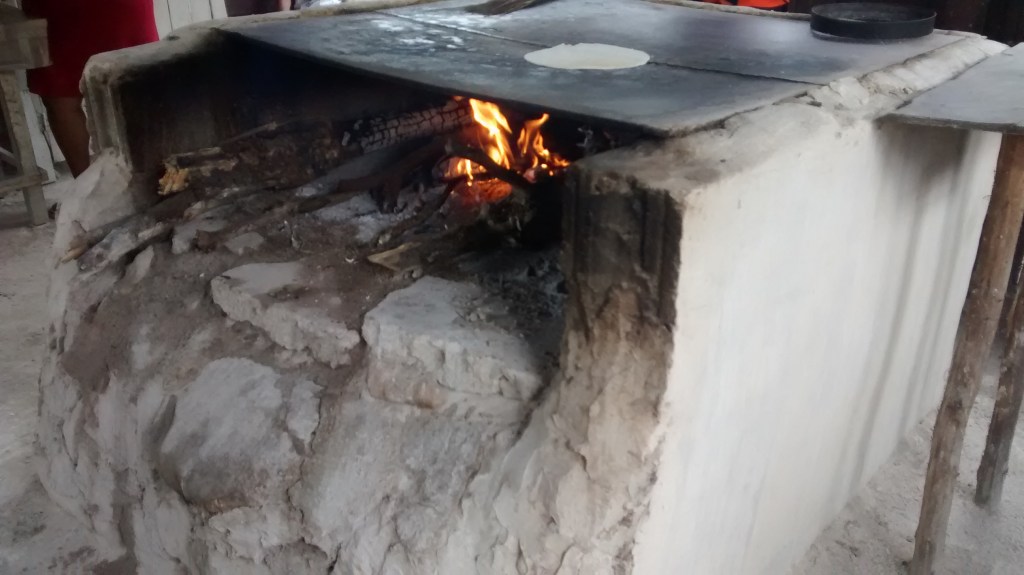
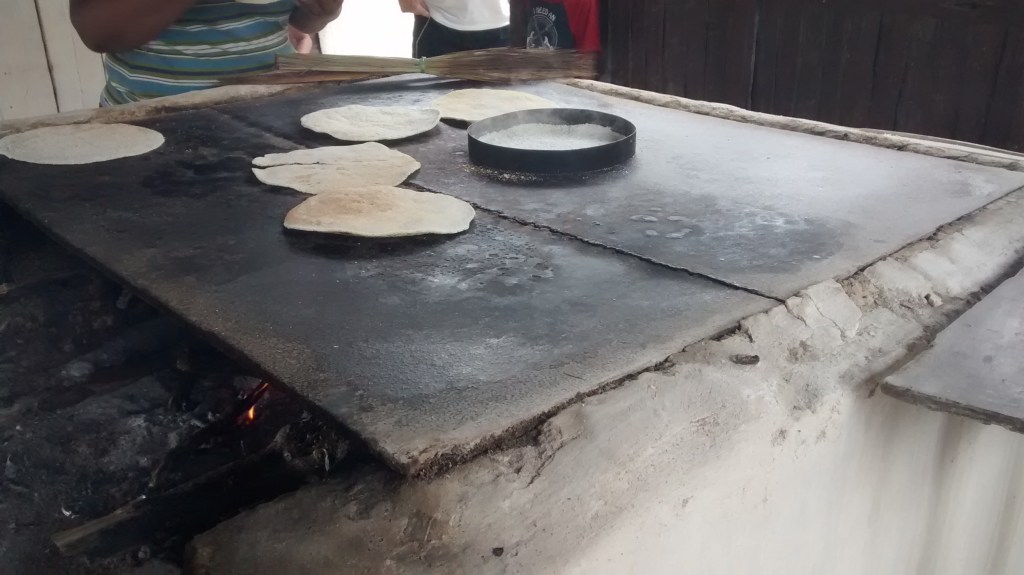
Lesson 2: This is how you make cassava.

You grind the roots of the yuca plant, take the powder and smear it over the hot fire, turn it over, and you have cassava bread, a starchy relative of the poppadom, maybe more like a crisp pitta, a starchy crisp pitta.

Breadfruit…

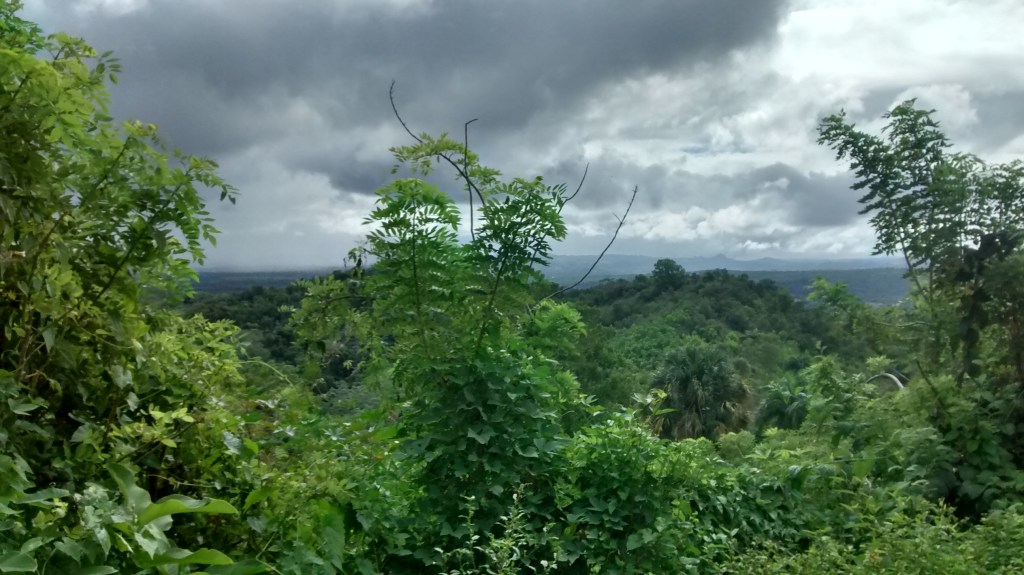
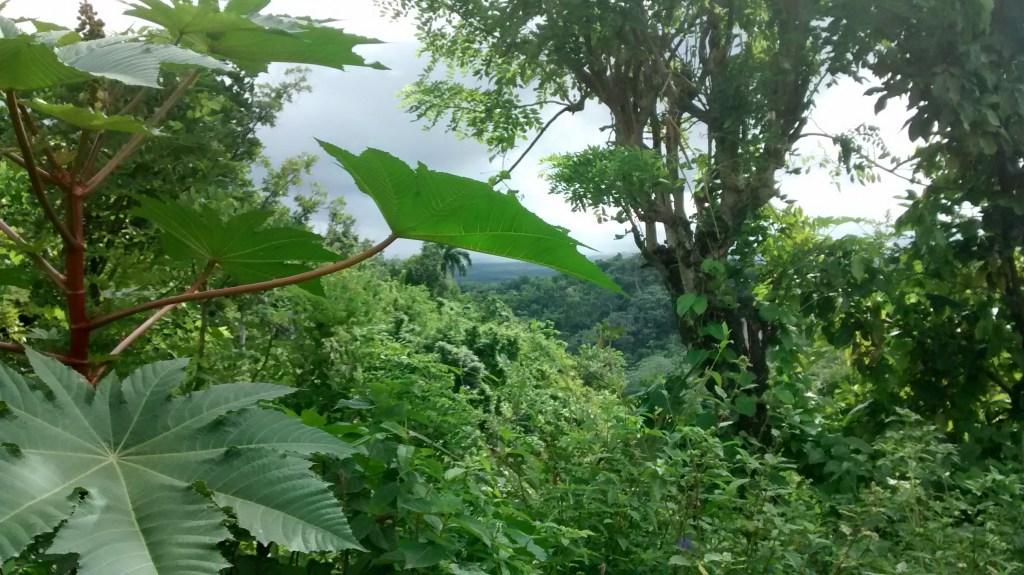
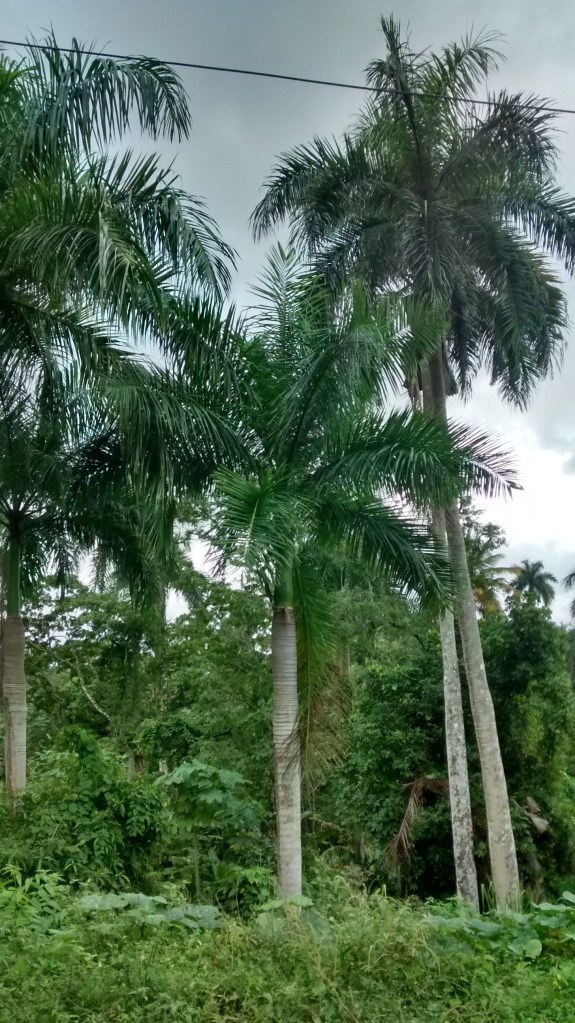
Some more pictures on our way to the homestead.

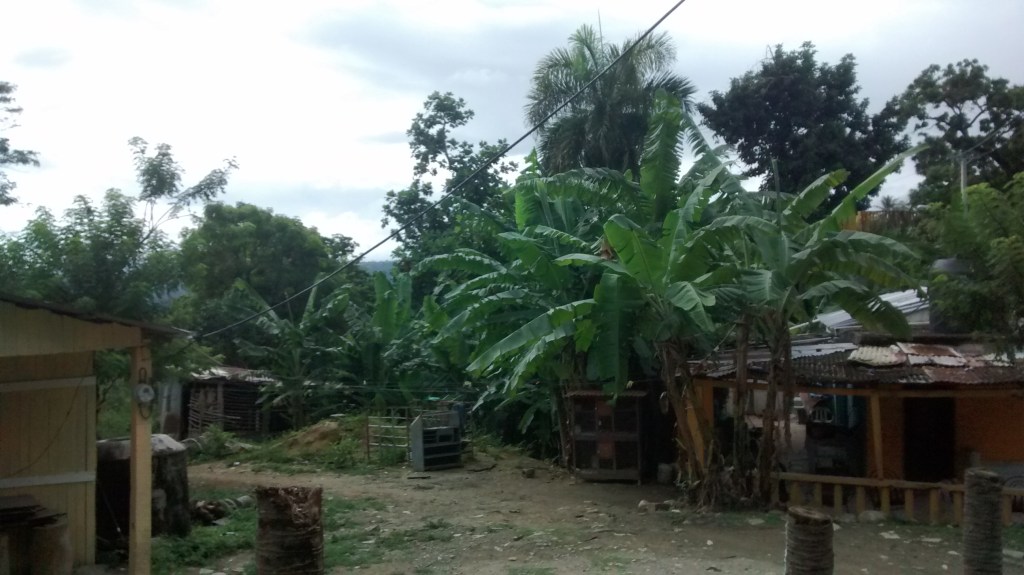
The bark of the Royal Palm was once used for house construction in Hispaniola before the government cut out the cutting down. Presumably the practice was not confined to DR, seeing as the tree is native to the Caribbean. Which leads us to something I picked up before the tour.

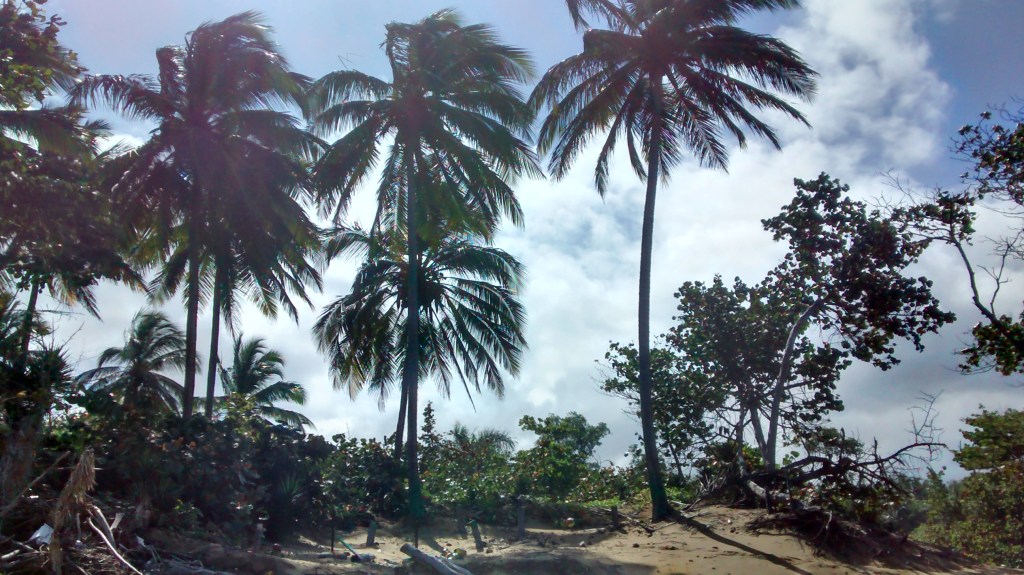
Learning 3: The Royal Palm is native to the Caribbean. The Coconut Palm is not!

What conjures up the Caribbean better than the image of coconut trees, languorously reaching out of a glorious sun-kissed beach to sway gracefully against a deep-blue sky? But you don’t see any coconut trees in the earliest paintings of European arrival, and there are no words for them in the local indigenous languages.

Wikipedia tells us that it’s most likely that the coconut palm is native to the Pacific. Originally spread by sea currents and Polynesian sailors, Indian Ocean traders took them to India and the African coast, and later on the Portuguese brought them from their new colonies there to the New World.

Sorry.

Point 4: Some African populations were happy to jump onto the European slave ships

There was a lot of misery and death in those ships, which was bad for the African people.

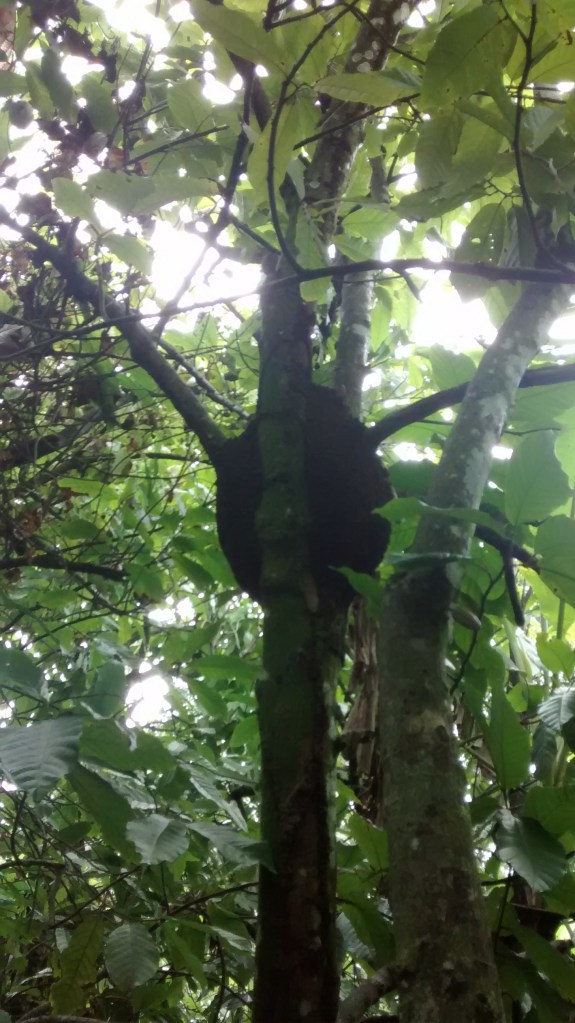
There was also a lot of wood, which was great for the African termites.

According to the guide, termites are a menace to agriculture on the island, I could only see one example – this one – on the plantation we visited. I suppose one damaged tree is bad enough.

By the way, the plantation produces what it produces – banana, cocoa, coffee, breadfruit, etc – purely for the family that live here.

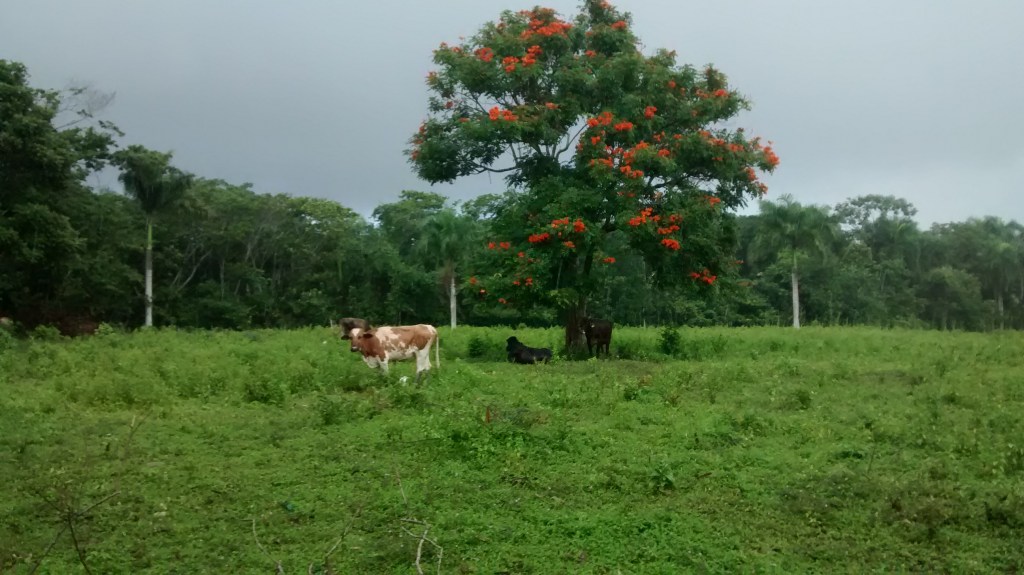
On the way to our lunch stop now. Here’s a cow.

Lunch at the tour company’s restaurant, and there’s a poster with an interesting historical tidbit on the dining room wall…

Learning Opportunity 5: The Dominican Republic once played proper sports

Baseball is king here. Many of the greats originated from this small country of 10 million souls, and most places will have a baseball diamond here or there. It wasn’t always like that though.

At the beginning of the 20th century a community of Caribbean people from the neighbouring British-oriented islands appeared in DR as workers were brought in by the sugar plantations. Cricket was their game, of course, but when the Americans invaded in 1916 they put a stop to this source of immigration (the poster suggests a racist motive) and the subsequent Americanisation of the Republic saw baseball supplant cricket.

But who had the last laugh? According to Outback Adventures’ poster, the majority of the hundred-odd baseball players from DR playing in the world’s big leagues have their roots in this old British West Indian community.

BTW, I don’t mind baseball at all. It’s not NFL.

Off now to our final stop, a painful drive down a pot-holed track that’s worth it in the end.

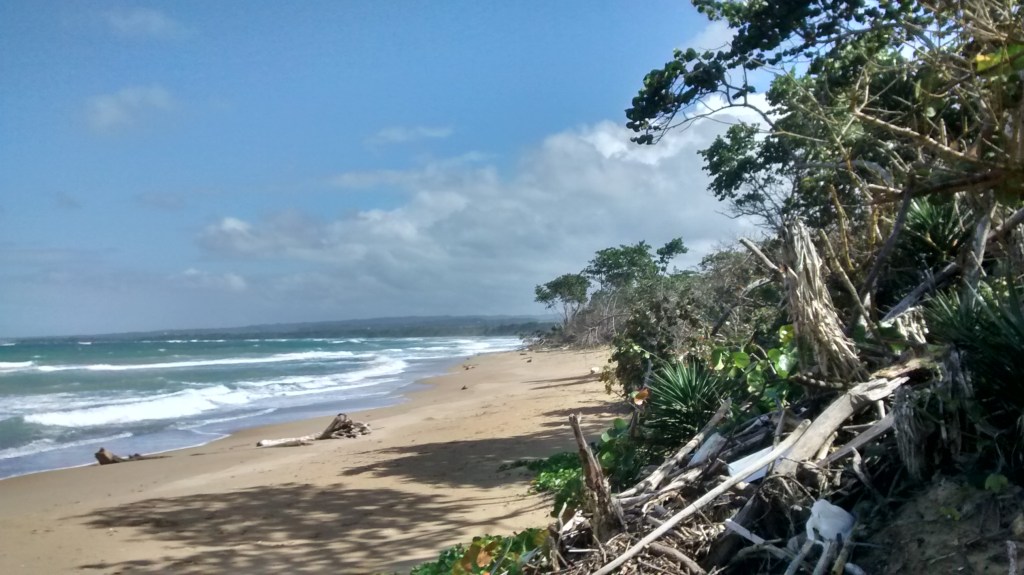
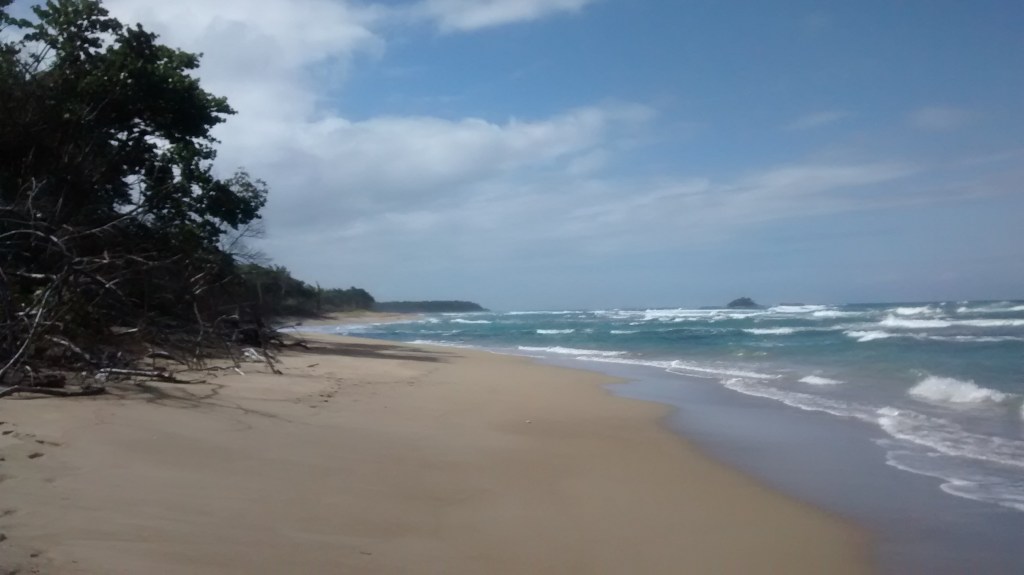
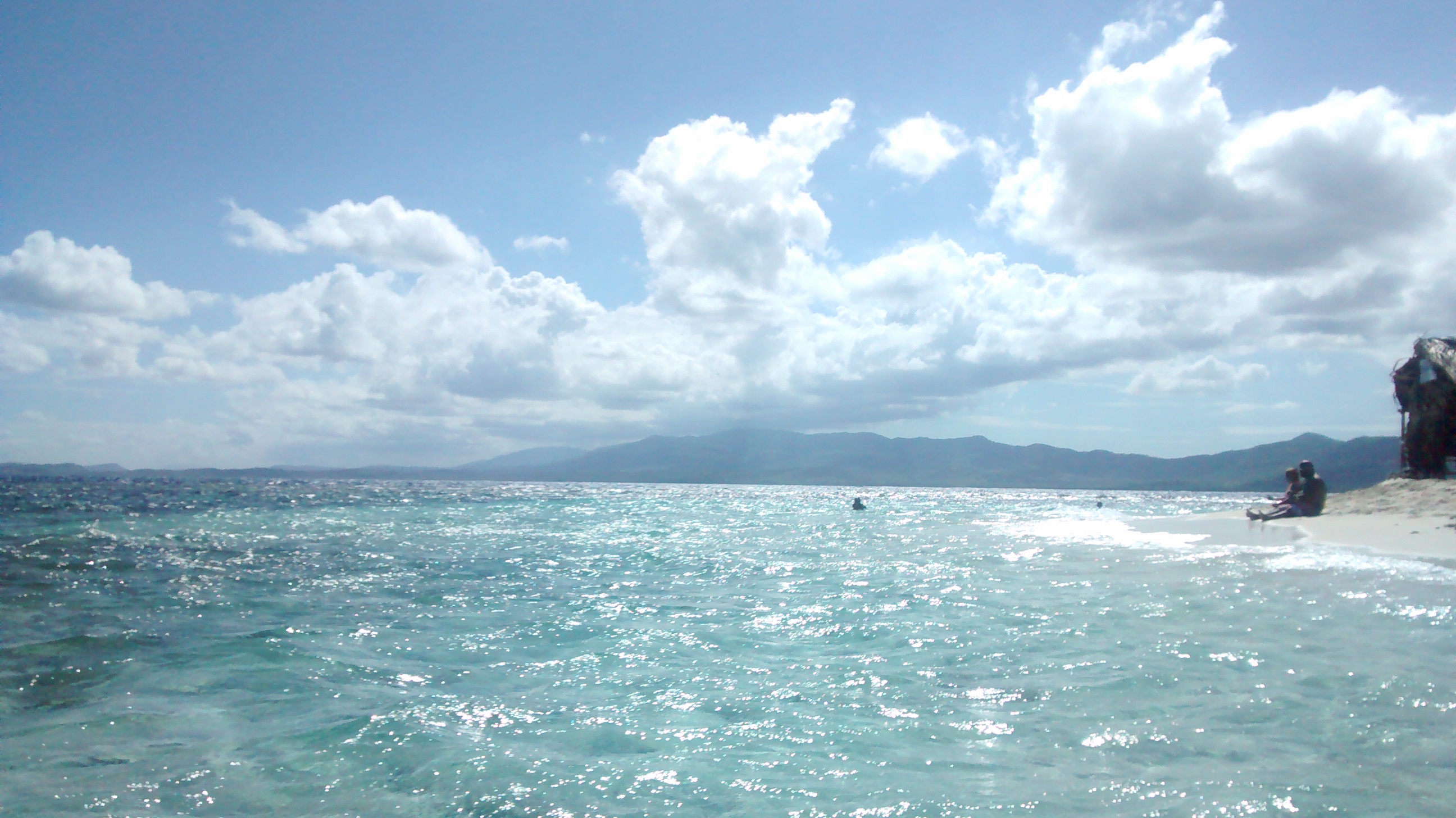
Number 6 : Any posting about the Caribbean must have some pictures of a beautiful beach at some point

And here it is, the beach at Boca Nueva, next door to Playa Dorada.

I think we have all learned something today.

Beyond the Resort Walls

As you’re aware, I am trying to take opportunities to break away from the comfortable self-contained world of the foreign tourist’s gated resort, with its sanitised notions of tropical “paradise”. For today’s authentic experience, I spent the day alongside some of the Dominicans who are employed in the tourism industry, the country’s biggest money earner and source of employment.We would leave Puerto Plata and travel the one-and-a-half hour journey to Punta Rucia, just 100 kilometres from the Haitian border.Passing through La Isabela, the village near where Columbus reached Hispaniola and site of the church that witnessed the first Christian mass in the Americas, the journey revealed many other ways on which the West has impacted the lives of the local population – villages constructed near sugar plantations, the cultivation of tobacco, bananas, and other agriculture, the steady presence of the Roman Catholic church and the growing intrusion of American-funded evangelicalism.
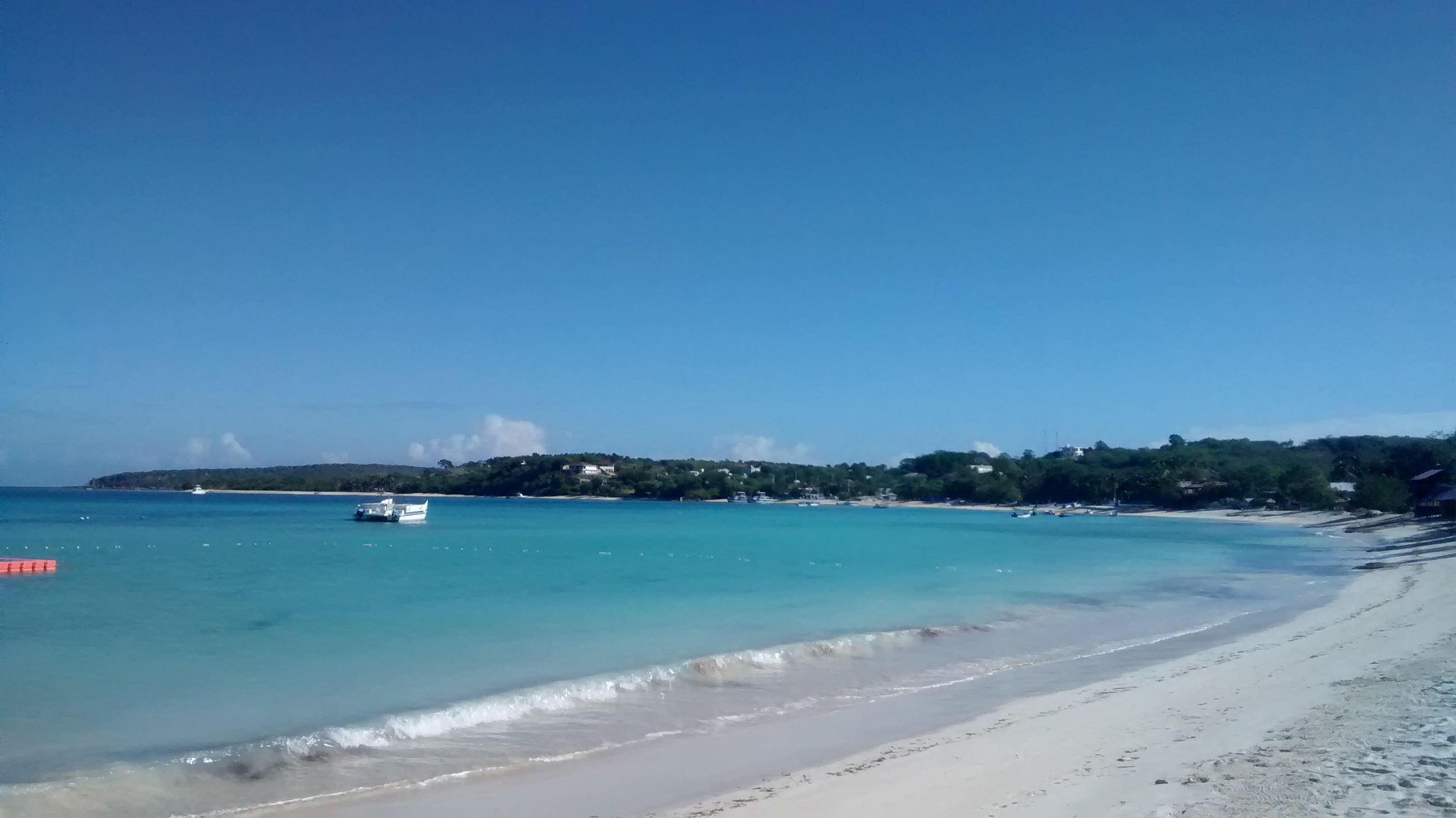
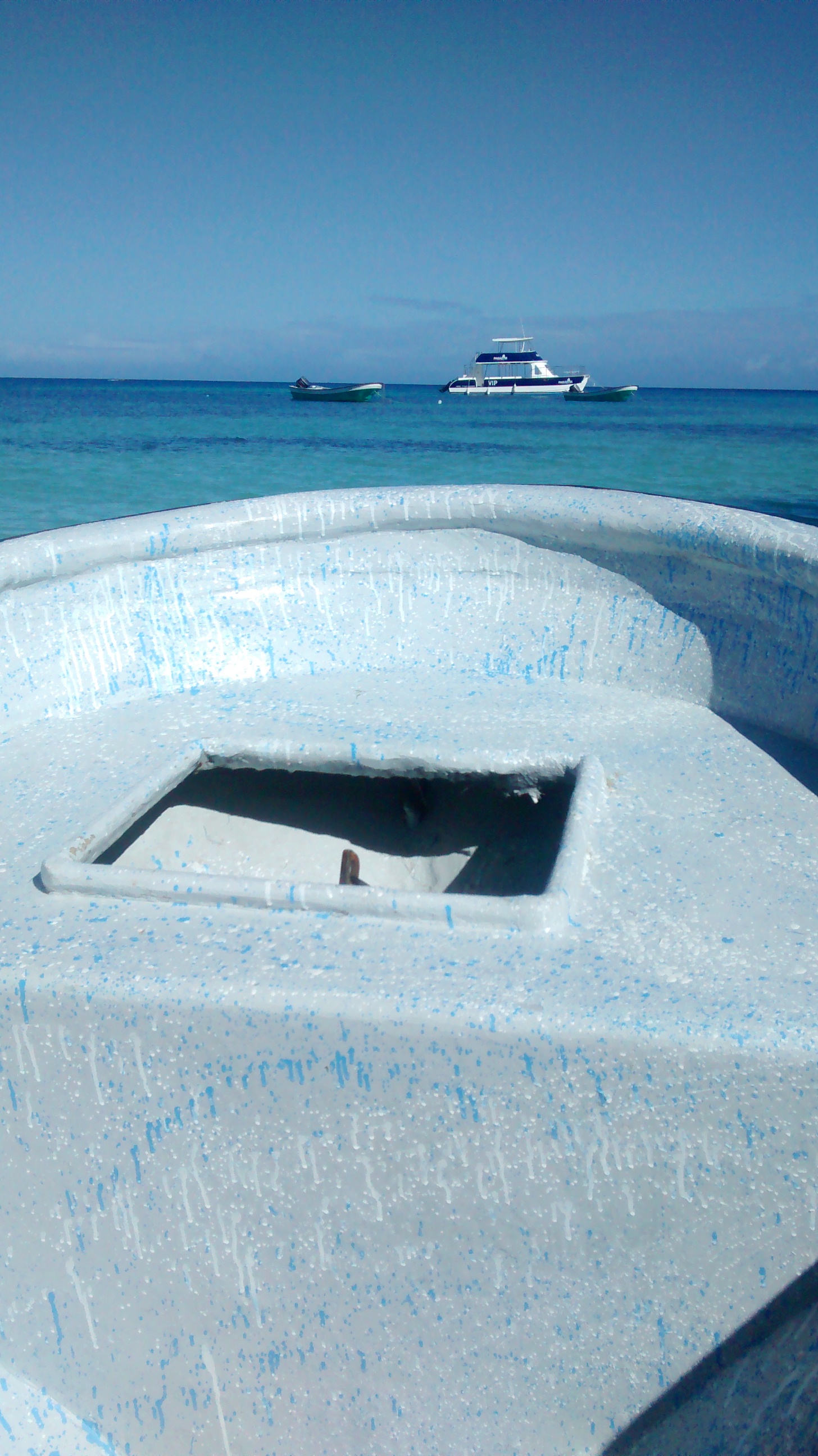
But what of the interaction between our workers – the tour guide and his driver – and us, the privileged, mostly white (though not all of us) tourists? To understand the social relations at play, I registered my own locus of intersectional experience at the shoreline and joined the guide as he teamed up with two of his colleagues, the speedboat pilots who were going to take us all to one of their places of employment.That place was Paradise Island, a tiny sandy cay a 30-minute hair-raising ride from the beach.
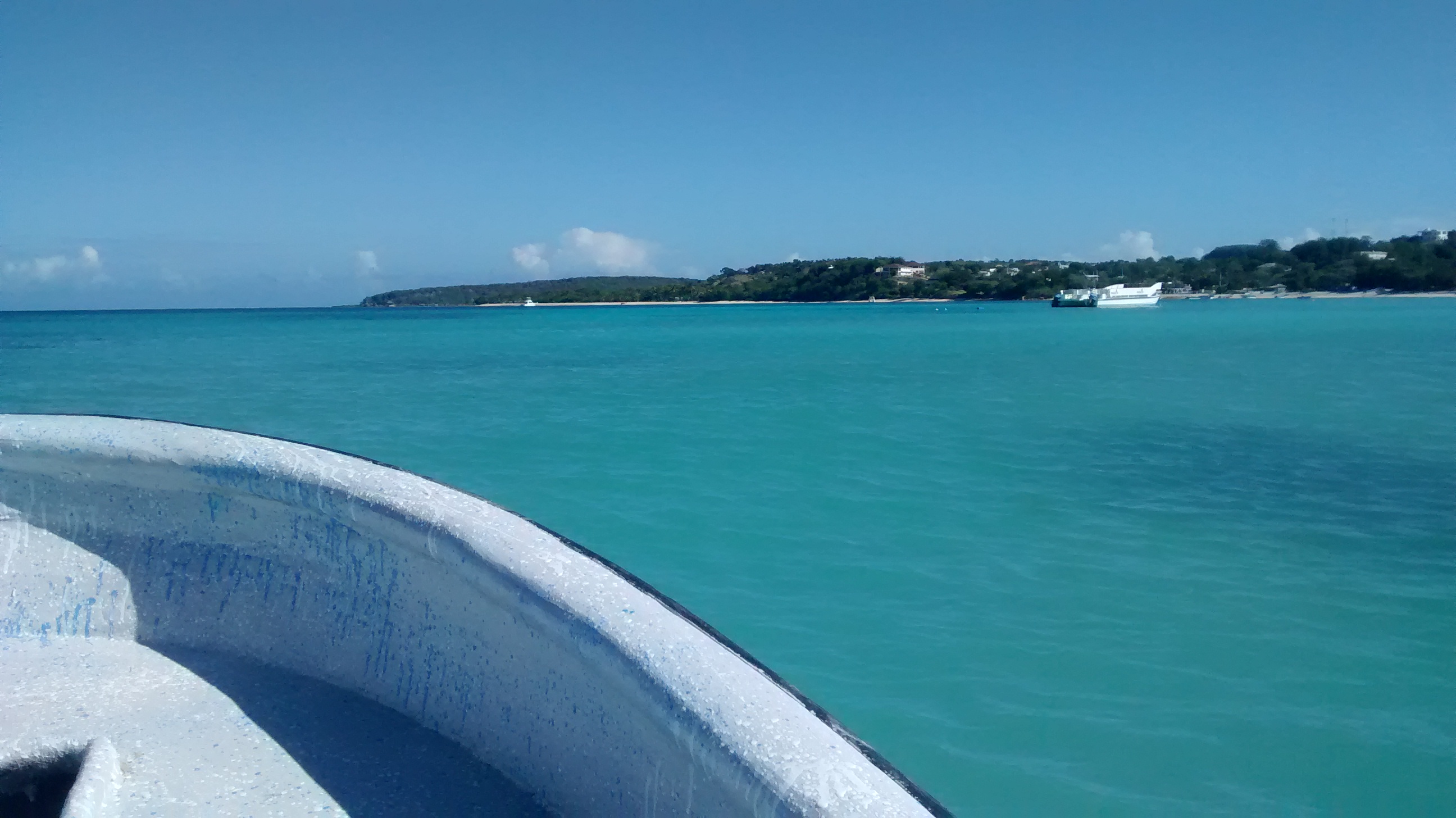
The sandy cay is uninhabited, only consisting of a dozen shacks for the tour parties that come out here. Like most cays, it rises very gently out of the water and sometimes disappears beneath the waves. On those occasions it is not open for business.The low sea shelf means you can stand up in the ocean a good few metres away from the sandbank, making for easy snorkelling.Our group reached the bank early enough in the morning to see the local fishes before they were driven away by the incoming waves of later tourists. (And by me, waving at them underwater).Environmental protection is of course central to the leisure offering being offered here. The hundred-or-so day-trippers that eventually crowd the bank before flooding the “unspoilt” waters, are not allowed to bring their shoes with them lest they damage the sand.The name Paradise Island is most probably a concoction of the global tourist industry to sell conceived notions – hang on, it actually was paradise!My exploration of the socio-economics of tourism soon drew to its conclusion, and we headed back to the little boats for the bumpy return to shore.As we headed back, I began to be concerned by some internal contradictions within global capitalism and global tourism. Major American soft-drinks corporations were represented on the bay, as were local rum makers, and the journey back to my hotel witnessed an ongoing dialectical struggle between their joint products, the rough sea, the long bendy roads, and my stomach.
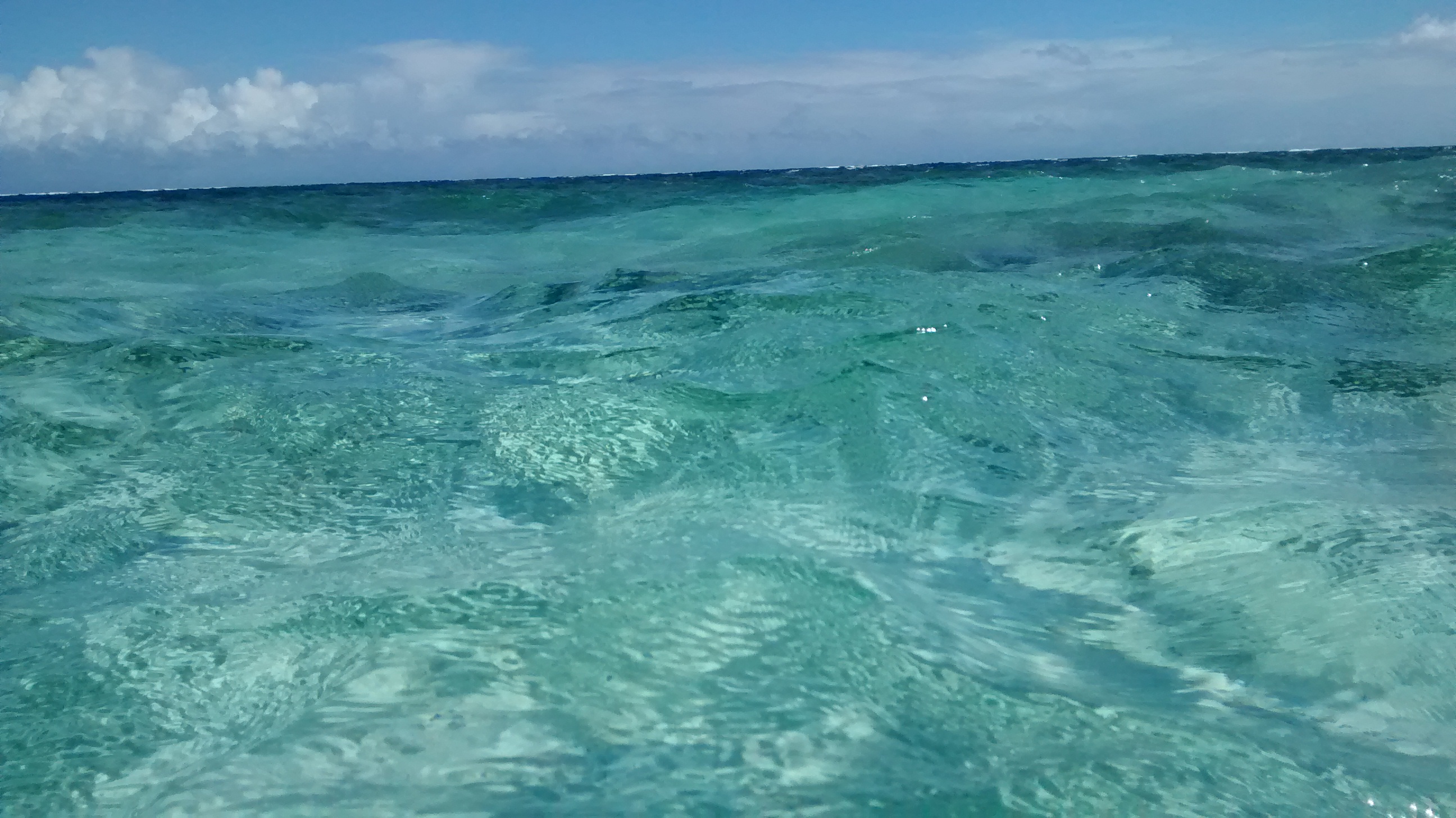
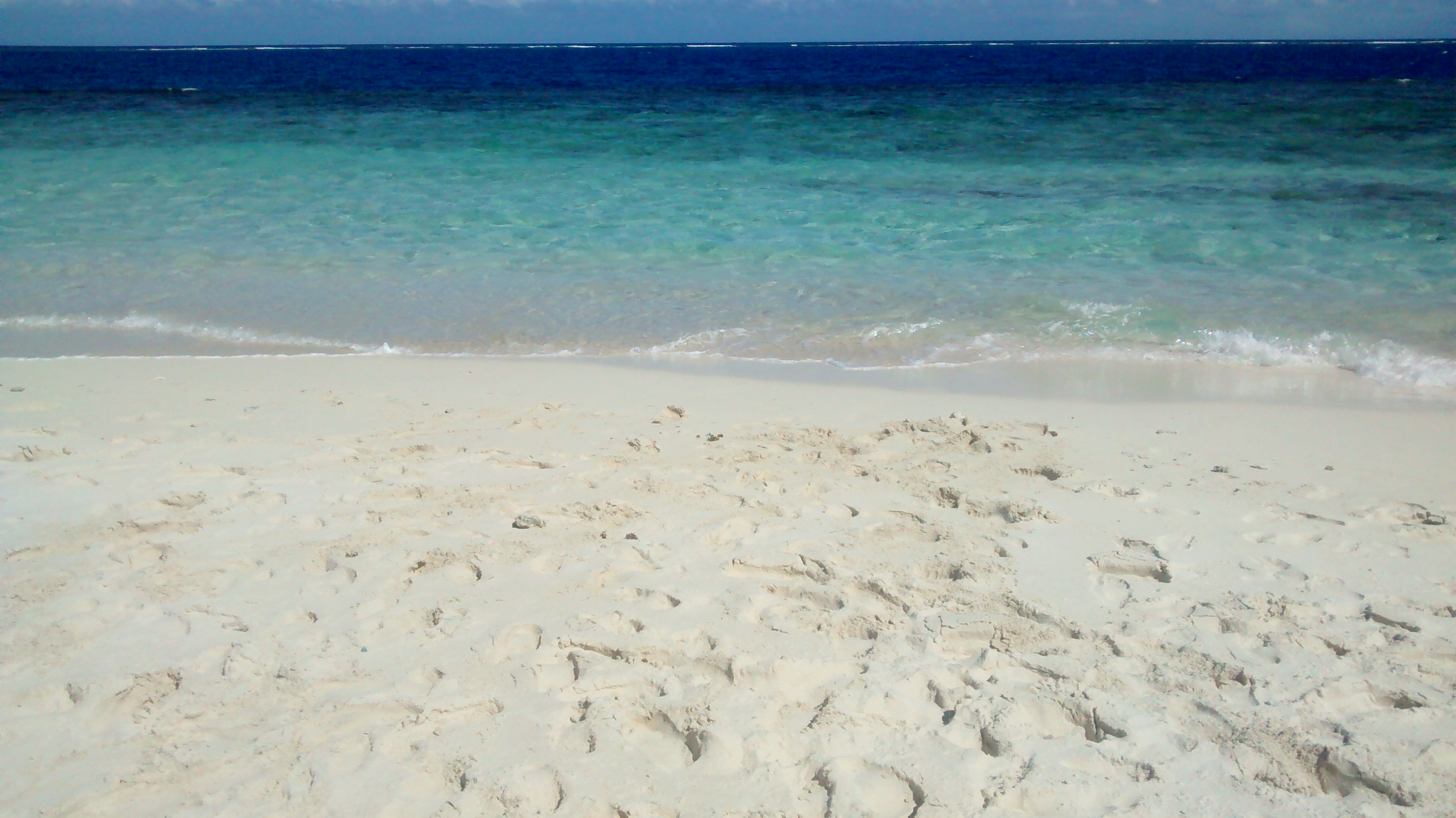
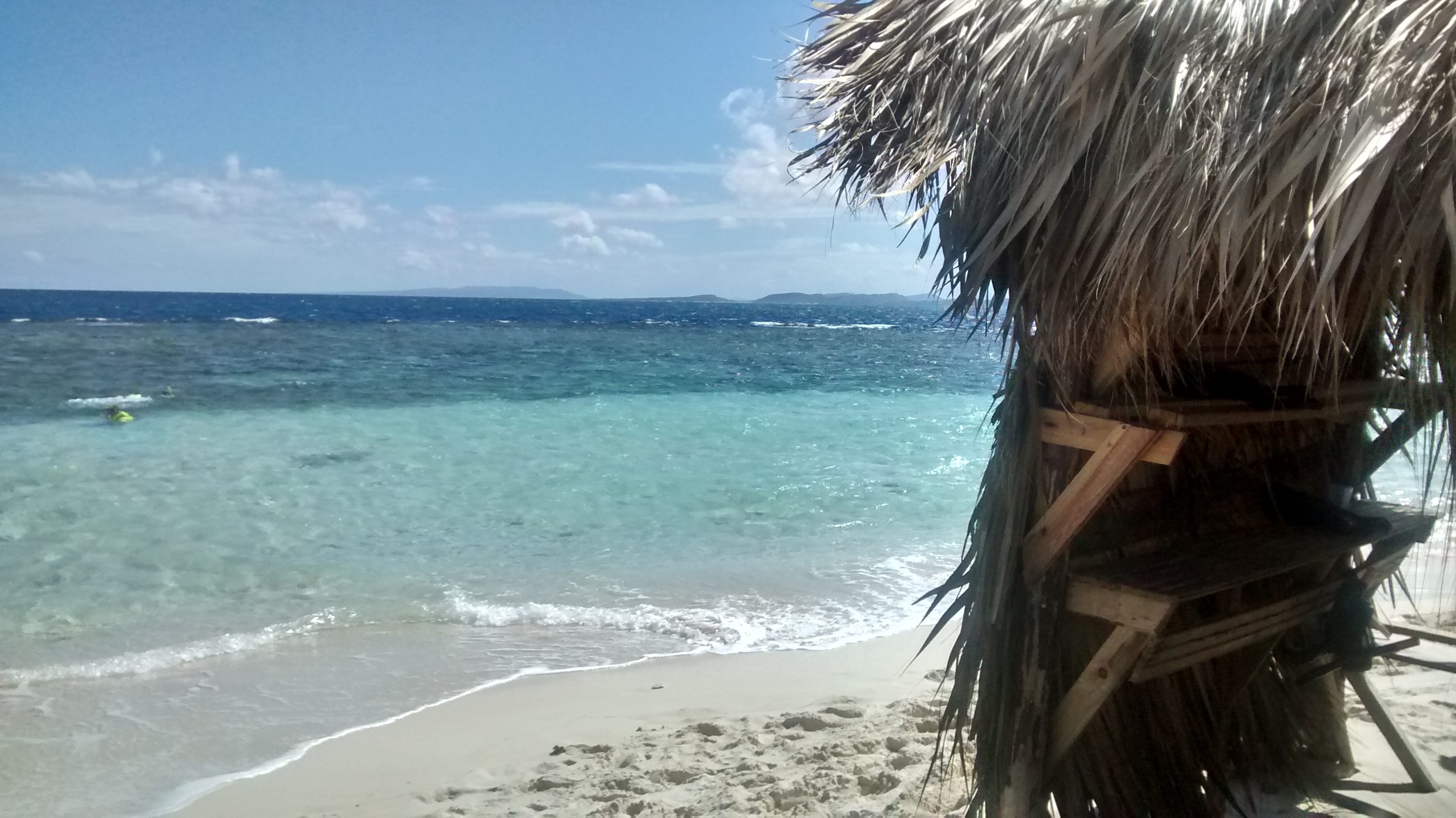
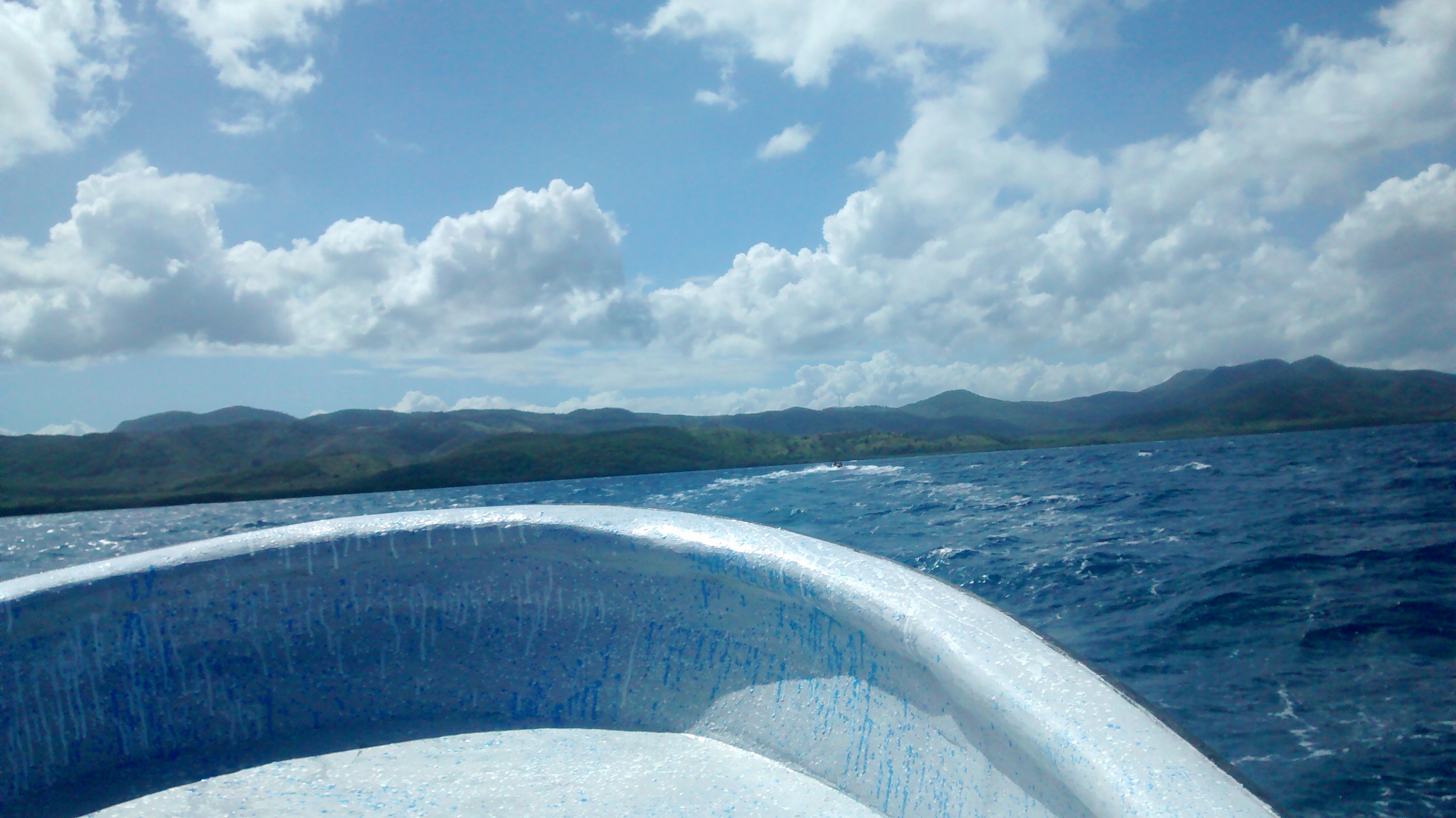
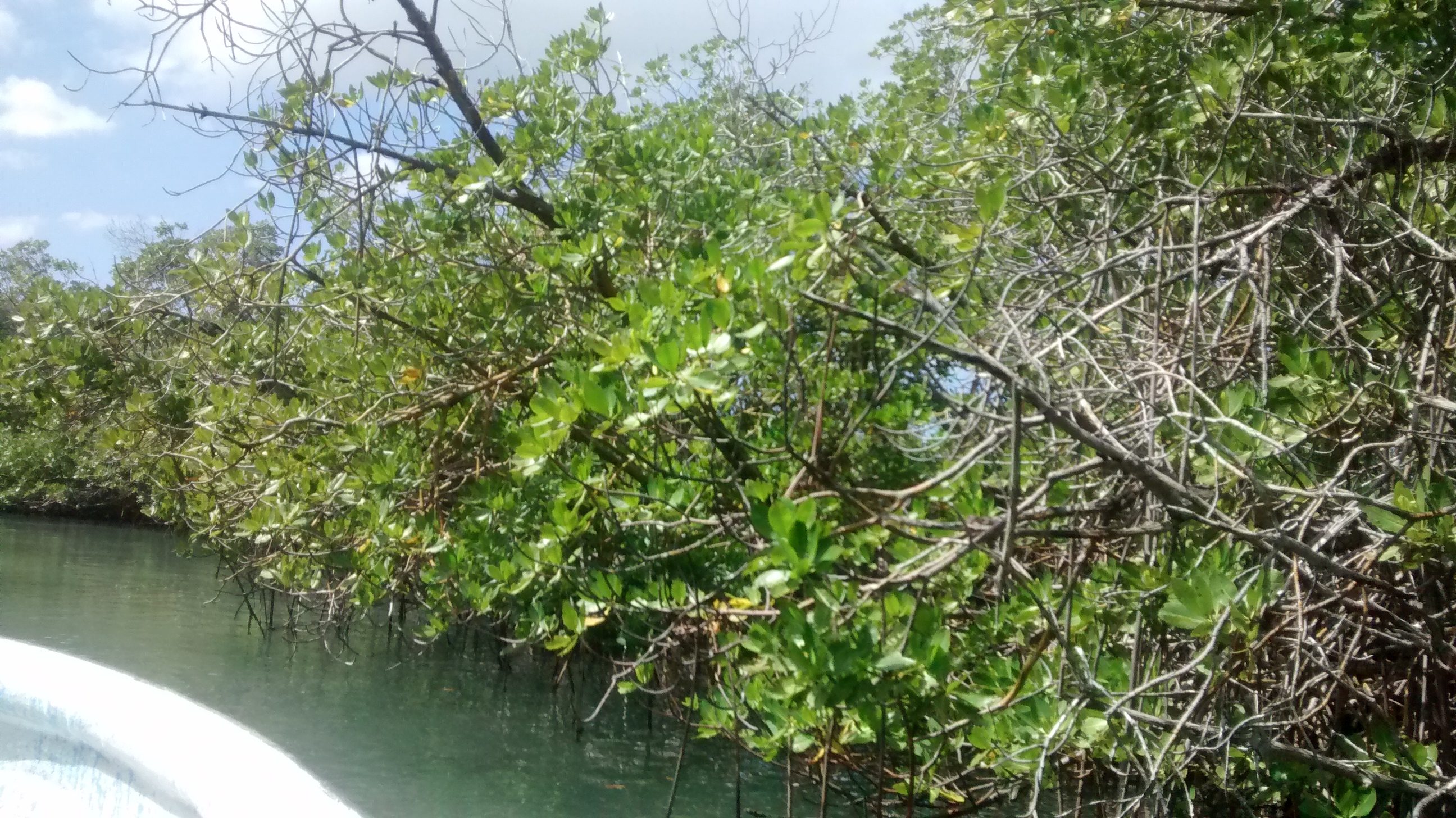
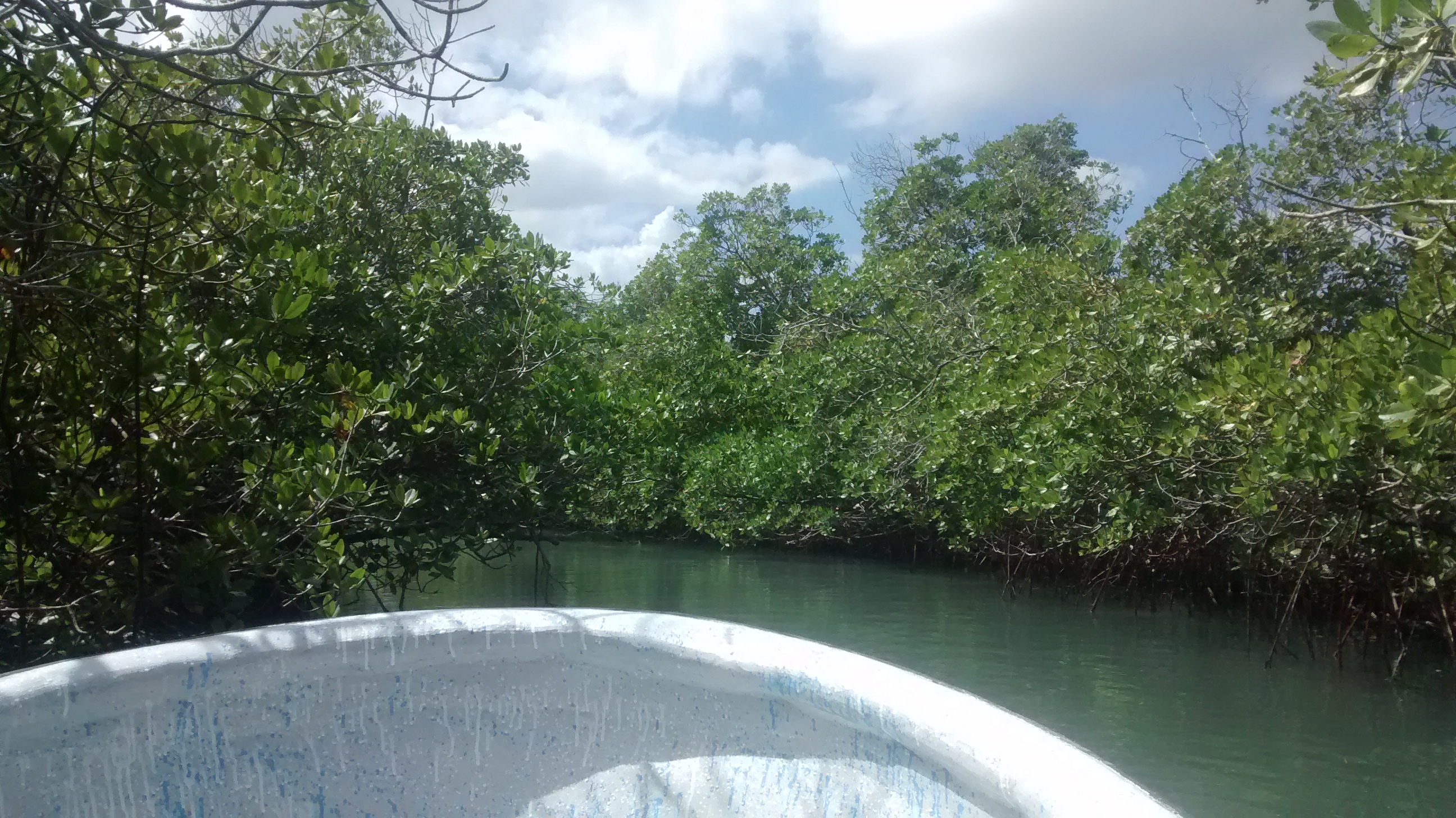
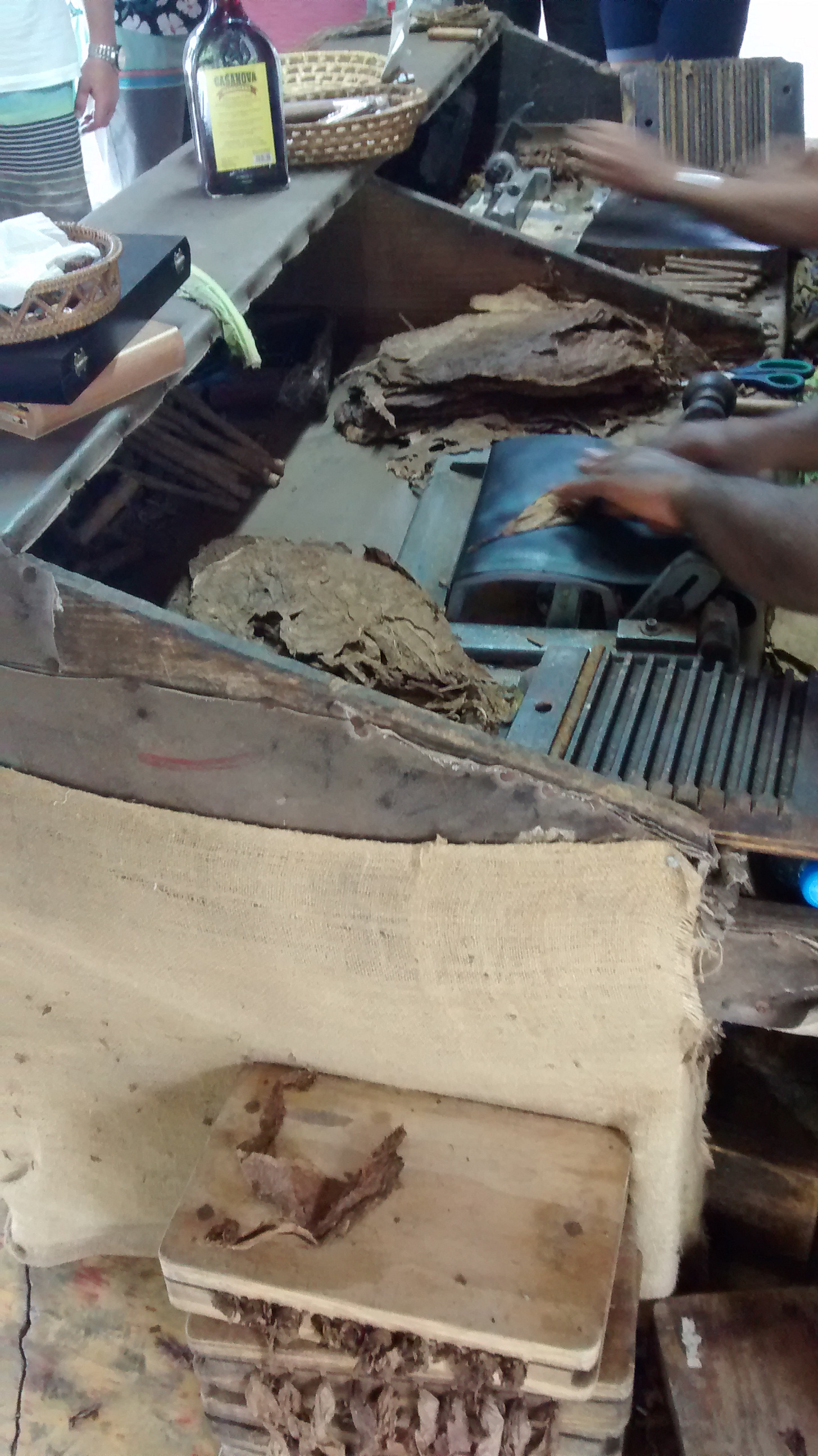
On the way back to land we slowed down and sailed through an impressive mangrove swamp……before hitting the rough open sea again, and arriving back on the beach.Soon it was back on the road, and about two hours later – after the now obligatory stop at a old-time-workshop-cum-souvenir-shop (this time involving tobbaco rolling)……I was back in the hotel.Verdict; the highlight of my trip so far, from start to finish an absolute blast – err I mean a well-aimed blast at the contested power-relations within global tourism, conceived notions, authenticity… err…and stuff…
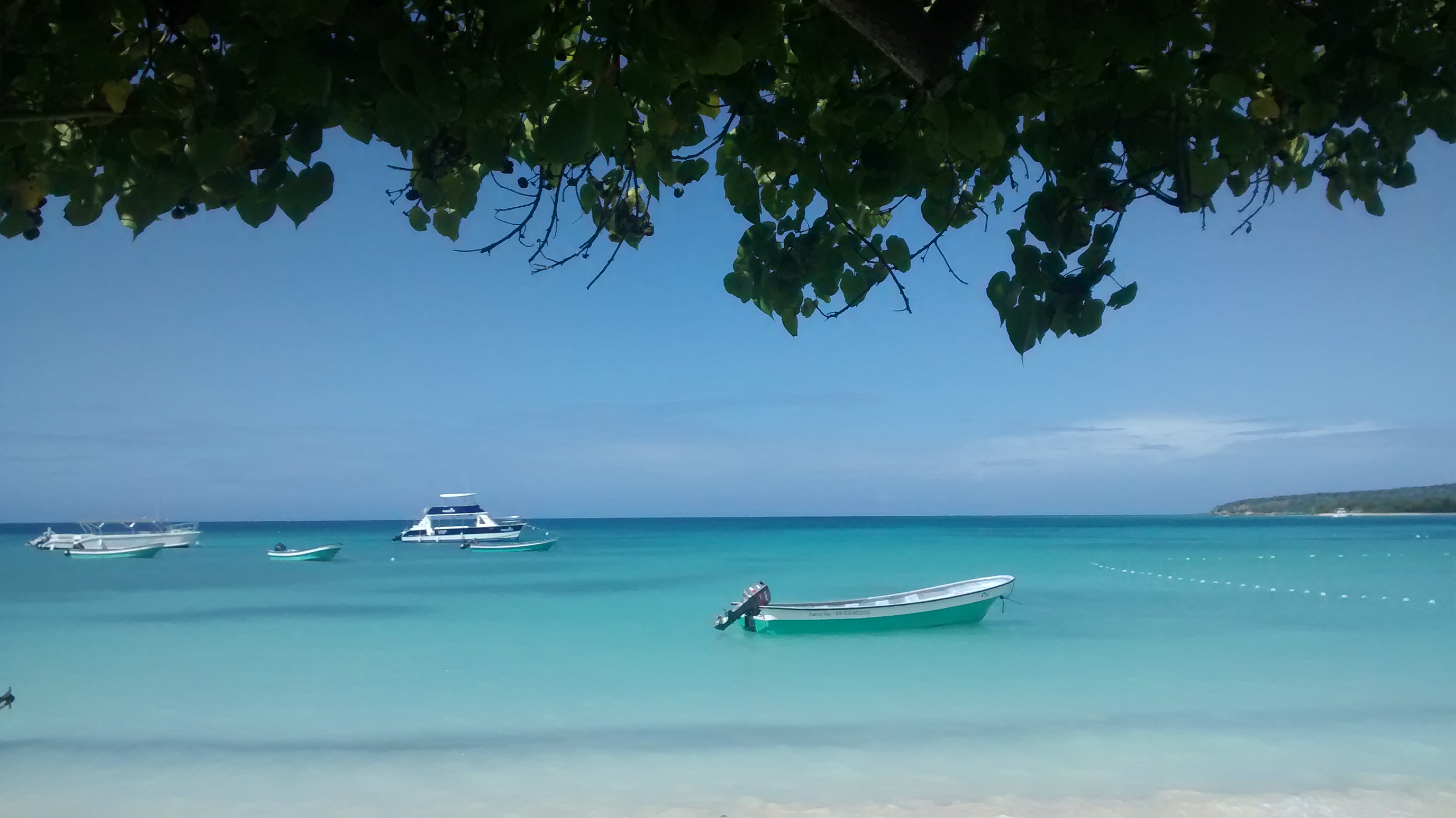
Well, that attempt at sociological analysis didn’t go very well did it? But even if your microscope managed to detect the humour, the joke was absolutely not aimed at the people who made this tour possible, the tour guide, the driver, boat pilots, attendants, lifeguards, cooks…and it’s time for a shout out to all of those underpaid people who work in tourism all over the world, sometimes unseen, working incessant hours to make other people’s dreams come true.

And finally, a mention to those guides who spend so much time explaining where they come from with knowledge, passion and unstinting love for their country and their people. Guys and girls, wherever you are, you are breaking down borders and bringing the world together one roadside stop at a time!

Plata patter

I rushed the guards at the front gate and managed to temporarily escape the resort for an afternoon. And so I joined a half-day tour of the nearby city of Puerto Plata.

Warning; this tour begins with a visit to the Macorix rum distillery. There were a number of tastings. Please treat the following account of the day with a degree of caution in regards to its veracity and accuracy.

Our next stop on our trip to the Moon was to one of the many jewellers in DR that polish and sell precious stones to tourists. There are three main stones that the country specialises in – amber, larimar and coral. (They keep telling me the coral’s not endangered).

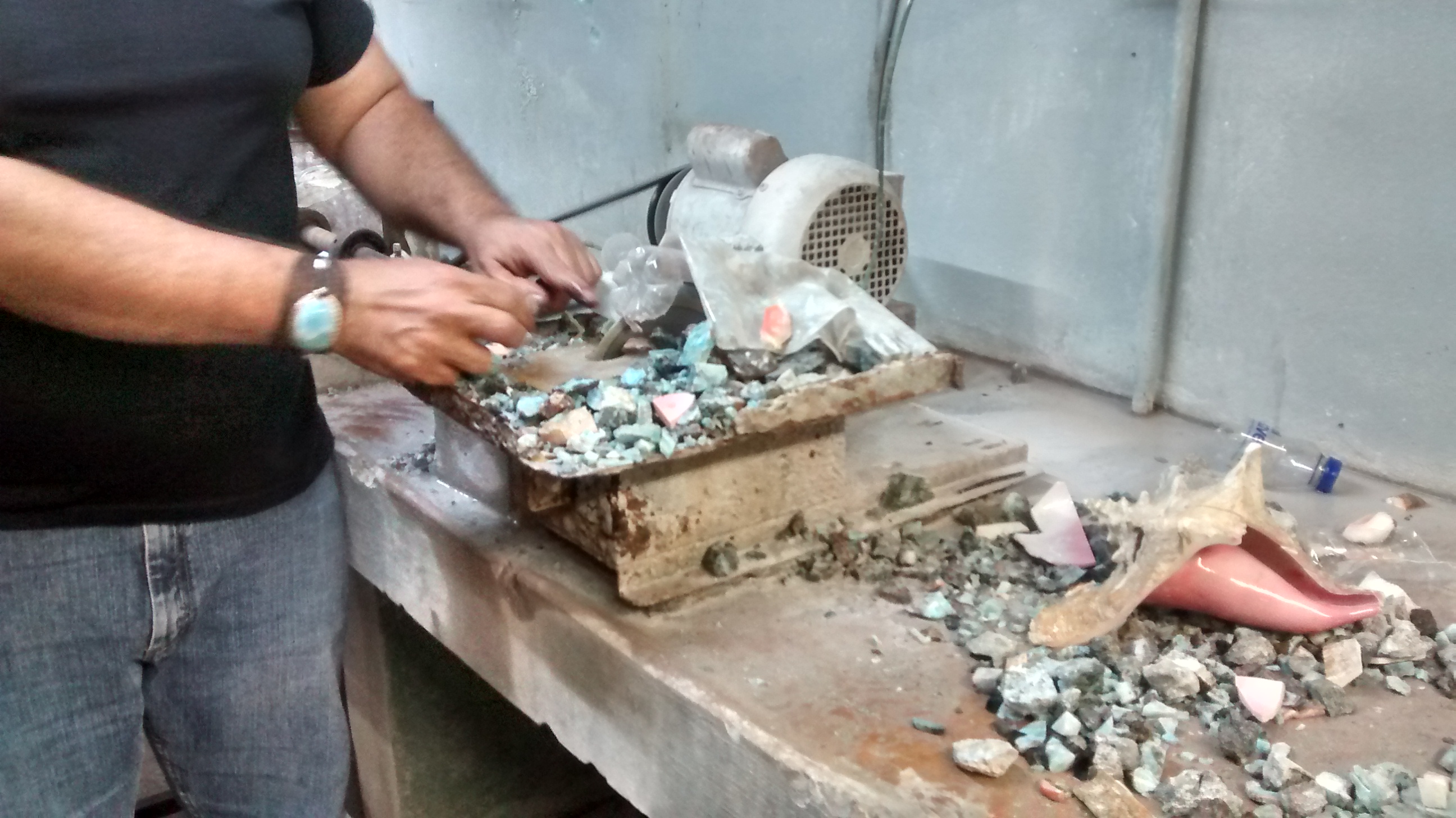
Larimar? It’s a variety of blue pectolite that’s unique to the Dominican Republic, and was only officially discovered in 1974. You cut the stone to reveal the marbly blue stuff.

Here you see our store guide cutting chips of the bare stone. It doesn’t look all that much, until you see what’s on his wrist.

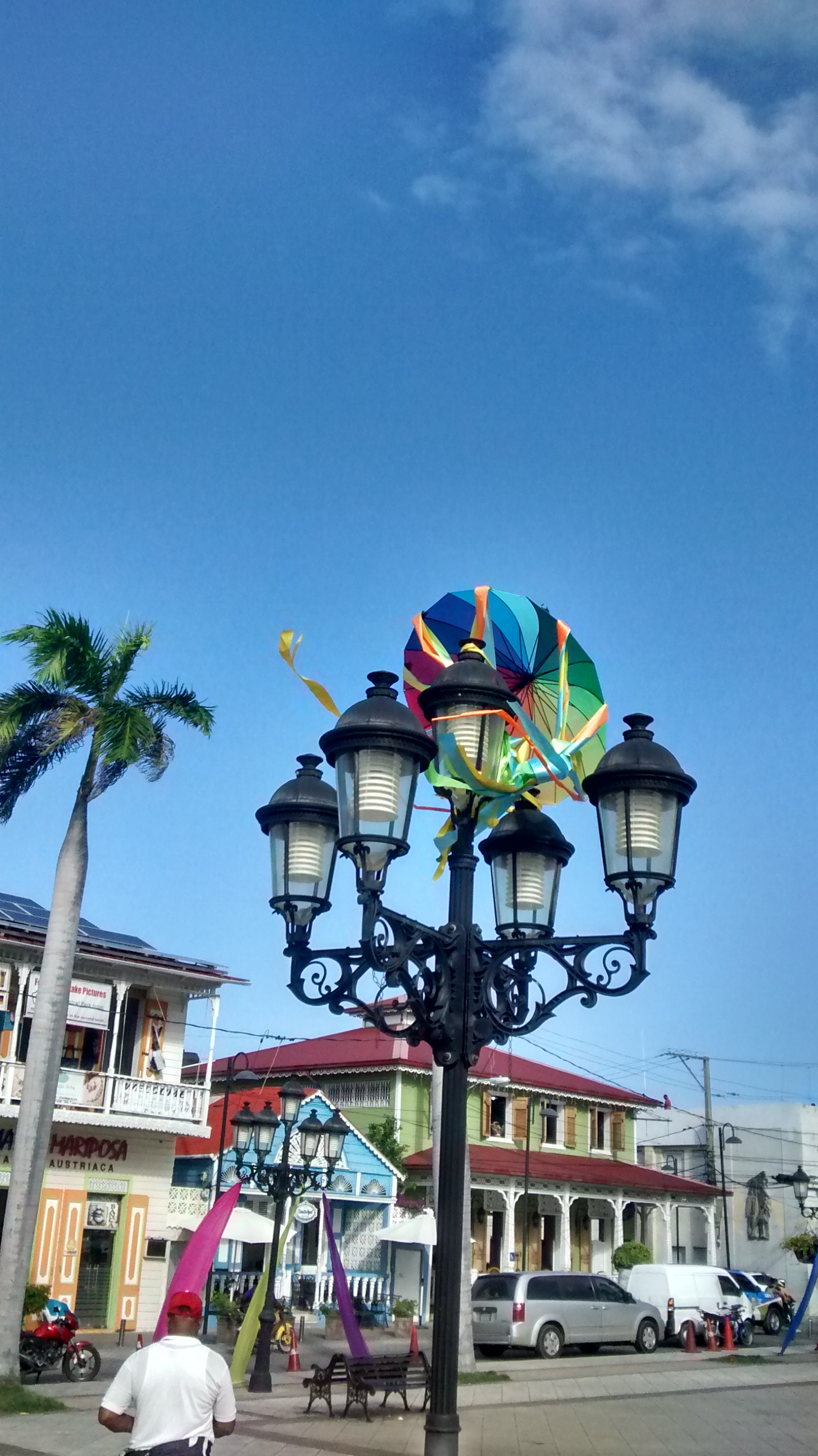
From the jewellers, to a chocolate factory, and then onto the central plaza. Time for some photos of the old town of Puerto Plata.

You might be able to see a mountain in the backgrounds. Don’t worry, we’ll be getting even closer later. Much closer…

It was actually in this neck of the woods that Columbus first encountered the island. The first European settlement in the Americas was created around here in 1494 and Puerto Plata itself created soon after.

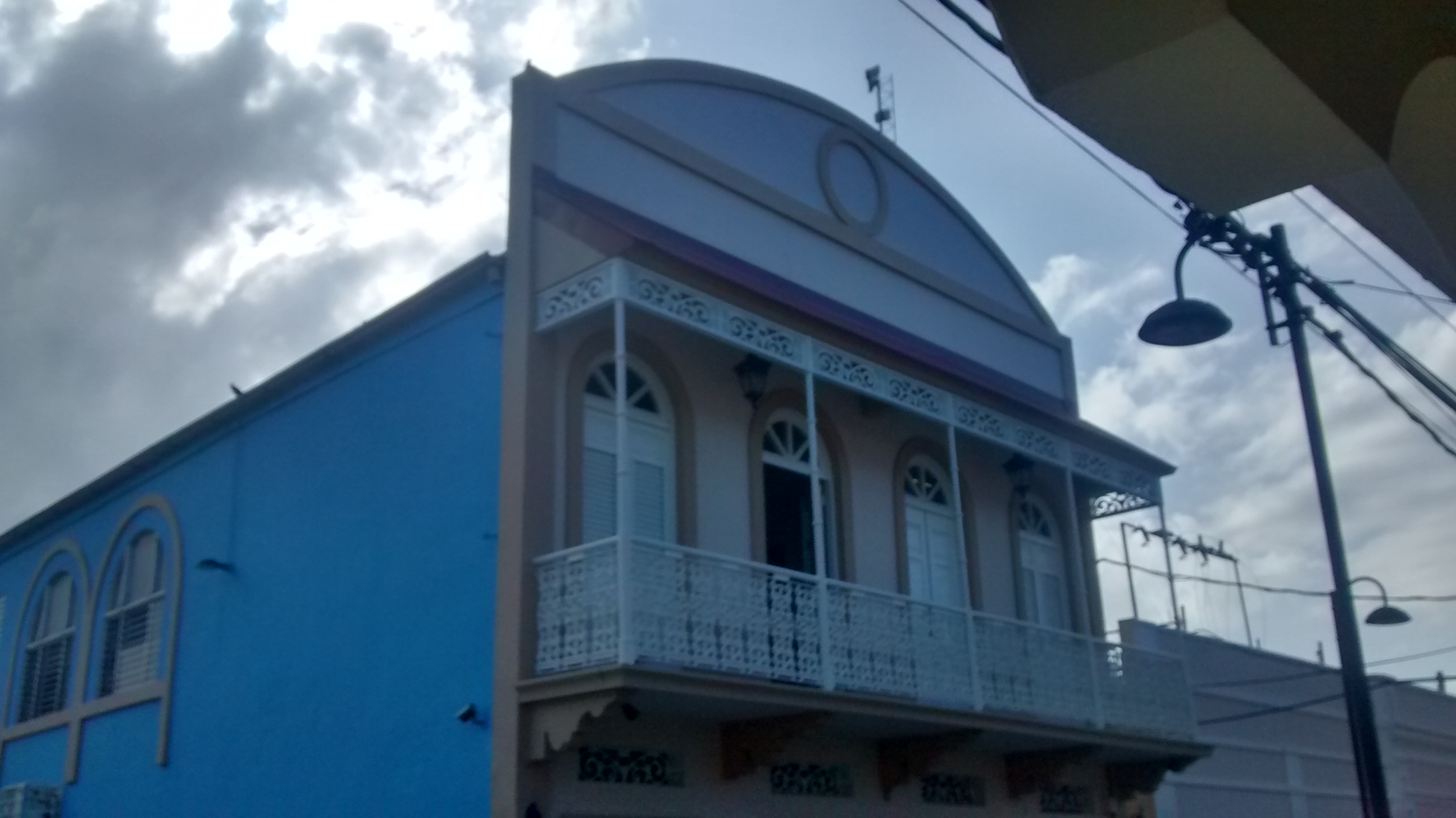
It’s not the town you see today though. 17th-century struggles with pirates and 19th-century civil wars saw to that. In the 1800s the town was rebuilt in a Victorian colonial style that wouldn’t be out of place anywhere between Antigua and Adelaide.

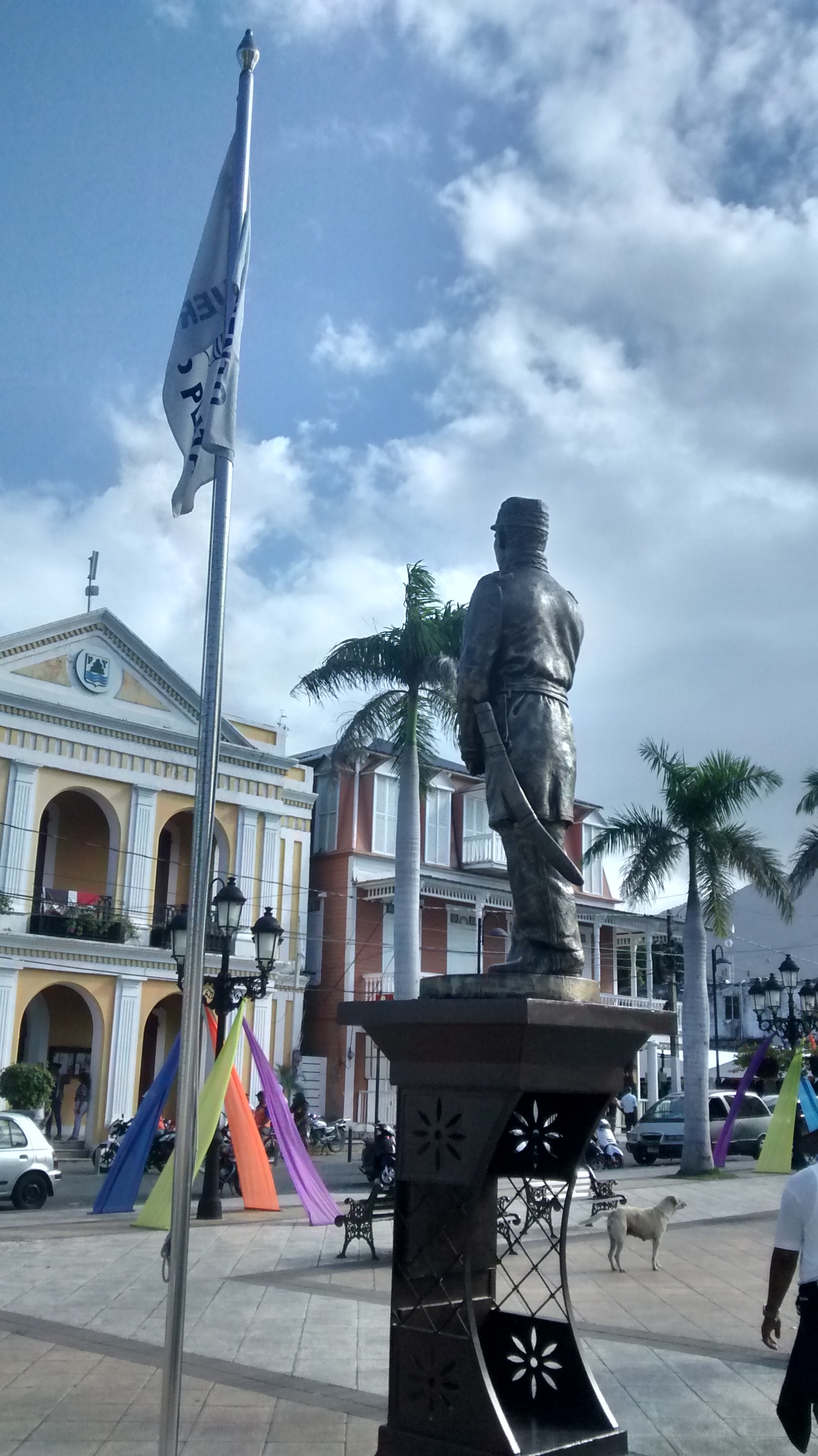
The Dominican Republic is enormously proud of the leaders of its independence struggles. This fine fellow is General Gregorio Luperon.

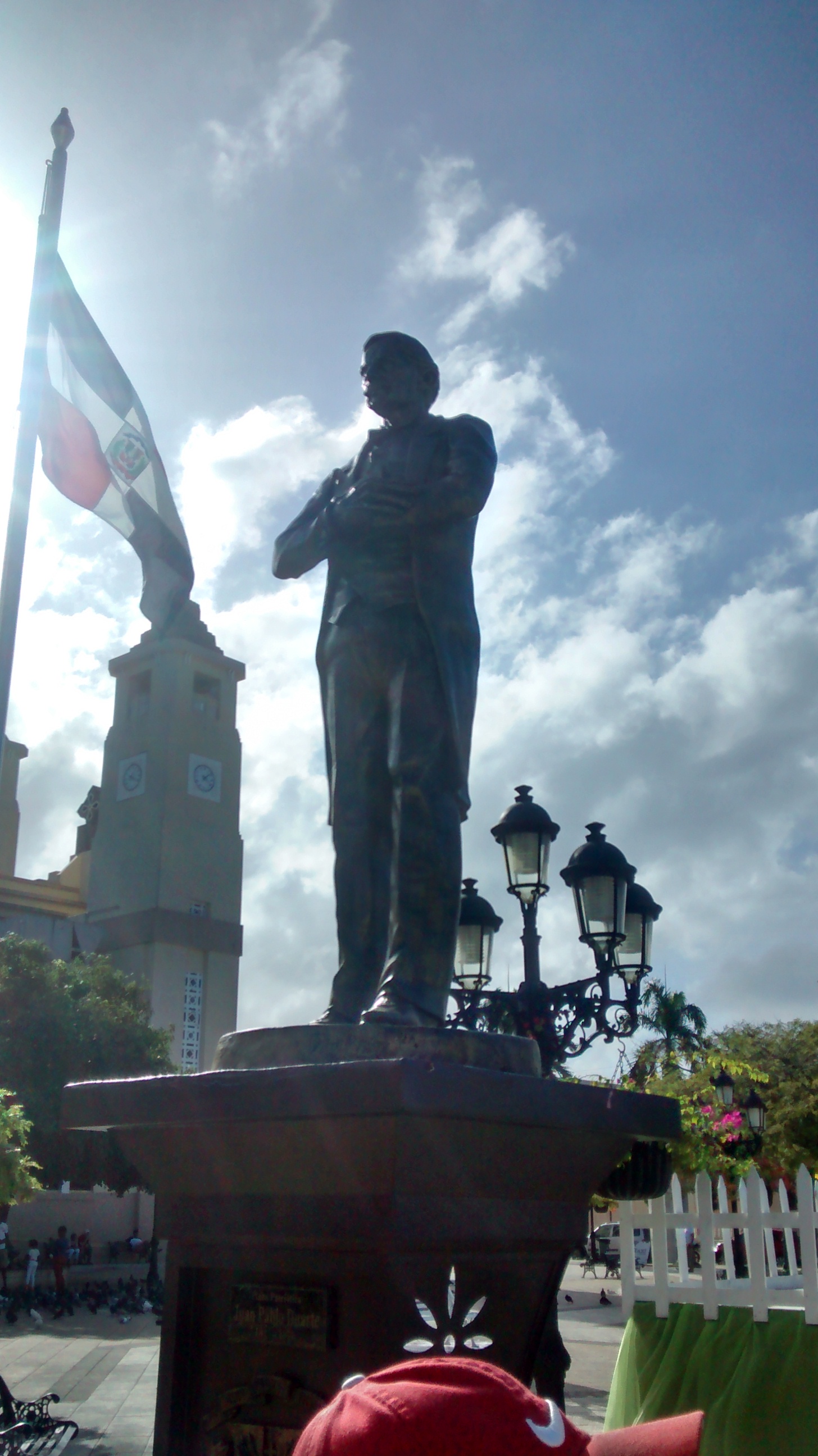
Here’s the man regarded as the father of the nation. Jose Duarte led this former Spanish colony in the battle for independence between 1822 – 1844, and to him is given the credit for establishing the Dominican Republic as a result of that liberation from Haiti.

Haiti? Not Spain?

Wait a minute…

…no, definitely sober…it was Haiti.

I won’t go into any more detail about the successful slave revolt that created Haiti, but it’s a fascinating and complex story and well worth looking up. The Black Jacobins by CLR James would make a good start, rollicking and polemical in equal measure.

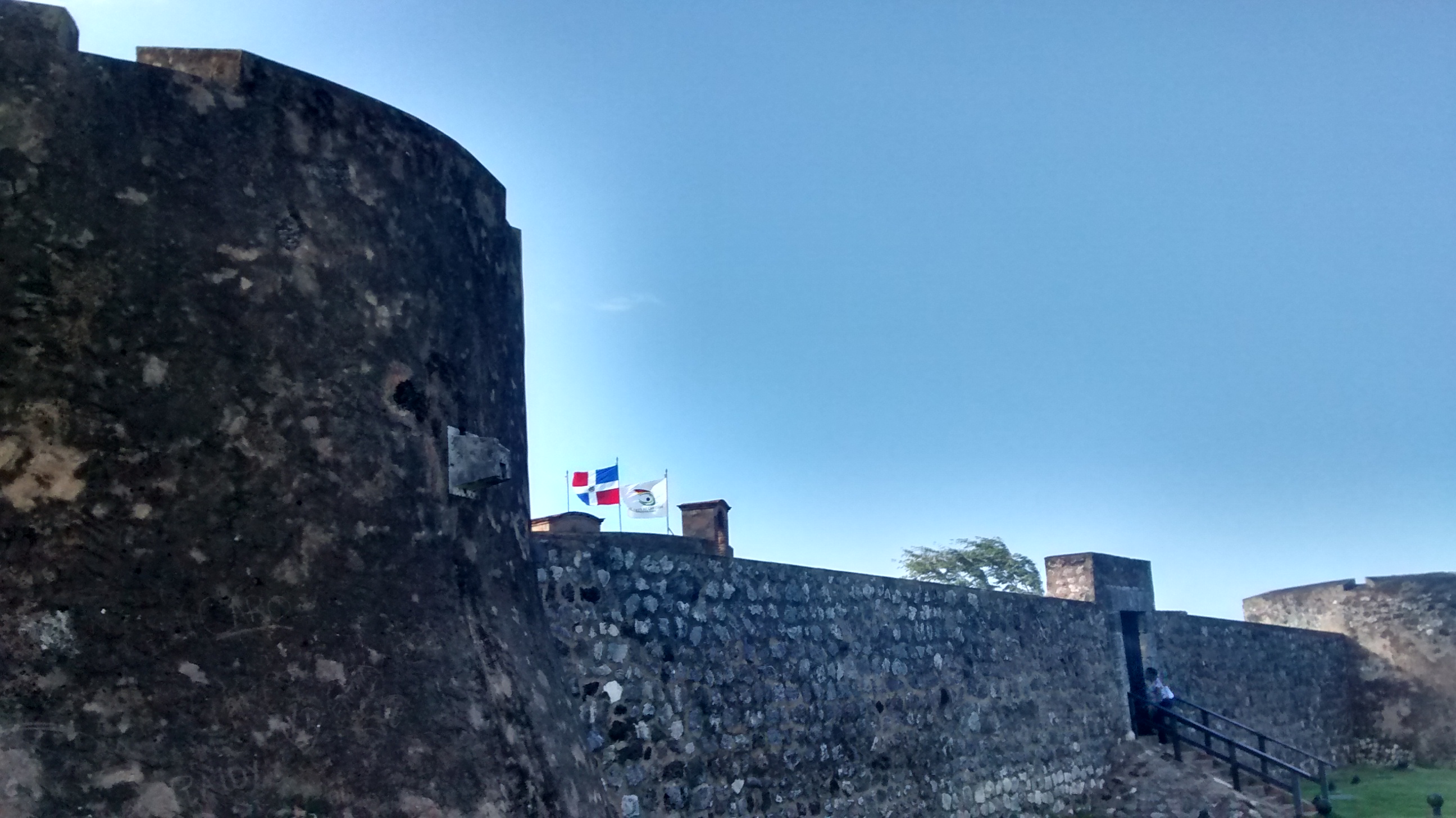
Back to the early days. Puerto Plata was originally known for very profitable trading in exports from the nearby silver mines. Like every self-respecting New World colony at risk from pirates and rival European powers, it needed a fort.

And here it is, the Fortaleza San Felipe.

Spectacular views. It was used as a prison by the brutal 20th-century dictator Trujillo.

Hope that didn’t spoil the fun.

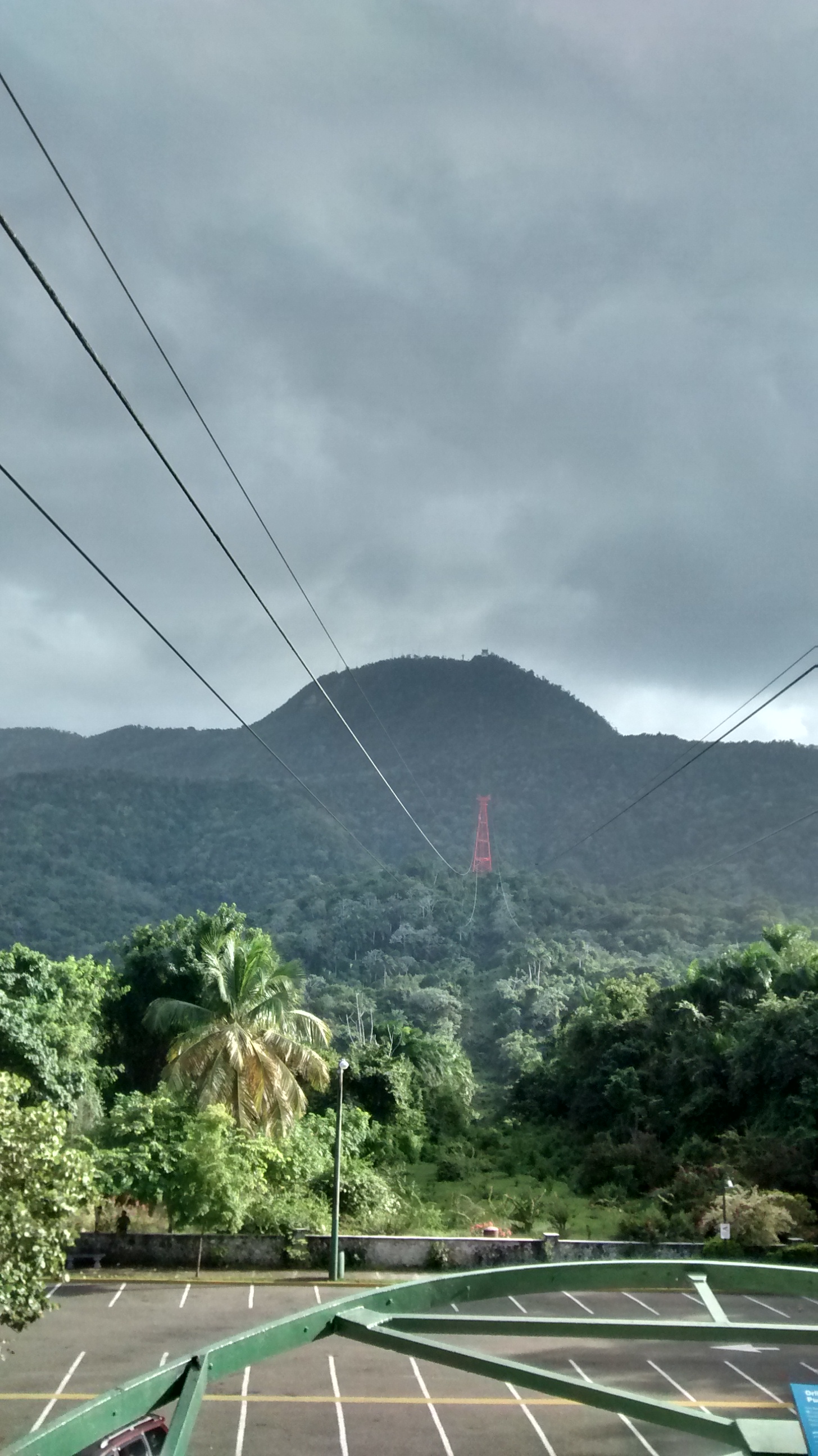
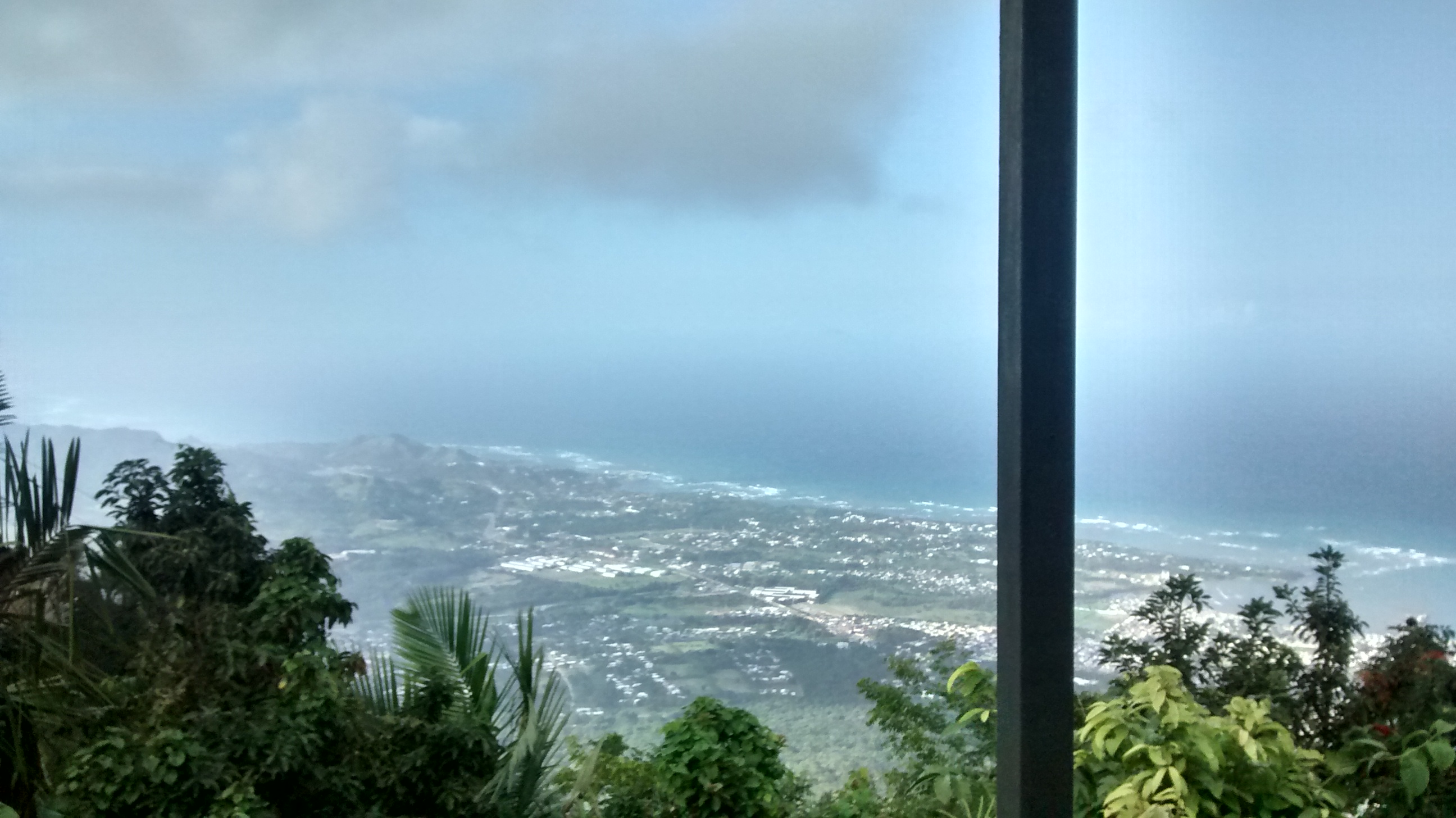
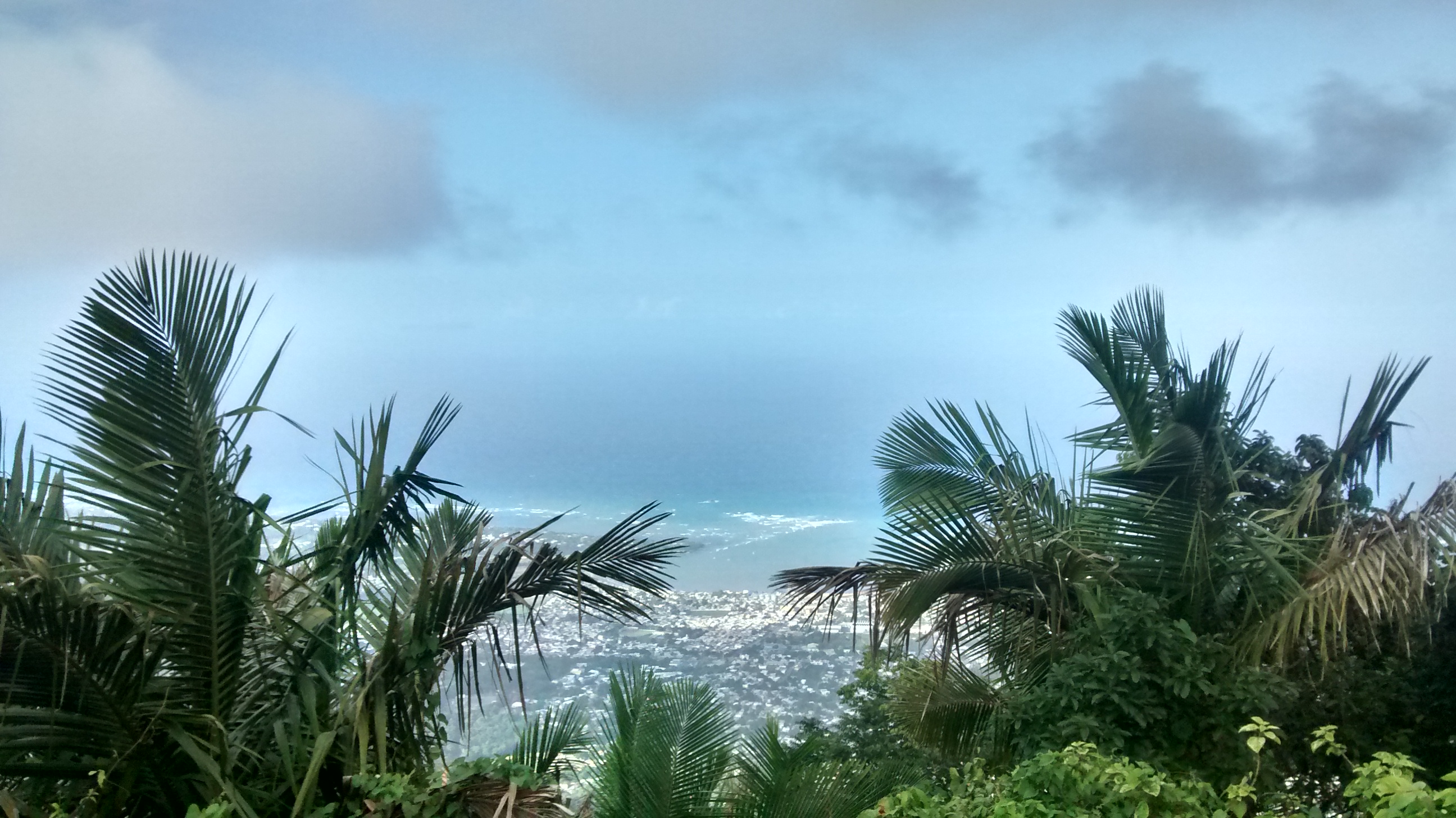
Now back to the mountain. Isabel de Torres, named after the queen who funded Columbus’s expeditions. Dominating the town at 800 metres above sea level, it takes 2 hours to hike to the top.

Fortunately there’s a cable car.

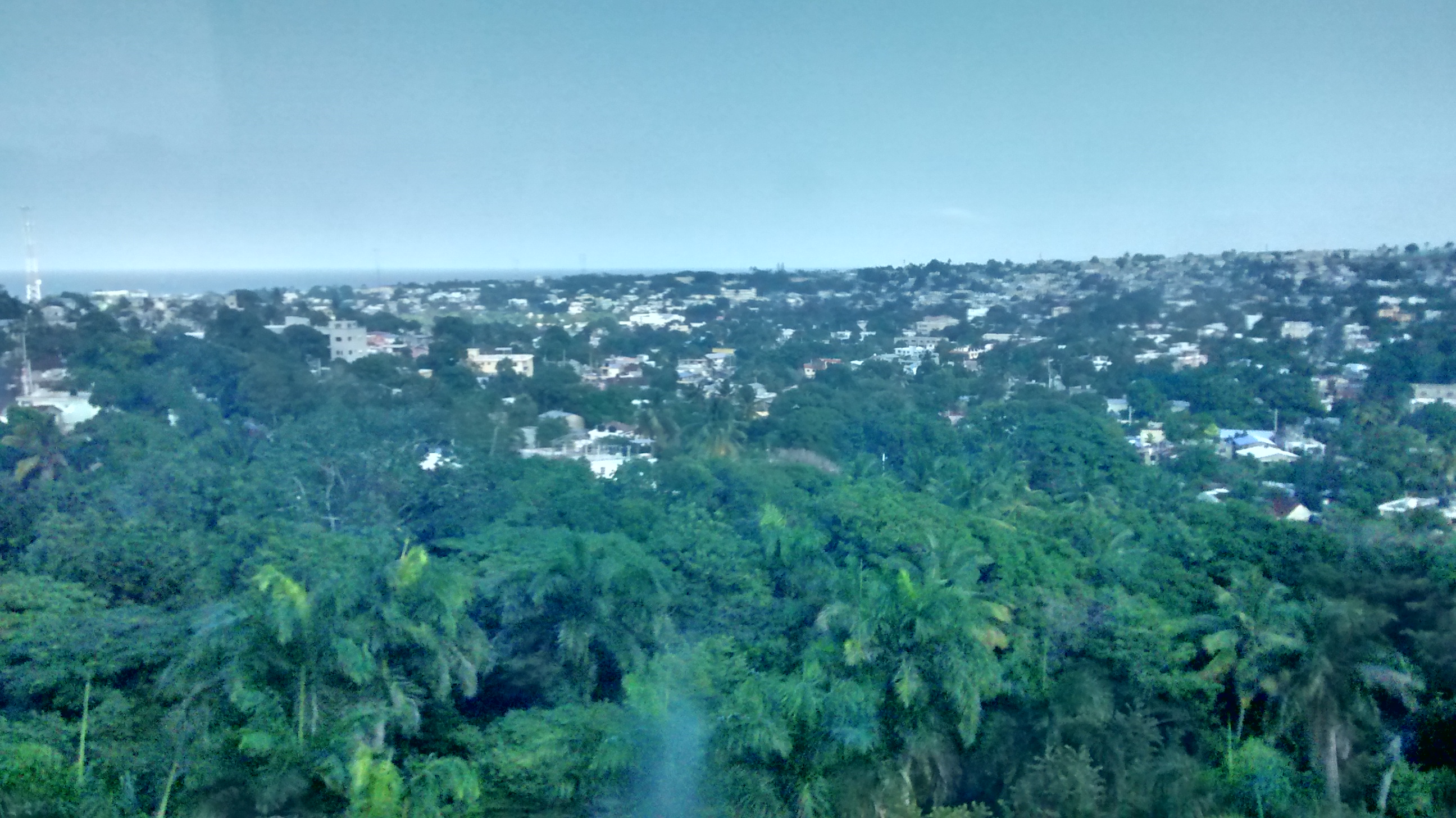
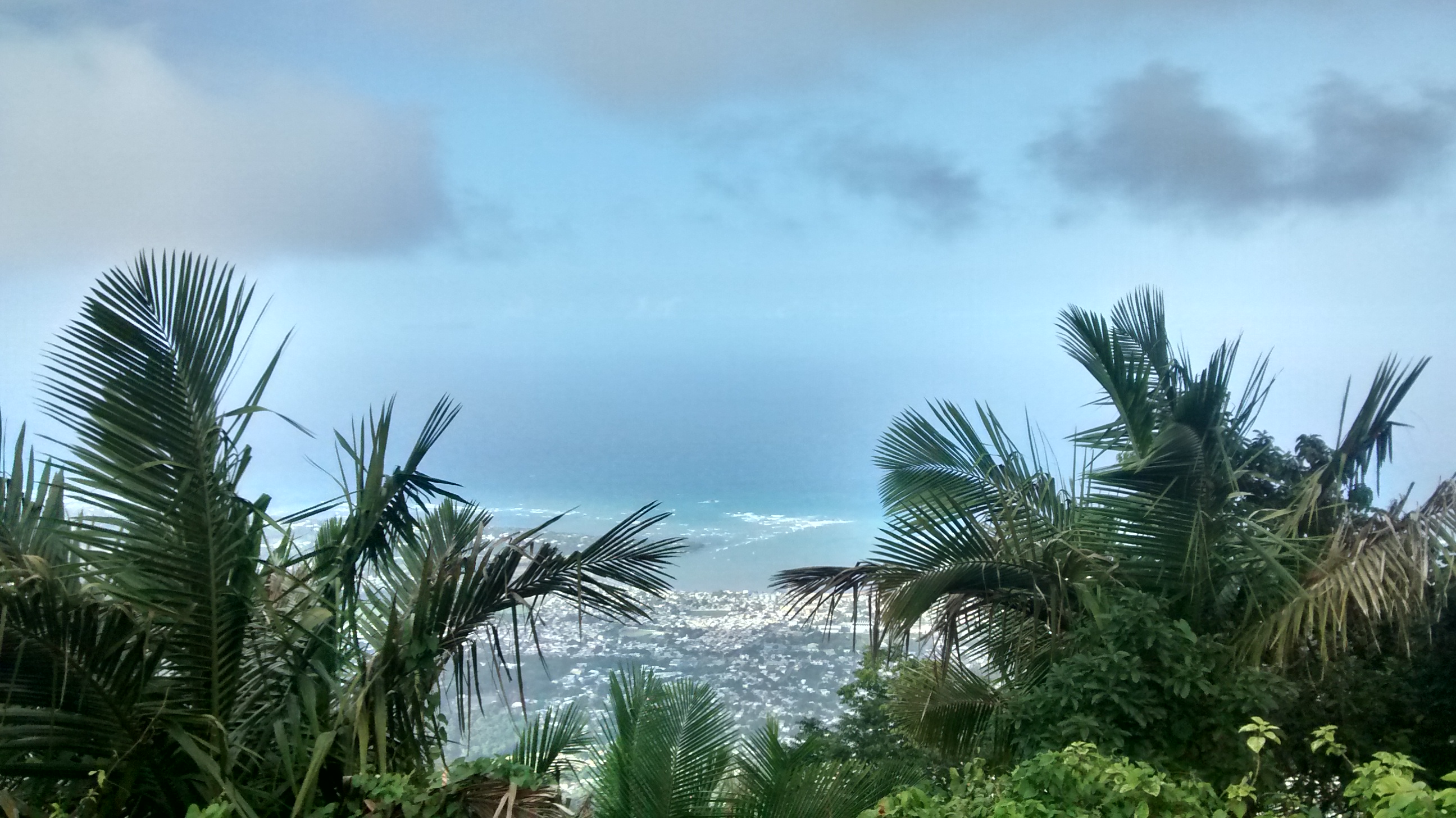
And at the top…

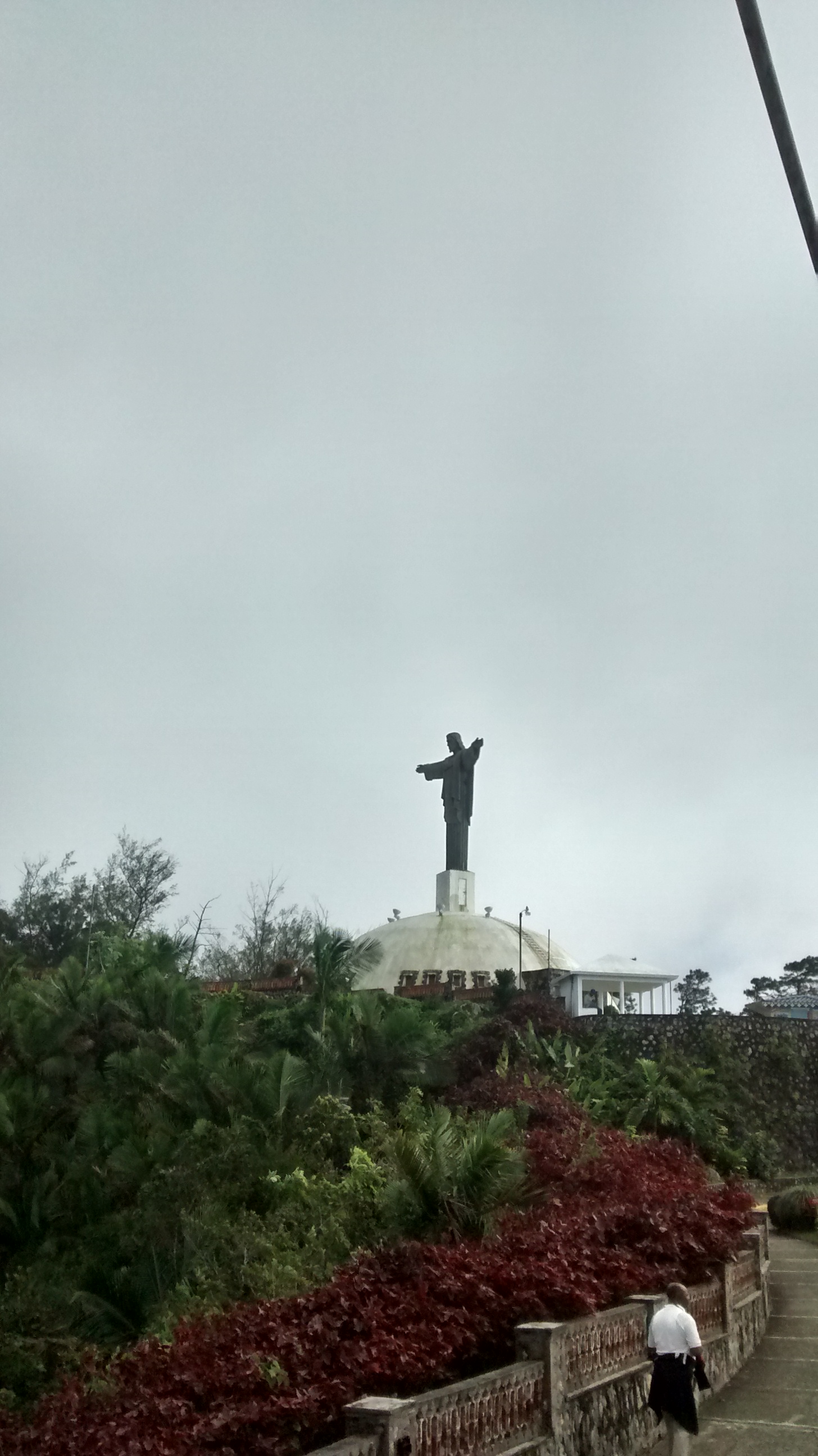
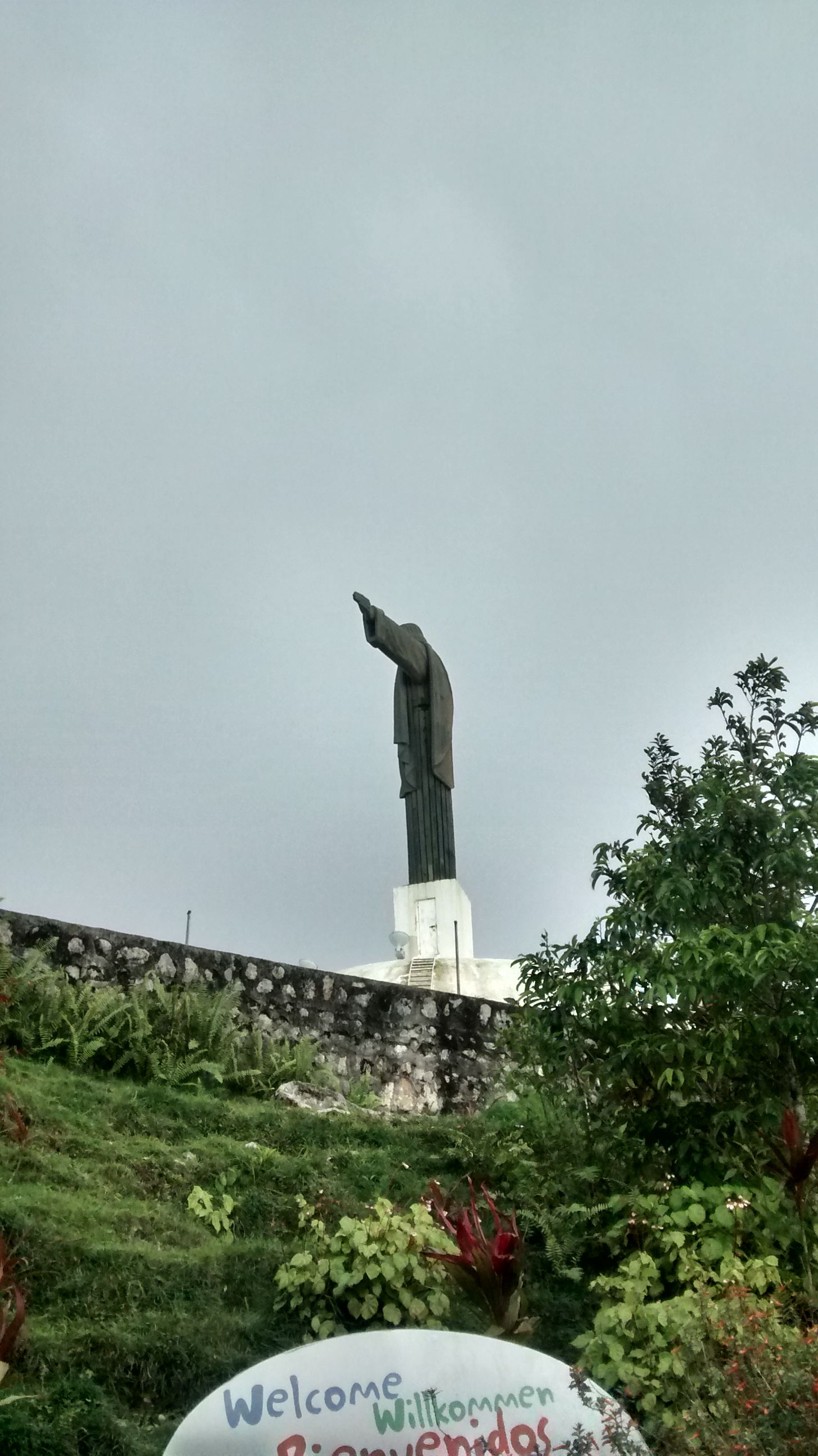
Christ the Redeemer.

One of the highlights of my trip to Rio, along with the samba and the beach volleyball on the Copacabana.

Errhang on

Ah.

Yes.

It’s a much smaller copy of the real one, erected in the early 70’s a couple of years before the Italians built the cable car.

Whew. And it was quite the ride up and down, particularity down when it stopped halfway, and started swaying…what with everything I think it’s time for a lie-down!

Puerto Plata

I told you I was going all-inclusive at some point, didn’t I?

Puerto Plata, on DR’s north coast, is the country’s oldest resort. There is a real town here, with some significant history. But up here, on the sandy but windy Playa Dorada, it’s all about the AI meal plan.

I hope to show you a bit of the actual town and its surroundings later in the trip. It would be better to look at something of substance than flog to death the tired old cliches of the pure beach holiday, like the whole blue sky, blue sea, white sand thing…

…the megaresort thing where you eat as much as you want…

…and drink as much as you want …

…the sun-kissed palm-fringed beach walk along the deep-blue Caribbean Sea…

…before indulging in free booze again…

No, it would be wrong to post all of that. It – just – isn’t – right to say it.

It’s not right.

Puerto Plata isn’t on the Caribbean Sea. It’s on the Atlantic side.

Some more Santo Domingo

I’m now on the bus out of Santo Domingo and onto my next stop, so it’s time to go through my gallery and drag out any photos we haven’t seen yet…The old town is separated from the sea by Santo Domingo’s own Malecon, maybe not as famous as Havana’s. Near-impossible to cross during the day – and highly avoidable at night.
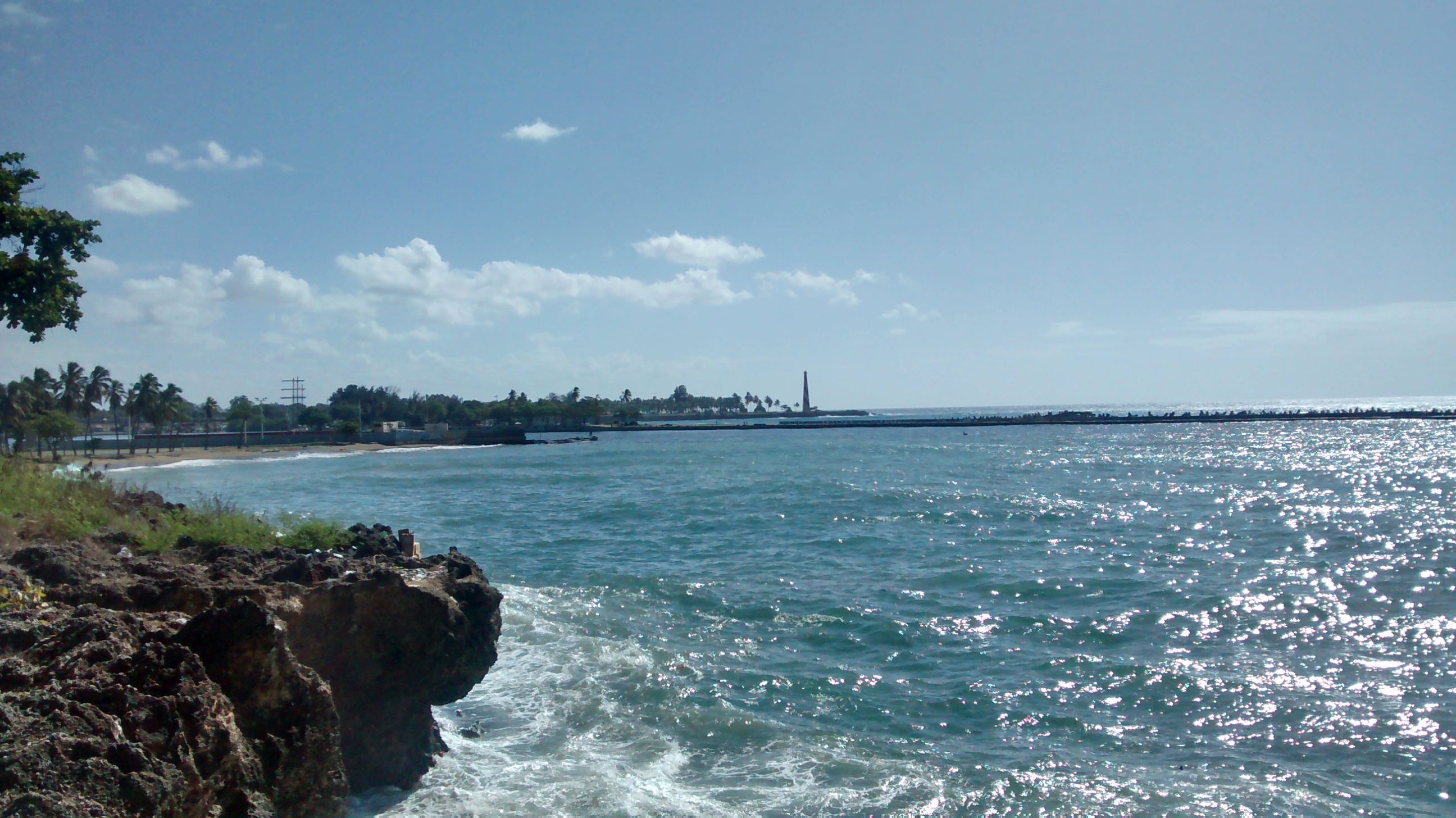
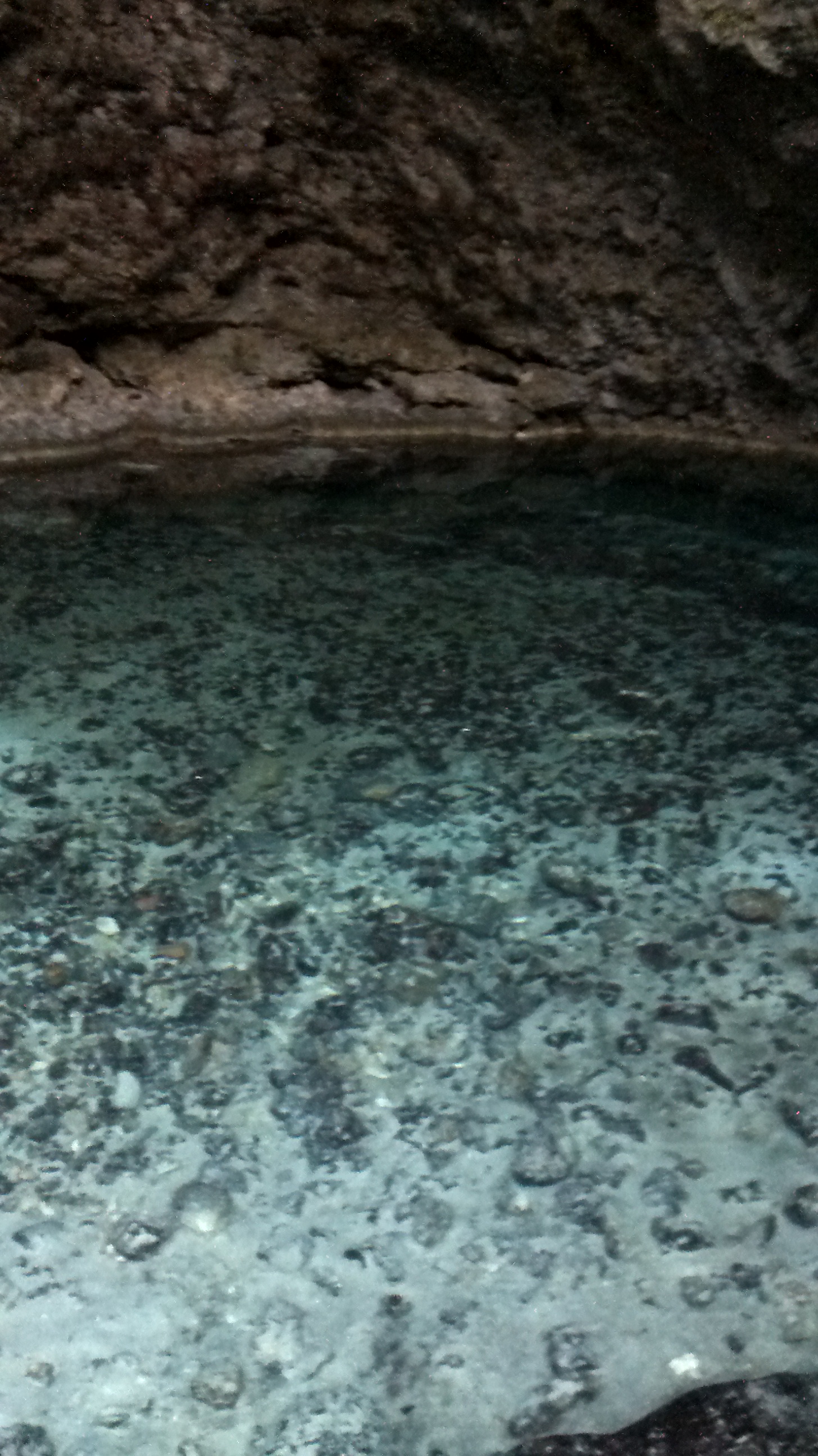
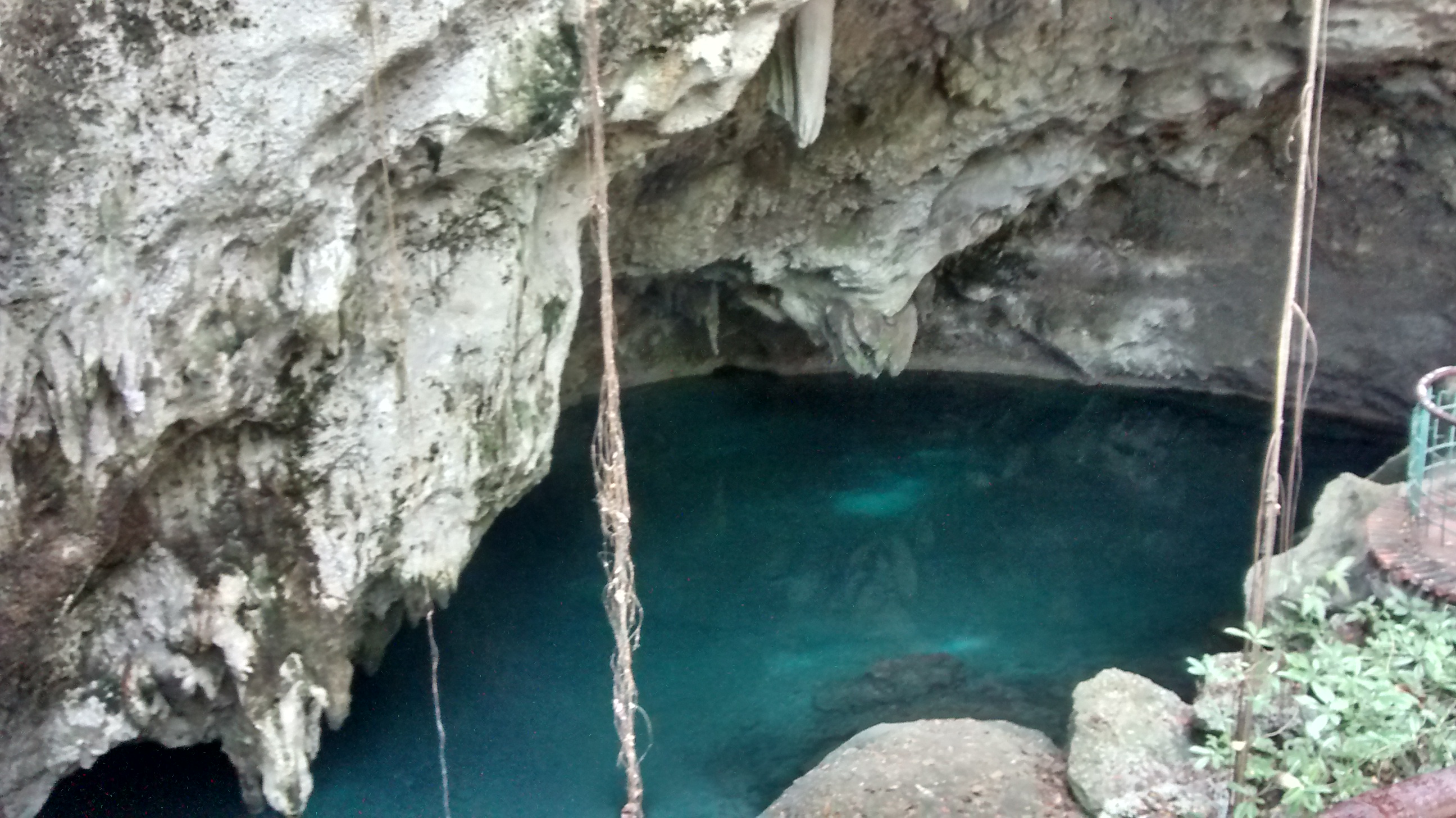
Going underground…The Tres Ojos limestone cave system, around the corner from the lighthouse. Amongst the stalagmites and stalactites can be found carvings from the Taino period. You’ll see the limestone again once you leave……because the hawkers at the exit have carved it into a whole array of trinkets and they’ll ask you to buy some. And ask you again. And again, and…
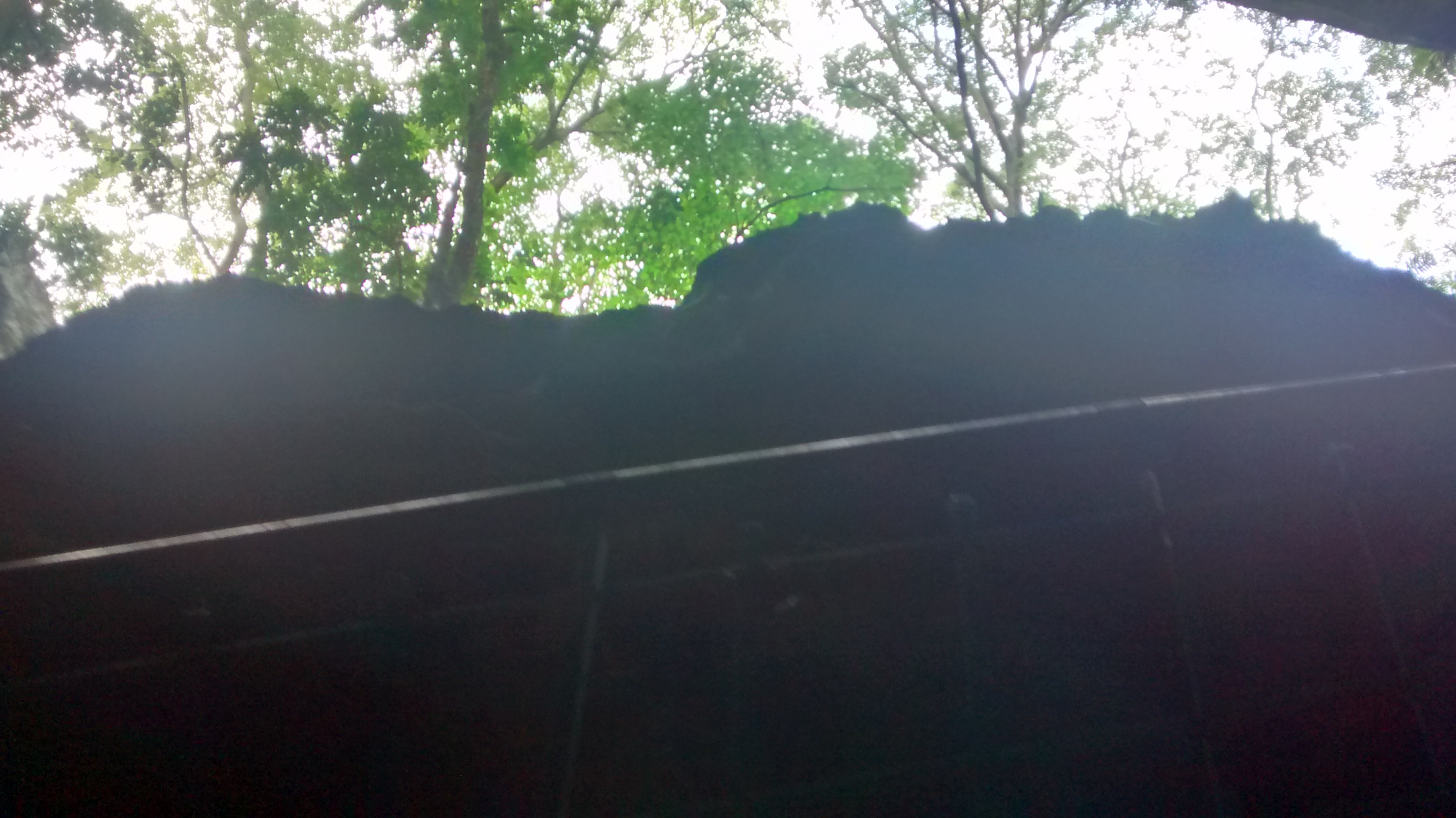
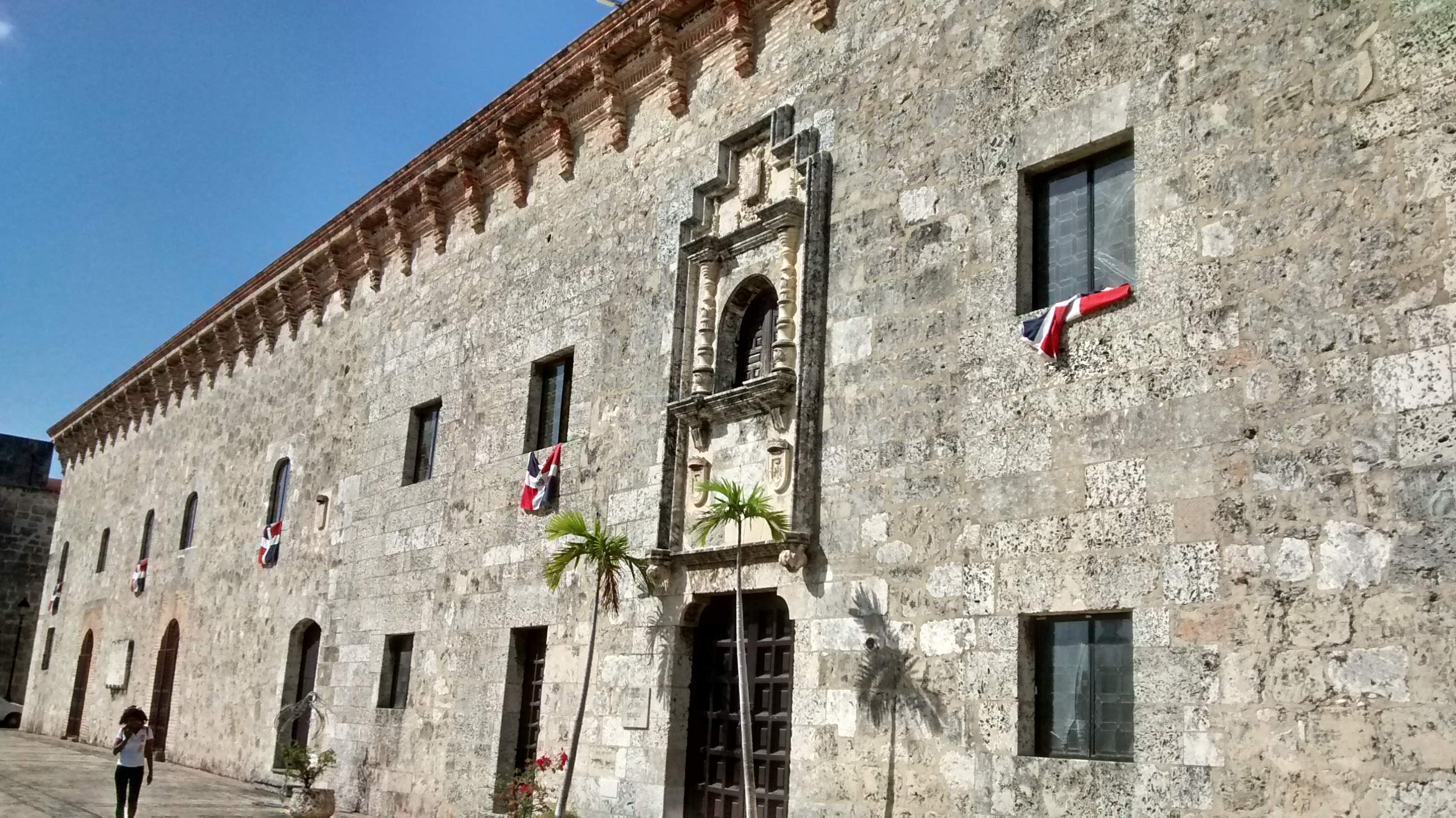
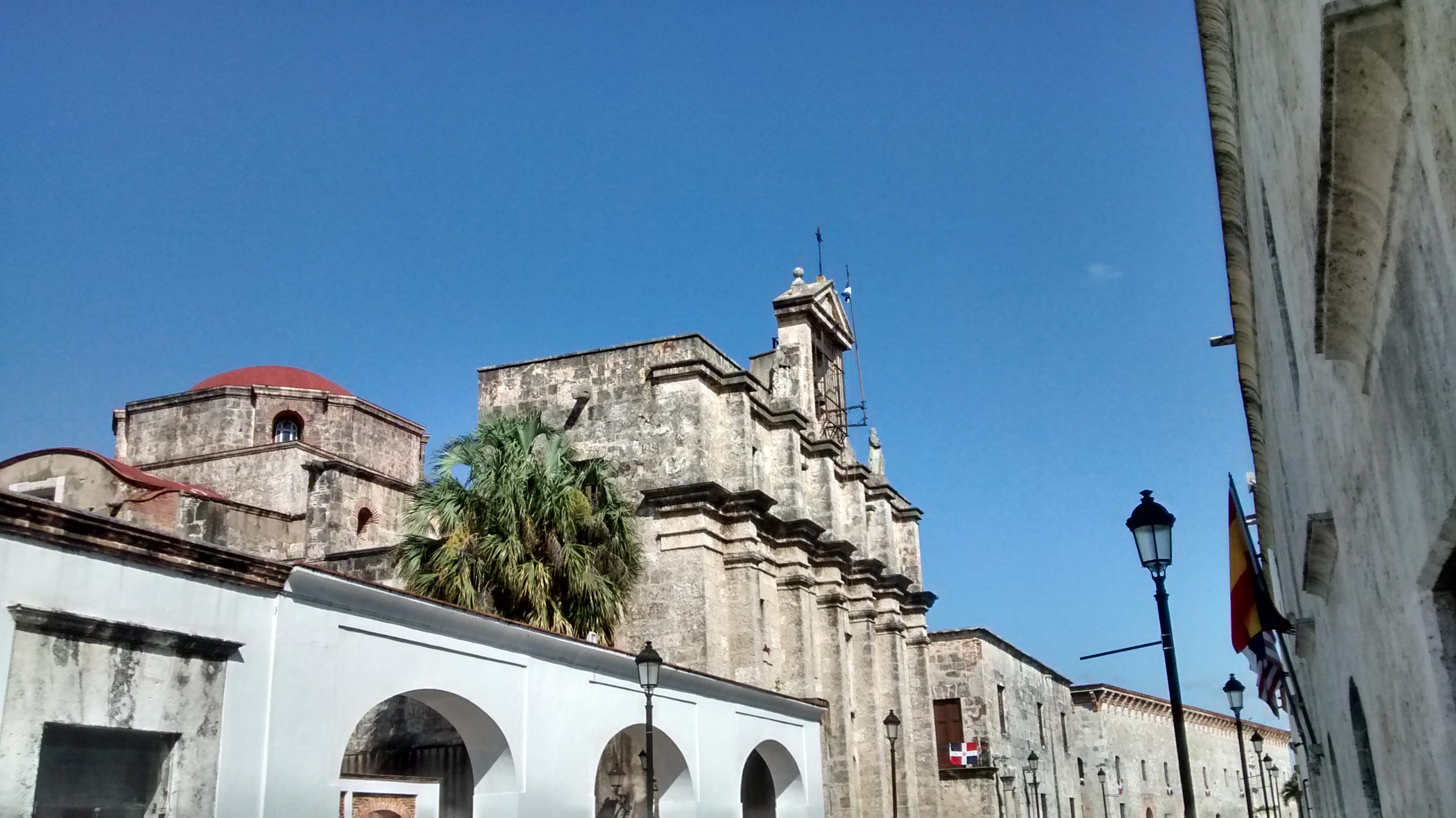
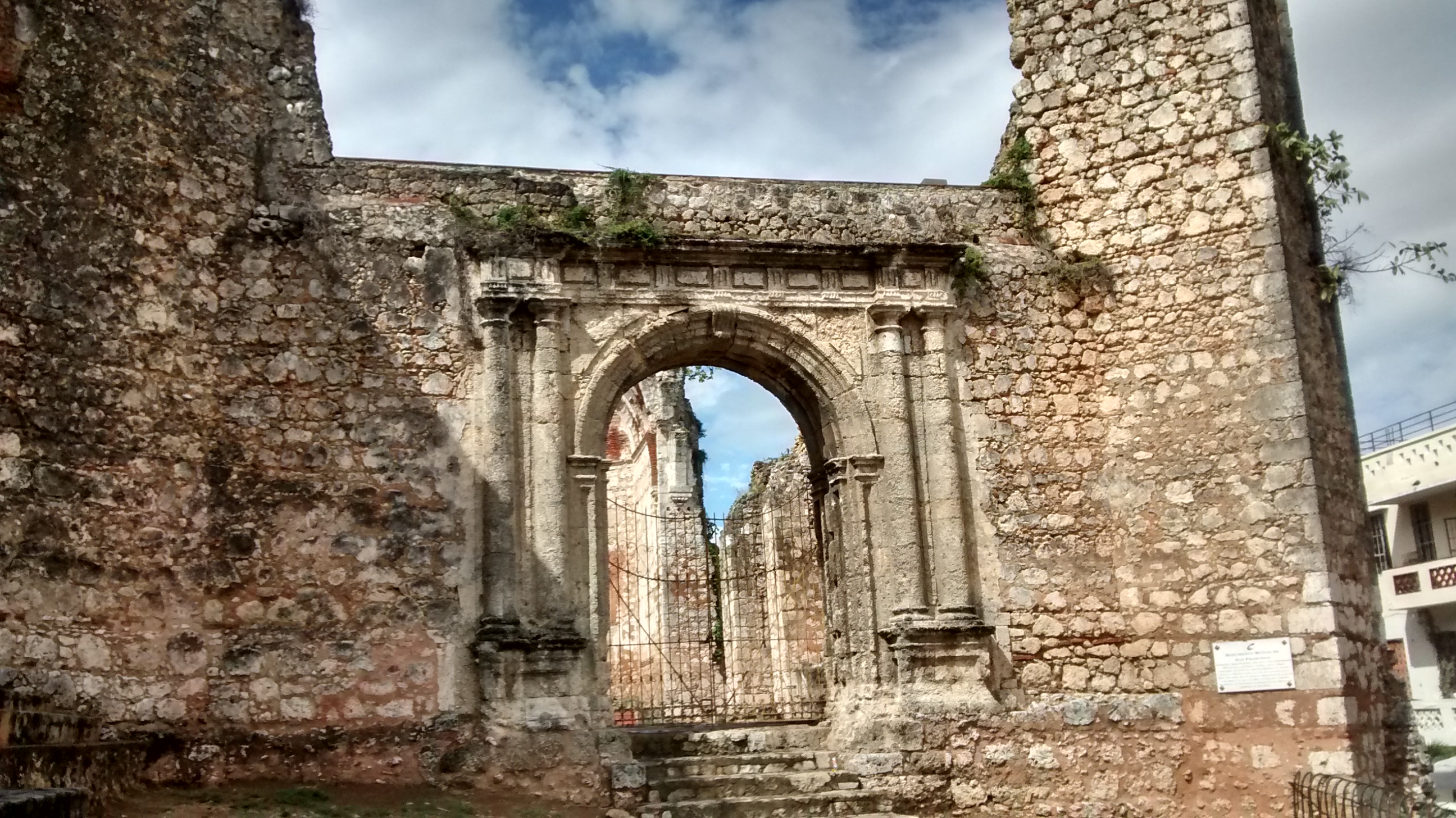
(I walked away in the end.)

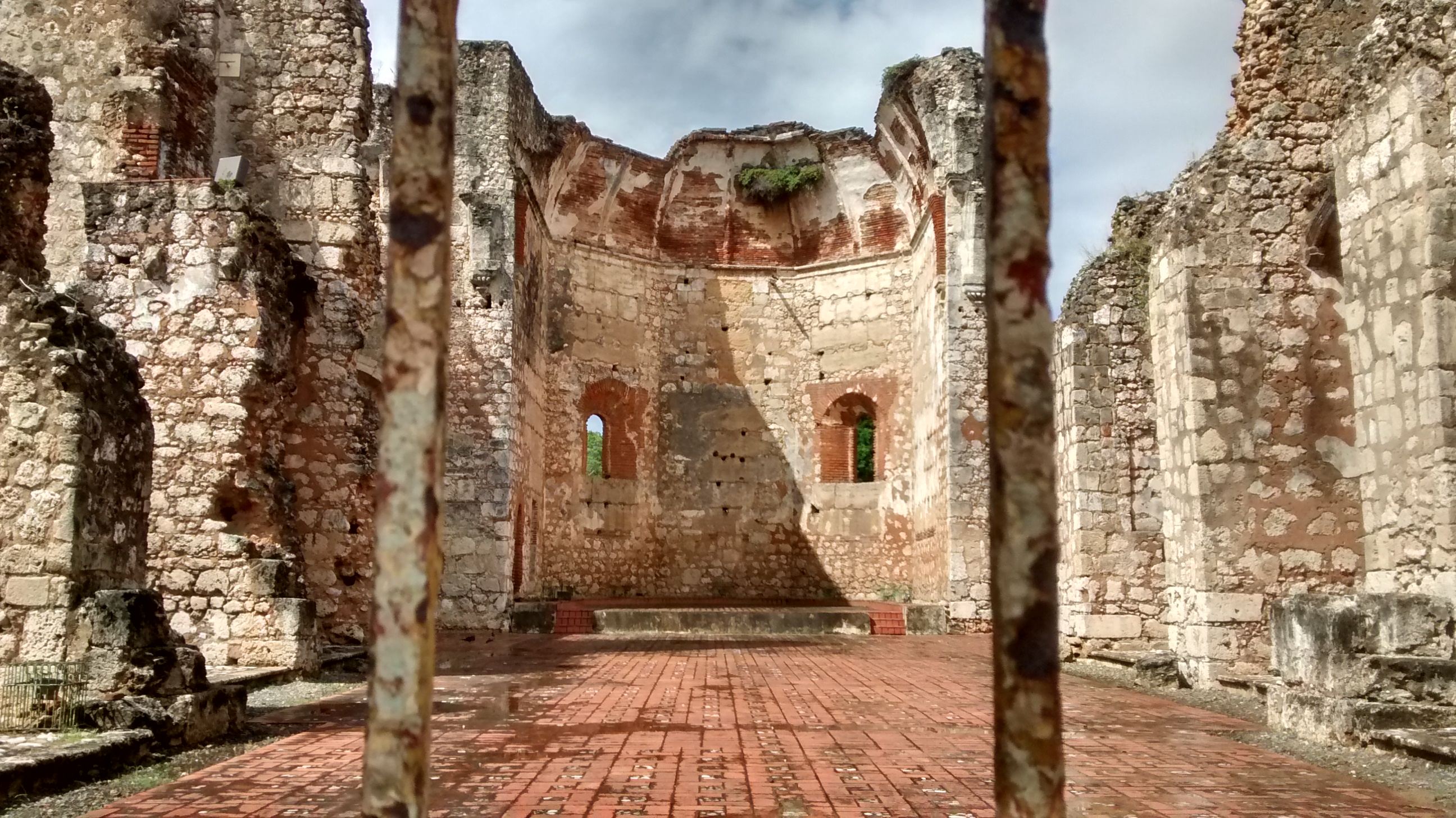
Back in town.The last two are the ruins of the oldest monastery in the Americas, the Franciscan.
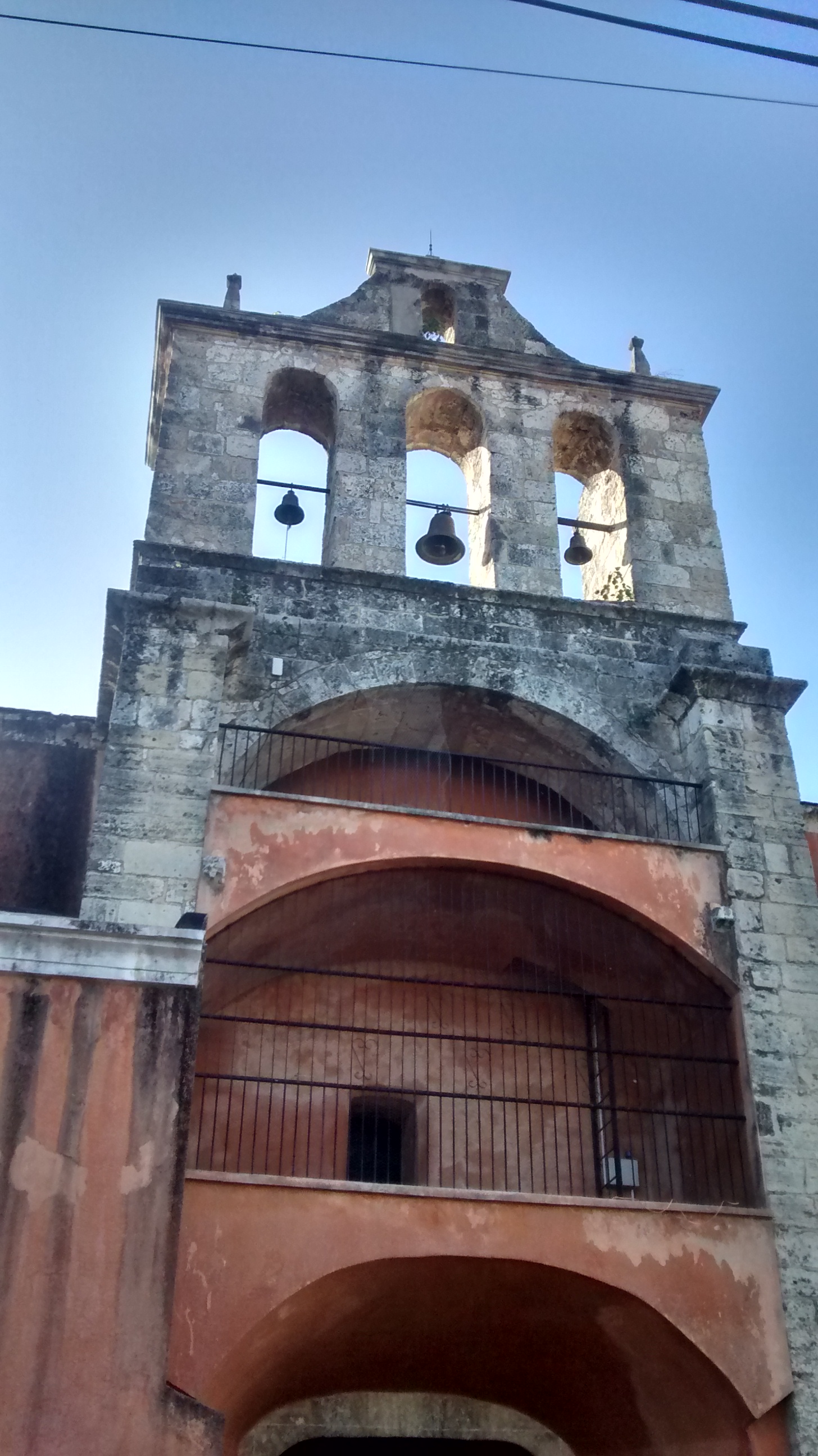
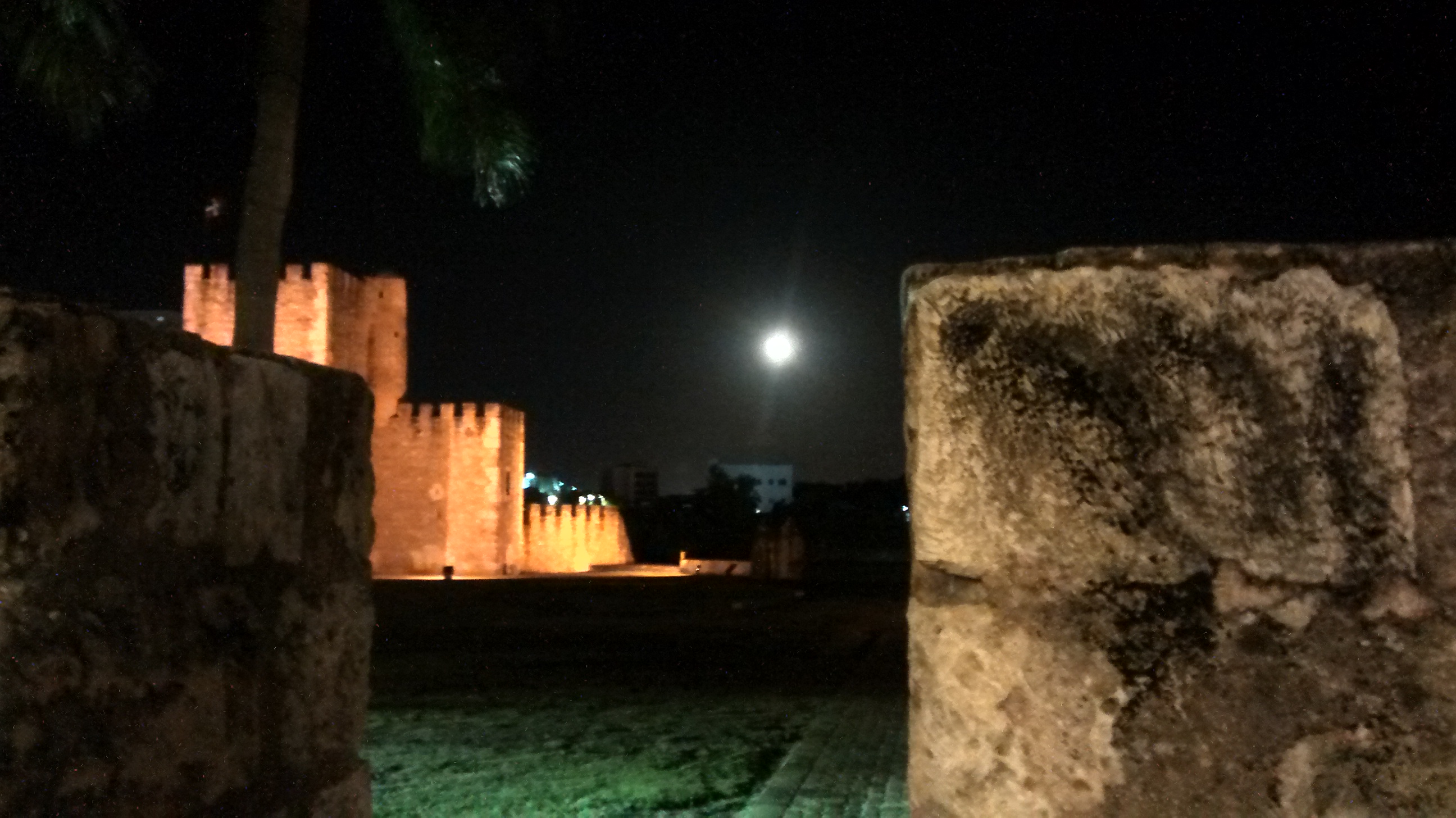
“…I heard the mission bell…”

Well, Santo Domingo could have been heaven, it could have been hell, but it wasn’t either. If you’re on the island it’s worth a day or two here to appreciate its history and its enormous legacy, but in the end it felt a little claustrophobic and there’s a lot of pestering. The Zona Colonial is perfectly safe though – two thousand uniformed and plainclothes tourist police see to that.
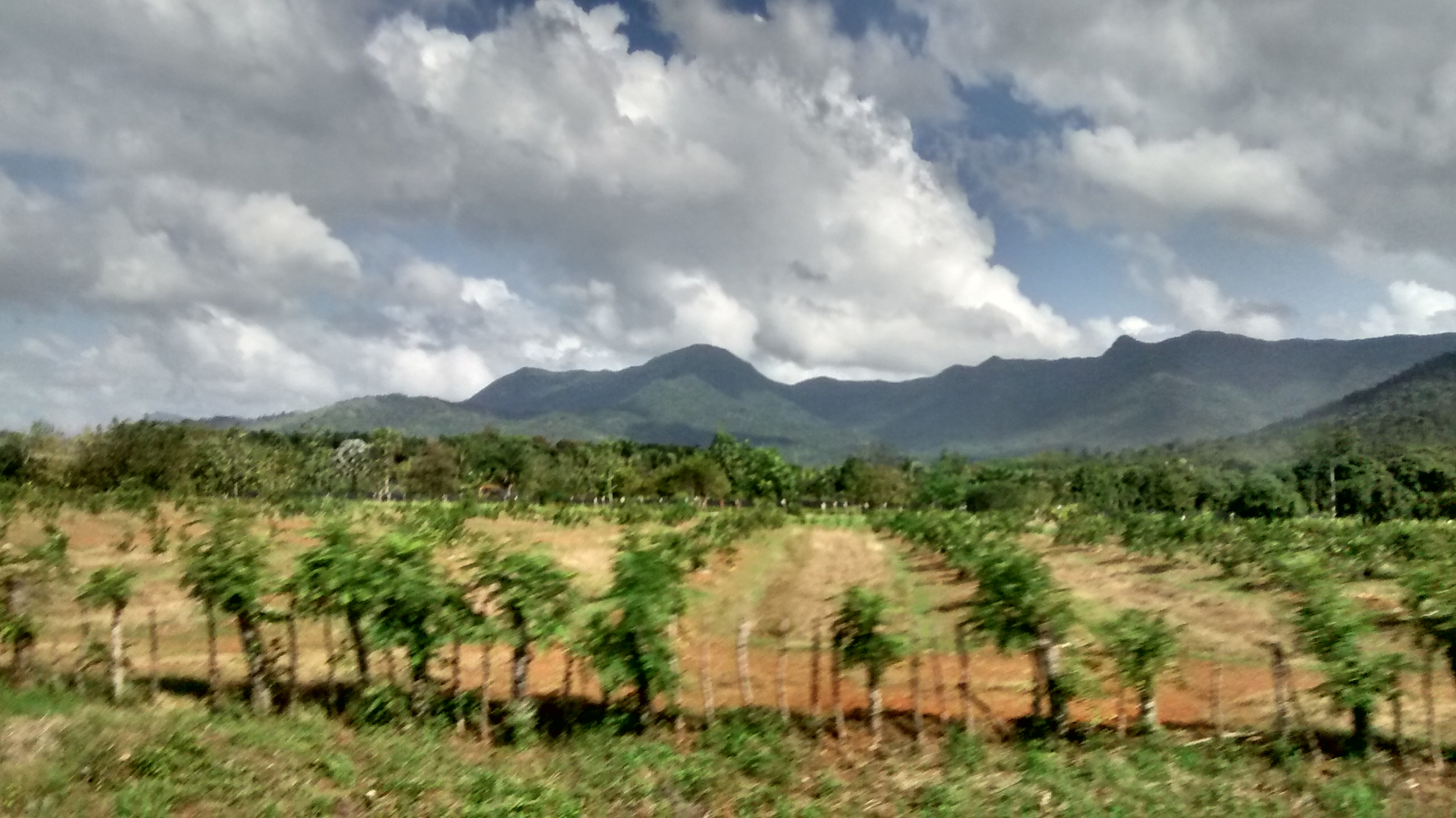
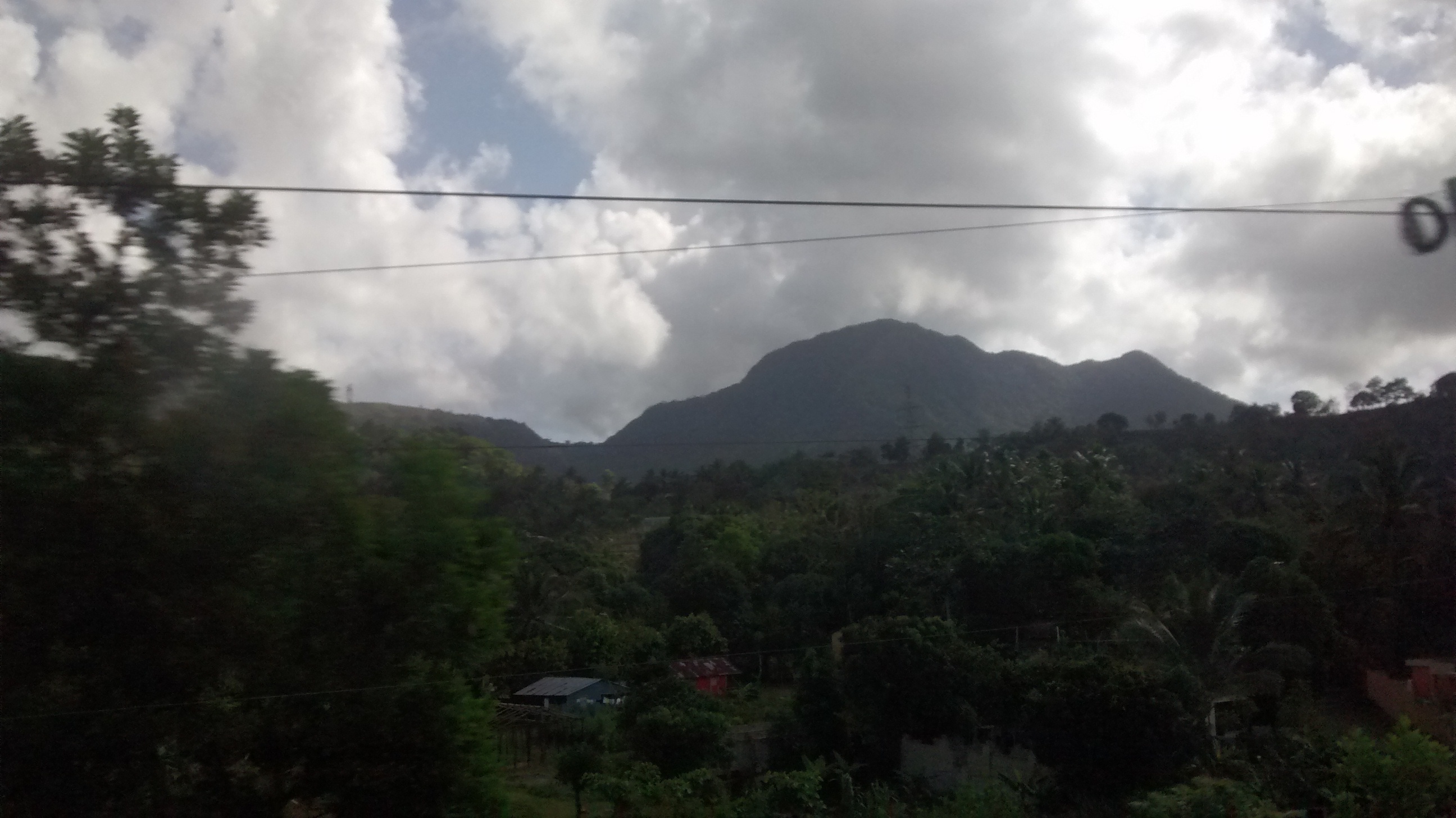
Meanwhile, my bus chunters on through the Dominican countryside…

See you in the new place!

To the Lighthouse

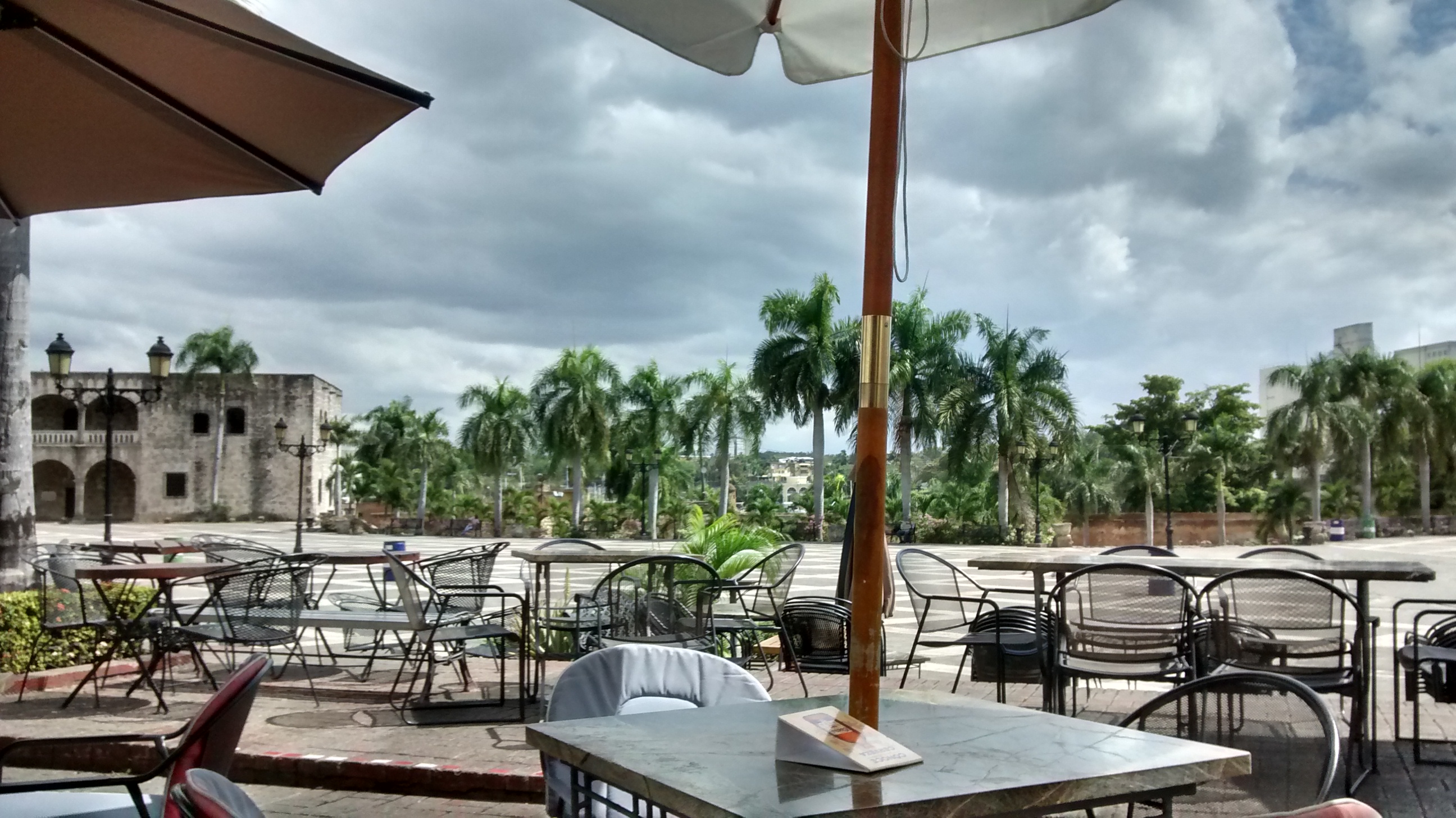
Lunch at one of the restaurants lining the Plaza de Espana, on the banks of the functional Ozama river.

To the left, the 16th century Alcazar de Colón, the home of one of the first governors of Hispaniola.

Very good! You’re right. Spanish speakers do know Christopher Columbus as Christobel Colón. But not so fast. The governor was Diego, Christopher’s son. He lived here with his wife, Maria del Toledo. And sometimes Chris himself popped into stay in one of the spare rooms.

Things didn’t end well for the big man though. Various intrigues caught up with him and he ended up dying penniless in Spain in 1506.

Columbus is buried in a grandiose tomb in the massive, crazily grandiose cathedral in Seville. But is that true? Not the mad cathedral bit – I’ve been there and it’s insane. No, the other bit.

In 1877 they found a box in Santo Domingo’s Catedral with some bones in it and Columbus’ name on it. To this day Dominicans are convinced they have the real thing. So much so, that they decided to build a new mausoleum for the 500th anniversary of Columbus’s voyages in 1992.

Now go back to the photo. Look at the second palm tree to the left of the sunshade. (Sorry about “palm tree” and “sunshade” by the way).

Can you see the building behind it?

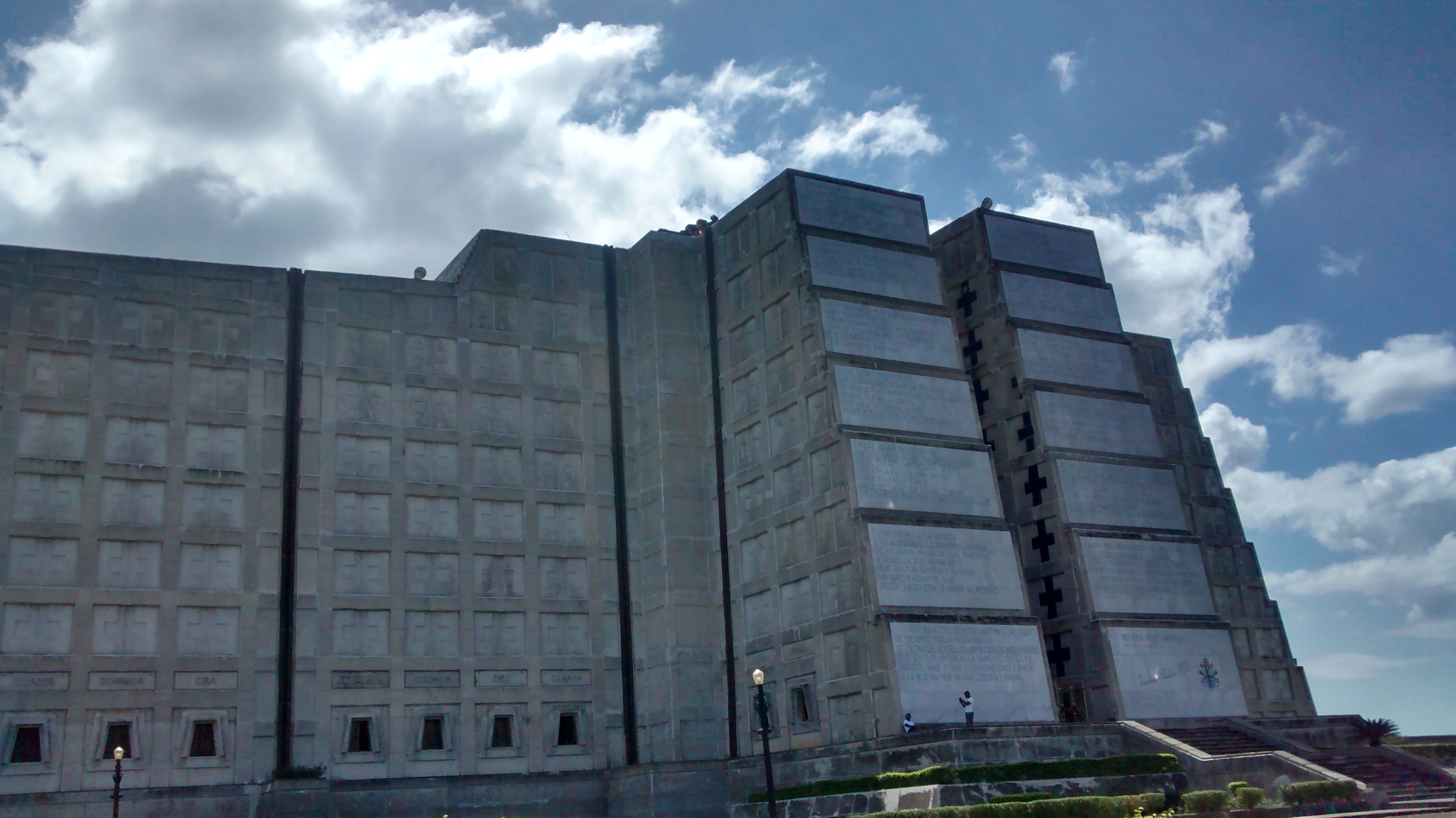
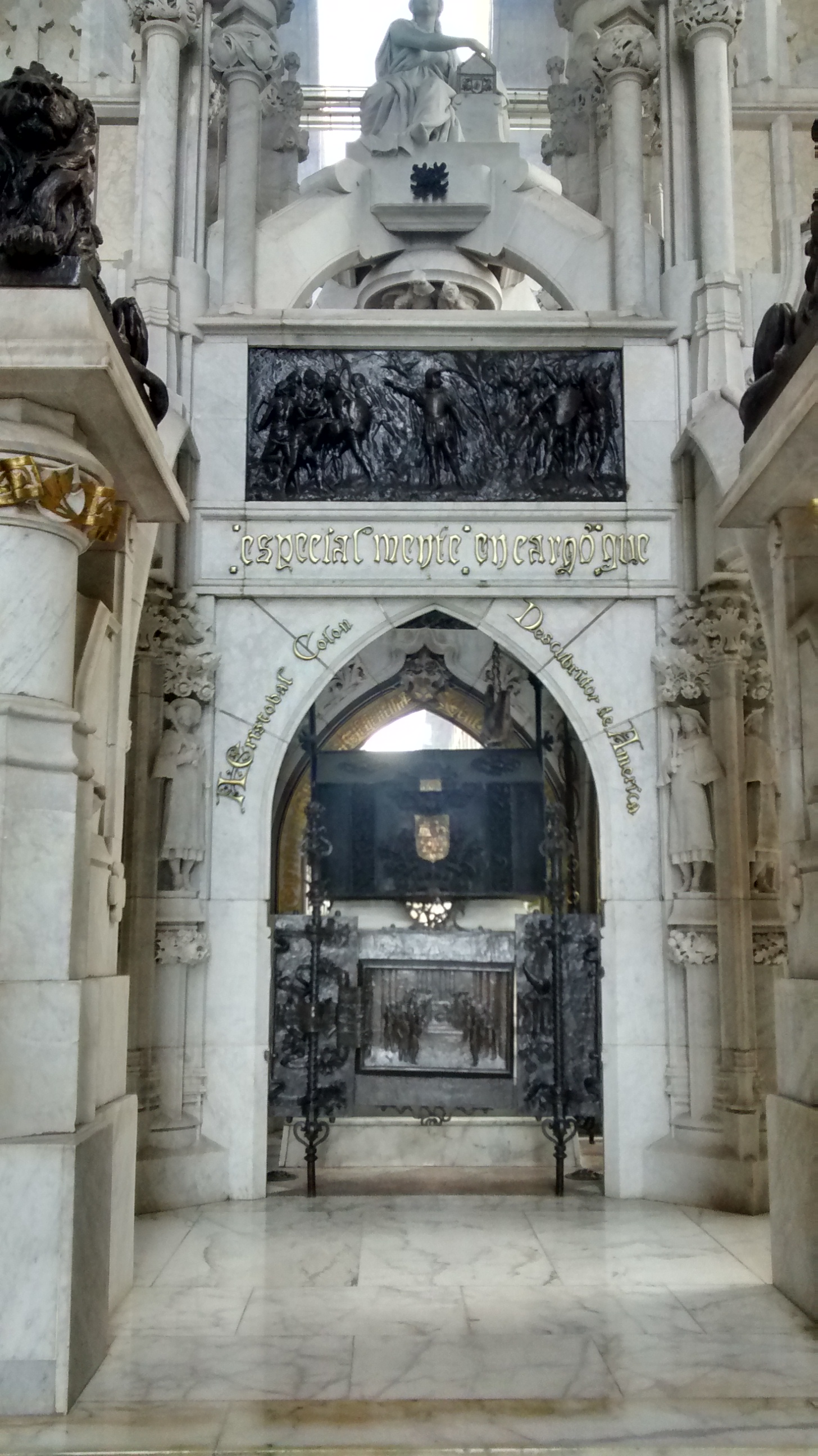
That’s the mausoleum. The Faro a Colón.

I went there yesterday.


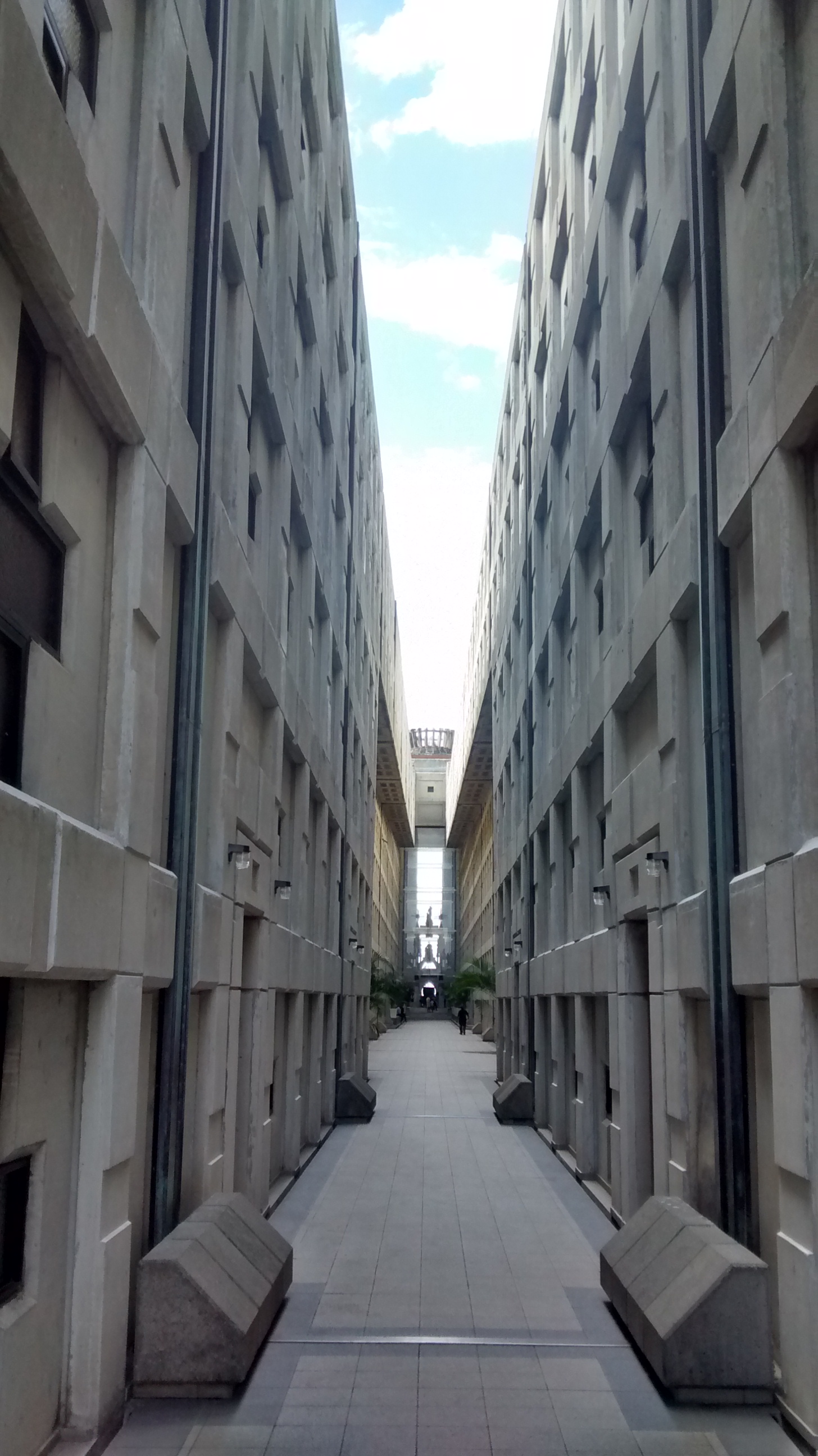
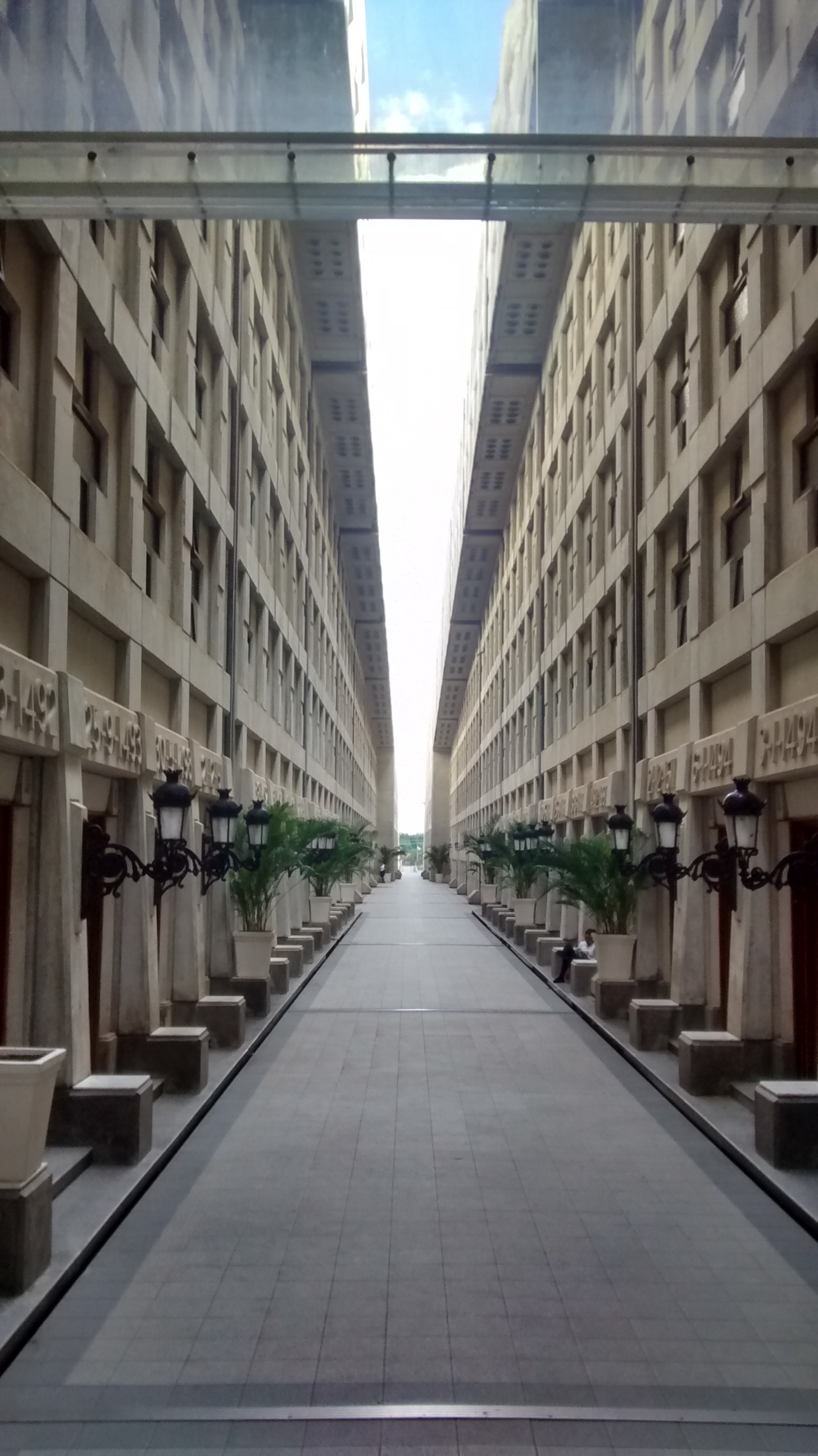
It’s 680 feet long, too long to fit in my field of vision from where I took the photo. Two side corridors run alongside a loooong central atrium that’s open to the skies. It’s not a real lighthouse, but a series of projectors beam spectacular light displays on special days. Those aren’t windows by the way.

You enter to the right, and near the entrance, at the apex of the cross that the building forms, is that box.

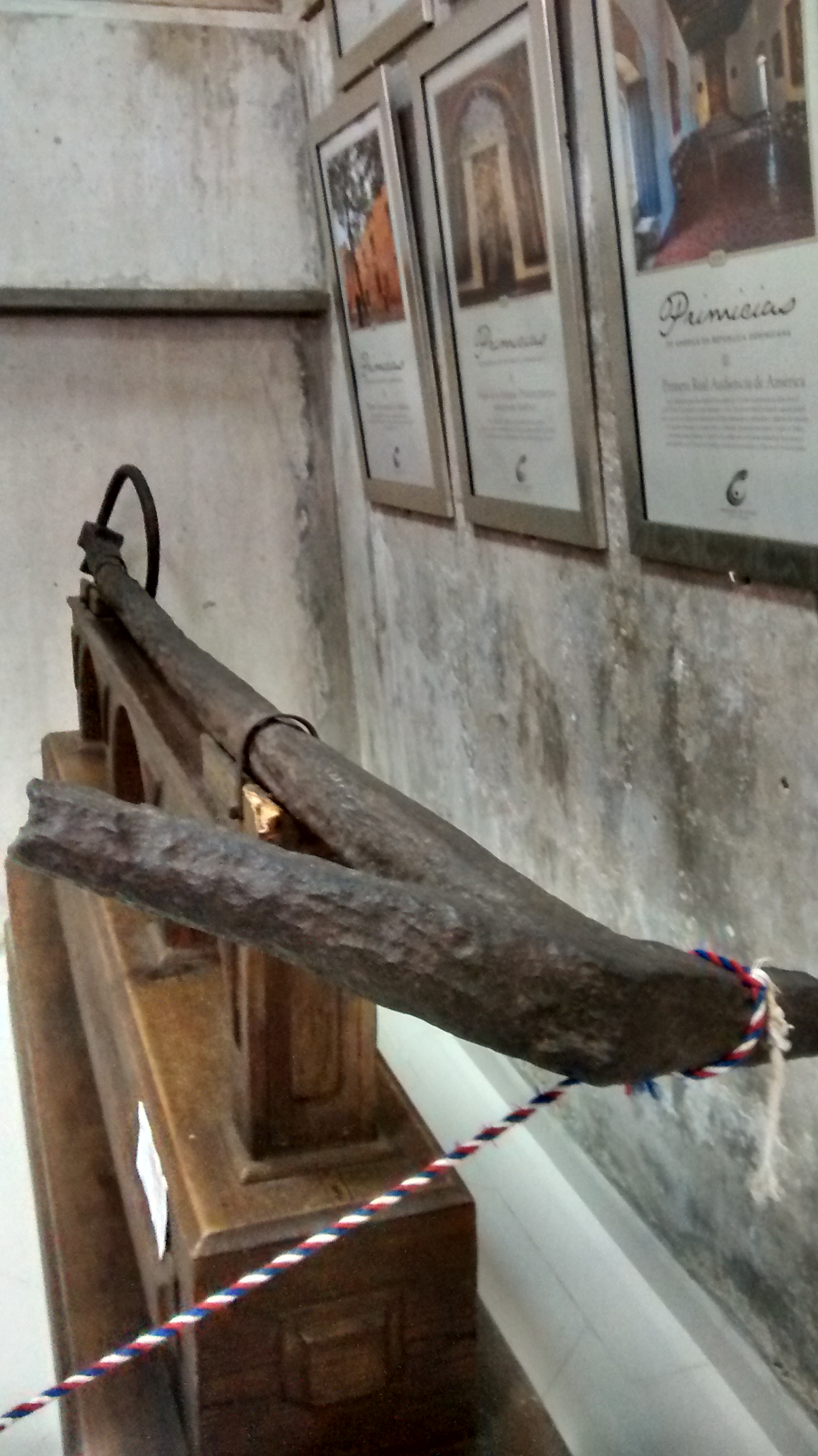
To the side, a little exhibit about the voyages, including the anchor from Columbus’s flagship the Santa Maria.

Now that is something.
The corridors? Various countries contributed to the 70million USD it cost to build the thing, and they all have a room or two of wood-panelled recesses along the corridors to show what they think of things – in China’s case to plug an Olympic bid, Russia to show off some Russian dolls. Britain? Amongst other bits and pieces we sent along the ugliest portrait of the Queen you could imagine. Sorry Ma’am.

And as you can imagine the representatives from the Americas take the whole thing more seriously, with more focus on their own indigenous heritage – artwork, dress, musical instruments, and in Venezuela’s case, ideological screed, line the wood-panelled crosses on the walls. Even the USA present some sober and dignified photographs of Native Americans. God knows what Trump would have come up with.

Ornamental crosses everywhere? Building shaped like a cross? John Paul II coming here no less than three times during his papacy? (Well done again!) You see what’s going on here. This is not about Columbus, the enabler of Western modernity and progress. We are here to venerate Columbus, the man who brought a whole new continent to the loving grace of the Roman Catholic Church.

The traditionalists would be pleased. The Columbian era delivered the people of the Americas from the godless dark of illiteracy and human sacrifice into the light of God’s grace and civilisation. It’s a fitting mausoleum to a man whose express wish was to be buried in his beloved Hispaniola. Columbus deserved to have it this way.

The progressives, on the other hand…


Imagine you’re an architect in the Soviet Union of the 1930’s, and Stalin has asked you to build him his future mausoleum. You don’t know exactly what he wants, but you know all about the gulags. So you decide to do, not just Stalinist architecture, but the crudest, the most over-the-top version of brutalist Stalinism you can imagine. Just to be ab-so-lute-ly sure, you understand. And a decade later you have a quick chat with George Orwell as well.

A progressive would say this is the sort of triumphalist monstrosity you’d come up with. Considering what happened to the indigenous peoples of the Americas as a result of the conquest, and how it compares to Stalin’s crimes, the anticolonialist would agree; Columbus deserved to have it this way.

I wonder what you think. Me? Ah…I see that the heavy shower that came over as I was writing this, is over, and the tropical air has that lovely fresh, flowerly feel that comes after rain. Time to settle the bill, and enjoy the afternoon!

Nuevo Mondo. Part Dos.

…and survived. Very safe.

The Zona Colonial dates back to 1494, only two years after Christopher Columbus arrived on the beautiful island. Airbnb is blamed for many things, but at least they would have thrown this particular Italian traveller off the site for his behaviour in resort, like claiming the whole resort for the Spanish royals, forcing the hosts to work in silver mines, and then wiping them out with imported diseases. And not leaving a review.

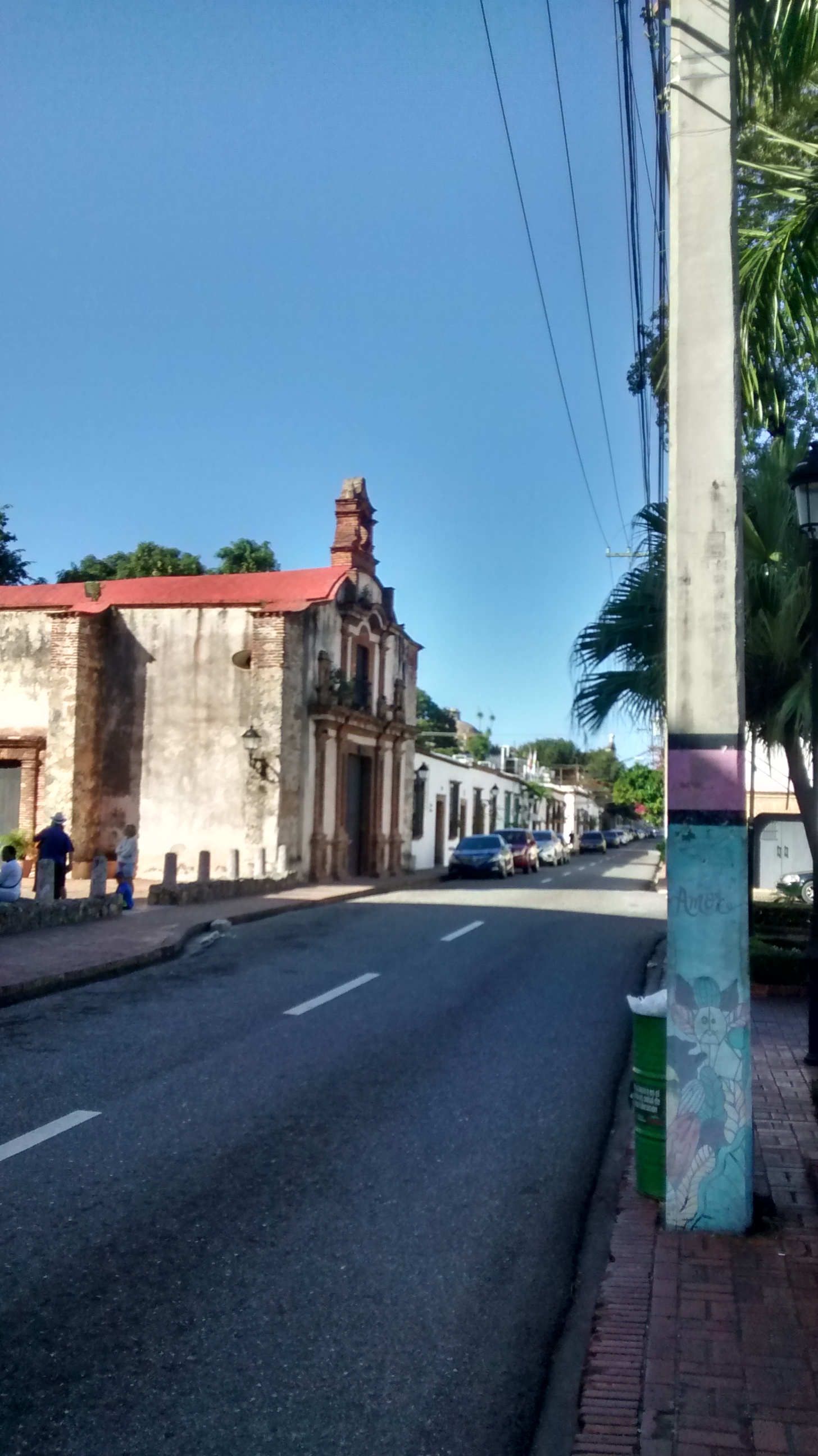
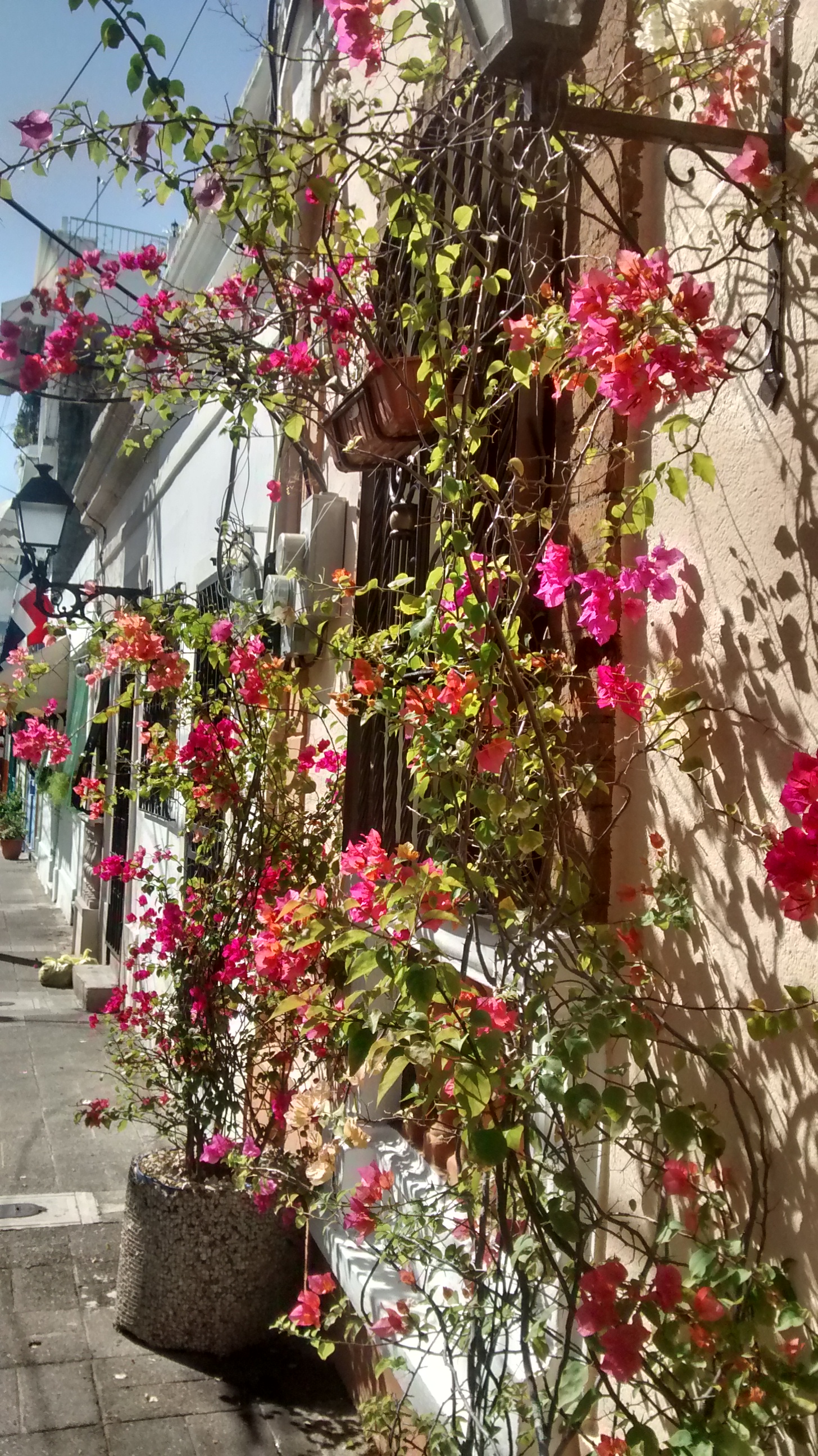
Santo Domingo quickly became not only the capital of the new colony of Hispaniola, but the nerve centre of the Spanish effort to take over the Nuevo Mundo, the New World. The well-preserved Zona Colonial still looks and feels like a small Spanish town, with simple whitewashed frontages gracefully lining the atmospheric calles.

Santo Domingo was the first major European settlement in the Americas, and you can walk the streets and pick out the firsts – the first Western-style university, the first monastery, European fortress, etc.

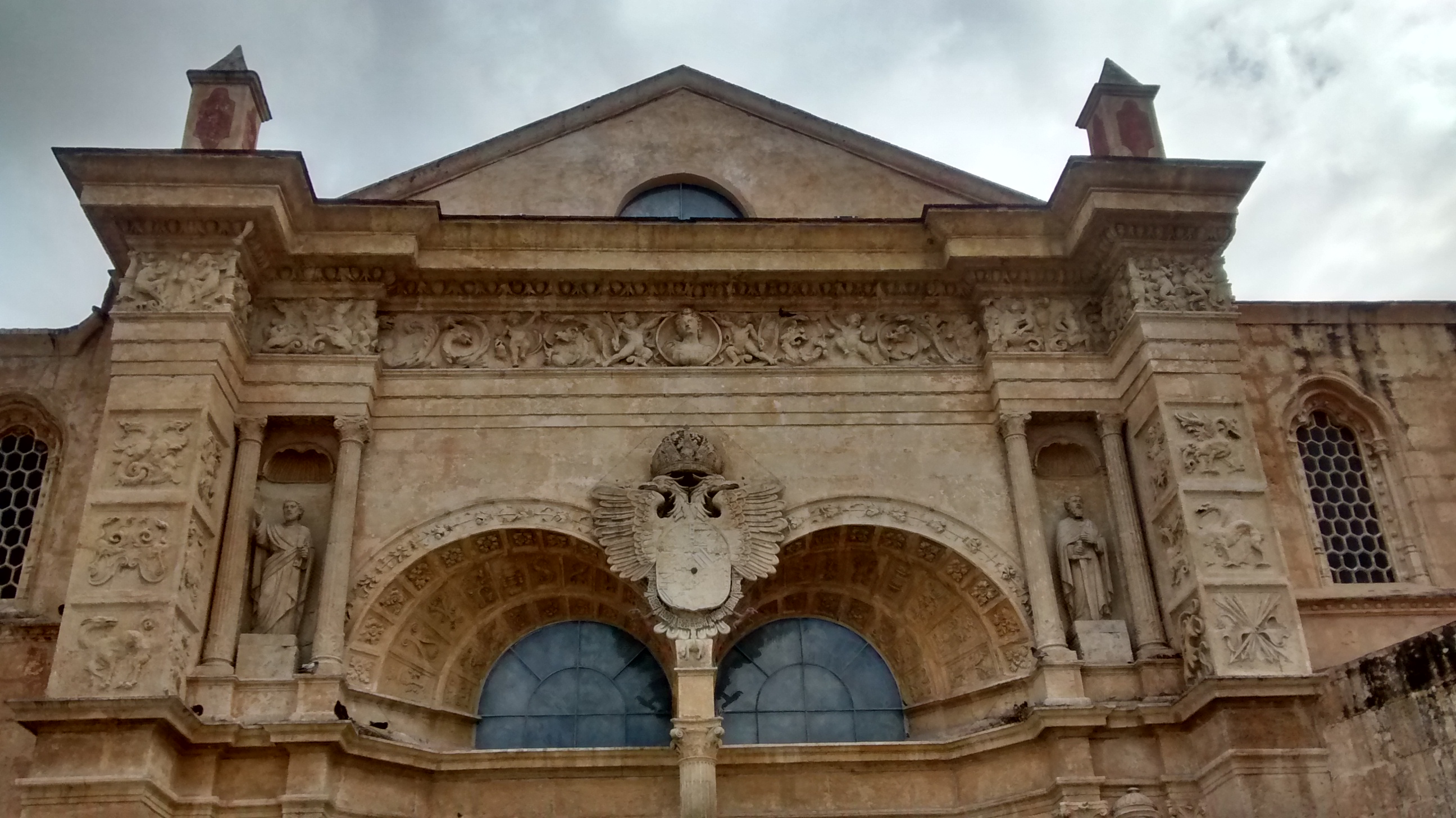
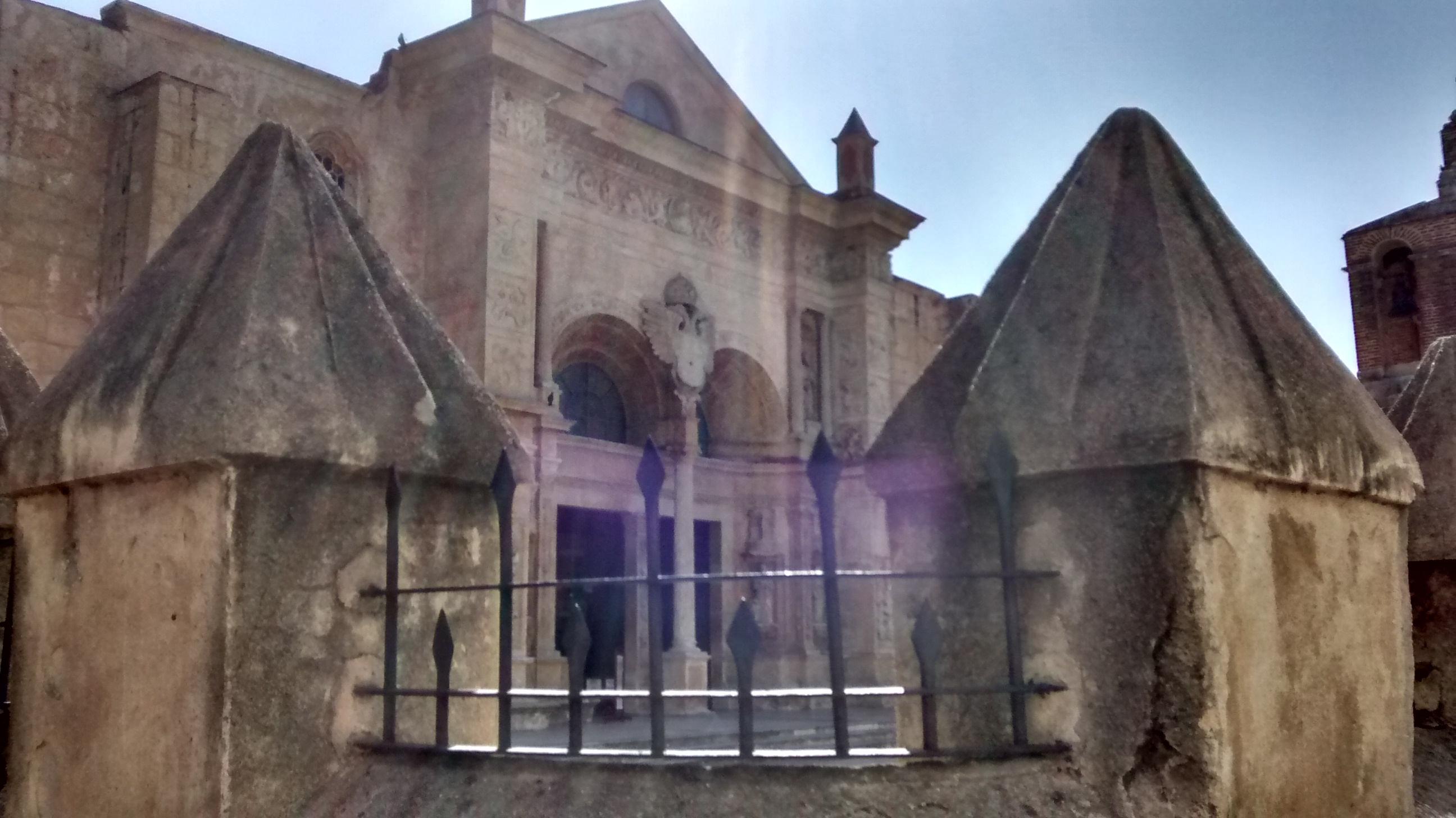
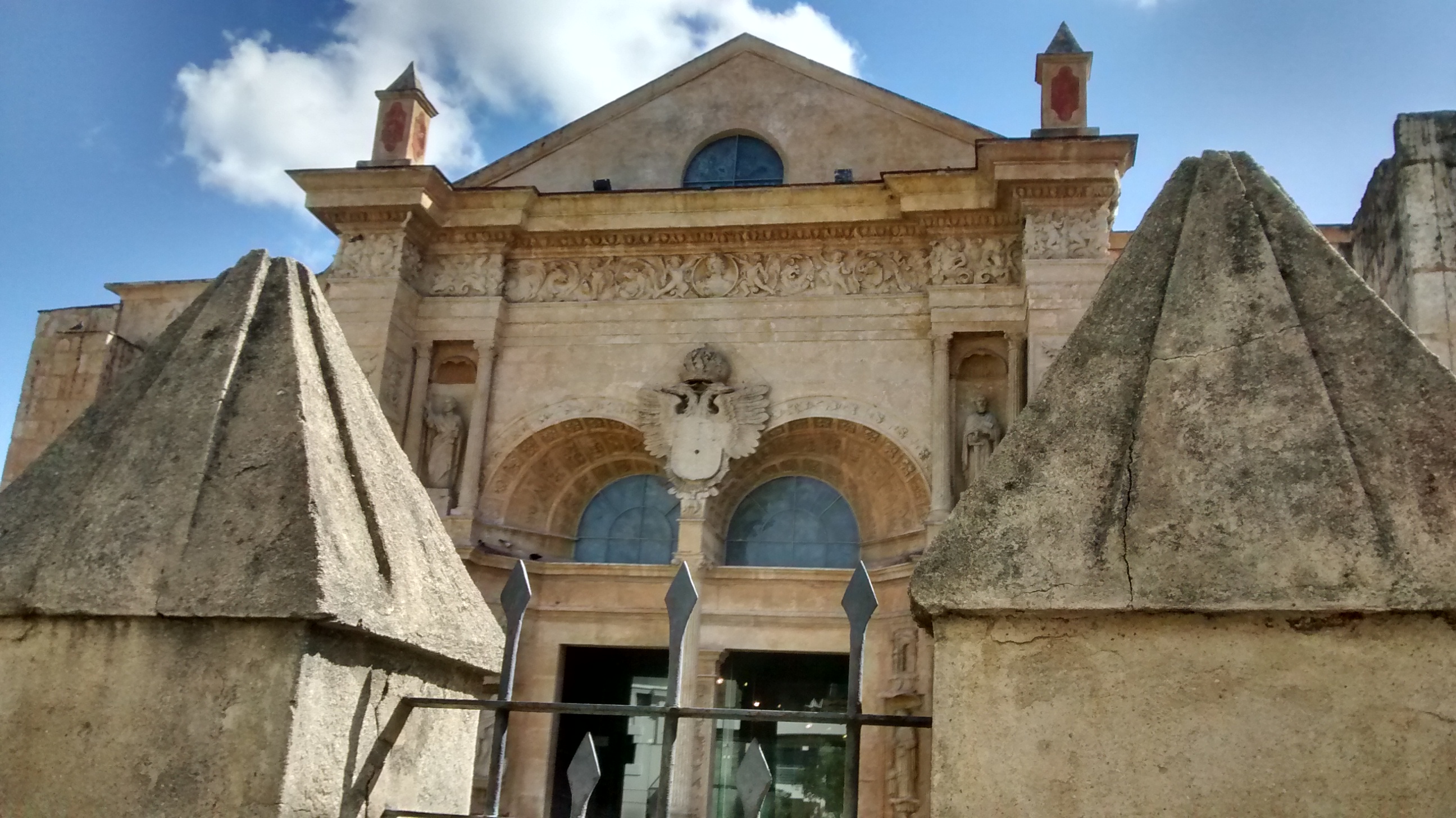
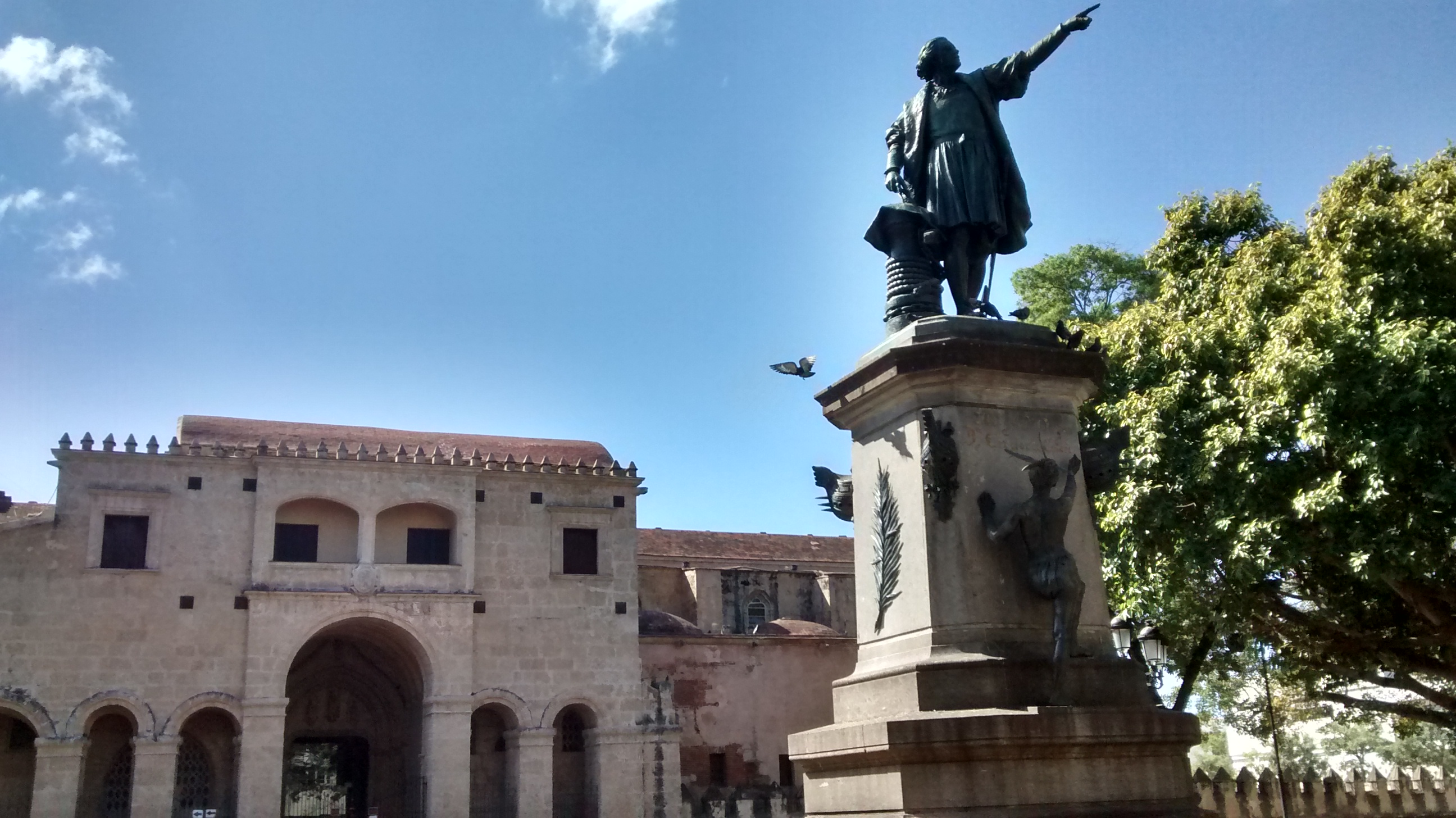
And this place, the Catedral de Santa Maria La Menor, completed in 1541.

The first cathedral in the Western Hemisphere.

And in the plaza, it’s the old boy himself, pointing the way north to Puerto Plata and the silver ships, eyes as ever on the prize.

The woman on the pillar represents Anacoana, the first indigenous person to be taught to write Latin script.

Ladies and gentlemen, guys and girls, welcome to the Ground Zero of European colonialism.

Now, this is all a bit sensitive of course.

If you’re of one opinion, you might see Columbus as a hero, sailing out into the unknown on nothing more than a hunch about how to get to India, and ending up finding a whole new continent, leading to an age of heroic exploration that created the modern world. No Columbus – no Apollo 11, no Android or WordPress, no global popular culture, no Latin America. And, most importantly, no Messi.

On the other hand, this brave new world was skin-colour-coded. Anyone on the wrong side of the line faced exploitation, plunder, slavery, genocide, and unyielding impoverishment and discrimination that menaces the human race to this day. And even then those humans were lucky, compared to the rest of the natural world.

I get the feeling that the locals are proud of the antiquity of this first colony, not to mention the boon to tourism. But they’re also aware and proud of the people who were here first – the Taino people who met the three ships but who would later be “disappeared”.

I think our next stop will deal with the questions around Columbus’s legacy in a way that will satisfy both the traditionalists and the anti- colonialists. Let’s see if you agree!

Nuevo Mundo

As the high walls of the old city loomed above us, my taxi edged ever closer to my lodging at the end of its two-hour drive from the airport. The tropical sun continued to descend out of the afternoon Caribbean sky as we turned into the narrow, stifling streets of the Zona Colonial itself, the touristic heart of Santo Domingo, the safe bit according to the guide books.

And very soon, we would make another turn and very nearly run over a guy running out the corner and down the street. The security guard trying to catch him was pretty lucky too…

To make things easier, I’d organised flights into Punta Cana, on the extreme south east of the Dominican Republic. Punta Cana is probably one of the biggest all-inclusive resorts in the Caribbean, if not the world, great for a holiday in a gated world with fabulous beaches and all you can eat and drink.

It wasn’t for me. I wanted to explore a little and find a little more. Which is not to say I don’t do all-inclusives – as we’ll see – but there has to be a little more of interest beyond the hotel walls.

So instead I got out of Punta Cana airport and headed to the capital of “DR”. Bus times didn’t work out for me so the safest – though very expensive – option was taxi. But then, the island of Hispaniola is the second largest in the Caribbean, and Santo Domingo is 150km from Punta Cana. I took the hit and the two hours began.

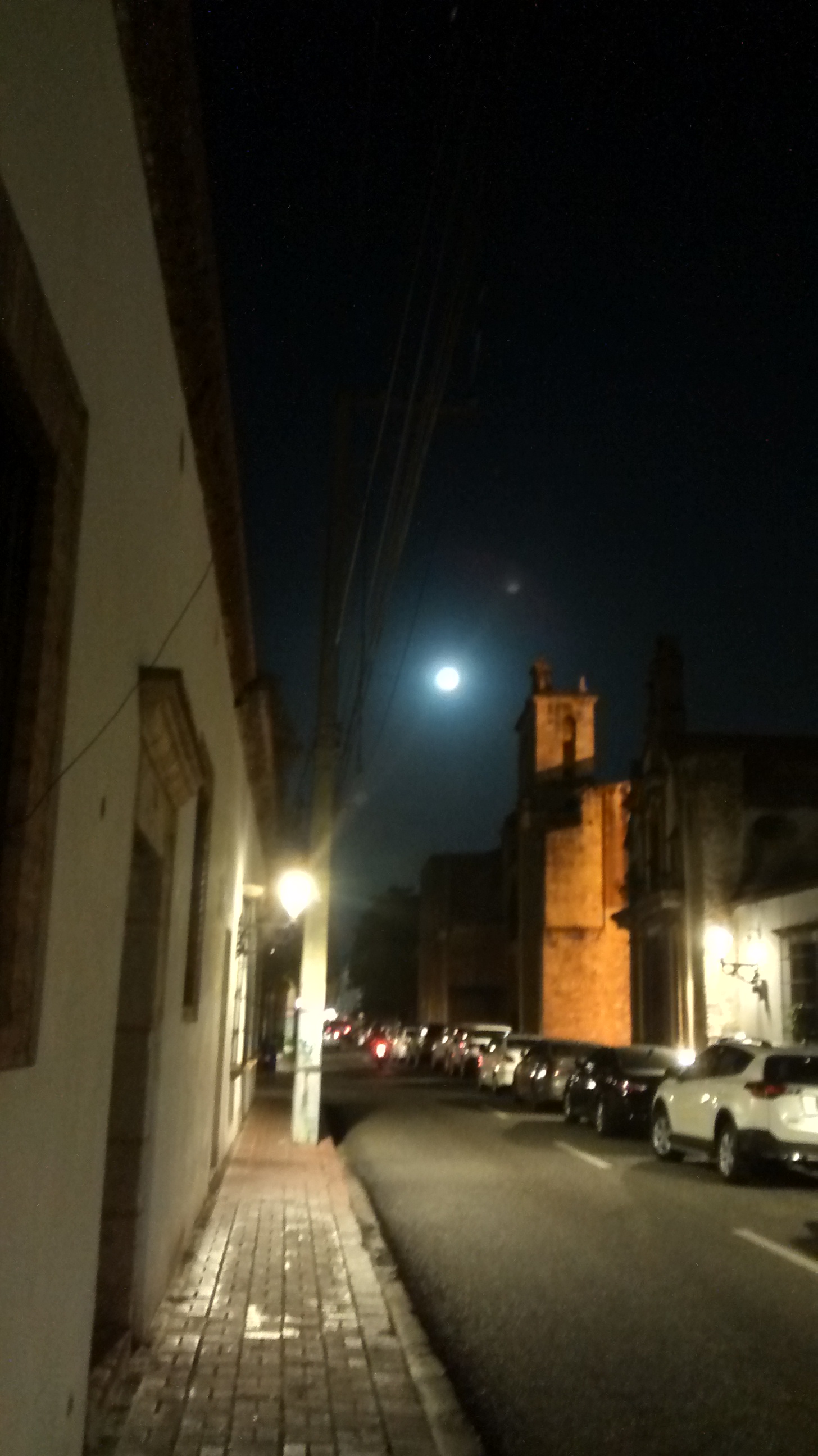
I made it to the hotel and a sticky, sultry night had fallen when I ventured out onto the calle…

End of the Line

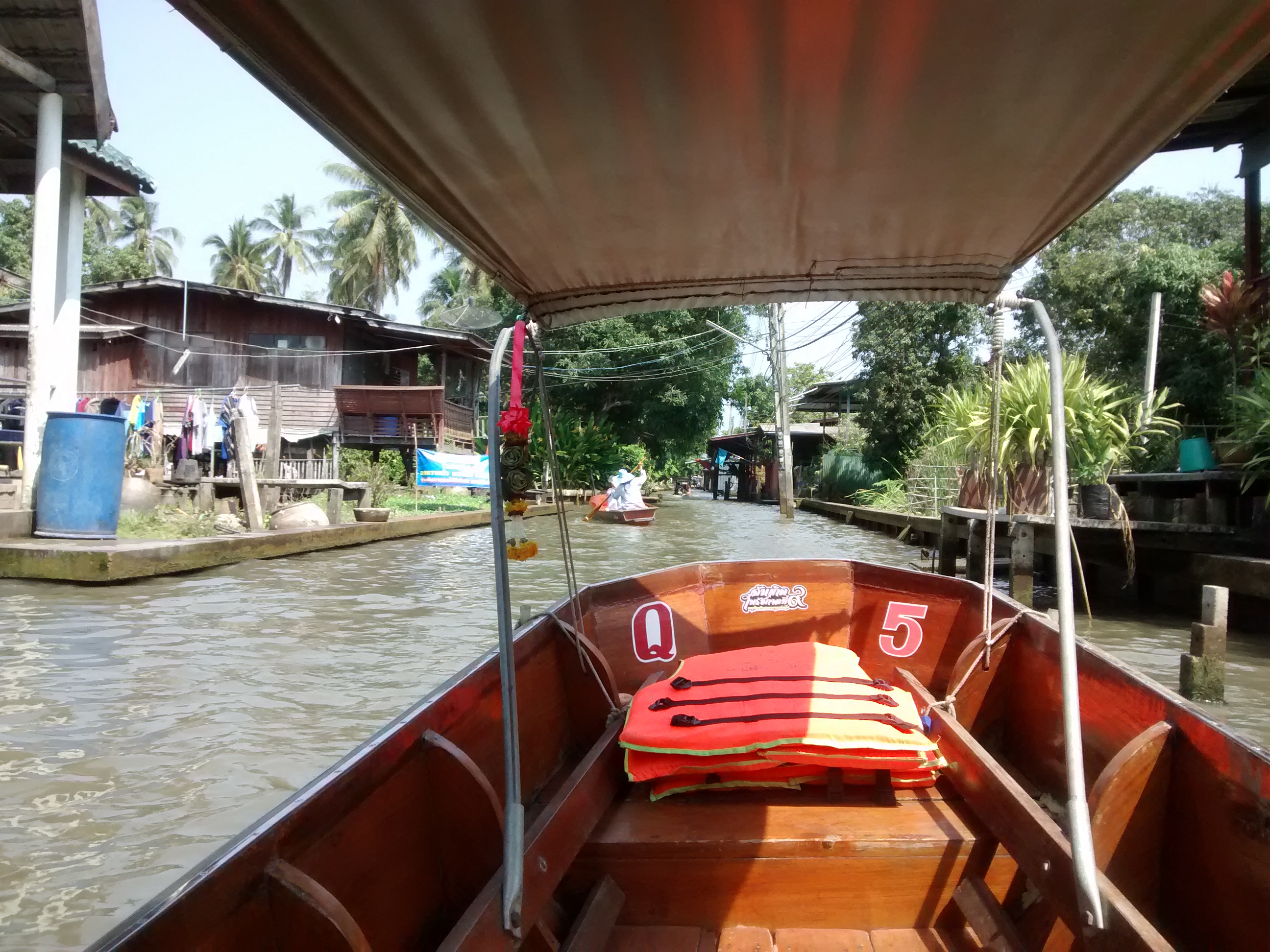
All good trips have to end, and this was a good trip. For my last day it was one of the many Bangkok must-dos I haven’t done yet – a trip to the Damoen Saduak floating market, 100km southwest of the city.

The canal was dug in the mid-19th century and a number of local traders set up stalls on the various tributaries the canny villagers built around it.

Progress sailed past the canal in the next century, but the national tourist authorities saw the possibilities of drawing visitors as early as 1971. What that means today is that the site is now flooded with daytrippers and most of the stalls are selling overpriced tourist tat. Still, it’s a pleasant enough way to spend half the day, and there are so many sub-canals that there are only a couple of choke points where you’re bumping into other boats.

Once we’re done here, it’s off to the Mae Klong market a few minutes down the road.

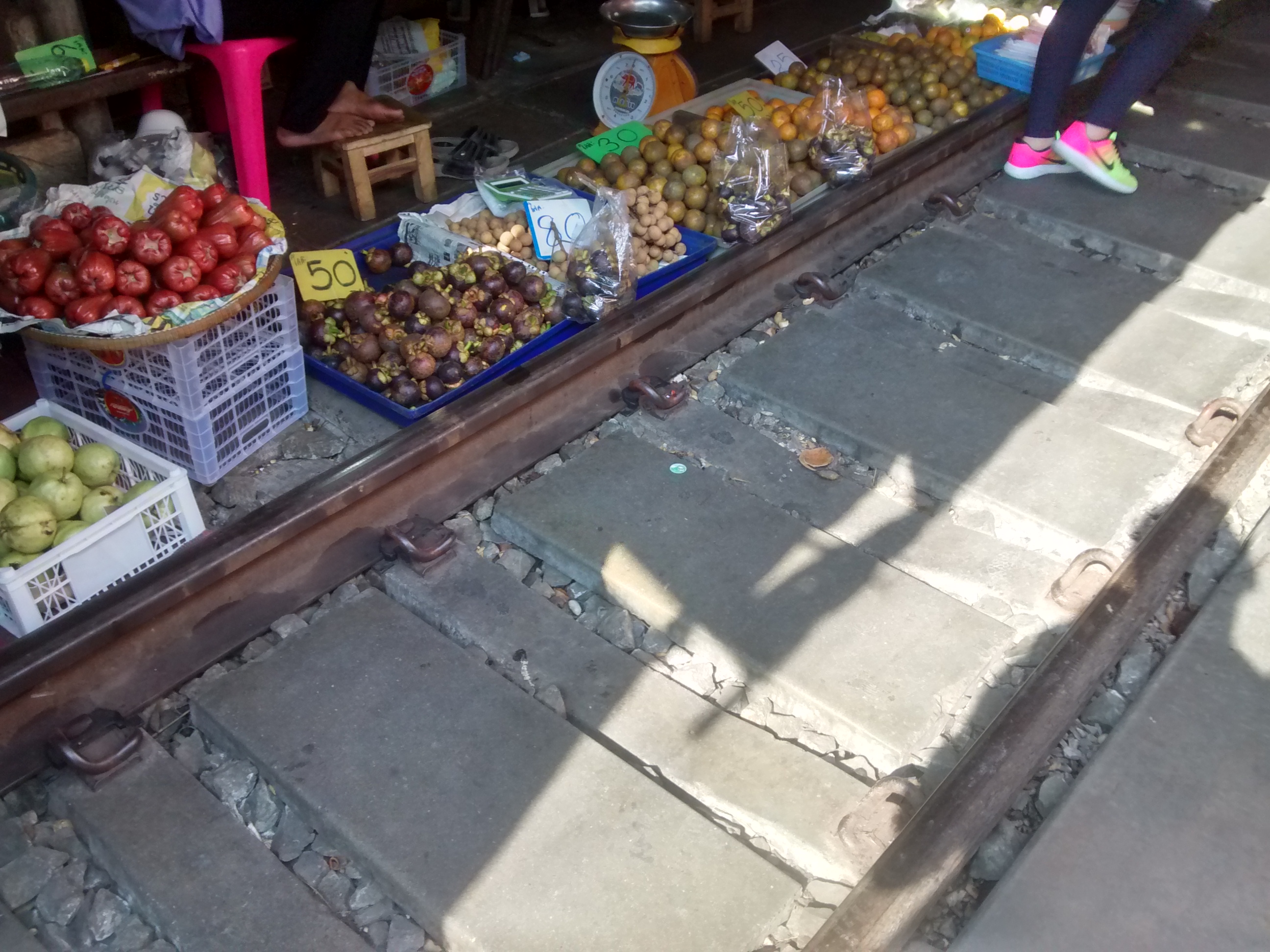
A bit more like it for me, this one. Everything’s on land this time, so there are no mooring issues.

And I do like a decent shop that’s easy to get to. Preferably on a train line.

But not normally literally.

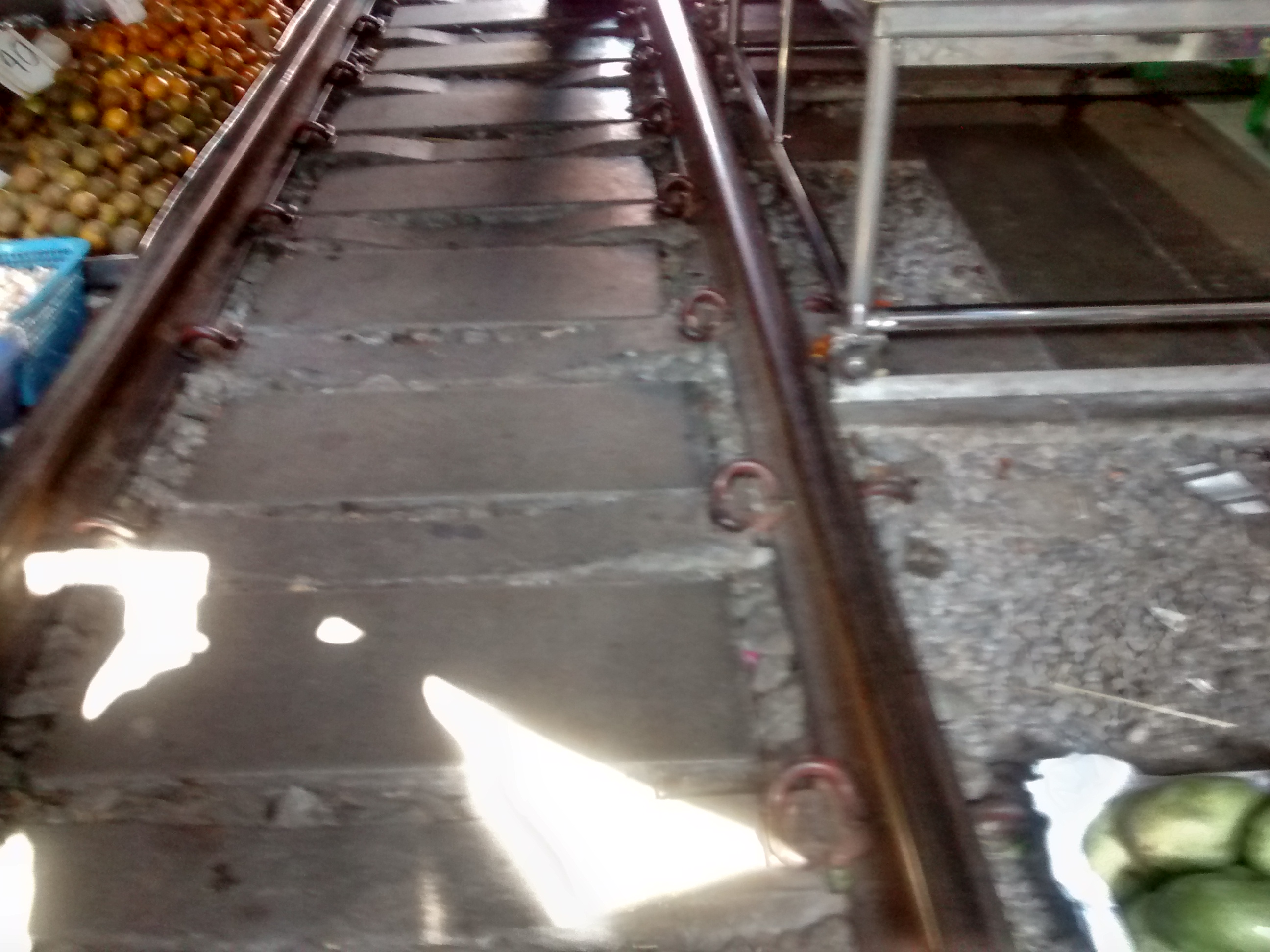
Apparently trains run through here eight times a day, and when the warning bell sounds the traders dutifully roll their stalls away, and the hundreds of visitors equally dutifully stand too close to the line and have to be shooed back by the stallholders.

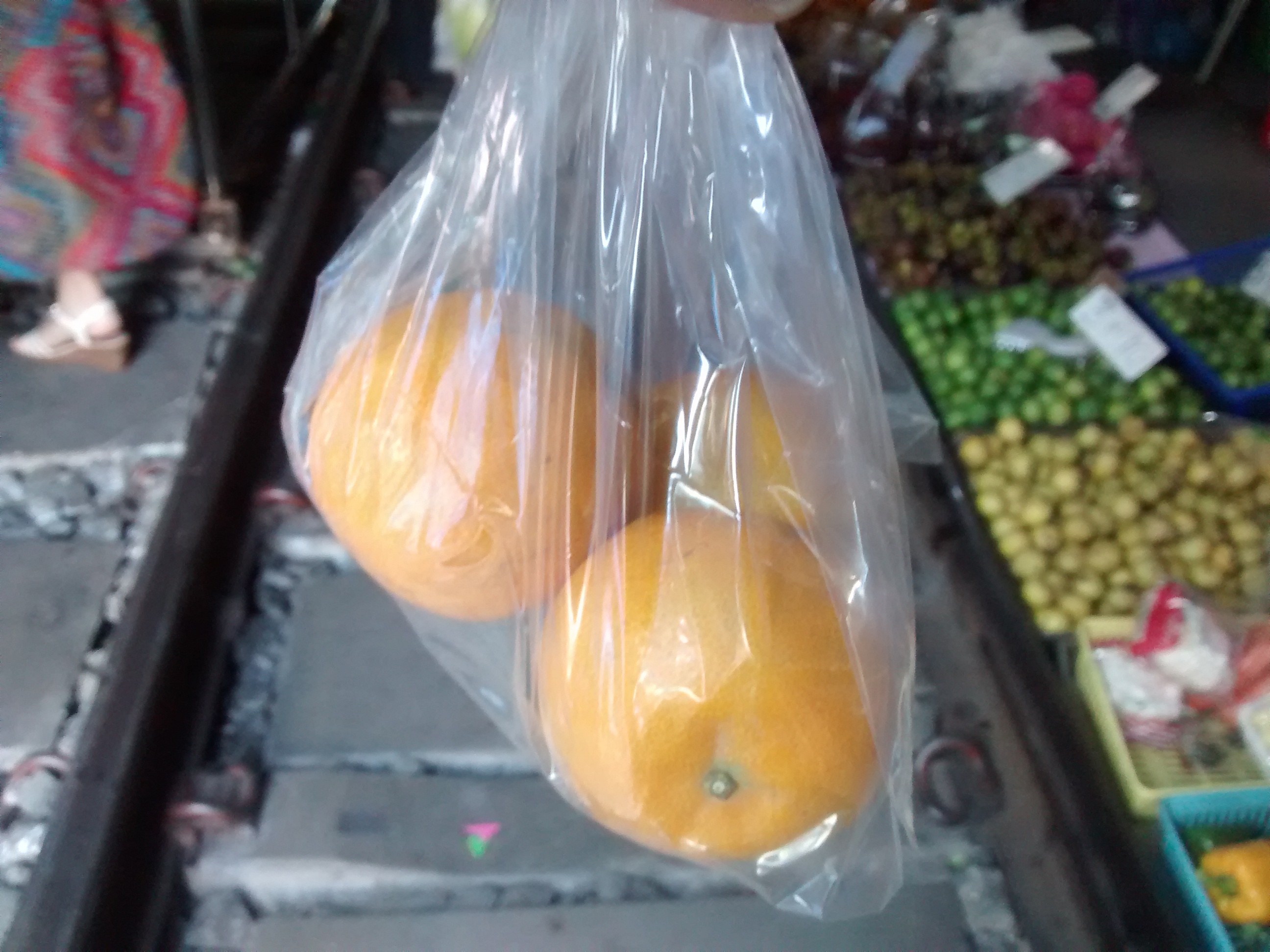
The next train arriving at the three-clementines-for-18baht-stall…

Great fun. As has been this trip. Hope you enjoyed the ride. The train carries on past Mae Klong and onward through this beautiful country and this endlessly fascinating region. But for us, for the time being, it’s the end of the line.

Bye for now!