The end of the line

So, after two weeks, hundreds of miles and a few tasty local dishes, we come to the end of our quick spin through Thailand and Kuala Lumpur. It would have been nice to have seen more of Malaysia, maybe the historic sites of Melaka, Ipoh and Penang, but it wasn’t to be. KL was interesting but I don’t see there being much more here that would drag me back all that way. Thailand, crazy and over-the-top as it is, is a different story.

After the walk through that urban rainforest, I spent the rest of the last day visiting a couple of Islamic sites in this majority Muslim nation.

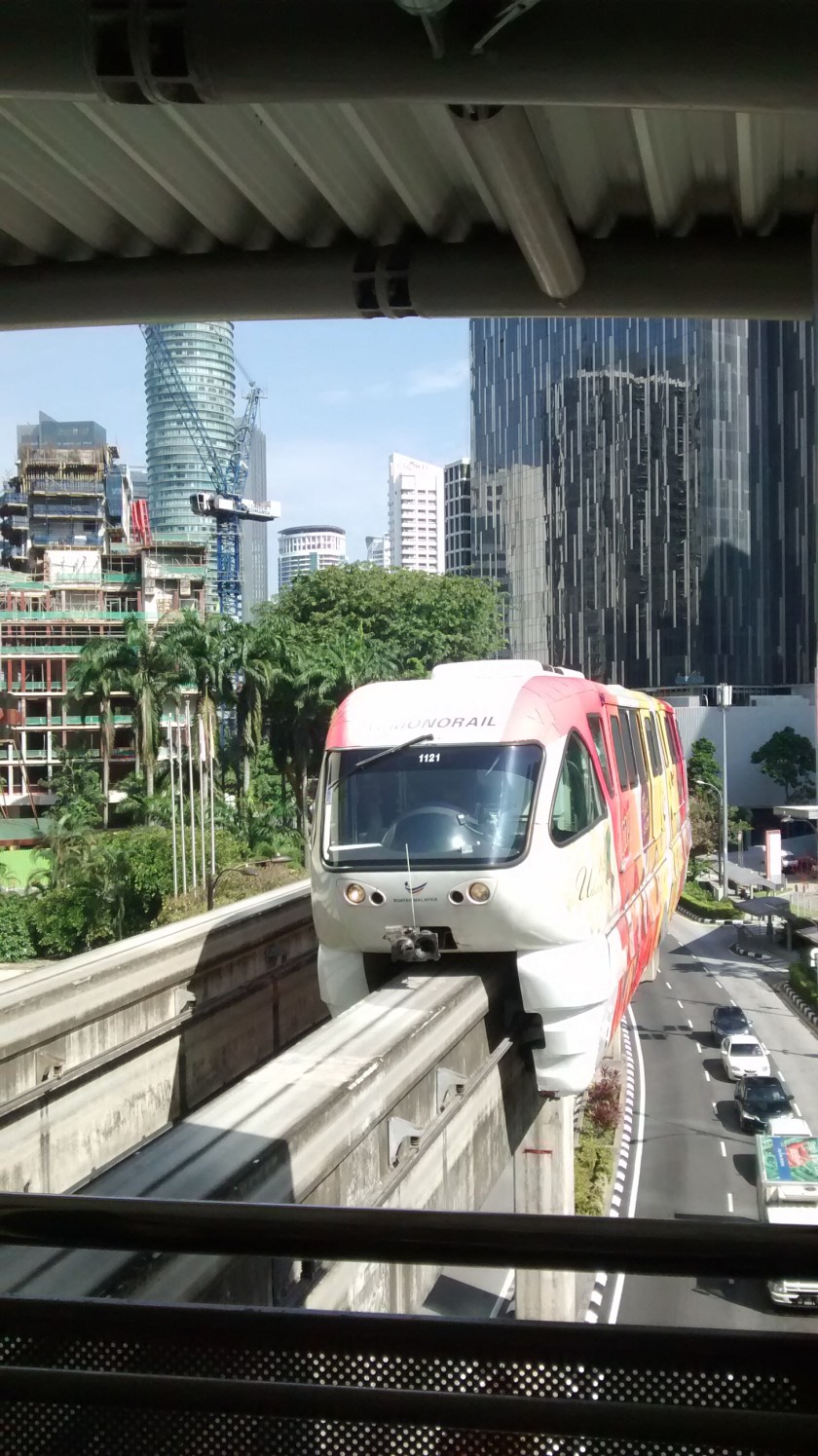
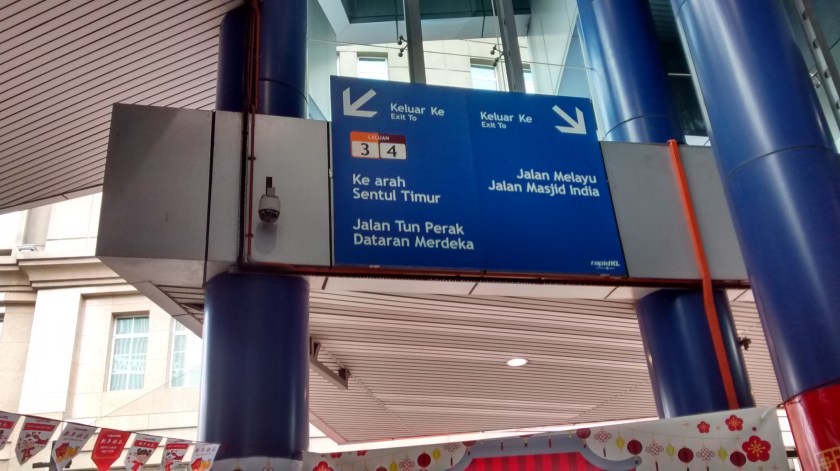
First I had to get there, and here’s a driverless train…
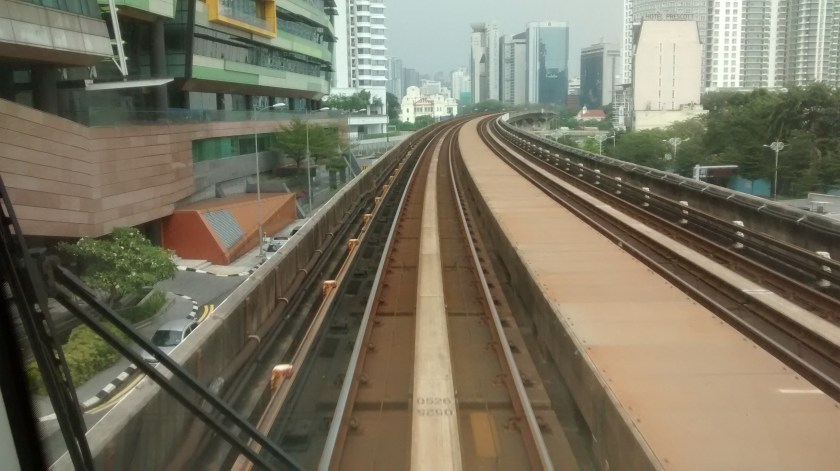
…taking me to my drop-off point near the knackered old main train station. More later.

Built in the 1960s, the National Mosque can hold up to 14000 worshippers and as its name suggests, it’s the spiritual focus for the Muslims of KL and beyond.
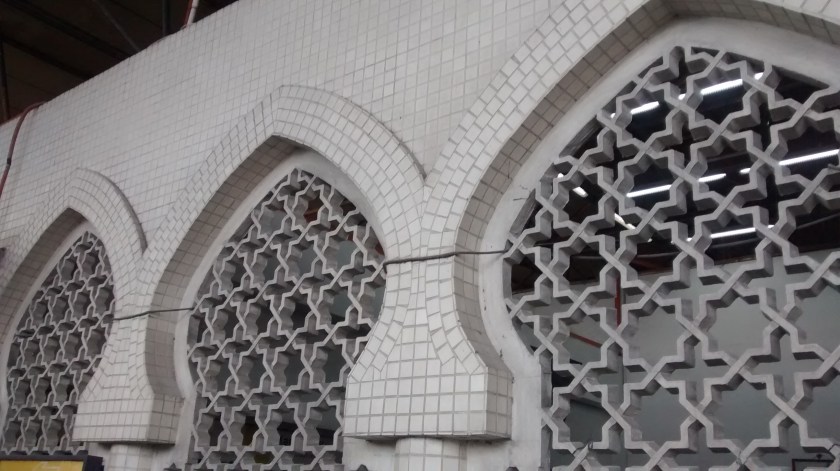
There’s a rather austere beauty around the courtyard (which non-Muslims are allowed to visit outside prayer times), typical delicate abstract tracery in the tiling.
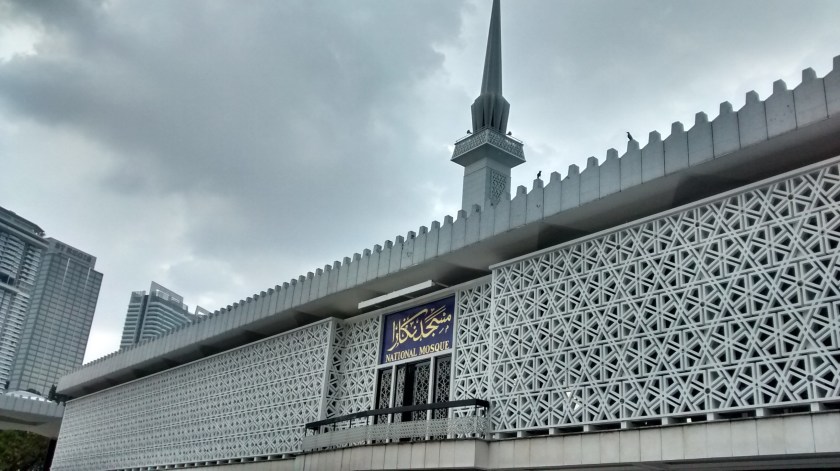
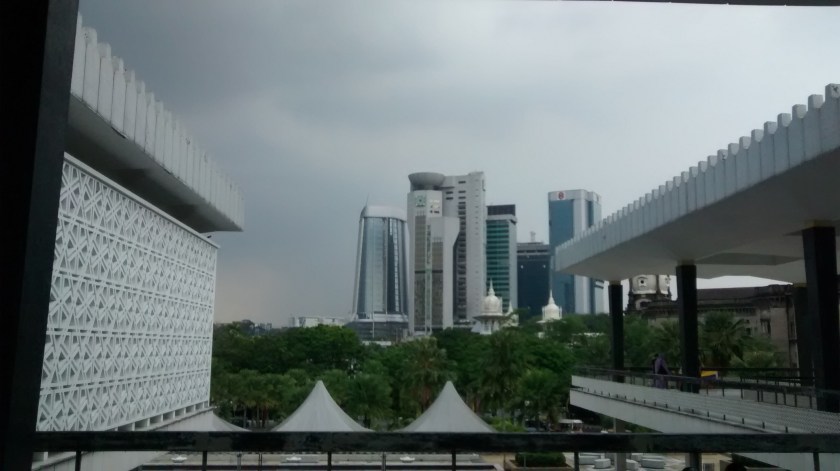
Those clouds are going to roll into the most ghastly thunderstorm imaginable in the next few minutes…watch this space.
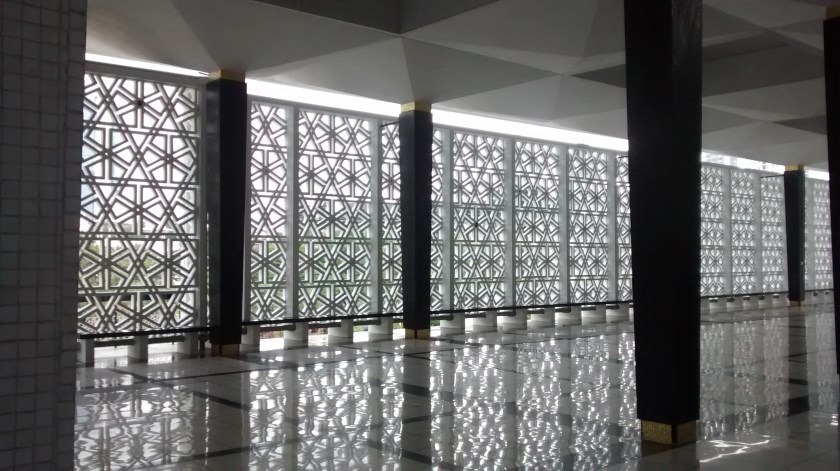
The prayer hall is reserved for Muslims so here are a couple of looks at the interior from the barrier;
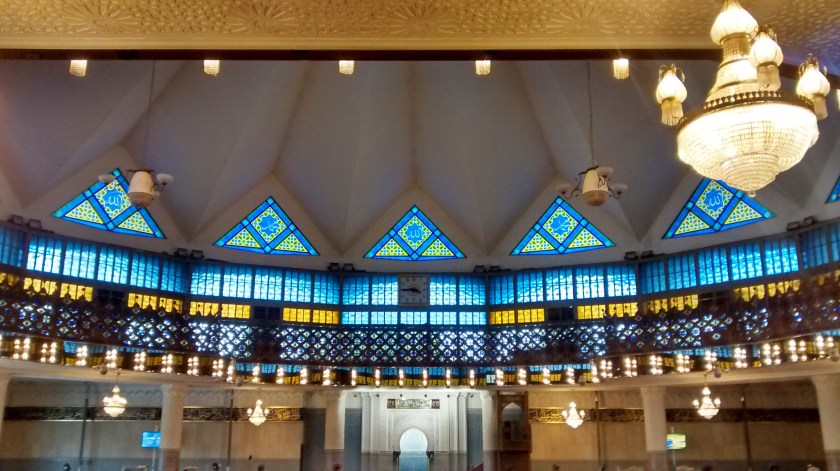
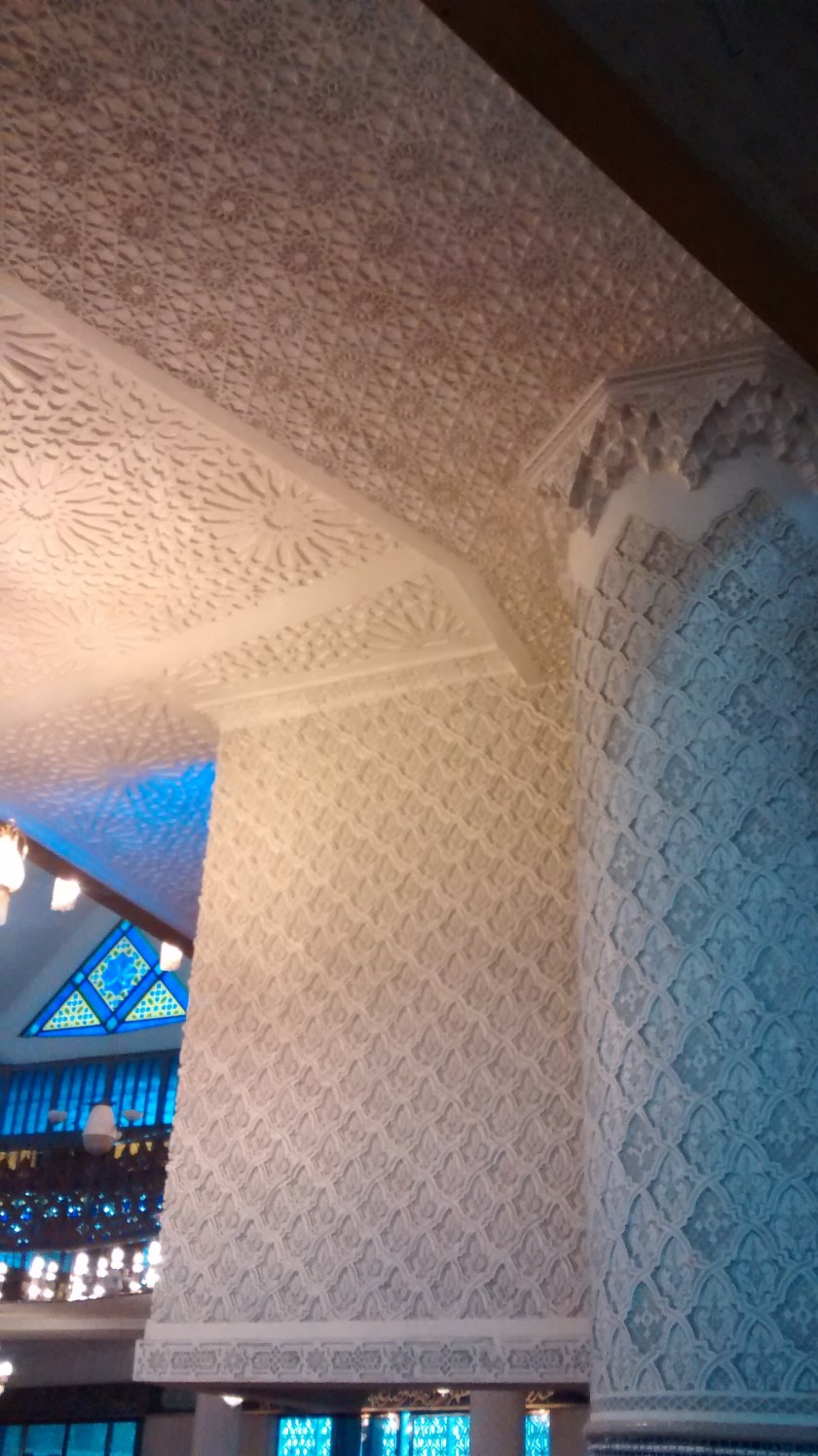
Nice place.
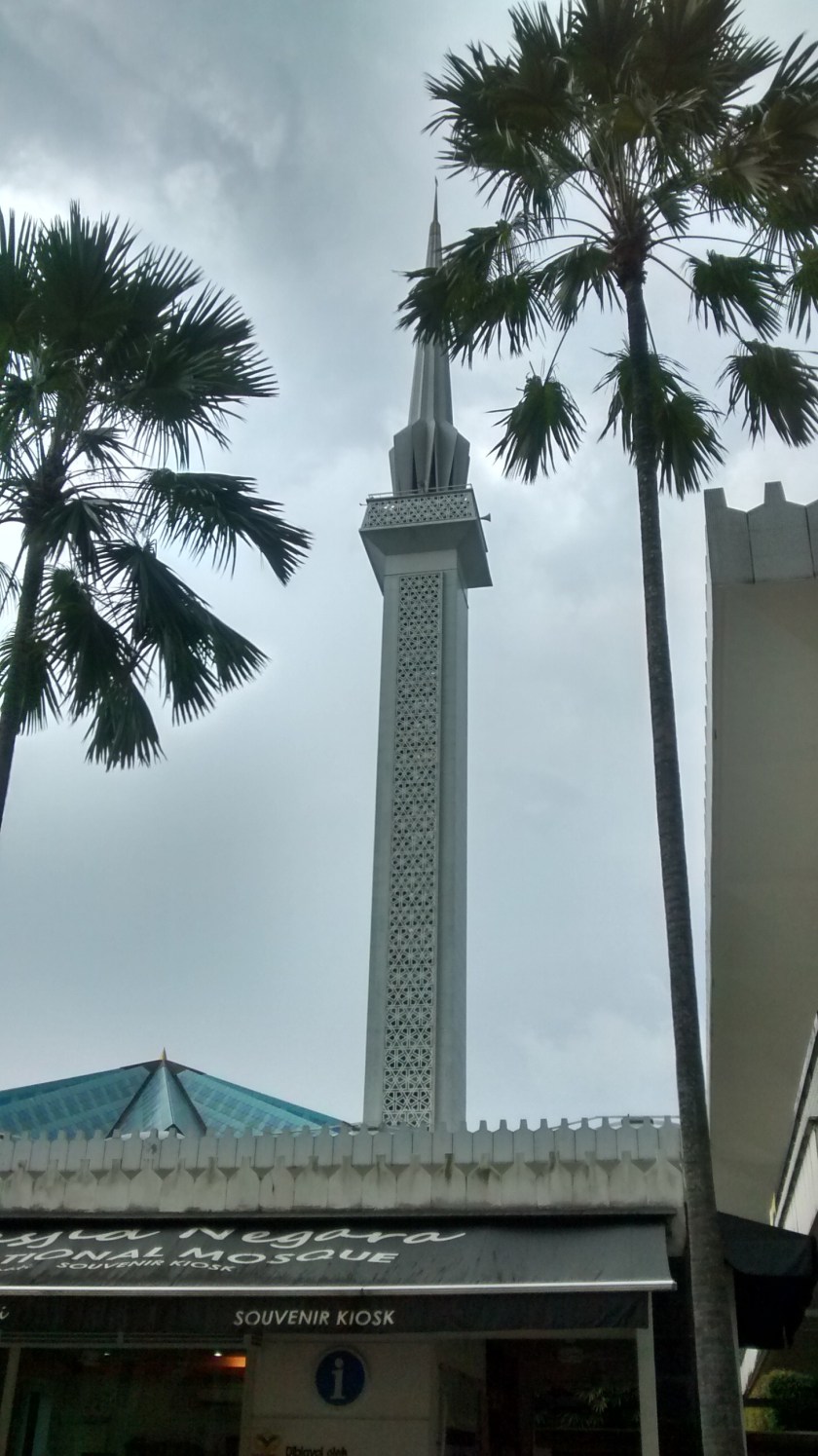
Just across the way is the famed Islamic Arts Museum, a collection of stunning manuscripts, textiles, paintings and architectural models from across the Muslim world.
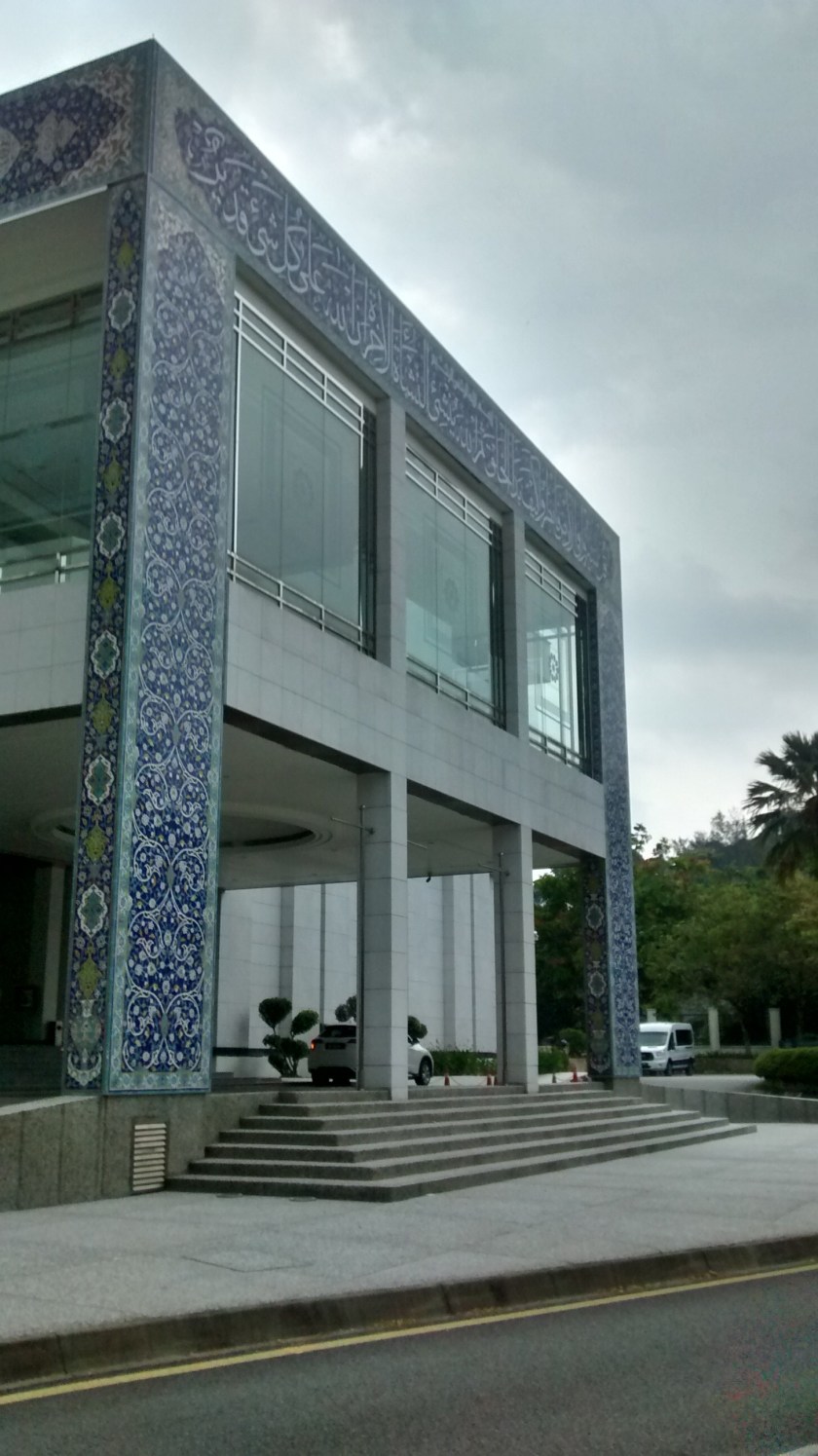
Opened in the late 1990s, the light, airy building itself is as much of an attraction as its exhibits. For example, they brought in Uzbek experts to craft some of the domes.
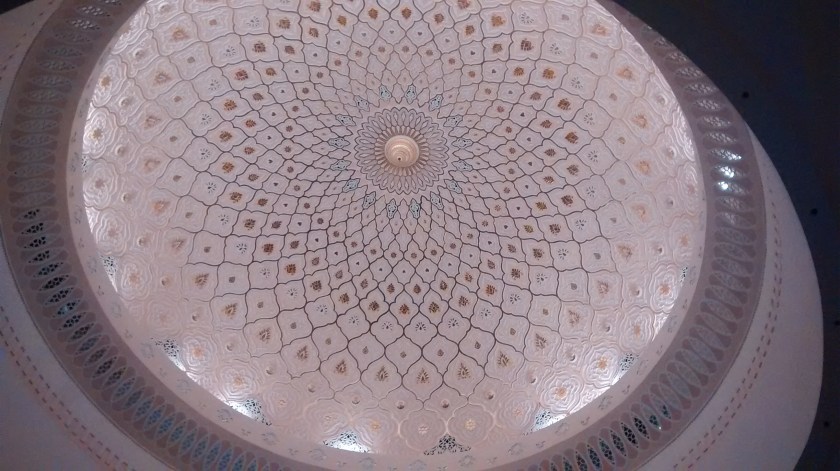
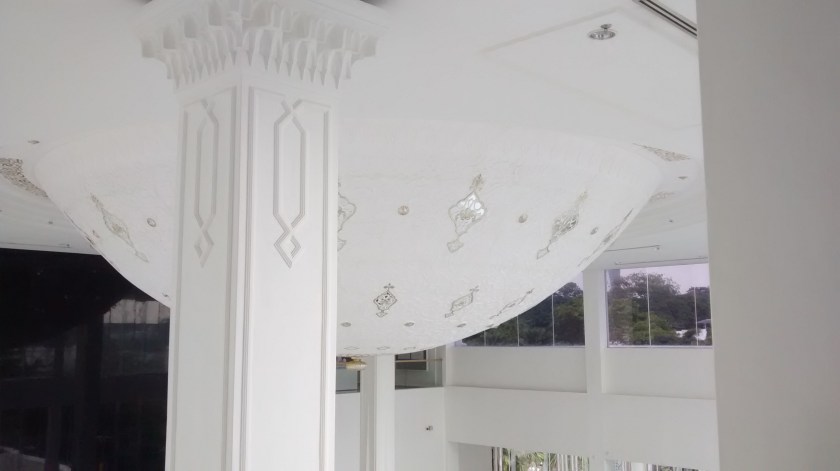
Perhaps the best thing about this museum, though, is that it was waterproof. I’d just made it inside when that thunderstorm erupted. In KL you do your open spaces in the morning, because there’s always a chance of heavy afternoon rain.

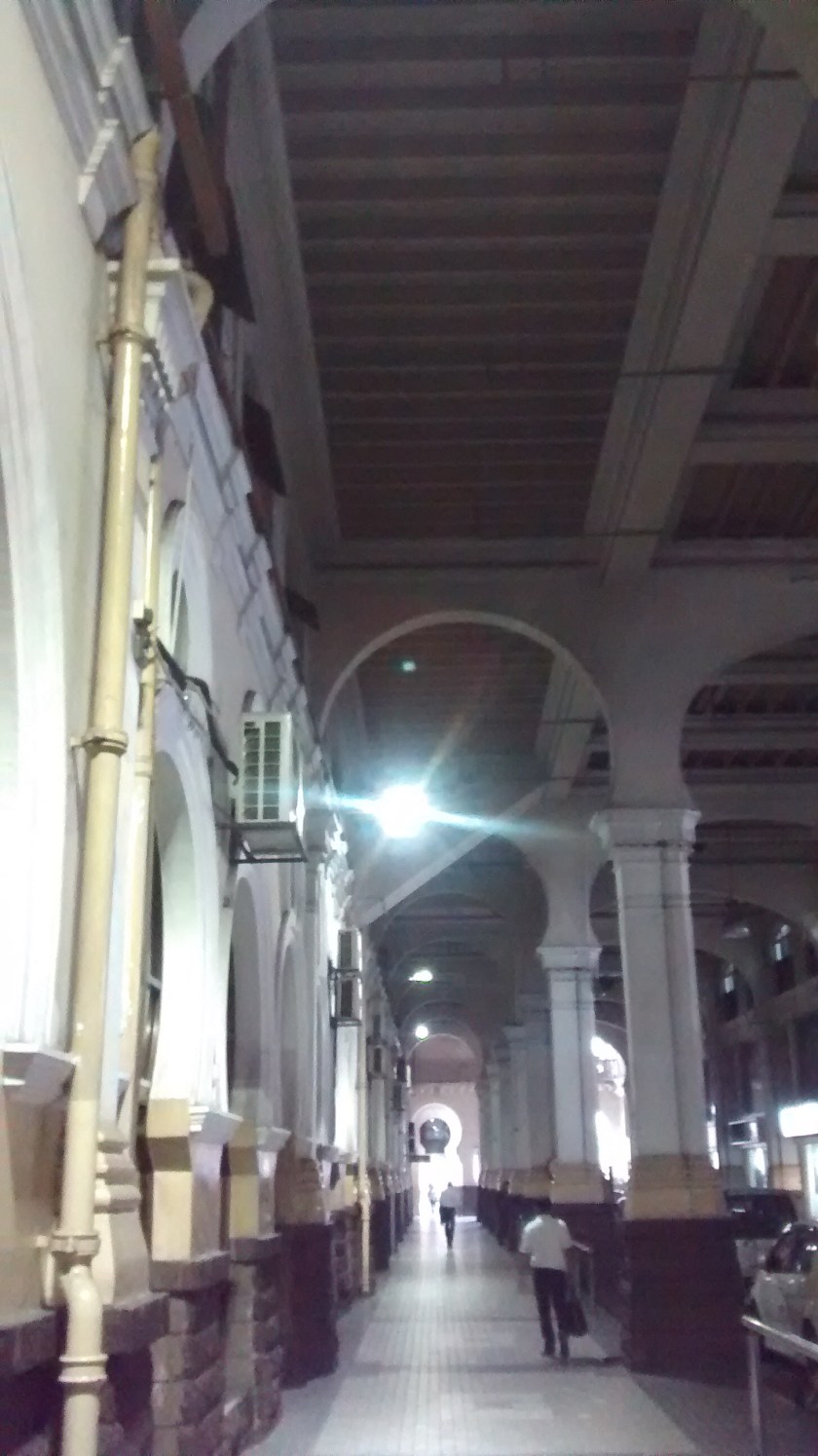
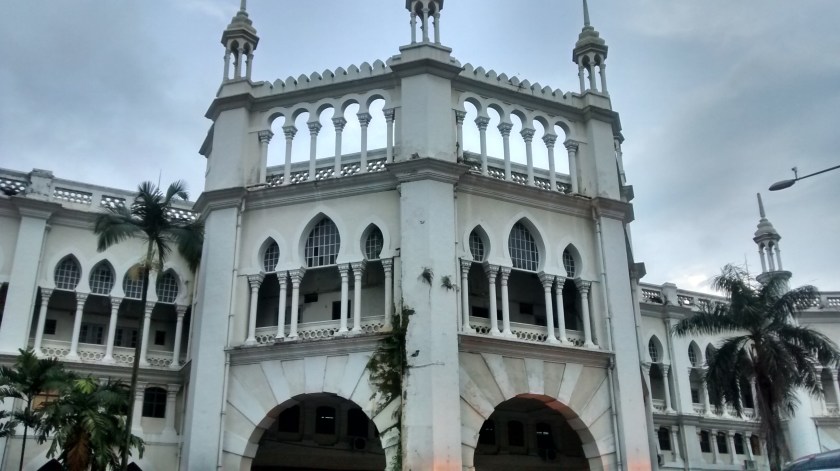
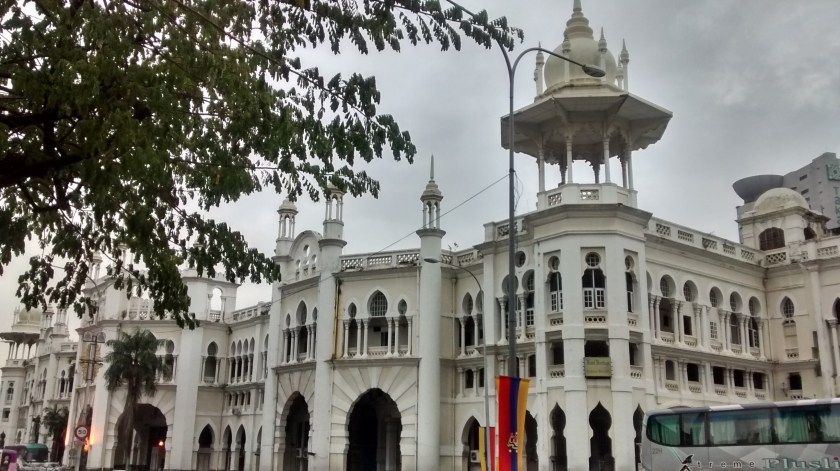
A lovely place, and I’m sure our last destination was lovely back in the day. Kuala Lumpur train station, a delightful British-designed building with North Indian influences, was the main station during the imperial era. You can almost imagine Charles Dance emerging in his crisp white suit fresh from inspecting his rubber plantation.
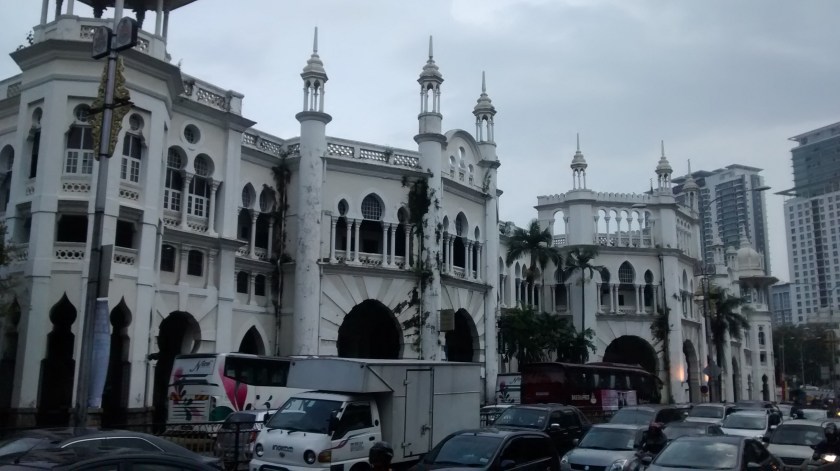
However, the next station to arrive at platform 1 was the super modern KL Sentral, which is the city’s principal interchange. That meant that the old station, although it’s still used, is known as the Heritage station and has grown rather tatty and unloved, its imperial glory days never to return.
However I say that as a lentil-munching Guardian-remoaning member of the self-hating liberal elite. As the silent majority who voted for Brexit will tell you, the imperial days are coming back, this station will be what it was in the 1920s and the Malaysians will be falling over themselves to hand each of us our own individual pith helmet. Rule Britannia!

Until then, it’s a bit of a charming, atmospheric ruin. Let’s go in and catch a train.
Unfortunately we’re not catching the night train to meet Helena Bonham-Carter at her hill station. We’re just going one stop.
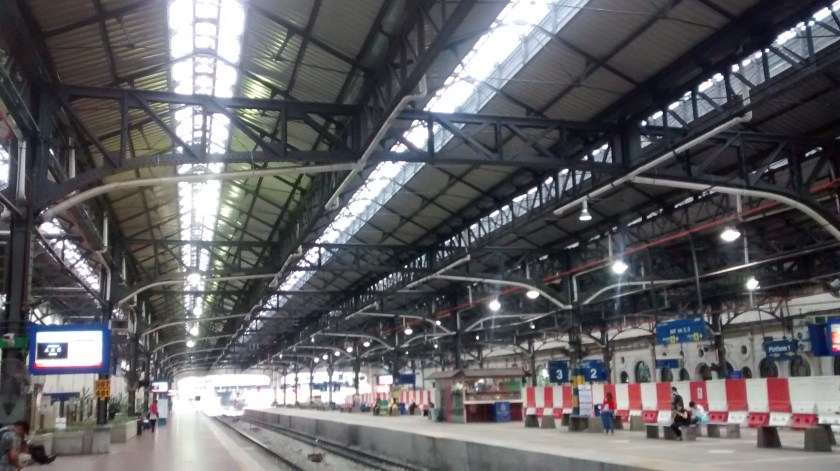
It’s still got something.
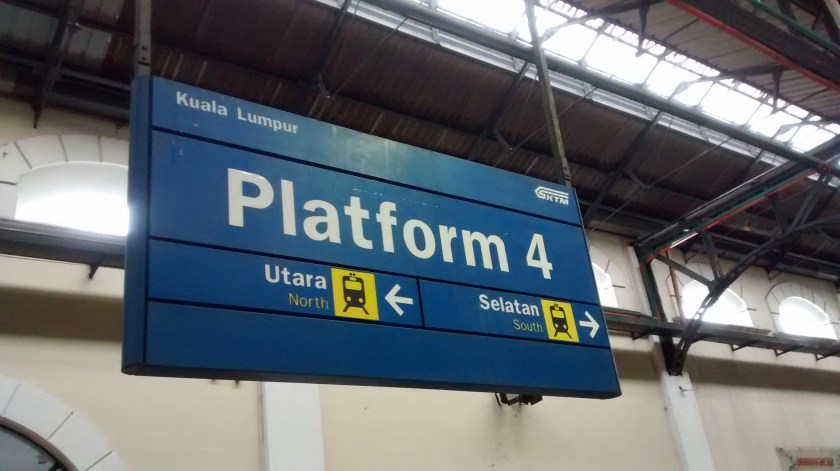
Eventually the train arrives and takes us down to that next stop – KL Sentral itself. The old place never stood a chance.

So we get to our last stop, and after checking we didn’t get in the wrong carriage…
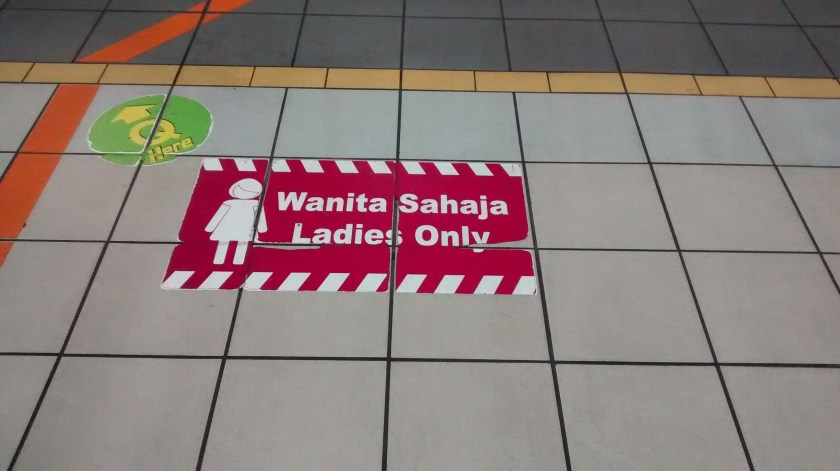
– phew!

we’ve arrived.

The train will head south, but we’ve reached the end of our line. Thanks for staying with me all the way, if you’ve been following this blog. I have really enjoyed trying to capture all the fun I’ve had out here so you can share in it too, and I hope you’ve enjoyed these posts as much as I enjoyed putting them together, and that you found them fascinating, inspiring, and, just maybe, even funny.

So, from Kuala Lumpar, until we blog again, it’s Selamat tinggal!
Rainforest escape

It was my last full day of the trip, so it was time I got away from the congestion, the fumes, the concrete of steamy Kuala Lumpur and headed out to the real Malaysia.

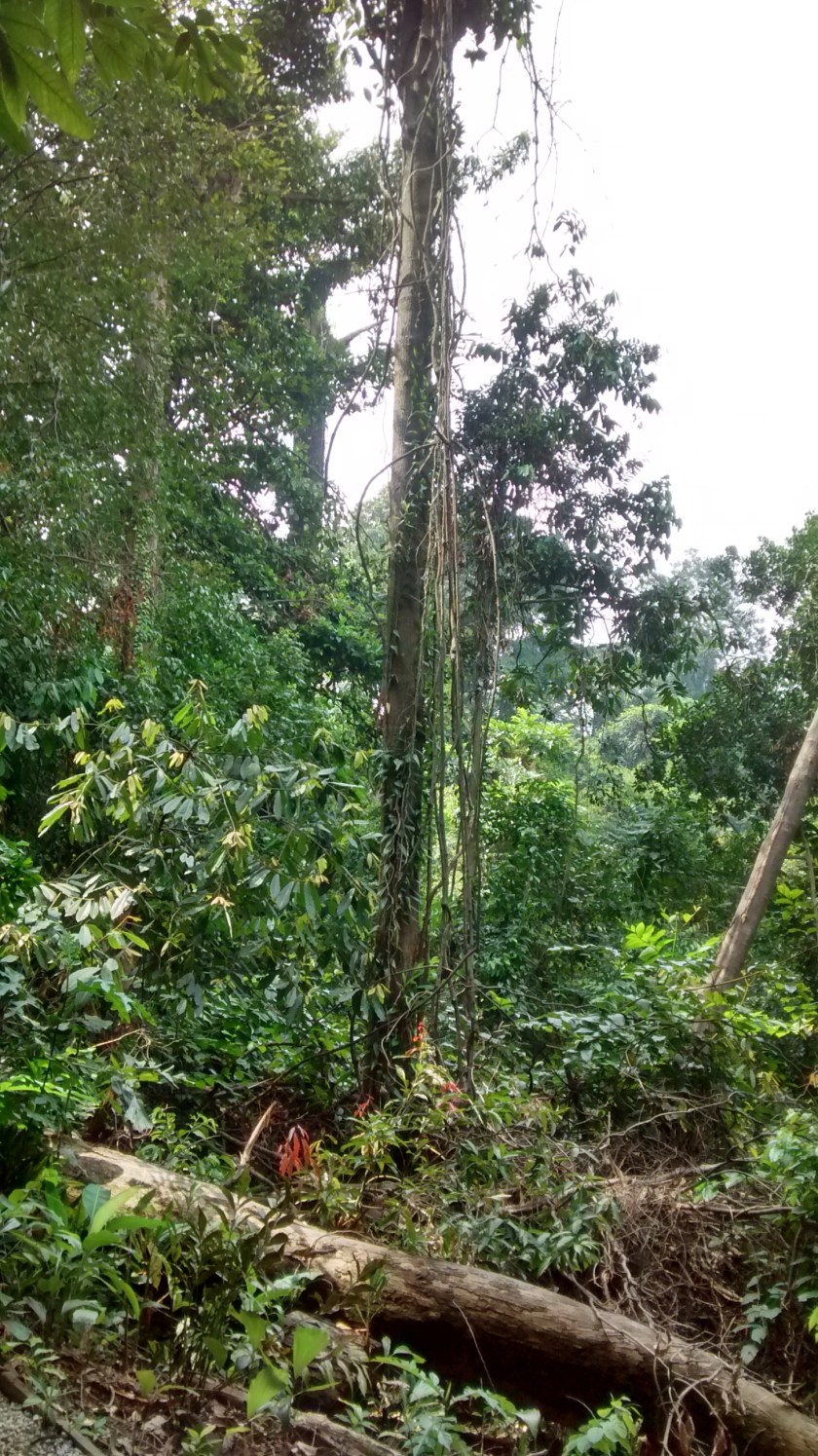
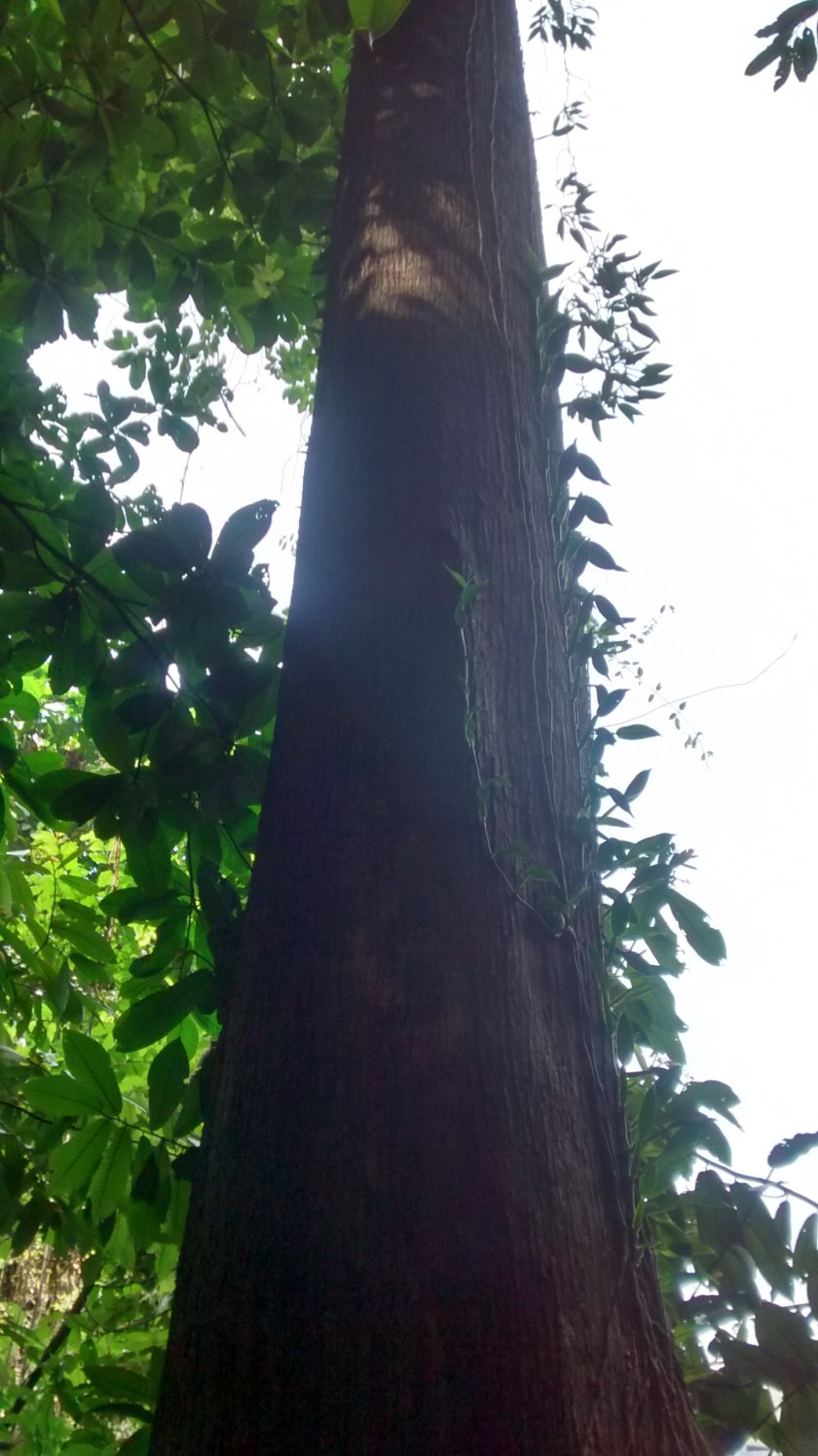
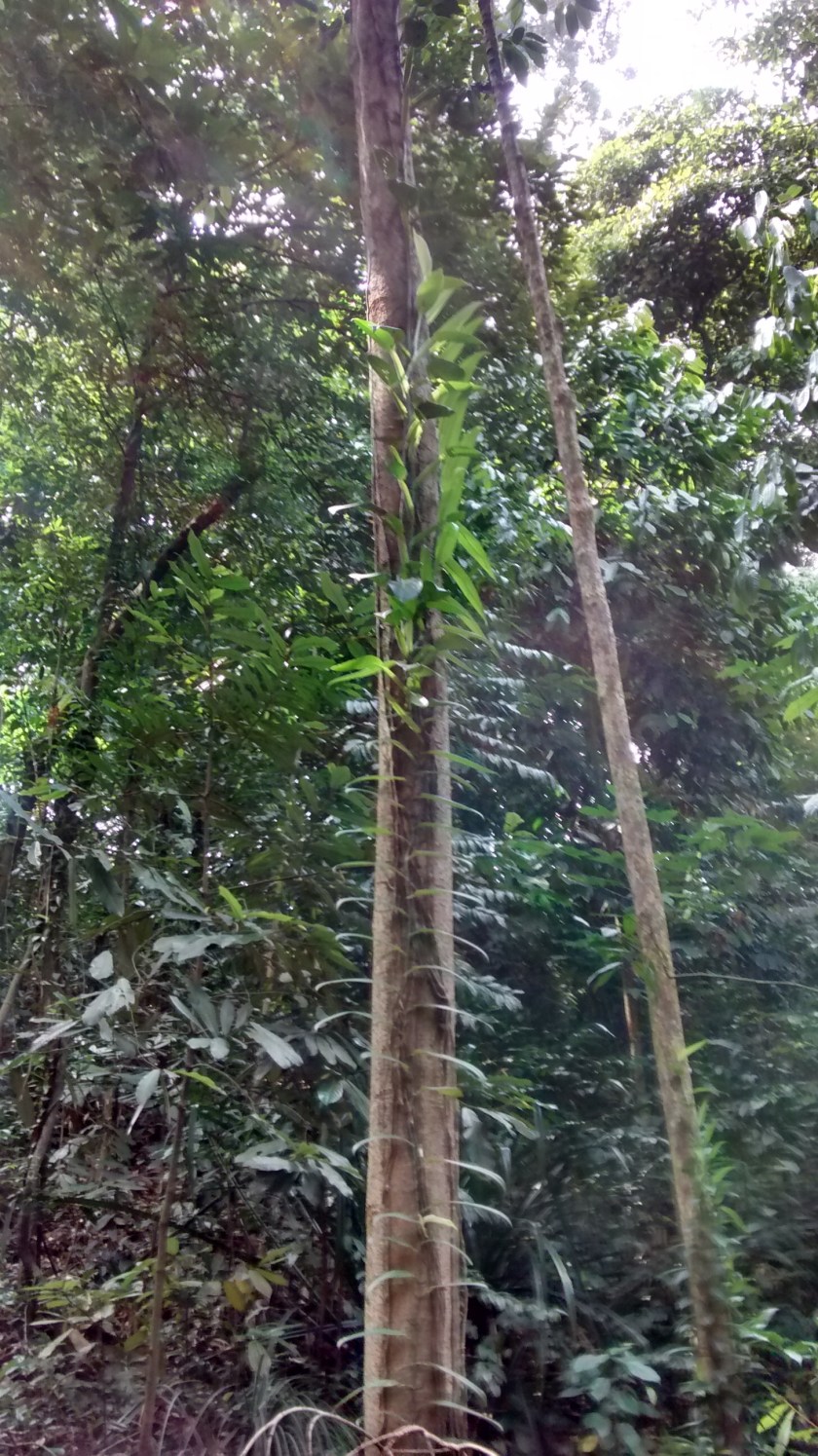
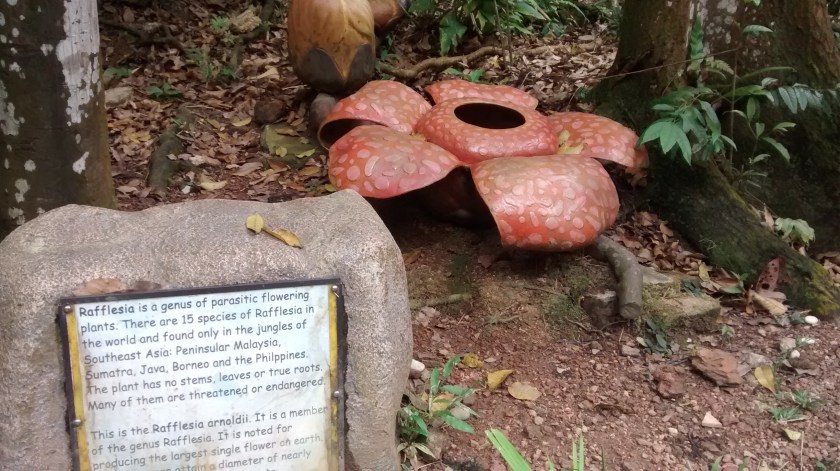
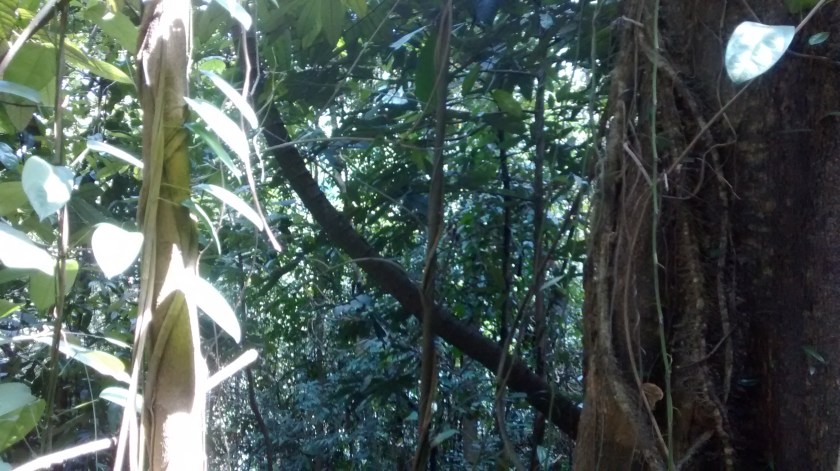
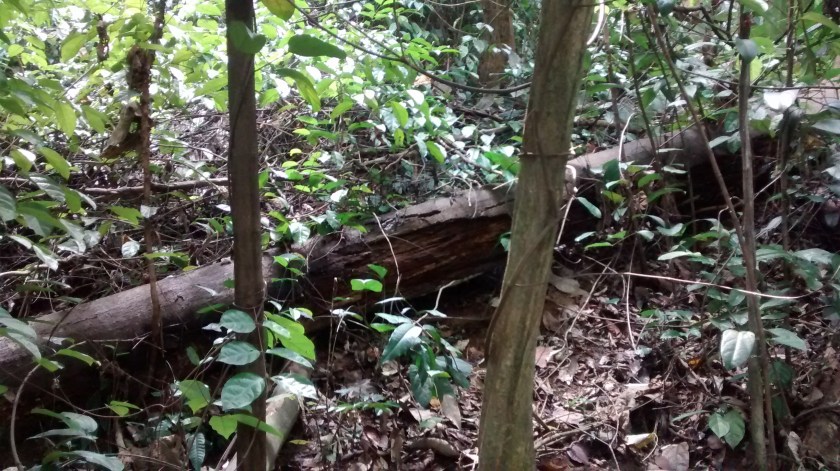
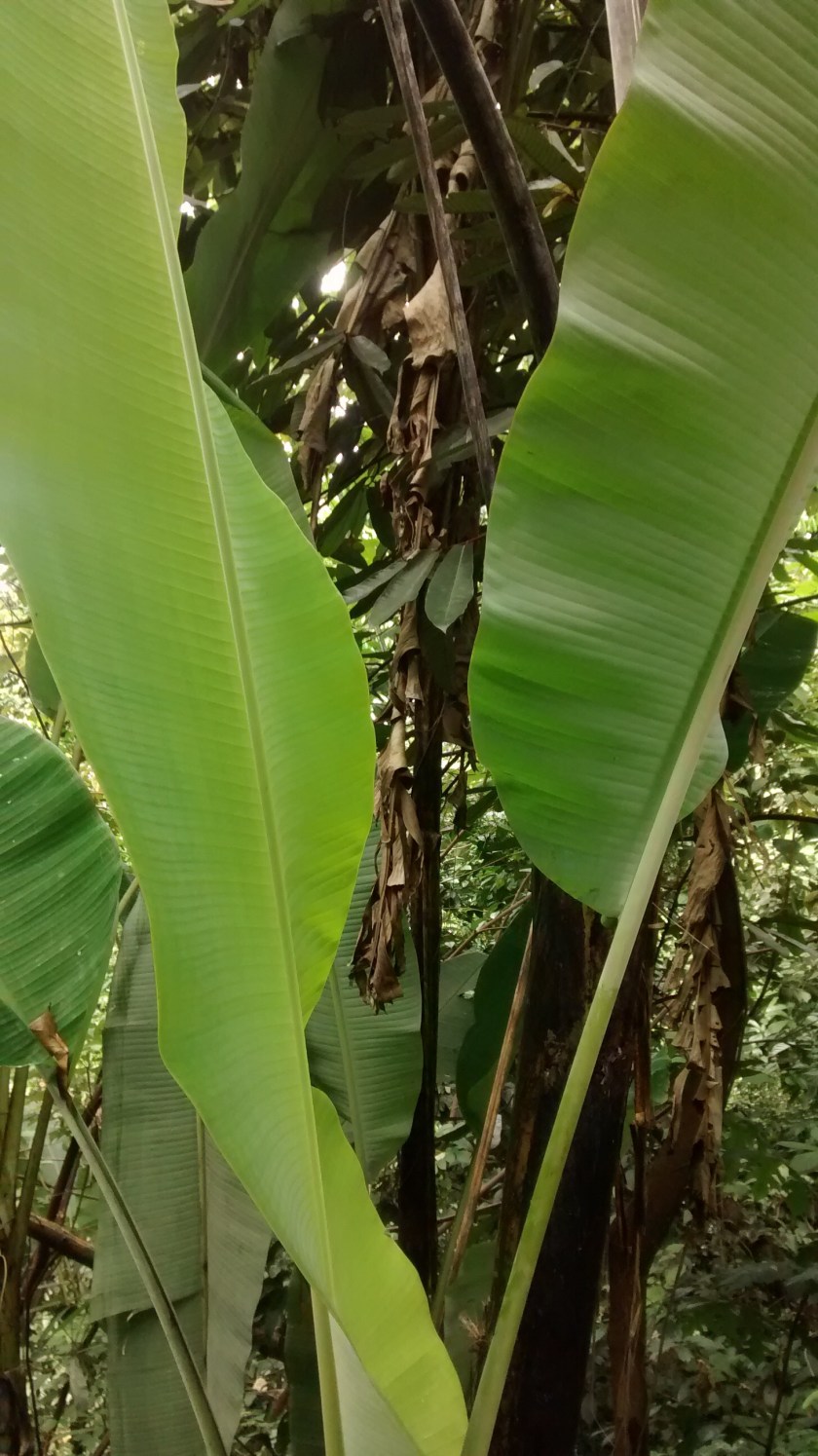
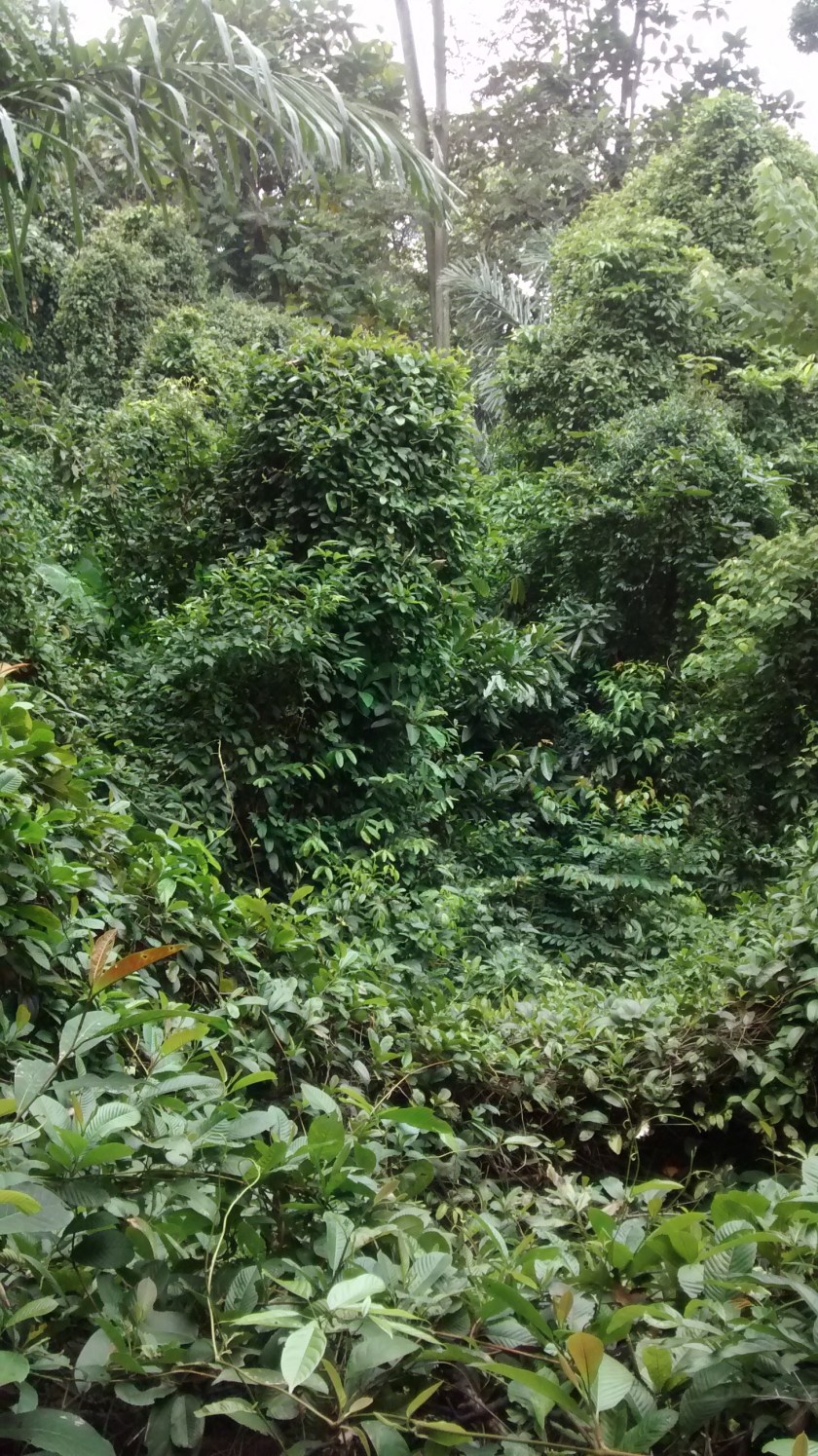
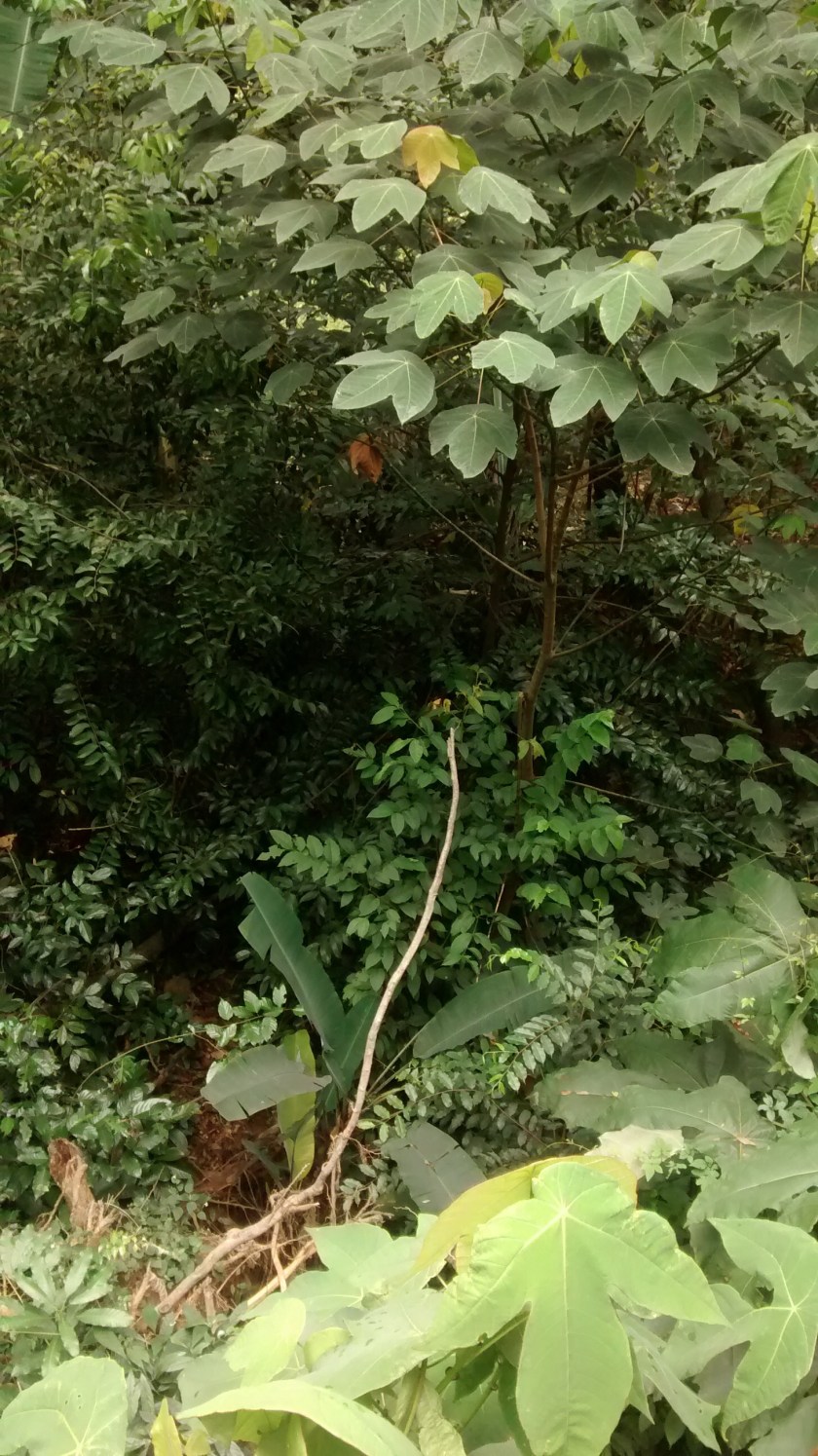
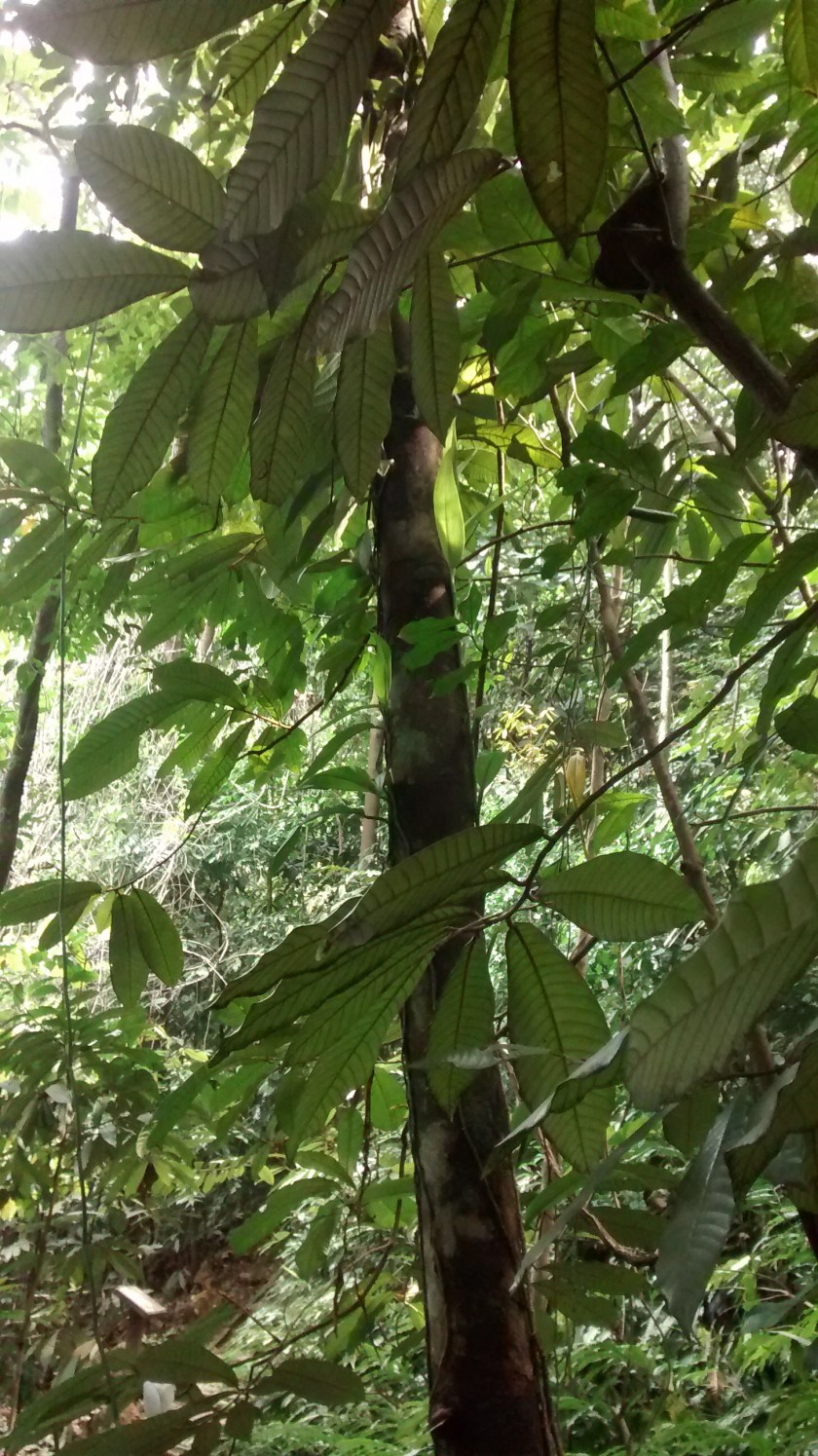
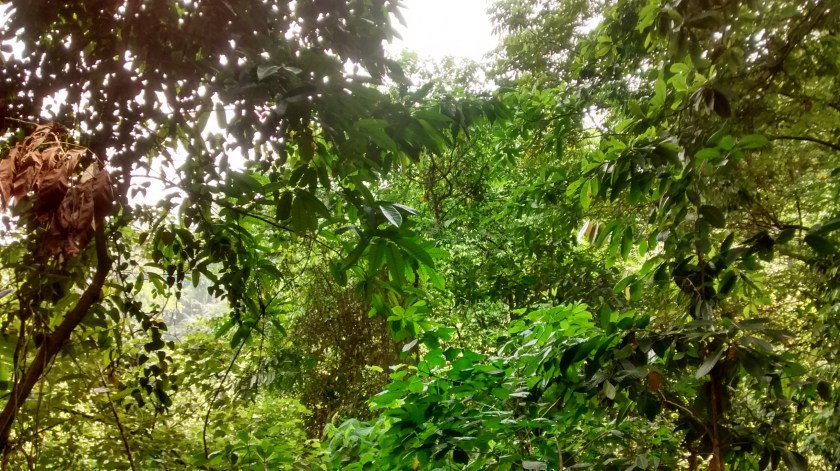
The rainforest of the Bukit Nanas Forest Reserve teems with tropical birds, macaques, chirruping cicadas, and dark natural mystery. I didn’t see any of the exotic fauna but I certainly sensed the magic.

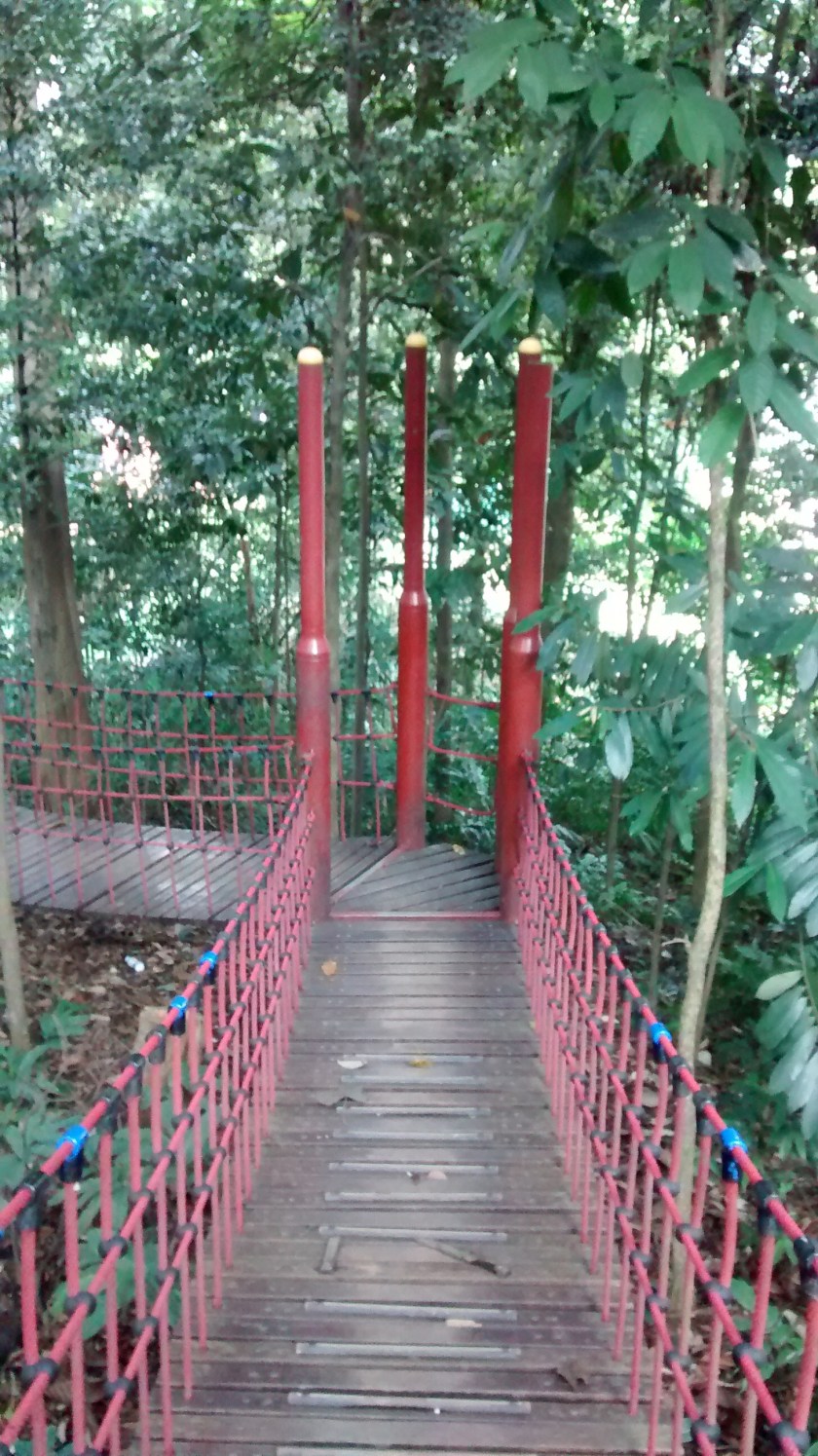
A canopy walkway, much lower than others here, and less scary.

(gulps)

The long fronds of the liana tree – or as Tarzan calls it, Uber.

I think this one’s real.

About Bukit Nanas. It may be that the indigenous Orang Asil called this place “the forest where no one returns from”…

…a part of deepest Malaysia even they thought of as nature at its rawest and most unforgiving.

Maybe Bukit Nanas refers to the gods and shapeshifters they thought lurked in the cool shadows here…

…and in such profusion only the bravest hunters would venture into its depths…

Maybe all this is true…

…or maybe I made it all up.

Bukit Nanas actually means Pineapple Hill in Malay…

…and it’s the name of the nearest monorail stop to my hotel.

They’d basically left this bit of rainforest alone, more-or-less, as Kuala Lumpur grew up around it…

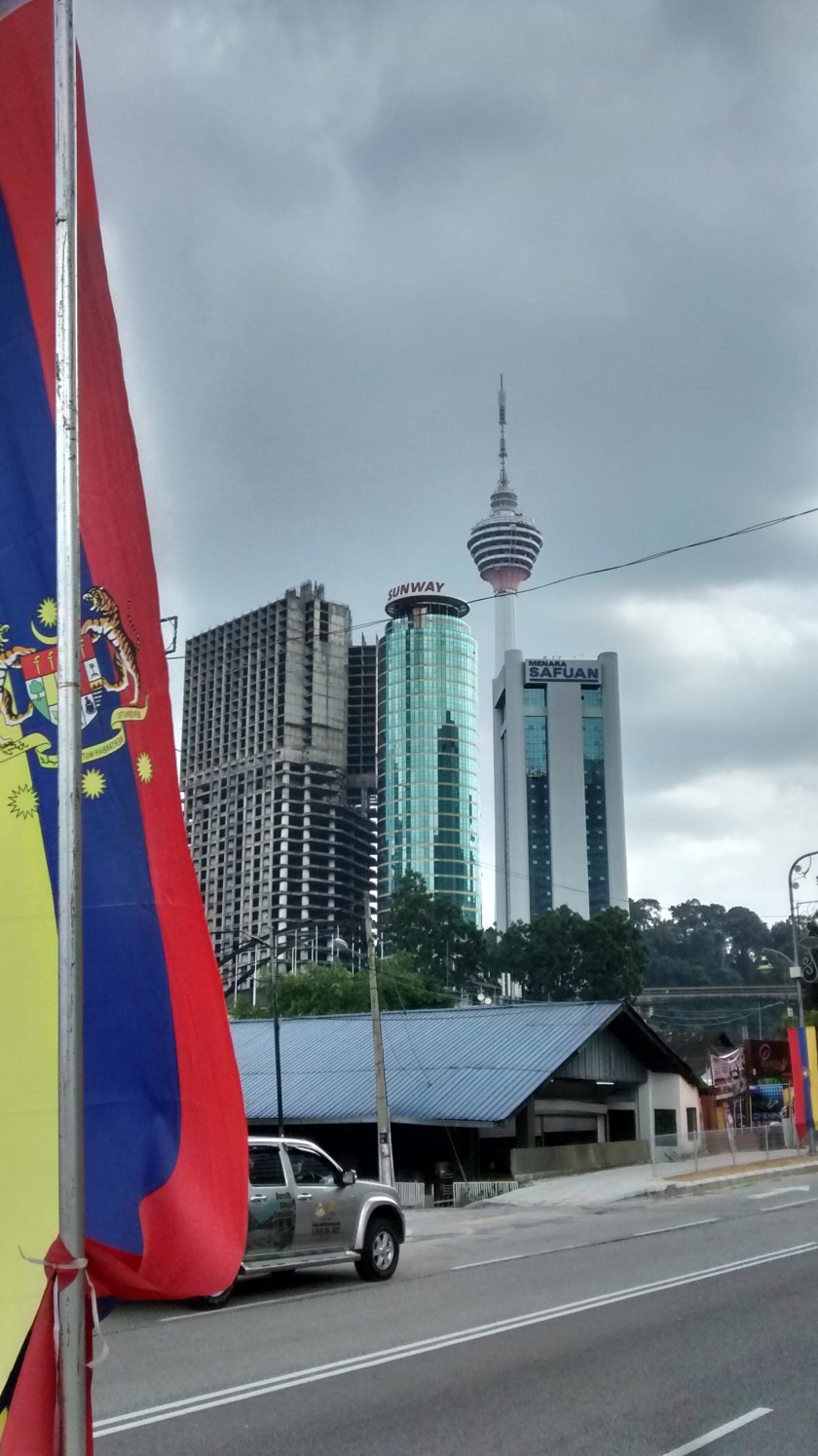
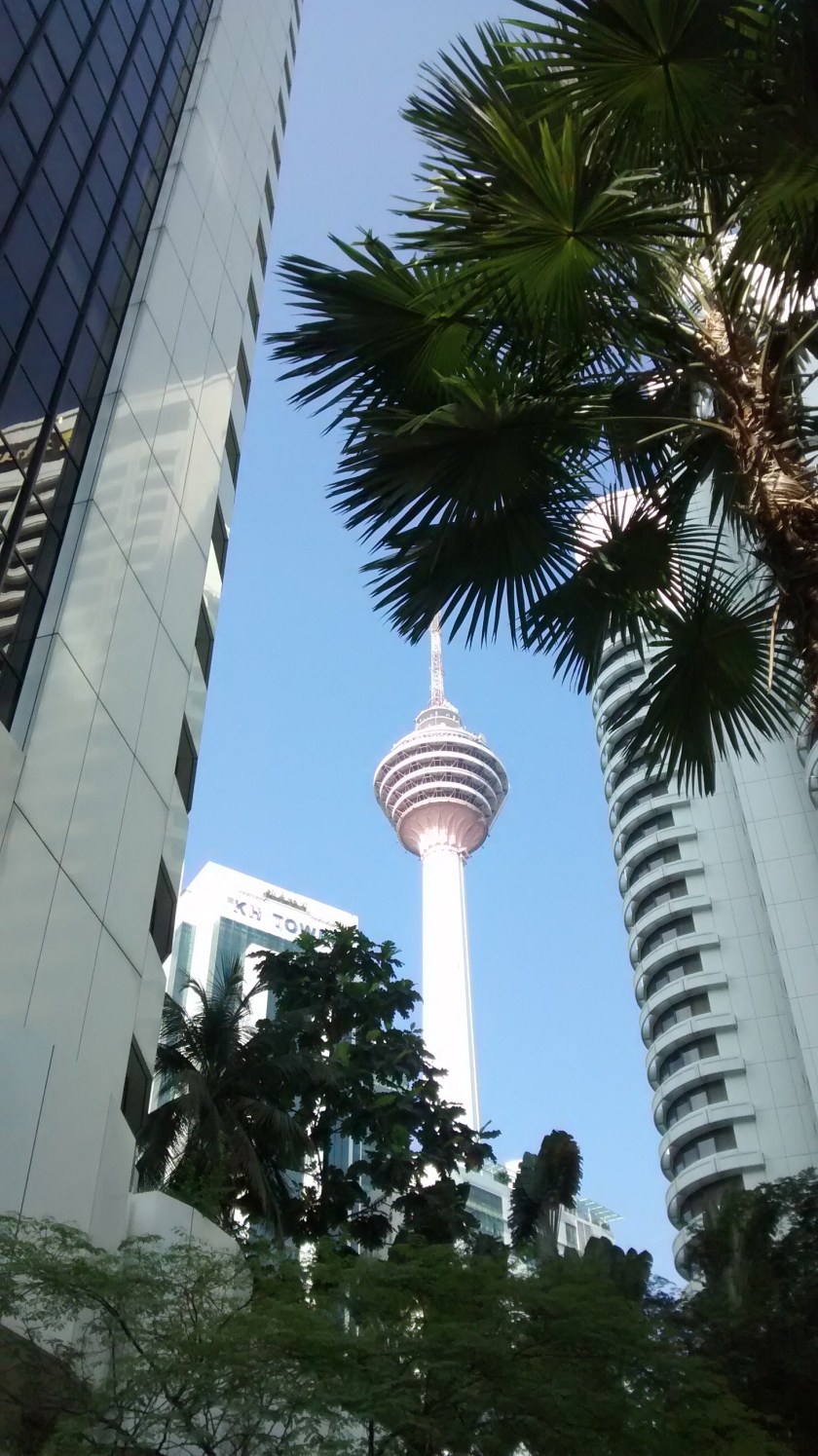
…and it’s now called KL Forest Eco Park, forming part of the attractions around the KL Tower, the telecommunications tower we saw in the last post.

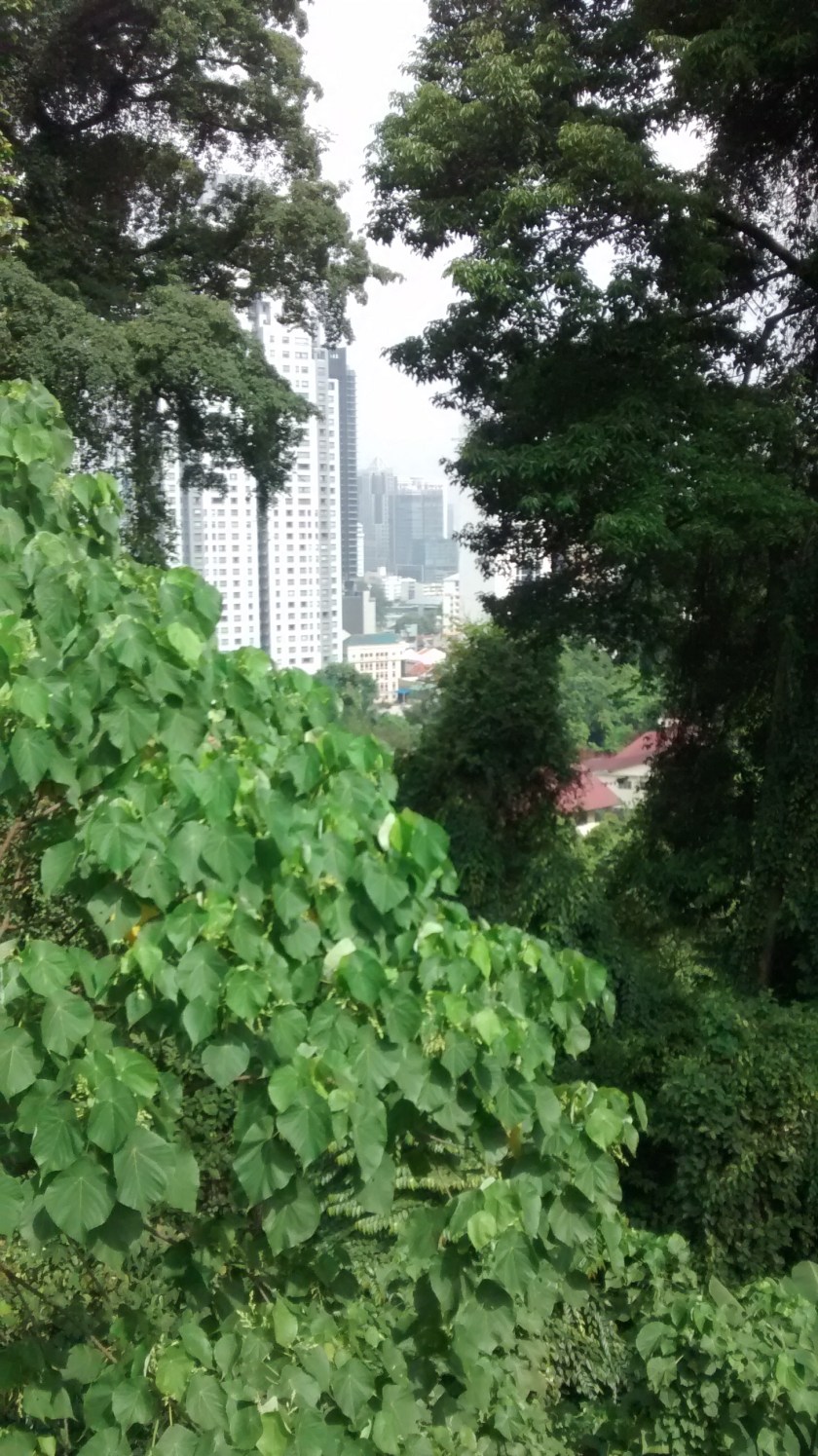
You can just make out a small part of the rainforest here. It’s that tiny slither of green in the far distance, at the base of the tower.

Sorry everyone. I hadn’t left the city at all!
Kampung Baru

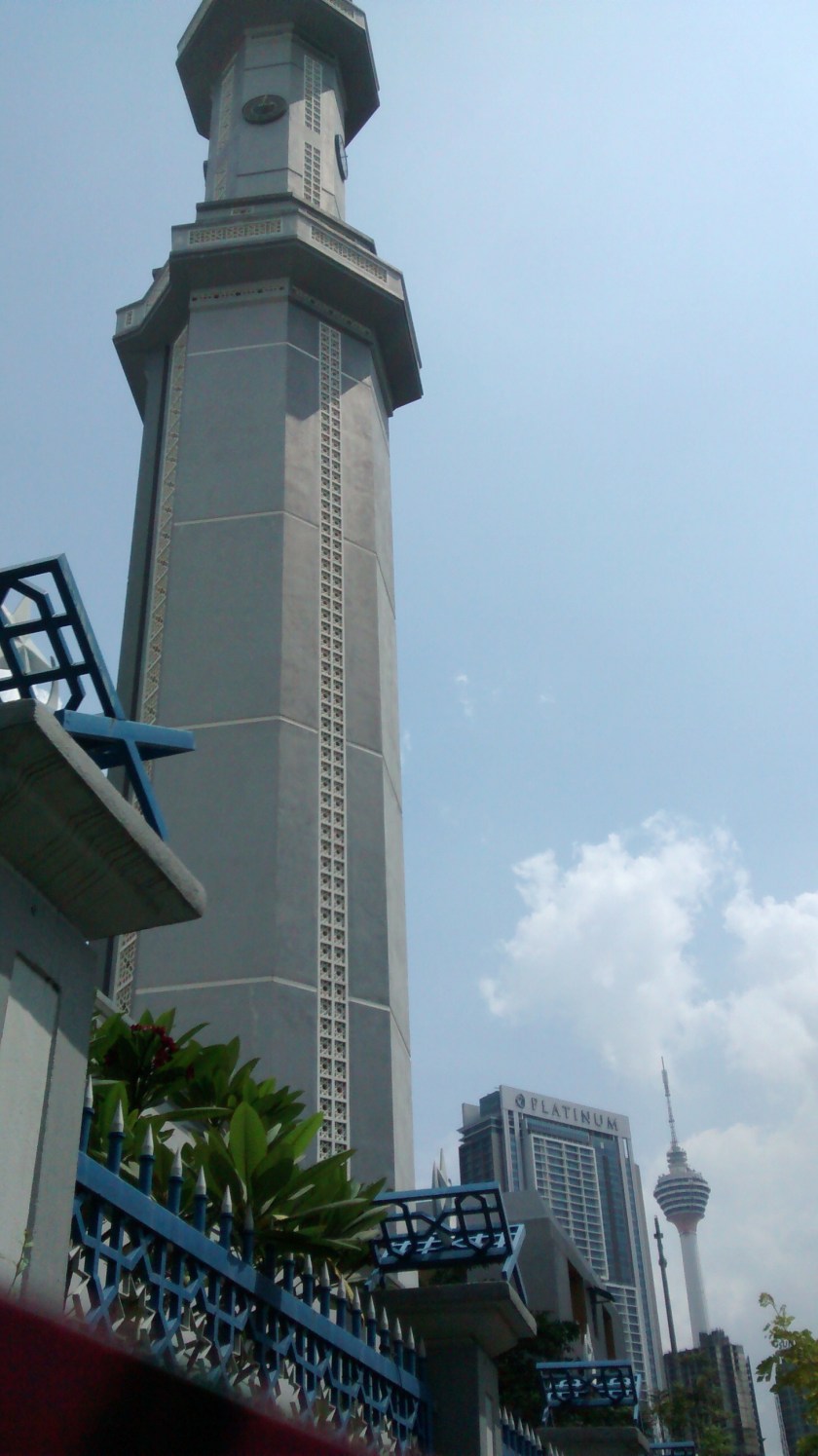
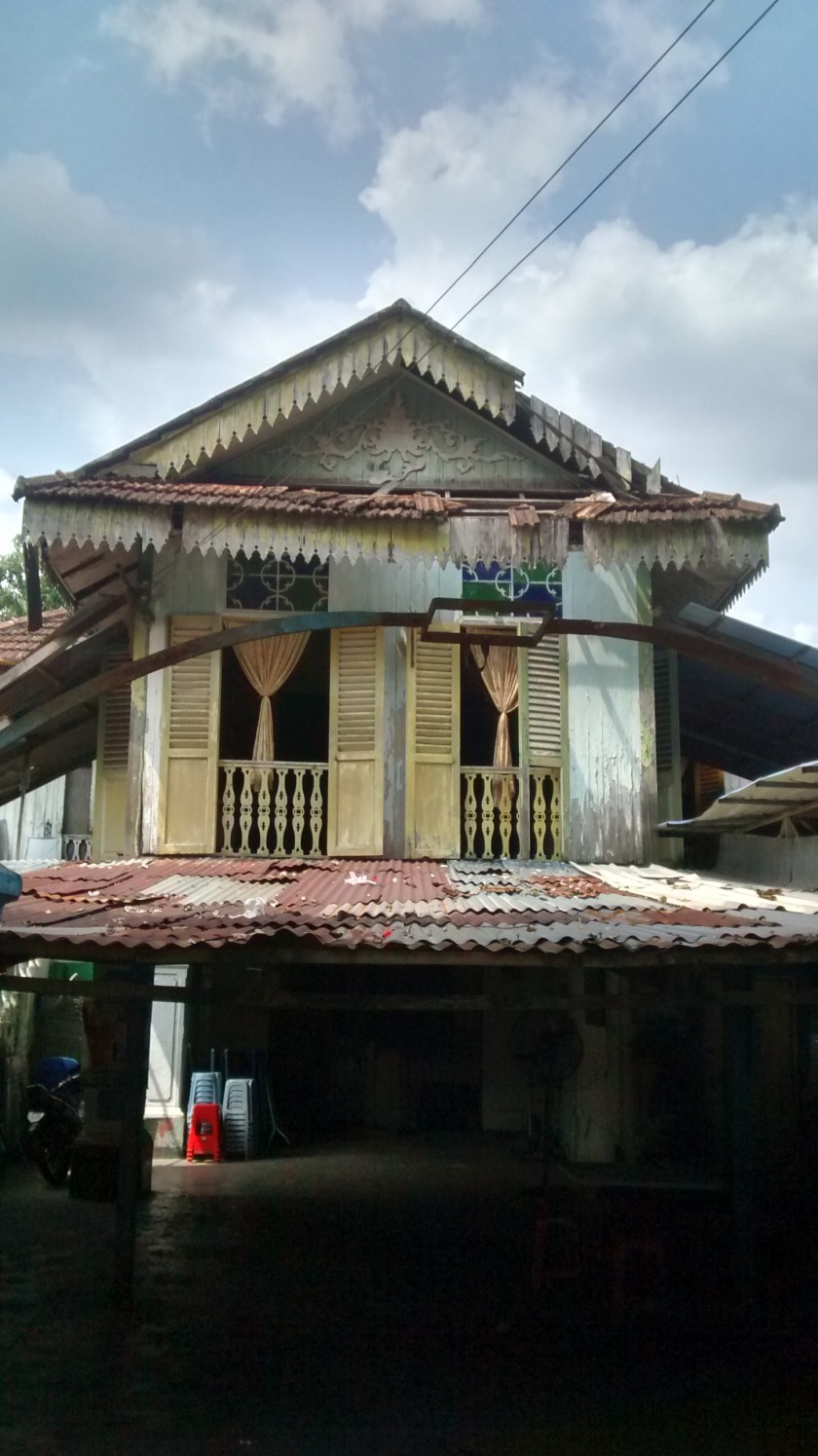
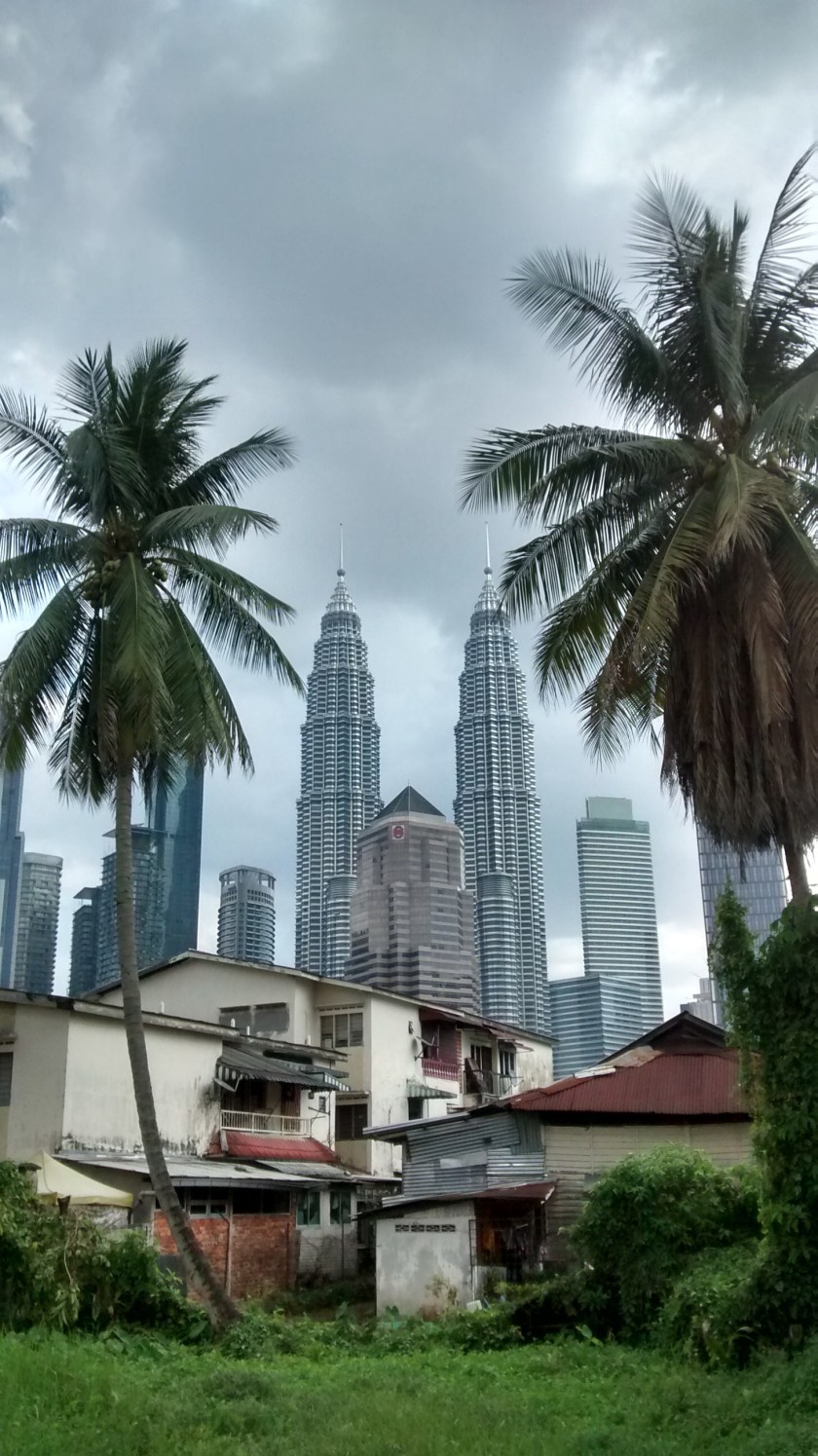
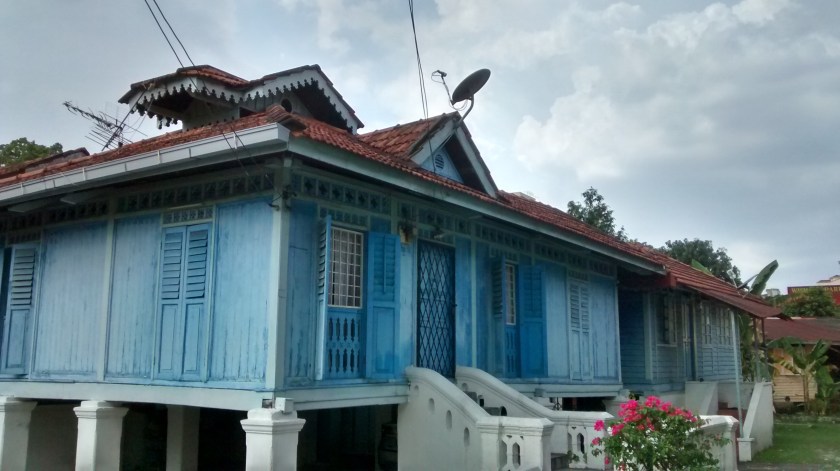
Kampung Baru is a small settlement of Malays towards the north-west of KL city centre. There are many old-style wooden houses on stilts, but what strikes one is the contrast with the ultramodern city on its doorstep. A third “Old and New” post would have been boring but that just sums this whole city up.

The minaret of the local mosque (Malays are Muslim) and KL’s telecom tower.

Thanks to the Lonely Planet pocket guide to KL for directing me to this money shot.

This house was built by a teacher in the nearby school many years ago.

Batu Caves

To the tour coach this morning for a little trip outside the city.

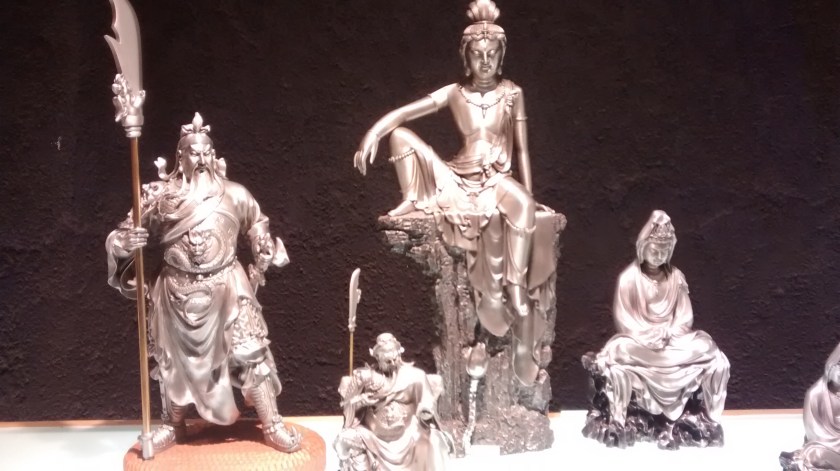
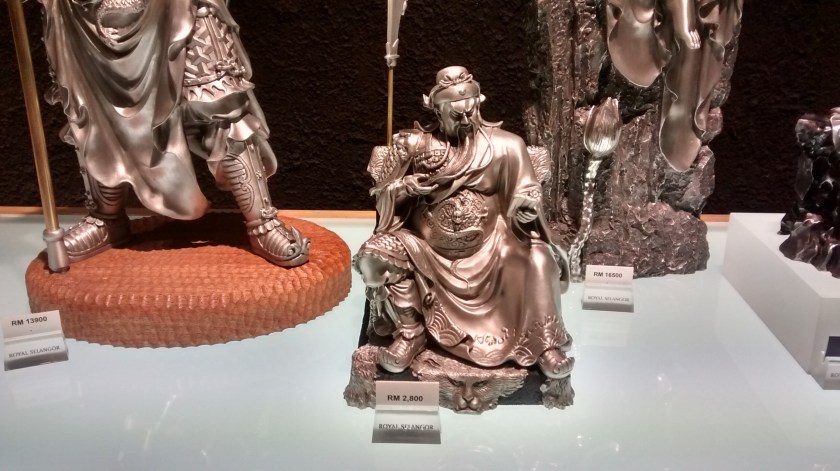
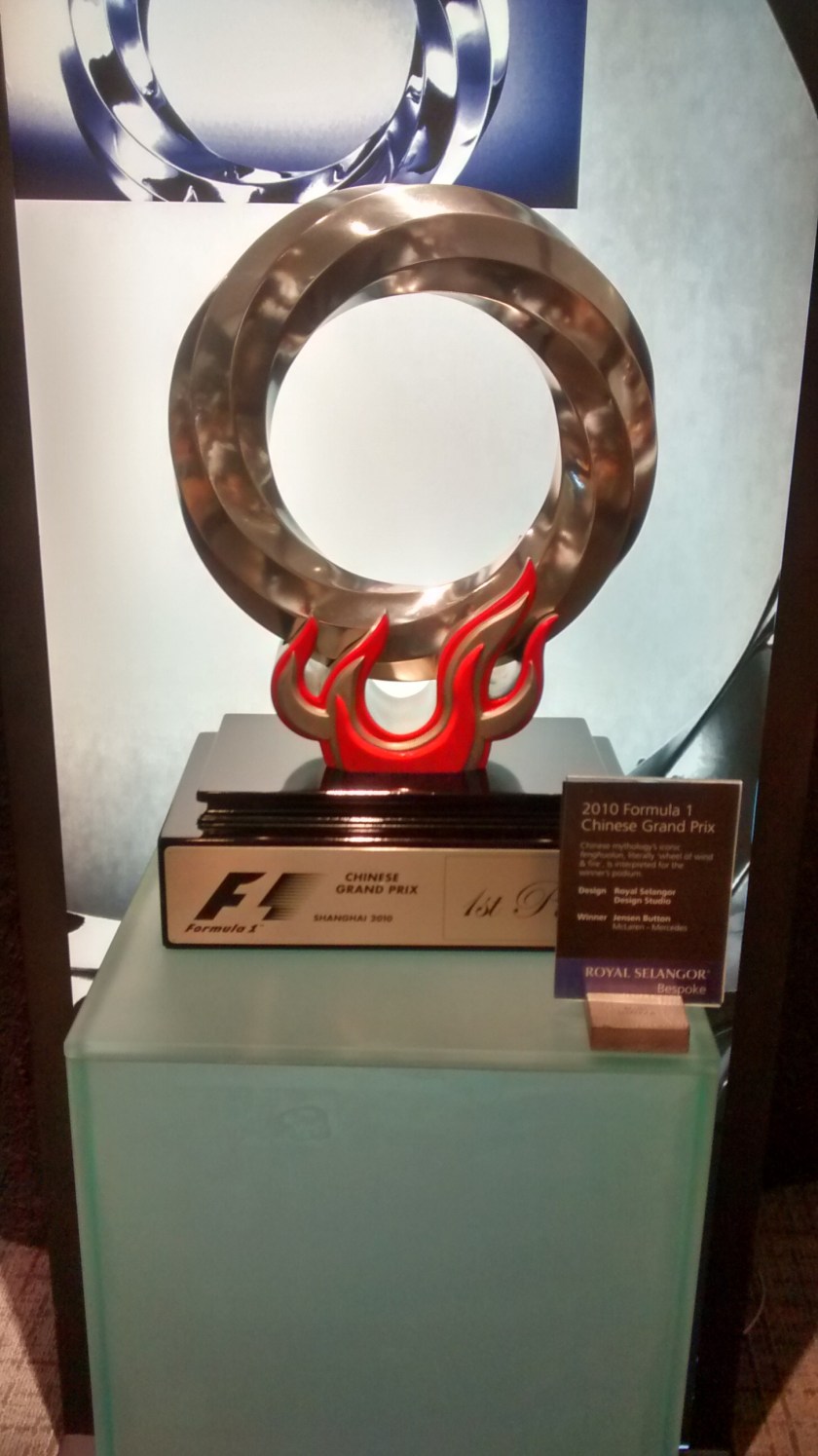
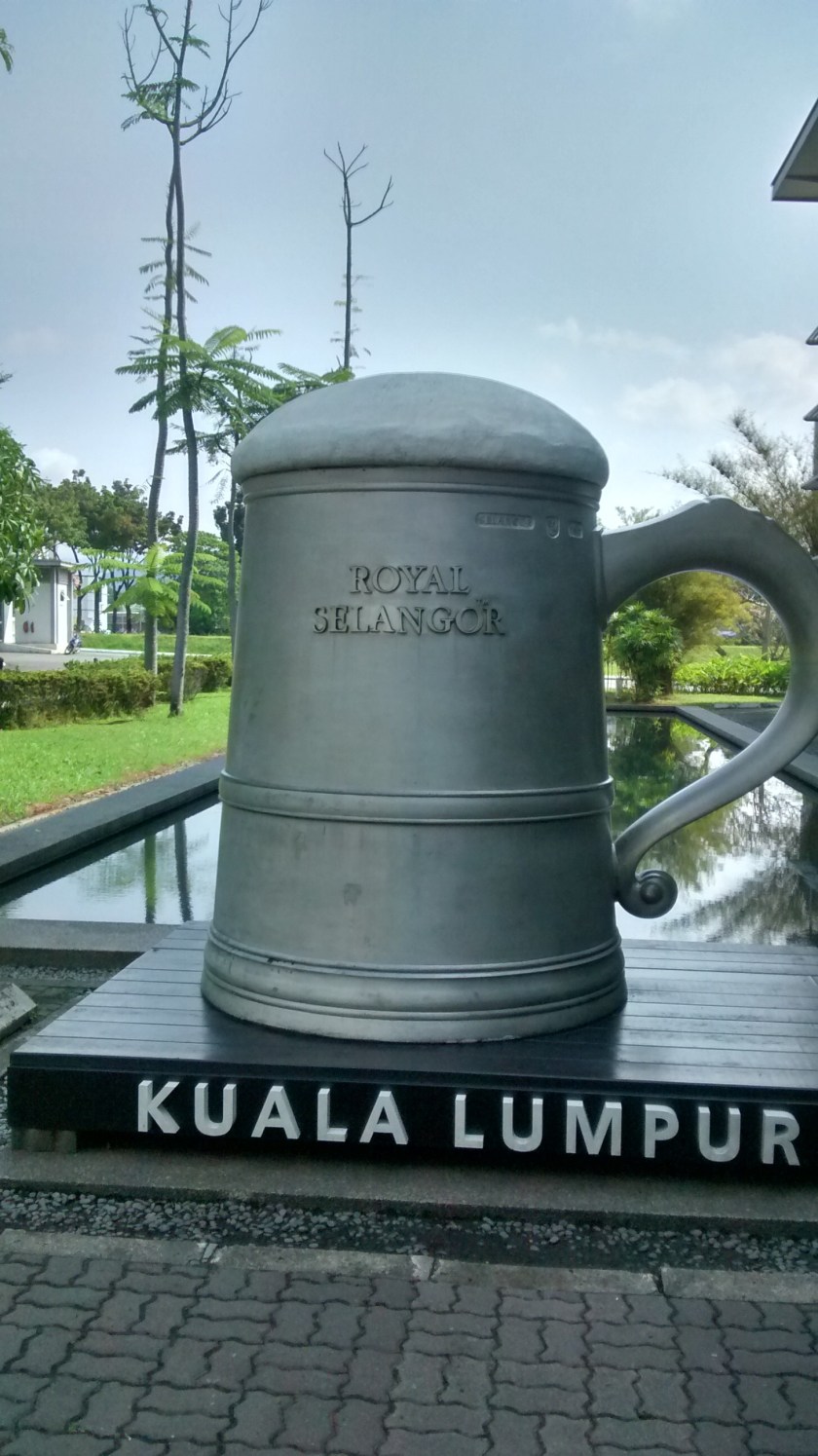
The first stop is the Royal Selangor pewter factory, one of the most famous in the world.

It’s amazing what you can do when you pour molten tin alloy into a mould.

Especially when they fetch these prices. £1 was about 5.4 Malaysian ringgits today.

They also had some Marvel figurines. So it wasn’t just some random outlet stuck in the itinerary for the commission from Visitor Centre sales.

The largest tankard in the world.

After a stop at a batik studio (the national costume is based on hand-painted batik patterning) we move onto the real objective, the Batu Caves.

Not far out from KL, the landscape rises to 400 million year old limestone hills and sheer cliff outcrops. As is usual, where you get limestone you get caves. There are 13 of them around here.

The Orang Asil, the indigenous people of the area (the Malays migrated from what is now Indonesia) probably used these caves for millennia, but they were only made more widely known by an American naturalist in the 1870s.

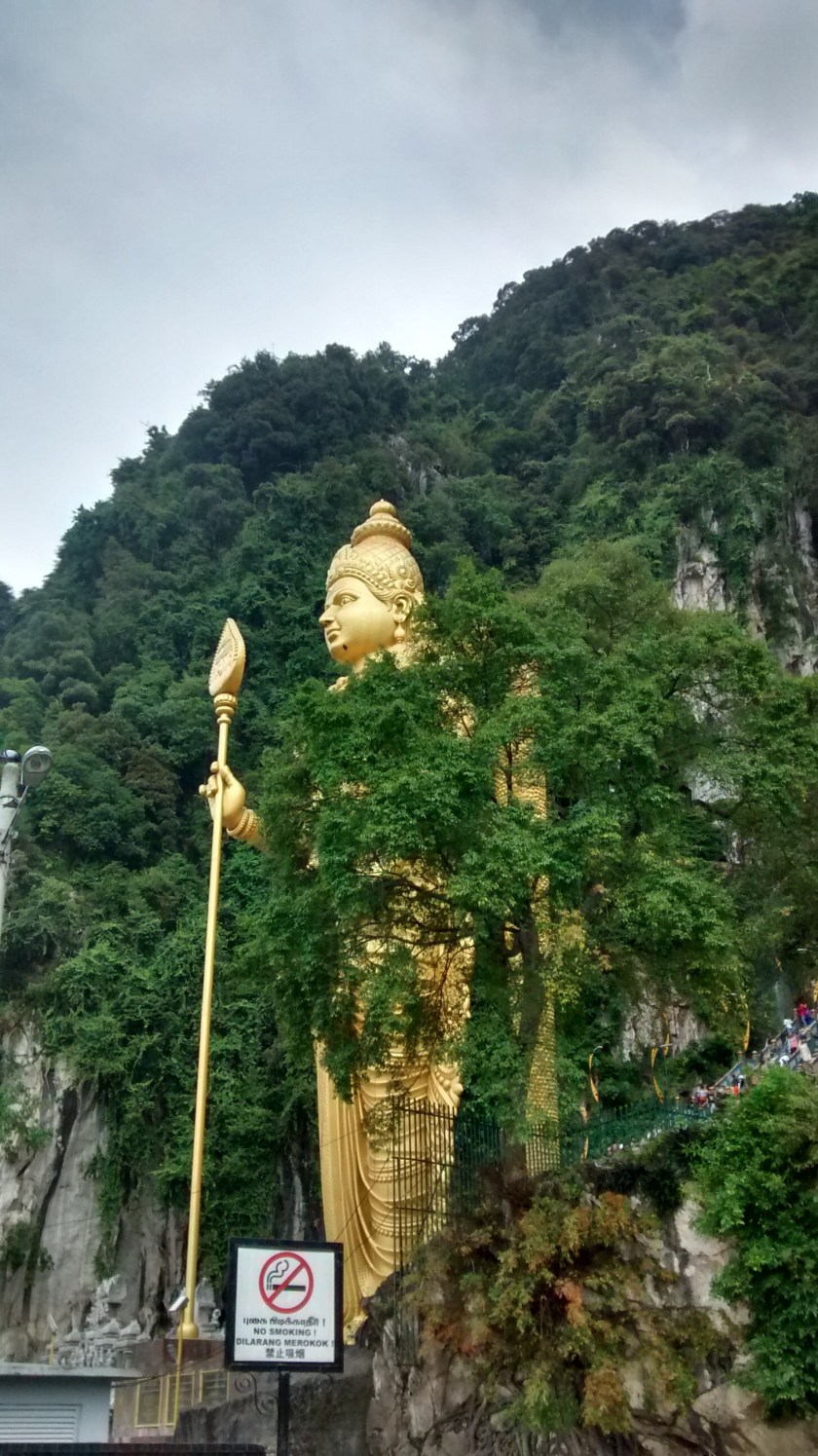
The news particularly caught the attention of one Thambosooray Pillai. Remember the Pillai family from the Hindu temple with the long name? Pillai thought that the cave entrance resembled the javelin associated with Lord Murugan, and resolved to make the caves a Hindu holy site.

Which it is to this day.

Here’s the great statue of Lord Murugan protecting the entrance…

…with some help. We’ll be seeing a few more of them.

The special event at which Murugan’s chariot is moved from the Sri Mahamariamman temple in town, that I mentioned before, is called Thaipusam and the chariot gets wheeled out to the cave entrance. Specially devoted followers then make their way to the shrine caves in as painful a fashion as possible.

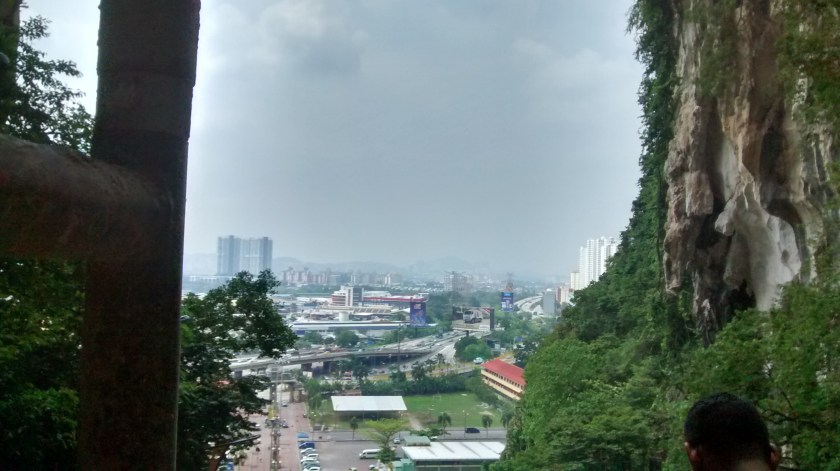
Oh, there are 272 steepish steps to those caves. They’re crowded with visitors but let’s have a try anyway. Just don’t look down…

When you reach the main one you find that it is part wilderness

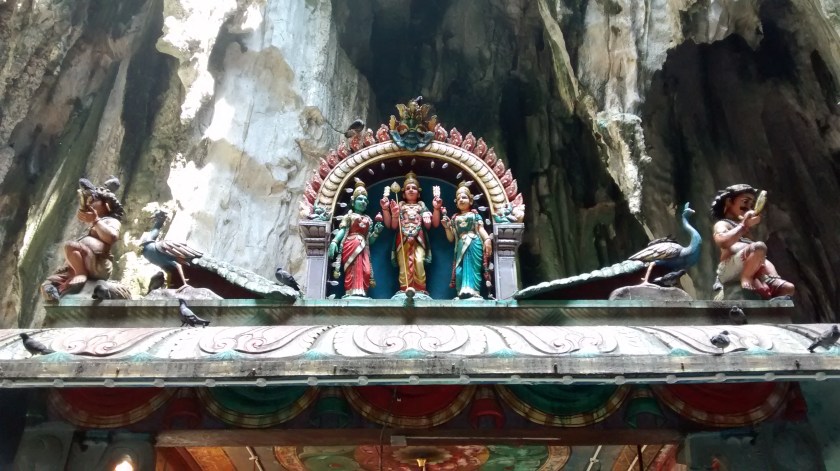
… part shrine…

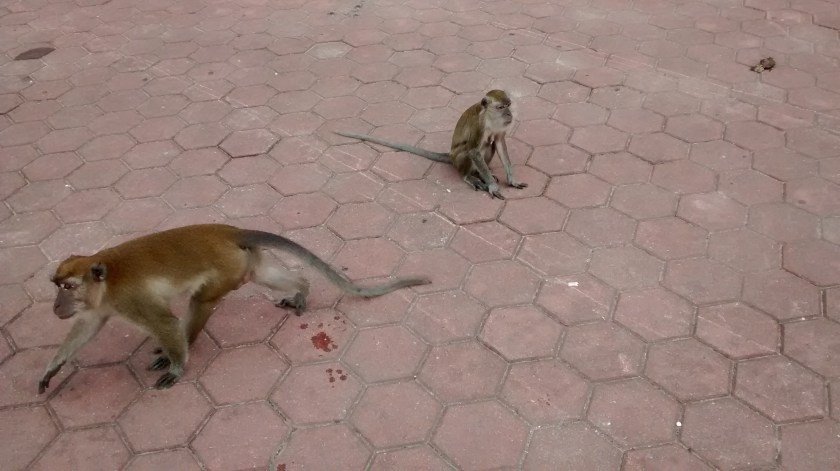
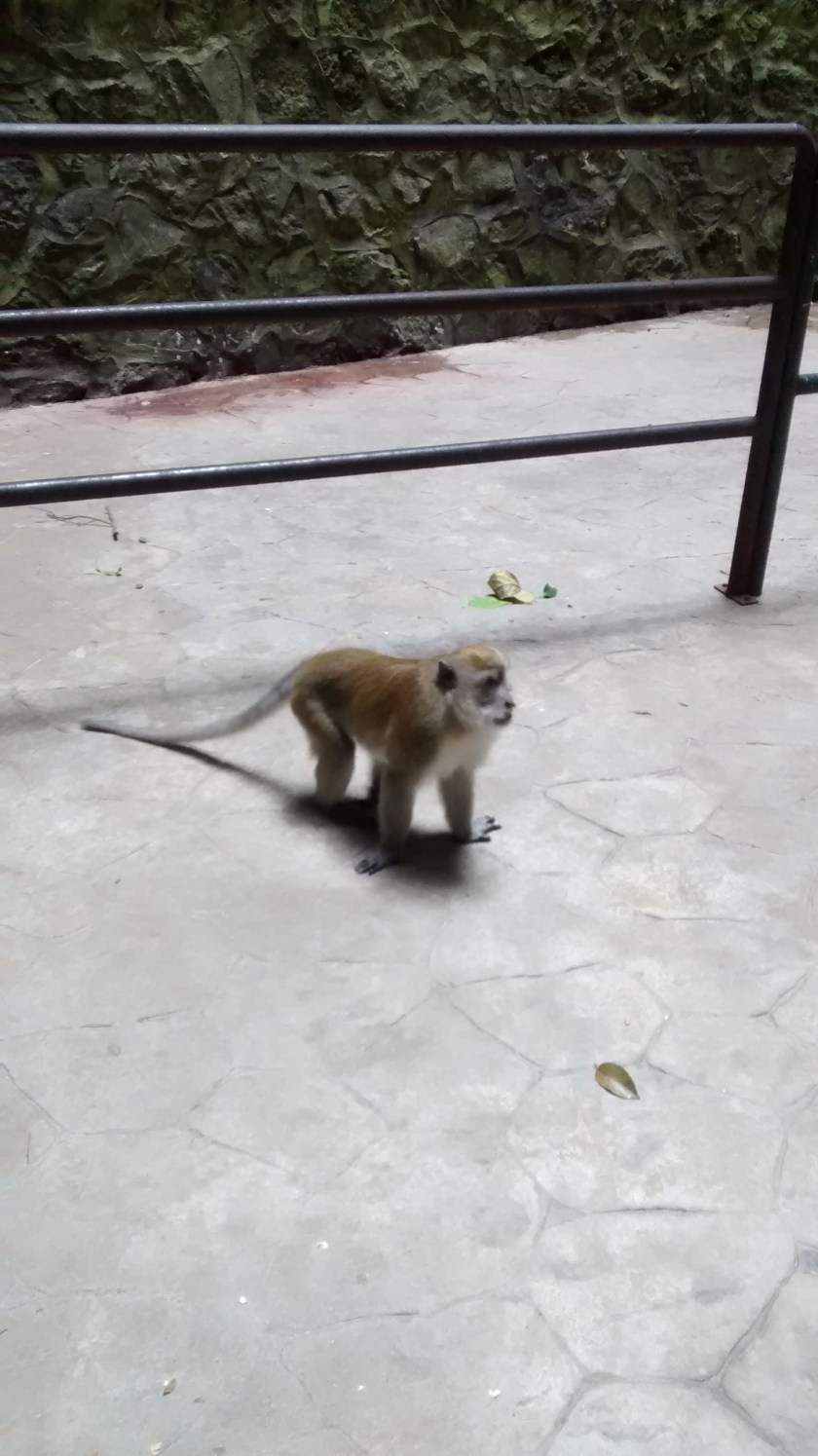
…and part macaque playground.

In fact, forget the other two…

All in all, a fascinating place. Now all I need to do is get down!
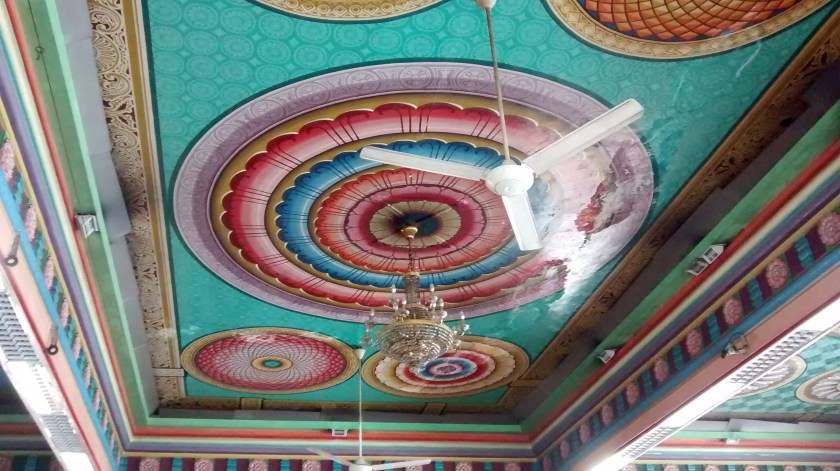
Old and New Two

That was nice.

It’s a short walk over to Chinatown, the historic heart of Kuala Lumpur. There are some older buildings there but it’s a worthwhile place to wander around rather than a must-see in a South East Asian itinerary.

There were two temples I had a look at, both crowded with incense-wielding devotees and full of atmosphere at this time of year. The Sin Sze Si Ya temple was built for the key figure in the early history of the city, Yah Ap Loy. But it was so packed I felt uncomfortable taking pictures and obstructing people’s devotions, and just took in the charm of the scene around me.

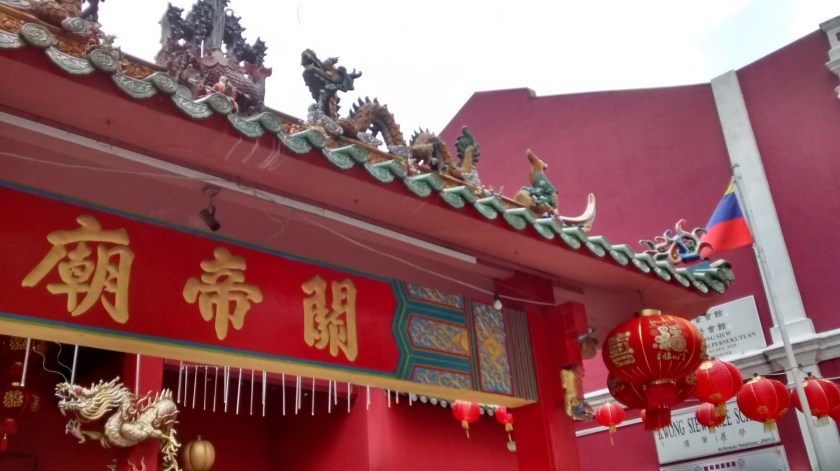
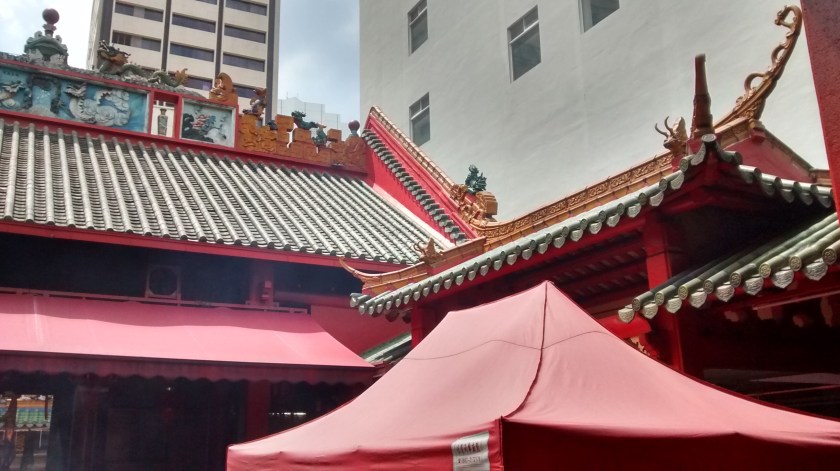
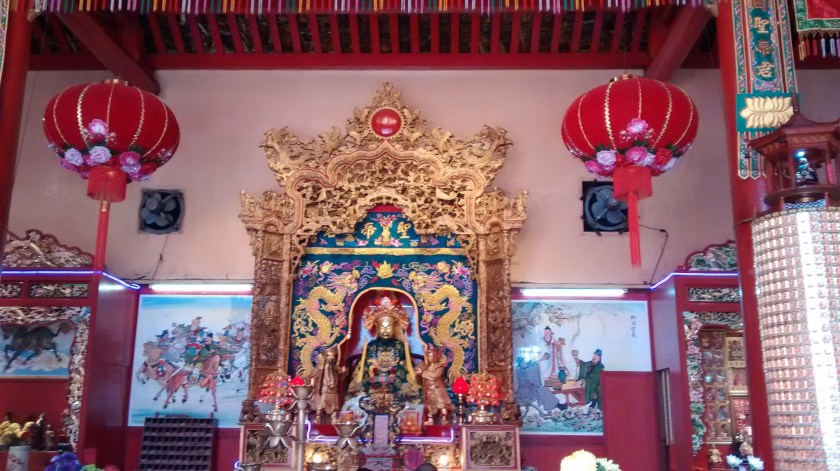
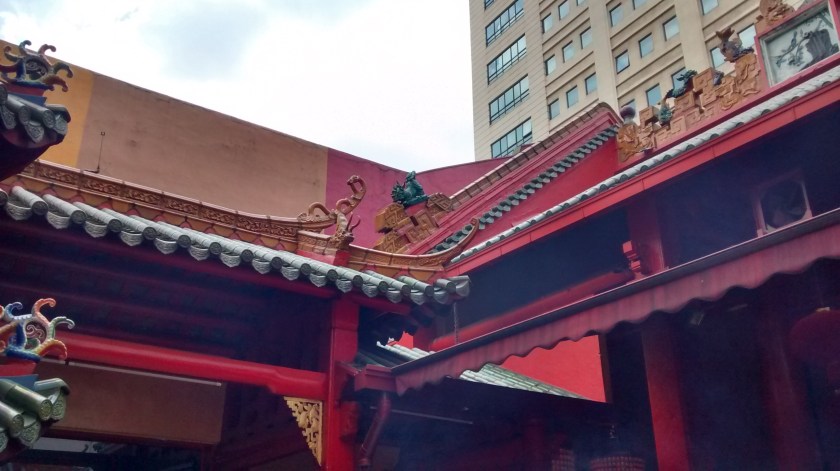
The Guandi temple, dedicated to an ancient Chinese general, was larger and offered more scope for snapping away without getting in people’s way…

Just across the road is a Hindu temple, emphasising just how important for all the communities here to co-exist peacefully.

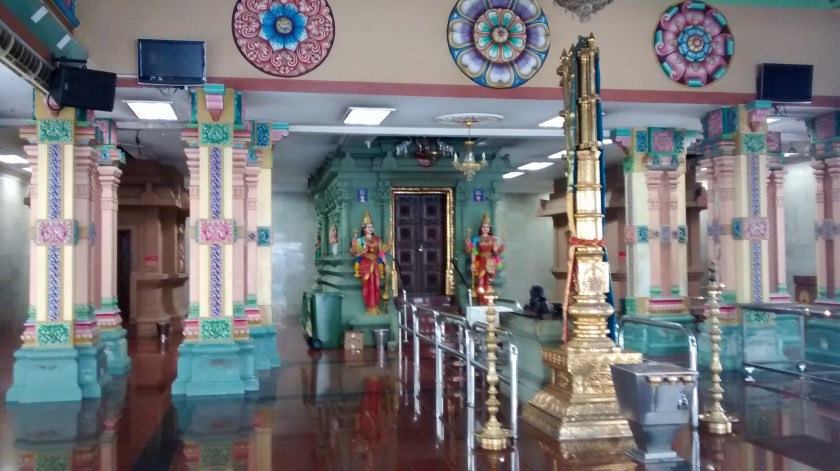
Built in 1873 as a private shrine for the Pillai family, the family of the first leader of KL’s Indian community, the Sri Mahamariamman temple is a sanctuary of calm if you visit it – like now – when no devotions are being conducted.

One of the main deities worshipped here is Lord Murugan. Somewhere hereabouts they keep his silver chariot which they bring out for special occasions. You’ll hear more about them in the next post.

With that, it’s time to head back and take some random shots on the way.

Taken from a so-called hawker stall, selling hot food from a shack on the street…

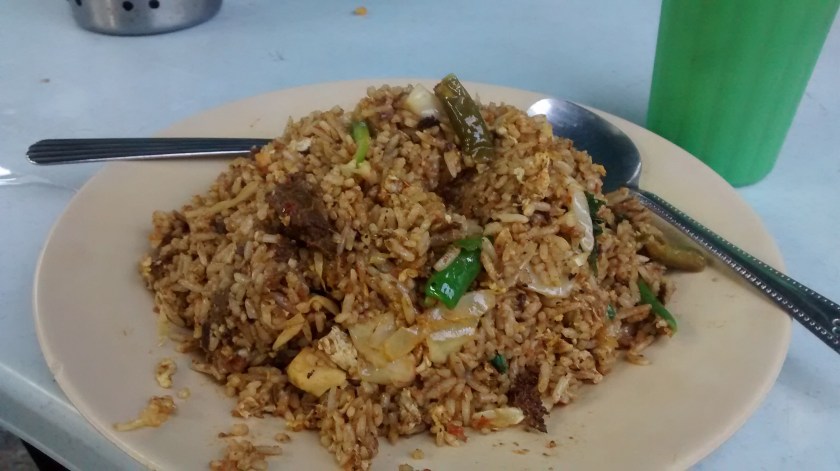
… in my case a delicious lamb fried rice.

Old and New

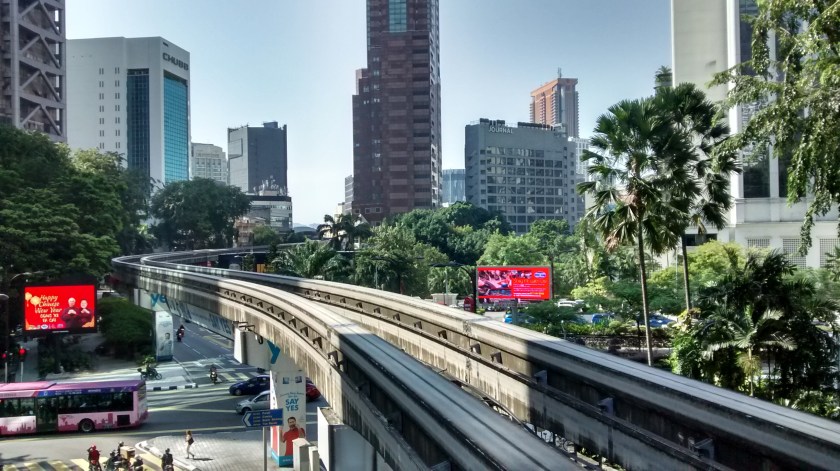
First impressions of Kuala Lumpur. Huge super-modern airport, decent express train down the 50km to the central station. And then the cab ride to my hotel, through a backdrop of flashy, glowing skyscraper hotels and office blocks, illuminating the super-highways and transit systems ribboning their way across the whole Blade Runner-like cityscape…

…bearing in mind of course that I was in a clunky old taxi driven by a geezer who obviously spoke no English and who barely recognised my existence from pick-up to set-down.

That seems to sum up KL. A place in a hurry to catch up with and overtake the rest of the world – particularly Singapore – while still feeling a tad run-down in places where you feel they’re wondering what to do with all this shiny modernity. A bit like Bangkok, but not as mad.

Up the following morning to do some exploring…

The monorail, never been on one of these before. Opened in 2003 but I think it’s showing its age. Yes, I’m pretty sure that’s Eric Cantona. Must dash…

…here comes my train!

We’re off to Bukit Bintang, KL’s shopping and entertainment hub.

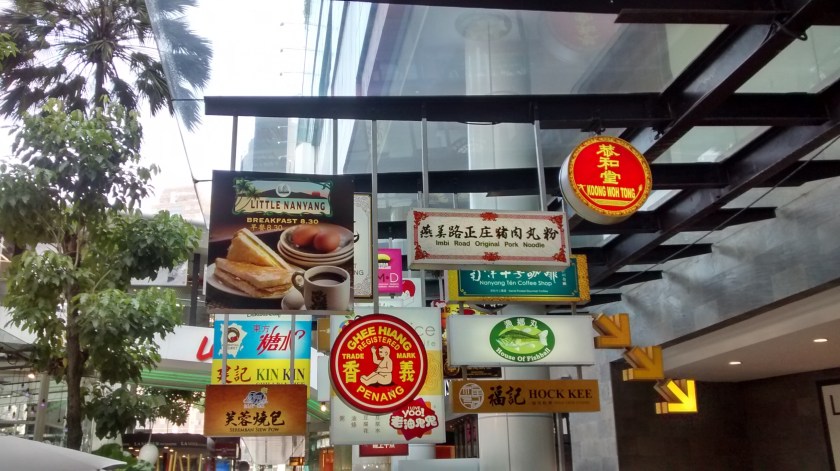
The guidebooks suggest that the city is really about two things; street food and shopping malls. You’ll get your fair share of both here. In fact I found about five huge malls virtually on the same block!

I’m not a great fan of malls but I had to buy some shorts so let’s pop in to a couple…

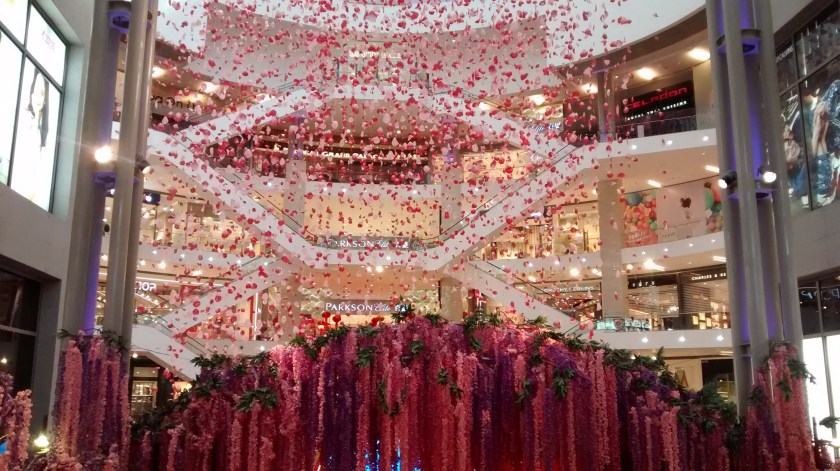
Chinese New Year celebrations. Lots of visitors from China in town, but also bear in mind that nearly half the population of Kuala Lumpur is ethnic Chinese. The other half is mainly Malay with a large Tamil Indian community. They haven’t always got on.

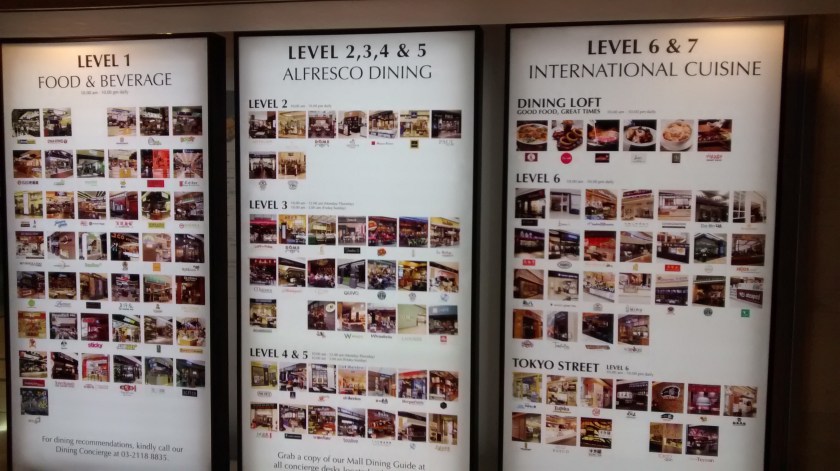
As you all know, Malaysia caused an international crisis recently by kidnapping all the restaurants in the world and holding them to ransom in this mall. Experts consider that their demands, that their beloved Manchester United start playing watchable football again, are unlikely to be met in the short term.

Malls are boring. Time for some history.

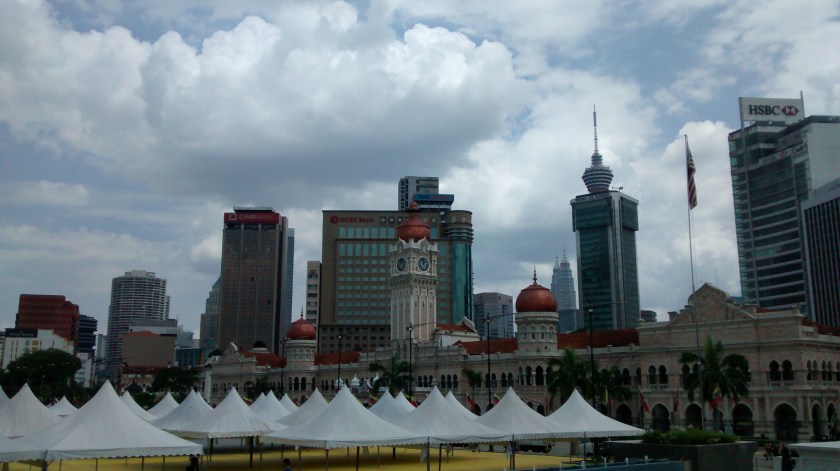
Dataran Merdaka – Freedom Square – is home to the beautiful buildings of the old Colonial Secretariat.

This was KL’s principal landmark, before the Petronas oil company fancied acquiring some more office space. It could have been plucked straight from the British Raj. The Royal Selangor Club, dear boy, is a mock-Tudor building on the other side of the green square. (The Royal Selangor Turf Club is the space that Petronas acquired).

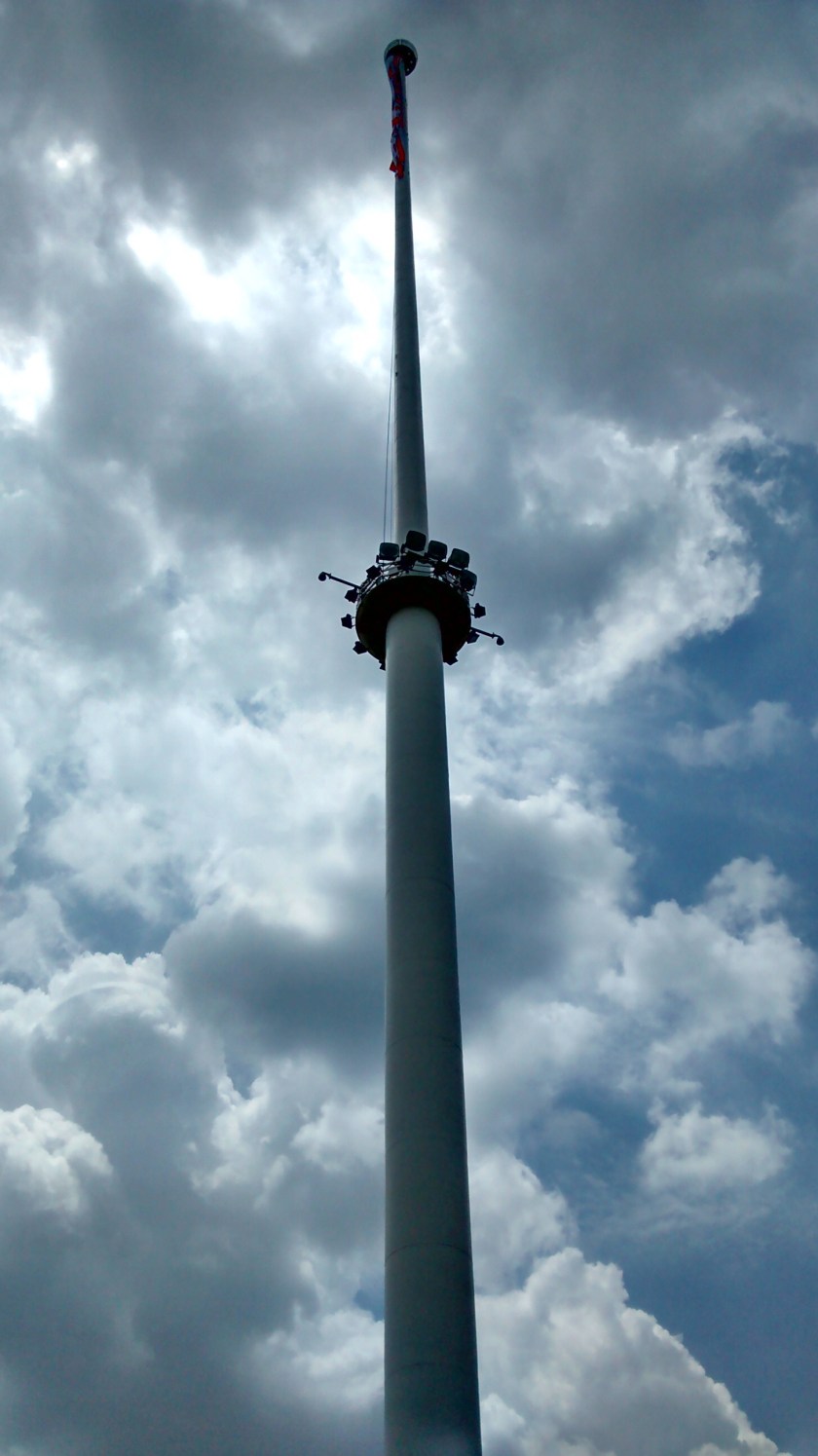
The green square underneath the marquees used to host cricket matches back in the day. And a rather large flagpole.

At midnight on 31st August 1957, the Union Flag was lowered from this flagpole for the last time and the flag of independent Malaya raised, followed by chants of “Merdaka!”

At 95m this flagpole is one of the tallest in the world. Lonely Planet seems to think it was that tall at Independence. However the City Gallery nearby implies that it was actually constructed in 1990. Maybe they replaced the old tall thing with a new one. We’ve already discovered that Kuala Lumpur likes tall things. And shopping malls.

City Gallery? It’s a passable museum about KL and it’s on the square as well. Let’s go in. I’m hungry!

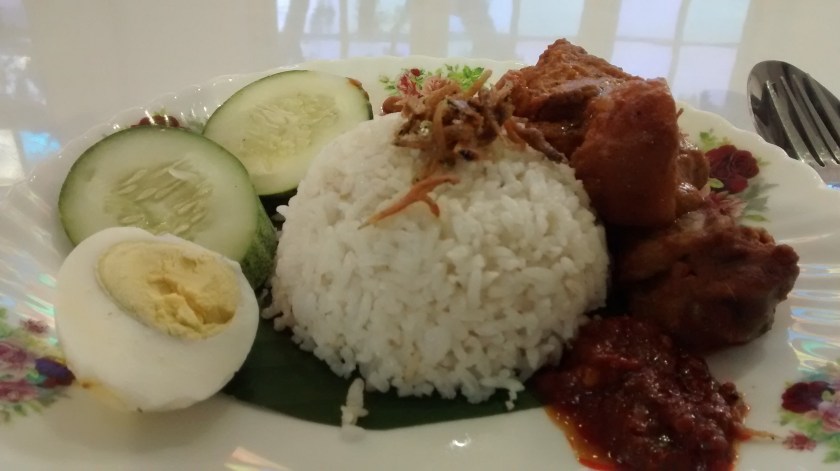
Mmm, nasi lemak, the national dish, in the museum cafe. Rice in coconut milk, anchovies, chicken side, some seafood in there as well I believe. I’m going to have to tuck into this beauty now, and I’ll continue the tour afterwards. Back soon!

Muddy waters

Imagine, if you will, that you’re a tin miner.

Not just any tin miner, but one of 87 Chinese prospectors invited in 1857 by nephews of the Malay sultan of Selenagor to investigate the tin ore deposits up the Klang valley.

So off you go, alighting with your buddies at the muddy confluence of the Gombok and Klang rivers, heading upstream and dreaming of enormous riches.

The good news is that enough tin would be found around Ampong to encourage more tin miners to come and have a go. The bad news is that the area was infested with mosquitoes and only 18 of the original party will survive the malaria.

And you’re not one of them.

Suppose they bring you back to the shacks at that little staging post at the muddy confluence to breathe your last, disease-riddled breaths. I imagine that your last feverish nightmares might be about home in China, the loved ones you’ll never see again, the family left penniless.

Maybe your dying fever would be about your surroundings at that bleak staging post.

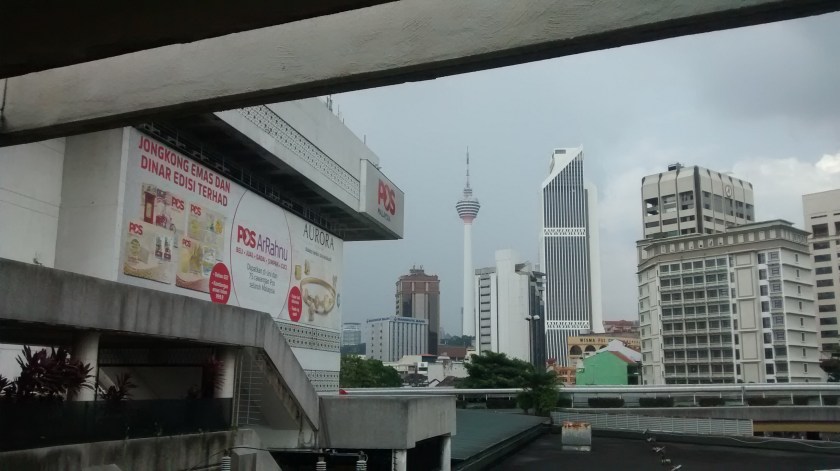
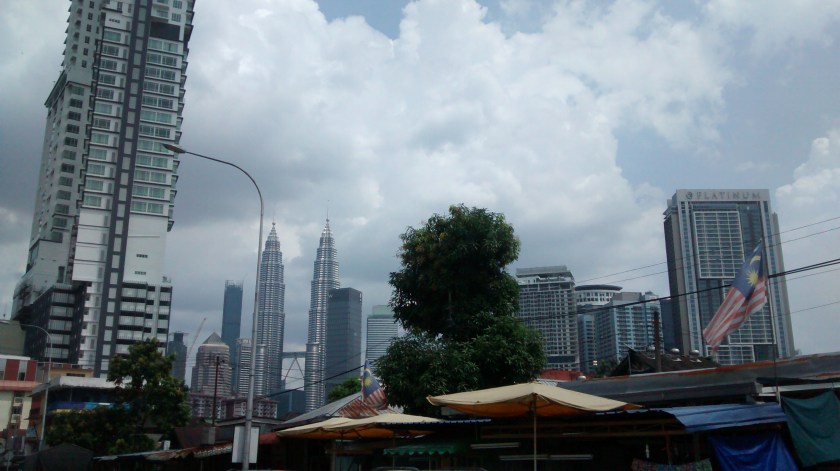
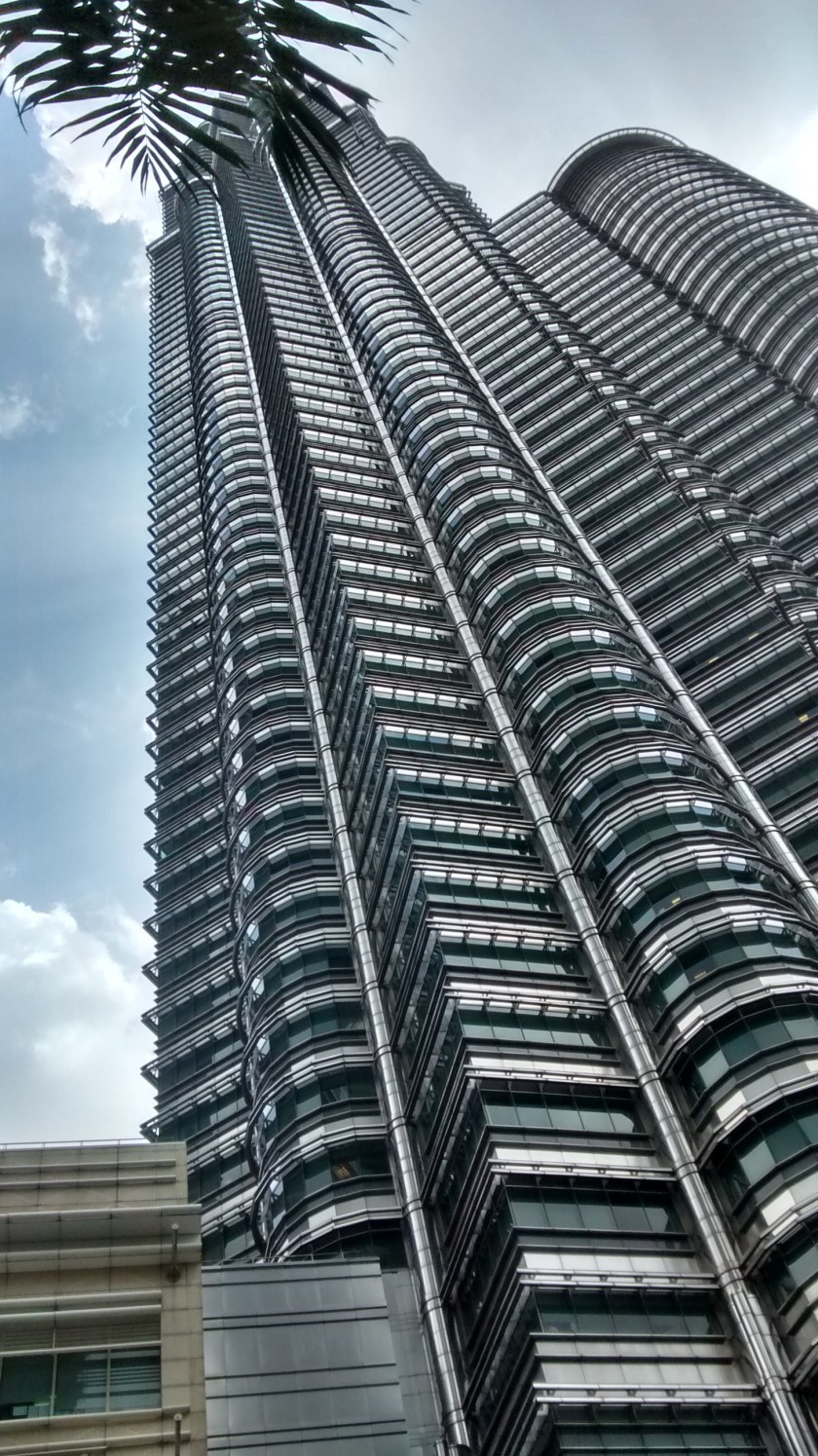
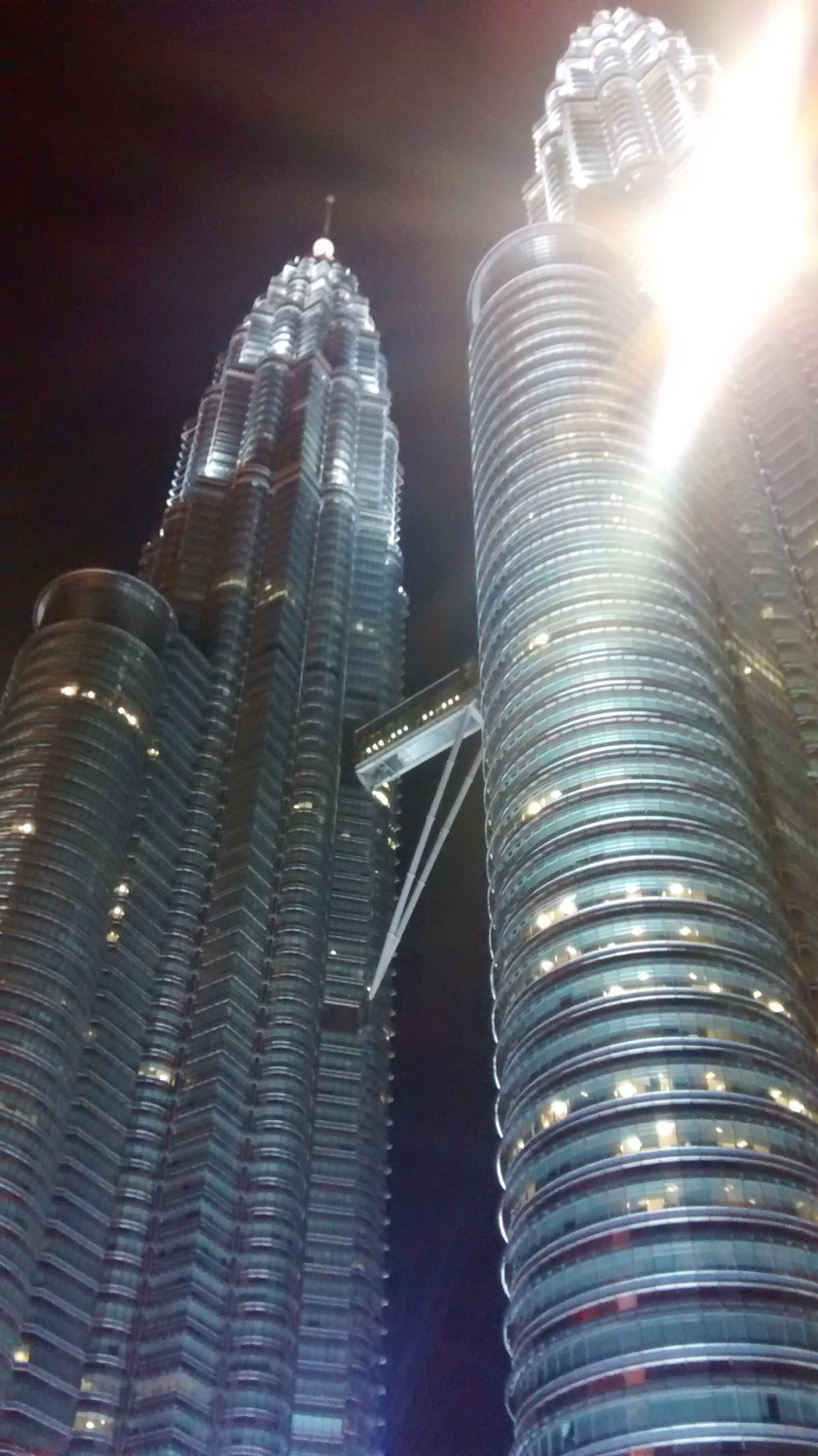
But even so, would you have imagined in your maddest, wildest, last delirium that in a hundred and fifty years time, the disease-ridden, muddy (Malay : “lumpar”) confluence (“kuala”) would look like this?

Or this?

Or this?

Selamat datang to KL!

Thailand tidbits

As I sit here at Samui Airport about to leave Thailand for my next and final stop on the trip, I’m going to put some other photos that didn’t make the cut earlier. At least I don’t think they did…

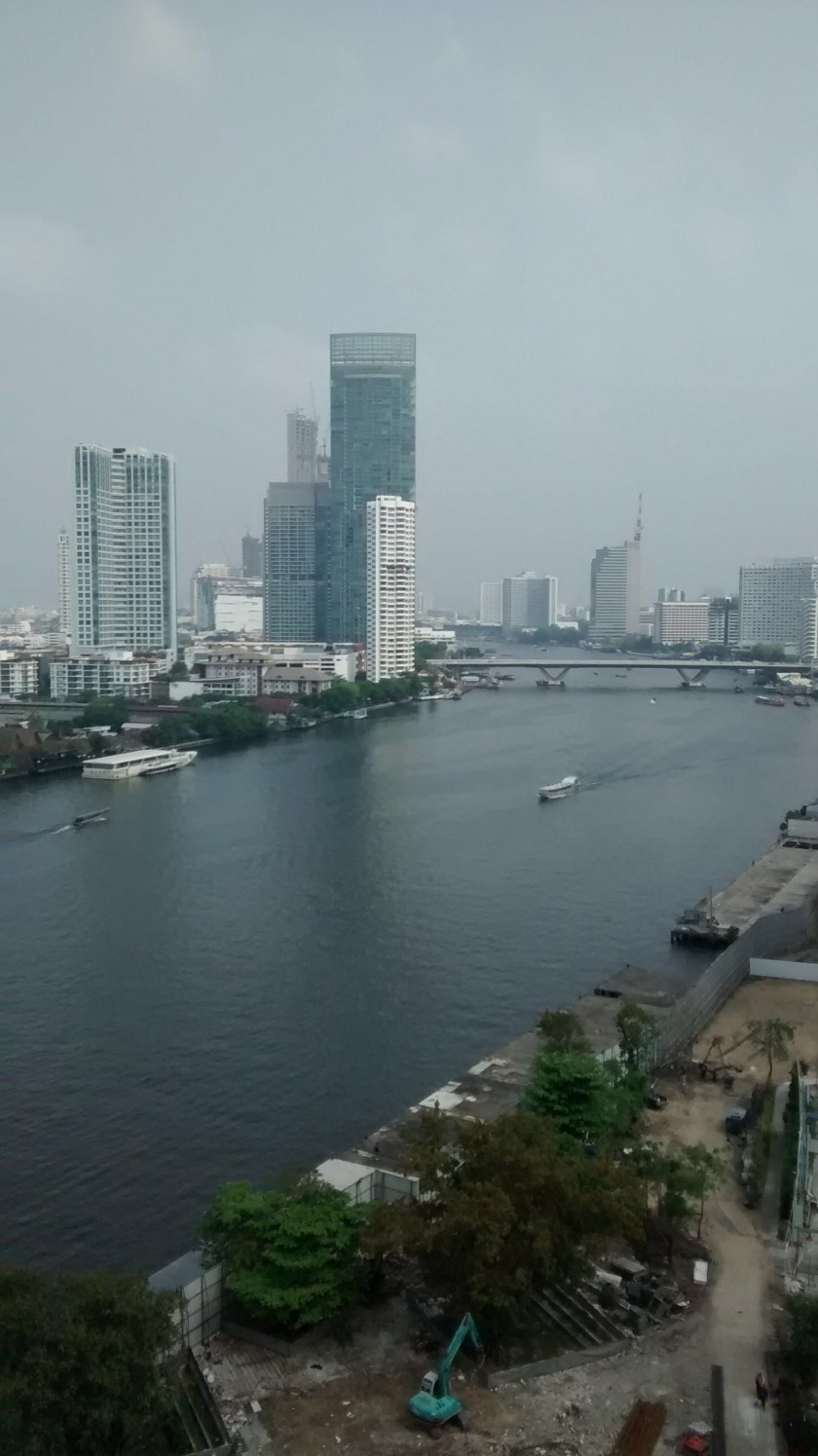
View from my Bangkok hotel. You get a feel for the poor air quality in the city and its surroundings.

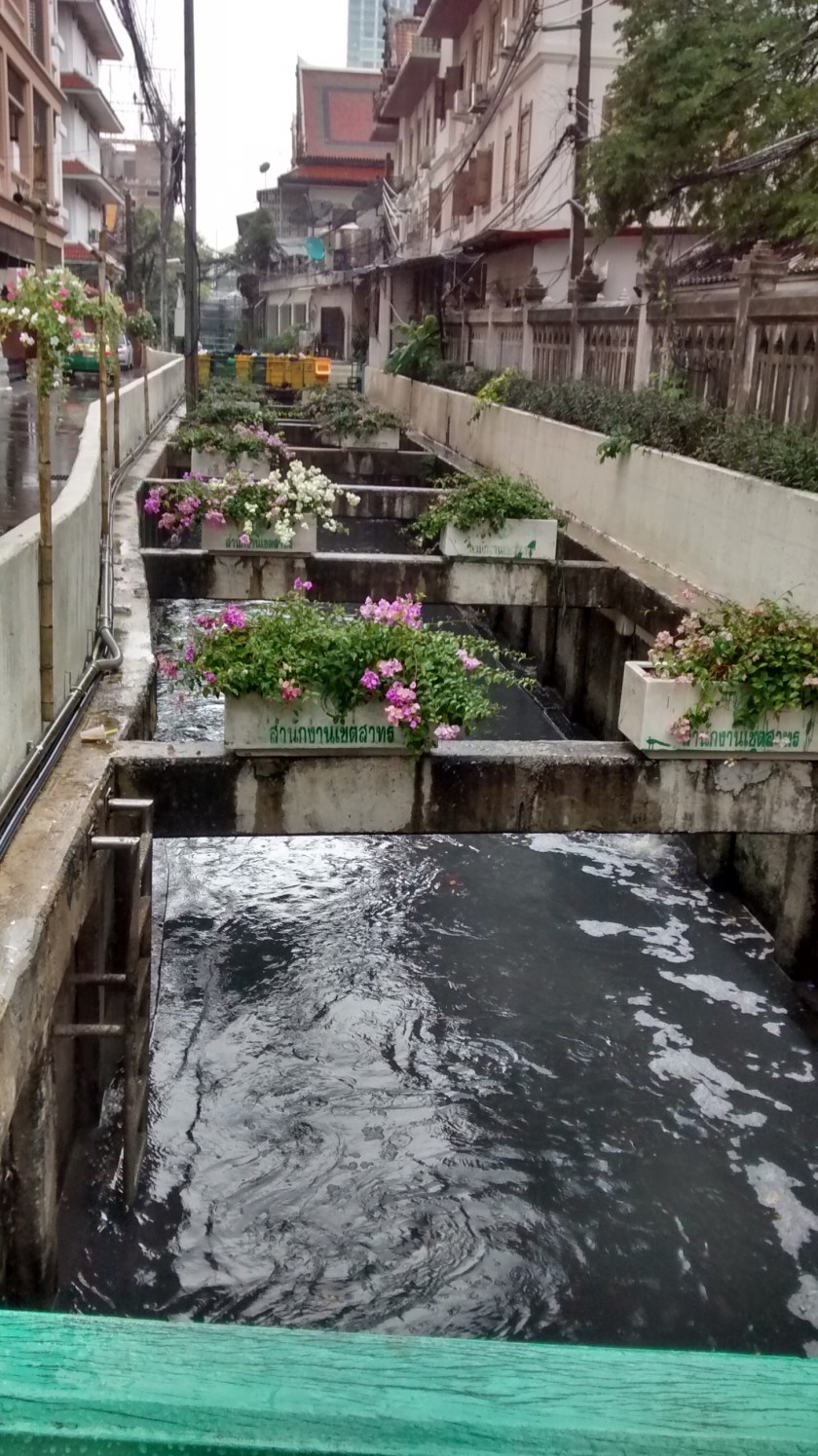
A Bangkok klong, or canal. Bangkok was once known as the Venice of the East.

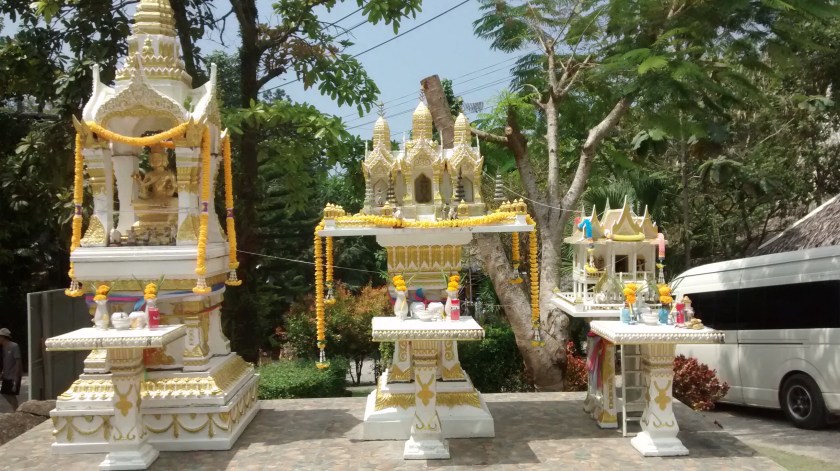
Buddhist shrines at the beginning of the road up to the Don Mueang waterfalls, Samui.

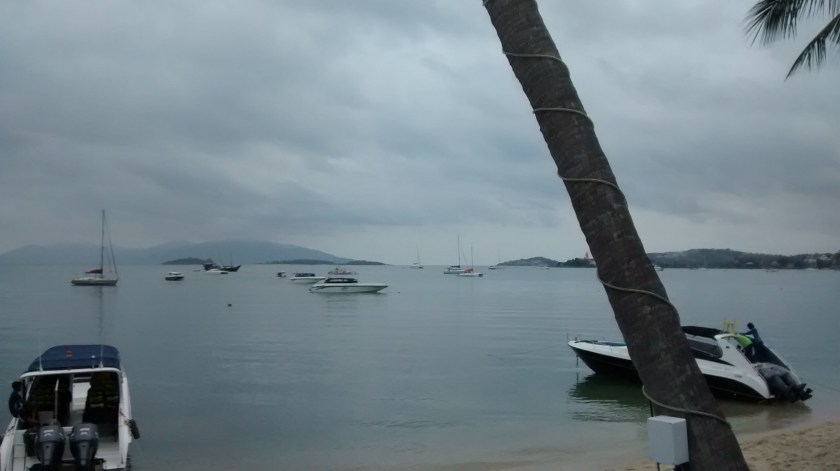
Next, two views from the south end of Chaweng beach.

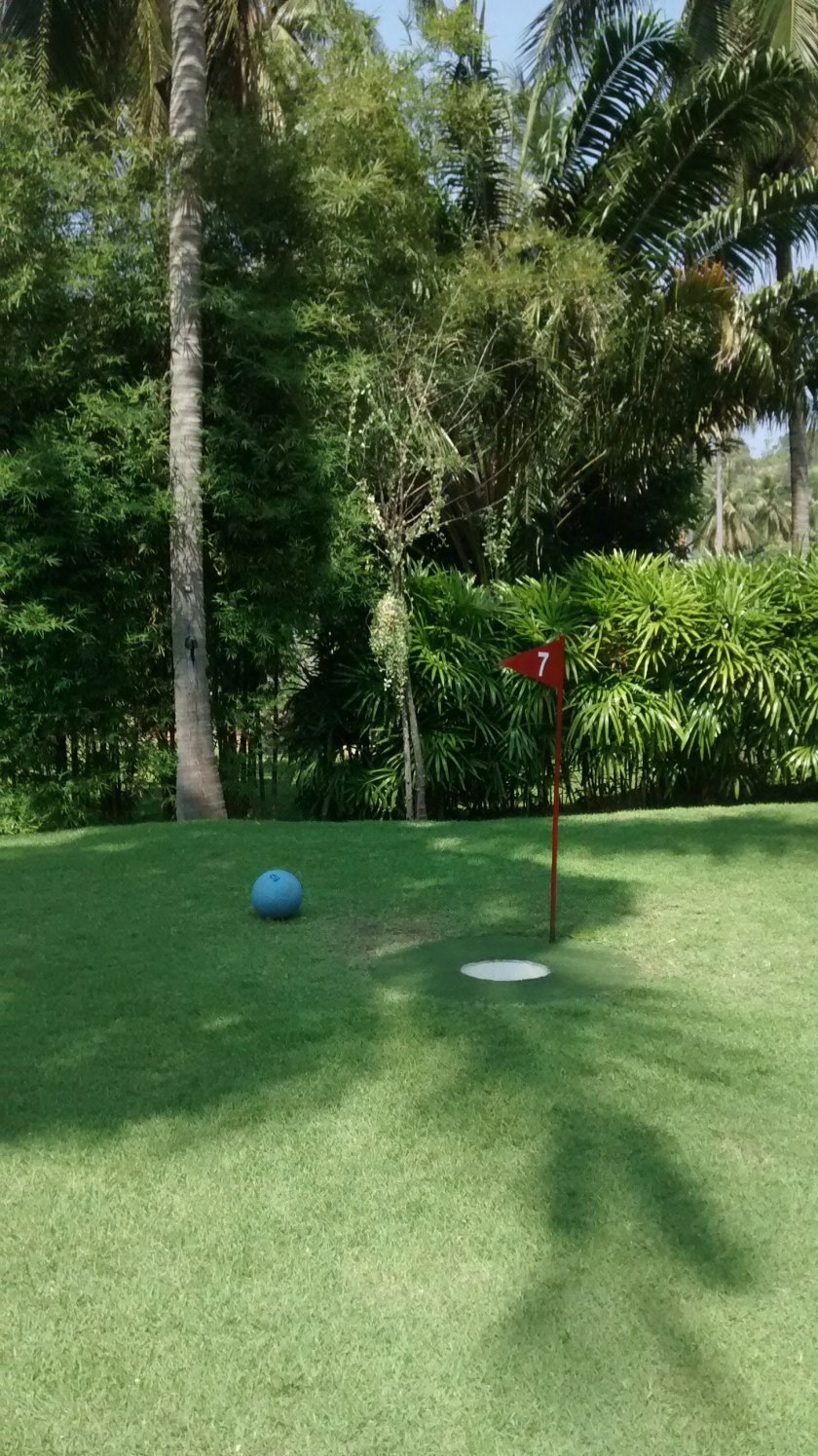
Later that day I went off and played mini “football golf” – very badly.

I think I missed that putt as well.

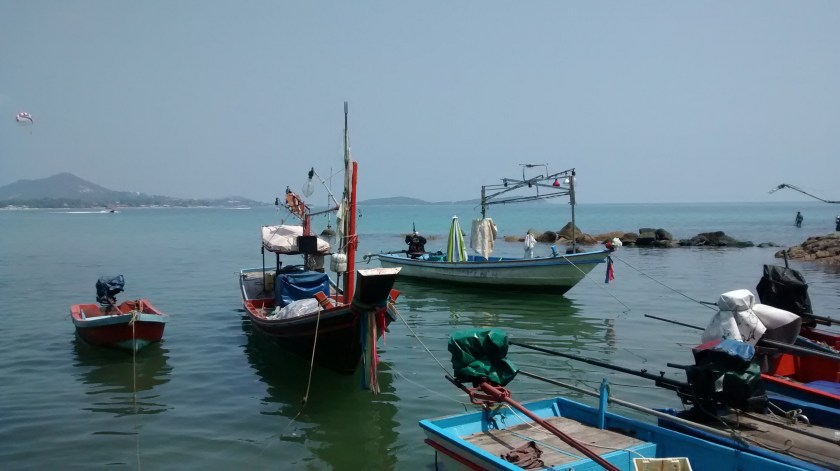
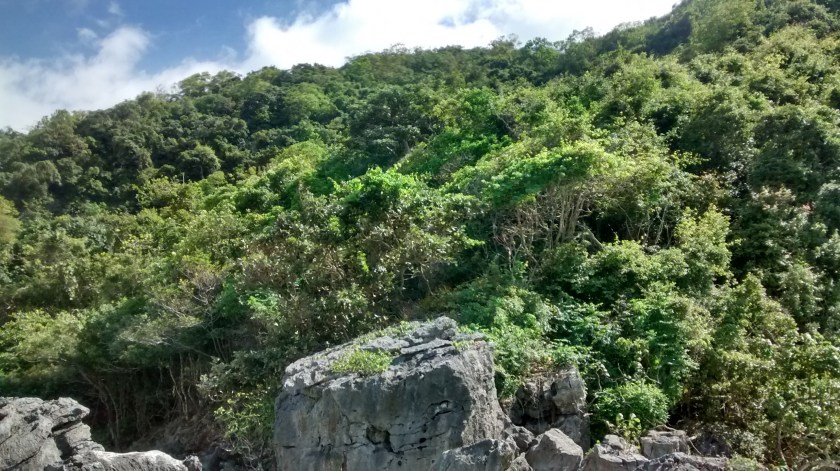
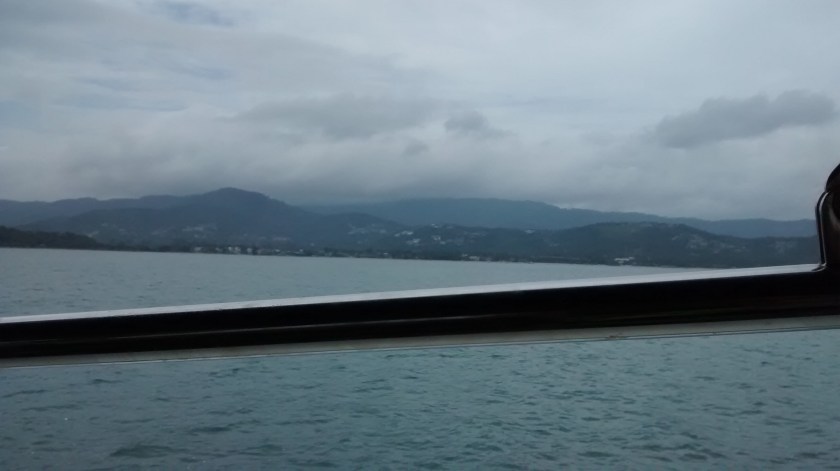
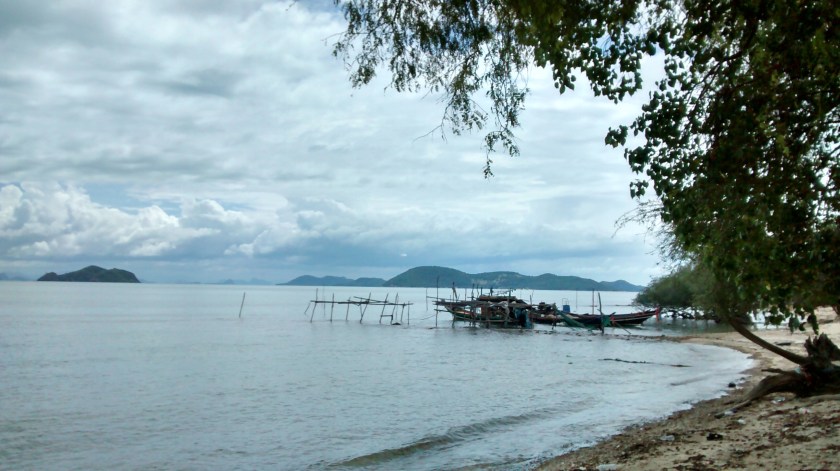
To sign-off with, the beginning of yesterday’s boat trip to Ang Thong…

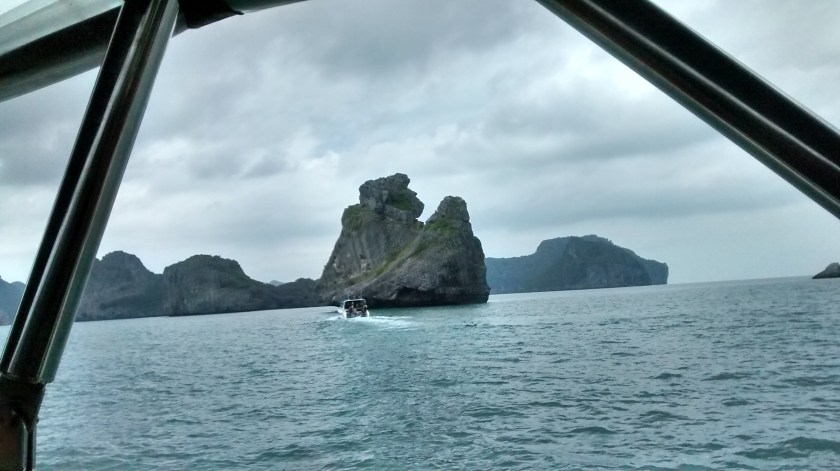
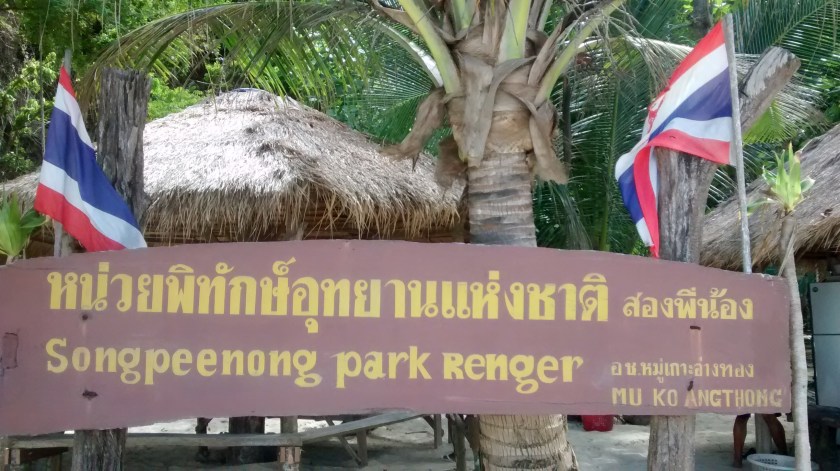
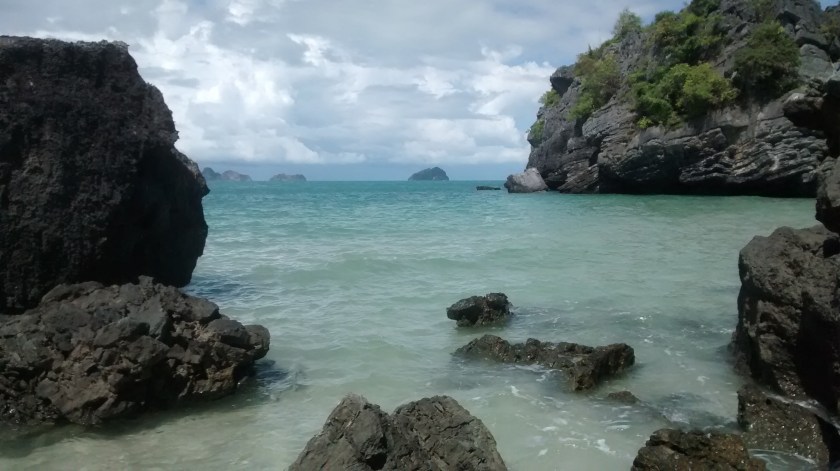
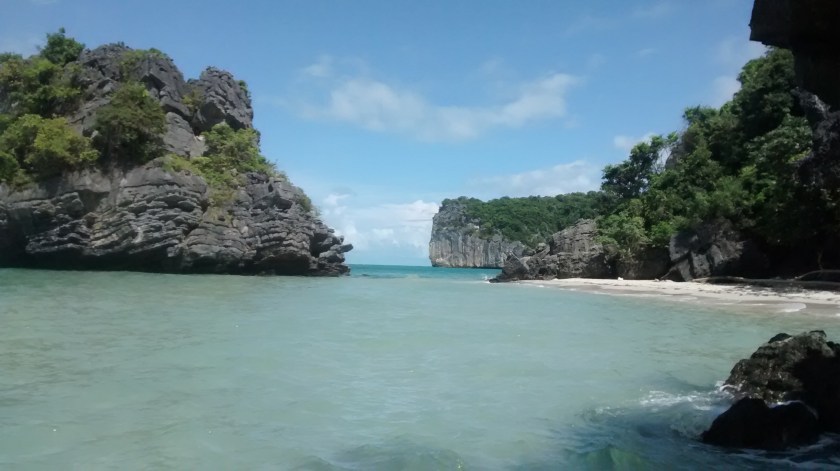
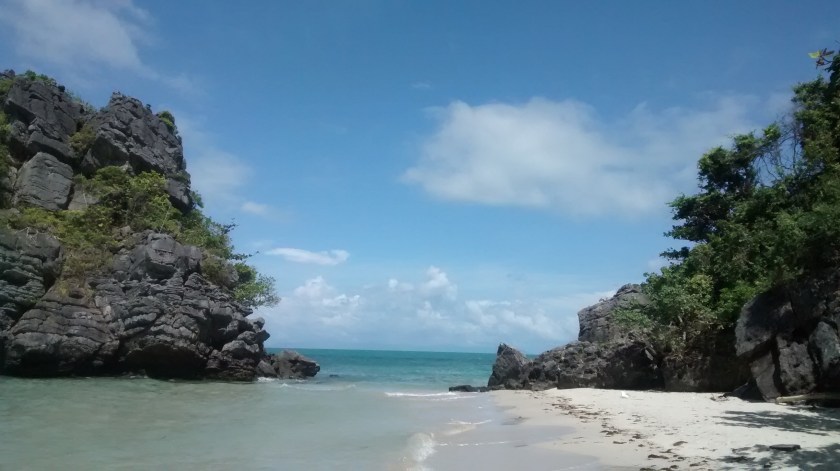
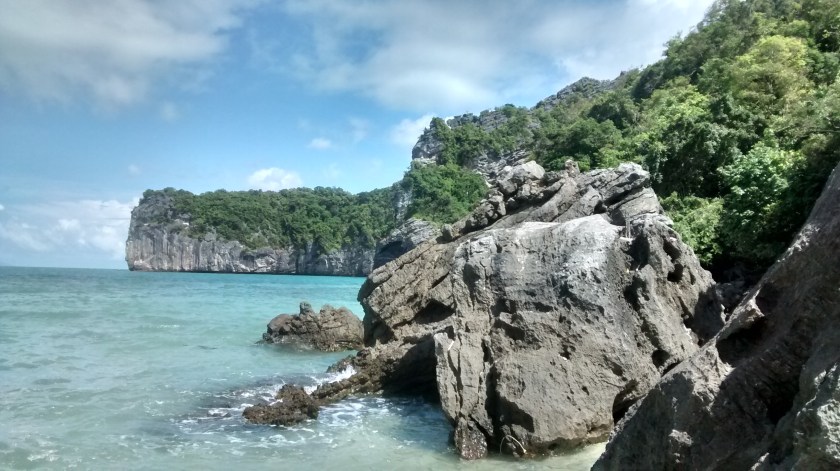
…and the stunning climax, at Songpeenong

Well, all good things have to come to an end and this has certainly been one. But how will the next leg of my journey match up? And where is it?

(Clue, I’ve told some of you already)

Ang Thong Adventure

Tell you what. Let’s go speedboating!

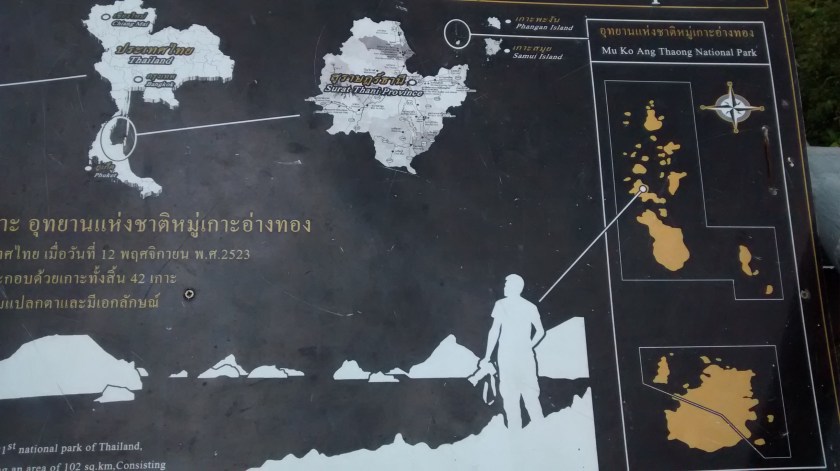
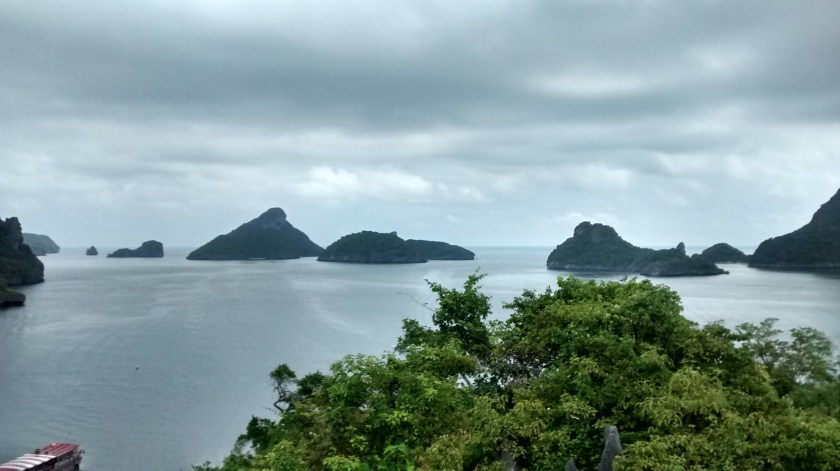
The Ang Thong archipelago is made up of forty or so tiny islands to the north-west of Koh Samui. Thailand has actually designated it a National Marine Park to preserve the environment around these beautiful limestone-heavy outcrops. That doesn’t stop us lot coming over in our droves; it’s probably Samui’s real must-see attraction.

They’re about 30 miles from the northern jetties of the main island so the day tours go in speedboats and take about an hour to get there. Unfortunately today was rather windy and cloudy so I spent most of the bumpy ride sitting down and sneaking out a photo here and there.

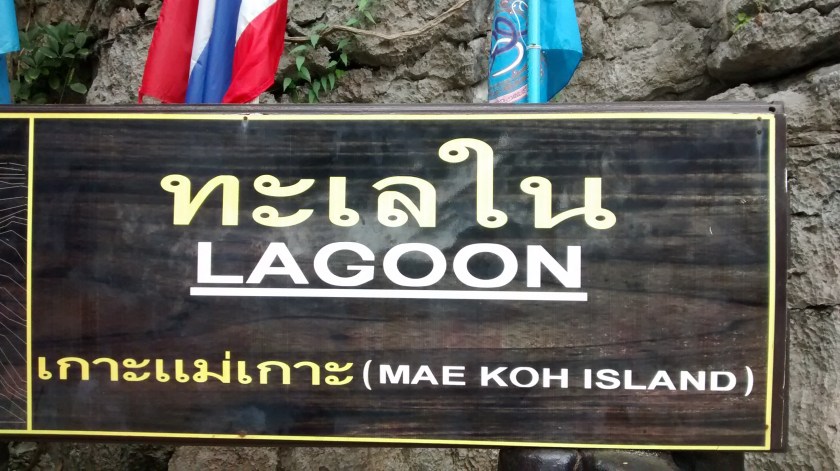
After a short snorkel at our first stop, where even I saw some fish, we sailed on to

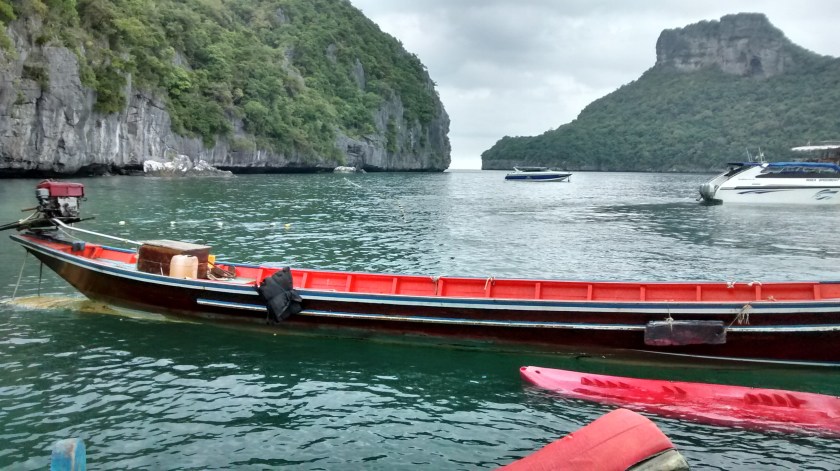
That’s a nice piece of longtail boat there, but it’s not what Mae Koh is known for. Mae Koh has a blue lagoon.

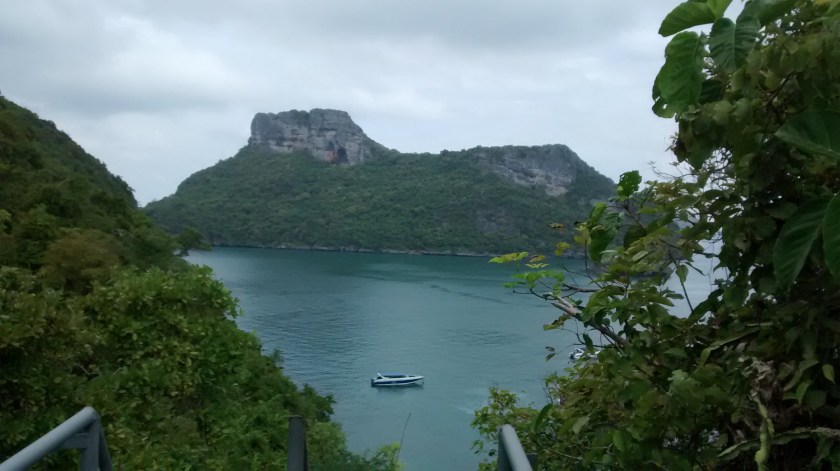
There are stairways up to the viewing point but they’re vertiginous and busy, still the views on the way sort of make up for it

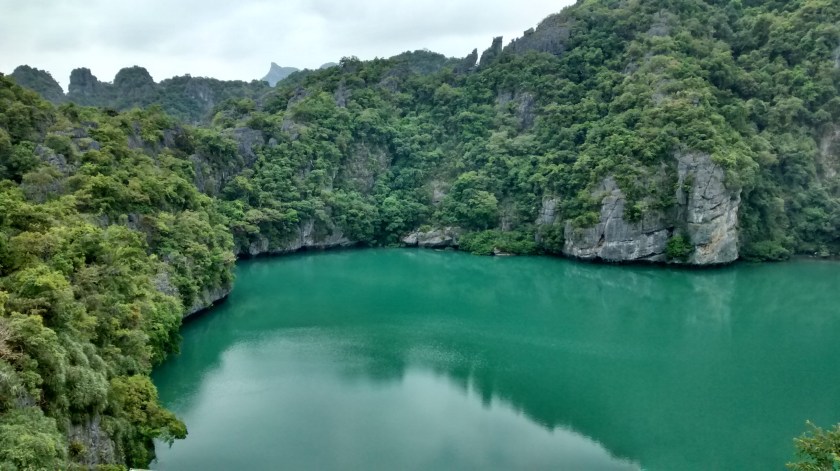
If you were a stretch of coral in these parts around 30 million years ago, you were in for a nasty geological shock. The sea floor was uplifted and you and your coral mates were about to be turned into limestone rock over the next countless millennia. Limestone is porous and erodes easily, and the Ang Thong islands were formed as rock walls broke up or collapsed altogether. And in one case we got a lagoon, similar to the lagoons and underground cenotes of the Yucatan in Mexico.

And here it is.

Now all I had to do was get down. Not easy on steep, narrow stairwells where some tourists saw nothing wrong in having their group photos taken in the stairwell itself and had a go at you in Chinese if you dared steadied yourself on the rail close to them.

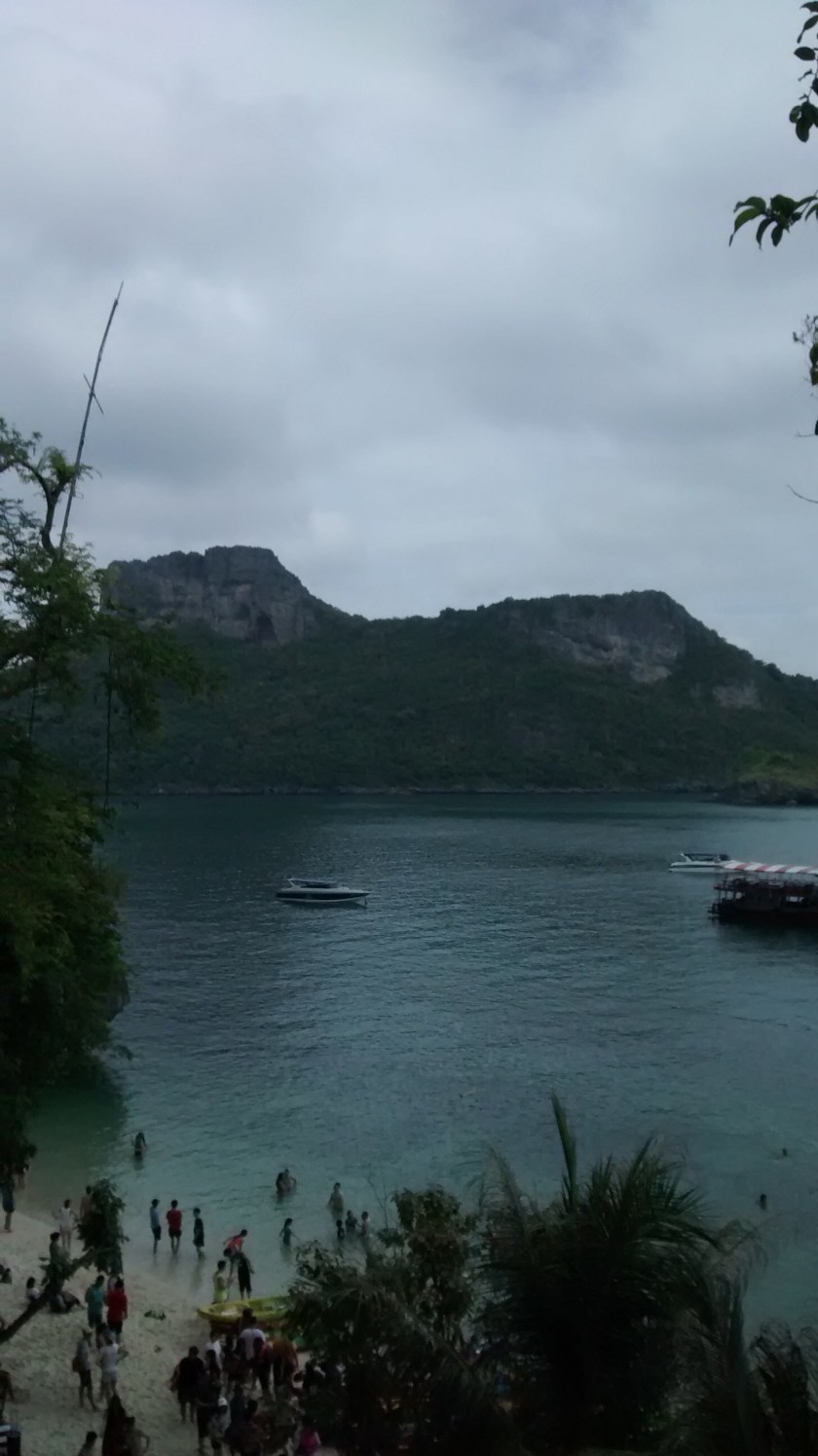
Ah yes, the crowds. Mae Koh is really a small beach and a couple of steep trails, but masses of tour boats converge on it and there’s nowhere else for everyone to go. The result is organised chaos on the beach which gets quite scary on the stairs. It’s impossible to get the sense of the remoteness and stillness of the place with all the hubbub going on. But I suppose l, tourist, am as much to blame as anyone else, in fact there’s probably another travel blogger having a go at me right now. In Chinese.

I got down and we speeded off to our lunch stop.

Ko Wua Talap and Ko Paluay are the only two inhabited islands in the group. One of them has a population of 500 and their energy is supplied by a windmill. That’s where the group had lunch. Whichever it was, it provided great views across the sea.

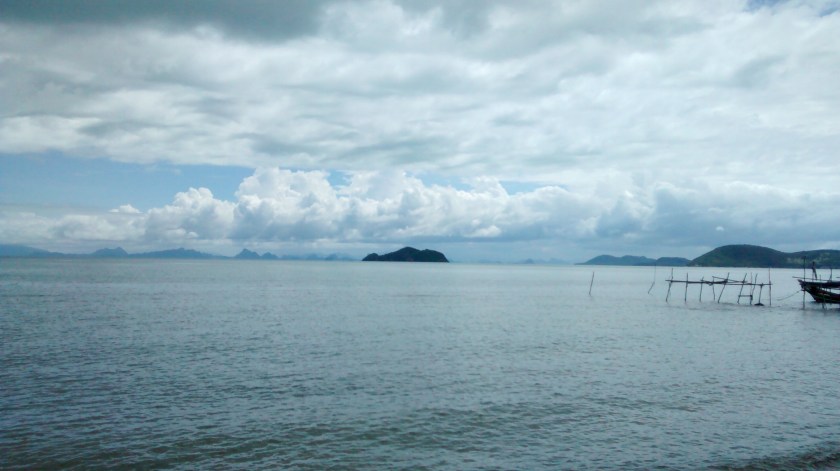
On the far horizon, the Thai mainland.

This is not a seaview.

This is.

The sun started to break through as we headed to our final stop, R+R and kayaking Songpeenong beach on Ko Paluay, a microscopic secluded inlet with a real desert island feel.

I fancied the kayaking, but this was open-water kayaking and the sea was by now quite rough. I asked to turn back before we passed the small headland; my skills just weren’t up to it.

So R+R it was then. If you take a look at the photo above, you’re seeing a third of the stalls on the beach. One of them is basically a fridge with no beer.

The view from the toilet.

A nice place to sit down, I thought.

Then I went down to the beach, turned right and waded along for a couple of minutes…

So when you call the travel agent later today, remember it’s Song-pee-nong beach, Ko Paluay, Ang Thong, Koh Samui.

There was no topping that, so it was back on the boat for Samui. The water was by now quite tricky and there were a couple of heavy showers on the way back, but I’d had such a good day I didn’t really mind at all!
Thanks to Insea tours, from whom I receive no commission.

Samui Safari -part two

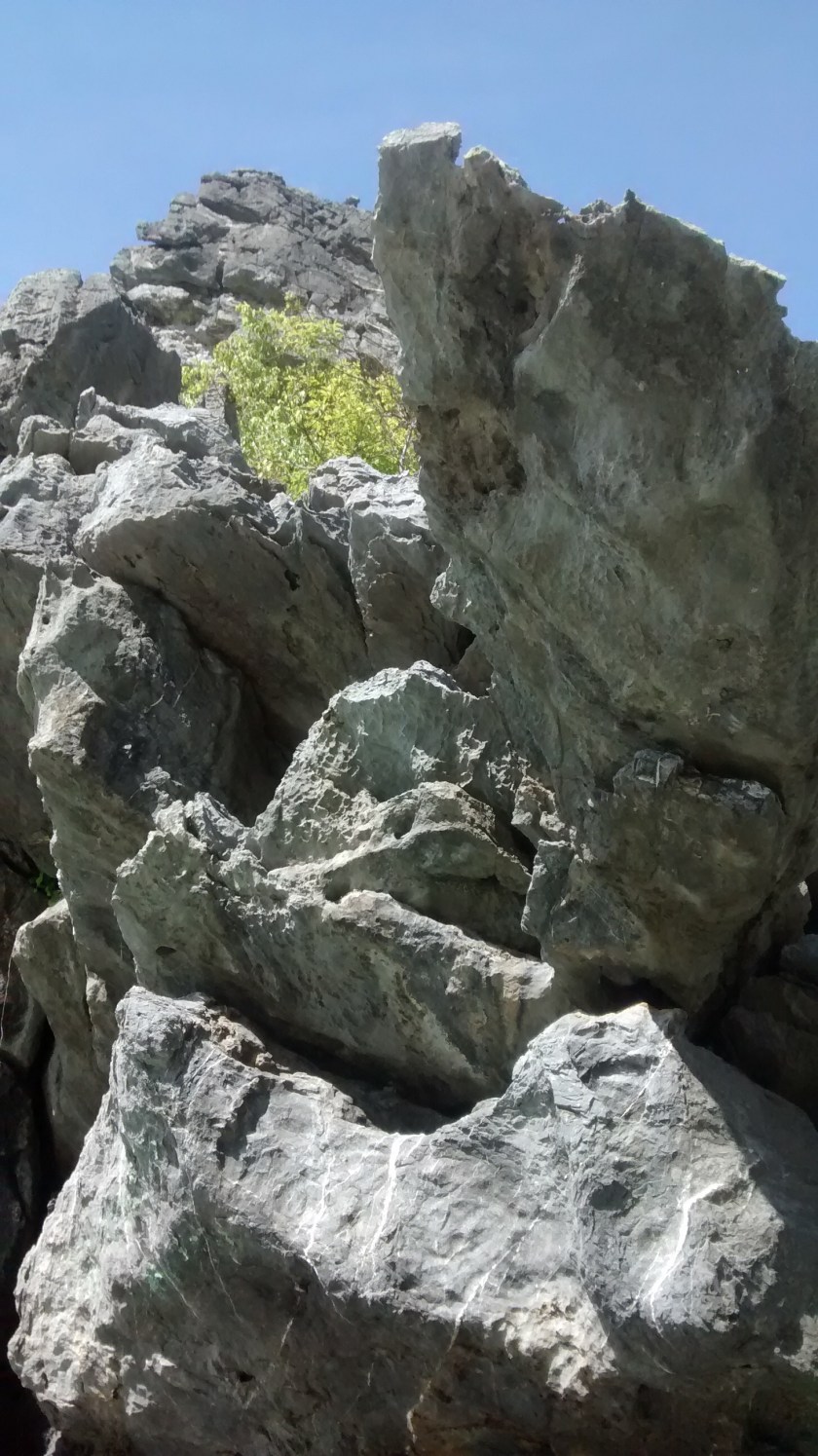
Everyone made it down.

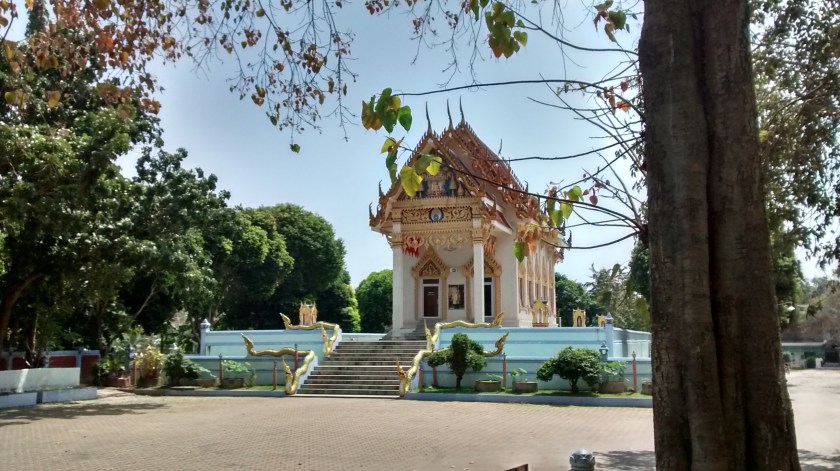
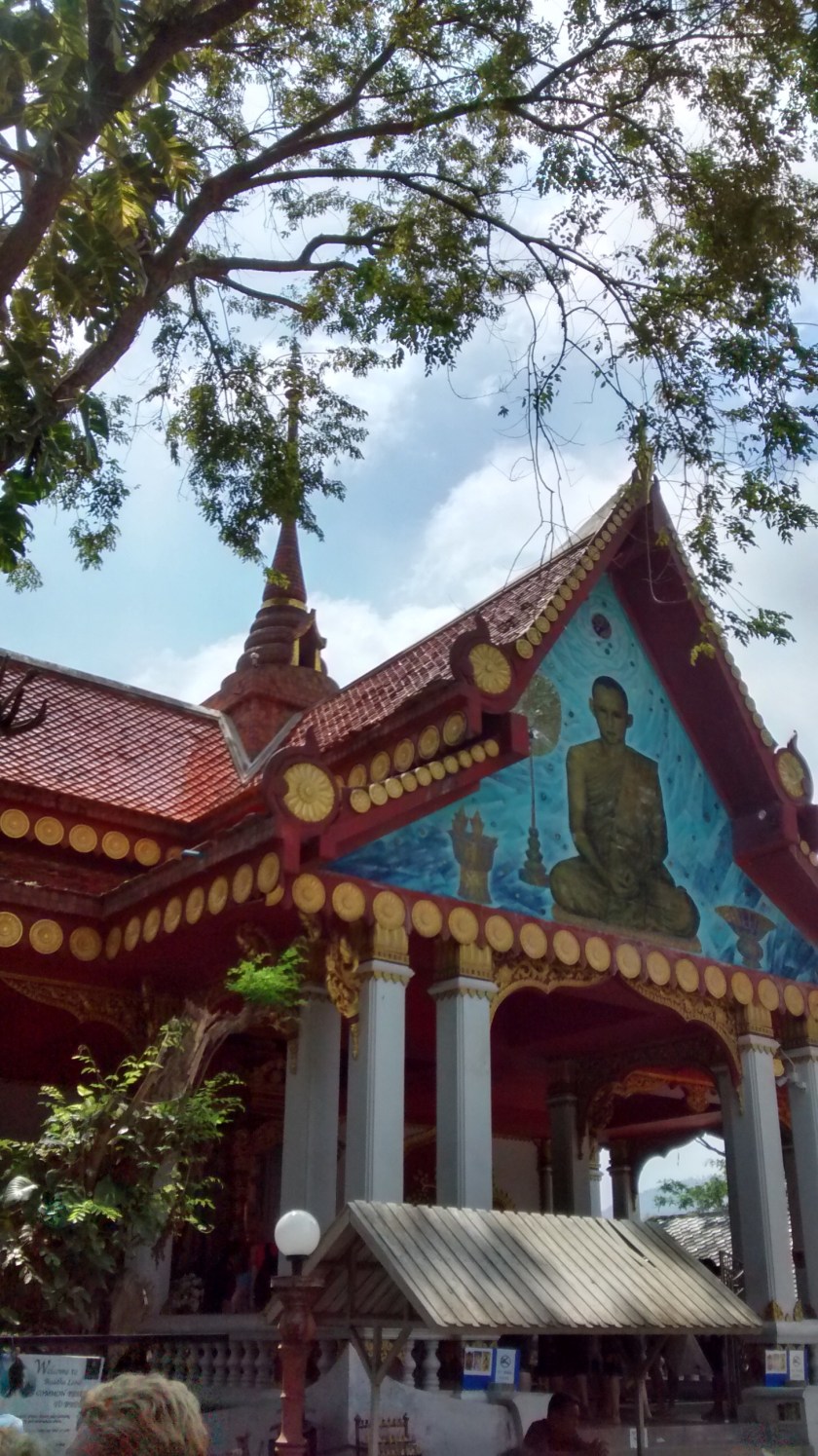
Our next stop was the small Buddhist temple of Wat Khunaram.

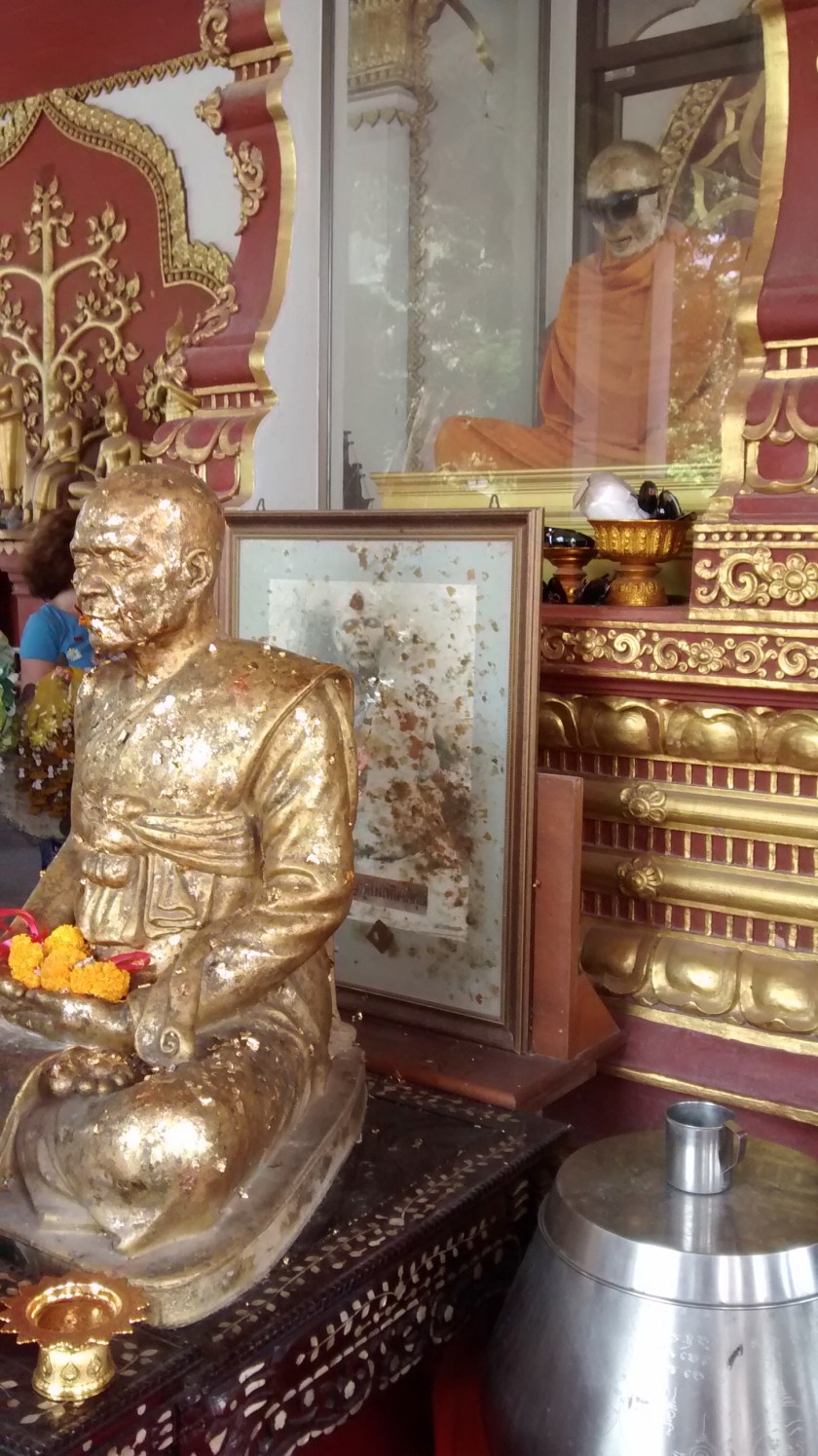
One of its most revered monks was Luang Pho Daeng, who after raising a family returned to the monastery in his fifties and remained a monk for thirty years, until his death in 1972.

Buddhists are usually cremated, but Luang Pho Daeng stipulated that his body be kept on display in a seated position after his death (which apparently he also predicted). And lo! and behold, his body has somehow been mummified and has remained un-decomposed in that glass case for going on for half a century.
He didn’t die in sunglasses; they’re there to stop people being perturbed by the empty eye sockets.

After that, time for lunch.

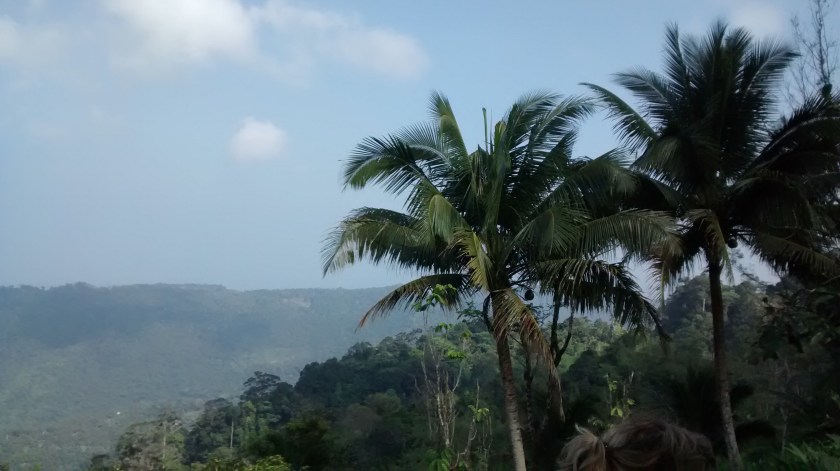
We turn north and ascend into Samui’s central highlands. Afterwards, it’s around the corner to another Buddhist site, Tarnim Magic Garden.

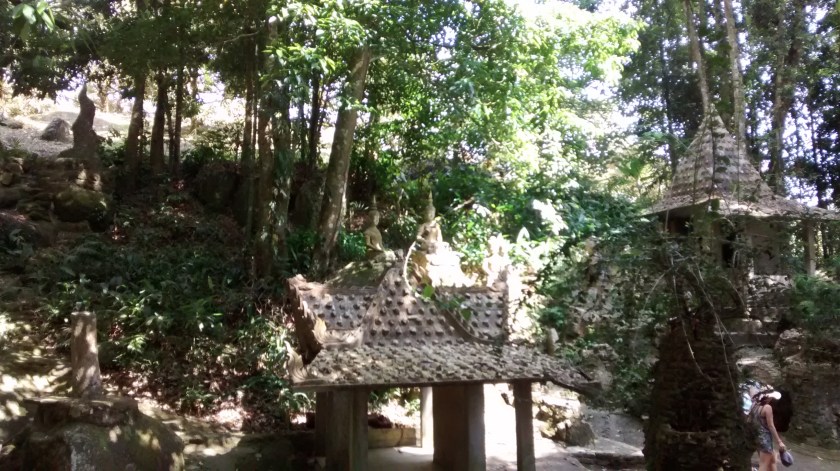
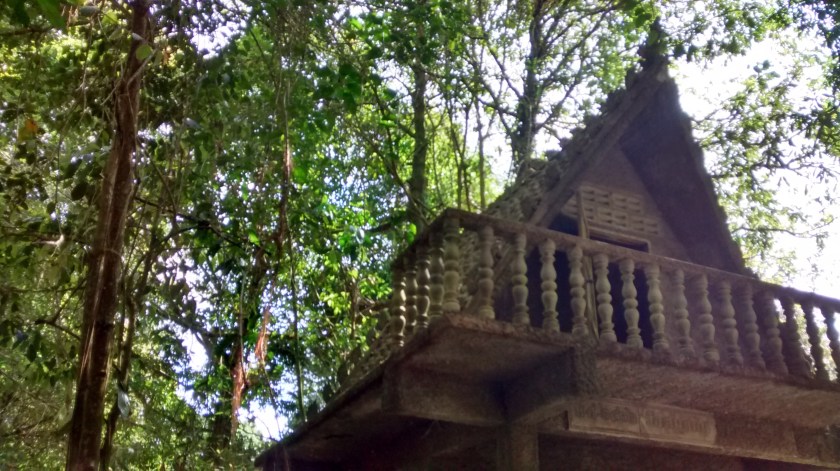
The local who owned the site decided, out of religious duty, to fill it with little pixie-ish Buddhas and weird tiny temples.

Delightful place, Tarnim Magic Garden. Not to be confused with Puff the Magic Dragon…

…which I heard a local Chaweng group give a decent rendition of in a restaurant on Wednesday.

It’s now time to come down from the highlands…

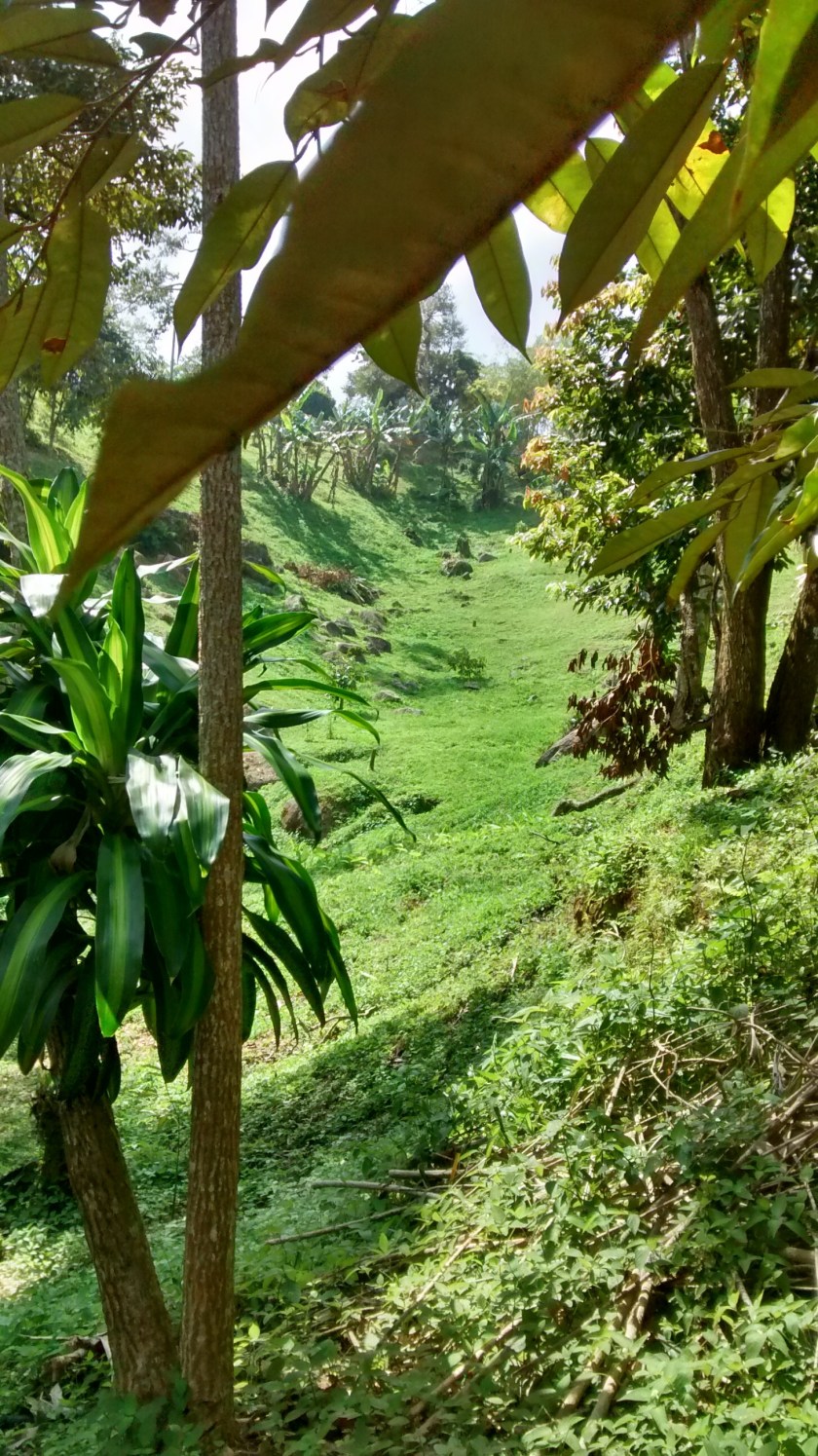
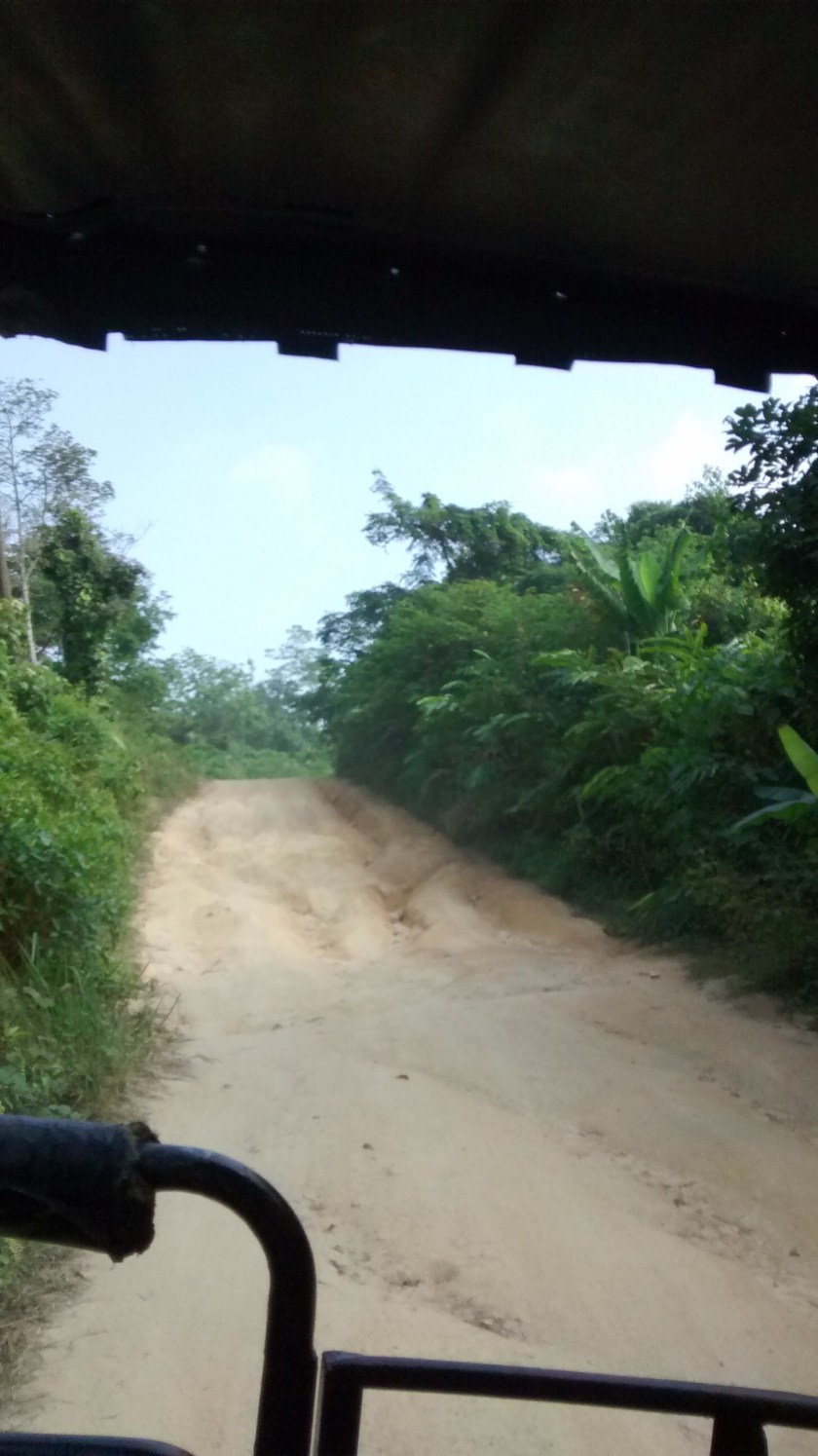
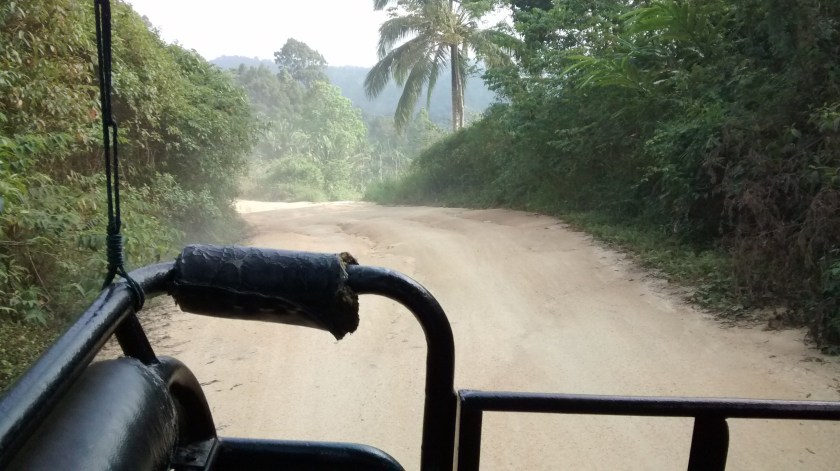
…but that means nearly an hour of driving on steep, twisty track, mostly no tarmac and sometimes deeply rutted, making for one hell of a ride!

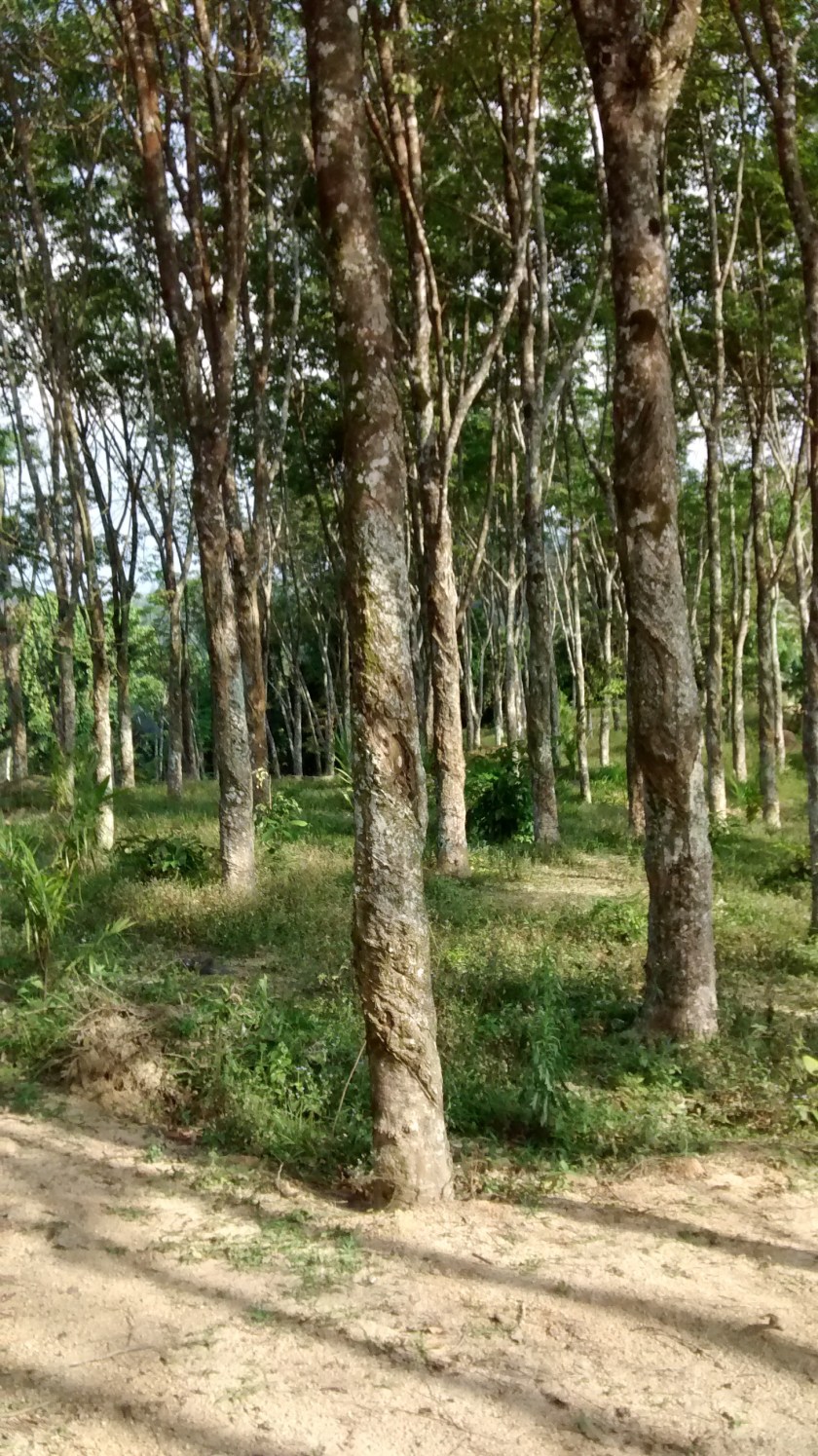
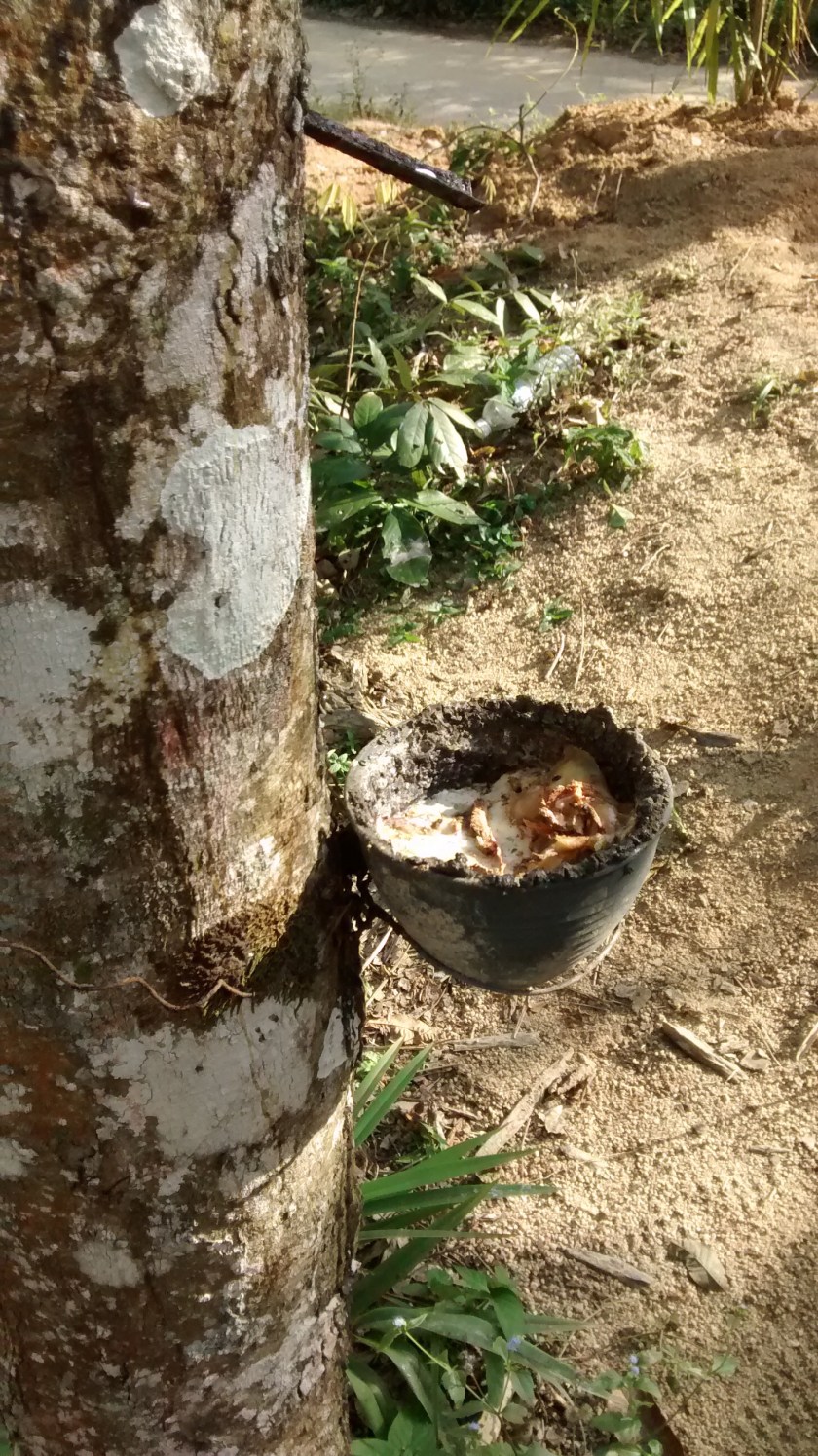
On the way we pass a small rubber plantation.

Rubber dries quickly in the tropical heat, so the family that farm here have to do their tapping before the sun rises. In fact they start at 3am, each morning.

Sobering.

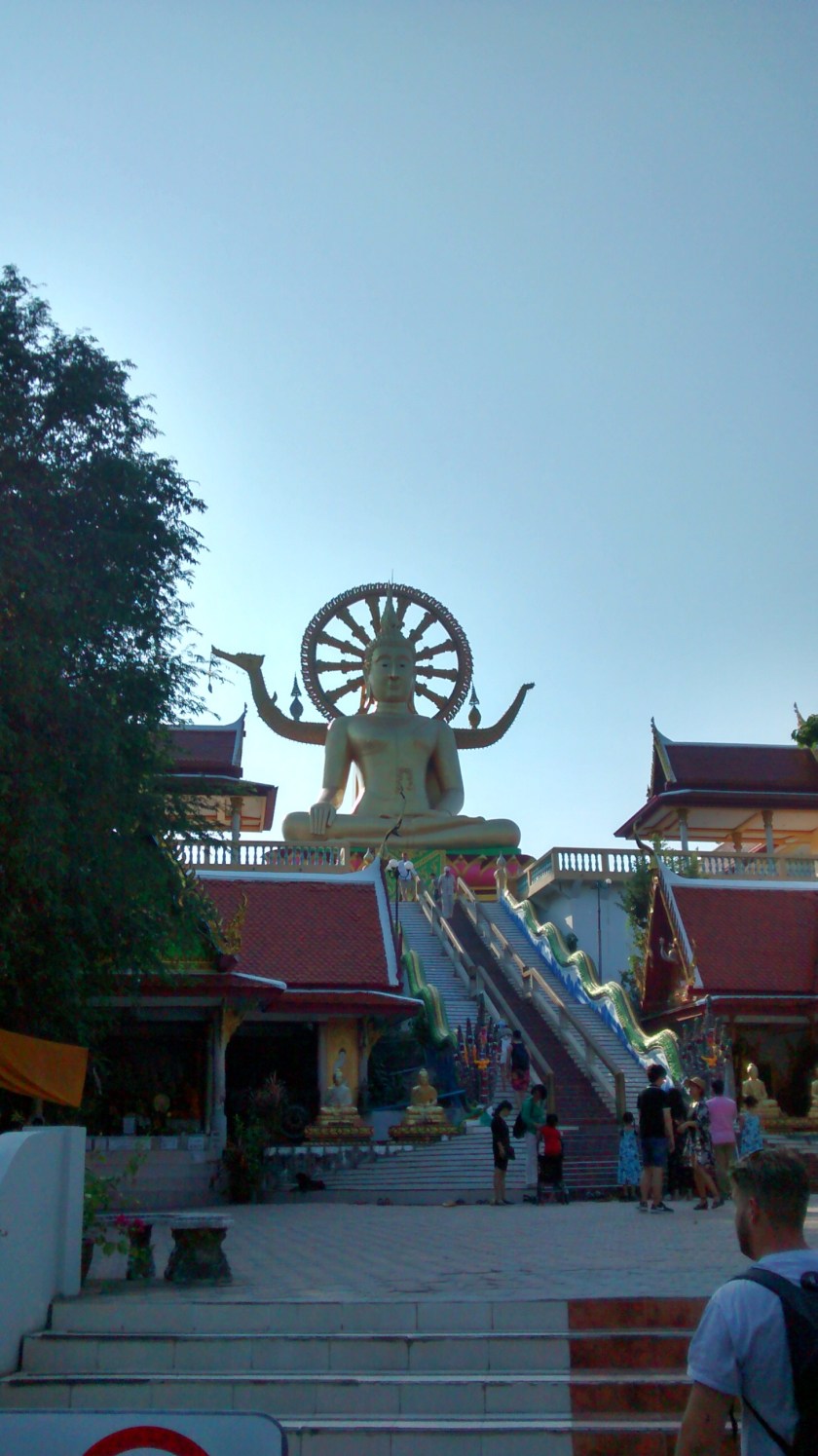
On we go now, down and down until we get back on the main roads and onto our final site, the Big Buddha.

Phuket also has its Big Buddha, so maybe it’s a thing on big tourist destination islands here. But Samui’s big statue seems to have been built in a temple with a grave site dedicated to the remains of small children.

It may be a sad way to end what was a really fun day out, but I like to think that this shiny Buddha is there to cheer the poor little blighters up.

As I hope this blog is doing for you.

Organised by Mr Ung’s Magical Safari Tours, for which I receive no commission.