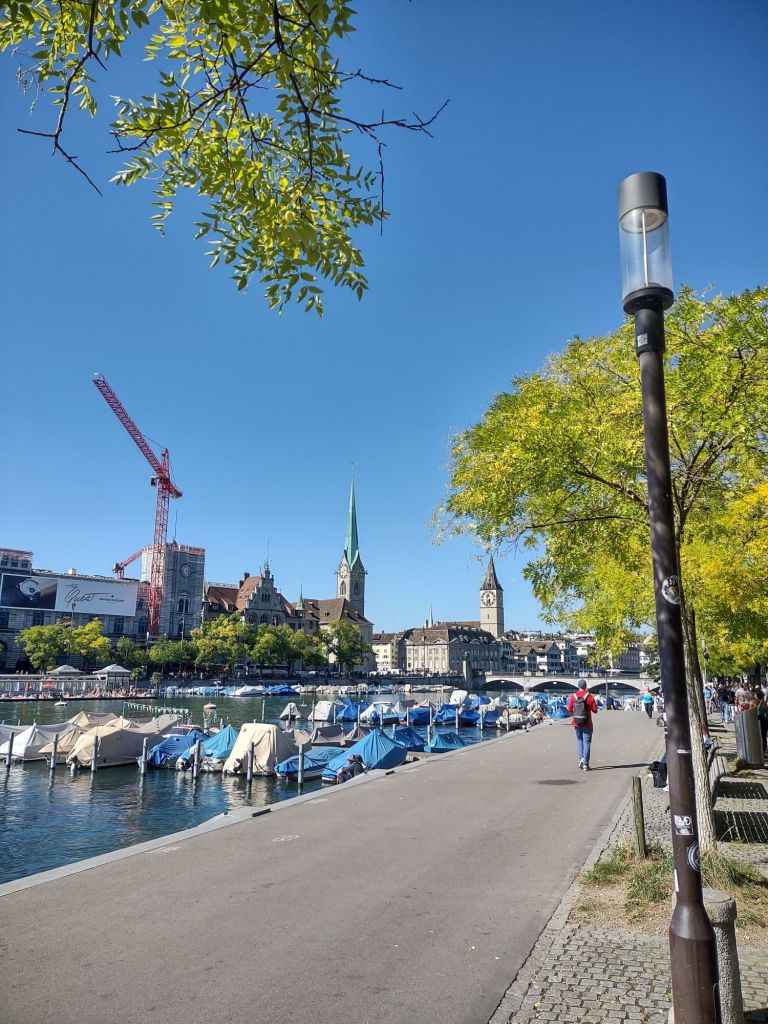
A city lying where a river runs into a lake, a steep-sided city surrounded by green hills with snow-capped Alps on the hazy horizon, so far so Swiss. But Zürich is the big one; the largest city in the country, a great world city, a global centre of banking and finance.
I have been through here a few times now, and what never fails to surprise me is how quaint this metropolis of money really is. There’s no great Manhatten of skyscrapers, no great glass towers with silly names as in the City of London, nothing like Frankfurt (actually Frankfurt does have its quaint quarters away from its surprisingly small district of skyscrapers).
You would of course assume that this is symbolic of Switzerland’s famously (infamously?) discreet way of doing finance; we’ll take your money, Mr President-Dictator for Life, no questions asked, it’s here when you need it.
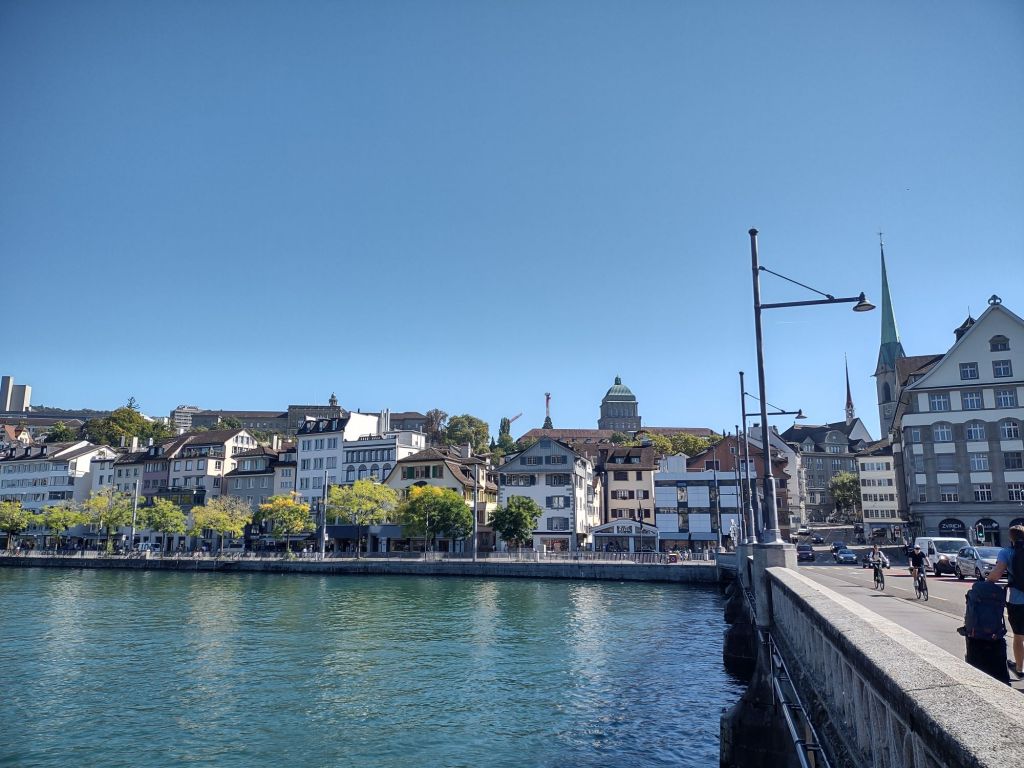
But it does add up to a fine city that’s quite stunning on a sunny day.
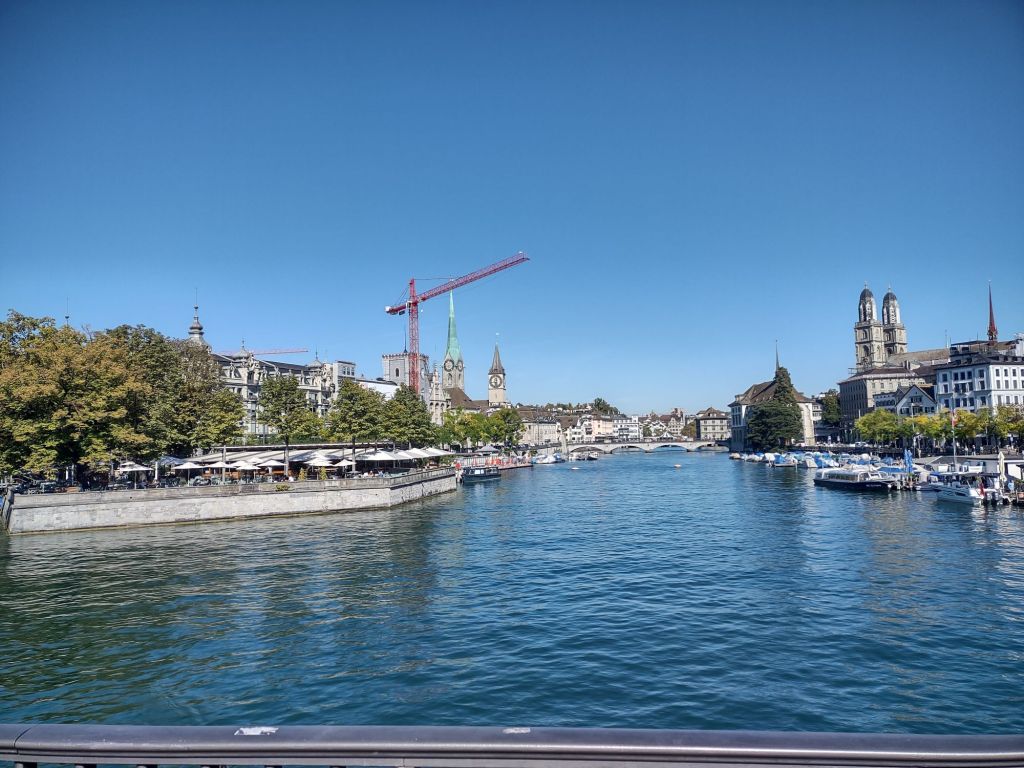
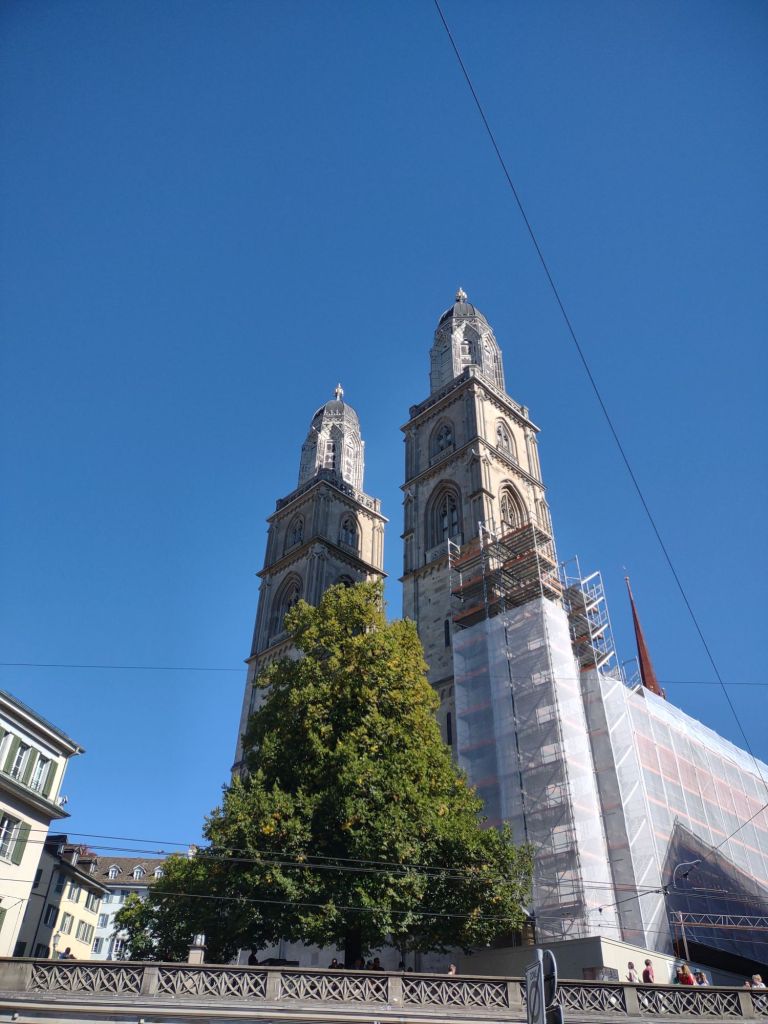
The original Zürich grew up by the river (Limmat) and after the Roman period a prosperous medieval city-state developed, joining the loose Old Swiss Confederacy in 1351. Then the Reformation came, in the form of a priest called Ulrich Zwingli. That’s his old church to the right, the twin-towered Grossmünster.
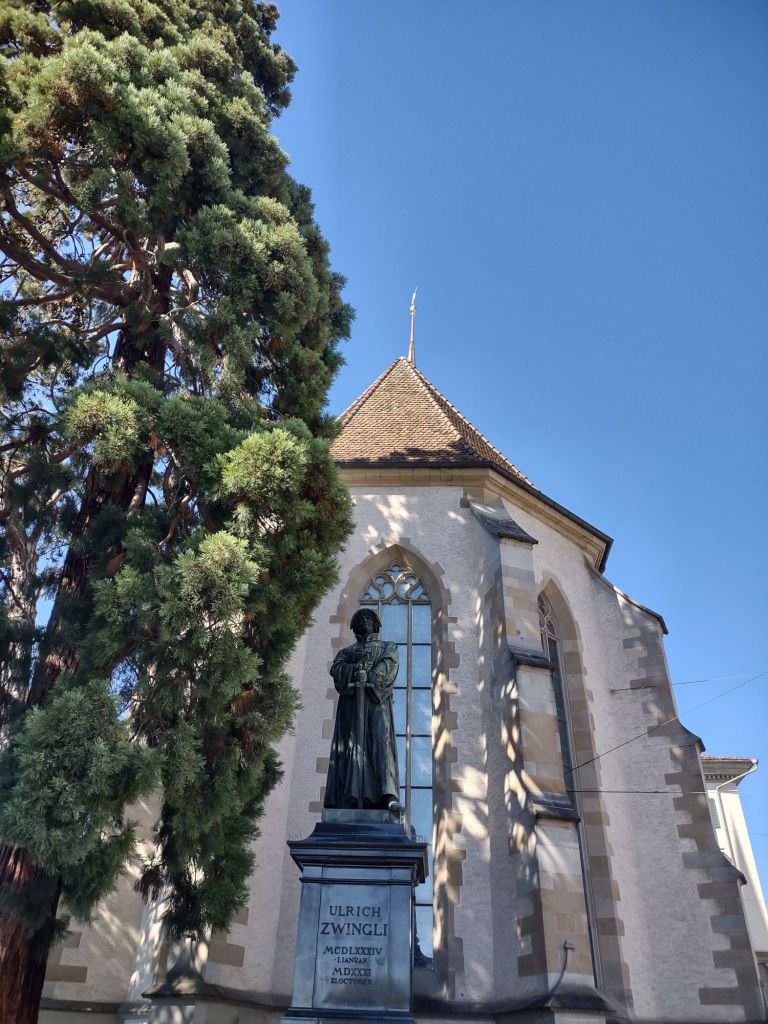
And here’s Herr Zwingli. The Swiss Reformation here featured the usual controversies, disputations and the odd execution but Zwingli appears to have been his own Mann. So much so that those other reformers of the time, Erasmus and Luther, were delighted to hear of his death. That came on the battlefield when he was 47, the Catholic cantons of the Confederacy not being so keen on giving up the old faith.
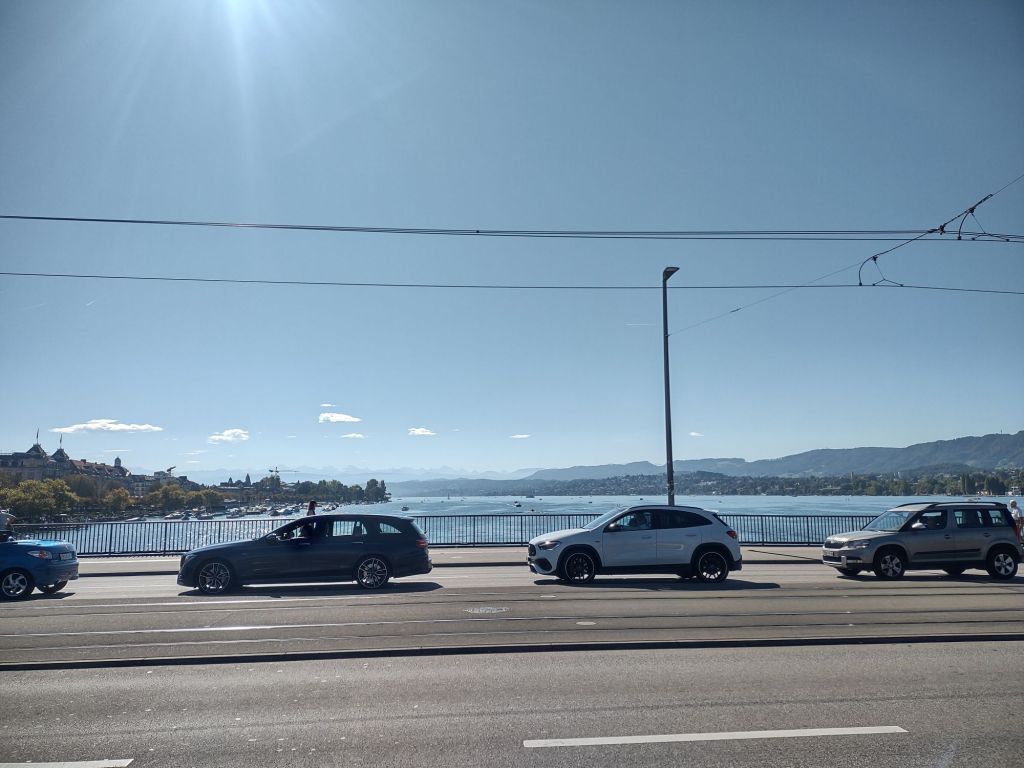
Over time Zürich developed, did its banking thing, and became well-off. Eventually it grew enough to extend down the lake. Go back to the photo before old Zwingli, and turn around 360 degrees.
That’s Lake Geneva. And some Alps.
Turning back, we continue to cross over to the left bank, into the Altstadt. Twisty and steep, there were lots of photo opportunities here but it was too crowded to get good places to stop, and I was running out of data.
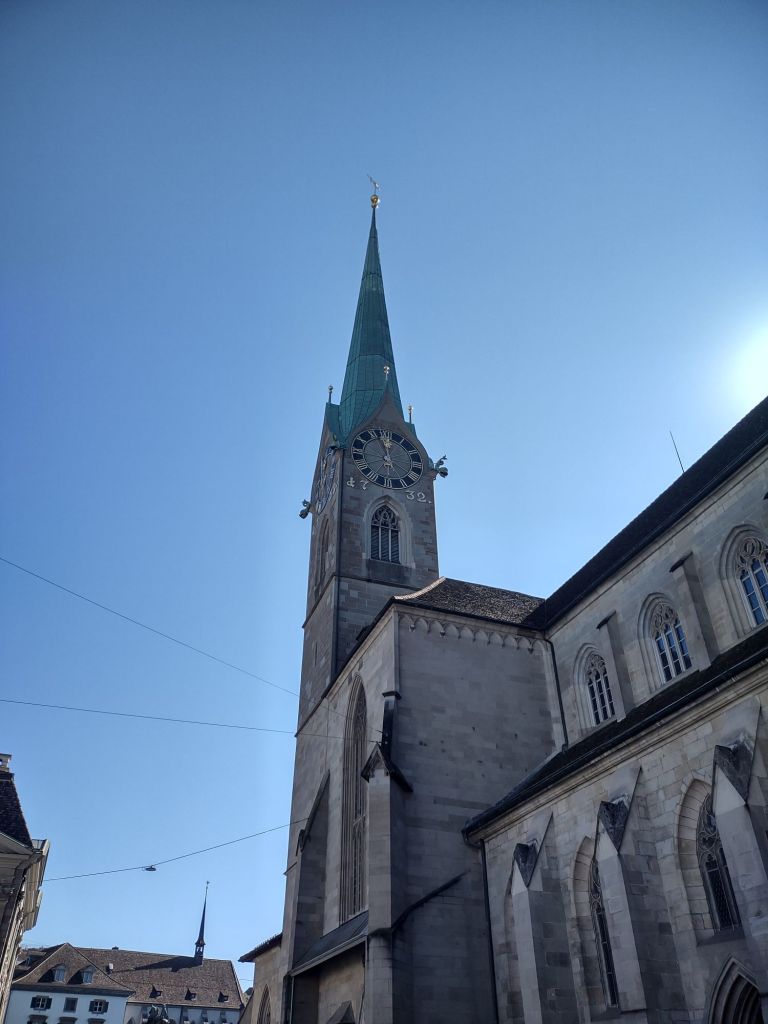
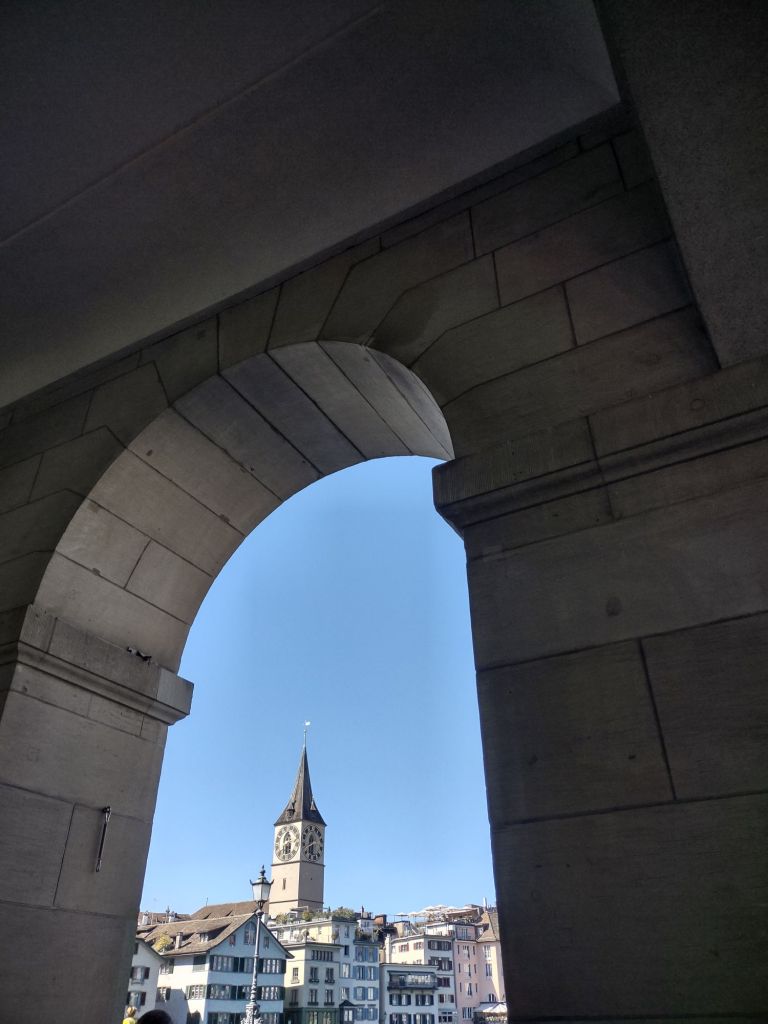
The Fraumünster. That’s the left-hand spire in that photo, the one that must really be irritating you now. (The one next to it in that pic is St. Peter, with the largest clock face of any church in Europe.)
Moving away from the Altstadt gets us closer to understanding where all those rich Swiss bankers and their clients spend their money.
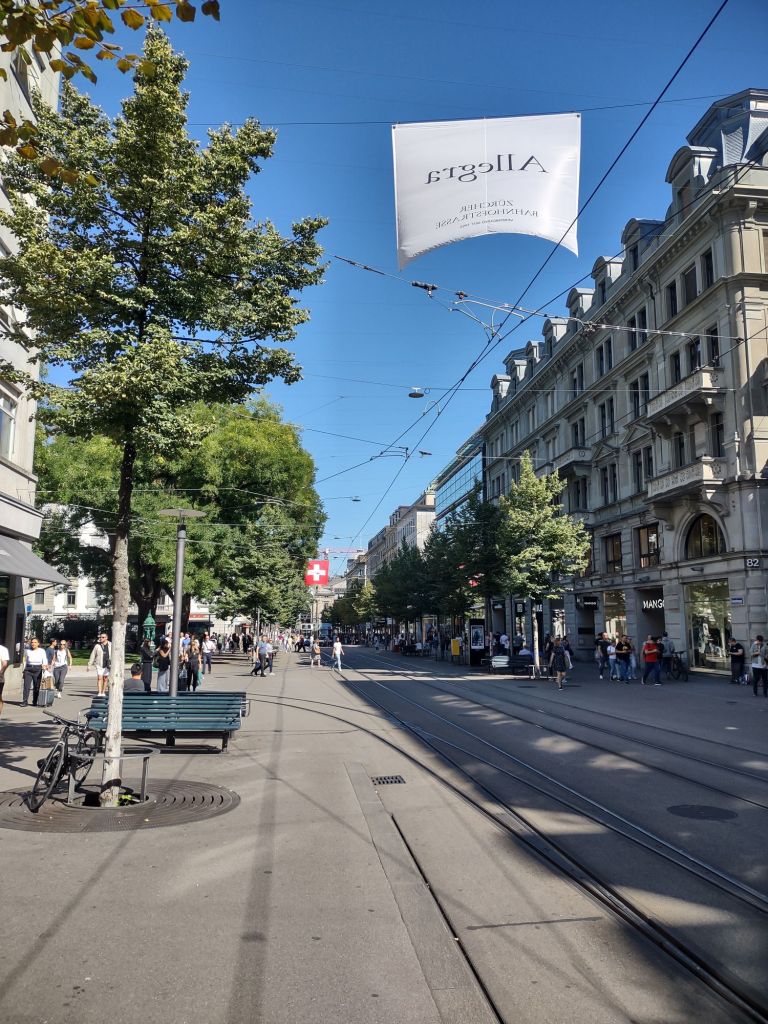
Bahnhofstrasse (Station Street) is one of the most exclusive shopping streets in the world. (You can’t get an 18000 franc watch down my local high street). Dear Mr President-Dictator-for-Life, please have a look at these fabulous goodies you can spend your nation’s wealth on. We even have parlours where you can top up your orange tan, sir. (There goes my trip to the Grand Canyon…)
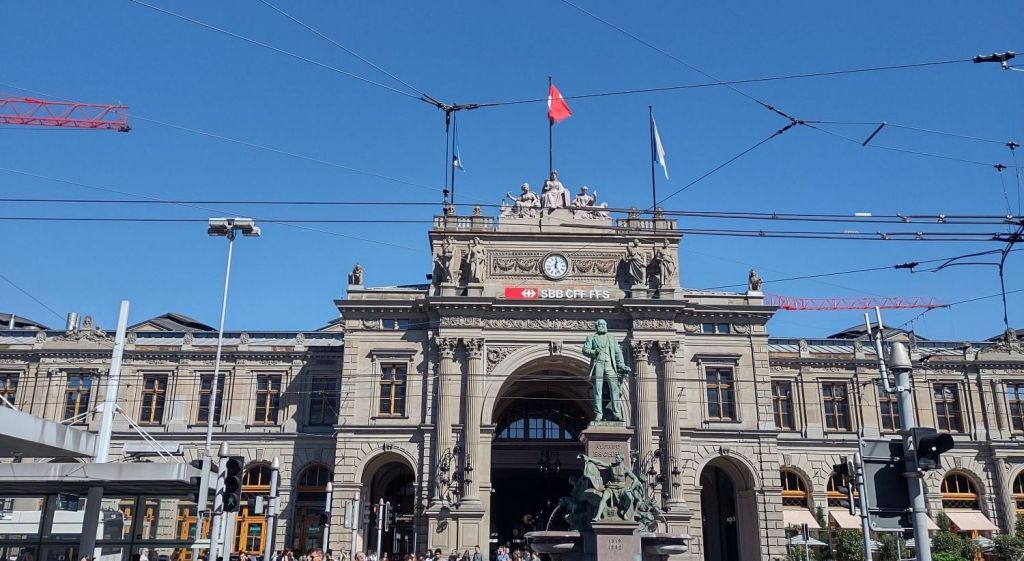
I kept away from the other shop windows in case looking at something forces you to buy it. So it was on to the end of the road, the main station, the Hauptbahnhof, and an old friend.
The railway reached here in the 1840s, the current Bahnhof went up in 1871. As for the statue, you may recall the great Alfred Escher from my post on the Gotthard Express in 2022. Switzerland is a great railway nation, and Herr Escher had a hand in much of the extensive railway network here.
Zürich is the busiest station in the country, but interestingly it’s also a terminus. How fitting, because my latest trip through this stunning country ends here. Just time for some last pictures of Zürich, a great city basking in some possibly unexpected late-summer warmth and blue skies.
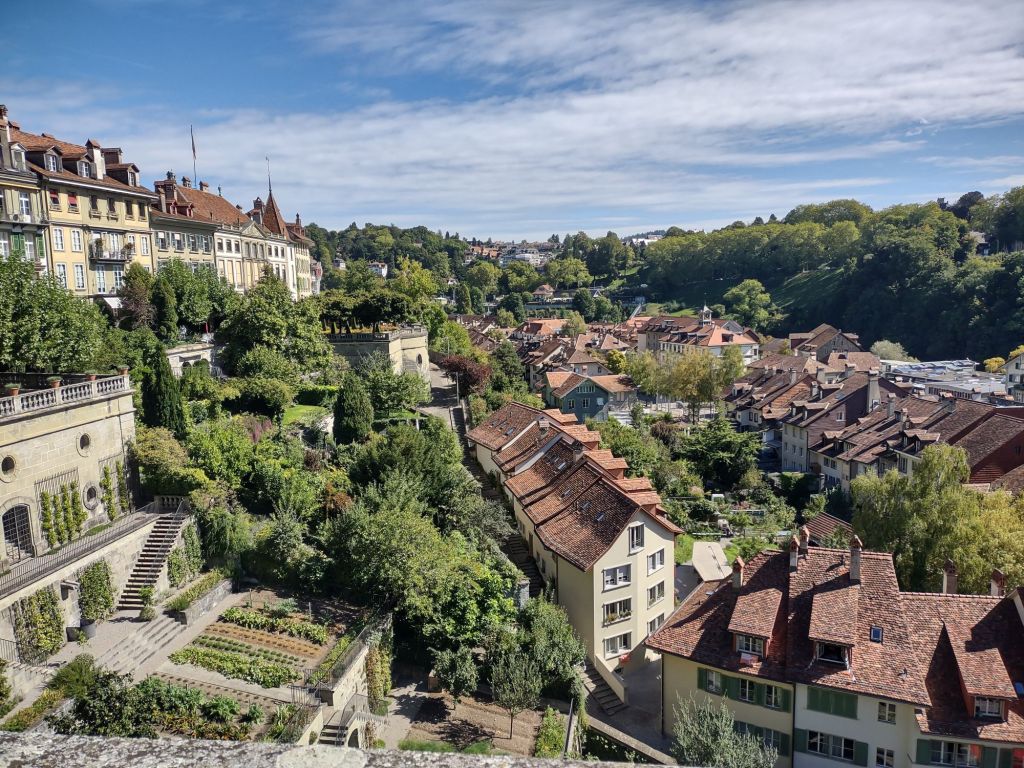
Up from Lake Geneva and away we head, across the high pastures of south-west Switzerland, until rural becomes urban, French becomes German, and we cross the river Aare and into the bustling but picturesque city of Berne.
It would be nice to introduce the city to you in the company of one of its more venerable citizens from history. I considered a figure no less than Berchtold V, Duke of Zähringen himself, who founded the city in 1191, and named it so because he’d just caught a bear.
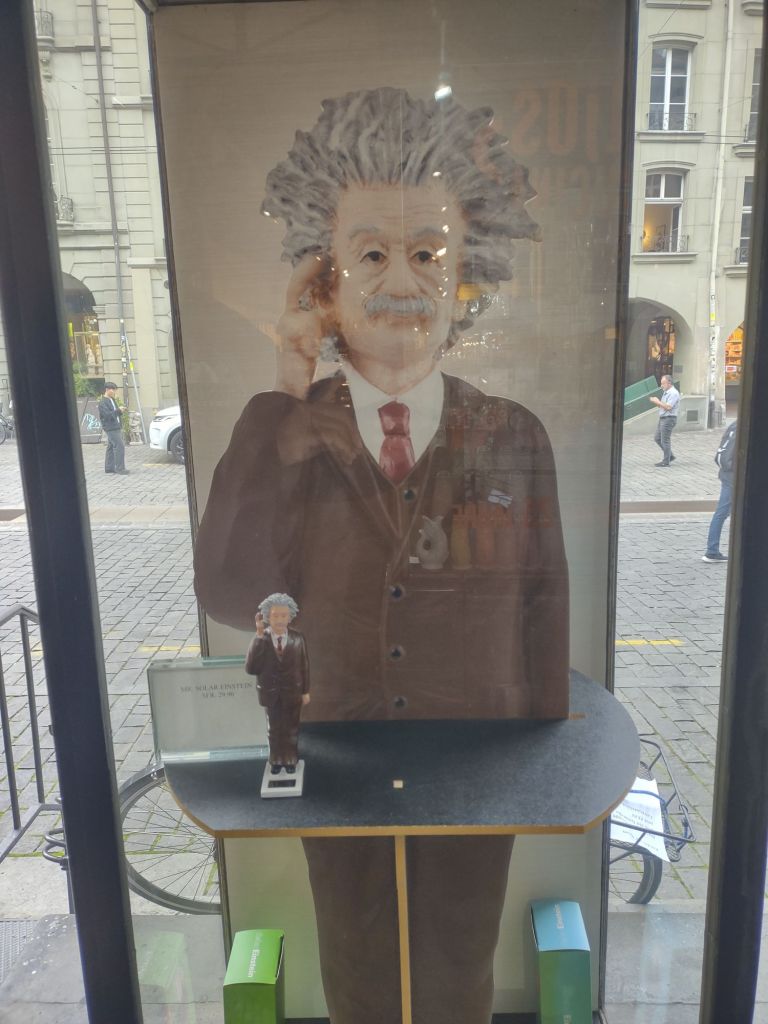
But Berchtold is far too important for a mere traveller like me – or maybe he was out hunting more bears – so I had to go with a random functionary. The Swiss are famously punctilious and über-efficient – some might say officious – so what could be a more suitable guide for the streets of the federal capital than an early twentieth-century technical expert at the patent office.
Ah, here he comes, funnily enough, right on time…
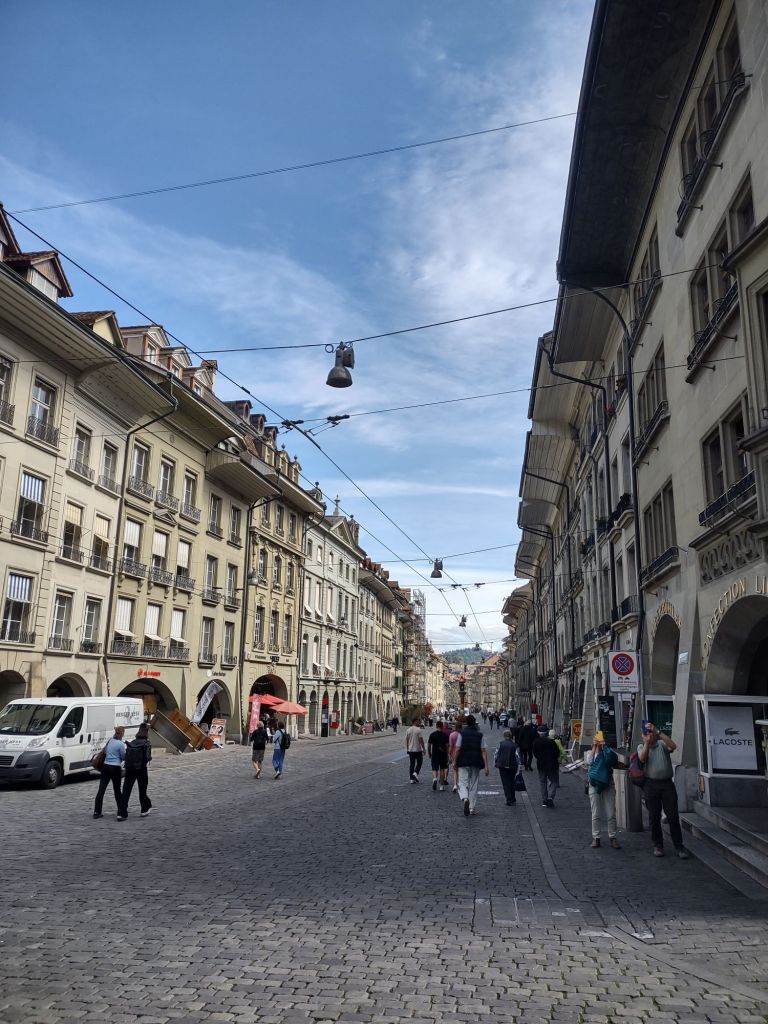
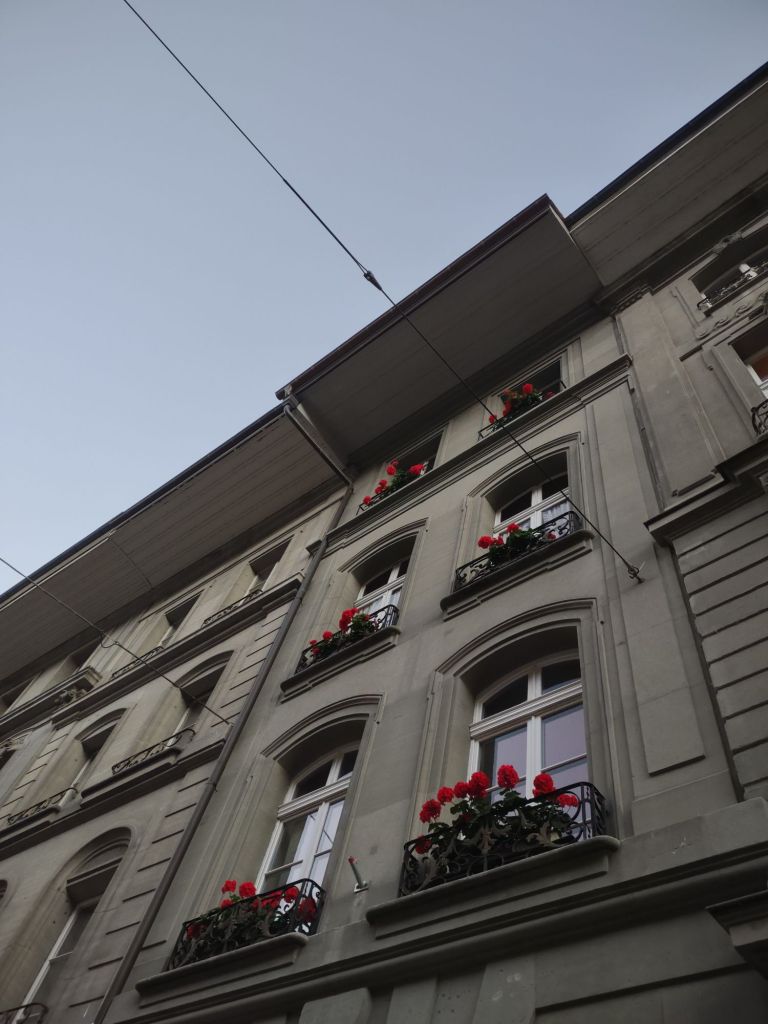
It’s a lovely street, the Kramgasse, at least if you’re a twenty-first century tourist and not a minor civil servant from the 1900s who has to live here. But even with the daily grubbiness of old-time Berne this would have been an impressive thoroughfare. Our companion is just coming out of his second-floor apartment, it’s one of the places on the right.
There it is, think it’s the one in the middle.
He looks ponderous. As we’re here, maybe he’s thinking about what to tell us about the origins of the road he lives on, an east-west axis which formed the central part of Zähringen’s original city. The whole street would have been a marketplace, hence its width. To the left you can see the open brown shutters of one of the two hundred-odd wine cellars that every premise here used to have (the French-speaking Suisse Romande nearby has long been renowned for it’s vineyards).
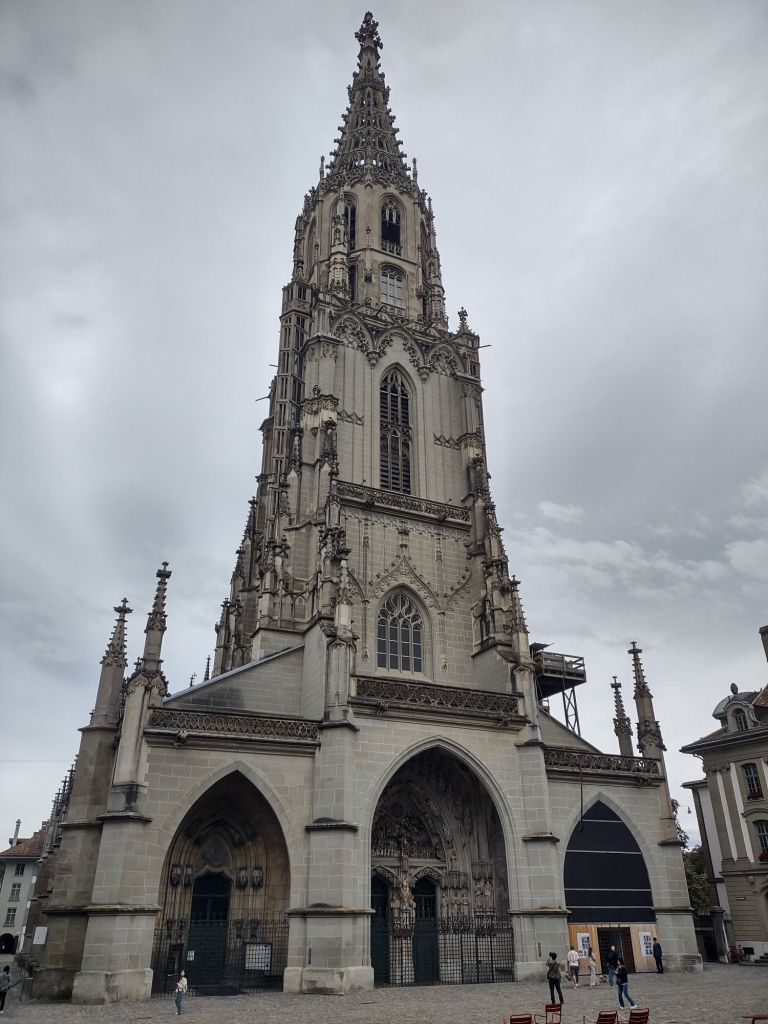
He’d normally walk towards us – westwards – to get to work, but today he’s in contemplative mood (we’ll find out he’s always contemplating something) and he’s going to turn right, and head down the hill a bit. We eventually arrive at Berne Minster.
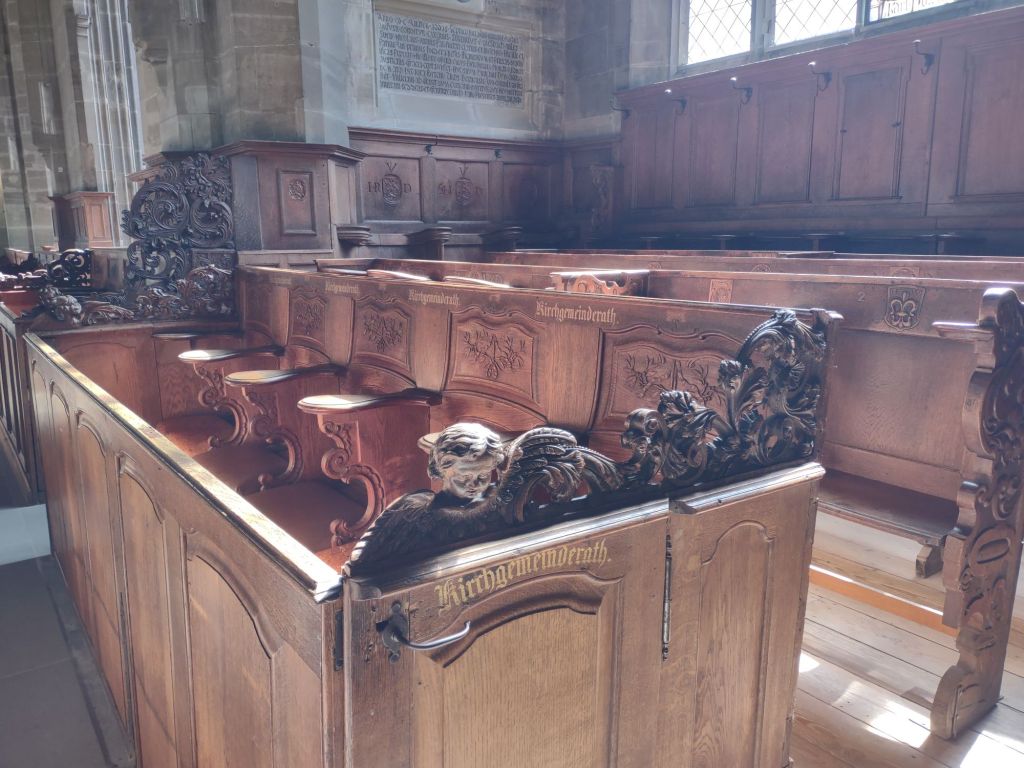
Berne Minster dates from 1421, at a time when the city-state was expanding and growing in power within the Swiss Confederacy it had signed-up to in 1323. And in those days, you flaunted that sort of fortune with a grand cathedral (if you had a bishop; Berne didn’t so had to make do with a minster).
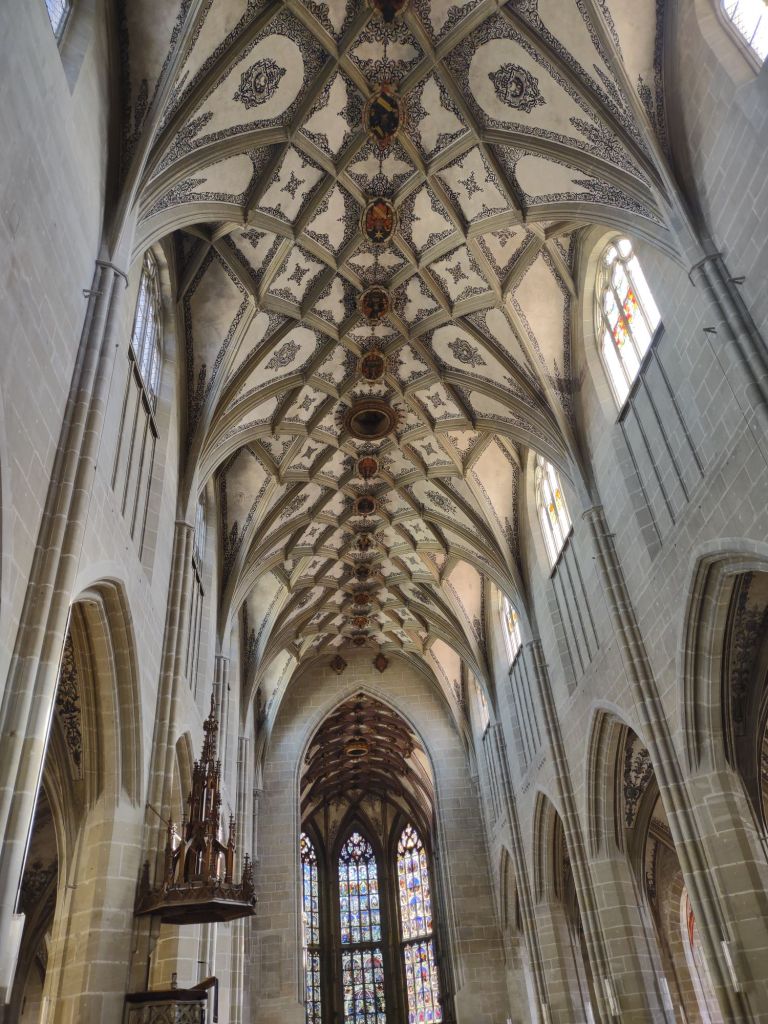
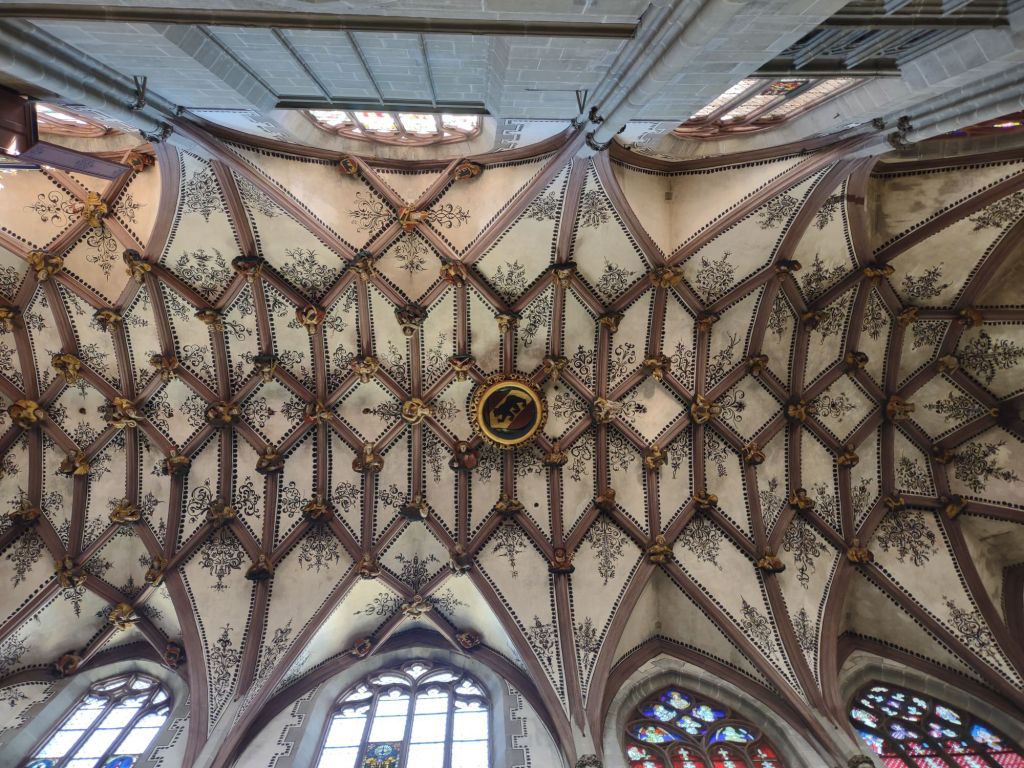
Unfortunately for the tourist, much of the iconography got flaunted out of there during the Reformation of the early 16th century, but there’s still a nice ceiling above the choir.
These represent the set of biblical figures who just got an invite to the #WeAreGoingToHeaven WhatsApp group. They get more important as you go left to right, where a dove represents the great Group Admin himself. But in the medallion in the middle, almost as important as far as the people of Berne are concerned, a bear. Very important here. It’s not shown how all that harp playing manages to keep it calm once it gets there.
But our patent inspector is proving a very patient inspector; this isn’t his church, it’s not even his religion, it turns out, he would be more at home in a synagogue – or would have been if he hadn’t rejected the faith a few years before. Anyway, it means he’s been indulging us, he needs to get on, but there’s still time to continue walking east until we get to the river.
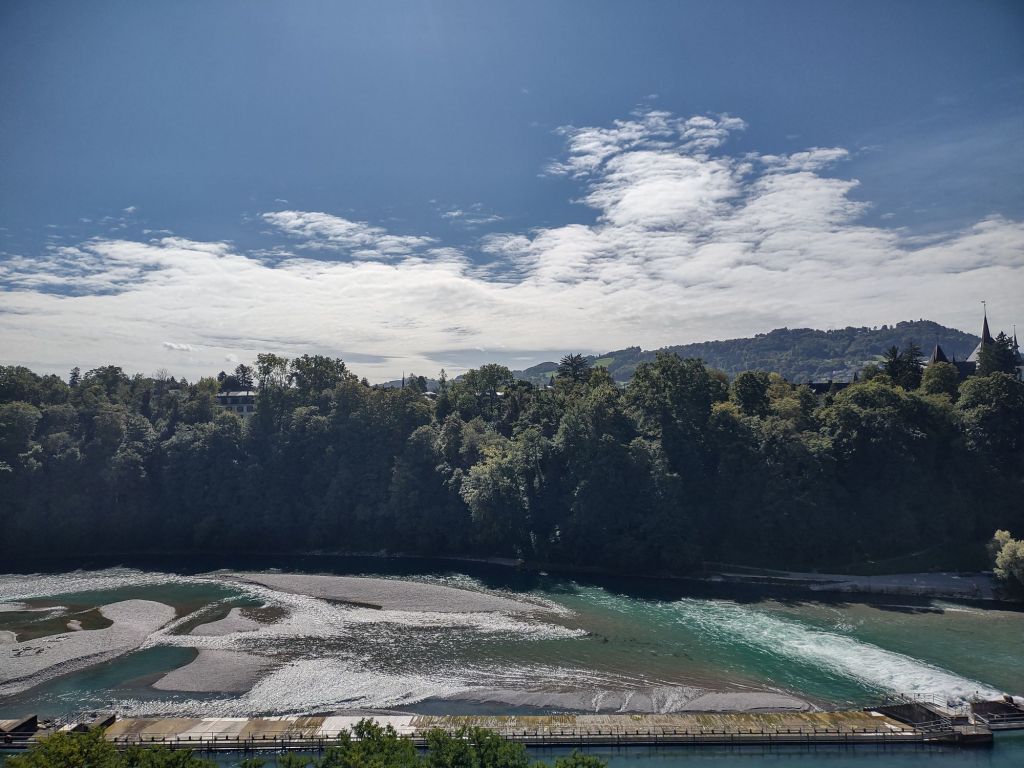
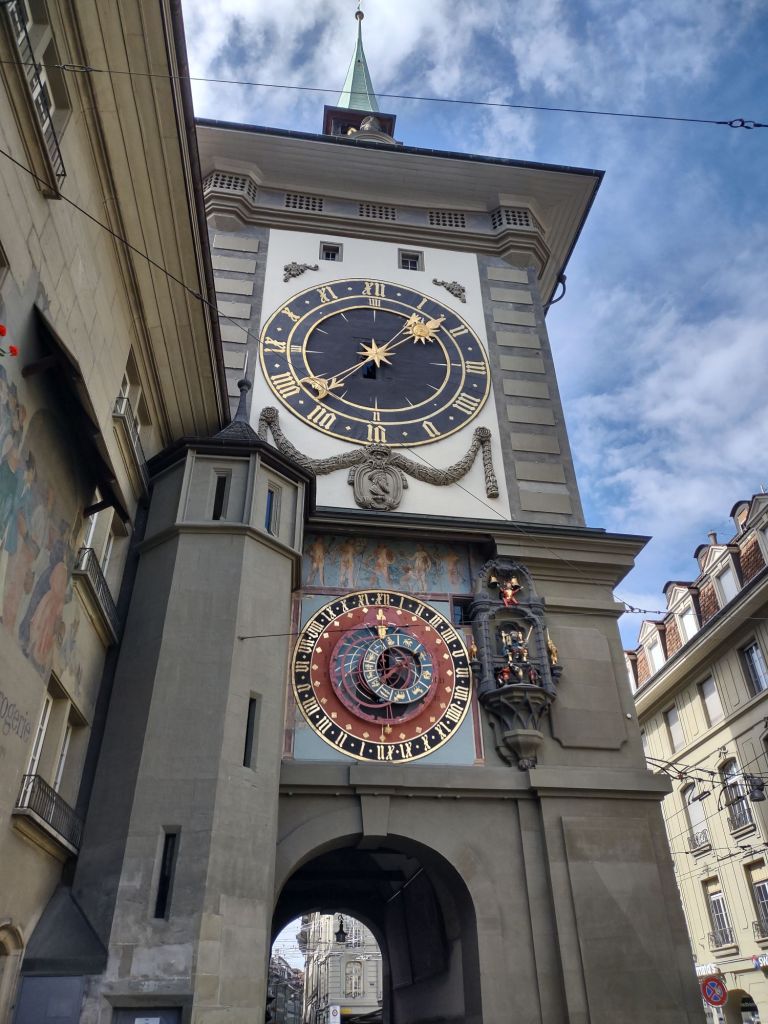
The Aare forms a horseshoe around the north, east and south of the old town. Because it sat on top of a small gorge and looked down on the river, the geography basically Told old Berch that he only needed to fortify Berne to the west. So that’s where he built his wall, and as our technical expert finally turns west to go to his office we make it to the main remnant of the wall, the old guard tower that’s now the famous Zytglogge, or clock tower.
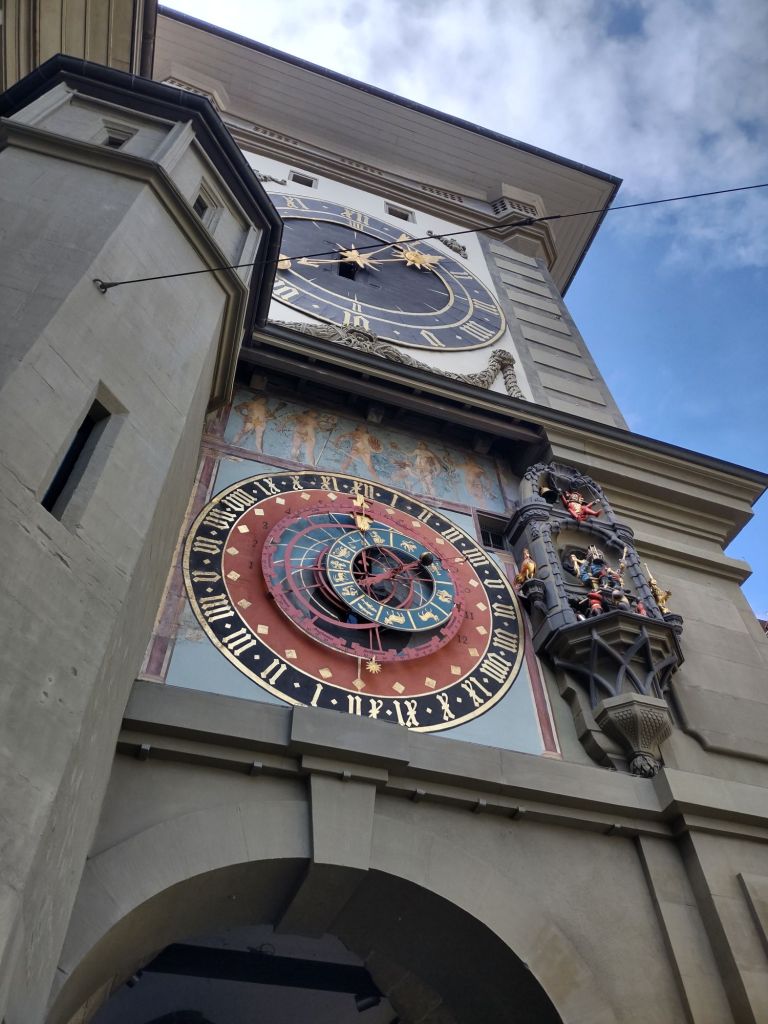
The clocks were installed in the early 15th century after a fire, and still works to this day ringing the hours and telling the time. The main clock shows local time, by the way. The figures next to the astronomical clock act out a show on the hour, there’s a cock who crows, a jester, a parade of elephants performing the town watch, Kronos himself in the middle, and for the last six hundred years they’ve all been having one hell of a time.
Hmm, time…for the patent guy to get moving? Well yes, but the way he’s staring up at this thing suggests he’s utterly fascinated by it. He’s muttering something about two clocks…I can’t understand what’s going on, he’s lived here for a few years, surely he’s got used to this tower by now? All of a sudden he jumps, realises what he’s doing, and apologises.
It turns out that he’s a bit of a frustrated would-be scientist, which explains the contemplating. He studied at the great technical uni in Zurich, where he met his current wife (sounds like they’re one clever couple). Marriage meant putting the whole science thing on hold for a bit so he ended up here paying the bills in the patent office. He has signed-off a few interesting things that came his way, like a gravel shifter, even an electric typewriter, but when I tell him “that’s impressive for the 1900s!” he shrugs. I reassure him “I meant the typewriter”, but it makes no difference. Clearly he’s bored by the drudgery of the day job, it’s his own secret research that keeps him going…
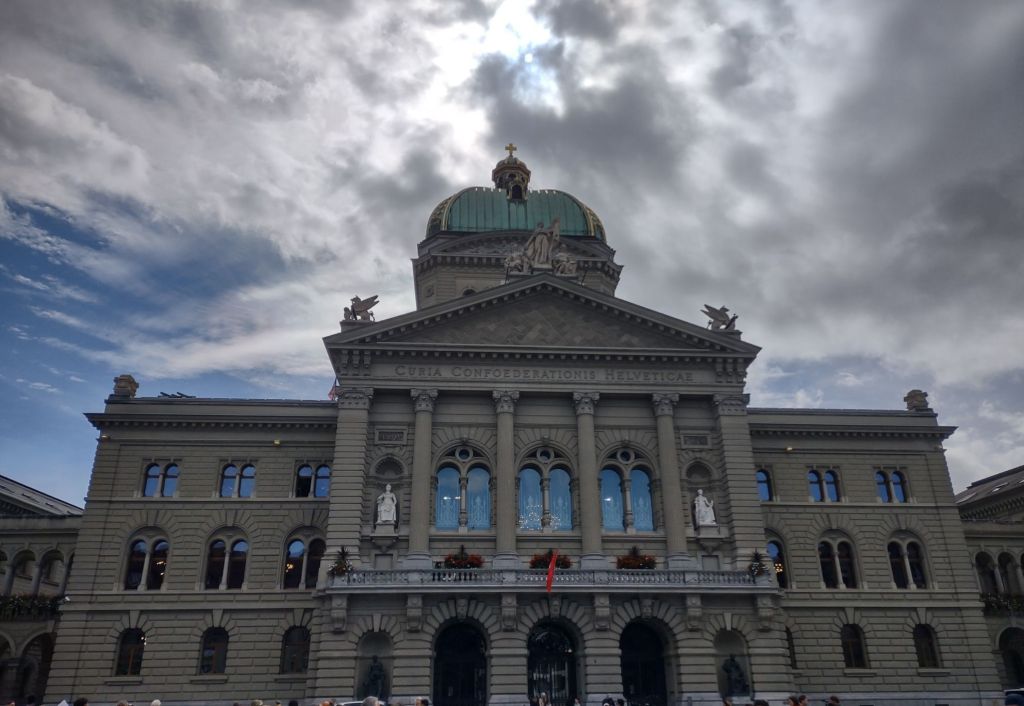
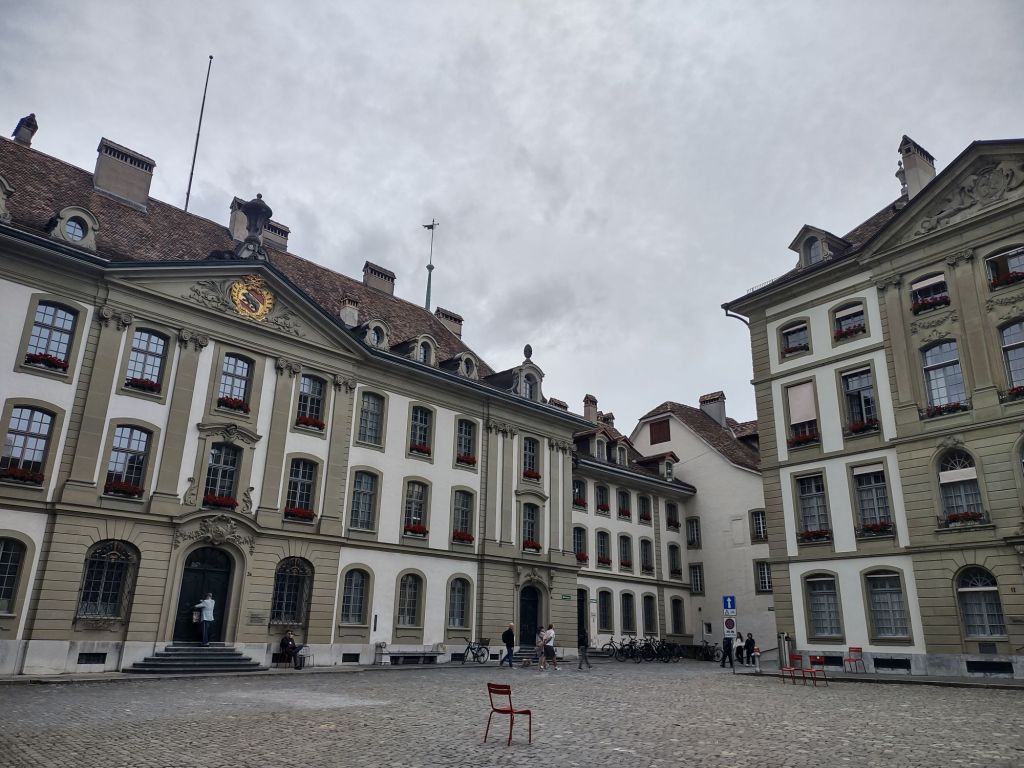
Before he tells us more, he takes a slight diversion off the main drag, and we find ourselves in front of the Federal Parliament.
In 1848 Switzerland enshrined its federal status in a constitution and established a parliament. Berne is just the city that hosts the parliament, not the capital. This is arguably the most devolved political system in Europe; the cantons have all the power, there’s a lot of direct democracy, and the revolving-door president is elected by a consensus-driven council of ministers. This should mean some sort of competence at the highest levels of government. If so, there are some other federal states in the world that might be interested.
Our patent expert seems generally moved here, grateful to the country that welcomed him when he came down here from Germany to study. And, personally, I’m beginning to realise that even the most obscure civil servant may have the most compelling back-story – and who amongst us doesn’t? However my time here is short, his views on time seem more and more, elastic, shall we say?…and we need to press on and get to his office.
Because as the city grew they had to build twomore sets of city wall.
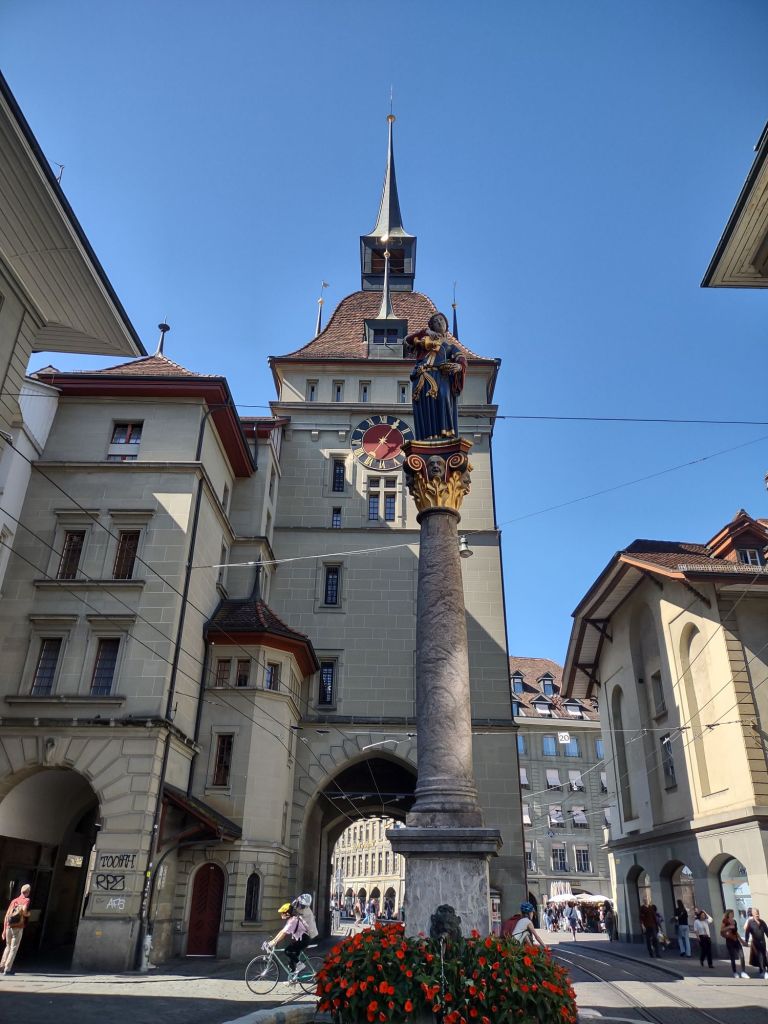
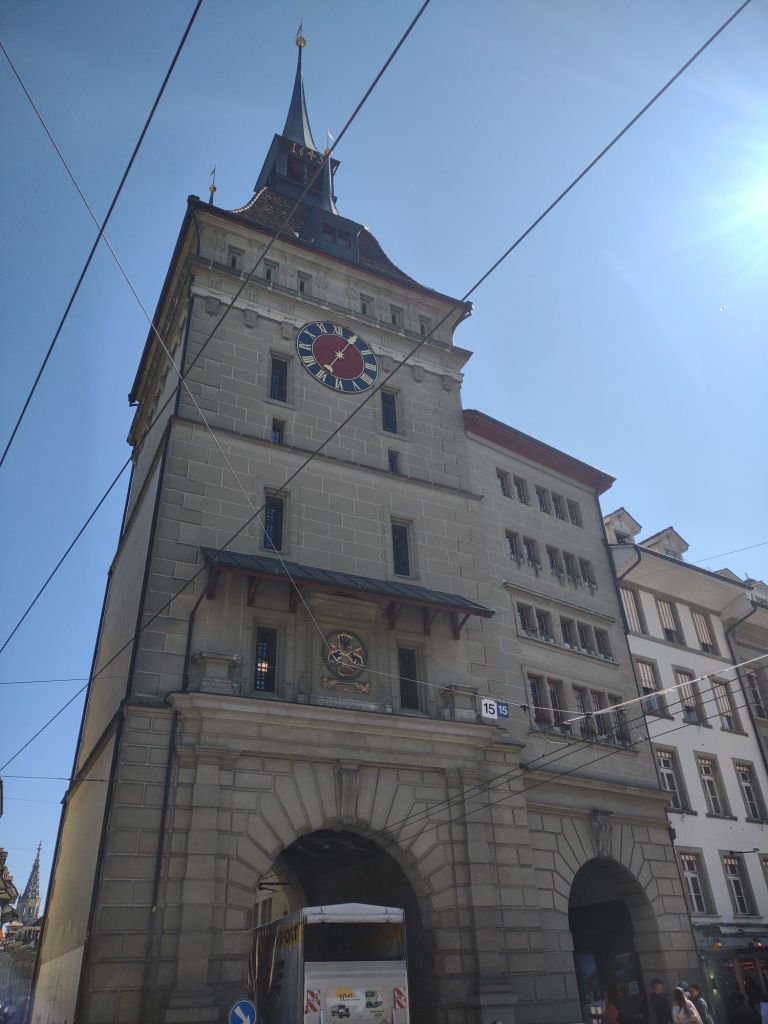
Here’s where Wall no. 2 used to be, the only remnant being the Käfigturm, or Prisoners’ Tower. And it did what it said on the Turm. In front of it is one of the many old fountains strategically dotted around the Altstadt. Pro tip: the Swiss water supply is famously clean and you can drink from the old fountains. If you’re here, fill your water bottle from the fountains and the sink taps in your lodgings. If you can afford to get something for free in Switzerland, do so. You’ll be paying through the nose for everything else!
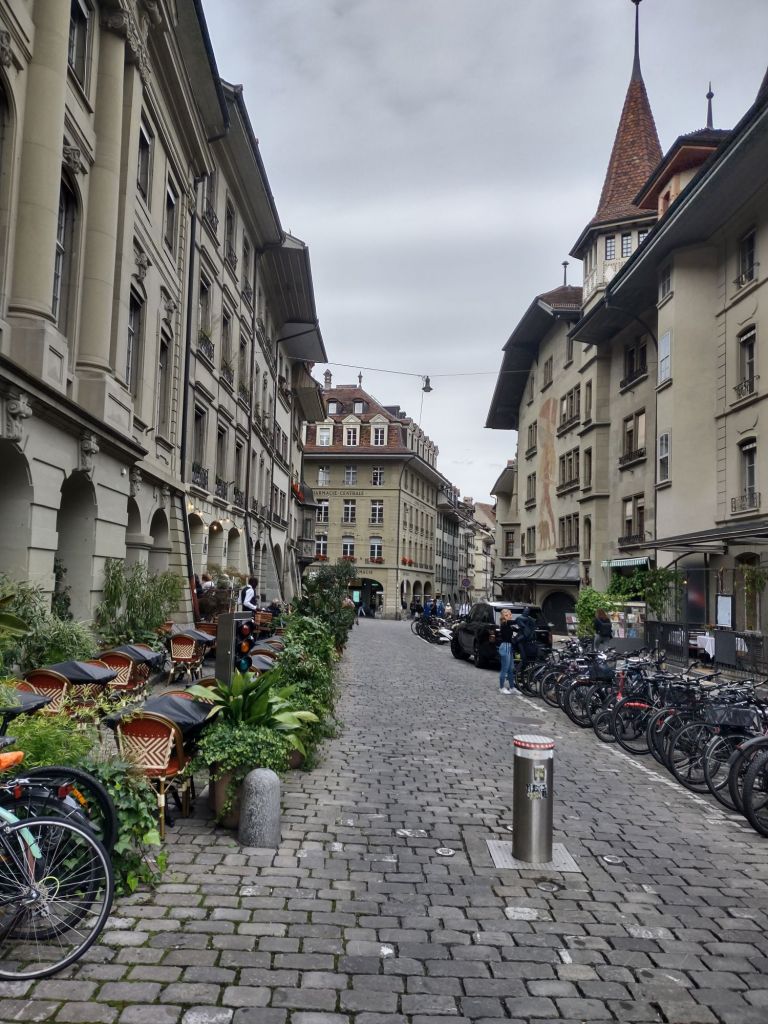
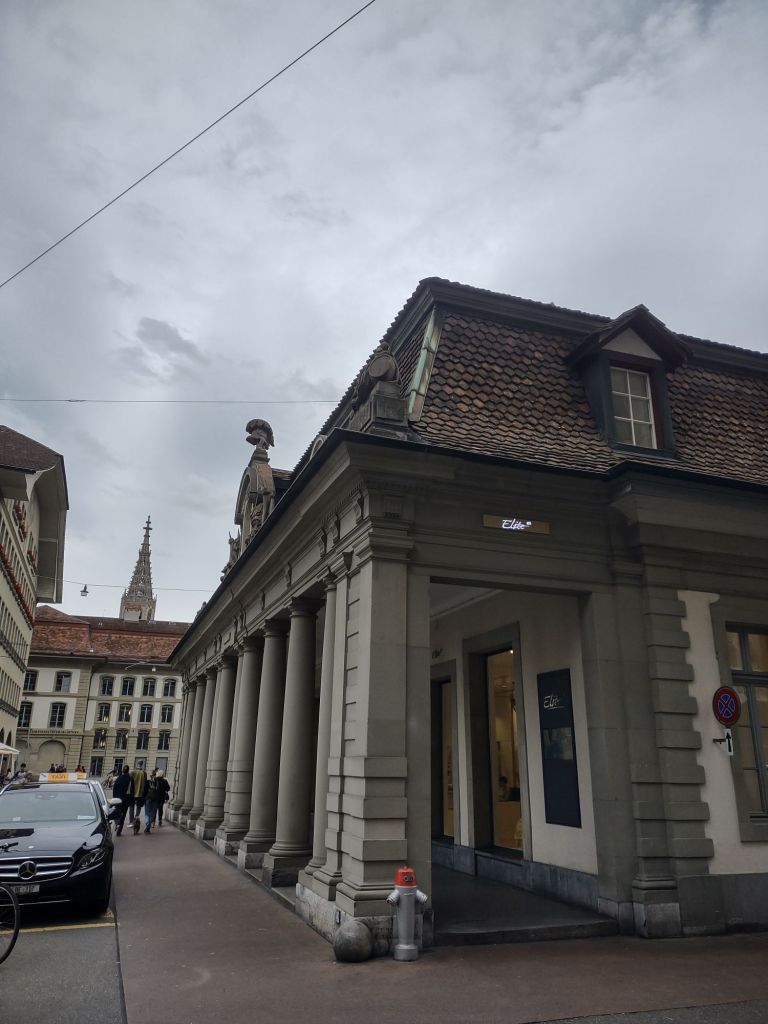
You might have guessed that the Altstadt is pretty Altstanding, and the whole area between the three walls and the Aare is a UNESCO World Heritage Site. Along the main east-west drag runs colonnaded arched walkways sheltering high-end and affordable shops, bars and restaurants, and the side streets and cross roads are worth a look too.
The third set of walls was pulled down in the 19th century when they built the train station. Our patent inspector’s office is nearby, at the western edge of the Altstadt, and we’ve arrived.
I’m about to thank him and say goodbye, but it turns out that he’s been noticing me noticing how unconcerned he was about how long it all took in the end, indeed how far we had to walk to get here. My legs are knackered and I need a rest. Somehow, he doesn’t seem to have gone anywhere at all.
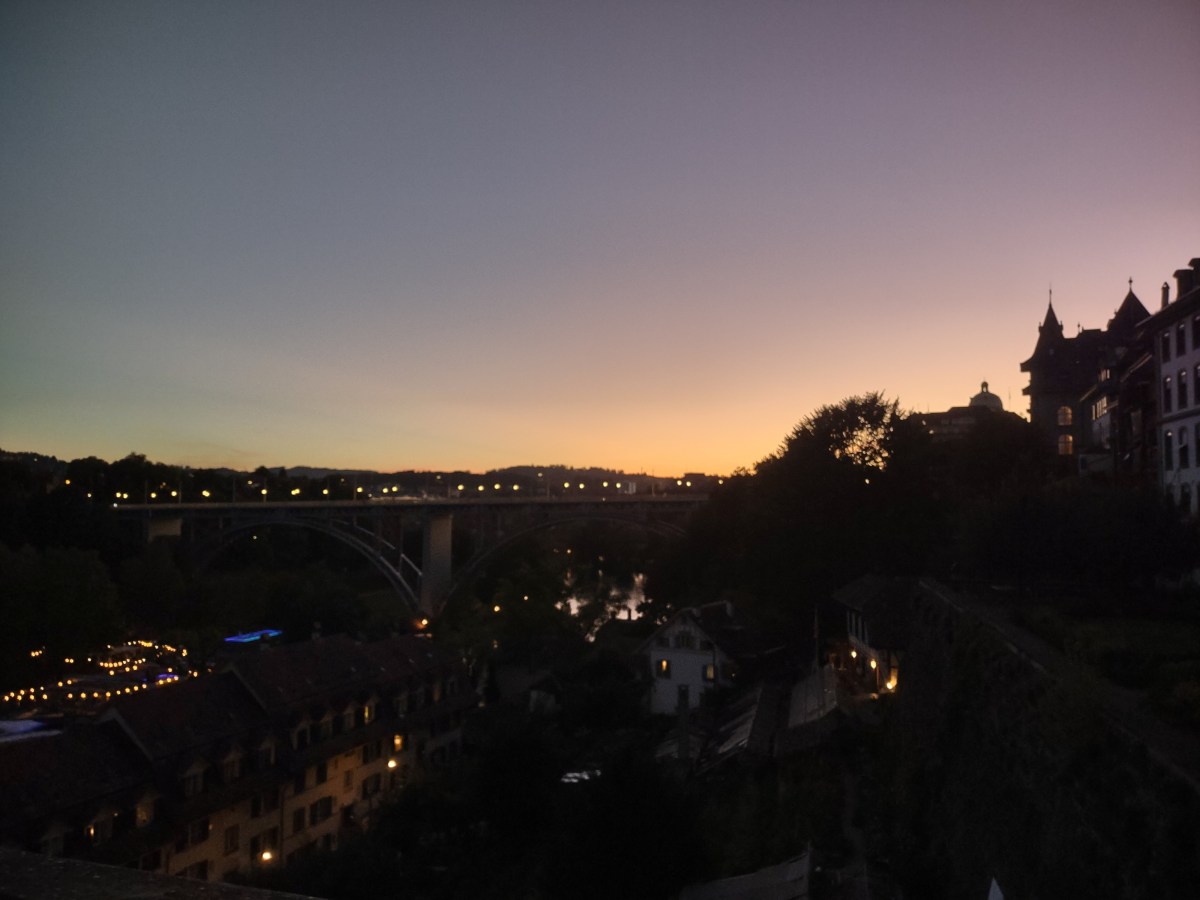
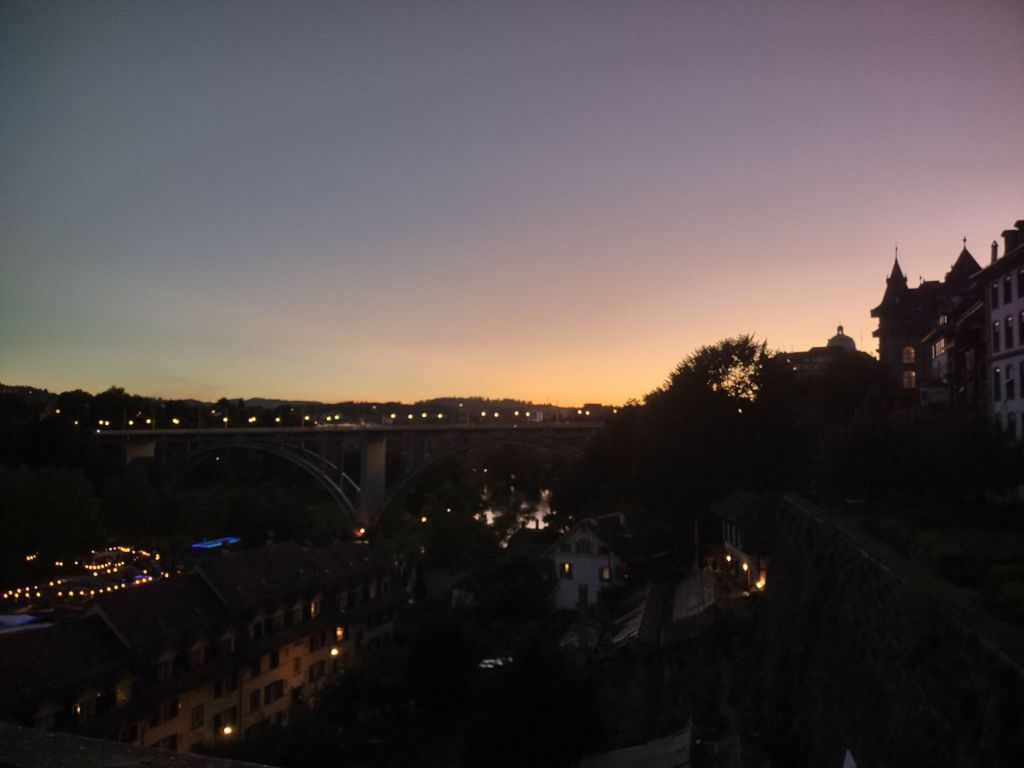
Well he’s a ghost isn’t he, but he shrugs again and ushers me in to the Patent Office and we step into his own office. Checking that no-one can see, he carefully unlocks a secret draw where he keeps those secret papers he (and his maths-expert wife) have been working on. I suppose I’d better indulge him; he’s taken time out of his busy day to show me around this beautiful old city. I’ll have a quick look then it’s out of there and it’s time for a Bier looking over the Aare.
The first one, sounds like the gravel again, but with pollen. It’s his theory as to why pollen seeds in suspension jiggle around (so-called Brownian motion)
As I stifle a yawn, he excitedly gets out another one. Physicists apparently discovered that when you shine a light at certain surfaces, you get an electric current. The patent inspector thinks that’s because light – get this – is made of particles!
He’s really excited now, he even thinks he might win the Nobel Prize for that one. (I’m beginning to think he might be right).
He notices that, so he digs deep into the draw, looks like he’s looking for something he only shows to people he really trusts…here it is.
And – aha! that’s why he was so cavalier about how long this was all taking. Essentially it says that our common sense views on space and time are, well, just a load of old Newtonians. Oh – and while he was working out how weird it all is he came up with the formula you use to blow up the world.
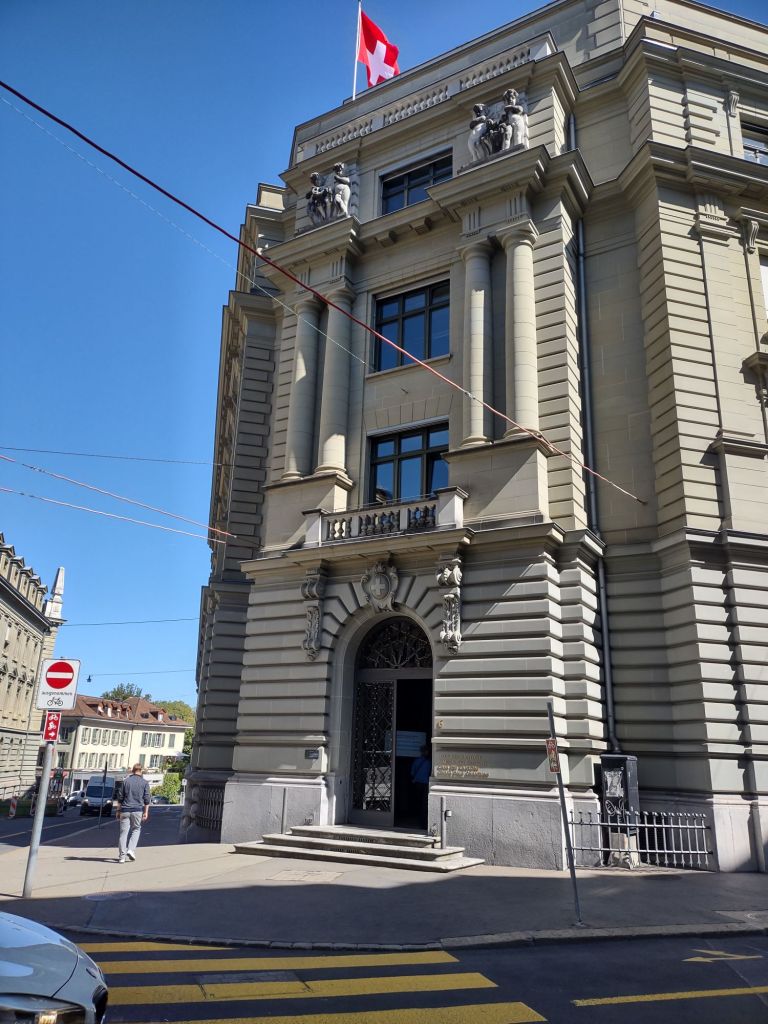
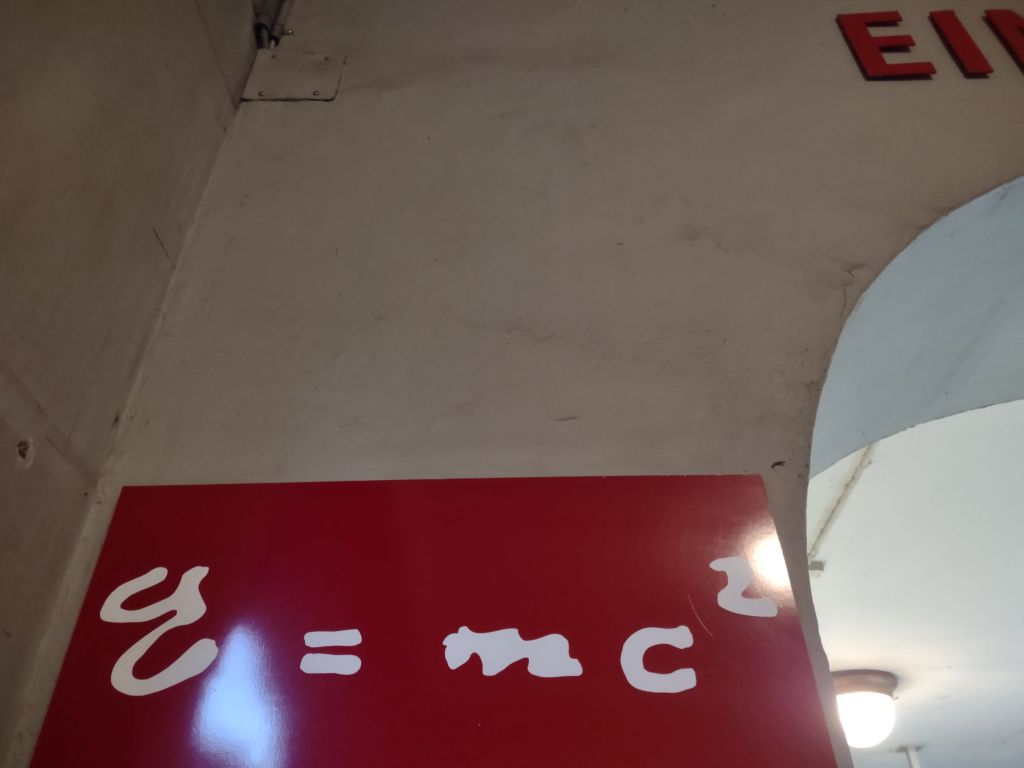
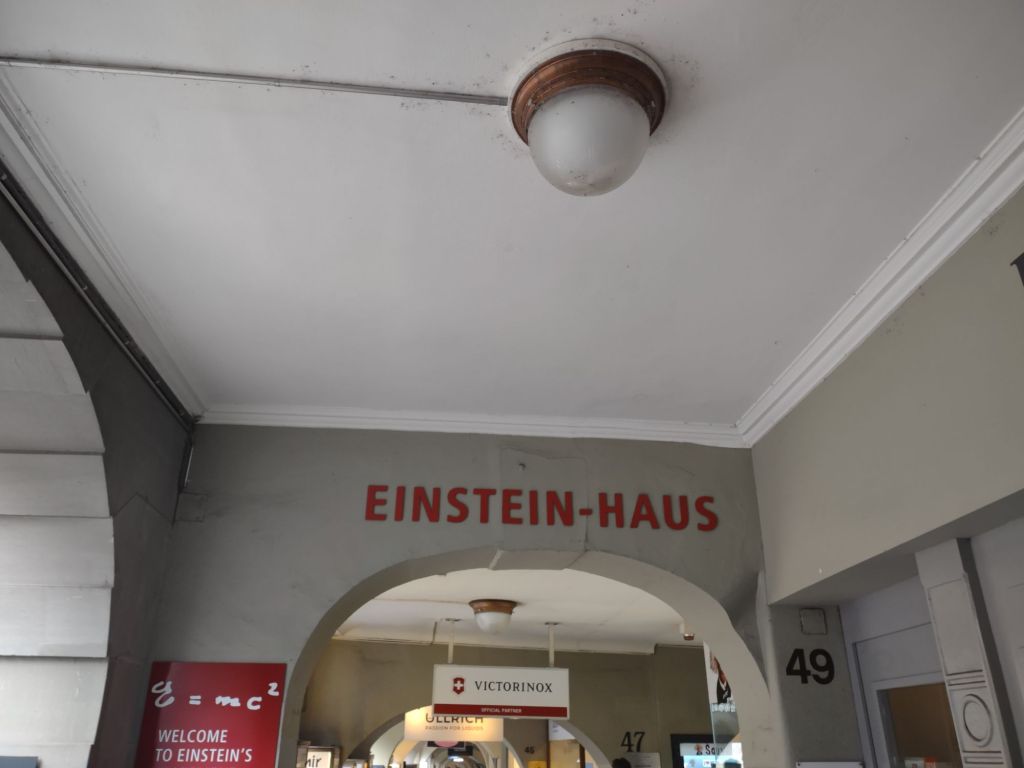
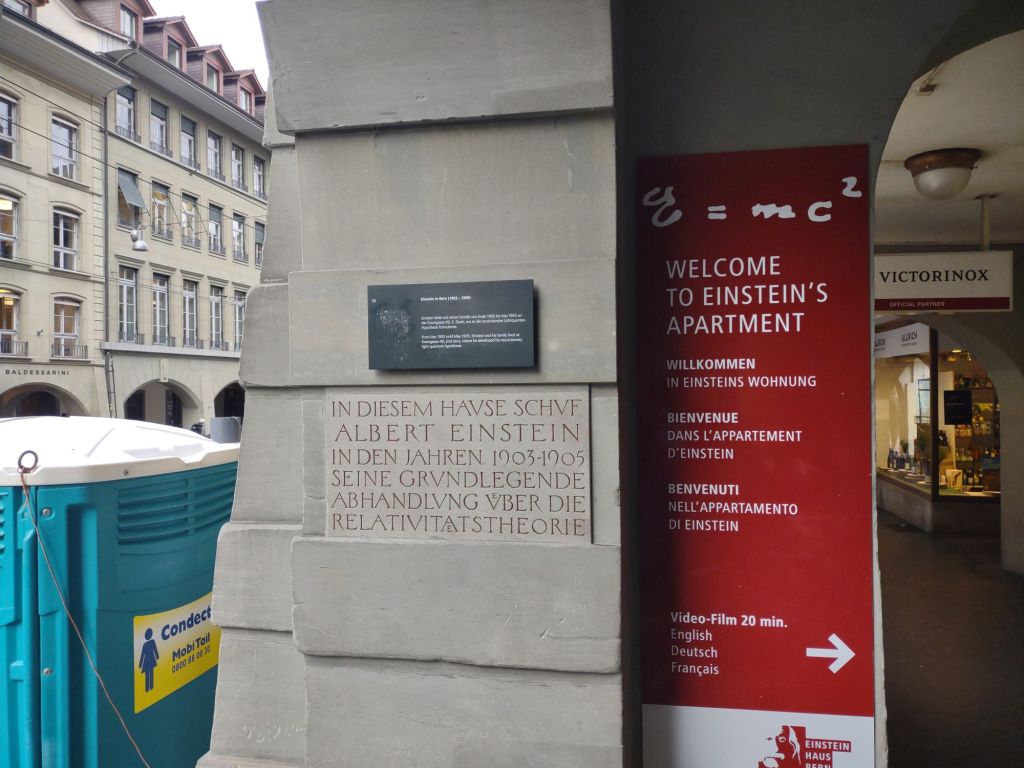
Later that day I’m back on the Kramgasse, back outside his old house (old because he moved out a couple of times, at last got a job at the local university, then the papers became public and the world became his oyster). You know it’s his from the signage and the little museum.
And look, there he is again back home, as if by magic.
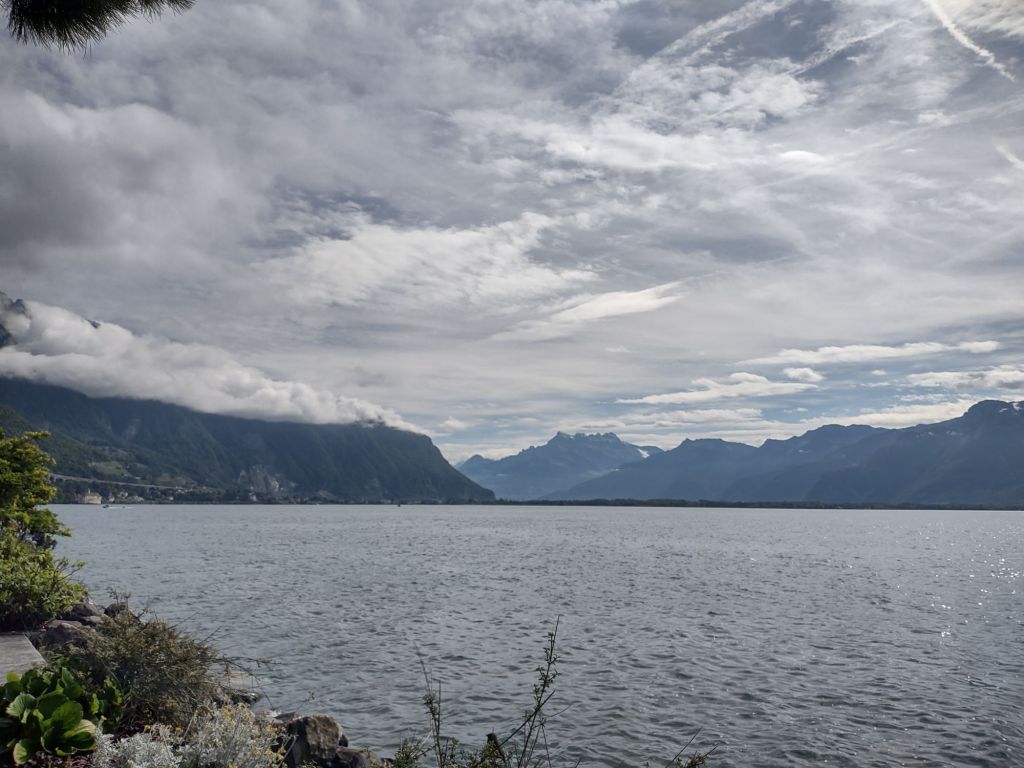
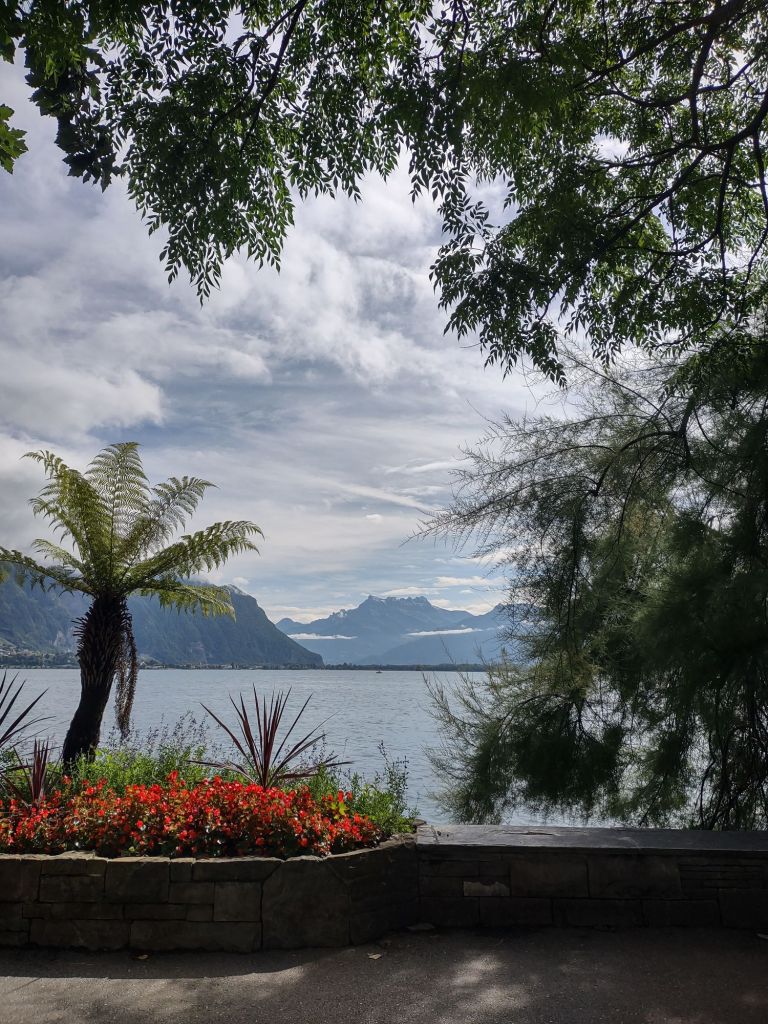
The blue, majestic sweep of Lake Geneva glides around the rugged, verdant south-western corner of Switzerland, where the timeless, cliff-edged peaks of Switzerland run into the timeless, cliff-edged peaks of France. The border runs along the middle of the lake, but you can’t see it; the great blue plain rolls as one great sea while the glorious mountains look down silently from their own frozen march, oblivious to human markings on a map.
And the border fails to cleave the people apart either, here in the French-speaking Suisse Romande. And here we are on the western corner of what the Francophones call Lac Léman, relaxing in the mild microclimate of the lovely resort town of Montreux.
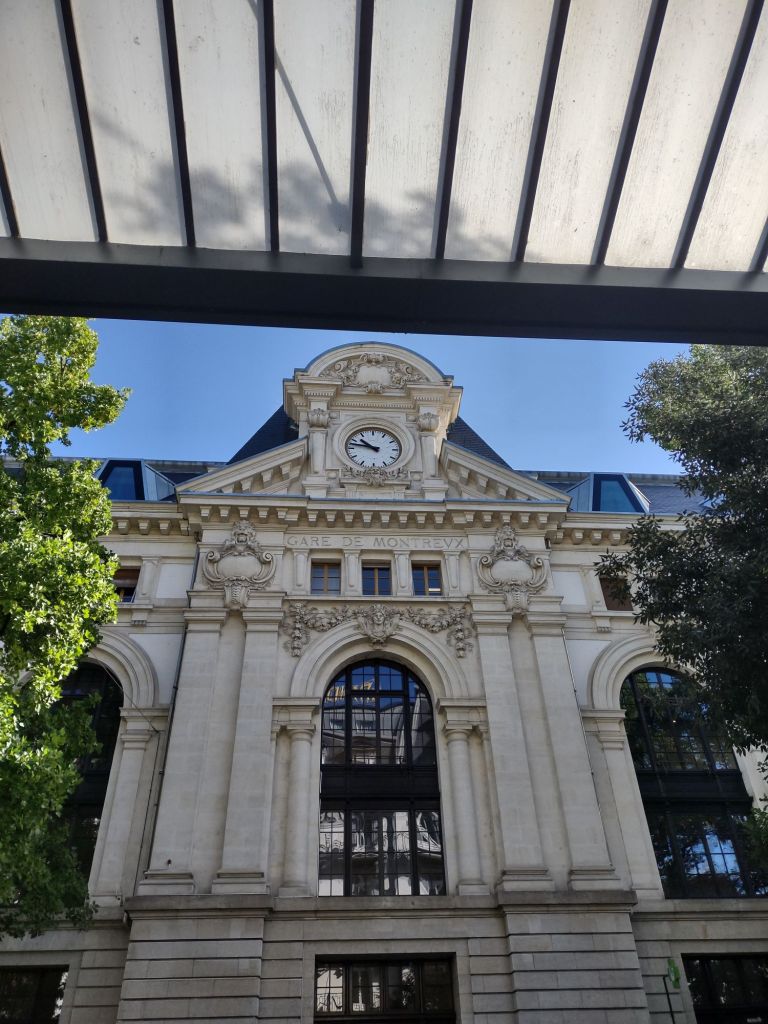
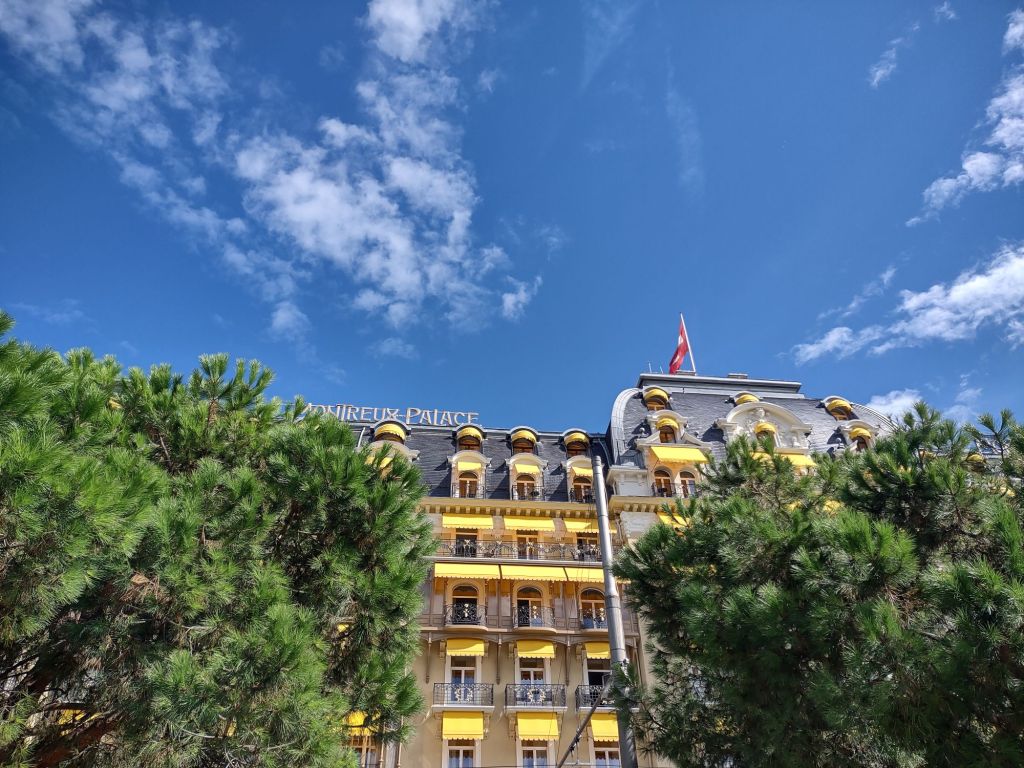
An important settlement on the old Roman routes north through the Alps, Montreux began to attract the British well-to-do in the 1820s and the steamships began plying the lake. But it was with the coming of the railway in the 1850s that tourism really took off here, and over the next fifty years or so a lavish riot of Belle Epoque hotels appeared between the shoreline and the Gare.
Today the tourists are still coming but the town feels remarkably quiet even during weekday shopping hours and weekend nights. The famous Montreux Jazz Festival came and went in the summer and all that’s left is small-town quiet in an elegant fin-de-siecle setting. Nothing wrong with that of course…
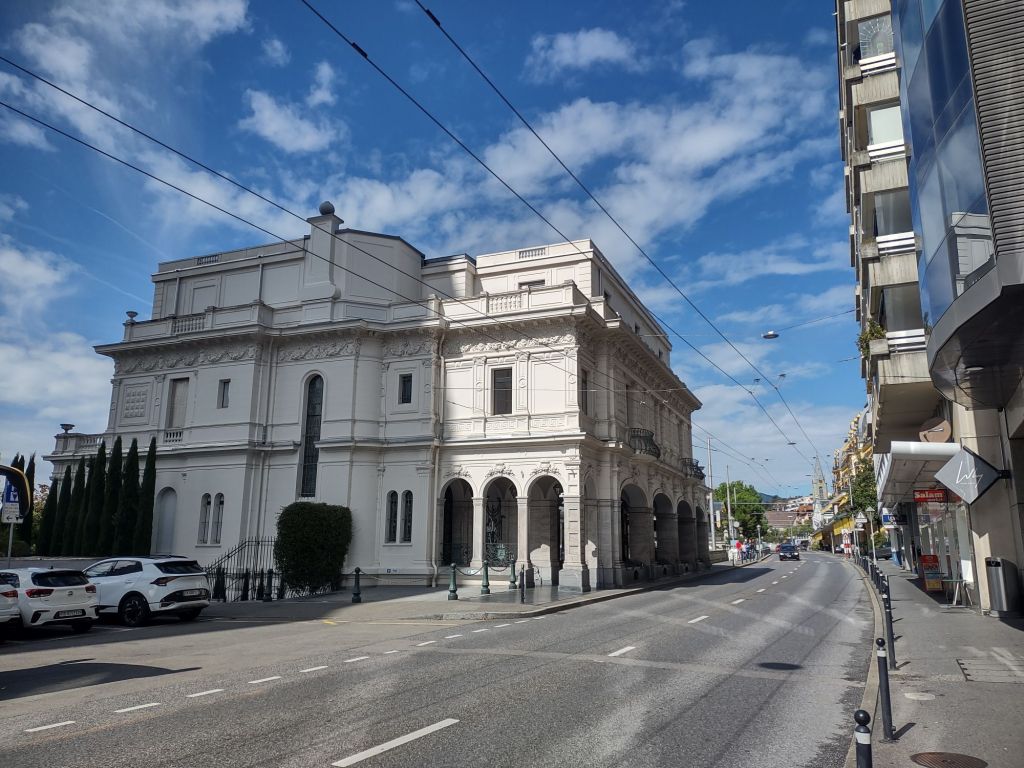
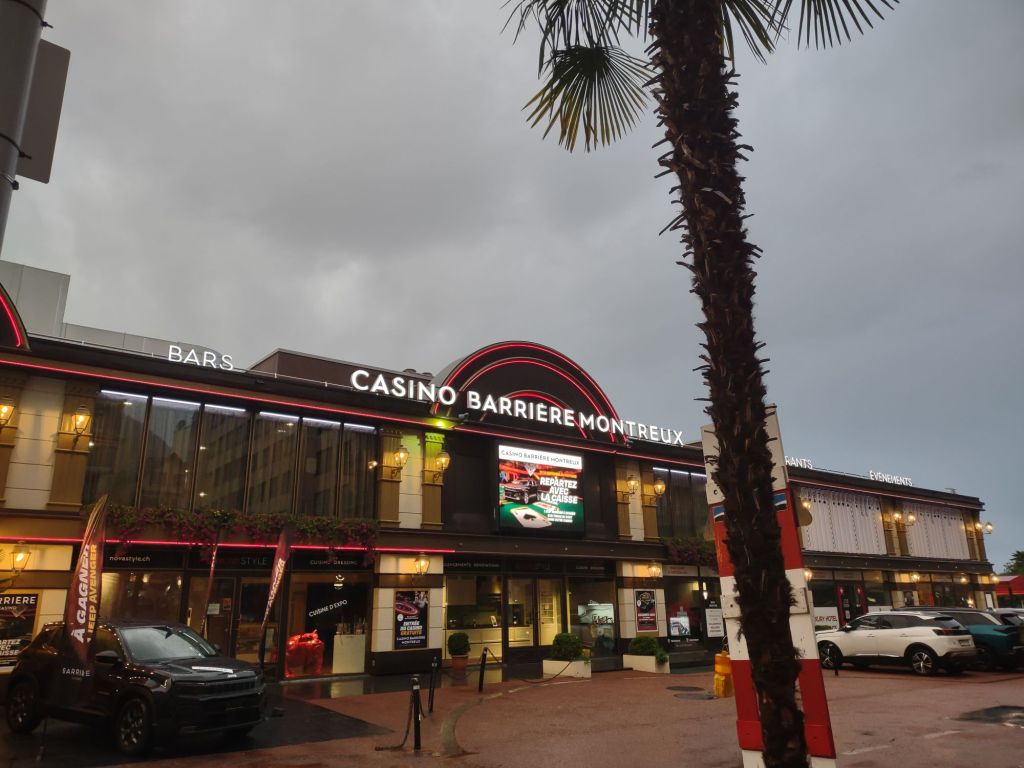
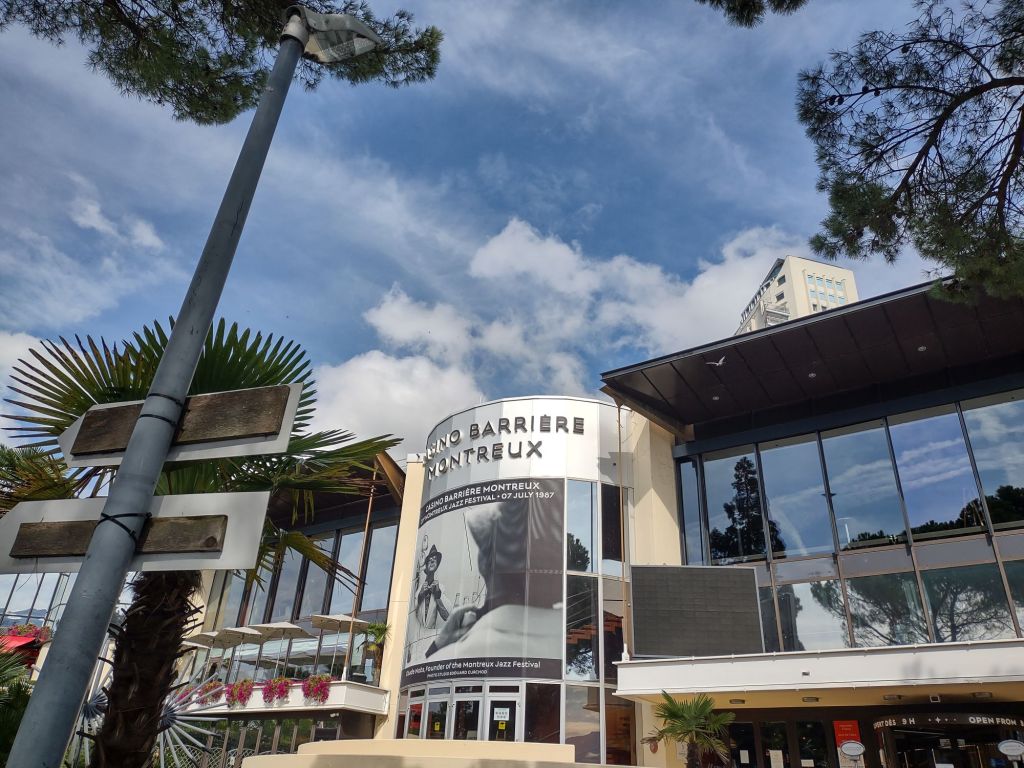
It feels as if the biggest buzz in town is to be found at the Casino.
It’s not the original, that one burnt down in 1971. But you all know that, of course.
Well, you would if you’ve ever picked up a guitar and tried to pick out a tune, the one everyone has a go at.
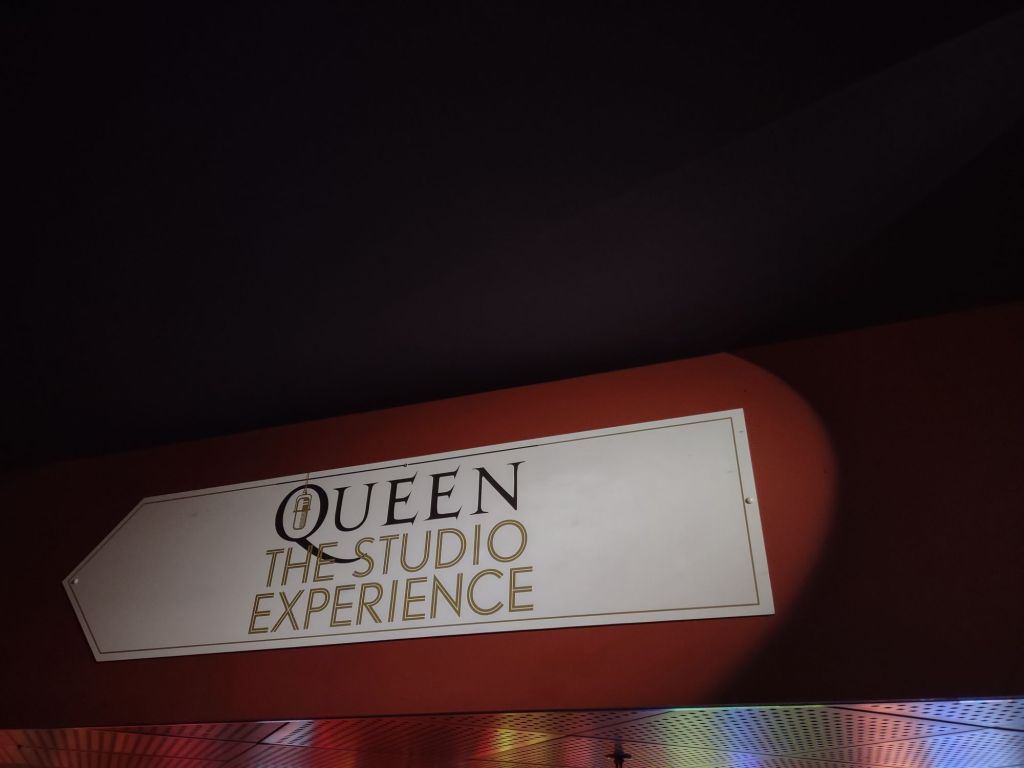
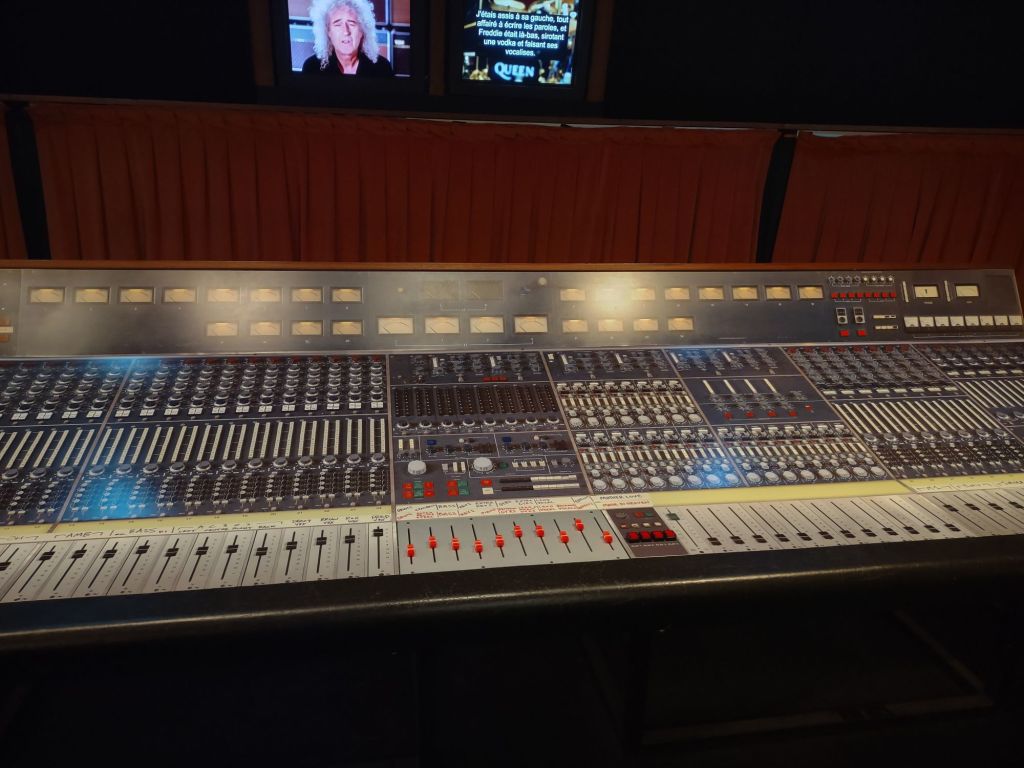
A trendy, idyllic spot like Montreux was destined to drag out the arty folk, and over the lake and through the Gare streamed writers like Tolstoy and musicians like Stravinsky. The musical connection proved particularly strong, and the Jazz Festival was created in 1967. The greats of jazz and rock would perform in both old and new Casinos, eventually moving to a convention centre and then the beach, and their music would be recorded from a studio in the Casino. The band Queen loved it here, and bought the studio in the late 70s, recording their seminal later work here.
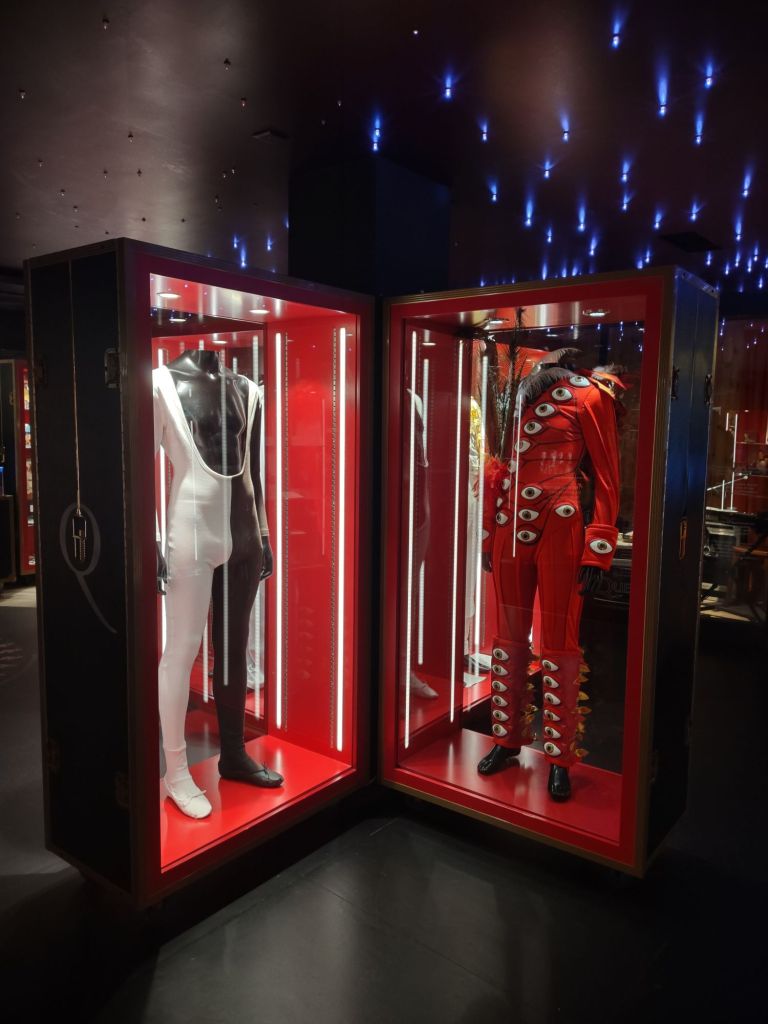
The studio has been turned into a small museum, and they even have part of the old recording deck and visitors are given the opportunity to mix a couple of the original line-up’s last songs. (A video on the wall has Brian May warning you not to overdo the drums).
I think I overdid the drums
It’s fun, but there are signs around warning you to be respectful while visiting the site. Because, of course, this cannot just be a museum about Queen’s connection to Montreux.
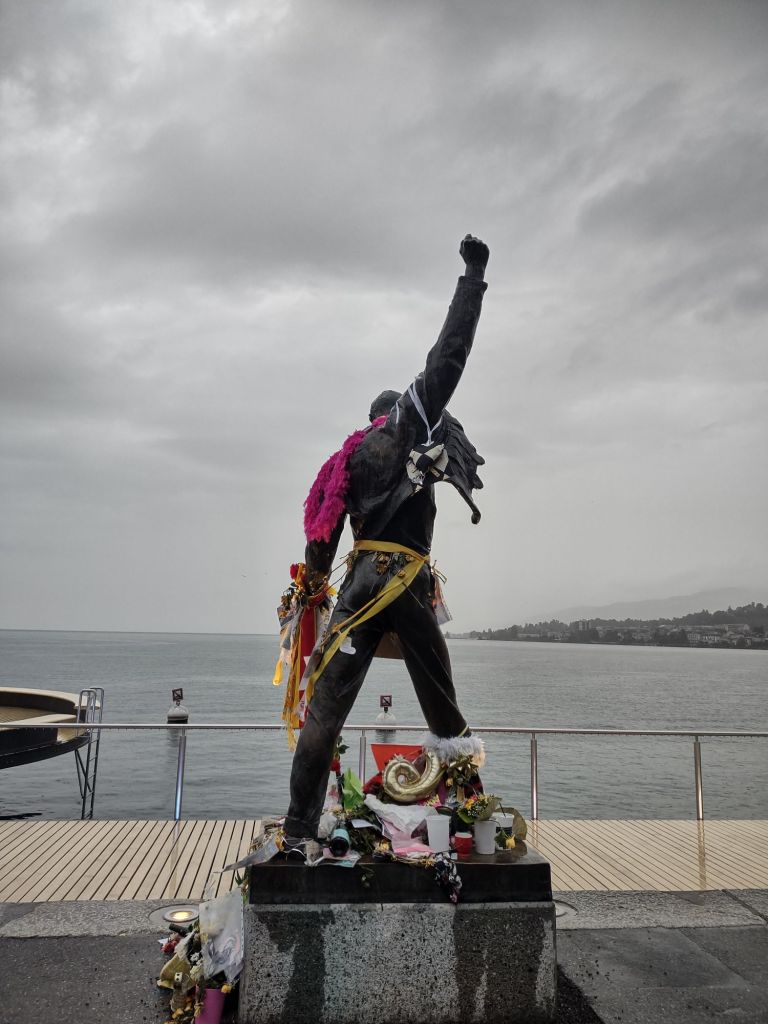
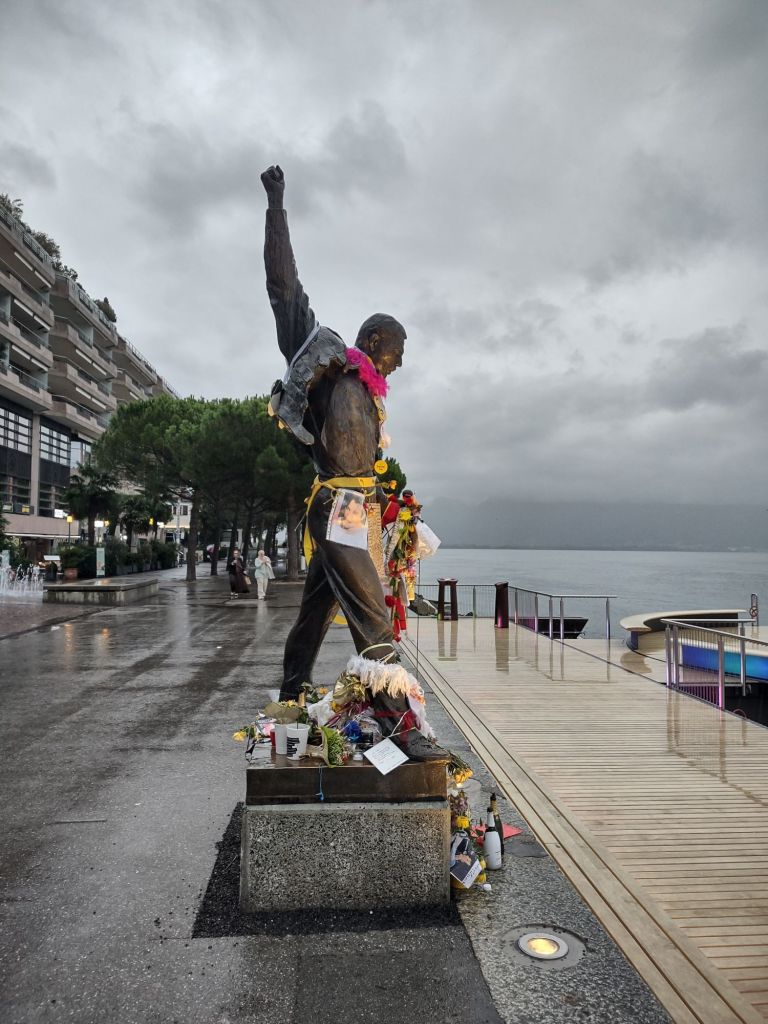
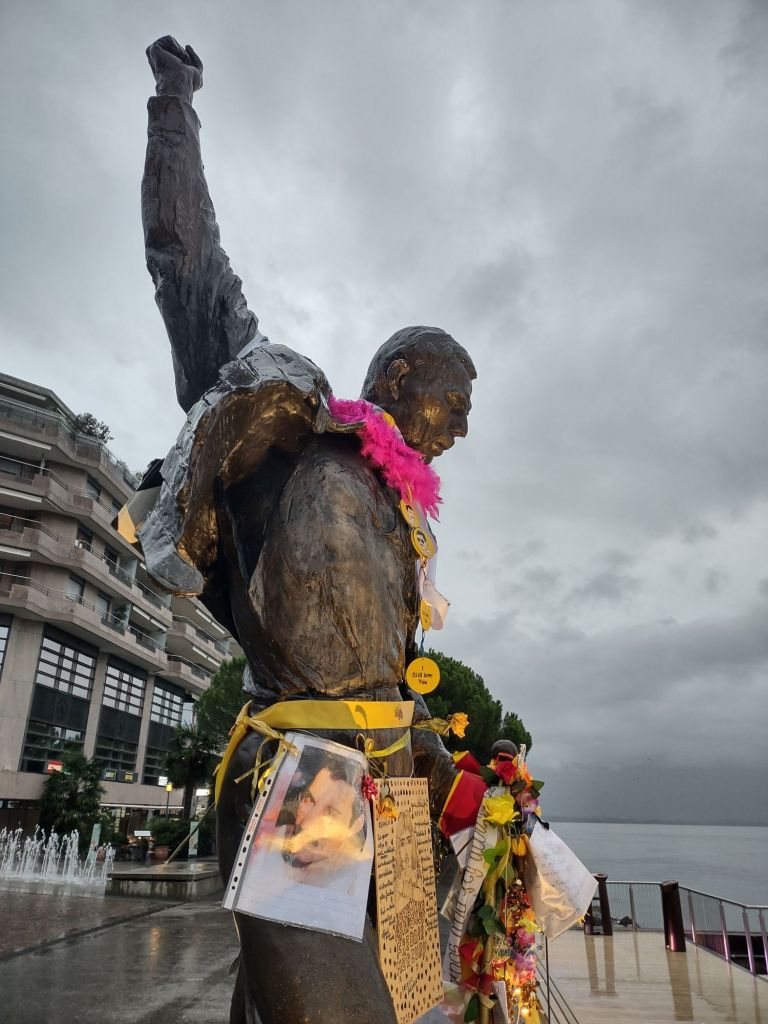
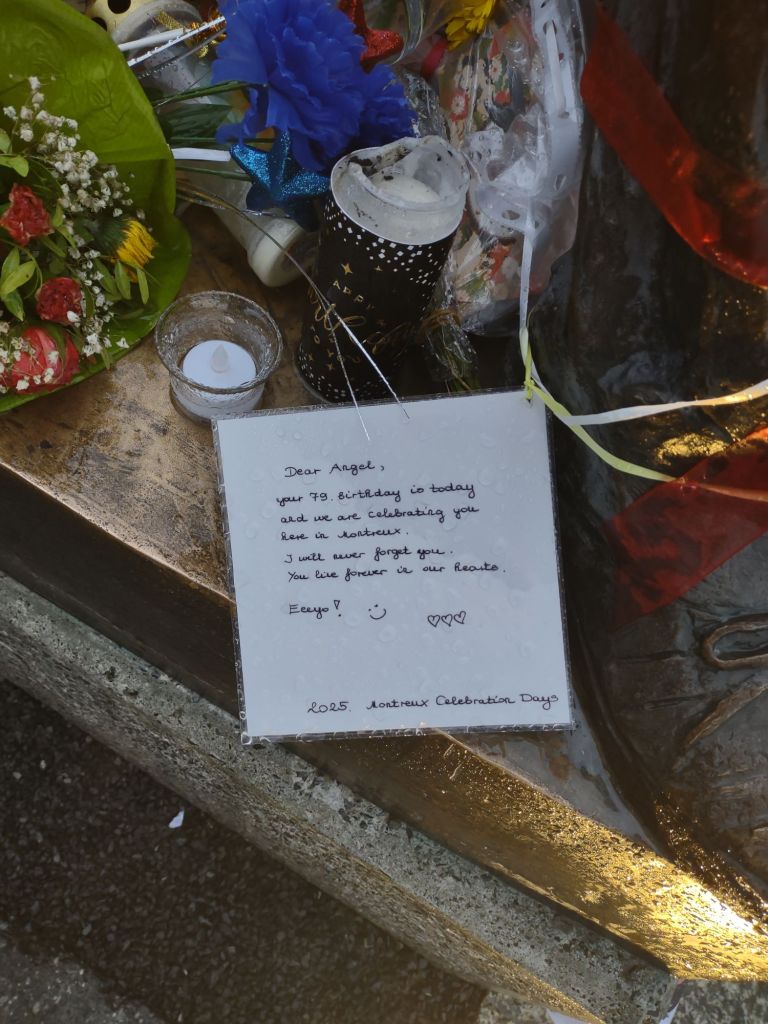
It’s a memorial to Freddie Mercury.
A little walk along the shore and…well, yes, I’ve previously mentioned the need to break my addiction to posting about statues. But here it felt fitting, and extremely moving.
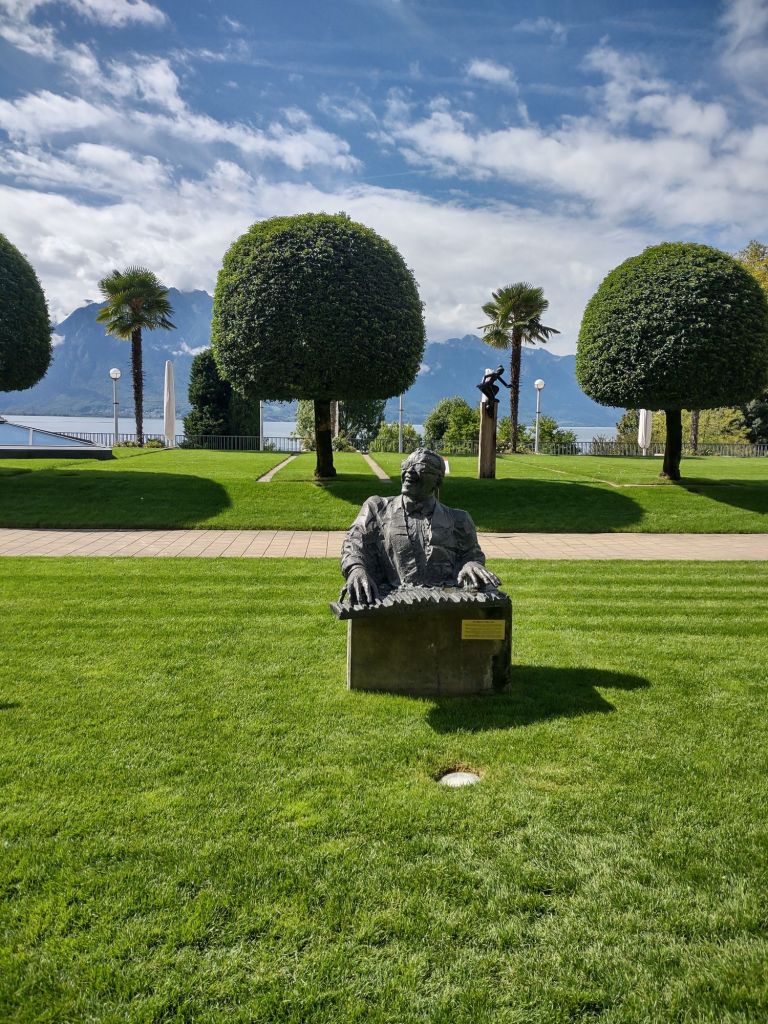
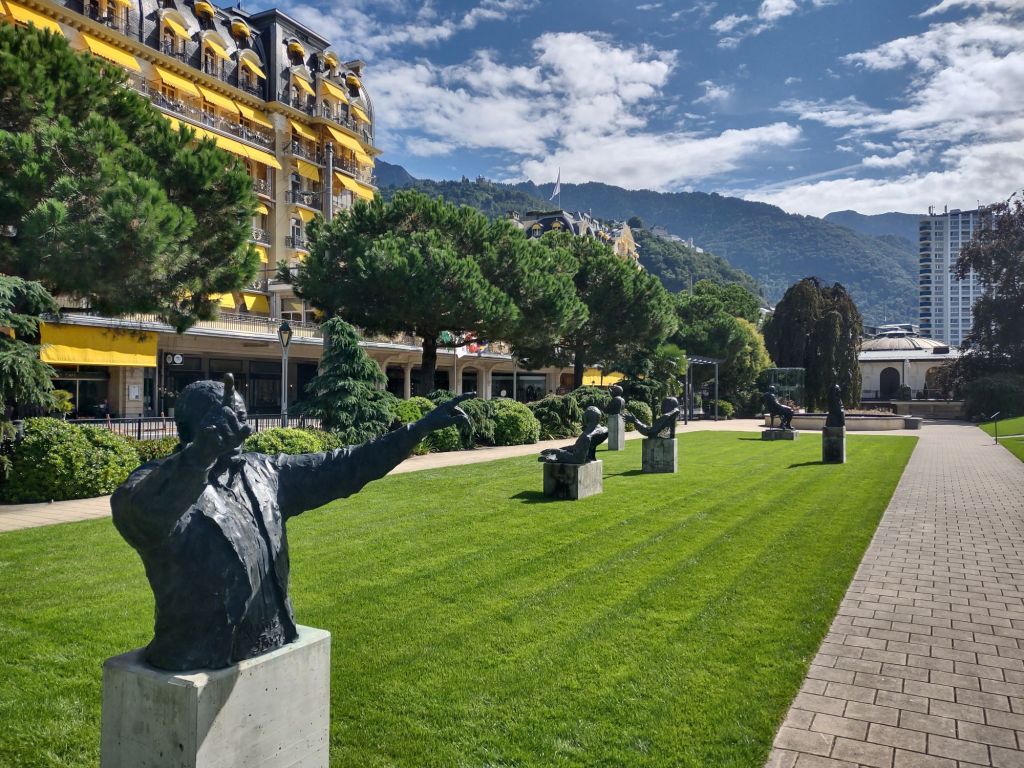
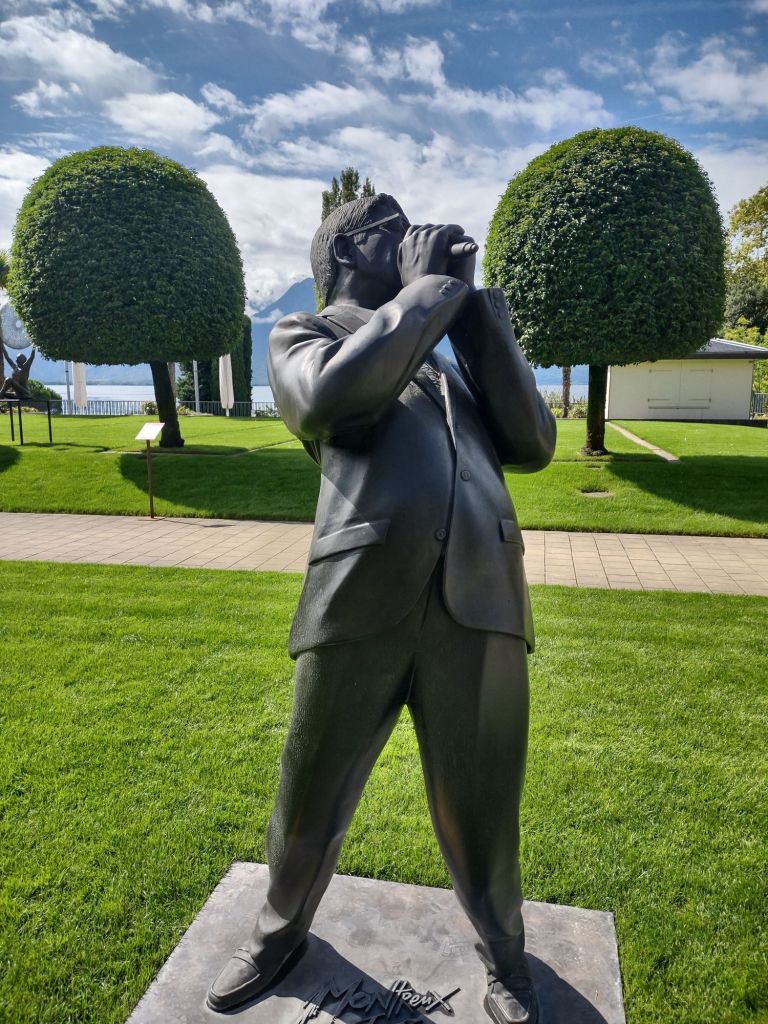
Further down into town, many of the other luminaries that have graced the festival down the years – BB, Ella, Ray, Quincy, Carlos, etc – continue to belt it out in stone.
And here he is, the man himself, the ebullient founder of the Montreux Jazz Festival, Claude Nobs.
Or “Funky Claude”, which again you’d know if your attempts to pluck that guitar actually got somewhere and you managed to master arguably the most famous opening riff in guitar rock…
It’s December 1971 and a banging night is occurring at the old Casino (well it’s just the Casino at this point. It’s just about to become Old very quickly). Frank Zappa and the Mothers of Invention are strumming it on stage, and all is very well indeed. The Sixties only finished two years ago, and so everyone is literally off their heads. Someone in the audience – we can only assume they are hippyish, long-haired, and completely off their heads – decides to answer that age-old question; what happens when you fire a flare gun at the wooden ceiling in an indoor space?
This raises another question that Frank Zappa and Claude Nobs are now each forced to answer; how on Earth do I get everyone out of this fire alive? Incredibly, through Zappa’s calm request to evacuate the building, and through the heroics of Nobs and the fire brigade, no-one is killed. But the Casino is destroyed.
Meanwhile, elsewhere in town Deep Purple are waiting to record their new album at the Casino. Of course smouldering wrecks are simply the kiss-of-death for rock acoustics, which presents a problem.
However, as they notice the, ahem, smoke on the water, they also spot the opportunity. The best art is driven by deep personal experience, and so Deep Purple get scribbling a song that will immortalise the fire, rightly immortalise “Funky Claude” and his courage in “pulling kids out the ground”, and help deal with some of the trauma from something they know “we’ll never forget”.
And fair play to them for doing so, even if it’s left us with one of the most hackneyed, done-to-death earworm openings in the whole of popular music, a theme that’s now probably best heard on the air guitar.
The next morning I wandered back into the centre of Paris, more-or-less following the well-worn track along the Champs-Elysees past the Place de la Concorde, through the Tuilieres and on to the Louvre. Arguably the most touristed track in the world, it was busy.
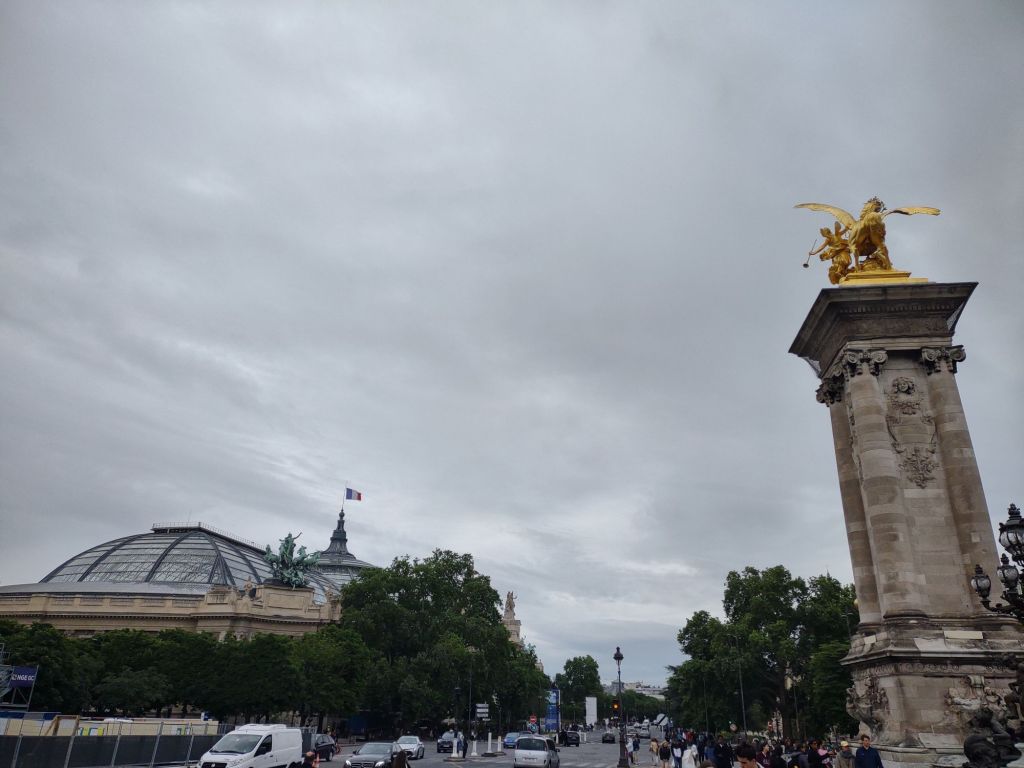
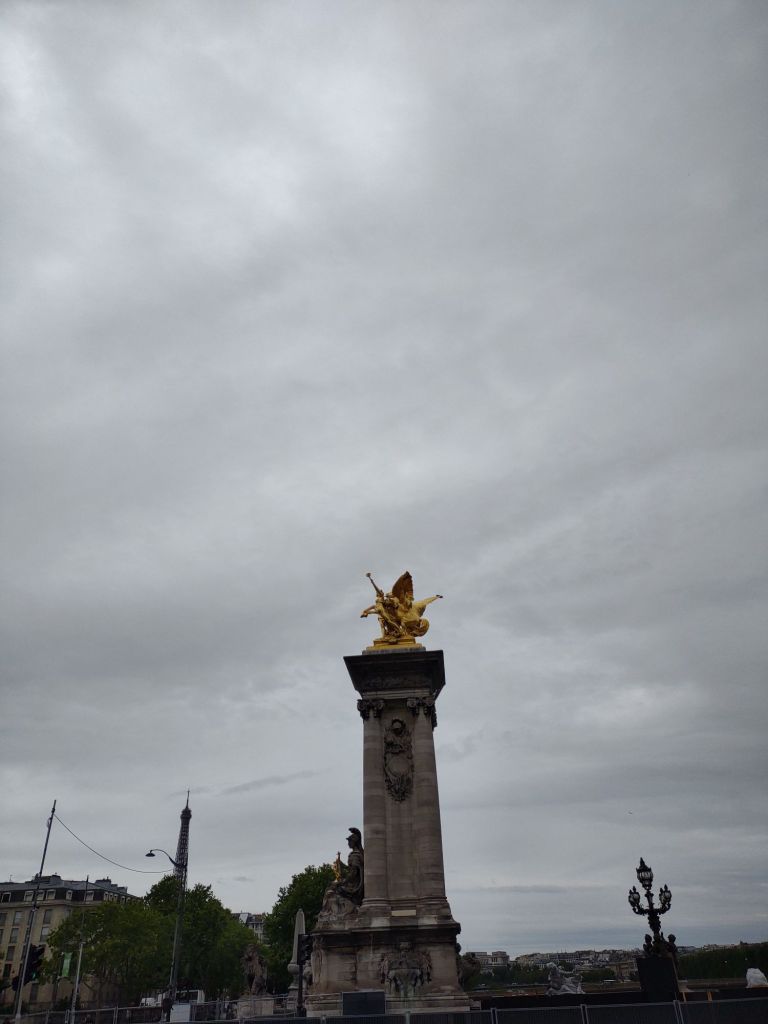
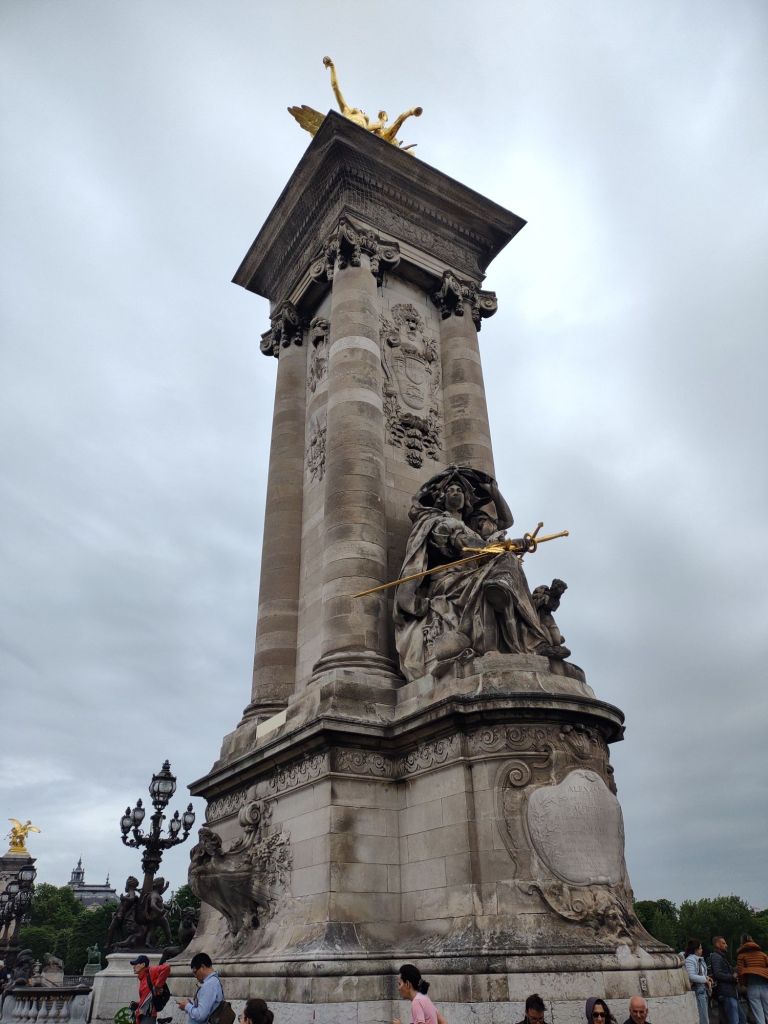
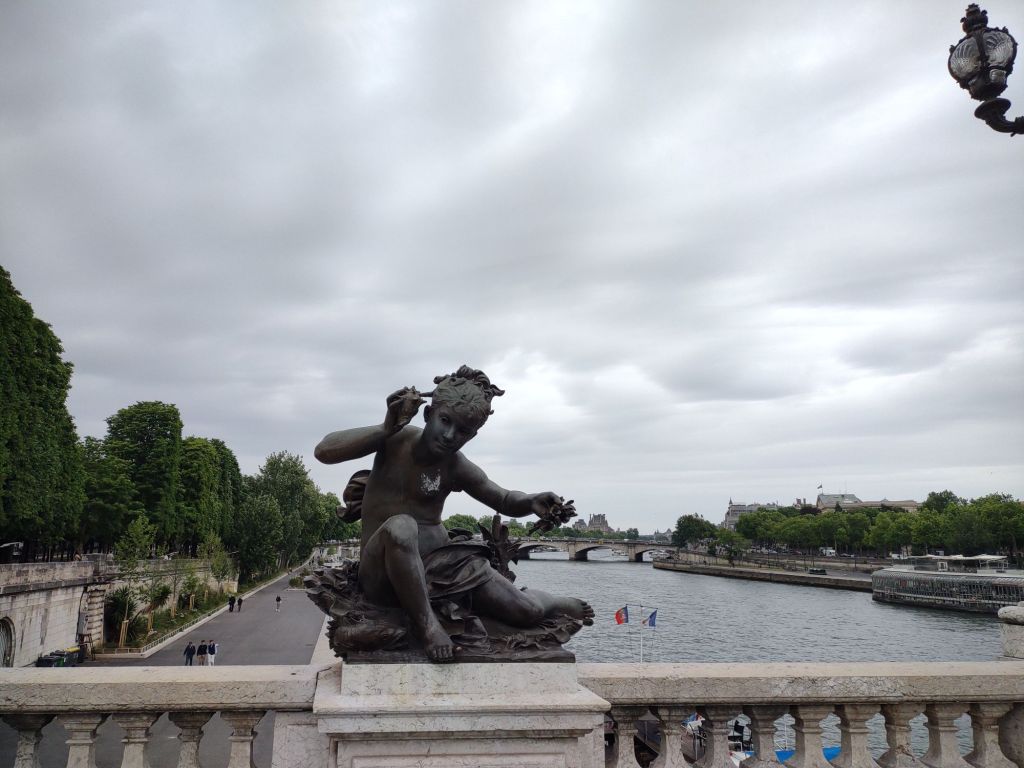
To get there I crossed the extravagant Pont Alexandre III bridge, built in 1900.
It had statues…
…but they weren’t hearing anything from me.
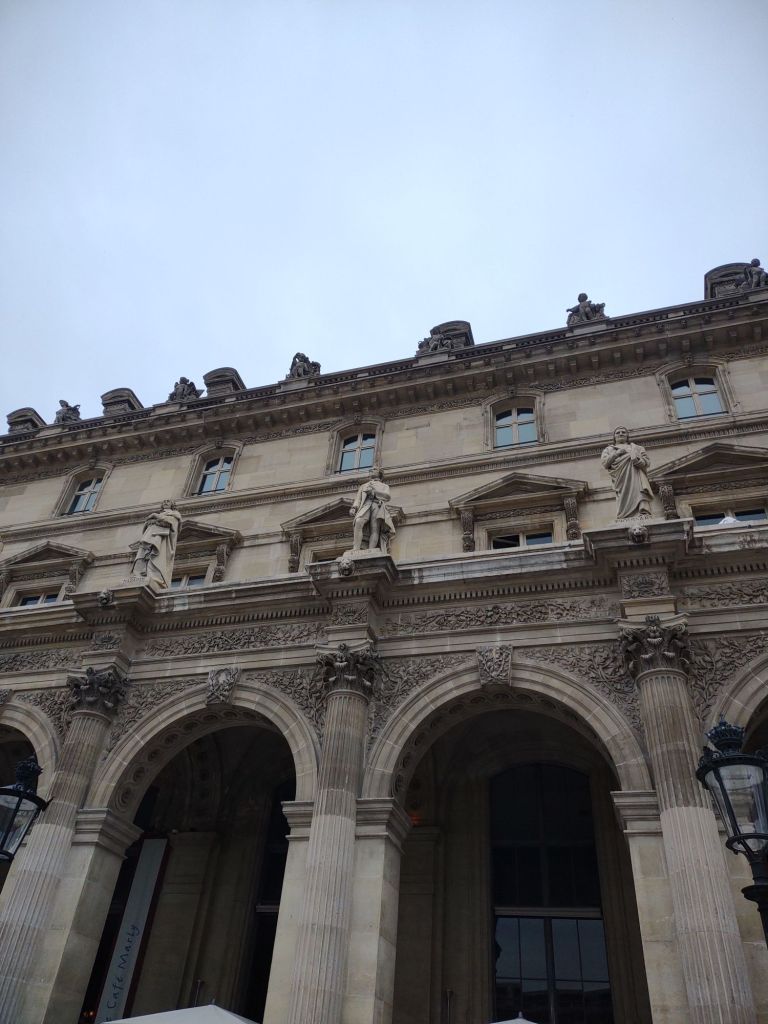
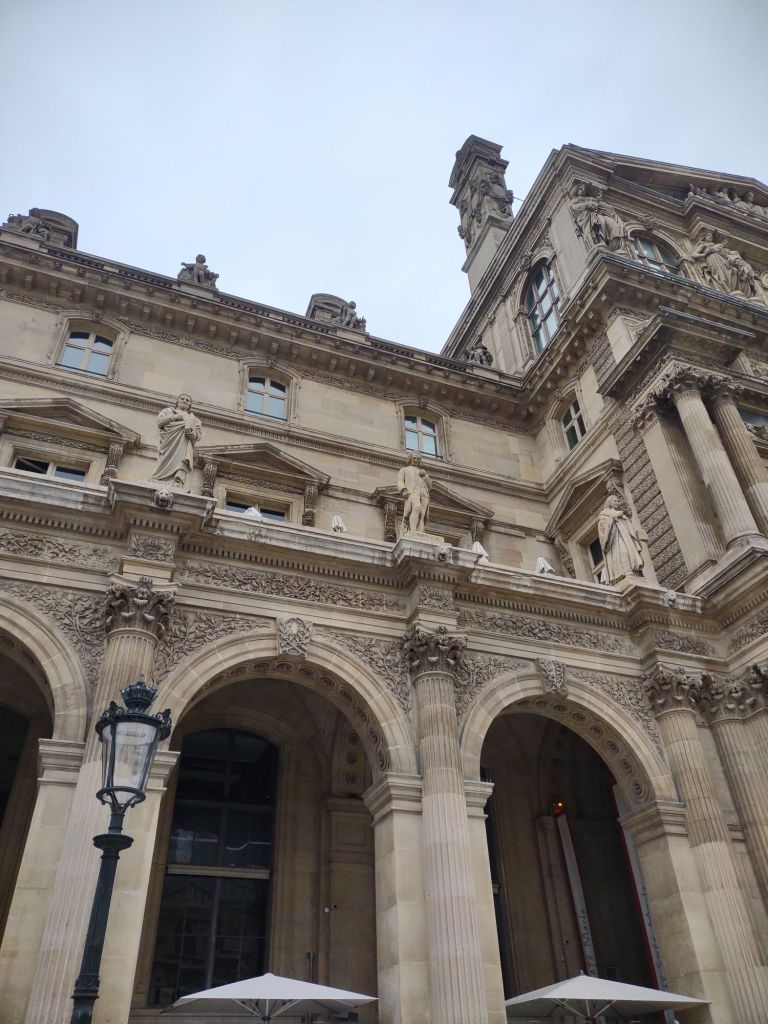
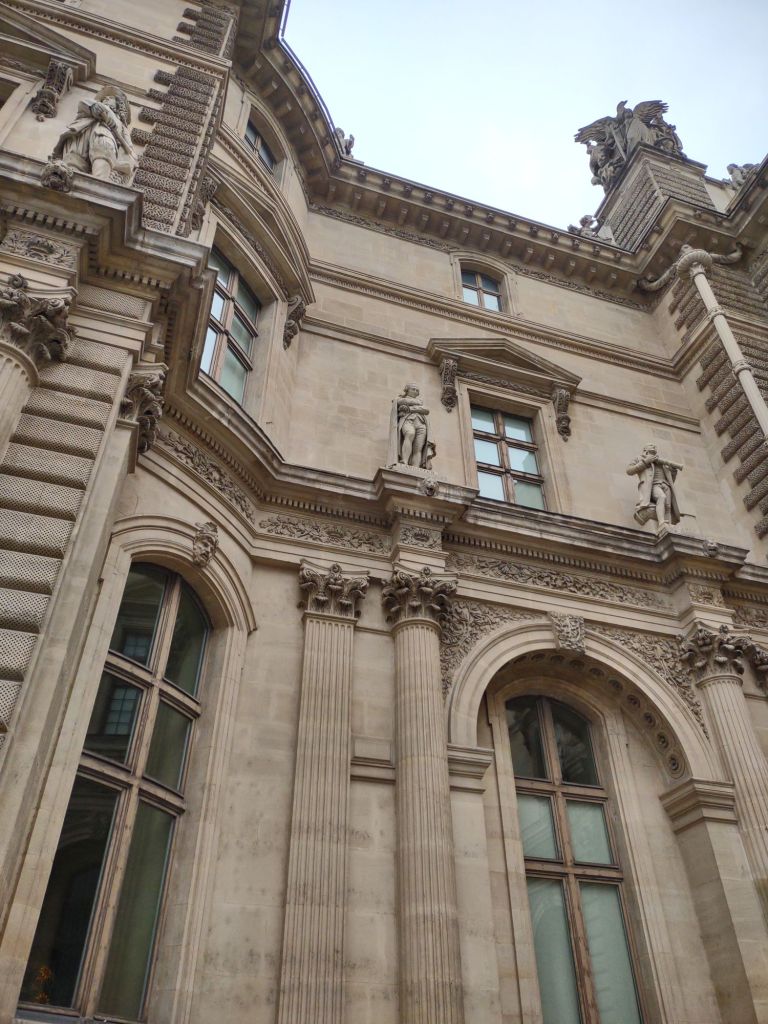
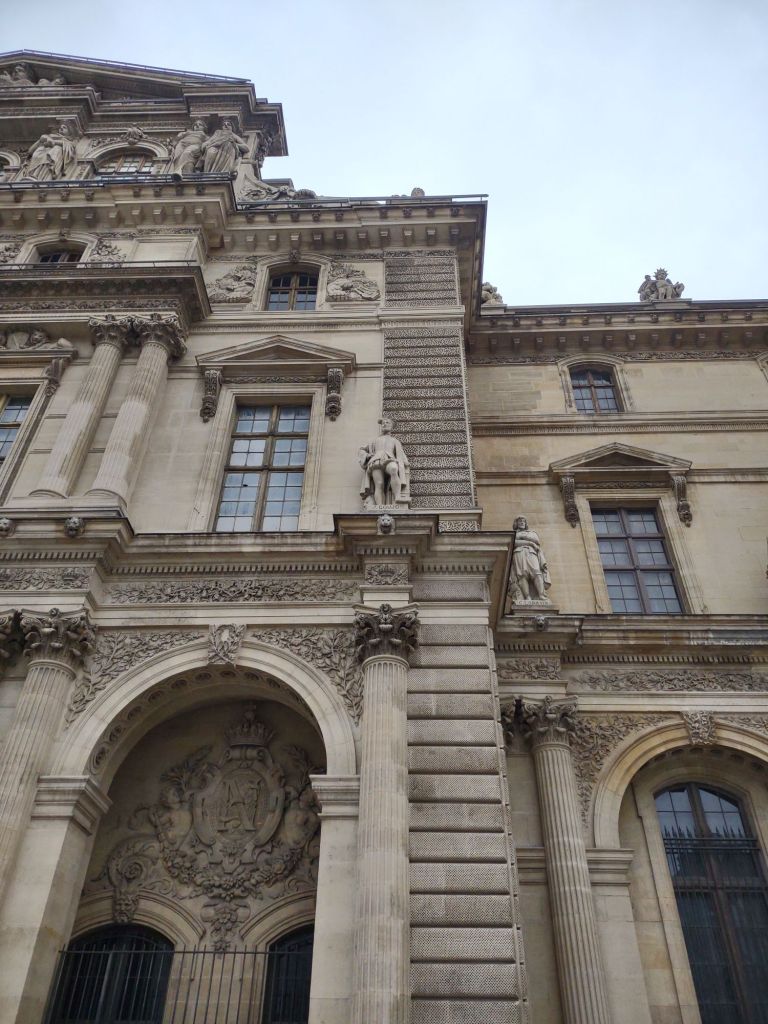
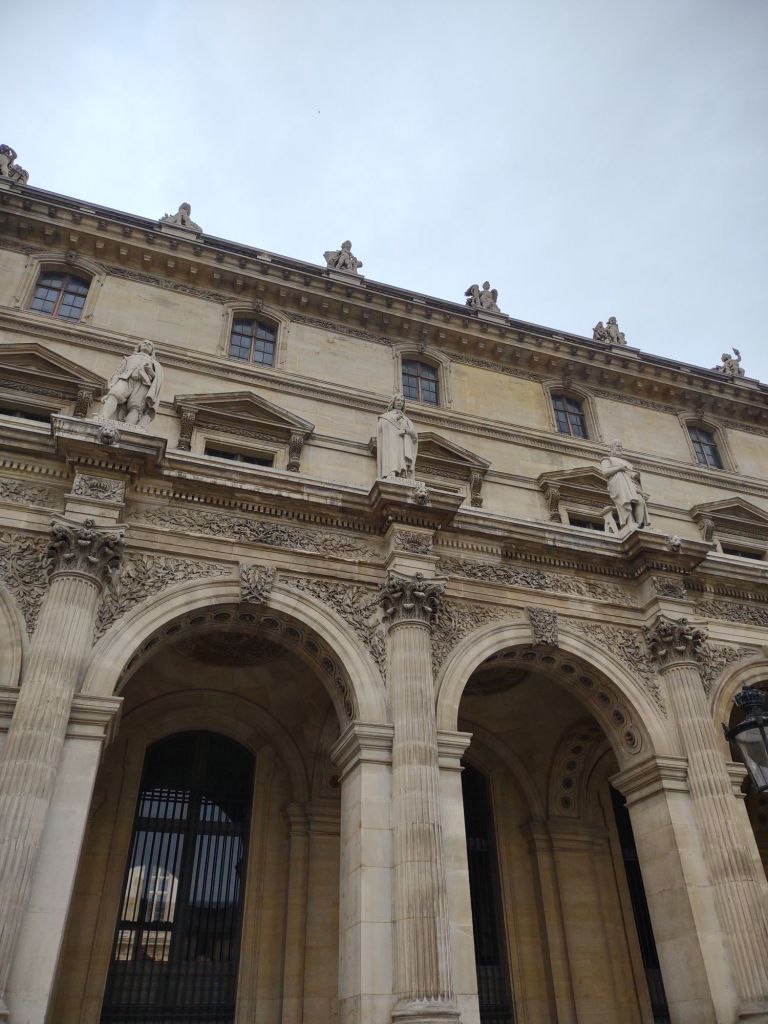
The Louvre is the Louvre is the Louvre, the most famous museum in the world, it’s got the Mona Lisa. A simply enormous and grandiose building it was originally a royal palace then a home for the royal collection, and then the Revolution of 1789 came along and it became the open facility it is today. I’d visited it on previous trips and the queues were long so I contented myself with admiring the architecture from the outside.
And that’s when I noticed all the statues, and my resolve melted.
High on the walls there are about fifty statues memorialising great figures in French history, from politics, the arts and sciences, you name they’re here. Paris, France, revels in its freedom to celebrate the sensuality of the female form, so as you can imagine all the people they seem to value here, the ones that matter, are men. But still, a statue is a statue, and here are the ones I picked out for special measures.
BUFFON: Italian, maybe, but he deserves to be here. What a goalie.ROUSSEAU: “Man is born free, but every one of them seems to be in this square”LAVOISIER: The great scientist who recognised oxygen as an element, his links to the ancien regime led to a post-revolutionary datewith Madame Guillotine. As the saying goes, it took a minute to chop that head off, but it would take a hundred years to grow another like itGOUJON? No thanks, I’ve already eaten.DESCARTES: “I think – that my legs are killing me now”
So with that I said goodbye to the great ones and got myself something to eat and drink.
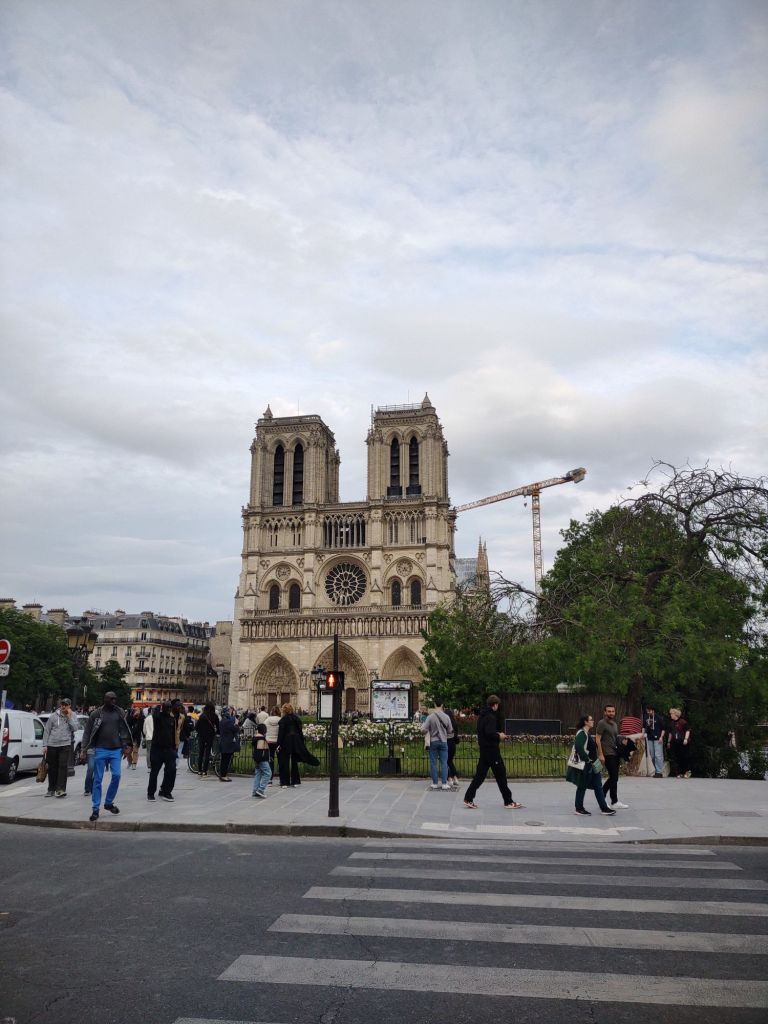
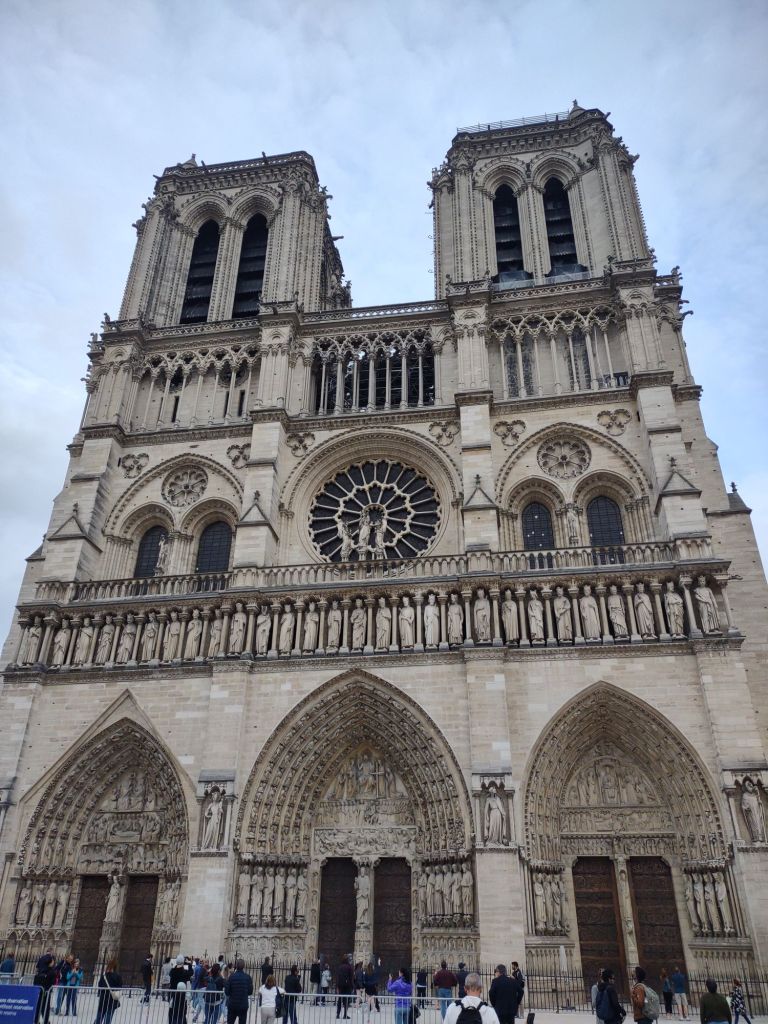
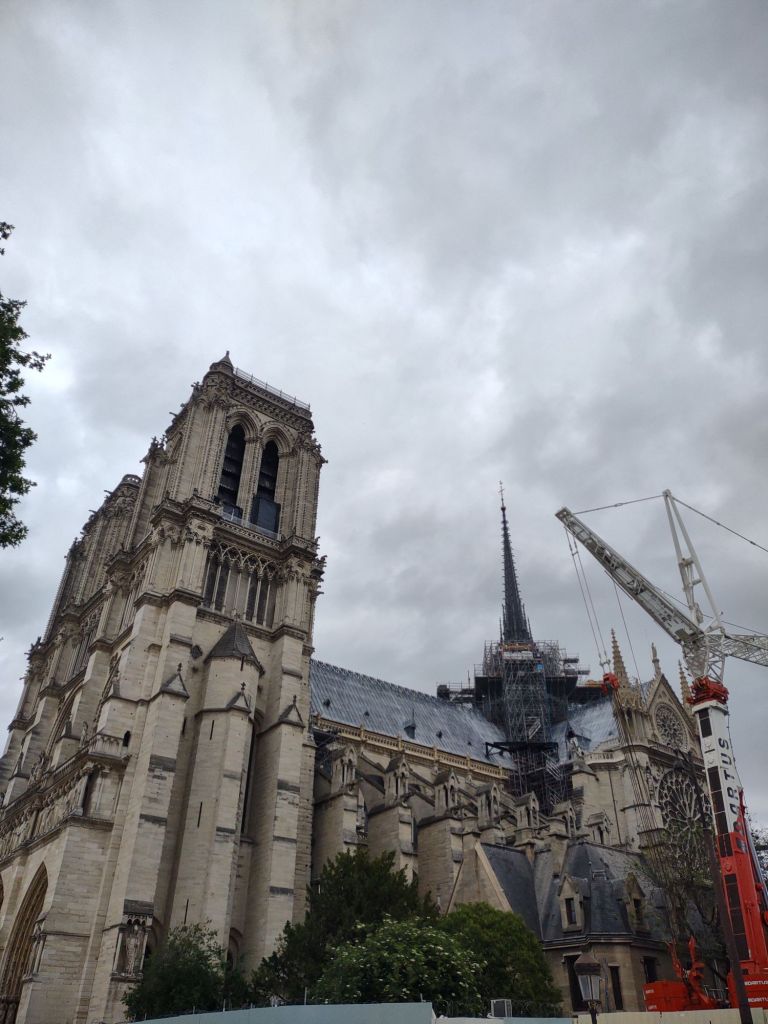
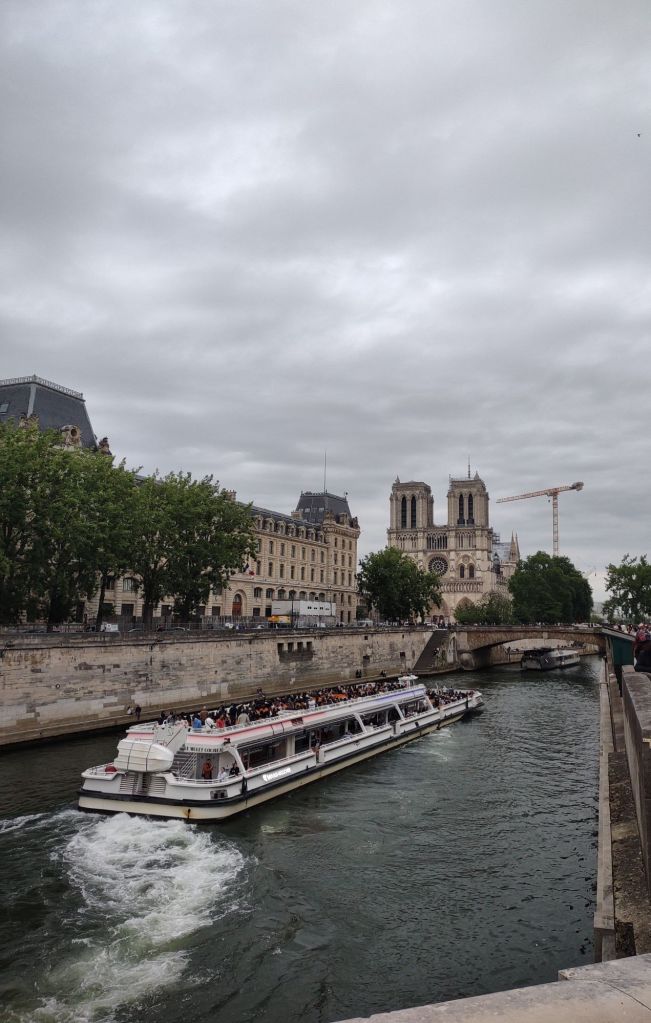
Afterwards I went down to have a look at the renovated Notre Dame.
From the outside you would think that all was well after the devastating fire of 2019. There was still work being done on the collapsed spire…
…but Paris was still glorious.
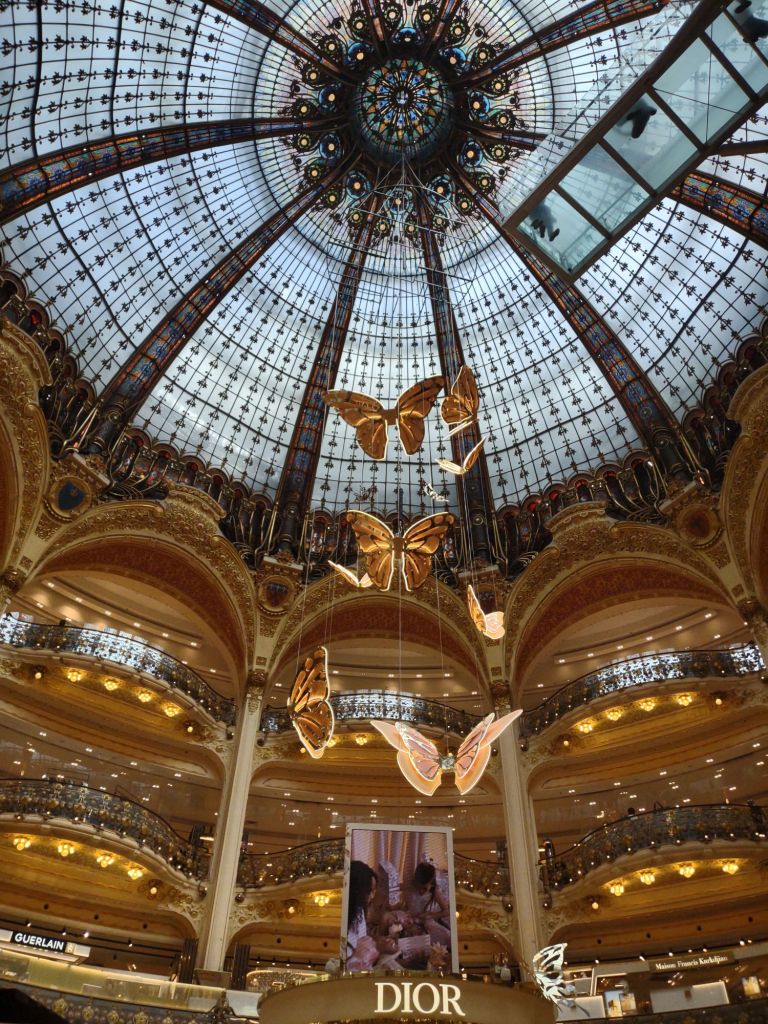
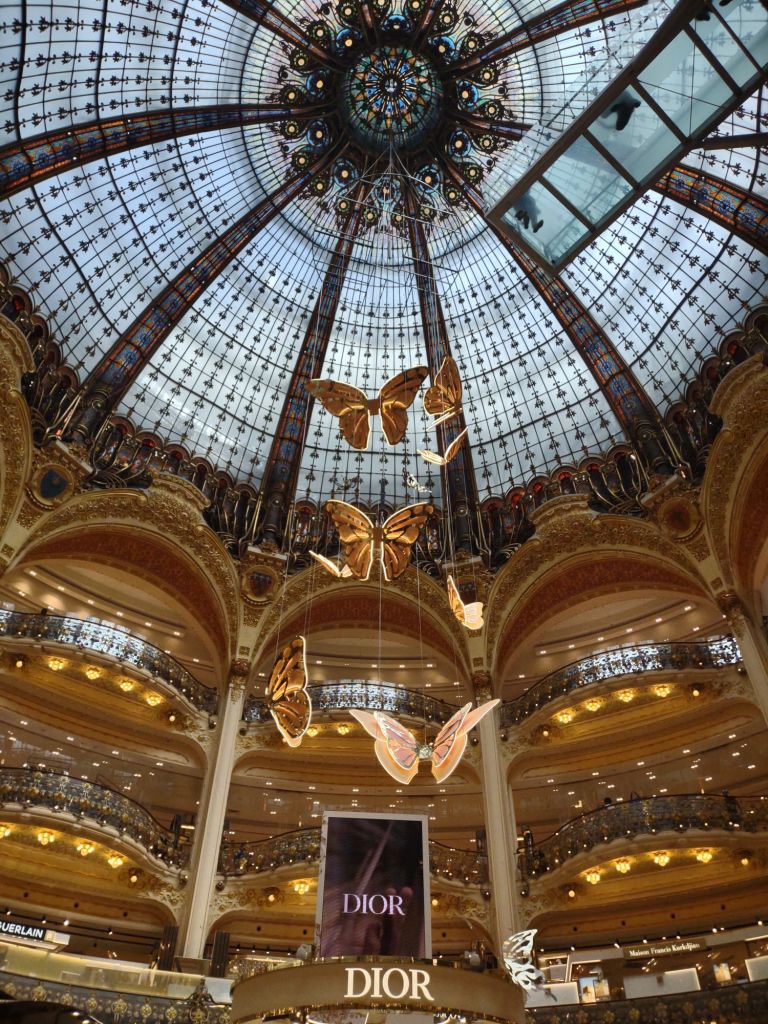
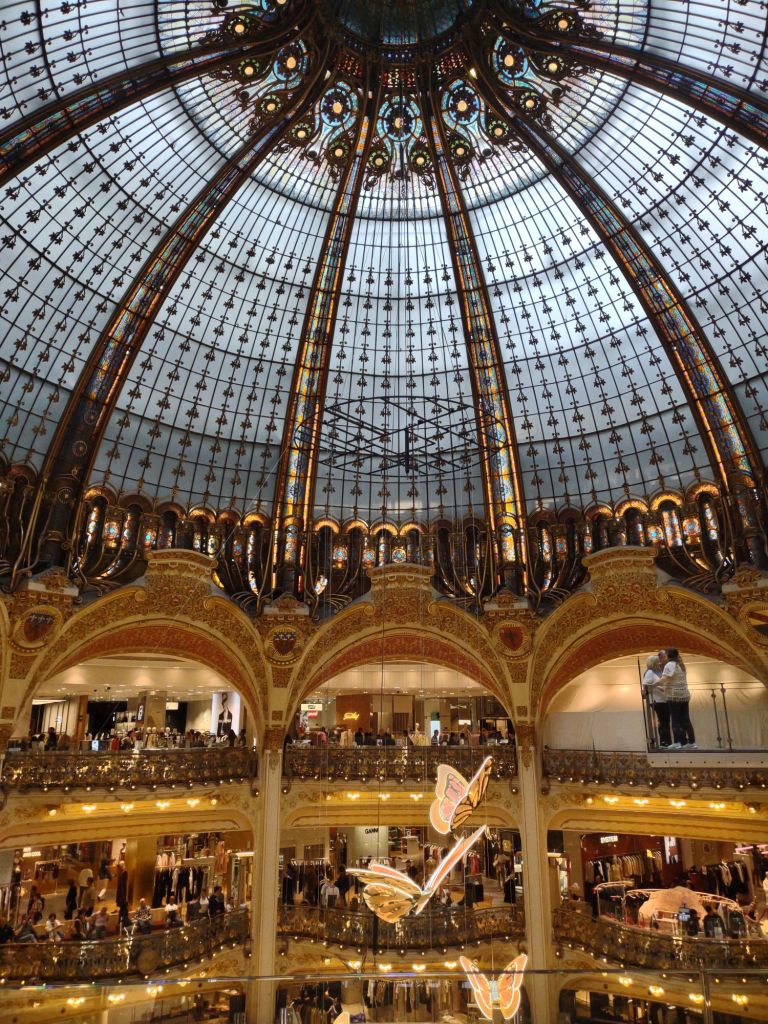
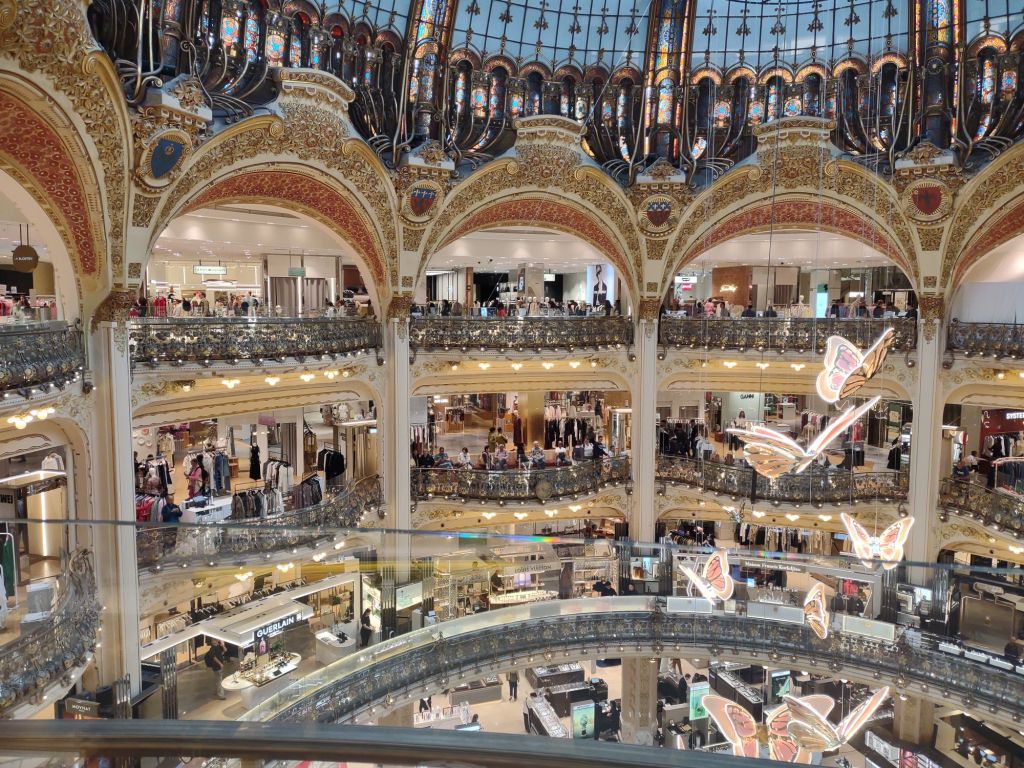
The following day I took up a friend’s recommendation and headed to one of the Galaries Lafayette, Paris’s most stylish shopping mall chain.
Your eyes are just drawn upwards, glistening with astonishment at how high it is! Just – so – extravagantly – opulently – high! I mean, €18000 for a watch!
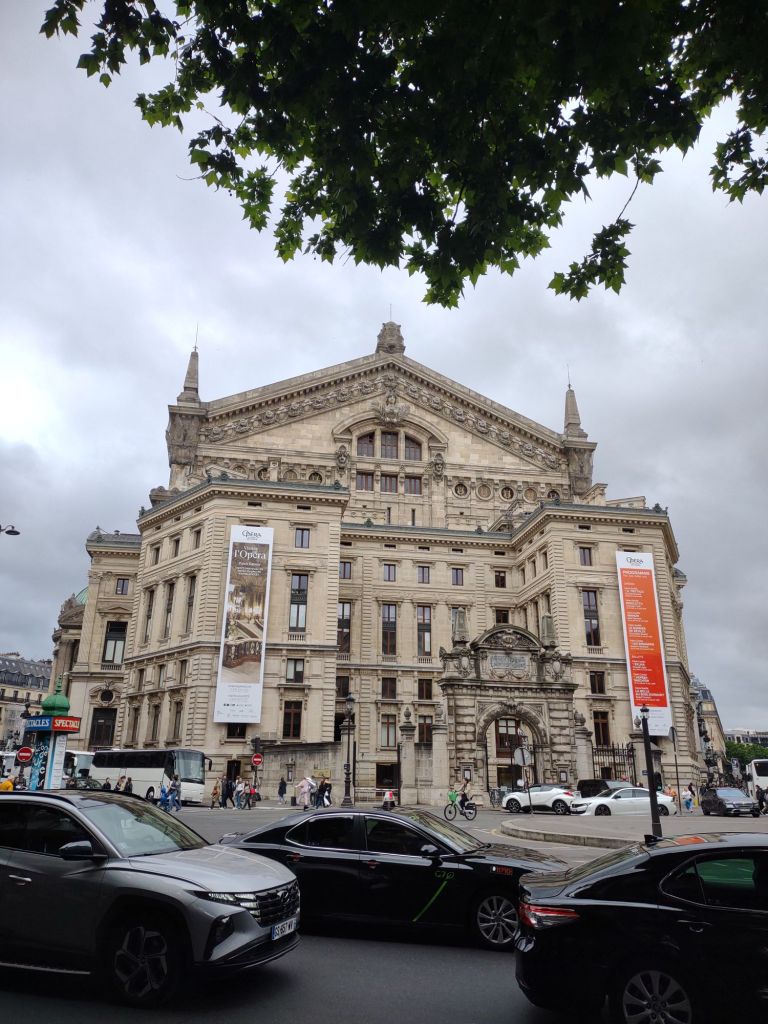
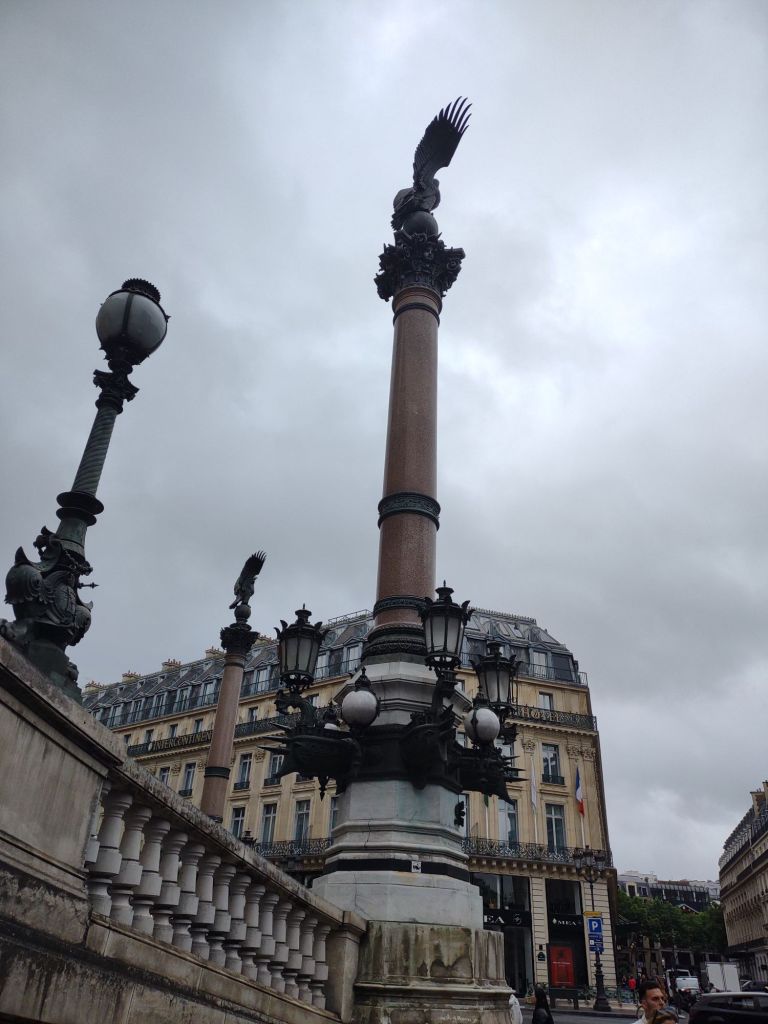
A quick pass by the storied Paris Opera, still the biggest in the world…
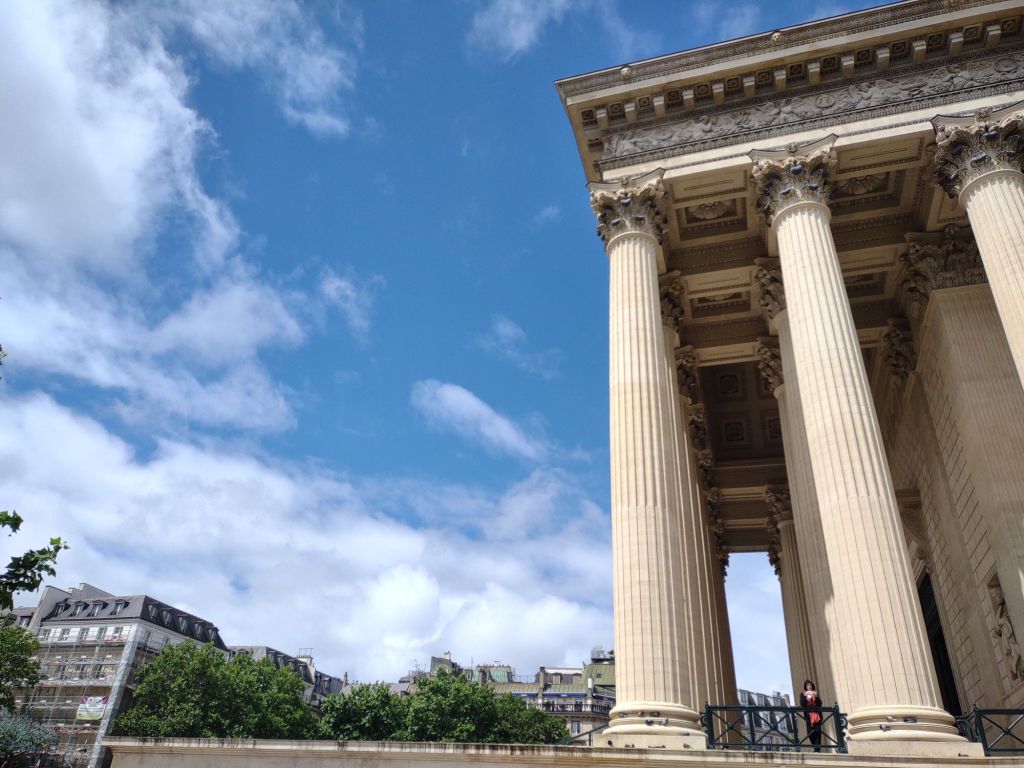
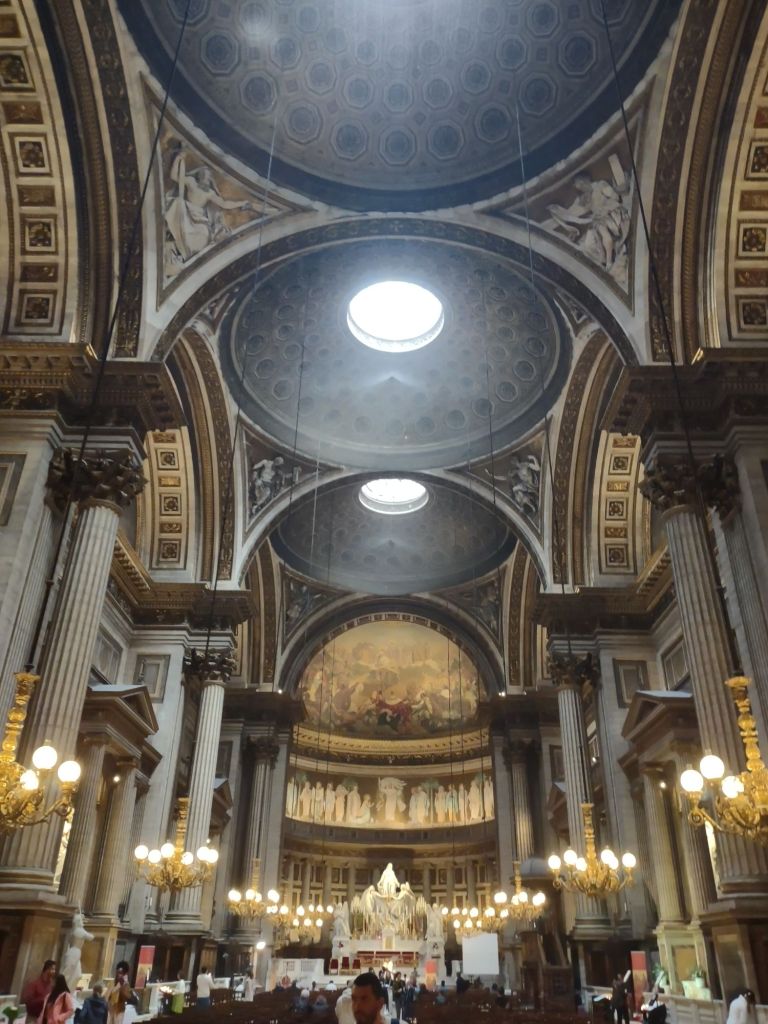
…and this increasingly random tour found itself at the Madeleine, a strangely Neoclassical church that once served as Napoleon’s memorial to his soldiers.
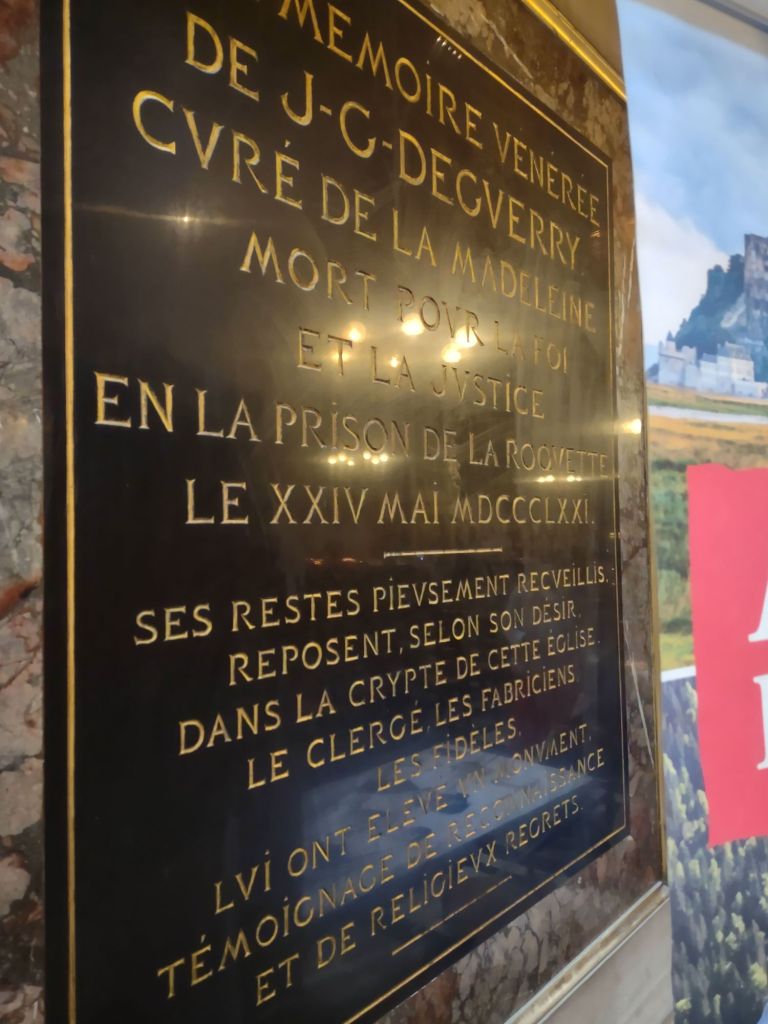
The memorial to Cure Deguerry, a victim of the Paris Commune of 1871 (don’t worry, the anti-Commune forces created plenty of victims themselves when they repressed the revolution).
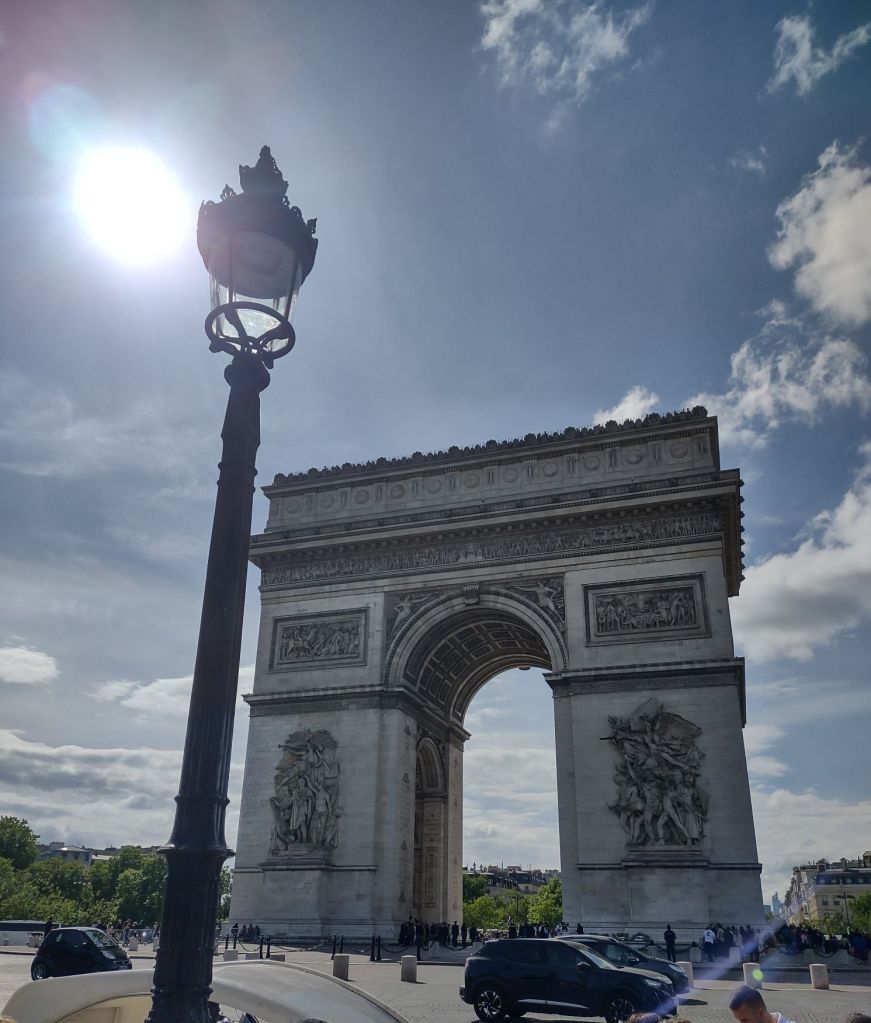
Then up the Champs to the Arc de Triomphe, which is even more monumental in real life than on film.
It’s easy to assume everyone reading this is already familiar with Paris, so just in case; it’s another monument to Napoleon’s wars. Amidst all the battle scenes and the names of battles won and generals lost, there are four great sculptures on the main faces, two of which we can see here. On the left (feel free to zoom in) goddesses are crowning old Bonaparte with the wreaths of victory and glory, while he stands there looking quite nonchalant as if this sort of thing happens to him all the time. In the piece on the right, France herself leads the flower of the nation (all naked, not sure if flowers go that far) into war against the German enemy. It is said that that black sword that the Republic is holding broke off one day. The day the Battle of Verdun began in 1916.
And it looks like my series of Paris photos has broken as well. Just as well because – lo and behold! – the light at the end of the Channel Tunnel has also broken through and I’m back home in Blighty. Just managed to complete my Paris blog while still in France!
Looking back over my posts, thinking about what I’ve been writing and photographing these last years, it’s occured to me that, whatever else is there, there are a hell of a lot of statues. Think about it, there’s one in every other post. You name it…kings,legends, smiley queens,slinky queens, stern clerics,rock gods – if they’re in stone or marble they seem to be in my blog. And you’re probably getting fed up with them all.
In my defence, statues are an extremely convenient encapsulation of something that happened somewhere, something the community wants to remember. They’re instructive not only about the history they tell and the figure being memorialized but the hidden history – why are the locals telling us this story, how are they telling it, what does (or did) it say about them? So they’re great in giving us a feel for the context of the place I’m visiting, but maybe you want some more pretty pictures and other stuff. I’d be interested to hear what you think about it, just pop something in the comments.
Meanwhile here I am spending a few days in Paris, the tourism capital of the world, a place with so many things to see that there’s no point trying to fit them into one blog, a history so rich and complex it’s impossible to tell in one handy marble block. Paris. Paris! Surely this is one place where I won’t need to resort to statues? Let’s see how I get on.
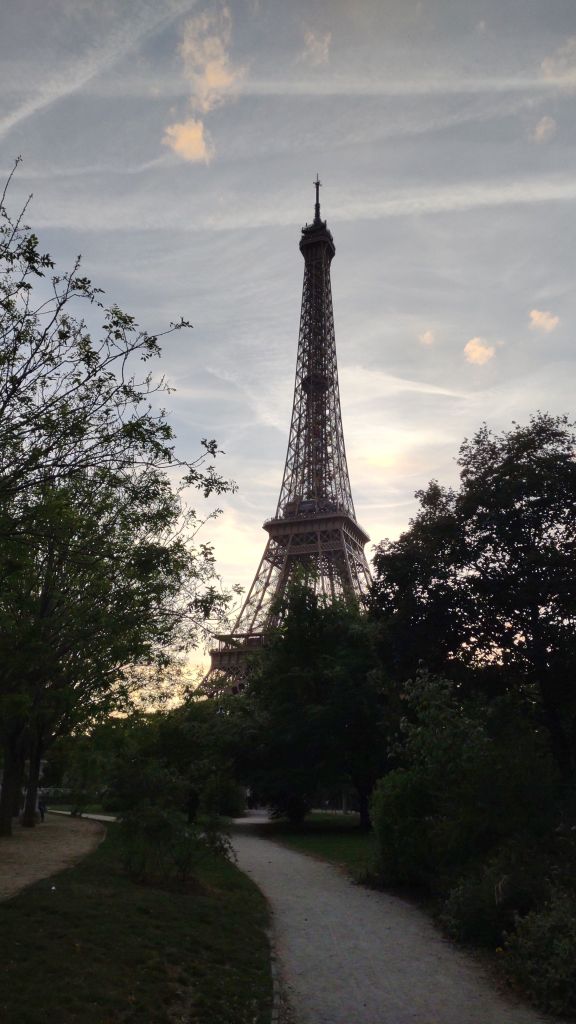
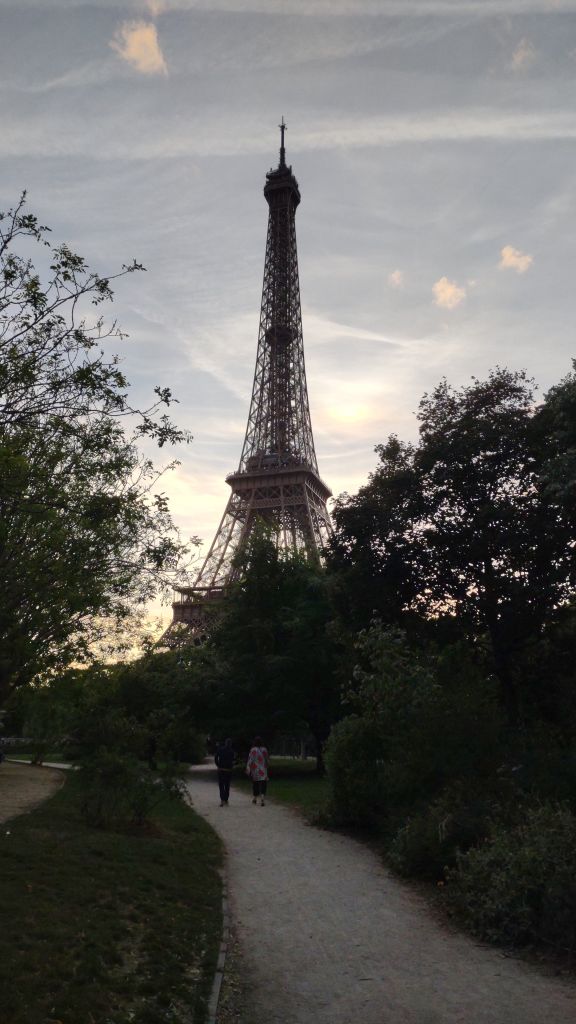
First, it’s the science bit. There’s an old radio mast near my hotel.
Built for the 1889 Paris Exposition, the Eiffel Tower was a controversial addition to the Paris skyline. The great writer Guy de Maupassant famously said he would be eating in the tower’s restaurant every day, as it was the only place in Paris from where you couldn’t see the Eiffel Tower. After his death de Maupassant was reincarnated as a 1960’s recording company executive, and his most famous decision was to pass up on signing up an up-and-coming band called the Beatles because guitar bands were going out of fashion.
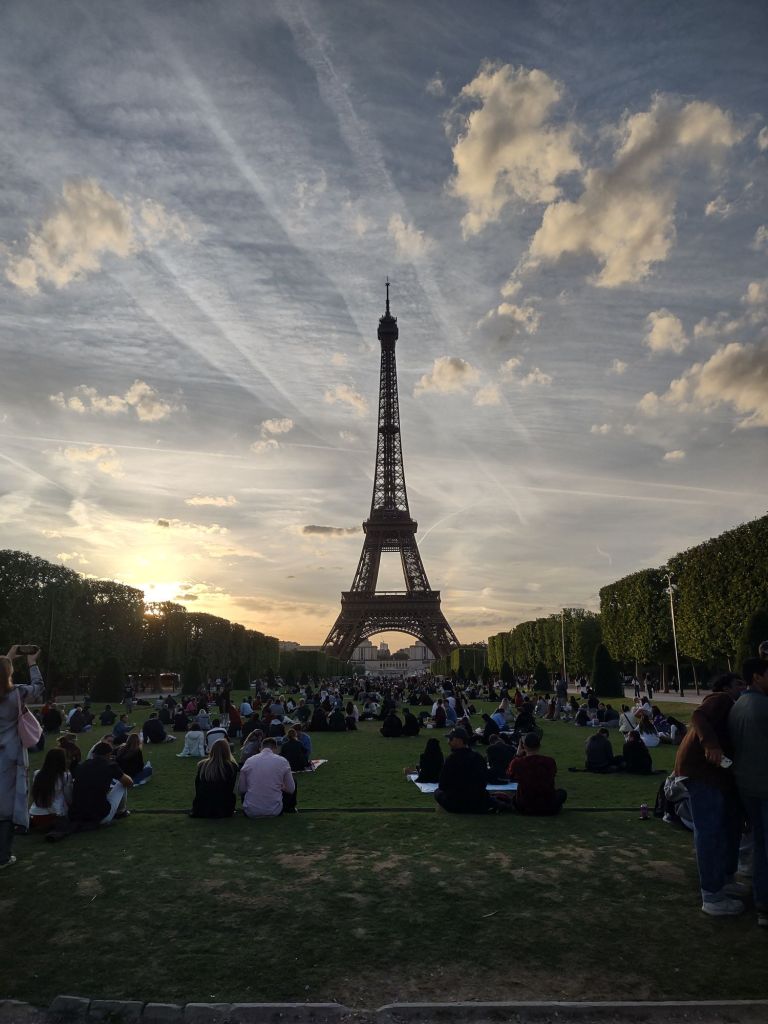
Well we all make mistakes, and who was to know then that this 300m-high iron tower would become the indisputable symbol of Paris and of France, and possibly the most famous landmark in the world. But it’s no surprise really given its perfect blend of innovative engineering, simplicity of design, and drop-dead elegance.
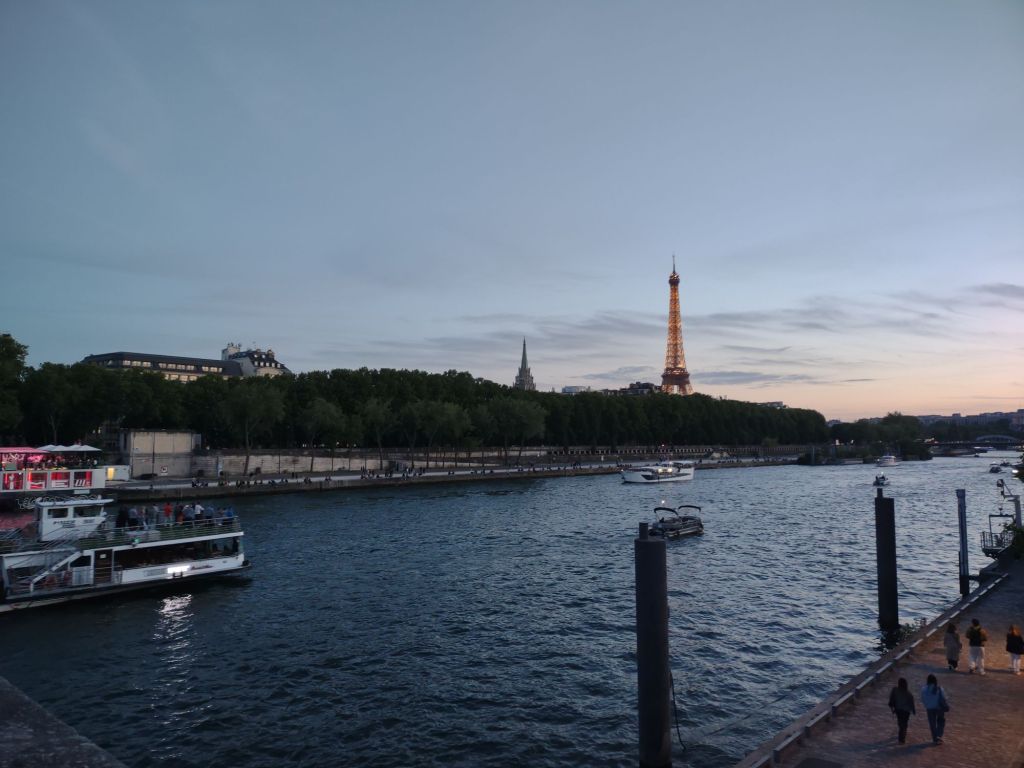
There it stands, out and proud against the dying sun and against the evening shadows of Paris in the springtime. Unfortunately Wikipedia wants to throw some more shade. Eiffel didn’t design the tower; it was three employees of his that came up with it, he just bought the patents of them and agreed to take the profits for the next twenty years for himself. This may or may not have been standard practice, but it does mean that the names of Nouguier, Koechlin and Sauvestre get a bit lost in the acclaim. I suppose they didn’t exactly lose out financially in the end
Unlike the people of Haiti. The bank that financed the construction were benefiting from predatory loans exacted by France on the Haitian government, ultimately to recompense those poor little slaveholders from when those pesky Haitians fought for their freedom and independence. Haiti had to cough up nearly half of all their export taxes to the banks. Lord knows the Haitians could have done with the money. Doesn’t look so elegant now, does it?
Maybe reality always intrudes on the picture postcard eventually.
Still, once it was built it was built, and there was a wireless telegraph station at the top for many years. In 1917 two great glamour icons of the early 20th century – the Eiffel Tower and Mata Hari – came together when the wireless station intercepted German coded messages about the latter, leading to her capture and execution. A bit more mystique for you there.
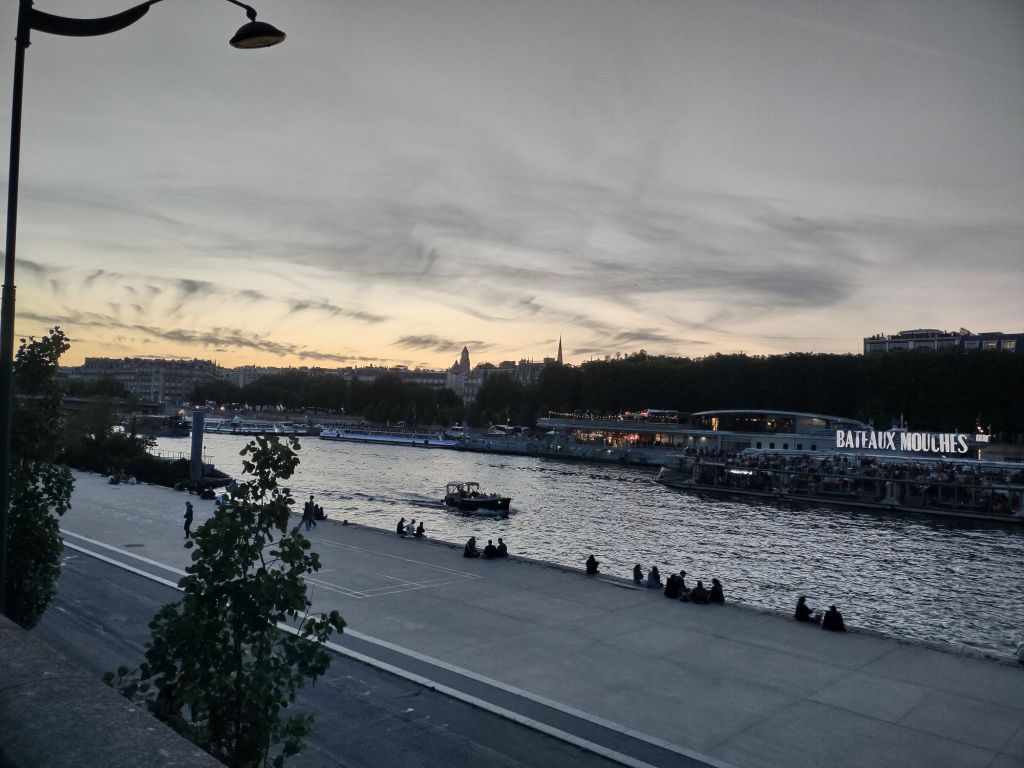
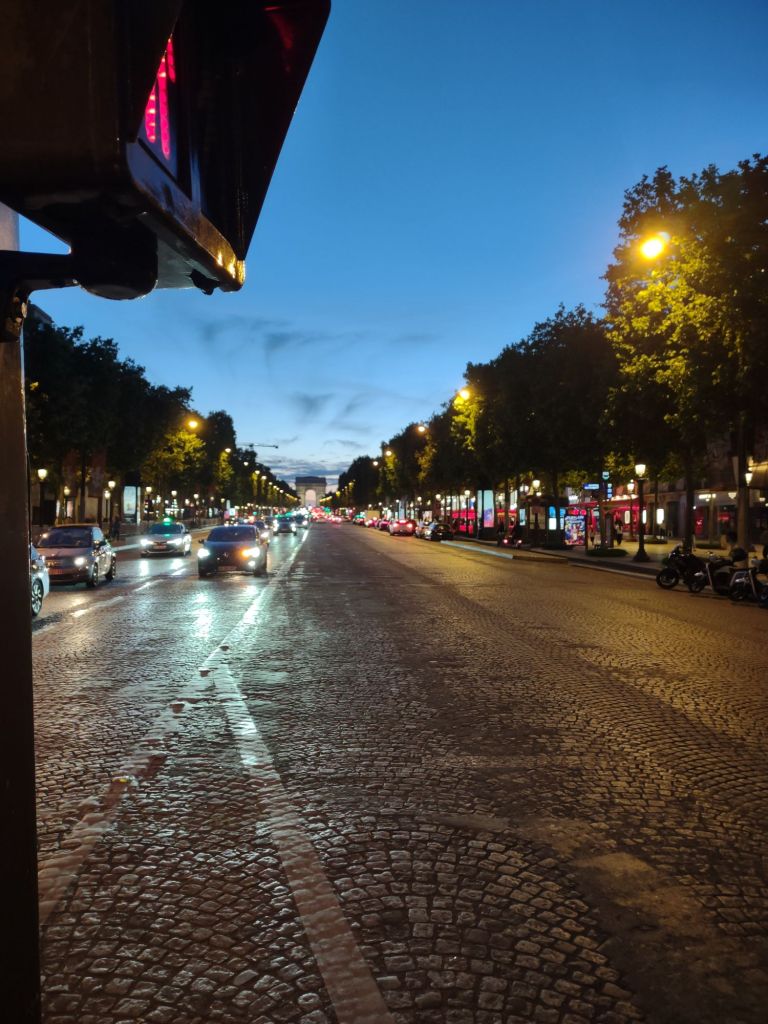
After that there was time for an evening stroll along the Seine and a crossing of the Champs-Elysees, before the effect of the Eurostar trip started to kick in and I turned in for the night.
Night had descended on San José, and as the breeze picked up I reached for my fleece. During the seven days in Jaco the daytime temperature had barely strayed below the 35C mark, stifling and baking under the Pacific sun.
San José gets the tropical sun too, but surrounded by mountains the winds seem to channel through the hills and it could get blustery, as I found out the following day. Of course these things are relative; it would still all make for a summer heatwave day back in the UK. But here I was, back in the capital at the end of my short tour, getting used to the fact the balmy beach life was finally behind me.
That following day saw me dive back into the centre of town for this final post from Costa Rica, finding out some more interesting corners and tidbits for your entertainment before suffering a slight setback in my plans (don’t worry, nothing like last time).
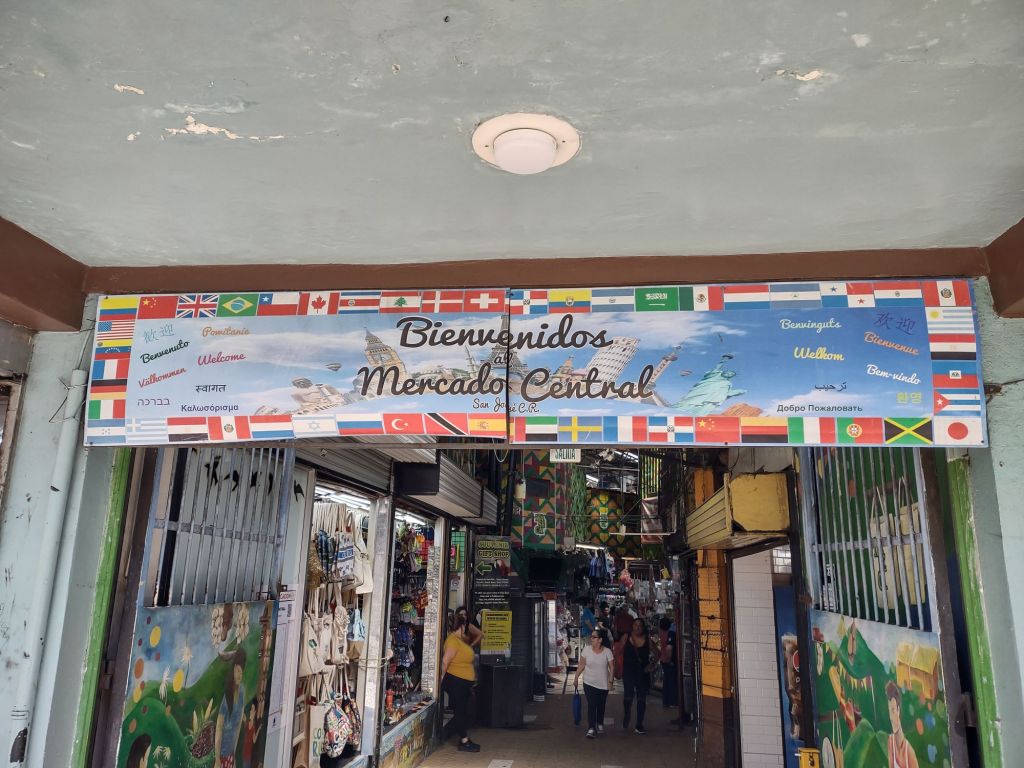
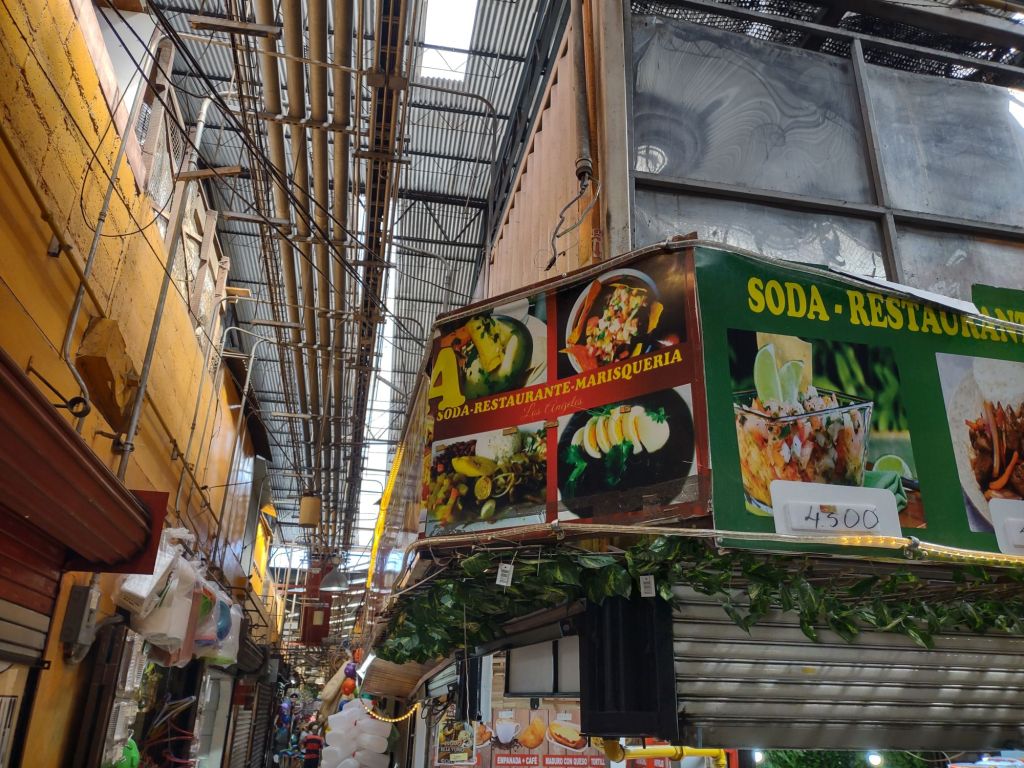
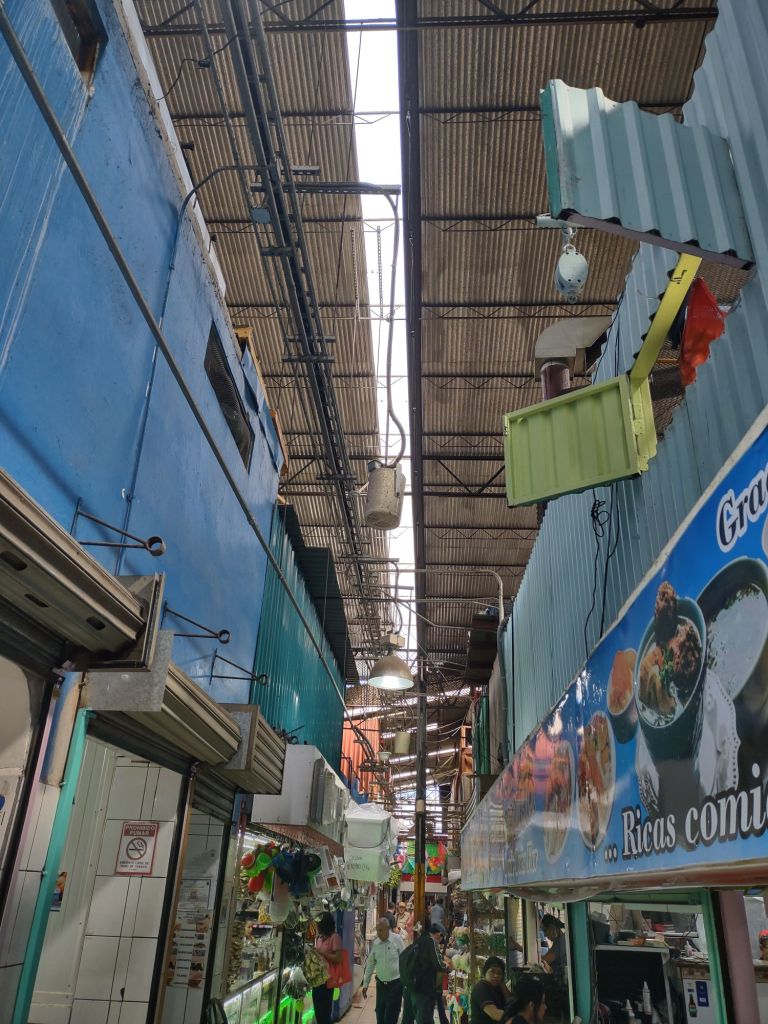
I started off at the lively and time-honoured Central Market.
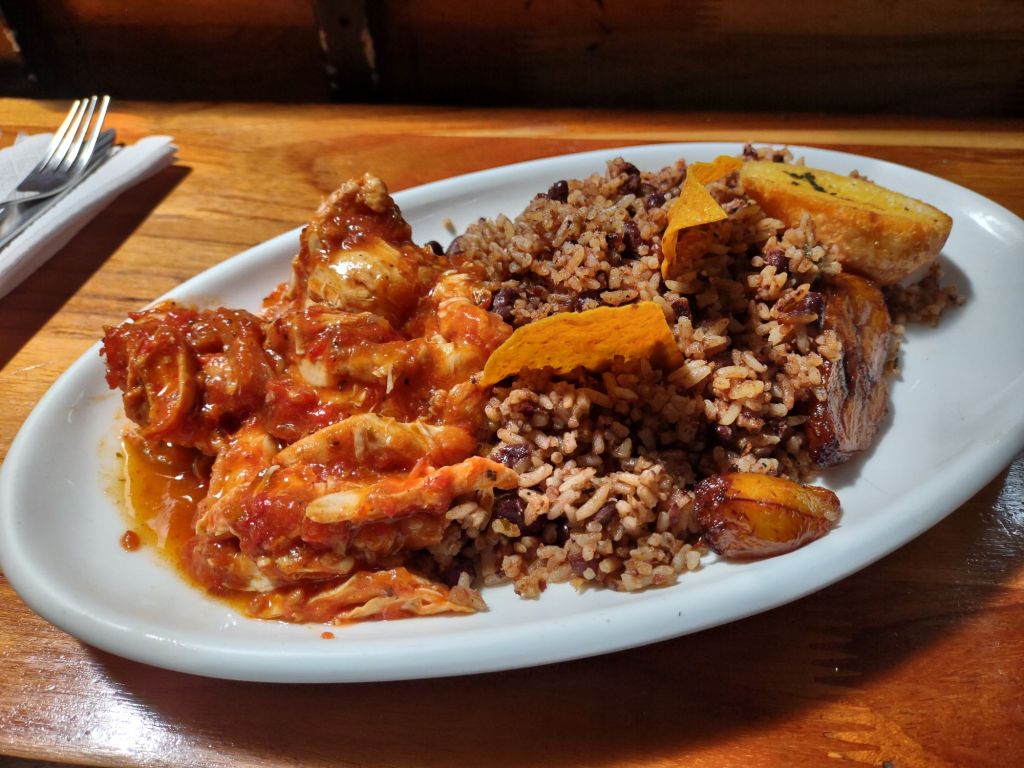
If you want to feel the pulsing heart of a community, a marketplace is as good as anywhere, and this indoor market with its narrow, bustling passageways brings you up close and personal with the people of San José. And there’s lots of stuff to buy, lots of grocery shopping to do, and spots for lunch or a quick snack. It was breakfast time, and that meant pinto, the Tico breakfast of rice and beans.
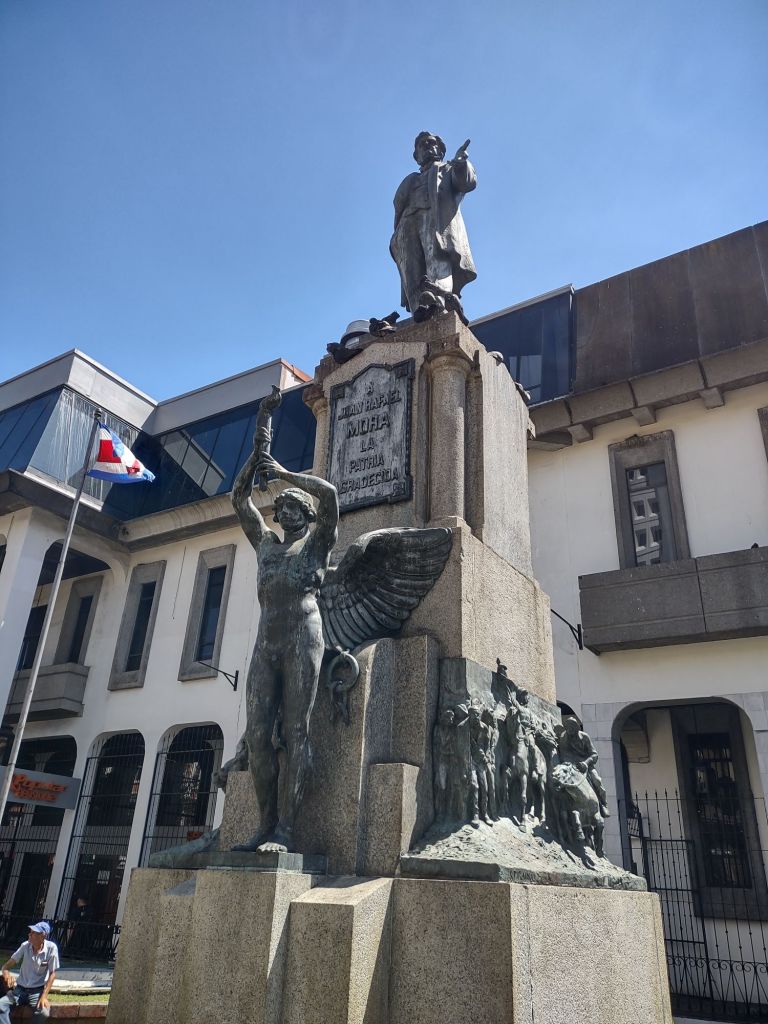
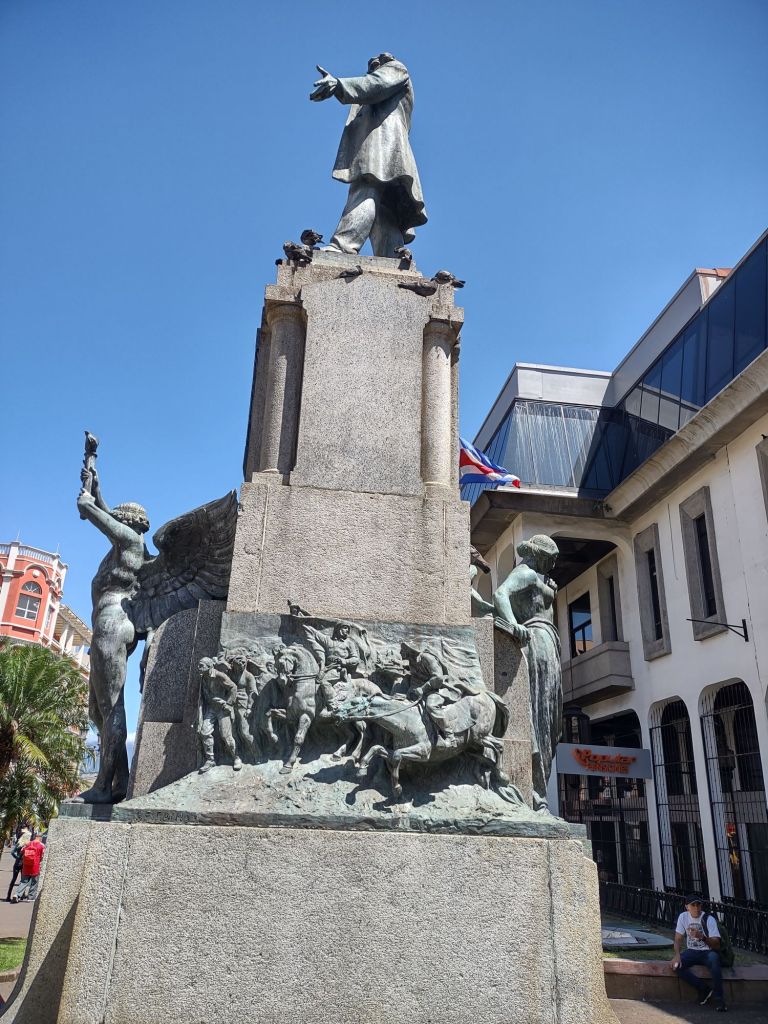
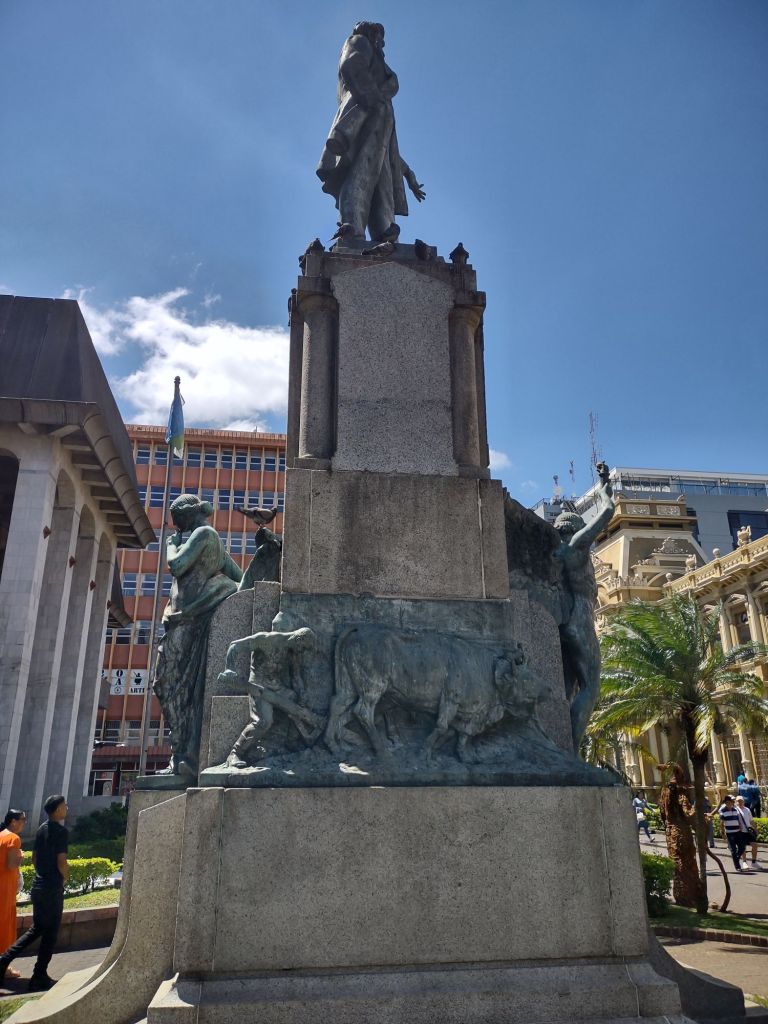
Heading east out of the market we end up at the Post Office, just like last year, and there in front of it is a statue of Juan Rafael Mora Porras, the president who saw off William Walker.
I imagine the frieze depicts a glorious scene from the victorious campaign, his golden hour. To the left a winged Victory amps up the celebratory reverence, while to the right, a muse ponders gracefully “how great was this eminence above us? Was he just absolutely top-notch great, or actually a beacon and pattern of absolute greatness for the ages? Hmm…“
Oh hang on, she’s thinking “yeah kicking Walker’s ass was fine, but he did restrict citizenship to those with a decent income and thus froze out the peasants. And there was that business with the coup that deposed him in 1859. Tried to fight his way back didn’t he, didn’t turn out well did it. Funny how he ended up in front of a firing squad the same year Walker did! Oops, can’t laugh, I’m supposed to be a bit of solemn classical statuary.”
And there’s a frieze about agriculture, for which you need bullocks.
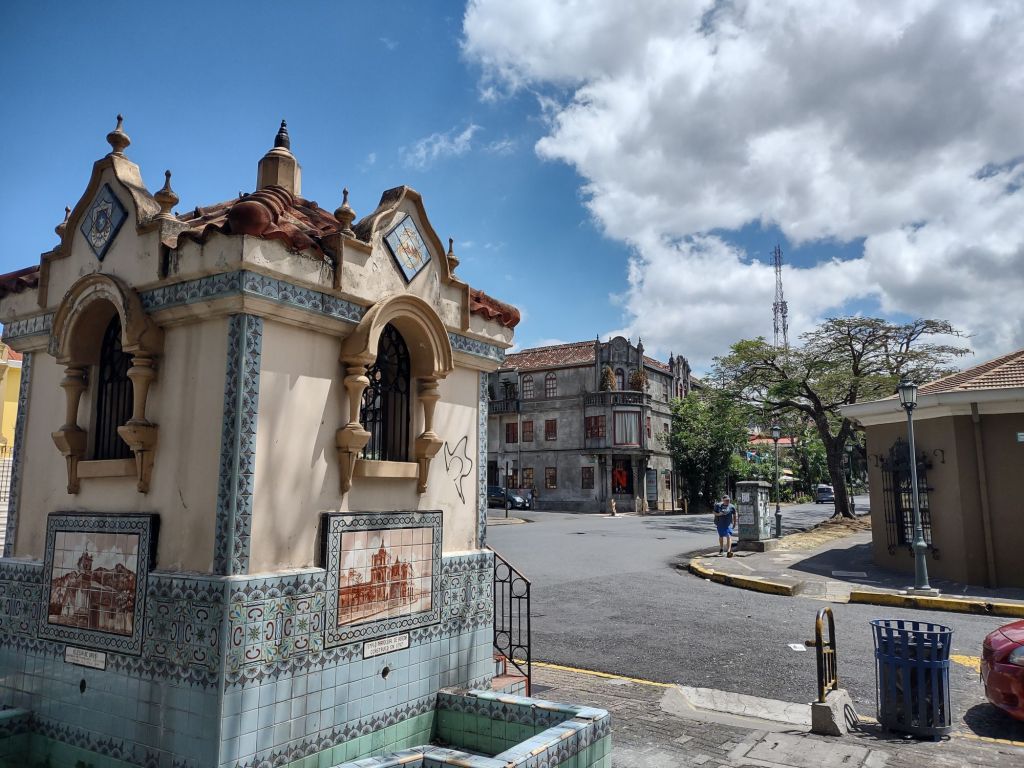
We continue eastward, through Parque Marazan and Parque Espana, and past the lovely little tower on the corner of the latter…
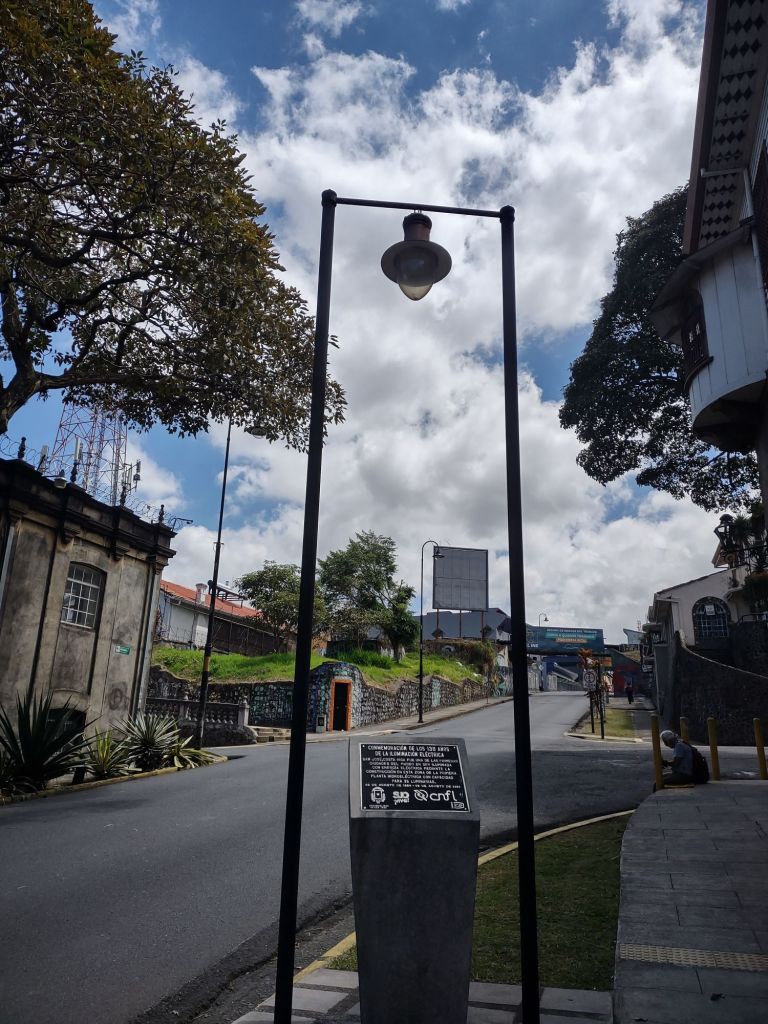
Soon the climb begins back up to Parque Nacional, where we were a week ago. On the way we pass a little monument to the first electric streetlights in the city. Installed in 1884, they made San José one of the first cities in the world to trip the light electric.
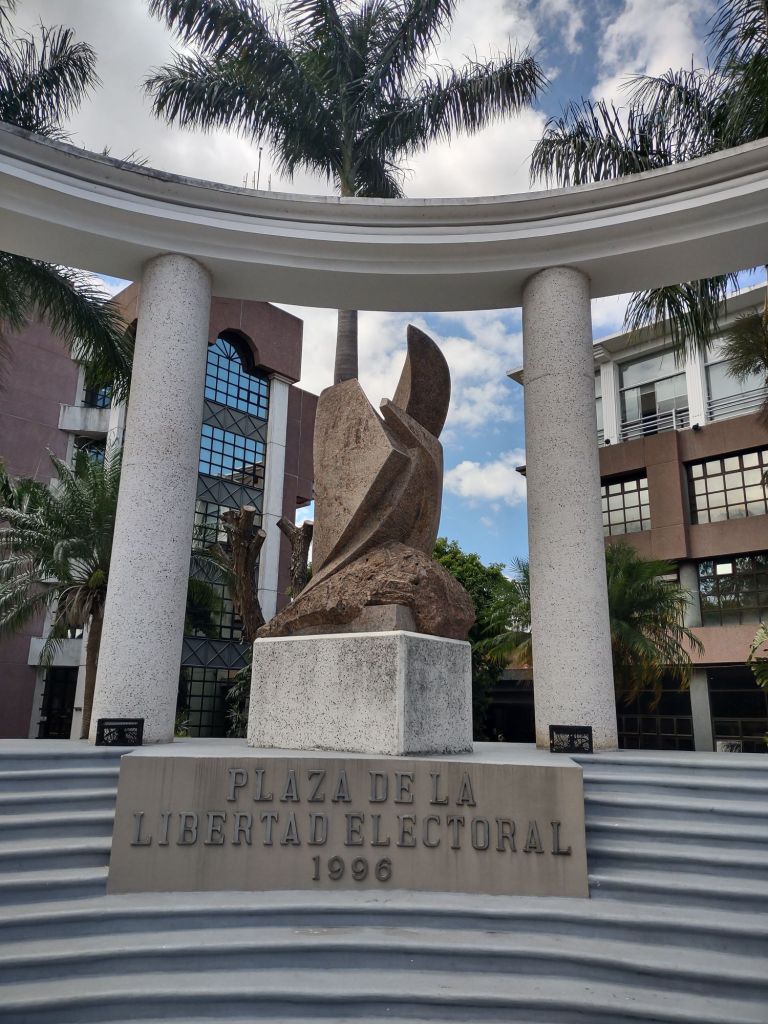
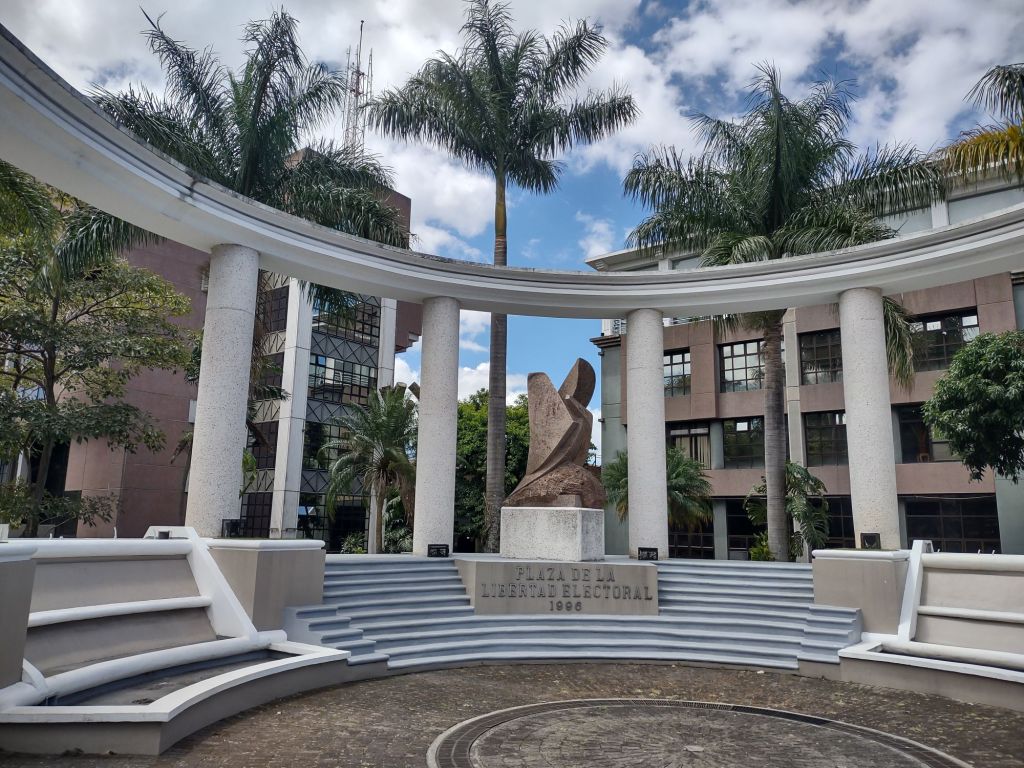
At one corner of Parque Nacional, there’s a monument that many of you will find extremely offensive and I apologise in advance.
We’re on the edge of the governmental edge of town, and the Plaza of Electoral Liberty sits in front of a number of buildings which house the bodies that ensure the integrity of elections. As many of you know, this is a giant scam by the deep woke blob-state to confuse people with ideological woke indoctrinations such as “facts” and “evidence”. Whereas all the people really want is billionaires telling us who won the election on TikTok. What a waste of money!
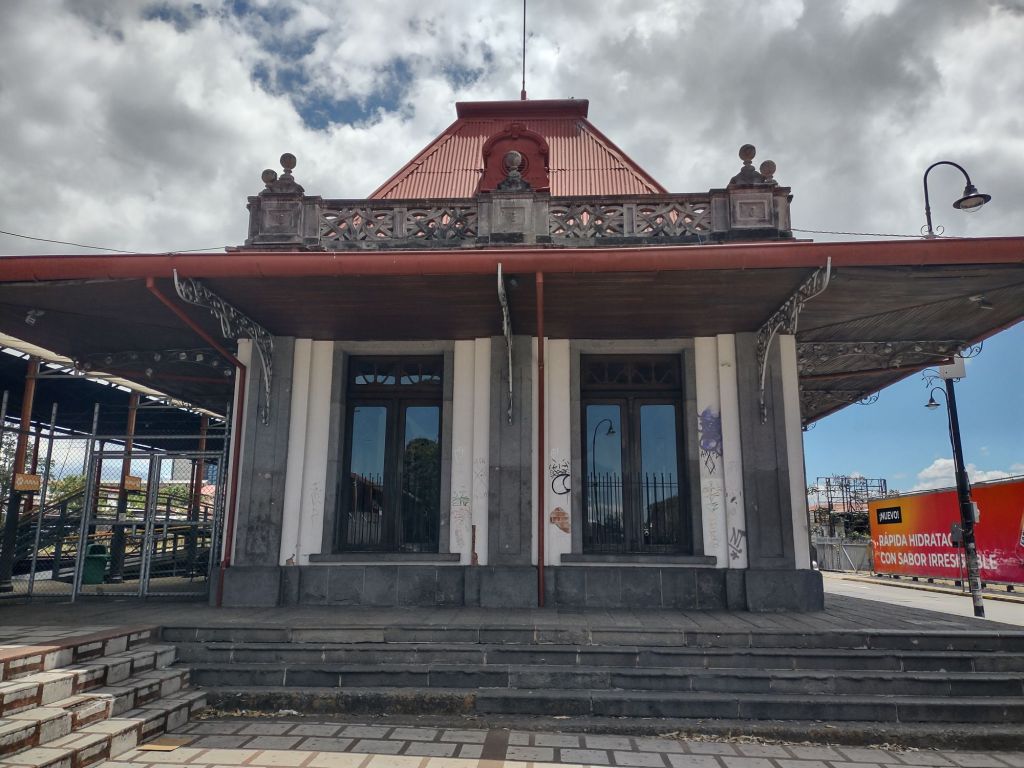
On through the Parque and just outside is our destination, the Atlantic train station.
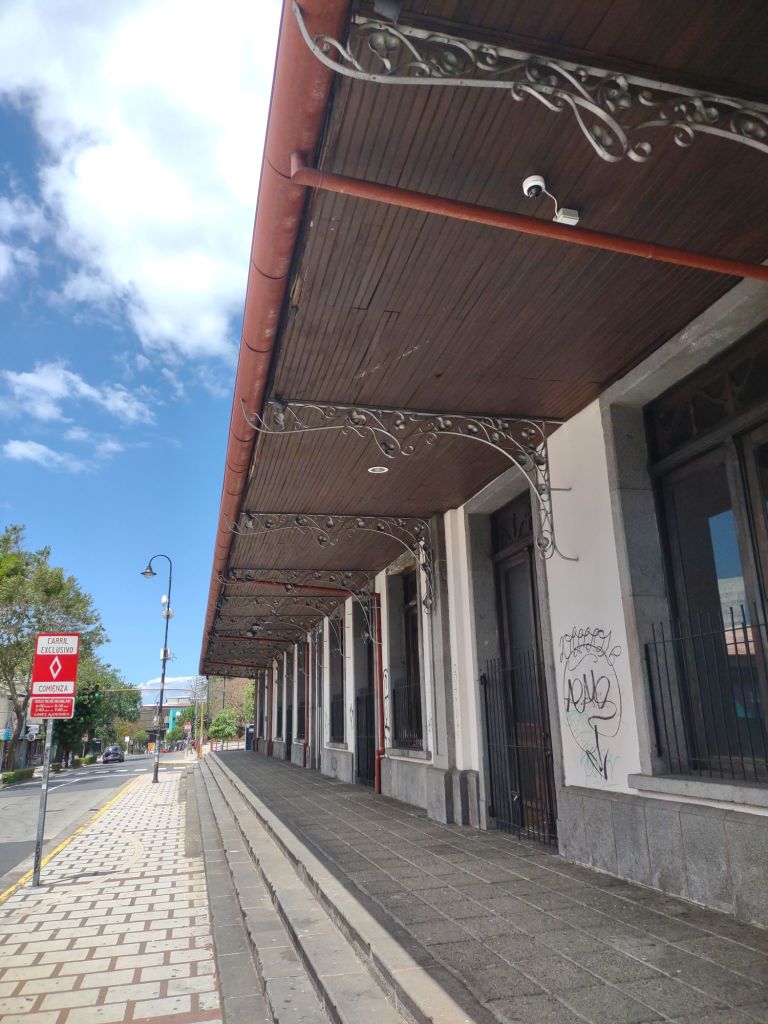
Since the coffee boom of the 19th century died down, Costa Rica’s railways are really limited to a couple of lines around the capital. This ornate station dates from 1908, was reinstated following an earthquake in 1991 and now services these local lines.
And the reason for the trip across town was to get a train over to Cartago.
As readers might recall, Cartago was the original capital of Costa Rica until the coffee barons of San José brought their own town to the fore. About 30km to the south-east of the new capital, the old one has a few interesting reminders of the good old days, including a impressive-looking basilica.
All I needed was a train. And this station looked resolutely shut.
It was around eleven in the morning and it appeared to be that the next train wasn’t until about half-two, which came as a surprise. Maybe some actual planning on my part would have been useful. The next bus wasn’t for a few hours either. I could have got a cab, but the expense and the hassle didn’t seem worth it.
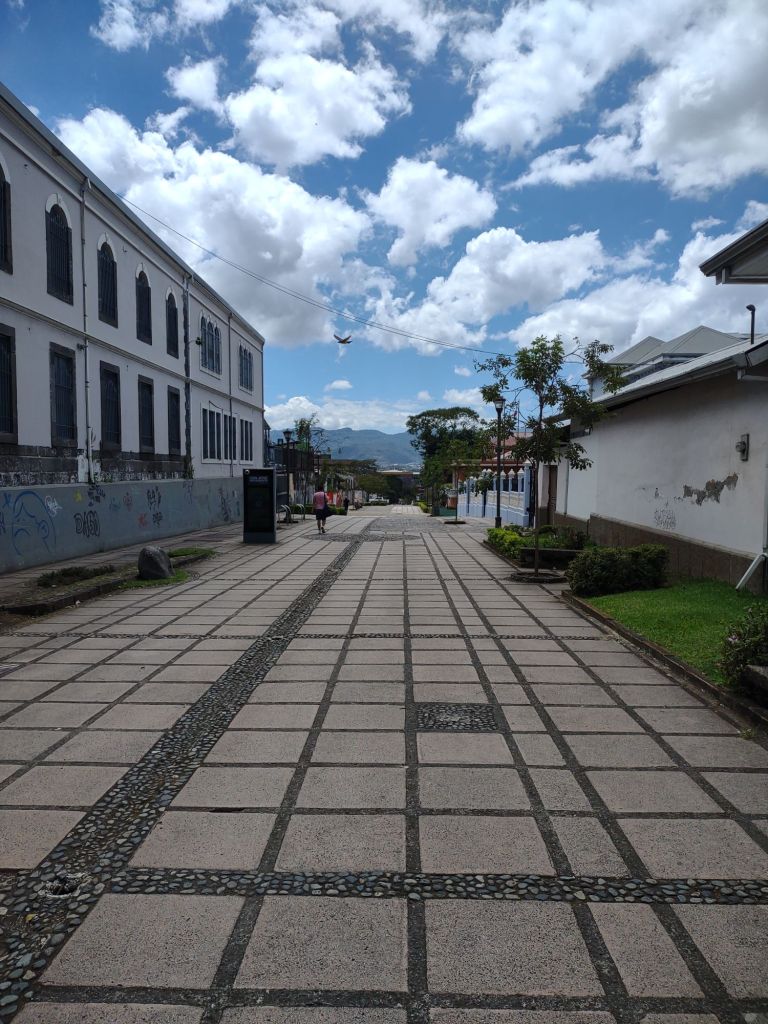
So that was that. I headed towards town again, the end of my delightful return trip to Costa Rica in sight. It didn’t matter in the end that I hadn’t seen much of what makes this country special – its incredible wildlife, volcanos – but in a way, I had. There was no escaping the great mountain vistas, the glorious scenery, the stunning tropical trifecta of blue sky, blue sea, and hot sun, and above all the overwhelming good-humour and can-do spirit of the Ticos themselves. It was enough for me to feel as if I had finished what I’d set out to do last year.
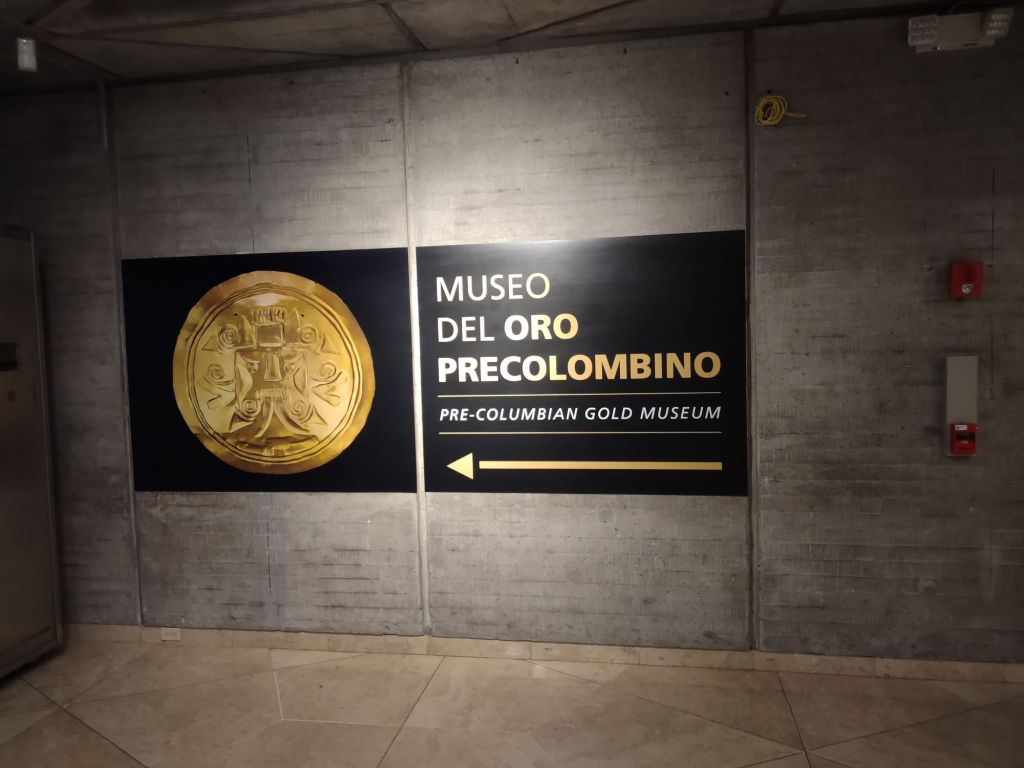
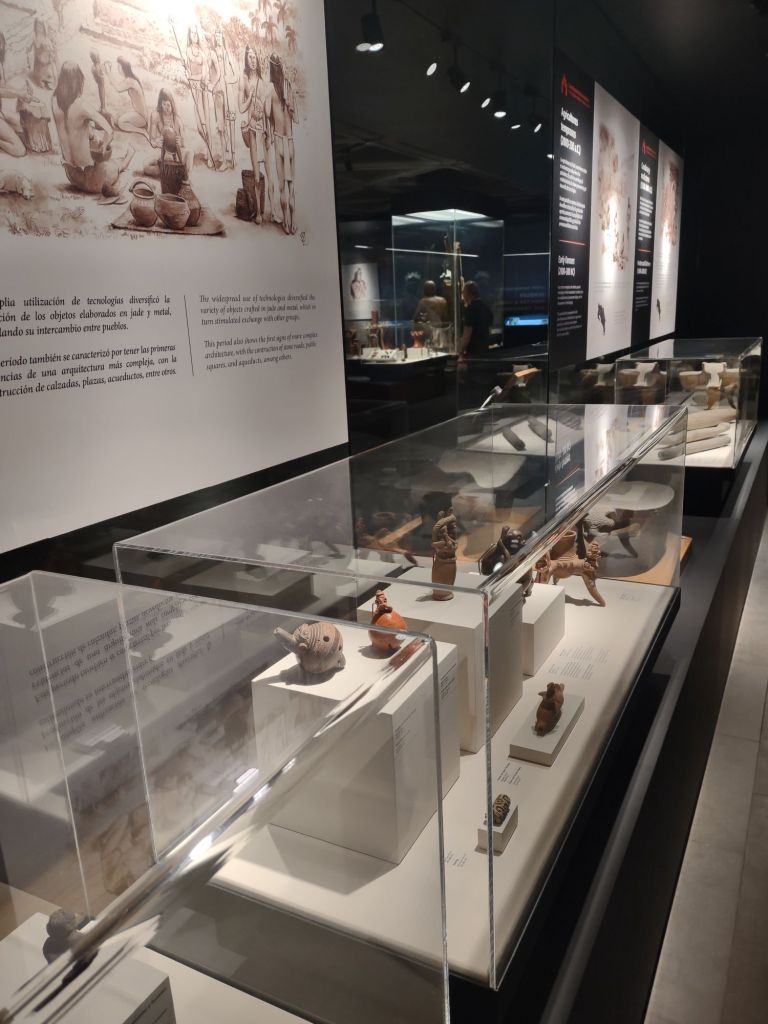
I would eventually visit the excellent Pre-Columbian Gold museum, full of stunning metalwork from the long history that preceded the coming of the Spaniards to this place.
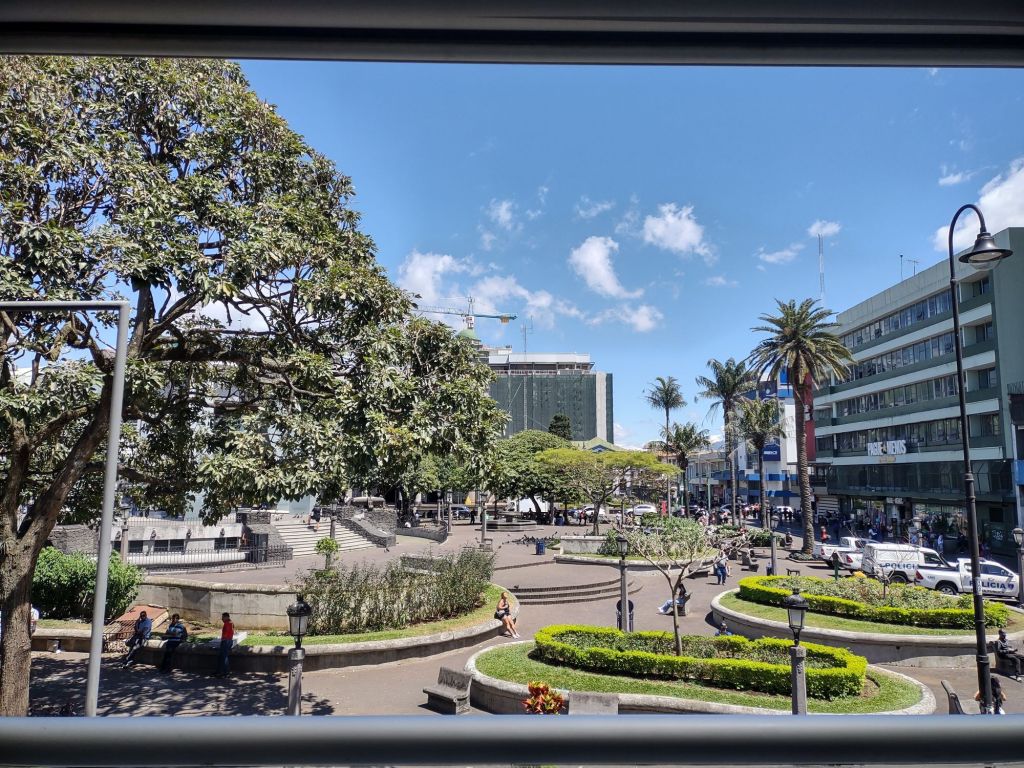
Then there was time for one last cerveza overlooking the Parque Central.
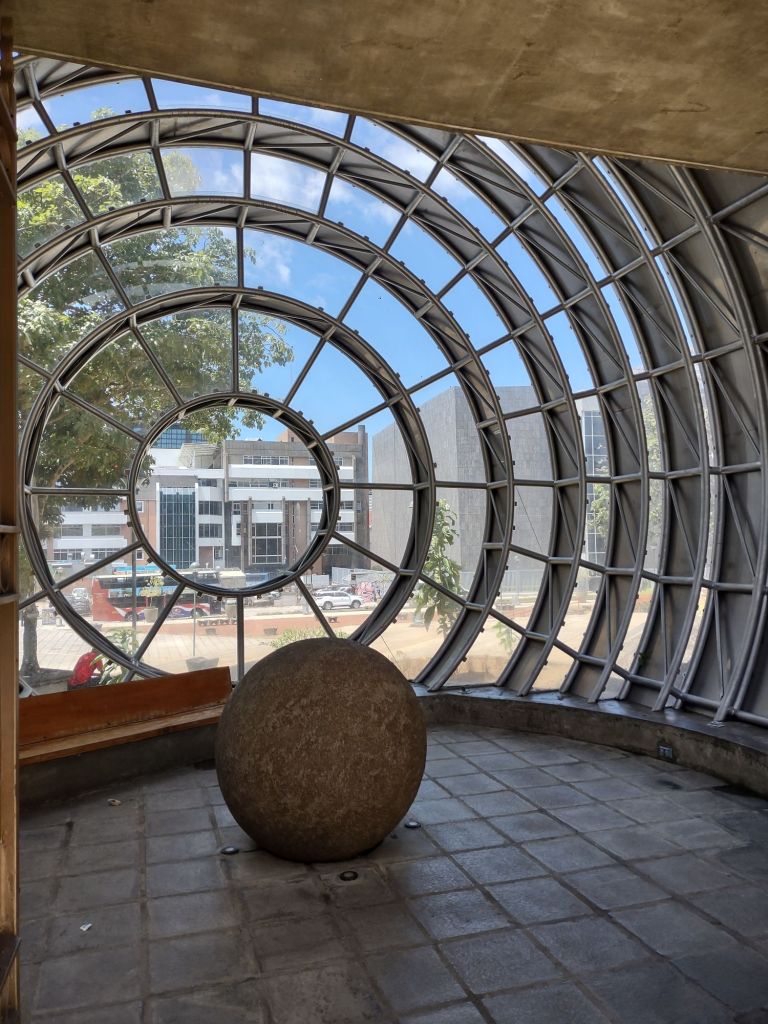
But all that was to come. For now it was back through Parque Nacional, back down to the National Museum where I started these Costa Rica posts last year…
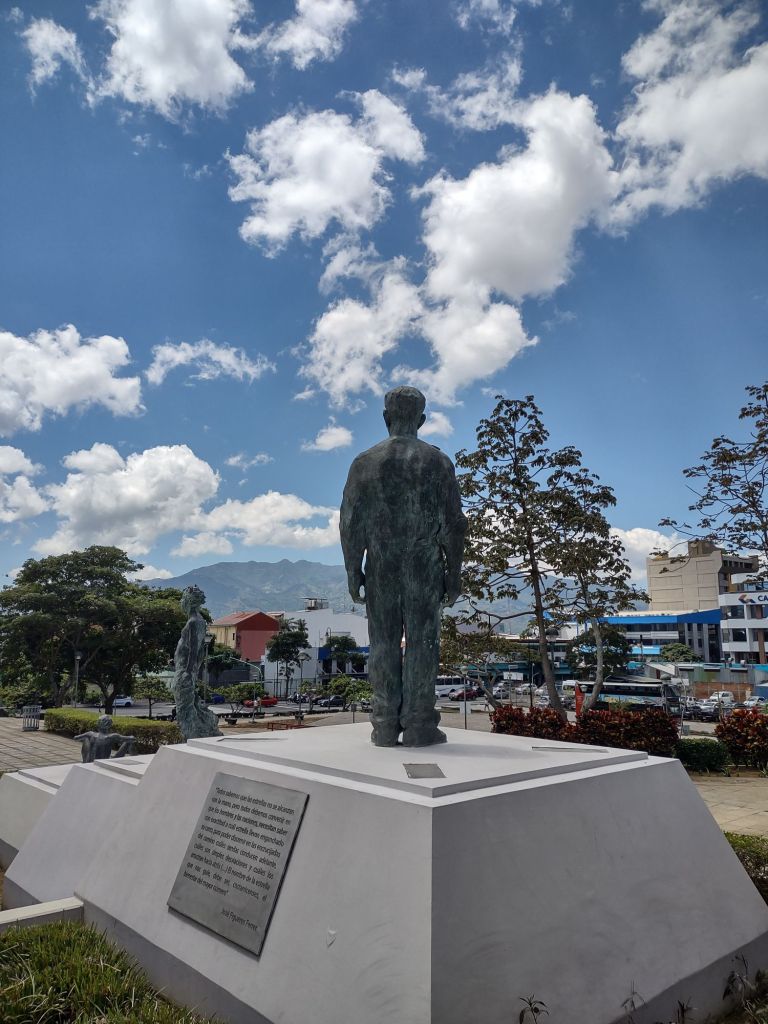
… paying respects to José Figueres Ferrer, the man who abolished the standing army…
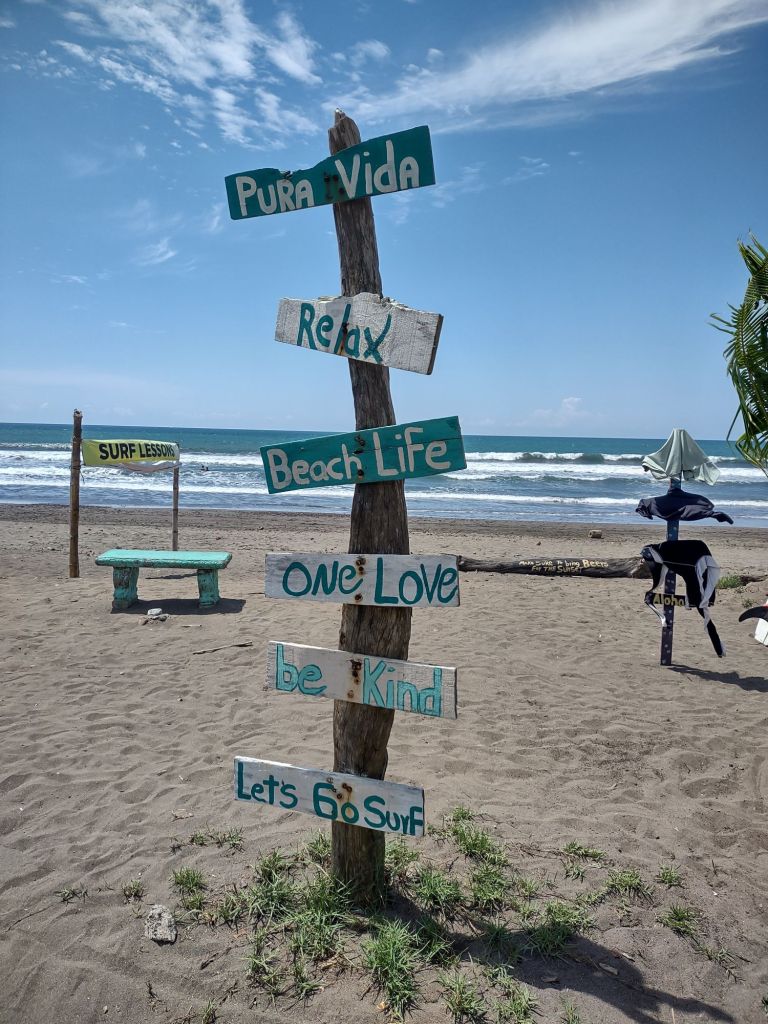
We’re now back in lively Jaco, just like last year, but touch wood, no accidents this time. So plenty of opportunity to enjoy it more. I’m having trouble finding guided trips, which just leaves the many bars, the beach restaurants, the beach, the pool…
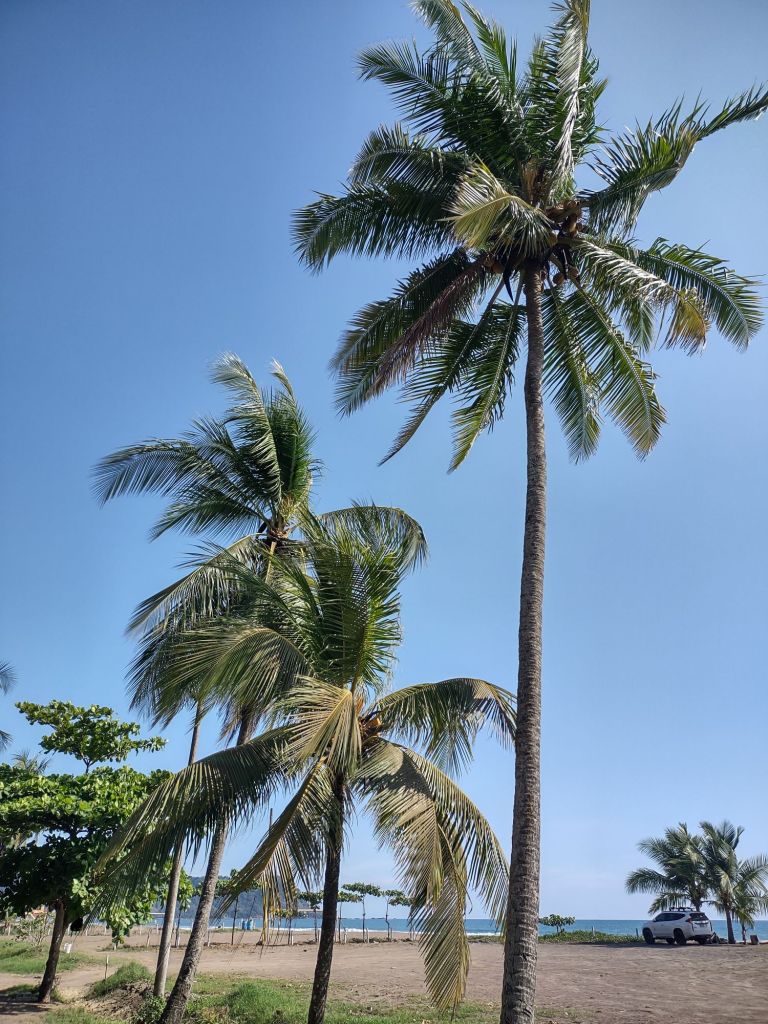
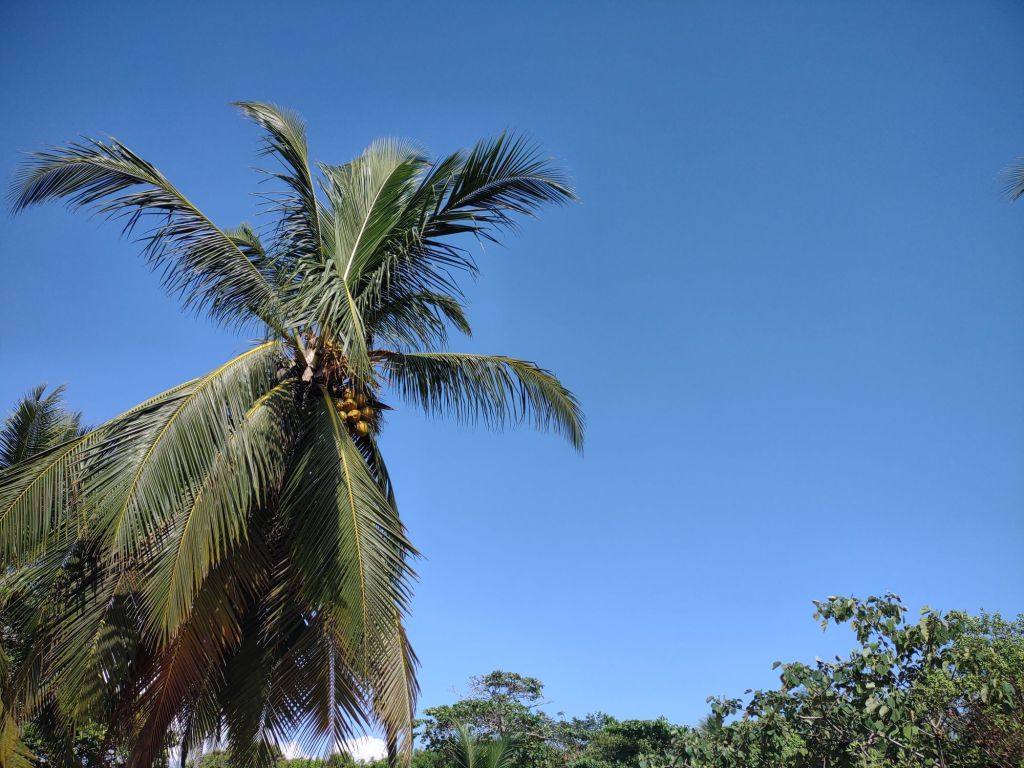
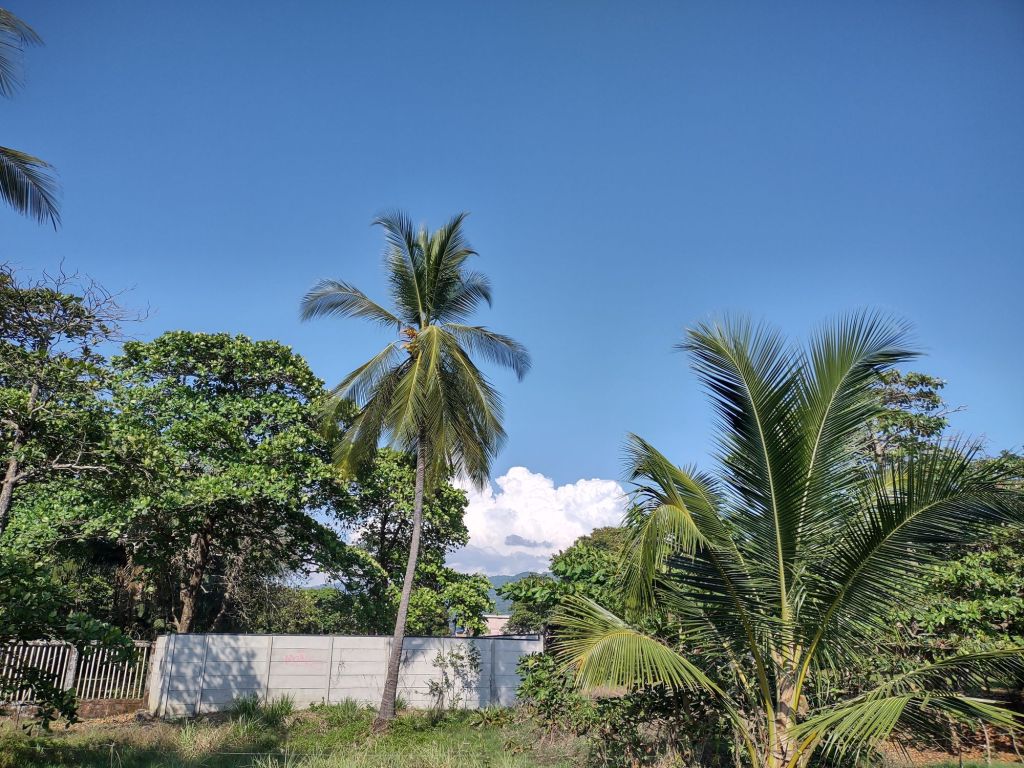
…the blue sky, the palm trees …
…the blazing sun, the drowsy afternoon heat…
…the drowsy afternoon palms, the sleepy beach…
…swaying sun, swaying sands…
…hot…
and soon we have melted away, back to a fardistant land, a far distant time of magic and monsters, heroes and hands, reaching across the, ahem, six weeks, back to atrip I didn’t post on at the time and the strange tale I encountered there…
You’d better grab a coat.
In the cold, flat lands of the Belgae, as their Roman overlords call them, the people cower at the mere mention of his name. He is Druon Antigoon, and he is a giant. A nasty piece of work, he has positioned himself by the crossing point of the mighty River Scheldt, and if you want to cross it you have to pass him. Pay him some cash, and he’ll let you cross. If you don’t pay up, say goodbye to your hands instead…
It’s not clear why he chose amputation instead of just eating you like the giants do in the best stories, just as it’s not clear what he had against seminal British radio comedy from the 1950s. But let us not pass judgement. How do we deal with this monster?
Up steps a brave Roman soldier, name of Silvius Brabo. He has heard of the giant and his cruelty, and is outraged. “Antigoon! How dare he!” he bawls at his companions. “Milligan and Sellers were comedy geniuses!” There was only one thing to do. And so the brave Brabo confronted the giant. Odds were against him, he was fighting a giant after all. But then again Brabo was himself a mythological hero, so it was too close to call. If you don’t want to know the result, look away from the following photo now.
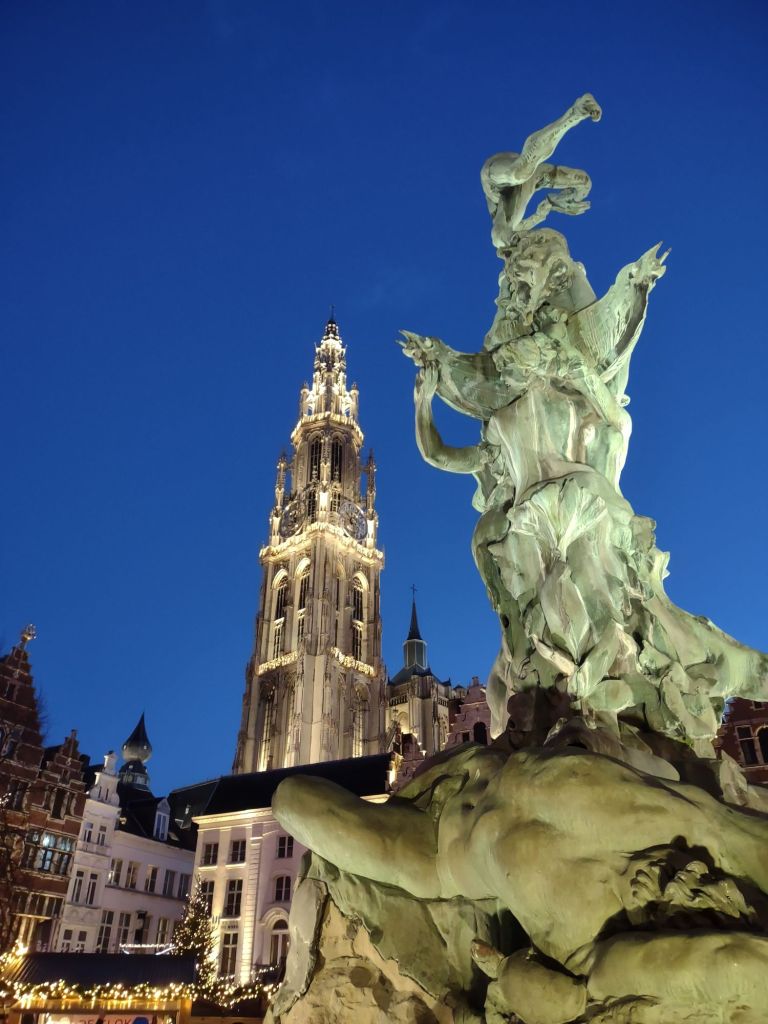
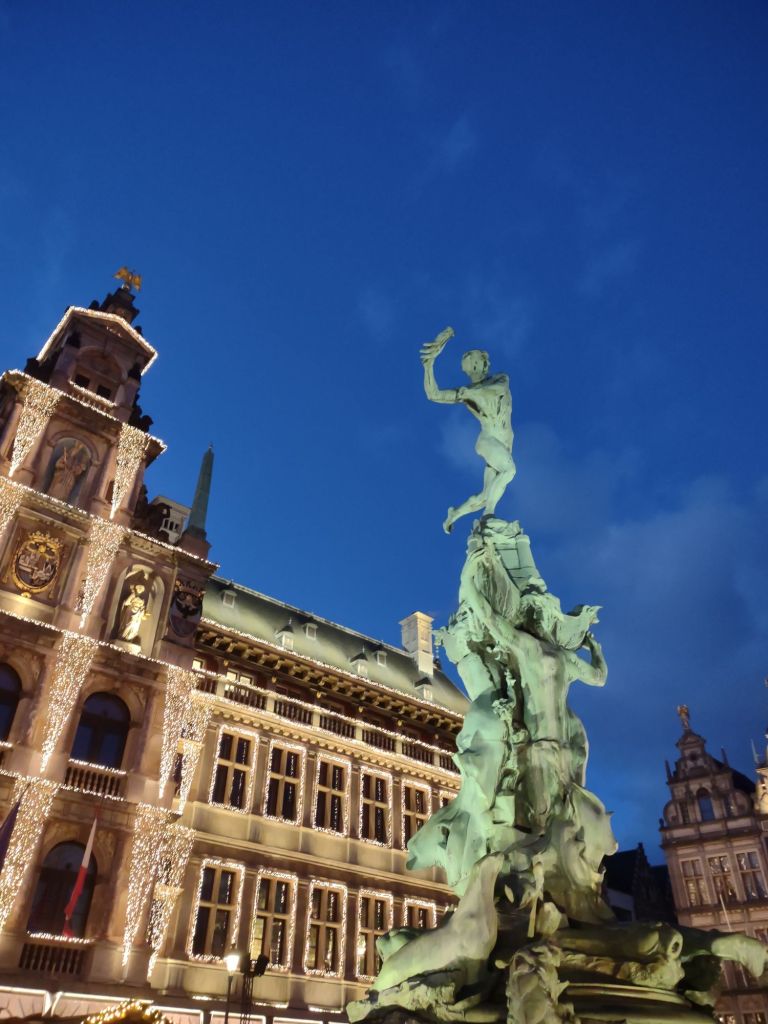
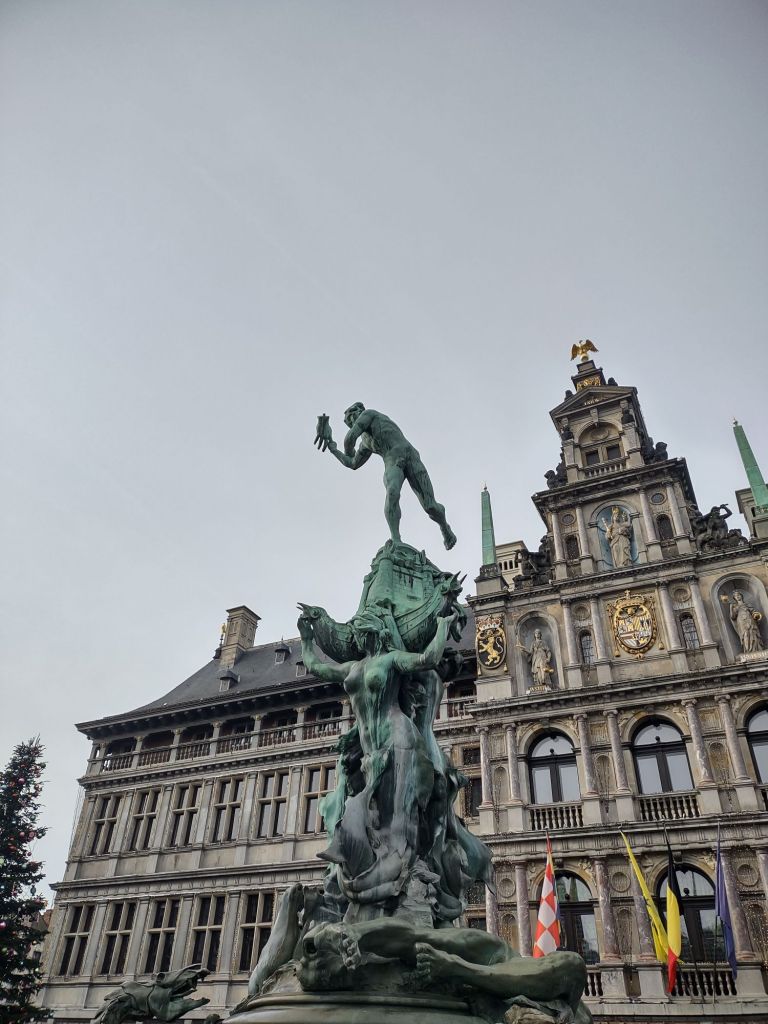
And who’s at the top of the podium? It’s our man Brabo, of course. At the bottom is Antigoon, dead, trodden all over by sea-nymphy things and statue stuff. But wait! what’s in Brabo’s hand, about to be flung into the Scheldt? Well, in a piece of poetic justice it’s Antigoon’s own hand. Good riddance. Try writing angry letters about Harry Secombe’s singing without that!
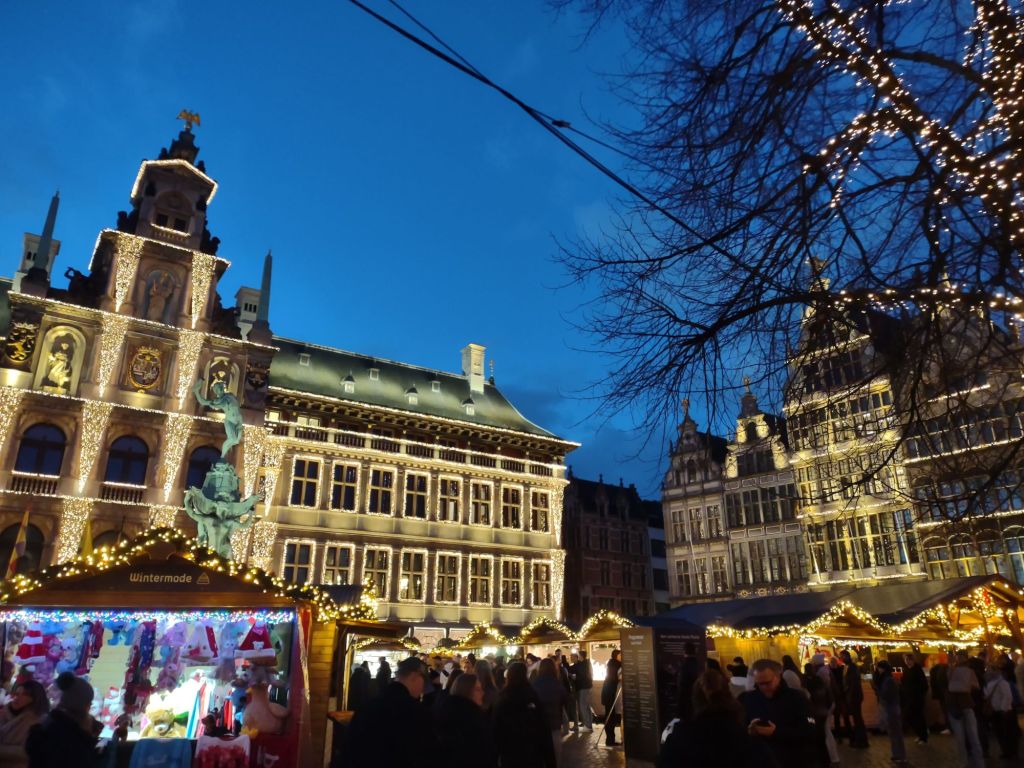
And so the good Belgae could cross the Scheldt without fear, and the little settlement grew into the maritime and trading powerhouse of Antwerp. We’re standing – shivering – in the glorious Grote Markt, one of the grandest marktplaats (market squares) that the Low Countries has to offer. But the locals have never forgotten the story and you can find Antwerp hands everywhere, from special Belgian chocolate to artwork. Especially here of course, in this statue from 1887.
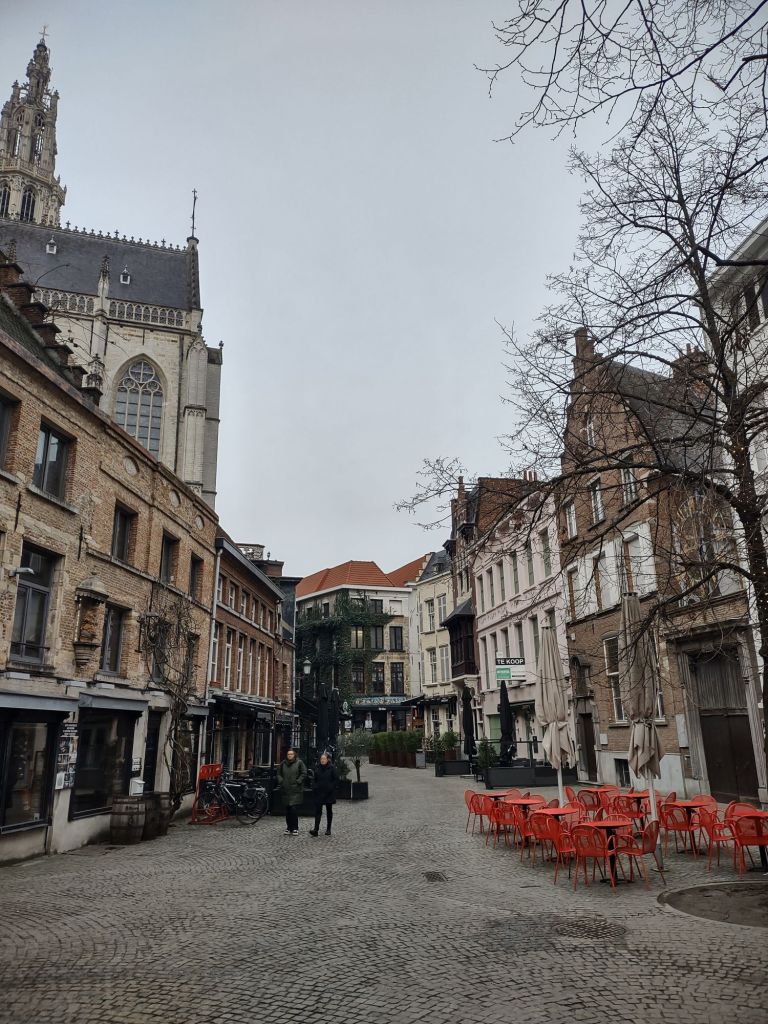
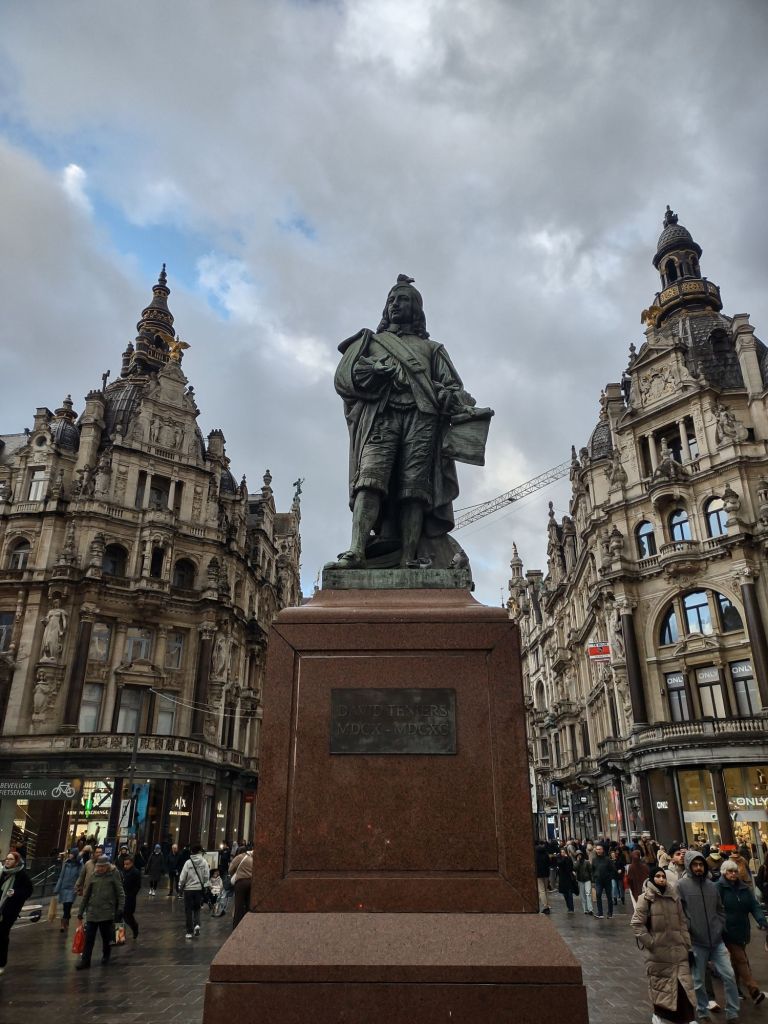
It was just after New Year so it was rather chilly, but even then Antwerp is worth a stroll or two, with some spectacular Flemish-style markets places leading off into charming well-preserved streets and nooks and crannies.
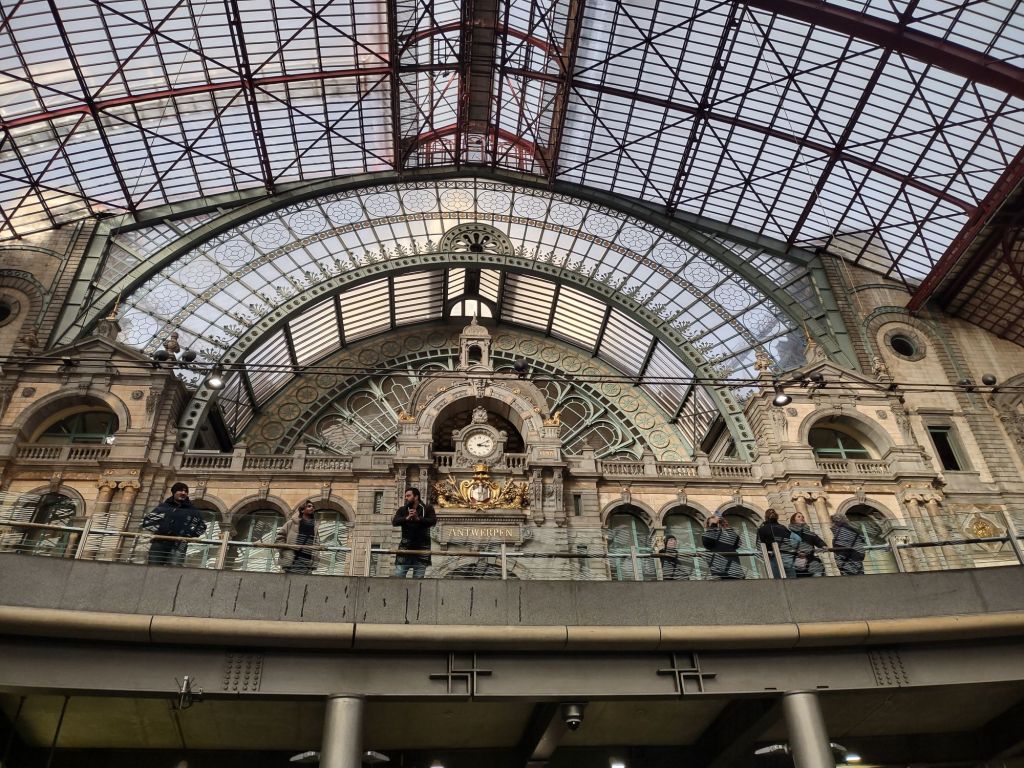
From where I live it’s easy to hop onto a Eurostar from London, and after a change at Brussels I’m soon rolling into Antwerp Central station. That convenience is just one of two reasons why I go to Antwerp by train.
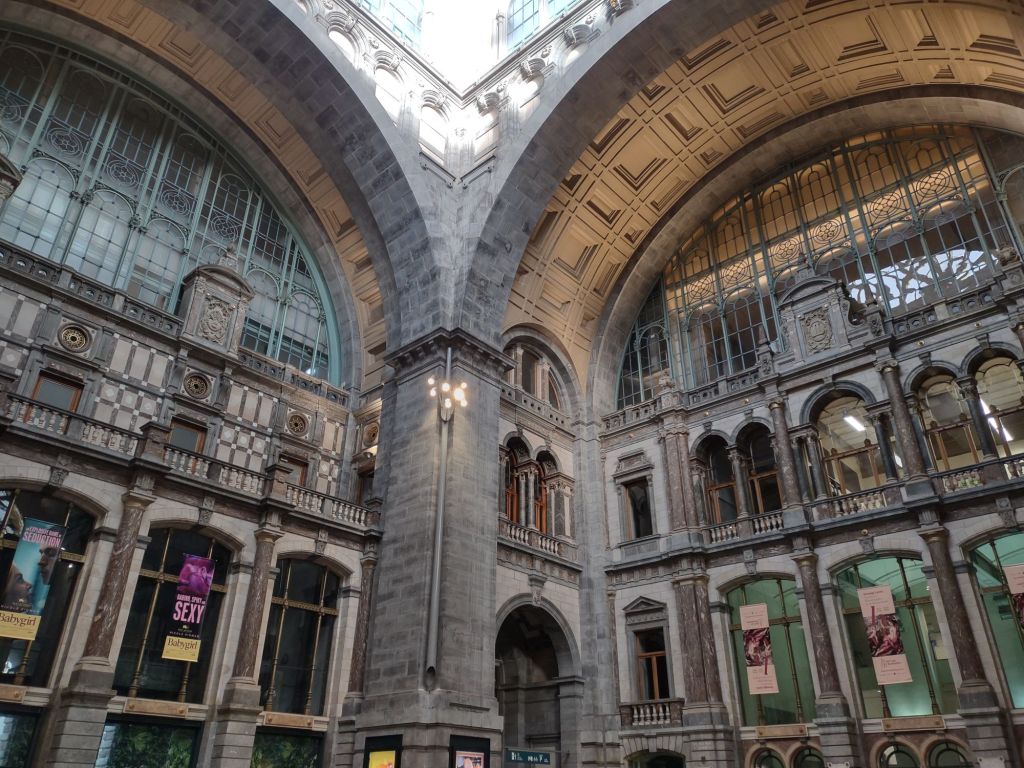
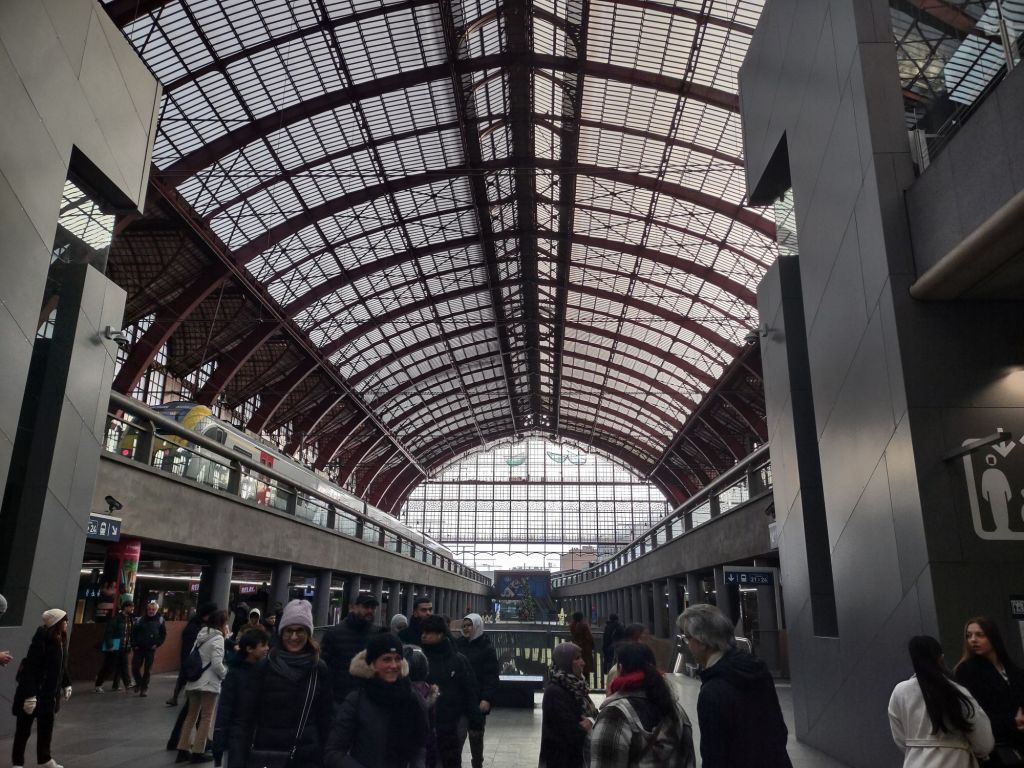
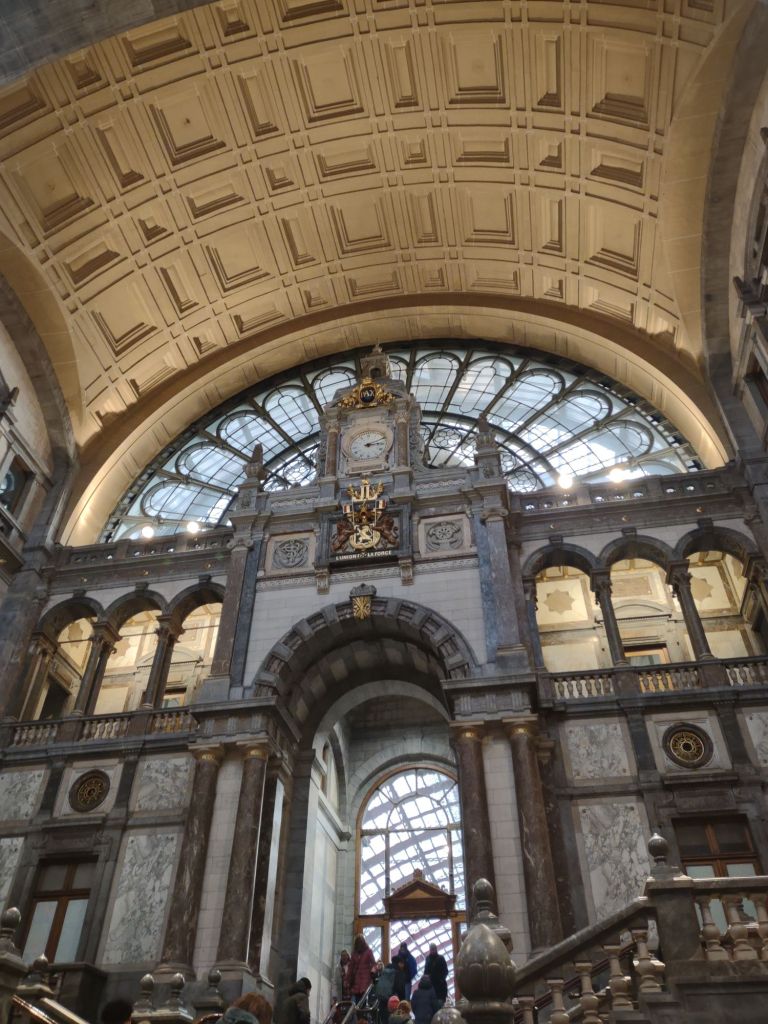
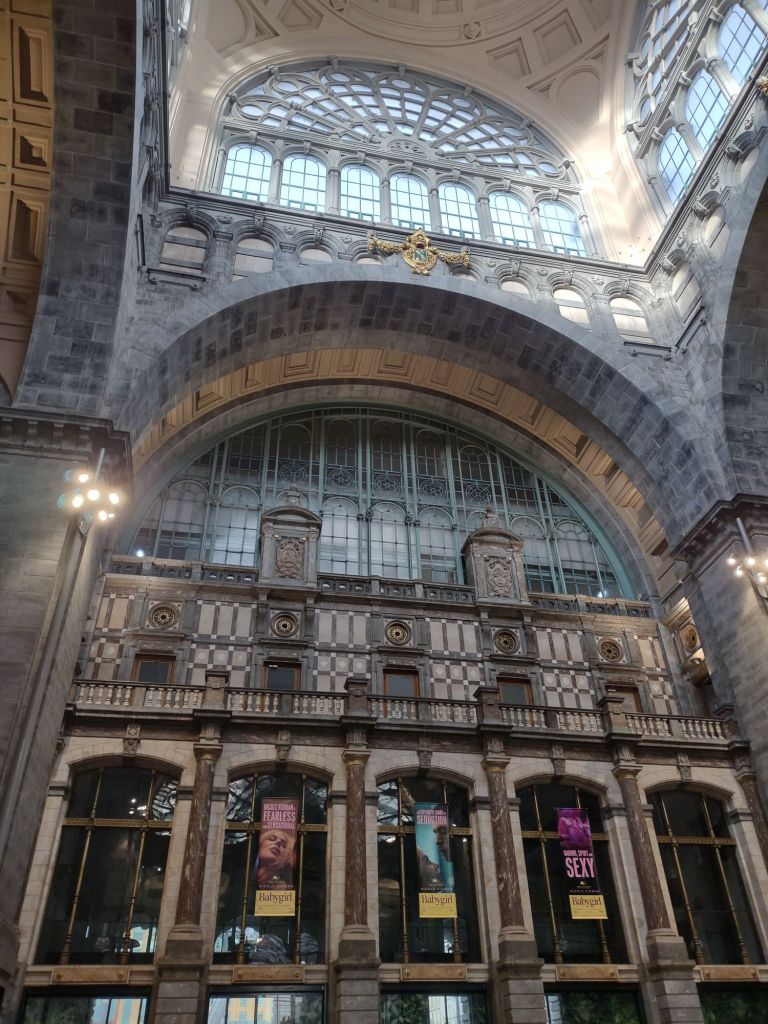
The other is Antwerp Central station itself.
Built in the 1890s and restored in the eighties to fix some V-2 damage from WWII, many consider this majestic concoction of architectural styles to be the most beautiful train station in the world. If it’s not I’d like to see the competition.
No wonder the locals call it the “railway cathedral”.
Magnificent… magnetic…
… mesmerising…
…sexy mesmeric…
…cold hands…
… freezing…
And we’re back. Thanks goodness for that reviving cerveza.
Out of San José we go, heading west across the Central Highlands to the Pacific coast, driving over spectacular ravines and down winding stretches hugging the hillsides, while storied green volcanic hills shimmer around us under the stifling blue sky. Did I say “driving”? I meant “crawling”, always – always – crawling; the road is wide but twisty, hardly any overtaking is allowed, and there are always slow trucks to get stuck behind. I suppose we should be grateful for the shuttle driver’s safety-first approach, Costa Rica not having the best reputation for its road safety.
Eventually the road descends from the plateau as we turn south near the coast, and the land becomes incredibly verdant as we pass through Tarcoles and over its famous “crocodile bridge”. We hit the Pacific coast and pass through the party town of Jaco. This is where I stopped off on my trip in 2024, but not today. Southwards we drive, as the tropical sky seems to become even bluer and the fields even greener before they just simply turn into one great palm oil plantation around the town of Parrita. After about 3-4 hours, we are near our destination.
Costa Rica benefits from an incredible diversity of wildlife, the result of the Central American isthmus’s relatively recent (3 million years old) emergence from the sea to link the American subcontinents. Add to that the rich volcanic soil and the tropical climate, and the place was destined to become one of the centres of ecotourism, with visitors from all over the world drawn to its seemingly endless mountains, rainforests, mangrove swamps, beaches, and its equally impressive array of sloths, monkeys, birds, and all their furry mates.
You need months to experience even a little of each habitat, so if you’re here for a short time you have to choose. About 50 miles or so down the coast from Jaco lies the Manuel Antonio National Park, famed for its lush lowland rainforest, rich wildlife, and stunning beaches. Unfortunately it is so famed that they restrict the numbers who can visit, and you really have to get there early to avoid the midday crush. I didn’t fancy it, so instead decided to stay outside. Around the nearby towns of Quepos and Manuel Antonio there are a number of nature resorts that sit on the edge of the rainforest, and I spent a couple of days at one of them (La Foresta, if you’re interested. I don’t get commission).
By the way, that’s “nature” resorts – N-a-t-u-r-e – just to clarify things for one of my cheekier (ooh-err) readers.
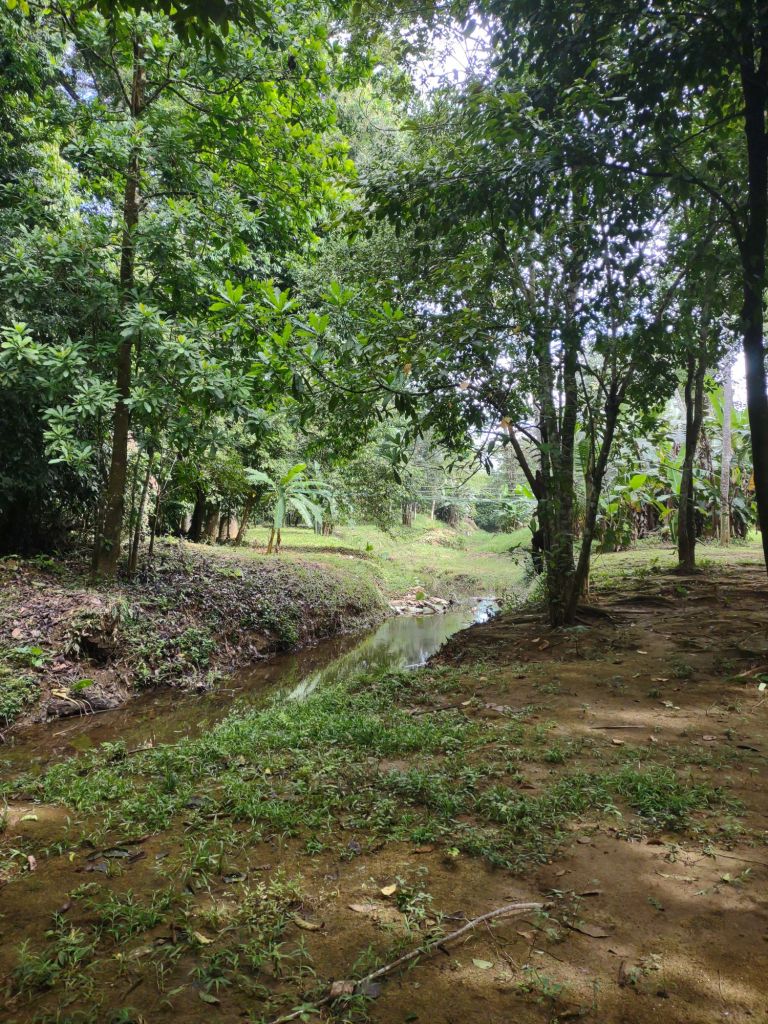
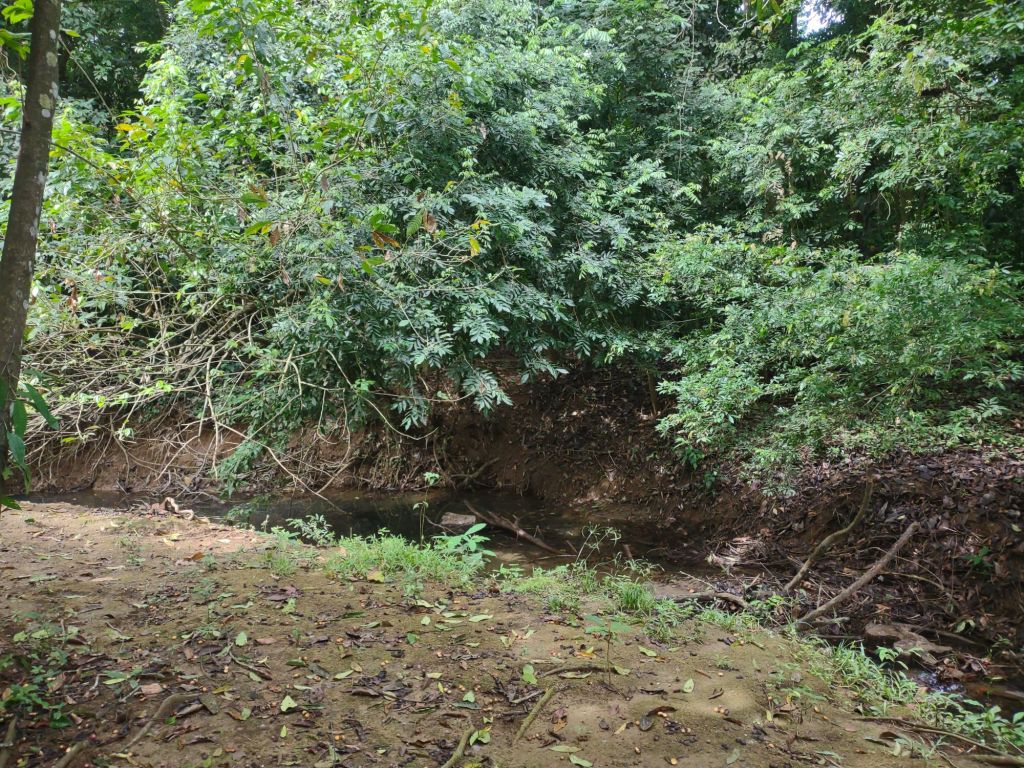
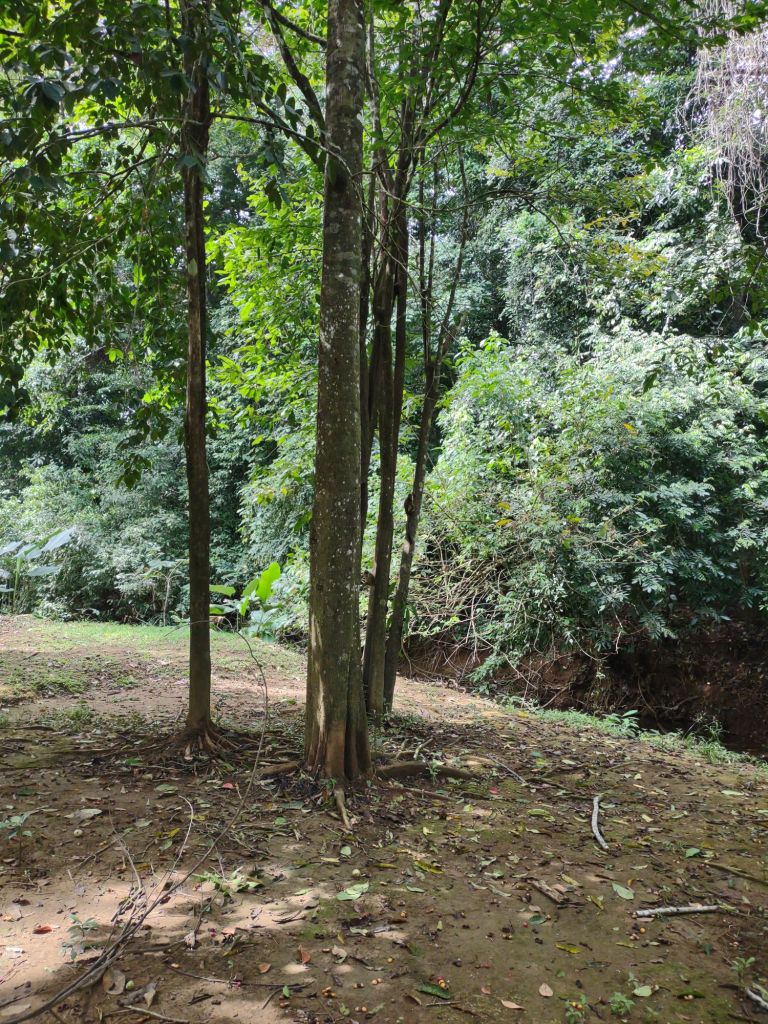
Here at La Foresta they have an inner grounds bit which is bordered by a little stream that curves around the edge of the resort like a horseshoe.
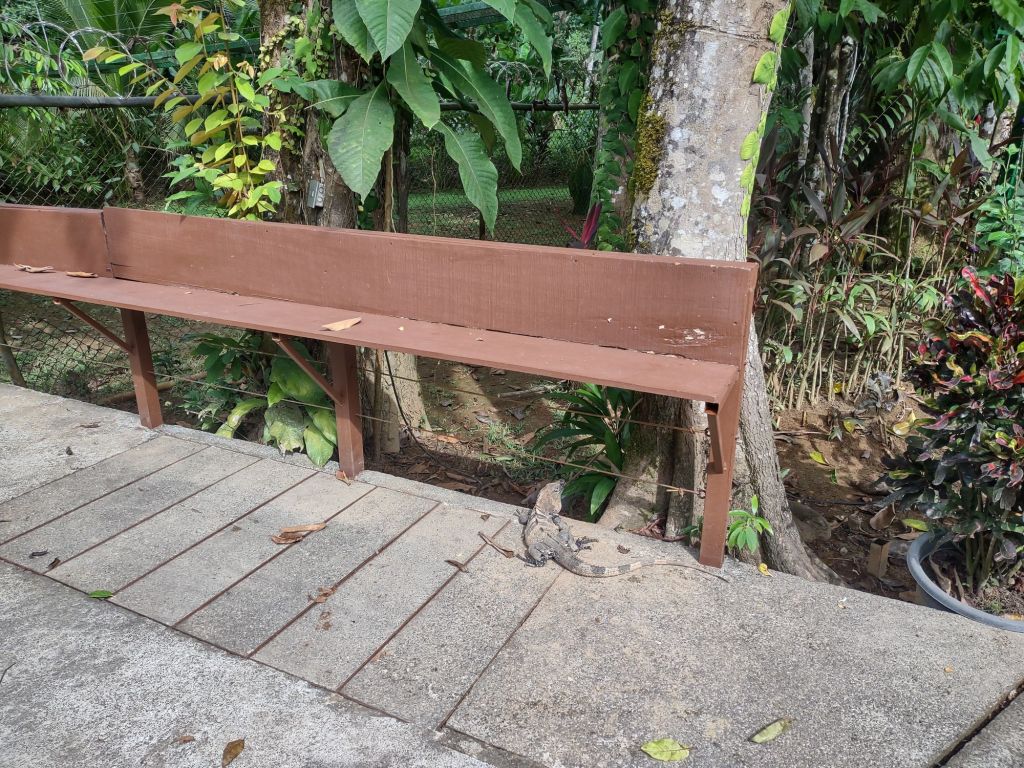
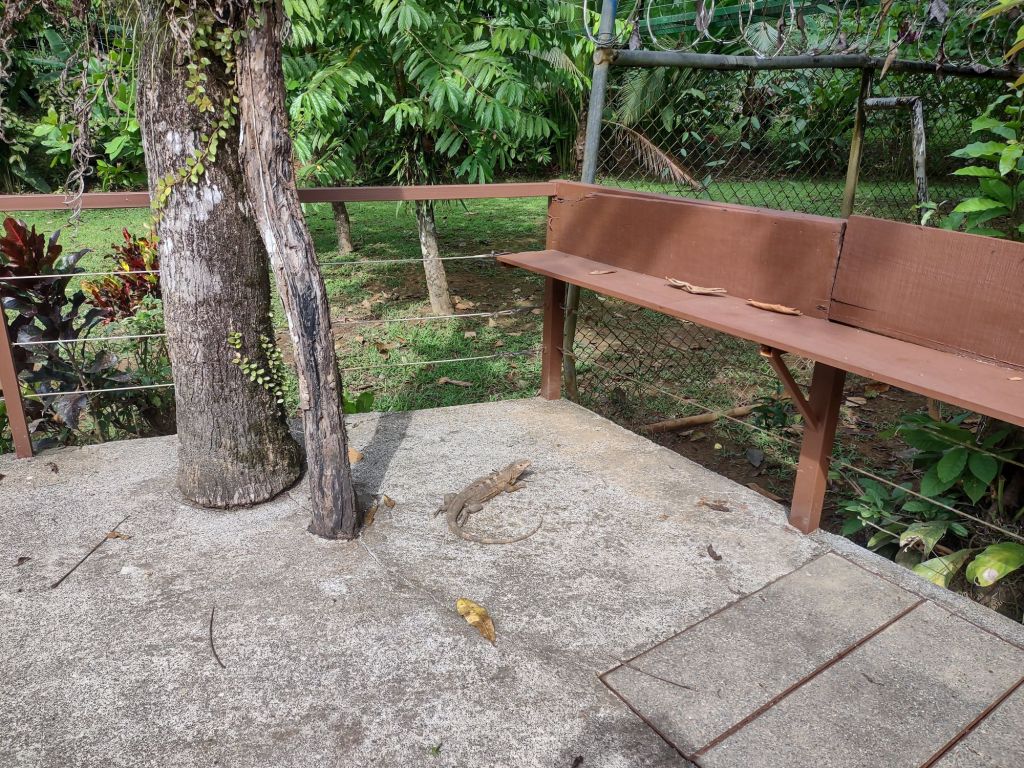
They also have iguanas.
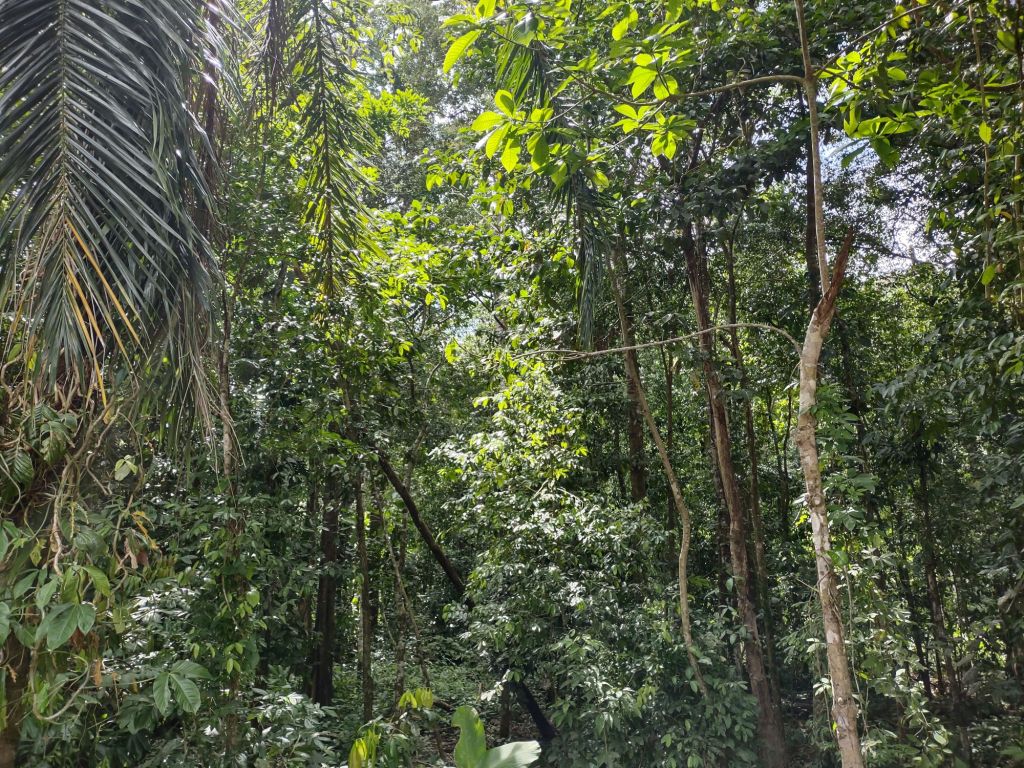
But the real selling point is the access to the actual primary and secondary rainforest beyond the stream. There are two ways to get into it. You could do a zipline canopy tour (the idea of transporting yourself along a suspended line is ancient, but in the 1970s an American ecologist here in Costa Rica came up with the idea of extended zip lines above the rainforest canopy so he could make observations without disturbing the habitats).
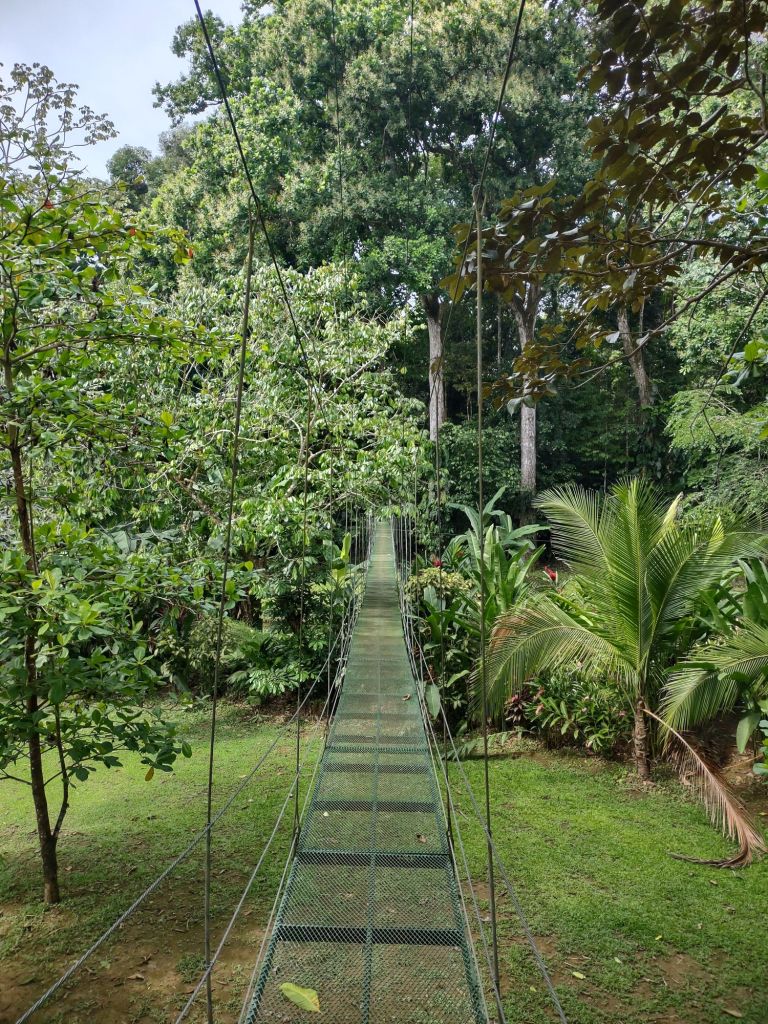
Or you could cross the rope bridge into the dark interior.
Dark and entrancing. Signs advise you not to enter alone, to follow the trails and stick to them, there’s wild animals. Primary rainforest. The edge of our world.
Spooky. There’s just one problem.
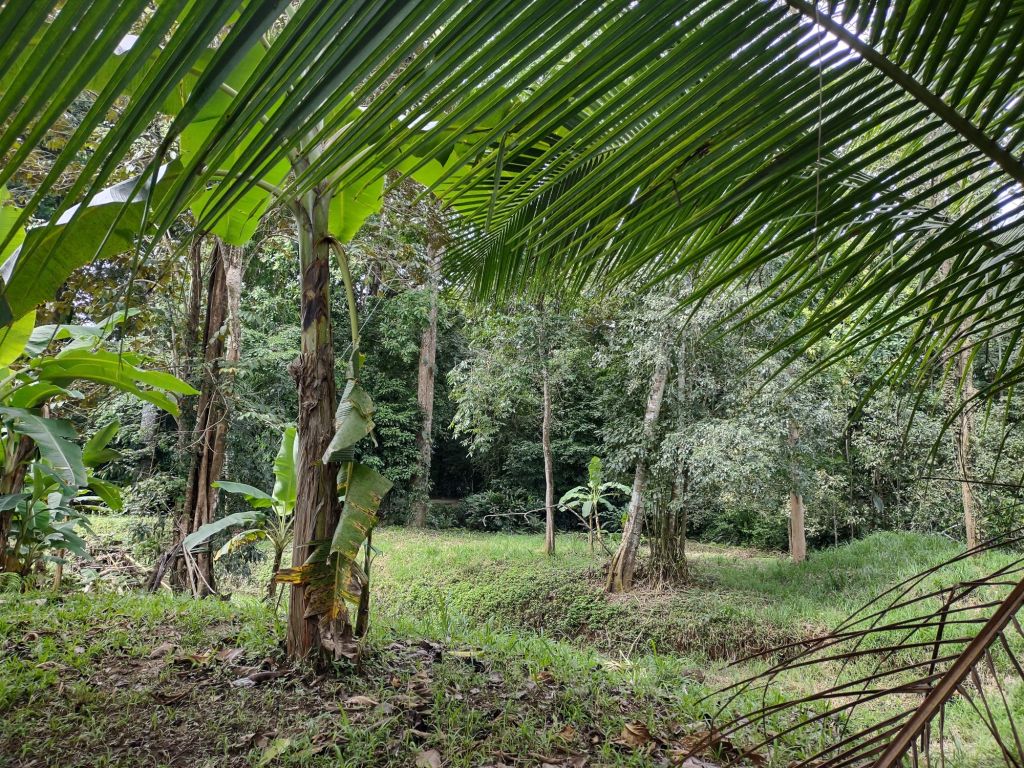
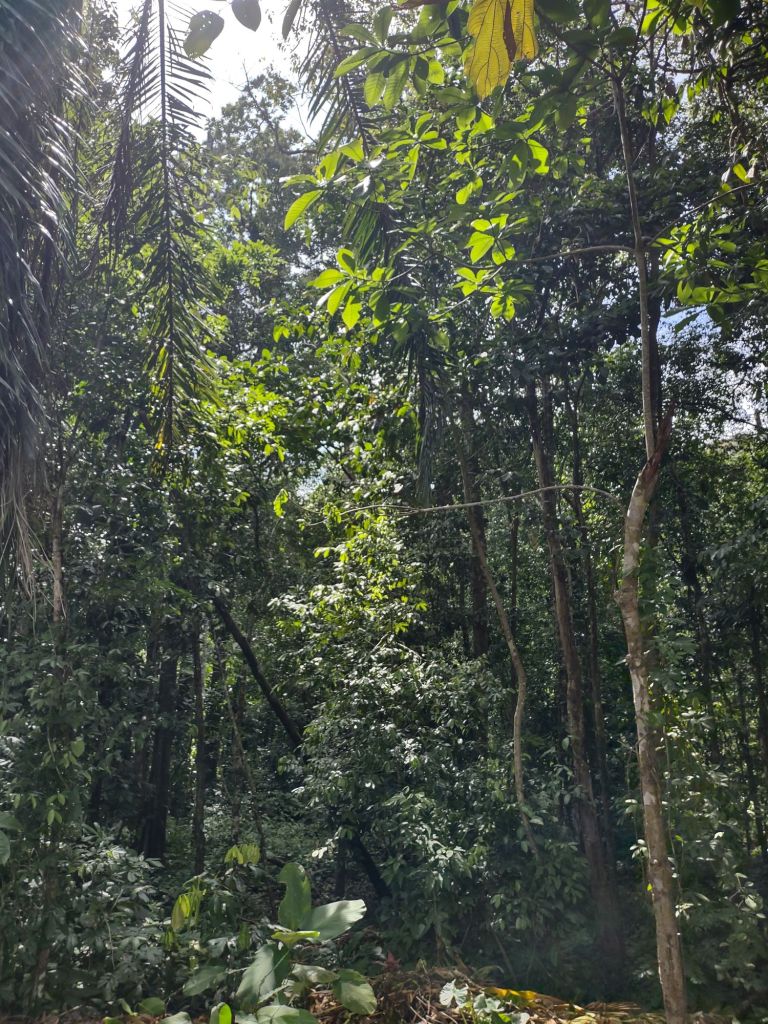
I’m still taking things gradually and didn’t fancy the rope bridge. In fact at this point I wasn’t keen on the whole business of going in there in the first place. Maybe another time, maybe another trip. So all the photos in this post were taken from the inner grounds.
Sorry about that. Have another iguana.
In fact, there was plenty of wildlife to enjoy from the hotel grounds itself. Raptors hovered menacingly above, effortlessly floating high upon the tropical air, while below, a couple of snarking parrots fussed about in the trees. Later, some birds from another species swooped in, declaring themselves unimpressed by the parrots and saying “Toucan play at that game!” There were also butterflies, lots of them, fluttering to and fro, showing off their extraordinary colours.
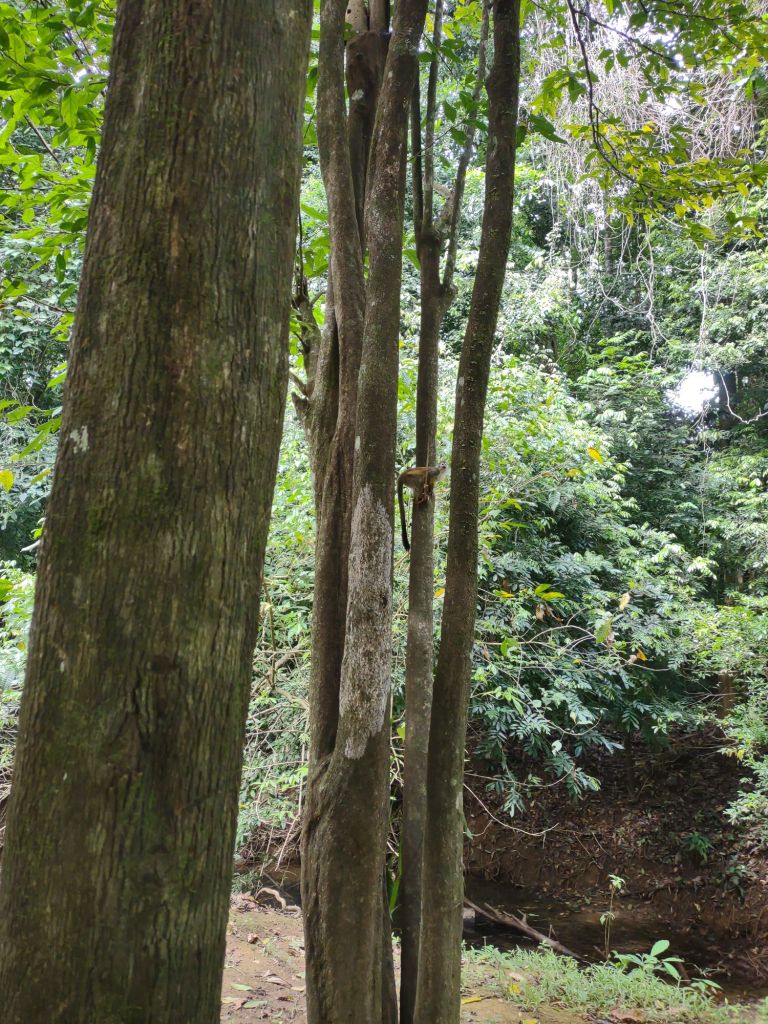
While waiting for my shuttle bus to my next place I went back out and finally spotted some monkeys.
You can just make out the squirrel monkey hugging the right-hand tree, just below the leaves.
In this one, just follow the tail. (Which, interestingly, is not prehensile, just used for balance on squirrel monkeys.)
A regular reader of my posts will know that ecotourism and safaris don’t figure as much as cities, scenery, and stories. So my nature photography is not up-to-scratch and I couldn’t work out how to get close enough for a decent shot without scaring it away. Maybe some nuts would have helped. They once worked a treat in Cambodia.
Meanwhile the monkey’s friends came along, checking out this human dude, wary but essentially curious and confident through their strength in numbers, before getting bored and leaping back home through the trees. The interaction between us was quite the thing, but you’ll have to trust me on that.
So that was it, my short experience of life on the edge of Costa Rican nature. The nearest town was a longish walk away along one of the inter-American highways, so for three days it was me, the small resort, the rainforest, and the iguanas. I will look back on this stay as being very relaxing and contemplative and an interesting contrast to what I normally do. As I started to process all of that, the shuttle arrived – and it was beach resort time!
You probably picked up from my last San José post last year that it was pretty much somewhere you visit once and that’s it. I certainly wasn’t expecting to go back there the following year, or ever again to be honest, but then stuff happened of course, and I felt I had to come back. This time I chose to stay more centrally in order to take a closer look at a couple of things, but to be honest the centre of town can be a bit scrappy, it’s smelly, messy, and full of downbeat beggars and apparent drug addicts. I’m being a bit cautious this trip – otherwise I might have loved it…
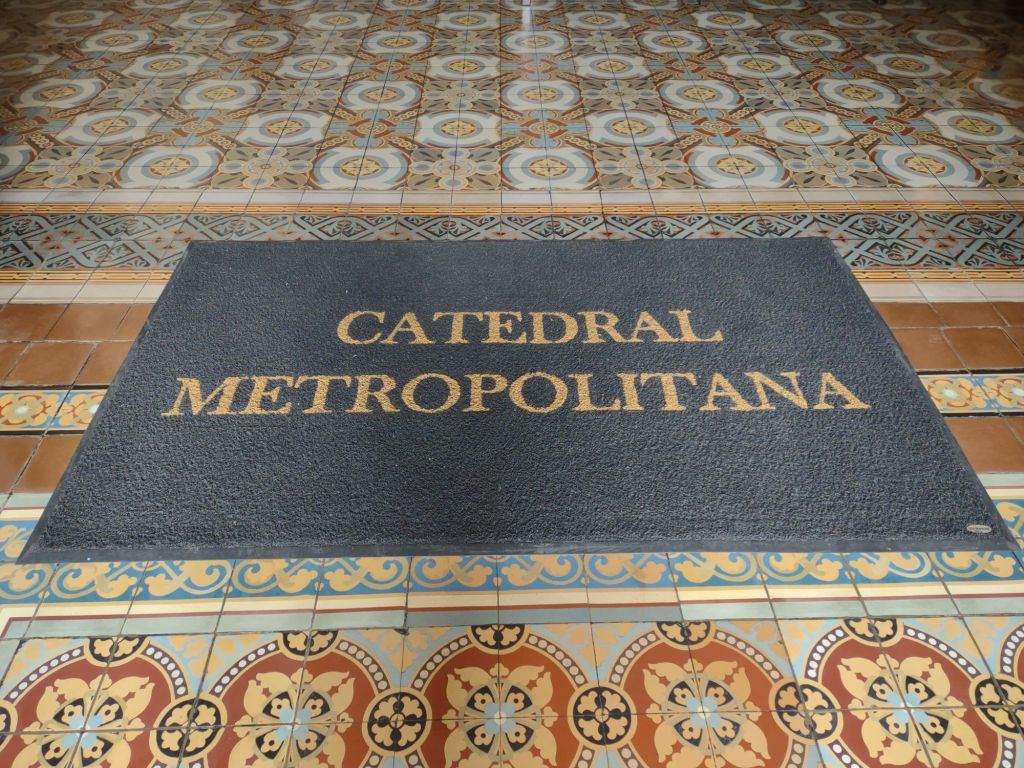
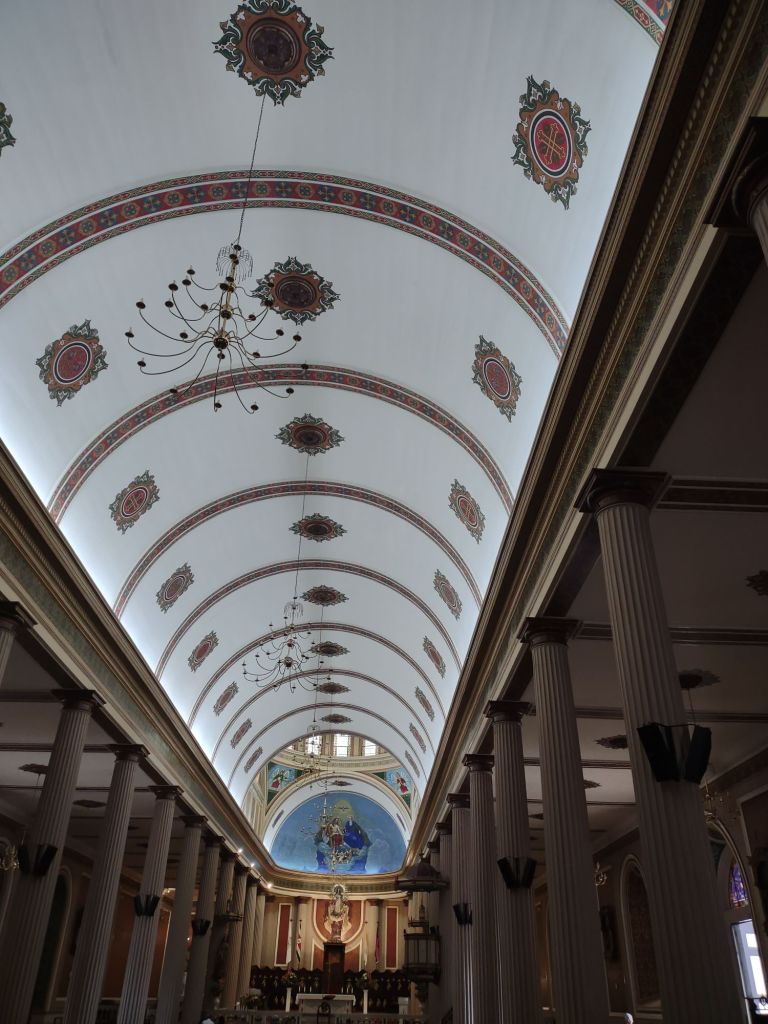
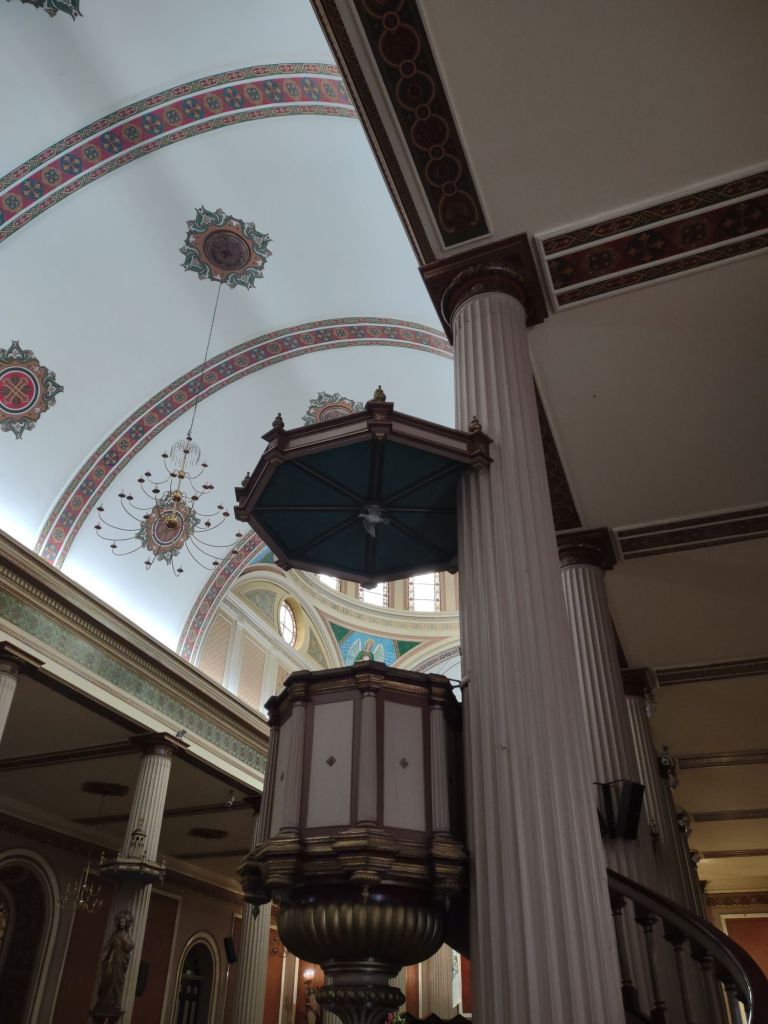
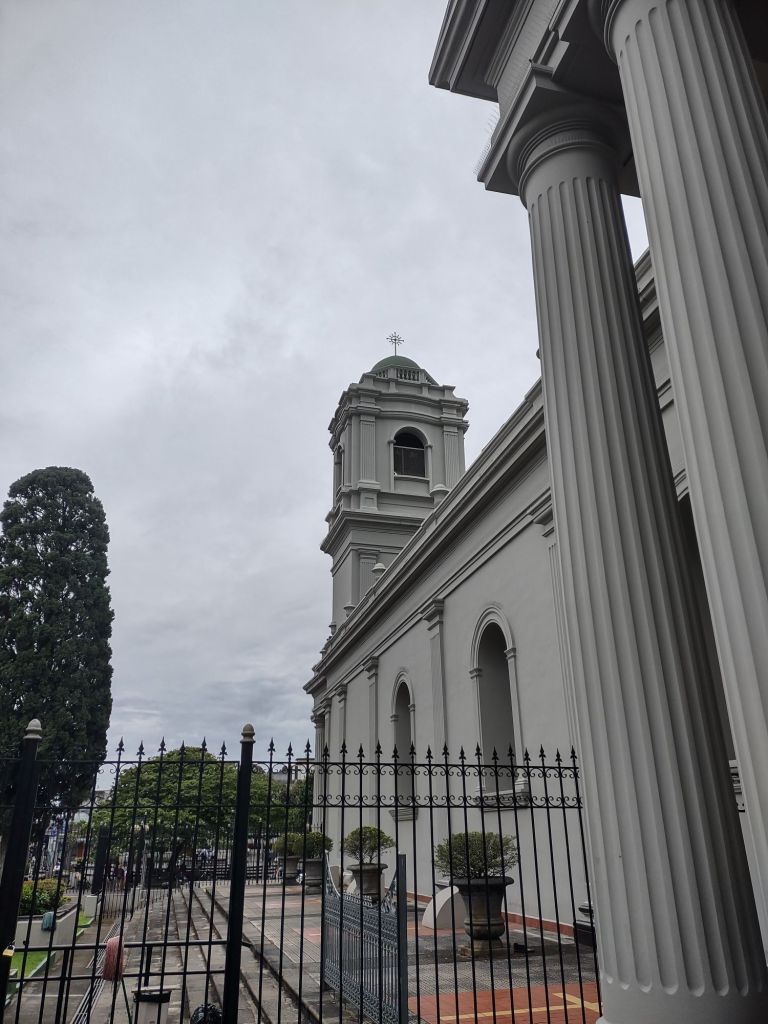
San José’s main church, the Metropolitan Cathedral, was built in 1871 as a replacement for one that was destroyed by an earthquake in 1820. Known for its stained-glass windows, the interior makes up a little for its rather bland-looking (to me anyway) exterior.
A much grander edifice lies just around the corner.
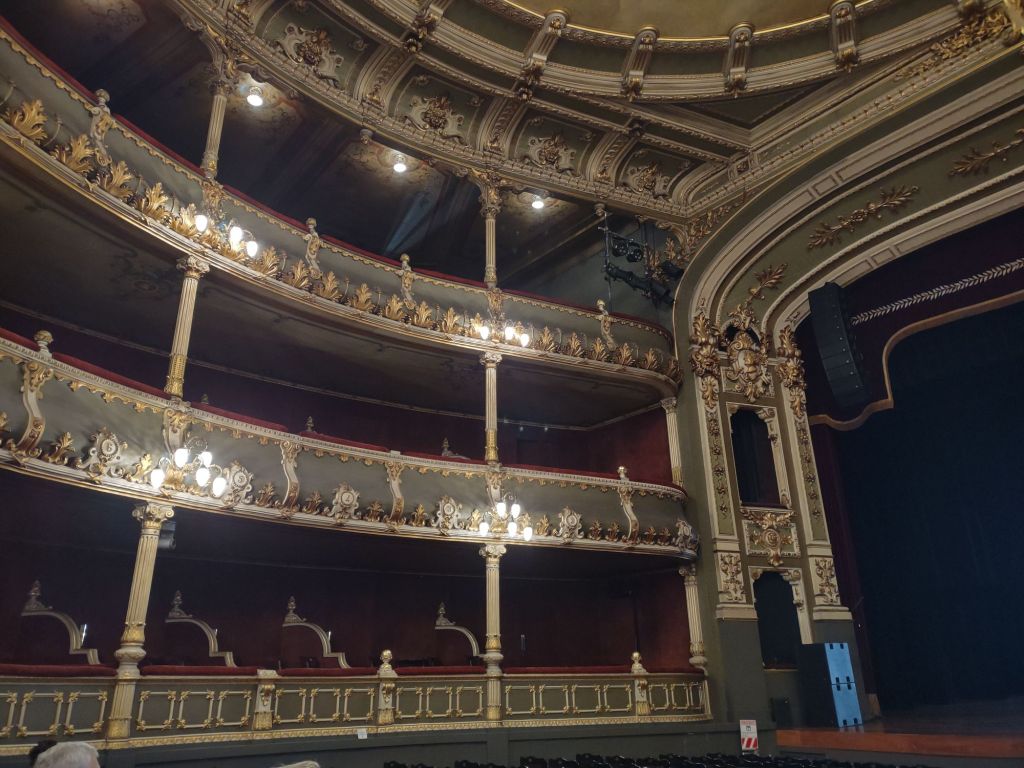
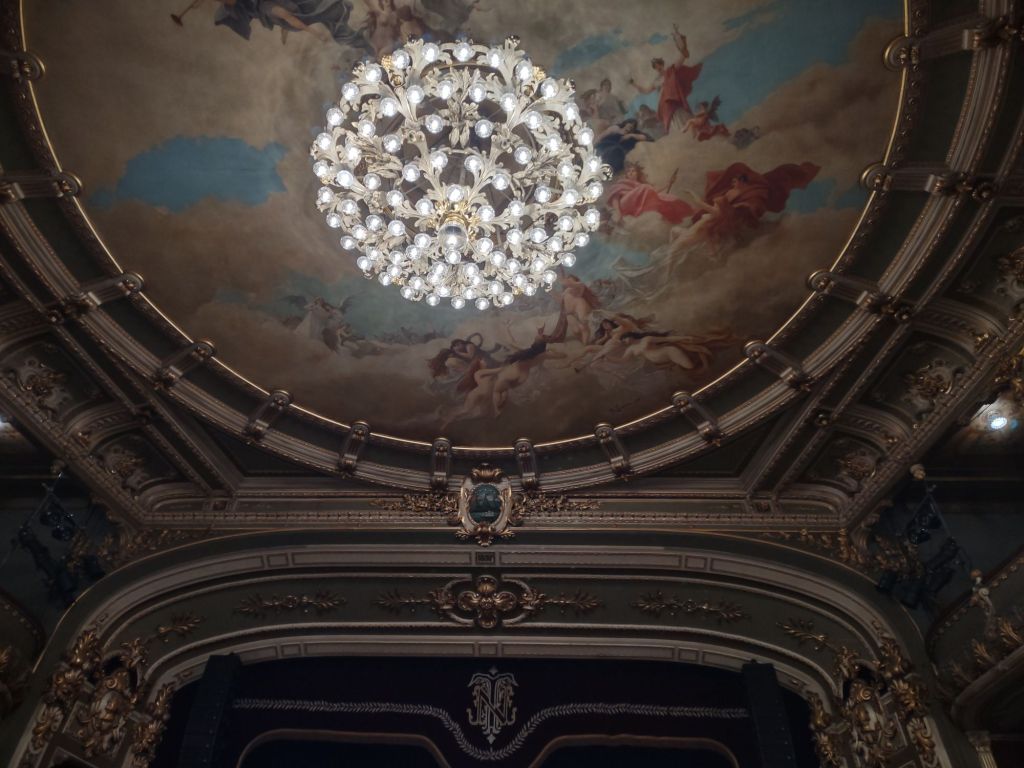
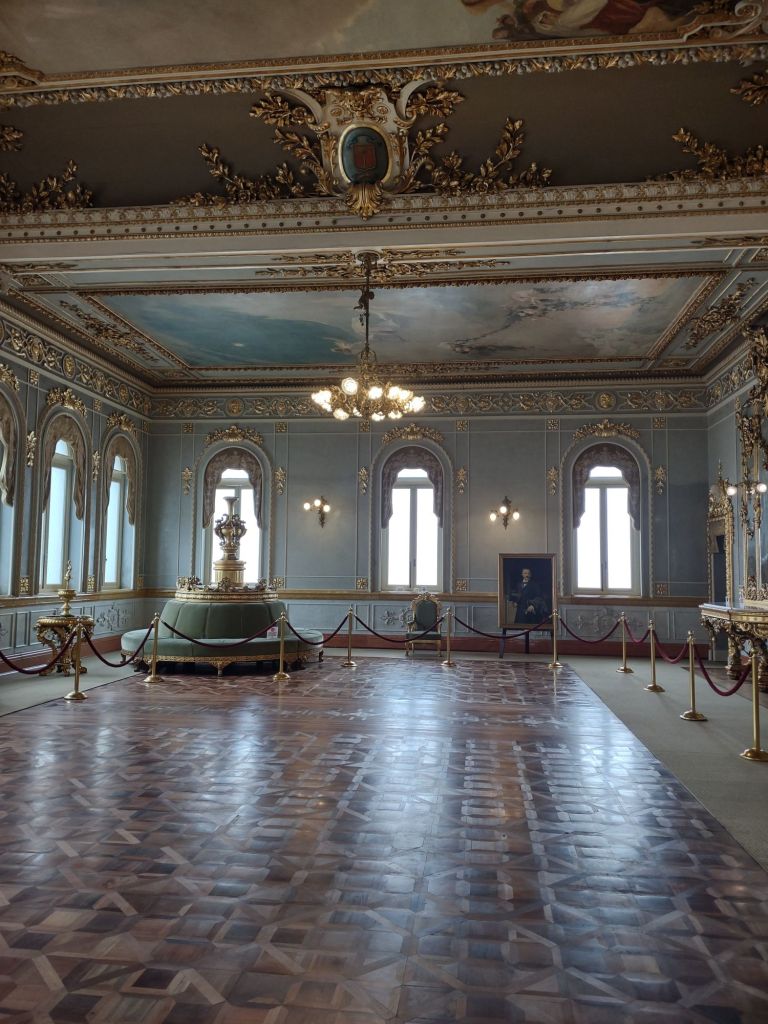
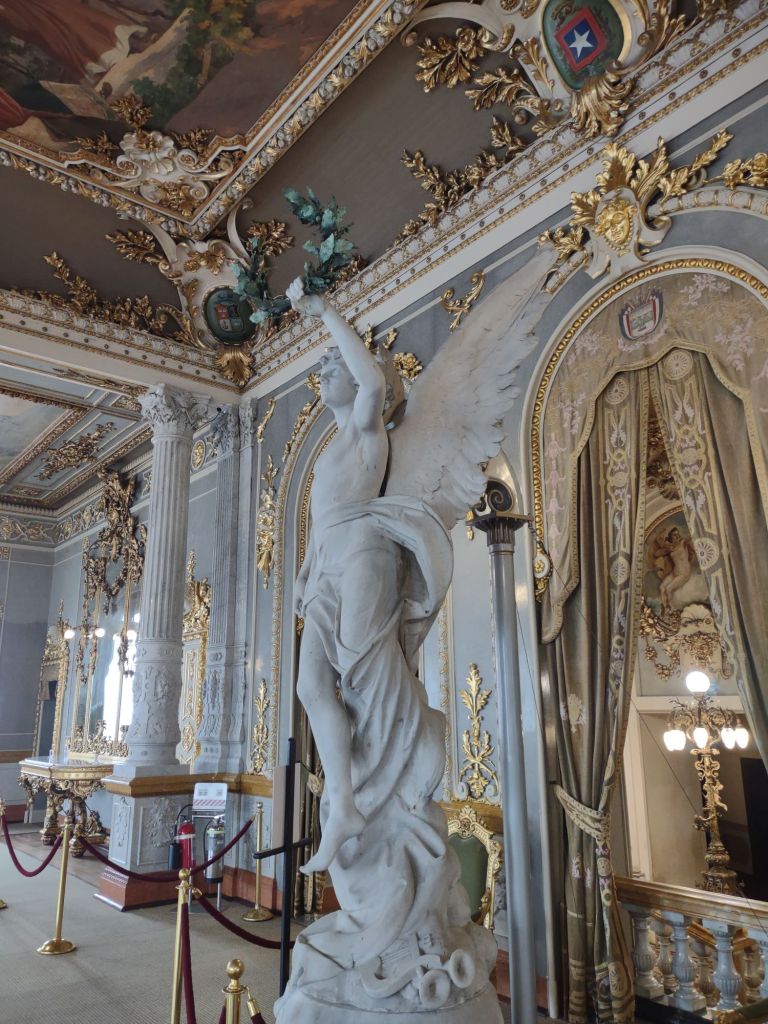
Rolling in cash and power from their magic beans, the Tico coffee barons of the 1870s decided to flaunt it and show they were a cultured bunch at the same time, and built the National Theatre using a levy on coffee exports. Modelled on the Paris Opera House, and full of specially-commissioned paintings and sculptures sent over from Italy, this riot of ornamentation and gold-leaf certainly does Belle Epoque flauntation rather splendidly.
Note the wooden floor under the seating. The theatre doubled as a dancehall, which you might not think would be much fun at a steep angle – unless you’re pitching Strictly Come Cheese-Rolling. If you’re not, don’t worry. When they wanted a level dancehall they flicked a switch, machinery would turn, and the floor would tilt and level out!
And they still use it. Although the national arts groups don’t use the theatre as their base anymore, the levelling-out process is still used to prepare the space for the celebrations that follow a presidential inauguration. It’s been that way since at least the forties, there’s a presidential election every four years, so that sounds comforting enough as a maintenance schedule.
As we continue on the theatre’s entertaining guided tour which leads us to the reception room, we walk into a guilded age.
This is the place where the punters in the very posh seats would nip out in the interval for a very posh chinwag. I’m sure I spotted the grooves in the tiled flooring where the mobile fish-and-chip van used to stand. The statue – again Italian – used to stand atop the roof (erosion meant they had to replace it with a replica). Some of the gold leaf in here was subject to a recent renovation and now looks utterly stunning.
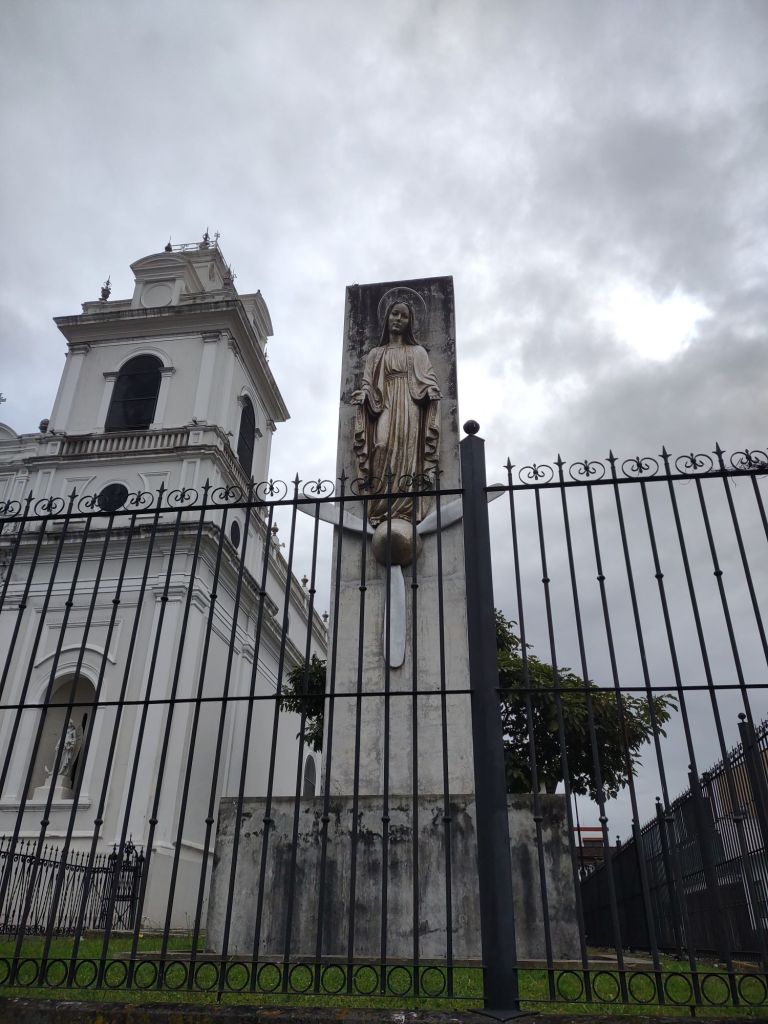
Out of the theatre now and all its opulence. Around the corner is the Church of Our Lady of Solitude…
…and its Propeller Mary.
That’s my name for it. I don’t know what it’s really called. In fact I have no idea at all what it’s meant to represent, a quick online search coming up entry. If anyone out there knows why this church has a statue of a religious figure perched upon a propeller, I’d be grateful if you could pop it into the comments. Thanks!
And that was it for San José this time. I’m back here for a couple of days before I fly home, so there may be more, maybe more on Propeller Mary. Or maybe SJ really is a one-and-done, two-and-through sort of place. We’ll see.
But next it’s into nature before we hit the beach again…
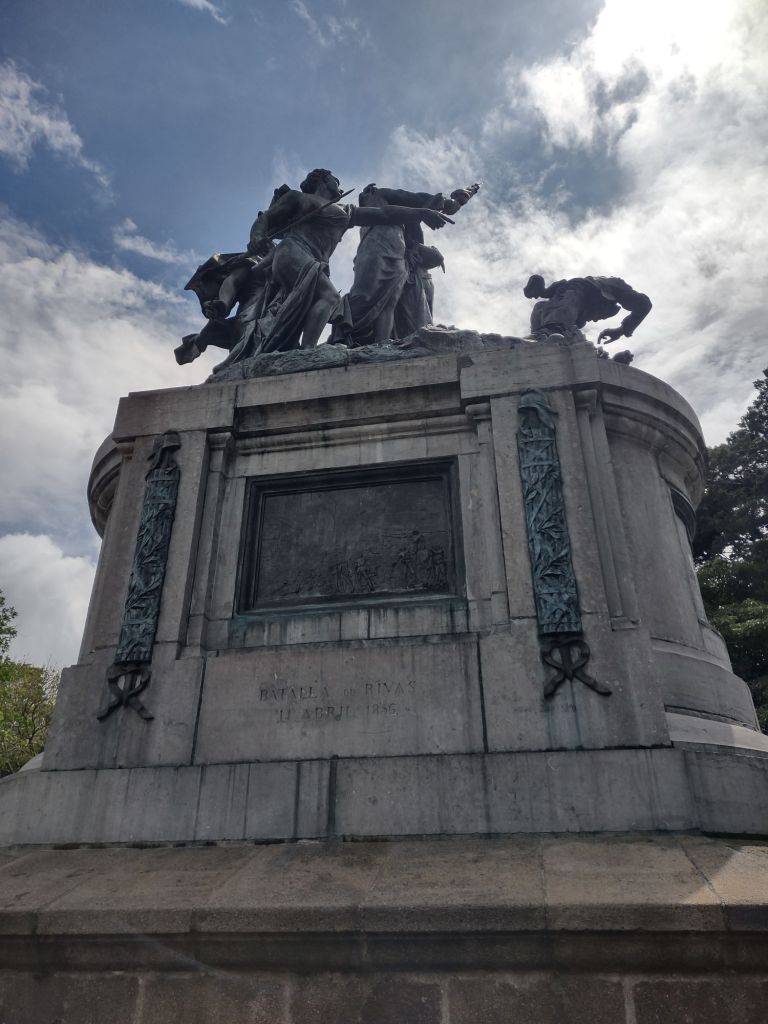
It is 1857, Central America, and William Walker is a disappointed man. He had plans, he had visions, but his dreams were crumbling. A talented man, was our William, doctor, lawyer, writer, but it was in that part of his CV that reads “mercenary” where his ambitions really lay. And like a few other US Americans of the time, his plans were, well, to take over a chunk of Central America for himself.
A tough ask, you might think, but Walker had already gone some of the way by invading Nicaragua and pronouncing himself President in 1856. Once in power this steadfast believer in Manifest Destiny had a look at the woke radical left state’s most absurdly woke statute, their abolition of slavery in 1821, and promptly abolished the abolition. Freedom being slavery, as someone once wrote.
But Walker’s ambitions soon fell foul of other US business interests in the reason, as well as those pesky Central Americans. Soon his forces found themselves in a conflict with Nicaragua’s southern neighbour, who pulled in help from other nearby states. 1857 marked the end, a string of defeats. Walker returned to the States a hero to many, particularly in the southern slave states encouraged by his desire to expand this lovely idea to other parts of the hemisphere. Back he went in 1860, to Honduras, where this time he hacked off the British colonial interest, who handed him over to the Hondurans.
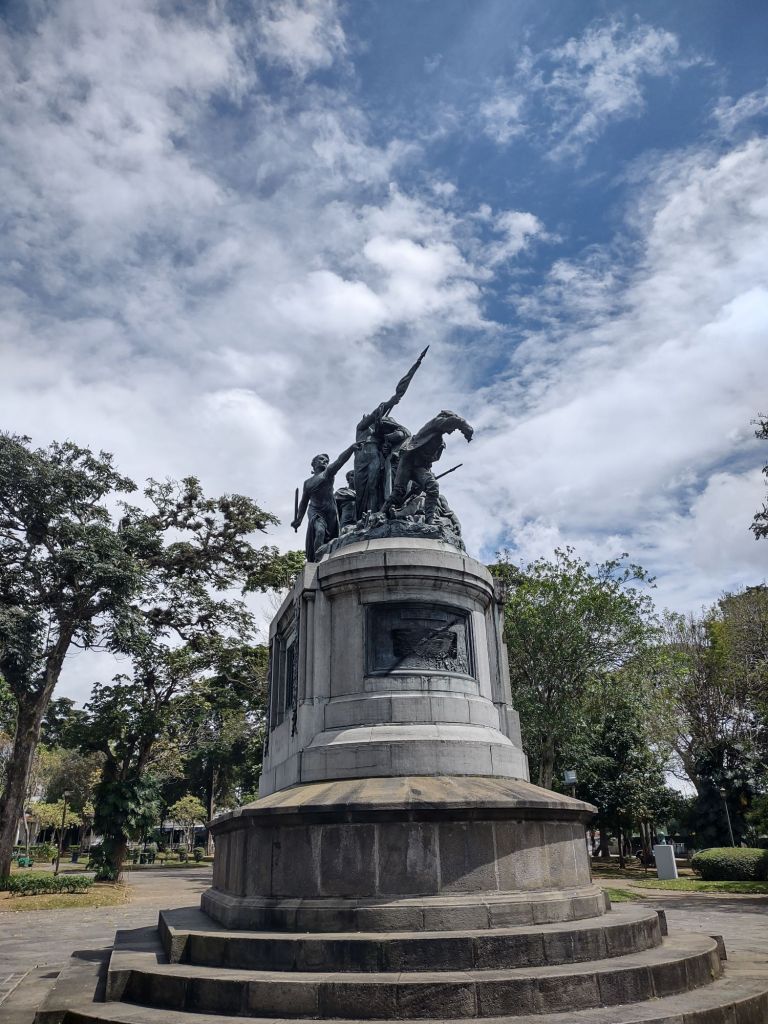
Anyway, back to 1857, when William Walker is merely disappointed – not yet propping up a wall in front of a Honduran firing squad. Nicaragua’s southern neighbour has a National Monument that depicts how humiliated he must have felt.
To the left, figures representing the five triumphant Central American nations who saw off Walker’s army – Nicaragua, Guatemala, El Salvador, Honduras, and that southern neighbour at the heart of the resistance and in whose capital the monument proudly sits. And that scuttling figure to the right is, of course, Walker himself, on the run, head bowed, lesson learned. I’ve looked closely at his right hand and I think I can make out his backside, so kindly handed to him by the victors.
Lesson learned, indeed, for in the enlightened age of 2025 who could imagine the Shining City On A Hill producing another megalomaniac white-supremacist criminal threatening other peaceful Central American countries with invasion?
But I can feel a bit for the old scoundrel, as he runs for his life out over San Jose’s Parque Nacional. I think I know what he’s thinking, this time last year I was probably thinking the same thing:
I really shouldn’t have had anything to do with Costa Rica!
Alicante was fun. Even with a crutch. And I’m delighted to say that, over the weeks I’ve been able to say goodbye to it and the recovery has progressed. It’s not quite 100% but good enough for now and good enough for some more – careful – adventures.
But since I was wheeled home from Costa Rica last year, and once I started the long recovery process, the feeling grew that I had to go back when I was ready. Maybe to find some closure, maybe, but mainly to do things I was stopped from doing in this endlessly rewarding country. I don’t know what those things are yet, or how I’ll feel when I return to places where it all went wrong, but I do know it’s a scratch I would otherwise always have. And being able to fly home on two legs would be an accomplishment in itself. So here I am, near the rainforest bit of the southern Pacific coast (not feeling up to going into the canopy yet), enjoying being back in a better state than when I left, looking forward to seeing what happens this time, and I can’t wait to tell you all about it.
And one good thing: none of my plans involve enslavement or brutal conquest. Not yet anyway.











 orwellianTwo