The blue, majestic sweep of Lake Geneva glides around the rugged, verdant south-western corner of Switzerland, where the timeless, cliff-edged peaks of Switzerland run into the timeless, cliff-edged peaks of France. The border runs along the middle of the lake, but you can’t see it; the great blue plain rolls as one great sea while the glorious mountains look down silently from their own frozen march, oblivious to human markings on a map.

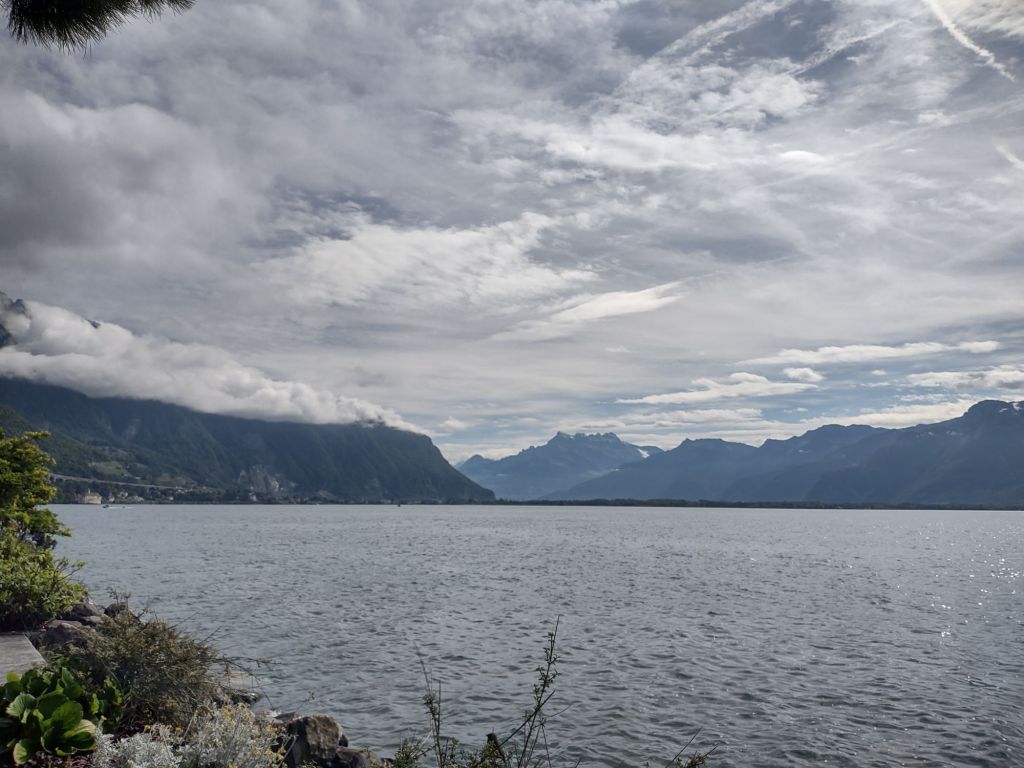
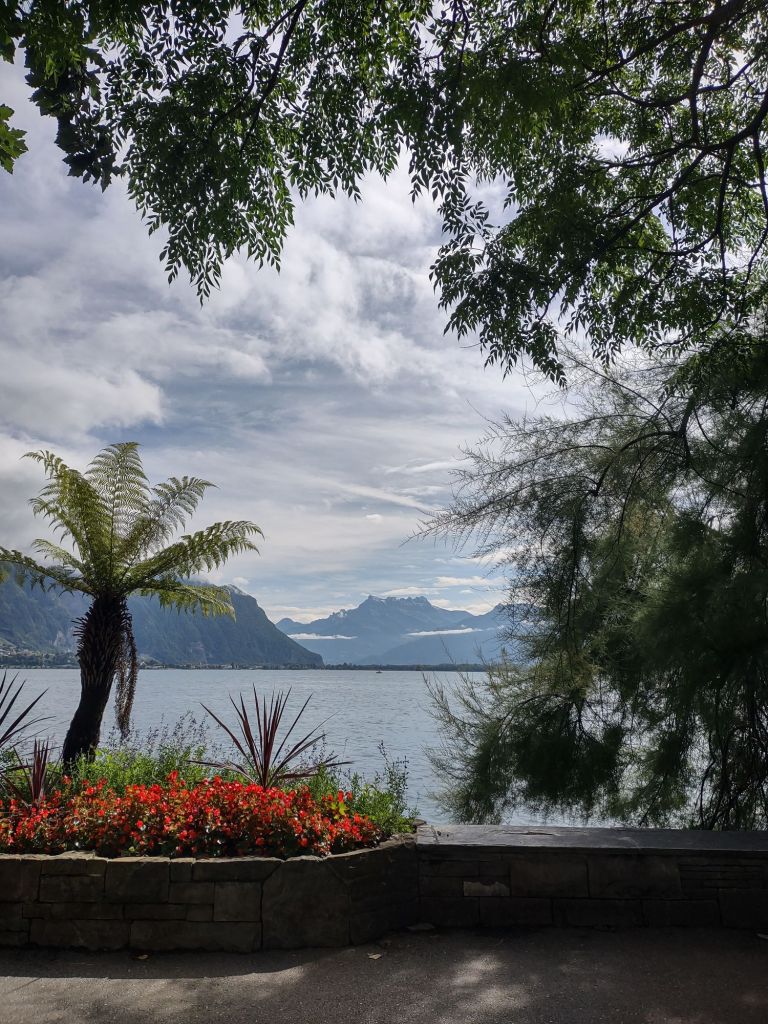
And the border fails to cleave the people apart either, here in the French-speaking Suisse Romande. And here we are on the western corner of what the Francophones call Lac Léman, relaxing in the mild microclimate of the lovely resort town of Montreux.
An important settlement on the old Roman routes north through the Alps, Montreux began to attract the British well-to-do in the 1820s and the steamships began plying the lake. But it was with the coming of the railway in the 1850s that tourism really took off here, and over the next fifty years or so a lavish riot of Belle Epoque hotels appeared between the shoreline and the Gare.
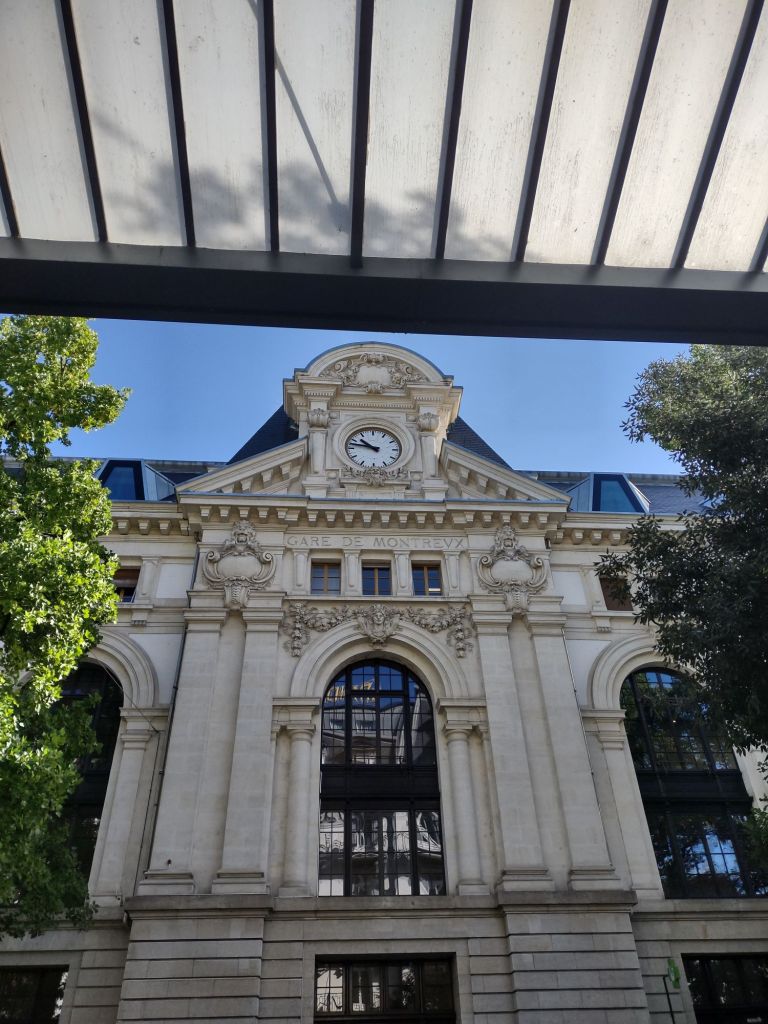
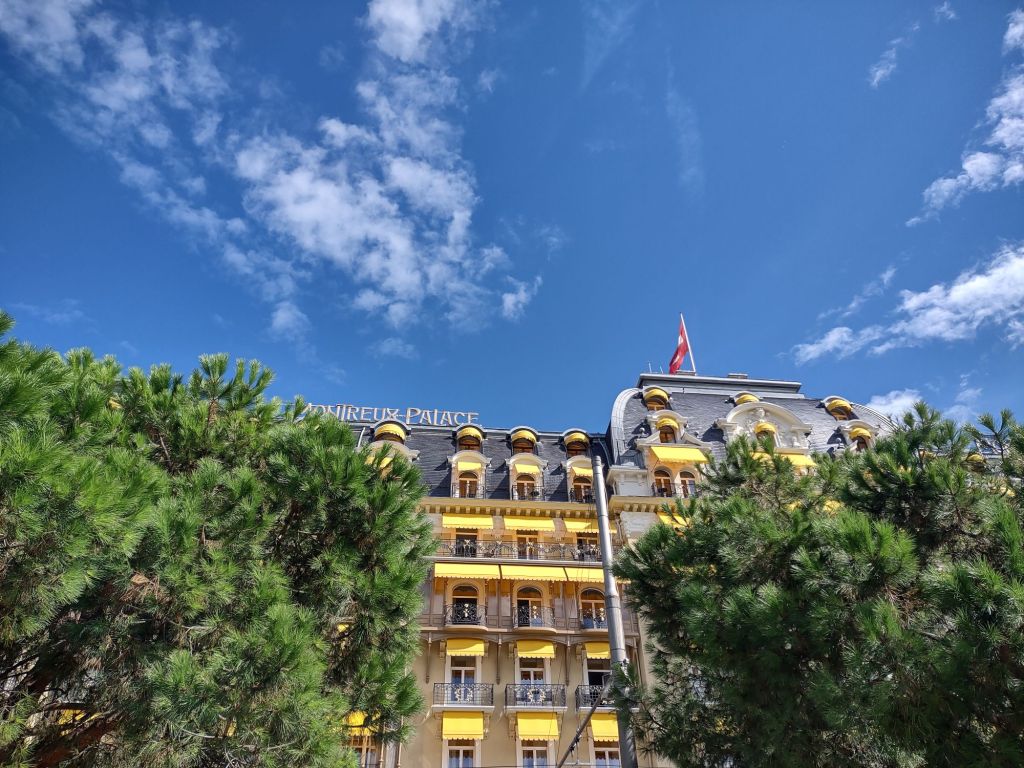
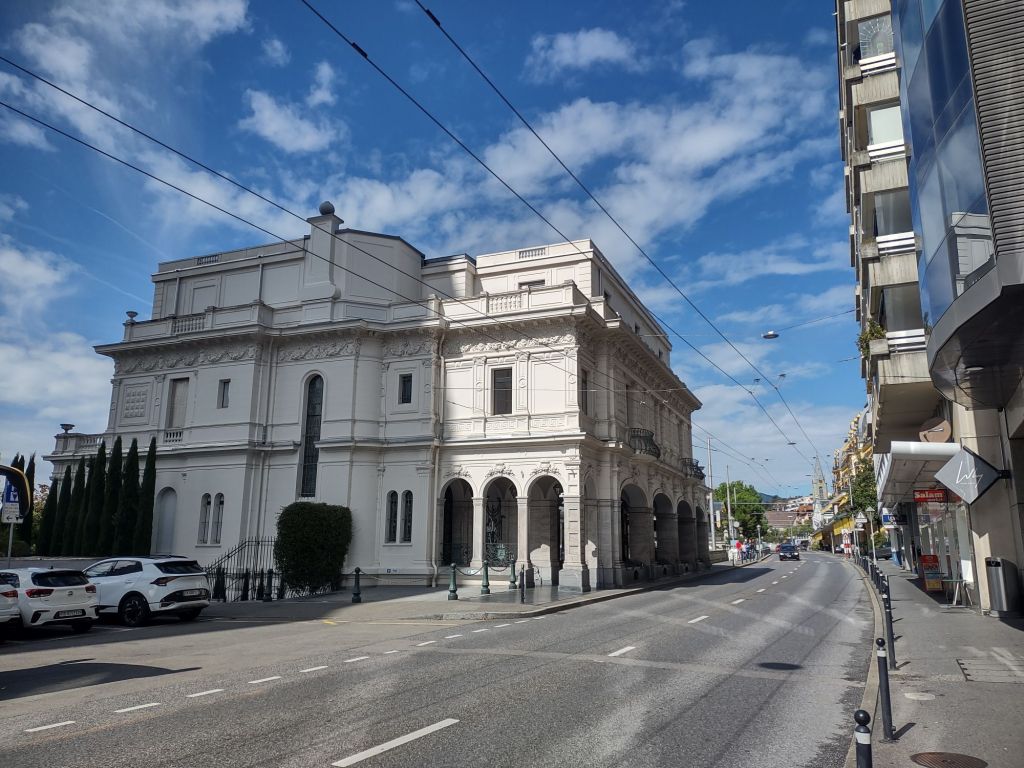
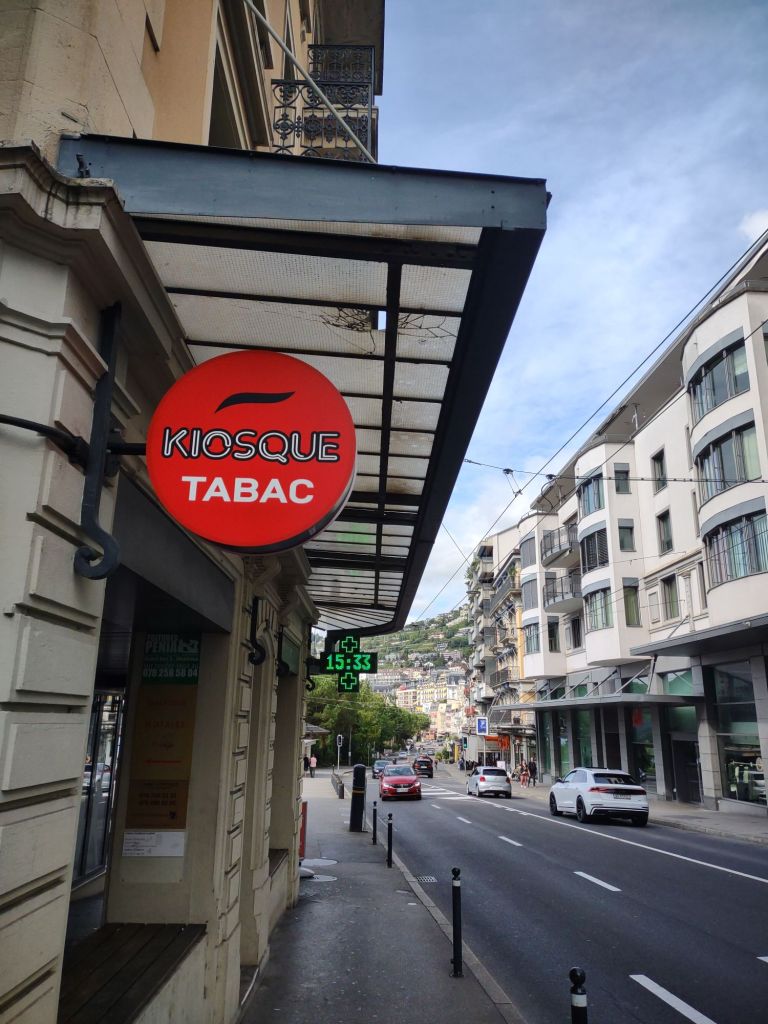
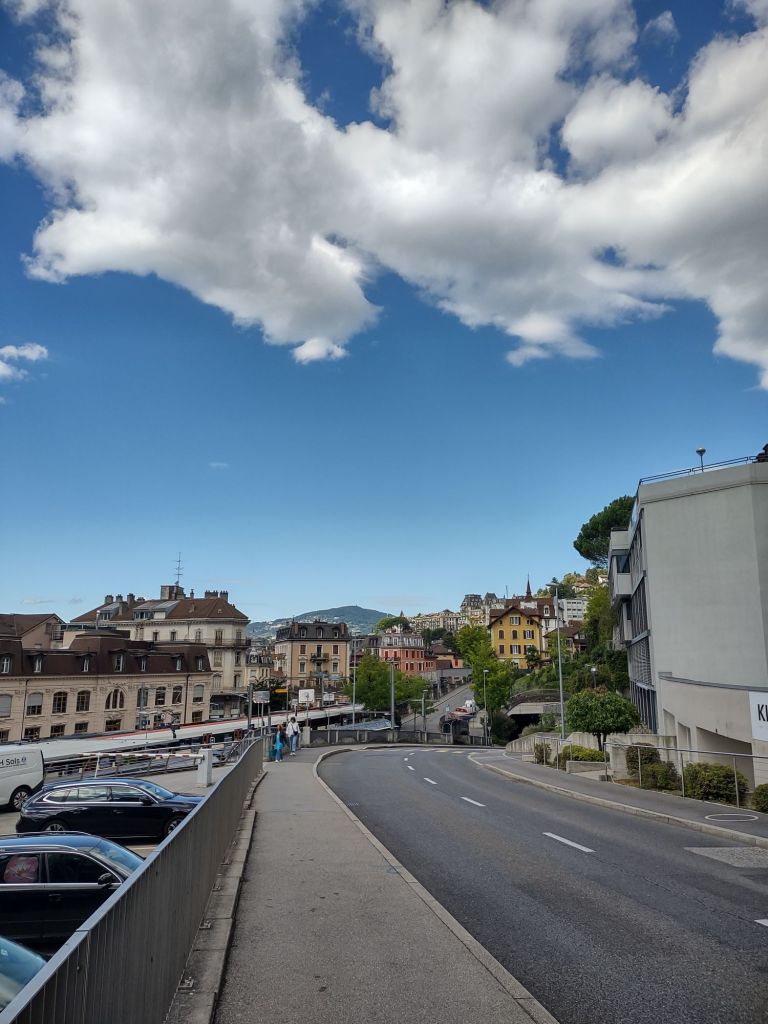
Today the tourists are still coming but the town feels remarkably quiet even during weekday shopping hours and weekend nights. The famous Montreux Jazz Festival came and went in the summer and all that’s left is small-town quiet in an elegant fin-de-siecle setting. Nothing wrong with that of course…
It feels as if the biggest buzz in town is to be found at the Casino.
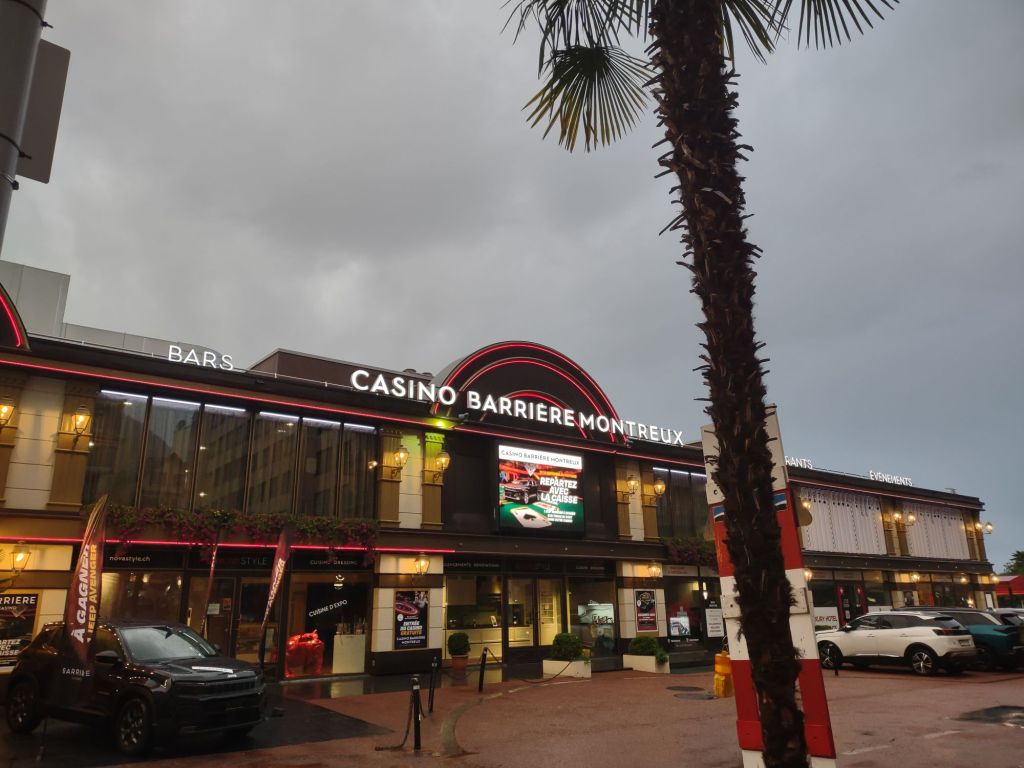
It’s not the original, that one burnt down in 1971. But you all know that, of course.
Well, you would if you’ve ever picked up a guitar and tried to pick out a tune, the one everyone has a go at.
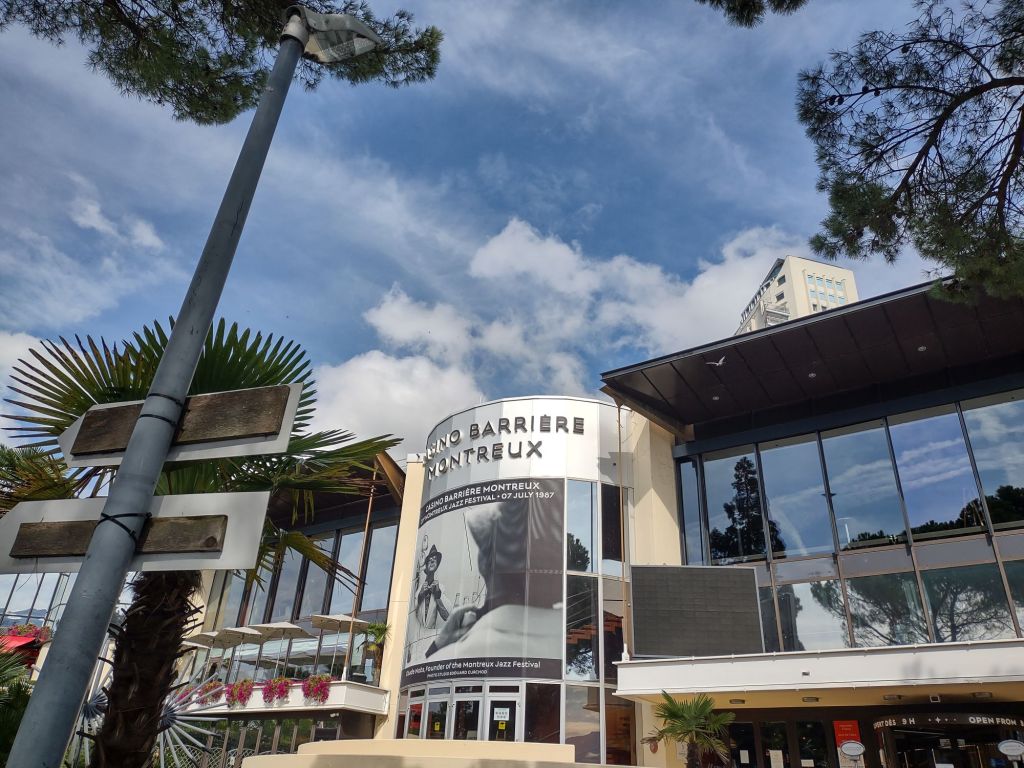
A trendy, idyllic spot like Montreux was destined to drag out the arty folk, and over the lake and through the Gare streamed writers like Tolstoy and musicians like Stravinsky. The musical connection proved particularly strong, and the Jazz Festival was created in 1967. The greats of jazz and rock would perform in both old and new Casinos, eventually moving to a convention centre and then the beach, and their music would be recorded from a studio in the Casino. The band Queen loved it here, and bought the studio in the late 70s, recording their seminal later work here.
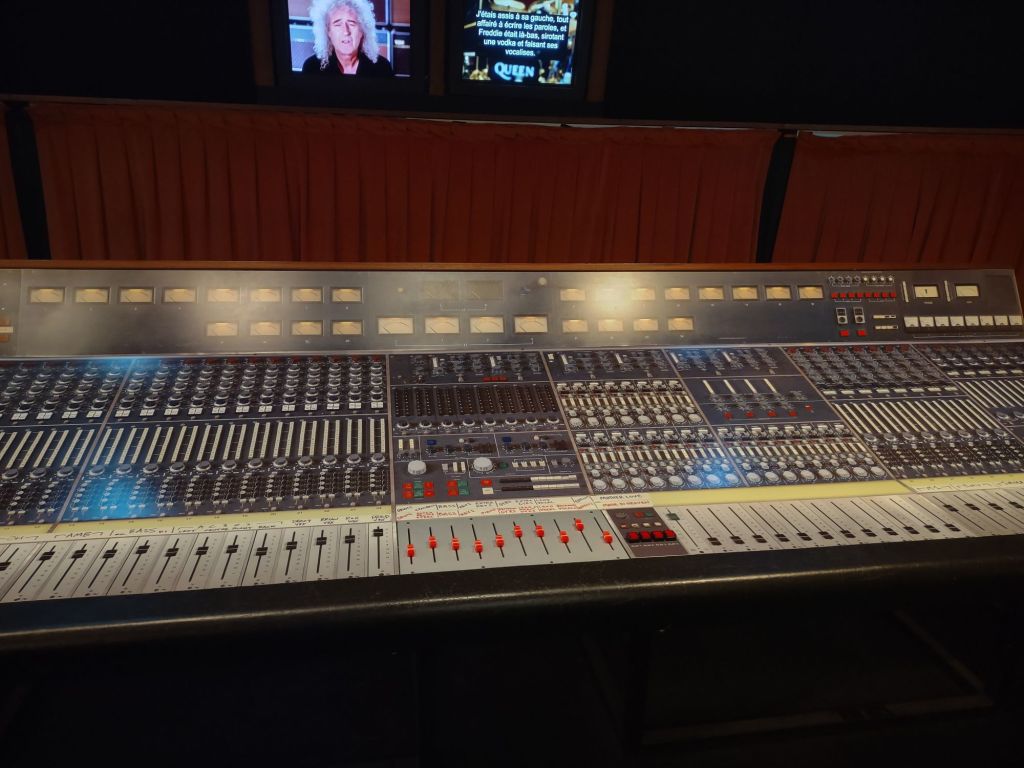
The studio has been turned into a small museum, and they even have part of the old recording deck and visitors are given the opportunity to mix a couple of the original line-up’s last songs. (A video on the wall has Brian May warning you not to overdo the drums).
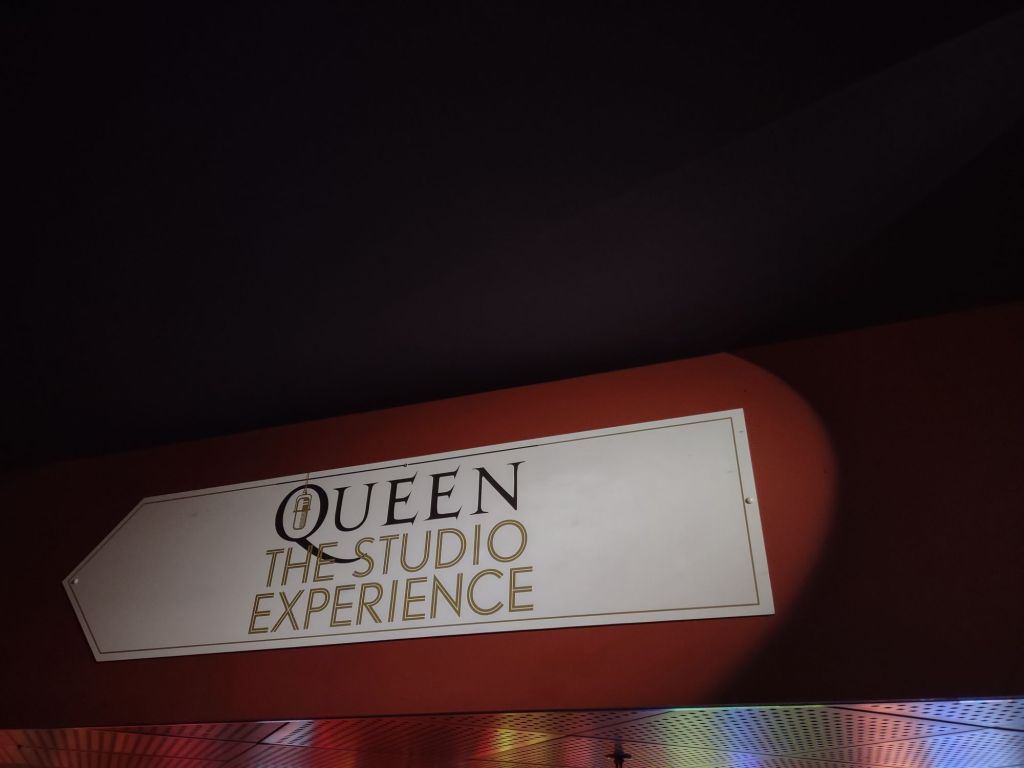
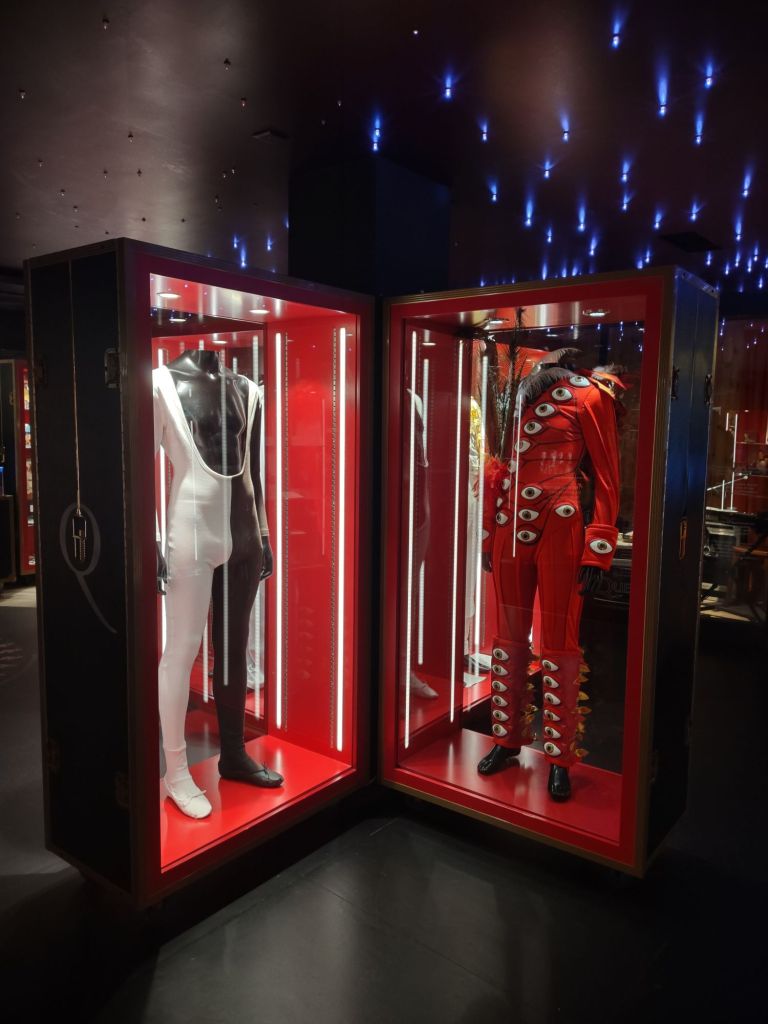
It’s fun, but there are signs around warning you to be respectful while visiting the site. Because, of course, this cannot just be a museum about Queen’s connection to Montreux.
It’s a memorial to Freddie Mercury.

A little walk along the shore and…well, yes, I’ve previously mentioned the need to break my addiction to posting about statues. But here it felt fitting, and extremely moving.
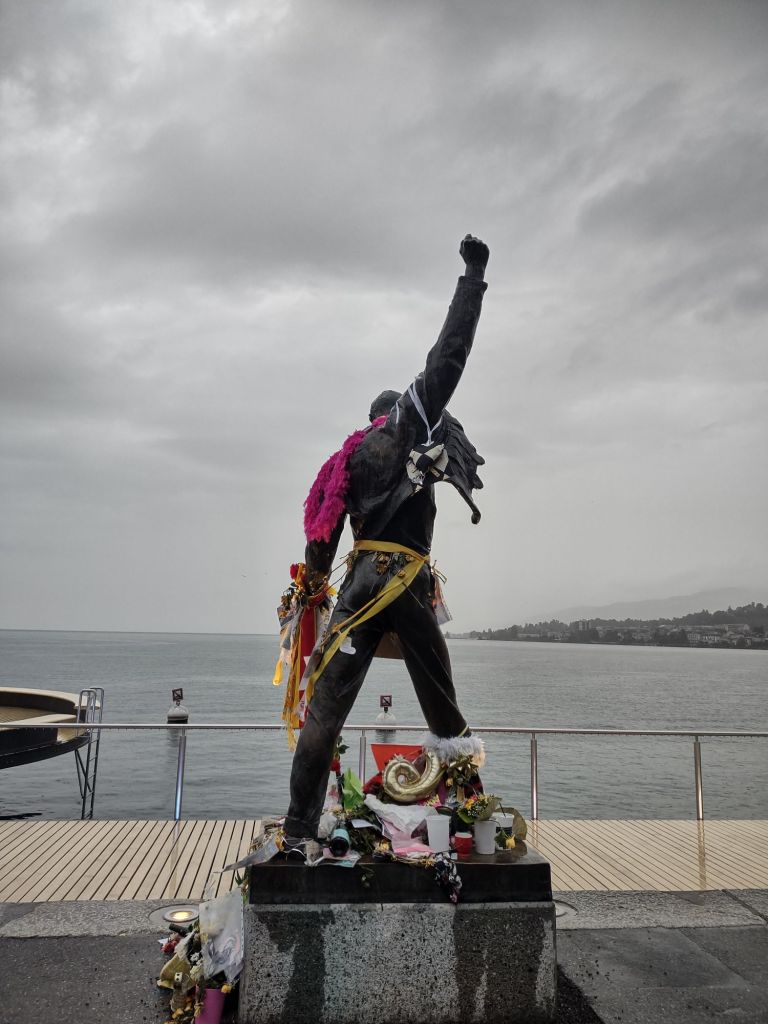
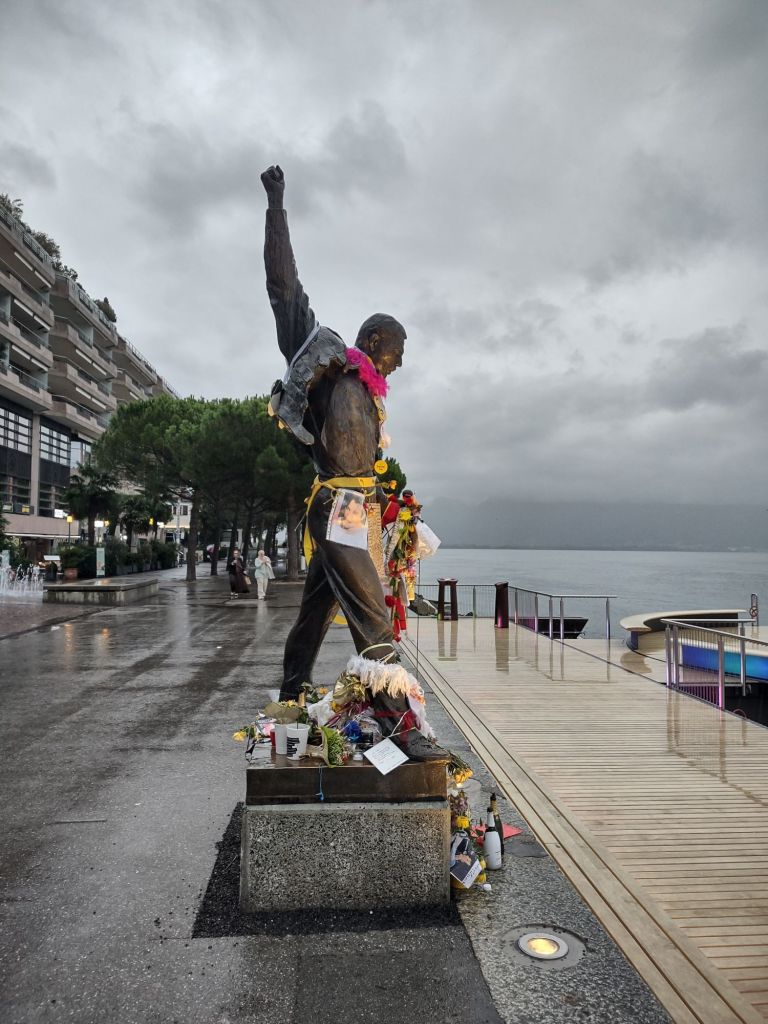
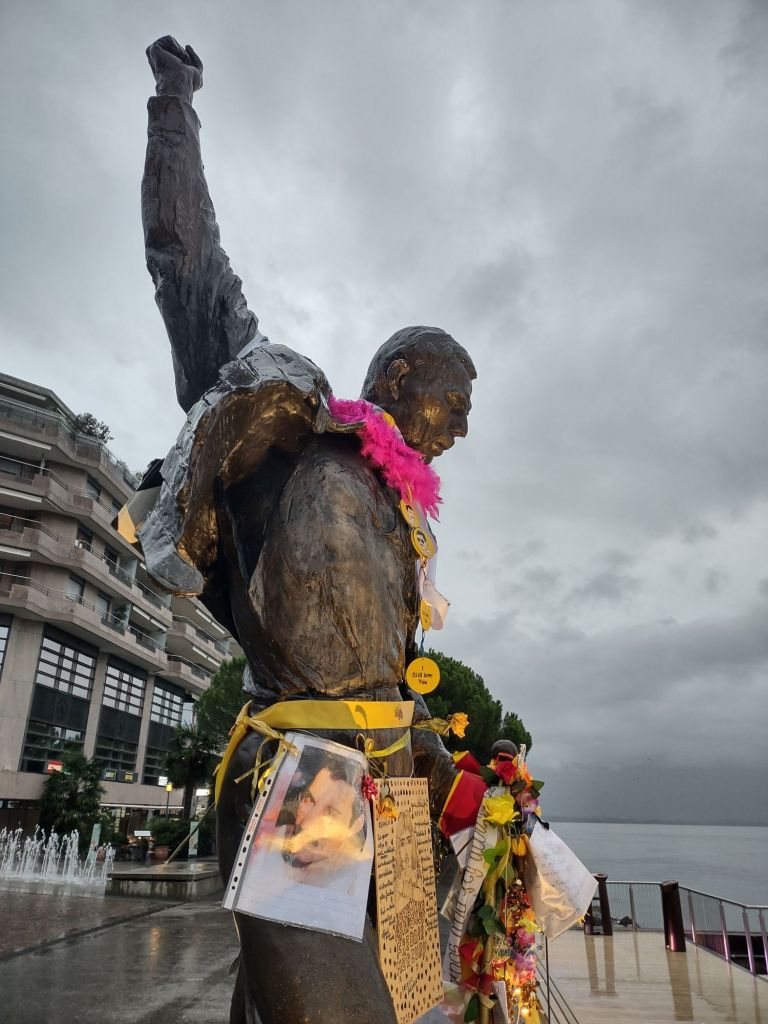
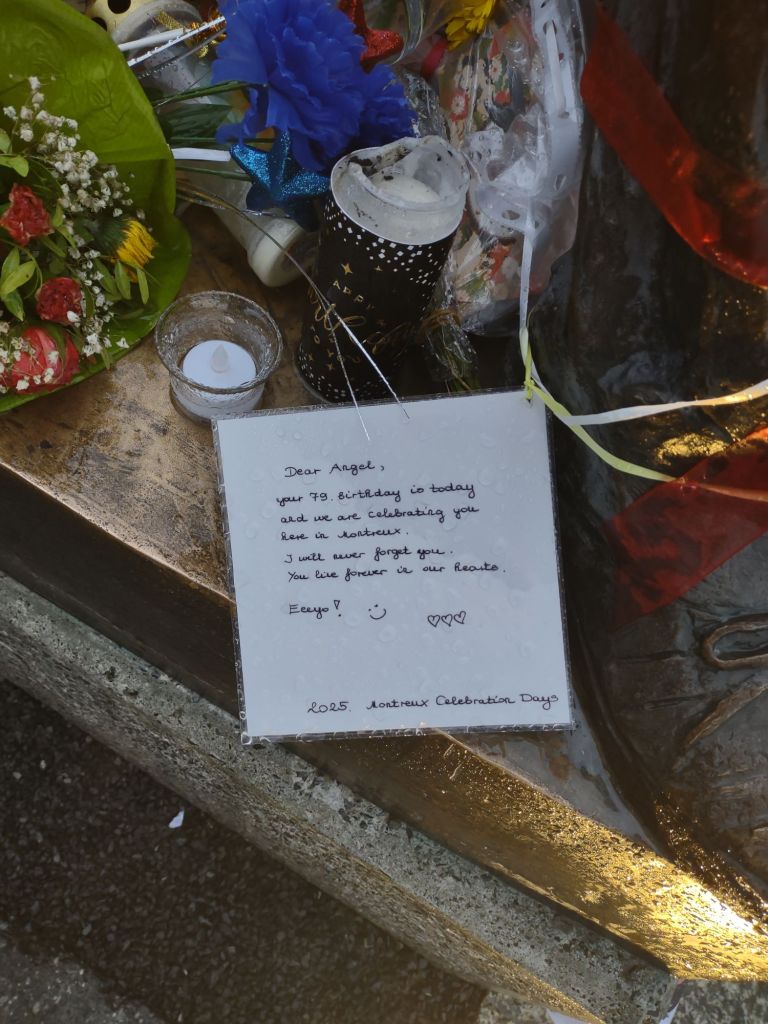
Further down into town, many of the other luminaries that have graced the festival down the years – BB, Ella, Ray, Quincy, Carlos, etc – continue to belt it out in stone.
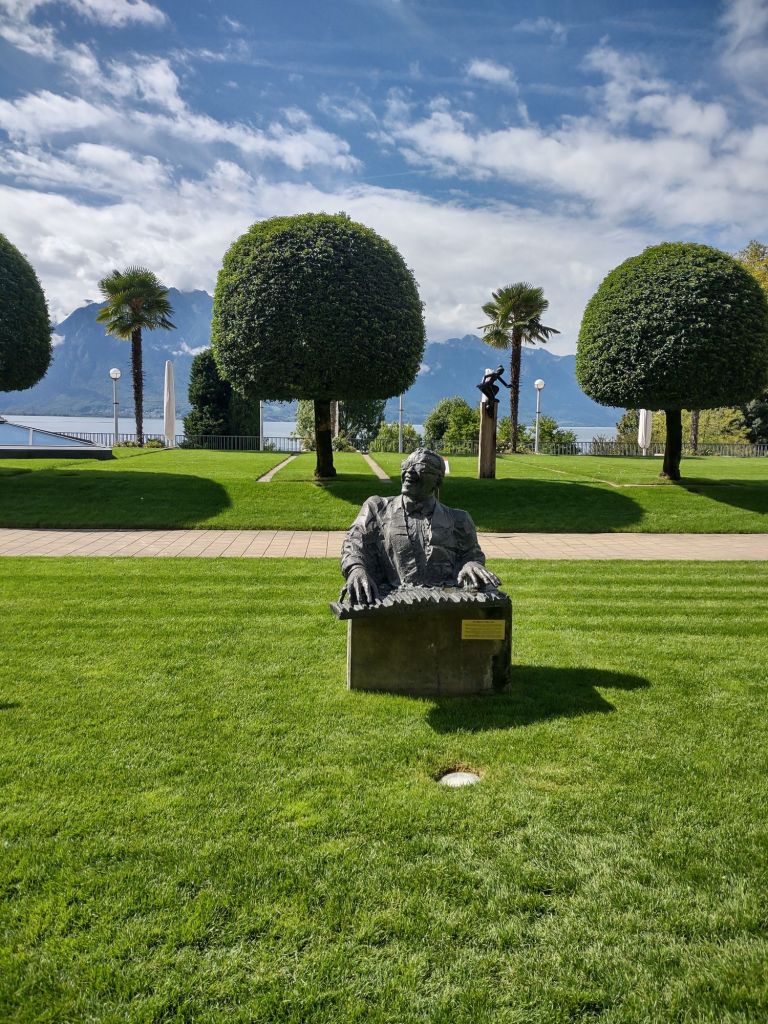
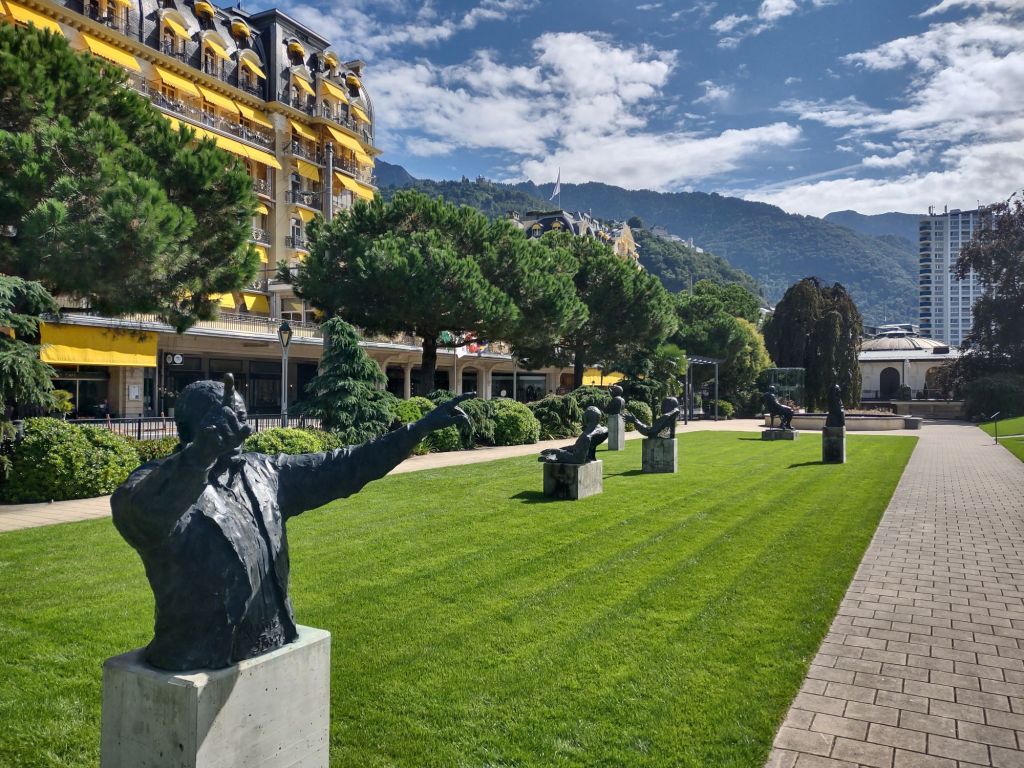
And here he is, the man himself, the ebullient founder of the Montreux Jazz Festival, Claude Nobs.
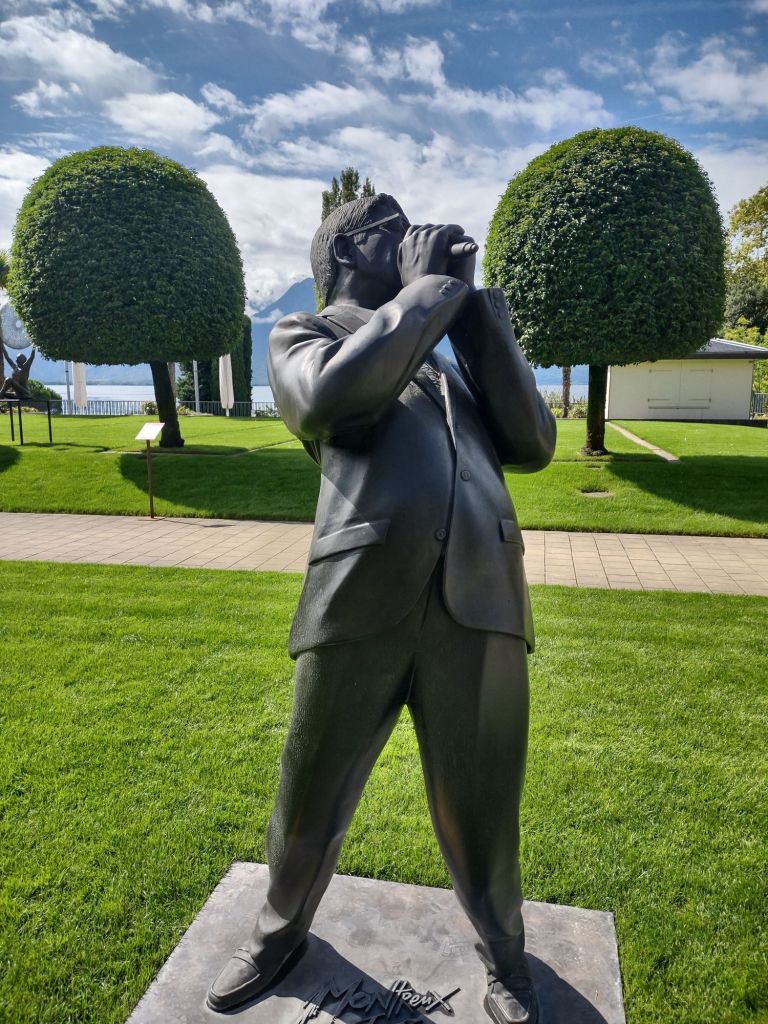
Or “Funky Claude”, which again you’d know if your attempts to pluck that guitar actually got somewhere and you managed to master arguably the most famous opening riff in guitar rock…
It’s December 1971 and a banging night is occurring at the old Casino (well it’s just the Casino at this point. It’s just about to become Old very quickly). Frank Zappa and the Mothers of Invention are strumming it on stage, and all is very well indeed. The Sixties only finished two years ago, and so everyone is literally off their heads. Someone in the audience – we can only assume they are hippyish, long-haired, and completely off their heads – decides to answer that age-old question; what happens when you fire a flare gun at the wooden ceiling in an indoor space?
This raises another question that Frank Zappa and Claude Nobs are now each forced to answer; how on Earth do I get everyone out of this fire alive? Incredibly, through Zappa’s calm request to evacuate the building, and through the heroics of Nobs and the fire brigade, no-one is killed. But the Casino is destroyed.
Meanwhile, elsewhere in town Deep Purple are waiting to record their new album at the Casino. Of course smouldering wrecks are simply the kiss-of-death for rock acoustics, which presents a problem.
However, as they notice the, ahem, smoke on the water, they also spot the opportunity. The best art is driven by deep personal experience, and so Deep Purple get scribbling a song that will immortalise the fire, rightly immortalise “Funky Claude” and his courage in “pulling kids out the ground”, and help deal with some of the trauma from something they know “we’ll never forget”.
And fair play to them for doing so, even if it’s left us with one of the most hackneyed, done-to-death earworm openings in the whole of popular music, a theme that’s now probably best heard on the air guitar.
 orwellianTwo
Leave a comment