Night had descended on San José, and as the breeze picked up I reached for my fleece. During the seven days in Jaco the daytime temperature had barely strayed below the 35C mark, stifling and baking under the Pacific sun.
San José gets the tropical sun too, but surrounded by mountains the winds seem to channel through the hills and it could get blustery, as I found out the following day. Of course these things are relative; it would still all make for a summer heatwave day back in the UK. But here I was, back in the capital at the end of my short tour, getting used to the fact the balmy beach life was finally behind me.
That following day saw me dive back into the centre of town for this final post from Costa Rica, finding out some more interesting corners and tidbits for your entertainment before suffering a slight setback in my plans (don’t worry, nothing like last time).
I started off at the lively and time-honoured Central Market.
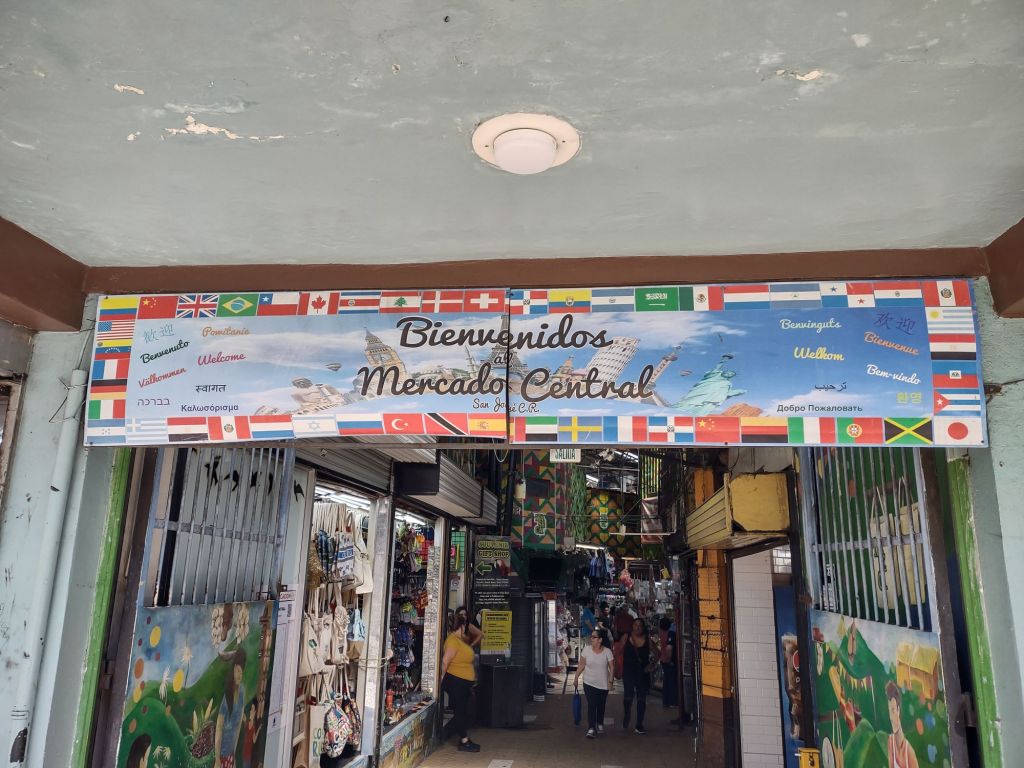
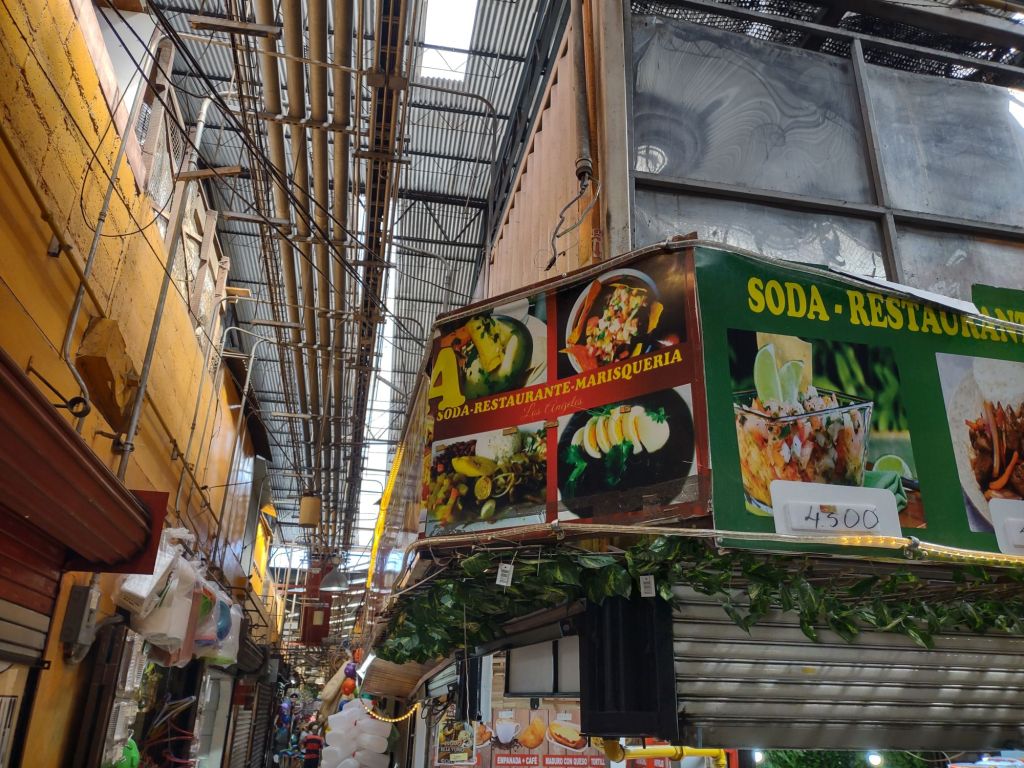
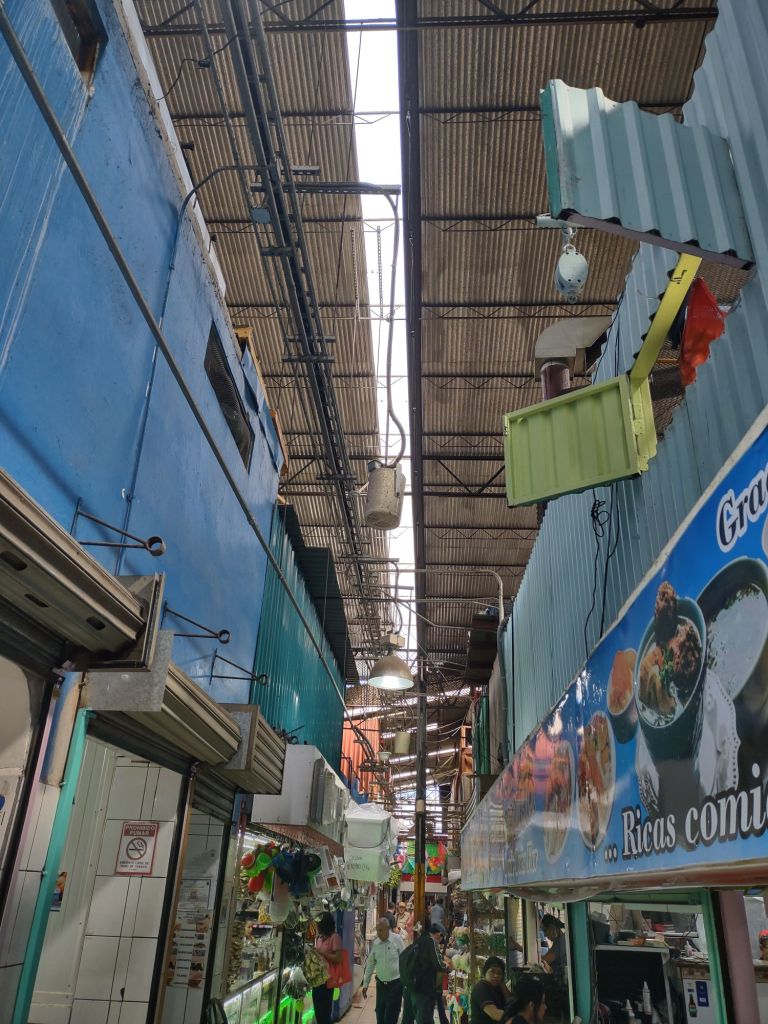
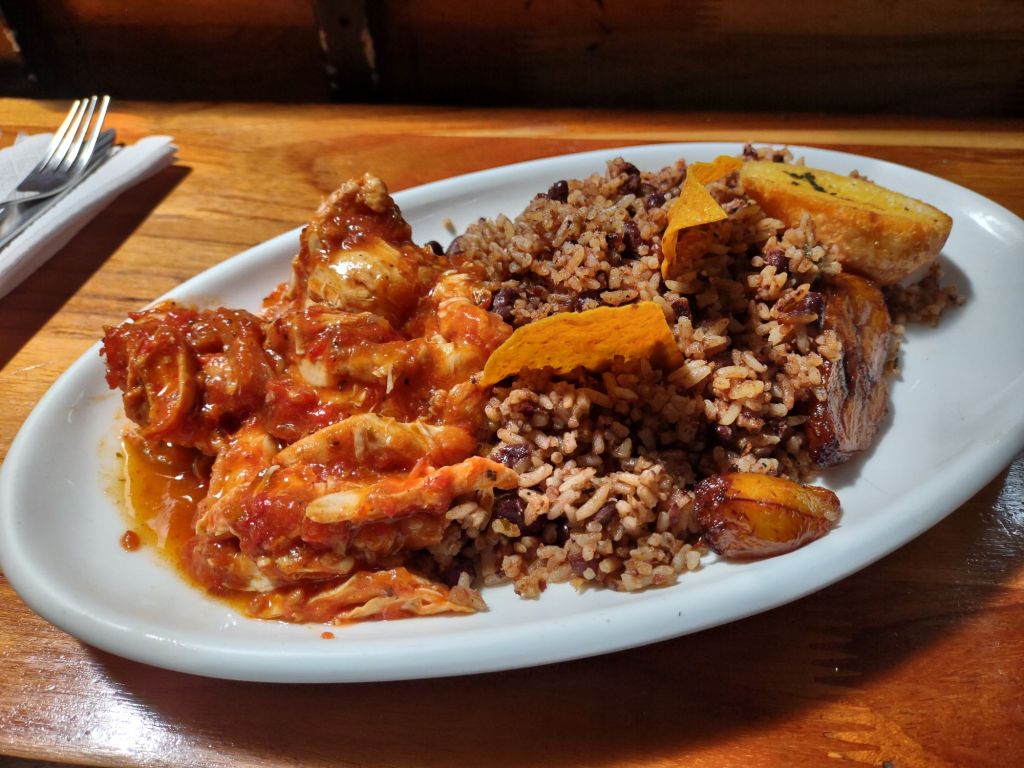
If you want to feel the pulsing heart of a community, a marketplace is as good as anywhere, and this indoor market with its narrow, bustling passageways brings you up close and personal with the people of San José. And there’s lots of stuff to buy, lots of grocery shopping to do, and spots for lunch or a quick snack. It was breakfast time, and that meant pinto, the Tico breakfast of rice and beans.
Heading east out of the market we end up at the Post Office, just like last year, and there in front of it is a statue of Juan Rafael Mora Porras, the president who saw off William Walker.
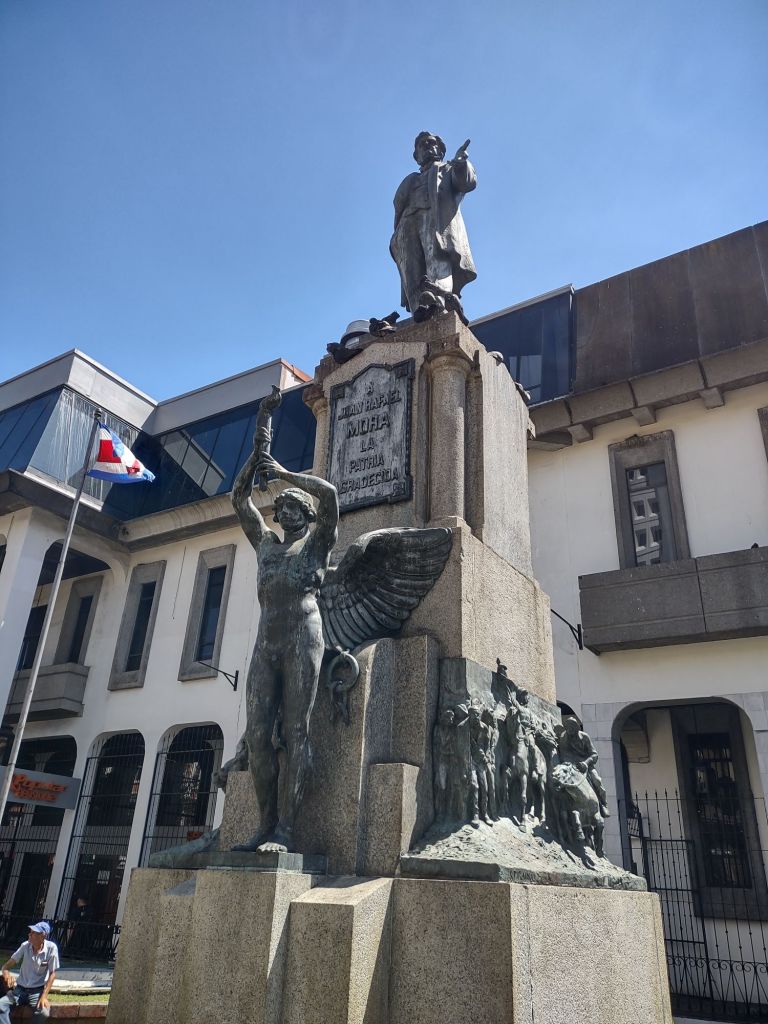
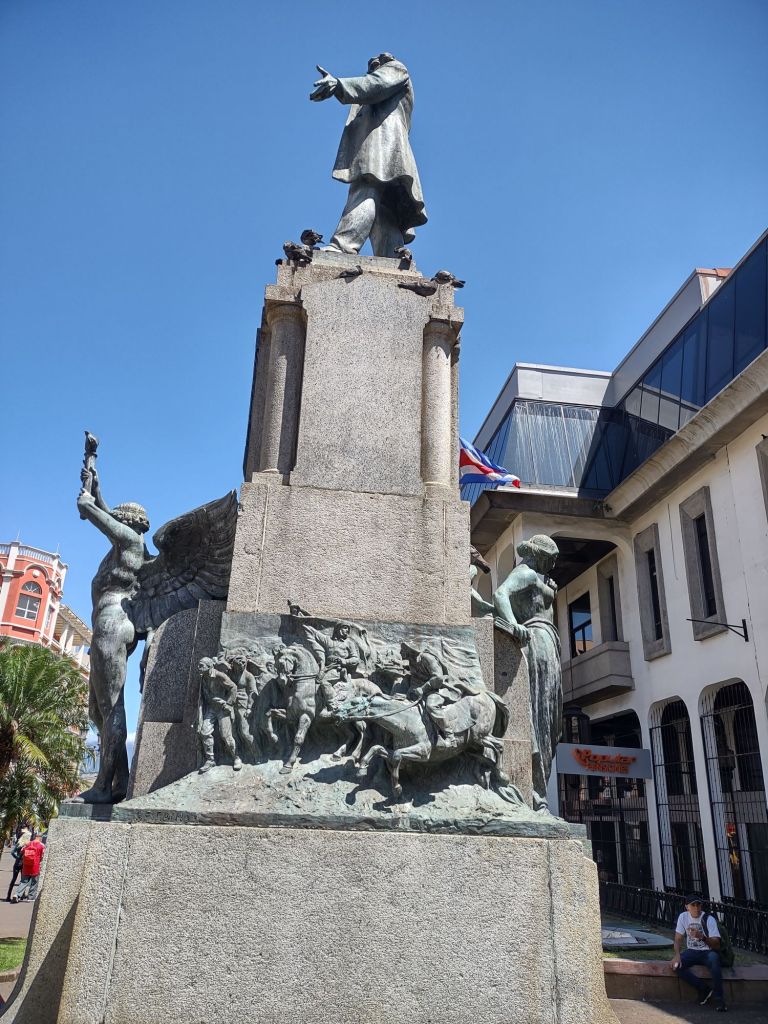
I imagine the frieze depicts a glorious scene from the victorious campaign, his golden hour. To the left a winged Victory amps up the celebratory reverence, while to the right, a muse ponders gracefully “how great was this eminence above us? Was he just absolutely top-notch great, or actually a beacon and pattern of absolute greatness for the ages? Hmm…“
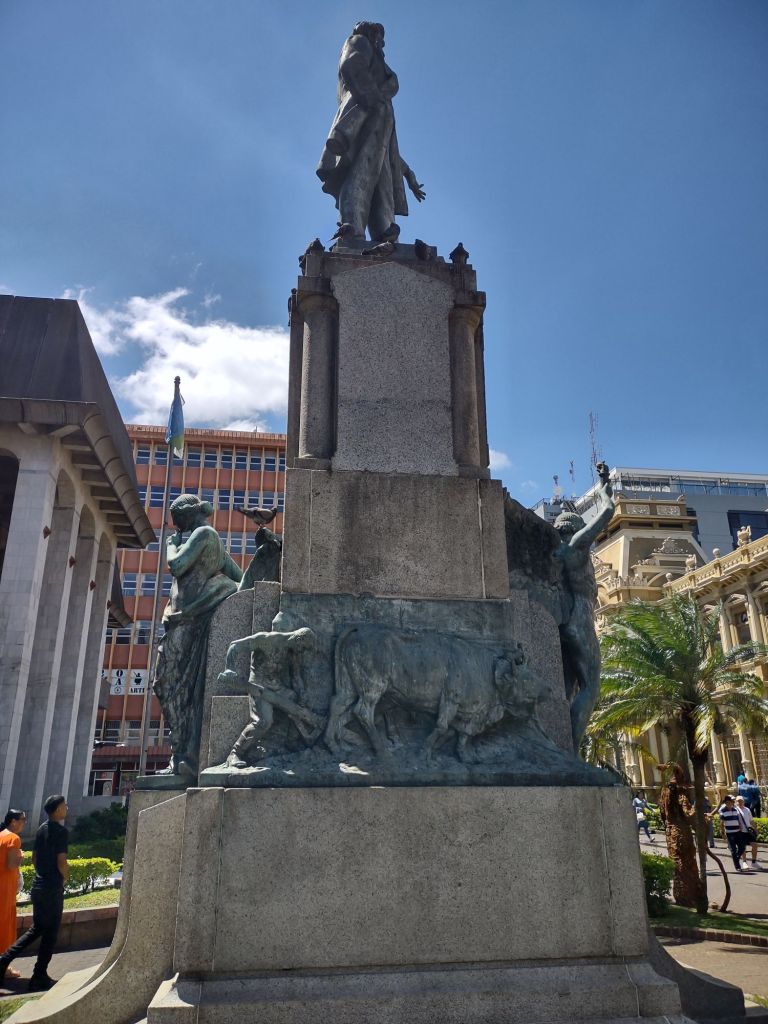
Oh hang on, she’s thinking “yeah kicking Walker’s ass was fine, but he did restrict citizenship to those with a decent income and thus froze out the peasants. And there was that business with the coup that deposed him in 1859. Tried to fight his way back didn’t he, didn’t turn out well did it. Funny how he ended up in front of a firing squad the same year Walker did! Oops, can’t laugh, I’m supposed to be a bit of solemn classical statuary.”
And there’s a frieze about agriculture, for which you need bullocks.
We continue eastward, through Parque Marazan and Parque Espana, and past the lovely little tower on the corner of the latter…
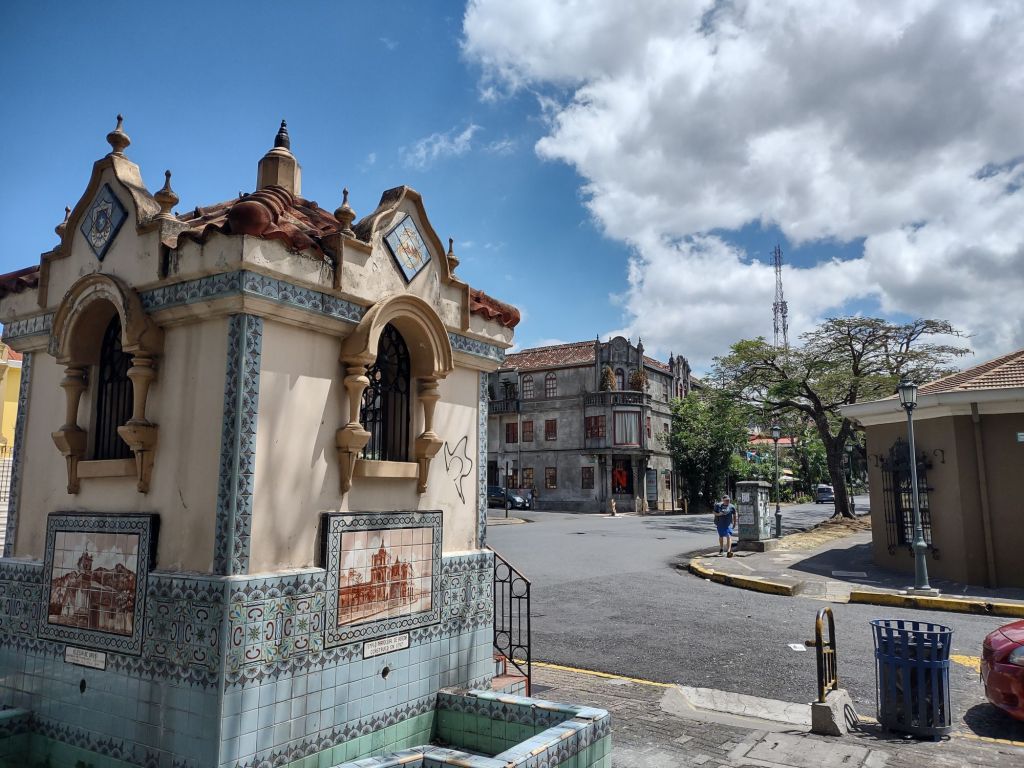
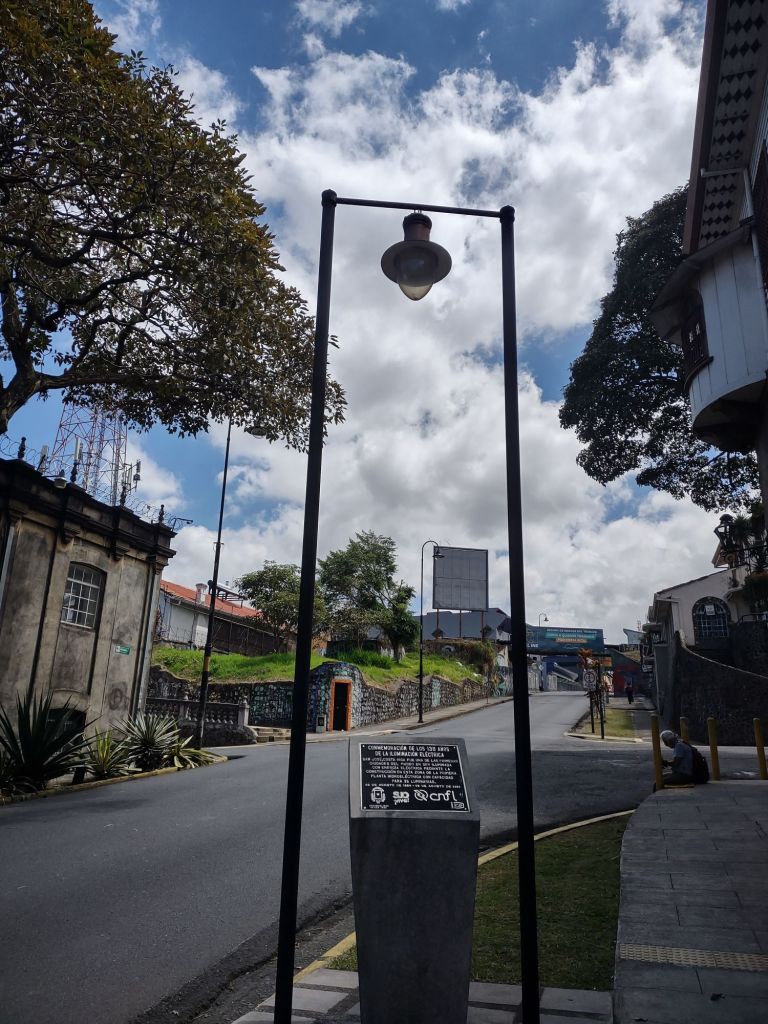
Soon the climb begins back up to Parque Nacional, where we were a week ago. On the way we pass a little monument to the first electric streetlights in the city. Installed in 1884, they made San José one of the first cities in the world to trip the light electric.
At one corner of Parque Nacional, there’s a monument that many of you will find extremely offensive and I apologise in advance.
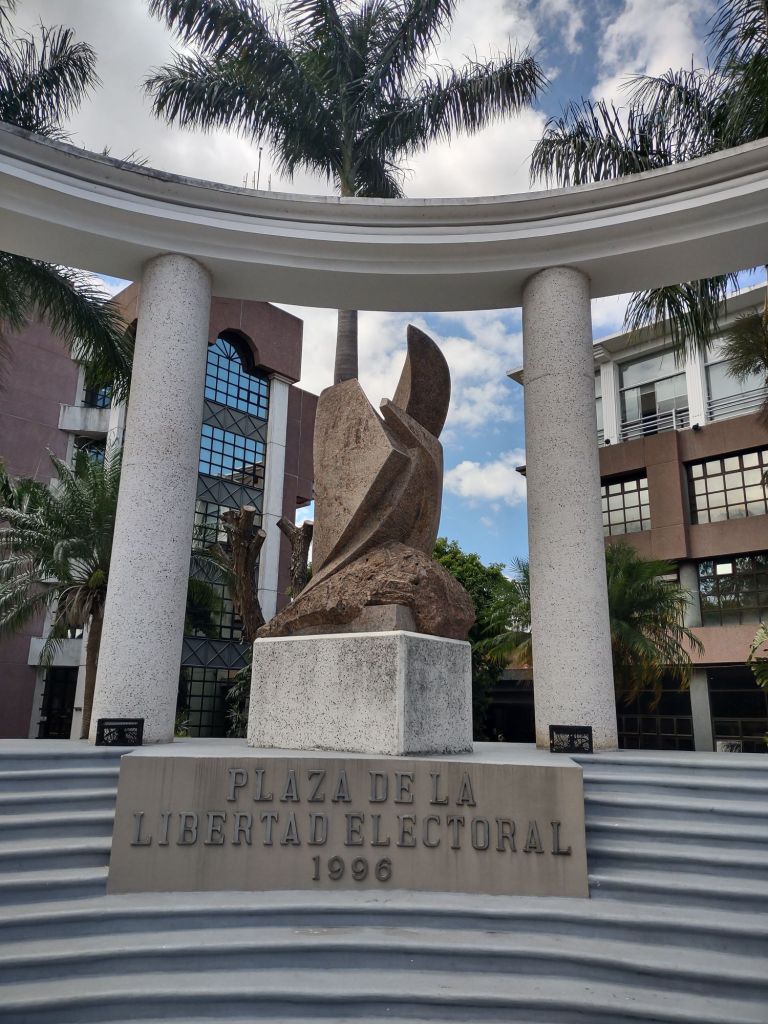
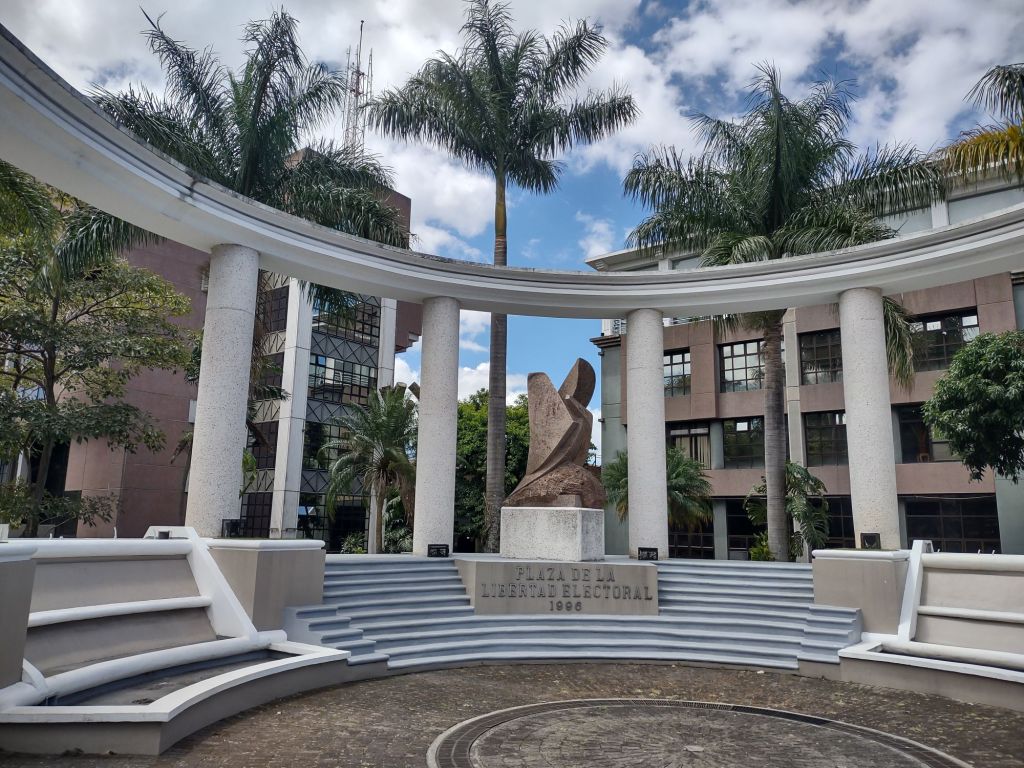
We’re on the edge of the governmental edge of town, and the Plaza of Electoral Liberty sits in front of a number of buildings which house the bodies that ensure the integrity of elections. As many of you know, this is a giant scam by the deep woke blob-state to confuse people with ideological woke indoctrinations such as “facts” and “evidence”. Whereas all the people really want is billionaires telling us who won the election on TikTok. What a waste of money!
On through the Parque and just outside is our destination, the Atlantic train station.
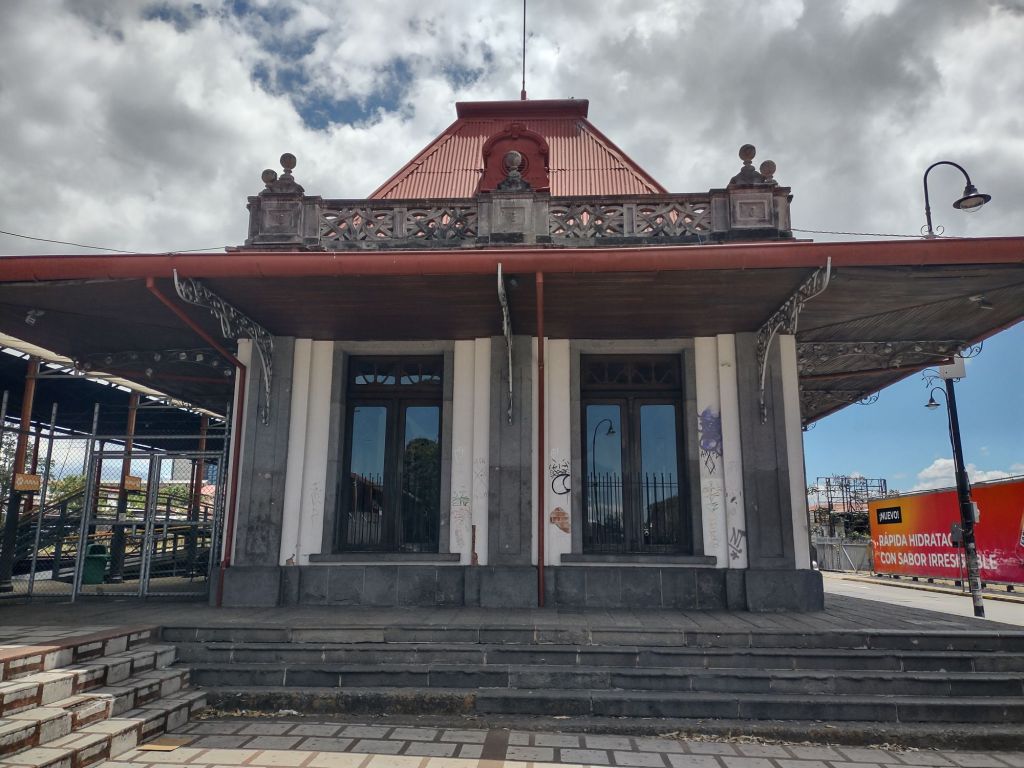
Since the coffee boom of the 19th century died down, Costa Rica’s railways are really limited to a couple of lines around the capital. This ornate station dates from 1908, was reinstated following an earthquake in 1991 and now services these local lines.
And the reason for the trip across town was to get a train over to Cartago.
As readers might recall, Cartago was the original capital of Costa Rica until the coffee barons of San José brought their own town to the fore. About 30km to the south-east of the new capital, the old one has a few interesting reminders of the good old days, including a impressive-looking basilica.
All I needed was a train. And this station looked resolutely shut.
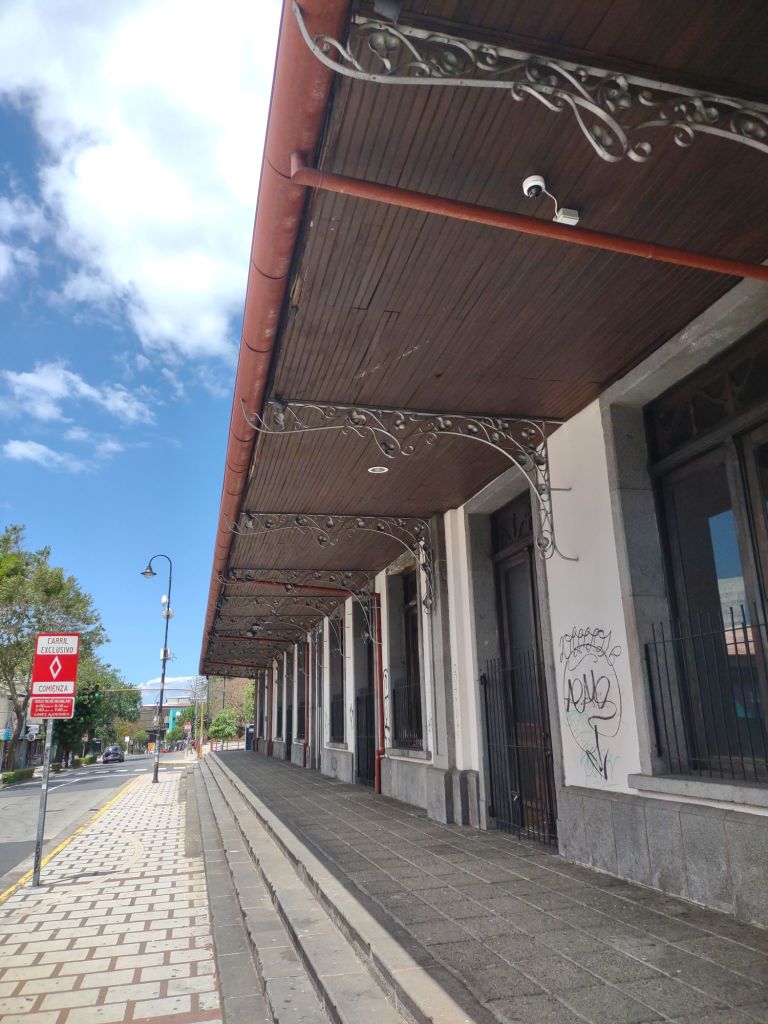
It was around eleven in the morning and it appeared to be that the next train wasn’t until about half-two, which came as a surprise. Maybe some actual planning on my part would have been useful. The next bus wasn’t for a few hours either. I could have got a cab, but the expense and the hassle didn’t seem worth it.
So that was that. I headed towards town again, the end of my delightful return trip to Costa Rica in sight. It didn’t matter in the end that I hadn’t seen much of what makes this country special – its incredible wildlife, volcanos – but in a way, I had. There was no escaping the great mountain vistas, the glorious scenery, the stunning tropical trifecta of blue sky, blue sea, and hot sun, and above all the overwhelming good-humour and can-do spirit of the Ticos themselves. It was enough for me to feel as if I had finished what I’d set out to do last year.
I would eventually visit the excellent Pre-Columbian Gold museum, full of stunning metalwork from the long history that preceded the coming of the Spaniards to this place.
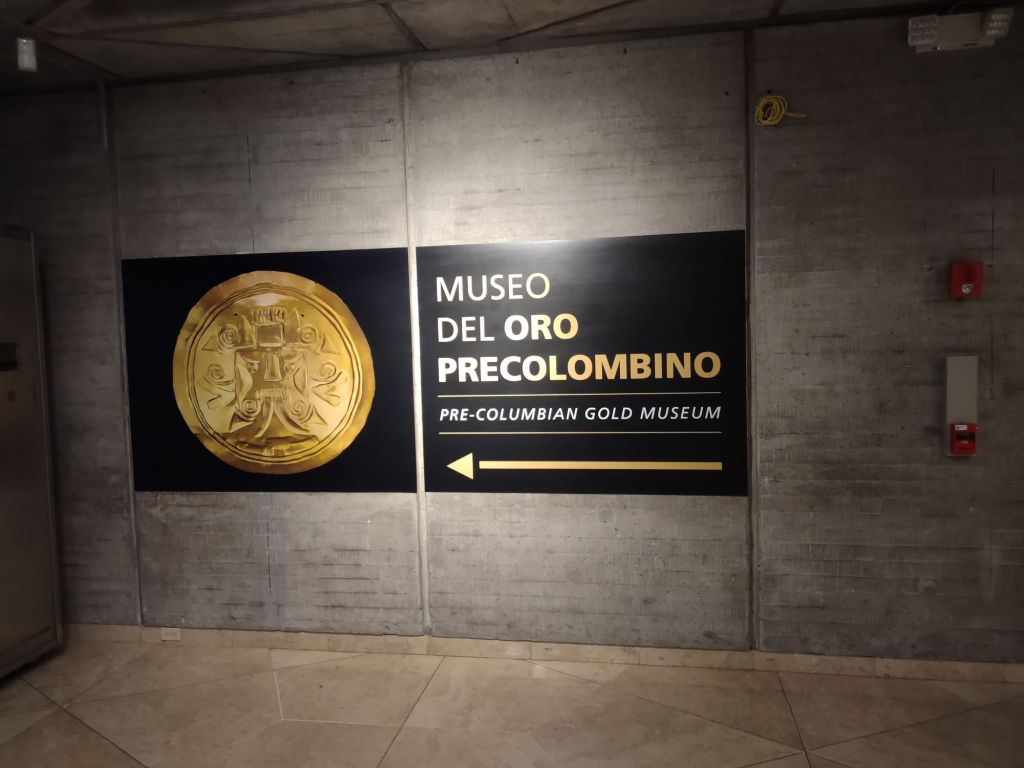
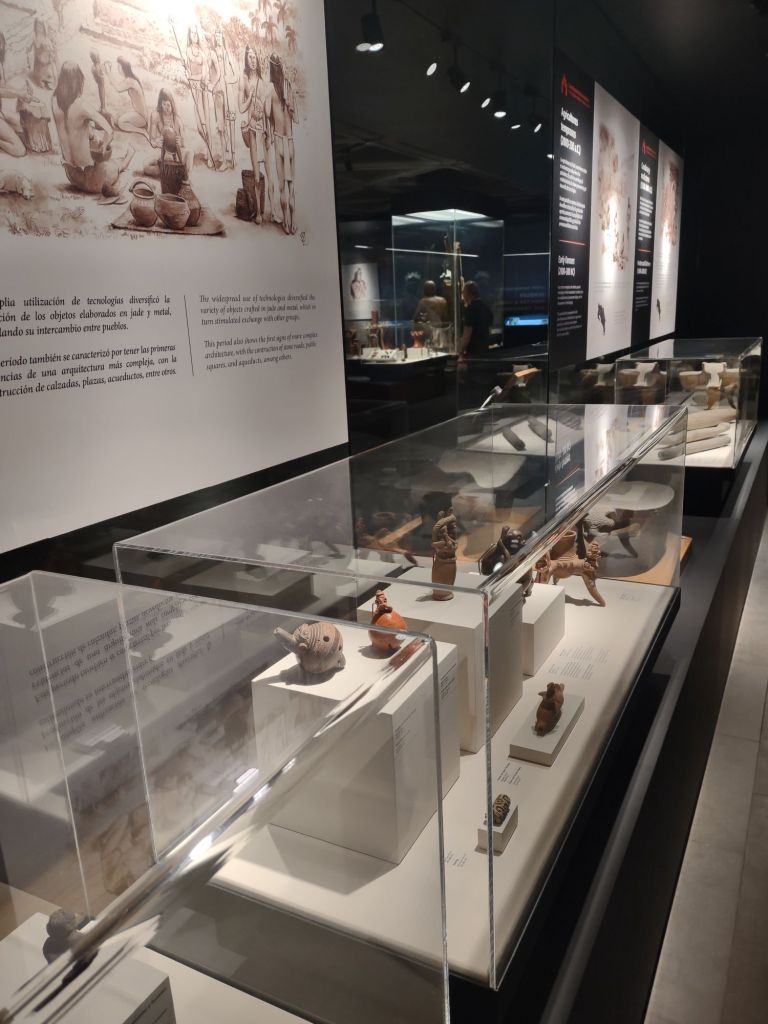
Then there was time for one last cerveza overlooking the Parque Central.
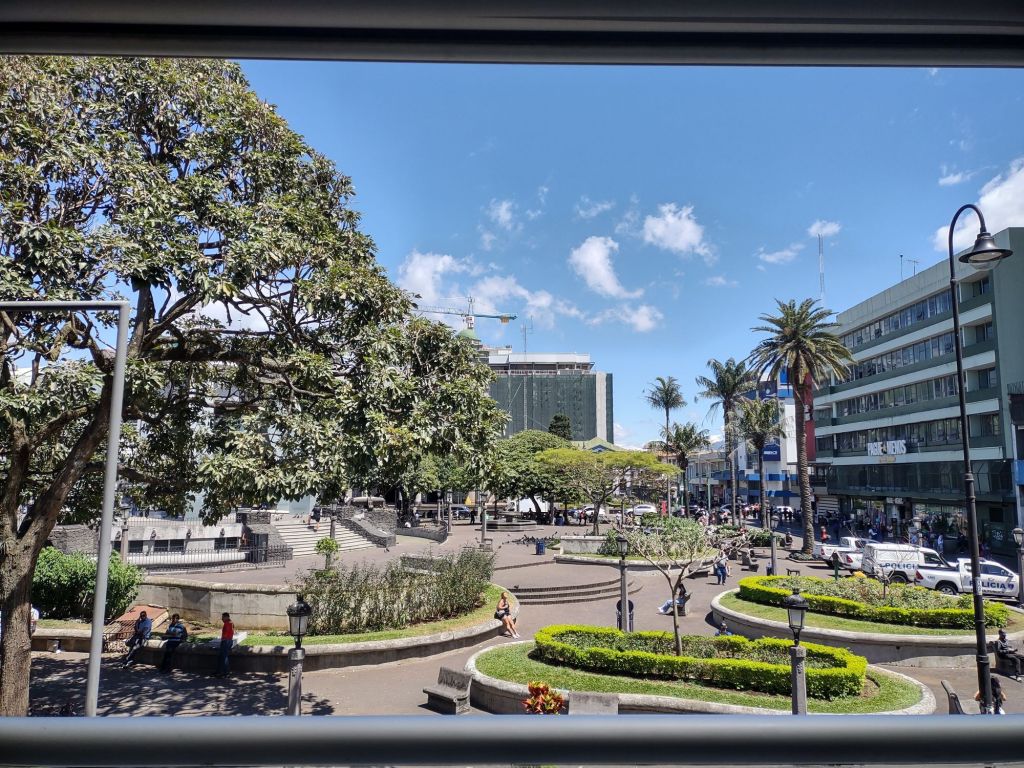
But all that was to come. For now it was back through Parque Nacional, back down to the National Museum where I started these Costa Rica posts last year…
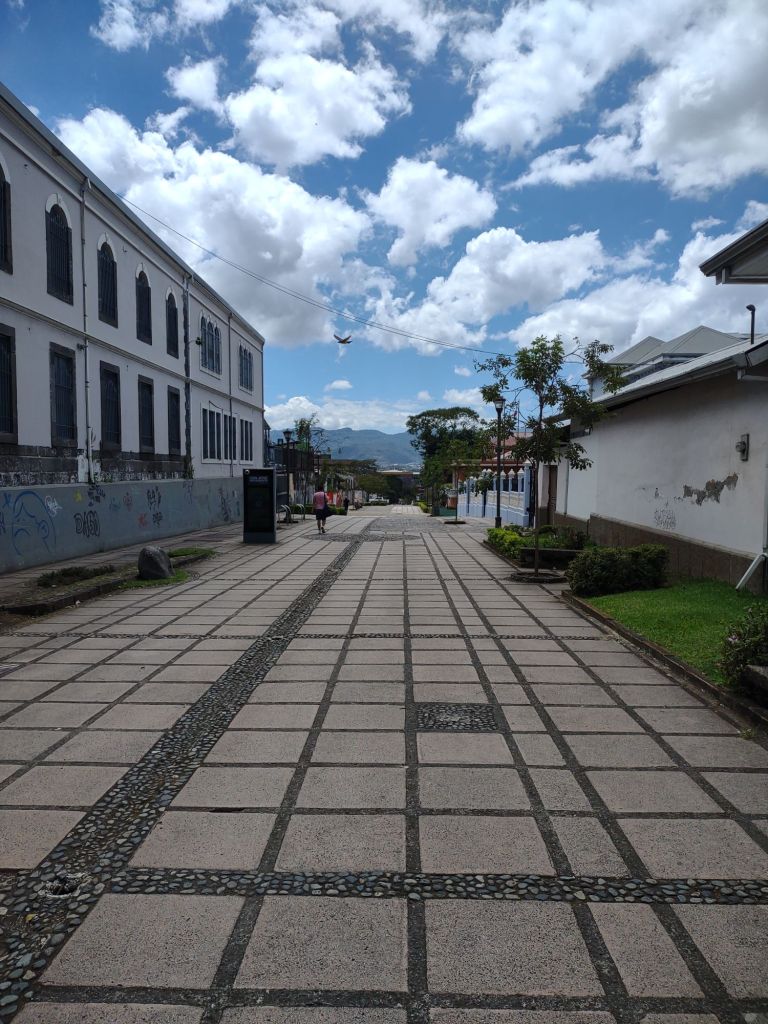

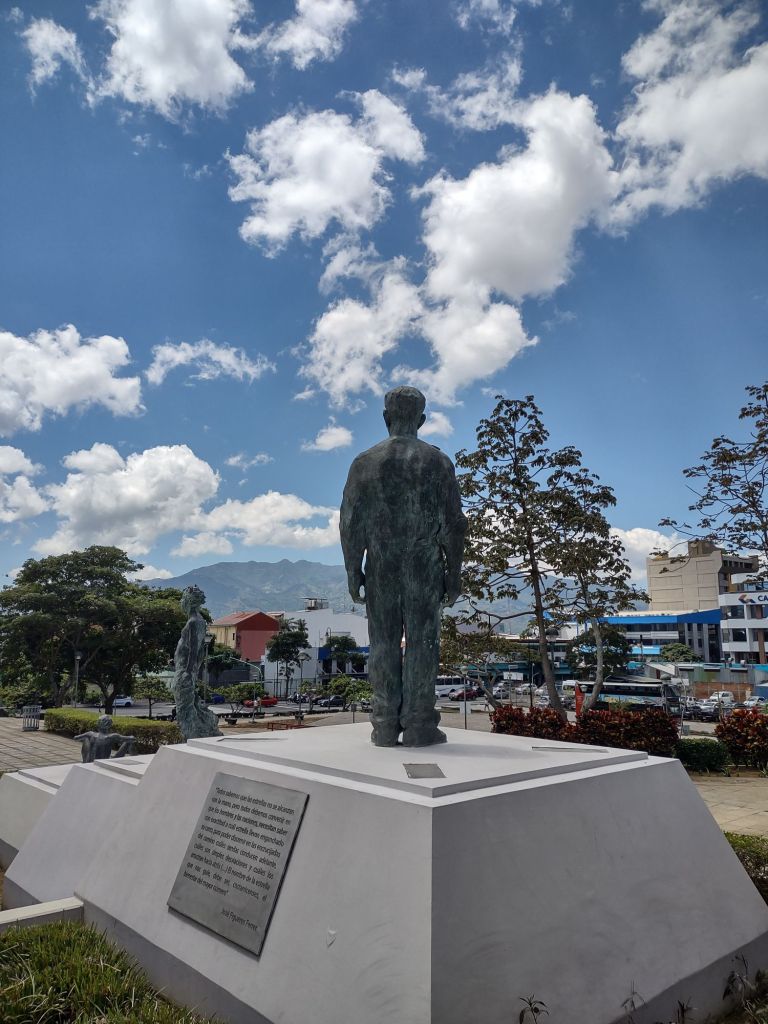
… paying respects to José Figueres Ferrer, the man who abolished the standing army…
…and ending up in front of that stone circle again, the one from the very beginning.
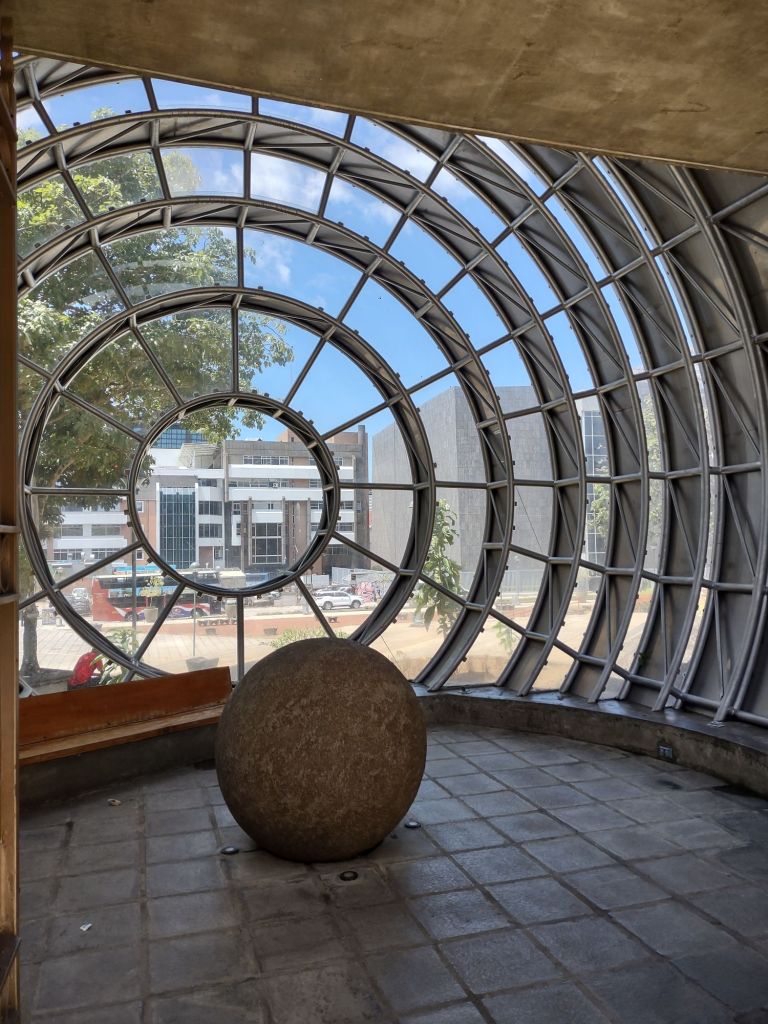
We’ve come full circle, round-trip complete. But in a much more roundabout way than I could have imagined.
 orwellianTwo
Leave a comment