Some of the delights of Ghent are the quieter reaches of the various waterways that stream through the town. Take a guided boat-ride or go walking along the quayside and almost immediately you find yourself in an oasis of relative calm
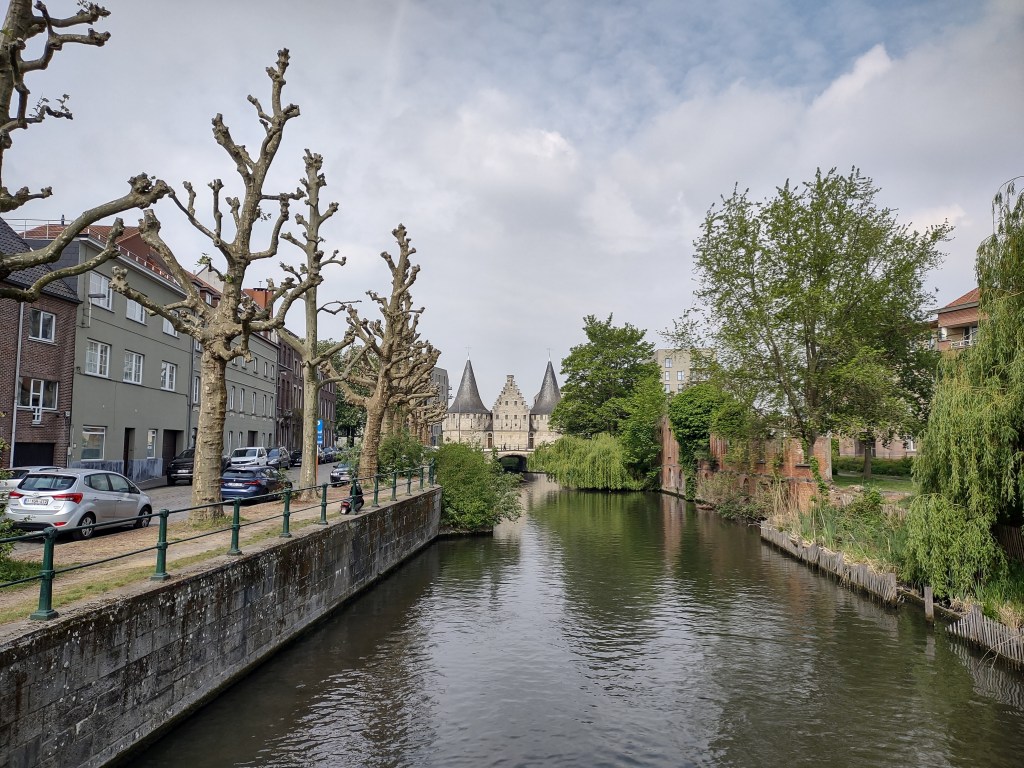
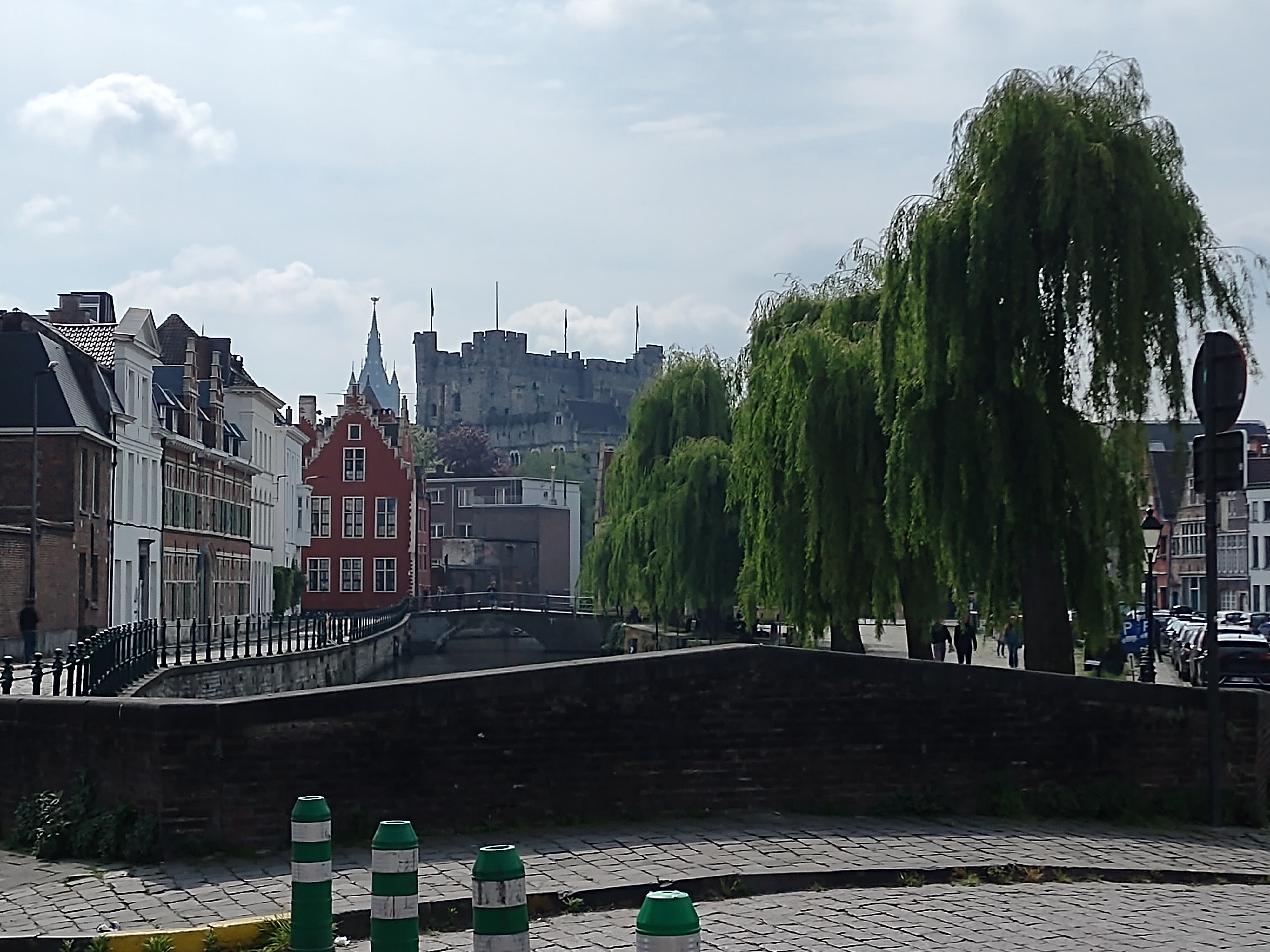
Just north of the main centre is a particularly peaceful courtyard, the Prinsenhof. Follow me, it’s not far, I’d like you to meet one of the locals.
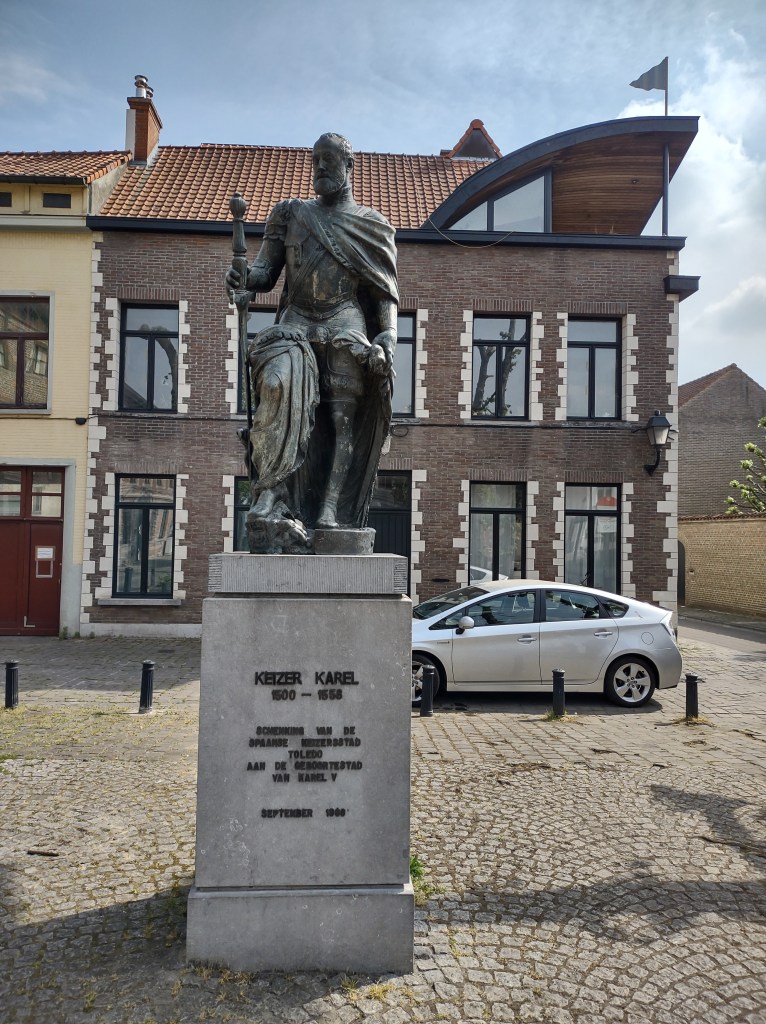
Say hello to Charles V, or Charles Quint. He was born in the old Habsburg residence here in 1500 and would go onto inherit the Holy Roman Empire, and his home town with it
A little footbridge nearby is marked with four statues that celebrate Charles’ many contributions to the lives of his fellow citizens.
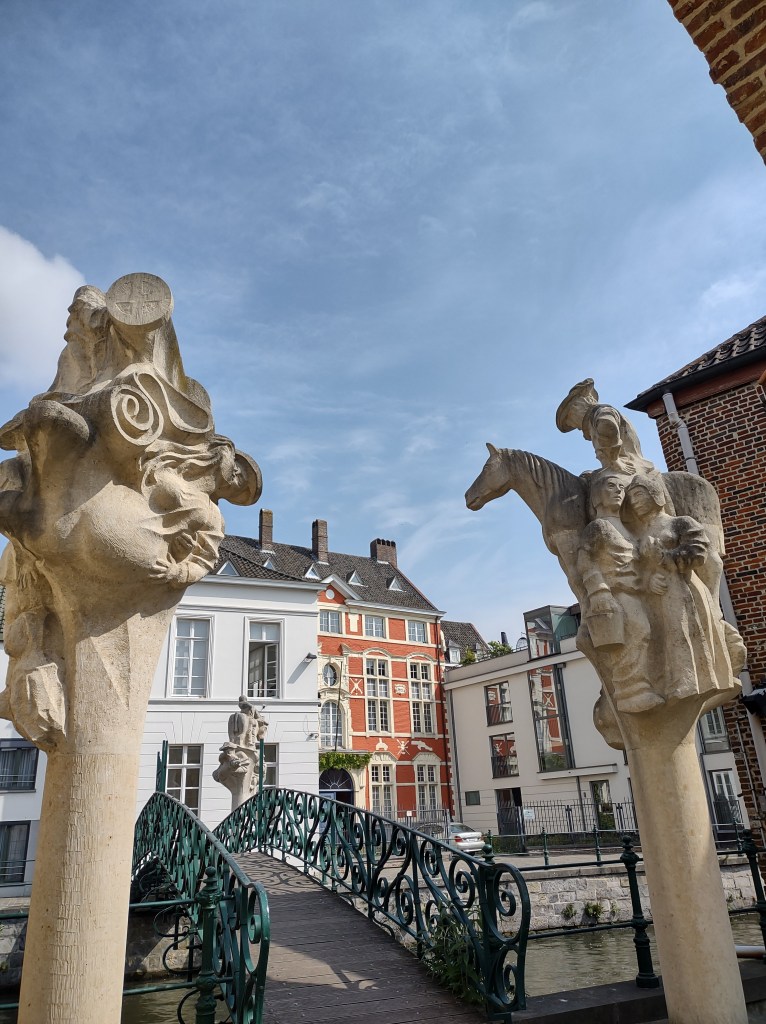
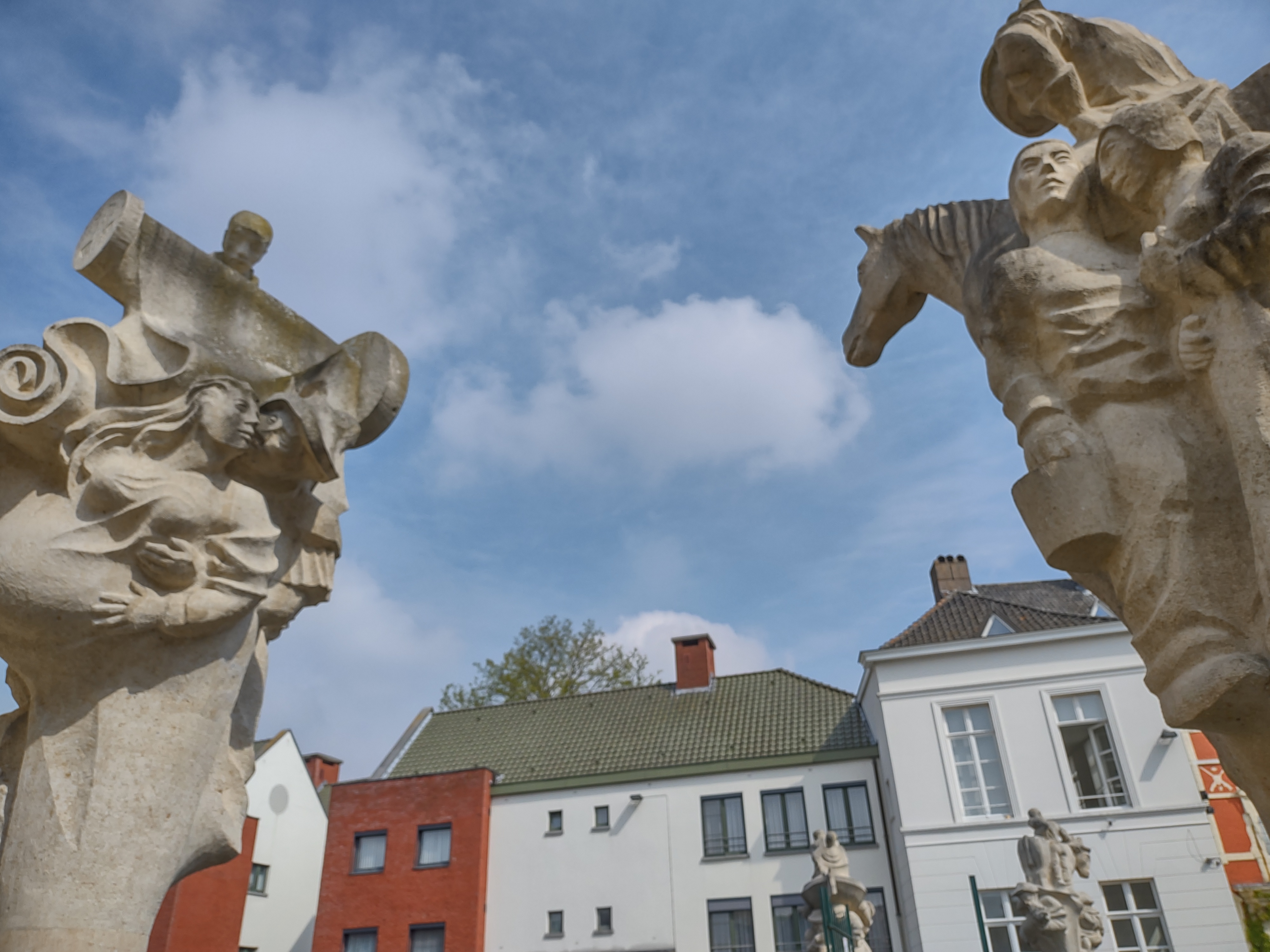
Which according to what they depict, seem to amount to… riding roughshod over the people, philandering, oppression…oh, and more philandering.
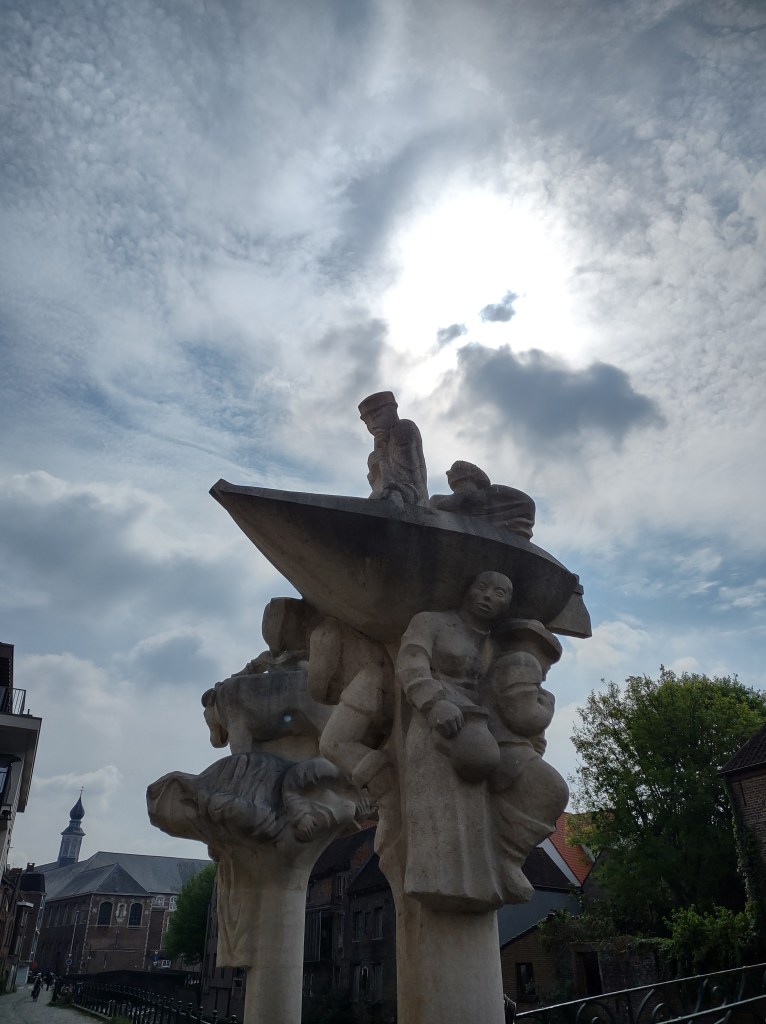
Looks like Ghent thinks that Charles was quite a Quint.
Any background to this? Ah hang on, another resident has stepped up to have a word with us.
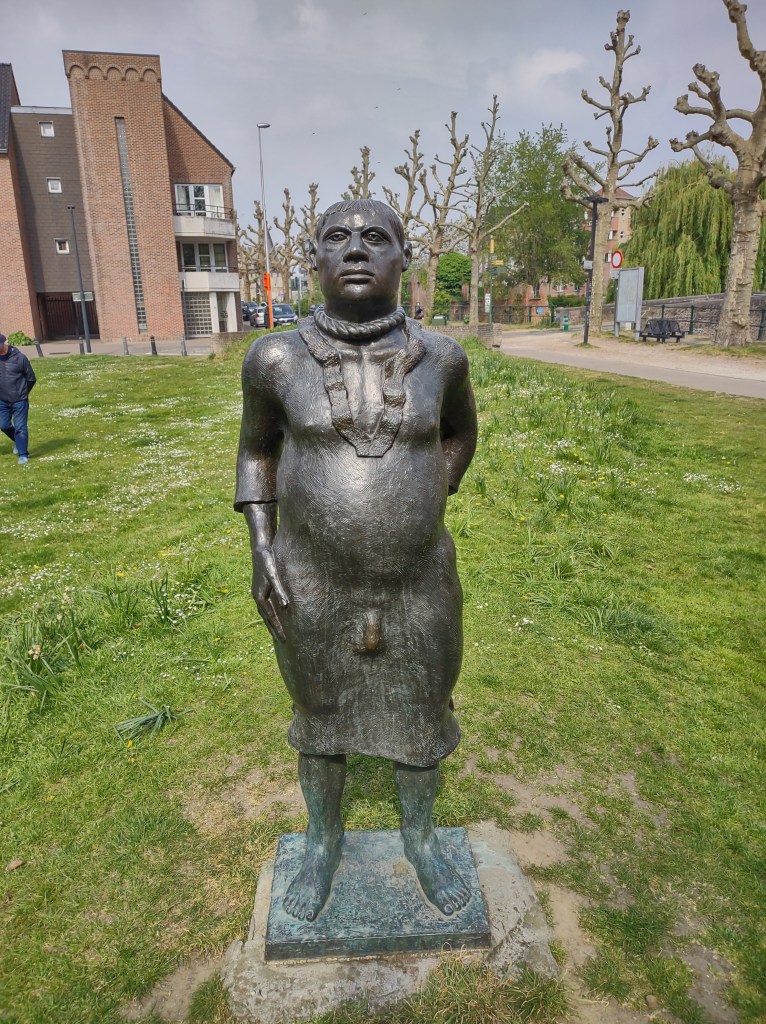
It’s one of those burghers again. Why the noose?
Being in charge of a mighty empire Charles had a lot of mighty wars to fight. And wars cost money. In 1537 Ghent was asked to stump up some cash to support a campaign in Italy. They refused, claiming that previous ducal demands had left them in debt. The emperor was not happy, particularly when “indebted’ Ghent then managed to lay on a large city festival.
In 1539 Ghent rose in revolt against Charles, but it was put down within months. Charles had been made to feel a right Charlie by the whole thing, and it wasn’t happening again. Seventeen of the leaders of the revolt were simultaneously beheaded, apparently. Hundreds of other members of the city government, like our new friend here, were humiliatingly made to parade around the city with nooses around their necks to show that they obviously deserved to be hanged. To this day, the people of Ghent are known as “stropdragers‘, or “noose-draggers”, there is an annual procession that commemorates the parade, and the noose has become one of the symbols of the city.
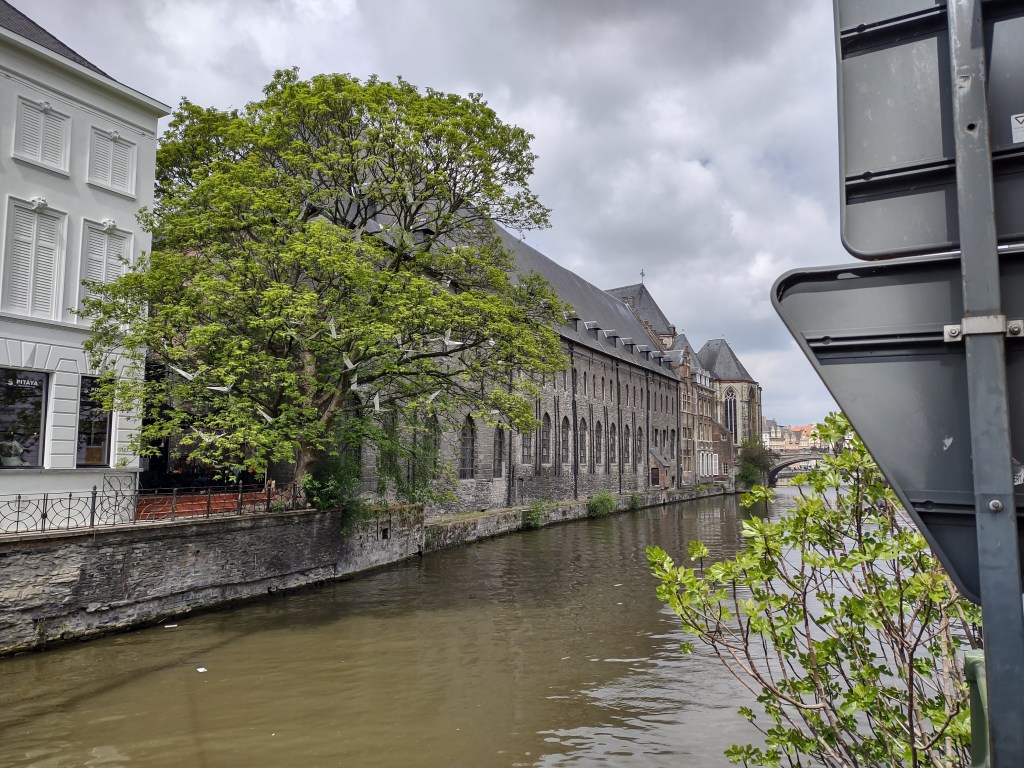
Charles had stamped things down for now, but chaos was around the corner. The grey building is the old Dominican monastery. There’s a couple of old pamphlets or something floating in the river. You look at them and think “someone’s been chucking litter into the river! Heavens, Ghent needs to do something and clean their waterways up y’know”.
Had you been at this spot in 1556, you’d have looked down and thought “someone’s been chucking books into the river – hang on, that’s every book in the monastery library! Heavens…well heaven is reserved for the Calvinist elect and I bet the Calvinists are behind it. Ghent needs to do something otherwise this widespread Iconoclastic Fury will only lead to further religious war and further antagonise the rebellion of the Dutch Provinces against the Catholic Spanish Habsburgs, y’know”. You descend to the river bank and see if you could walk across it by stepping on the books, as the legend said.
The subsequent Eighty Years War ended up with the northern Dutch Provinces breaking away from Spanish rule, but Flanders, and Ghent, didn’t make it out. That was the end of Ghent as a major European city, but this enterprising place wasn’t going to go away quietly.
Back to the river.
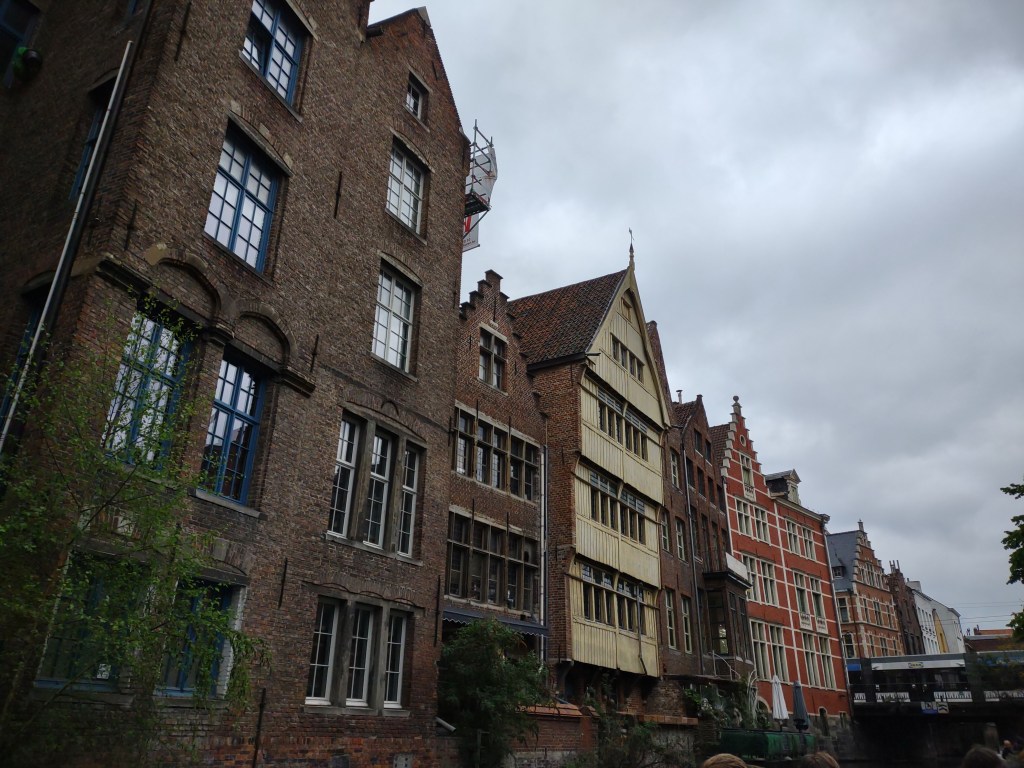
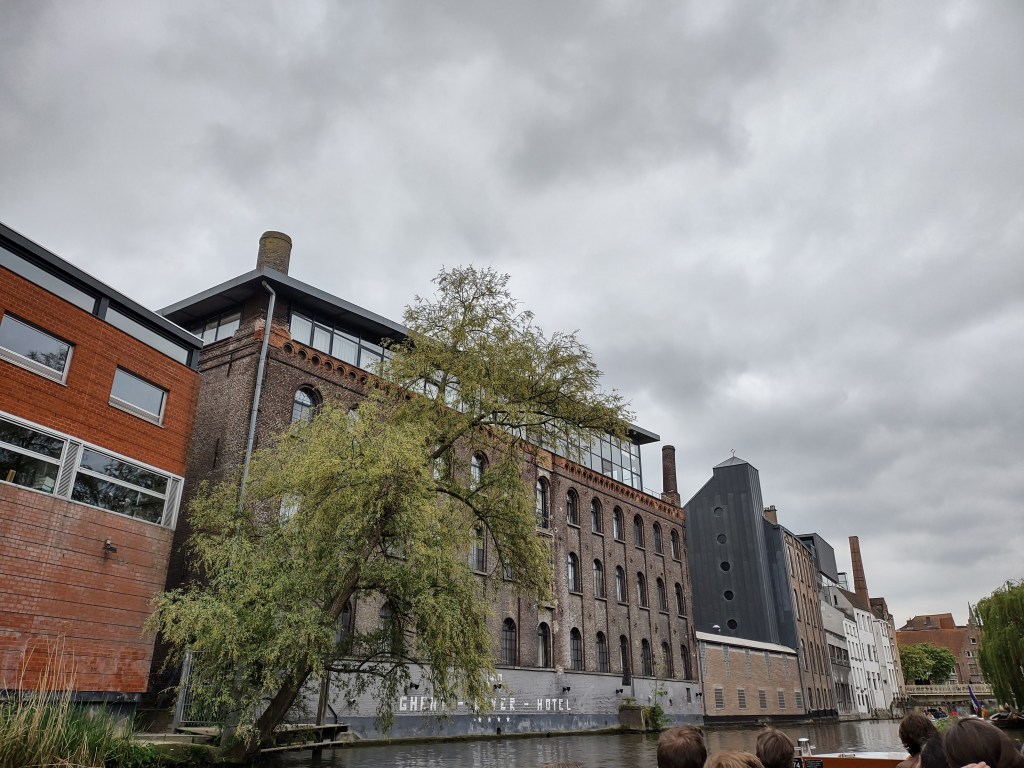
As the Industrial Revolution rolled on in 18th-century England, a Ghent merchant, ahem, acquired the design of one of the new textile units and returned home, cough, with them. That enabled Ghent to be one of the first places on the continent to industrialise and the two preceding photos show the now-gentrified factory district. And so Ghent prospered again, well, maybe not the poor sods in the mills but you know what I mean. In 1816, surprisingly late for a city of its stature, it established a university. Interestingly they took over the old monastery we saw before. But not the old books. They would have been a bit soggy.
And so onto that World’s Fair I mentioned before.
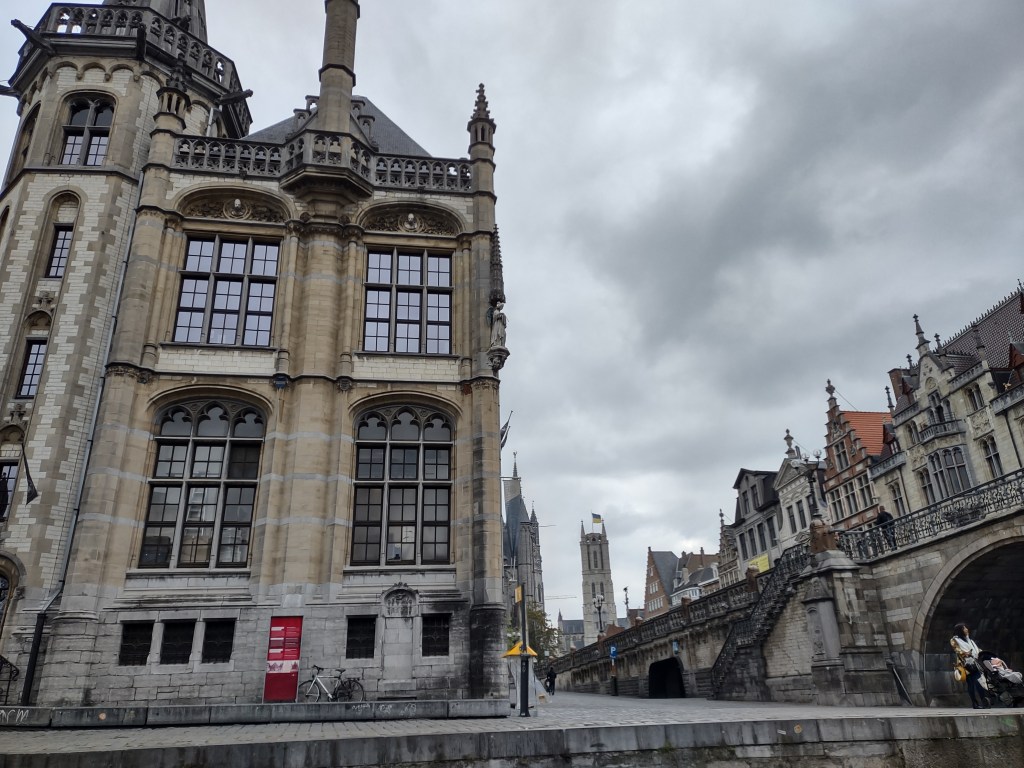
Ahhh, lovely old Ghent again. Just not so much of the “old”. The bridge was built for the World’s Fair and modelled on the Pont Neuf in Paris. The thing to the left? World’s Fair as well, a post office, built to resemble the Houses of Parliament in Westminster. Even has its own Big Ben. Looks nothing like the original.
But even with the fakery, and all the other stuff I haven’t covered, Ghent is a constant delight, a great place for a couple days wandering and exploring, a city with very friendly people. Lots of tourists around today, maybe “Europe”s best kept secret” is out.
So go now before it becomes another Bruges!
 orwellianTwo
Leave a comment