Bournemouth in Dorset. Actually it was in Hampshire up until local government reorganisation in 1974 dragged it into Dorset. Further messing around a couple of years ago merged it into a unitary council with Christchurch and Poole (the BCP council). We’ve had a look at B, time for a peek at P and a call into C.
There’s more to Poole than my earlier snide suggestion of smuggling. The spectacular Poole Harbour is, after Sydney, the next largest natural harbour in the world. Sandbanks, as the name suggests, is a spit of land running alongside the east of the harbour that provides it with good protection from the wild English Channel. The fine location, decent weather, and great sailing also makes Sandbanks one of the most desirable – and expensive – places to live in the world.
In earlier times Poole had also made it rich, and the background behind it is truly fishy. The intrepid sailors here were some of the first to get to Newfoundland and corner the market in fishing the incredibly rich stocks of cod that swam around the island. They’d then trade their catch with the Catholics of the Mediterranean (no meat on Sundays or through much of Lent) in return for wines and other goods that they’d bring back to Poole. You can almost hear the local ne’er-do-wells licking their lips and sharpening their cutlasses.
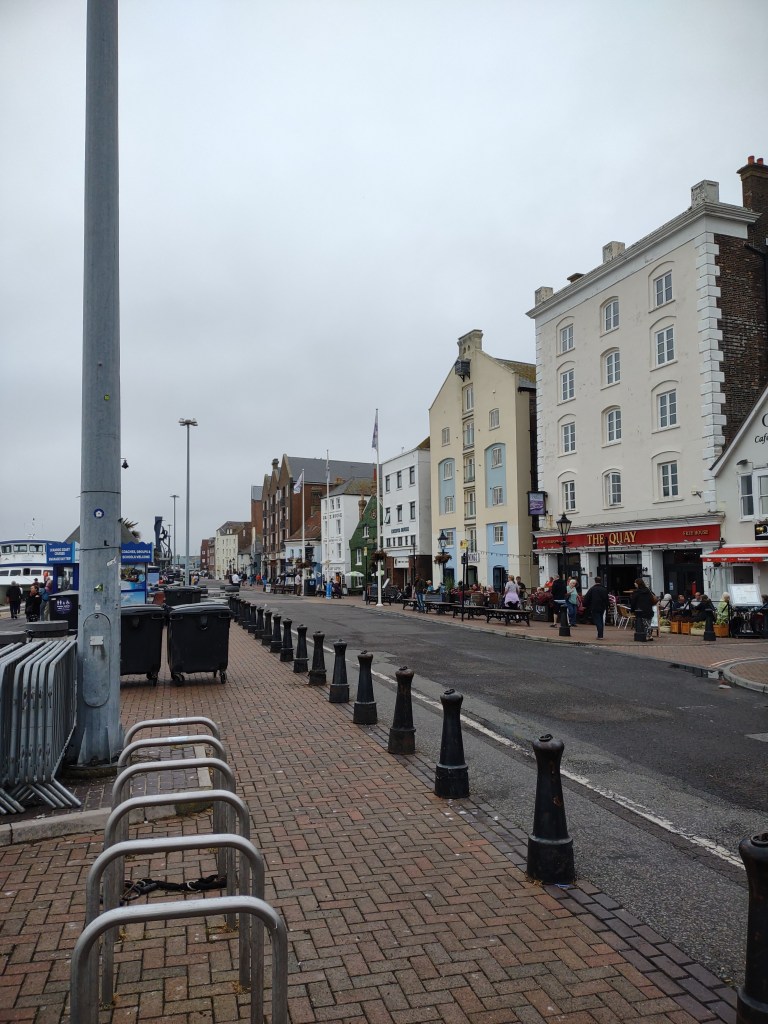

Eventually other nations musseled in (sorry) on the trade and then Poole’s wide but shallow harbour was unable to host the larger ships of the 19th century and onwards. But it remains a pleasant and prosperous town and well worth a few hours of your time if you’re in the area.
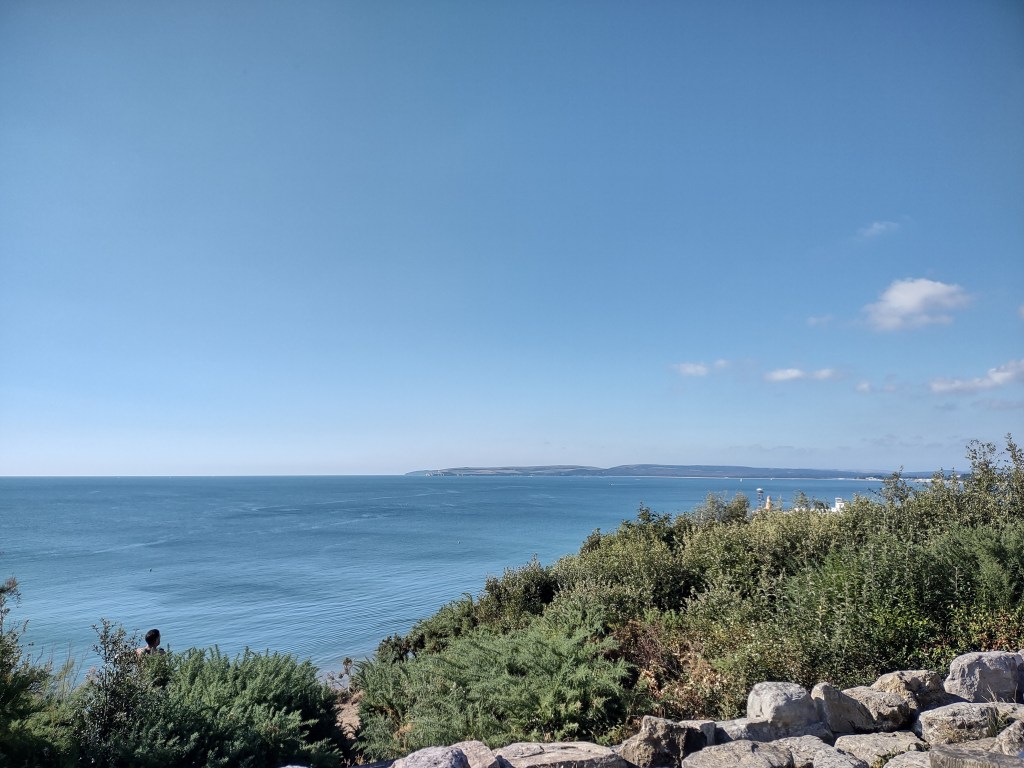
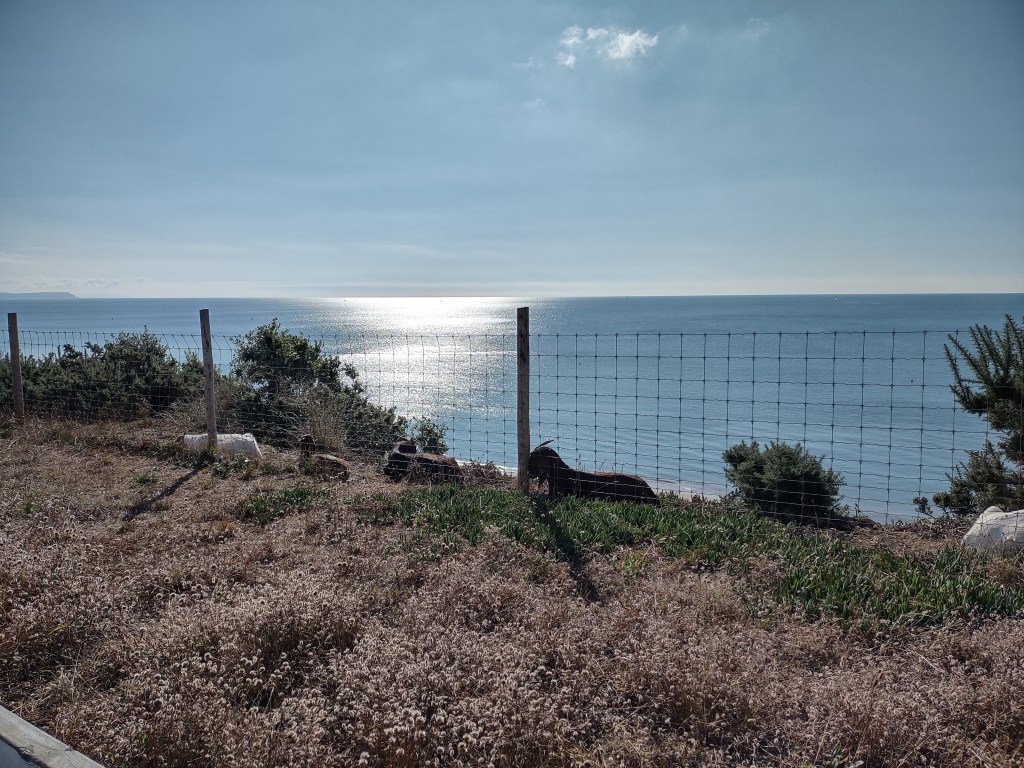
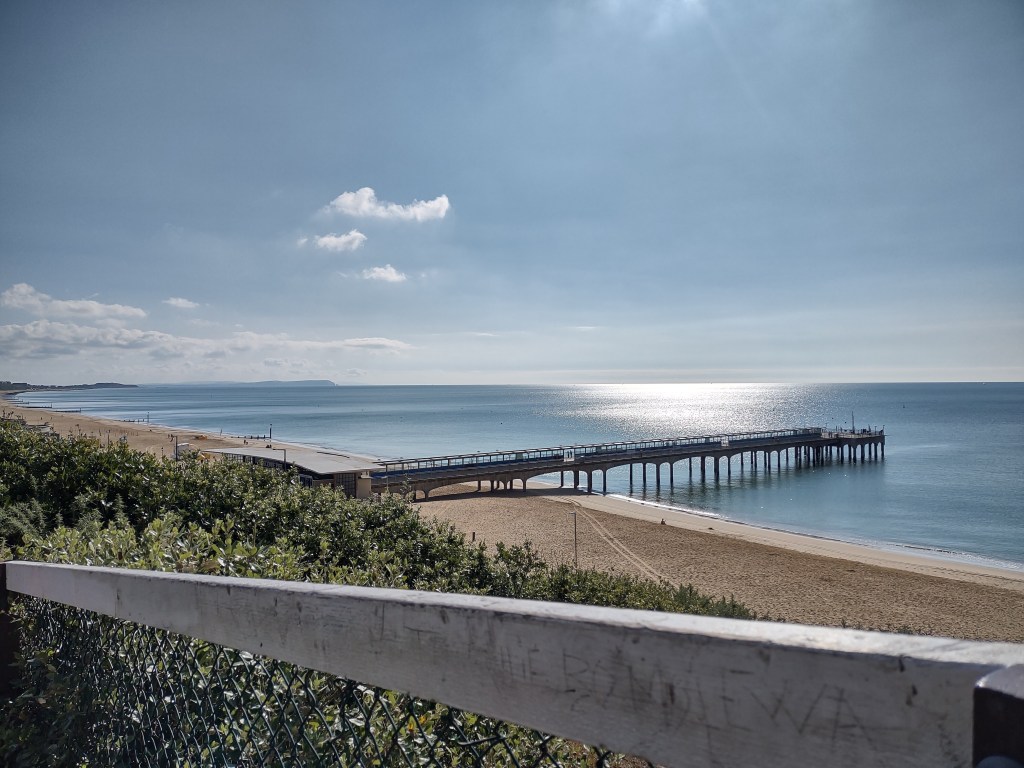
So that was a bus trip to Poole. But Bournemouth is in the middle of nine miles of sandy beach and cliff paths between Poole and Christchurch, and the following day I decided to walk the five miles east to Hengistbury Head, lying at the mouth of the entrance to Christchurch harbour.
Cue photos.
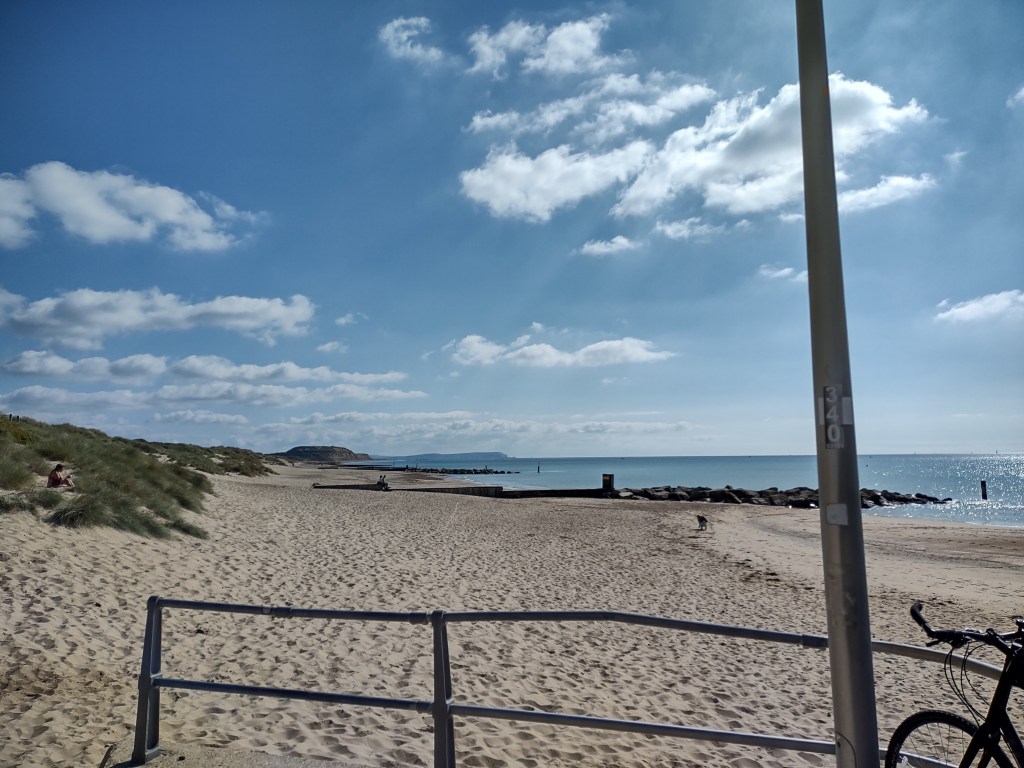

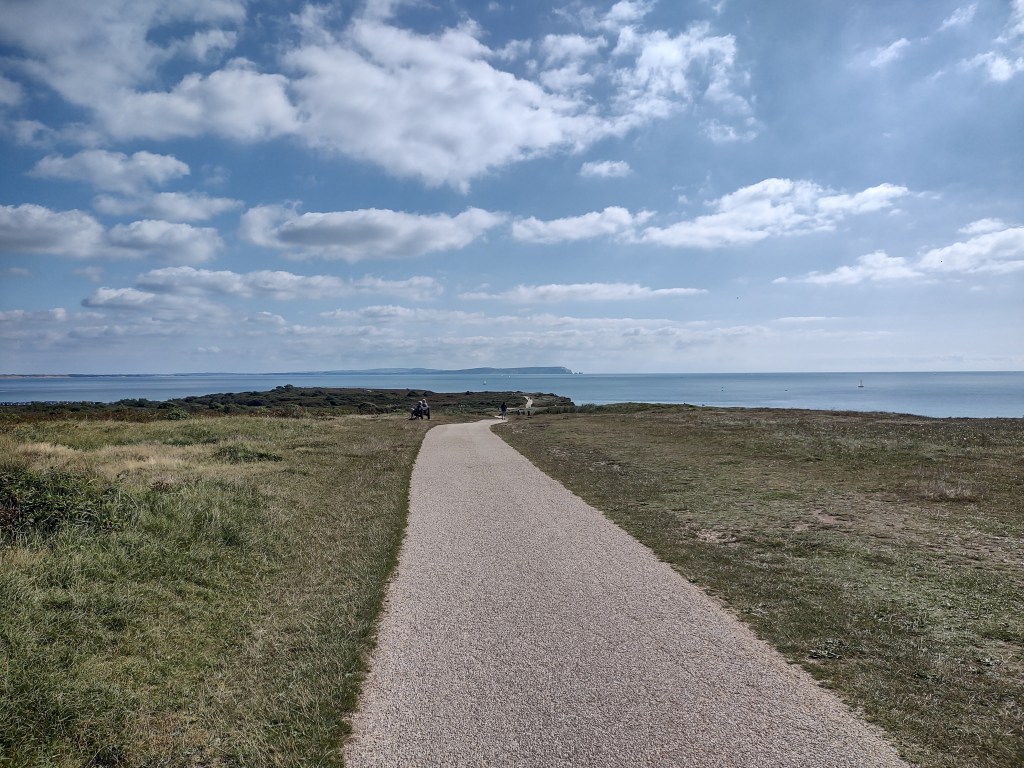
That’s not the end of the walking though. Christchurch is another couple of miles away.
Another lovely little picture-postcard town, Christchurch is best known for its eponymous Priory.

This church and monastery dates back to Anglo-Saxon and Norman times, and survived the Dissolution when the clergy here promised Henry VIII they’d switch sides. It has gone through many alterations down the years, and one of the earliest involved the builders having to deal with their miraculous beam.
What? In the ceiling of the nave juts out a wooden beam. The story goes that during an Anglo-Saxon rebuild the workers noticed that one of their number came to work, did the job without speaking to anyone, and just as quietly left for home. At some point they’d realised they’d screwed things up a bit and one of the beams was a bit short. Worried about the embarrassment and the waste of a precious building resource they all went home to come up with some excuses. When they came back, the beam had amazingly become the right size – and the mysterious co-worker had disappeared!
Without thinking “well if the guy was so good why didn’t he stop us making a mess of the job in the first place?”, or “if he was who we think he was, well, aren’t Middle Easterners supposed to be a bit browner than that?” they did what any self-respected Dark Age person in a time of mystery and legend would do, and put it all down to Jesus himself. Jesus the Carpenter, no less. The church was renamed Christchurch, and eventually the town. So there you are. The Miraculous Beam. Go figure.

Before we leave C and head back to our base in B one more example of Christchurch craftiness, as told to me by one of the attendants at the church (I haven’t corroborated it as it’s too good a yarn to falsify; blame him if this is all rubbish). At the west end of the Priory is an elaborate 19th-century memorial to a local husband and wife. Well the wife had links with Bournemouth, but the church there thought the memorial too showy for them. Christchurch said “we’ll have it” and into the priory walls it went.
A few years later Bournemouth had second thoughts, for some reason, and asked for it back. At this point the good folk at the Priory turned to Holy Scripture, and they told Bournemouth to Go Forth and Multiply. And so to this day the memorial remains here – despite the woman being of Bournemouth stock and actually being buried in a Bournemouth church.
I can’t work out why Bournemouth would make such a fuss about a simple monument.
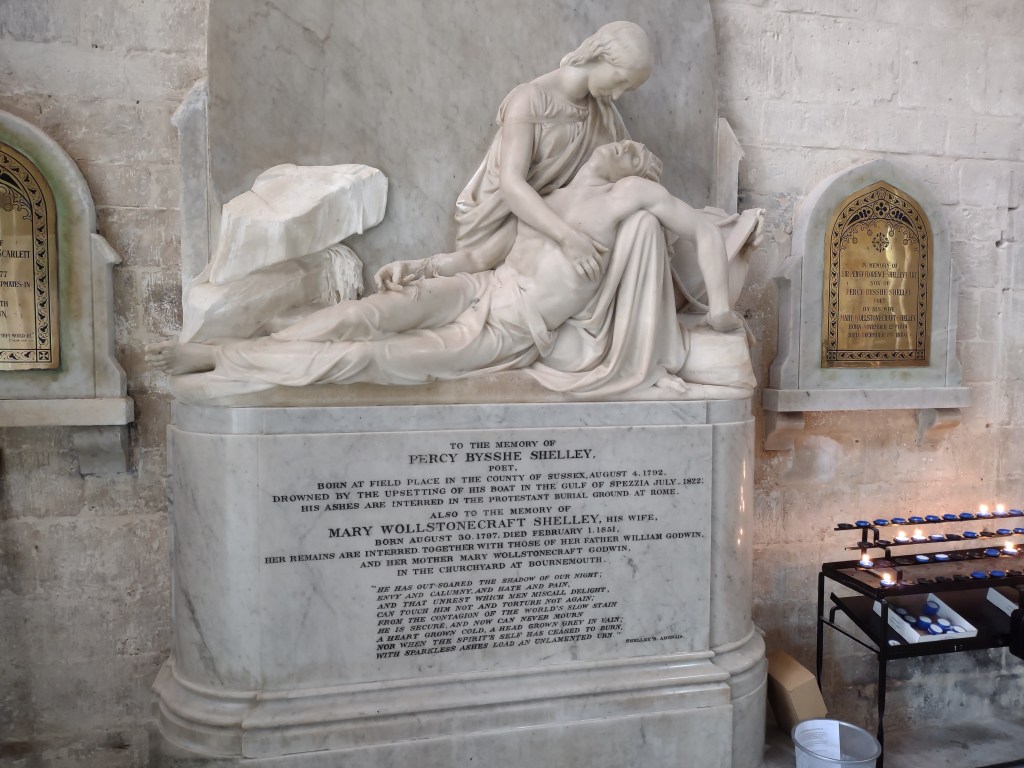
Nope, can’t see it at all.
 orwellianTwo
Leave a comment