That sitcom from the Seventies was nearly right. There are indeed two Liver Birds, but one of them is male. Atop the Royal Liver Building they stand, one on each tower. She looks out to sea, representing the sailors’ wives watching over their menfolk and welcoming them home. Meanwhile, he looks landwards, over the city, as the men at sea contemplate their families left behind. And also to check that the pubs are still open. Scouse wit.
Whatever else you have heard about Liverpool, and there will have been a lot, it is a place first and foremost defined by the sea. Its fortune was made on it, brutally and cynically, it’s fine architecture was paid for by it – that and chattel slavery – and above all it’s vibrant culture was shaped by the people who were drawn over it from all over the world to service its maritime economy – sailors, dockers, navvies, migrants – until the bottom fell out of the ocean in the post-war years. And here we come in, staggering into the light after another COVID lockdown, ready to explore this world city’s unique heritage and its people, their individuality, their resilience, their wit, and of course, their music.
We’ll start our story at that Liver Building, as it encapsulates a lot about the unique history of this city. Let’s get those birds out the way first.
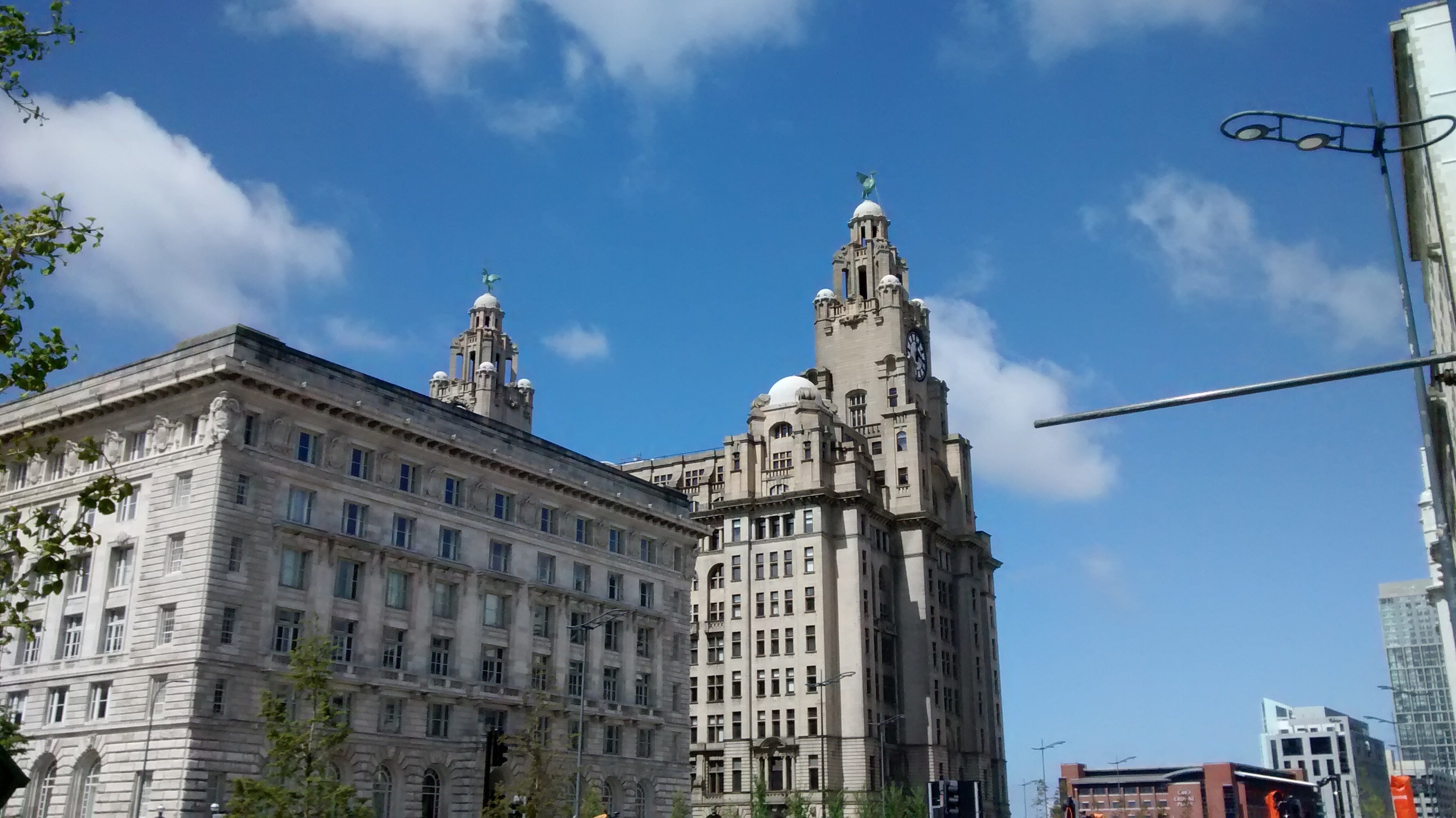
Liverpool received its royal charter as a borough in 1207, and that gave it the right to use a seal. The earliest seal we have dates from 1352, and shows a … well, is it an eagle with a sprig in its beak, or another bird? A spoonbill, a duck, maybe? The seal being so rubbish, it allowed all sorts of interpretations down the centuries, and by the 19th century consensus appeared to have agreed on a cormorant. Or some mythical bird representation. A mythical cormorant. (thing).
Anyway, there they are on what is probably Liverpool’s most iconic building. Opened in 1911 it resembles an early-20th century skyscraper that would fit nicely on the skyline of Manhattan or Chicago, as befitting a city that has always looked outwards, a chief port of a global empire. But Royal Liver Insurance itself grew out of a mutual aid society for poor working men. Mysticism and humour, Atlantic opulence, mixed with working-class self-sufficiency from a community that had always had to look out for themselves. A more “Liverpool” place is hard to find.
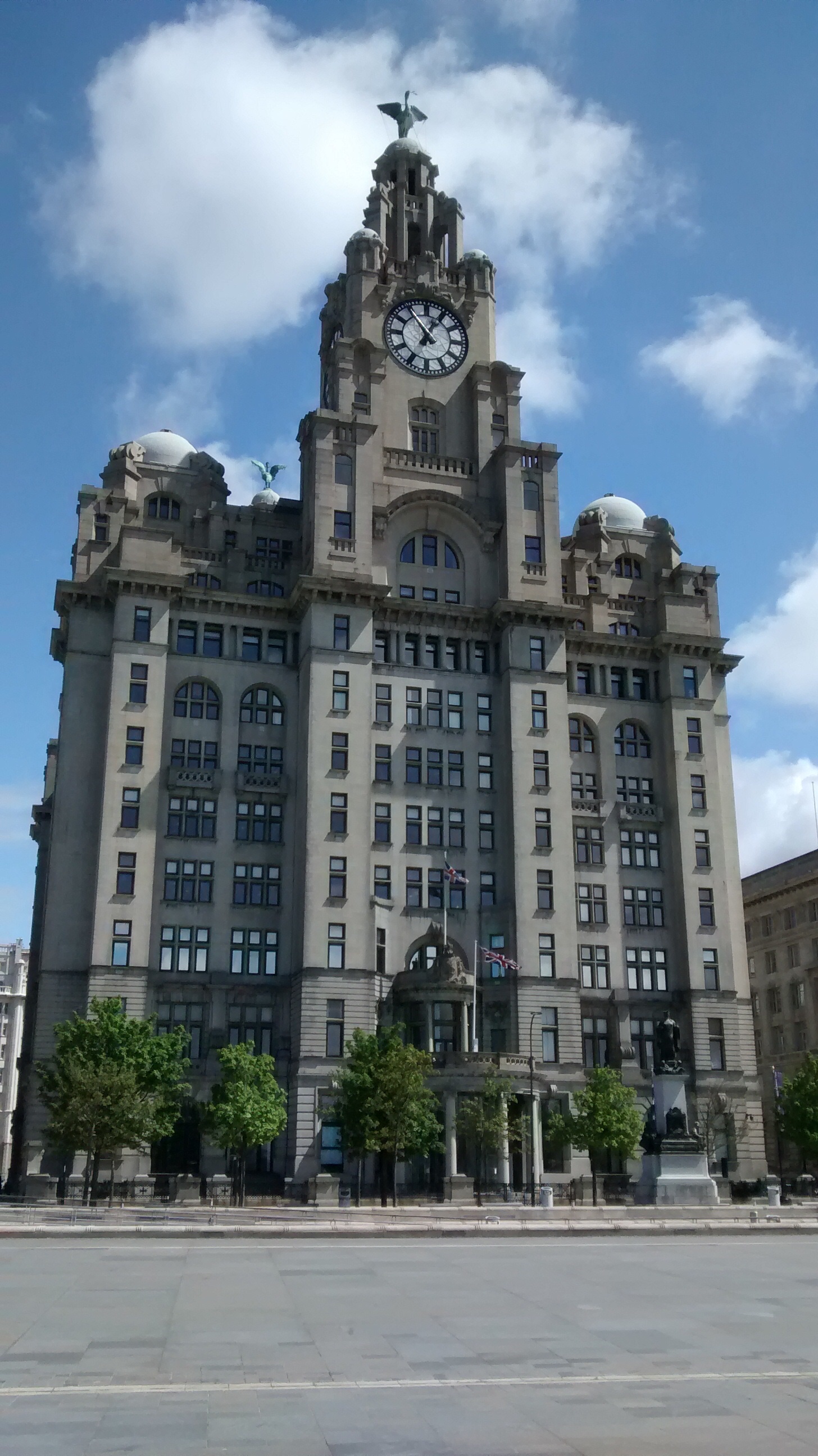
The Royal Liver Building sits on the quayside as one of the Three Graces, three gems of British 20th-century architecture. The other two are the old home of the Cunard shipping company and the domed home of the port authority (incidentally based on the abandoned plans for the Anglican Cathedral).
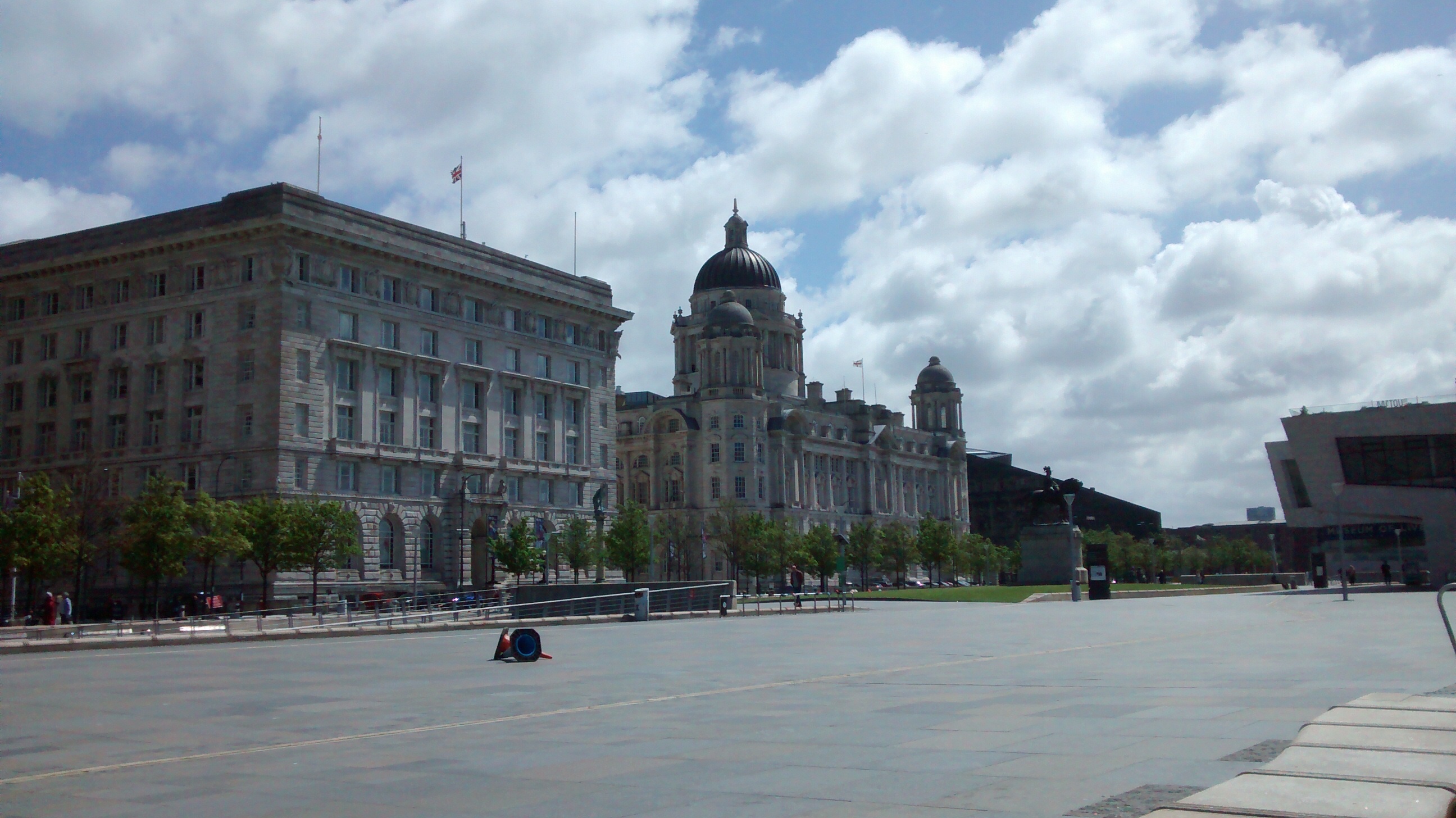
It’s a delightful place to be, Pier Head, a wide esplanade flanked by these fine buildings and the Mersey on the other (the building on the right is the ferry station. There you can get the ferry across the Mersey. Has a ring to it for some reason.) but there’s more to the waterfront than this, seven miles more if you want. That’s the length of the Liverpool docks during the truly great years, when the city was a world trading centre. To find out more about those times, and what happened next, let’s take a wander past the ferry station…
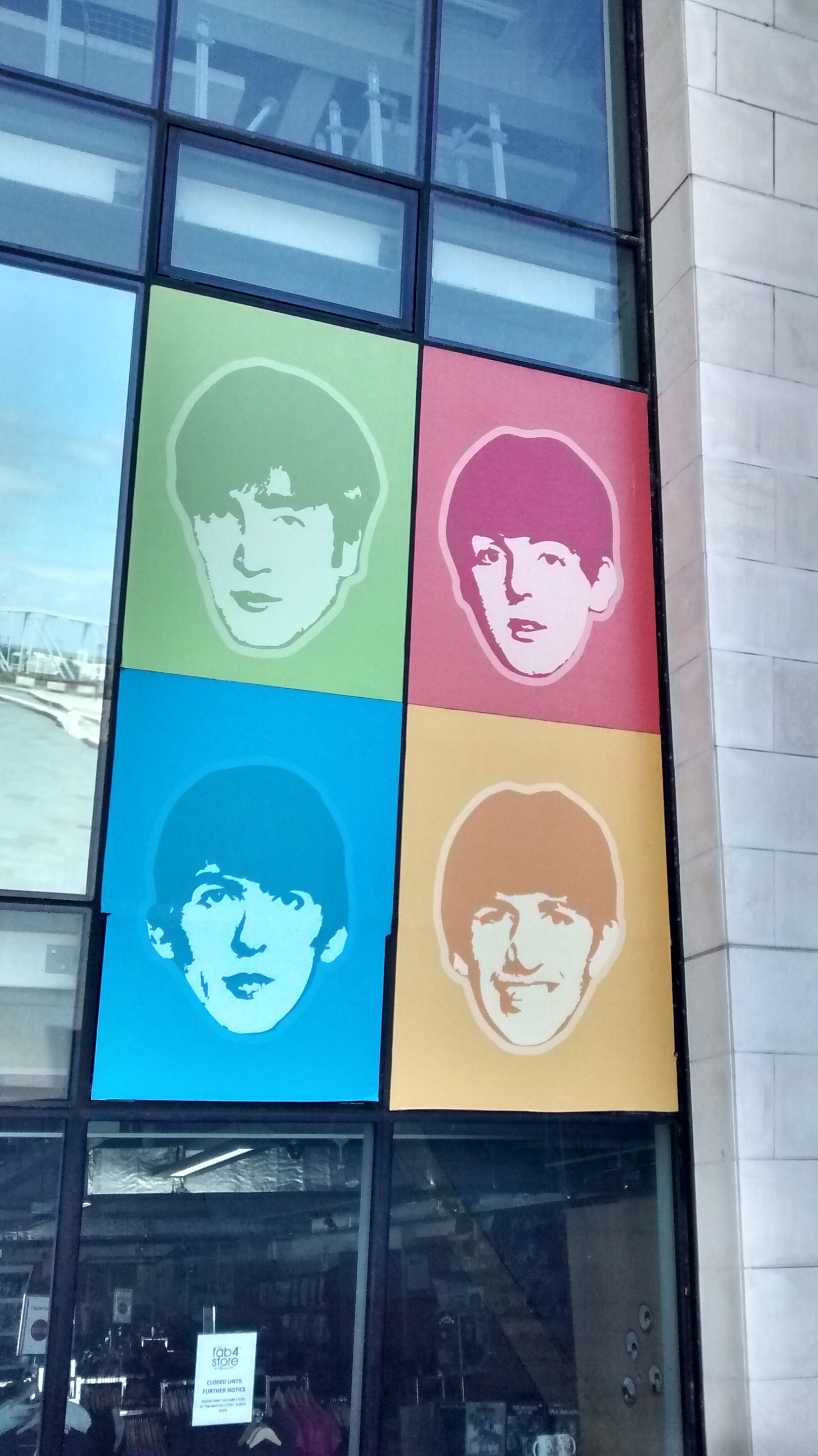
…past a promo for one of the local bands
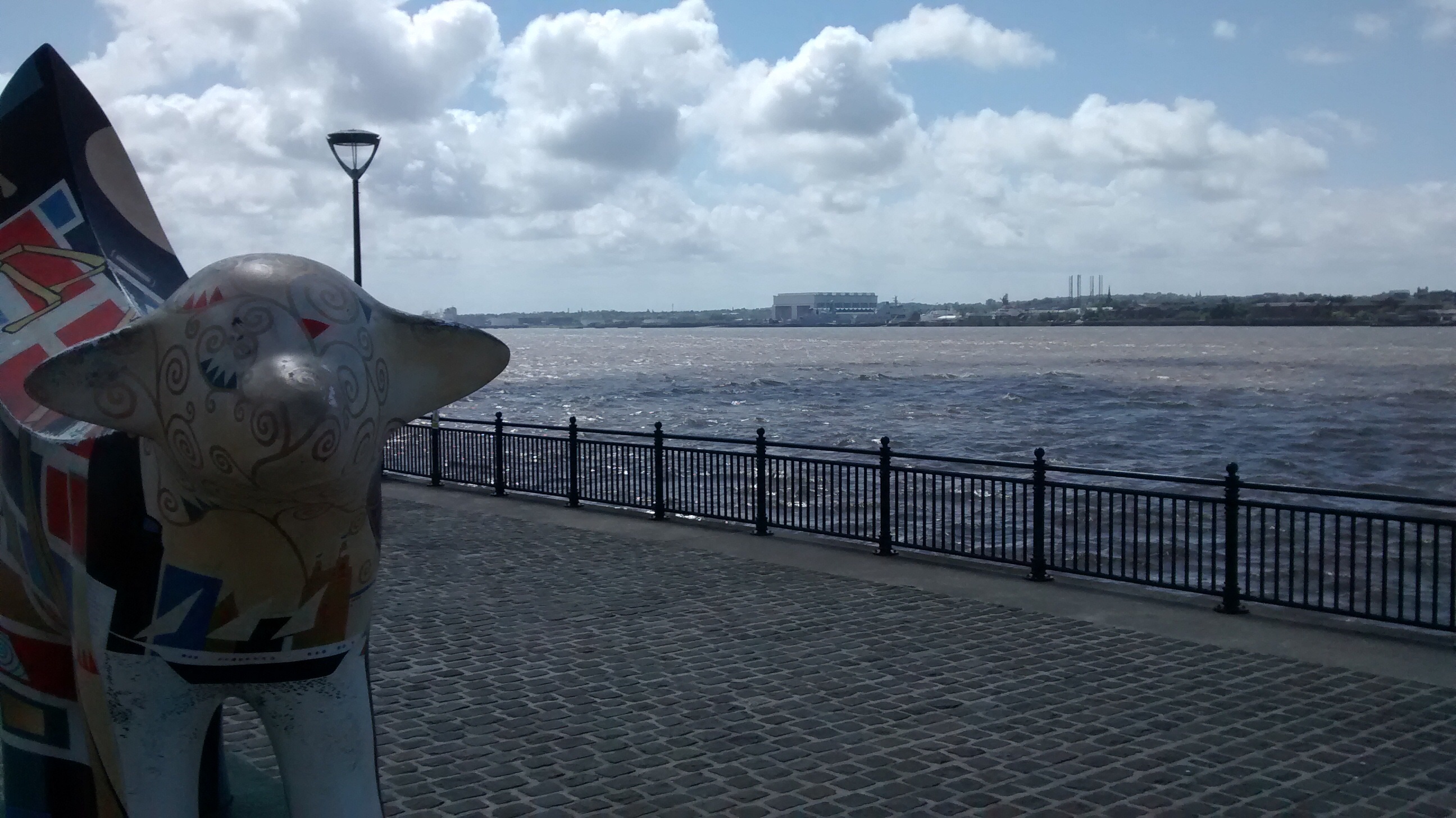
and down to the Albert Dock.
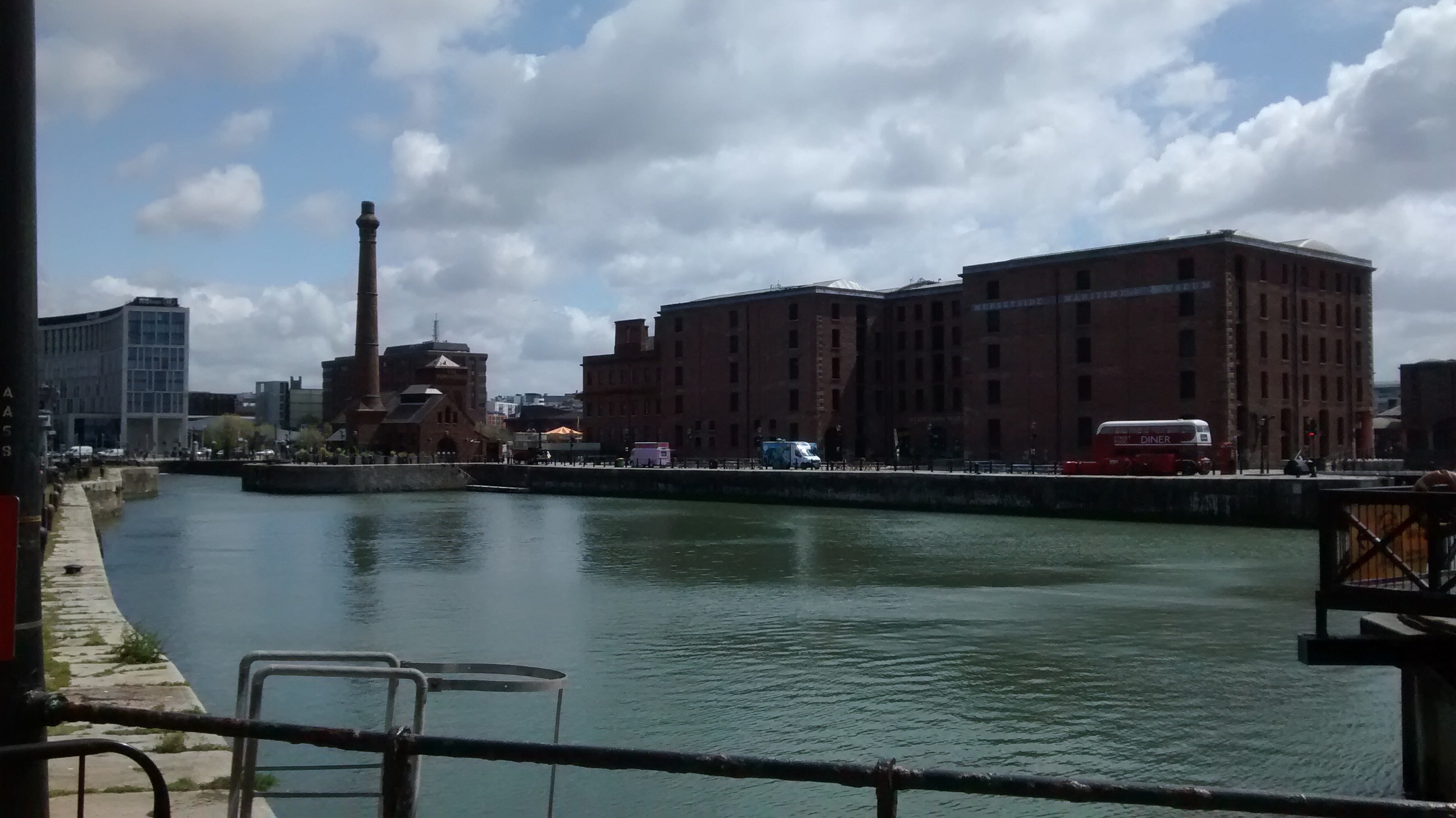
But take a jumper. Yes it’s delightful, but it’s May 2021 – and God it’s windy!
 orwellianTwo
Leave a comment