You know, once I’d got back from Truro I noticed I was becoming more taken by the monumental sweep of Plymouth’s city centre. But not enough to move hotels and stay in the middle of it. Give it a day or so and I’ll think I’d start seeing the dreary monotony in it.
But it turns out that not all of the old town was destroyed in the Plymouth Blitz after all.
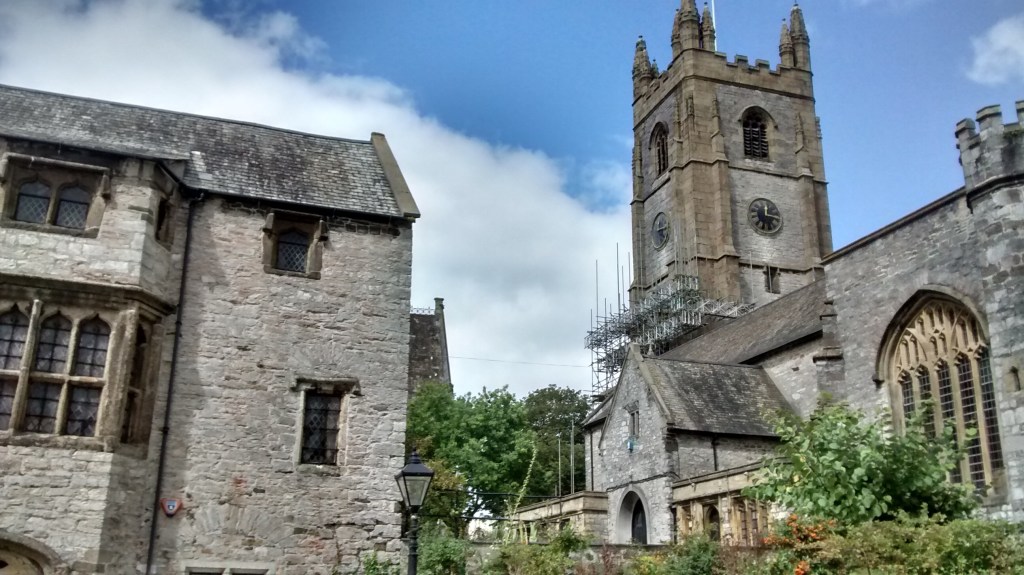
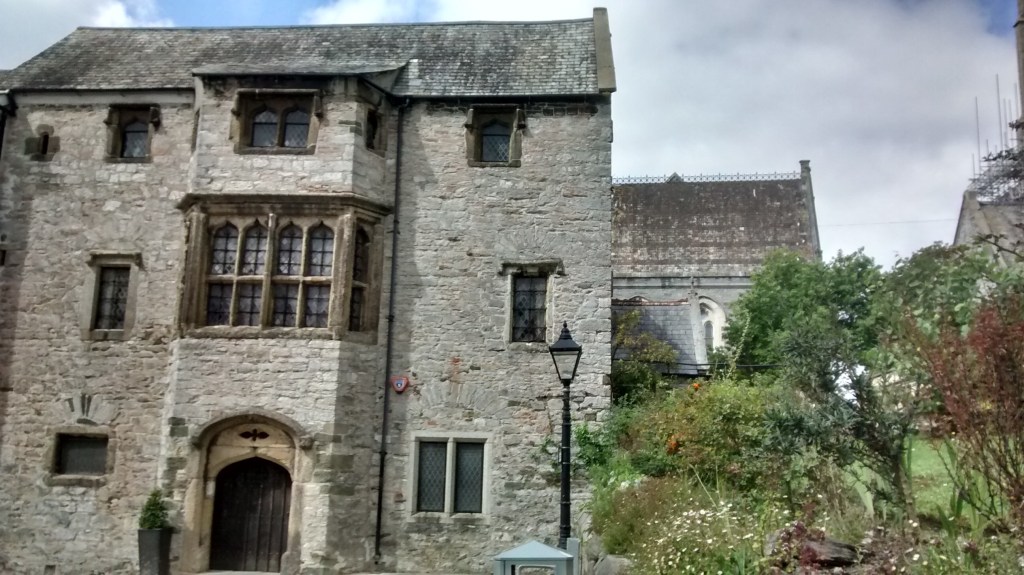
Just off the main avenues running through the centre of town we find peace and quiet on the corner of the Minster Church of St Andrew and the 15th-century Prysten House, the oldest building in the city.
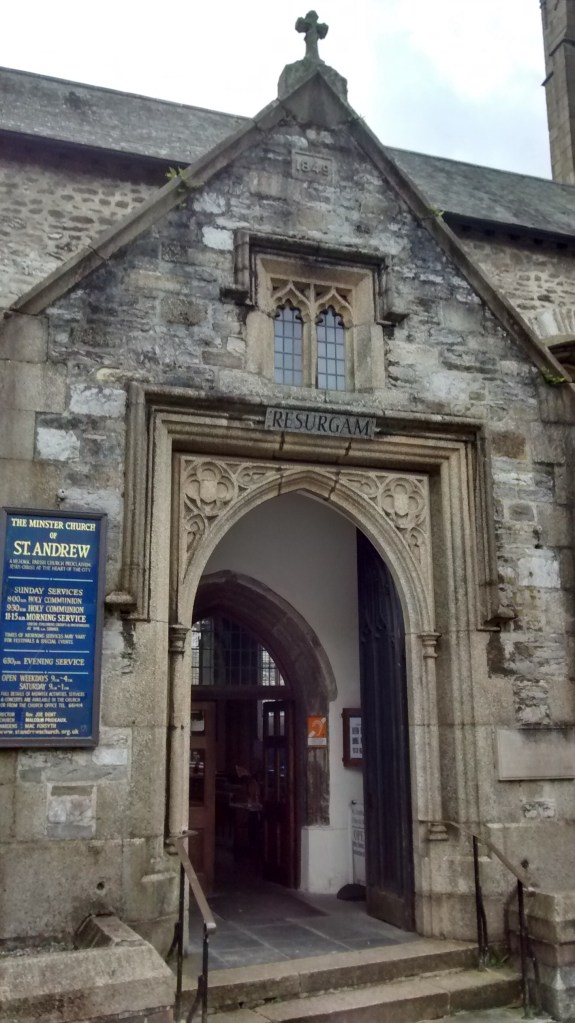
St Andrew’s was actually bombed. As an act of defiance a local headmistress nailed a wooden sign over the door. “I will rise again”. The old sign has been replaced, but the Church did rise again, and so did Plymouth.
But round the corner, the Charles Church didn’t.

It’s left as a memorial to the 1172 civilians who were killed here over the course of the war.
A couple of streets away we find another piece of unspoilt historic Plymouth hiding amongst the modern offices that predominate here.
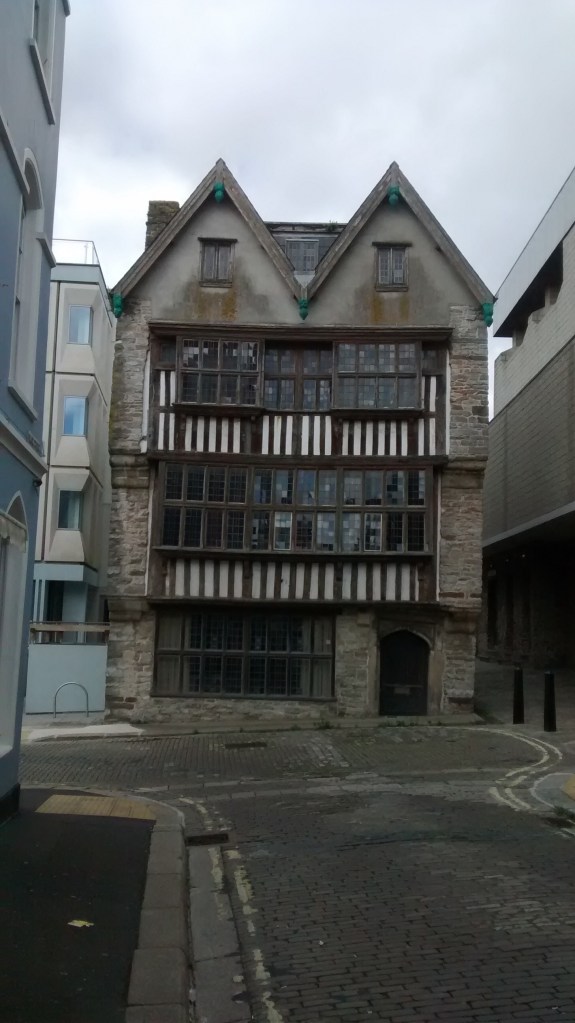
The Merchants House, a charming Elizabethan house belonging to one William Parker. So the city centre does retain its old delightful character after all!
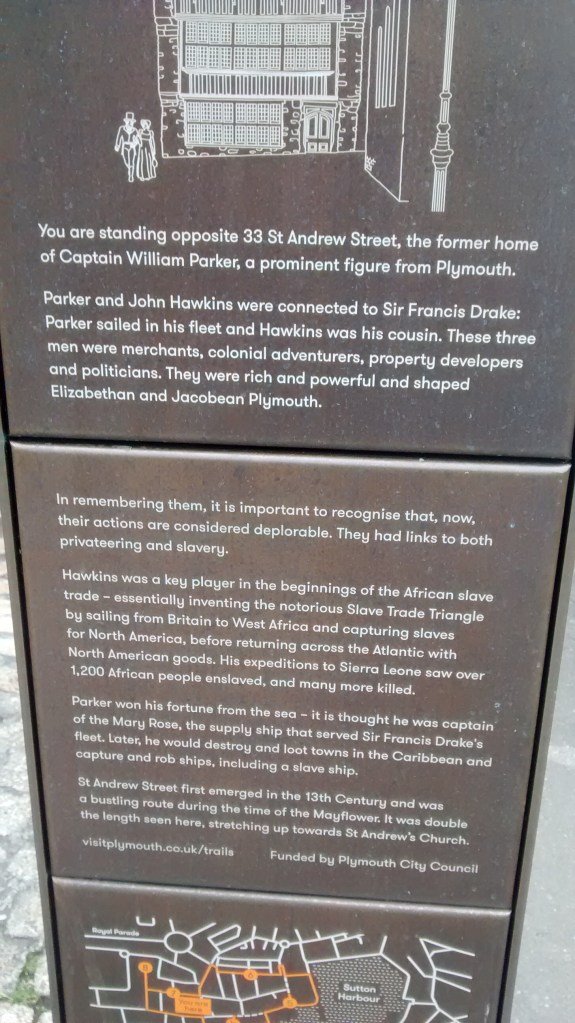
Oh dear.
A few streets away lies a much more popular area of town. Old port, new marina, rabbit warren of old houses and warehouses turned into vibrant pubs, restaurants and cheesy craft shops, the Barbican is the oldest part of Plymouth and one of its most exciting. During Plymouth’s maritime heyday, many famous voyages set off from hereabouts, and voyagers such as Drake, Charles Darwin and Sir Francis Chichester clambered aboard here. As did a notable collection of religious refugees.
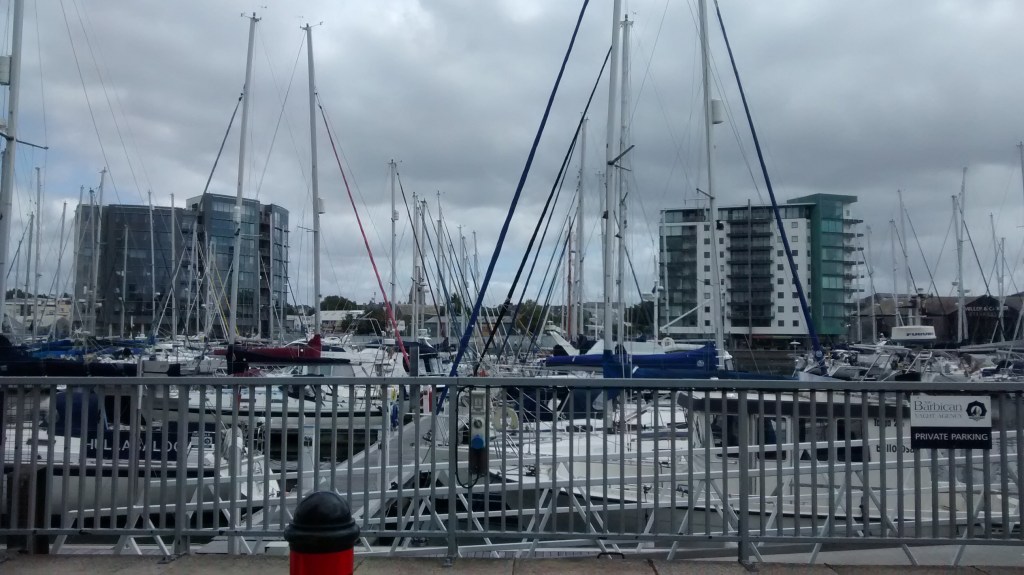
In 1620, a Puritan leader called William Bradford received an email from “AllTheNativeAmericans@gmail.com”. It read “Hi. We heard about the trouble you’re having with the established church in England. Here’s an idea. Why don’t you come over here and take over our land? We were kind of getting bored with the whole freedom thing and some of us are itching to find out what subjugation felt like. Don’t worry, it’ll all work out just fine. Just go easy on the genocide. See you soon!” Bradford dropped everything and got his congregation together, and soon they were in Plymouth descending these very steps to board the Mayflower, the ship that was to take them to a new life in the New World.
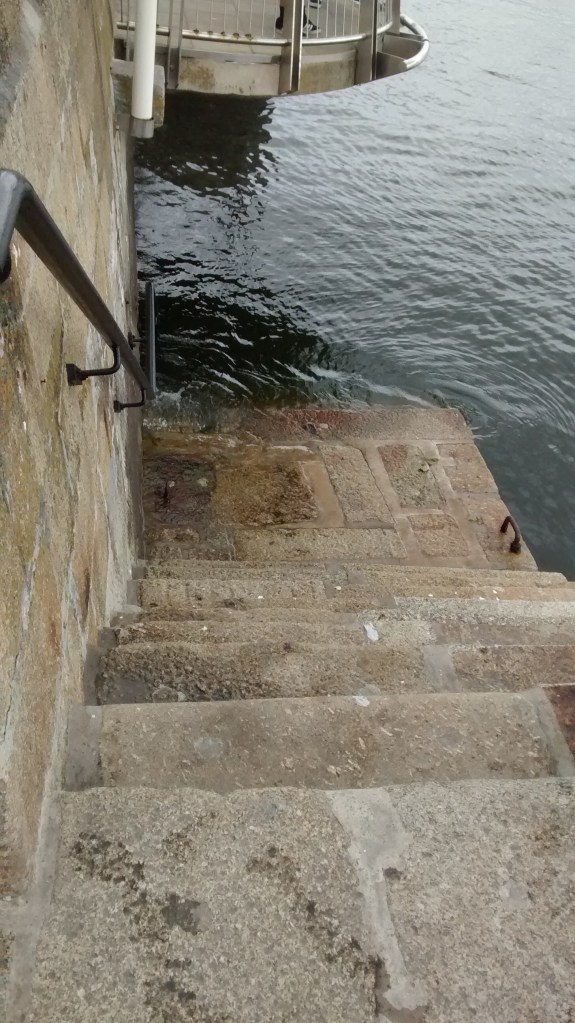
Now you may have your suspicions about what I’ve just said, and you’d be right. The Mayflower Steps aren’t authentic! They were created in the 20th century to commemorate the Pilgrim Fathers’ voyage and were placed here because the Mayflower would have been boarded somewhere around here, and this spot was as good as any.
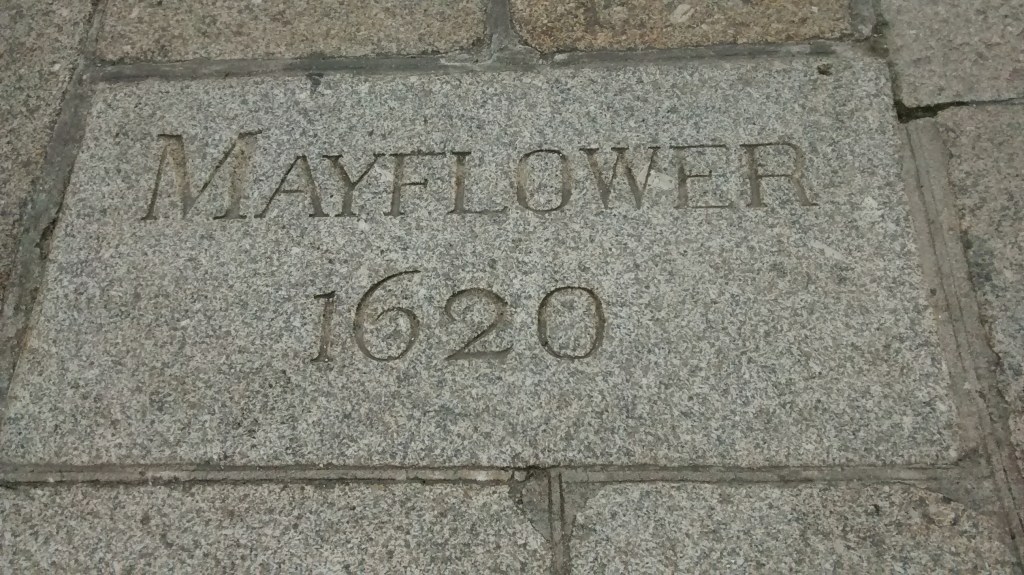
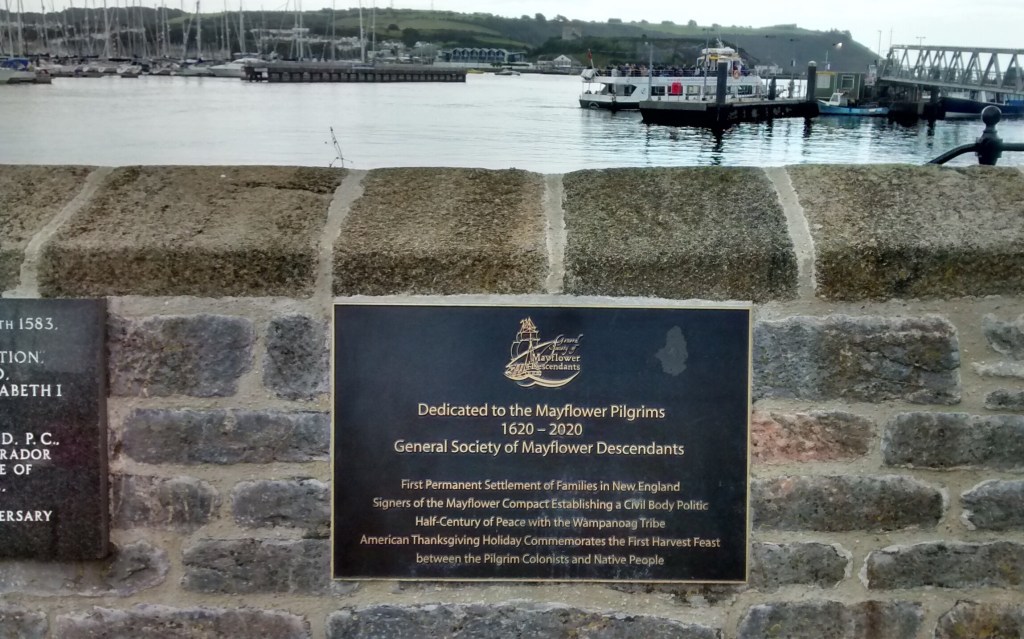
Never mind. A number of other important colonising voyages started out from Plymouth, and they each have their own commemorative plaque on the wall and their own stone in the ground.
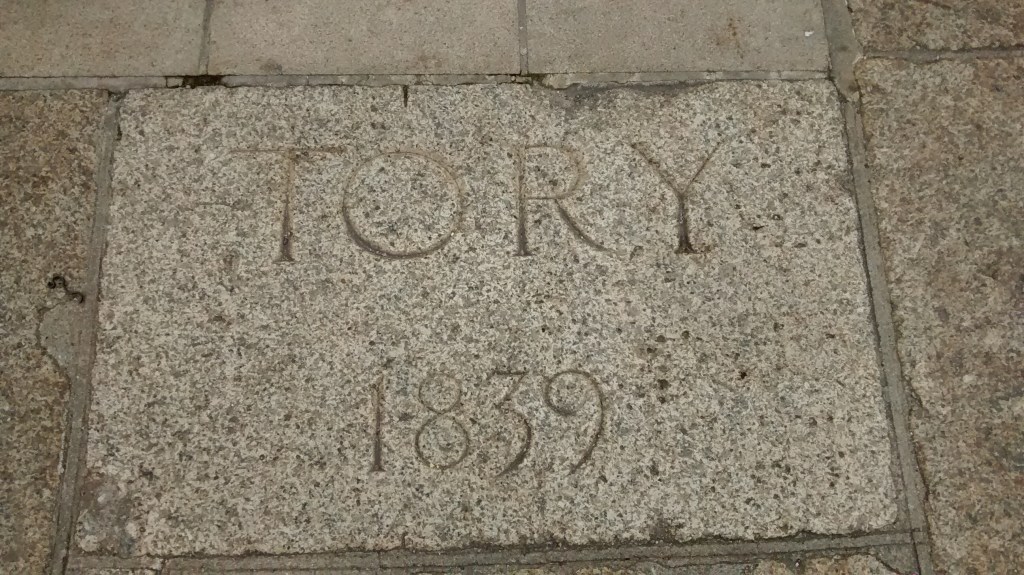
(It only feels that long since they’ve been in.)
Another treat offered in the Barbican is the sightseeing boat trip. Plymouth is one of the biggest working harbours in the world and there’s quite a variety of places you can ride over to for visits to sights, hiking, or other fun. We’re just going to do the one-hour trip into the naval dockyard and point out interesting information along the way.
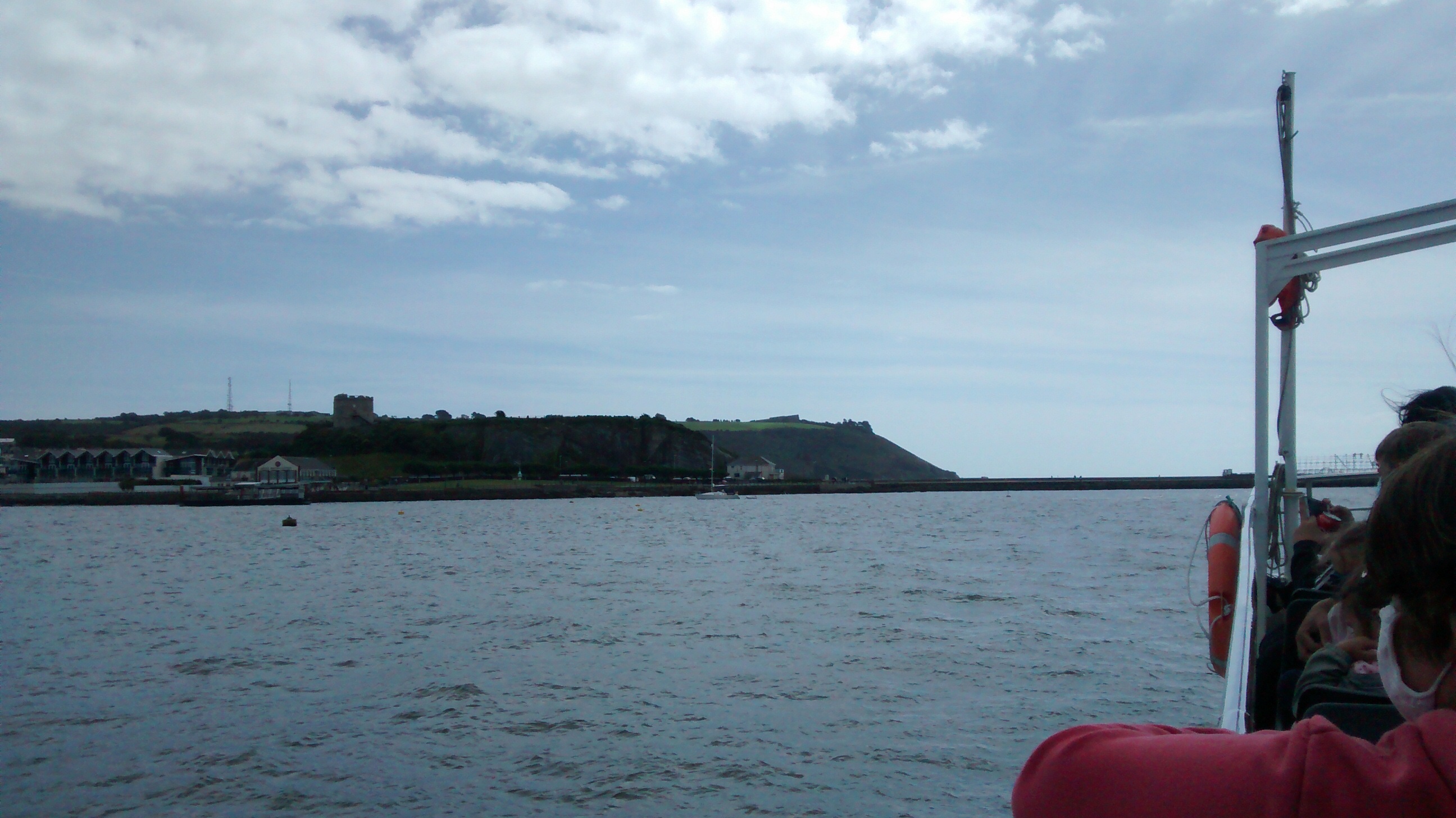
But the real reason is just to take some nice snaps on the water.
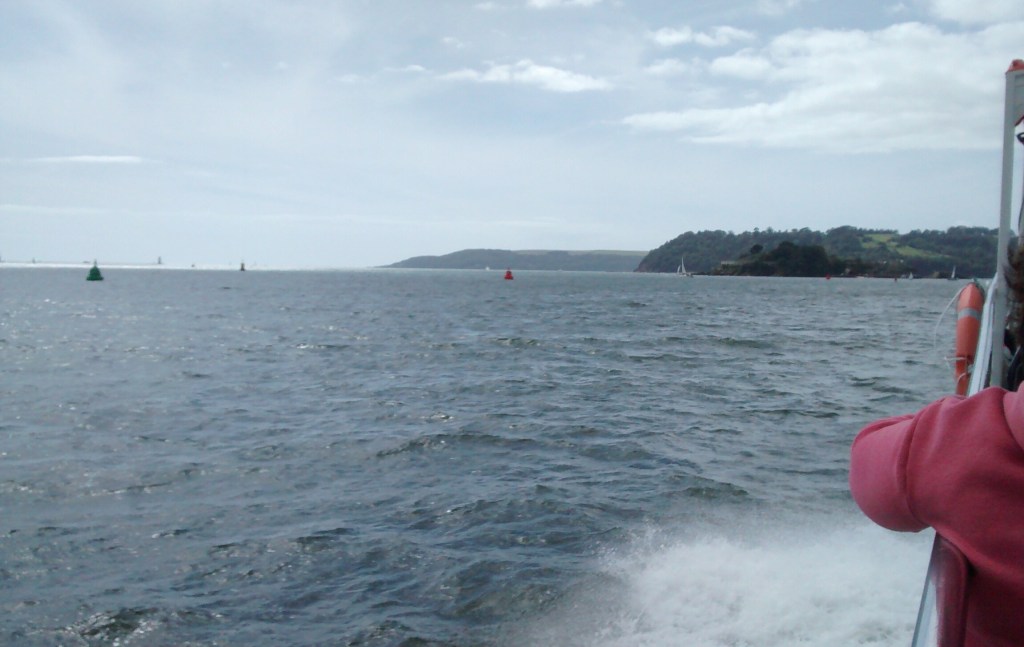
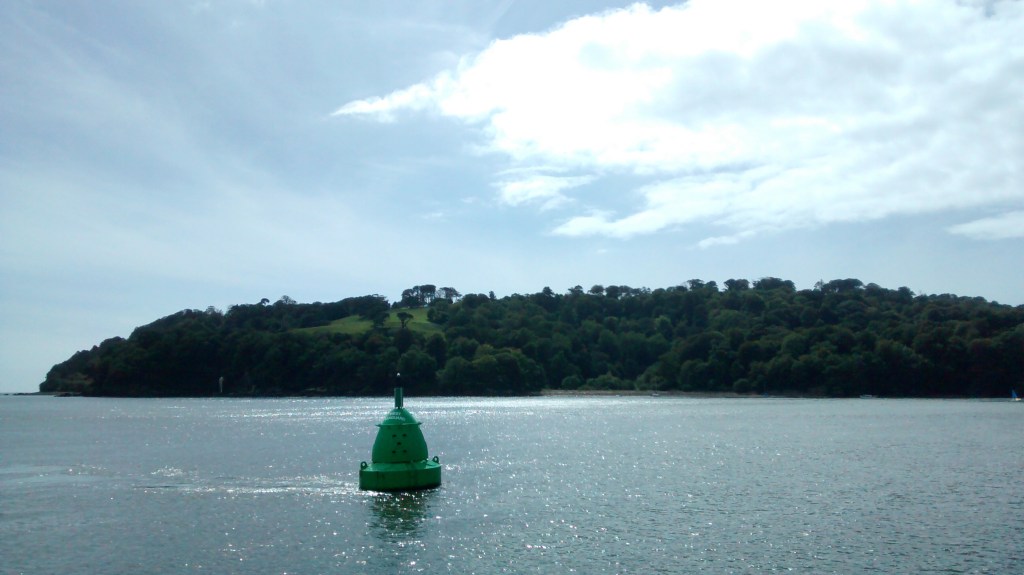
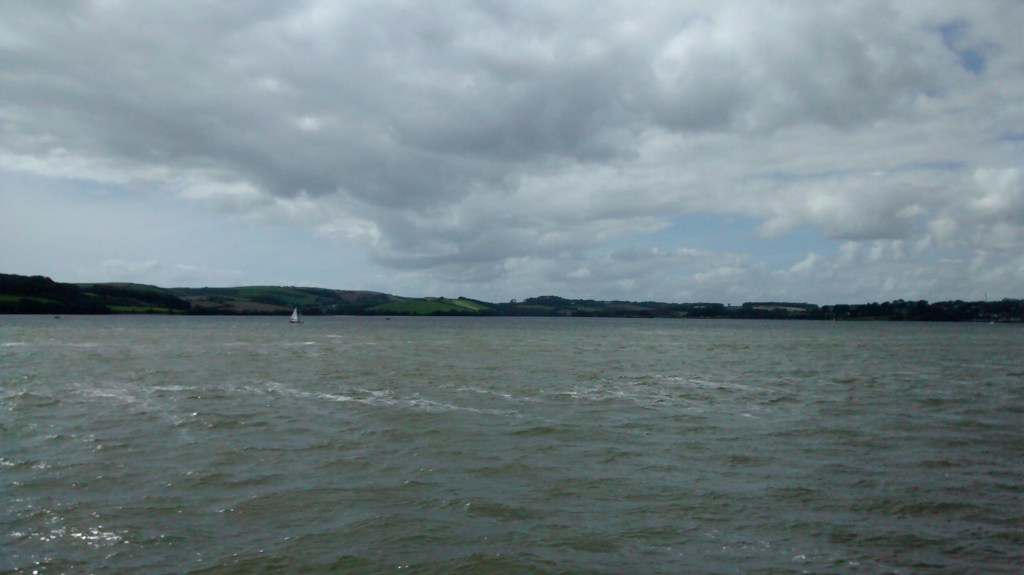
And so on.
Coming back round again, we pass the Royal Citadel. An important naval asset such as Devonport (where the dockyard actually is) itself needs defending. The 17th-century Citadel was – and still is – a redoubtable fort with impressive seaward defences. You can see one of the old guns on the wall to the right. To this day an Army detachment is still based here.
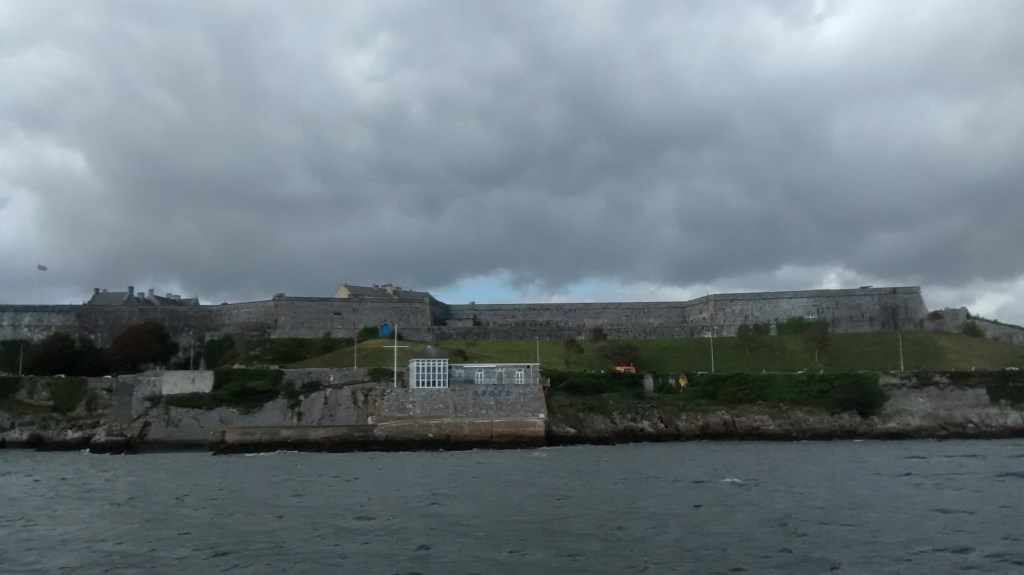
I wonder what 17th-century Dutch is for “phew, we’d better not mess with these guys!”
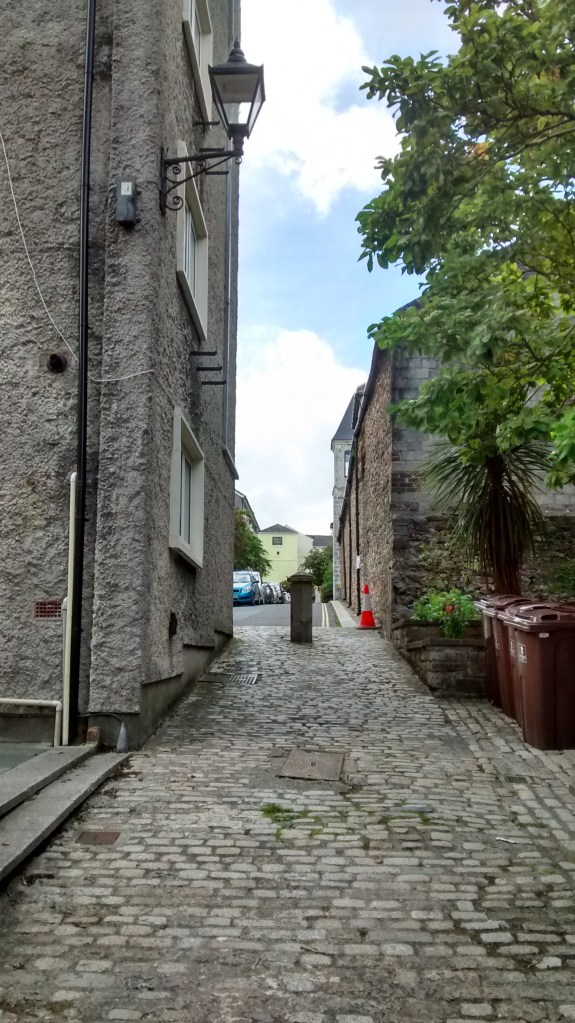
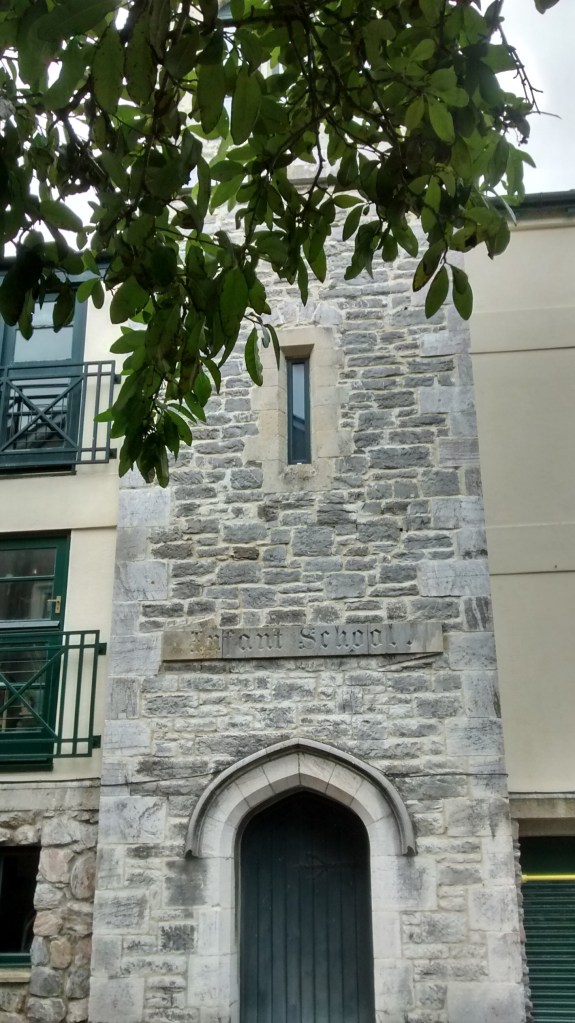
Ah, here comes the jetty again and we’re docking. It’s time to go back to our room, so let’s avoid the crowds by using the narrow residential back streets of the Barbican.
And, oh look, here now are the landward walls of the Citadel. Commissioned by King Charles II himself, you know.
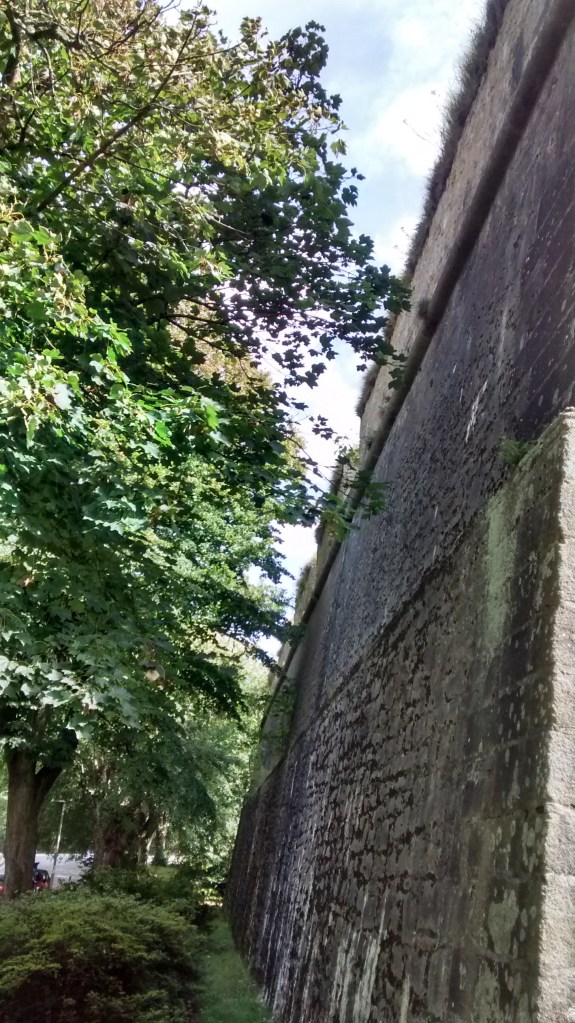
Awkward.
Plymouth was Parliamentarian during the recent Civil War. Parliament cut Daddy’s head off.
So some of the guns point towards the city.
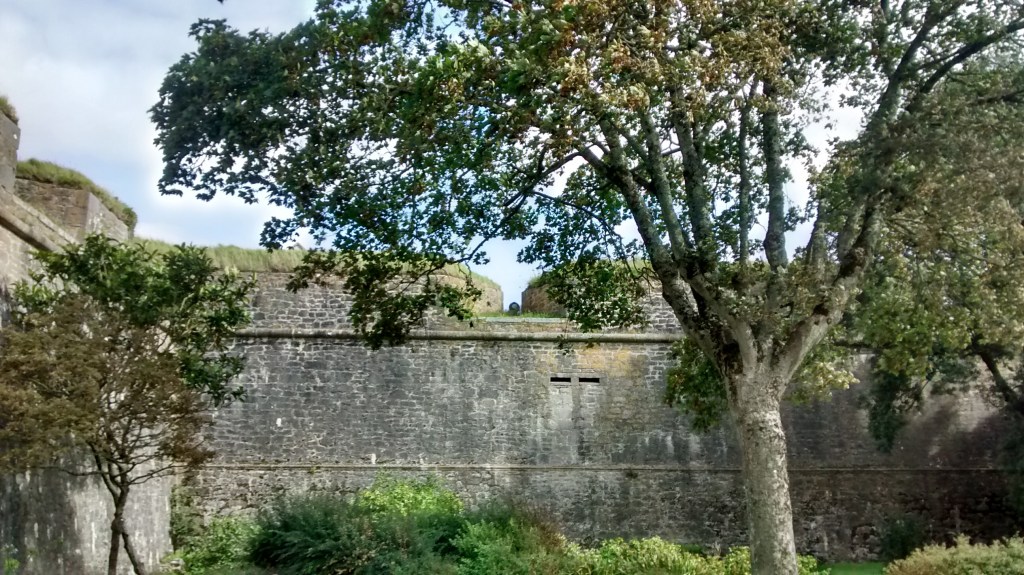
I wonder what 17th-century Devonian is for “phew, we’d better not mess with these Royalists again, guys!”
Well, hotel beckons and it’s time for a break.
That was fun.
 orwellianTwo
Leave a comment