Another trip today.
I had an excursion booked with a company called Outback Adventures, who take you out to a number of rural communities to show you something of the way of life out in the hills and the fields of this beautiful island. Outback Adventures provide financial support to the people we meet – a cassava maker, a homestead, and a school – in return for allowing tour groups in to look around.
I don’t get paid by them so this is all free advertising, just to say it sounded like a good cause but I had my qualms about whether I would want troops of tourists turning up at my old school once a day, interrupting the class to gawp at us.
Then I remembered my Art classes…
Anyway it was a fascinating and enjoyable day out and I learnt a couple of things along the way that I didn’t know before, and hopefully you will now learn something as well.
First some pictures.
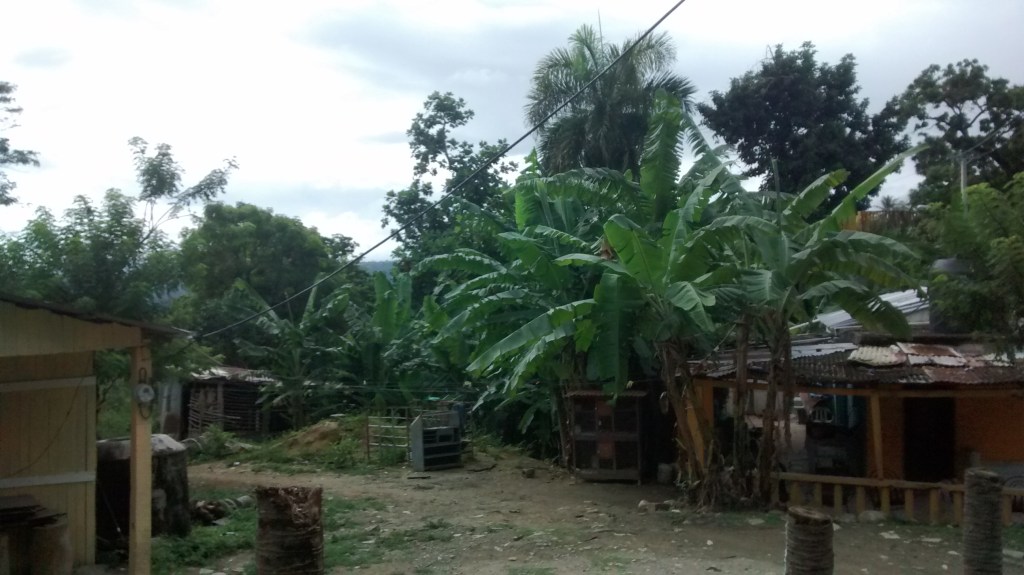
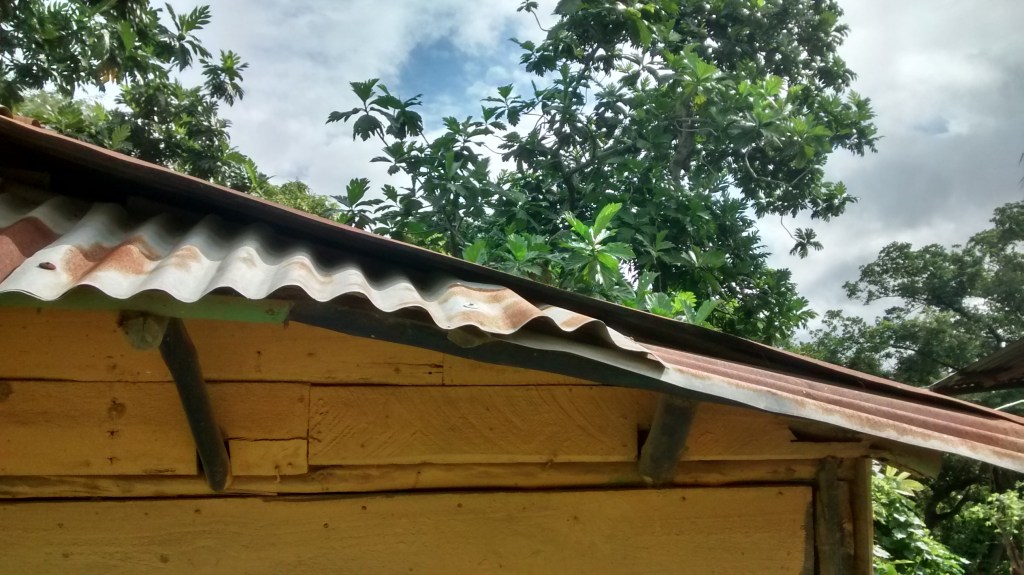
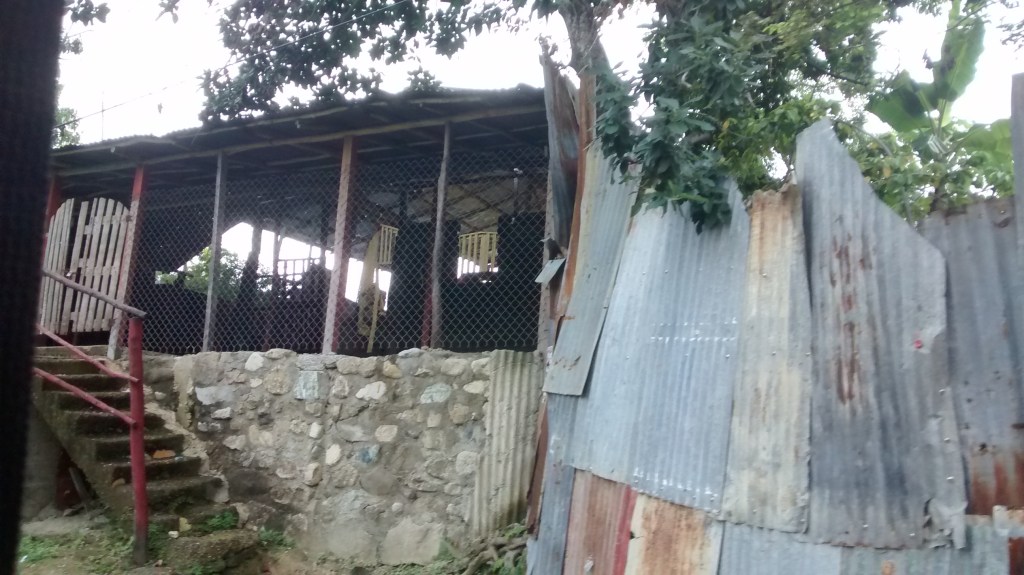
Observation 1: Cock fighting is still a thing here
It’s still perfectly legal here, fight nights are at the weekend. Here’s a den.
Lesson 2: This is how you make cassava.
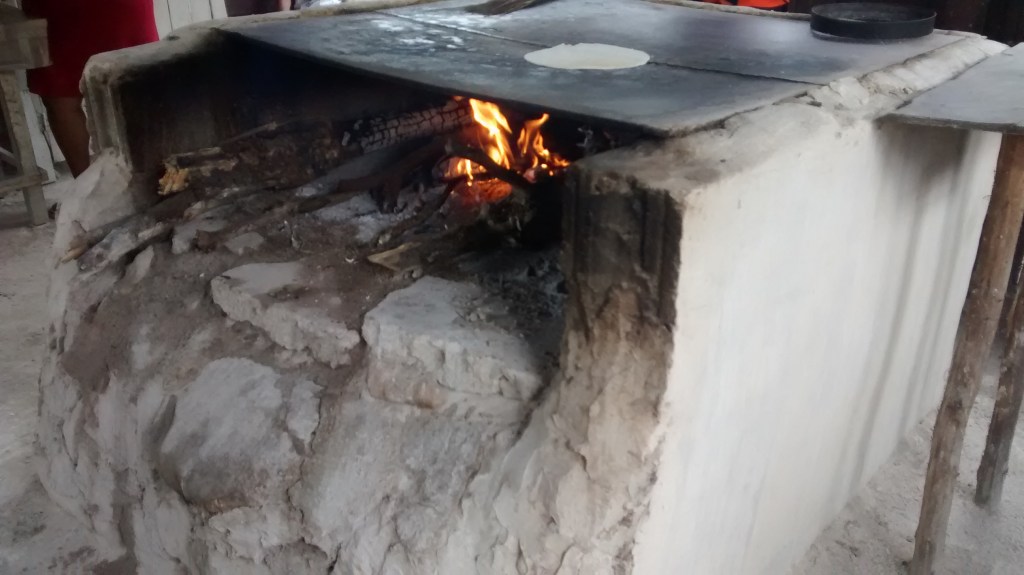
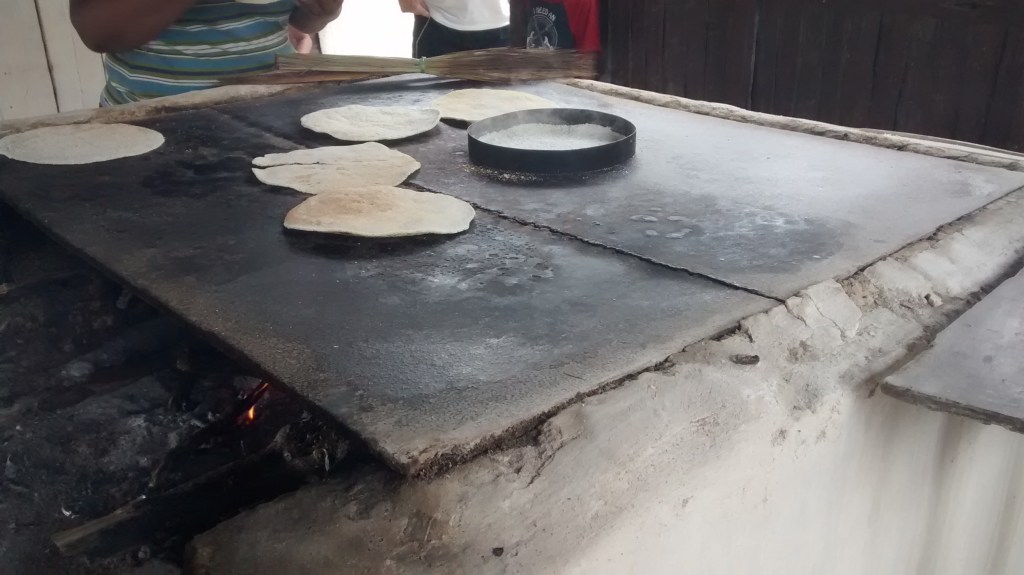
You grind the roots of the yuca plant, take the powder and smear it over the hot fire, turn it over, and you have cassava bread, a starchy relative of the poppadom, maybe more like a crisp pitta, a starchy crisp pitta.
Breadfruit…

Some more pictures on our way to the homestead.
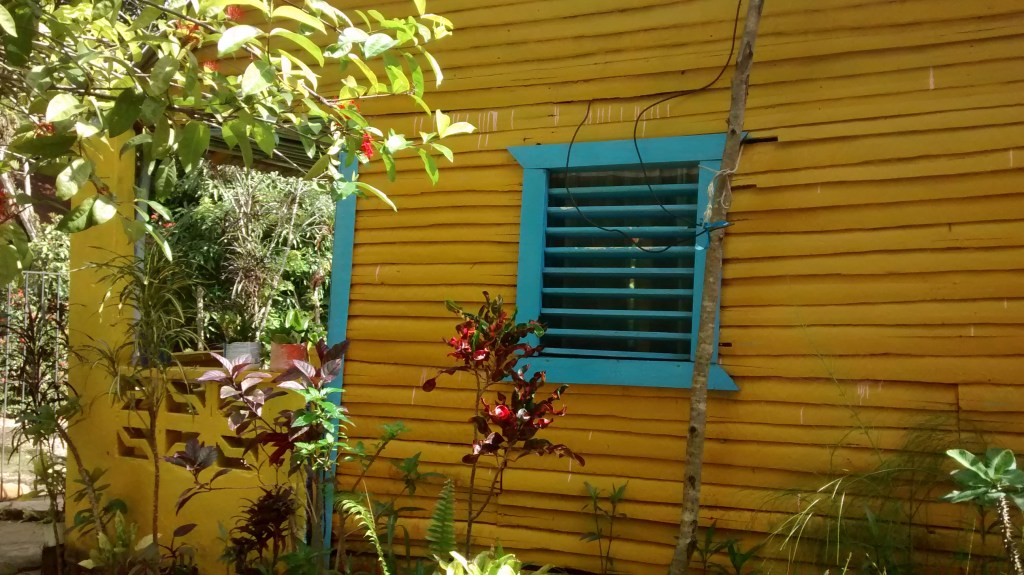
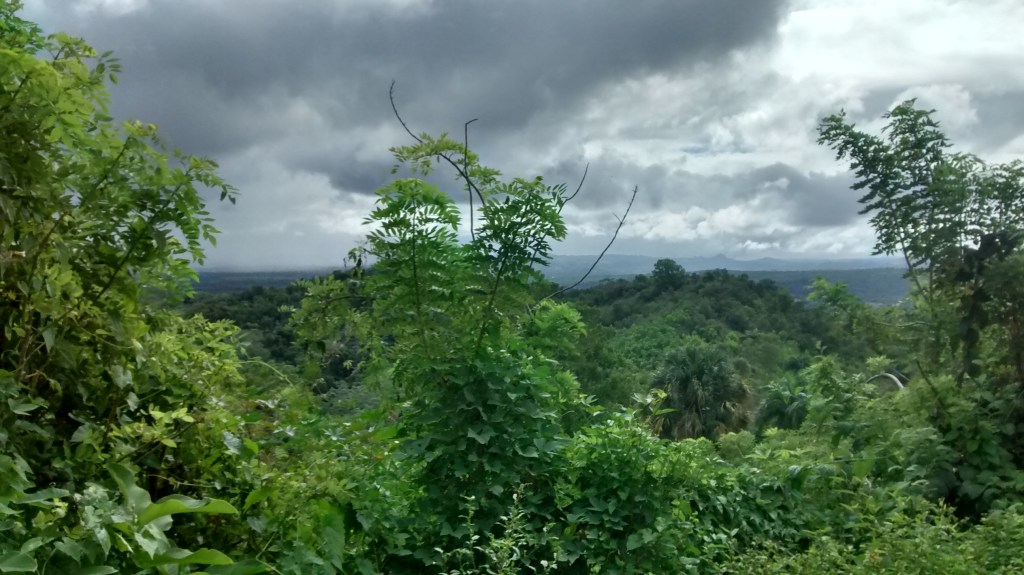
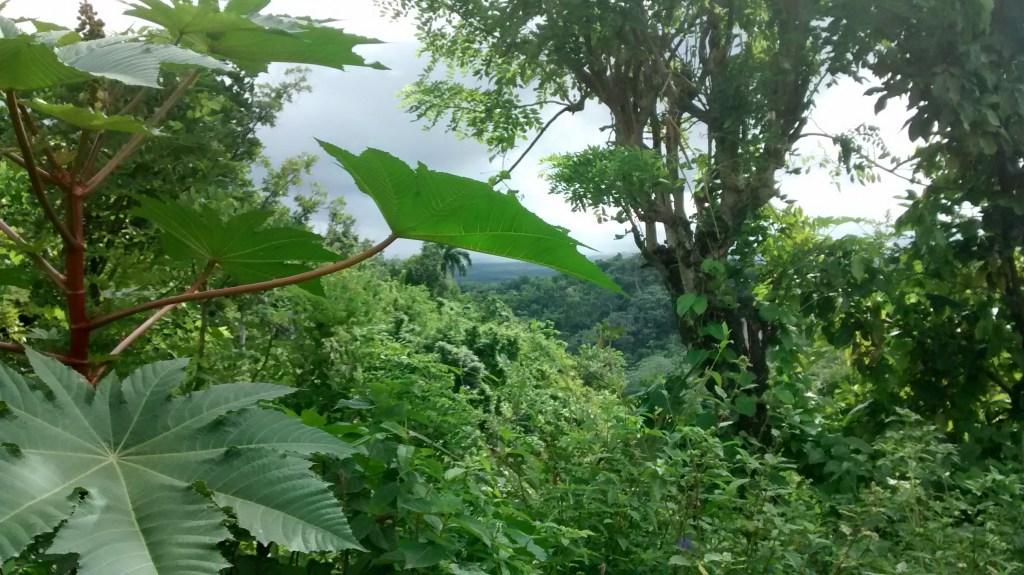
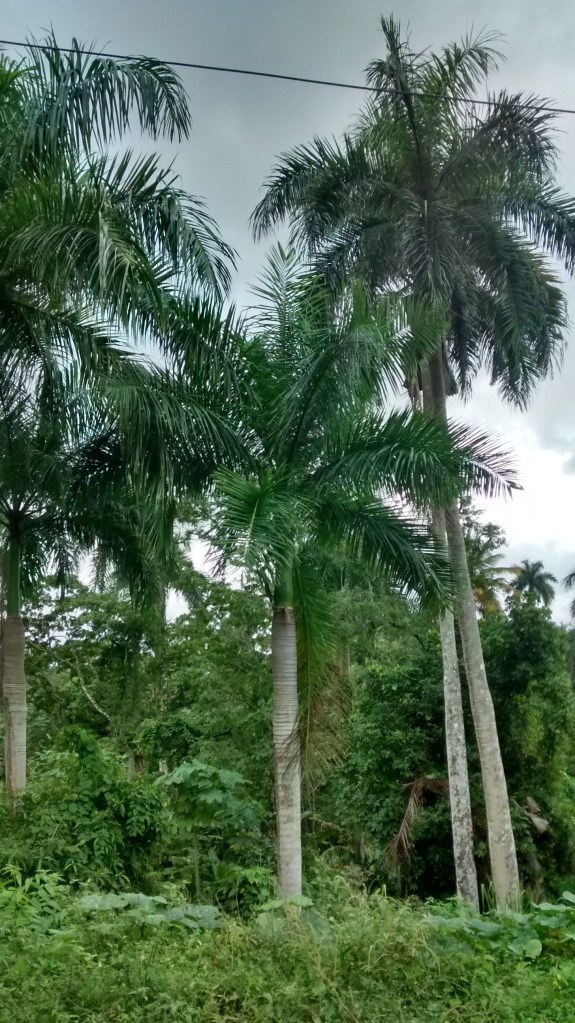
The bark of the Royal Palm was once used for house construction in Hispaniola before the government cut out the cutting down. Presumably the practice was not confined to DR, seeing as the tree is native to the Caribbean. Which leads us to something I picked up before the tour.
Learning 3: The Royal Palm is native to the Caribbean. The Coconut Palm is not!
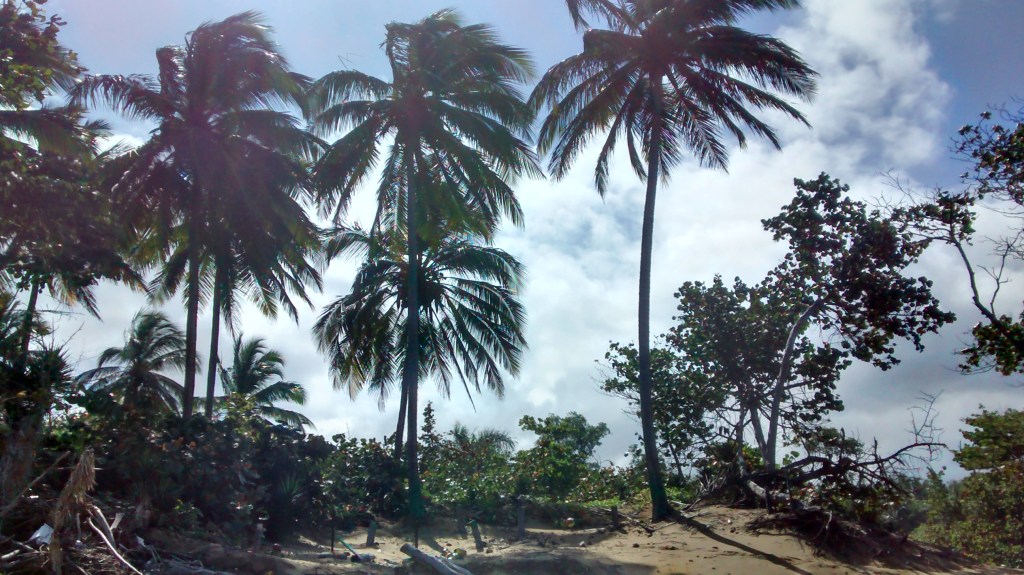
What conjures up the Caribbean better than the image of coconut trees, languorously reaching out of a glorious sun-kissed beach to sway gracefully against a deep-blue sky? But you don’t see any coconut trees in the earliest paintings of European arrival, and there are no words for them in the local indigenous languages.
Wikipedia tells us that it’s most likely that the coconut palm is native to the Pacific. Originally spread by sea currents and Polynesian sailors, Indian Ocean traders took them to India and the African coast, and later on the Portuguese brought them from their new colonies there to the New World.
Sorry.
Point 4: Some African populations were happy to jump onto the European slave ships
There was a lot of misery and death in those ships, which was bad for the African people.
There was also a lot of wood, which was great for the African termites.
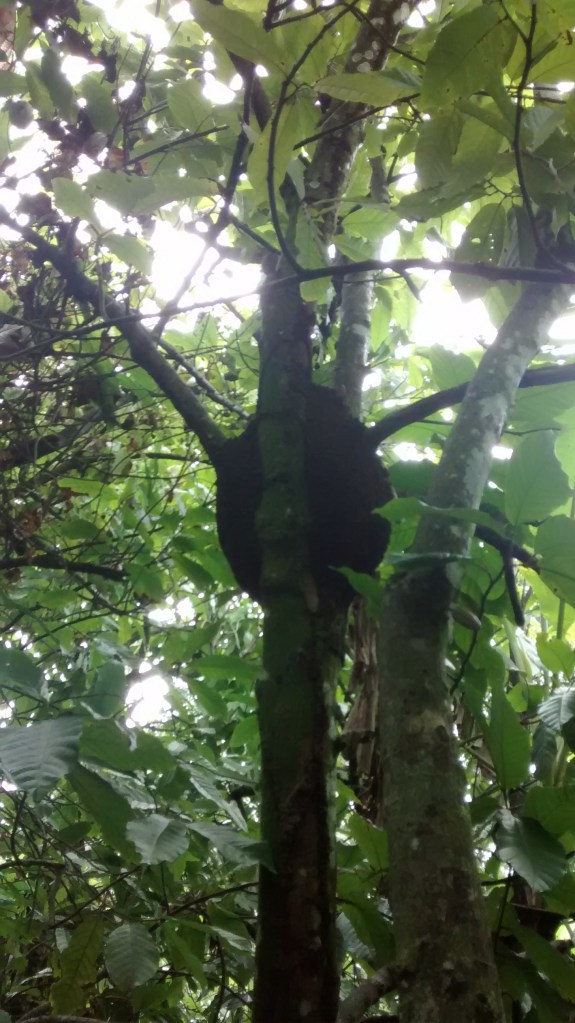
According to the guide, termites are a menace to agriculture on the island, I could only see one example – this one – on the plantation we visited. I suppose one damaged tree is bad enough.
By the way, the plantation produces what it produces – banana, cocoa, coffee, breadfruit, etc – purely for the family that live here.
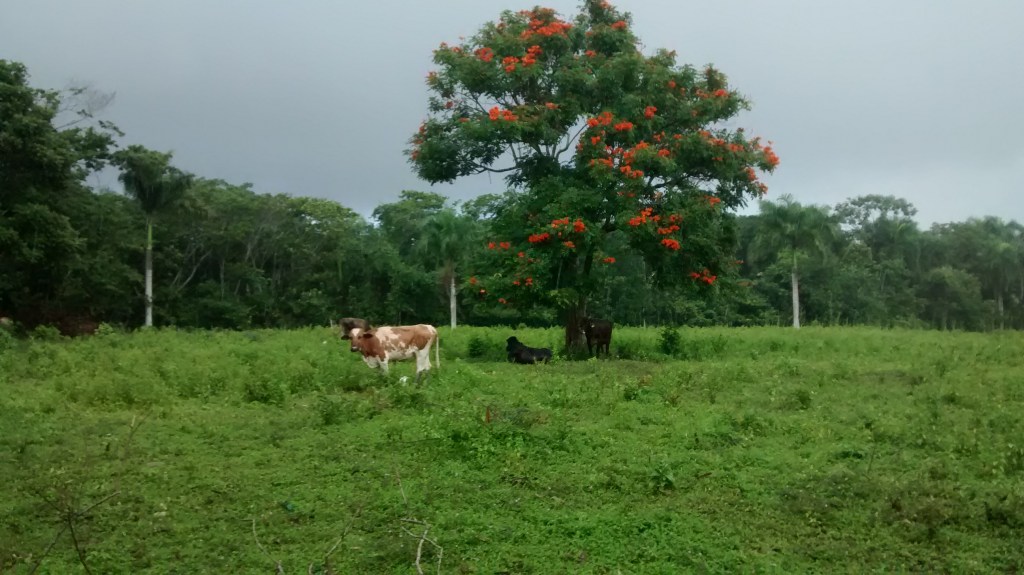
On the way to our lunch stop now. Here’s a cow.
Lunch at the tour company’s restaurant, and there’s a poster with an interesting historical tidbit on the dining room wall…
Learning Opportunity 5: The Dominican Republic once played proper sports
Baseball is king here. Many of the greats originated from this small country of 10 million souls, and most places will have a baseball diamond here or there. It wasn’t always like that though.
At the beginning of the 20th century a community of Caribbean people from the neighbouring British-oriented islands appeared in DR as workers were brought in by the sugar plantations. Cricket was their game, of course, but when the Americans invaded in 1916 they put a stop to this source of immigration (the poster suggests a racist motive) and the subsequent Americanisation of the Republic saw baseball supplant cricket.
But who had the last laugh? According to Outback Adventures’ poster, the majority of the hundred-odd baseball players from DR playing in the world’s big leagues have their roots in this old British West Indian community.
BTW, I don’t mind baseball at all. It’s not NFL.
Off now to our final stop, a painful drive down a pot-holed track that’s worth it in the end.
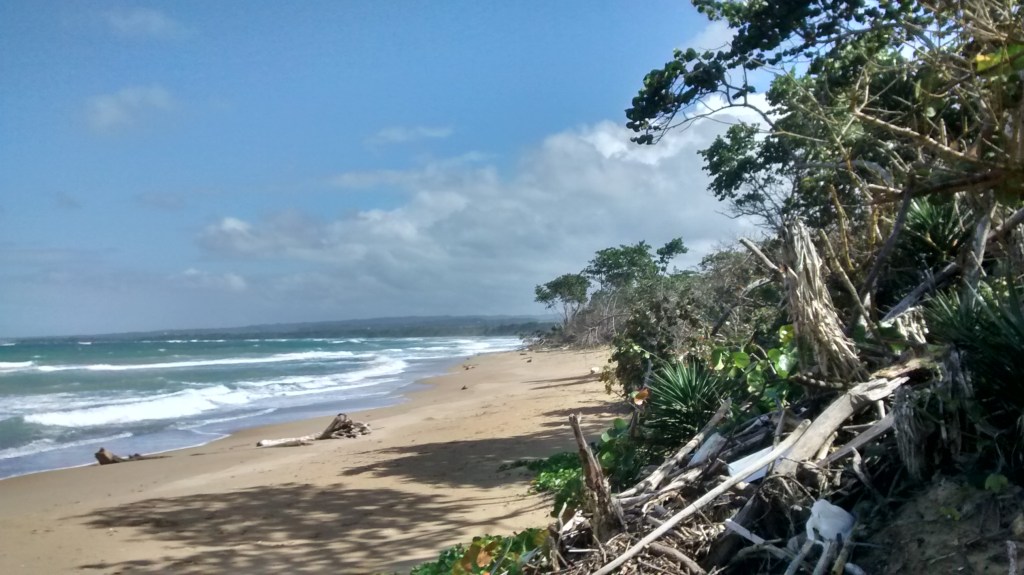
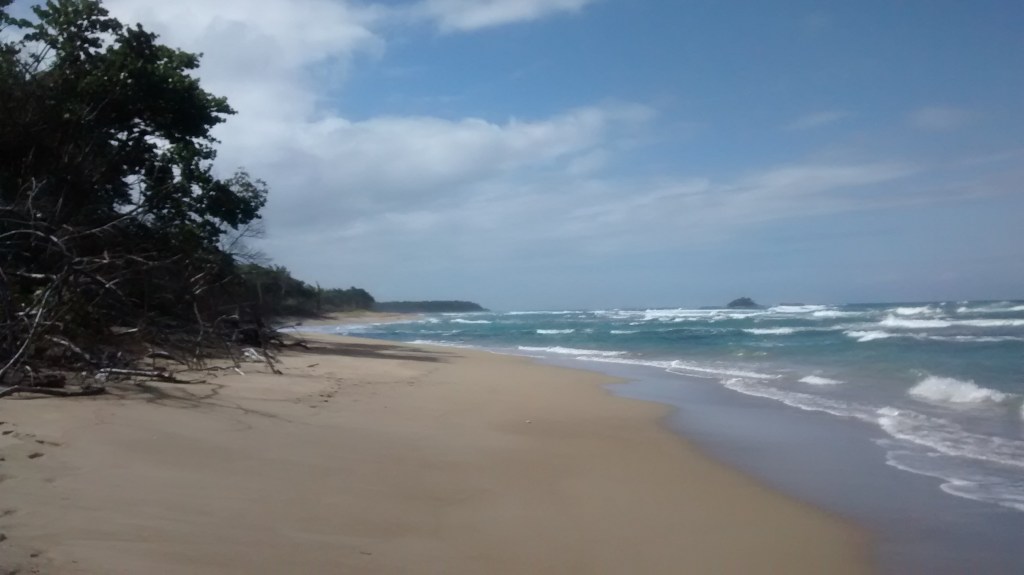
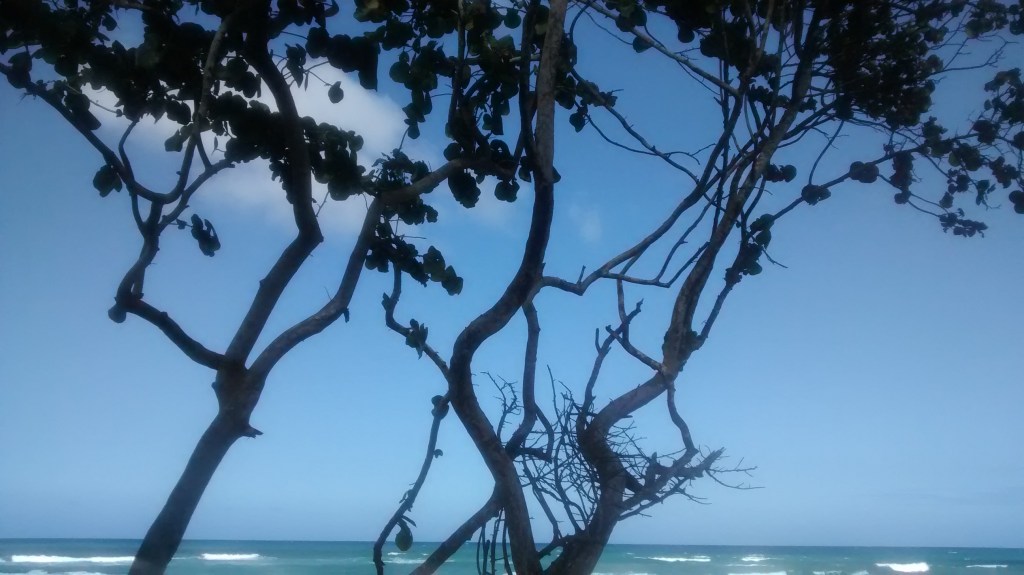
Number 6 : Any posting about the Caribbean must have some pictures of a beautiful beach at some point
And here it is, the beach at Boca Nueva, next door to Playa Dorada.
I think we have all learned something today.
 orwellianTwo