As you’re aware, I am trying to take opportunities to break away from the comfortable self-contained world of the foreign tourist’s gated resort, with its sanitised notions of tropical “paradise”. For today’s authentic experience, I spent the day alongside some of the Dominicans who are employed in the tourism industry, the country’s biggest money earner and source of employment.We would leave Puerto Plata and travel the one-and-a-half hour journey to Punta Rucia, just 100 kilometres from the Haitian border.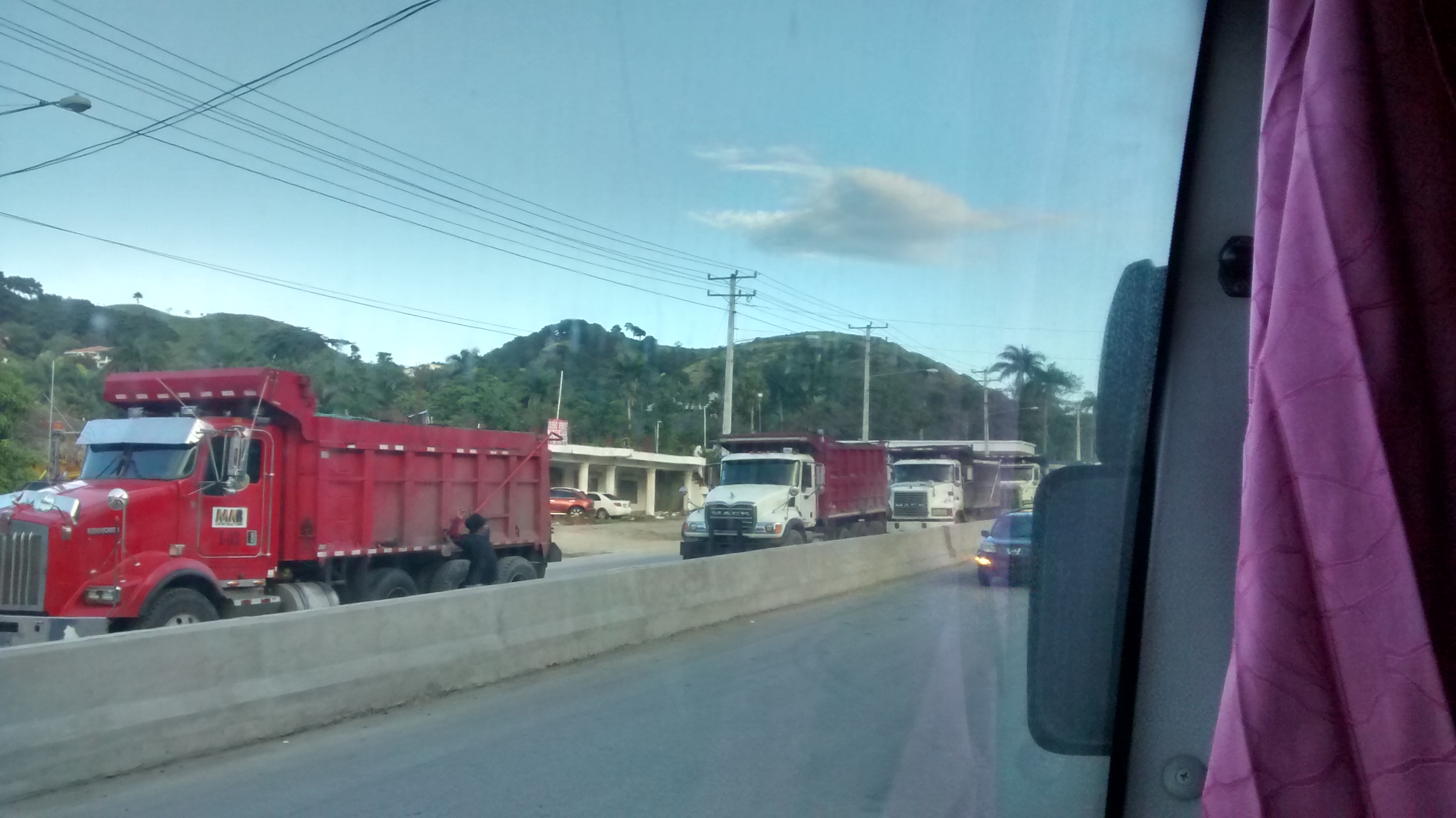
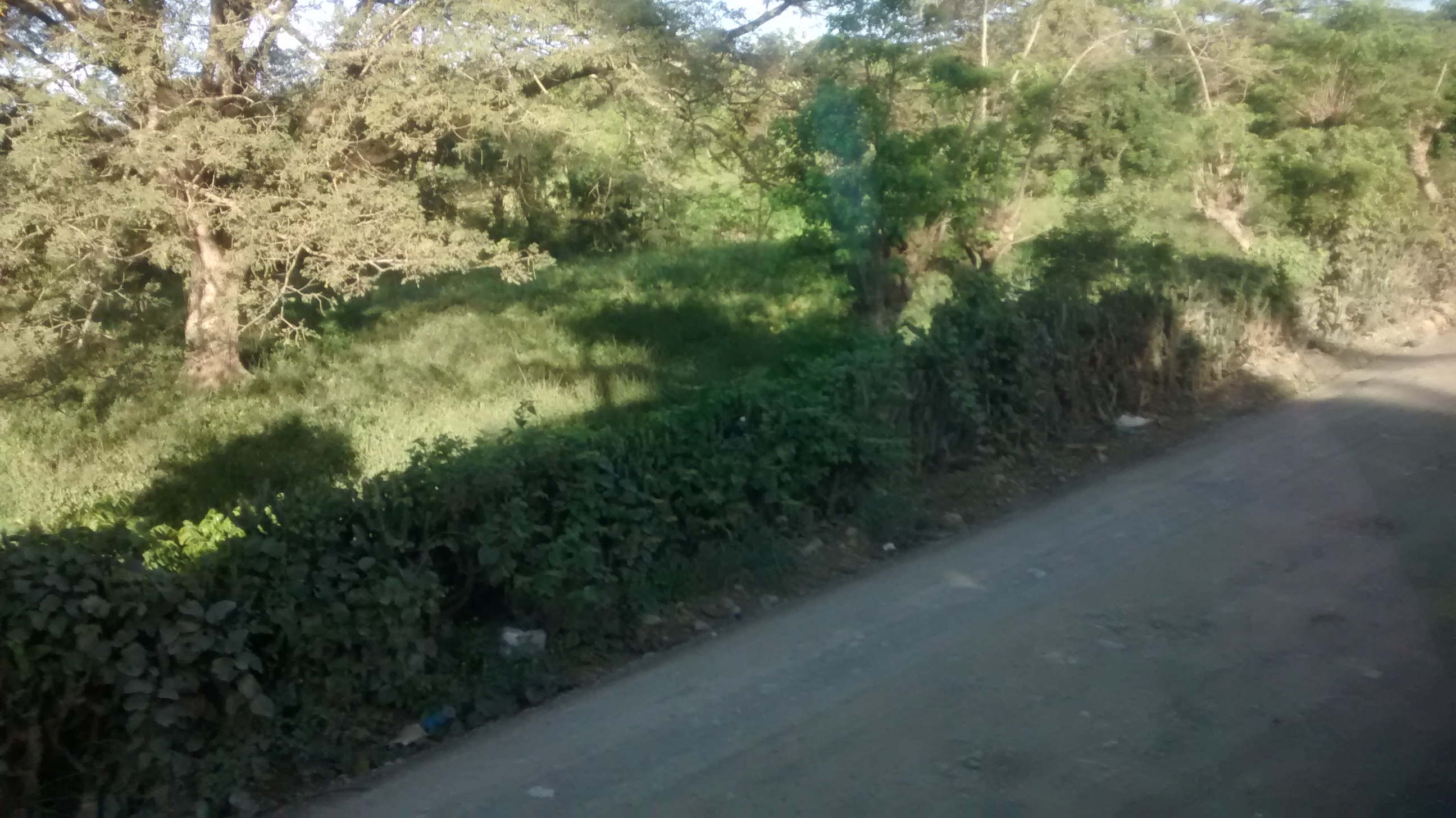 Passing through La Isabela, the village near where Columbus reached Hispaniola and site of the church that witnessed the first Christian mass in the Americas, the journey revealed many other ways on which the West has impacted the lives of the local population – villages constructed near sugar plantations, the cultivation of tobacco, bananas, and other agriculture, the steady presence of the Roman Catholic church and the growing intrusion of American-funded evangelicalism.
But what of the interaction between our workers – the tour guide and his driver – and us, the privileged, mostly white (though not all of us) tourists? To understand the social relations at play, I registered my own locus of intersectional experience at the shoreline and joined the guide as he teamed up with two of his colleagues, the speedboat pilots who were going to take us all to one of their places of employment.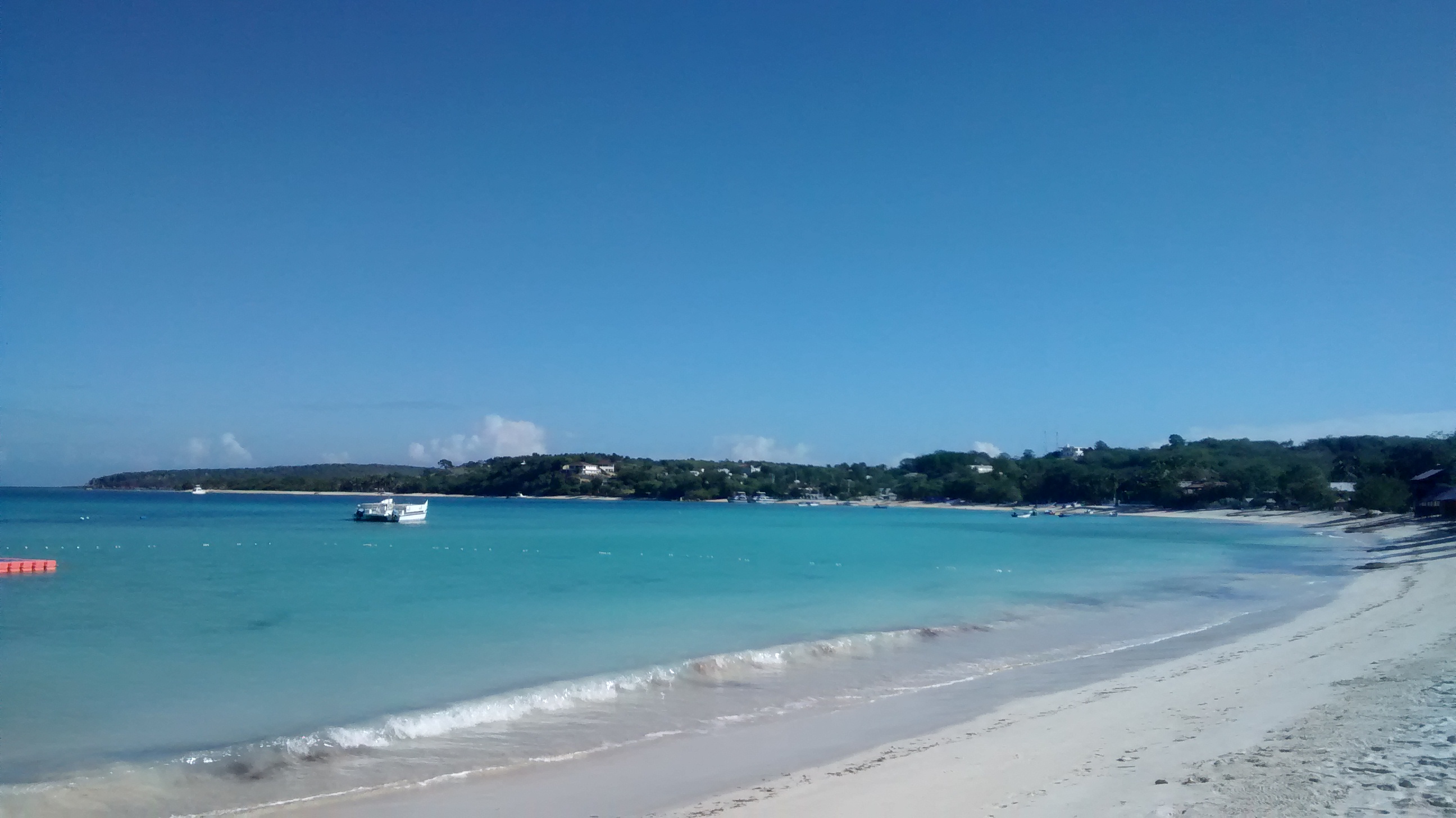
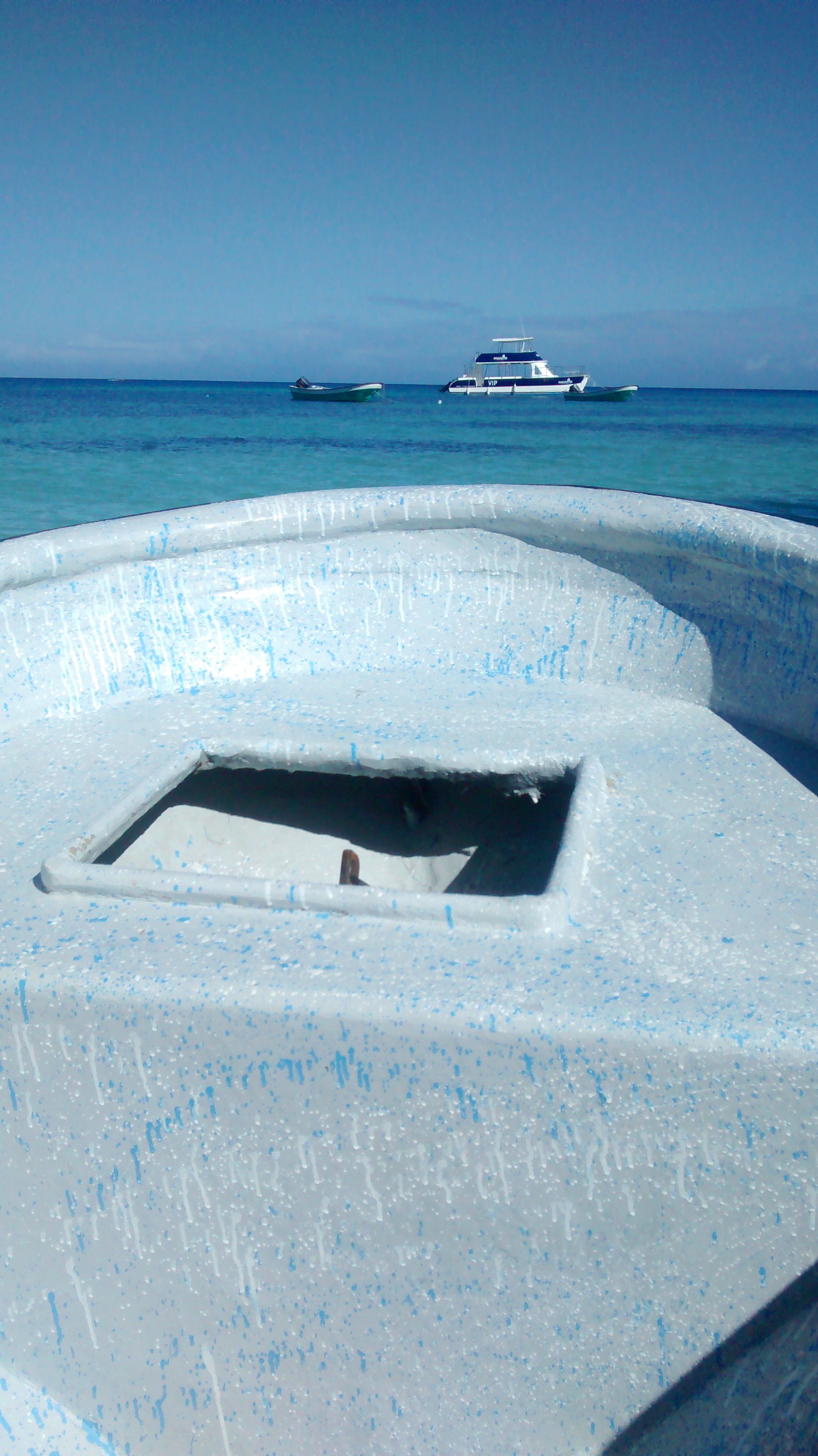 That place was Paradise Island, a tiny sandy cay a 30-minute hair-raising ride from the beach.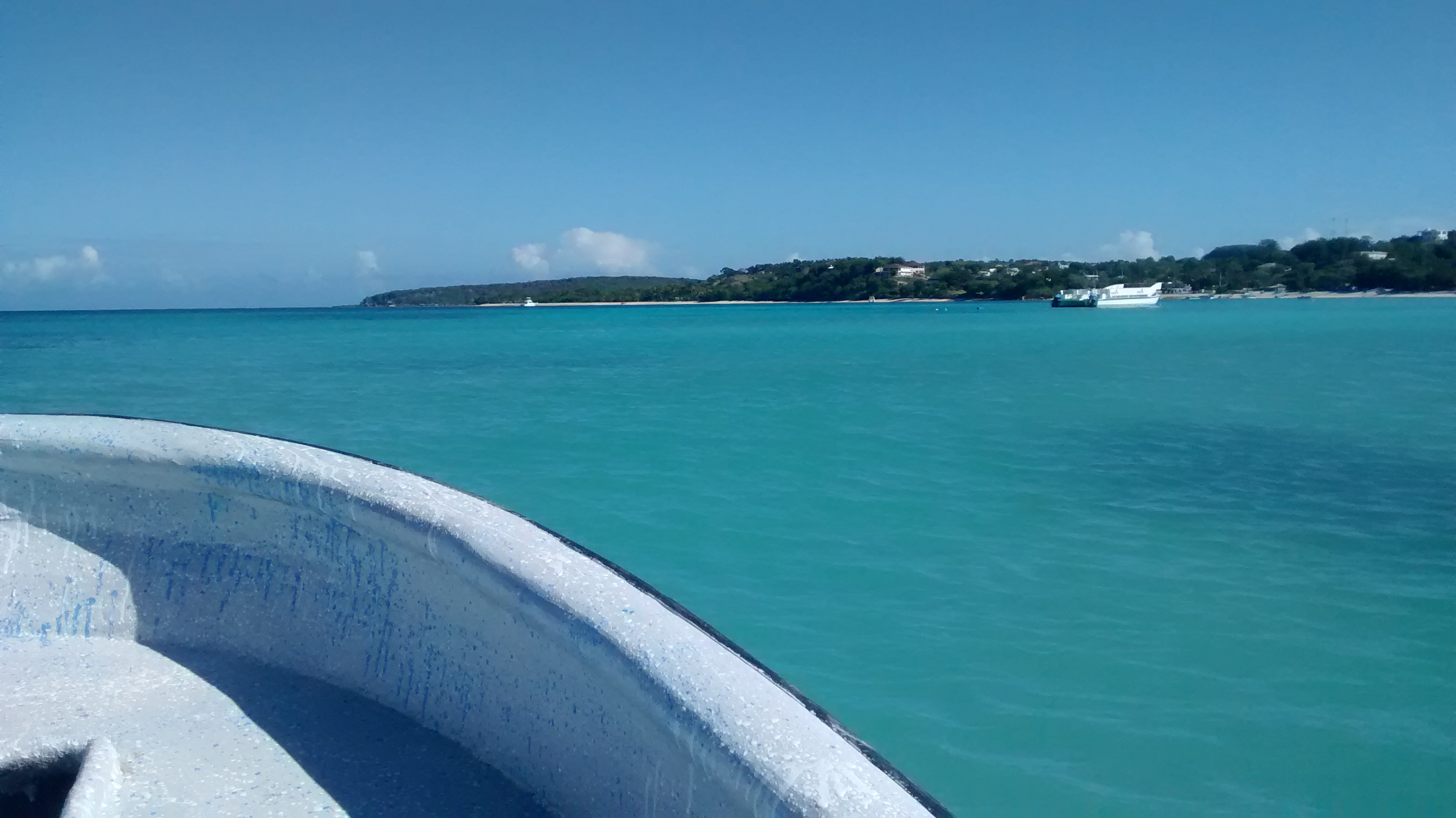
 The sandy cay is uninhabited, only consisting of a dozen shacks for the tour parties that come out here. Like most cays, it rises very gently out of the water and sometimes disappears beneath the waves. On those occasions it is not open for business.The low sea shelf means you can stand up in the ocean a good few metres away from the sandbank, making for easy snorkelling.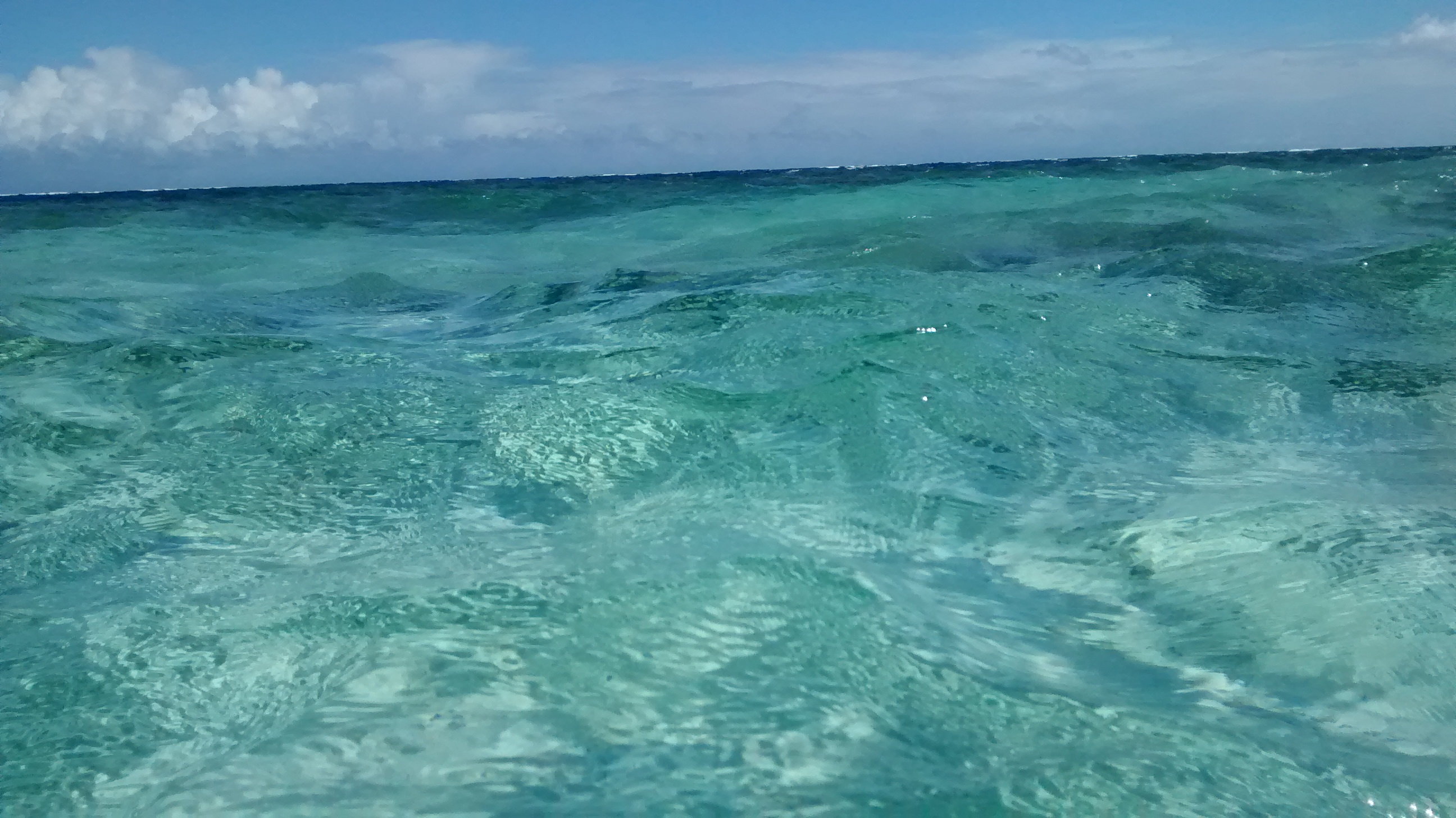
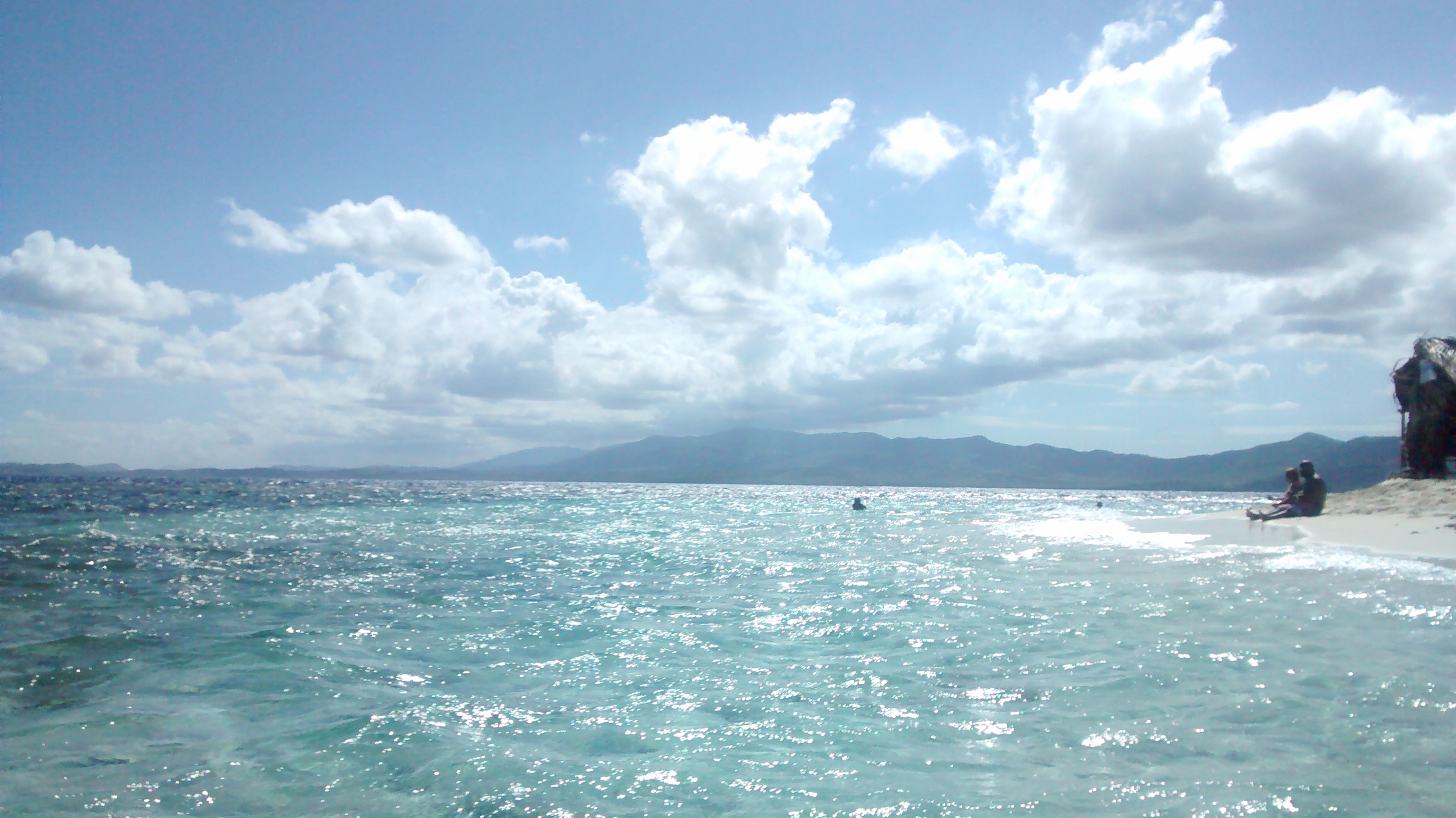
 Our group reached the bank early enough in the morning to see the local fishes before they were driven away by the incoming waves of later tourists. (And by me, waving at them underwater).
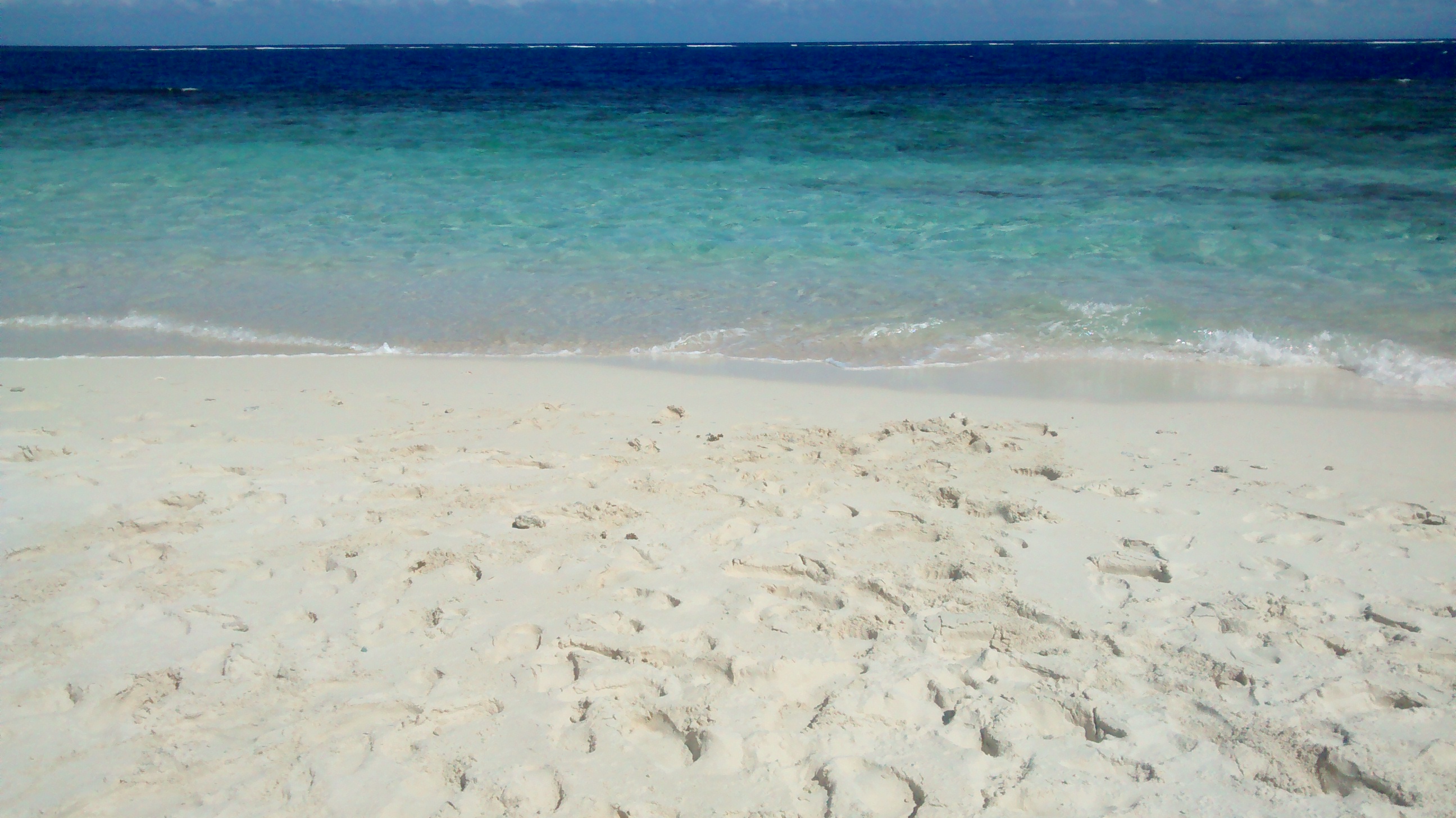 Environmental protection is of course central to the leisure offering being offered here. The hundred-or-so day-trippers that eventually crowd the bank before flooding the “unspoilt” waters, are not allowed to bring their shoes with them lest they damage the sand.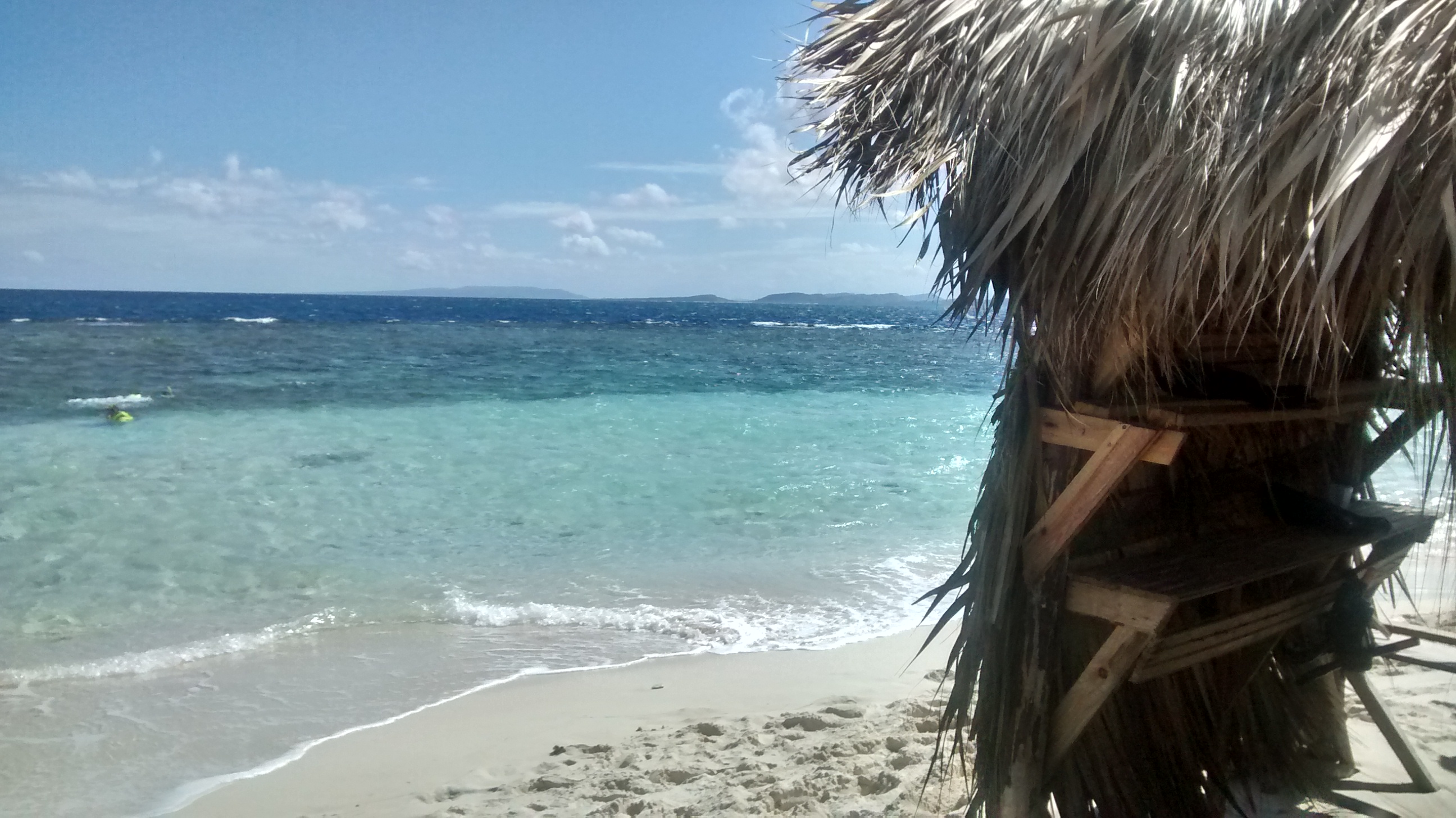
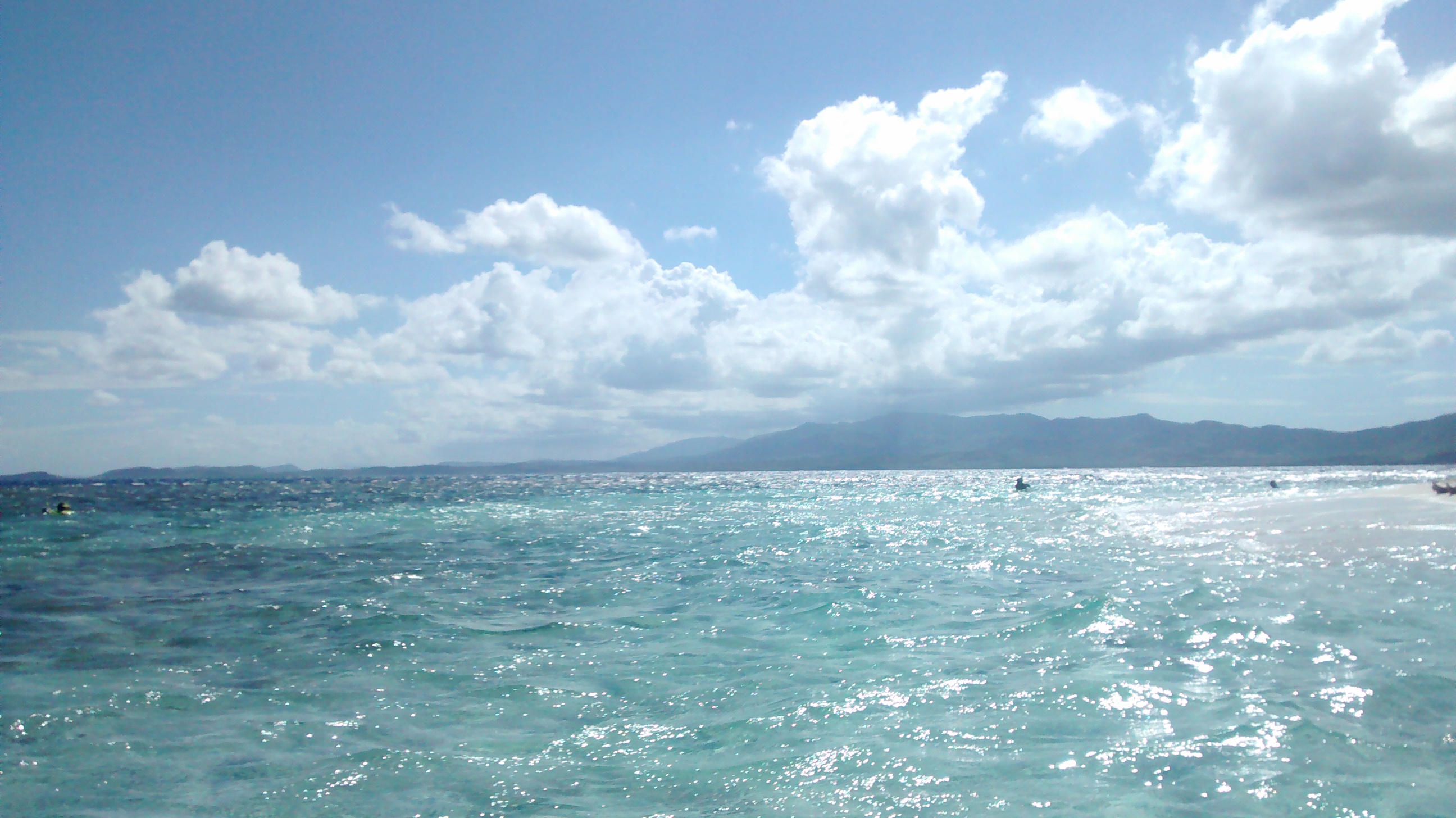 The name Paradise Island is most probably a concoction of the global tourist industry to sell conceived notions – hang on, it actually was paradise!My exploration of the socio-economics of tourism soon drew to its conclusion, and we headed back to the little boats for the bumpy return to shore.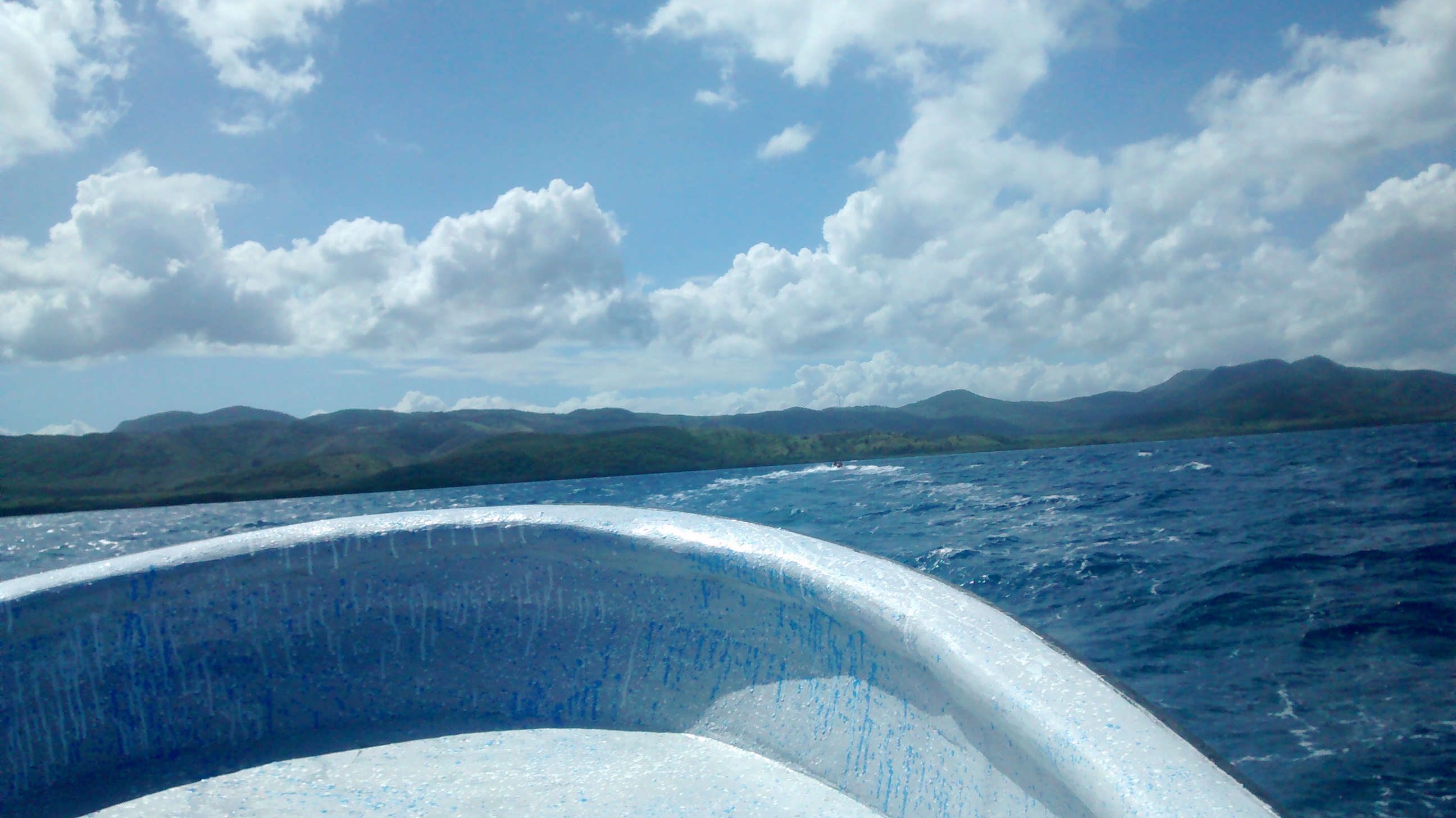
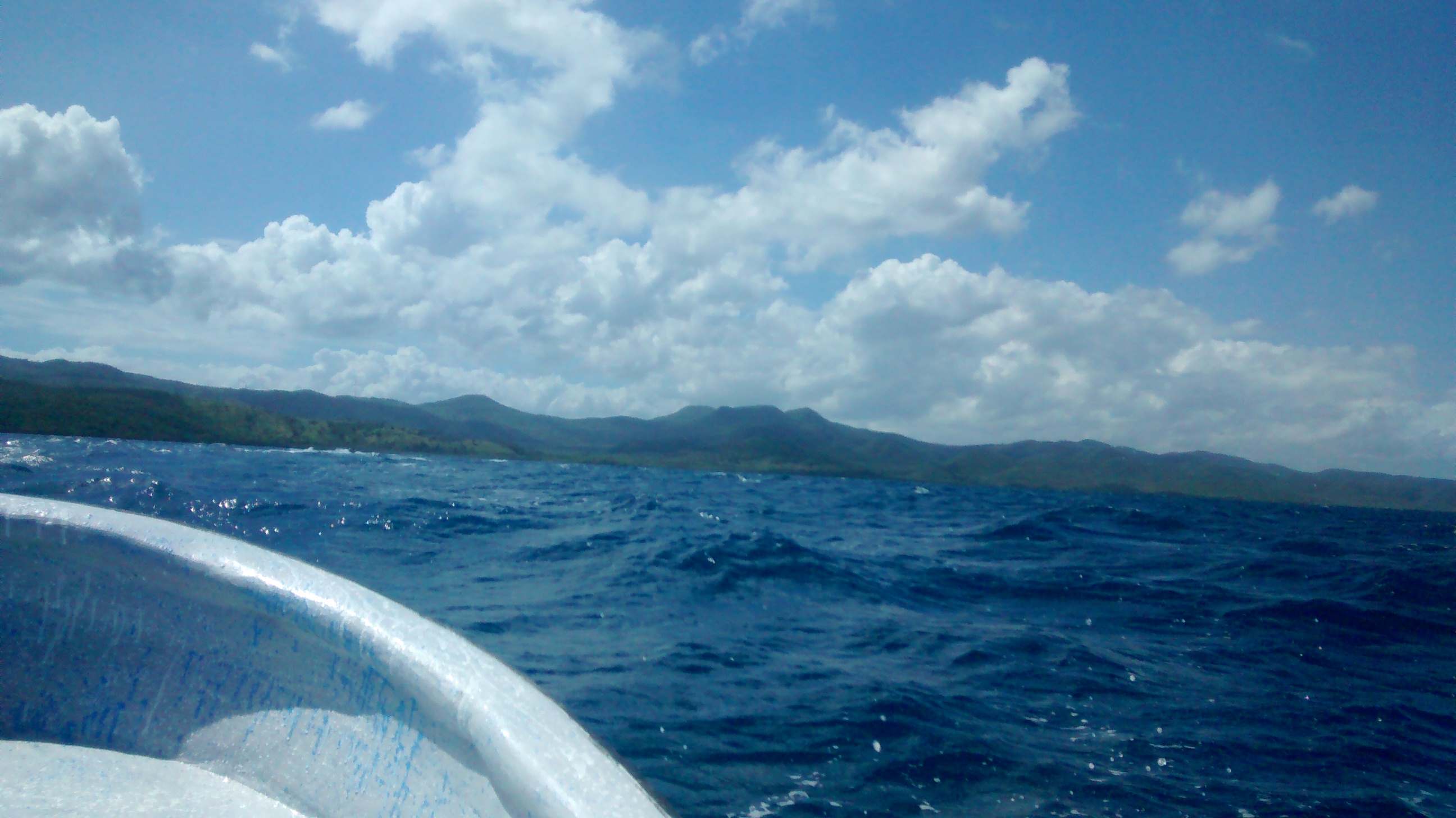 As we headed back, I began to be concerned by some internal contradictions within global capitalism and global tourism. Major American soft-drinks corporations were represented on the bay, as were local rum makers, and the journey back to my hotel witnessed an ongoing dialectical struggle between their joint products, the rough sea, the long bendy roads, and my stomach.
On the way back to land we slowed down and sailed through an impressive mangrove swamp…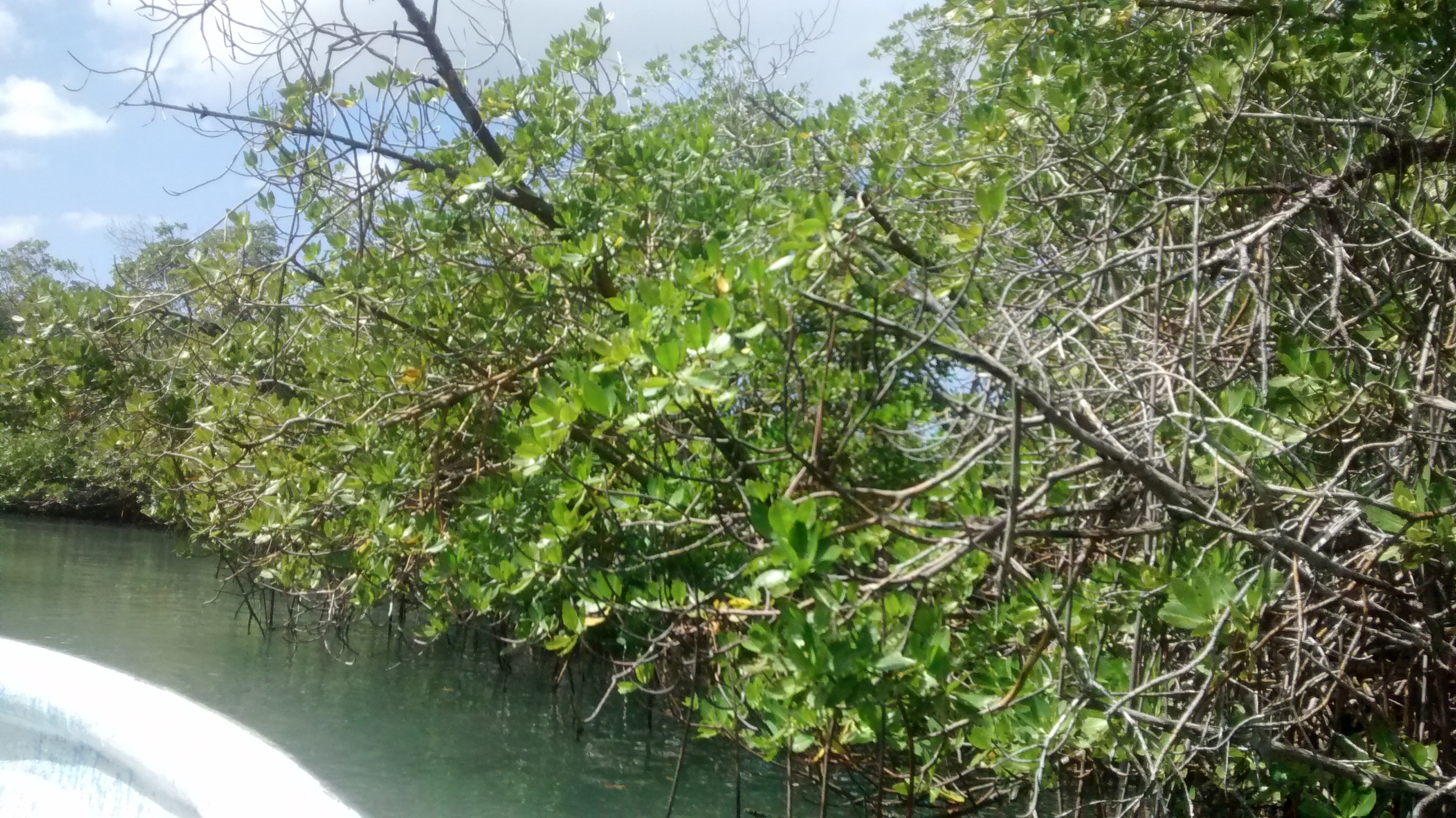
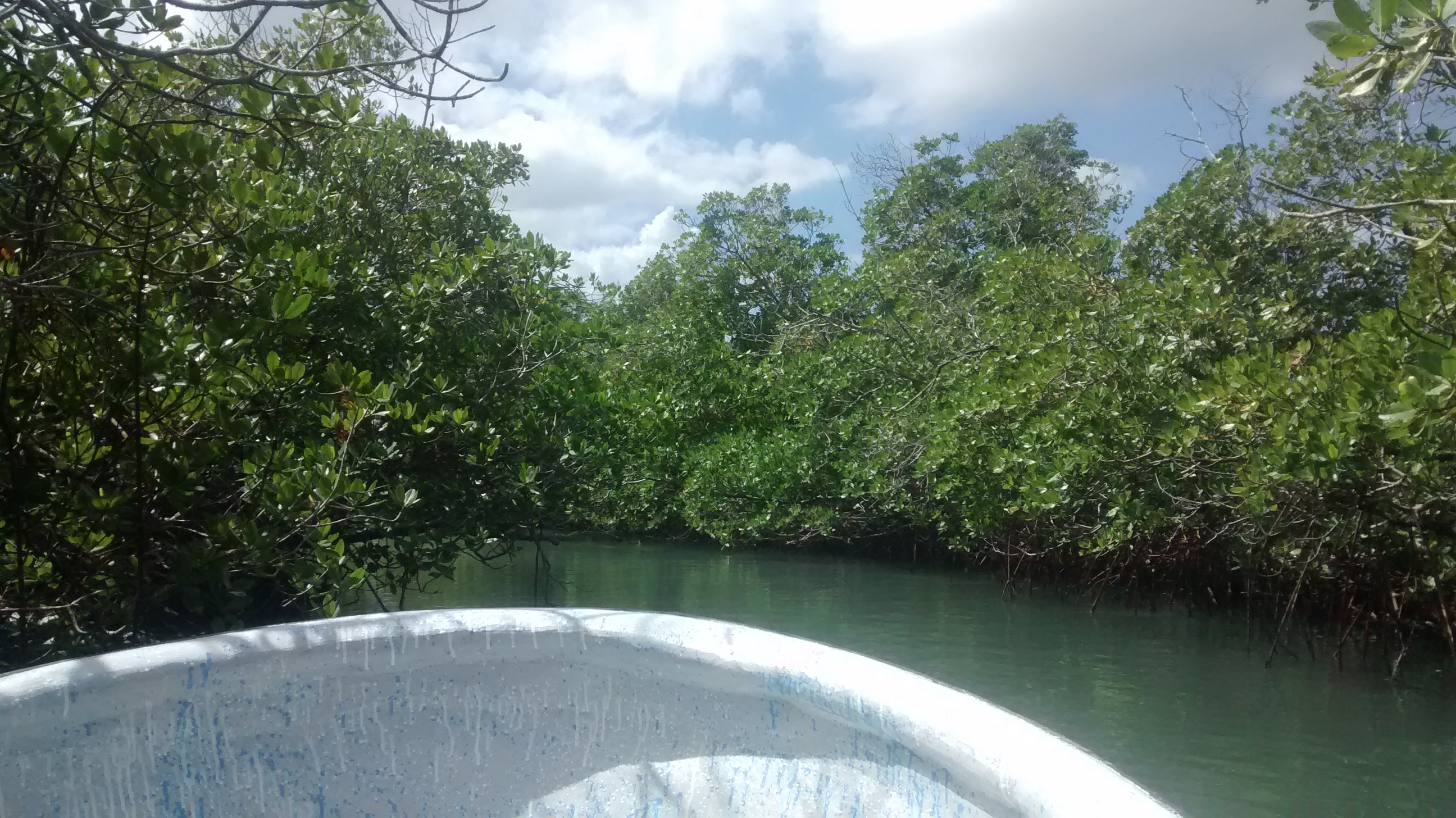 …before hitting the rough open sea again, and arriving back on the beach.
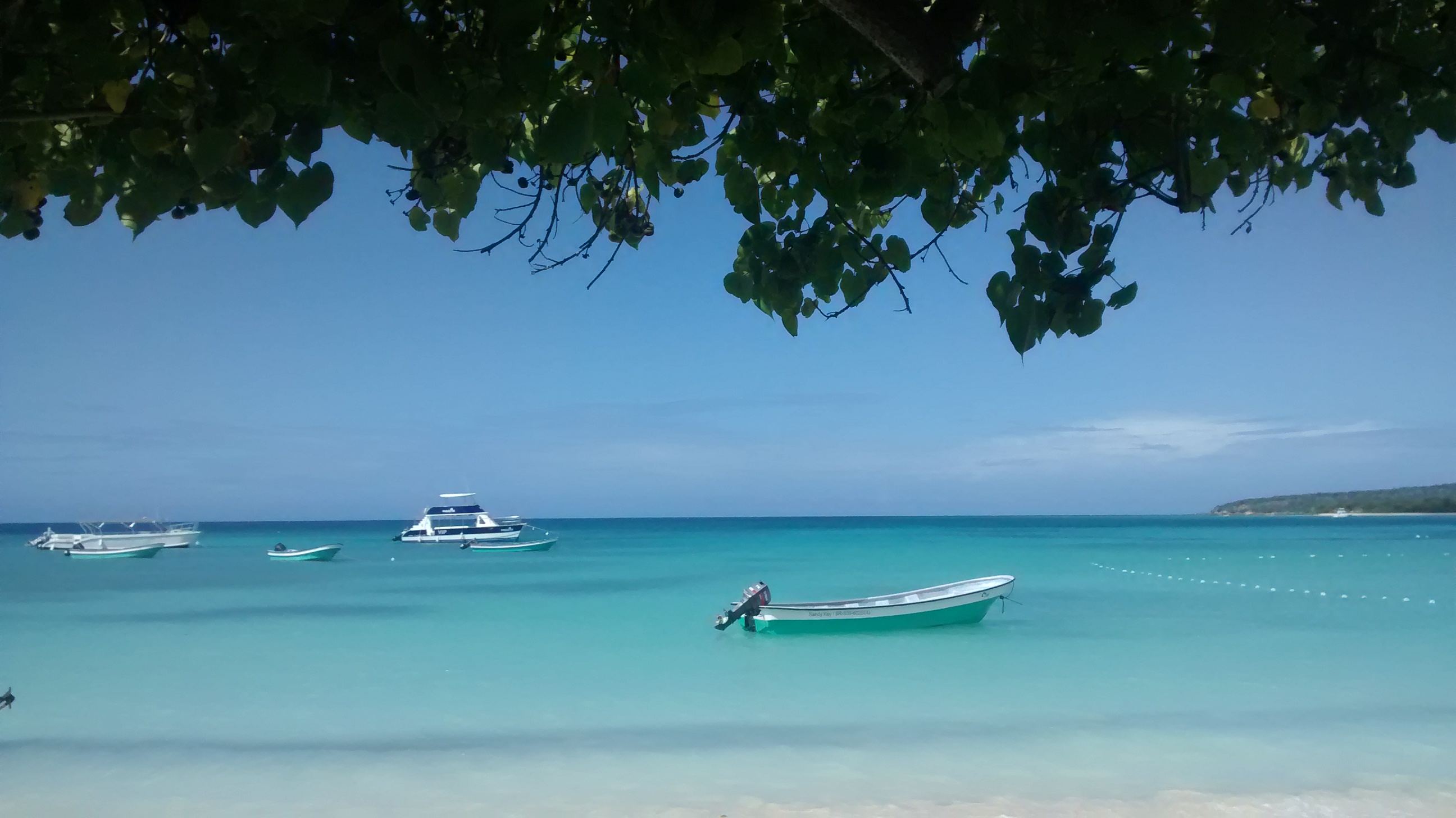 Soon it was back on the road, and about two hours later – after the now obligatory stop at a old-time-workshop-cum-souvenir-shop (this time involving tobbaco rolling)…
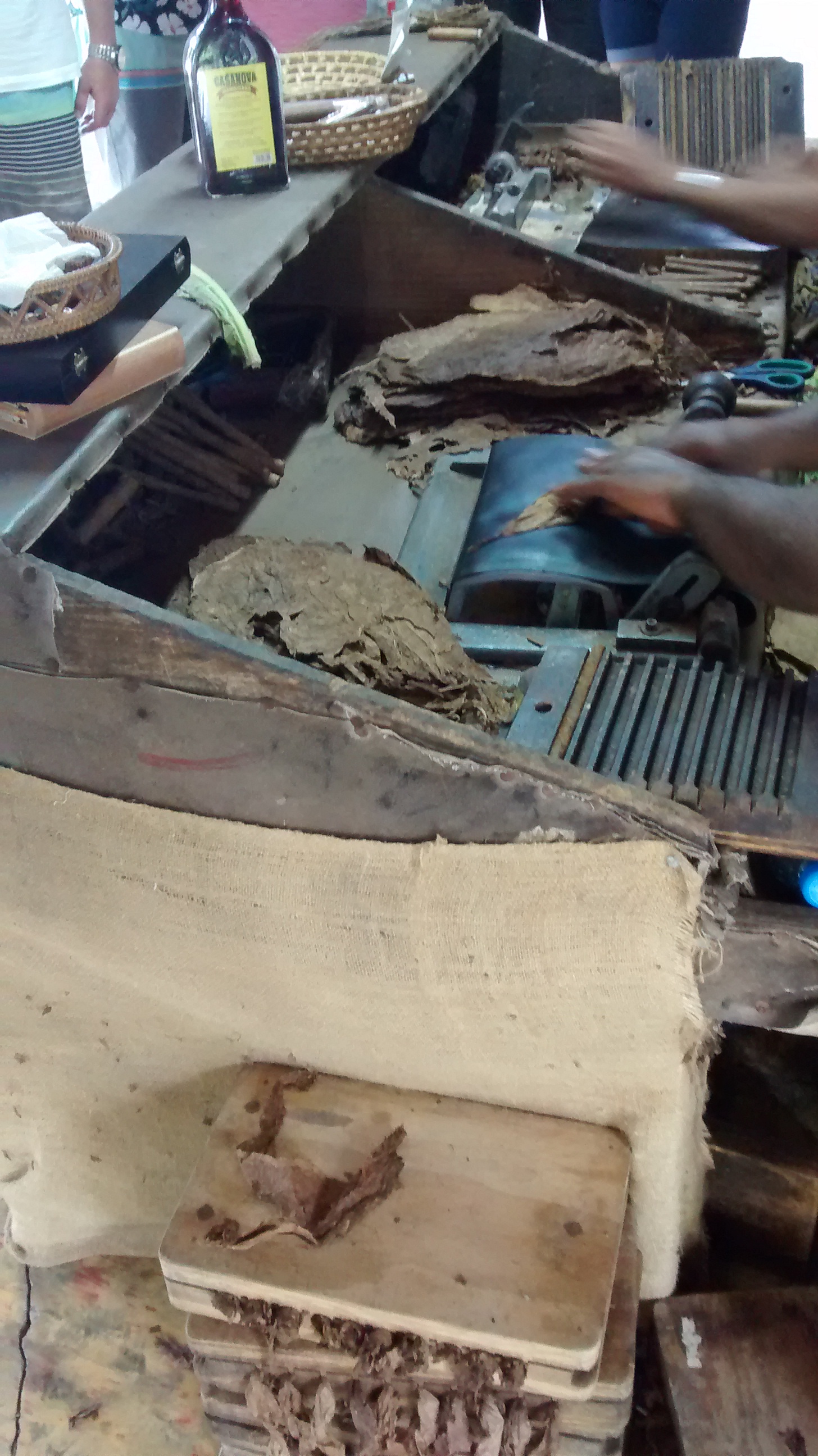 …I was back in the hotel.Verdict; the highlight of my trip so far, from start to finish an absolute blast – err I mean a well-aimed blast at the contested power-relations within global tourism, conceived notions, authenticity… err…and stuff…
Well, that attempt at sociological analysis didn’t go very well did it? But even if your microscope managed to detect the humour, the joke was absolutely not aimed at the people who made this tour possible, the tour guide, the driver, boat pilots, attendants, lifeguards, cooks…and it’s time for a shout out to all of those underpaid people who work in tourism all over the world, sometimes unseen, working incessant hours to make other people’s dreams come true.
And finally, a mention to those guides who spend so much time explaining where they come from with knowledge, passion and unstinting love for their country and their people. Guys and girls, wherever you are, you are breaking down borders and bringing the world together one roadside stop at a time!
 orwellianTwo
Leave a comment