I rushed the guards at the front gate and managed to temporarily escape the resort for an afternoon. And so I joined a half-day tour of the nearby city of Puerto Plata.
Warning; this tour begins with a visit to the Macorix rum distillery. There were a number of tastings. Please treat the following account of the day with a degree of caution in regards to its veracity and accuracy.
Our next stop on our trip to the Moon was to one of the many jewellers in DR that polish and sell precious stones to tourists. There are three main stones that the country specialises in – amber, larimar and coral. (They keep telling me the coral’s not endangered).
Larimar? It’s a variety of blue pectolite that’s unique to the Dominican Republic, and was only officially discovered in 1974. You cut the stone to reveal the marbly blue stuff.
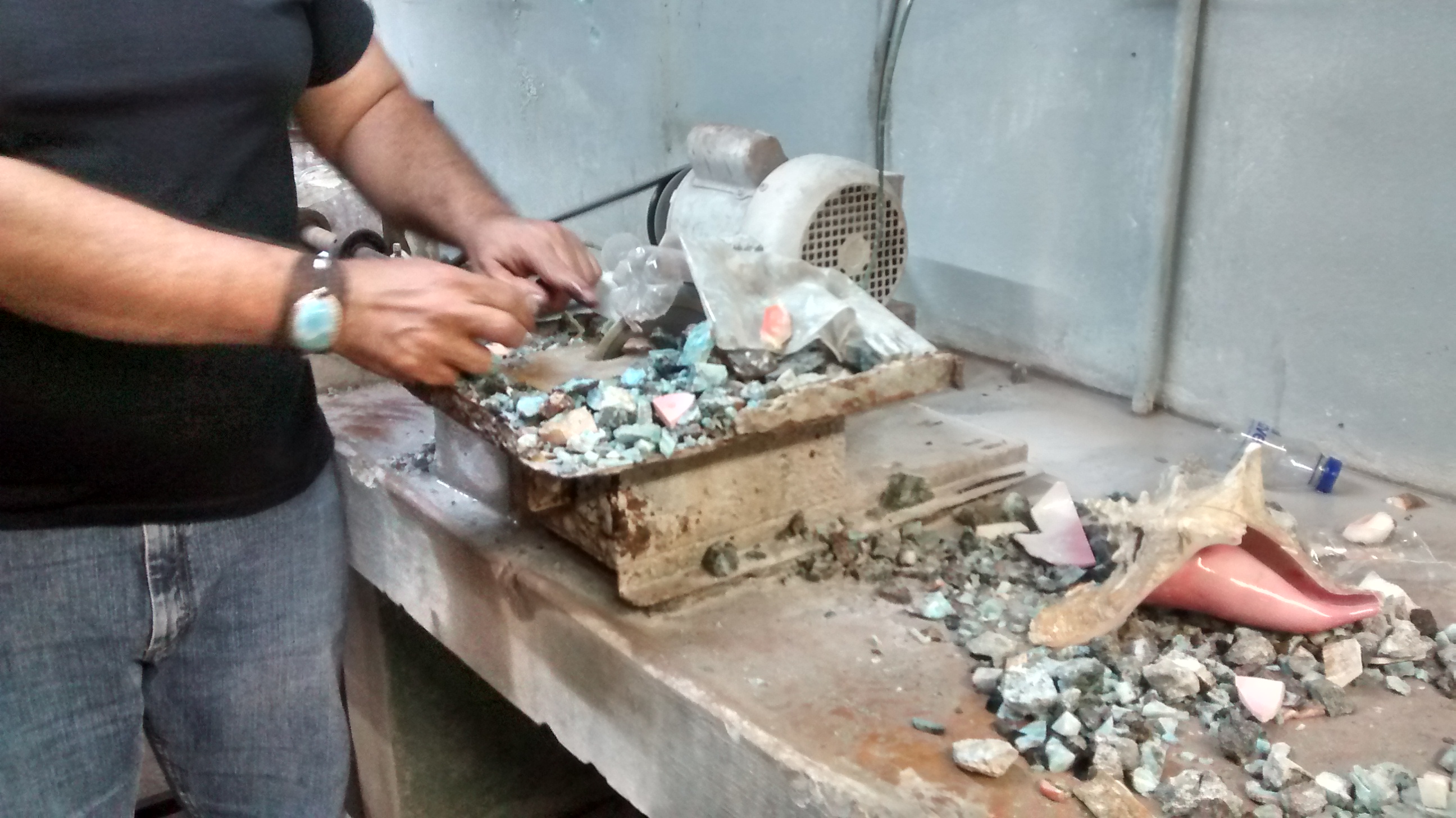
Here you see our store guide cutting chips of the bare stone. It doesn’t look all that much, until you see what’s on his wrist.
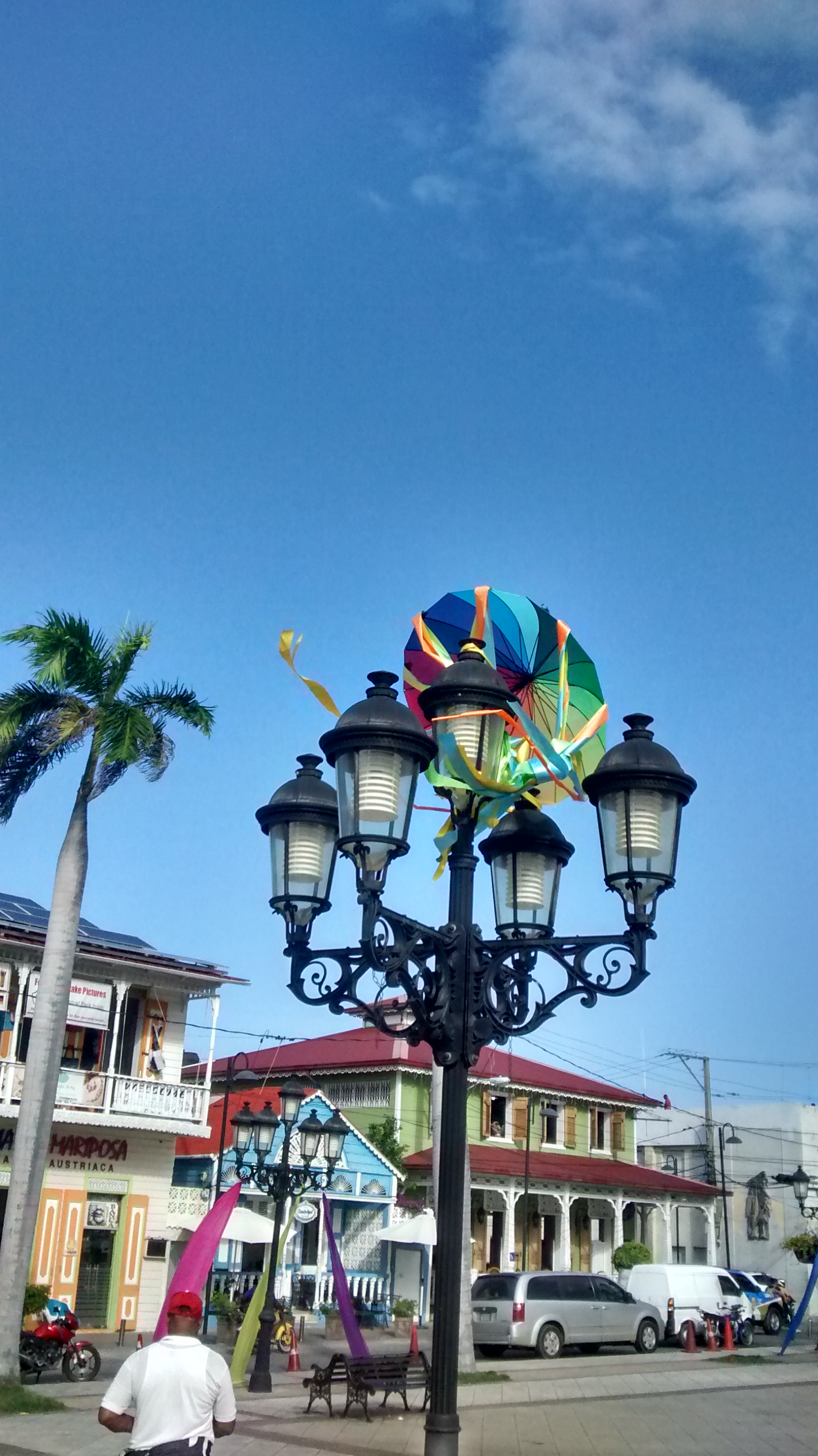
From the jewellers, to a chocolate factory, and then onto the central plaza. Time for some photos of the old town of Puerto Plata.
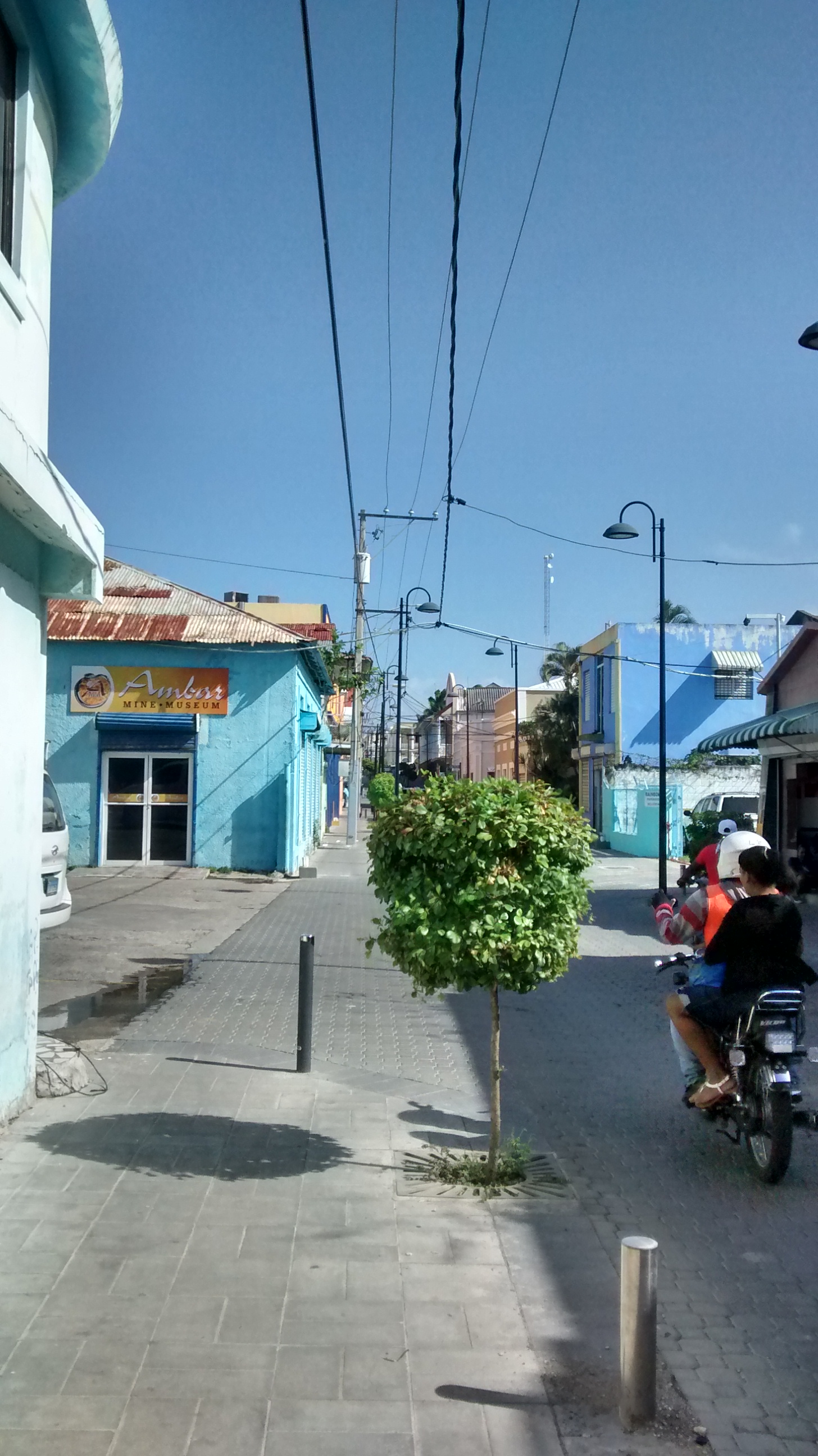
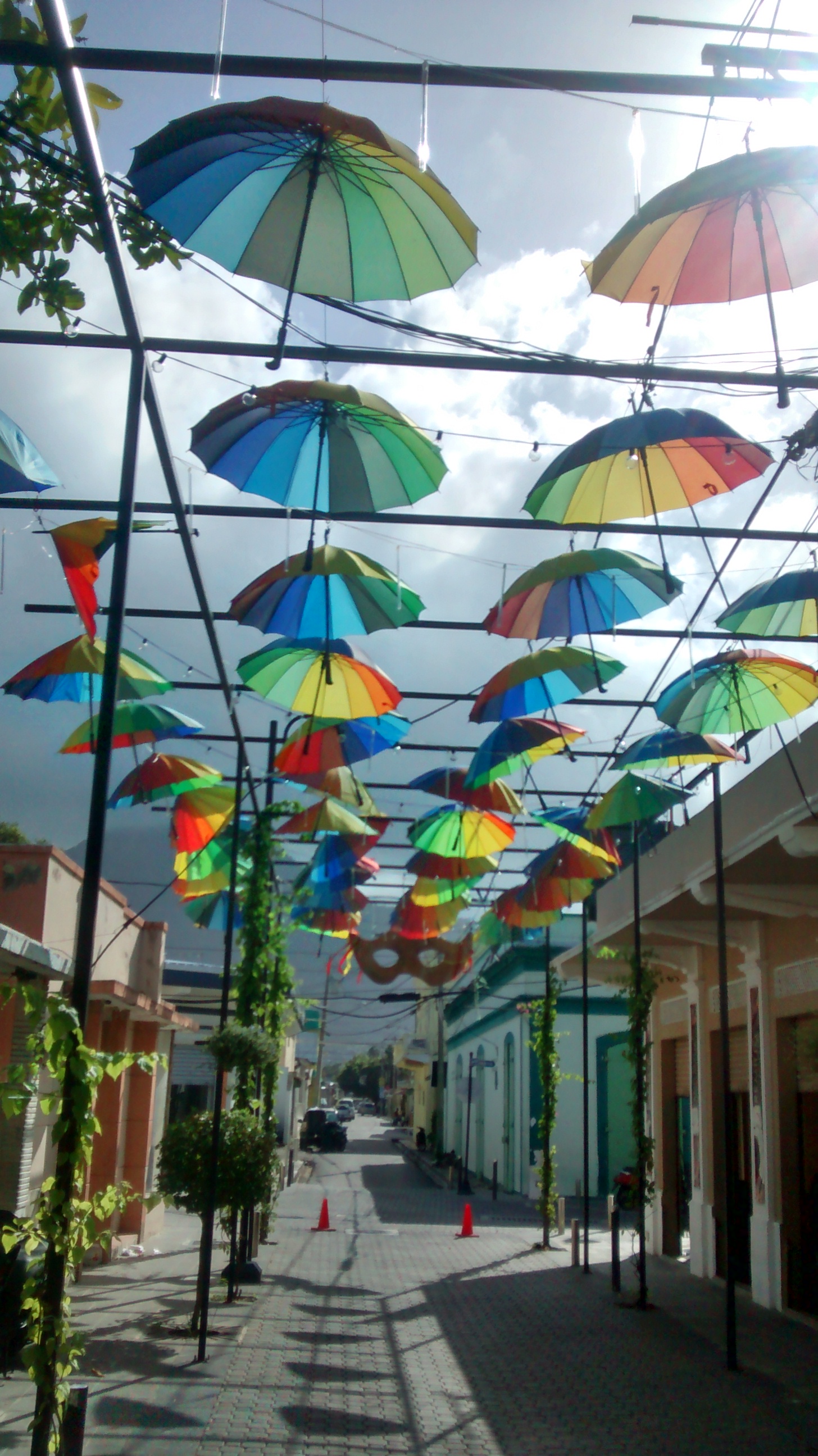
You might be able to see a mountain in the backgrounds. Don’t worry, we’ll be getting even closer later. Much closer…
It was actually in this neck of the woods that Columbus first encountered the island. The first European settlement in the Americas was created around here in 1494 and Puerto Plata itself created soon after.
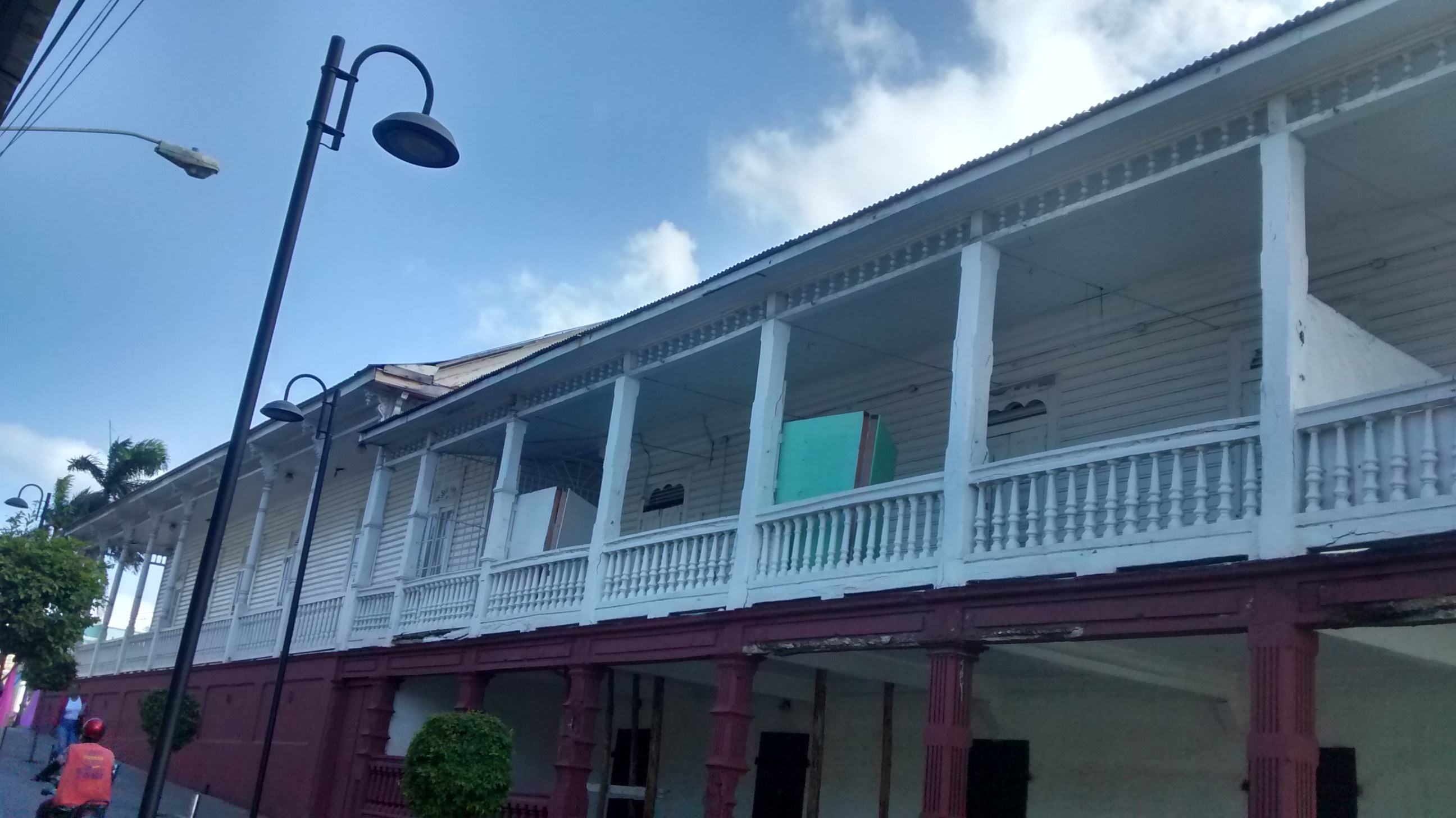
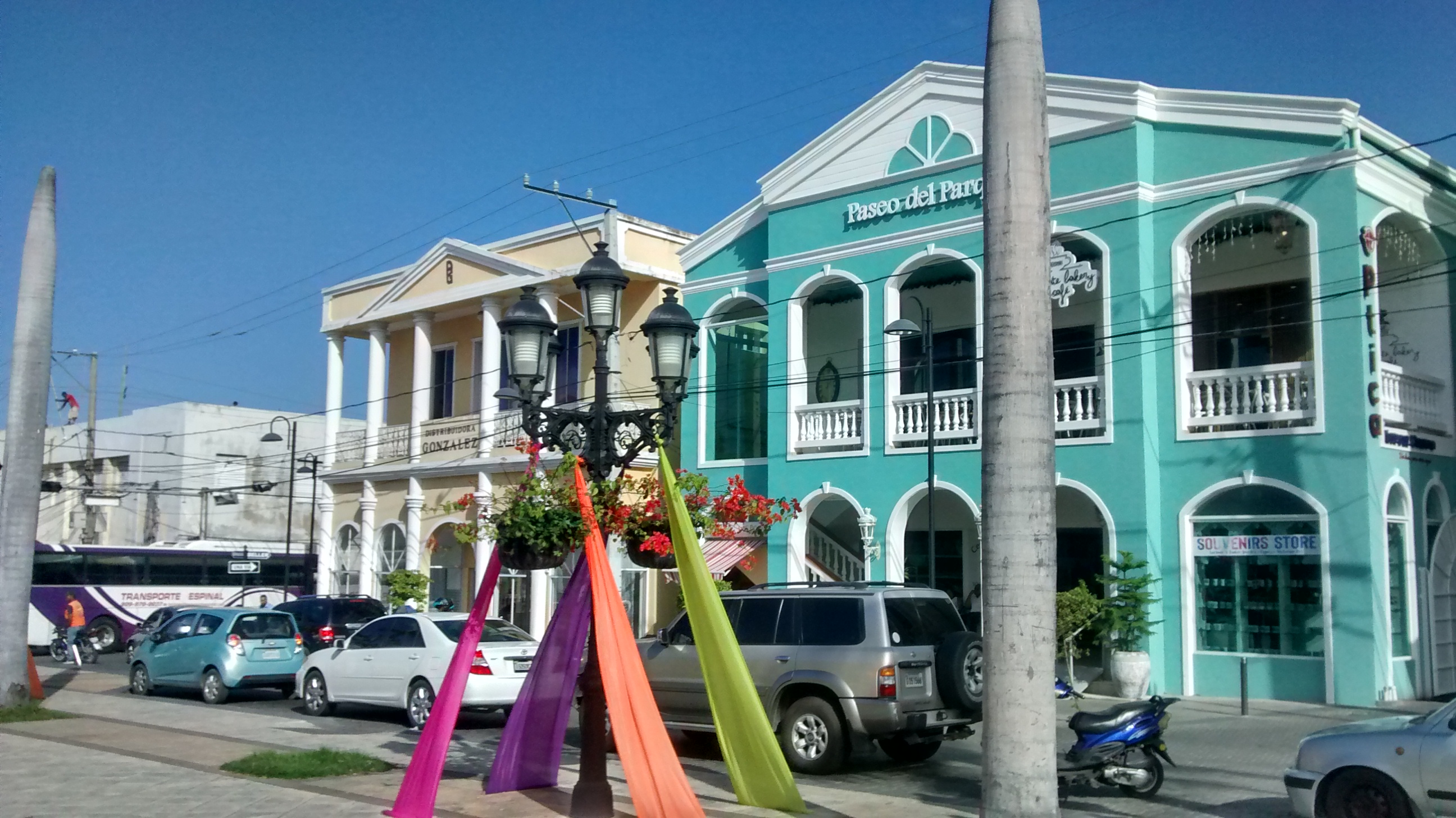
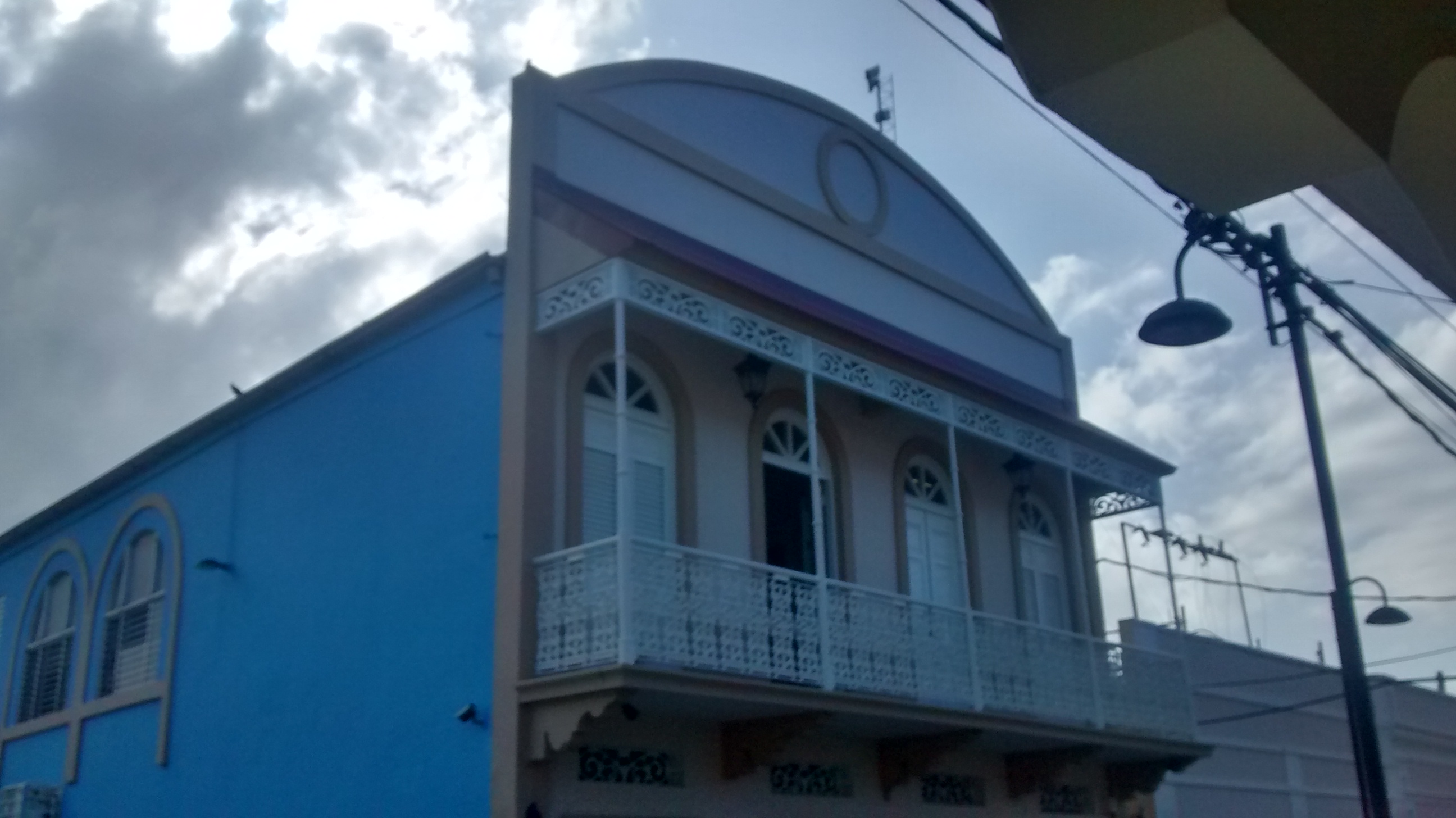
It’s not the town you see today though. 17th-century struggles with pirates and 19th-century civil wars saw to that. In the 1800s the town was rebuilt in a Victorian colonial style that wouldn’t be out of place anywhere between Antigua and Adelaide.
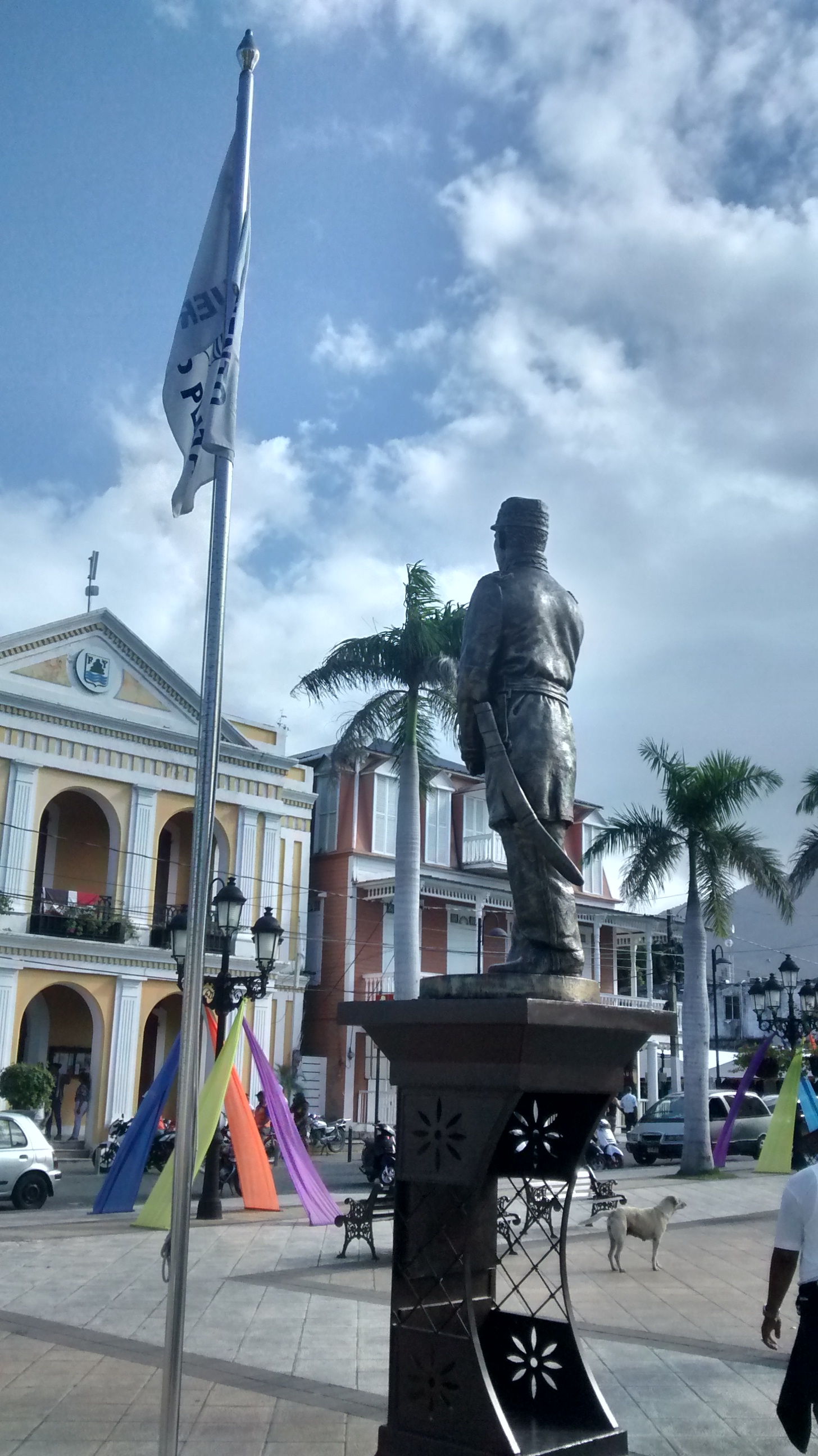
The Dominican Republic is enormously proud of the leaders of its independence struggles. This fine fellow is General Gregorio Luperon.
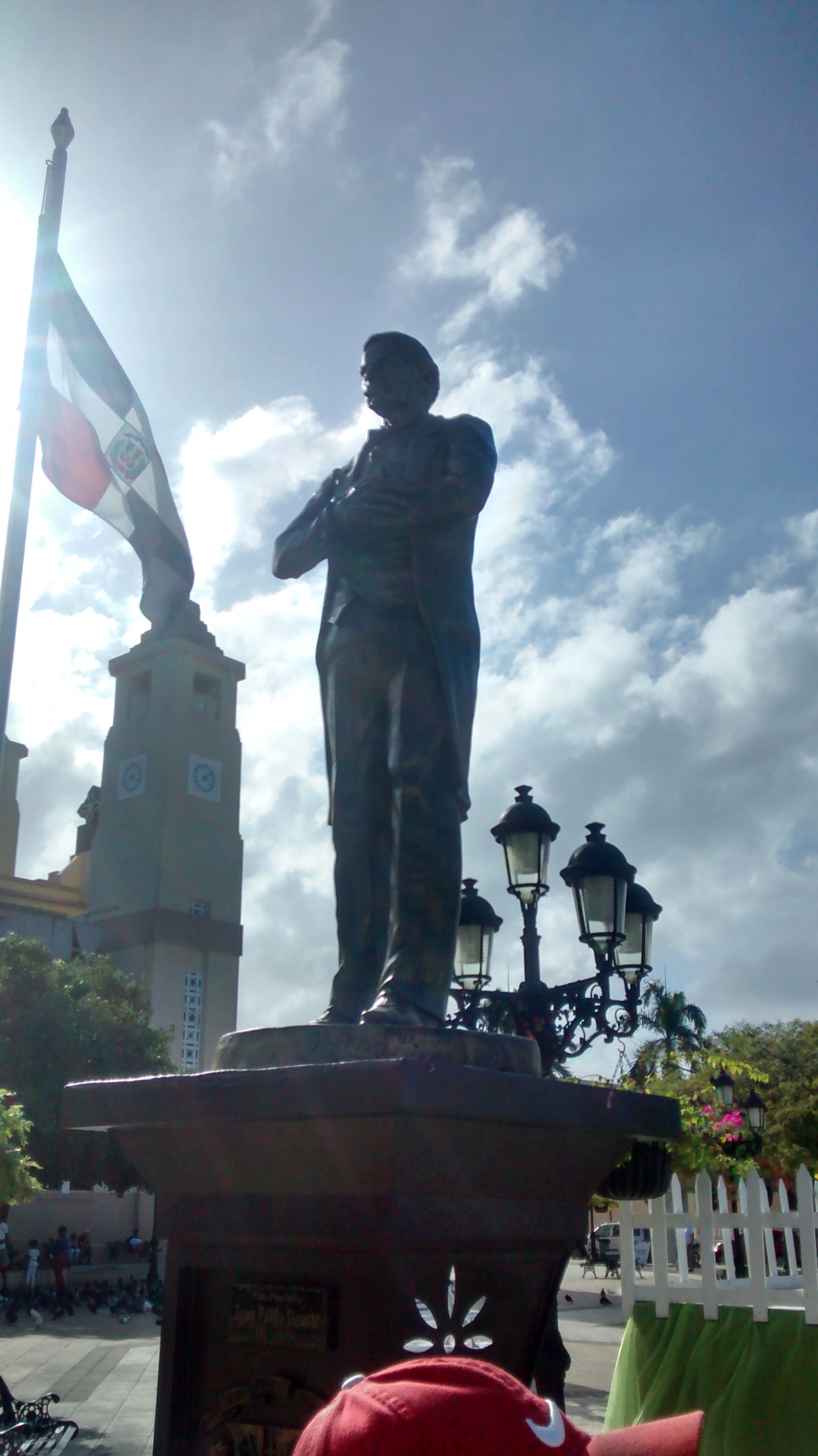
Here’s the man regarded as the father of the nation. Jose Duarte led this former Spanish colony in the battle for independence between 1822 – 1844, and to him is given the credit for establishing the Dominican Republic as a result of that liberation from Haiti.
Haiti? Not Spain?
Wait a minute…
…no, definitely sober…it was Haiti.
I won’t go into any more detail about the successful slave revolt that created Haiti, but it’s a fascinating and complex story and well worth looking up. The Black Jacobins by CLR James would make a good start, rollicking and polemical in equal measure.
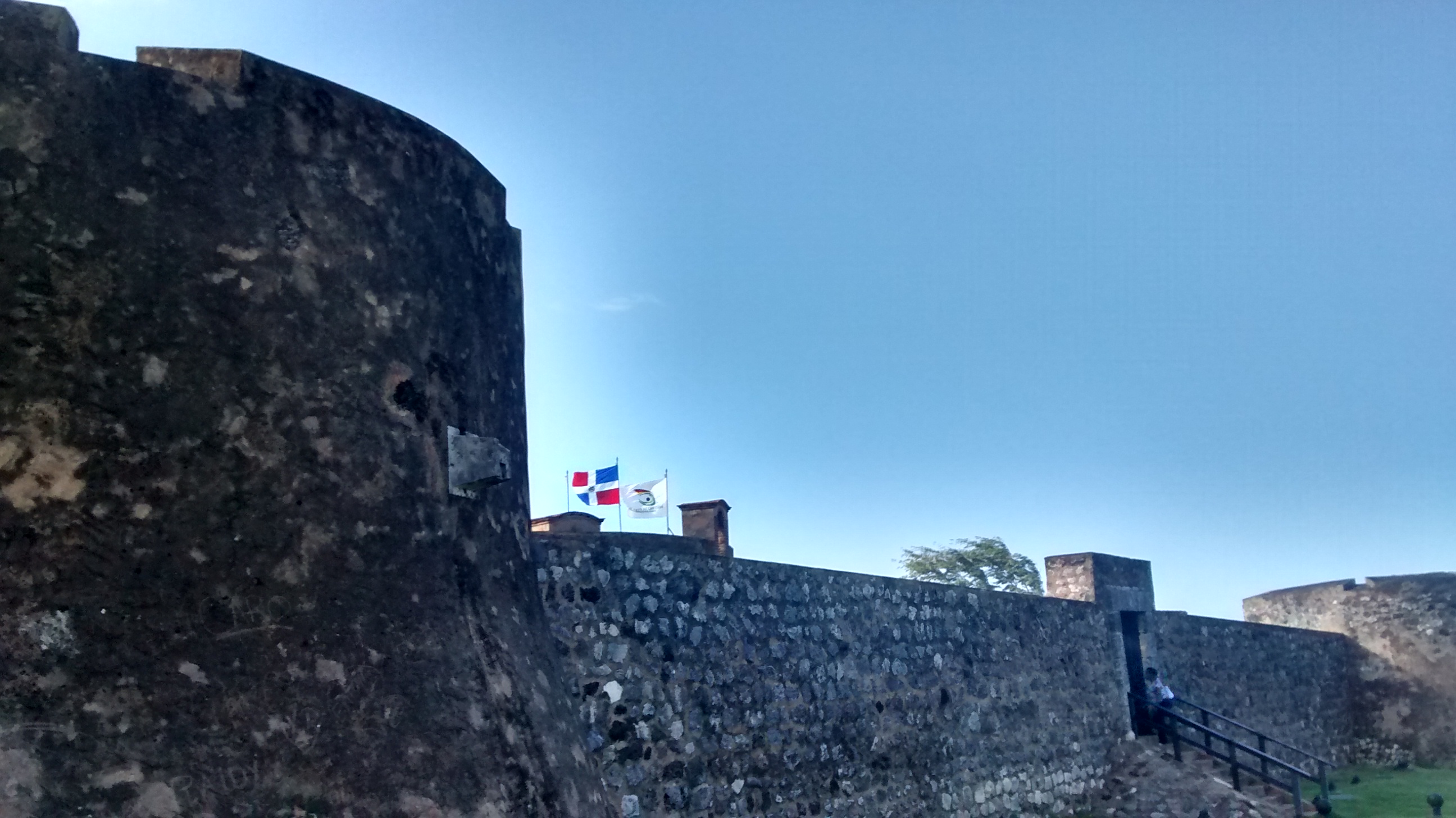
Back to the early days. Puerto Plata was originally known for very profitable trading in exports from the nearby silver mines. Like every self-respecting New World colony at risk from pirates and rival European powers, it needed a fort.
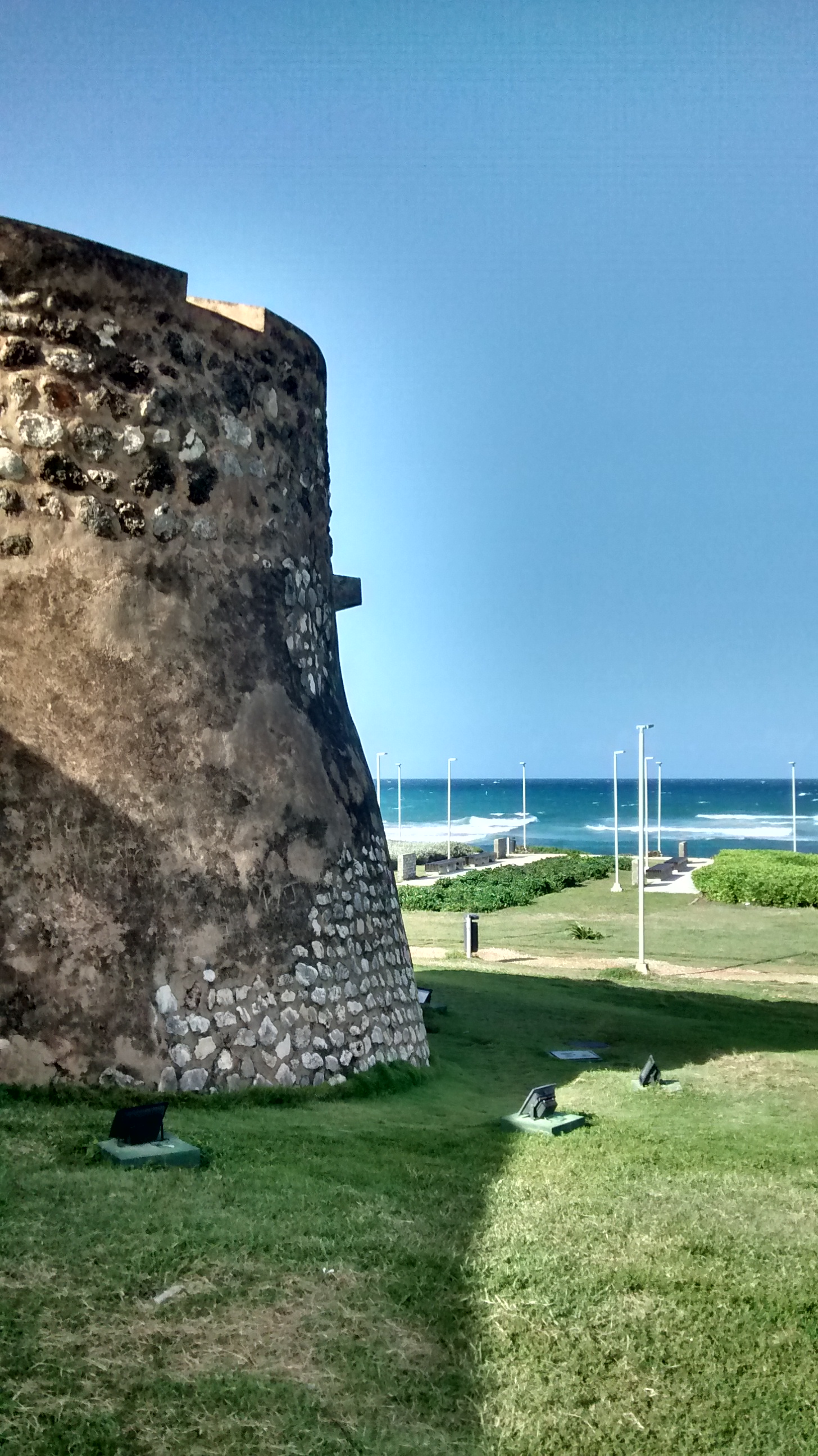
And here it is, the Fortaleza San Felipe.
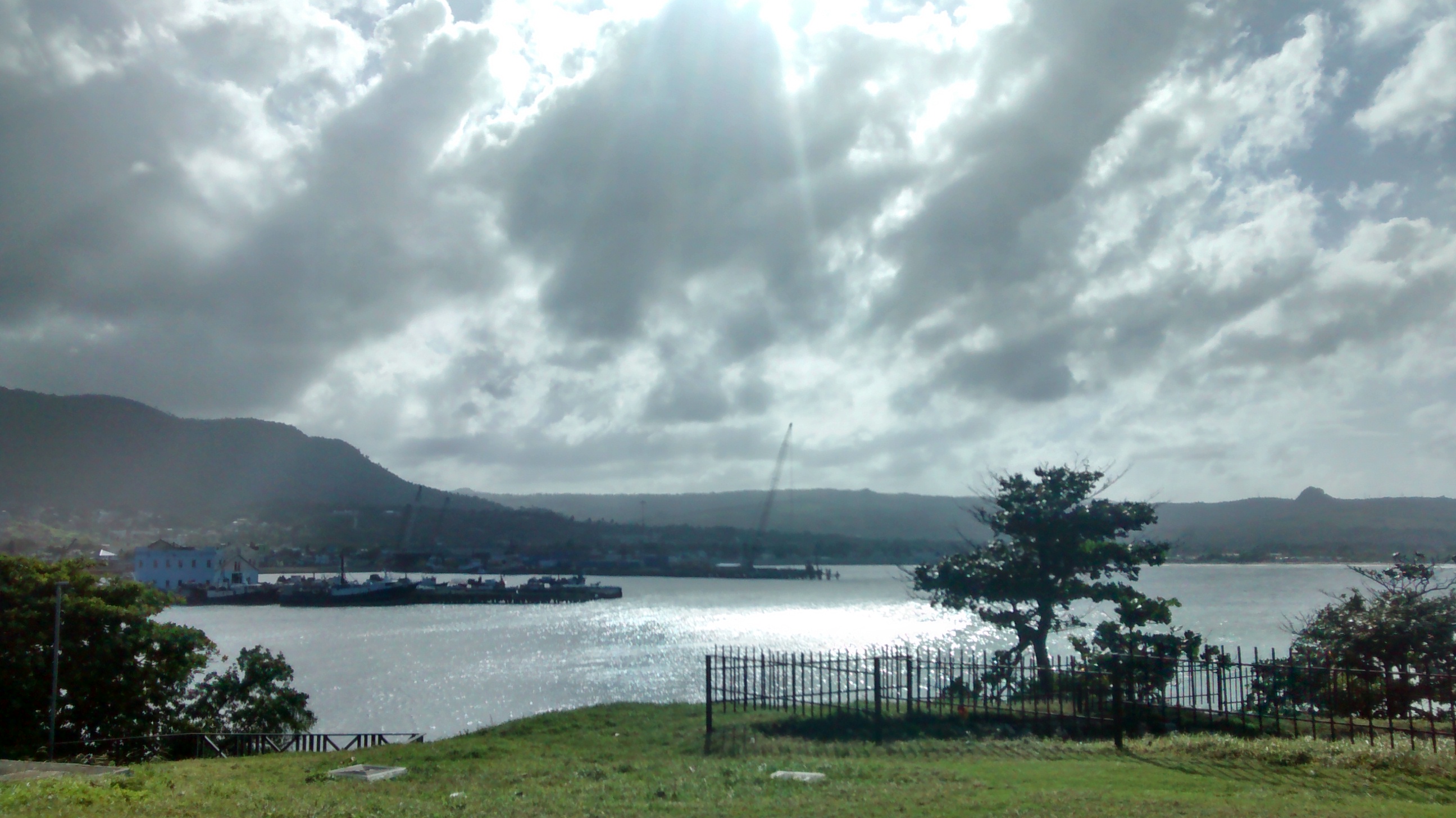
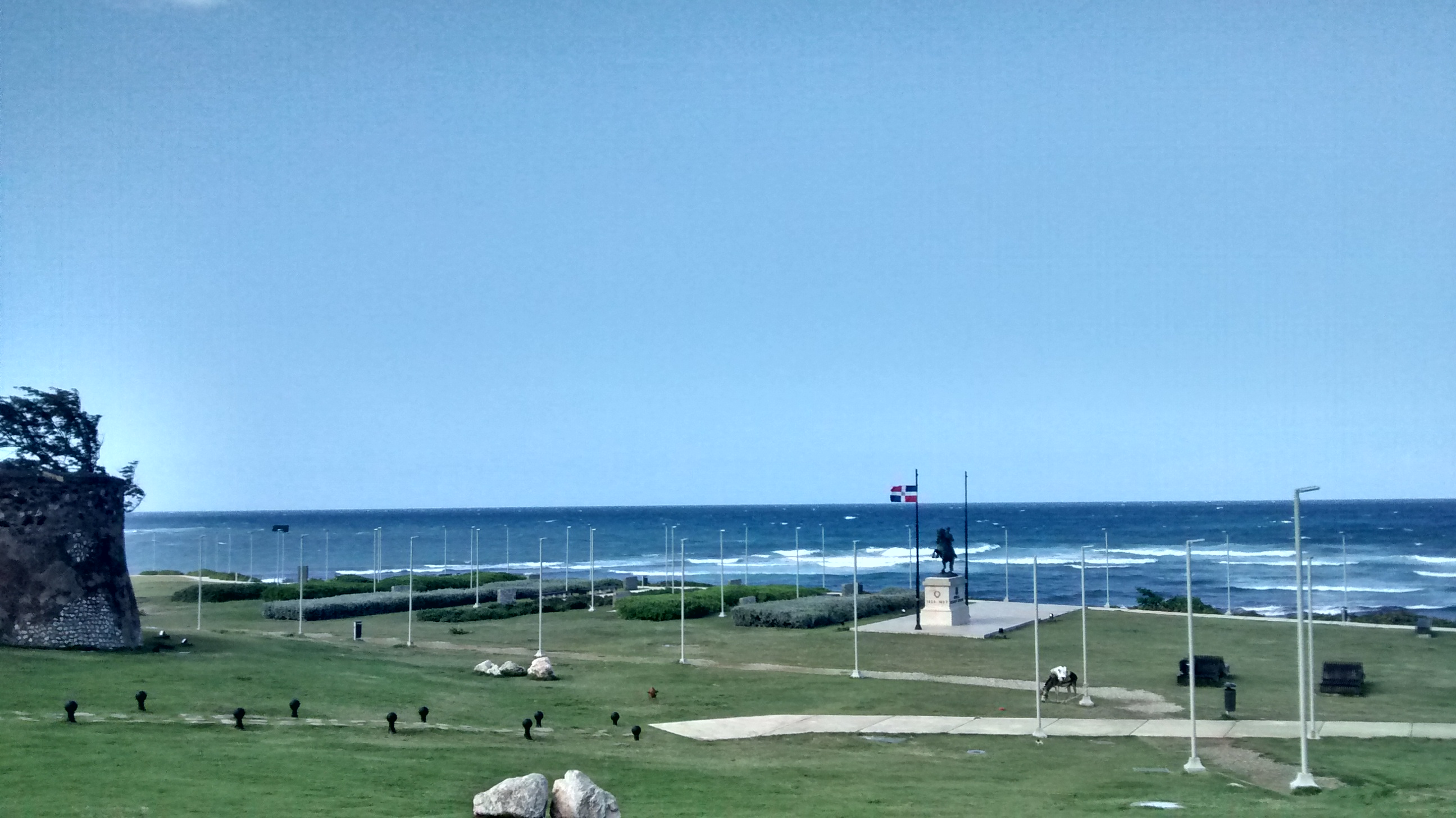
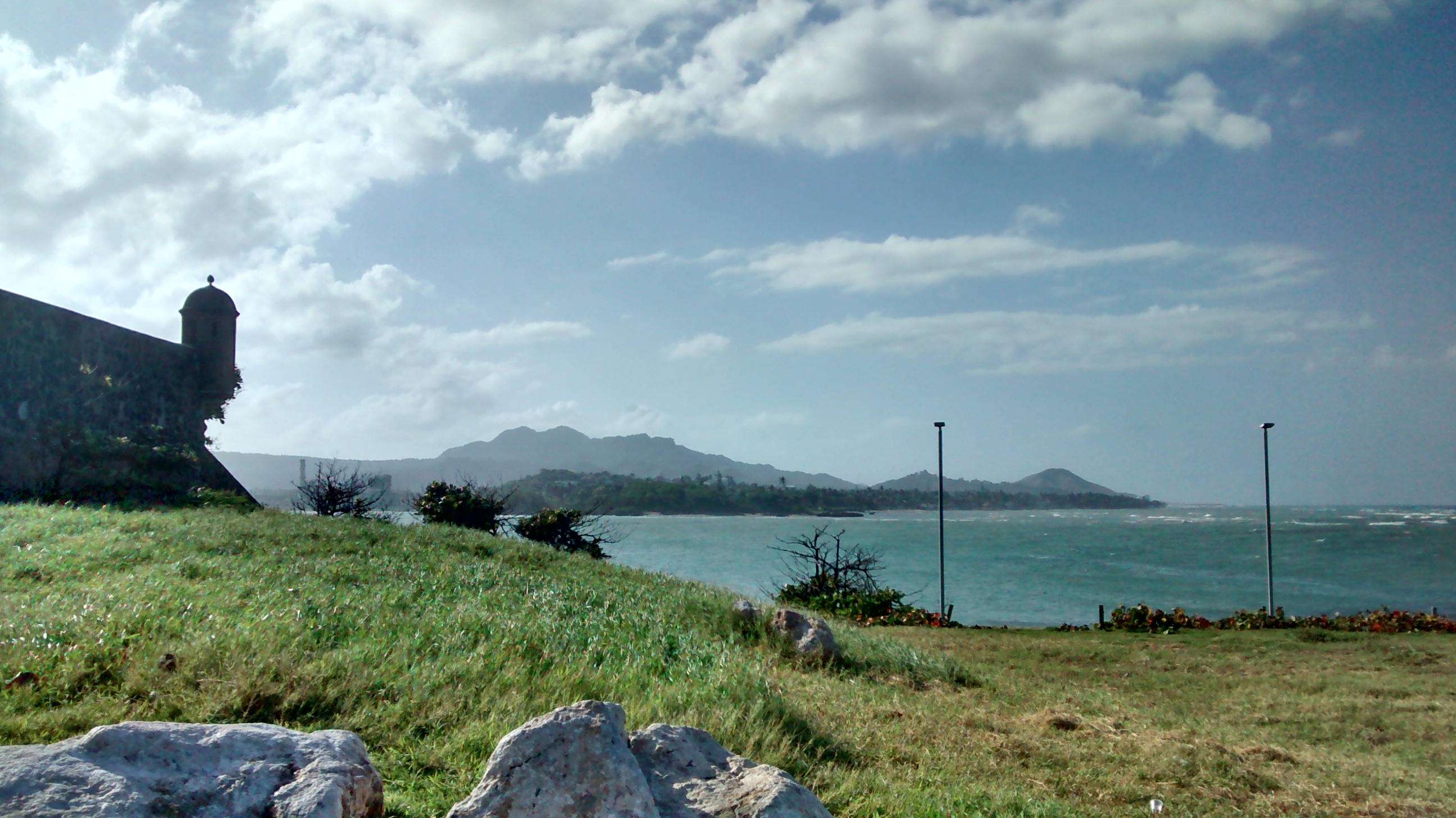
Spectacular views. It was used as a prison by the brutal 20th-century dictator Trujillo.
Hope that didn’t spoil the fun.
Now back to the mountain. Isabel de Torres, named after the queen who funded Columbus’s expeditions. Dominating the town at 800 metres above sea level, it takes 2 hours to hike to the top.
Fortunately there’s a cable car.
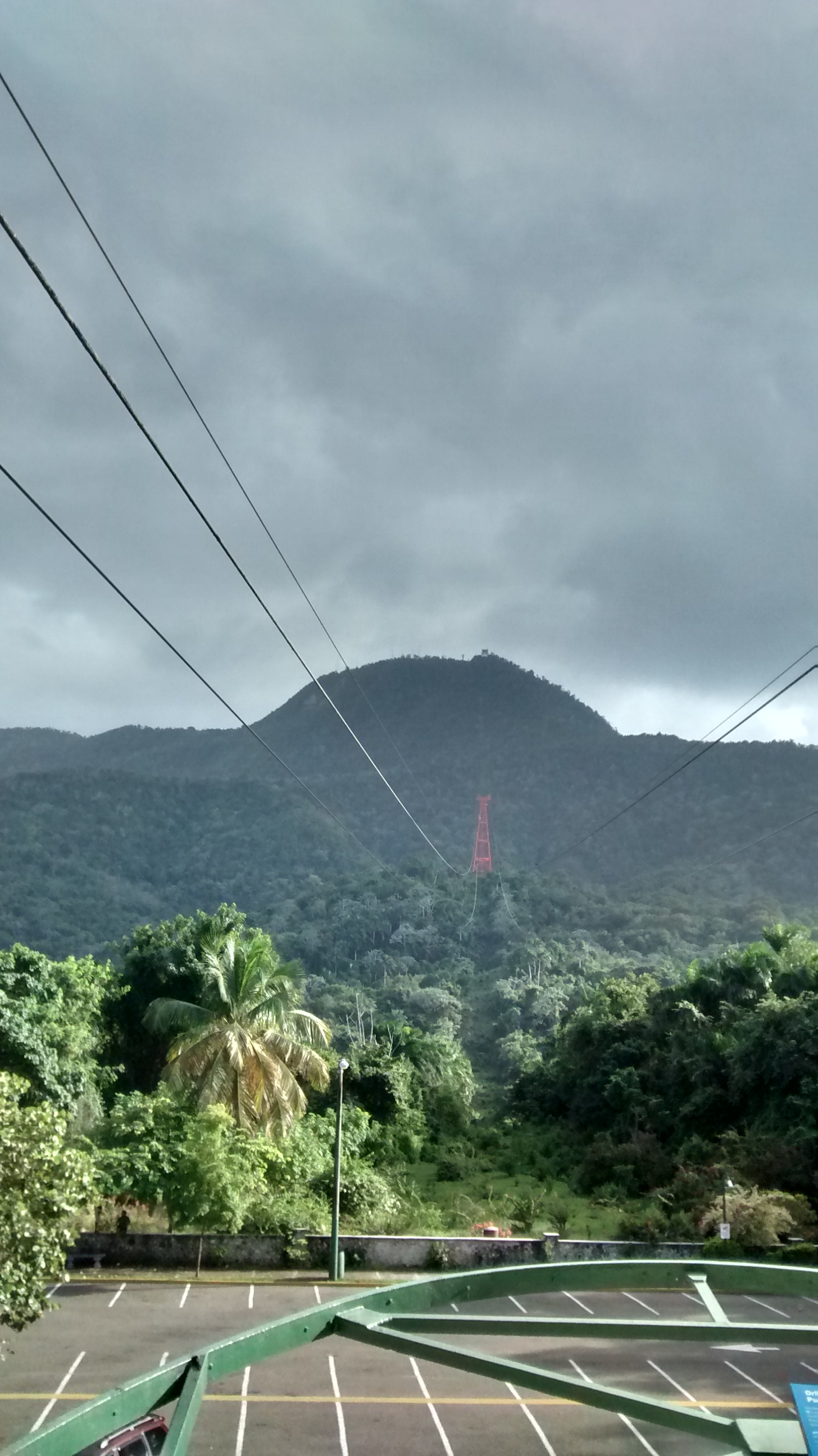
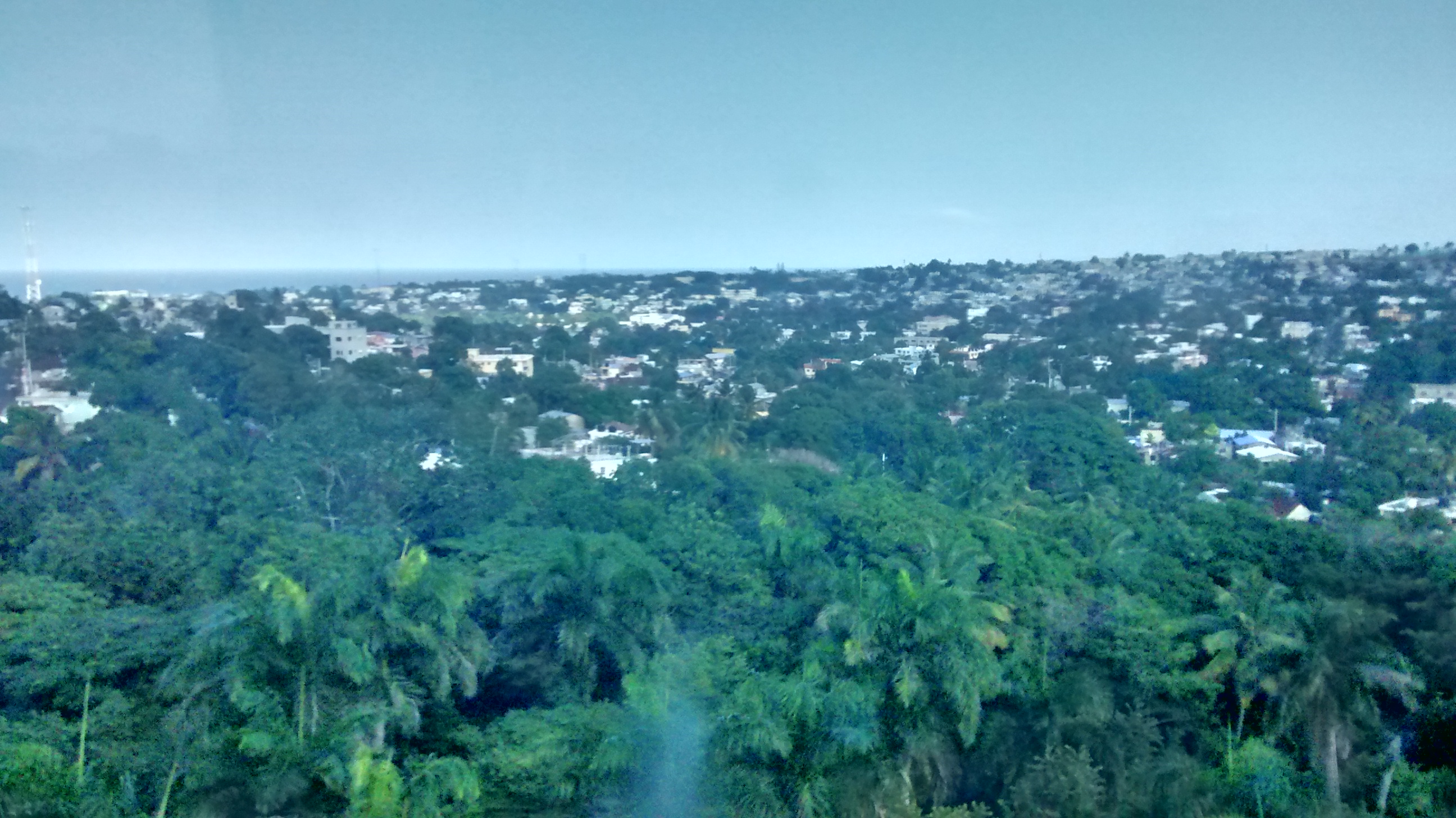
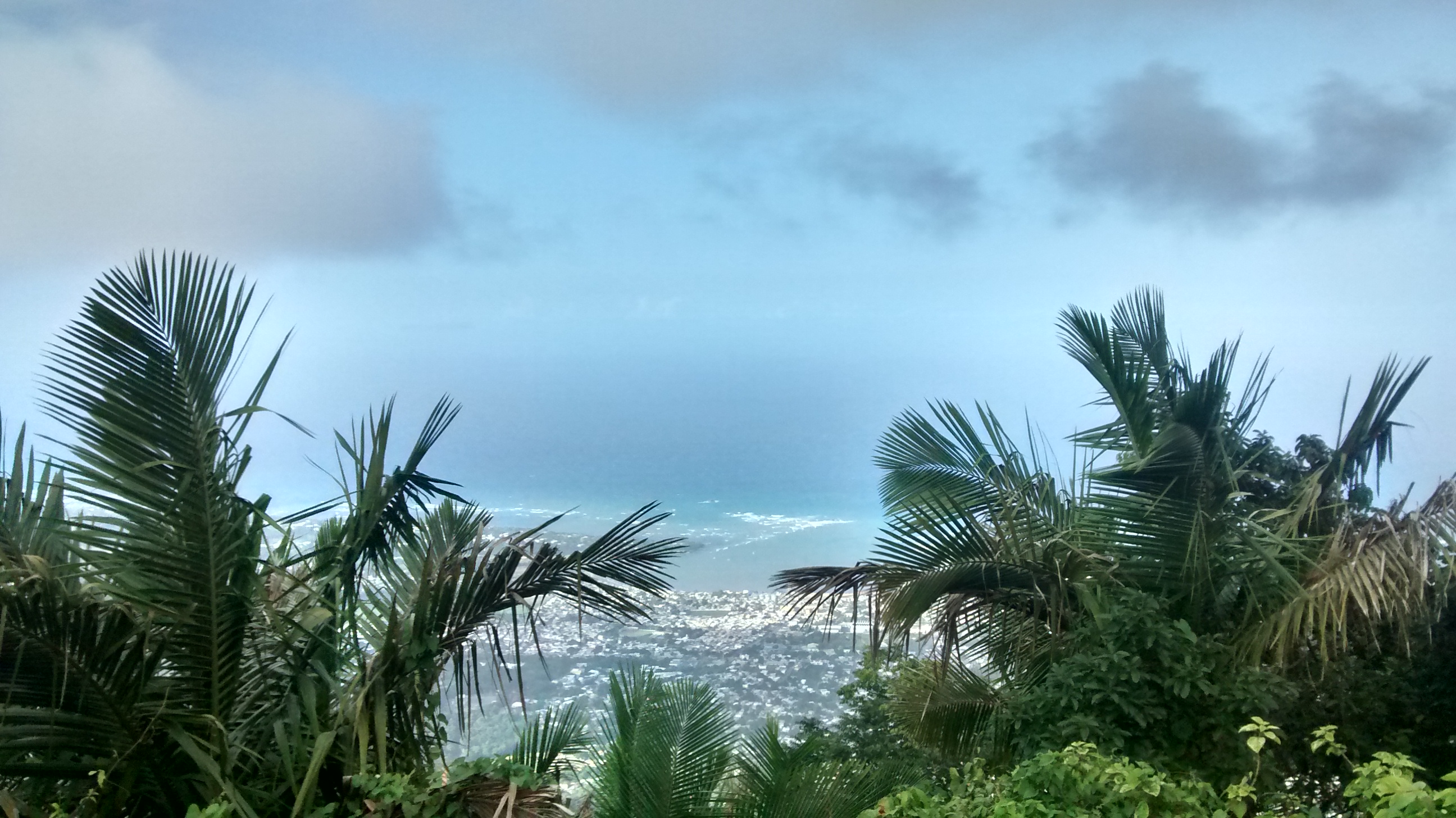
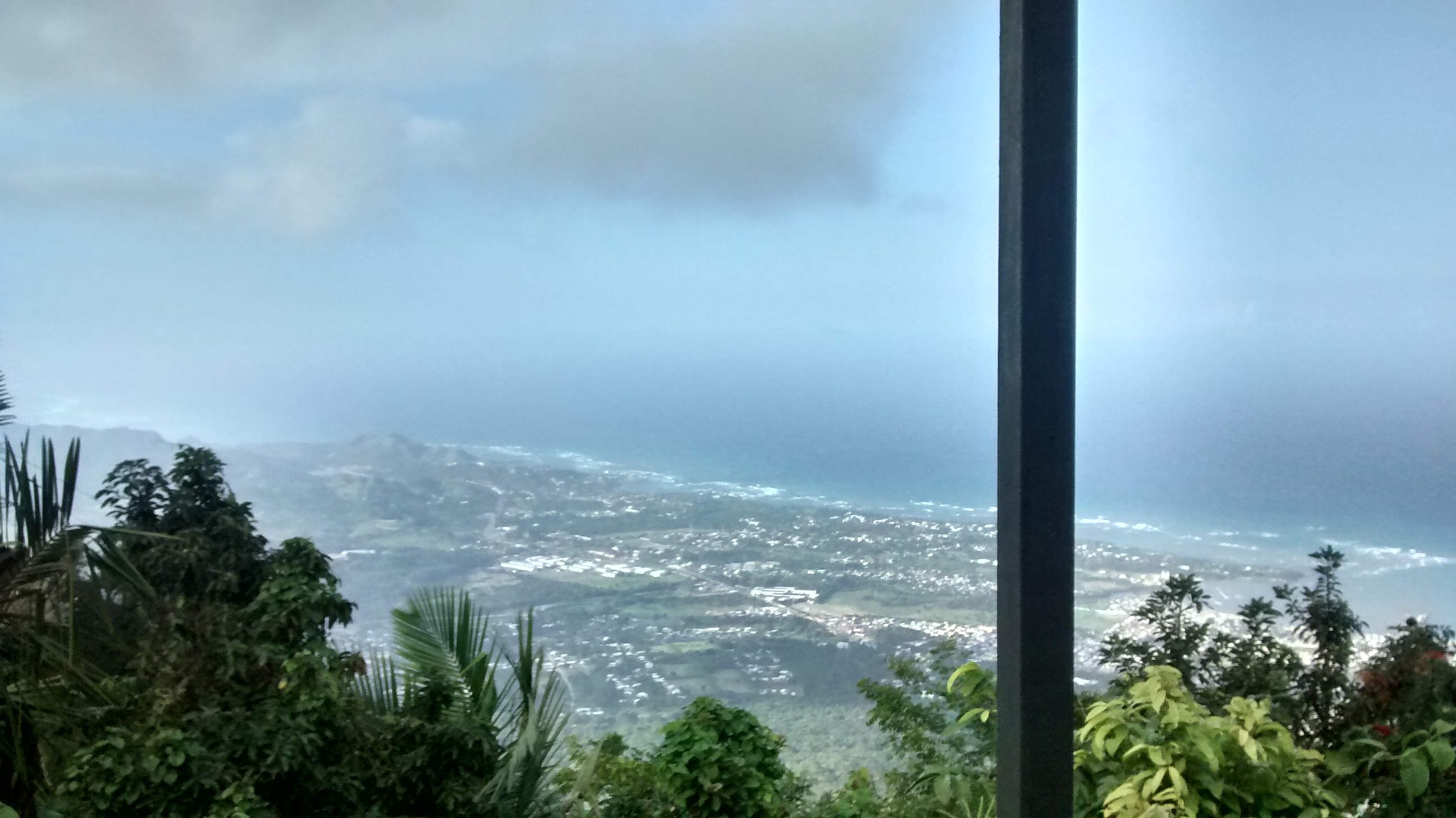
And at the top…
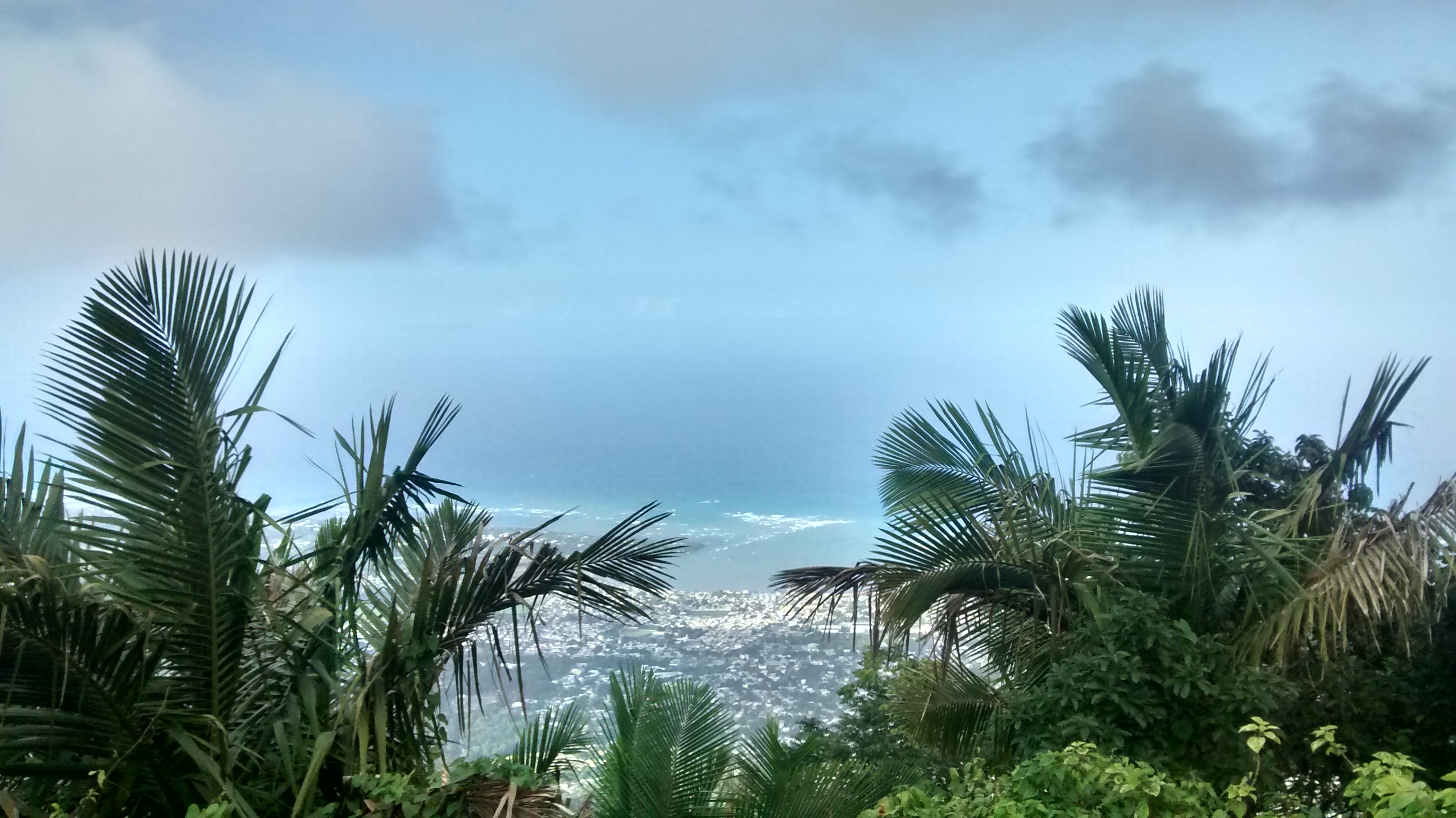
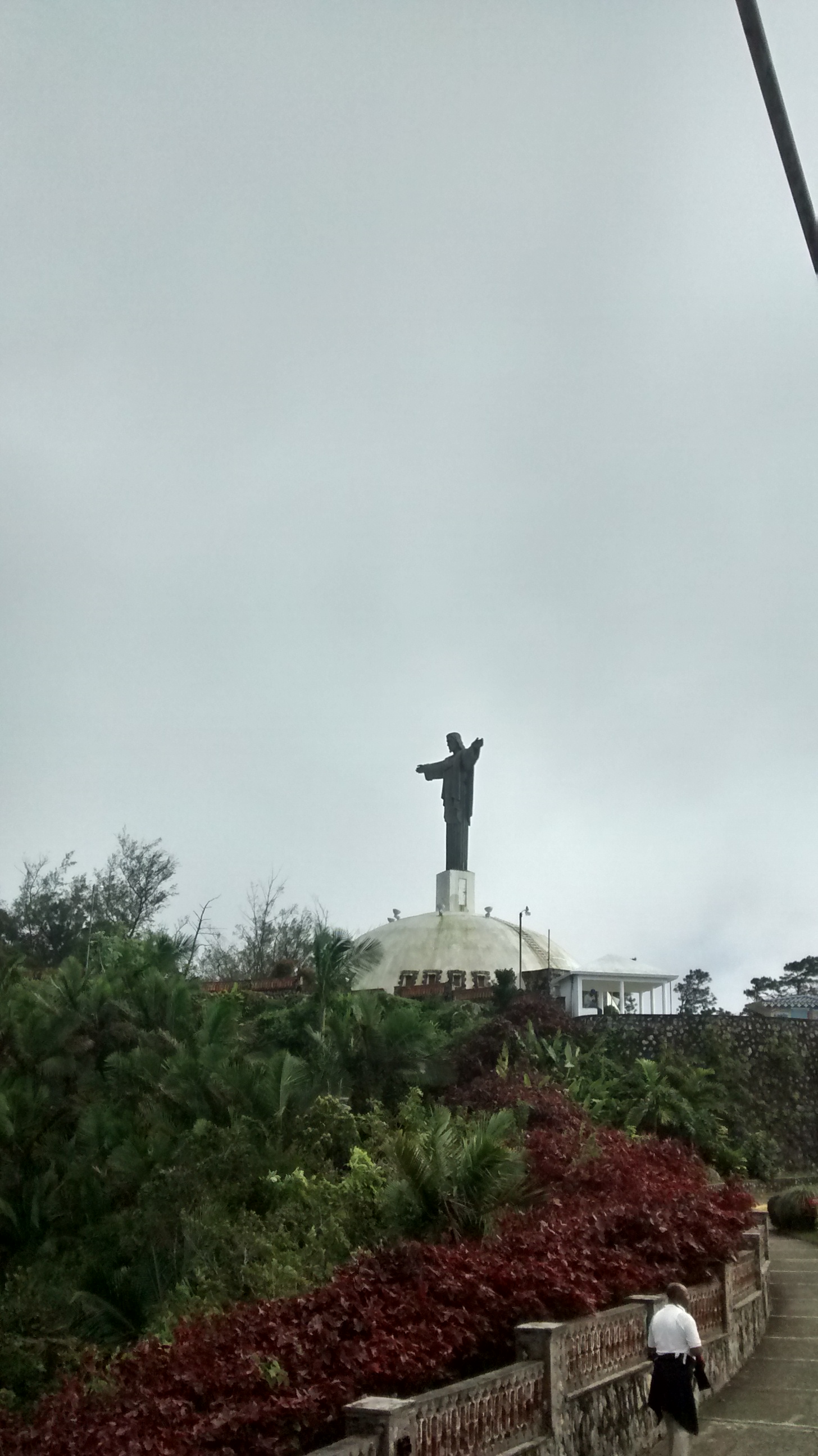
Christ the Redeemer.
One of the highlights of my trip to Rio, along with the samba and the beach volleyball on the Copacabana.
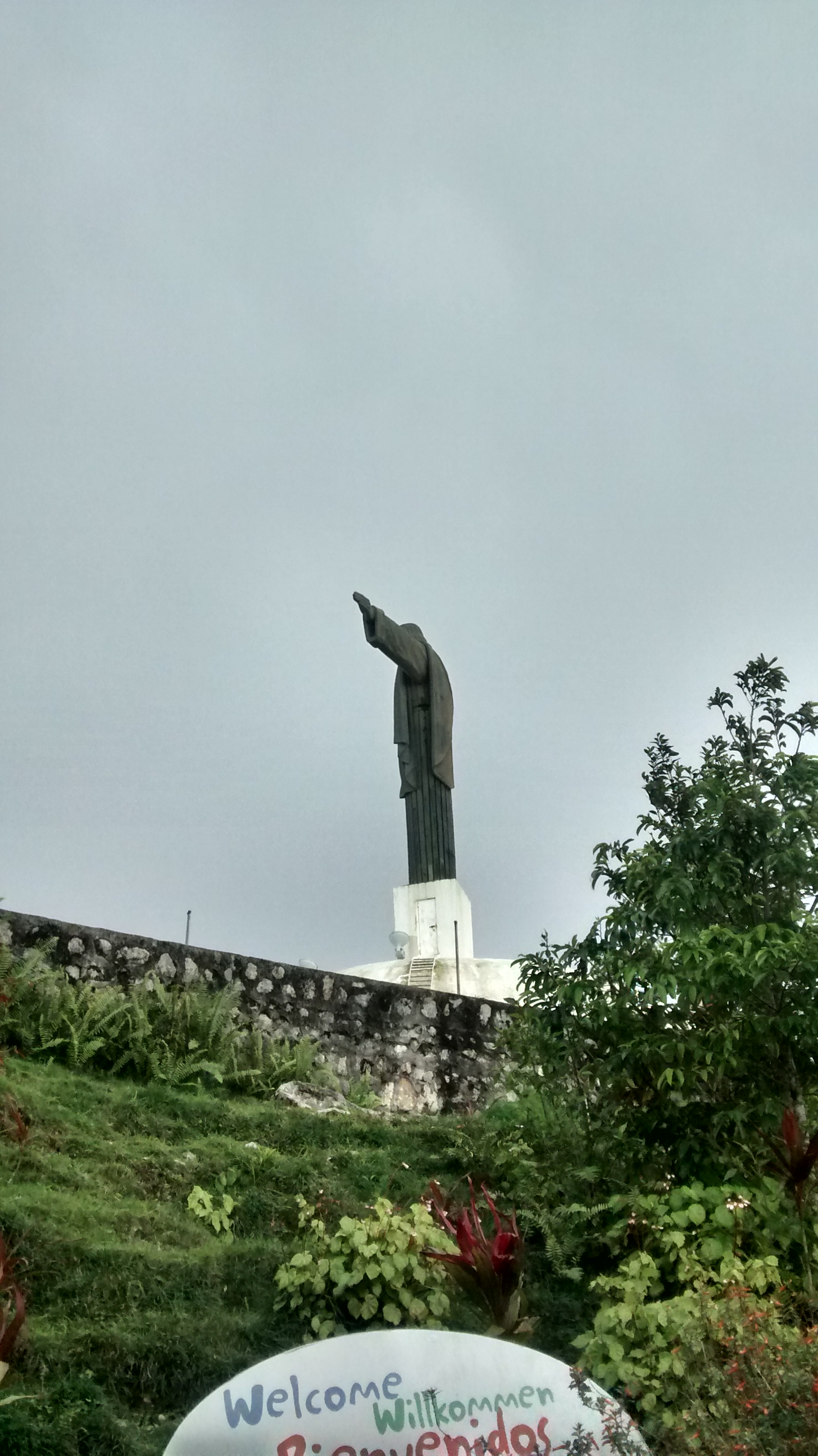
Err…hang on
Ah.
Yes.
It’s a much smaller copy of the real one, erected in the early 70’s a couple of years before the Italians built the cable car.
Whew. And it was quite the ride up and down, particularity down when it stopped halfway, and started swaying…what with everything I think it’s time for a lie-down!
 orwellianTwo
Leave a comment