Well, it was about time you took a break from all the temple photos and got a look at the general Cambodian scene, the gritty, the quirky, the charming, like.
But as promised I still had the “Grand Circuit” of Angkor temples to do, and so I’m afraid the piccie deluge must continue. And I hope you agree, these sights are worth pouring – and purring – over.
Five temples today, and the first one deserves its own post. Preah Khan, built in the late 12th century by our old friend Jayavarman VII, was a great city and Buddhist university as well as a temple. The extent of the city is equivalent to the city that surrounded Angkor Wat.
(My source for most of this is Ancient Angkor, Freeman and Jacques, which all the touts seem to be selling at silly prices around the monuments).
Death by smartphone camera coming up…
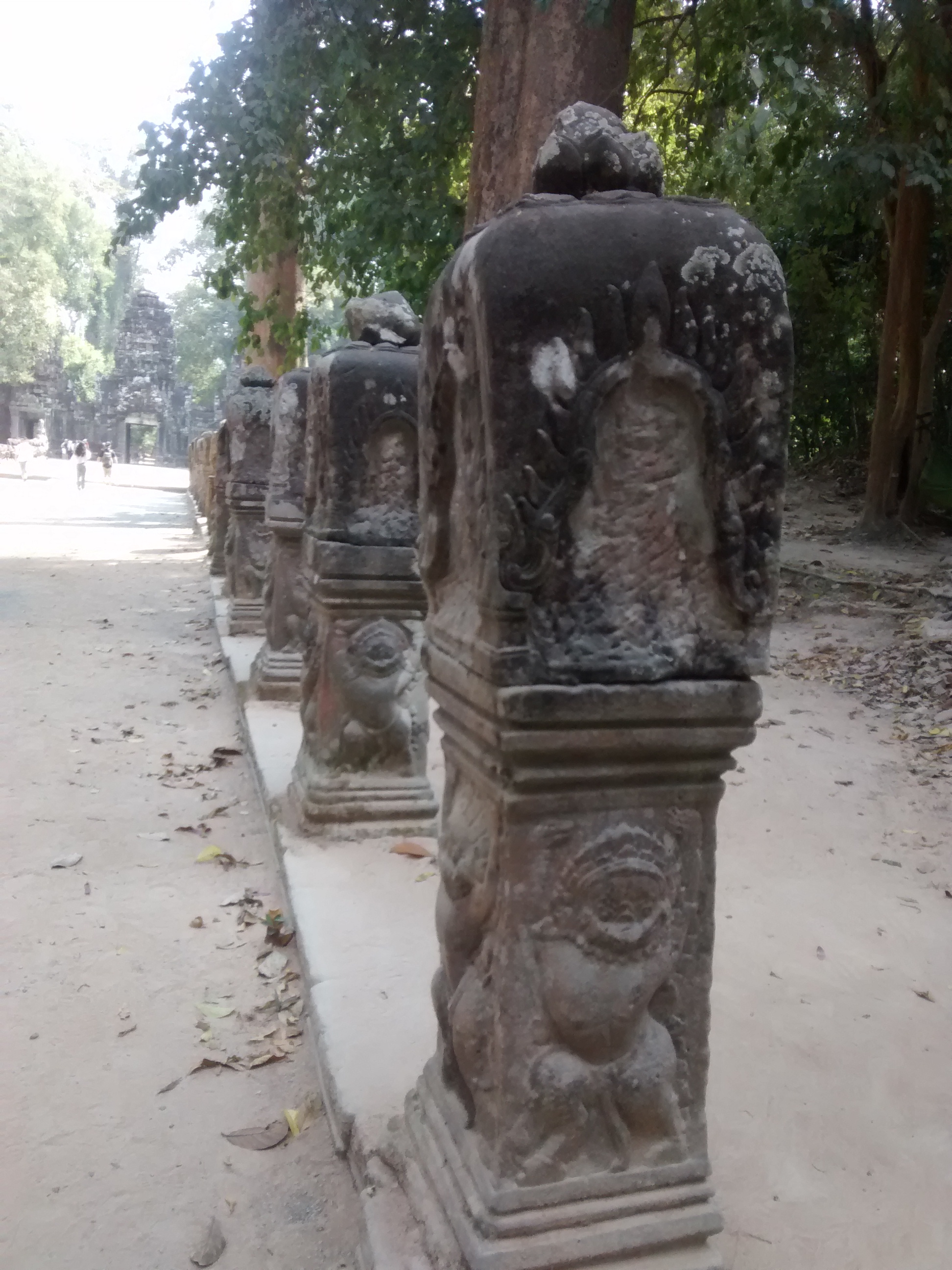
Boundary stones mark the way in. They lead to a causeway over the old moat. And causeway into a gate means…
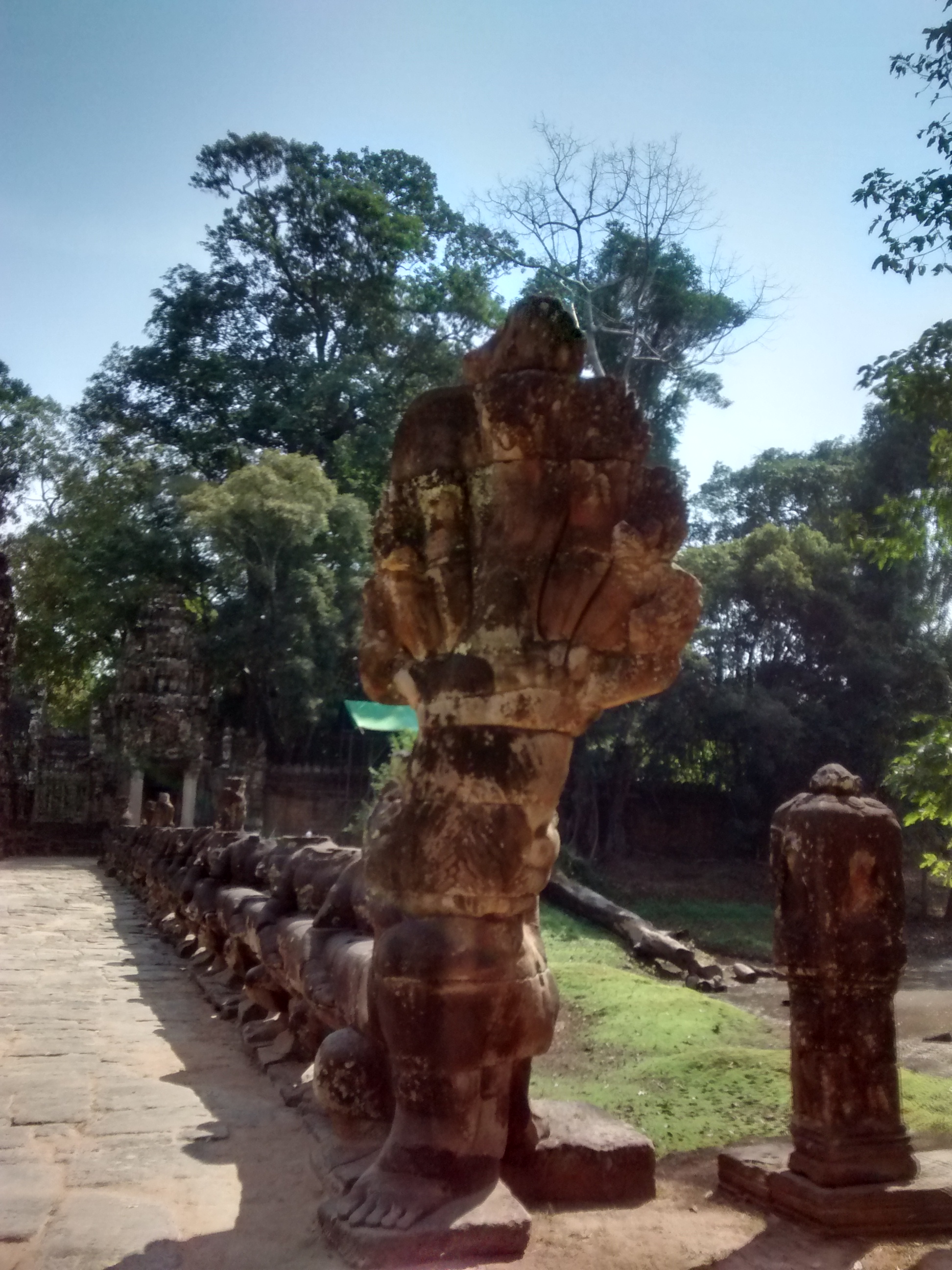
…more hacked-off demons. This time we see the hydra-like head of the naga they’re pulling.
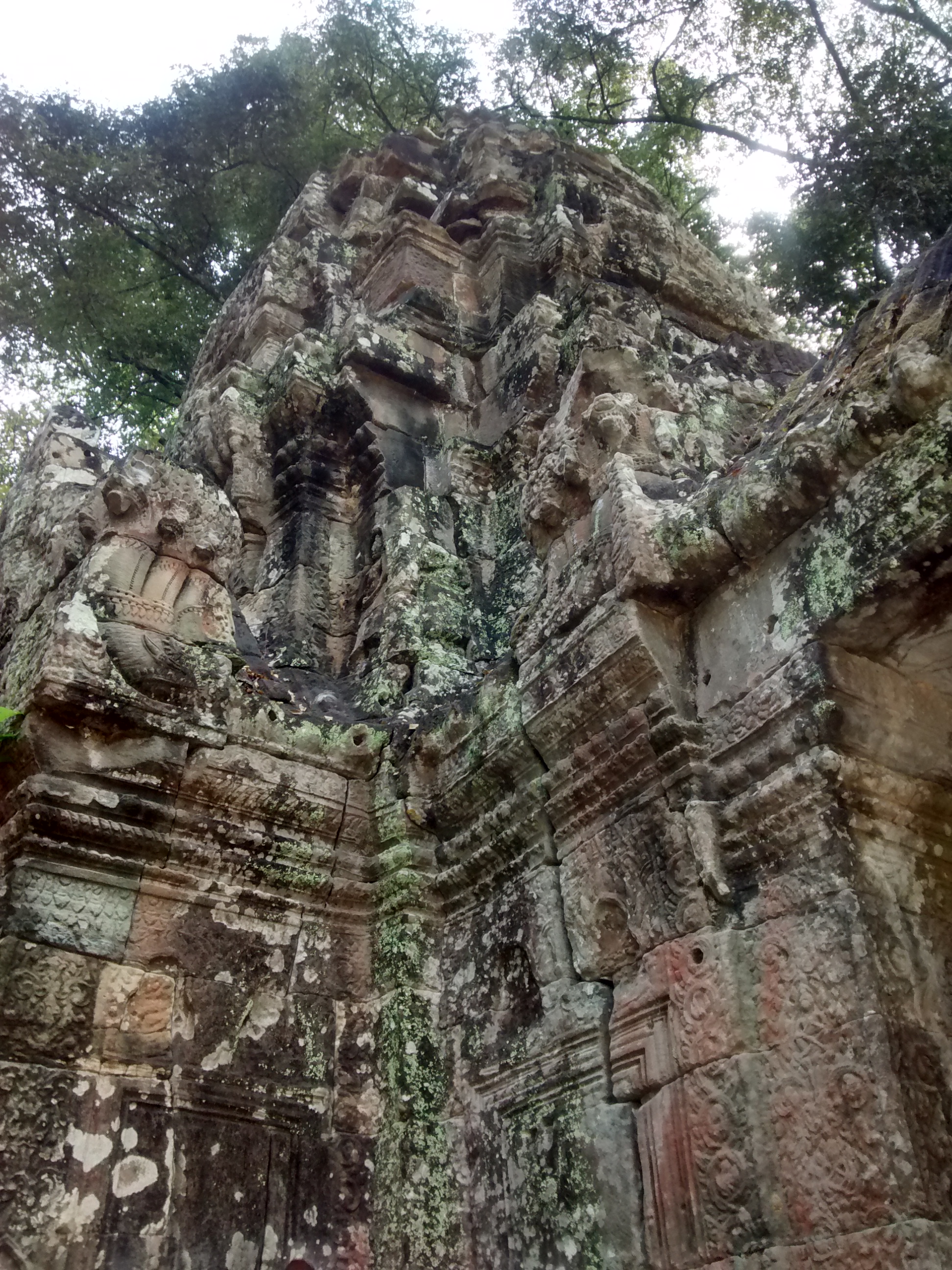
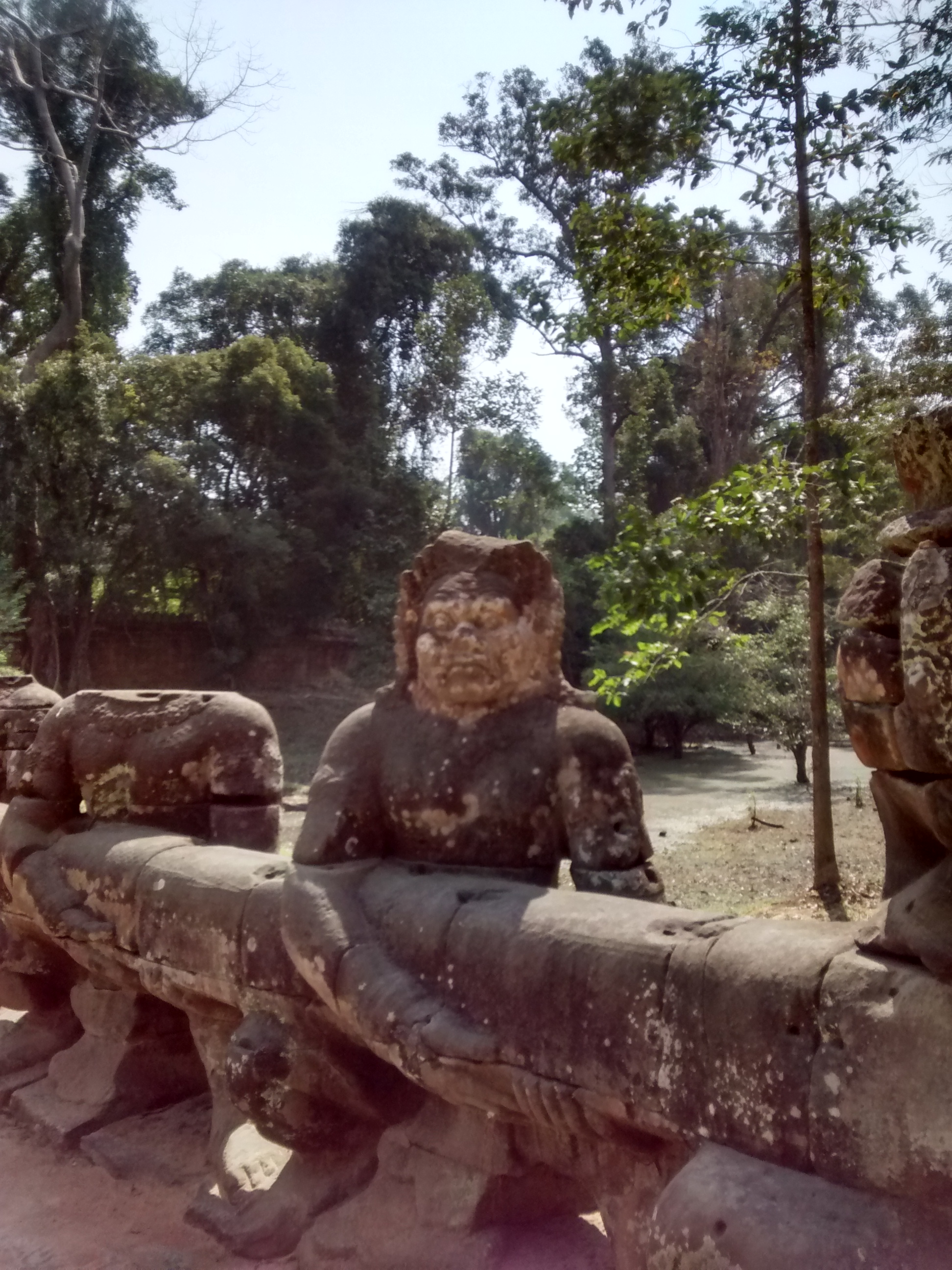
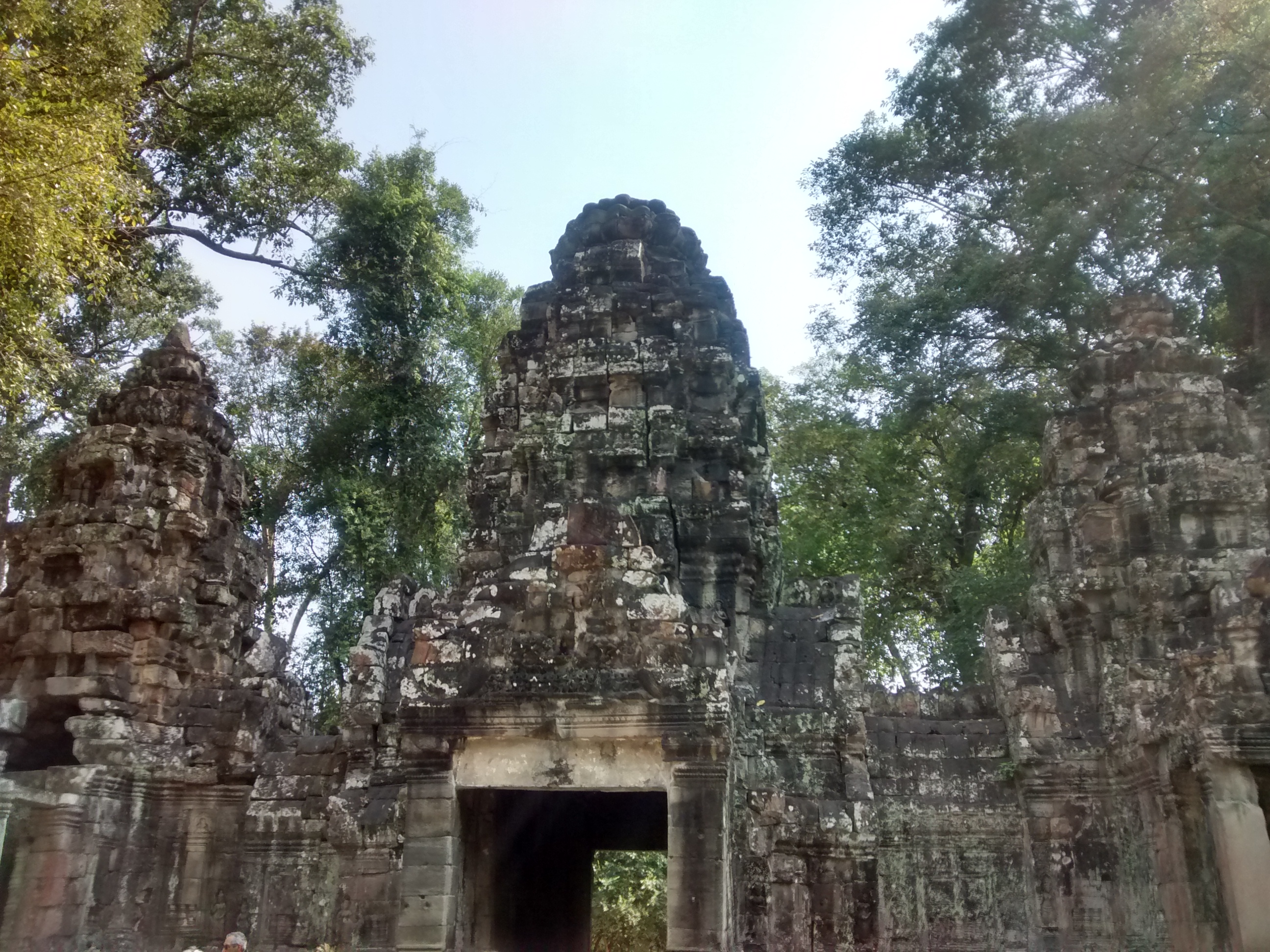
I liked Preah Khan. There’s the main east- west axis and opportunities to branch-off to the sides, so it felt nicely compact while still big and varied enough to host all the visitors.
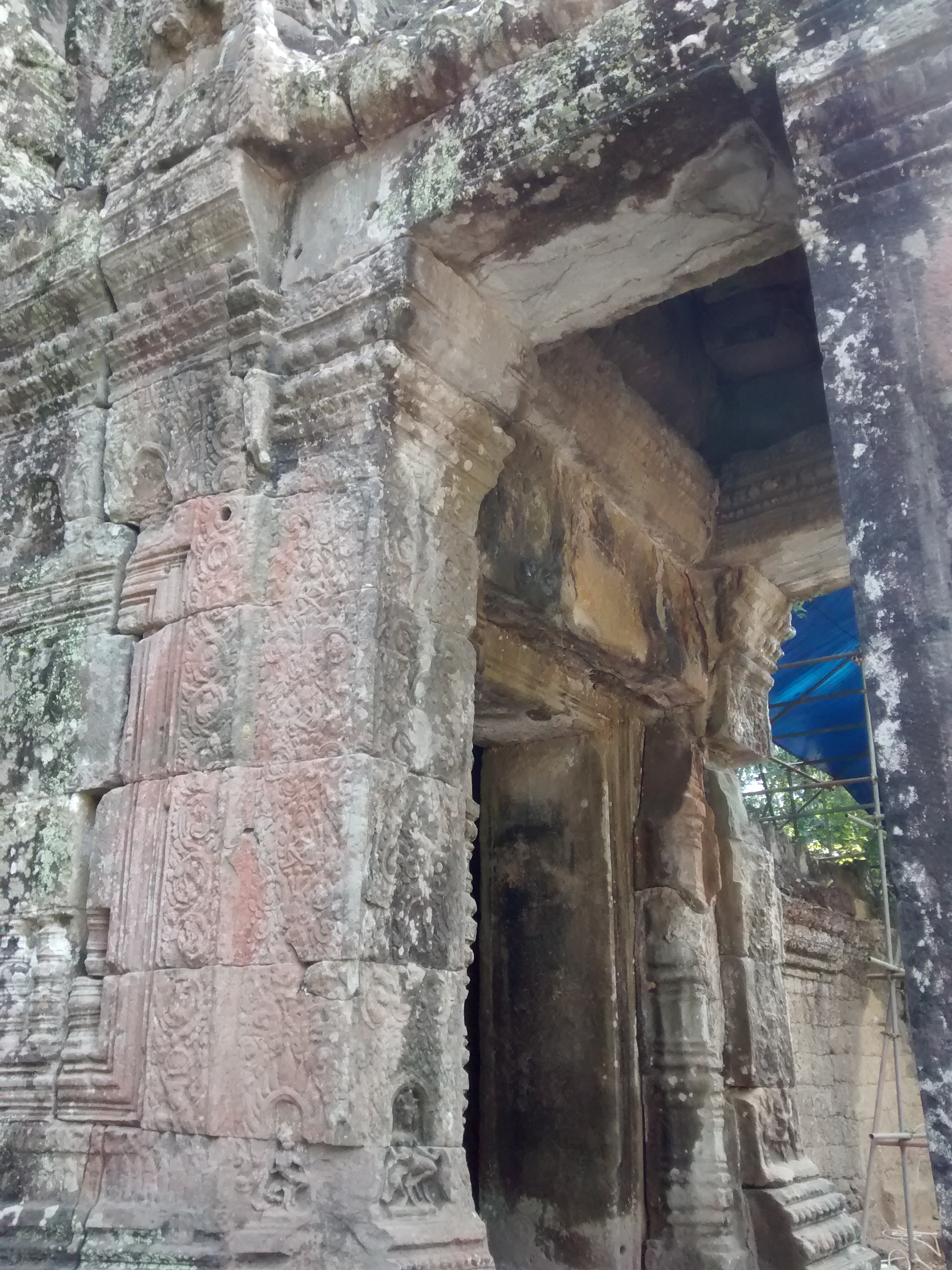
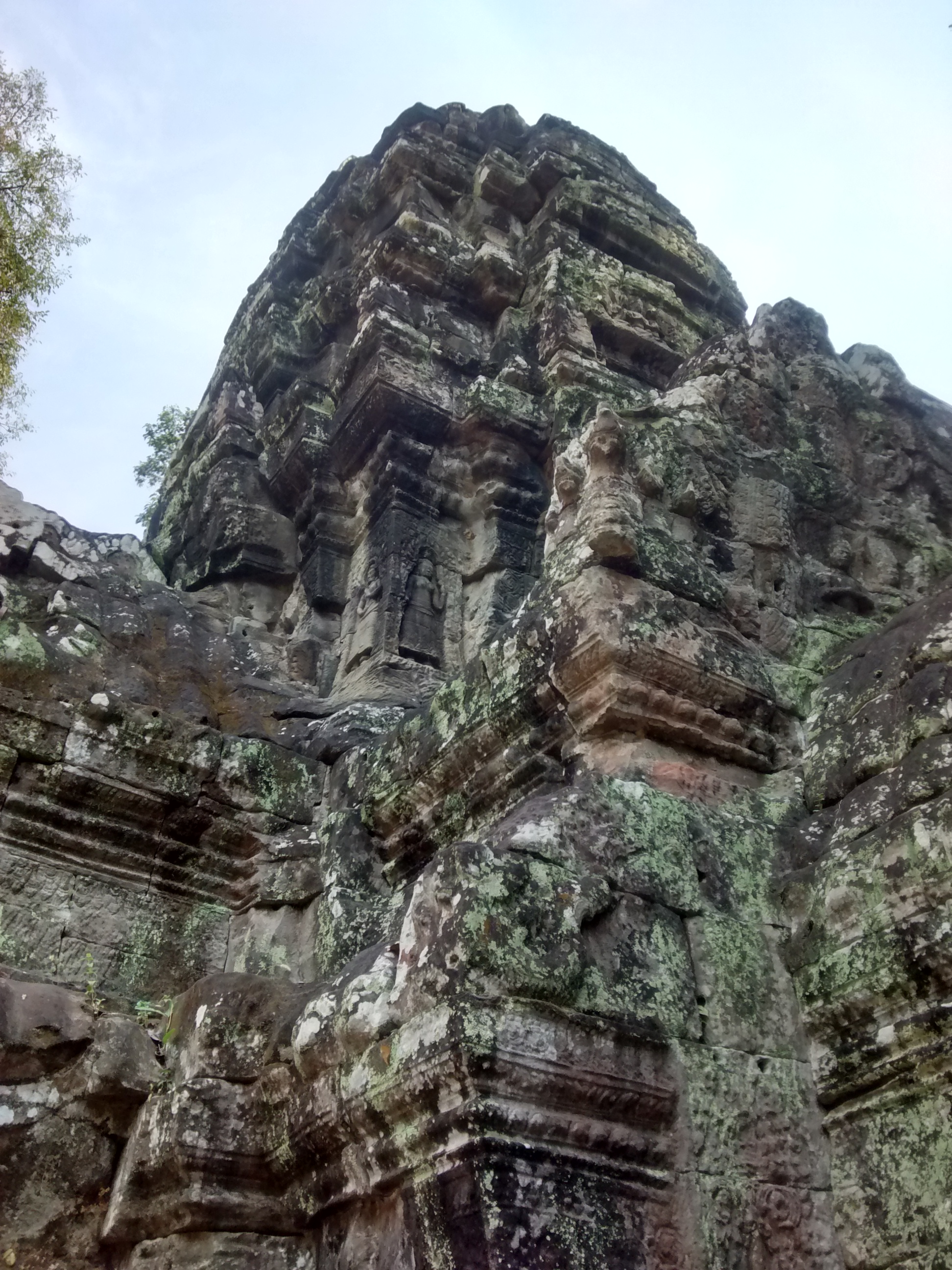
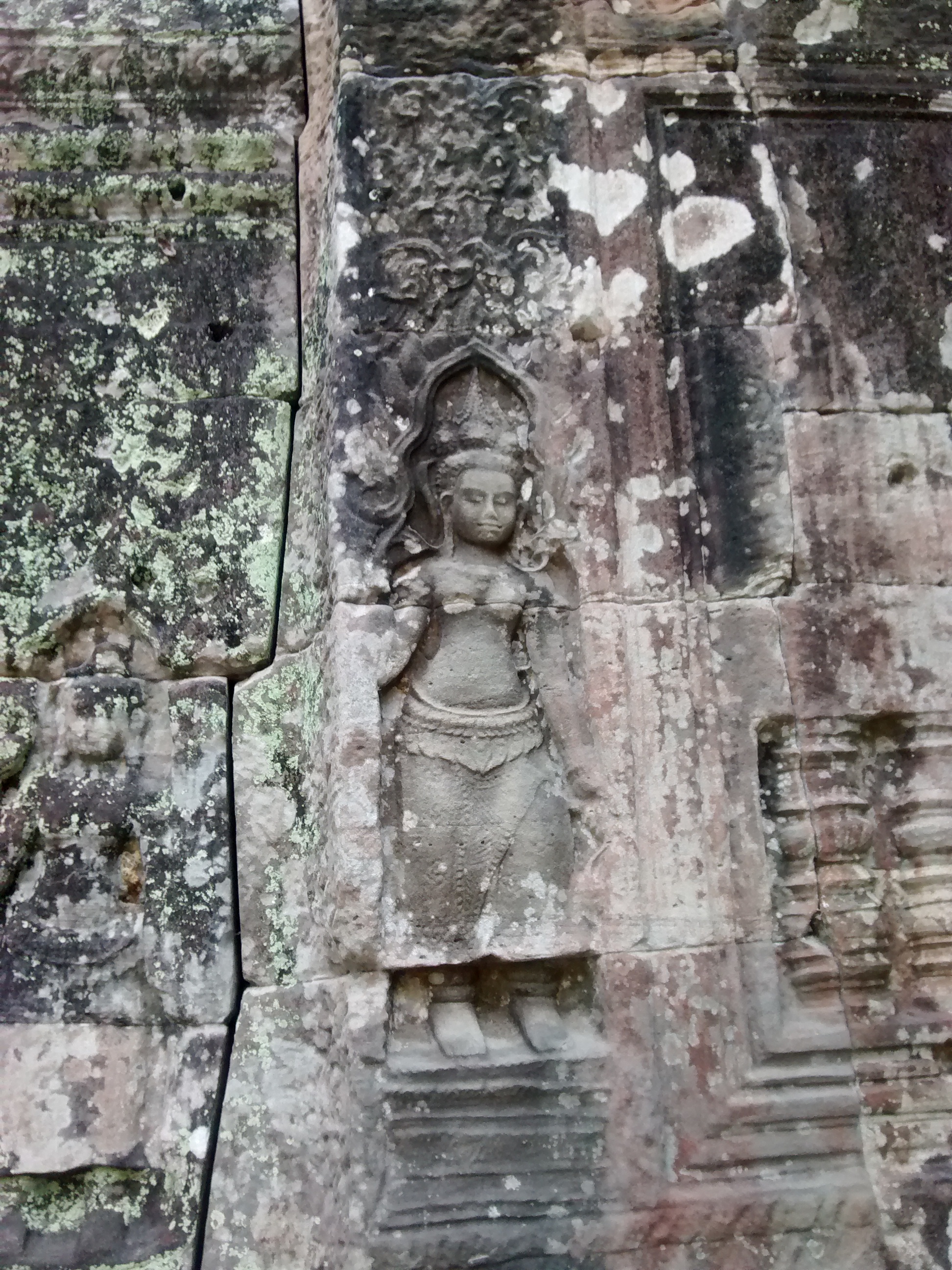
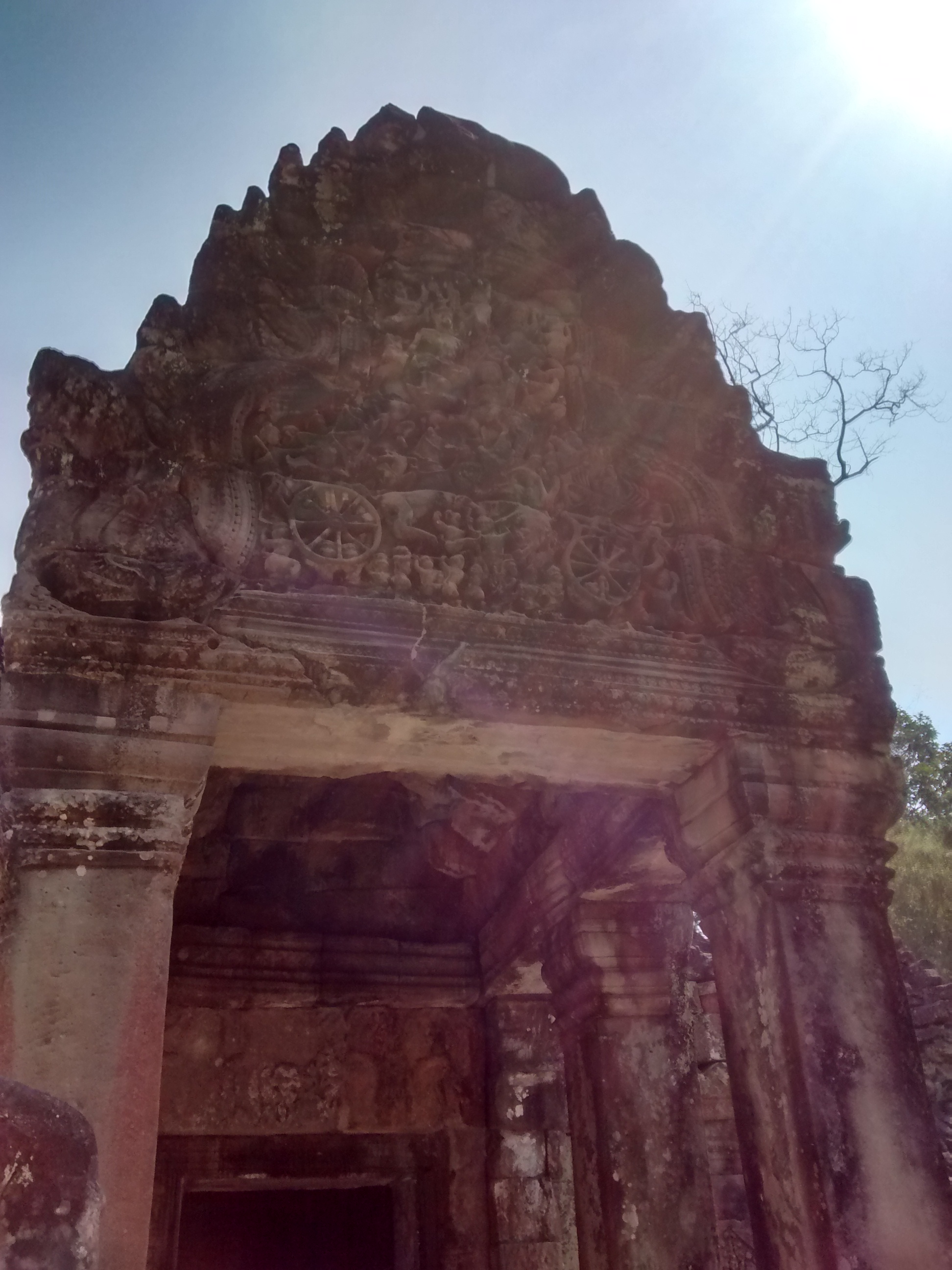
And still with the stunning detail of bas-reliefs and lintel decorations, comes as standard here.
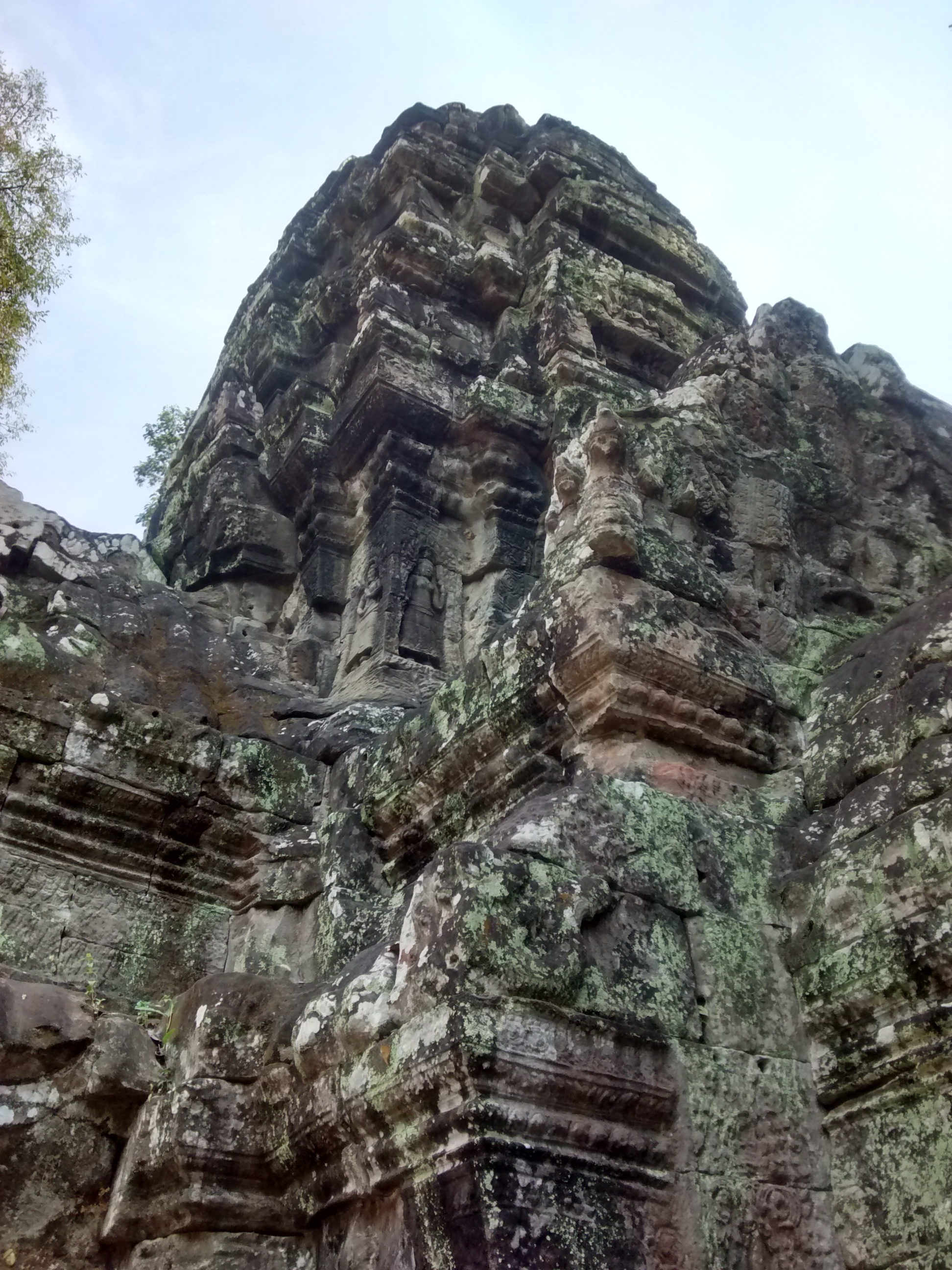
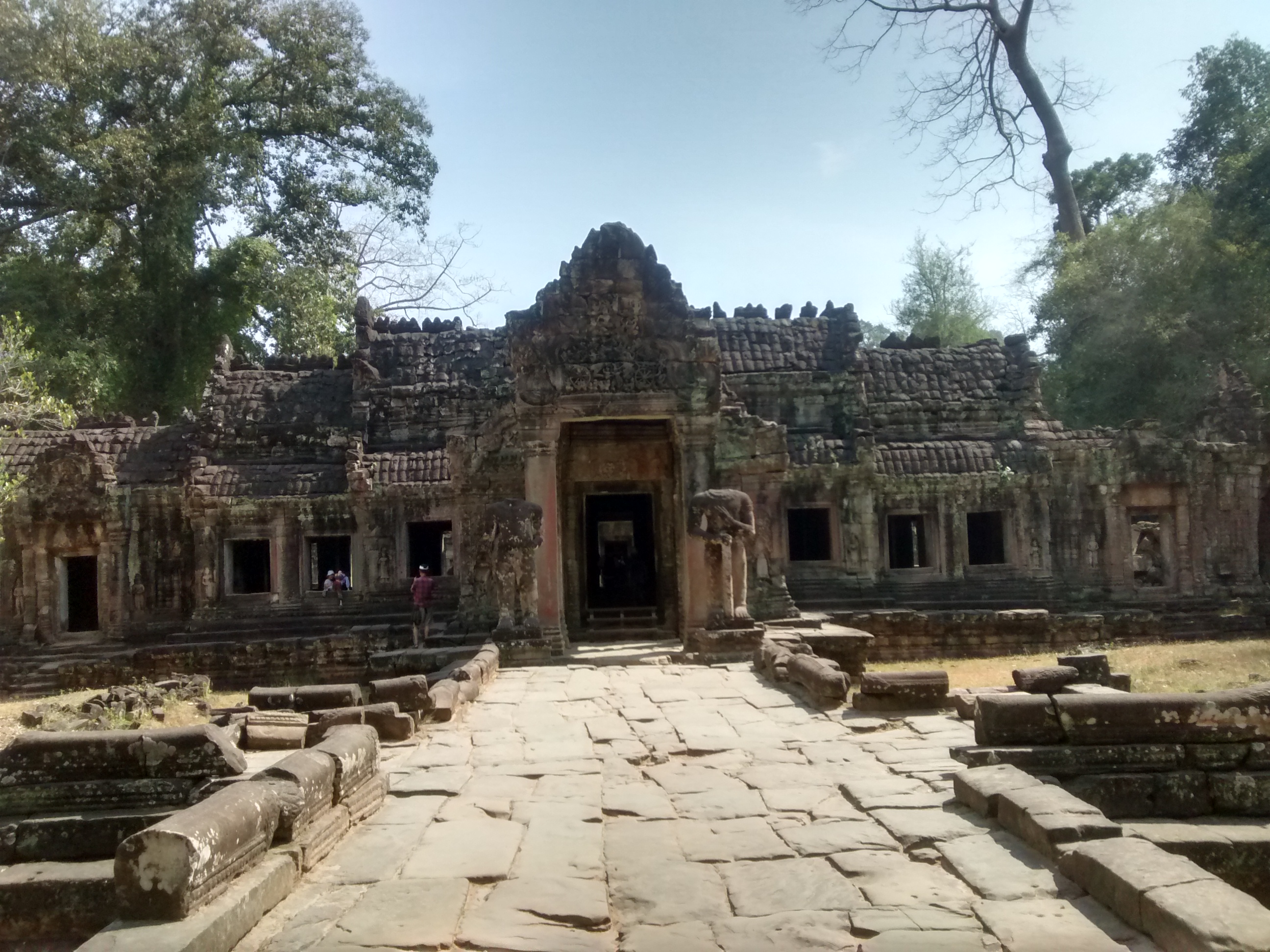
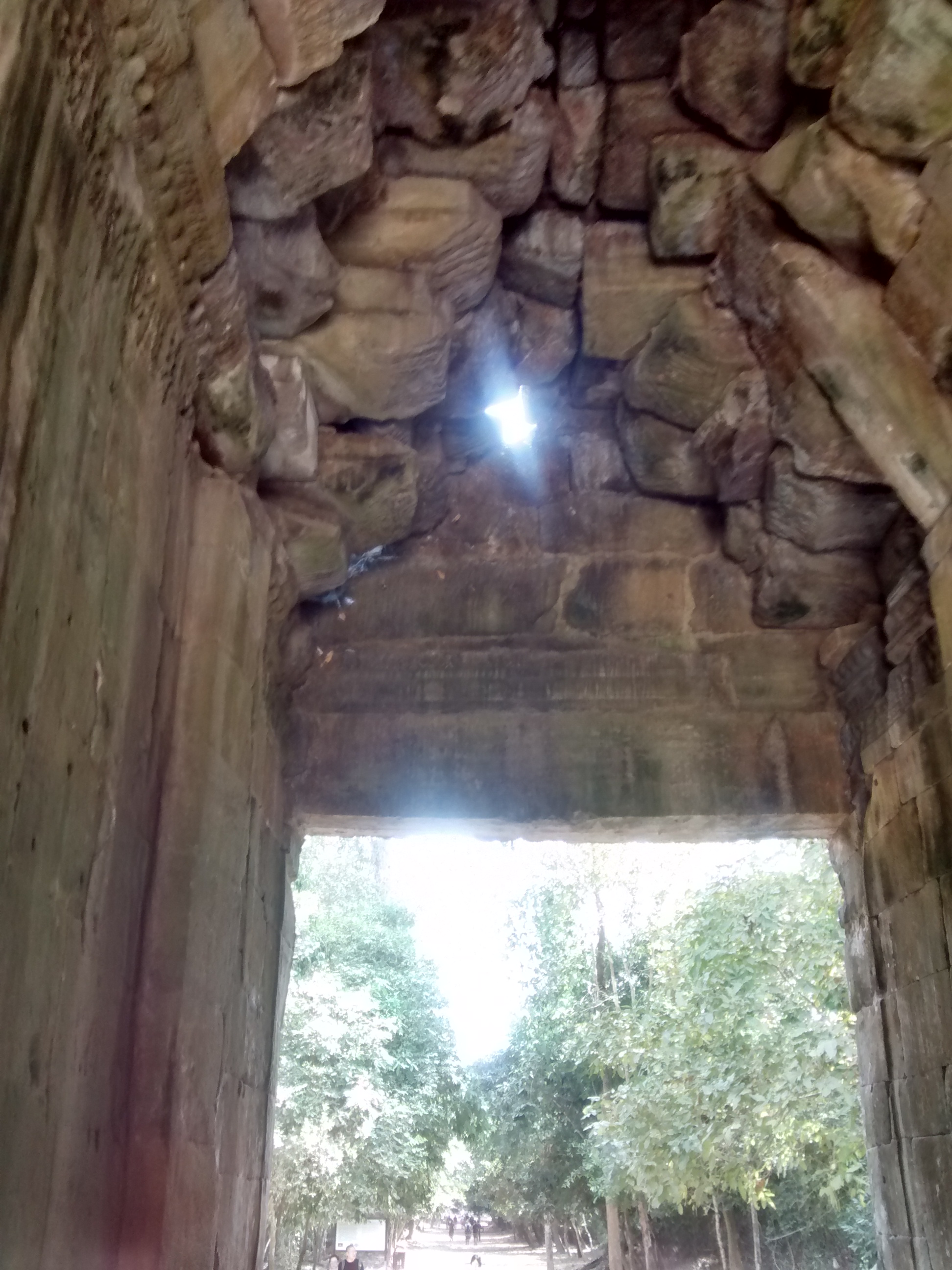
Like many of the temples, not everything has been reclaimed, there’s a lot of fallen masonry about, and in short Indiana Jones would feel at home in this mysterious little world.
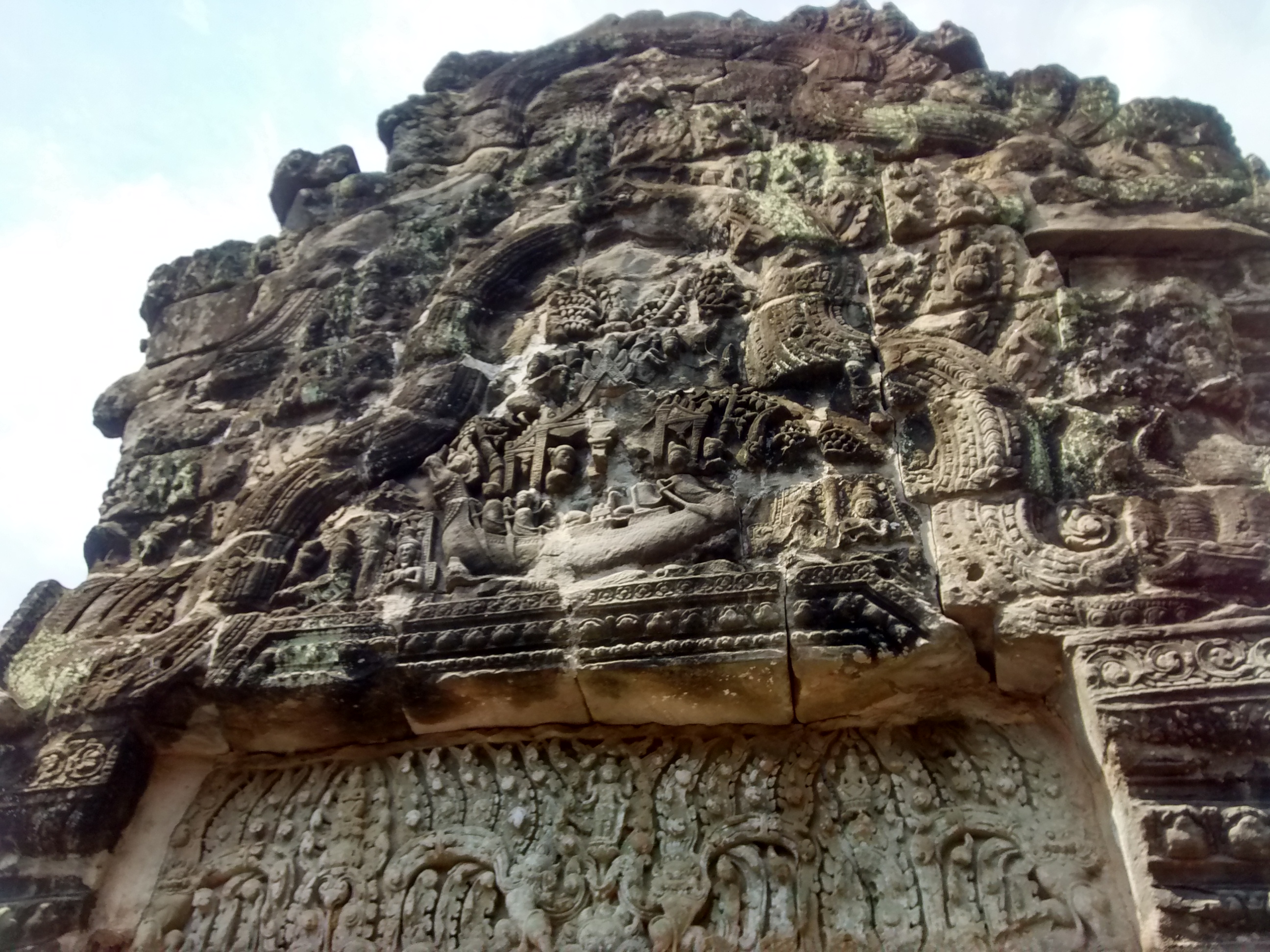
Chess on a boat.
(It doesn’t say who won.)
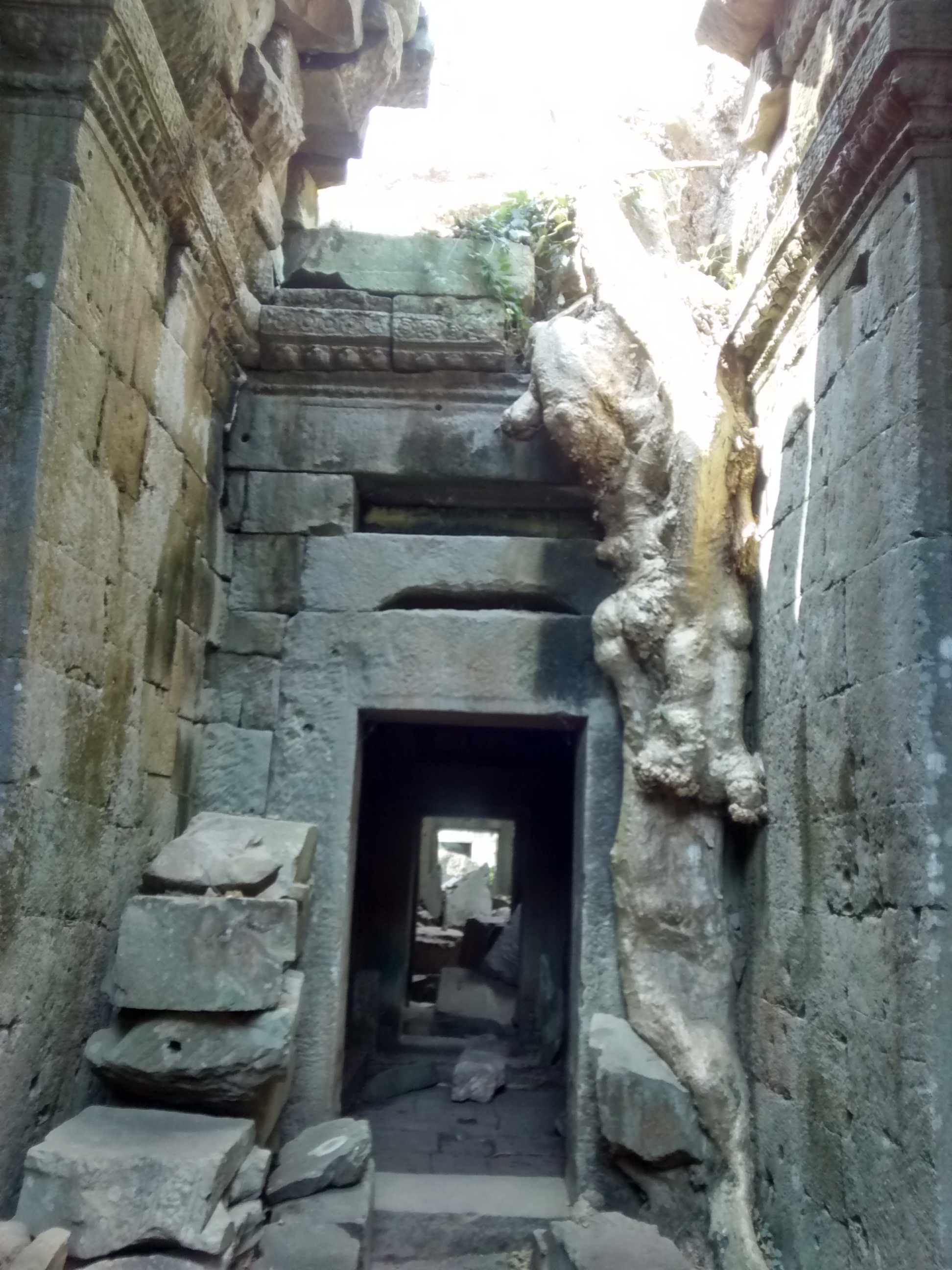
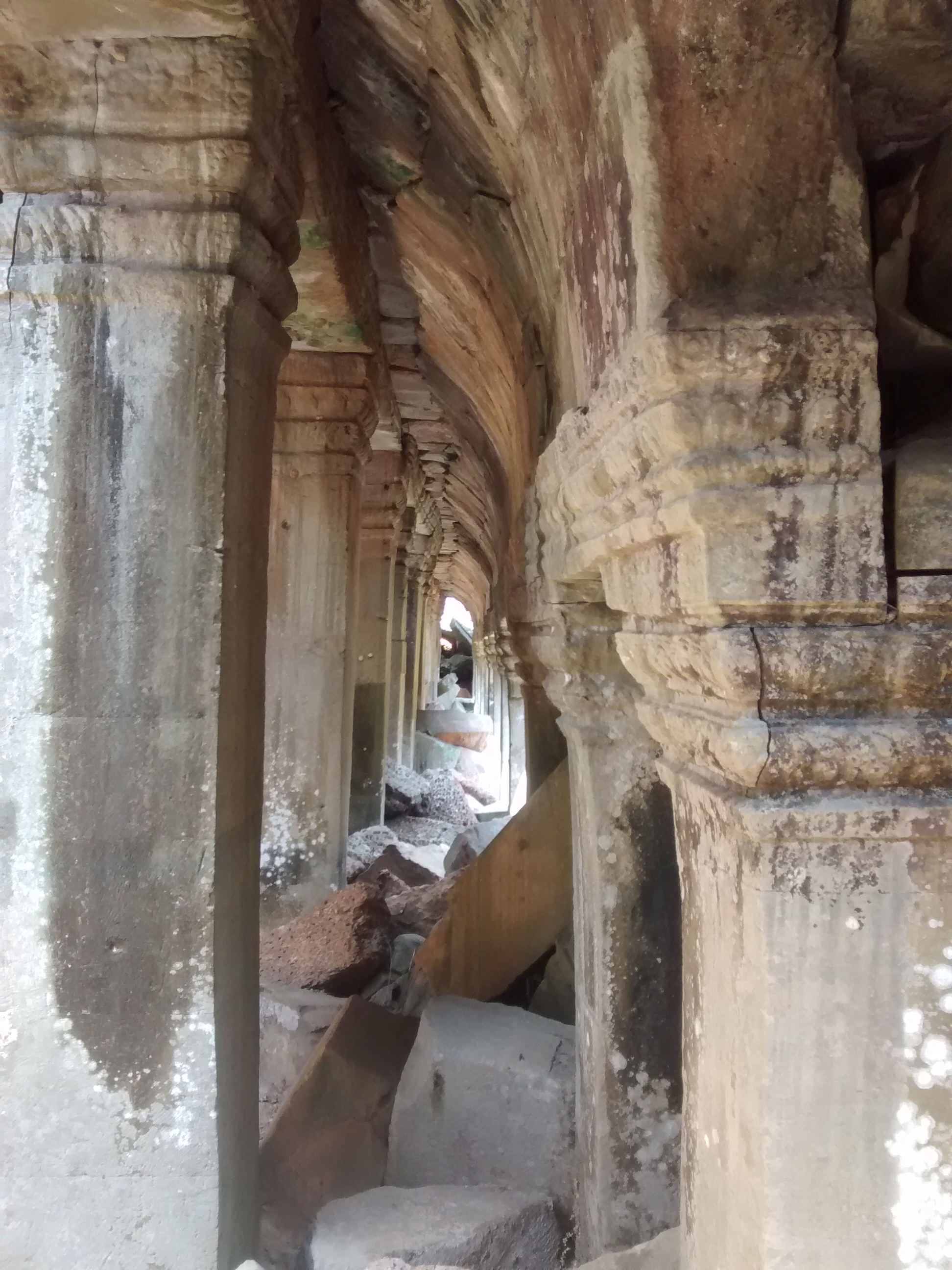
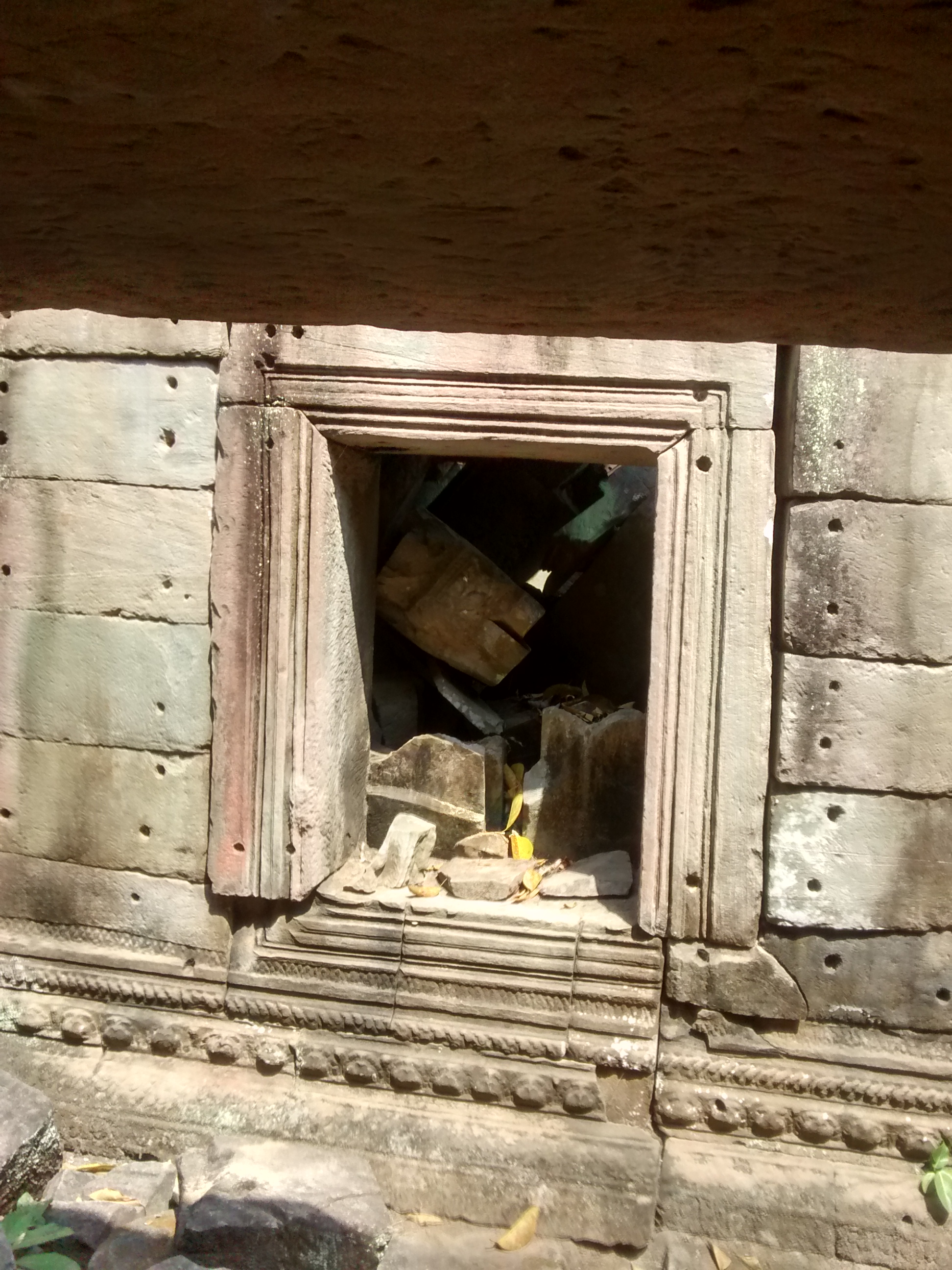
Ruined ancient passageways.
What stories have they seen unfold, what secrets do they hold? And if a passageway is restored, can it still claim its witness when the stones are reassembled?
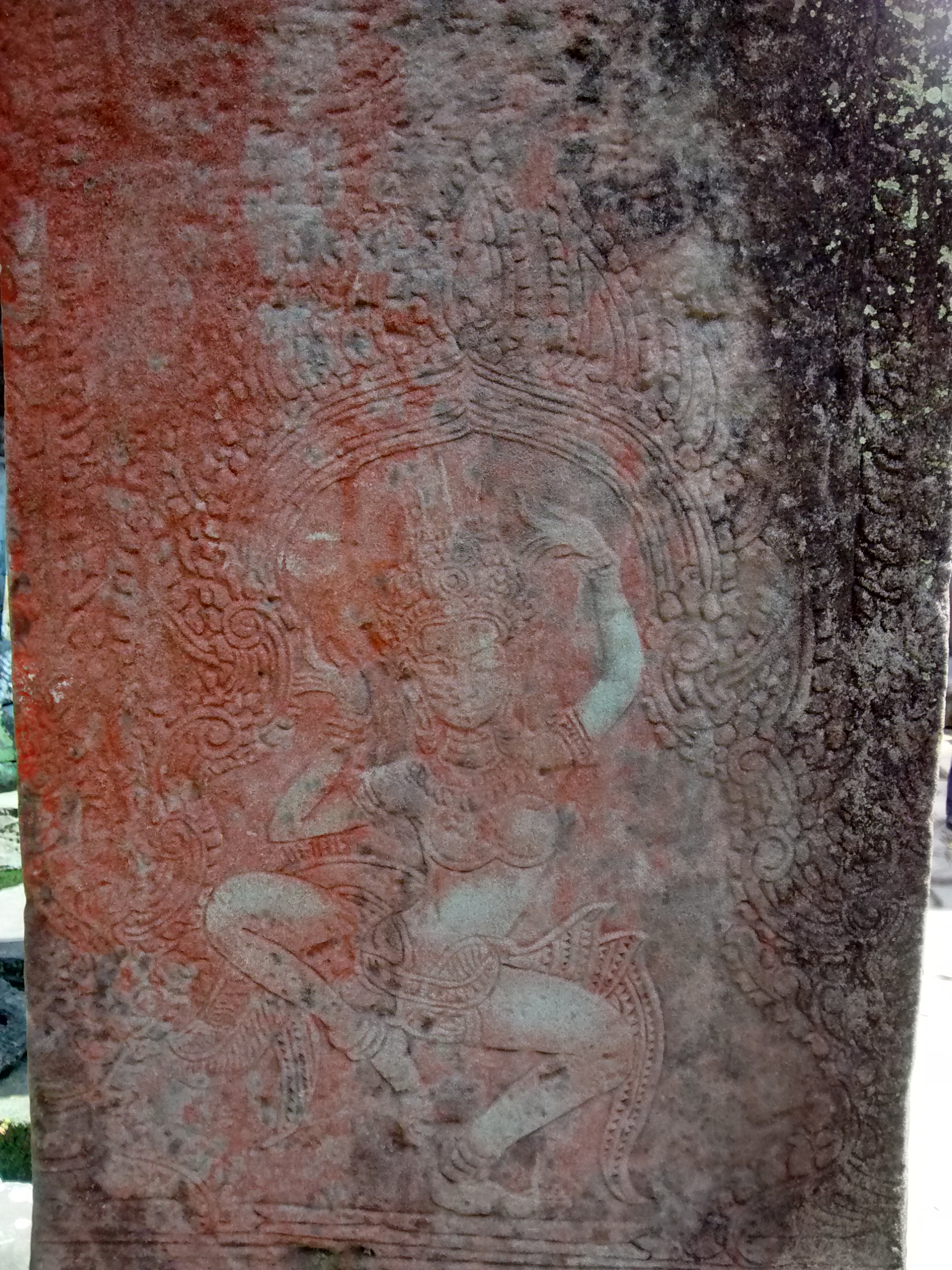
Entering the so-called Hall of the Dancers.
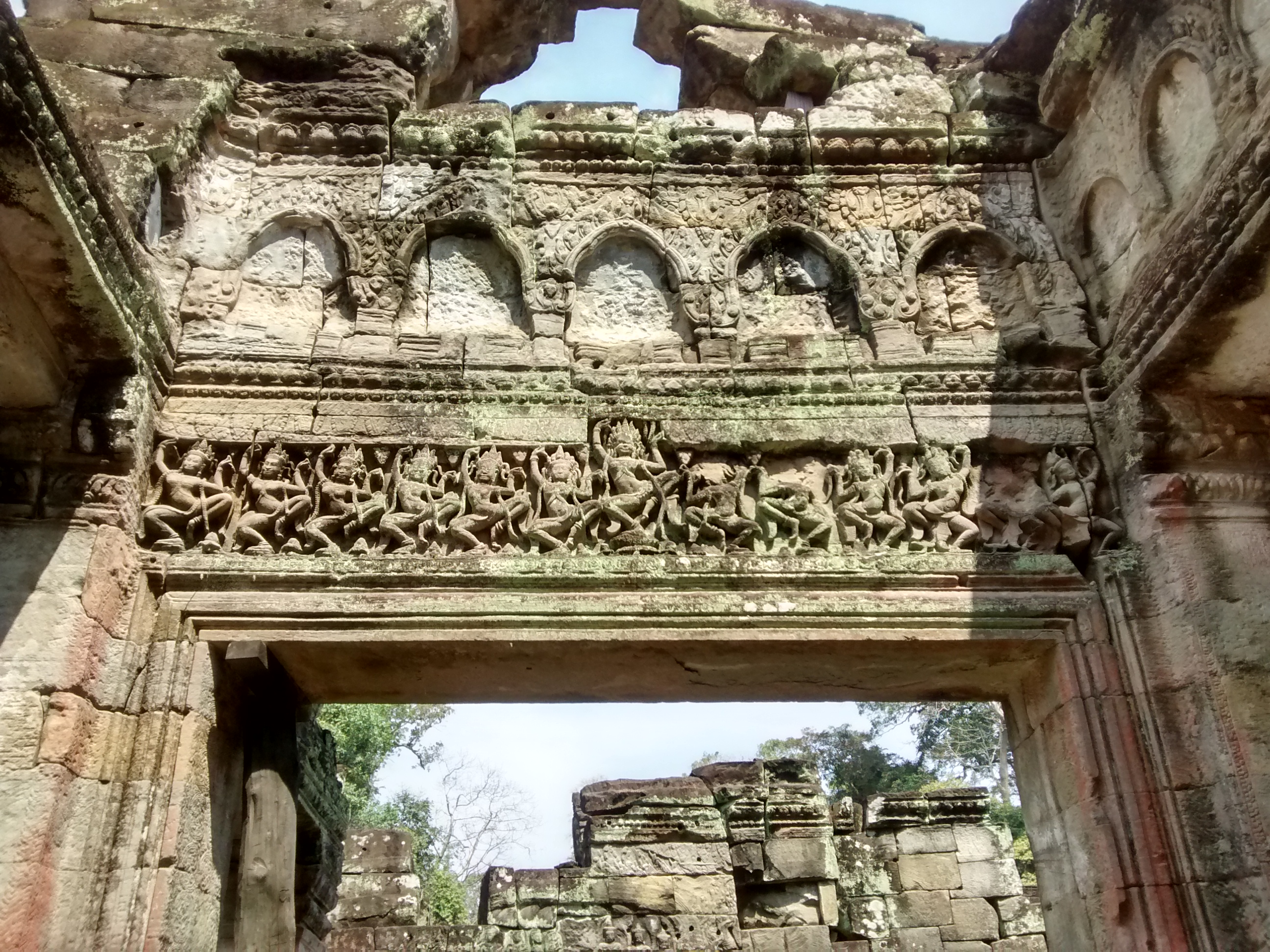
So called because of the number of lintels that featuring bevies of slinky apsuras.
There were originally figurines of the Buddha in those recesses above the dancers. But future rulers would revert Angkor from Jayavarman VII’s Buddhism back to Hinduism, and Jayavarman VIII, in particular, wasn’t ‘aving any Buddha. Out they came.
Fat good it did him. Cambodia has now been solidly Buddhist for centuries.
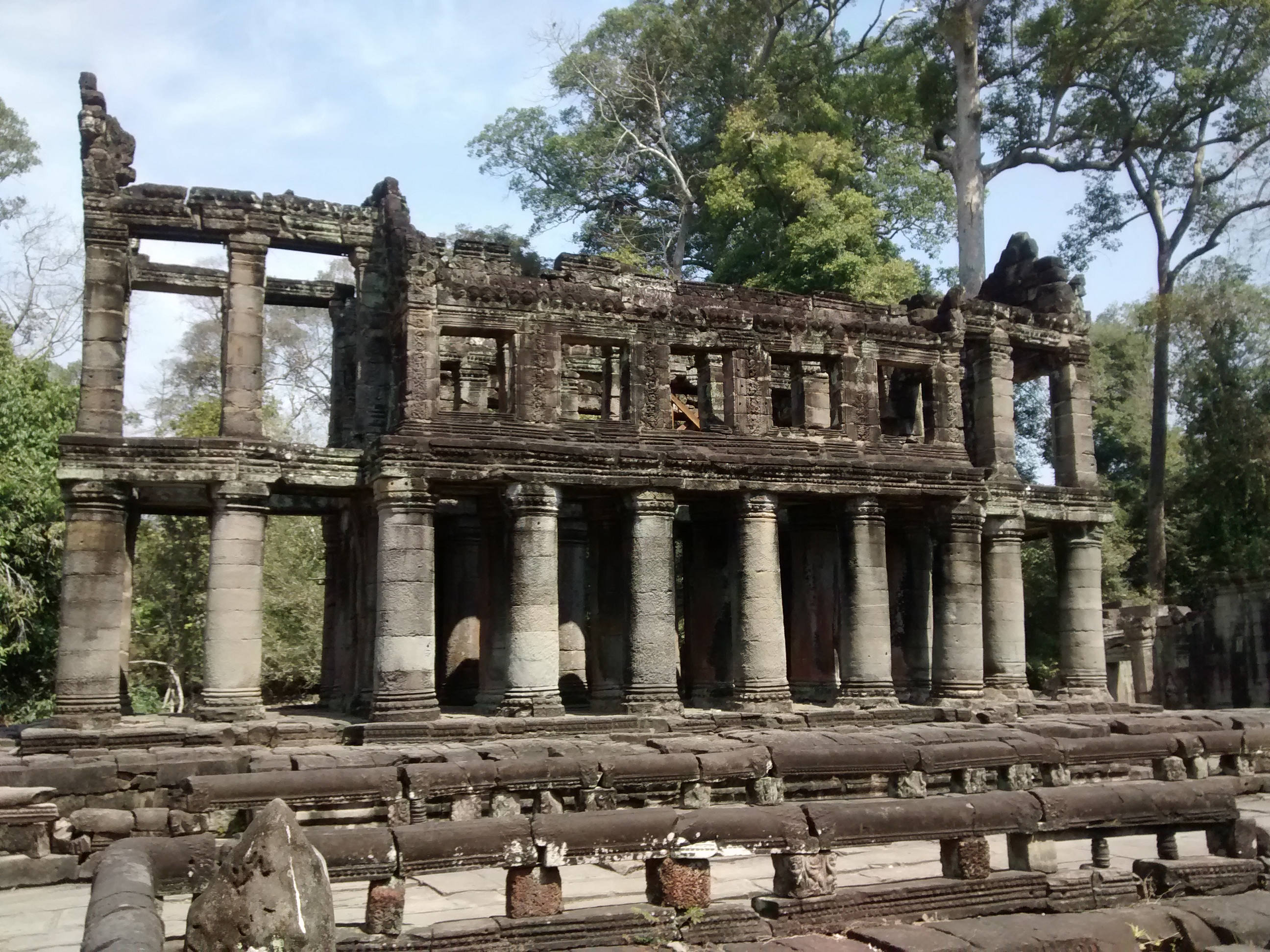
Yes, we’re still in Cambodia – not Greece. What this rare two-storey building was used for is unknown. But cultures from the Mediterranean to Japan were part of a great web of trade and influence in the first millennium AD, and religious beliefs, art and architecture were reaching places like Cambodia directly or indirectly. Globalisation is not just a modern idea designed to get populist fanatics ranting.
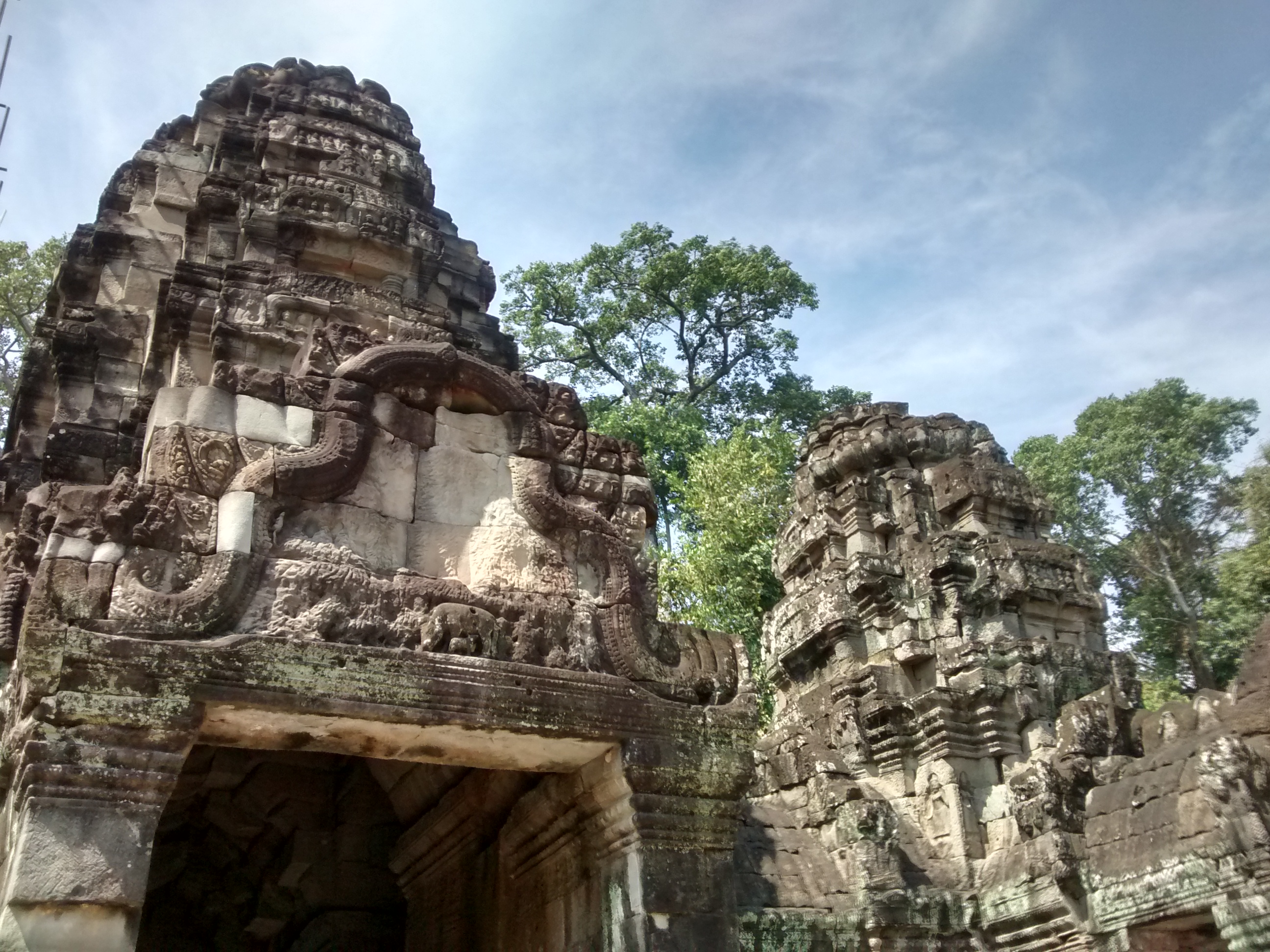
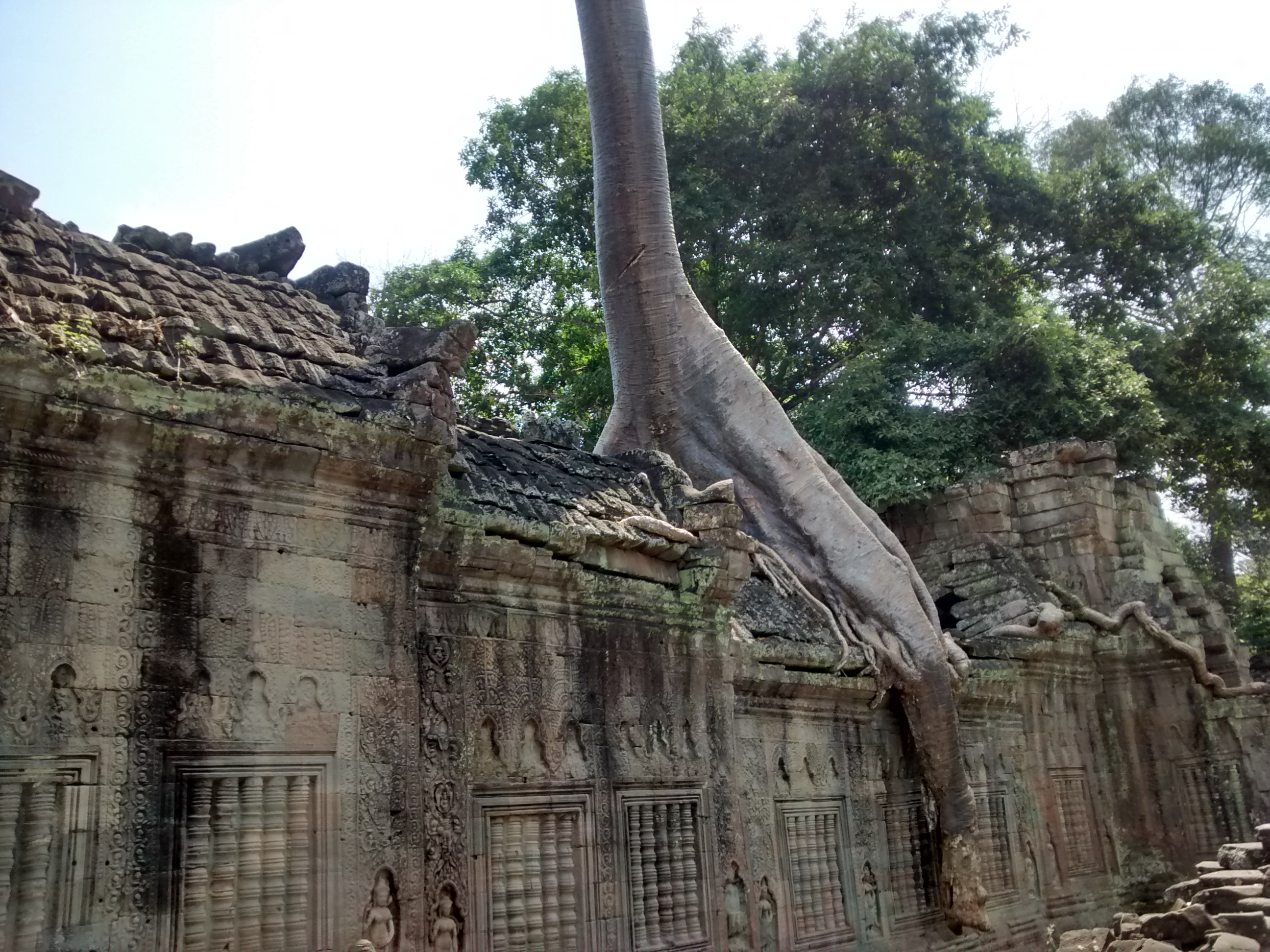
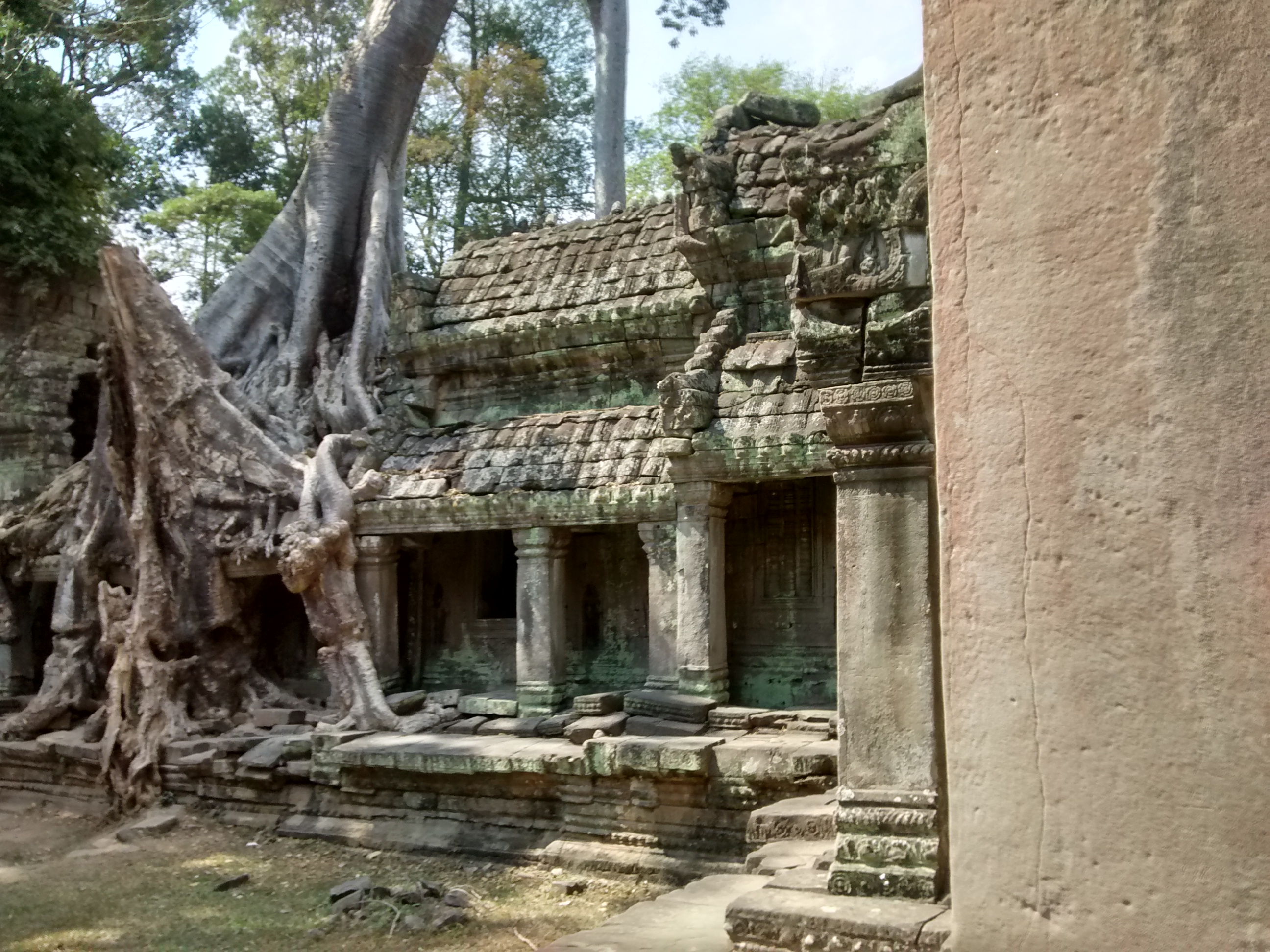
Still the Angkor Archeological Park – not Jurassic Park. Those are silk-cotton trees, the forest clinging on to its age-old dominion on the ancient temple. Freeman and Jacques believe that the trees are so old, they’re going to fall…
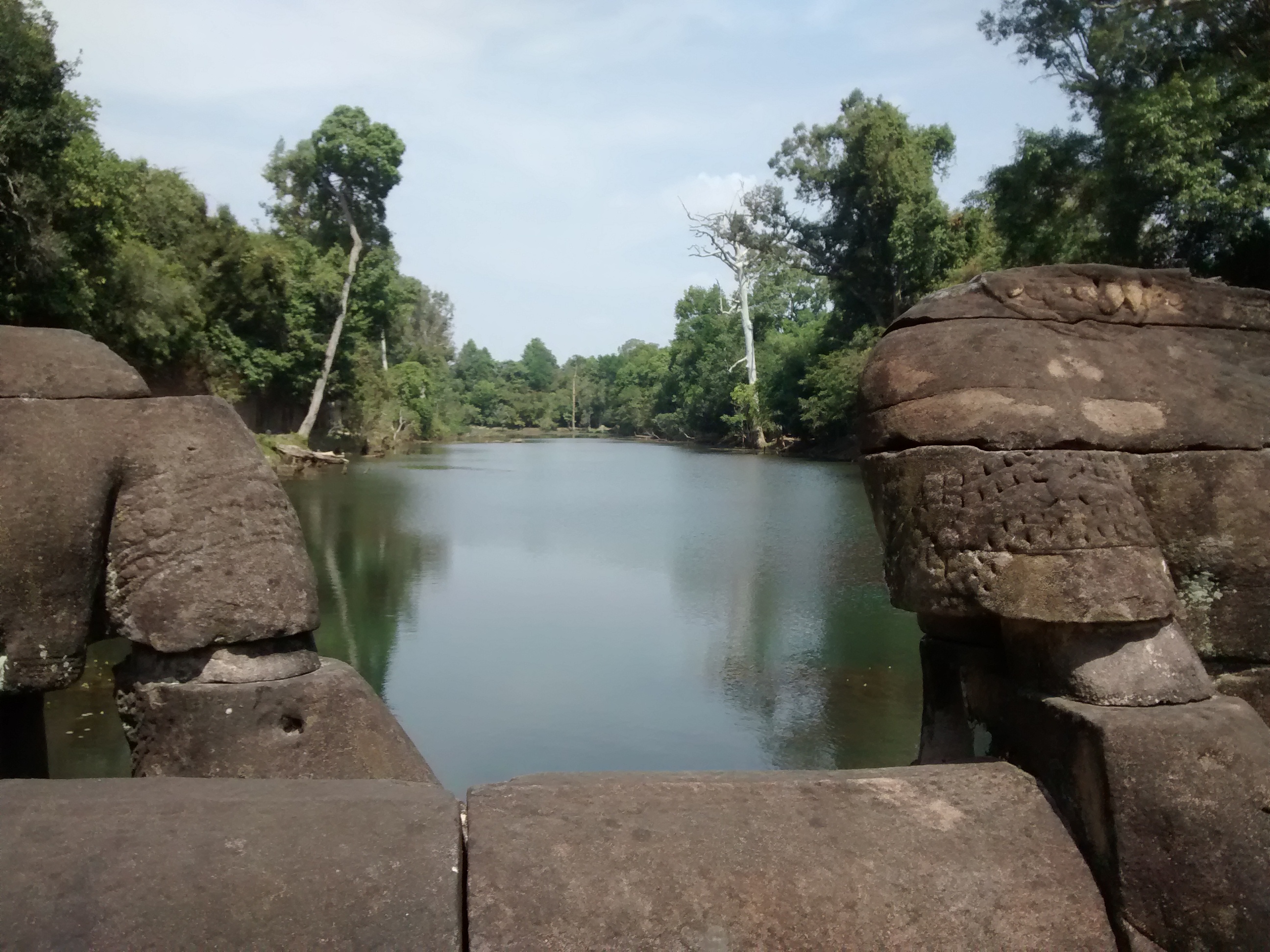
Better leave then. Out through the east gate, and after we run the gauntlet of the poor young trinket sellers on the long dusty path out (I couldn’t shake mine off so I bought two “silk” scarves for $3) we reach the other causeway, more nagas and tug-of-war, and the serenely flowing moat.
Except that it doesn’t flow under the causeway. The passageways are blocked. The other side is stagnant.
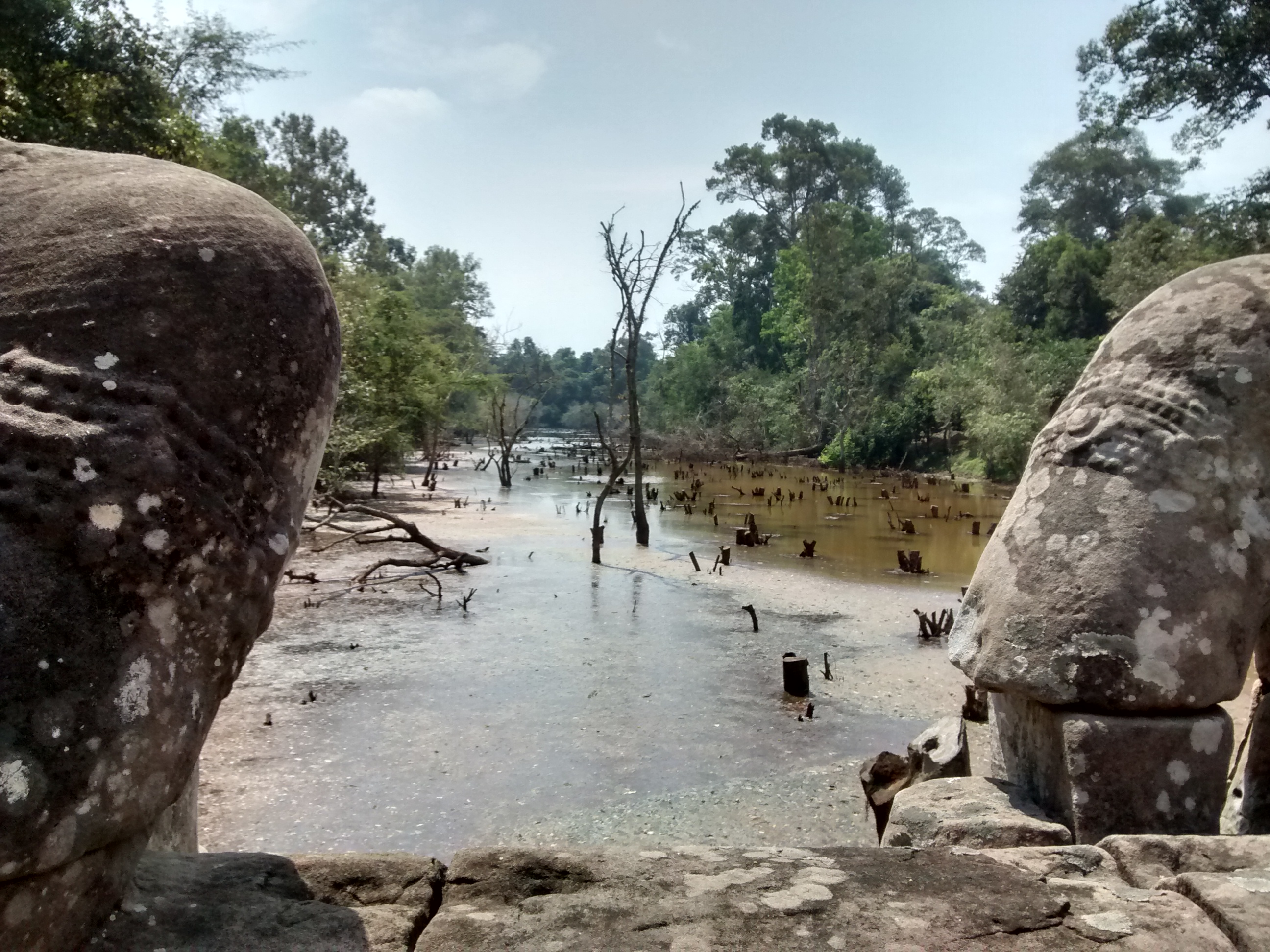
Dead trees, lost memories, faded faith. A world of wonder stirring again and finding new life in the imagination of humankind
 orwellianTwo
Leave a comment