The superstar looks out from his beachside apartment, out onto the endless stretch of soft golden sand as the waves break in the near distance, blue waves under an endless blue sky. All very much as you would expect, as he would expect. For this is a special superstar. His voice has been one of the seminal voices of the 1960s, a tender, sweet sensual voice that has helped to define the success of the extraordinary musical institution that is Motown. His recording of I Heard It Through The Grapevine is considered one of the greatest songs ever produced. Had time stopped in 1970 he would have been acclaimed as one of popular music’s greatest singer-songwriters.
But time didn’t stop, and neither did he. After badgering the record company to take what they saw as a risk, he would release a song that in 1971 would eventually become the title song of an album called What’s Going On, soul music’s first great concept album, a sublime merging of R&B, the blues, funk and gospel music that gave glorious voice to a searing critique of the Vietnam War and of the social injustices experienced by African Americans.
A superstar all right, an icon, a legend. But life hasn’t always been great for Marvin Gaye. Raised in difficult circumstances with a physically abusive father, Gaye’s music must have been an escape but the pressures of the music business would have brought their own demons. By the end of the seventies he was struggling with a cocaine addiction and being chased for unpaid taxes. We find him in his sunny apartment at the beginning of the 1980s, having completed a European tour.
But this beach isn’t in LA or Florida. No palm trees here. Blue sky as far as the eye can see, warm April sun, but – as I found out today – a sea breeze to freeze your pina colada in seconds. What has brought one of the biggest stars of American music to a blustery ferry port on Belgium’s North Sea coast? To quote the man himself – what’s going on?
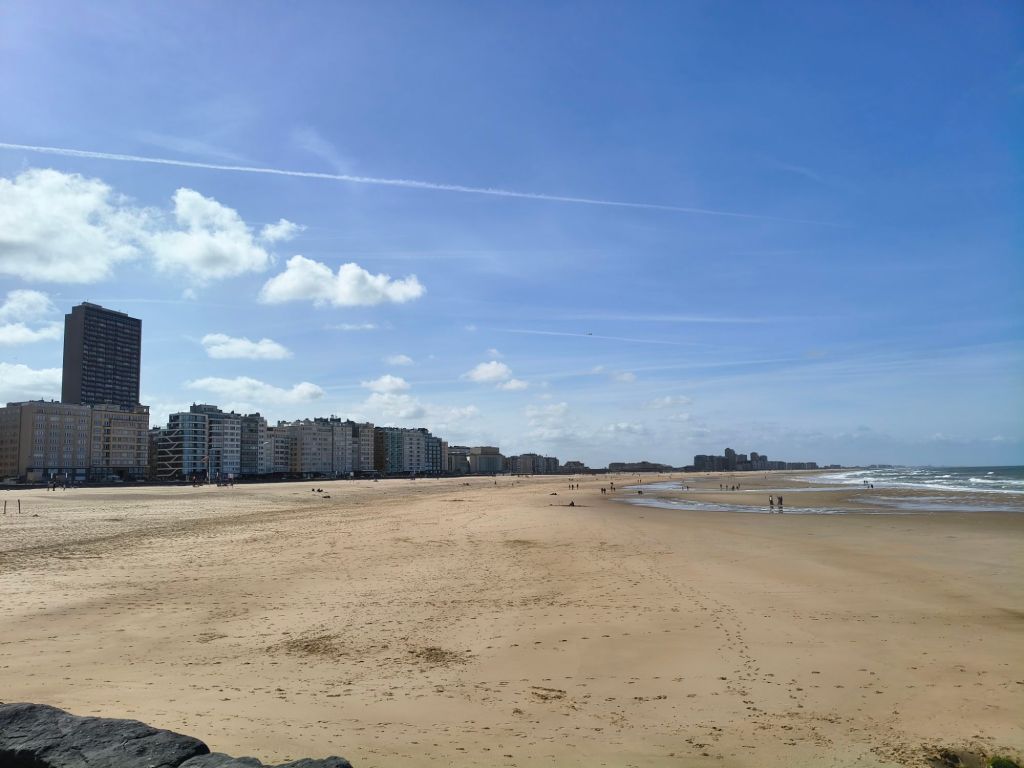
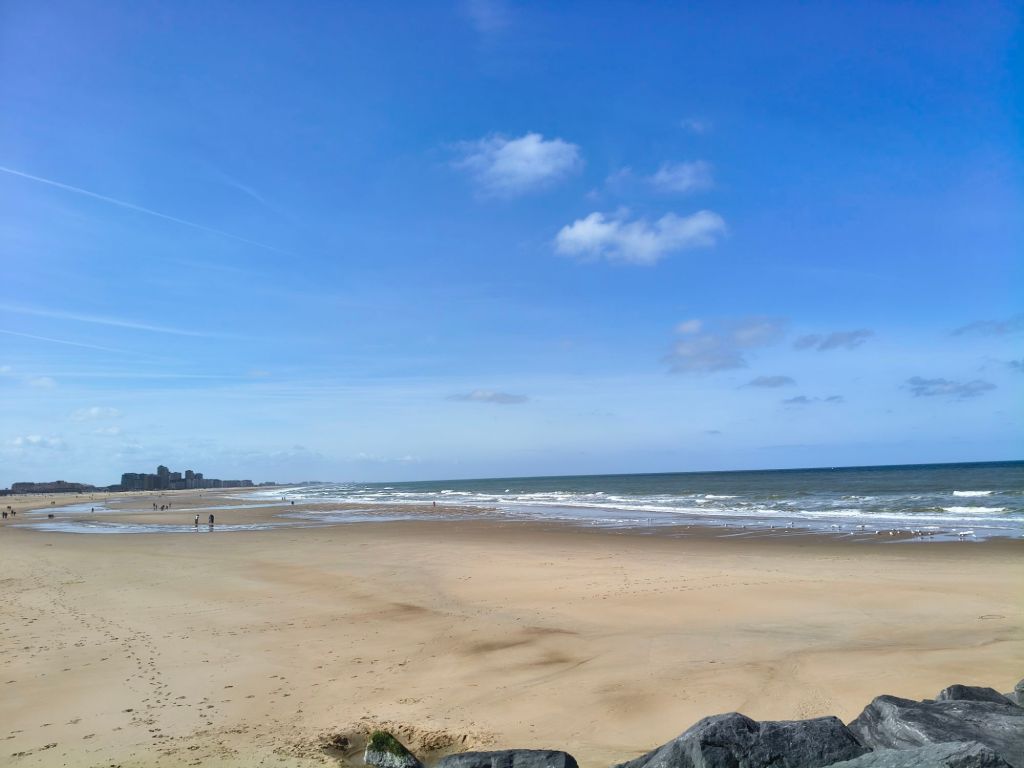
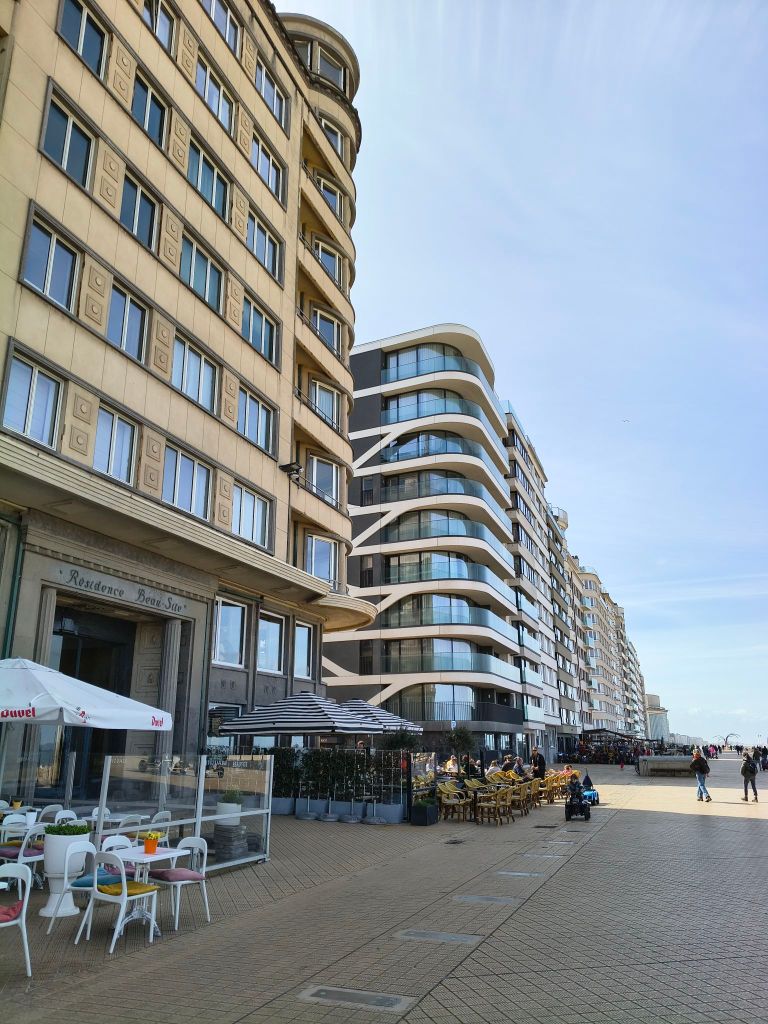
A fishing village that became an important harbour, Ostend grew as a beach resort in the 19th century thanks to the patronage of the Belgian king Leopold I and the colonial genocidal criminal Leopold II. (As condemned by his contemporaries, by the way). But Ostend’s location on the North Sea coast, so close to Britain and France, meant devastation during both world wars. It is still a big town, a sizeable tourist resort, but the buildings are chillingly modern. A 19th-century cathedral still stands but nothing much else from earlier times. Most people in Britain probably think of Ostend as just a ferry port (as I did). But it’s Belgium’s biggest beach resort, and the area around the beach still has that classy buzz of a European fun- time place.
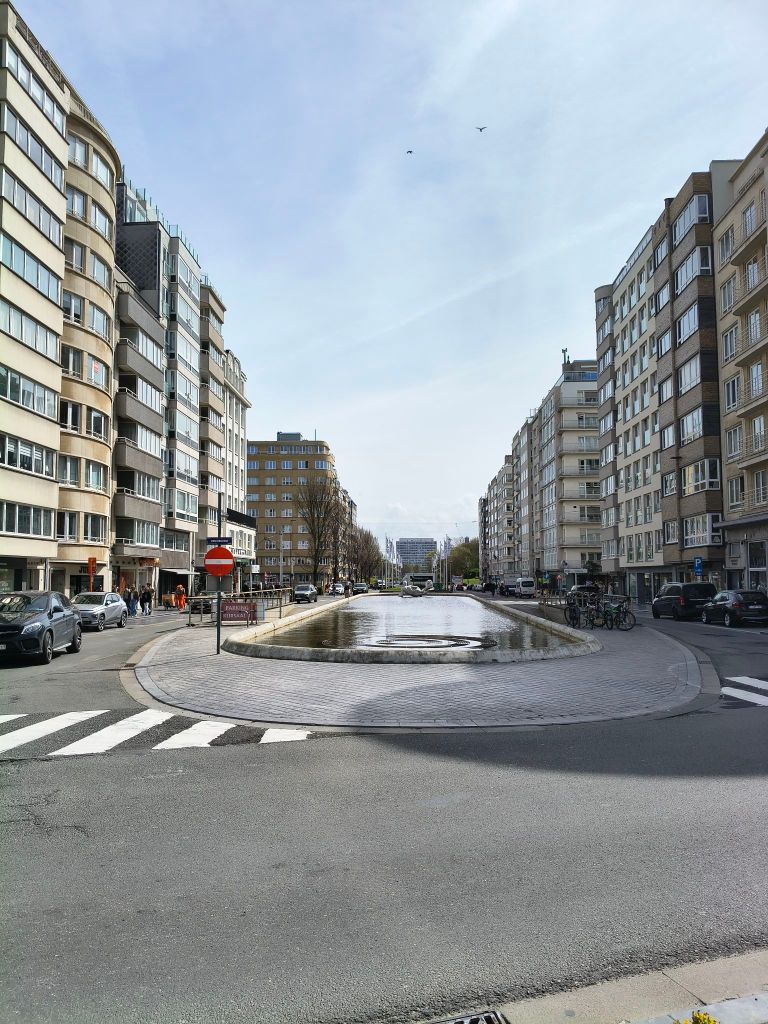
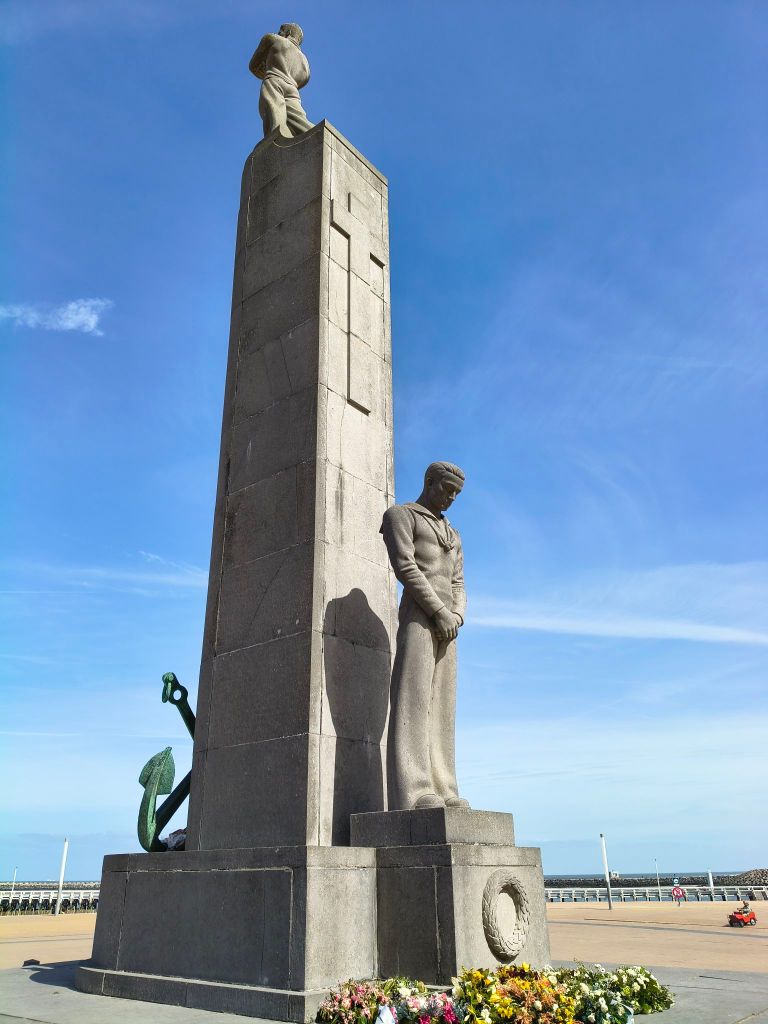
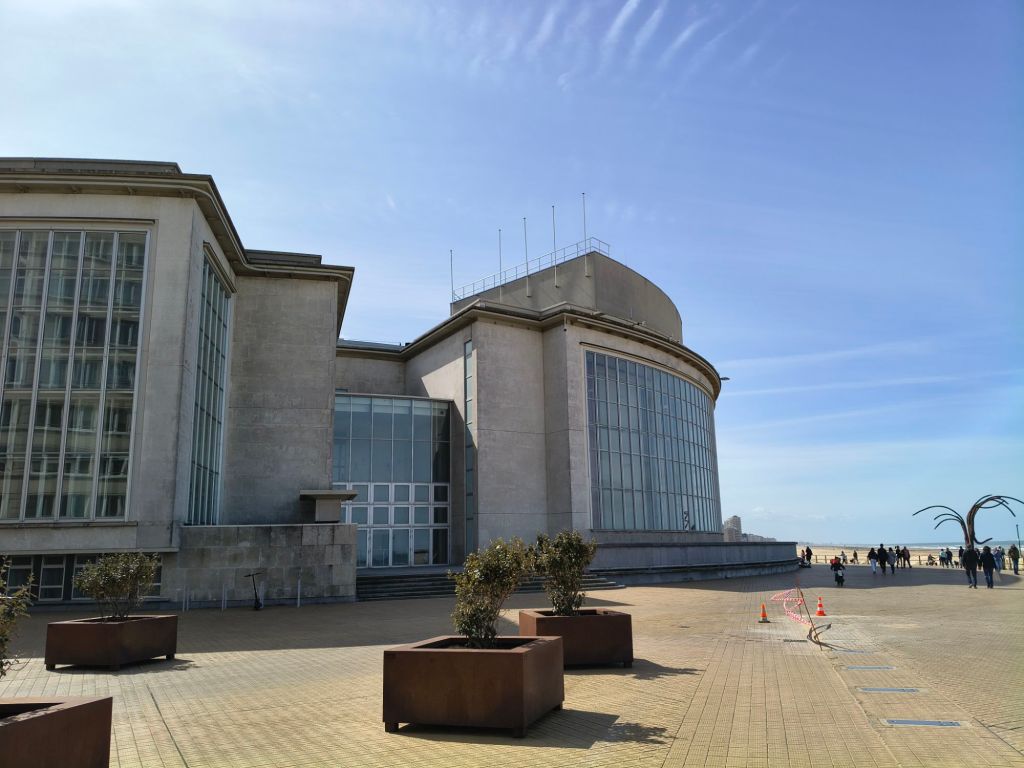
The massive Kursaal in the final photo here is casino and concert hall all in one. The original was built in 1878, but was destroyed in the Second World War. Rebuilt in 1950, its 10000 square metres would make it Europe’s largest casino.
As for the concerts, amongst the names that have graced the stage here includes one Marvin Gaye…
At the end of his European tour, Gaye has been saddled with a tax bill for $4.5 million. No surprise that he stays in London. But being in London probably means being close to cocaine. So a Belgian music producer suggests Gaye relocates to his own apartment on the beachfront in Ostend. Gaye agrees and in 1981 brings one of his sons over with him on the Dover ferry.
The superstar looks out of his beachside apartment, refreshed, not just because of the bracing North Sea air. Marvin Gaye is in a better place. He has been keeping away from cocaine, and finding community at a local church. It’s time to knock out some more tunes.
And so here, at Residence Jane, Albert I Promenade no.77, he closes the apartment window, the better for stopping his notepaper flying in the sea breeze. Out comes his pen, maybe a bit of humming too, and Gaye sets to work on scribbling out a song that he would title “Sexual Healing”.

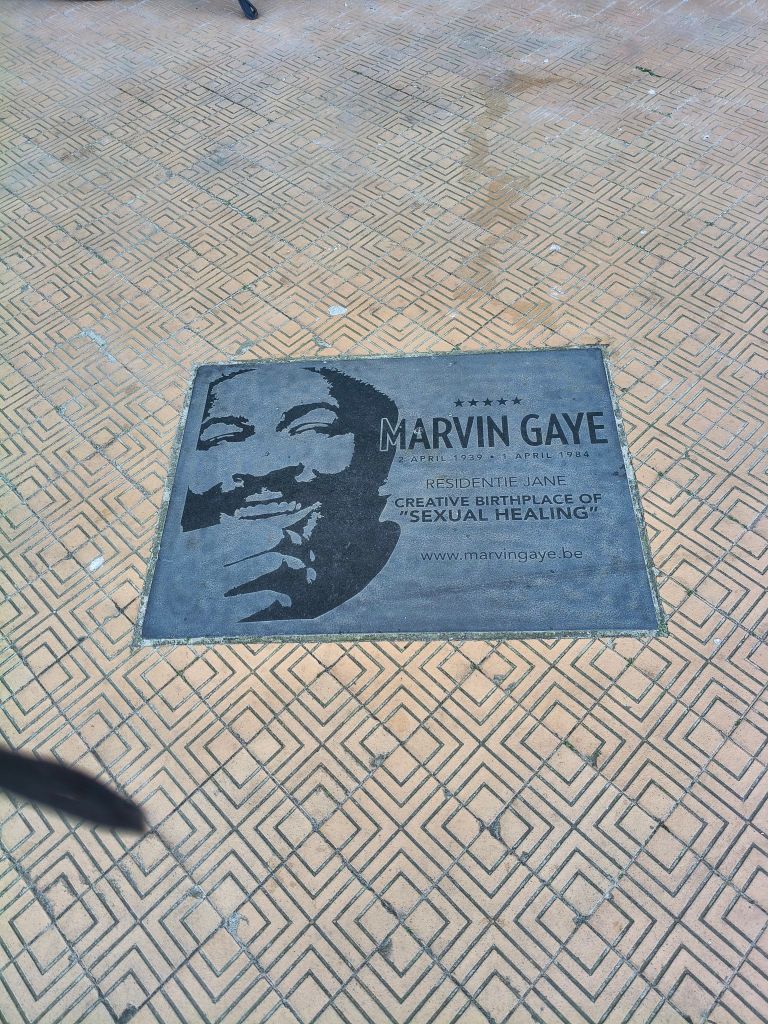
The song is a sensation and a classic. The man still has it, in all sorts of ways. A paeon to procreation, there are billions of people under forty years old in the world and many of them probably exist because of this song. The rest are probably being lied to by their parents. In a better place, Gaye is now able to find an even better place and he moves to a huge villa outside the city. He’ll go back to the States in 1983.
But drugs and debts follow him, and he has to move in with his parents. In 1984, he tries to stop yet another fight between them, and his father pulls out a gun and shoots him.
The next day Marvin Gaye would have been 45 years old.
The North Sea waves break in the near distance, away down the endless stretch of the Ostend sands. But the clouds are coming in, and the spring sunshine offers no more relief from the steady breeze.
It’s time to get the train back to Bruges.

 orwellianTwo
Leave a comment