…and survived. Very safe.
The Zona Colonial dates back to 1494, only two years after Christopher Columbus arrived on the beautiful island. Airbnb is blamed for many things, but at least they would have thrown this particular Italian traveller off the site for his behaviour in resort, like claiming the whole resort for the Spanish royals, forcing the hosts to work in silver mines, and then wiping them out with imported diseases. And not leaving a review.
Santo Domingo quickly became not only the capital of the new colony of Hispaniola, but the nerve centre of the Spanish effort to take over the Nuevo Mundo, the New World. The well-preserved Zona Colonial still looks and feels like a small Spanish town, with simple whitewashed frontages gracefully lining the atmospheric calles.
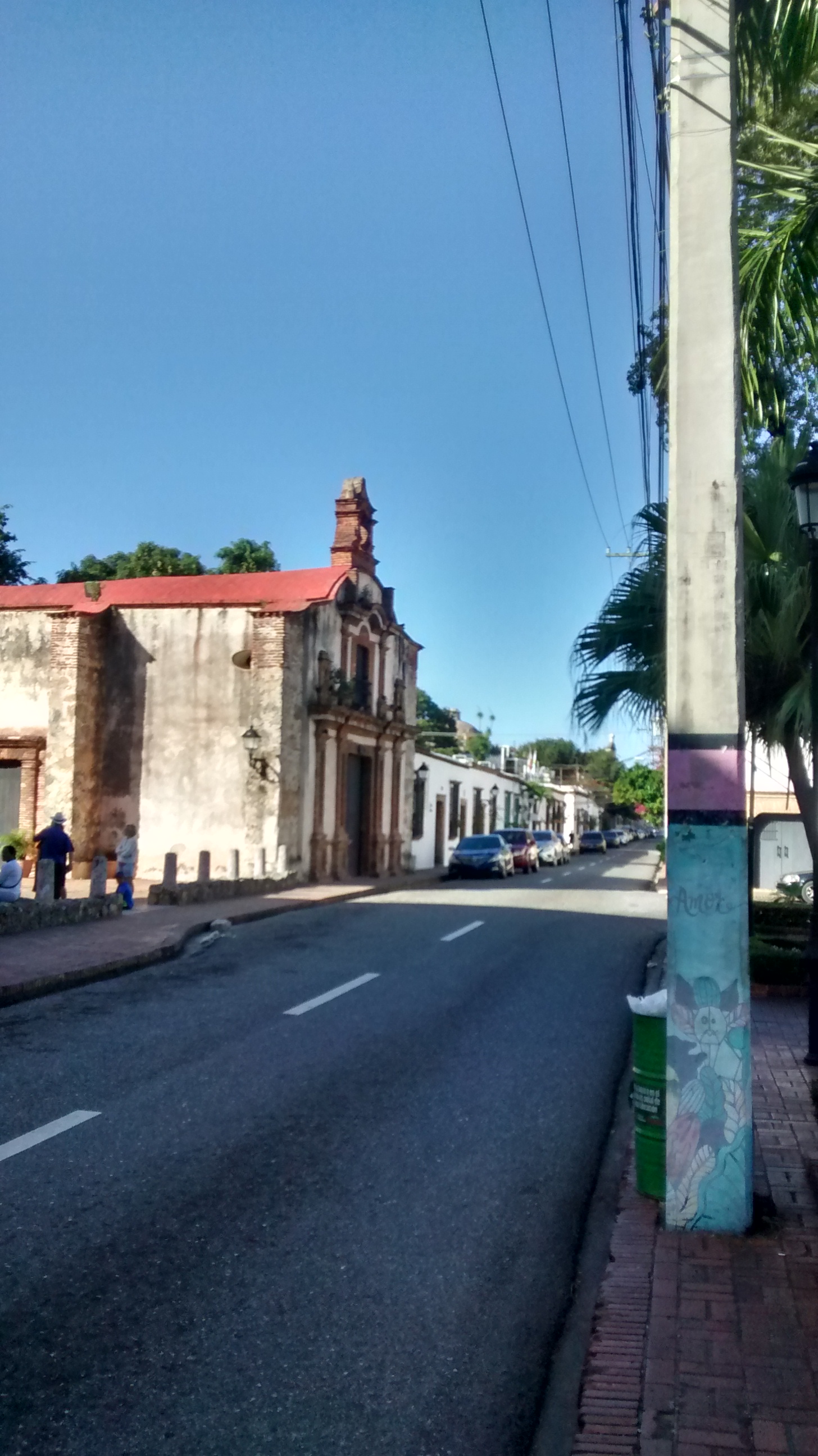
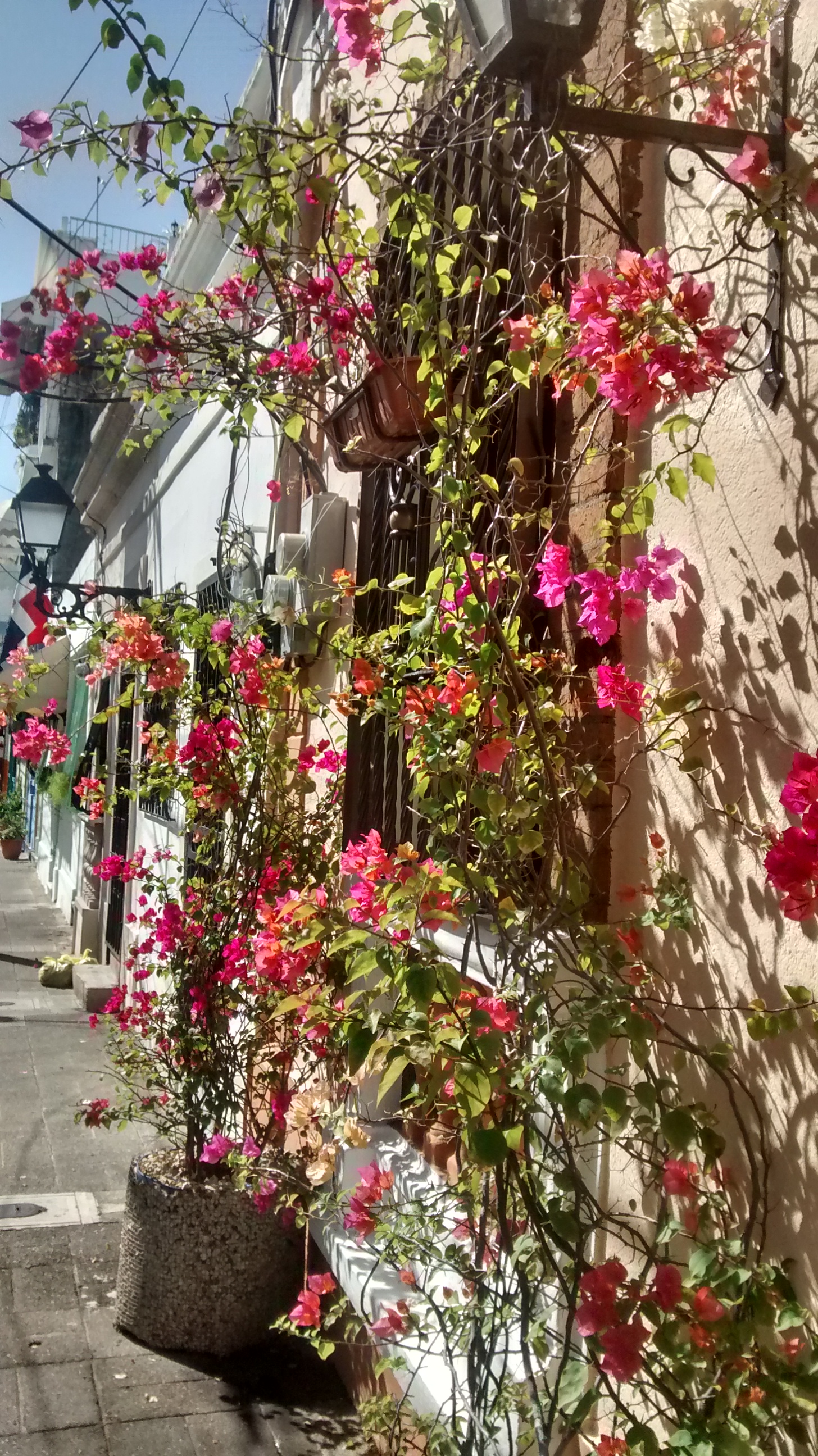
Santo Domingo was the first major European settlement in the Americas, and you can walk the streets and pick out the firsts – the first Western-style university, the first monastery, European fortress, etc.
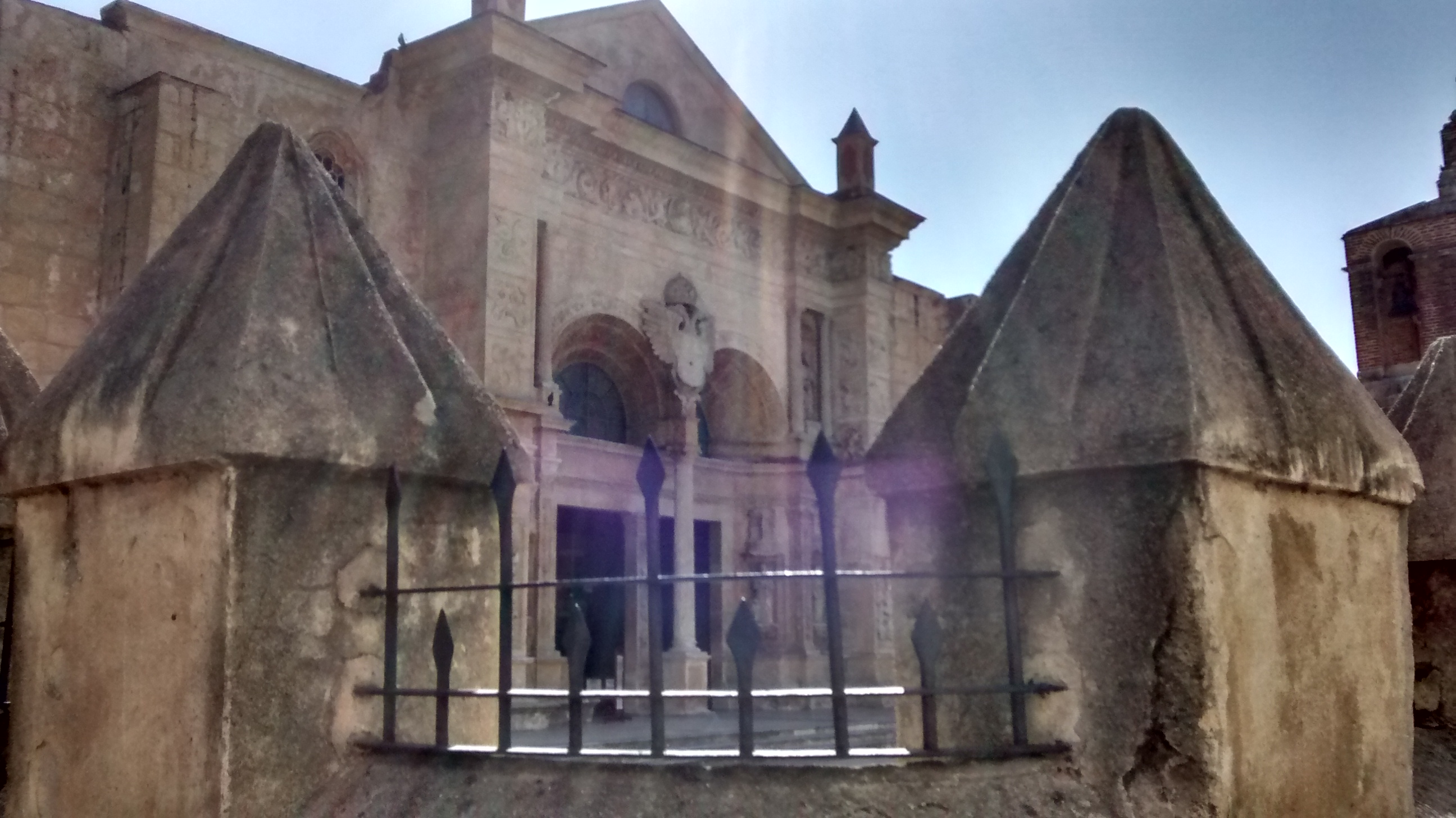
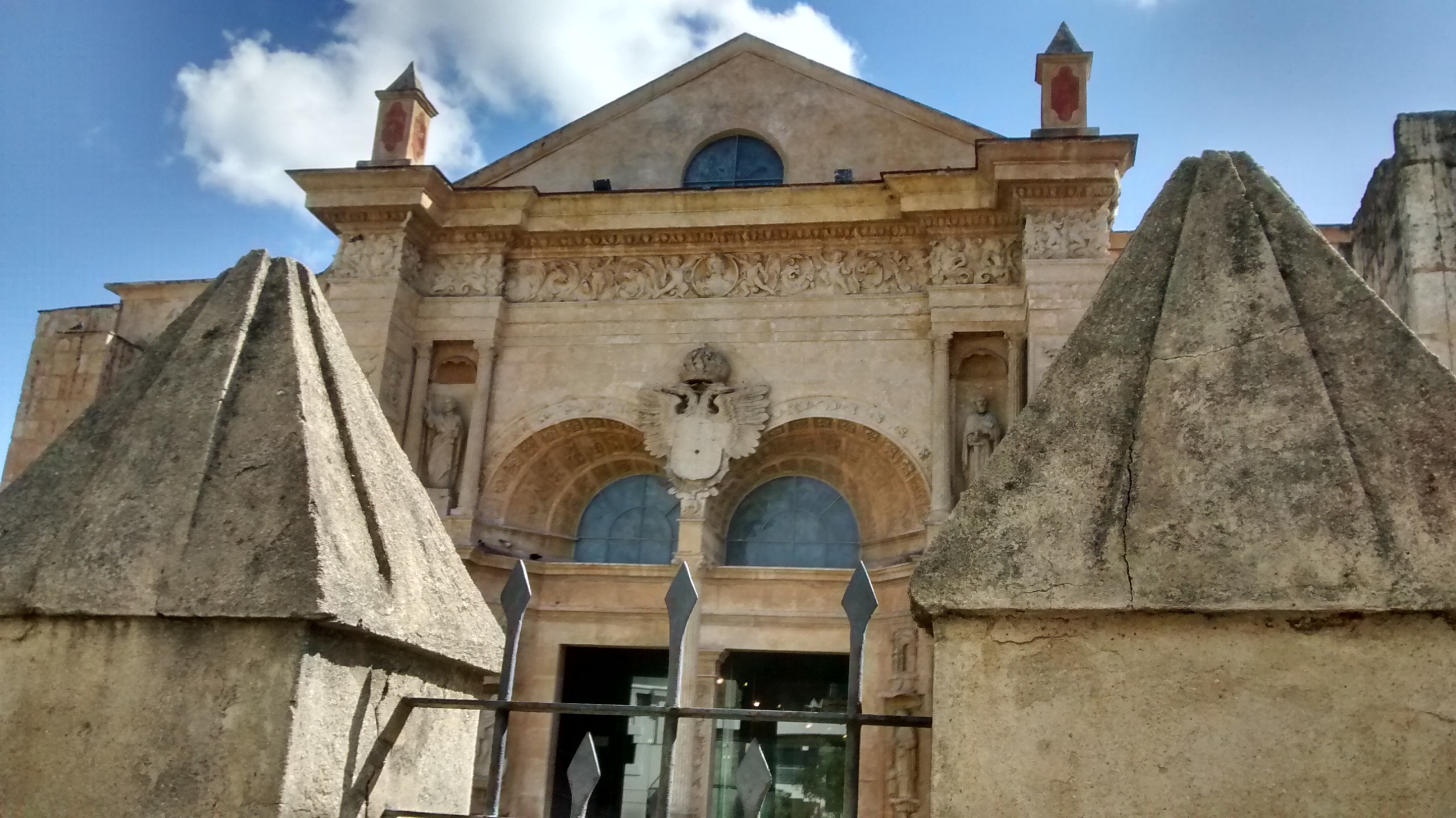
And this place, the Catedral de Santa Maria La Menor, completed in 1541.
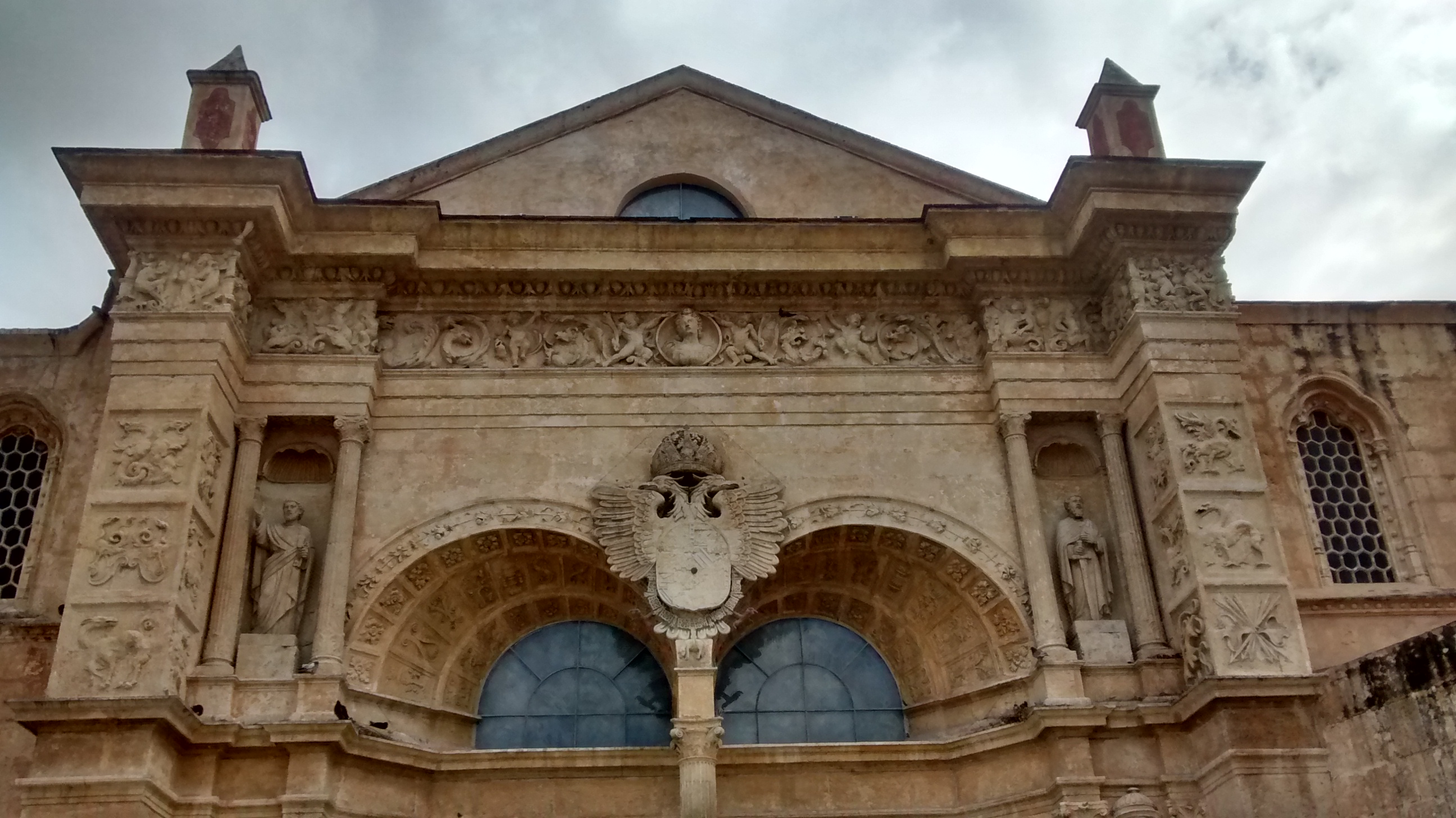
The first cathedral in the Western Hemisphere.
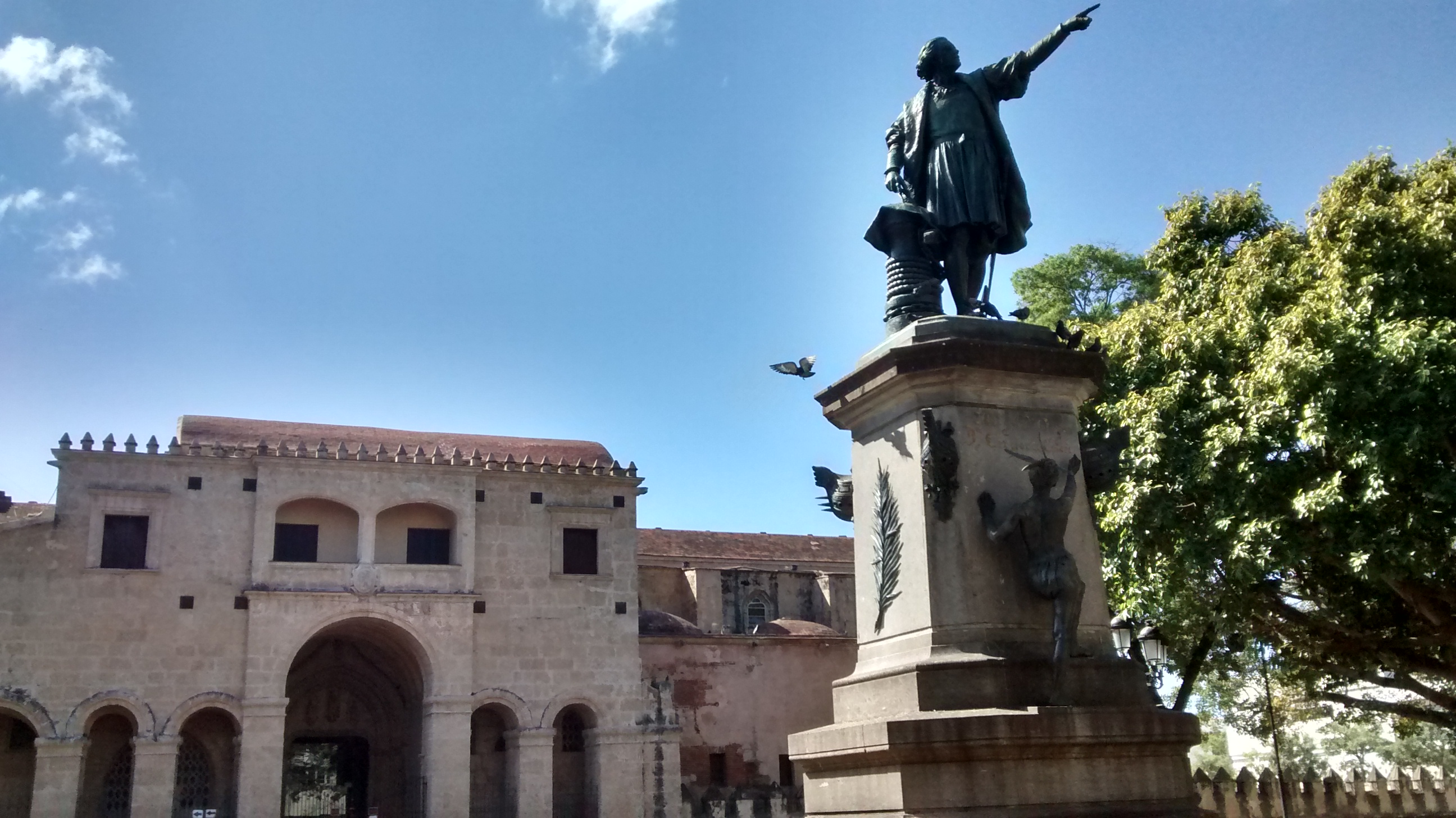
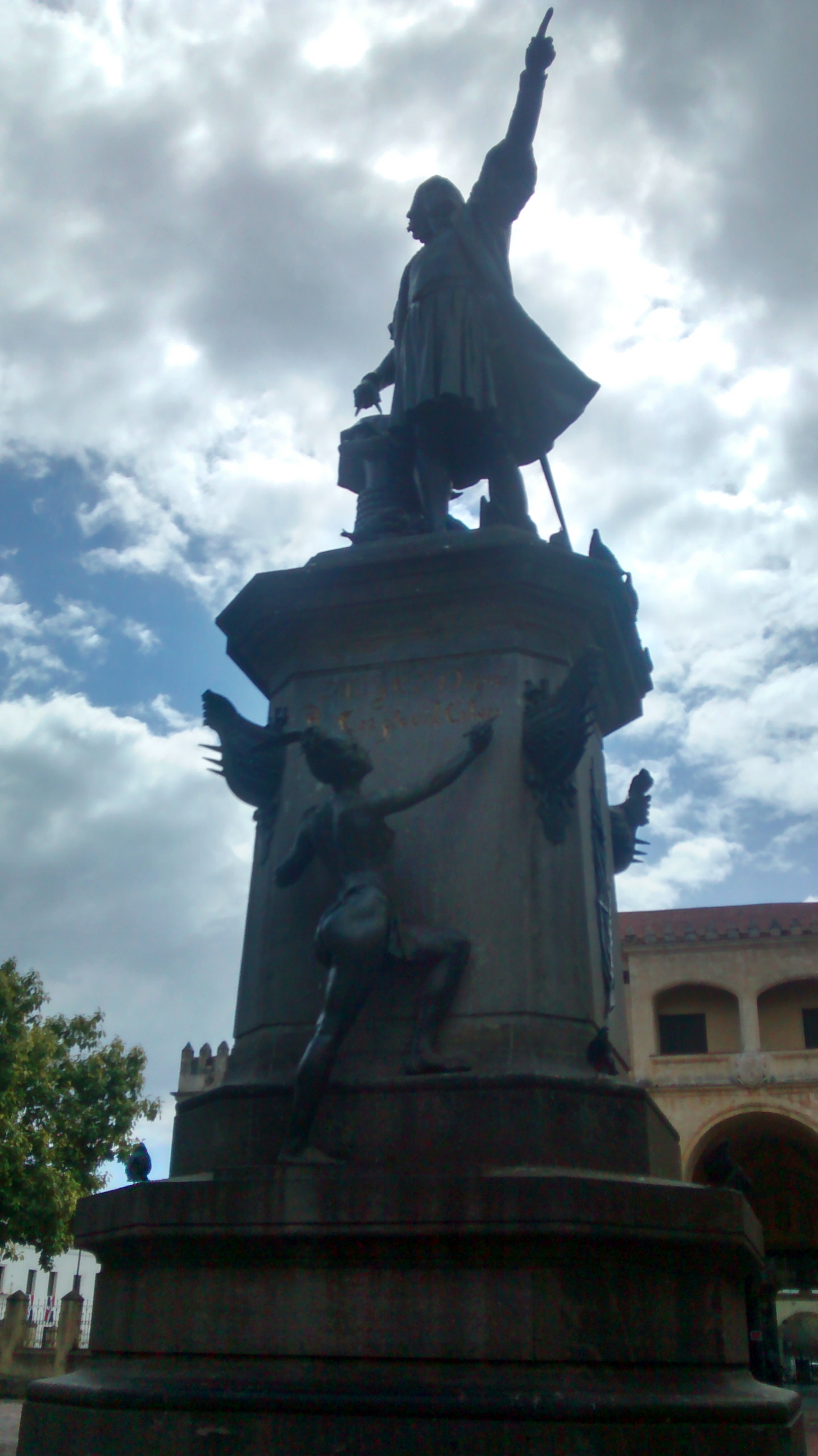
And in the plaza, it’s the old boy himself, pointing the way north to Puerto Plata and the silver ships, eyes as ever on the prize.
The woman on the pillar represents Anacoana, the first indigenous person to be taught to write Latin script.
Ladies and gentlemen, guys and girls, welcome to the Ground Zero of European colonialism.
Now, this is all a bit sensitive of course.
If you’re of one opinion, you might see Columbus as a hero, sailing out into the unknown on nothing more than a hunch about how to get to India, and ending up finding a whole new continent, leading to an age of heroic exploration that created the modern world. No Columbus – no Apollo 11, no Android or WordPress, no global popular culture, no Latin America. And, most importantly, no Messi.
On the other hand, this brave new world was skin-colour-coded. Anyone on the wrong side of the line faced exploitation, plunder, slavery, genocide, and unyielding impoverishment and discrimination that menaces the human race to this day. And even then those humans were lucky, compared to the rest of the natural world.
I get the feeling that the locals are proud of the antiquity of this first colony, not to mention the boon to tourism. But they’re also aware and proud of the people who were here first – the Taino people who met the three ships but who would later be “disappeared”.
I think our next stop will deal with the questions around Columbus’s legacy in a way that will satisfy both the traditionalists and the anti- colonialists. Let’s see if you agree!
 orwellianTwo
Leave a comment